in Thoreau’s Journal

I pluck the blossom of the milkweed….& find how sweet it smells.
in Thoreau’s Journal
I pluck the blossom of the milkweed….& find how sweet it smells.
in Thoreau’s Journal
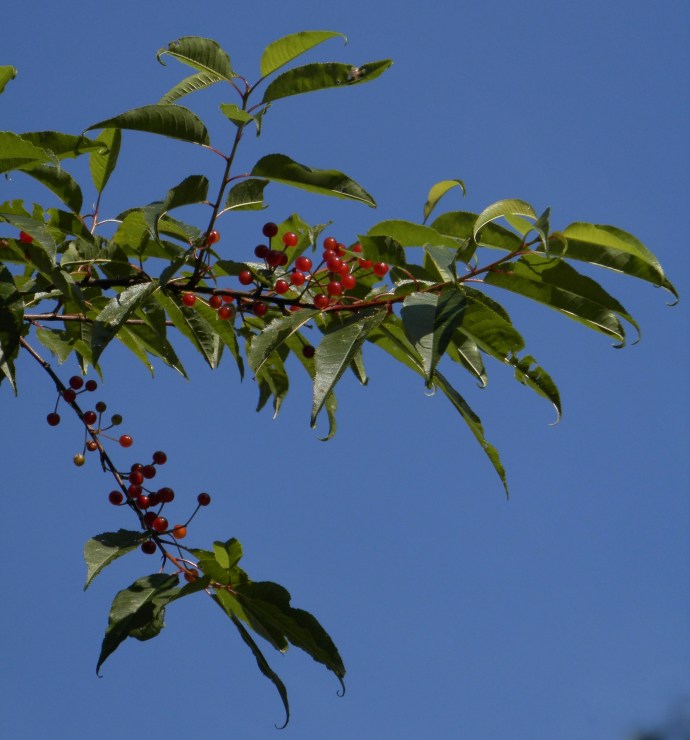
Northern wild red cherry ripe ap some days.
in Thoreau’s Journal
The red lily with its torrid color and sun-freckled spots, dispensing, too, with the outer garment of a calyx, its petals so open and wide apart that you can see through it in every direction, tells of hot weather.

It is of a handsome bell shape, so upright, and the flower prevails over every other part. It belongs not to spring.
in Thoreau’s Journal
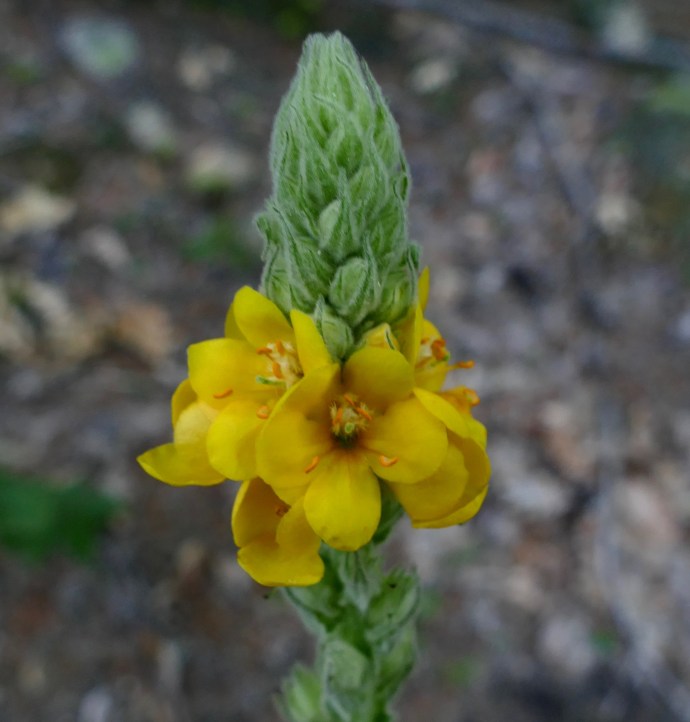
Here are mulleins covering a field (the Clam shell field) where 3 years were none noticeable—but a smooth uninterrupted pasture sod, 2 years ago it was ploughed for the first time for many years & Millet & corn & potatoes planted—and now where the millet grew these mulleins have sprung up.
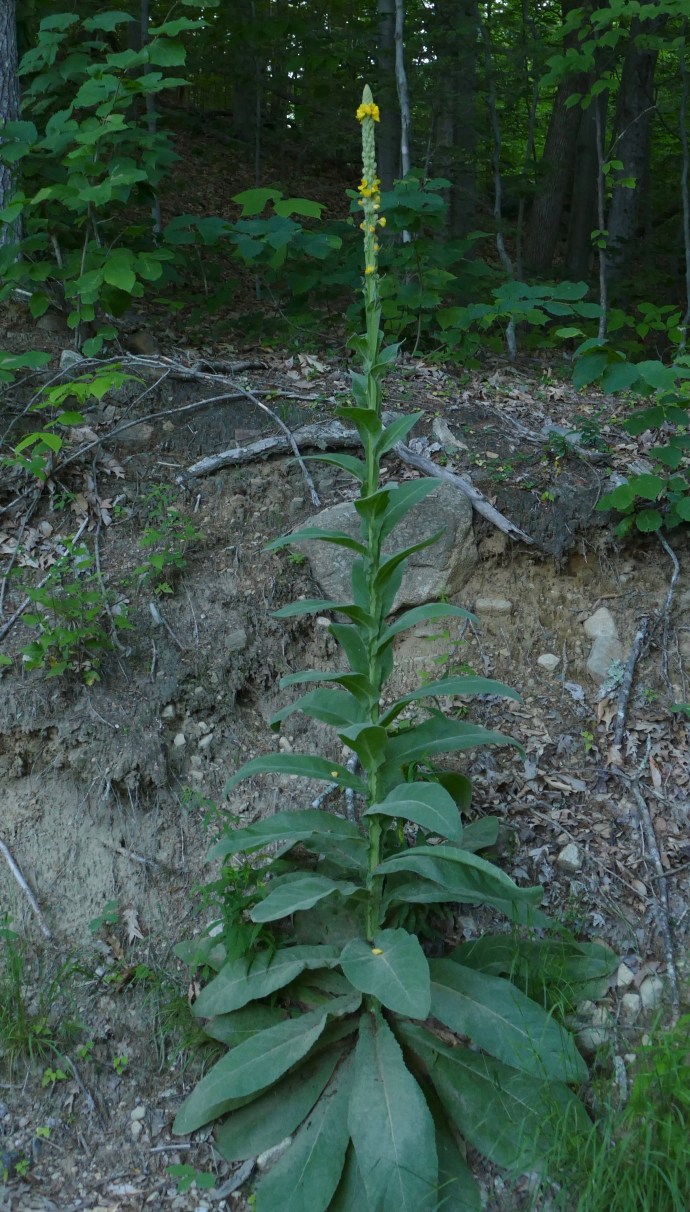
Who can write the history of these fields? The millet does not perpetuate itself, but the few seeds of the mullein which perchance were brought here with it, are still multiplying the race.
in Thoreau’s Journal
One of those mornings which usher in no day, but rather an endless morning, a protracted auroral season, for clouds prolong the twilight the livelong day.
Now that there is an interregnum in the blossoming of the flowers, so is there in the singing of the birds….

Be ever so little distracted, your thoughts so little confused, your engagements so few, your attention so free, your existence so mundane, that in all places and in all hours, you can hear the sound of crickets in those seasons when they are to be heard.
I can express adequately only the thought which I love to express.
in Thoreau’s Journal:
To Beck Stow’s thence to Sawmill Brook, and return by Walden. ––– Now for the shade of oaks in pastures. The witnesses attending court sit on the benches in the shade of the great elm. The cattle gather under the trees. The pewee is heard in the heat of the day, and the red-eye (?). The pure white cymes (?) of the elder are very conspicuous along the edges of meadows, contrasting with the green above and around….


in Thoreau’s Journal:
The progress of the season is indescribable. It is growing warm again, but the warmth is different from that we have had. We lie in the shade of a locust-tree. Haymakers go by in a hay-rigging. I am reminded of berrying.
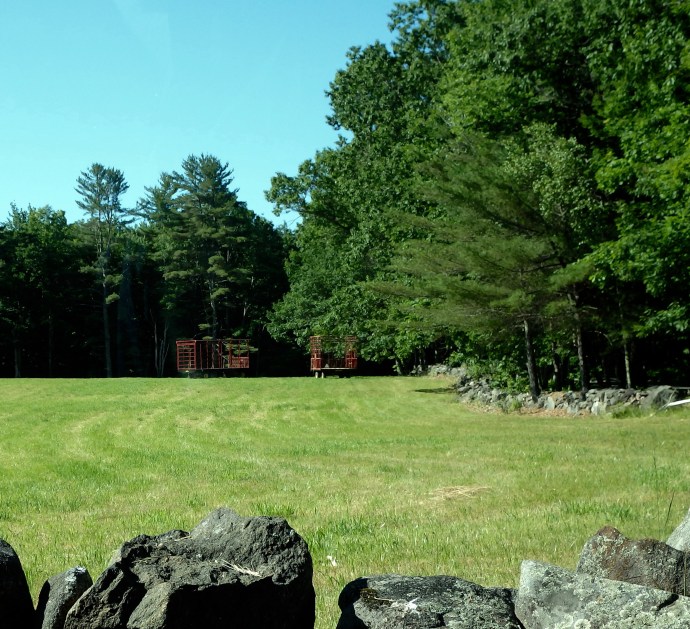
I scent the sweet fern and the dead or dry pine leaves. Cherry-birds alight on a neighboring tree. The warmth is something more normal and steady. Nature offers fruits now as well as flowers. We are have become accustomed to the summer. It has acquired a certain eternity. The earth is dry. Perhaps the sound of the locust expresses the season as well as anything. I might make a separate season of those days then the locust is heard. That is our torrid zone. The dryness and heat are necessary for the maturing of fruits.
in Thoreau’s Journal

We may well neglect many things, provided we overlook them.
in Thoreau’s Journal
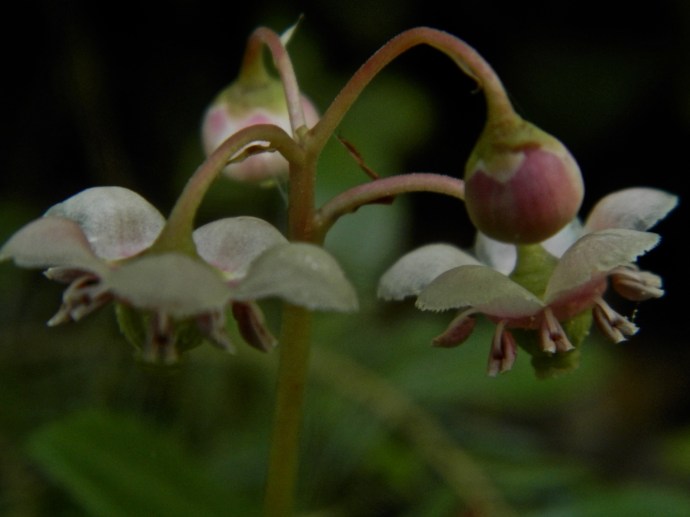
The chimaphila umbellata winter-green must have been in blossom some time. The back side of its petals “cream colored tinged with purple” which is turned towards the beholder while the face is toward the earth—is the handsomest.
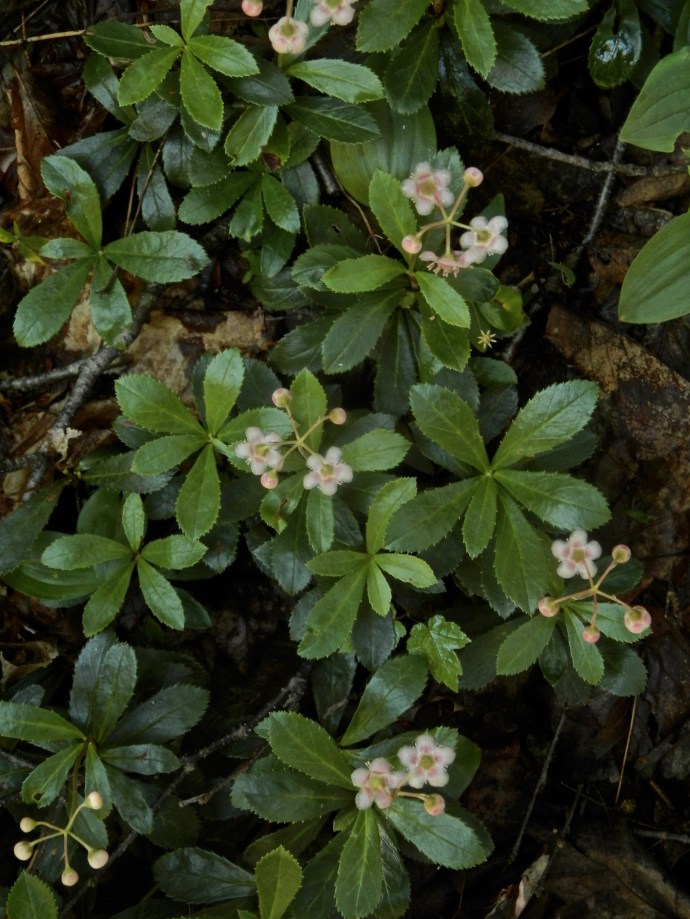
It is a very pretty little chandelier of a flower fit to adorn the forest floor. Its buds are nearly as handsome (They appear long in unfolding).
in Thoreau’s Journal
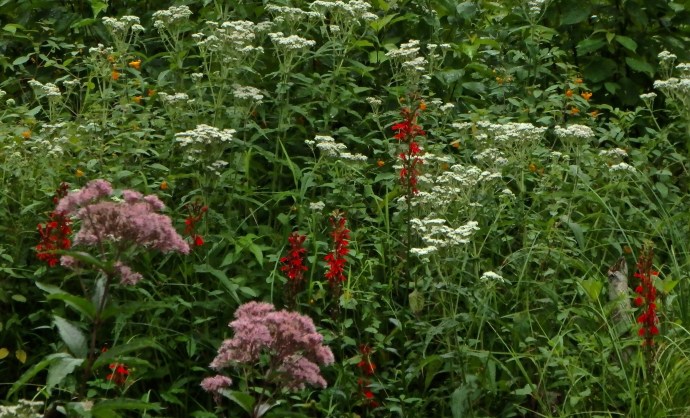
I am confident that there can be nothing so beautiful in any cultivated garden with all its varieties as this wild clump….
in Thoreau’s Journal

Roses are in their prime now, growing amid huckleberry bushes, ferns, and sweet ferns, especially about some dry pond hole, some paler, some more red….
 allandibiase.com
You must be logged in to post a comment.