in Thoreau’s Journal:
A pure brook is a very beautiful object to study minutely….
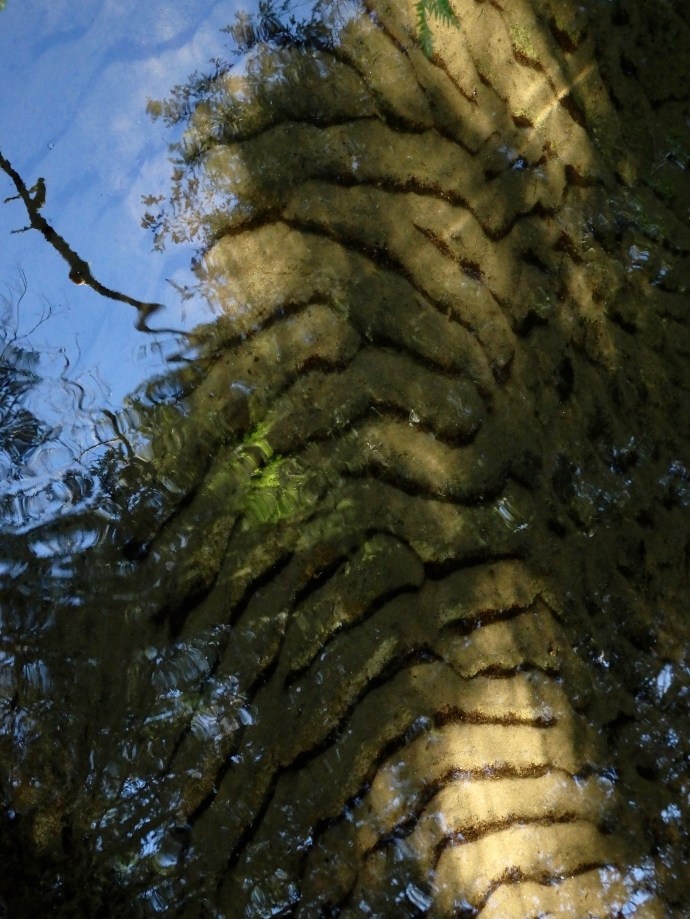
Everything is washed clean and bright and the water is the best glass through which to see it.
in Thoreau’s Journal:
Why are some maples now in blossom so much redder than others.
in Thoreau’s Journal:
We go seeking the south sides of hills and woods, or deep hollows to walk in, this cold and blustering day. We sit by the side of little Goose Pond to watch the ripples on it. Now it is merely smooth, and then there drops down upon it, deep as it lies amid the hills, a sharp and narrow blast of the icy north wind careering above, striking it perhaps by a point or an edge, and swiftly speeding along it, making a dark blue ripple…
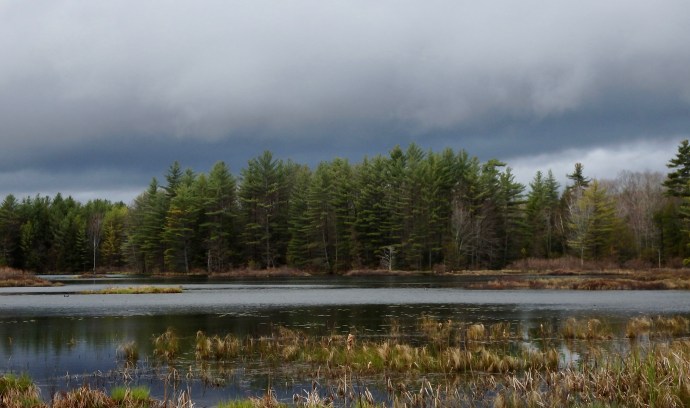
You could sit there and watch these blue shadows playing over the surface like light and shade on changeable silk, for hours…Watching the ripples fall and dark across the surface of low-lying and small woodland lakes is one of the amusements of these windy March and April days.
in Thoreau’s Journal:
The epigea is not quite out.

The earliest peculiarly woodland herbaceous flowers are epigea, anemone, thalictrum and (by the first of May) Viola pedata. These grow quite in the woods amid dry leaves, nor do they depend so much on water as the very earliest flowers.
in Thoreau’s Journal:
We were but just able to get under the stone arches by lying flat and pressing our boat down, after breaking up a large cake of ice which had lodged against the upper side. Before we get to Clamshell, see Melvin ahead scare up two black ducks, which make a wide circuit to avoid both him and us. Sheldrakes pass also, with their heavy bodies.
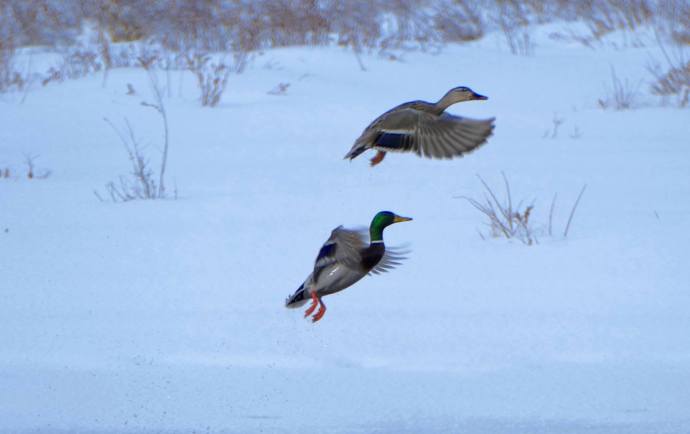
in Thoreau’s Journal:
The aspect of April waters, smooth and commonly high, before many flowers (none yet) or any leafing while the landscape is still russet, and frogs are just awakening, is peculiar.
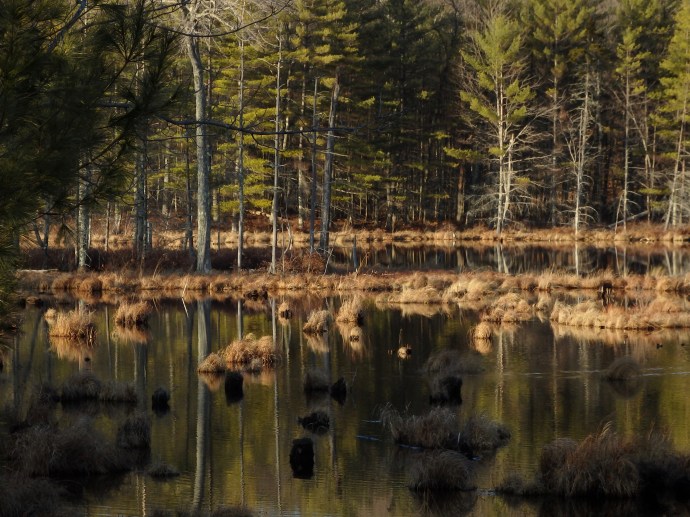
in Thoreau’s Journal:
One thing I may depend on, there has been no idling with the flowers.
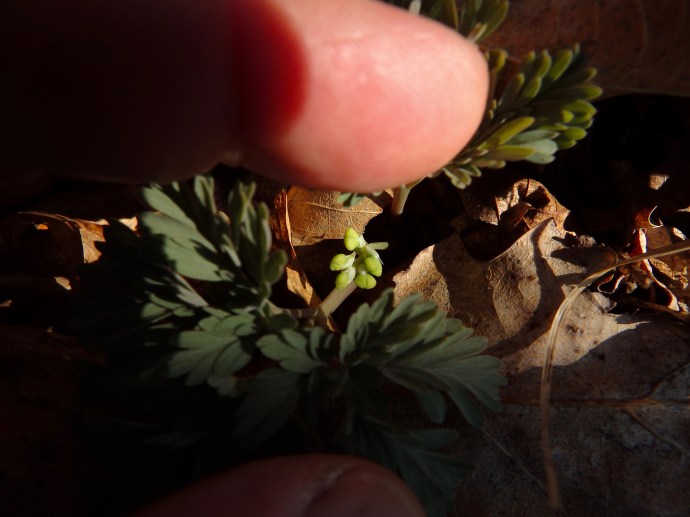
Nature loses not a moment, takes no vacation. They advance as steadily as a clock.
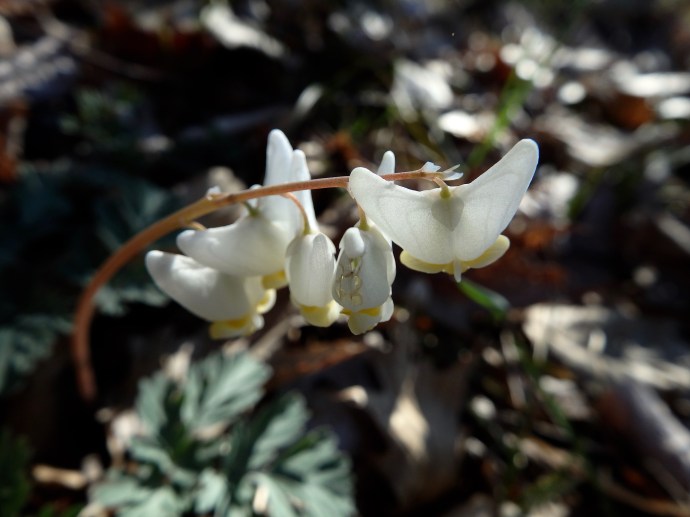
in Thoreau’s Journal:
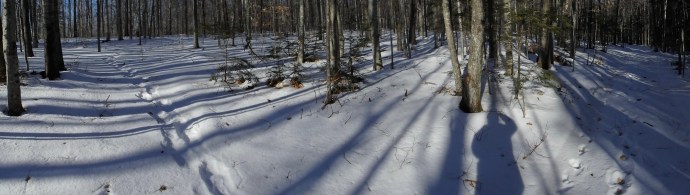
The atmosphere of morning gives a healthy hue to our prospects.
in Thoreau’s Journal:
When I have been out thus the whole day, and spend the whole afternoon returning, it seems to me pitiful and ineffectual to be out, as usual, only in the afternoon, —as if you had come late to a feast, after your betters had done. The afternoon seems at best a long twilight after the fresh and bright forenoon.
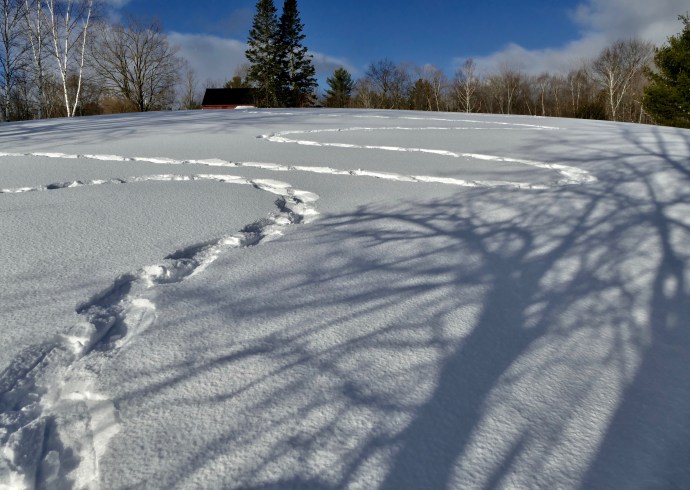
in Thoreau’s Journal:
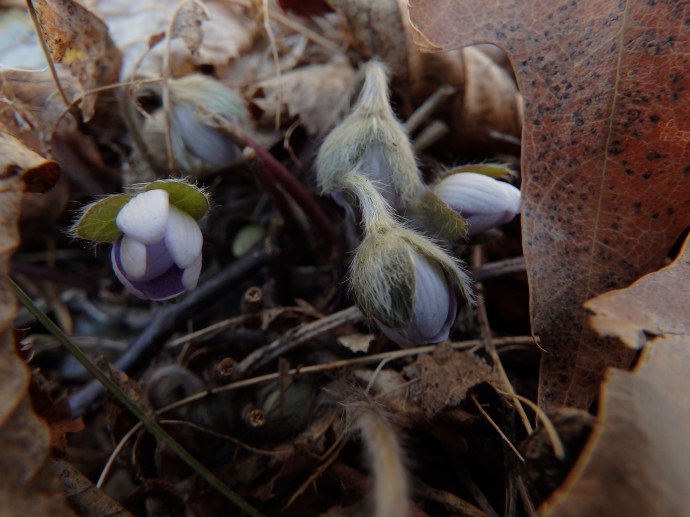
It is evident that it depends on the character of the season whether this flower or that is the most forward, whether there is more or less snow, or cold, or rain, etc.
in Thoreau’s Journal:
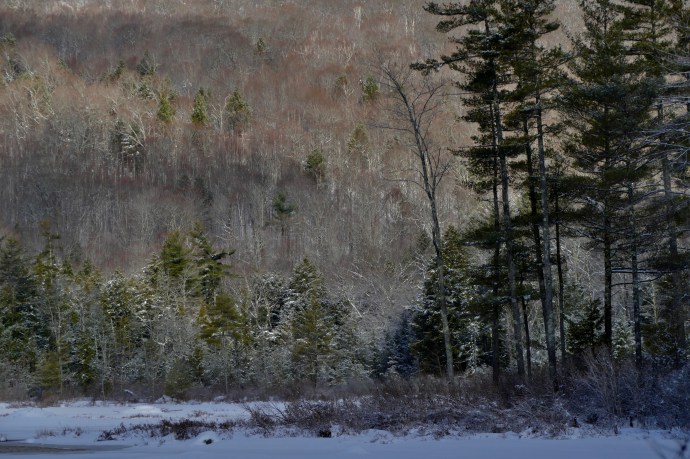
Walden is all white ice, but little melted about the shore.
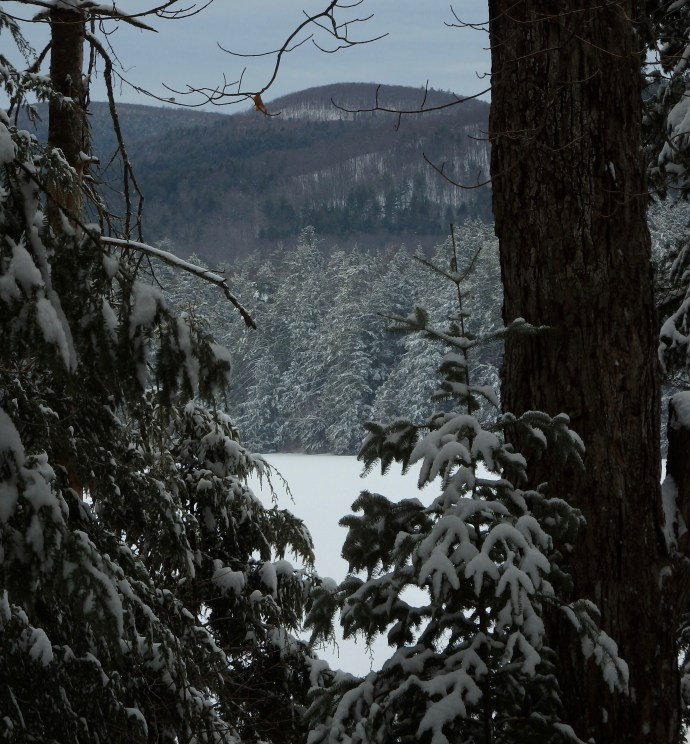
The very sight of it when I get so far on the causeway, though I hear the spring note of the chickadee from over the ice, carries my thoughts back at once some weeks toward winter, and a chill comes over them.
 allandibiase.com
You must be logged in to post a comment.