December 11, 1854

in Thoreau’s Journal:

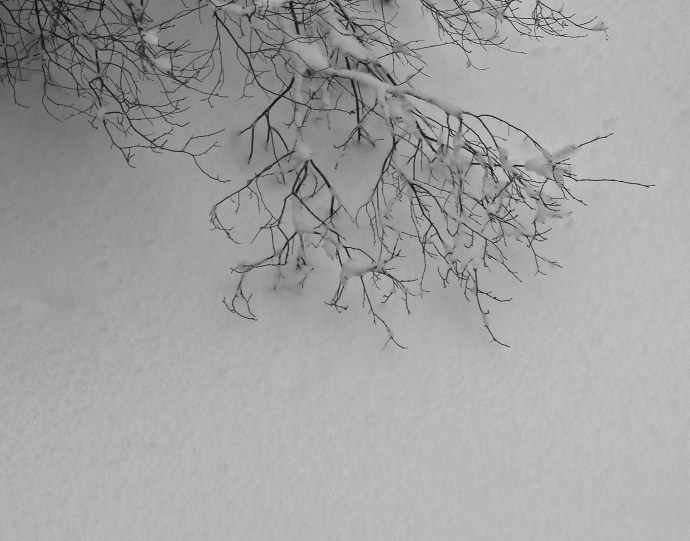
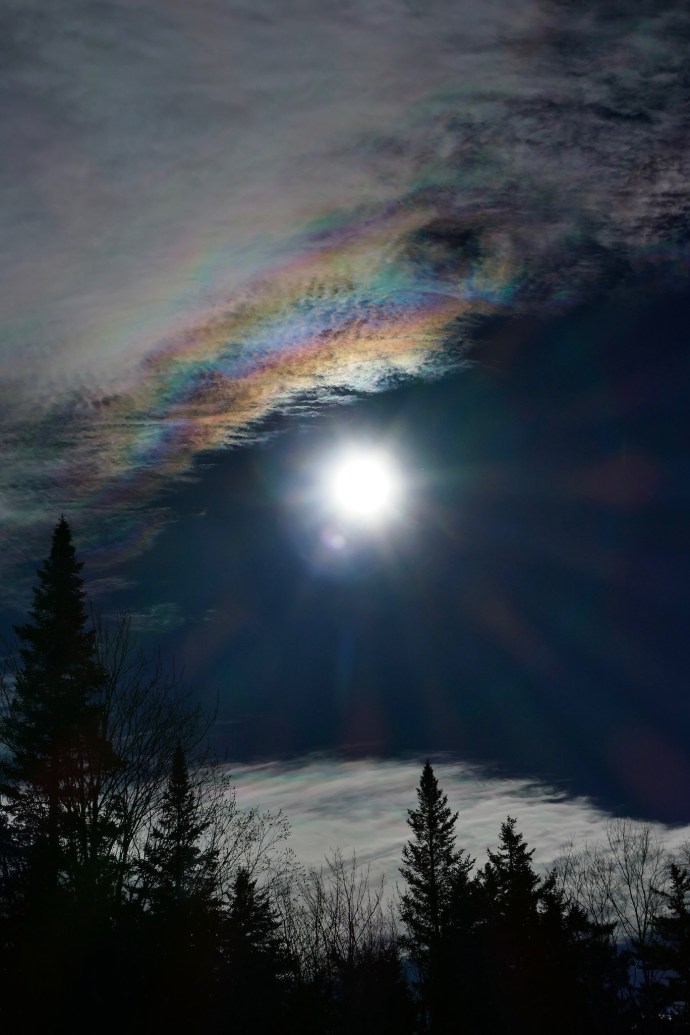
To perceive freshly, with fresh senses is to be inspired. Great winter itself looked like a precious gem reflecting rainbow colors from one angle. My body is all sentient. As I go here or there, I am tickled by this or that I come into contact with, as if I touched the wires of a battery. I can generally recall, have fresh in my mind, several scratches last received. These I continually recall to mind, reimpress and harp upon.
P1120232.jpg

The ago of miracles is each moment thus returned; now it is wild apples, now river reflections, now a flock of red-polls. In winter too, resides immortal youth and perennial summer.

December 9, 1856

 in Thoreau’s Journal:

PC220017.jpg

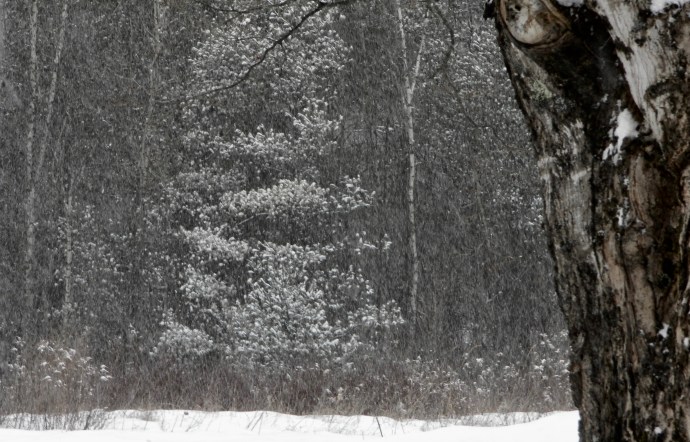
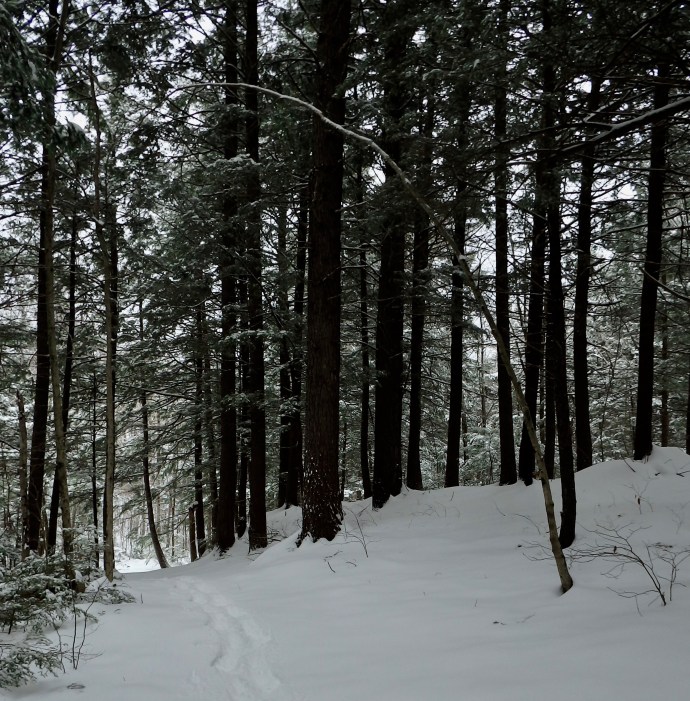
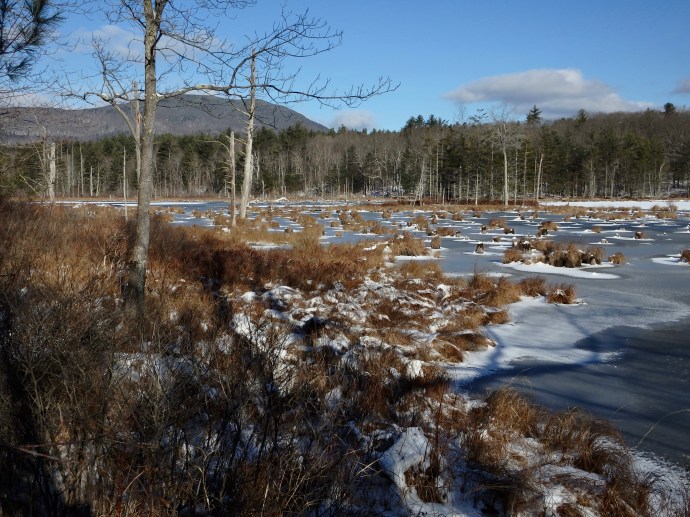
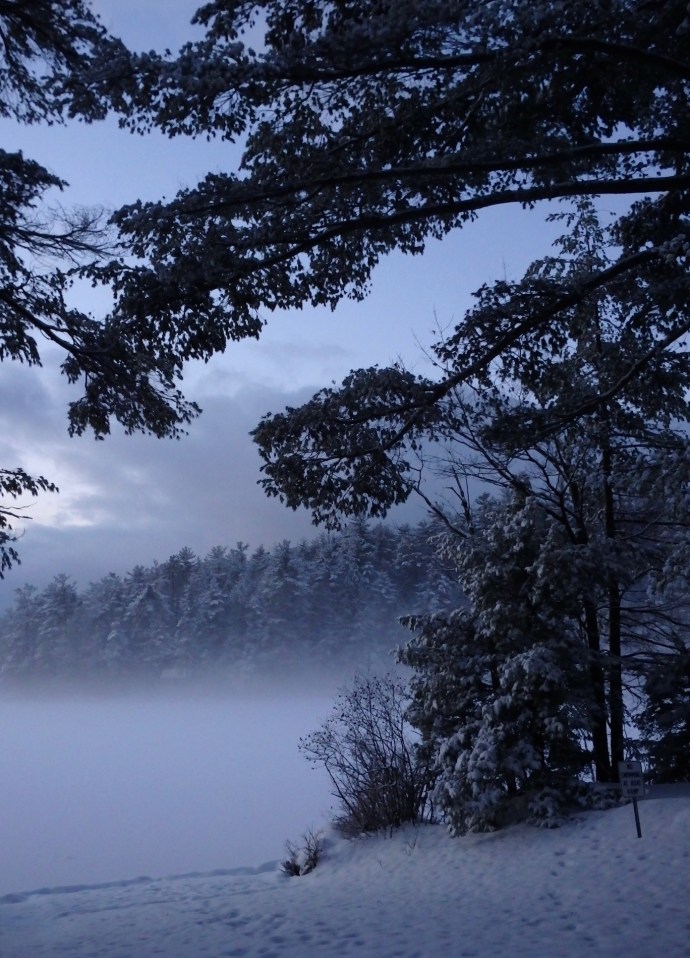
A bewitching stillness reigns through all the woodland, and over all the snow-clad landscape. Indeed, the winter day in the woods or fields has commonly the stillness of twilight. The pond is perfectly smooth and full of light.

December 8, 1850

 in Thoreau’s Journal:

PC170001.jpg
 

…the ground is now covered; our first snow, two inches deep….I am struck by this sudden solitude and remoteness which these places have acquired.

PC120026.jpg

December 7, 1856

in Thoreau’s Journal:

That grand old poem called Winter is round again without any connivance of mine….It was summer, and now again it is winter.

170101.jpg

Nature loves this rhyme so well that she never tires of repeating it.

December 6, 1856

 in Thoreau’s Journal:

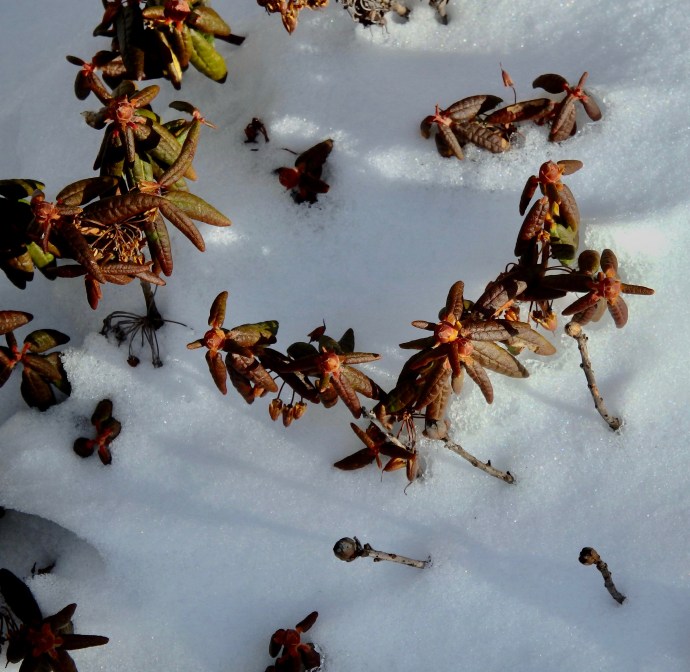
On all sides, in swamps and about their edges and in the woods, the bare shrubs are sprinkled with buds, more or less noticeable and pretty, their little gemmæ or gems, their most vital and attractive parts now, almost all the greenness and color left, greens and salads for the birds and rabbits. Our eyes go searching along the stems for what is most vivacious and characteristic, the concentrated summer gone into winter quarters.

crawford.jpg

For we are hunters pursuing the summer on snow-shoes and skates, all winter long. There is really but one season in our hearts.

December 5

 in Thoreau’s Journal:

December 5, 1852

P1120127 2.jpg

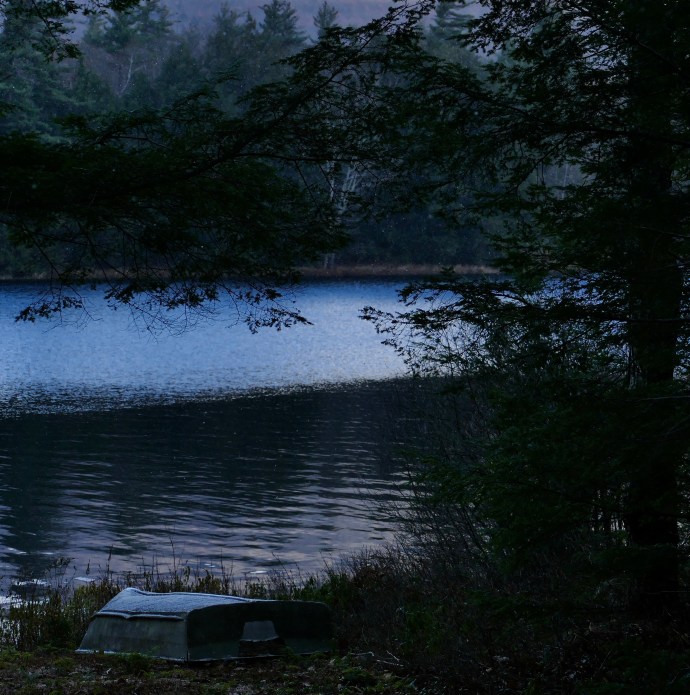
Rowed over Walden! A dark, but warm, misty day, completely overcast.


December 5, 1856

I love best to have each thing in its season only, and enjoy doing without it at all other times. It is the greatest of all advantages to enjoy no advantage at all.

moreorless.jpg

I find it invariably true, the poorer I am, the richer I am.

December 4

in Thoreau’s Journal:

1856:  I love the few homely color of nature at this season, her strong, wholesome browns, her sober and primeval grays, her celestial  blue, her vivacious green, her pure cold snowy white.

PC110006.jpg

1859:  Awake to winter, and snow two or three inches deep, the first snow of any consequence.

December 3, 1856

in Thoreau’s Journal:

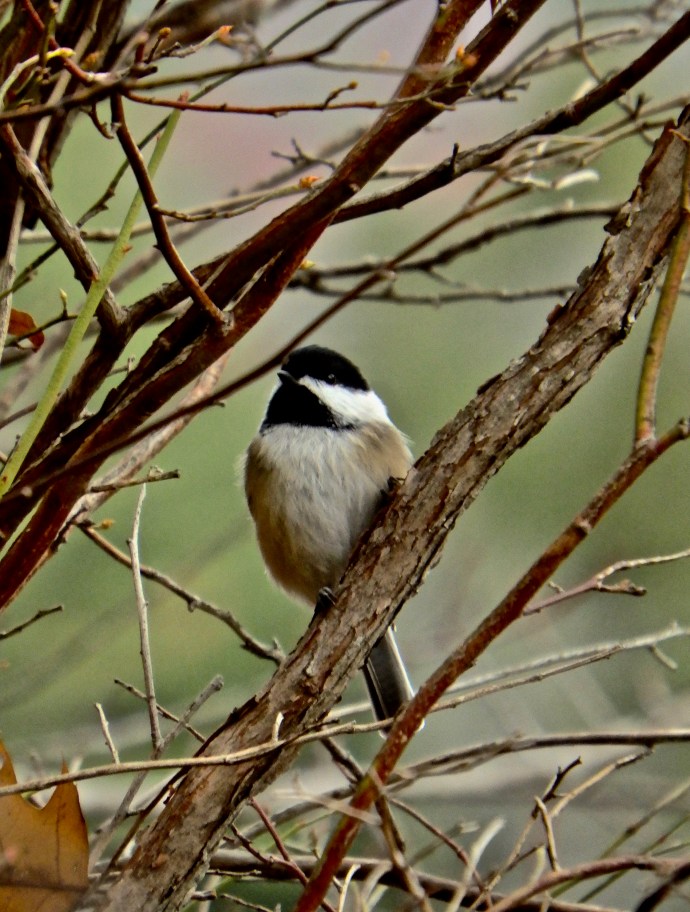
Six weeks ago I noticed the advent of chickadees and their winter habits. As you walk along a woodside, a restless little flock of them, whose notes you hear at a distance, will seem to say, “Oh, there he goes, let’s pay our respects to him!”

PB070041.jpg

and they will flit after and close to you and naively peck at the nearest twig to you, as if they were minding their own business all the while, without any reference to you.

December 2, 1853

in Thoreau’s Journal:

Look at the trees, bare or rustling with sere brown leaves, except the evergreens; the buds dormant at the foot of the leaf-stalks; look at the fields, russet and withered, and the various sedges and weeds with dry bleached culms: such is our relation to nature at present, such plants are we.

PC060081.jpg

We have no more sap, nor verdure, nor color now. I remember how cheerful it has been formerly to sit round a fire outdoors amid the snow, and while I felt some cold, to feel some warmth also, and see the fire gradually increasing and prevailing over damp steaming and dripping logs, and making a warm hearth for me. Even in winter we maintain a temperate cheer, a serene inward life not destitute of warmth and melody.

December 1, 1853

in Thoreau’s Journal:

The trees and shrubs which retain their withered leaves through the winter, shrub oaks, and young white red, and black oaks, the lower branches of larger trees of the last mentioned species, hornbeams, young hickories, etc., seem to form an intermediate class between deciduous and evergreen trees. They may almost be called the ever-reds.

PB060012.jpg

Their leaves, which are falling all winter long, serve as a shelter to rabbits and partridges, and other winter birds and quadrupeds. Even the chickadees love to skulk amid them, and peep out from behind them. I hear their faint, silvery, lisping notes, like tinkling glass, and occasionally a sprightly day-day-day, as they inquisitively hop nearer and nearer to me. They are a most honest and innocent little bird, drawing yet nearer to us as the winter advances, and deserve best of all of the walker.