April 10, 1853

 in Thoreau’s Journal:

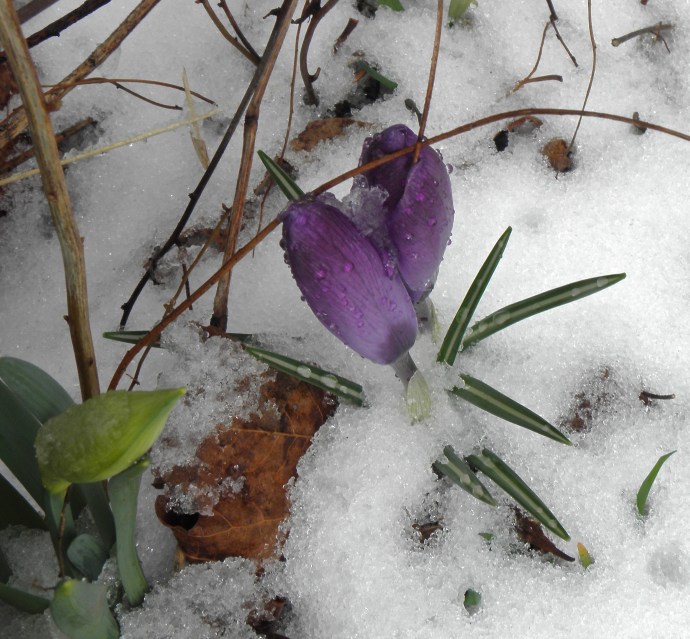
The saxifrage is beginning to be abundant, elevating its flowers somewhat, pure trustful white amid its pretty notched and reddish cup of leaves.

P4210067.jpg

The white saxifrage is a response from the earth to the increased light of the year….

April 9, 1859

in Thoreau’s Journal:

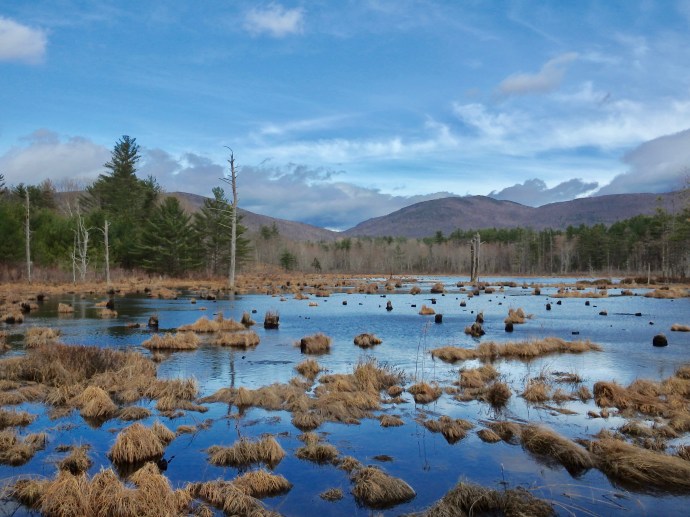
Watching the ripples fall and dart across the surface of low-lying and small woodland lakes is one of the amusements of these windy March and April days….

P4230003.jpg

April 8, 1859

in Thoreau’s Journal:

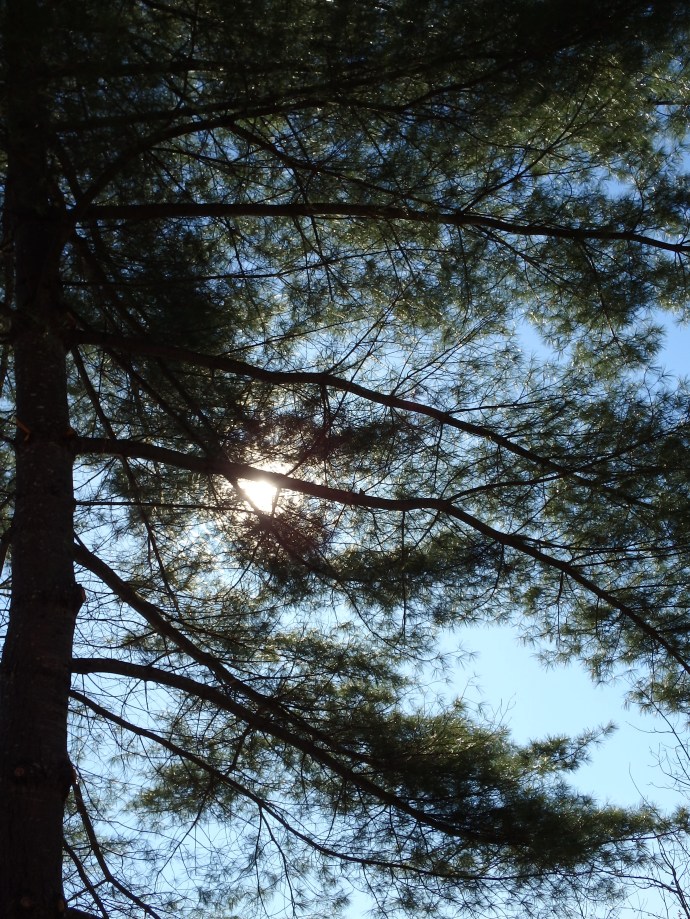
As I stood by the foot of a middling-sized white pine the other day, one of the very windy days, I felt the ground rise and fall under my feet, being lifted by the roots of the pine, which was waving in the wind, so loosely are they planted.

P4230032.jpg

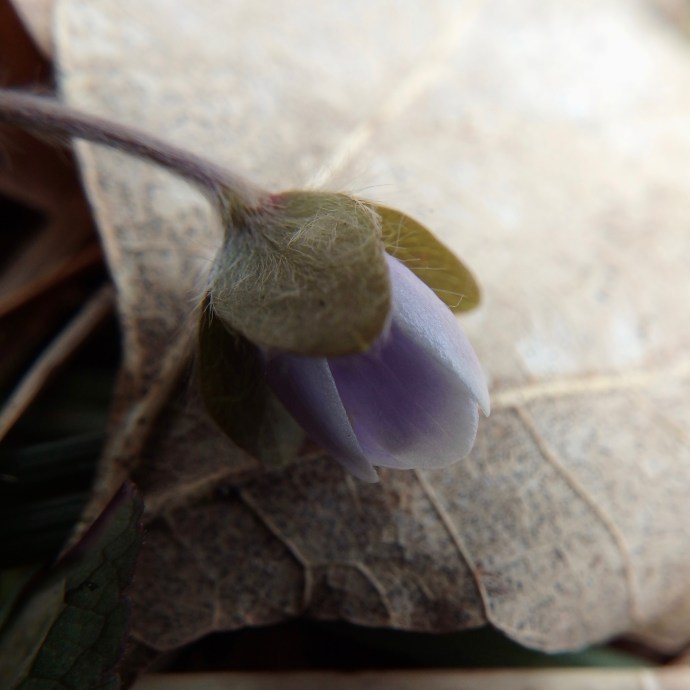
The epigea is not quite out.

P4100001.jpg

April 7, 1855

 in Thoreau’s Journal:  

As to which are the earliest flowers, it depends on the character of the season, and ground bare or not, meadows wet or dry, etc., etc., also on the variety of soils and localities within your reach.

P4190039 2.jpg

April 6, 1853

 in Thoreau’s Journal:

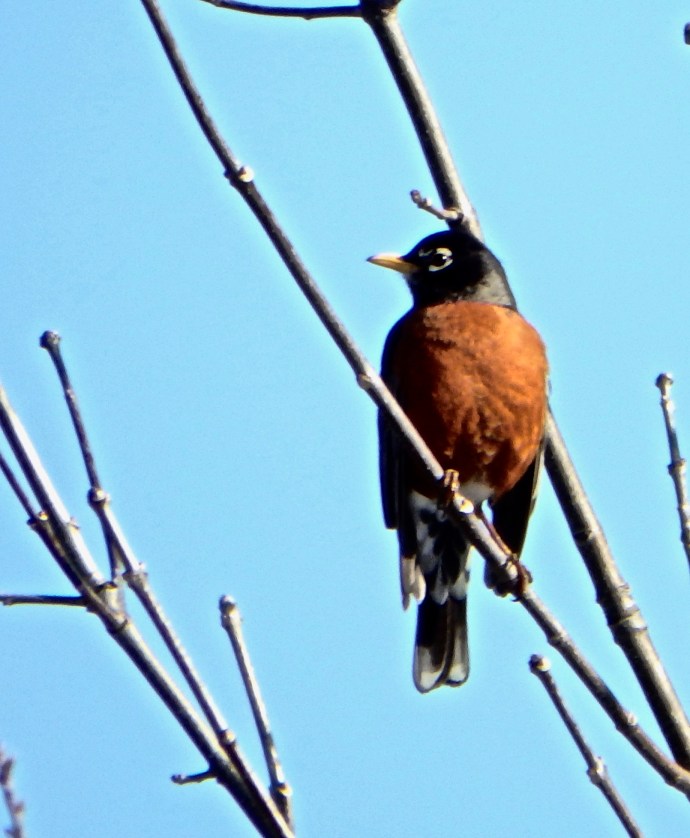
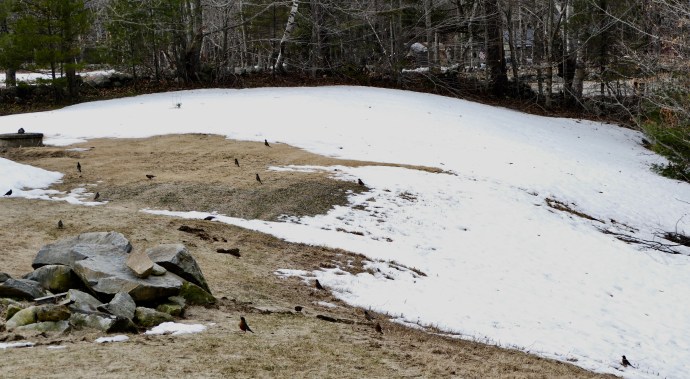
The robin is the singer at present, such is its power and universality being heard in garden and wood.

P4130007.jpg

Morning and evening he does not fail, perched on some elm or the like, and in rainy days it is one long morning or evening.

April 2, 1852

in Thoreau’s Journal:

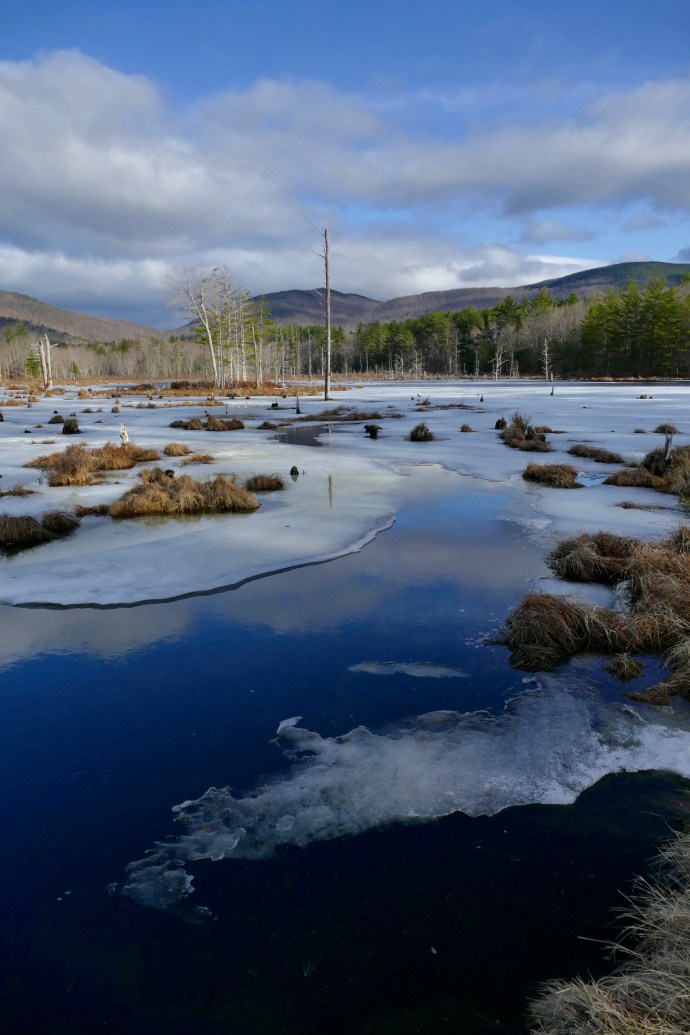
To the river-side and Merrick’s pasture. The sun is up. The water in the meadows is perfectly smooth and placid, reflecting the hills and clouds and trees. The air is full of the notes of birds, song-sparrows, redwings, robins (singing a strain) bluebirds, and I hear also a lark, as if all the earth had burst forth into song. The influence of this April light has reached them, for they live out-of-doors all the night, and there is no danger they will oversleep themselves such a morning.
P1040850.jpg

A few weeks ago, before the birds had come, there came to my mind in the night the twittering sound of birds in the early dawn of a spring morning––a semi-prophecy of it––and last night I attended mentally, as if I heard the spray-like dreaming sound of the mid-summer frog, and realized how glorious and full of revelations it was. The clouds are white, watery, not such as we had in the winter. I see in this fresh morning the shells left by the muskrats along the shore, and their galleries leading into the meadow, and the bright red cranberries washed up along the the shore in the old water-mark. Suddenly there is a blur on the placid surface of the waters, a rippling mistiness produced, as it were, by a slight morning breeze, and I should be sorry to show it to a stranger now. So is it with our minds.

April 1, 1852

 in Thoreau’s Journal:

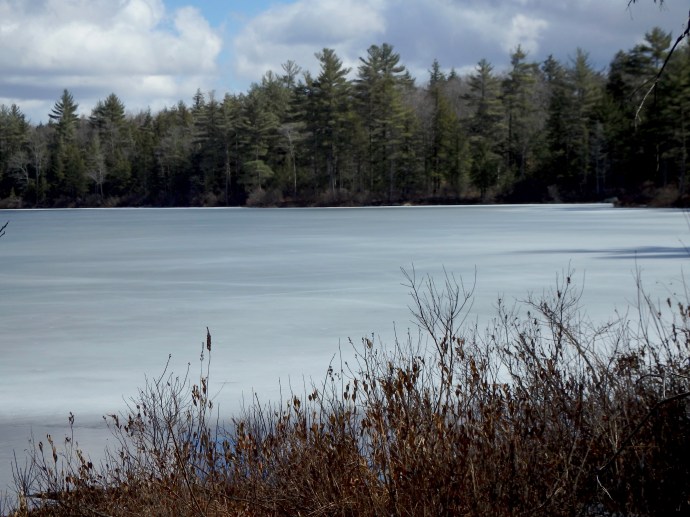
Walden is all white ice, but little melted about the shore.

P3180007.jpg

The very sight of it when I get so far on the causeway, though I hear the spring note of the chickadee from over the ice, carries my thoughts back at once some weeks toward winter, and a chill comes over them.