in Thoreau’s Journal:
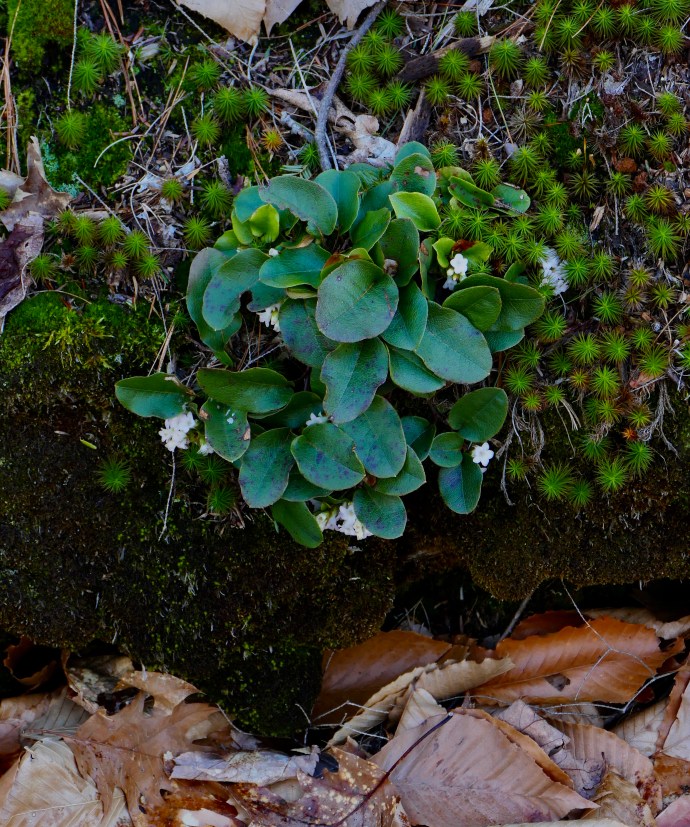
The Saxifrage is beginning to be abundant, elevating its flowers somewhat, pure trustful white amid its pretty notched and reddish cup of leaves.

The white saxifrage is a response from earth to the increased light of the year…
in Thoreau’s Journal:
The Saxifrage is beginning to be abundant, elevating its flowers somewhat, pure trustful white amid its pretty notched and reddish cup of leaves.
The white saxifrage is a response from earth to the increased light of the year…
April 9, 1853 in Thoreau’s Journal:
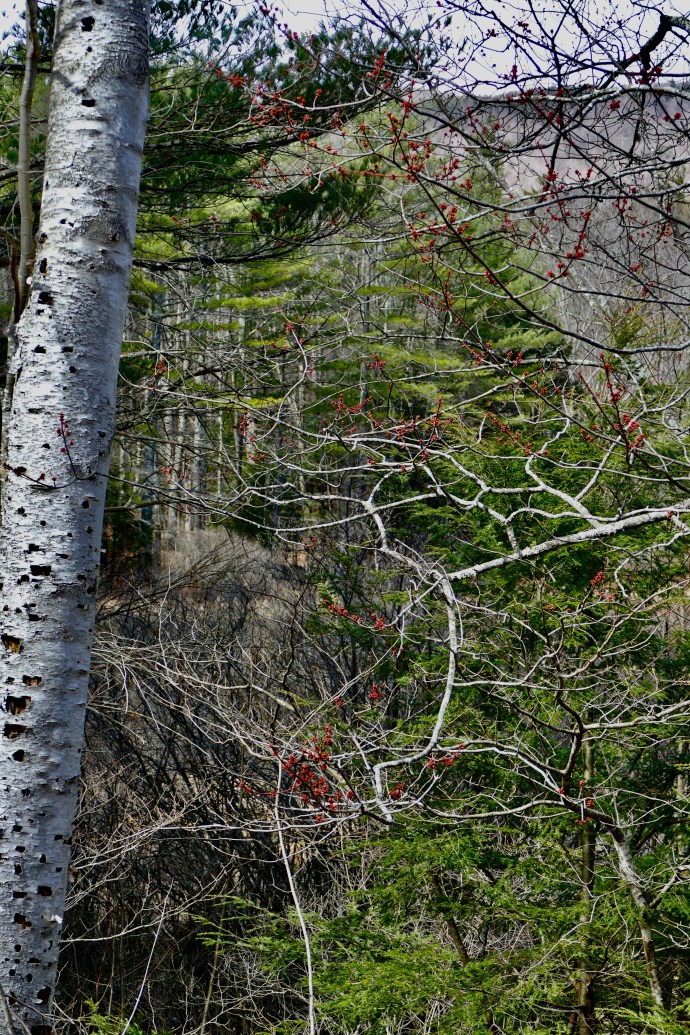
The male red maple buds now show 8 or 10 (counting everything) scales alternately crosswise—& the pairs successively brighter red or scarlet, which will account for the gradual reddening of their tops. They are about ready to open.
in Thoreau’s Journal:
The epigaea is not quite out.
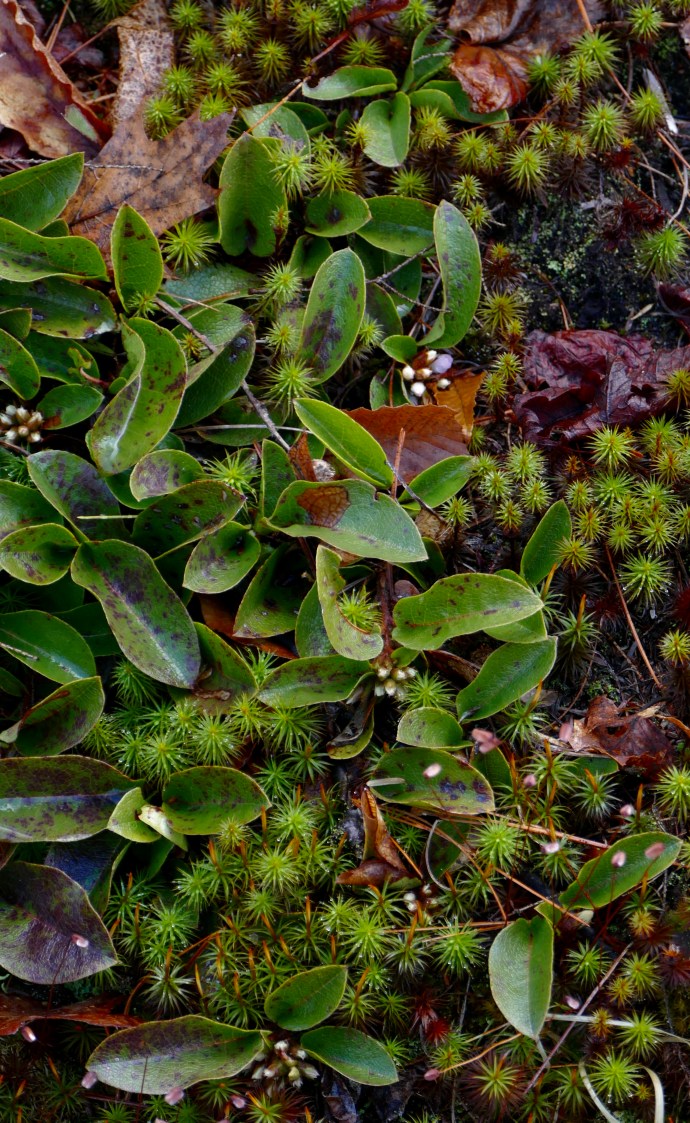
The earliest peculiarly woodland herbaceous flowers are epigaea, thalictrum, and (by the first of May) Viola pedata. These grow quite in the woods amid dry leaves, nor do they depend so much on water as the very earliest flowers. I am perhaps more surprised by the growth of the Viola pedata leaves by the side of paths amid the shrub oaks, and half covered with oak leaves, than by any other growth, the situation is so dry and the surrounding bushes so apparently lifeless.
in Thoreau’s Journal:
As to which are the earliest flowers, it depends on the character of the season, and ground bare or not, meadows wet or dry, etc., etc., also on the variety of soils and localities within your reach.
 in Thoreau’s Journal:
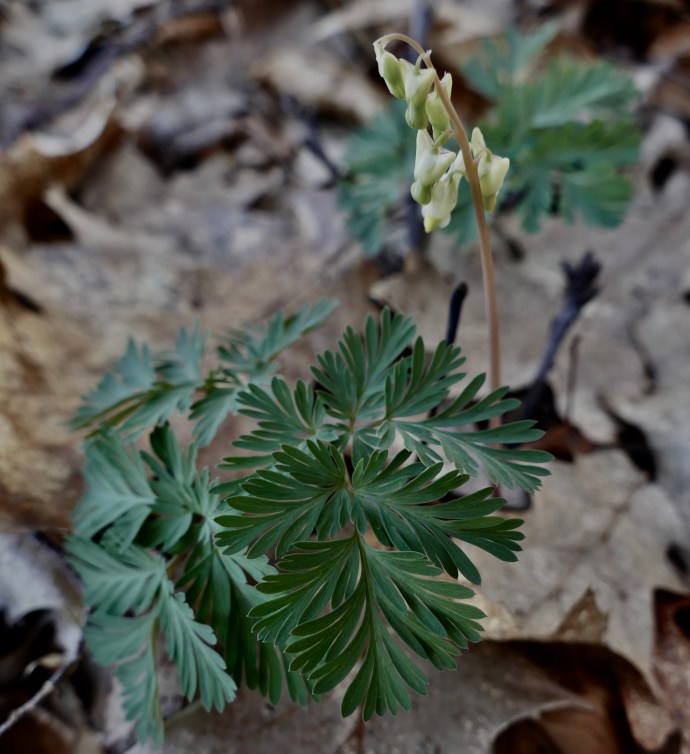
One thing I may depend on, there has been no idling with the flowers. Nature loses not a moment, takes no vacation. They advance as steadily as a clock.

in Thoreau’s Journal:
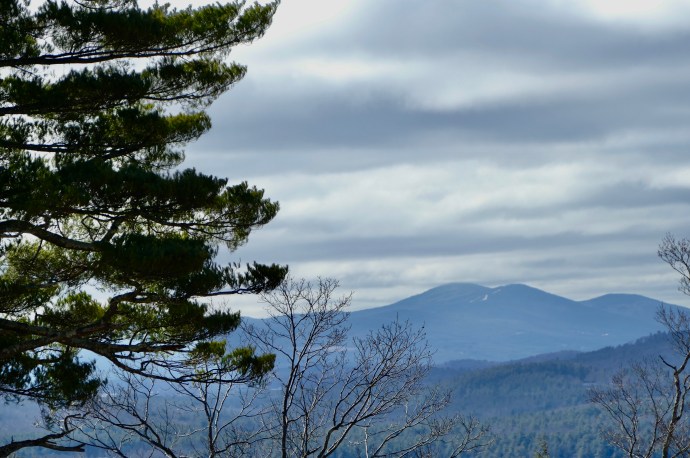
Begin to look off the hills & see the landscape again through a slight haze, with warm wind on the cheek.
in Thoreau’s Journal:
All the earth is bright. the very pines glisten–& the water is a bright blue….
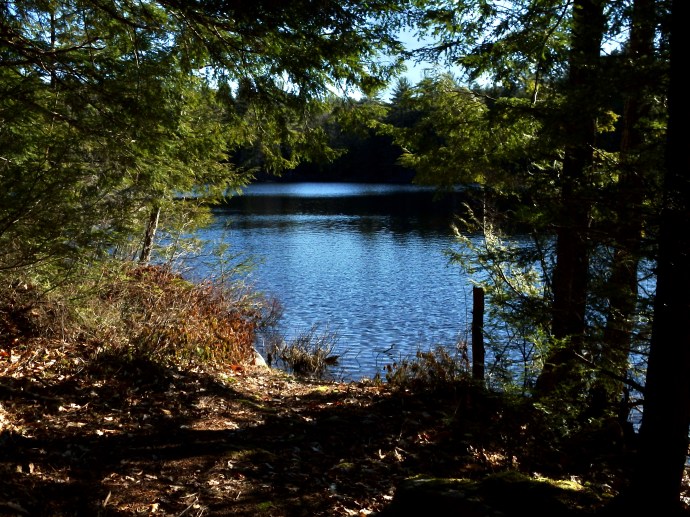
Not only are the evergreens brighter–but the pools–as that upland one behind Lees–the ice as well as snow– about their edges being now completely melted–have a peculiarly warm–watery & bright April look–as if ready to be inhabited by frogs.
 in Thoreau’s Journal:
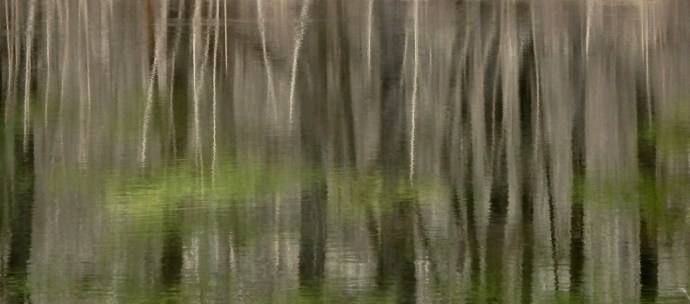
It is surprising how the earth on bare south banks begins to show some greenness in its russet cheeks in this rain and fog—a precious emerald-green tinge—almost like a green mildew, the growth of the night — a green blush suffusing her cheek — heralded by twittering birds. This sight is no less interesting than the corresponding bloom & ripe blush of the fall. How encouraging to perceive again that faint tinge of green, spreading amid the russet on earth’s cheeks! I revive with Nature—her victory is mine.
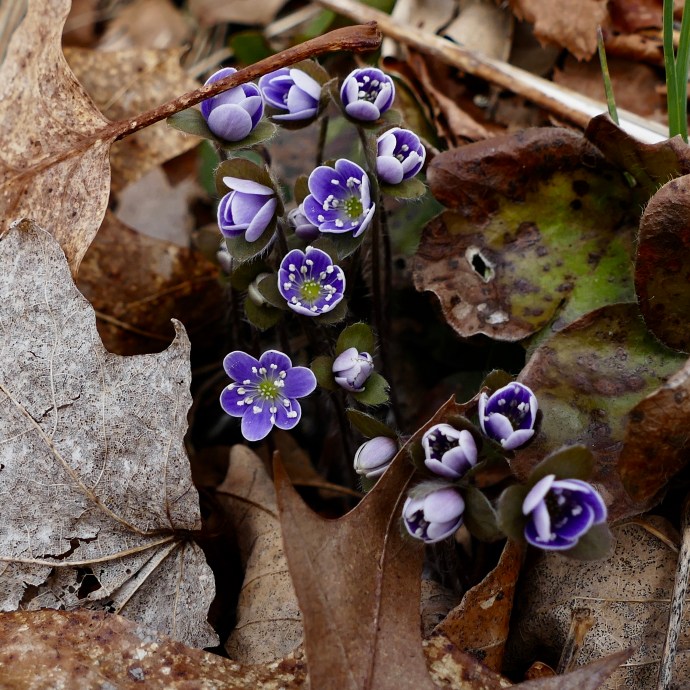
in Thoreau’s Journal:
It is evident that it depends on the character of the season whether this flower or that is the most forward; whether there is more or less snow or cold or rain, etc.
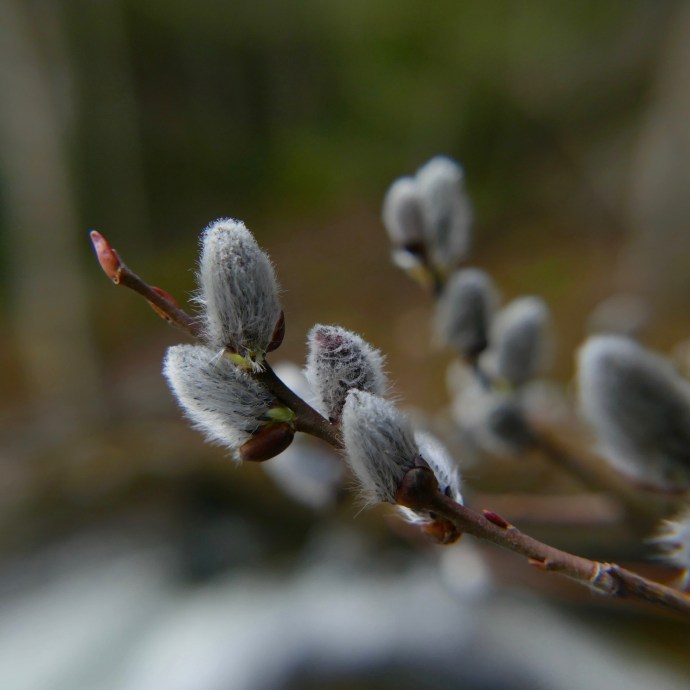
in Thoreau’s Journal:
With this flower, so much more flowerlike or noticeable than any yet—begins a new era in the flower season.
 allandibiase.com
You must be logged in to post a comment.