I was describing, the other day, my success in solitary and distant woodland walking outside the town. I do not go there to get my dinner, but to get that sustenance which dinners only preserve me to enjoy, without which dinners are a vain repetition. But how little men can help me in this, only by having a kindred experience. Of what use to tell them of my happiness. Thus, if ever we have anything important to say, it might be introduced with the remark, it is nothing to you, in particular. It is none of your business, I know. That is what might be called going into good society.
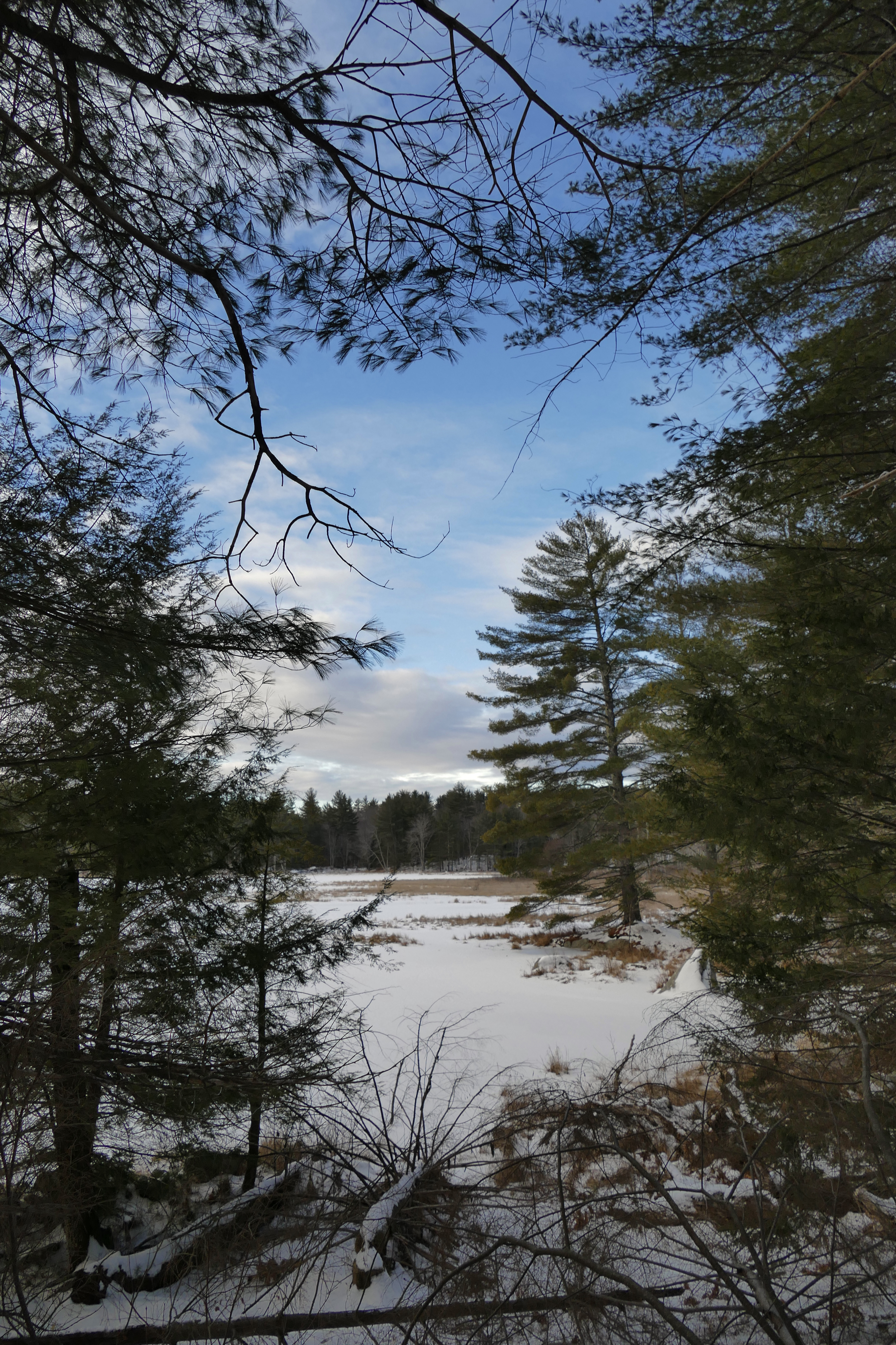
I never chanced to meet with any man so cheering and elevating and encouraging, so infinitely suggestive as the stillness and solitude of the Well Meadow field.
I have met with but one or two persons in the course of my life who understood the art of taking walks daily, —not [to] exercise the legs or body merely, nor barely to recruit the spirits, but positively to exercise both body and spirit, and to succeed to the highest and worthiest ends by the abandonment of all specific ends…
The chivalric and heroic spirit, which once belonged to the chevalier or rider only, seems now to reside in the walker. To represent the chivalric spirit we have no longer a knight, but a walker, errant. I speak not of pedestrianism, or of walking a thousand miles in a thousand successive hours. The Adam who daily takes a turn in his garden. Methinks I would not accept of the gift of life, if I were required to spend as large a portion of it sitting foot up or with my legs crossed, as the shoemakers and tailors do. As well be tied neck and heels together and cast into the sea.
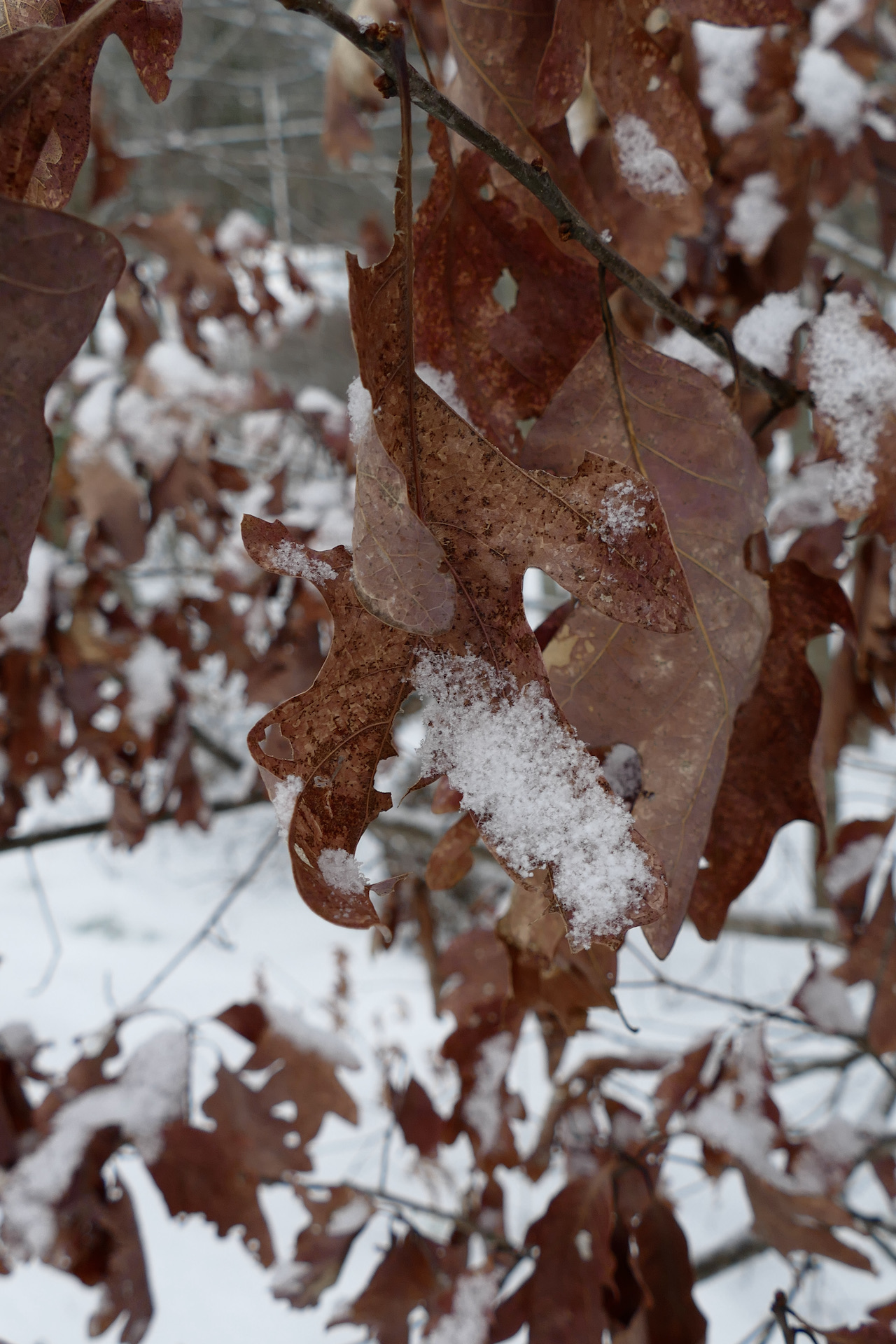
Snows again….The snow is very moist, with large flakes. Looking toward Trilllium wood, the nearer flakes appear to move quite swiftly, often making the impression of a continuous white line. They are also seen to move directly, and nearly horizontally. But the more distant flakes appear to loiter in the air, as if uncertain how they will approach the earth, or even to cross the course of the former, and are always seen as simple and distinct flakes. I think that this difference is simply owing to the fact that the former pass quickly over the field of view, while the latter are much longer in it.
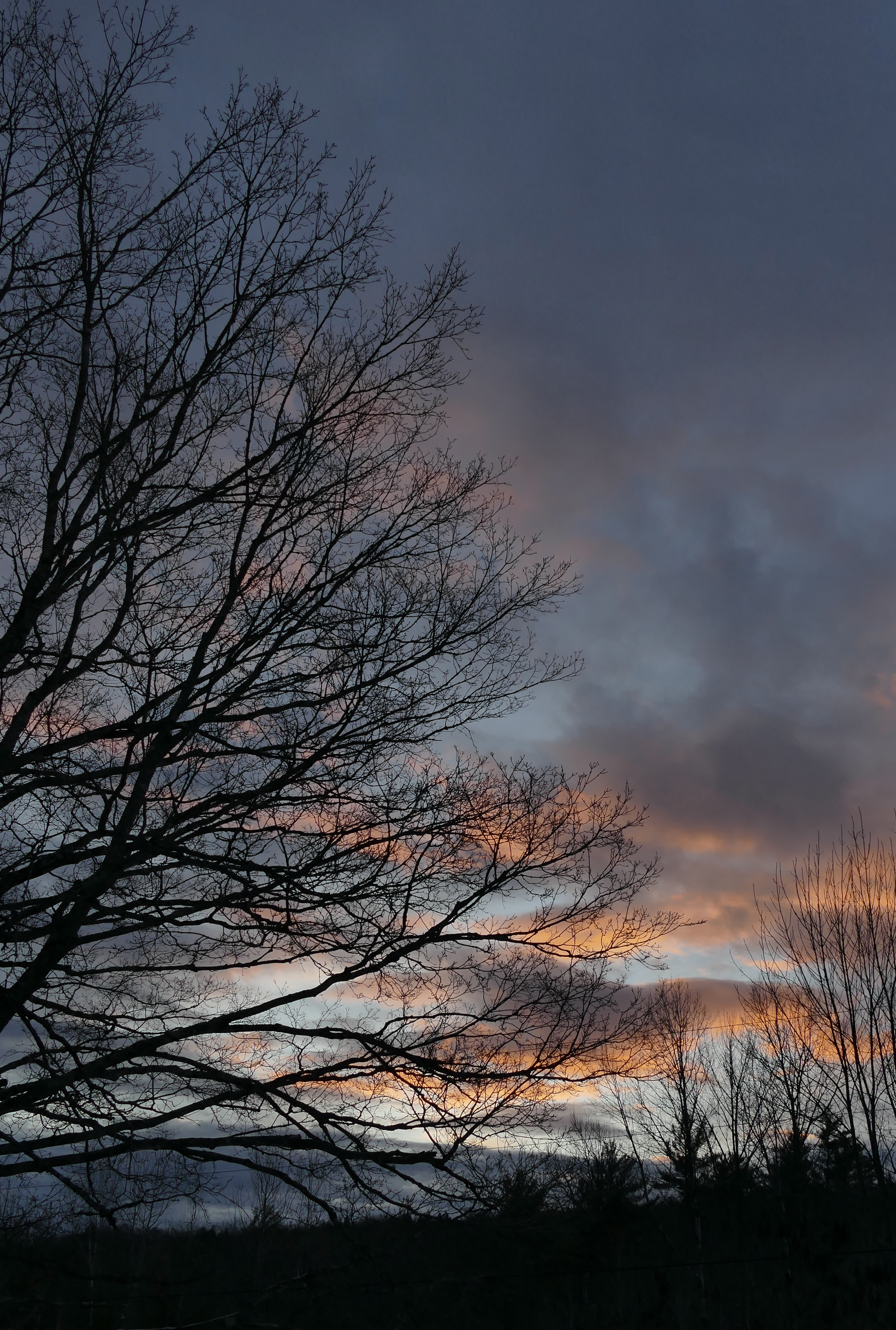
We love not so well the landscape represented as in broad noon, but in a morning or evening twilight, those seasons when the imagination is most active, the more hopeful or pensive seasons of the day.
As a child looks forward to the coming of the summer, so could we contemplate with quiet joy the circle of the seasons returning without fail eternally.
As the spring came round during so many years of the gods, we could go out to admire and adorn anew our Eden, and yet never tire.
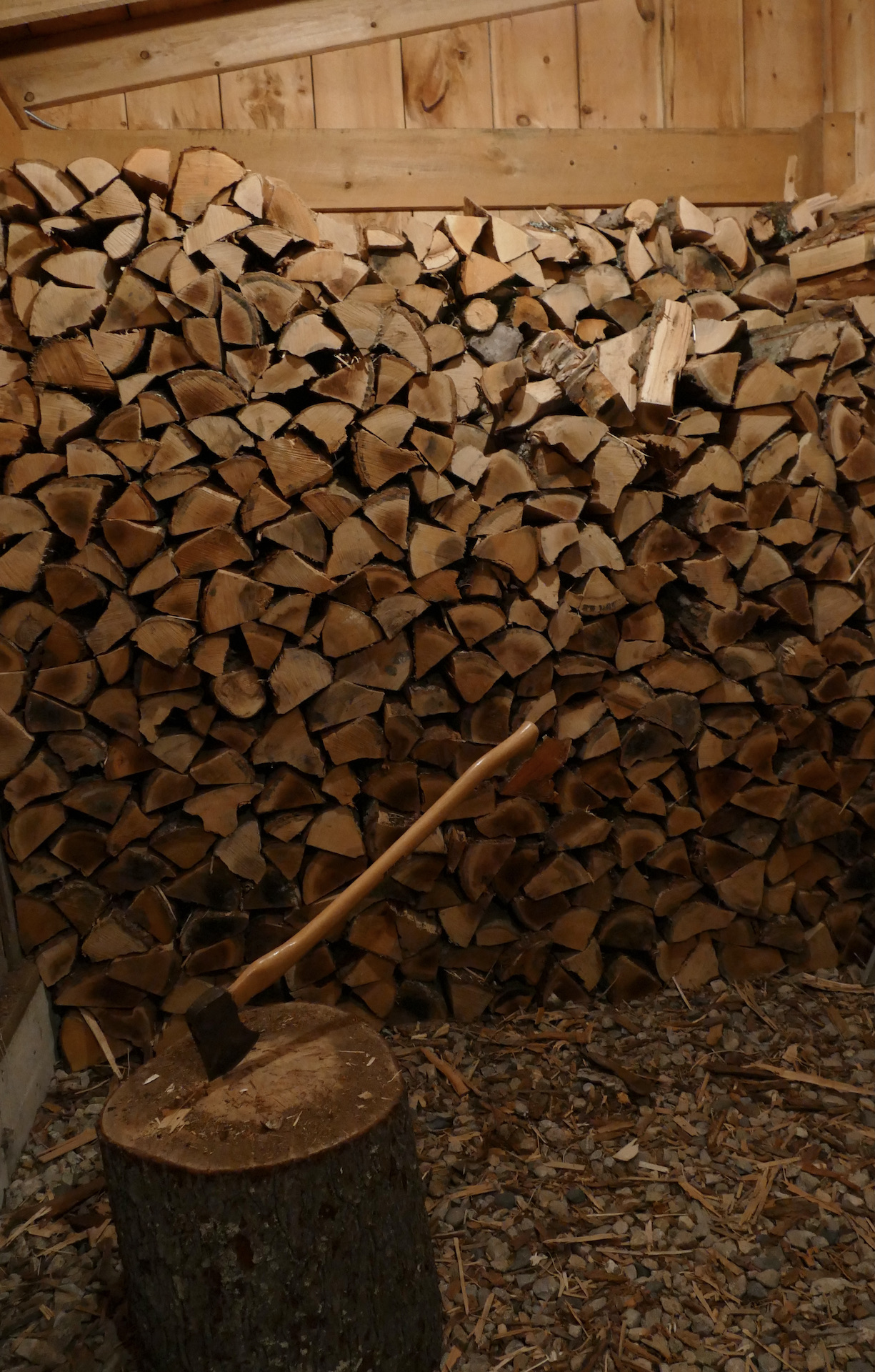
I find that whatever hindrances may occur I write just about the same amount of truth in my Journal; for the record is more concentrated, and usually it is some very real and earnest life, after all, that interrupts. All flourishes are omitted. If I saw wood from morning to night, though I grieve that I could not observe the train of my thoughts during that time, yet, in the evening, the few scrannel lines which describe my day’s occupations will make the creaking of the saw more musical than my freest fancies could have been. I find incessant labor with the hands, which engrosses the attention also, the best method to remove palaver out of one’s style. One will not dance at his work who has wood to cut and cord before the night falls in the short days of winter; but every stroke will be husbanded, and ring soberly through the wood; and so will his lines ring and tell on the ear, when at evening he settles the accounts of the day.
I have often been astonished at the force and precision of style to which busy laboring men, unpracticed in writing, easily attain when they are required to make the effort. It seems as if their sincerity and plainness were the main thing to be taught in schools — and yet not in the schools, but in the fields, in actual service, I should say….
I want to see a sentence run clear through to the end, as deep and fertile as a well-drawn furrow which shows that the plow was pressed down to the beam. If our scholars would lead more earnest lives, we should not witness those lame conclusions to their ill-sown discourses, but their sentences would pass over the ground like loaded rollers, and not mere hollow and wooden ones, to press in the seed and make it germinate.
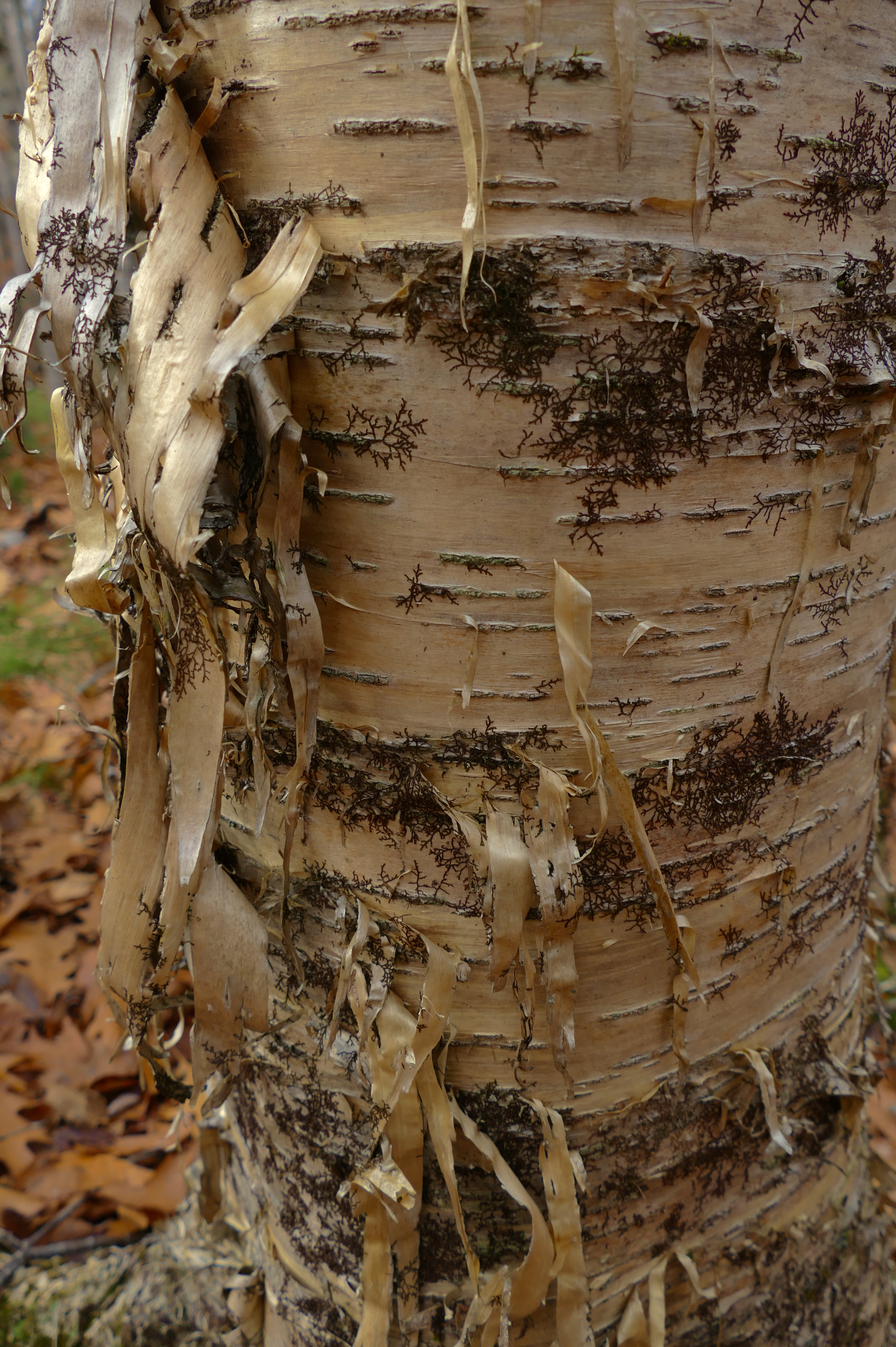
….I went through the swamp, and the yellow birches sent forth a yellow gleam which each time made my heart beat faster.
Occasionally you come to a dead and leaning white birch, beset with large fungi like ears or little shelves, with rounded edge above. I walked with the yellow birch.
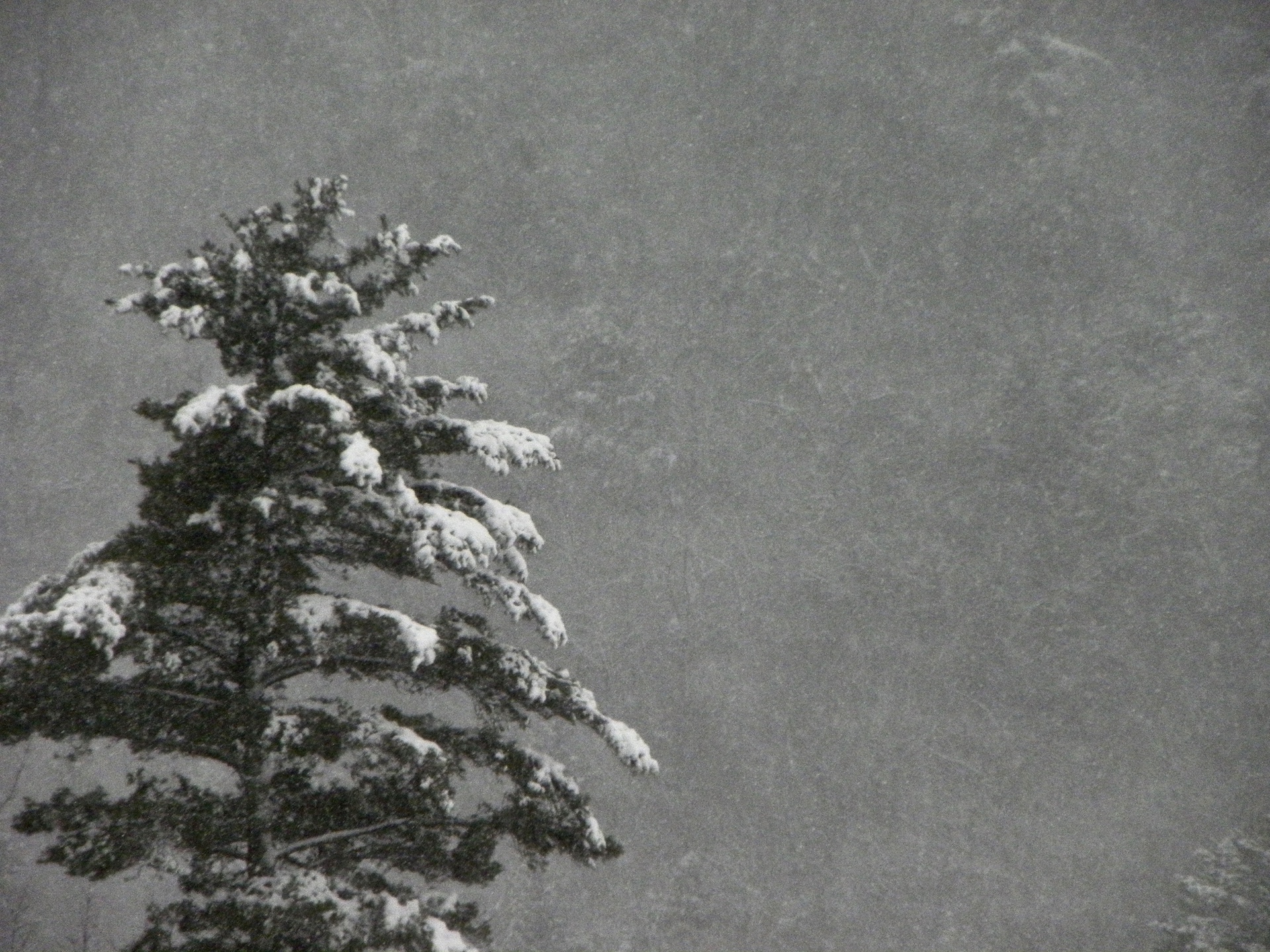
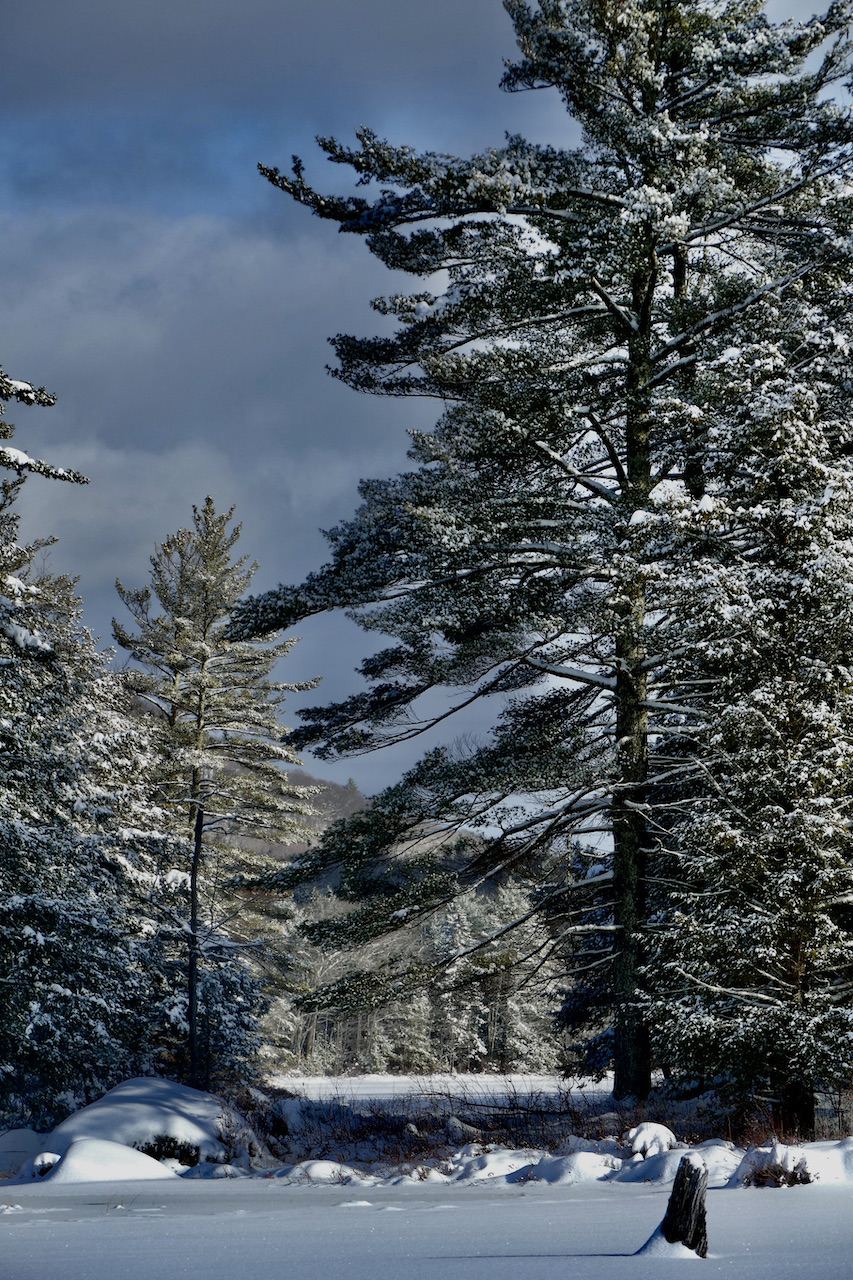
The air is thick and darkened with falling snow, and the woods are being draped with it in white wreaths. This is winter. They are putting on their white greatcoats.
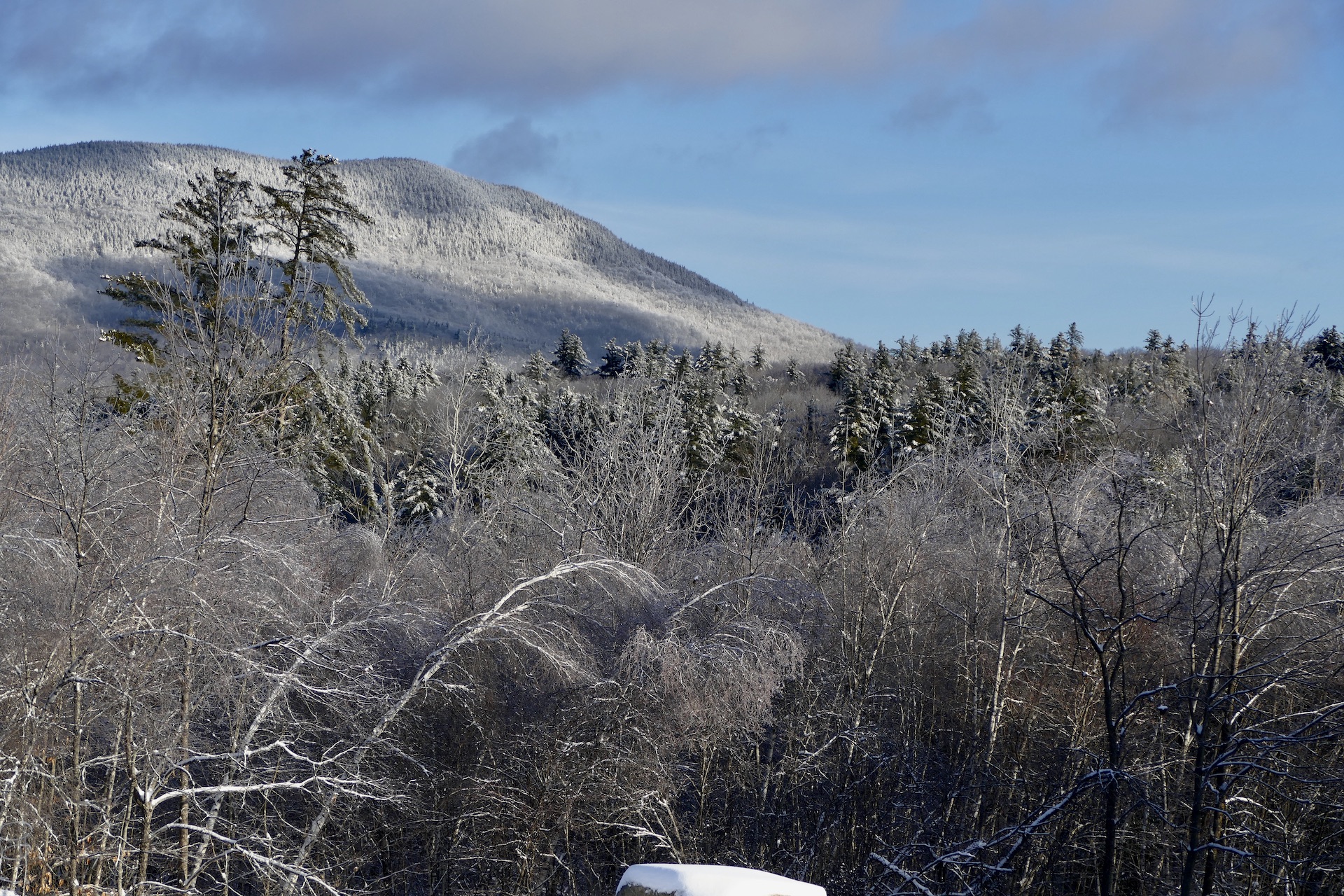
In this clear air and bright sunlight, the ice covered trees have a new beauty, especially the birches along under the edge of Warren’s wood….bent quite to the ground in every kind of curve….The birch is remarkable, perhaps, from the feathery form of the tree, whose numerous small branches sustain so great a weight, bending it to the ground; and, moreover, because, from the color of the bark, the core is less observable….The birches droop over in all directions, like ostrich feathers.



 allandibiase.com
You must be logged in to post a comment.