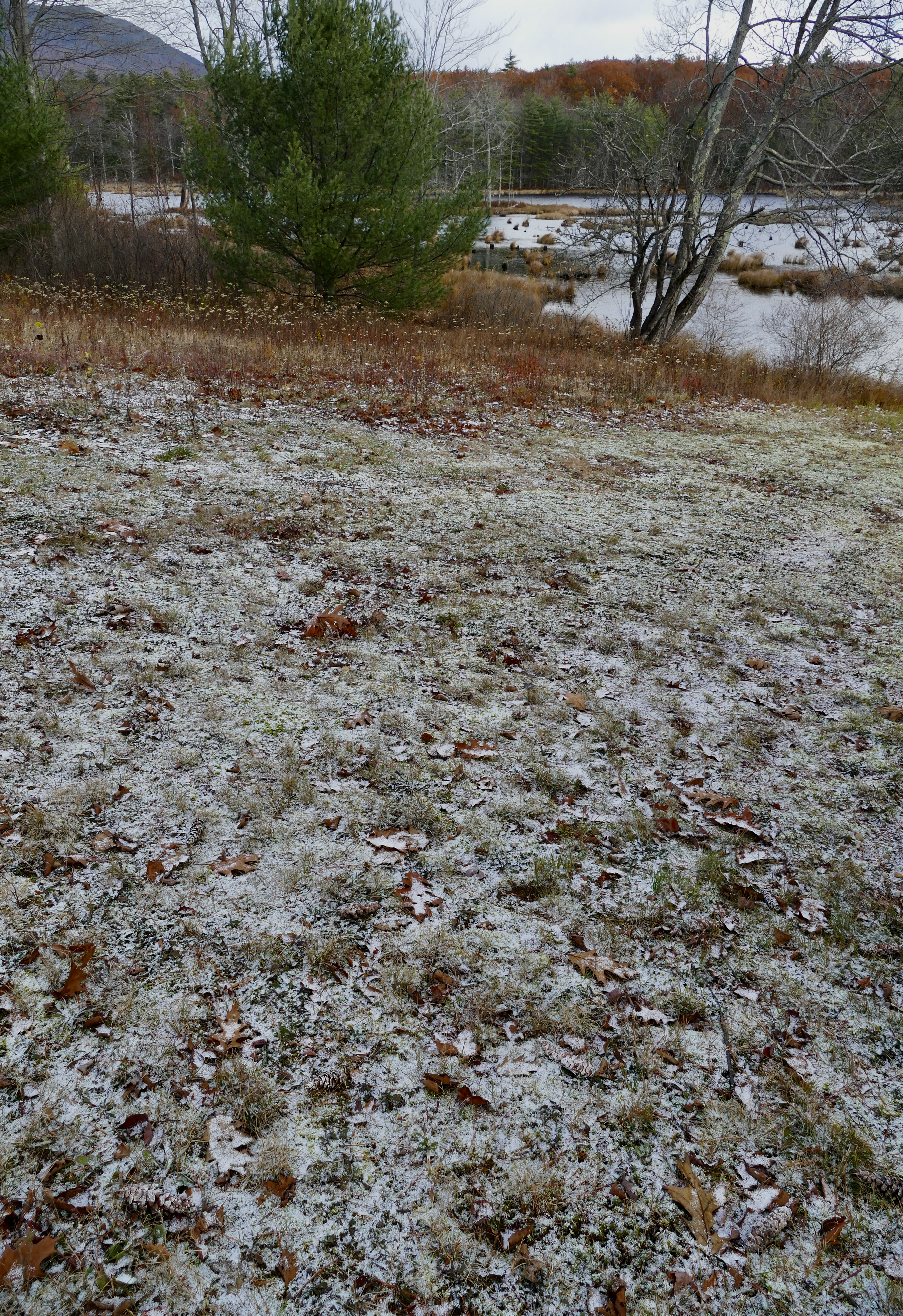
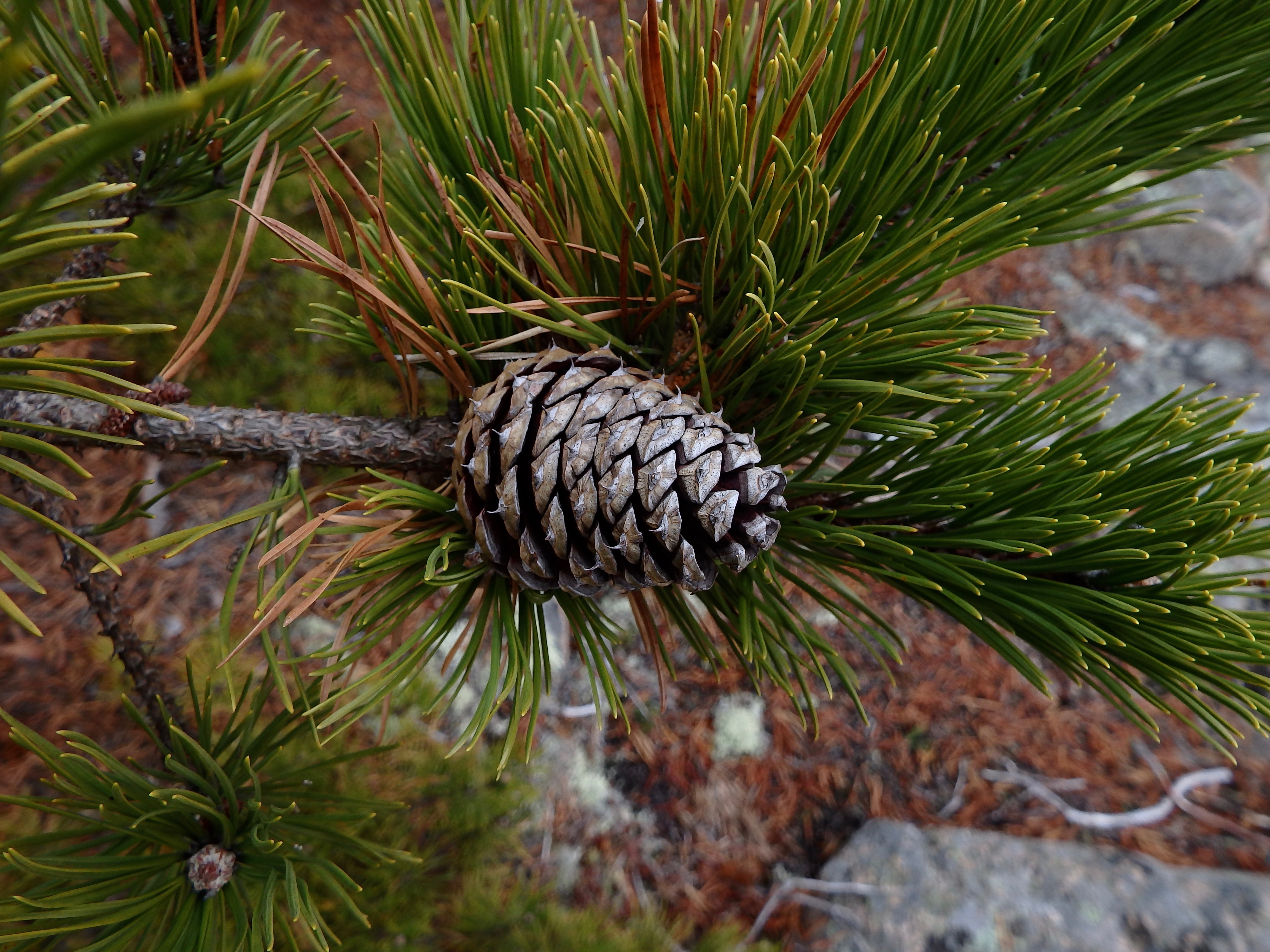
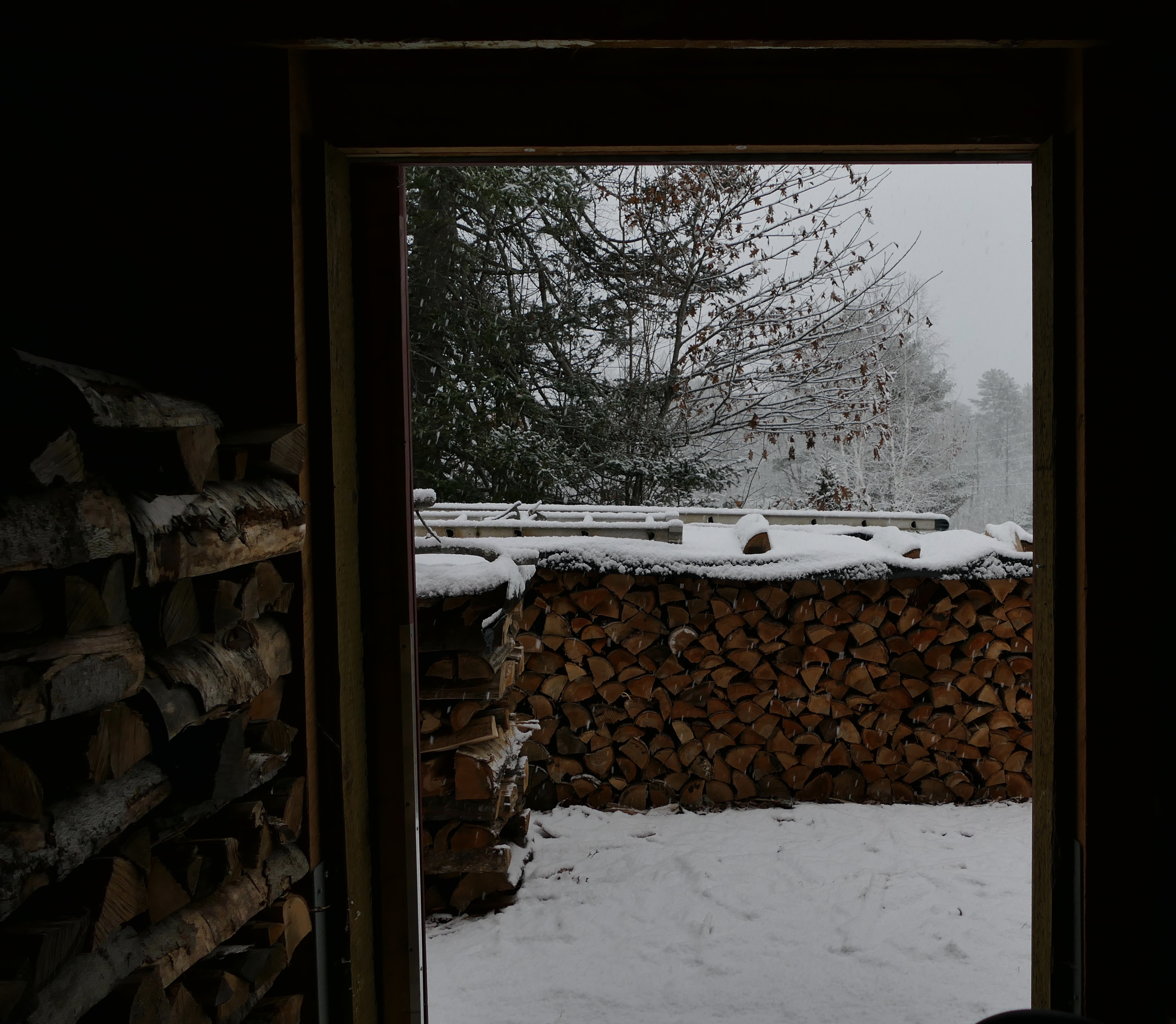
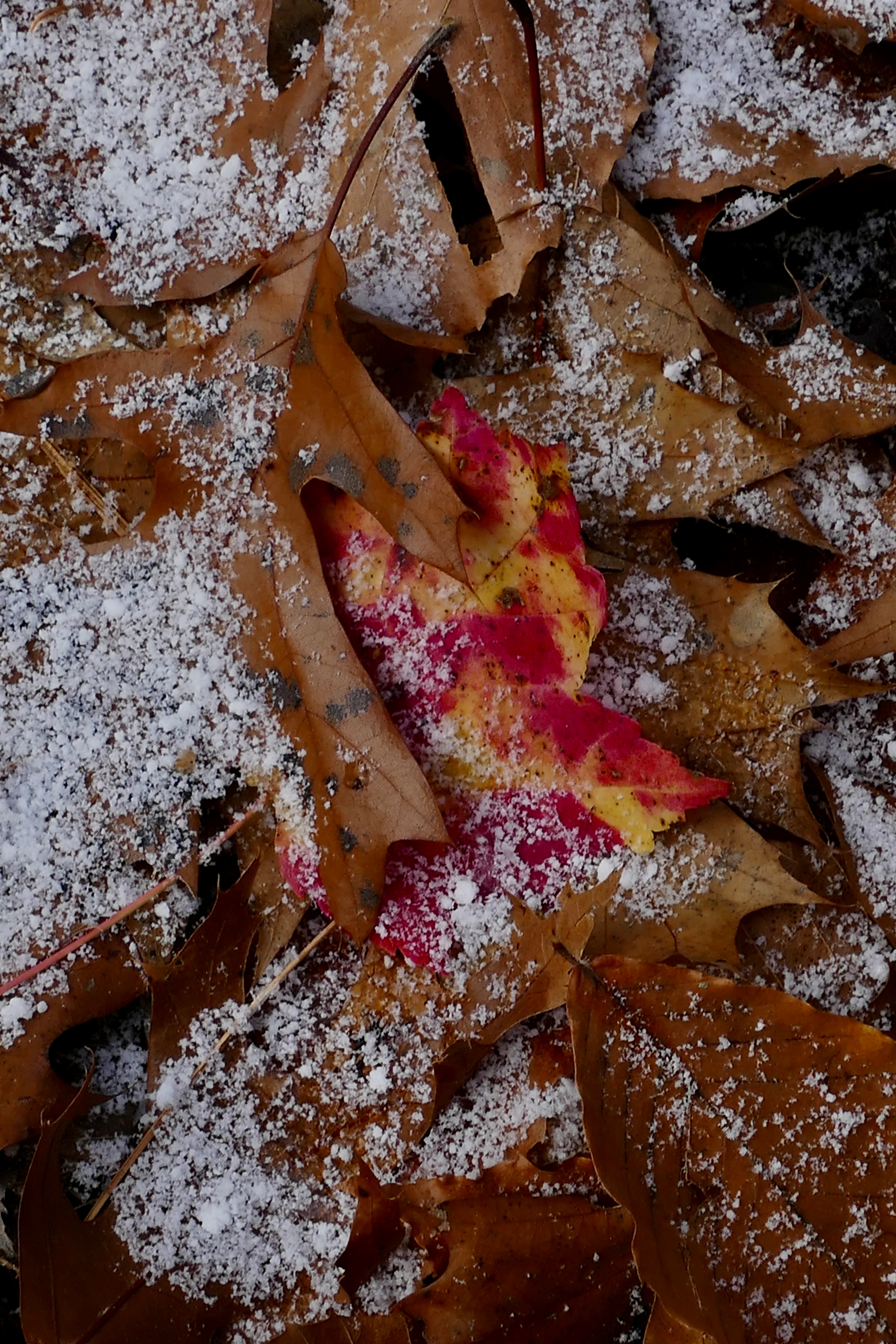
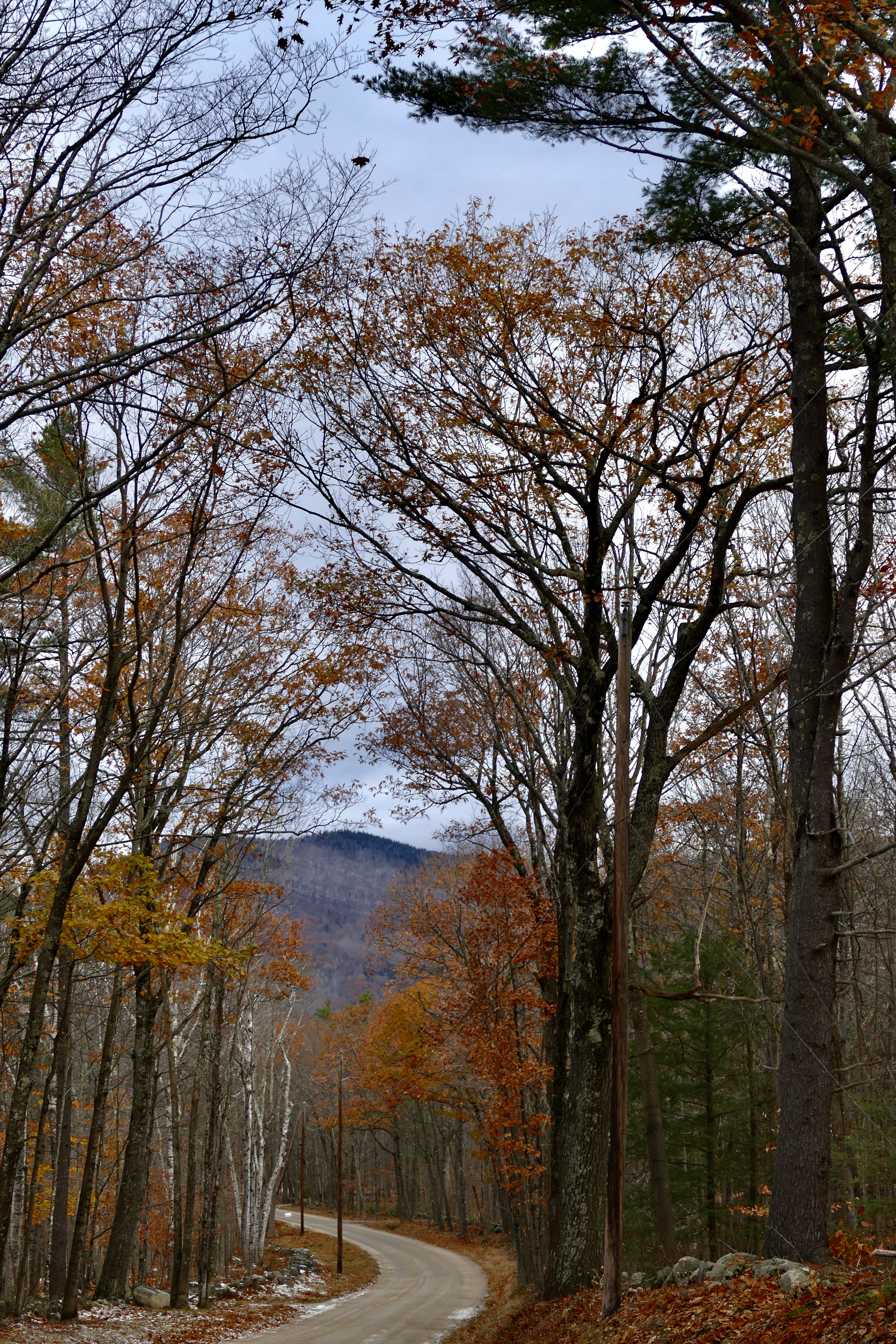
This morning the ground is once more whitened with snow—but it will apparently be gone in an hour or two. I live where the pinus rigida grows—with its firm cones almost as hard as iron—armed with recurved spines….
We are greatly indebted to these transition seasons or states of the atmosphere, which show us thus phenomena which belong not to the summer or the winter of any climate.
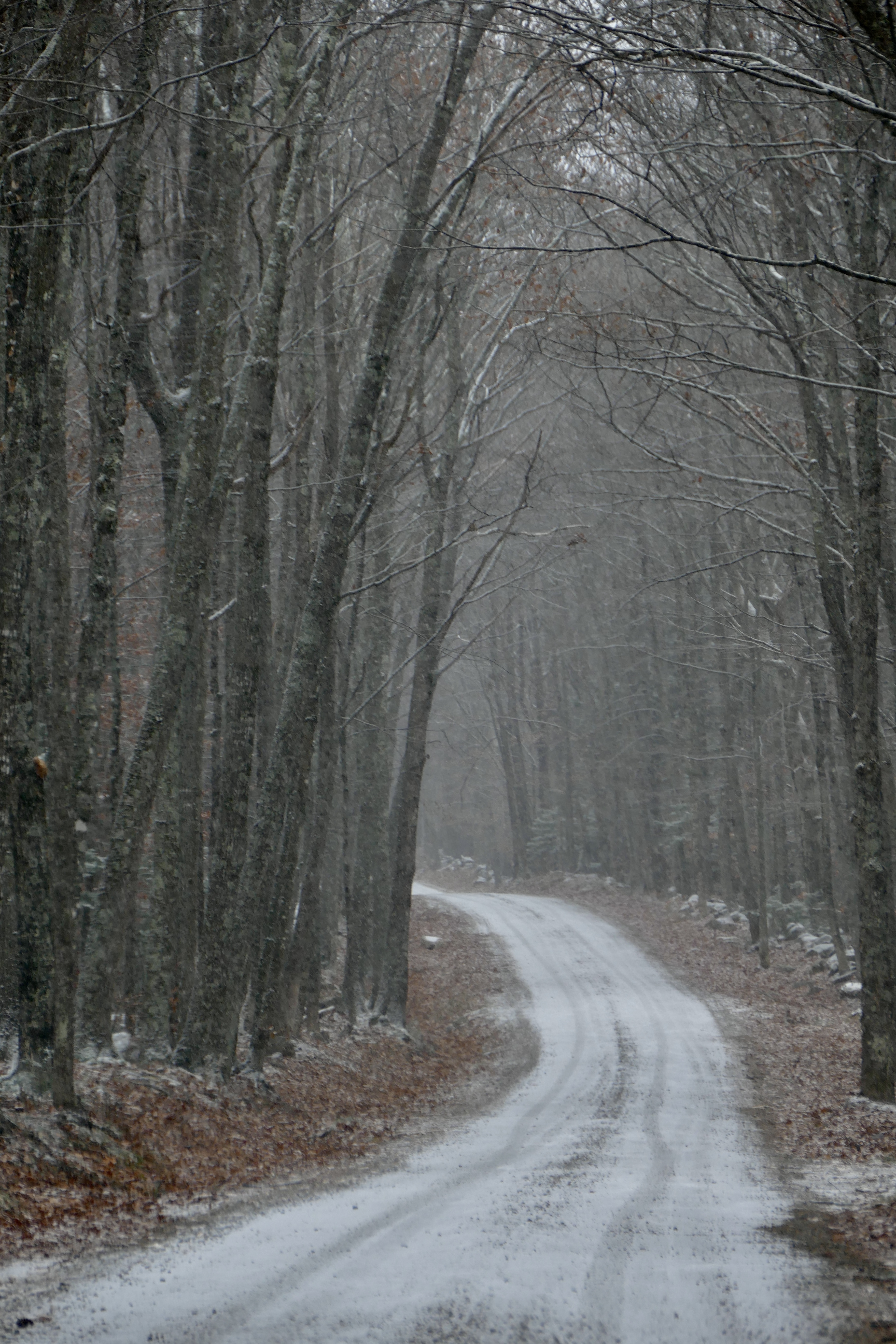
Thus steadily but unobserved the winter steals down from the north–till from our highest hills we can discern its vanguard….Little did we think how near the winter was.
It is as if a scout had brought in word that an enemy was approaching in force only a day’s march distant….We had not thought seriously of winter–we dwelt in fancied security yet.
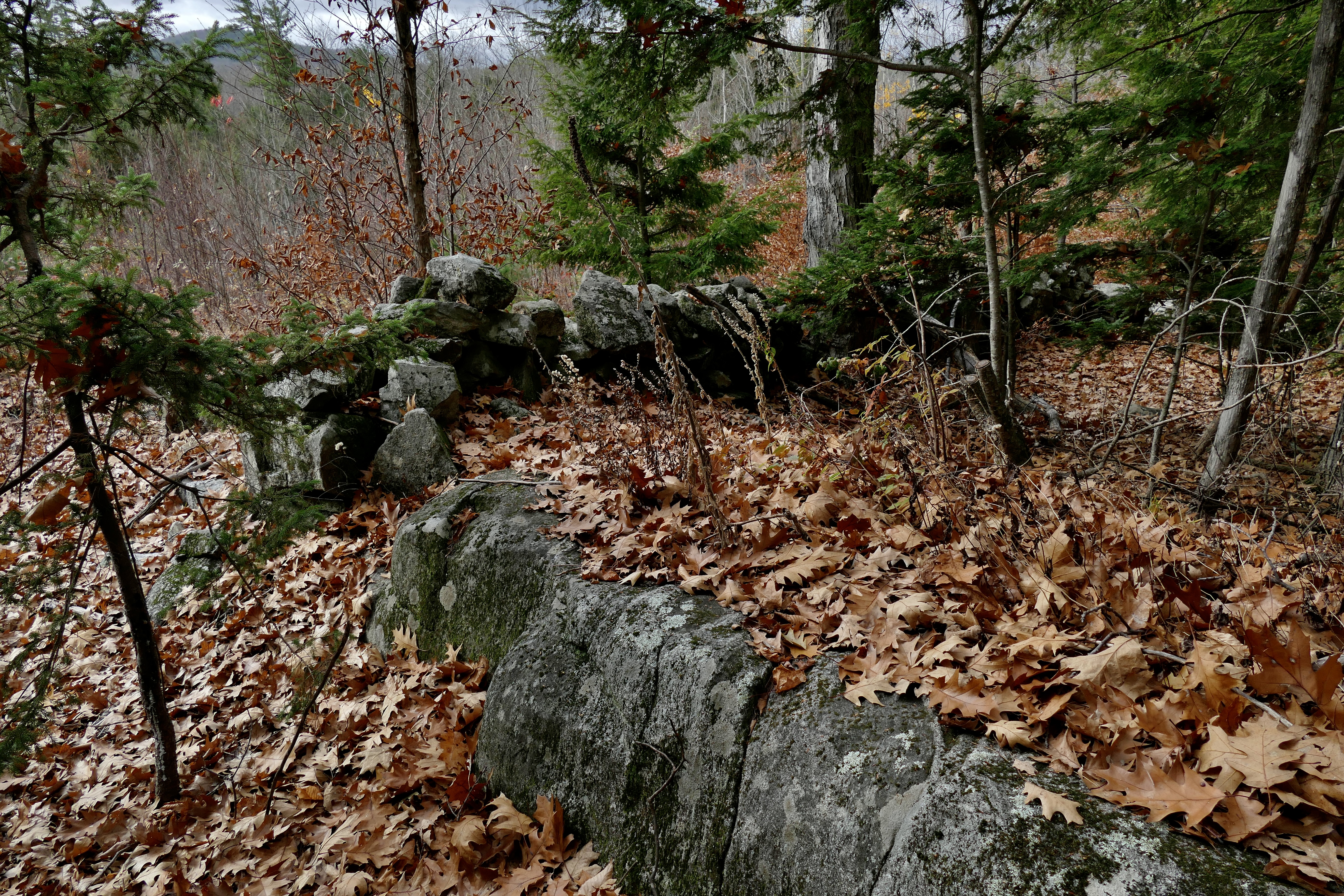
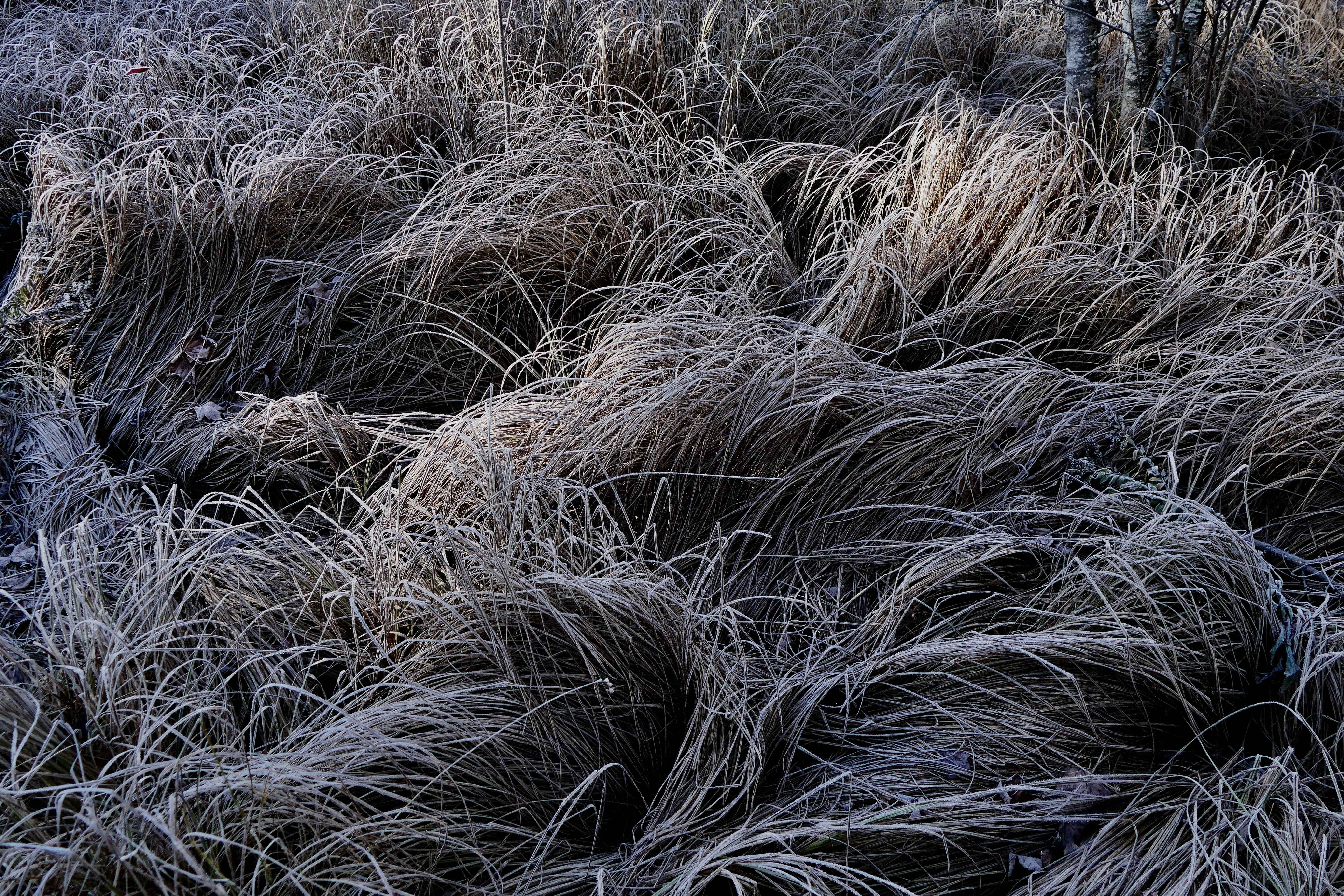
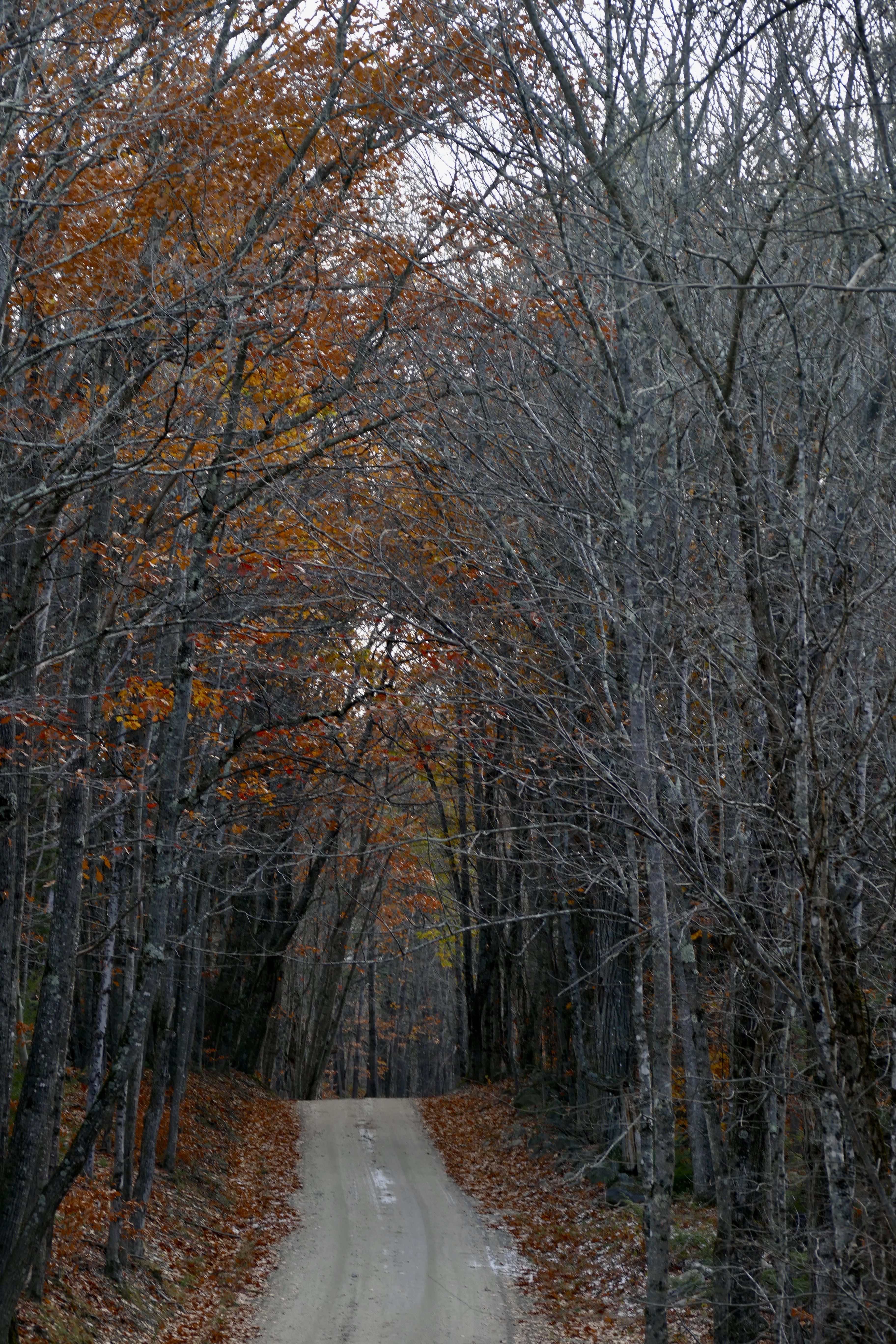
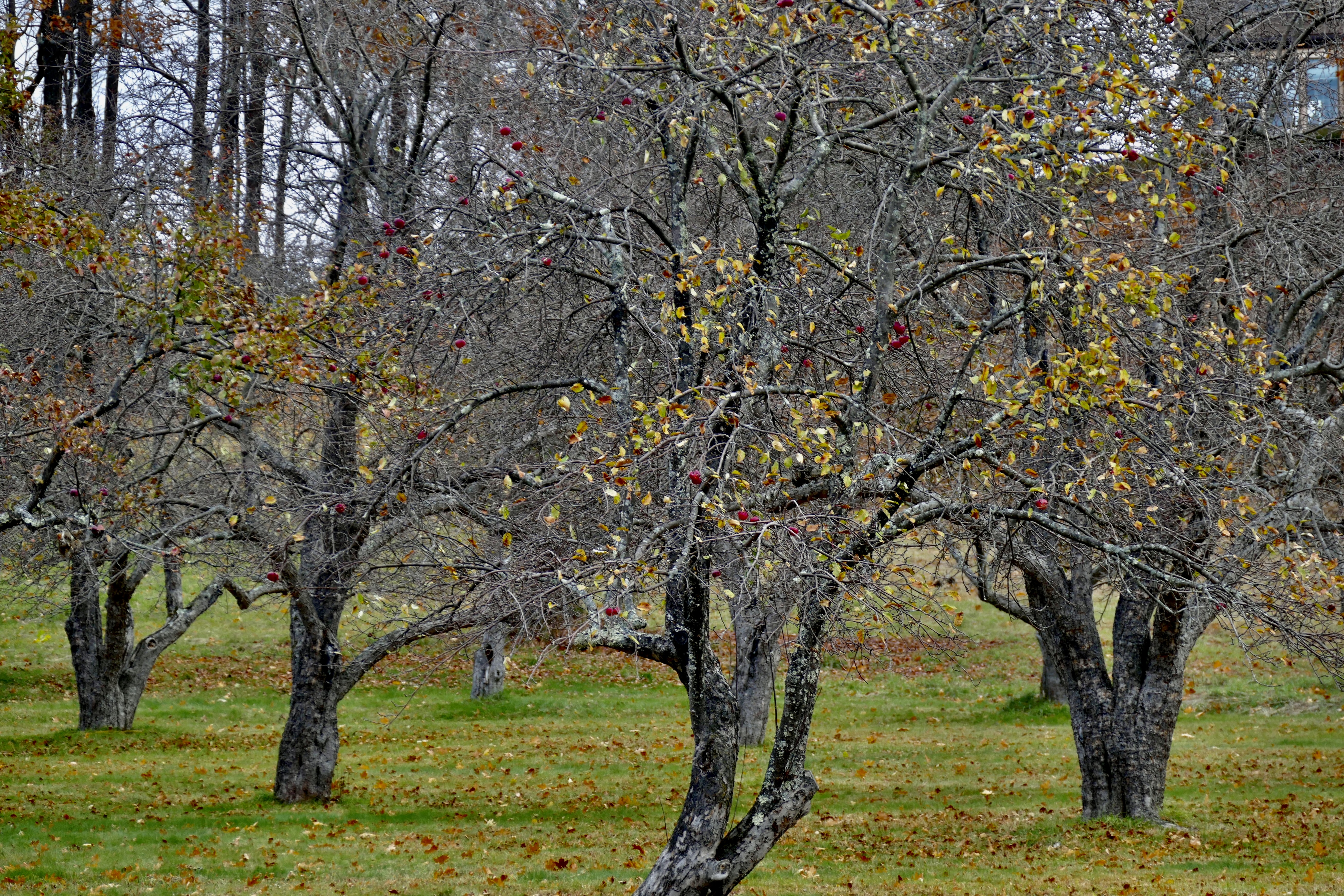
The stillness of the woods and fields is remarkable at this season of the year. There is not even the creak of a cricket to be heard. Of myriads of dry shrub oak leaves, not one rustles. Your own breath can rustle them, yet the breath of heaven does not suffice to.— The trees have the aspect of waiting for winter. The autumnal leaves have lost their color—they are now truly sere, dead—and the woods wear a sombre color. Summer and harvest are over…
This is a peculiar season—peculiar for its stillness—the crickets have ceased their song. The few birds are well-nigh silent. The tinted and gay leaves are now sere and dead and the woods wear a sombre aspect. A carpet of snow under the pines & shrub-oaks will make it look more cheerful—Very few plants have now their spring. But thoughts still spring in man’s brain….
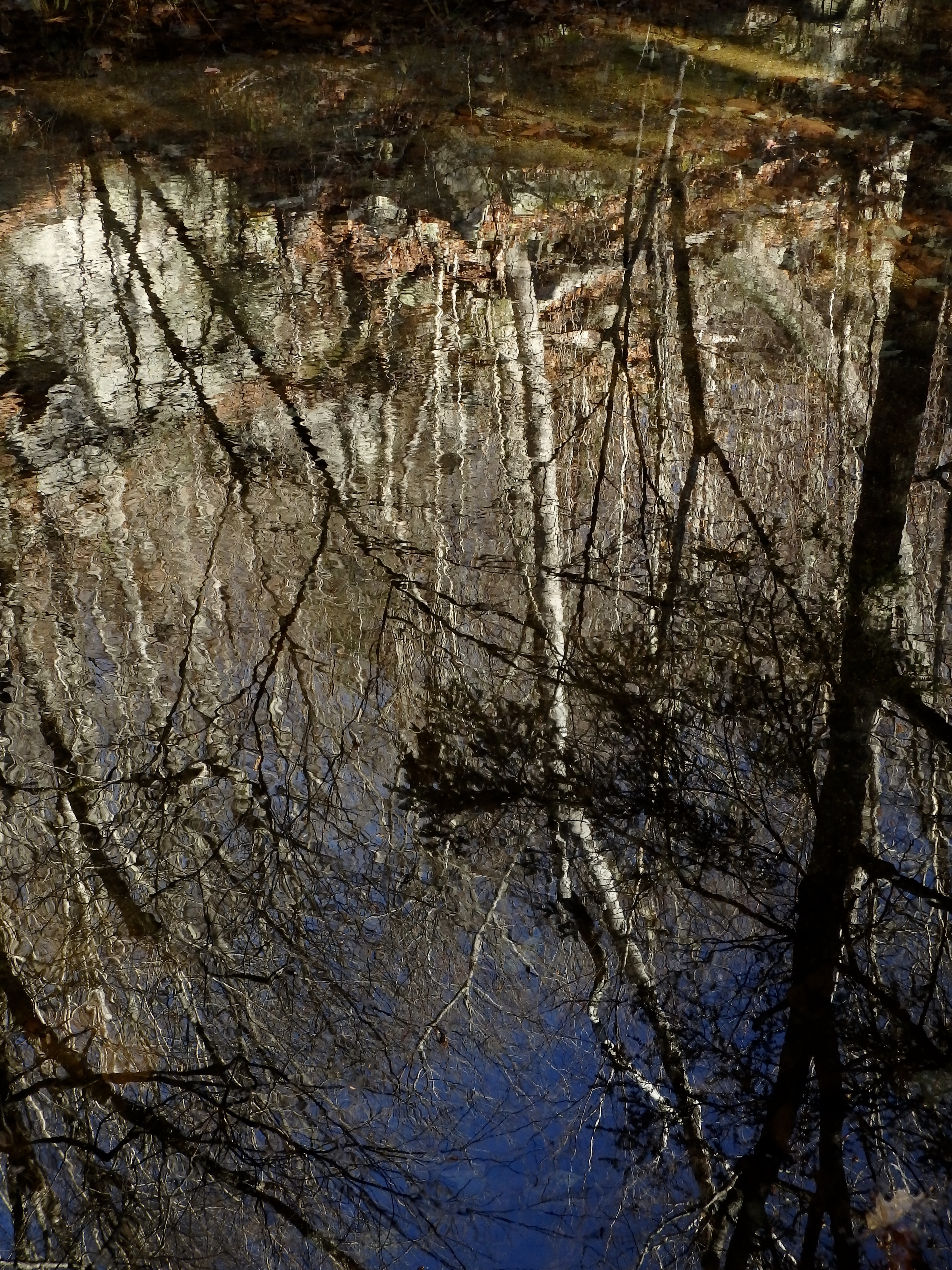
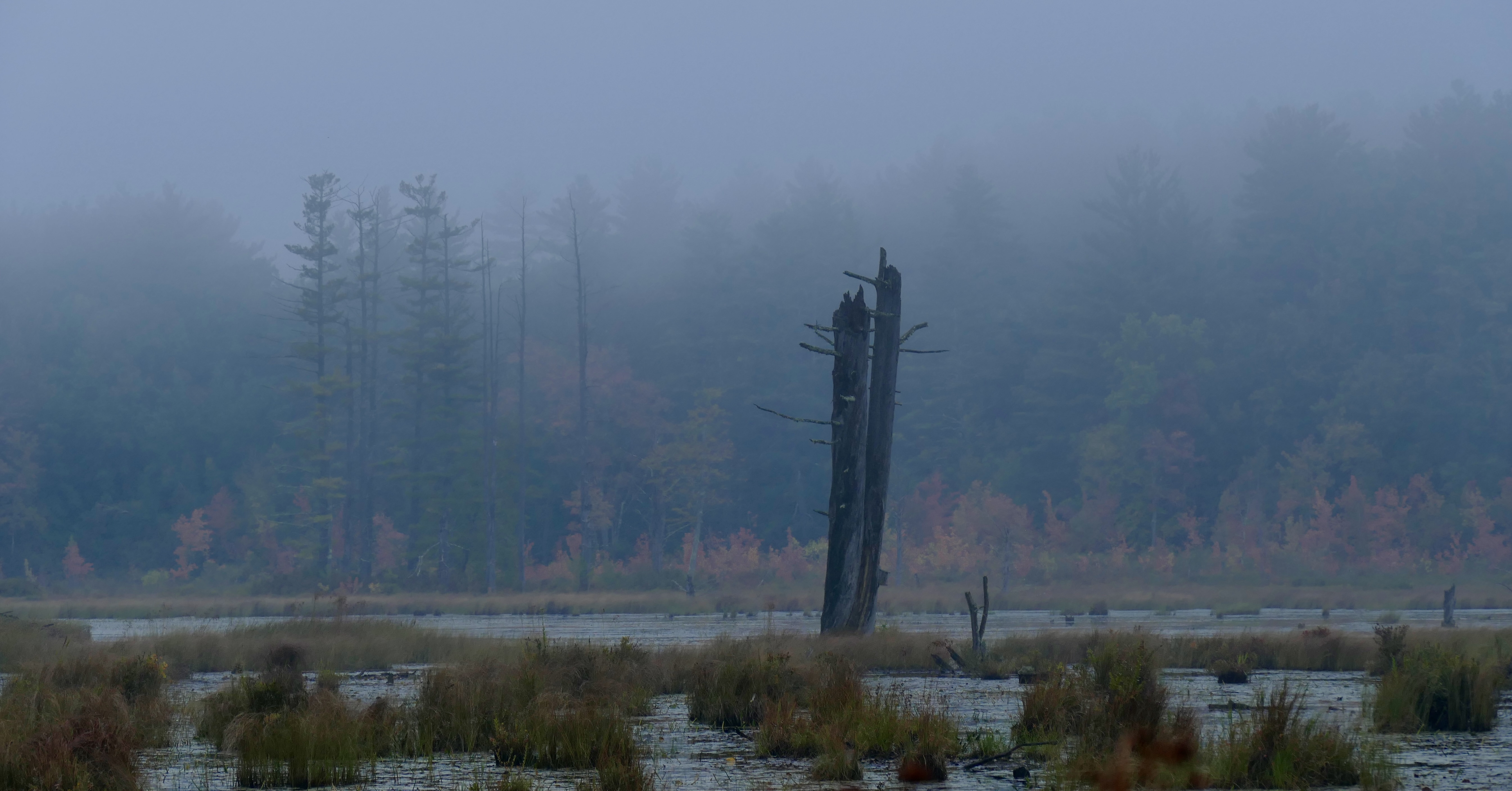
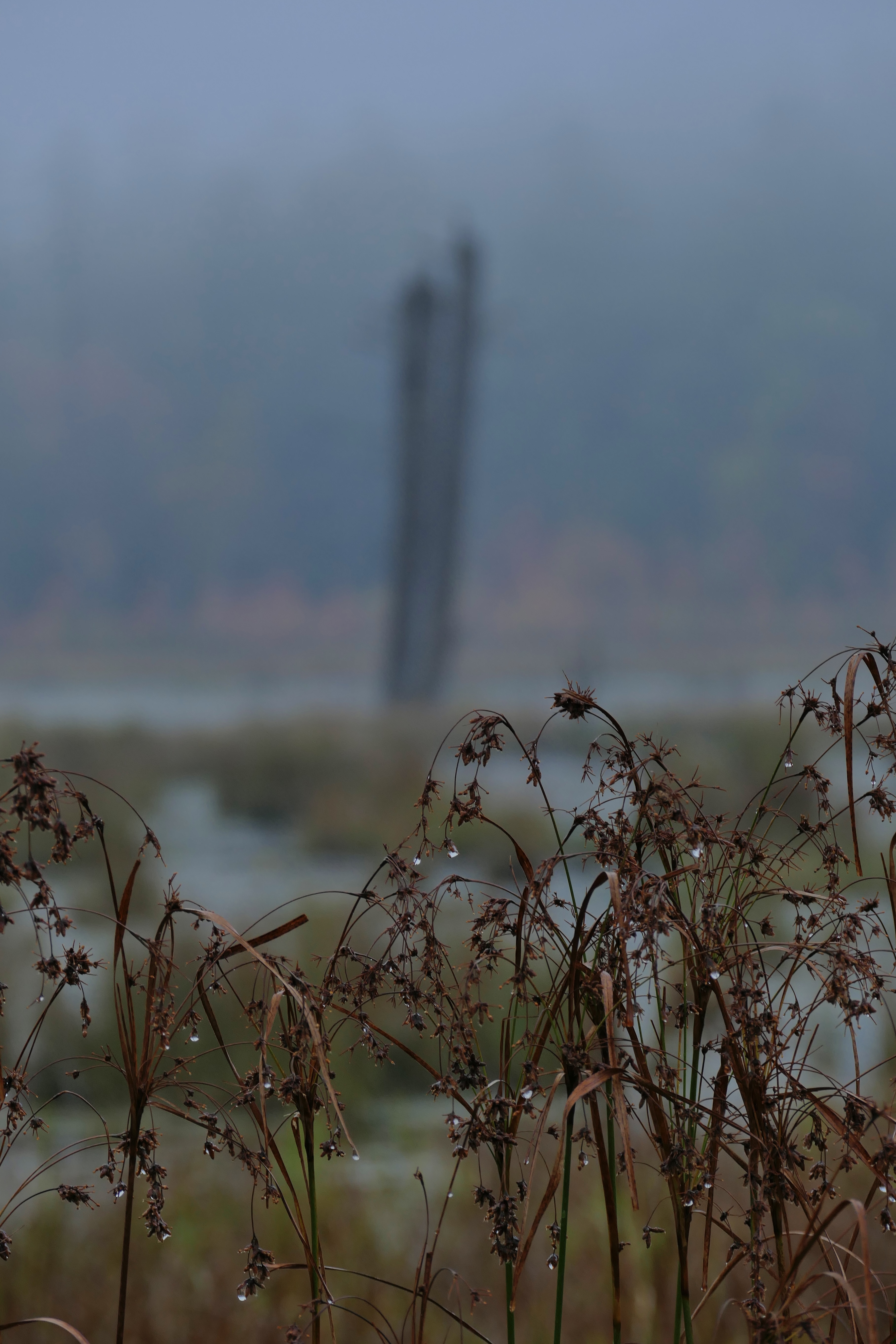
I find it good to be out this still dark mizzling afternoon– My walk or voyage is more suggestive & profitable than in bright weather. The view is contracted by the misty rain–the water is perfectly smooth & the stillness is favorable to reflection. I am more open to impressions more sensitive–(not callused or indurated by sun & wind) as if in a chamber still. My thoughts are concentrated– I am all compact– The solitude is real too for the weather keeps other men at home. This mist is like a roof & walls over & around & I walk with a domestic feeling– The sound of a wagon going over an unseen bridge is louder than ever–& so of other sounds. I am compelled to look at near objects– All things have a soothing effect–the very clouds & mists brood over me. My power of observation & contemplation is much increased. My attention does not wander. The world & my life are simplified. – What now of Europe & Asia?
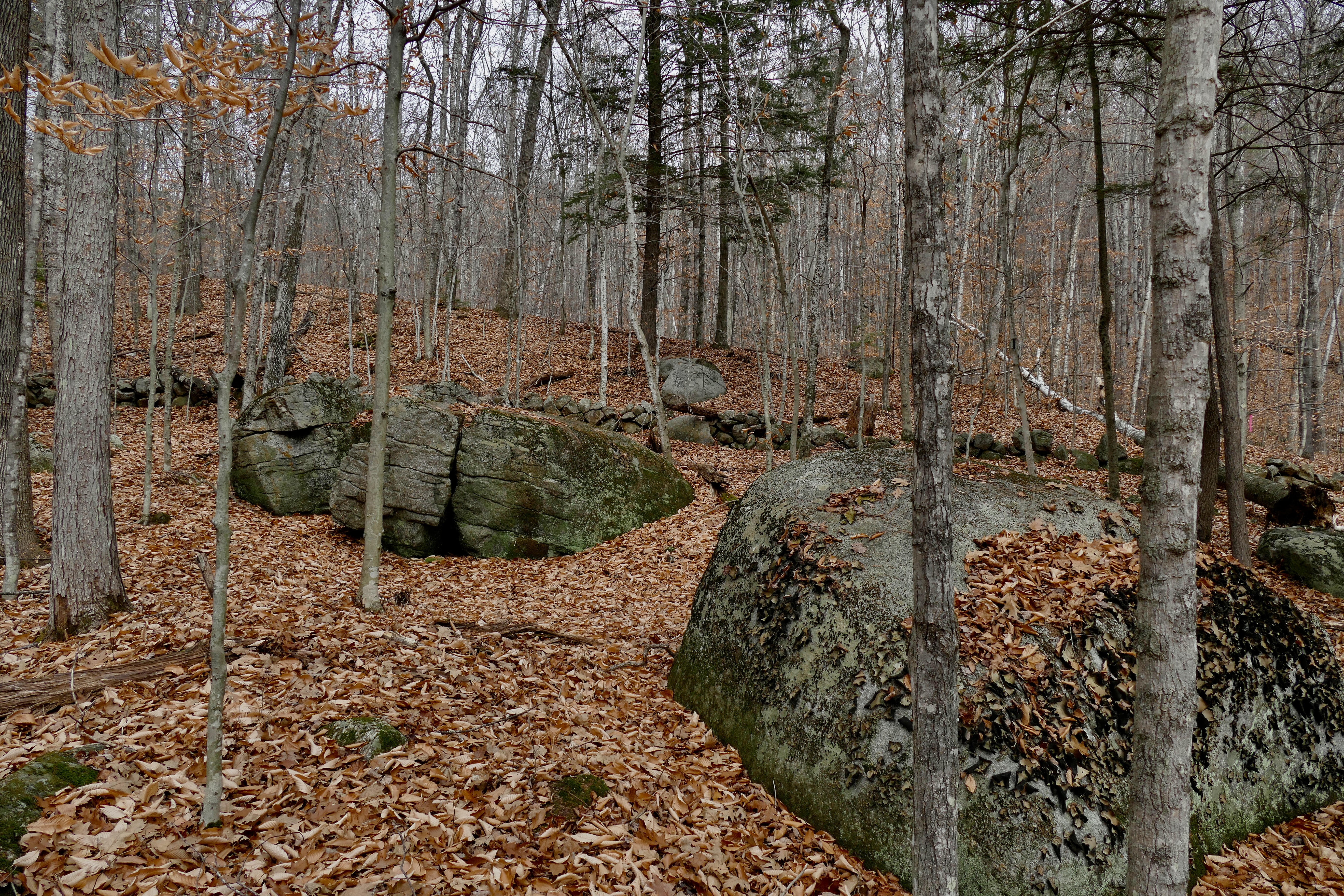
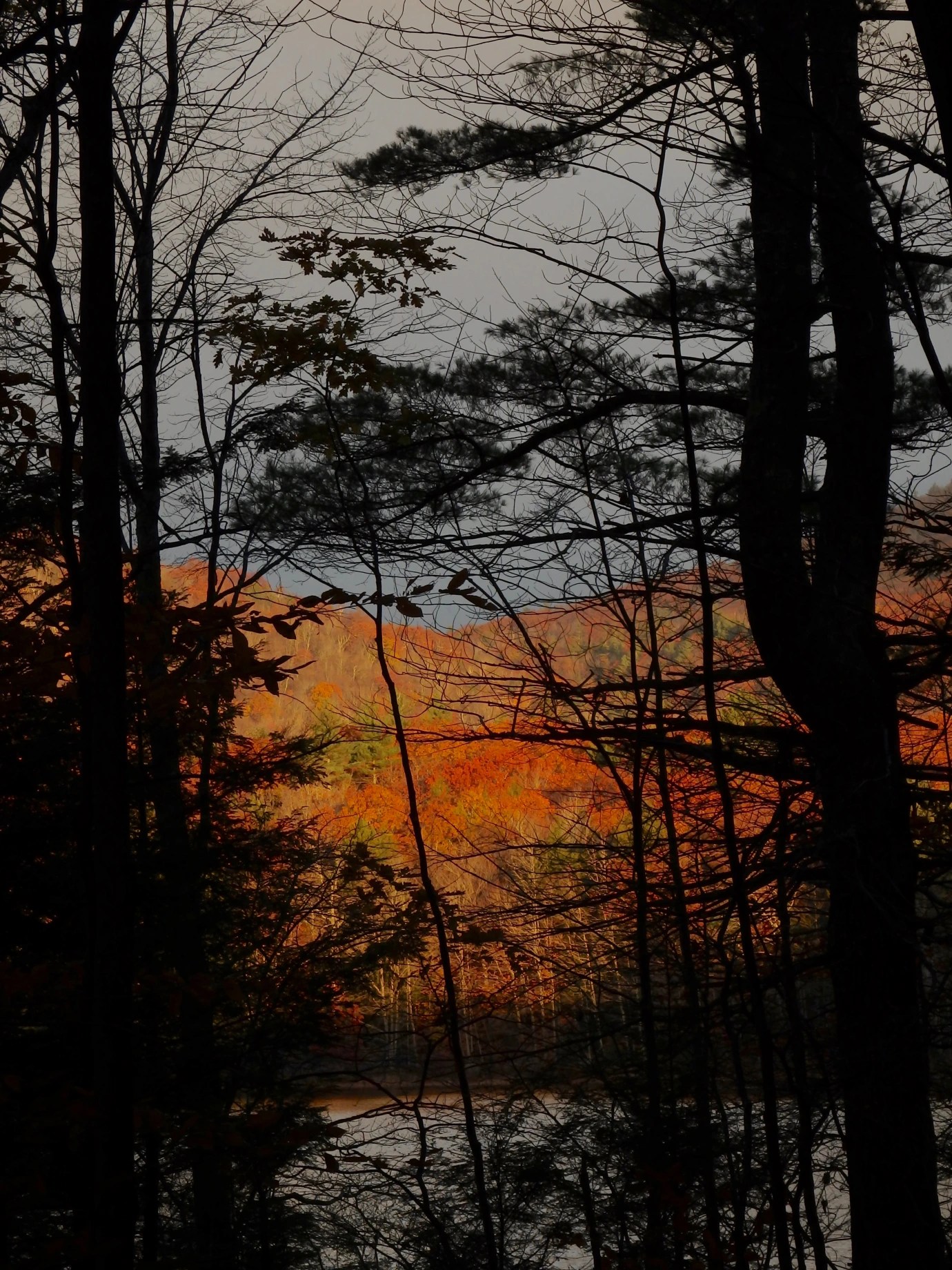
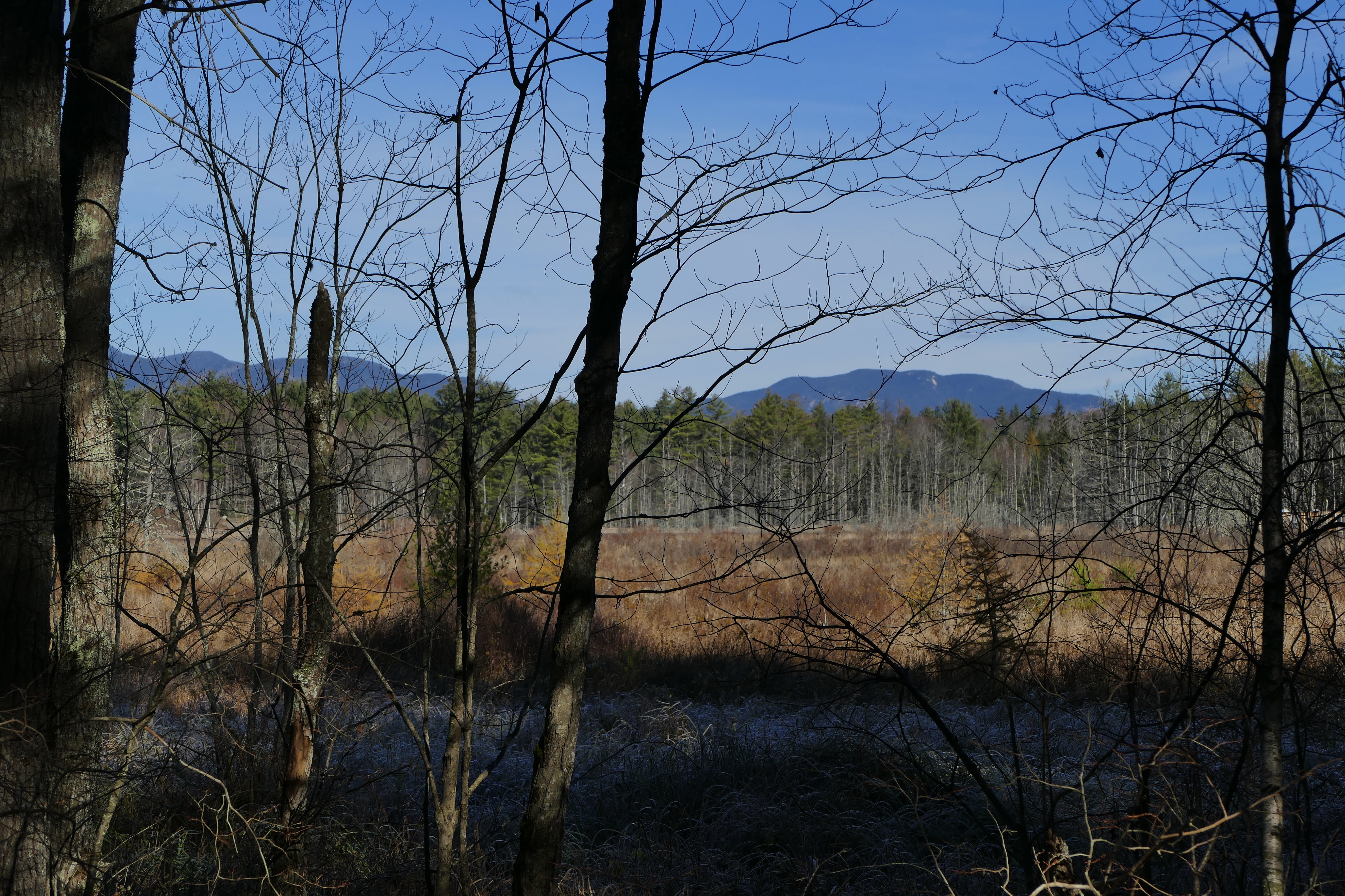
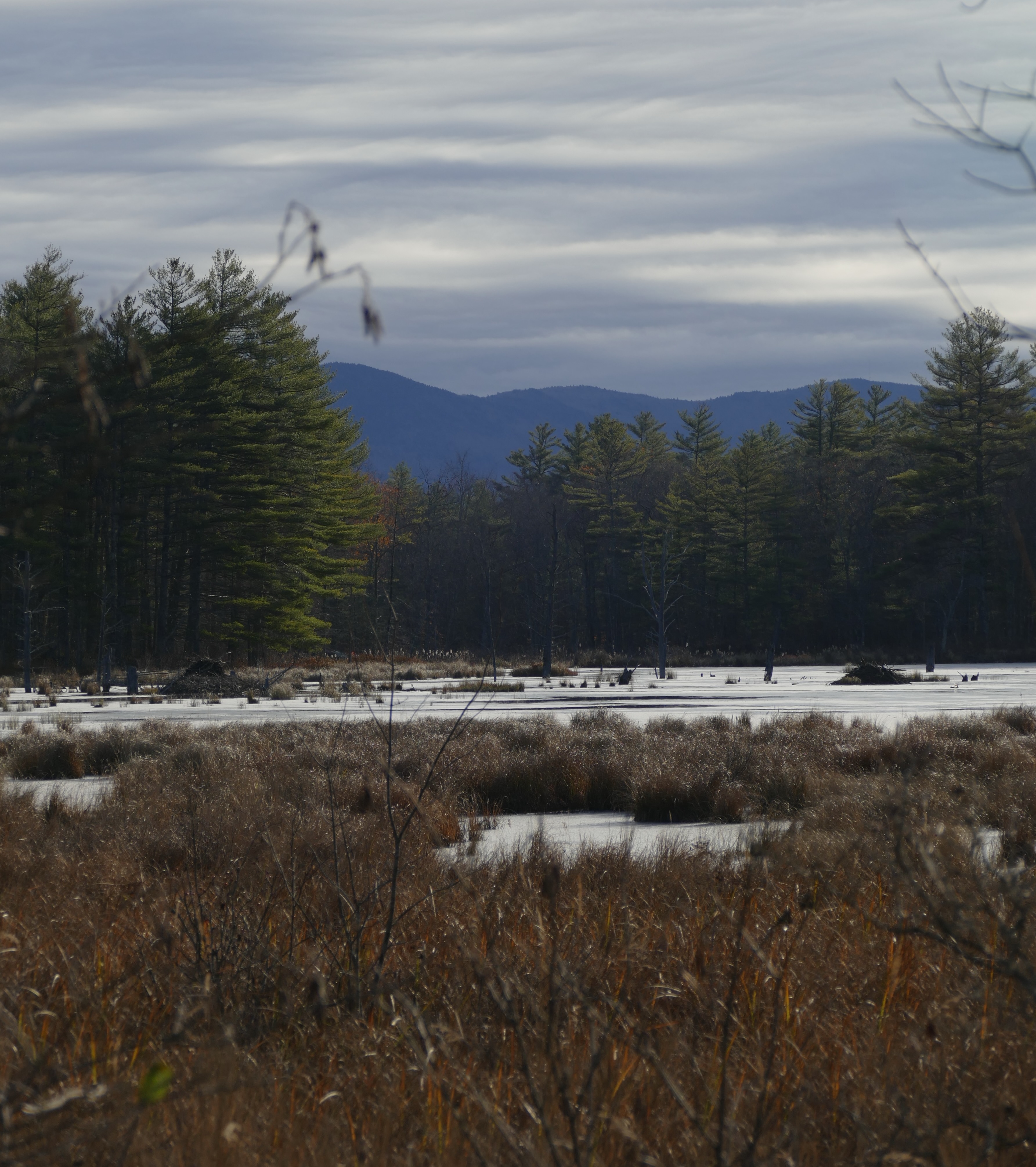
Climbed the wooded hill by Holden’s spruce swamp—& got a novel View of the river & Fair Haven Bay—through the almost leafless woods. How much handsomer a river or lake such as ours seems thus through a foreground of scattered or else partially leafless trees though at a considerable distance this side of it—especially if the water is open without wooded shore or isles—
It is the most perfect & beautiful of all frames which yet the sketcher is commonly careful to brush aside. I mean a foreground—a view of the distant water through the near forest—through a thousand little vistas—as we are rushing toward the former—that intimate mingling of wood & water which excites an expectation which the near & open view rarely realizes. We prefer that some part be concealed—which our imagination may navigate.
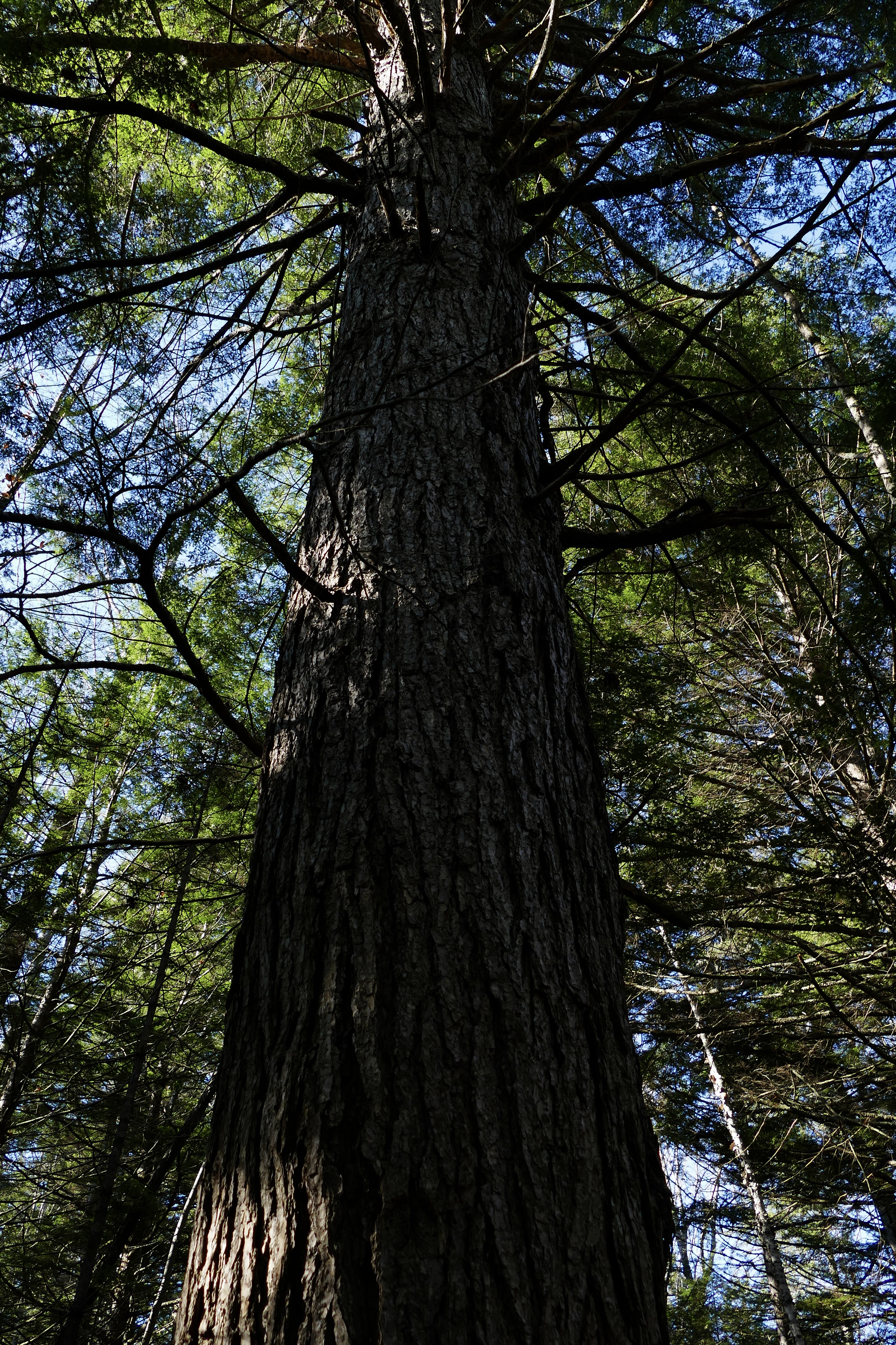
I am struck by the fact that the more slowly trees grow at first, the sounder they are at the core, and I think the same is true of human beings. We do not wish to see children precocious, making great strides in their early years like sprouts, producing a soft and perishable timber, but better if they expand slowly at first, as if contending with difficulties, and so are solidified and perfected.
Must be out-of-doors enough to get experience of wholesome reality—as a ballast to thought and sentiment. Health requires this relaxation, this aimless life. This life in the present. Let a man have thought what he will of Nature in the house—she will still be novel outdoors. I keep out of doors for the sake of the mineral, vegetable, and animal in me….My thought is a part of the meaning of the world, and hence I use a part of the world as a symbol to express my thought.
There are very few phenomena which can be described indifferently as occurring at different seasons of the year, for they will occur with some essential difference.
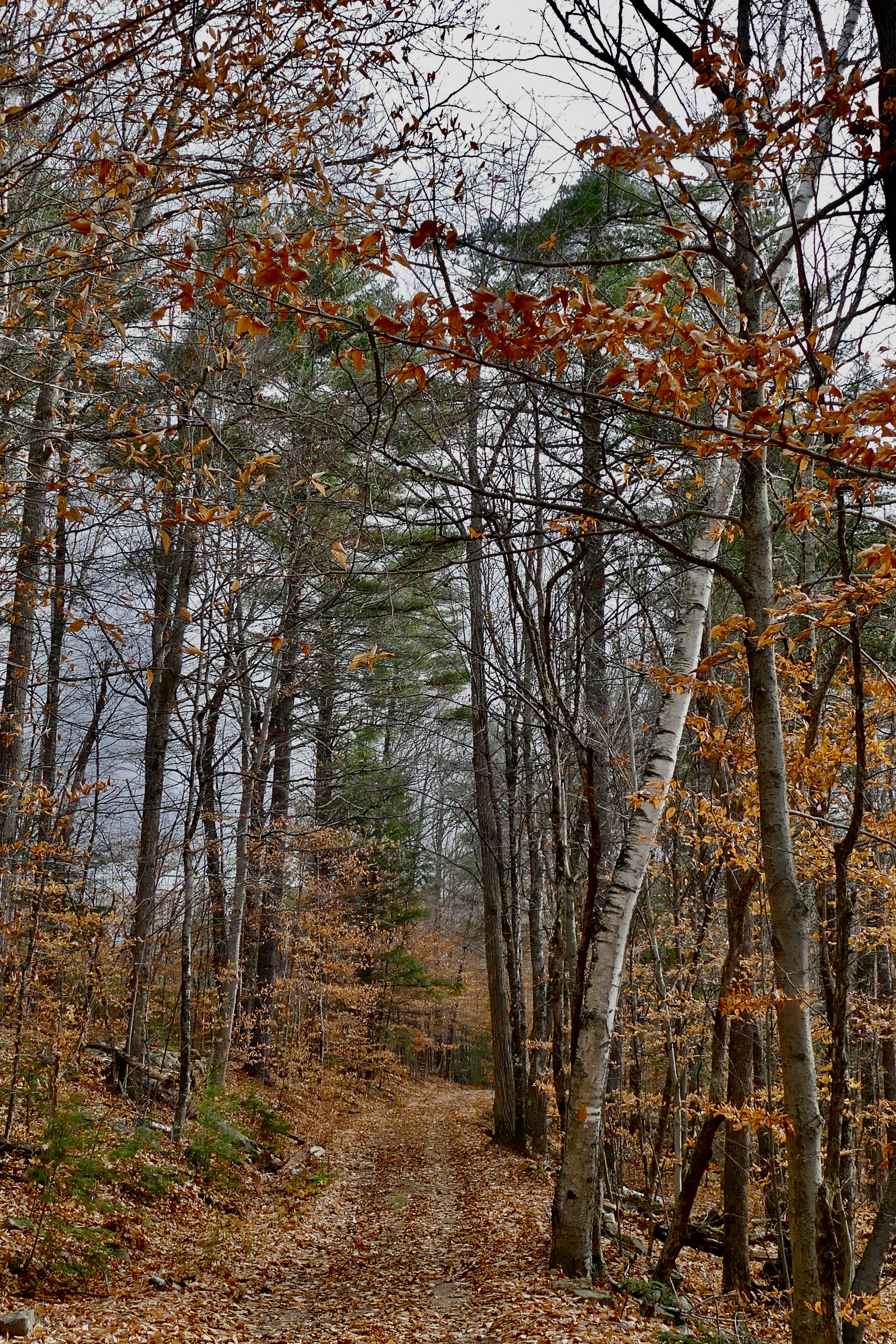
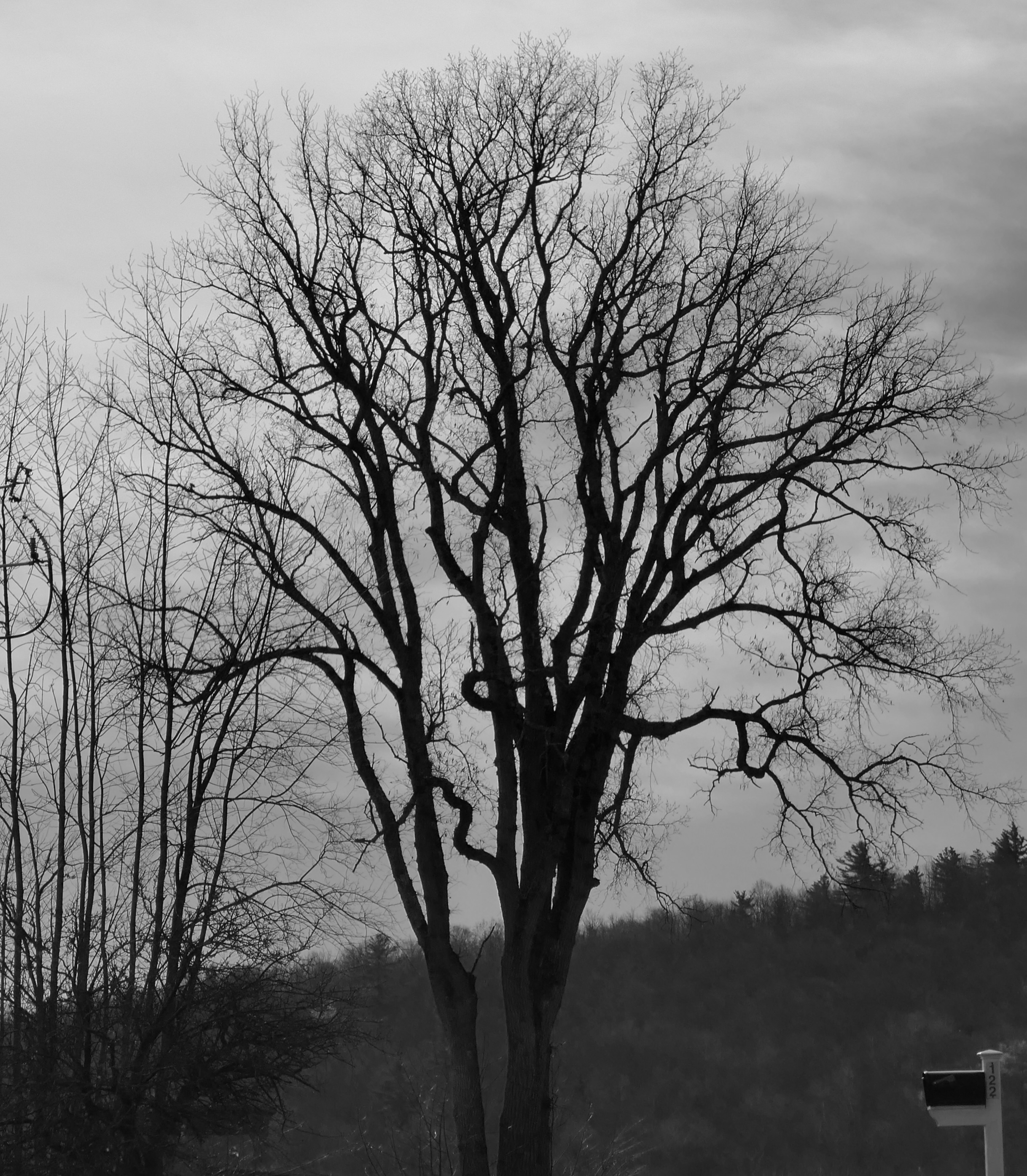
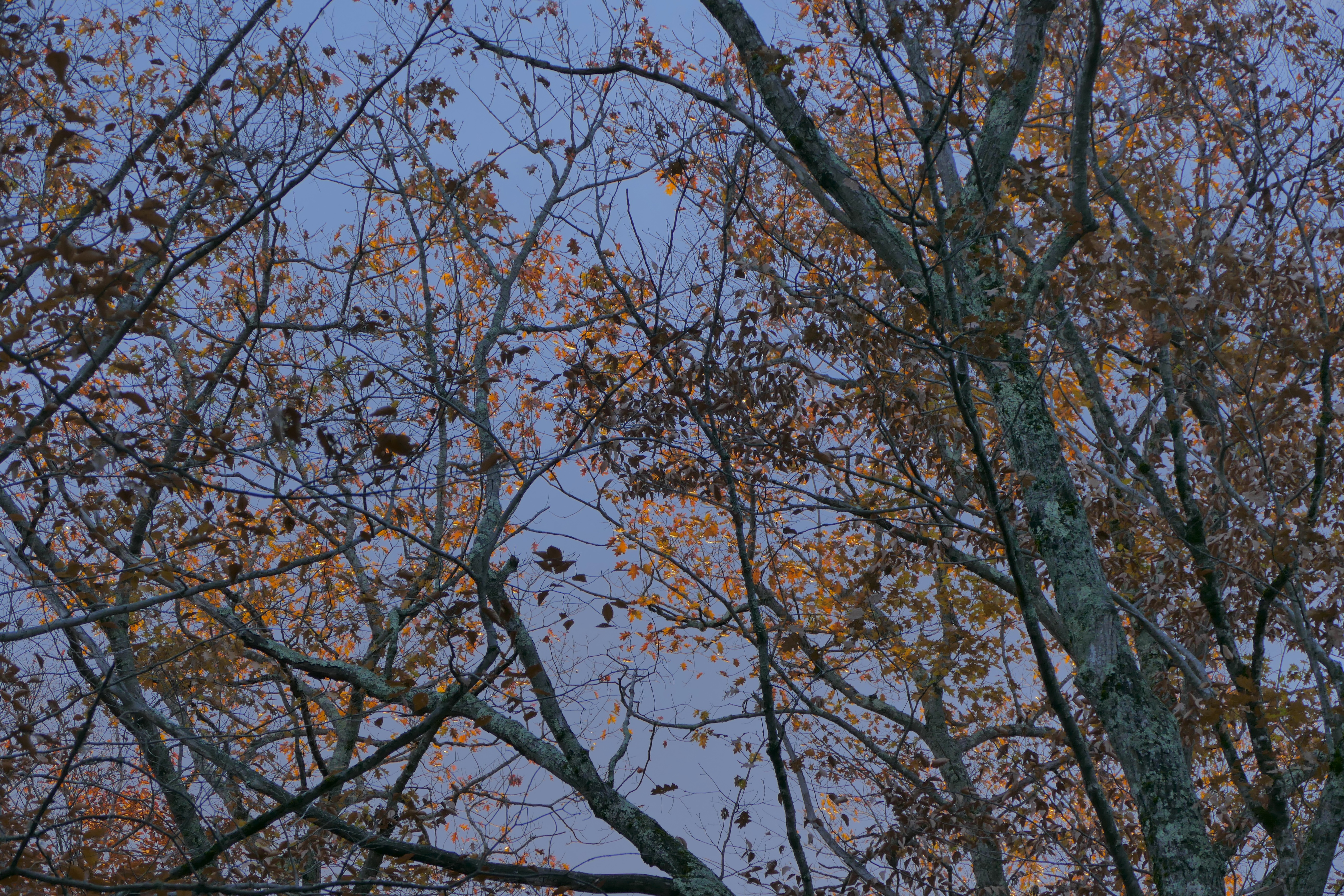
It is a bright, clear, warm November day. I feel blessed. I love my life. I warm toward all nature. The woods are now much more open than when I last observed them; the leaves have fallen, and they let in light, and I see the sky through them as through a crow’s wing in every direction.


 allandibiase.com
You must be logged in to post a comment.