in Thoreau’s Journal:
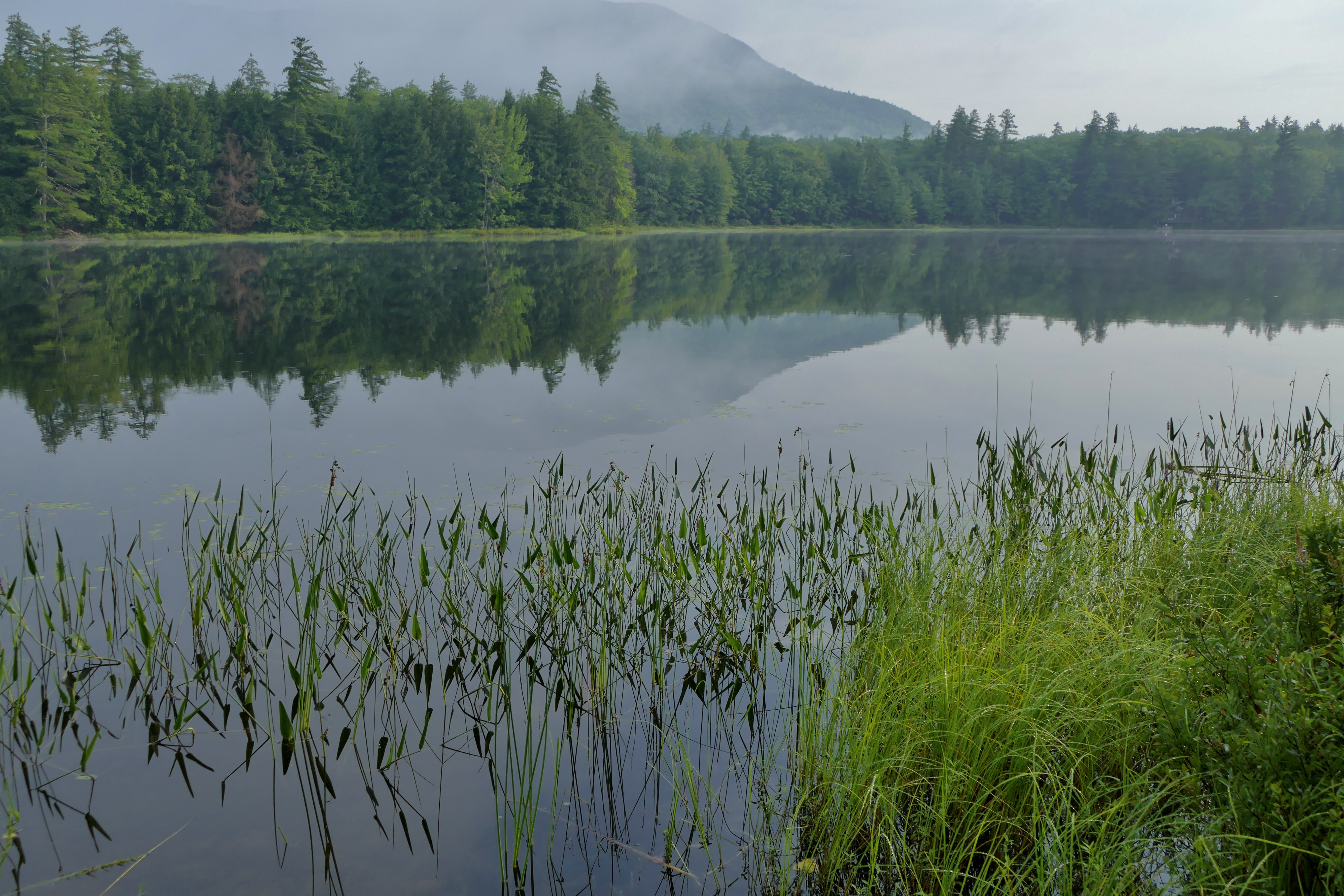
Some fiat has gone forth & stilled the ripples of the lake—each sound & sight has acquired ineffable beauty.
in Thoreau’s Journal:
Some fiat has gone forth & stilled the ripples of the lake—each sound & sight has acquired ineffable beauty.
in Thoreau’s Journal:
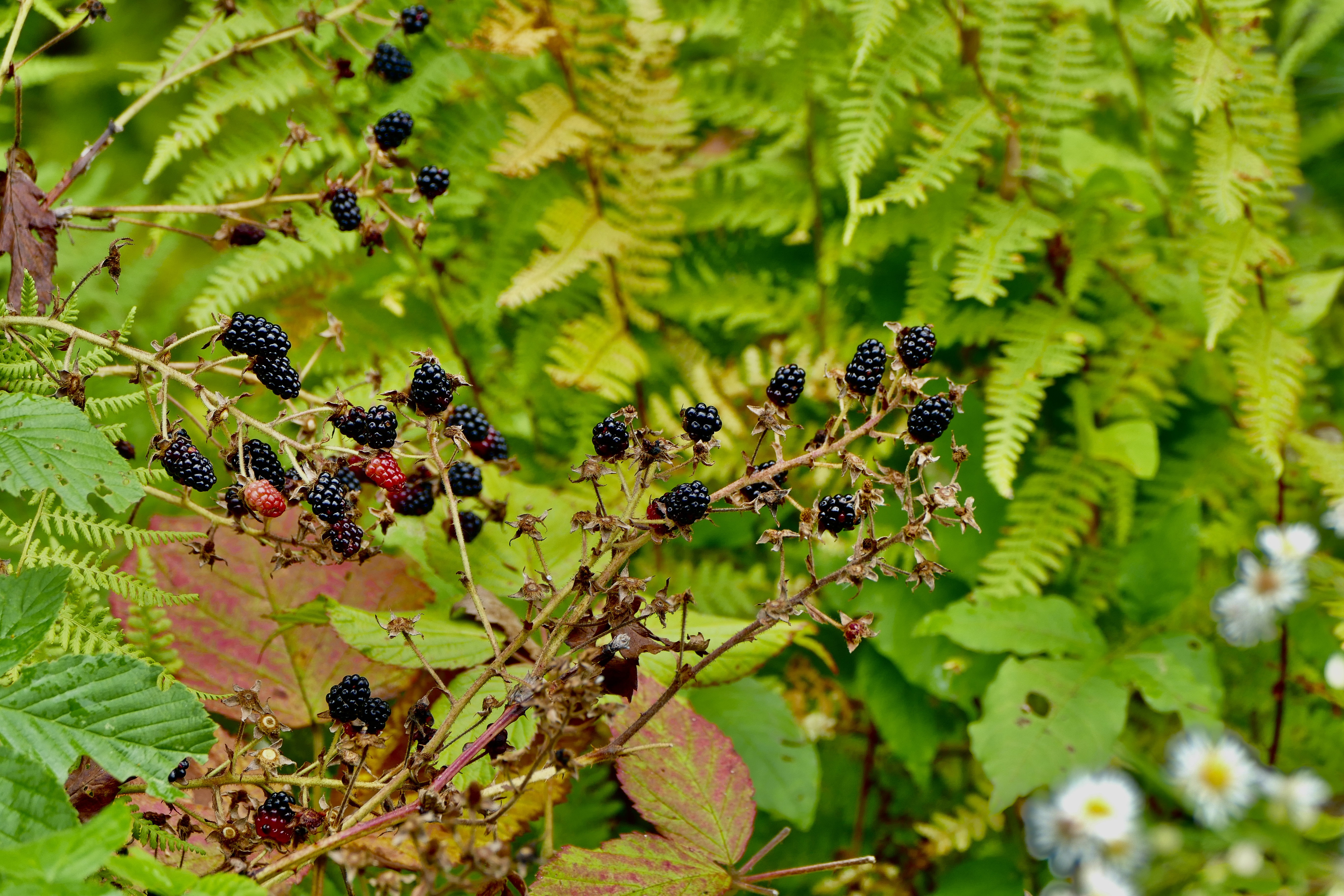
Hear the wood thrush still.
I go across lots like a hunting dog. With what tireless energy and abandonment they dash through the brush and up the sides of hills ! I meet two white foxhounds, led by an old red one. How full of it they are! How their tails work ! They are not tied to paths; they burst forth from the thickest shrub oak lot, and immediately dive into another as the fox did.
There are more varieties of blackberries between the low and the high than I take notice of. Vide that kind in the Well Meadow Field.
The fine (early sedge?) grass in the frosty hollows about Walden (where no bushes have sprung up) looks like an unkempt head.
Vernonia, how long?
in Thoreau’s Journal:
…history fluctuates as the face of the landscape from morning to evening. What is of moment in it is its hue and color. Time hides no treasures; we want not its then, but its now.


in Thoreau’s Journal:
Rattlesnake plantain is budded…..

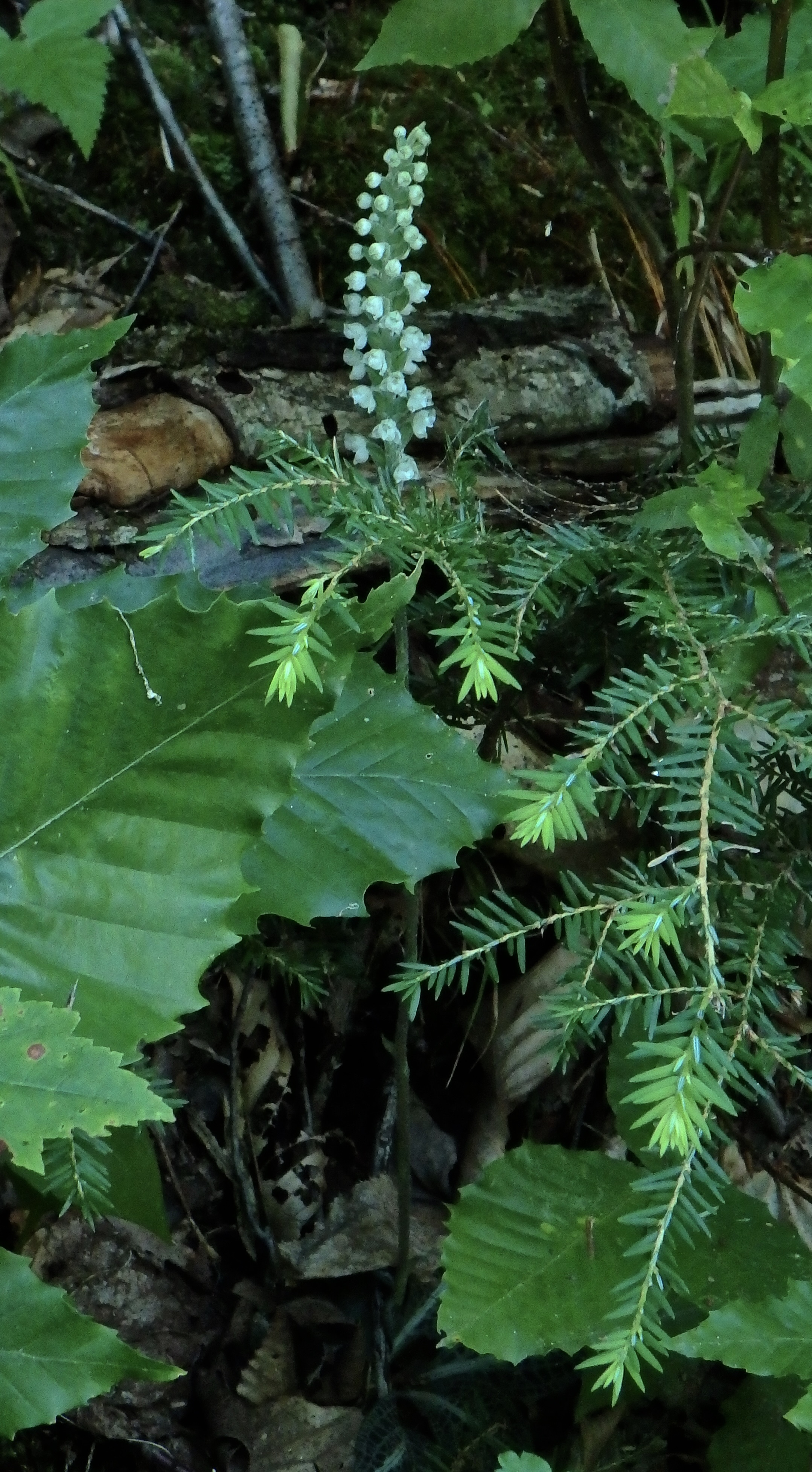
No man ever makes a discovery––ever an observation of the least importance––but he is advertised of the fact by a joy that surprises him. The powers thus celebrate all discovery.
in Thoreau’s Journal:
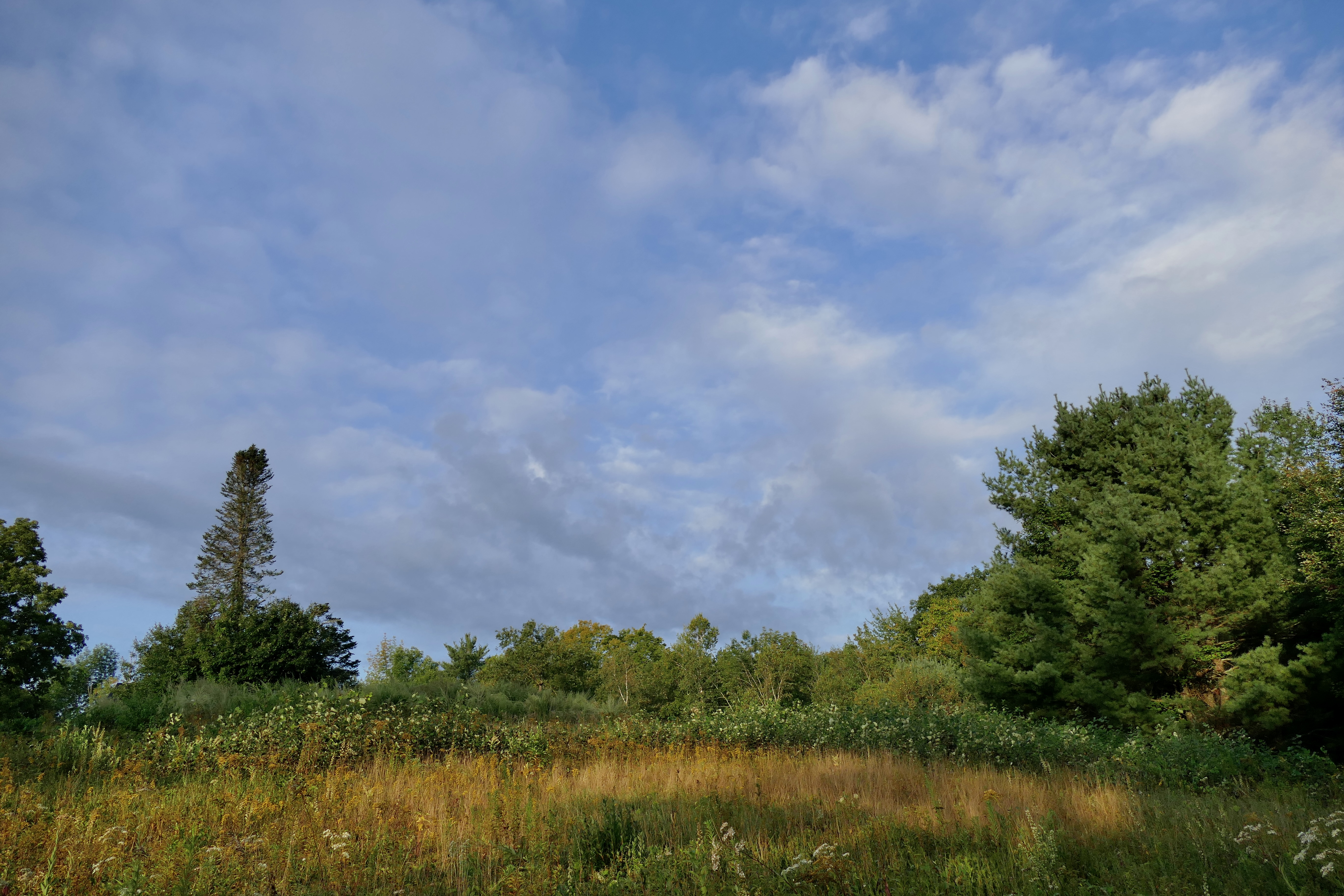
How can we expect a harvest of thought who have not had a seedtime of character?
in Thoreau’s Journal:
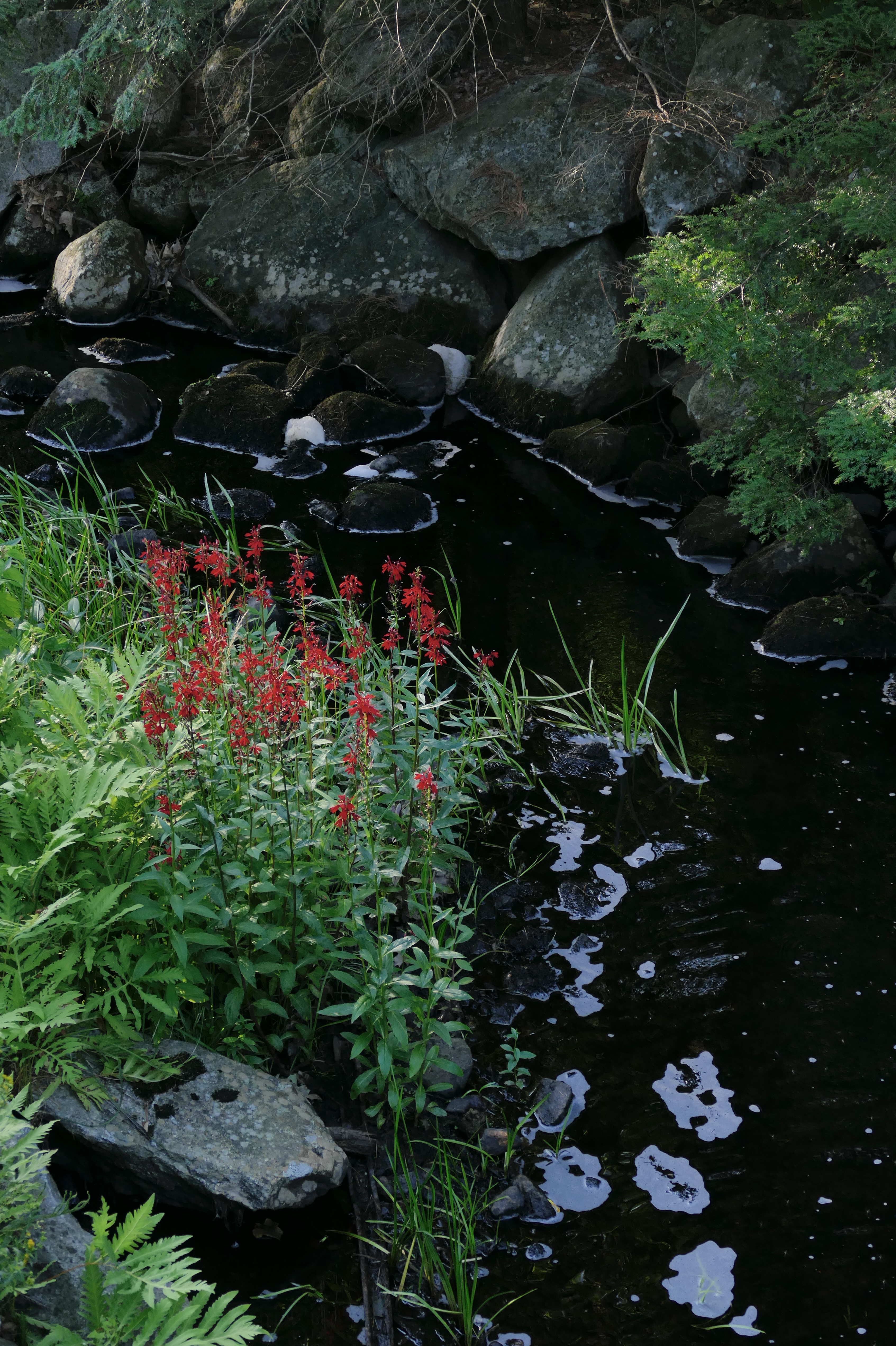
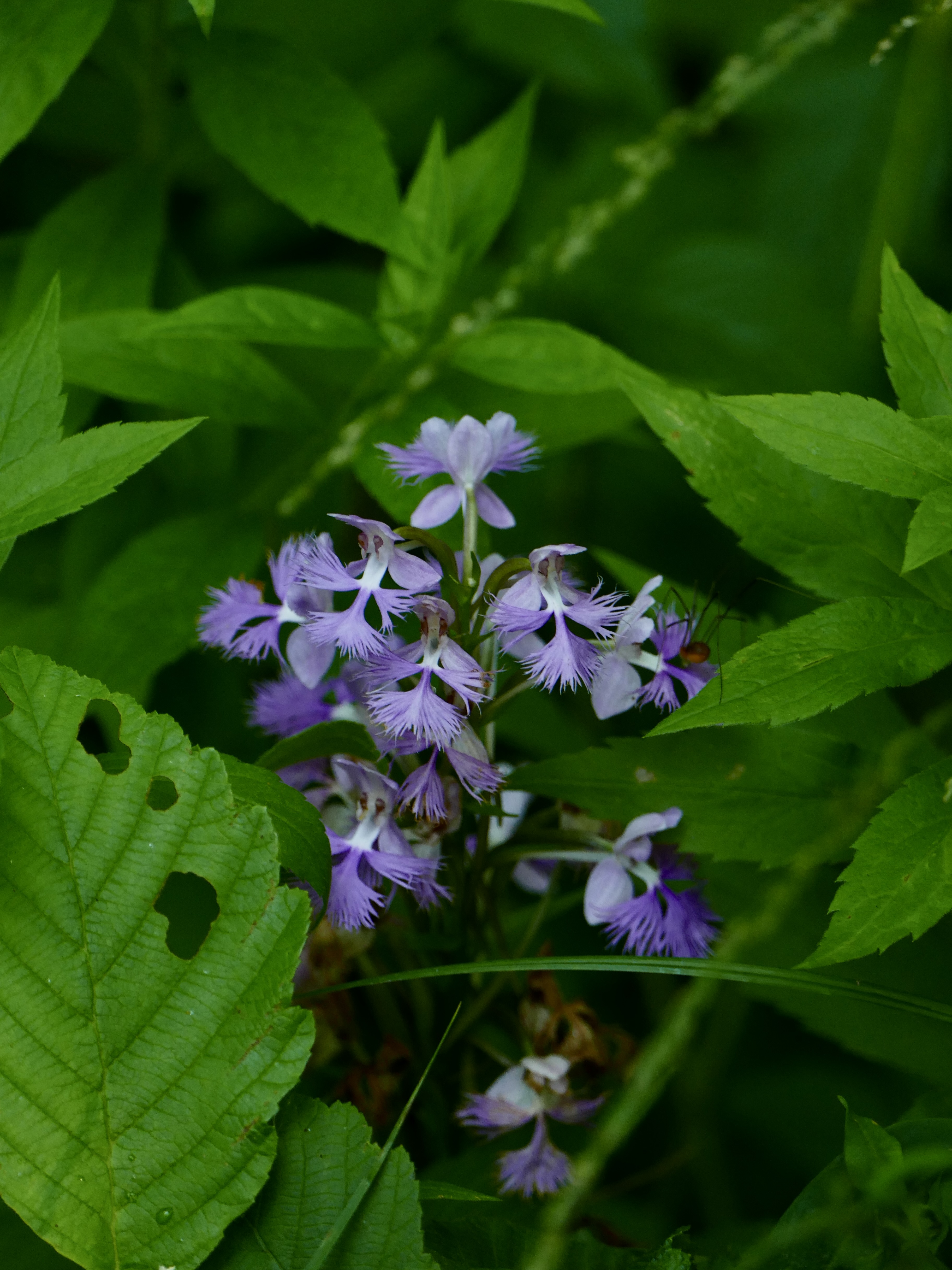
I love to follow up the course of the brook & see the cardinal flowers which stand in its midst above the rocks––their brilliant scarlet the more interesting in this open but dark cellar like wood––the small purple fringed orchises with the long dense spikes––all flower––for that is often all that is seen above the leaves of other plants–– Is not this the last flower of this peculiar flower kind; (i.e. all flower & color––the leaves subordinated)?
in Thoreau’s Journal:
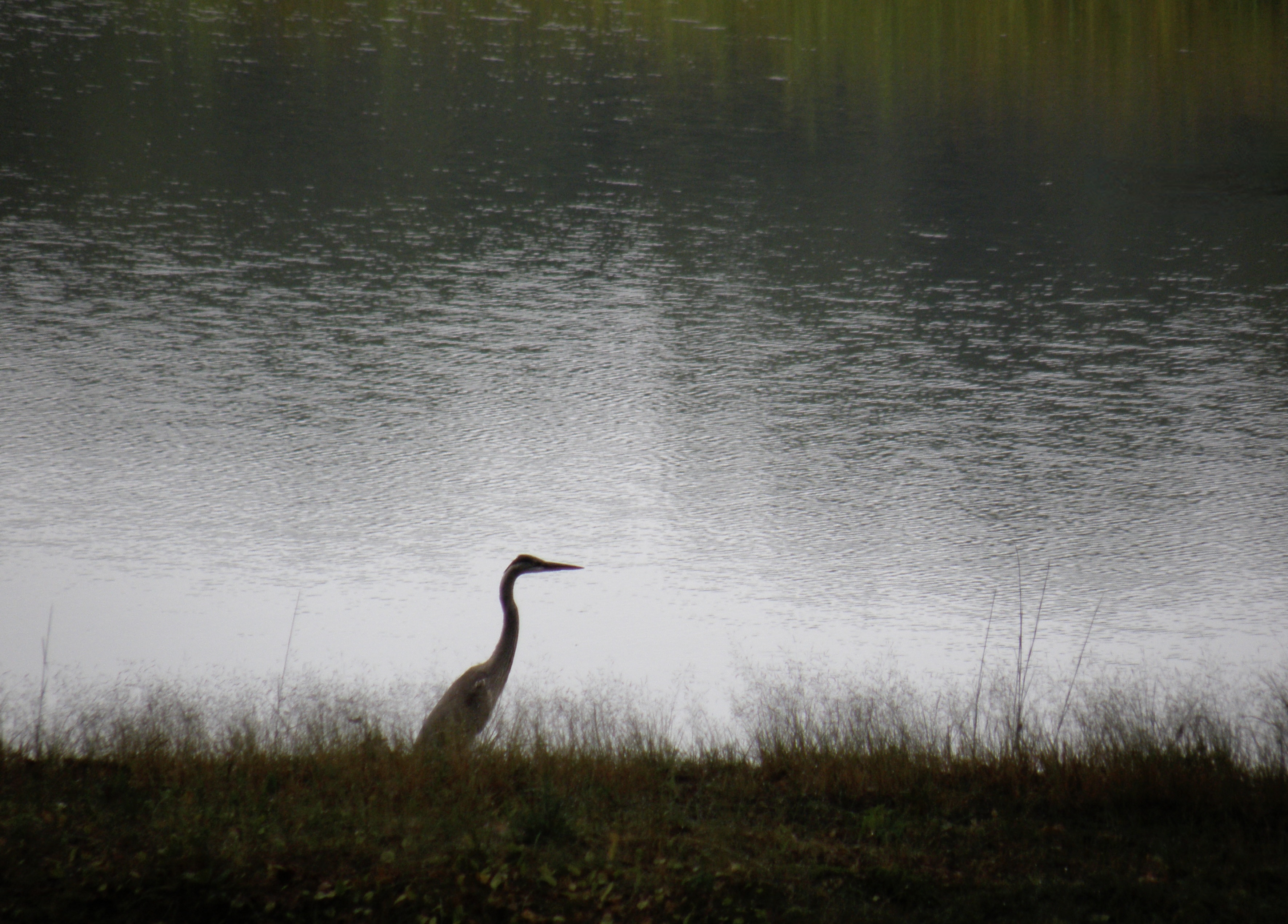
The question is not what you look at, but what you see.
in Thoreau’s Journal:

This is such fresh and flowing weather, as if the waves of the morning had subsided over the day.
in Thoreau’s Journal:
As I wade through the middle of the meadows in sedge up to my middle and look afar over the waving and rustling bent tops of the sedge (all are bent northeast by the southwest wind) toward the distant mainland, I feel a little as if caught by a rising tide on flats far from the shore. I am, as it were, cast away in the midst of the sea. It is a level sea of waving and rustling sedge about me. The grassy sea.
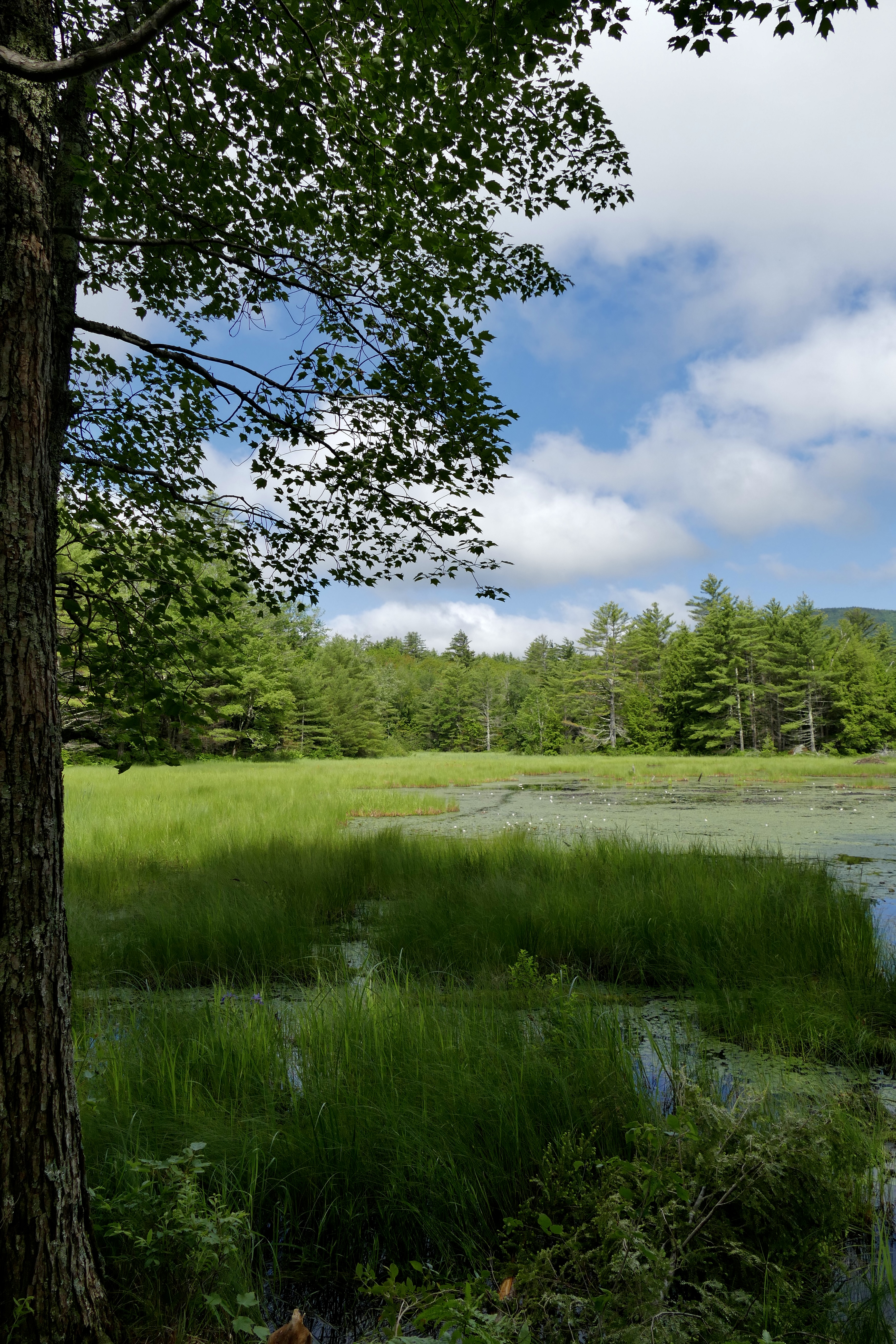
You feel somewhat as you would if you were standing in water at an equal distance from the shore. To-day I can walk dry over the greater part of the meadows, but not over the lower parts, where pipes, etc., grow; yet many think it has not been so dry for ten years!
in Thoreau’s Journal:
5 p. m. —To Conantum on foot.
My attic chamber has compelled me to sit below with the family at evening for a month. I feel the necessity of deepening the stream of my life; I must cultivate privacy. It is very dissipating to be with people too much. As C. says, it takes the edge off a man’s thoughts to have been much in society. I cannot spare my moonlight and my mountains for the best of man I am likely to get in exchange––
I am inclined now for a pensive evening walk
Methinks we think of spring mornings and autumn evenings. I go via Hubbard Path. Chelone say two days X at Conants meadow beyond Wheelers. July has been to me a trivial month. It began hot and continued drying, then rained some toward the middle, bringing anticipations of the fall, and then was hot again about the 20th. It has been a month of haying, heat, low water, and weeds. Birds have grown up and flown more or less in small flocks, though I notice a new sparrow’s nest and eggs and perhaps a catbird’s eggs lately. The woodland quire has steadily diminished in volume.
At the bass I now find that that memorable hum has ceased and the green berries are formed. Now blueberries, huckleberries, and low blackberries are in their prime. The fever-bush berries will not be ripe for two or three weeks.

in Thoreau’s Journal
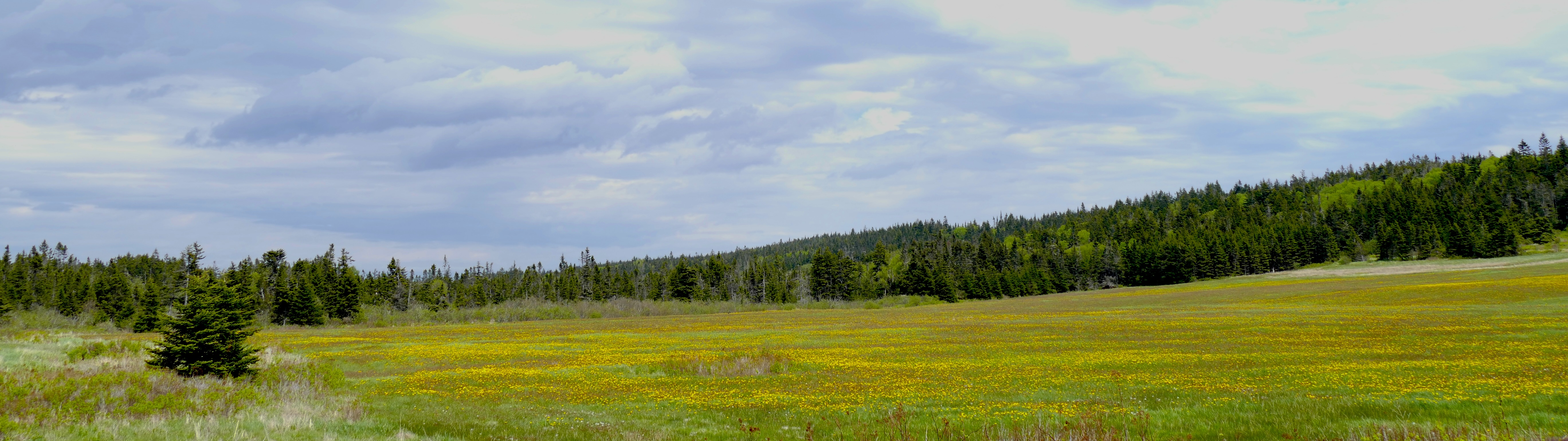
How much of beauty–of color as well as form–on which our eyes daily rest goes unperceived by us! No one but a botanist is likely to perceive nicely the different shades of green which the open surface of the earth is clothed–not even a landscape painter if he does not know the species of sedges and grasses which paint it. With respect to the color of grass, most of those even who attend peculiarly to the aspects of Nature only observe that it is more or less dark or light, green or brown, or velvety, fresh or parched, etc. But if you are studying grasses you look for another and different beauty, and you find it, in the wonderful variety of color, etc., presented by the various species. Take the bare, unwooded earth now, and consider the beautiful variety of shades (or tints ?) of green that clothe it under a bright sun. The pastured hills of Conantum, now just imbrowned (probably by the few now stale flowering tops of the red-top which the cows have avoided as too wiry), present a hard and solid green or greenish brown, just touched here and there delicately with light patches of sheep’s fescue (though it may be only its radical leaves left), as if a dew lay on it there, —and this has some of the effect of a watered surface, —and the whole is dotted with a thousand little shades of projecting rocks and shrubs. Then, looking lower at the meadow in Miles’s field, that is seen as a bright-yellow and sunny stream (yet with a slight tinge of glaucous) between the dark-green potato-fields, flowing onward with windings and expansions, and, as it were, with rips and waterfalls, to the river meadows.


 allandibiase.com
You must be logged in to post a comment.