in Thoreau’s Journal:

It is with leaves as with fruits and woods, animals and men; when they are mature their different characters appear.

in Thoreau’s Journal:
It is with leaves as with fruits and woods, animals and men; when they are mature their different characters appear.
in Thoreau’s Journal:
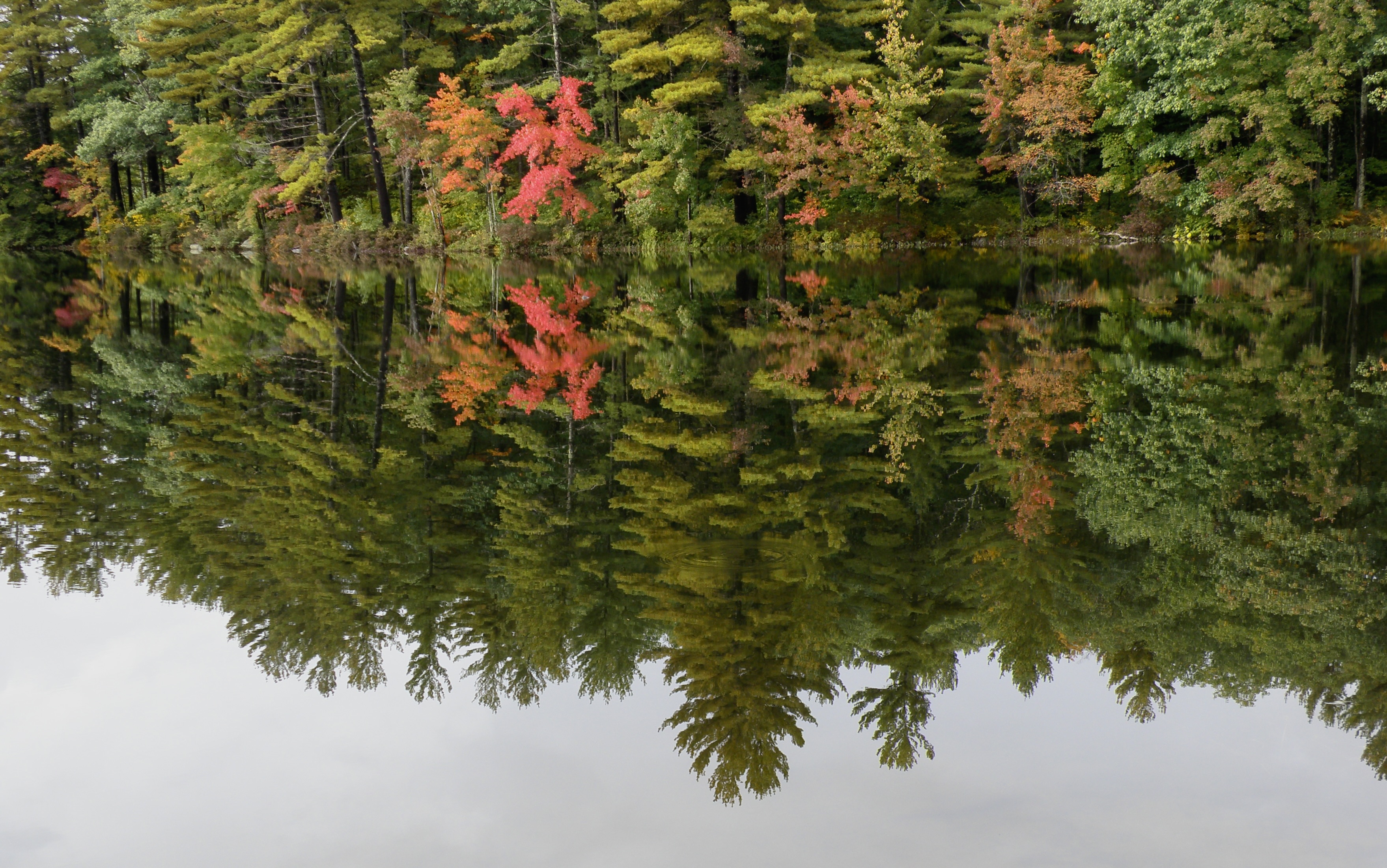
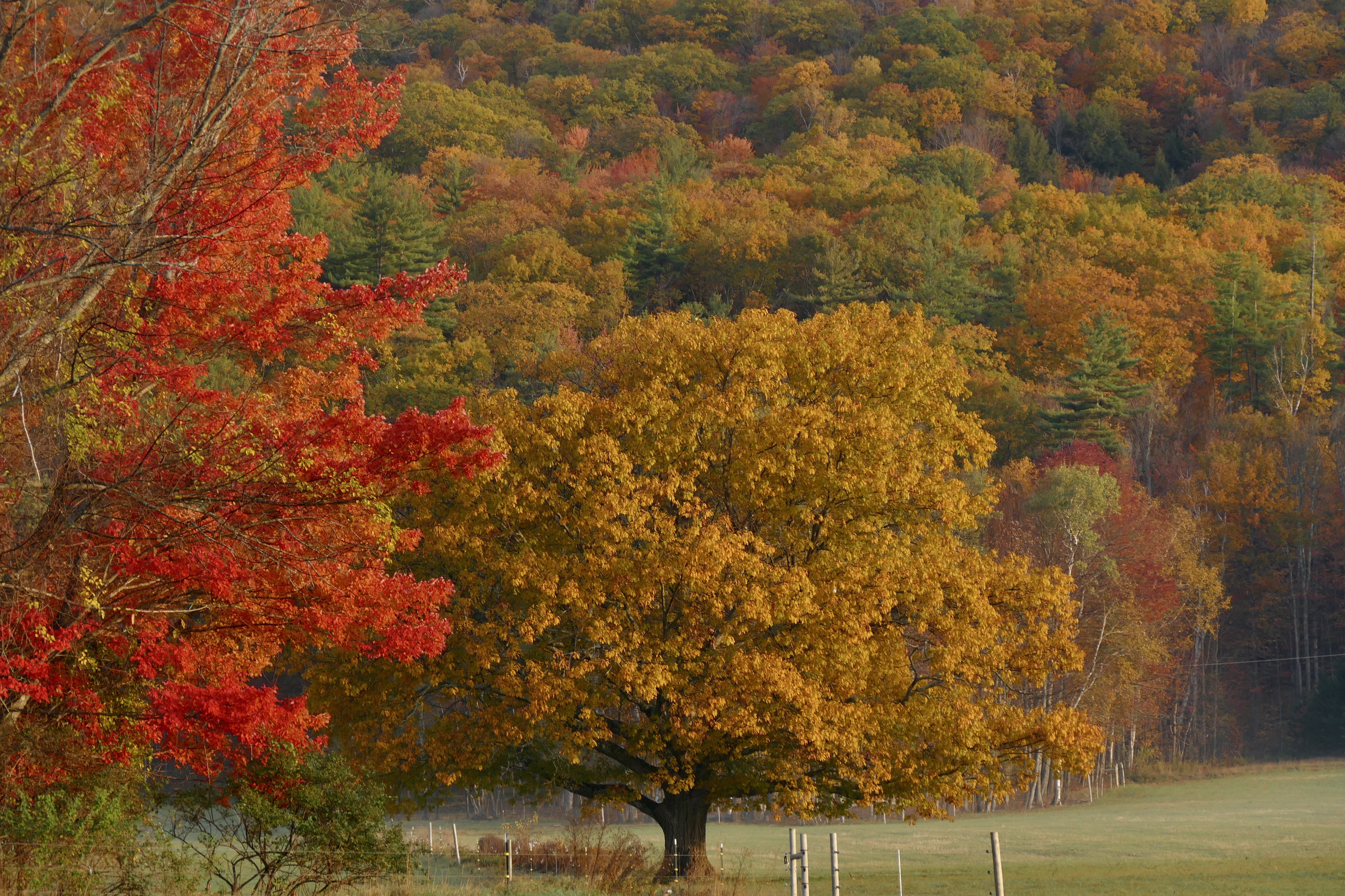
The intense brilliancy of the red-ripe maples scattered here and there in the midst of the green oaks & hickories on its hilly shore is quite charming. They are unexpectedly & incredibly brilliant –especially on the western shore & close to the waters edge, where alternating with yellow birches & poplars & green oaks—they remind me of a line of soldiers red coats & riflemen in green mixed together.
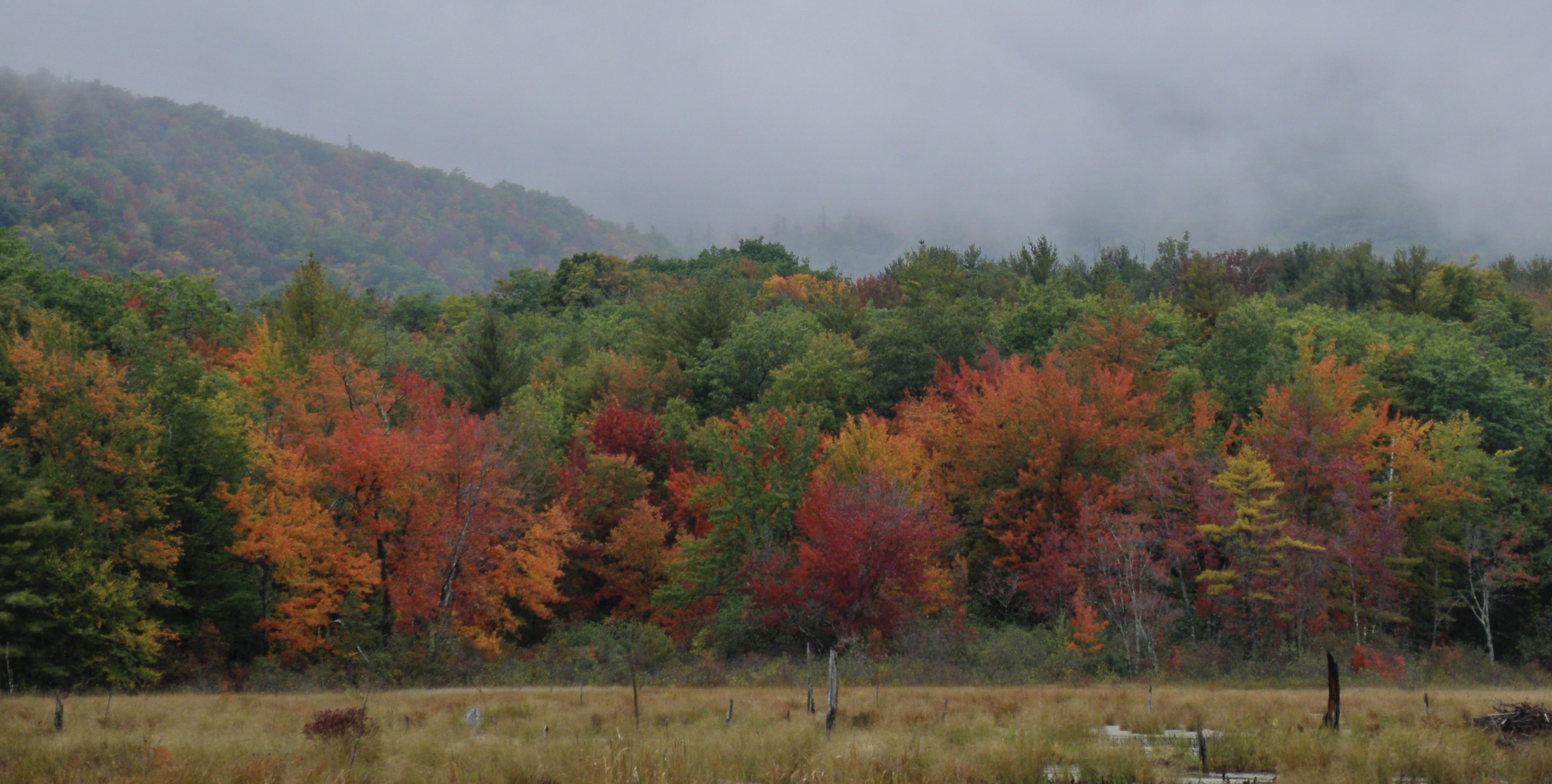
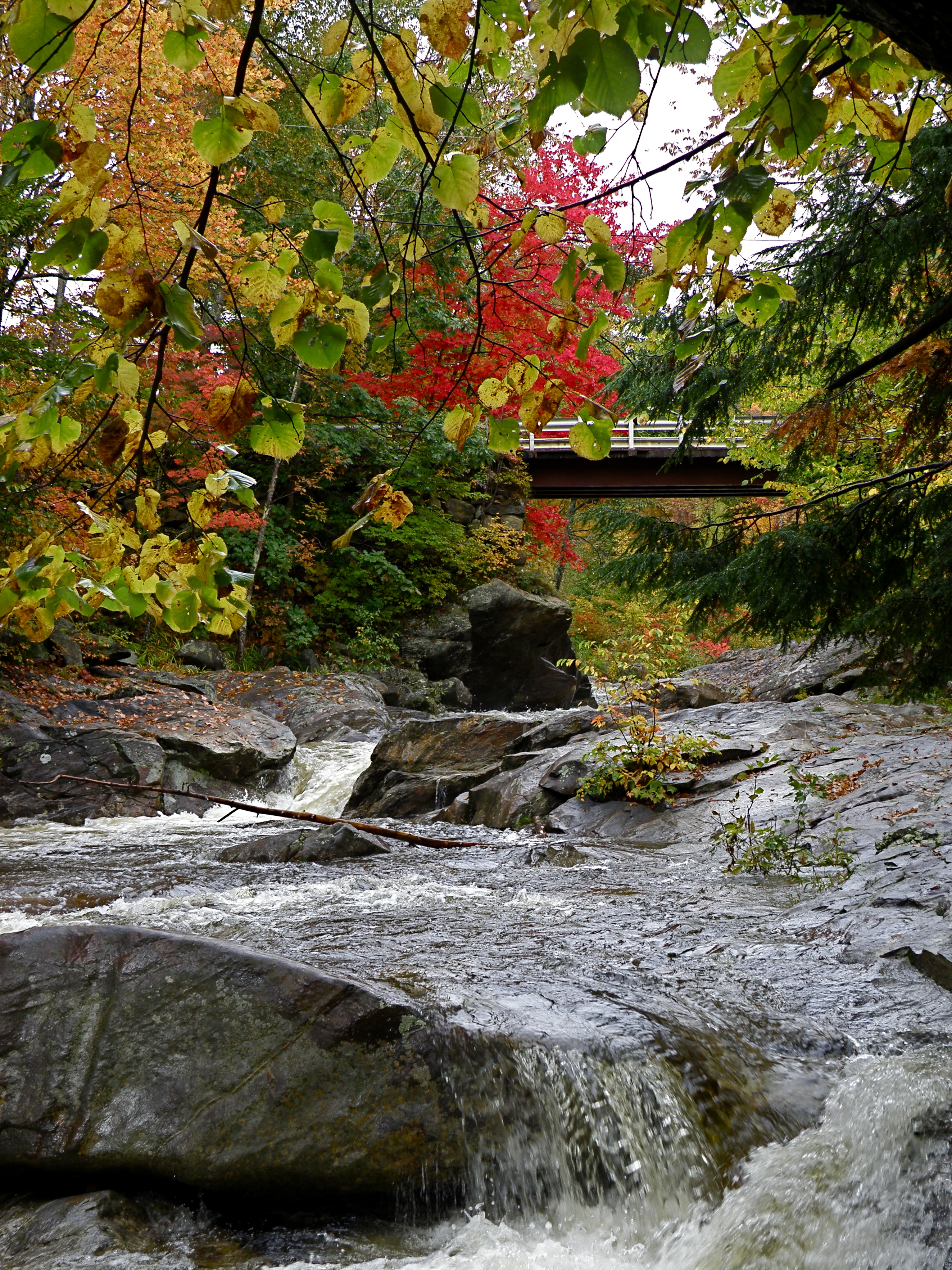
The pine is one of the richest of trees to my eye. It stands like a great moss, a luxuriant mildew, —the pumpkin pine, —which the earth produces without effort.

September 28, 1858 in Thoreau’s Journal:
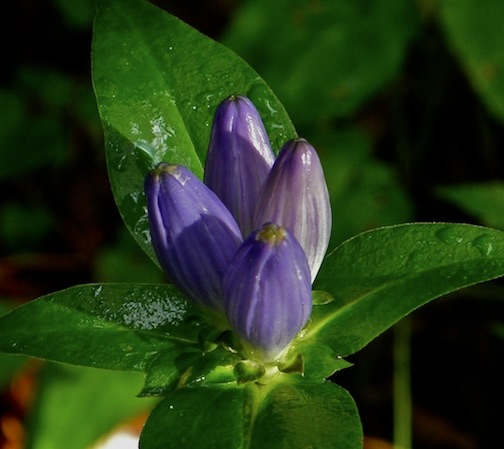
The gentian (Andrewsii) now generally in prime, on low, moist, shady banks. Its transcendent blue shows best in the shade and suggests coolness; contrasts there with the fresh green; a splendid blue, light in the shade, turning to purple with age. They are particularly abundant under the north side of the willow row in Merrick’s pasture. I count fifteen in a single cluster there, and afterward twenty in Gentian Lane near Flint’s Bridge, and there were other clusters below; bluer than the bluest sky they lurk in the moist and shady recesses of the banks.
in Thoreau’s Journal:
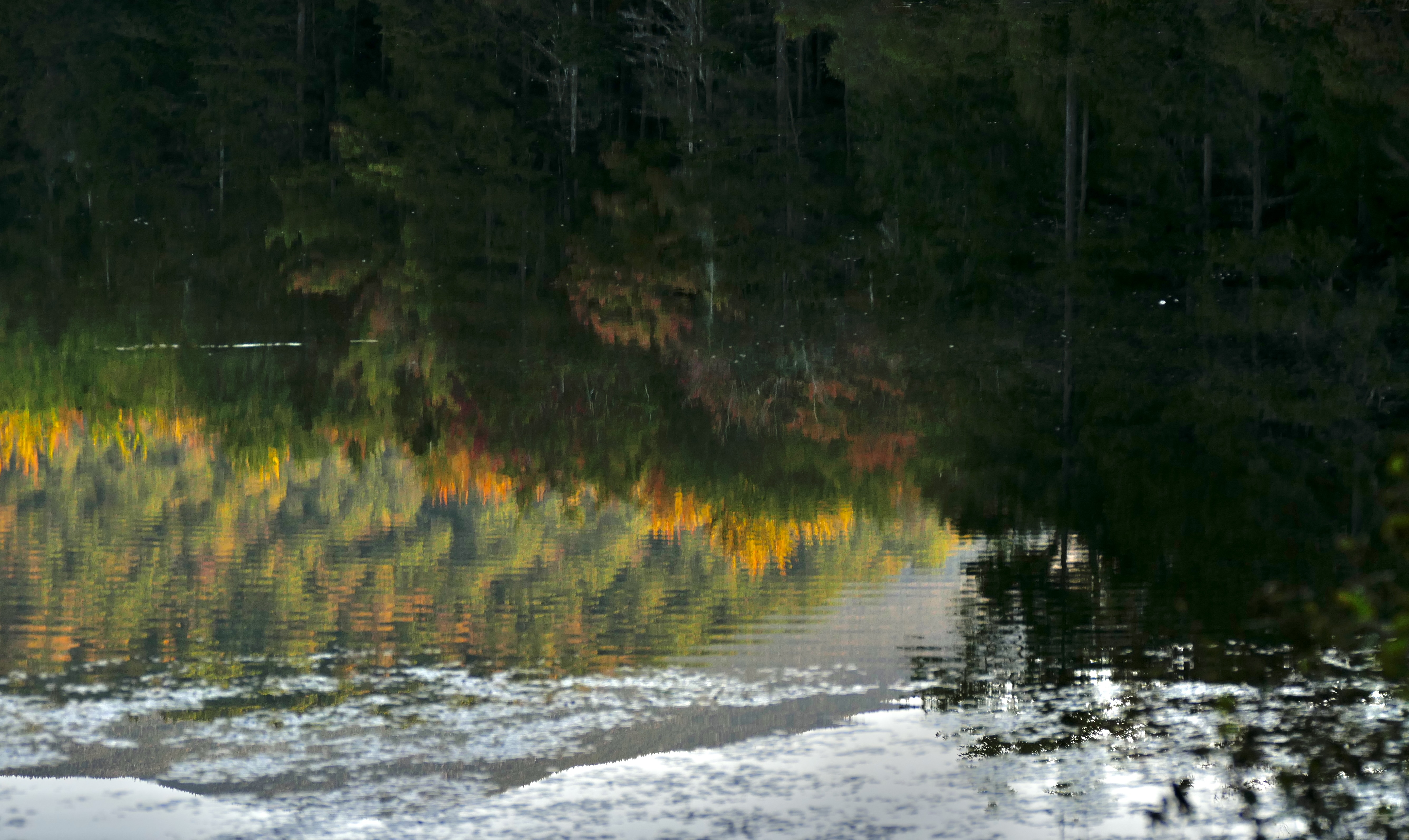
It is a very fine afternoon to be on the water, somewhat Indian-summer-like. I do not know what constitutes the peculiarity and charm of this weather; the broad water so smooth, notwithstanding the slight wind, as if, owing to some oiliness, the wind slid over without ruffling it. There is a slight coolness in the air, yet the sun is occasionally very warm. I am tempted to say that the air is singularly clear, yet I see it is quite hazy. Perhaps it is that transparency it is said to possess when full of moisture and before or after rain. Through this I see the colors of trees and shrubs beginning to put on their October dress, and the creak of the mole cricket sounds late along the shore.
in Thoreau’s Journal:
The increasing scarlet & yellow tints around the meadows & river remind me of the opening of a vast flower bud—they are the petals of its corolla—which is of the width of the valleys—
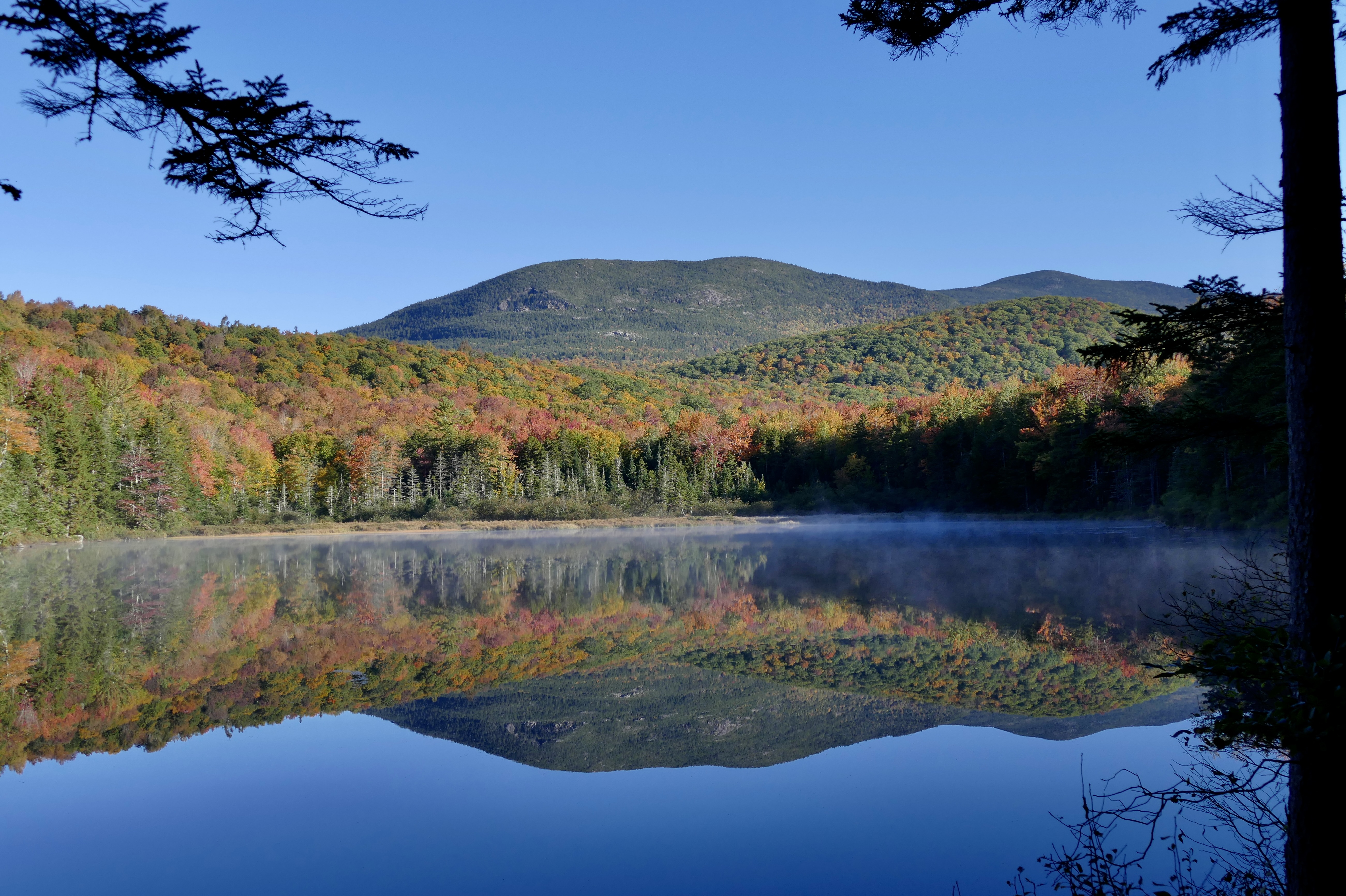
It is the flower of autumn whose expanding bud just begins to blush. As yet however in the forest there are very few changes of foliage.
in Thoreau’s Journal:

I did not see but the seeds of milkweed would be borne many hundred miles––and those which were ripened in New England might plant themselves in Pennsylvania. Packed in a little oblong chest––armed with soft downy prickles & lined with a smooth silky lining––lie some hundred of pear shaped seeds or shaped like the weight of steel-yards––the plumb. Closely packed and filling the follicle one or 2 hundred seeds––which have derived their nutriment through a band of extremely fine silken threads attached by their extremities to the core. At length when the seeds are matured & cease to require nourishment form the plant––being weaned & the pod with dryness & frost bursting––the extremities of the silken threads detach them selves from the core & from being the conduits of nutriment to the seed become the buoyant balloon which like some spiders’ webs bears the seeds to new & distant fields. They merely serve to buoy up the full fed seed.–– far finer than the finest thread. Think of the great variety of balloons which are buoyed up by similar means. I am interested in the fate or success of every such venture which the autumn sends forth.

in Thoreau’s Journal:

In Cohush Swamp the sumach leaves have turned a very deep red, but have not lost their fragrance. I notice wild apples growing luxuriantly in the midst of the swamp, rising red over the colored, painted leaves of the sumach, and reminding me that they were ripened and colored by the same influences, –some green, some yellow, some red, like the leaves.

in Thoreau’s Journal:
It is important then that we should air our lives by removals, excursions in the fields and woods….
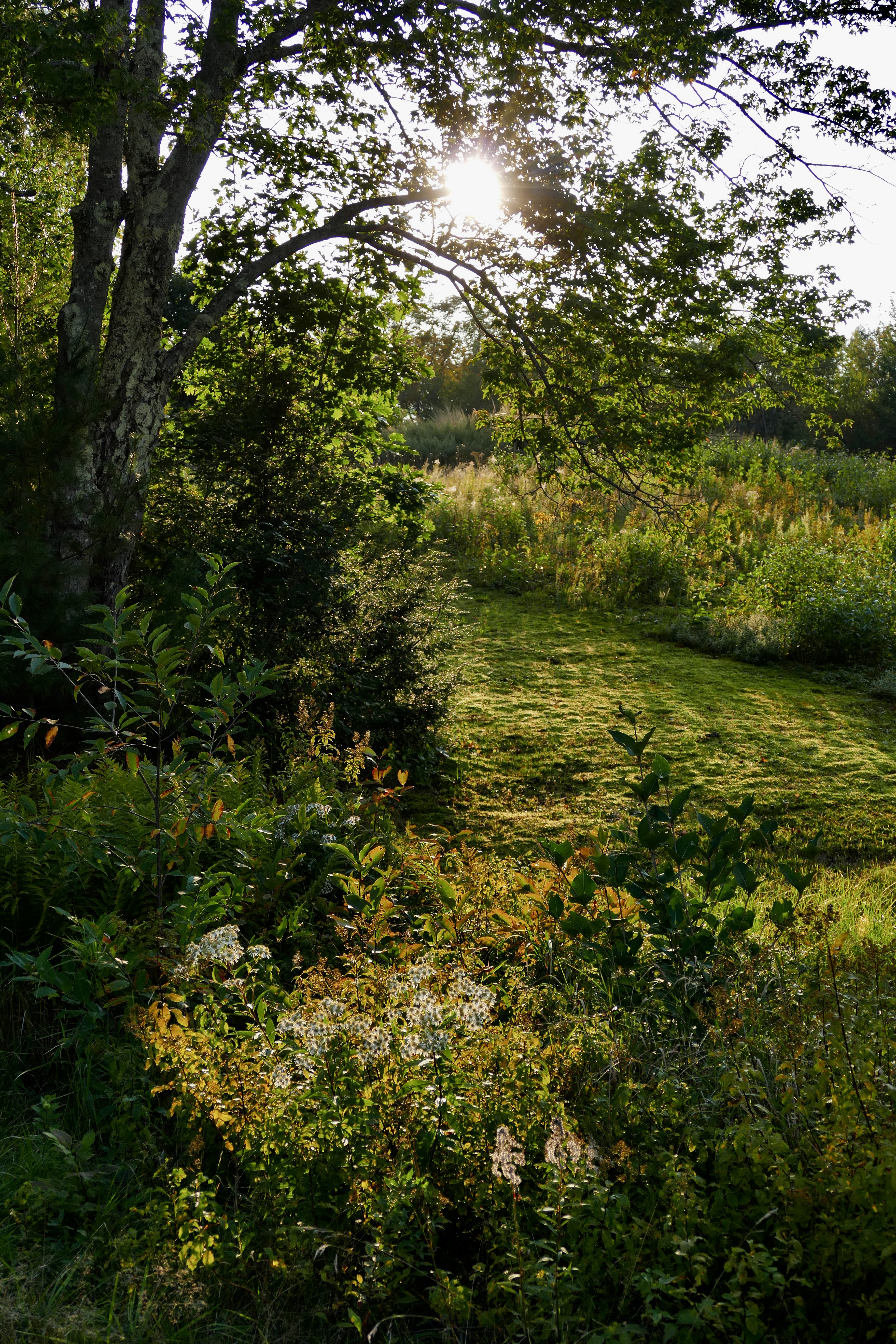
So live that only the most beautiful wild flowers will spring up where you have dwelt, harebells, violets, and blue-eyed grass.
in Thoreau’s Journal:
As I look off from the hilltop, I wonder if there are any finer days in the year than these the air is so fine and bracing. The landscape has acquired some fresh verdure withal.
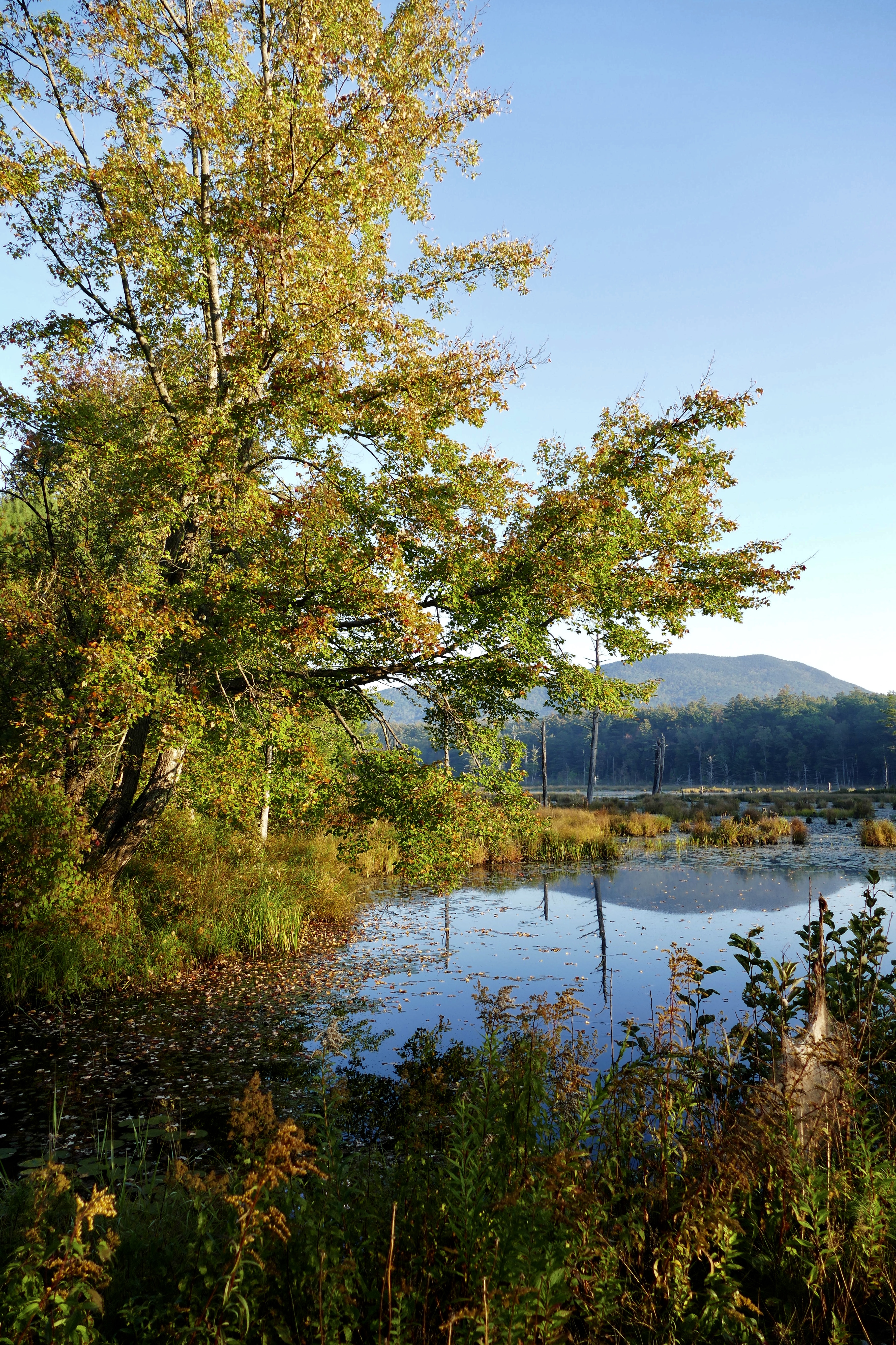
The frosts come to ripen the days like fruits, persimmons.
in Thoreau’s Journal:
The small scull cap & cress & the mullein still in bloom. I see pigeon woodpeckers oftener now with their light rears. Birches & elms begin to turn yellow—& ferns are quite yellow or brown in many places. I see many tall clustered bluish asters by the brooks like the A undulatus. The blue stemmed golden rod is abundant bright & in its prime. The maples begin to be ripe. How beautiful when a whole maple on the edge of a swamp is like one great scarlet fruit—full of ripe juices— A sign of the ripening—every leaf from lowest limb to topmost spire— is a-glow. The woodbine is red too & its berries are blueing. The flattened black berries of the cucumber root—with the triangular bases of its leaves tinged red beneath as a sort of cup for them. My red ball fungus blossoms in the path in the midst of its jelly. As I was walking through the maple swamp by the Corner spring I was surprised to see apples on the ground—and at first supposed that some body had dropped them, but looking up I detected a wild apple tree, as tall and slender as the young maples and not more than 5 inches in diameter at the ground. This had blossomed & borne fruit this year— The apples were quite mellow & of a very agreeable flavor—they they had a rusty scraperish look—and I filled my pockets with them. The squirrels had found them out before me. It is an agreeable surprise to find in the midst of a swamp so large and edible a fruit as an apple. Of late we have much cloudy weather without rain. Are not liable to showers as in summer—but may have a storm. The lentago berries appear to drop off before or as soon as they turn. There are few left on the bushes. Many that I bring home will turn in a single night. The sassafras leaves are red. The huckleberry bushes begin to redden. The white actaea berries still hang on—or their red pedicels remain.


in Thoreau’s Journal:
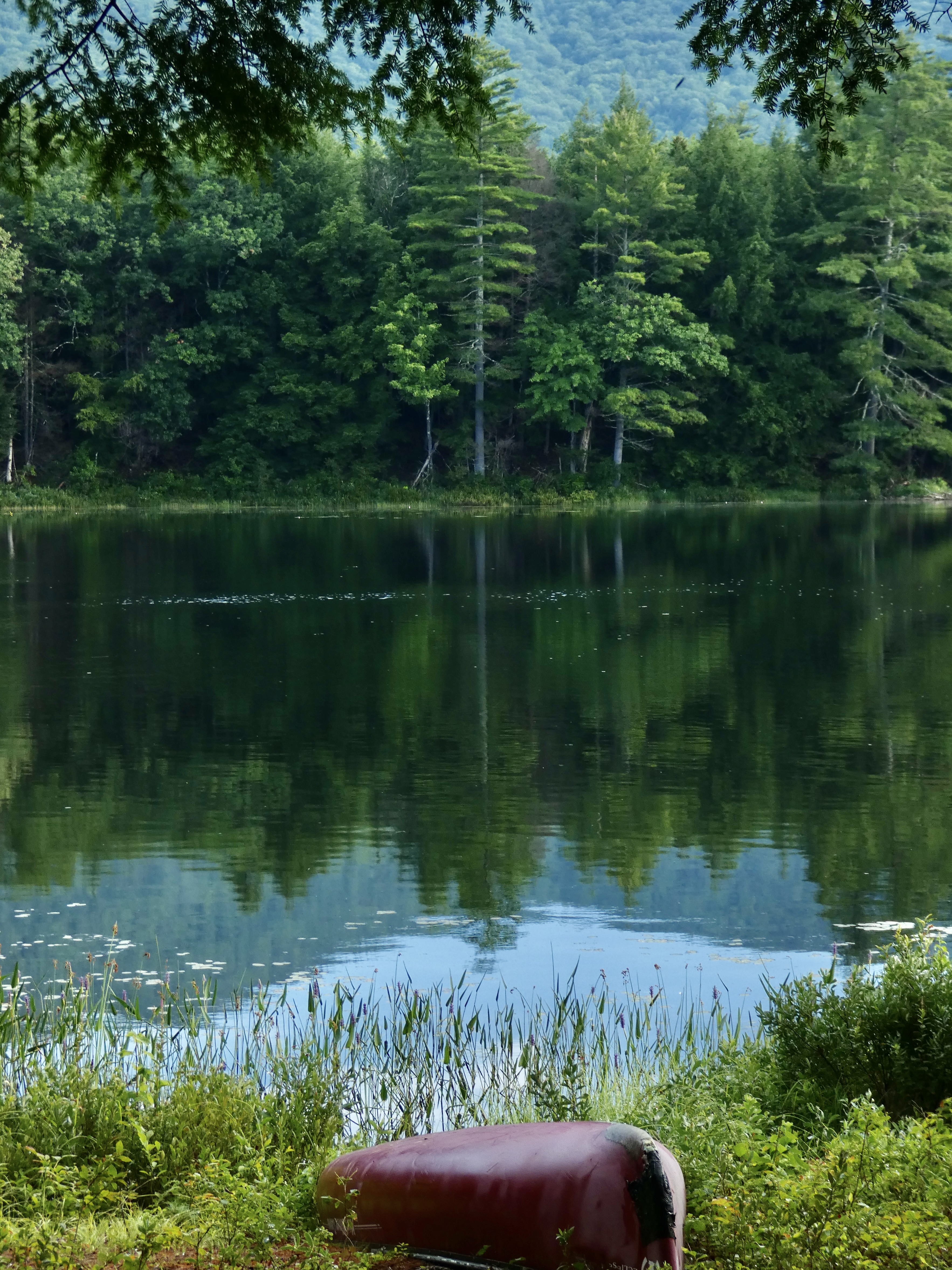
On Heywood’s Peak by Walden. —The surface is not perfectly smooth, on account of the zephyr, and the reflections of the woods are a little indistinct and blurred. How soothing to sit on a stump on this height, over-looking the pond, and study the dimpling circles which are incessantly inscribed and again erased on the smooth and otherwise invisible surface, amid the reflected skies! The reflected sky is of a deeper blue. How beautiful that over this vast expanse there can be no disturbance, but it is thus at once gently smoothed away and assuaged, as, when a vase of water is jarred, the trembling circles seek the shore and all is smooth again! Not a fish can leap or an insect fall on it but it is reported in lines of beauty—in circling dimples—as it were the constant welling up of its fountain—the gentle pulsing of its life—the heaving of its breast. The thrills of joy & those of pain are indistinguishable. How sweet the phenomena of the lake—! Everything that moves on its surface produces a sparkle. The peaceful Pond!


in Thoreau’s Journal:
Thinking this afternoon of the prospect of my writing lectures and going abroad to read them the next winter, I realized how incomparably great the advantages of obscurity and poverty which I have enjoyed so long (and may still perhaps enjoy). I thought with what more than princely, with what poetical, leisure I had spent my years hitherto, without care or engagement, fancy-free. I have given myself up to nature– I have tried so many Springs & summers & autumns and winters as if I had nothing else to do but to live them–& imbibe whatever nutriment they had for me–

I have spent a couple of years, for instance, with the flowers chiefly, having none other so binding engagement as to observe when they opened– I could have afforded to spend a whole fall observing the changing tints of the foliage. Ah how I have thriven on solitude & poverty– I cannot overstate this advantage. I do not see how I could have enjoyed it–if the public had been expecting as much of me as there is danger now that they will– If I go abroad lecturing how shall I ever recover the lost winter?
It has been my vacation–my season of growth & expansion–a prolonged youth–
in Thoreau’s Journal:
This is a beautiful day, warm but not too warm, a harvest day (I am going down the railroad causeway), the first unquestionable and conspicuous autumnal day, when the willows and button-bushes are a yellowed bower in parallel lines along the swollen and shining stream. The first autumnal tints (of red maples) are now generally noticed.

The shrilling of the alder locust fills the air. A brightness as of spring is reflected from the green shorn fields. Both sky and earth are bright. The first clear blue and shining white (of clouds). Cornstalk-tops are stacked about the fields; potatoes are being dug; smokes are seen in the horizon. It is the season of agricultural fairs. If you are not happy to-day you will hardly be so to-morrow.
in Thoreau’s Journal:

How perfectly each plant has its turn! ––as if the seasons revolved for it alone.
September 16, 1858 in Thoreau’s Journal:
When I awake I hear the sound of steady heavy rain. A southeast storm. Our peach tree limbs are broken off by it. It lasts all day, rains a great deal, and scatters many elm boughs and leaves over the street. This wind does damage out of proportion to its strength. The fact is, the trees are unprepared to resist a wind from this quarter and, being loaded with foliage and fruit, suffer so much the more. There will be many windfalls, and fruit [will] be cheap for awhile.

It rained as hard as I remember to have seen it for about five minutes at six o’clock p. m., when I was out, and then suddenly, as it were in an instant, the wind whirled round to the westward, and clear sky appeared there and the storm ended, —which had lasted all day and part of the previous night. All this occurred while I was coming from the post-office. The street is strewn with a great many perfectly green leaves, especially of elms, and branches, large and small, also for the most part quite sound. It is remarkable that these tough and slender limbs can be thus twisted off.
in Thoreau’s Journal:

A hummingbird in the garden.
in Thoreau’s Journal:
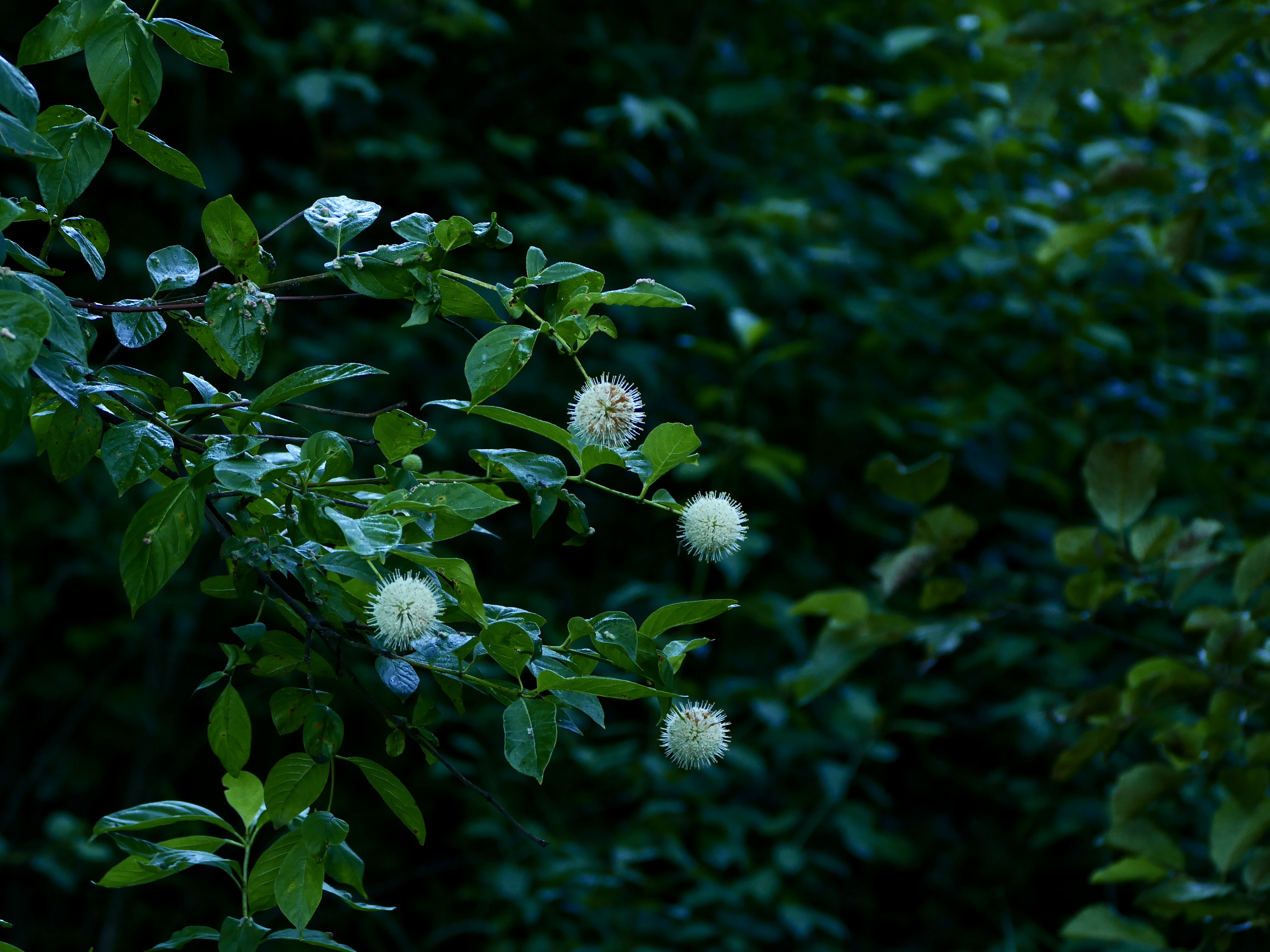
Crossing Fair Haven the reflections were very fine—not quite distinct, but prolonged by the fine ripples made by an east wind just risen— At a distance, entering the pond, we mistook some fine sparkles, probably of insects—for ducks in the water—they were so large, which when we were nearer, looking down at a greater angle with the surface—wholly disappeared. Some large-leaved willow bushes in the meadow southeast of Lee’s reflected the light from the under sides of a part of their leaves—as if frost-covered, or as if white asters were mingled with them. We saw but two white lilies on this voyage—they are now done. About a dozen pontederia spikes—no Mikania (that is now white or grey) four or five large yellow lilies, and two or three small yellow lilies. The Bidens Bechii is drowned or dried up—& has given place to the Great Bidens, the flower & ornament of the river sides at present—& now in its glory, especially at I. Rice’s shore—where there are dense beds. It is a splendid yellow Channing says a lemon yellow—& looks larger than it is (two inches in diameter, more or less). Full of the sun. It needs a name. I see tufts of ferns on the edge of the meadows at a little distance—handsomely tipped on edge with cinnamon brown—like so many brown fires—they light up the meadows— The button-bush every where yellowing.

in Thoreau’s Journal:
I must walk more with free senses–– It is as bad to study stars & clouds as flowers & stones–– I must let my senses wander as my thoughts––my eyes see without looking. Carlyle said that how to observe was to look––but I say that is rather to see––& the more you look the less you will observe––

I have the habit of attention to such excess that my senses get no rest––but suffer from a constant strain. Be not preoccupied with looking. Go not to the object. Let it come to you….What I need is not to look at all––but a true sauntering of the eye.
in Thoreau’s Journal:
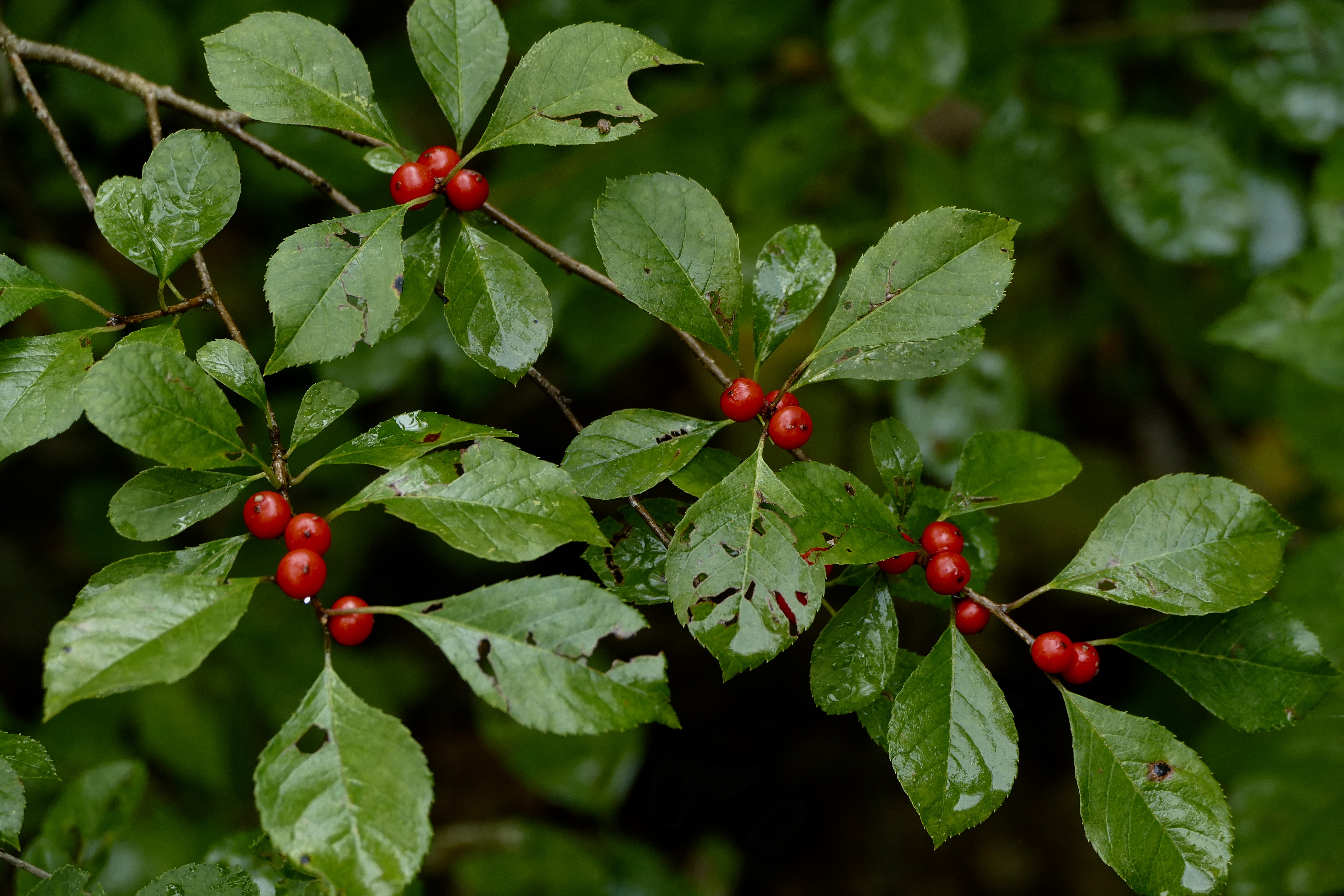
The prinos berries are pretty red. Any redness like cardinal-flowers, or poke, or the evening sky, or Cheronaea, excites us as a red flag does cows and turkeys.
in Thoreau’s Journal:

This is the season when the prevalence of the goldenrod gives such a ripe and teeming look to the dry fields and to the swamps.
 allandibiase.com
You must be logged in to post a comment.