in Thoreau’s Journal:

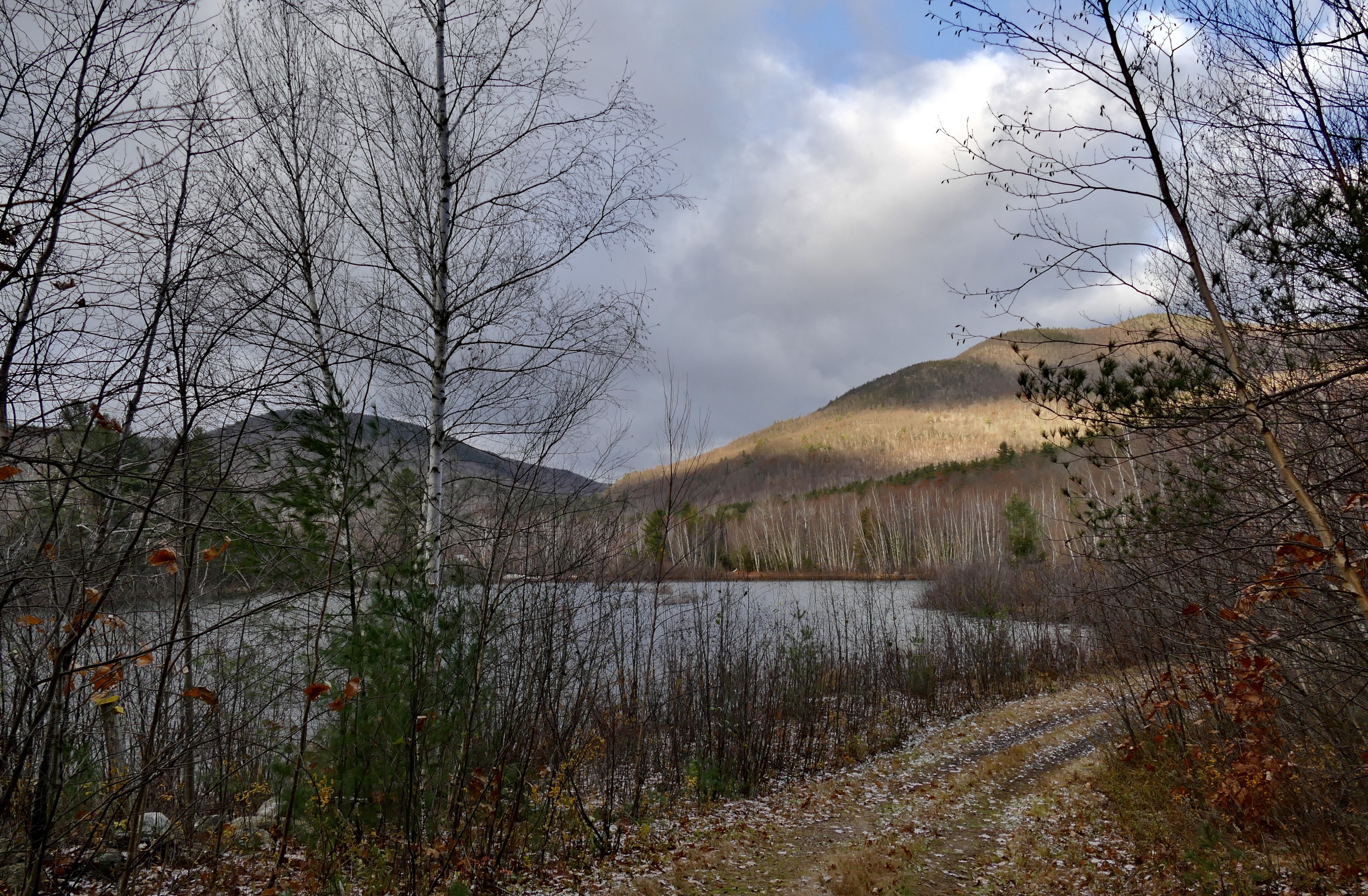

Is not this already November when the yellow & scarlet tints are gone from the forest?
in Thoreau’s Journal:
Is not this already November when the yellow & scarlet tints are gone from the forest?
in Thoreau’s Journal:
What with the rains & frosts & winds the leaves have fairly fallen now— You may say the fall has ended. Those which still hang on the trees are withered & dry….the autumnal tints are gone….the woods have for the most part acquired their winter aspect— And coarse rustling light colored withered grasses skirt the river & the woodside—
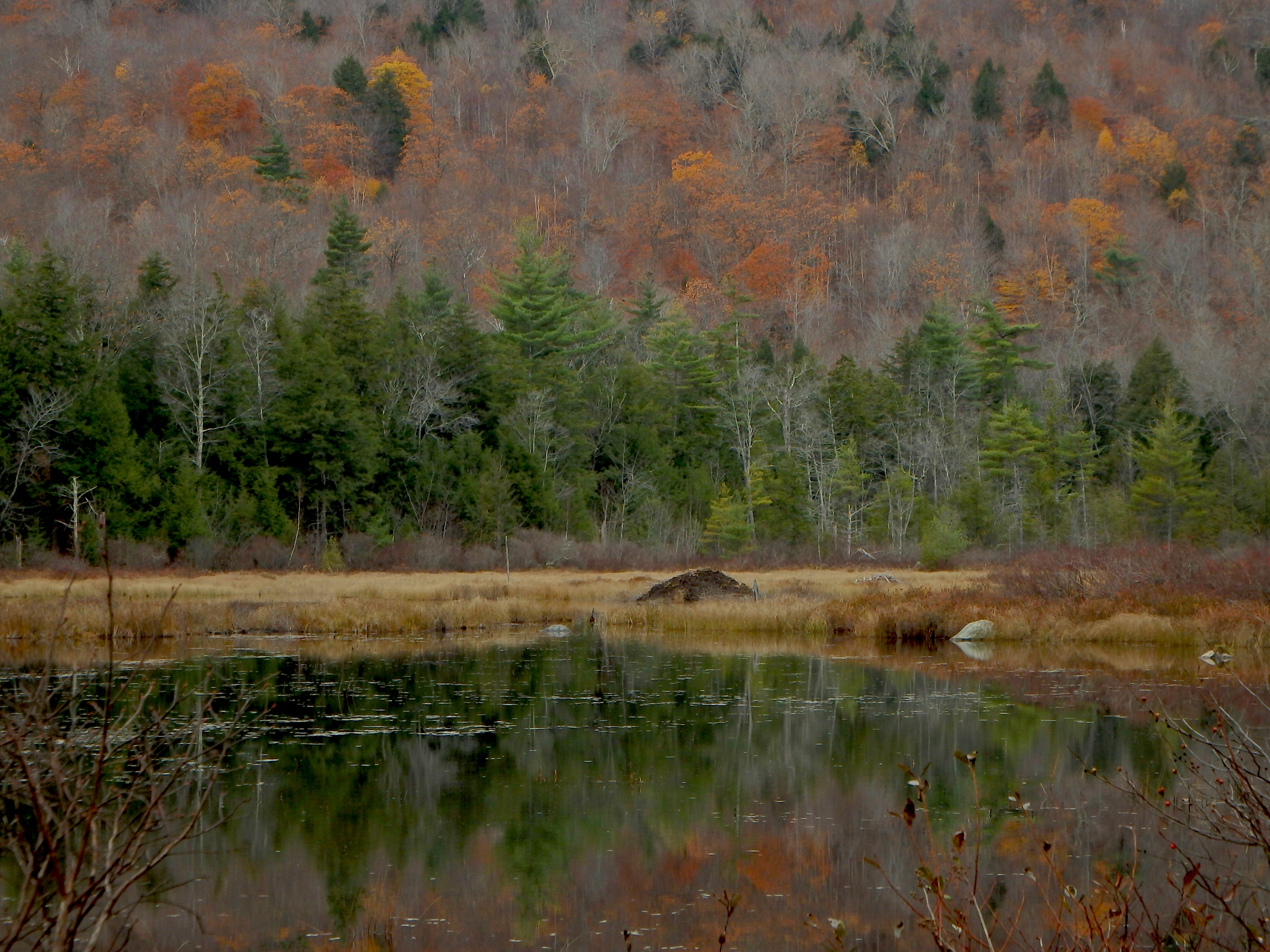
This is November— The landscape prepared for winter without snow—
in Thoreau’s Journal:
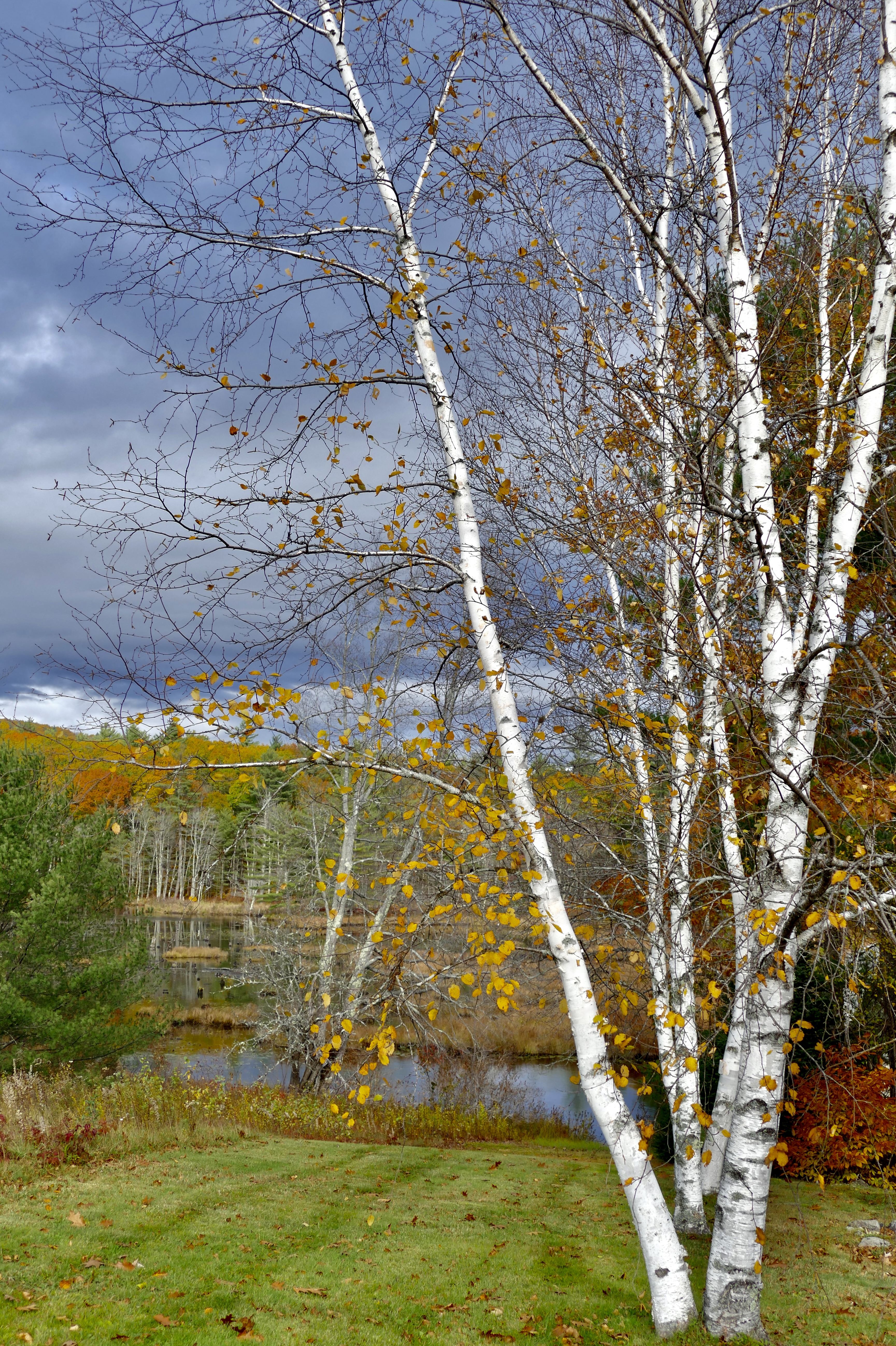
The white birches being now generally bare, they stand along the east side of Heywood’s meadow slender, parallel white stems, revealed in a pretty reddish maze produced by their fine branches. It is a lesser and denser smoke (?) than the maple one. The branches must be thick, like those of maples and birches, to give the effect of smoke, and most trees have fewer and coarser branches, or do not grow in such dense masses.
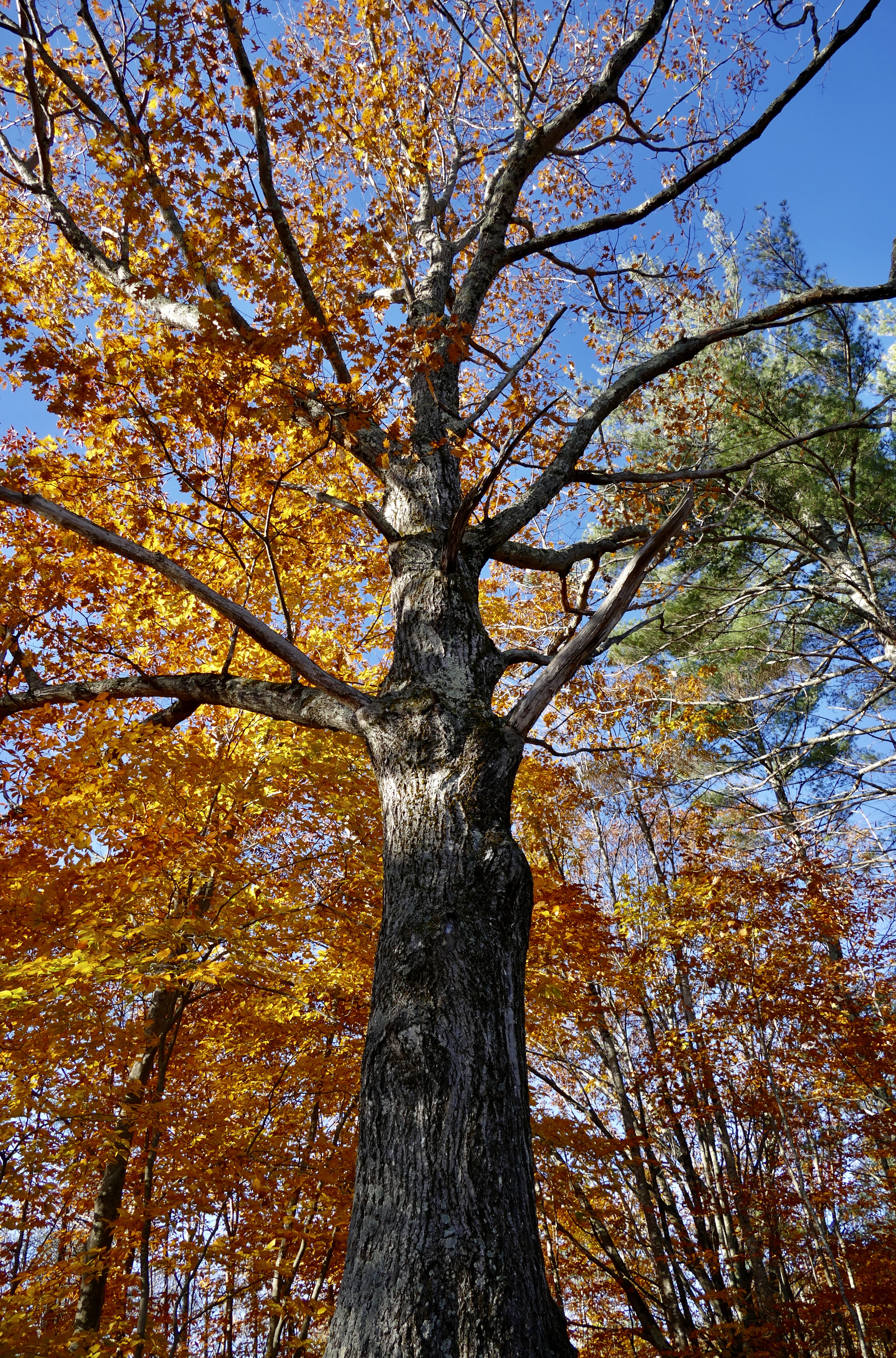
Nature now, like an athlete, begins to strip herself in earnest for her contest with her great antagonist Winter. In the bare trees and twigs what a display of muscle!
in Thoreau’s Journal:
Tell me precisely the value and significance of these transient gleams which come sometimes at the end of the day, before the close of the storm, final dispersion of the clouds, too late to be of any service to the works of man for the day, and notwithstanding the whole night after may be overcast! Is not this a language to be heard and understood?
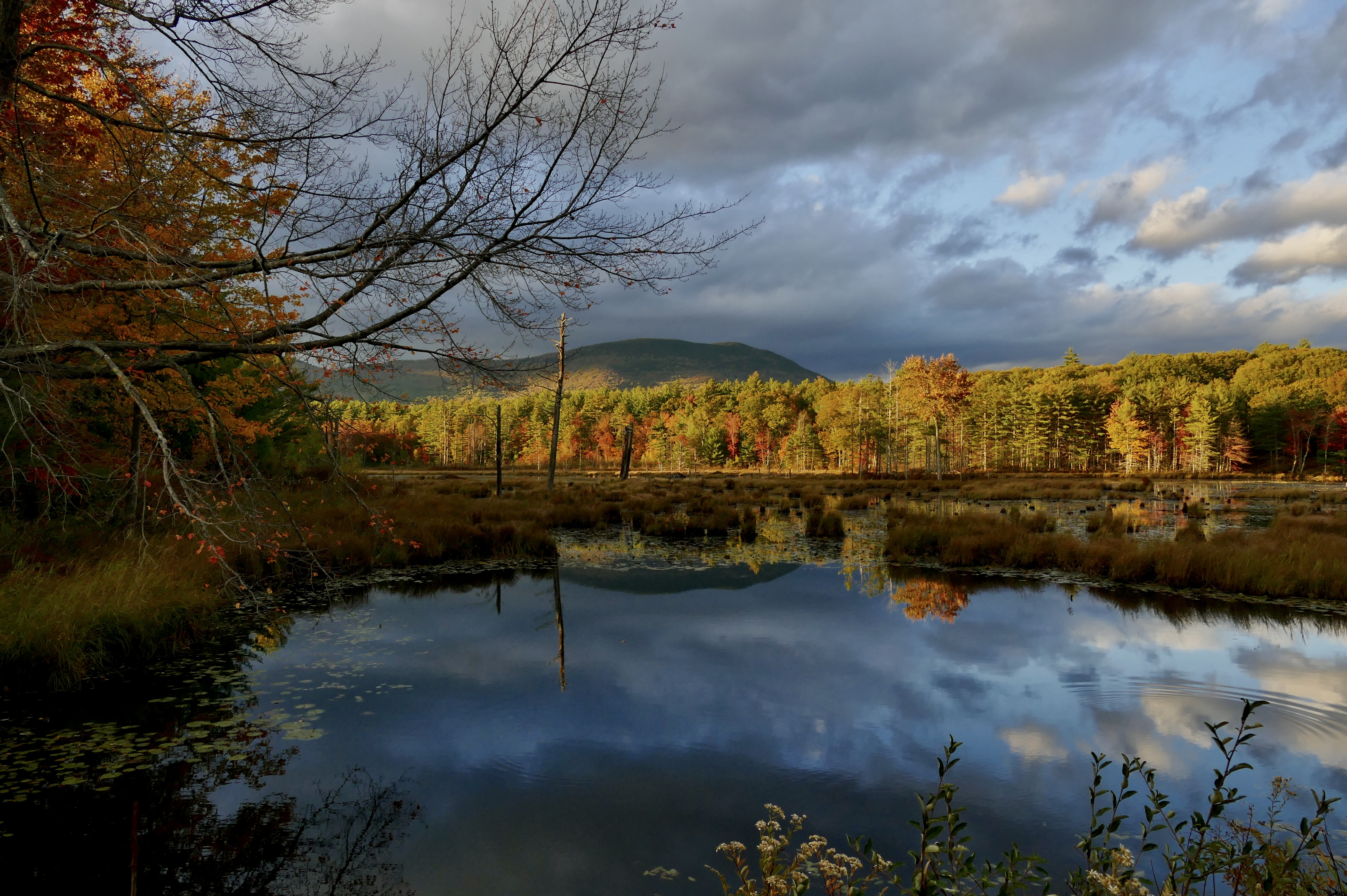
There is, in the brown and gray earth and rocks, and the withered leaves and bare twigs at this season, a purity more correspondent to the light itself than summer offers.
in Thoreau’s Journal:

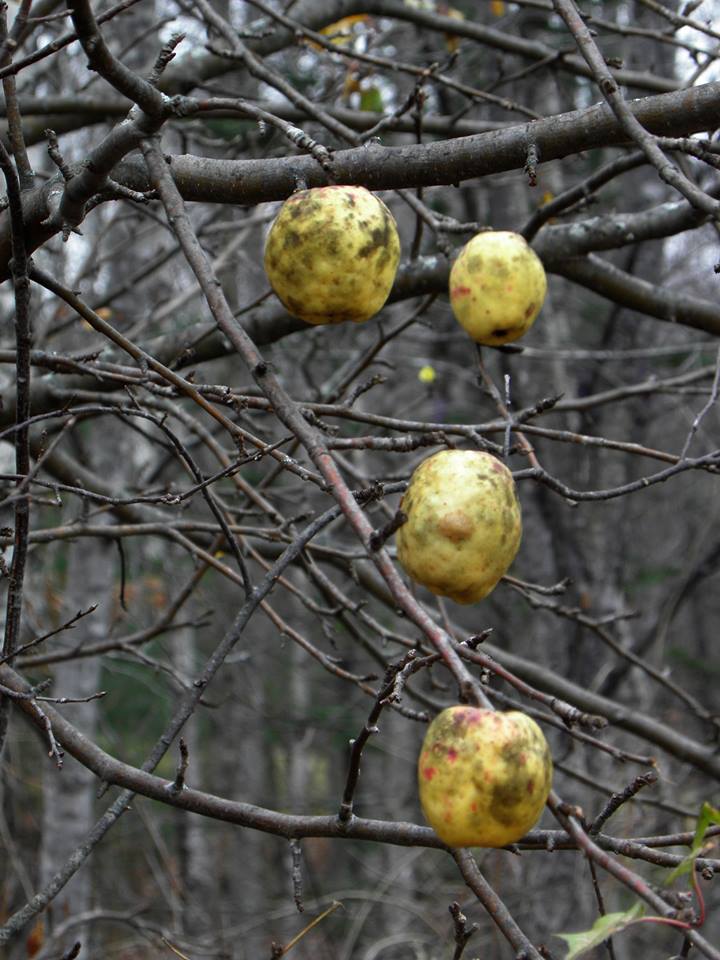
I try one of the wild apples in my desk. It is remarkable that the wild apples which I praise as so spirited and racy when eaten in the fields and woods, when brought into the house have a harsh and crabbed taste. As shells and pebbles must be beheld on the seashore, so these October fruits must be tasted in a bracing walk amid the somewhat bracing airs of late October. To appreciate their wild and sharp flavors, it seems necessary that you be breathing the sharp October or November air. The outdoor air and exercise which the walker gets give a different tone to his palate, and he craves a fruit which the sedentary would call harsh and crabbed even.—The palate rejects a wild apple eaten in the house —so of haws and acorns —and demands a tamed one, for here you miss that October air which is the wine it is eaten with. I frequently pluck wild apples of so rich and spicy a flavor that I wonder all orchardists do not get a scion from them, but when I have brought home my pockets full, and taste them in the house, they are unexpectedly harsh, crude things. They must be eaten in the flelds, when your system is all aglow with exercise, the frosty weather nips your fingers (in November), the wind rattles the bare boughs and rustles the leaves, and the jay is heard screaming around.

So there is one thought for the field, another for the house. I would have my thoughts, like wild apples, to be food for walkers, and will not warrant them to be palatable if tasted in the house.
To appreciate the flavor of those wild apples requires vigorous and healthy senses, papillae firm and erect on the tongue and palate, not easily tamed and flattened. Some of those apples might be labelled,“To be eaten in the wind.”

in Thoreau’s Journal:
Everything beautiful impresses us as sufficient to itself. Many men who have had much intercourse with the world, and not borne the trial well, affect me as all resistance, all burr and rind, without any gentle man or tender and innocent core left.
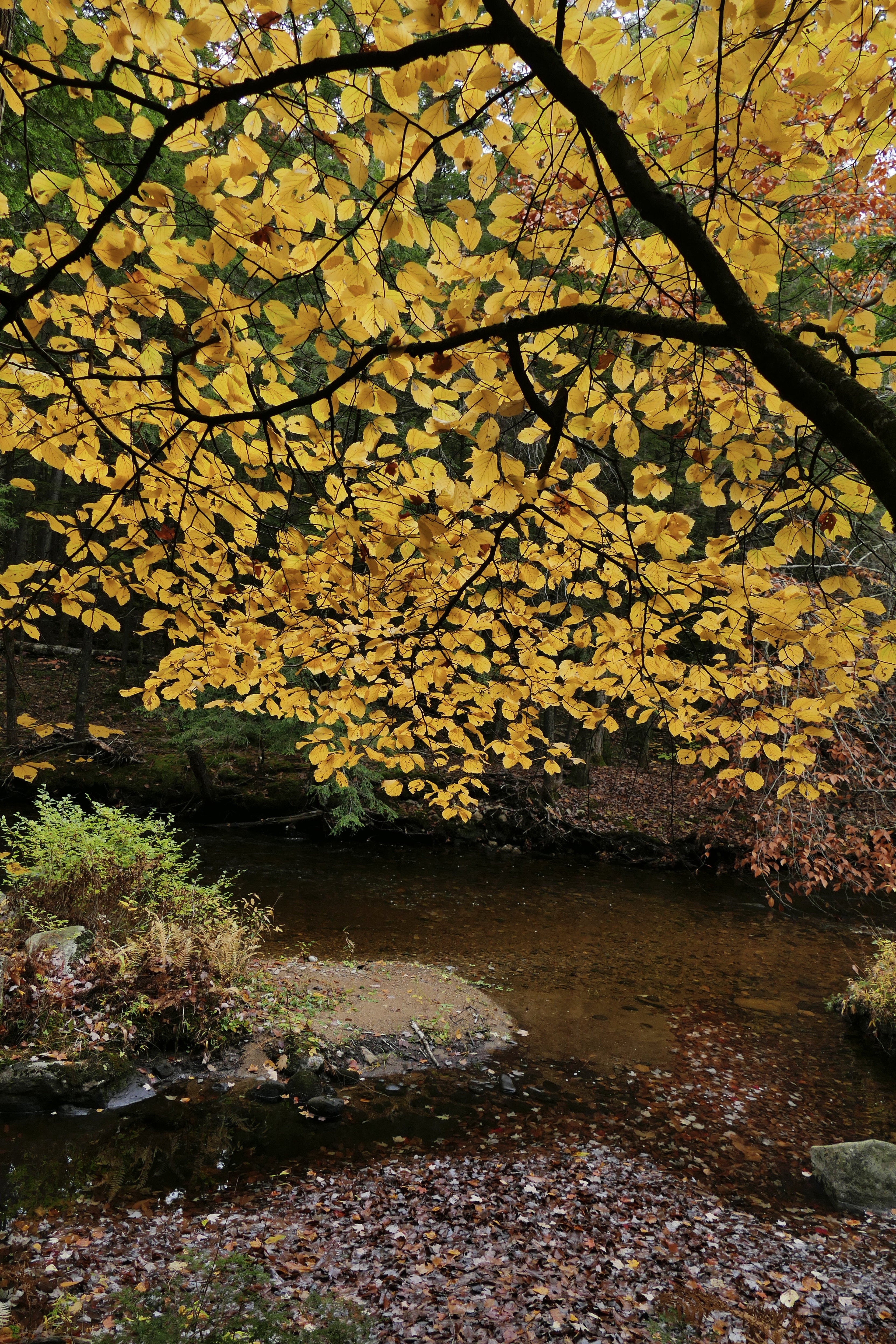
It is surprising how any reminiscence of a different season of the year affects us. When I meet with any such in my journal, it affects me as poetry, and I appreciate that other season and that particular phenomenon more than at the time. The world so seen is all one spring, and full of beauty. You only need to make a faithful record of an average summer day’s experience and mood, and read it in the winter, and it will carry you back to more than that summer day alone could show. Only the rarest flower, the purest melody of the season, thus comes down to us.
When, after feeling dissatisfied with my life, I aspire to something better, and more scrupulous, more reserved and continent, as if expecting somewhat, suddenly I find myself full of life as a nut of meat, –– am overflowing with a quiet, genial mirthfulness. I think to myself, I must attend to my diet. I must get up earlier and take a morning walk. I must have done with business, and devote myself to my muse. So I damn up my stream, and my waters gather to a head. I am freighted with thought.
in Thoreau’s Journal:
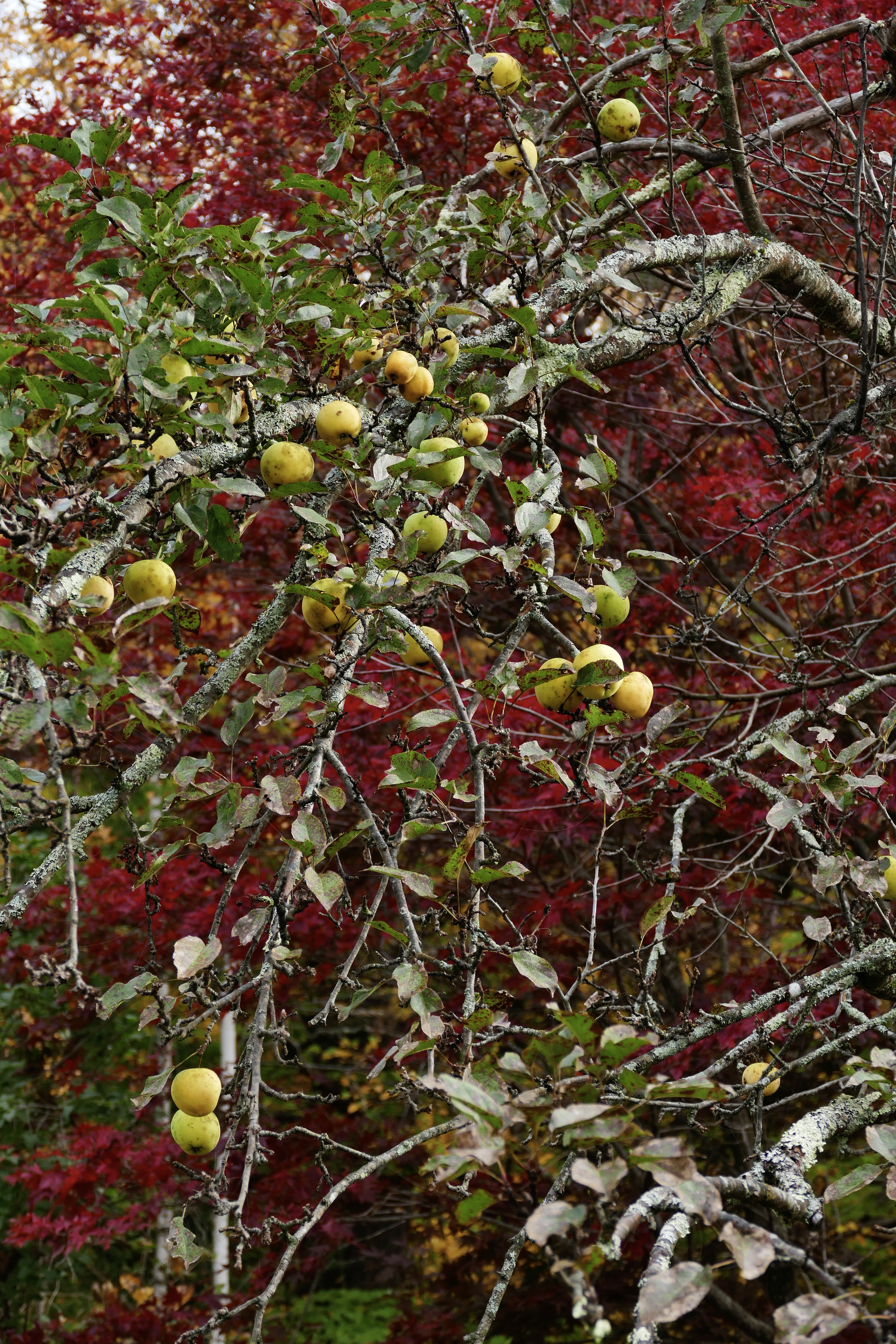
Now gather all your apples, if you have not before, or the frost will have them.


in Thoreau’s Journal:
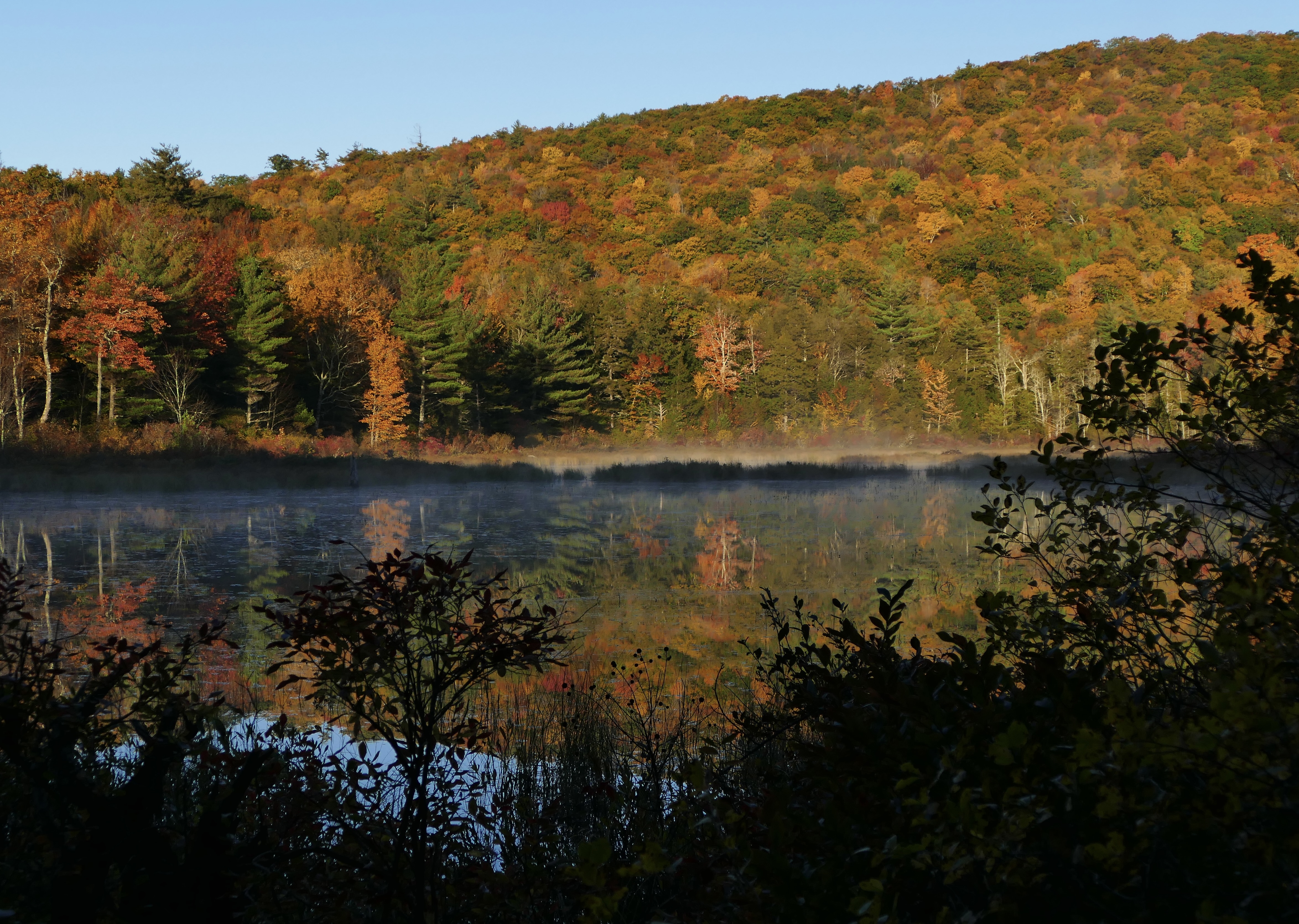
The autumnal tints grow gradually darker and duller, but not less rich to my eye. And now a hillside near the river exhibits the darkest, crispy reds and browns of every hue, all agreeably blended. At the foot, next the meadow, stands a front rank of smoke-like maples bare of leaves, intermixed with yellow birches. Higher up, red oaks of various shades of dull red, with yellowish, perhaps black oaks intermixed, and walnuts, now brown, and near the hilltop, or rising above the rest, perhaps a still yellowish oak, and here and there amid the red or in the foreground on the meadow, dull ashy salmon-coloured white oaks large and small, all these contrasting with the clear liquid, sempiternal green of pines.
in Thoreau’s Journal:
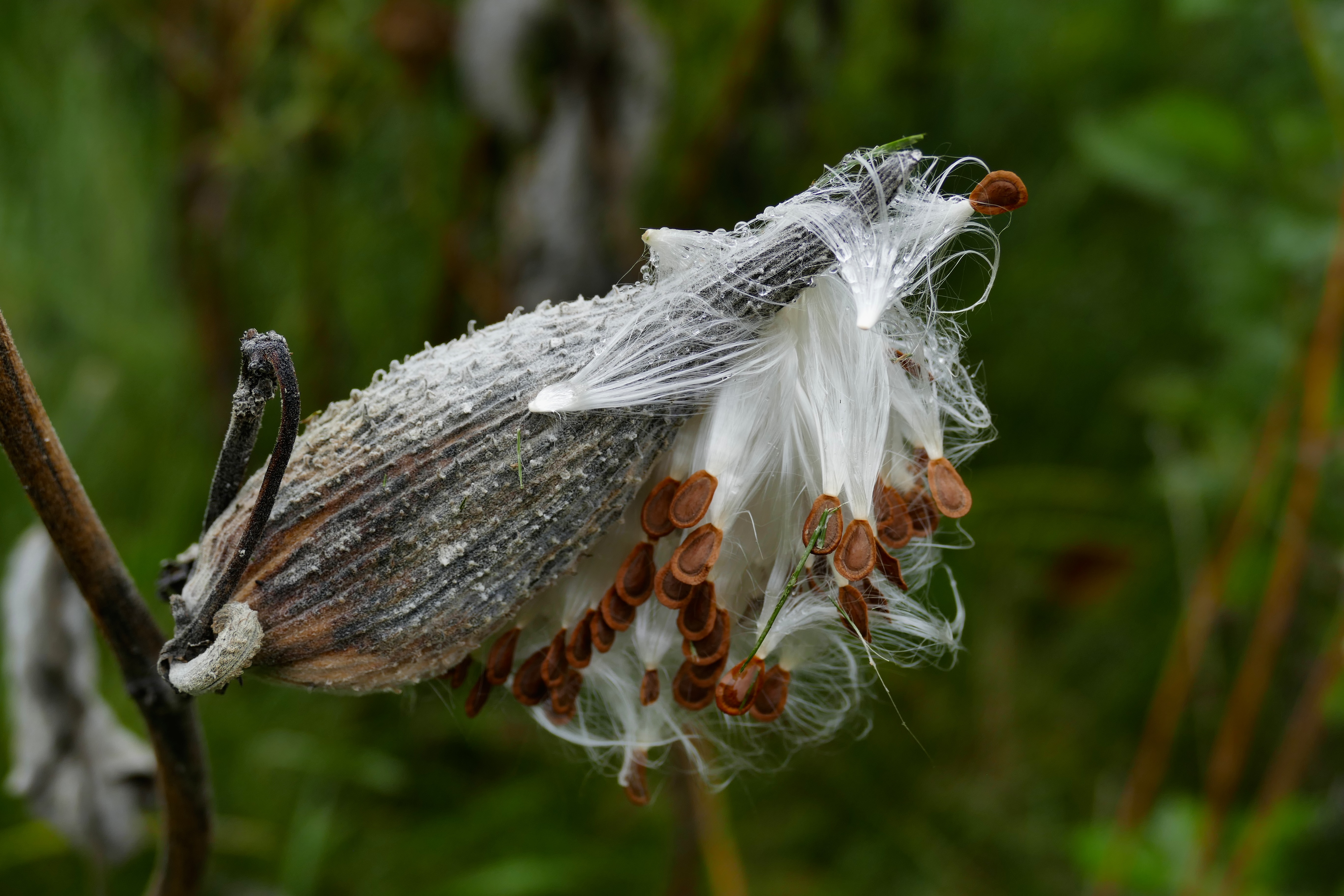
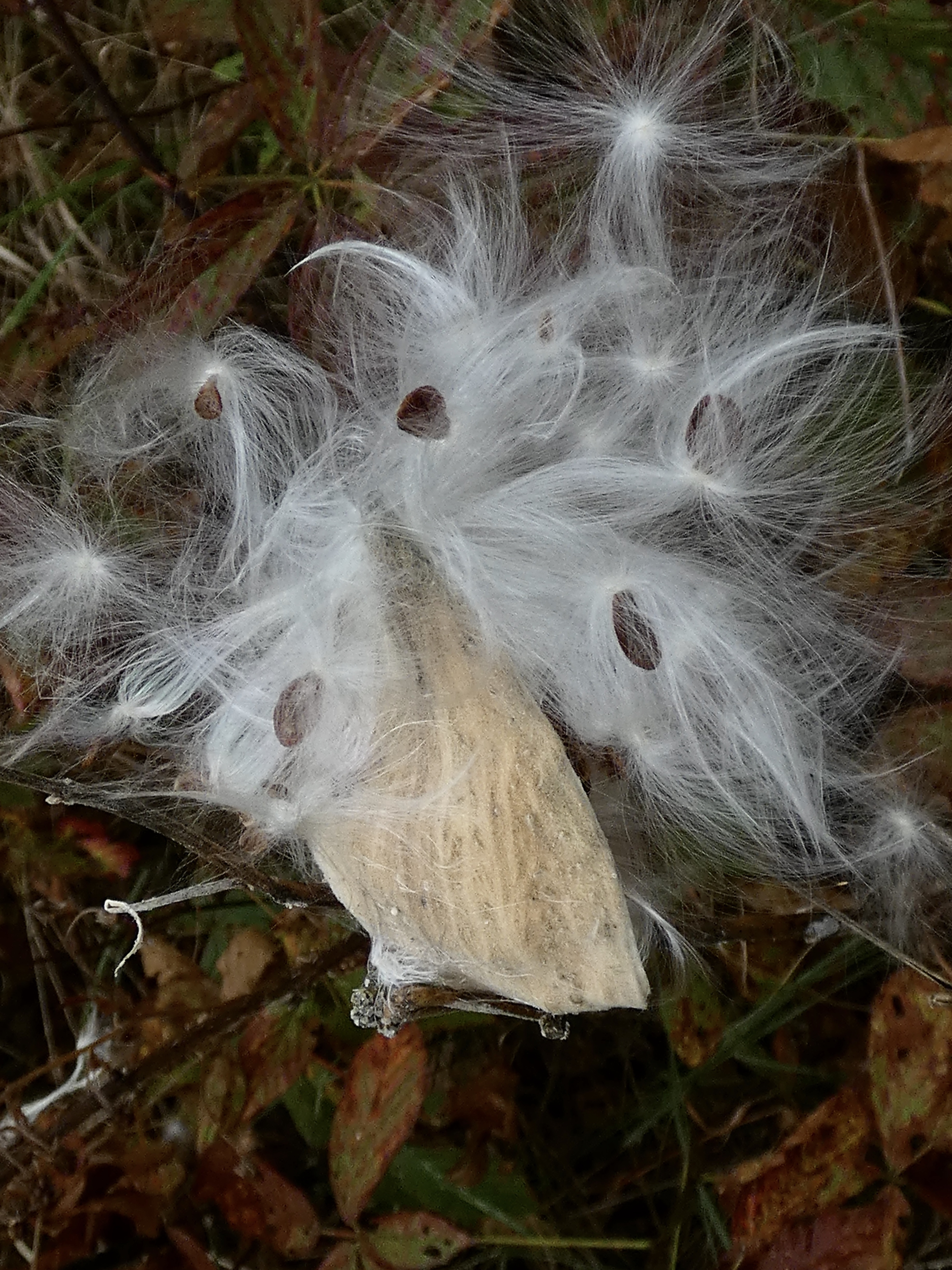
The milk weed (Syriaca) now rapidly discounting. The lanceolate pods having opened the seeds spring out on the least jar or when dried by the sun—& form a little fluctuating white silky mass or tuft each held by the extremities of the fine threads, until a stronger puff of wind sets them free. It is a pleasant sight to see it dispersing its seeds…

in Thoreau’s Journal:
I cannot easily dismiss the subject of the fallen leaves. How densely they conceal the water, for several feet in length, amid the alders and button bushes and maples along the shore of the river still light, tight, and dry boats, dense cities of boats…Consider what a vast crop is thus annually shed upon the earth. This, more than any mere grain or seed, is the great harvest of the year.
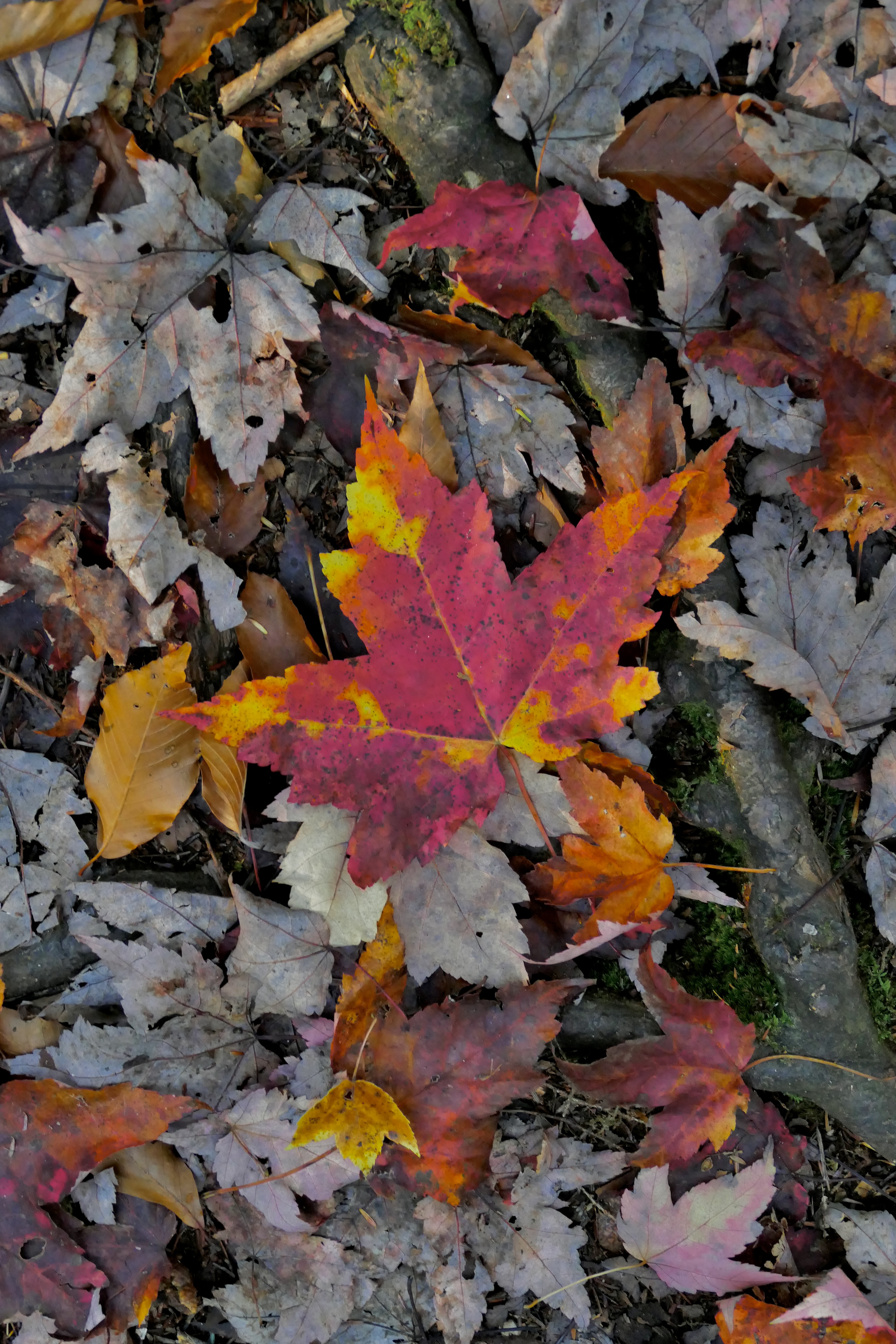
This annual decay and death, this dying by inches, before the whole tree at last lies down and turns to soil. As tees shed their leaves, so deer their horns, and men their hair or nails. The year’s great crop. I am more interested in it than in the English grass alone or in the corn. It prepares the virgin mould for future cornfields on which the earth fattens. They teach us how to die.
in Thoreau’s Journal:
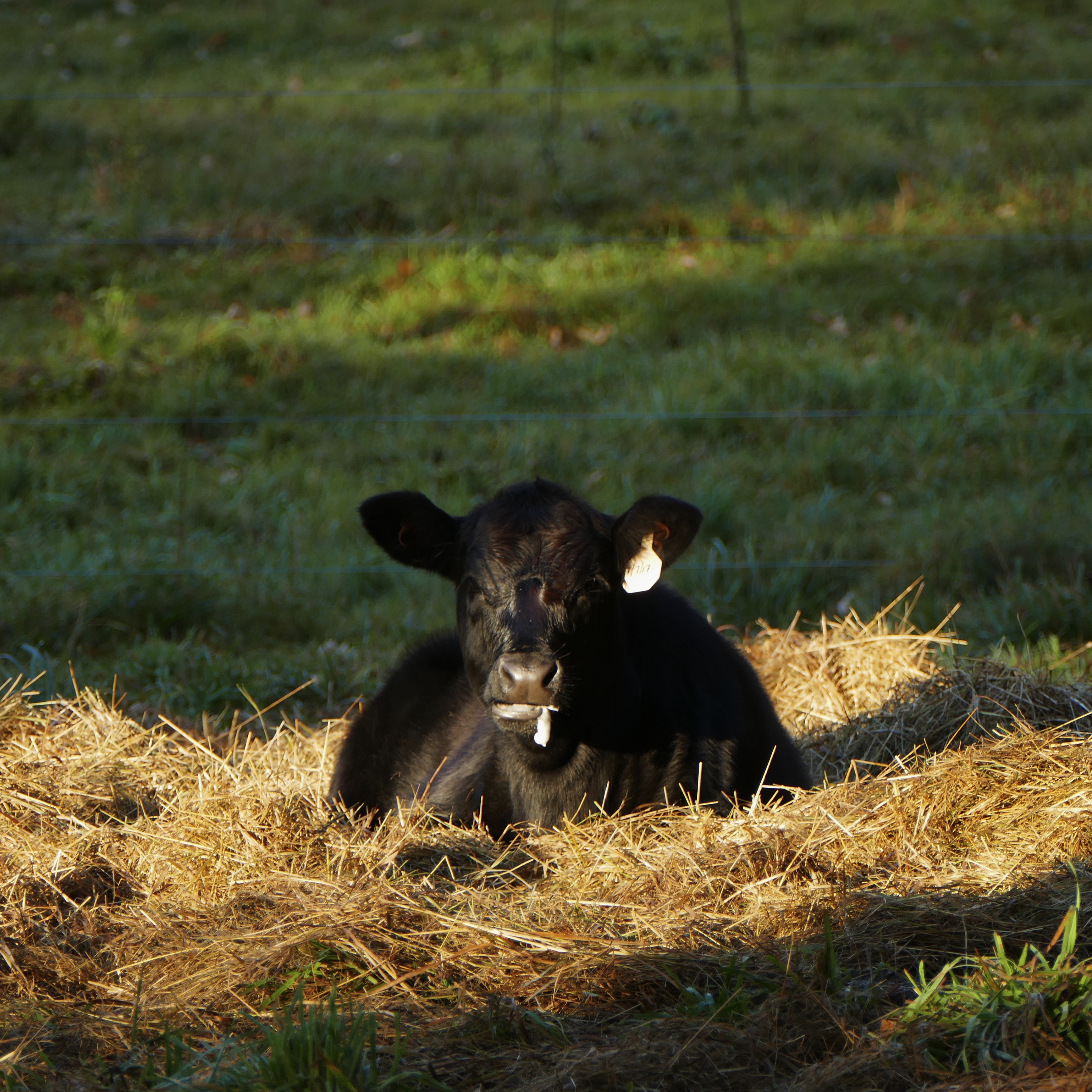
Now again as in the spring we begin to look for sheltered and sunny places where we may sit.
in Thoreau’s Journal:
How pleasant to walk over beds of these fresh crisp & rustling fallen leaves…

How beautiful they go to their graves—how gently lay themselves down—& turn to mould! Painted of a thousand hues and fit to make the beds of us living.

in Thoreau’s Journal:
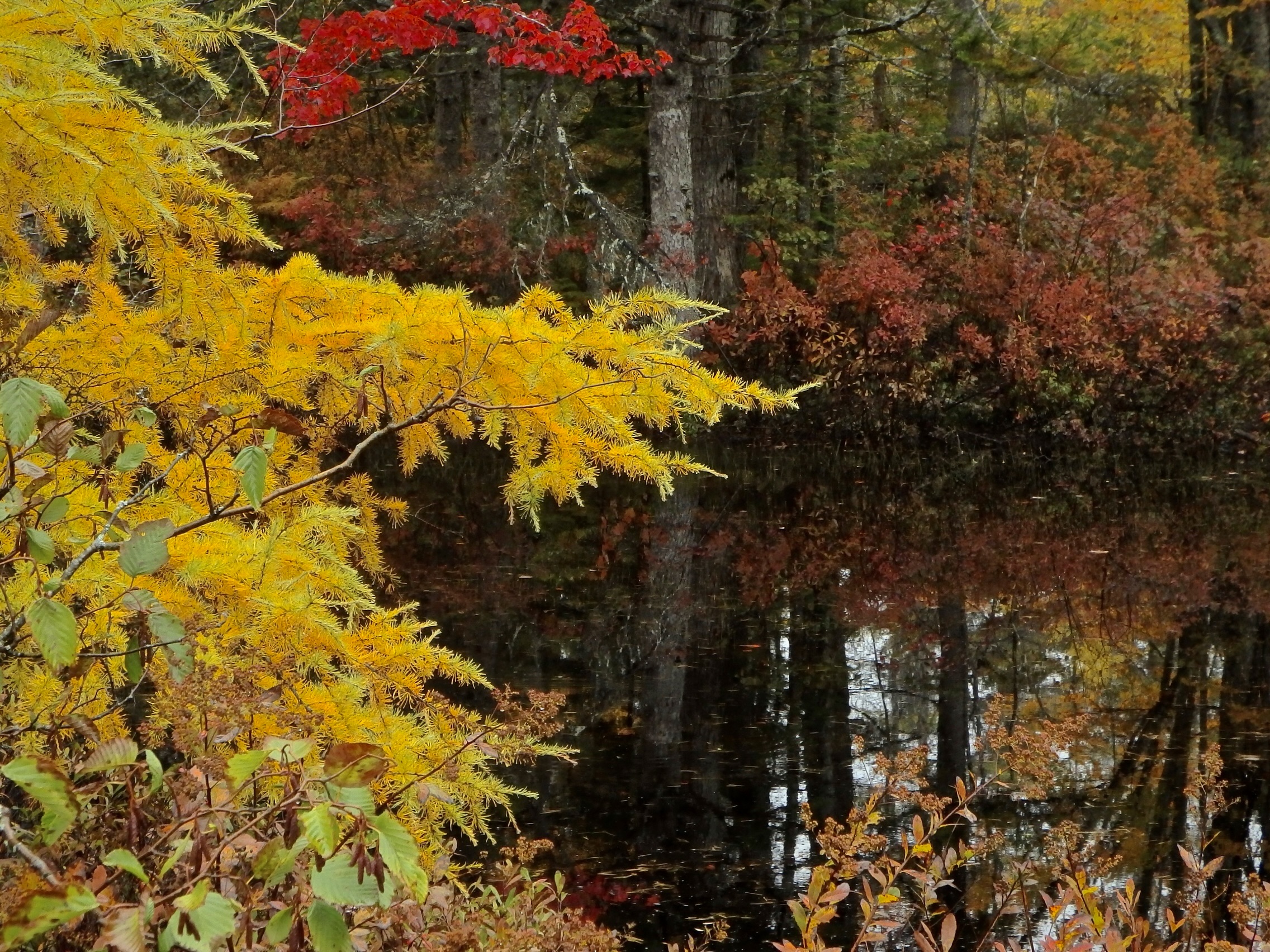
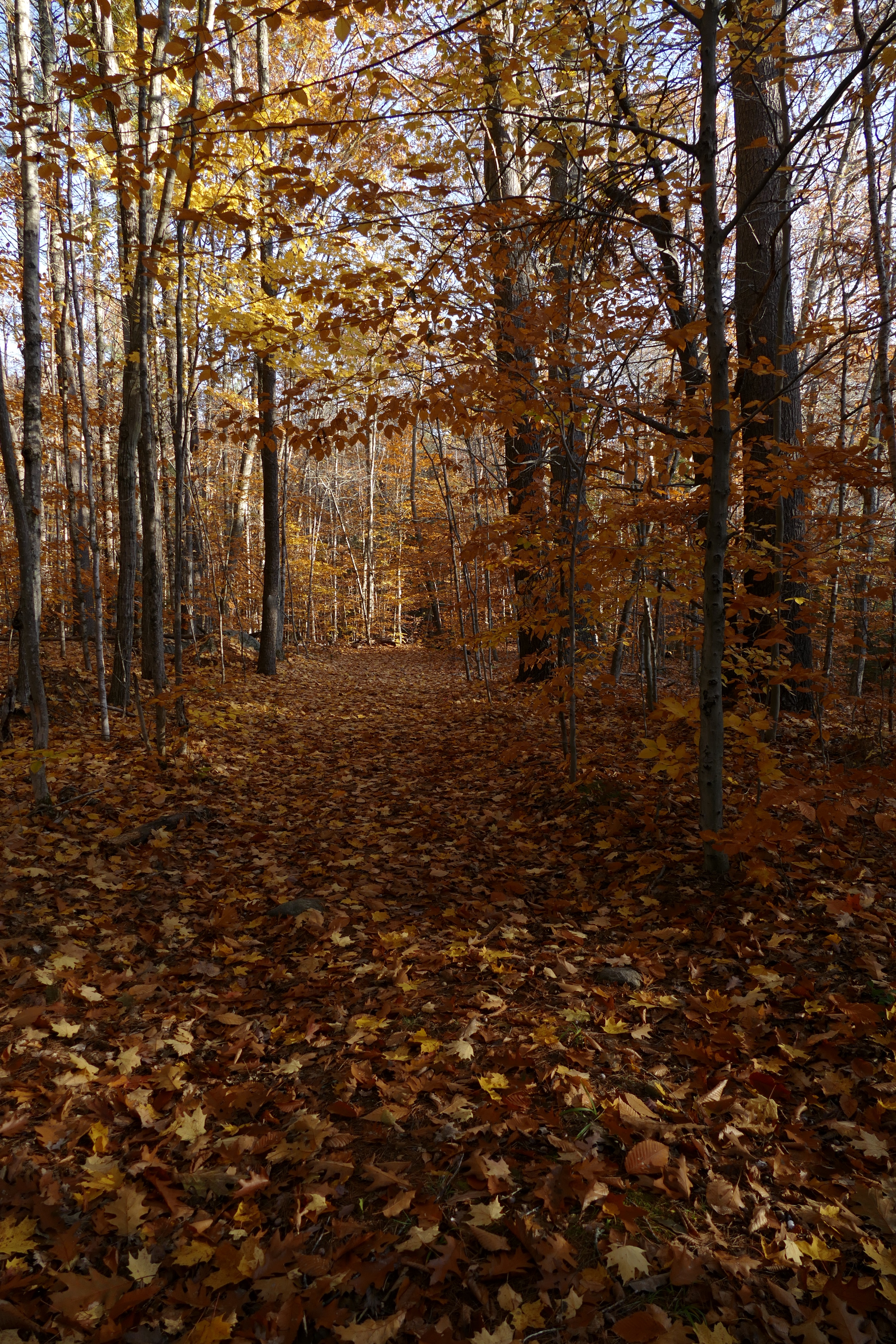
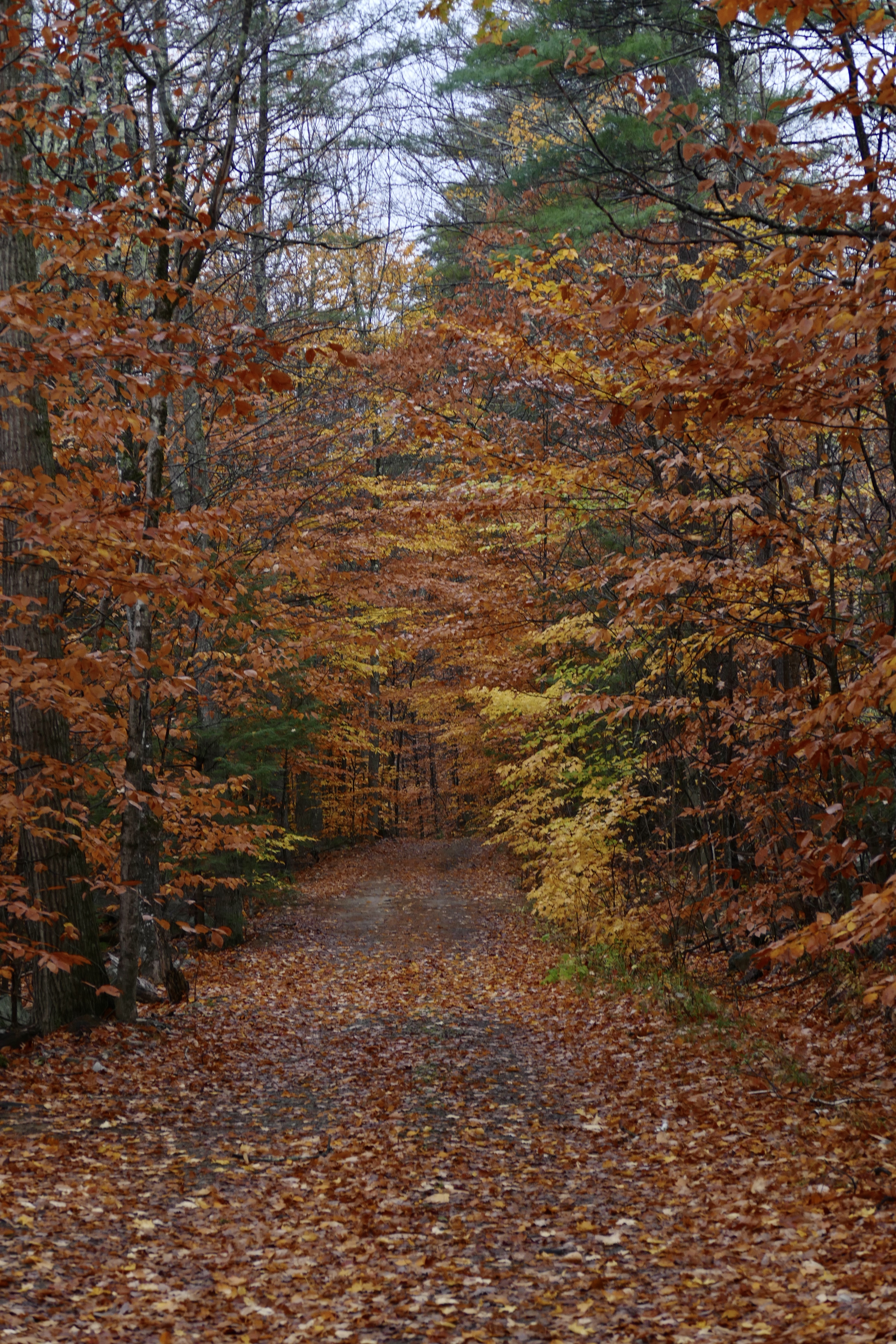
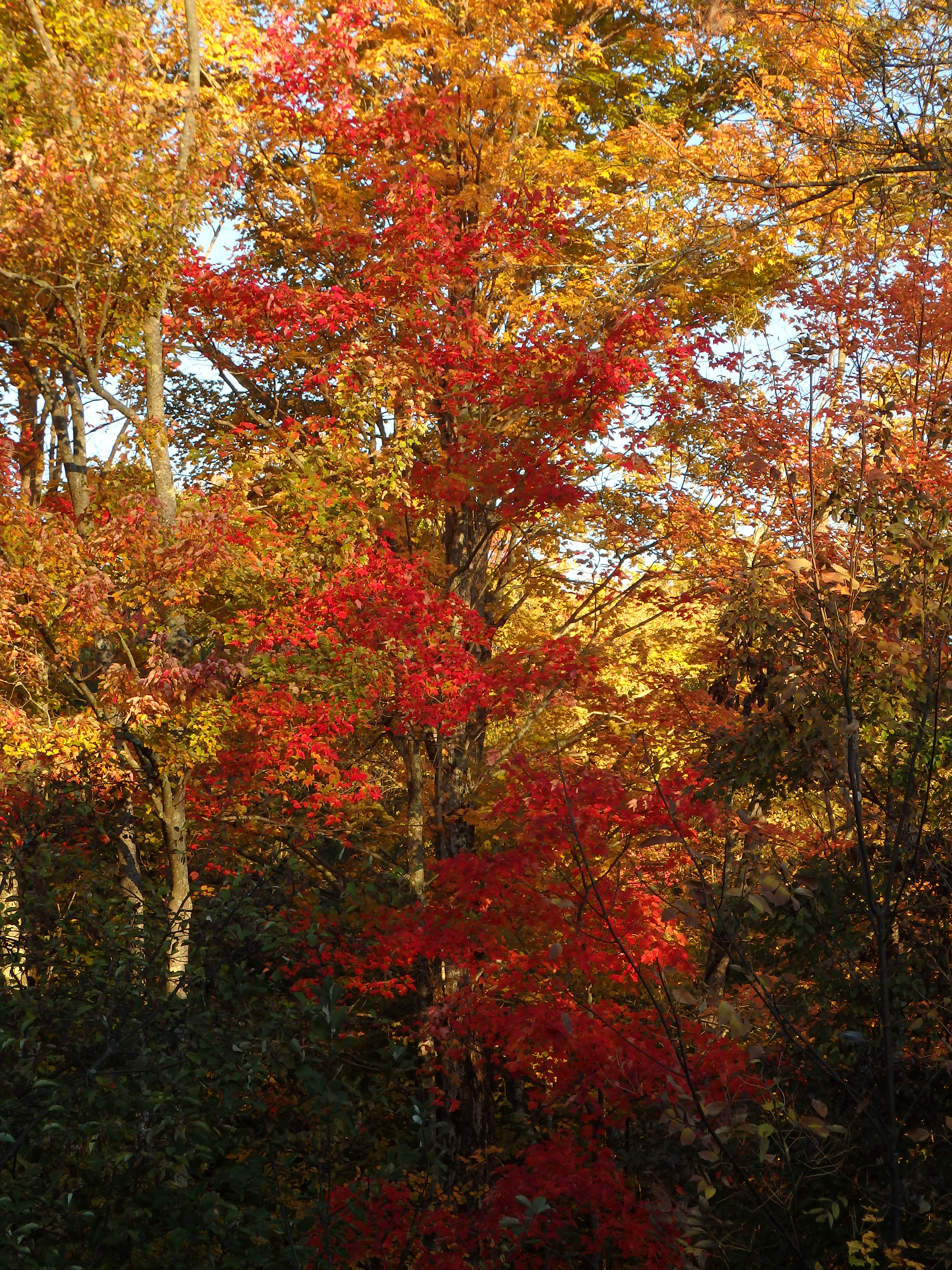
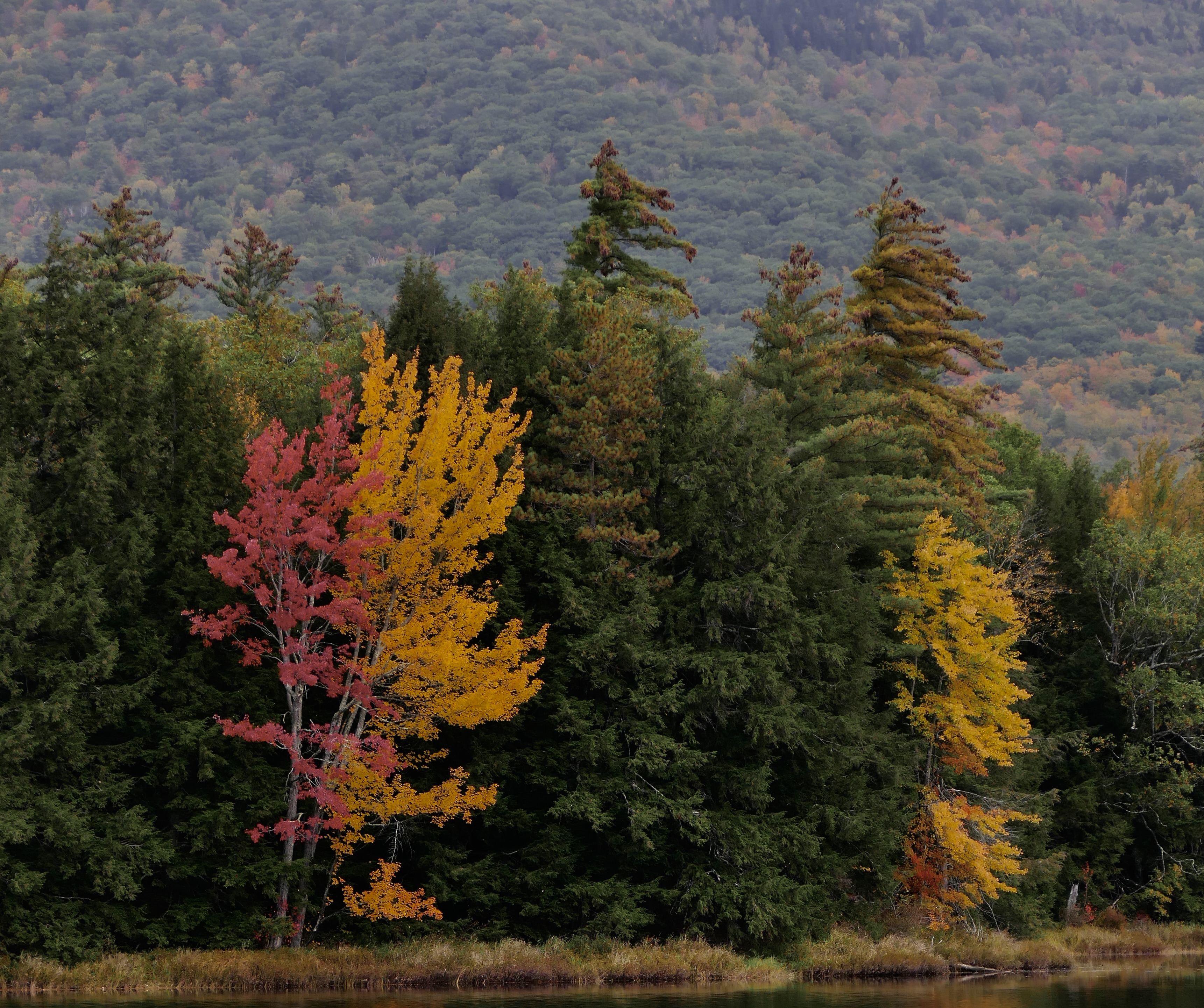
At this season of the year, when each leaf acquires its peculiar color, Nature prints this history distinctly, as it were an illuminated edition. Every oak and hickory and birch and aspen sprinkled amid the pines tells its tale a mile off, and you have not to go laboriously through the wood examining the bark and leaves. These facts would be best illustrated by colors, ––green, yellow, red, etc.
in Thoreau’s Journal:

In Lee’s Wood, white pine leaves are now fairly fallen (not pitch pine yet), —a pleasant, soft, but slippery carpet to walk on. They sometimes spread leafy twigs on floors. Would not these be better? Where the pines stand far apart on grassy pasture hillsides, these tawny patches under each tree contrast singularly with the green around. I see them under one such tree completely and evenly covering and concealing the grass, and more than an inch deep, as they lie lightly.
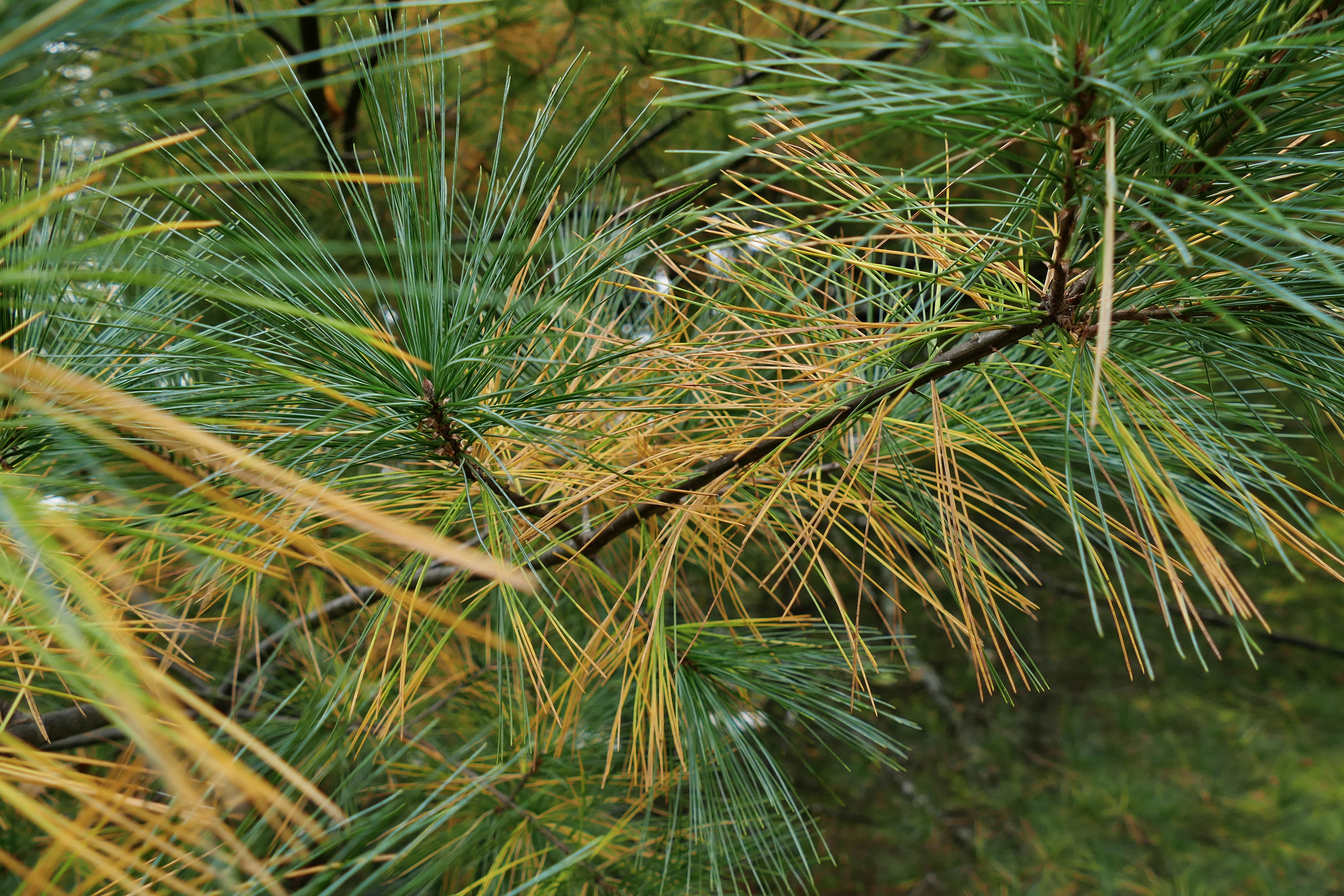
These leaves, like other, broader ones, pass through various hues (or shades) from green to brown, —first yellow, giving the tree that parti-colored look, then pale brown when they fall, then reddish brown after lying on the ground, and then darker and darker brown when decaying.

in Thoreau’s Journal:
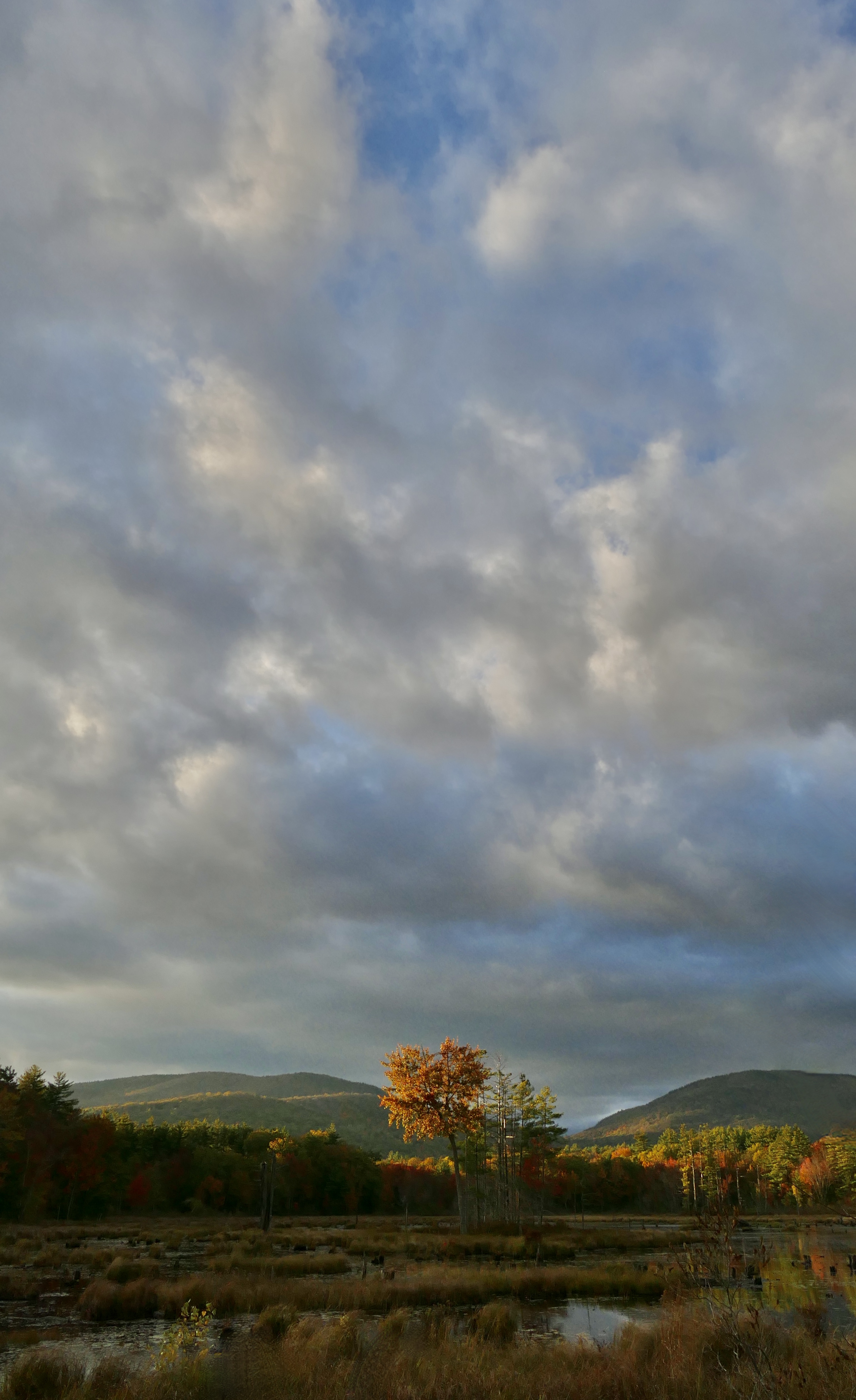
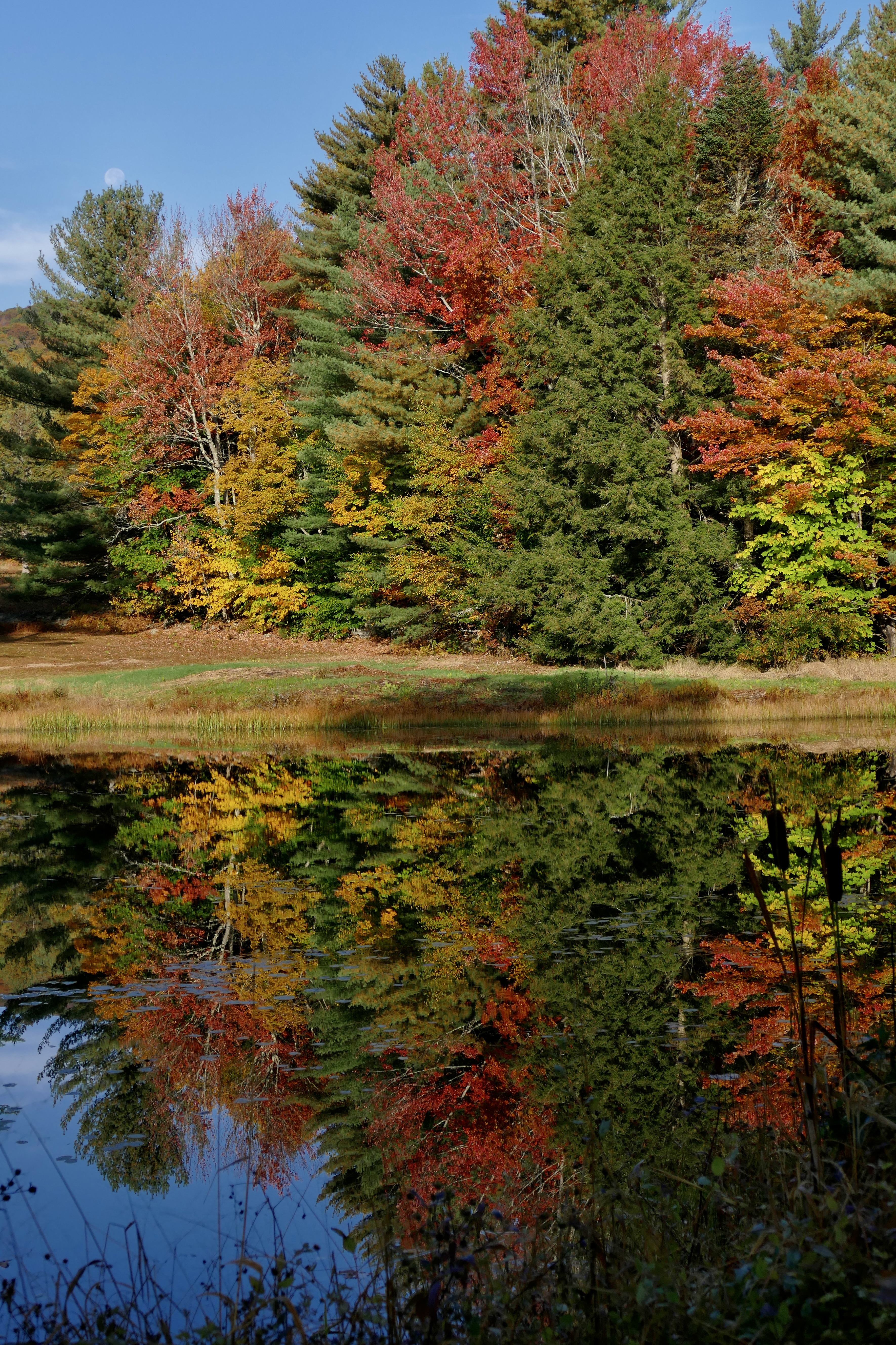
Methinks the reflections are never purer and more distinct than now at the season of the fall of the leaf, just before the cool twilight has come, when the air has a finer grain. Just as our mental reflections are more distinct at this season of the year, when the evenings grow cool and lengthen and our winter evenings with their brighter fires may be said to begin. And painted ducks, too, often come and sail or float amid the painted leaves.
in Thoreau’s Journal:

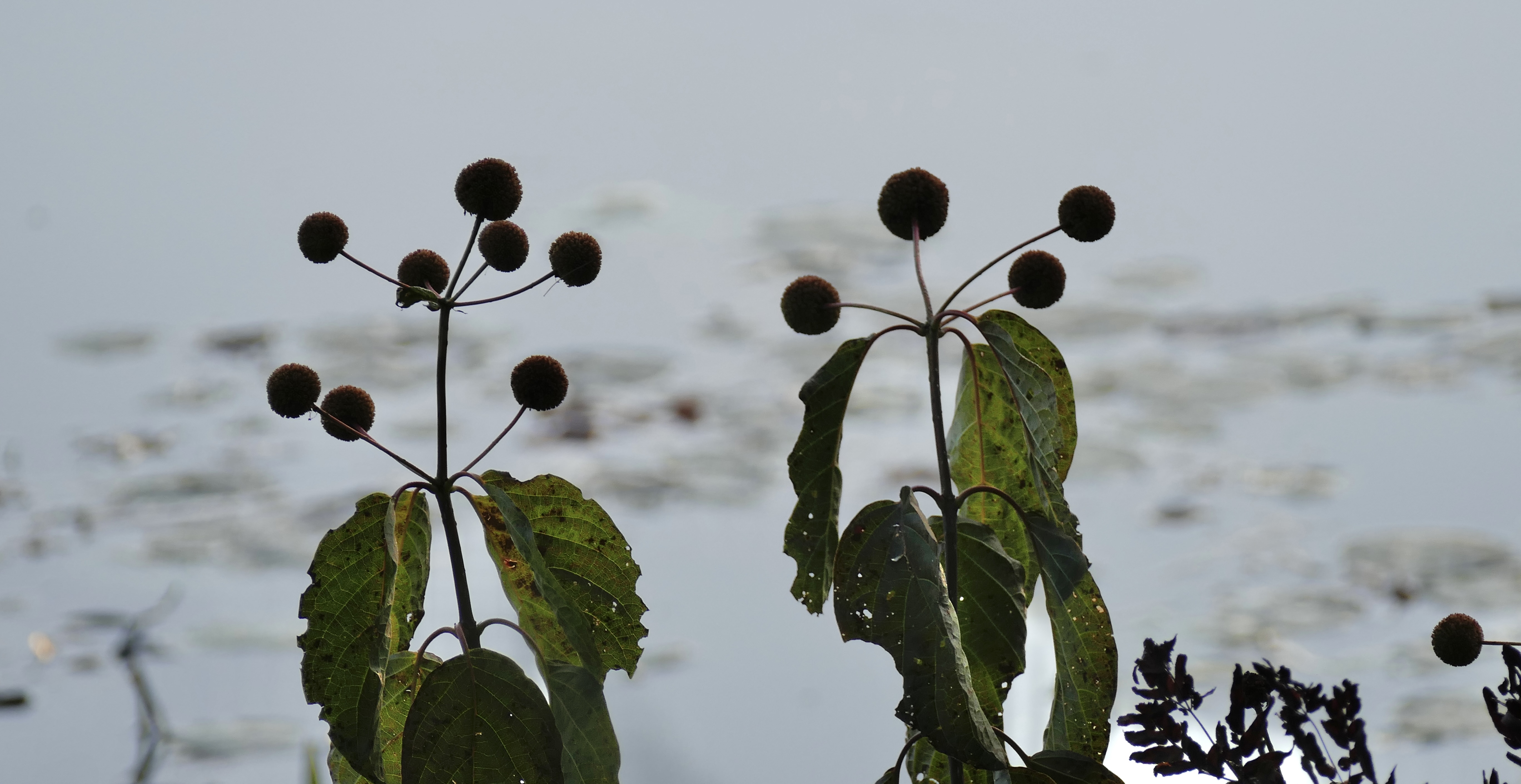
Each ball of the button-bush reflected in the silvery water by the riverside appears to me as distinct and important as a star in the heavens viewed through “optic glass.” This, too, deserves its Kepler and Galileo.
in Thoreau’s Journal:
Each town should have a park, or rather a primitive forest, of five hundred or a thousand acres, where a stick should never be cut for fuel, a common possession forever, for instruction and recreation. We hear of cow-commons and ministerial lots, but we want men-commons and lay lots, inalienable forever. Let us keep the New World new, preserve all the advantages of living in the country.

There is meadow and pasture and wood-lot for the town’s poor. Why not a forest and huckleberry-field for the town’s rich? All Walden Wood might have been preserved for our park forever, with Walden in its midst, and the Easterbrooks Country, an unoccupied area of some four square miles, might have been our huckleberry-field. If any owners of these tracts are about to leave the world without natural heirs who need or deserve to be specially remembered, they will do wisely to abandon their possession to all, and not will them to some individual who perhaps has enough already. As some give to Harvard College or another institution, why might not another give a forest or huckleberry-field to Concord? A town is an institution which deserves to be remembered. We boast of our system of education, but why stop at schoolmasters and schoolhouses? We are all schoolmasters, and our schoolhouse is the universe. To attend chiefly to the desk or schoolhouse while we neglect the scenery in which it is placed is absurd. If we do not look out we shall find our fine schoolhouse standing in a cow-yard at last.
in Thoreau’s Journal:

This year, on account of the very severe frosts, the trees change and fall early, or fall before fairly changing. The willows have the bleached look of November. Consider how many leaves there are to fall each year and how much they must add to the soil. Coultas (in What may be Learned from a Tree) finds that a single beech twig twenty-seven inches and three lines long and six years old was ” the leaf-labor of one hundred and fifty-five leaves,” and quotes from Asa Gray’s ” First Lessons in Botany ” that ” the Washington Elm at Cambridge —a tree of no extraordinary size—was some years ago estimated to produce a crop of seven millions of leaves, exposing a surface of 200,000 square feet, or about five acres, of foliage.” Supposing this to be true, and that the horizontal spread of this (like other the largest elms) is one hundred feet, then, if all its leaves should be spread evenly on the ground directly under it, there would be about twenty-five thicknesses. An ordinary forest would probably cover the ground as thickly as this tree would. Supposing a leaf to be of the same thickness with an ordinary sheet of letter-paper, and that the mass is compressed as much as paper packed in a ream, the twenty-five would be about one sixteenth of an inch thick. This is a rude calculation.
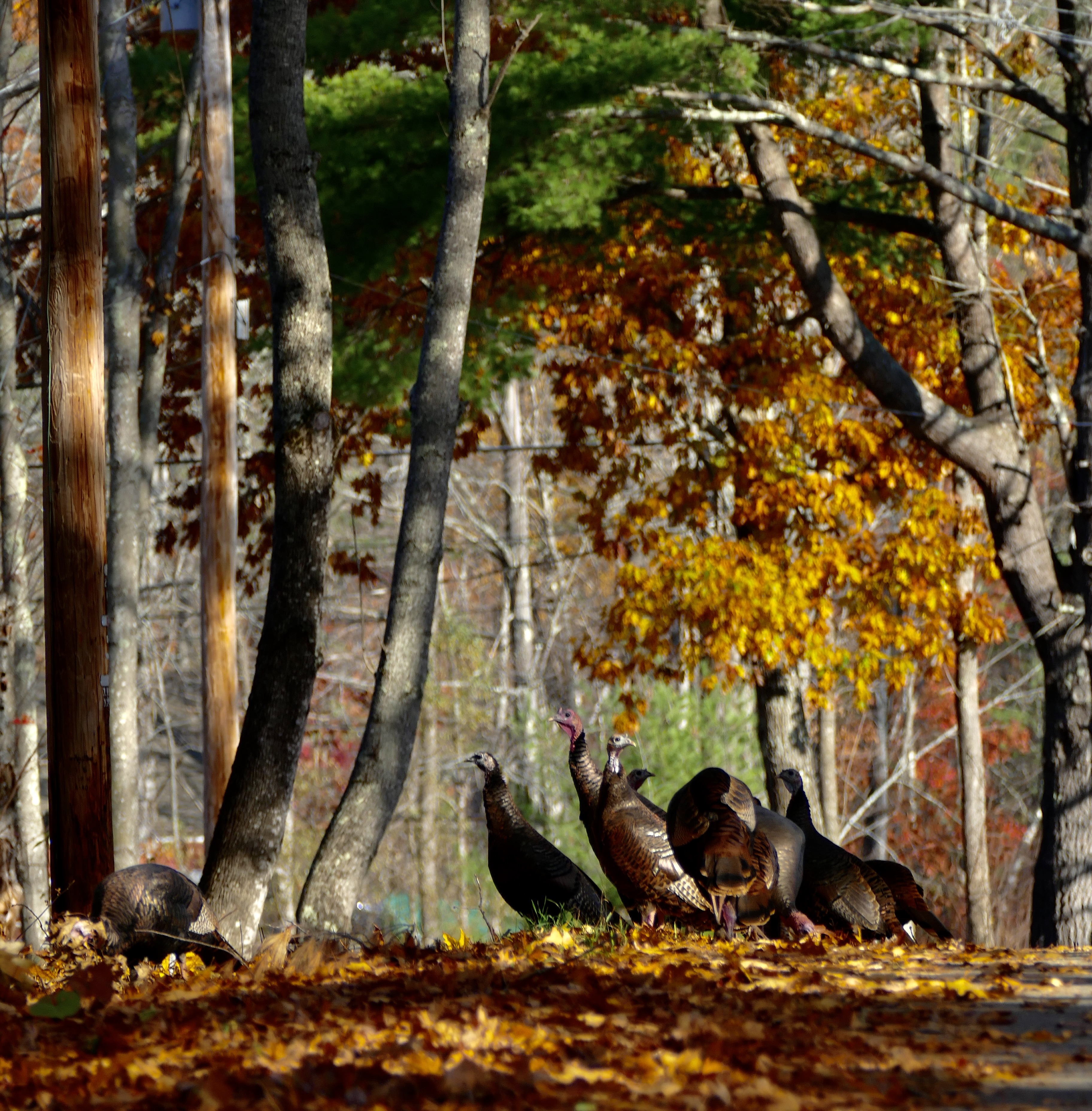
We have had a remarkably fertile year. Let us see now if we have a cold winter after it.
in Thoreau’s Journal:
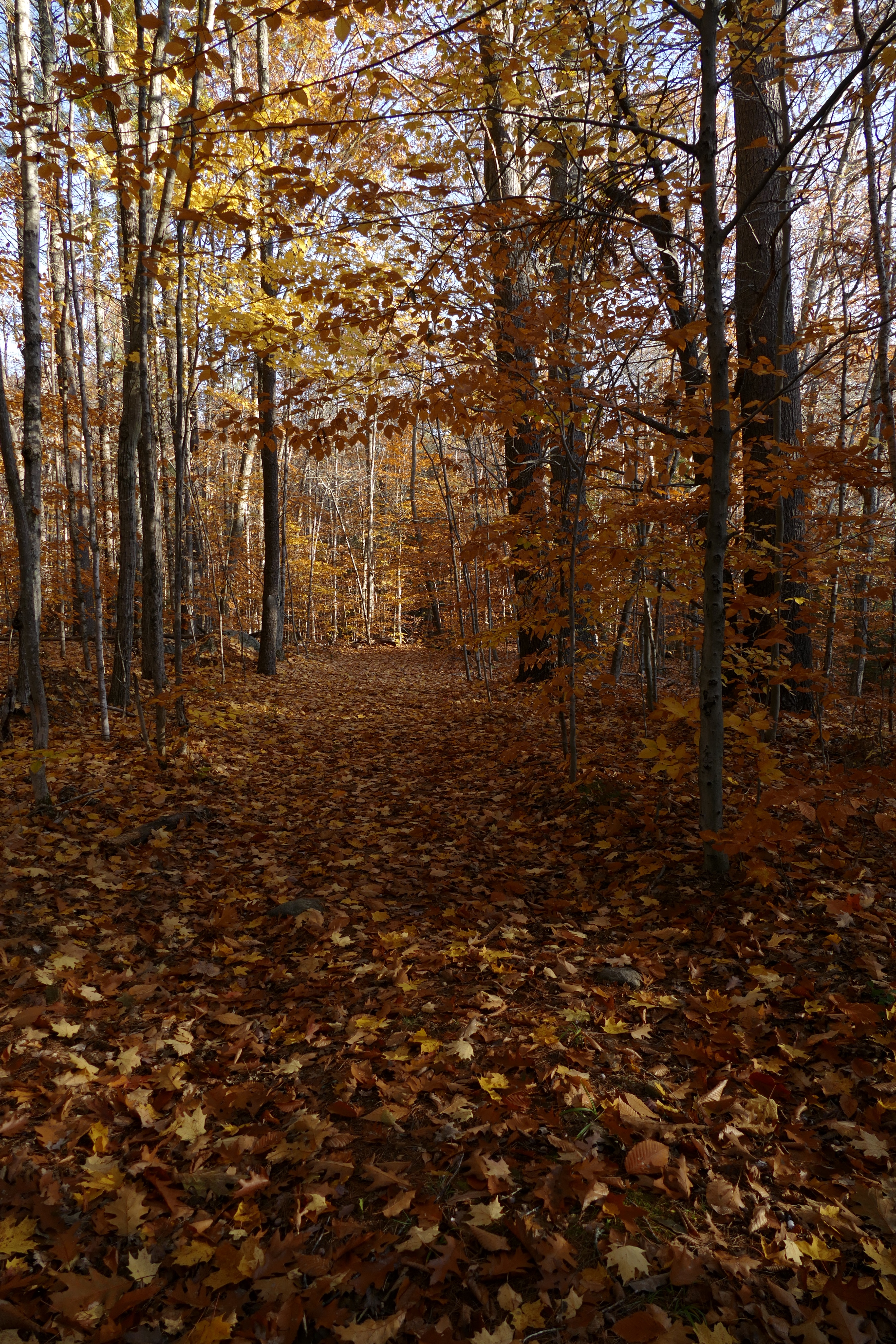
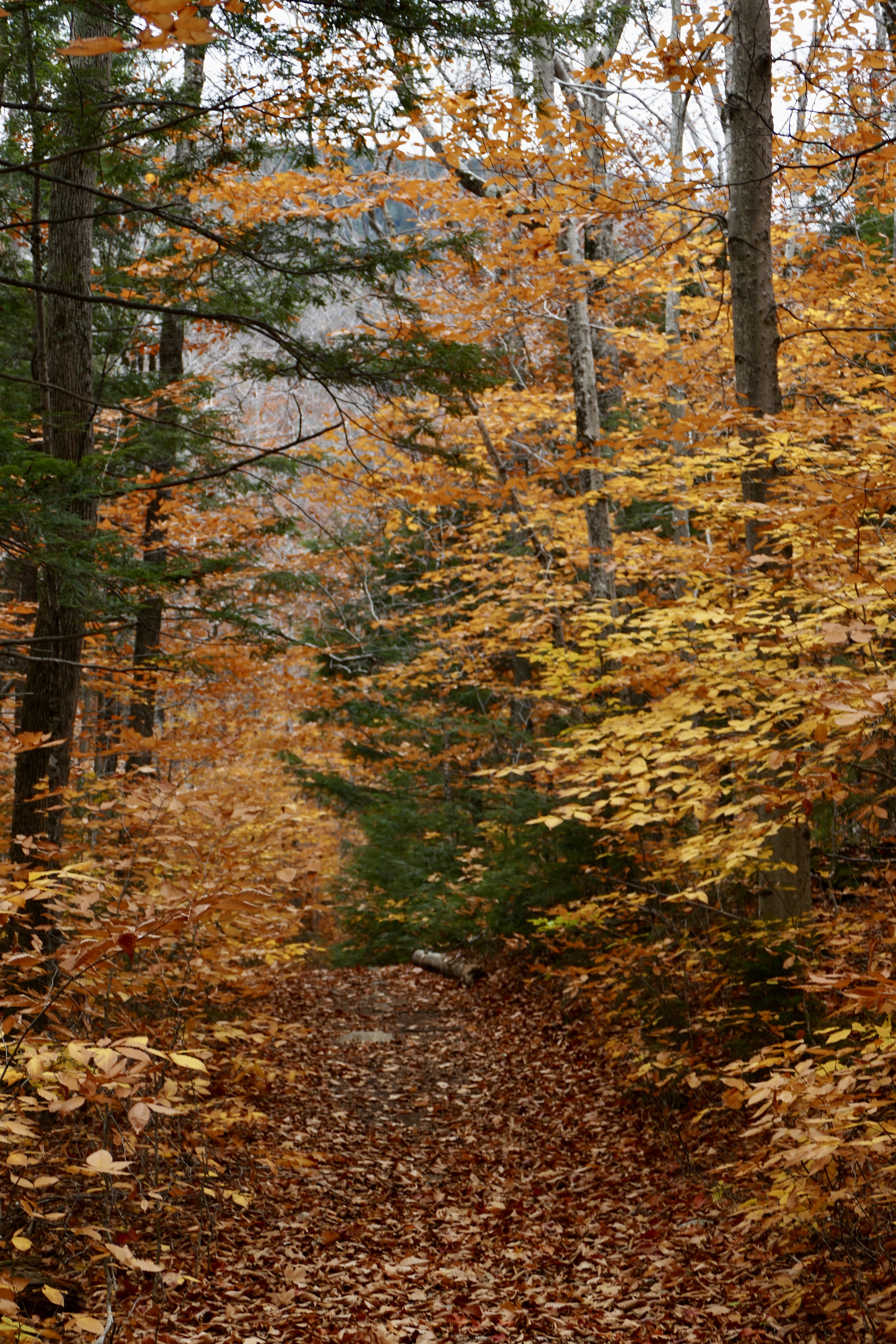
The Pond is now most beautifully framed with the autumn tinted woods & hills….
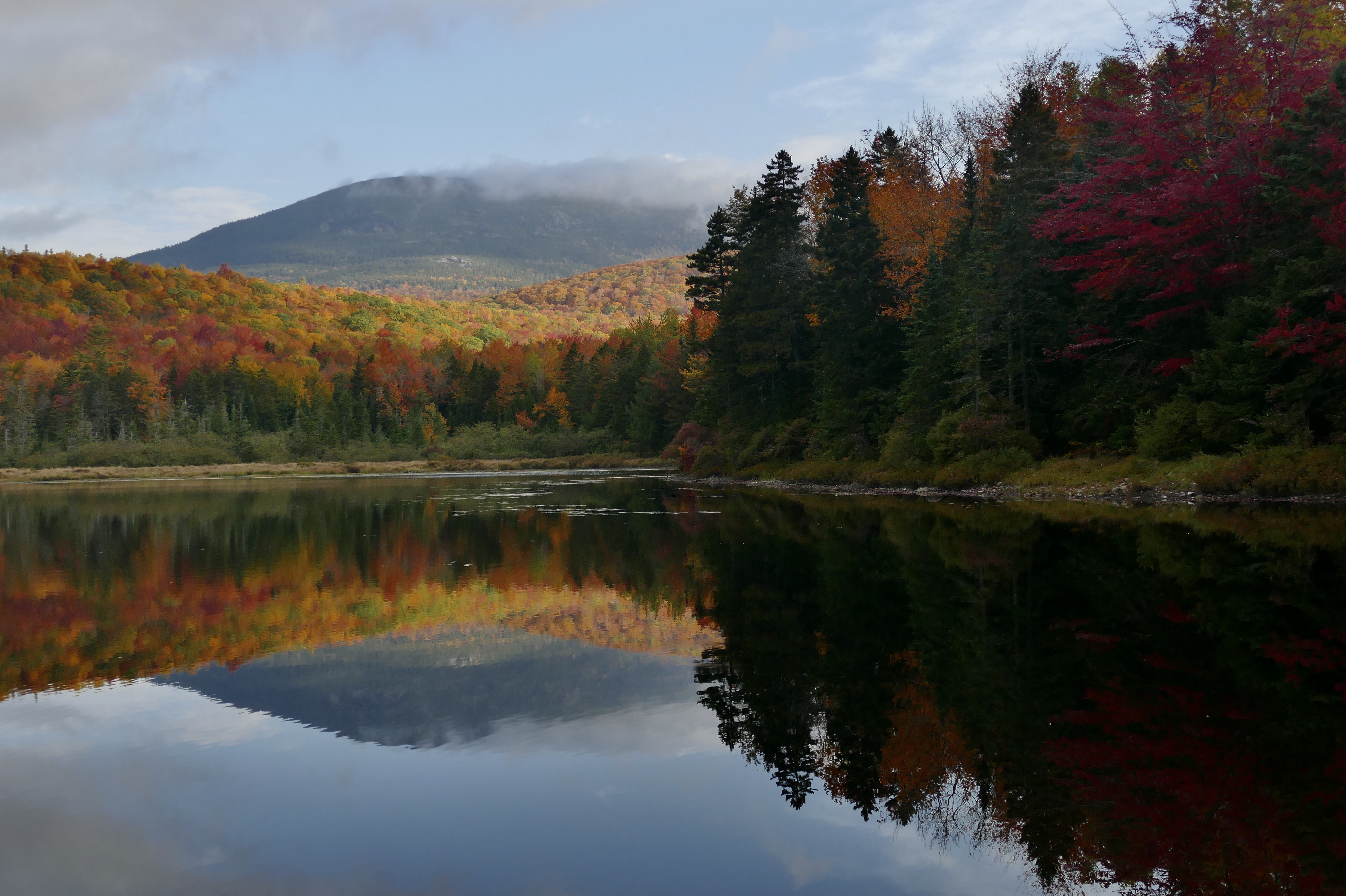
How peaceful great nature—there is no disturbing sound…
in Thoreau’s Journal:
I love very well this cloudy afternoon, so sober and favorable to reflection after so many bright ones.
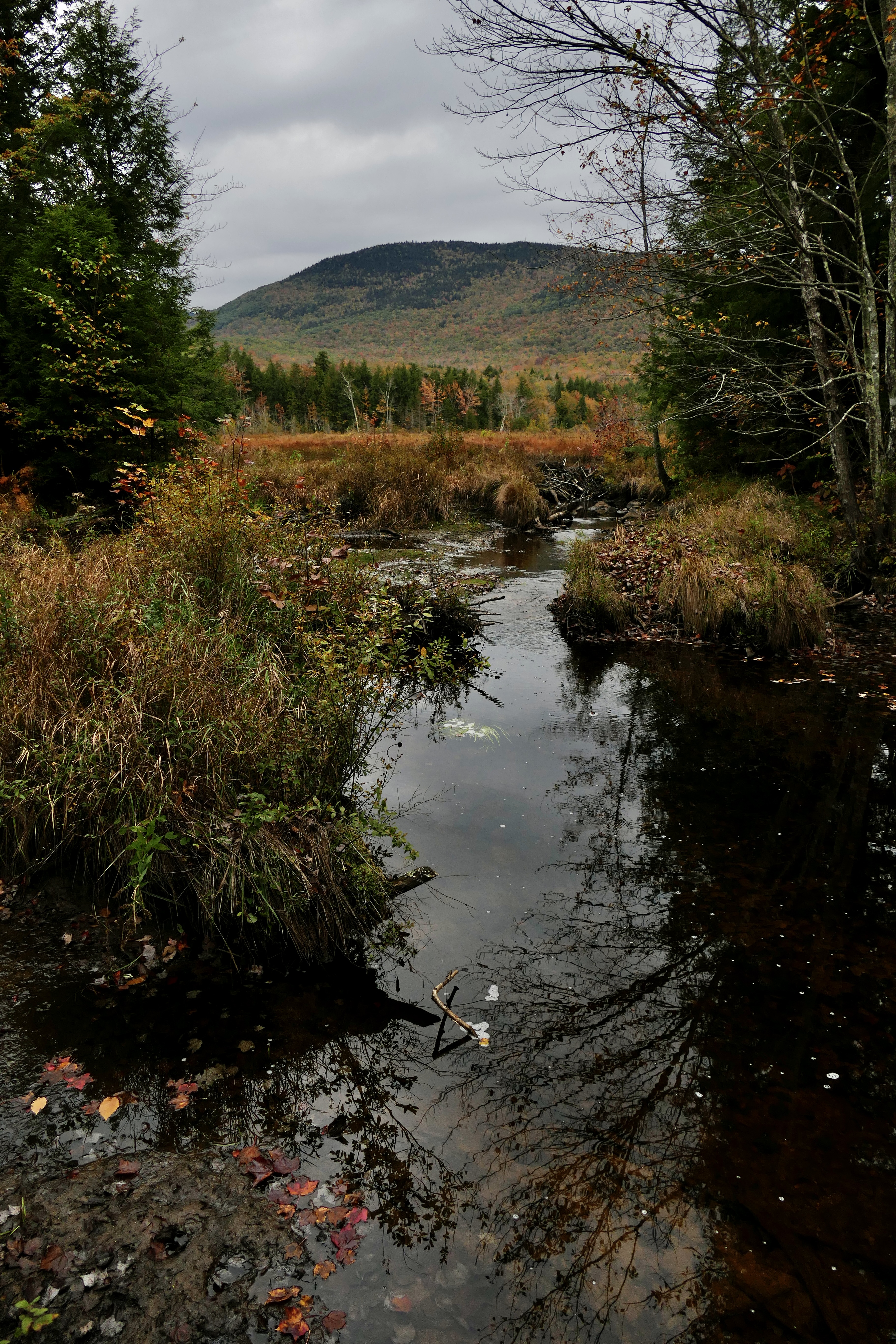
What if the clouds shut out the heavens, provided they concentrate my thoughts and make a more celestial heaven below! I hear crickets plainer; I wander less in my thoughts, am less dissipated; am aware how shallow was the current of my thoughts before. Deep streams are dark, as if there were a cloud in the sky; shallow ones are bright and sparkling, reflecting the sun from their bottoms. The very wind on my cheek seems more fraught with meaning.
 allandibiase.com
You must be logged in to post a comment.