in Thoreau’s Journal:
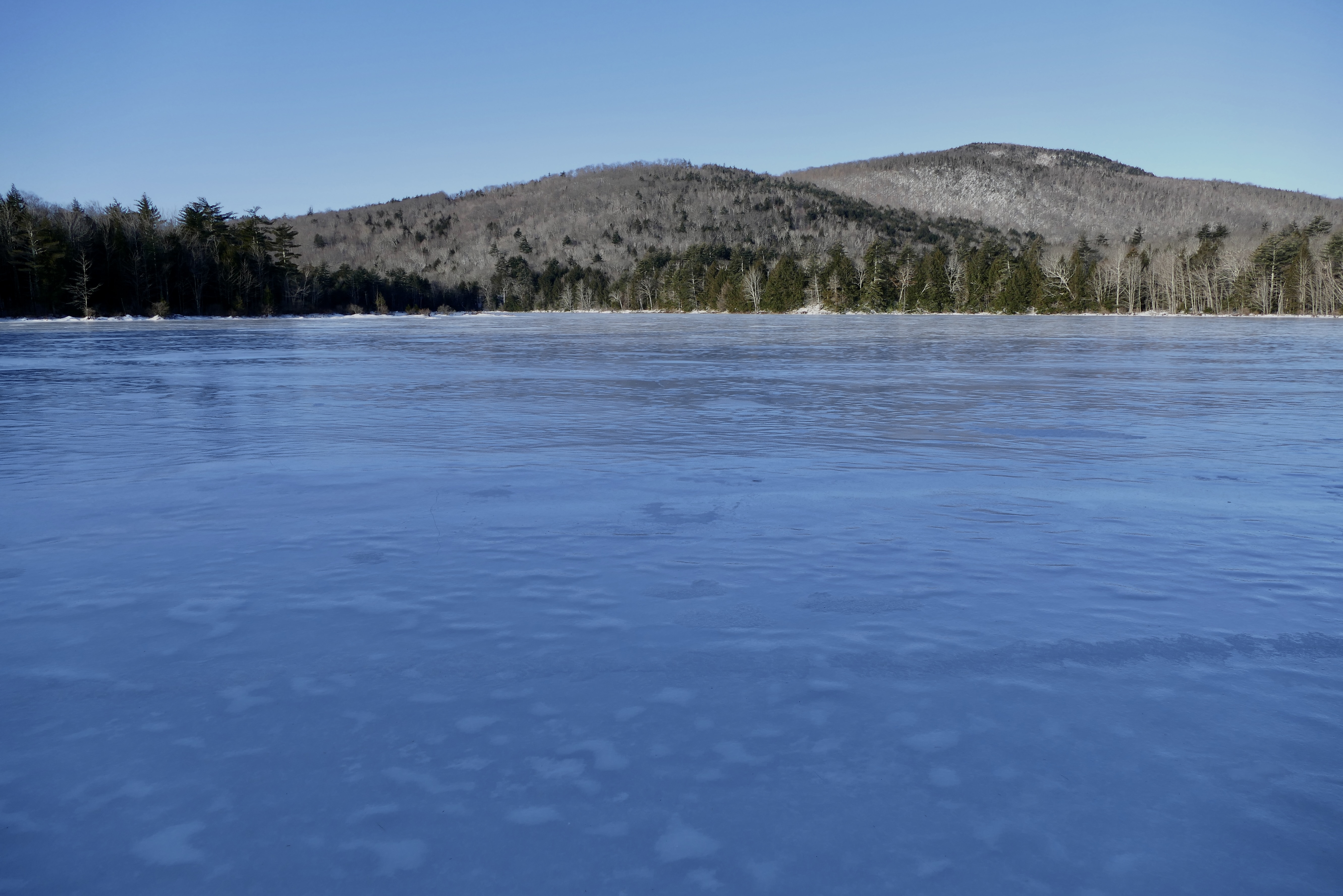
A clear, cold, beautiful day. Fine skating. An unprecedented expanse of ice.
in Thoreau’s Journal:
A clear, cold, beautiful day. Fine skating. An unprecedented expanse of ice.
in Thoreau’s Journal:
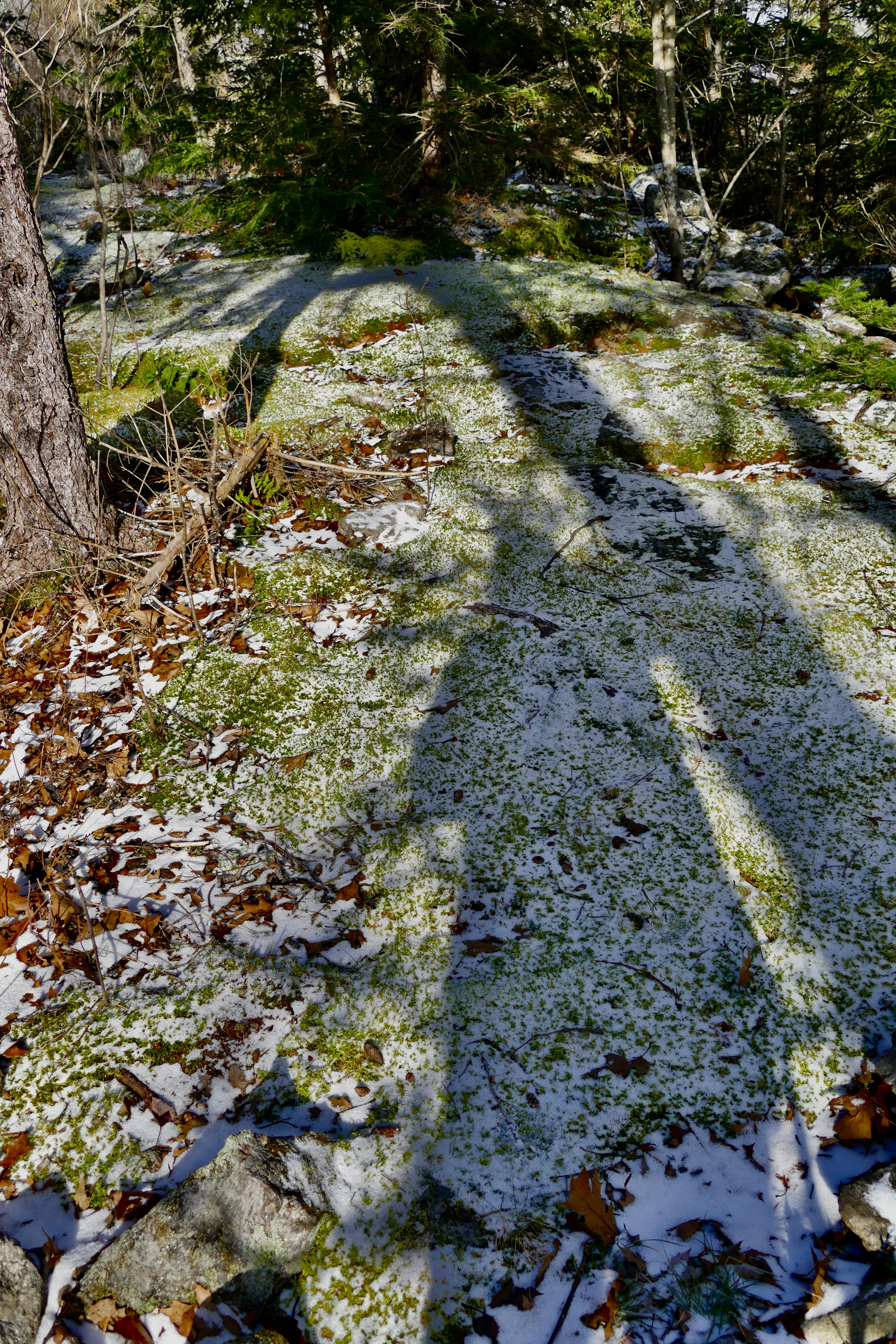
What a difference between life in the city and in the country at present, between walking in Washington St., threading your way between countless sledges and travellers, over the discolored snow, and crossing Walden Pond, a spotless field of snow surrounded by woods, whose intensely blue shadows, and your own, are the only objects.
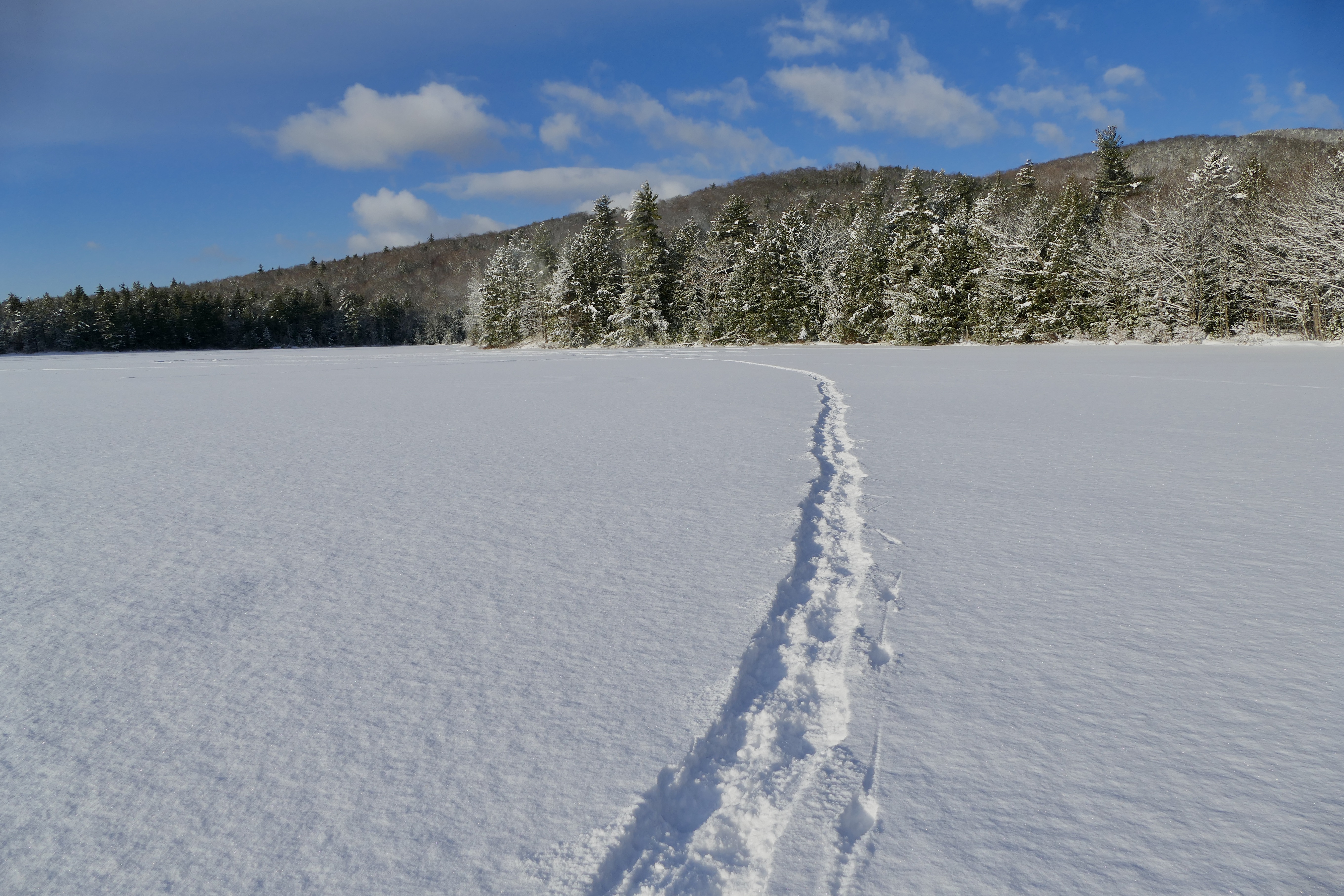
What a solemn silence reigns here!
in Thoreau’s Journal:

It is interesting to see near the sources even of small streams or brooks which now flow through an open country–perhaps shrunken in their volume–the traces of ancient mills–which have devoured the primitive forest–the earthen dams & old sluice ways–& ditches and banks for obtaining a supply of water–
in Thoreau’s Journal:
Perhaps I can never find so good a setting for my thoughts as I shall thus have taken them out of.
in Thoreau’s Journal:
To Hill and beyond. It is so mild & moist as I saunter along by the wall and E of the hill. That I remember or anticipate one of those warm rain storms in the spring, when the earth is just laid bare—the wind is South—& the Kladonia lichens are swollen and lusty with moisture—your foot sinking into them & pressing the water out as from a sponge—& the sandy places also are drinking it in. You wander indefinitely in a beaded coat—wet to the skin of your legs—sit on moss-clad rocks & stumps & hear the lisping of migrating sparrows—flitting amid the shrub oaks—sit hours at a time still & hone your thoughts. A rain which is as serene as fair weather—suggesting fairer weather than was ever seen— You could hug the clods that defile you. You feel the fertilizing influence of the rain in your mind. The part of you that is wettest is fullest of life, like the lichens.

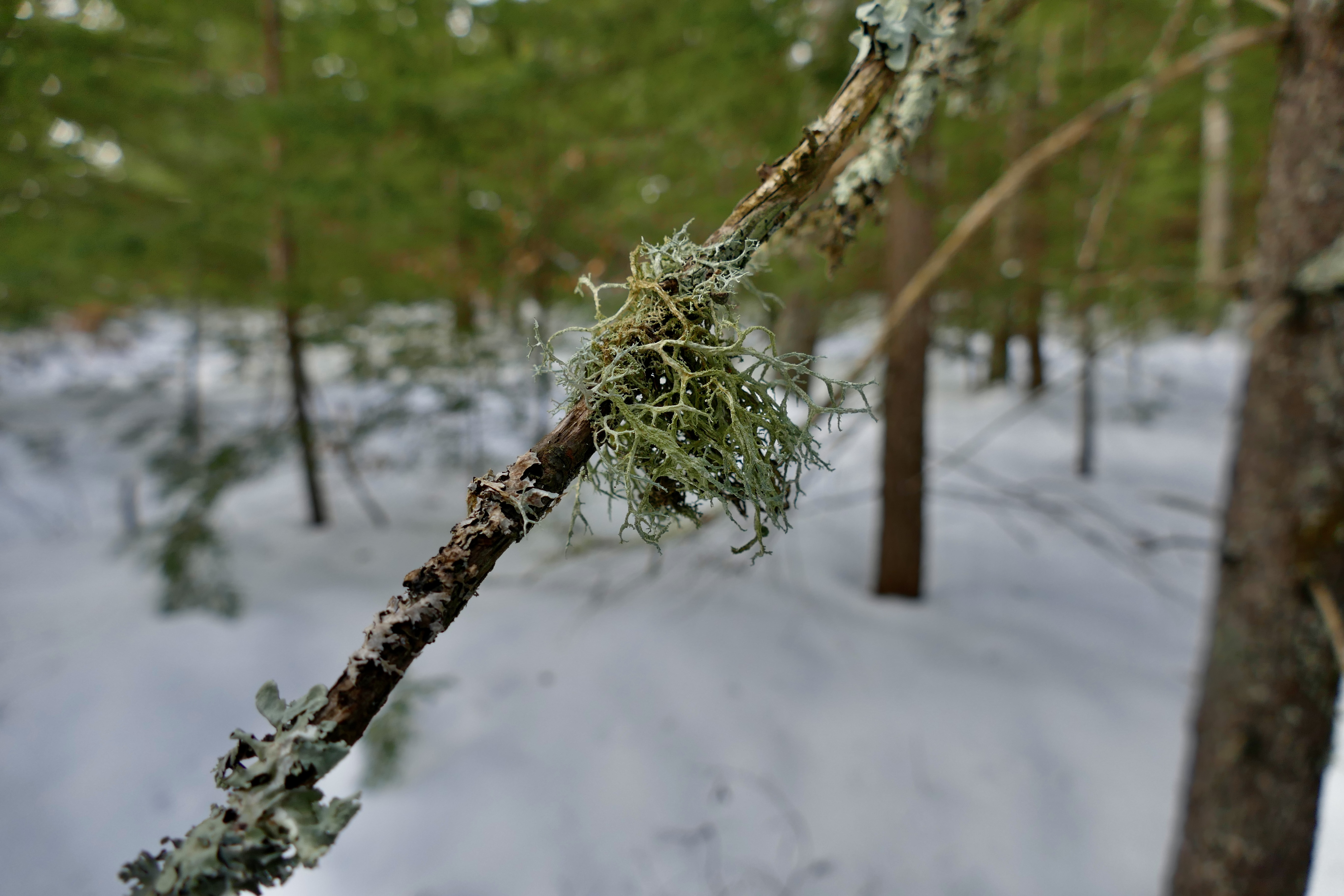
You discover evidences of immortality not known to divines. You cease to die—You detect some buds and sprouts of life—every step in the old rye field is on virgin soil.
in Thoreau’s Journal:
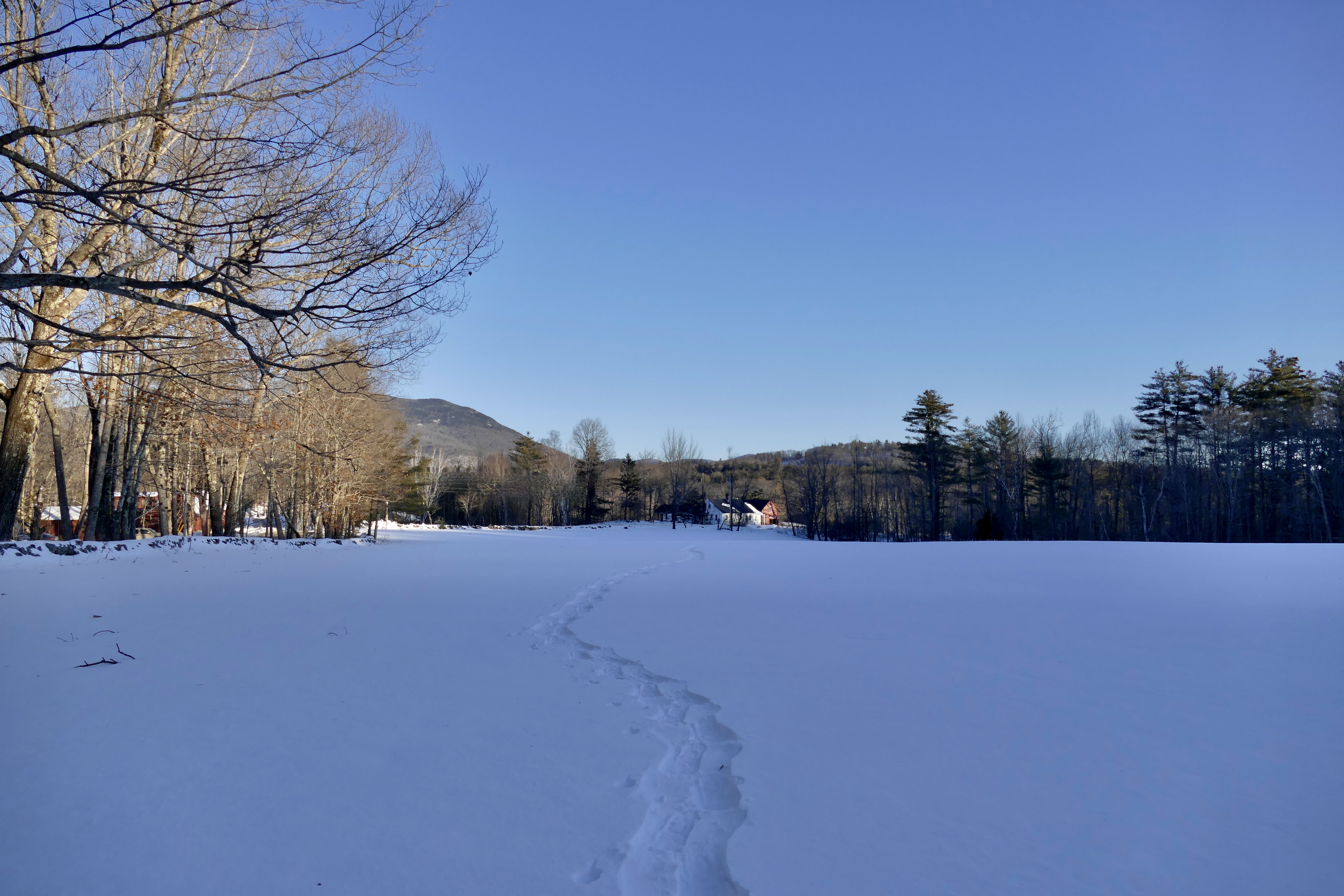
It is surprising how much room there is in nature if a man will follow his proper path. In these broad fields, in these extensive woods, on this stretching river, I never meet a walker.

in Thoreau’s Journal:
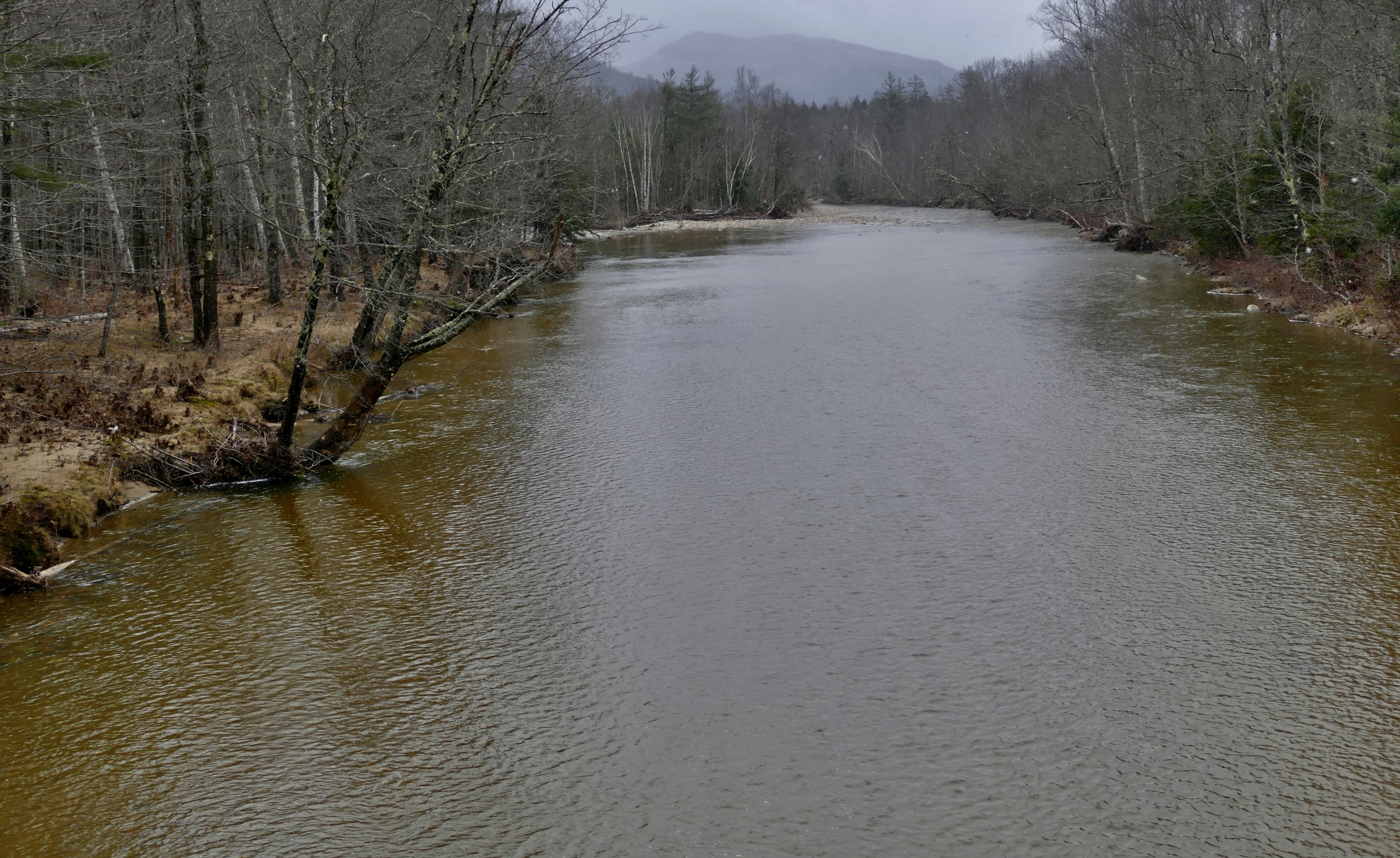
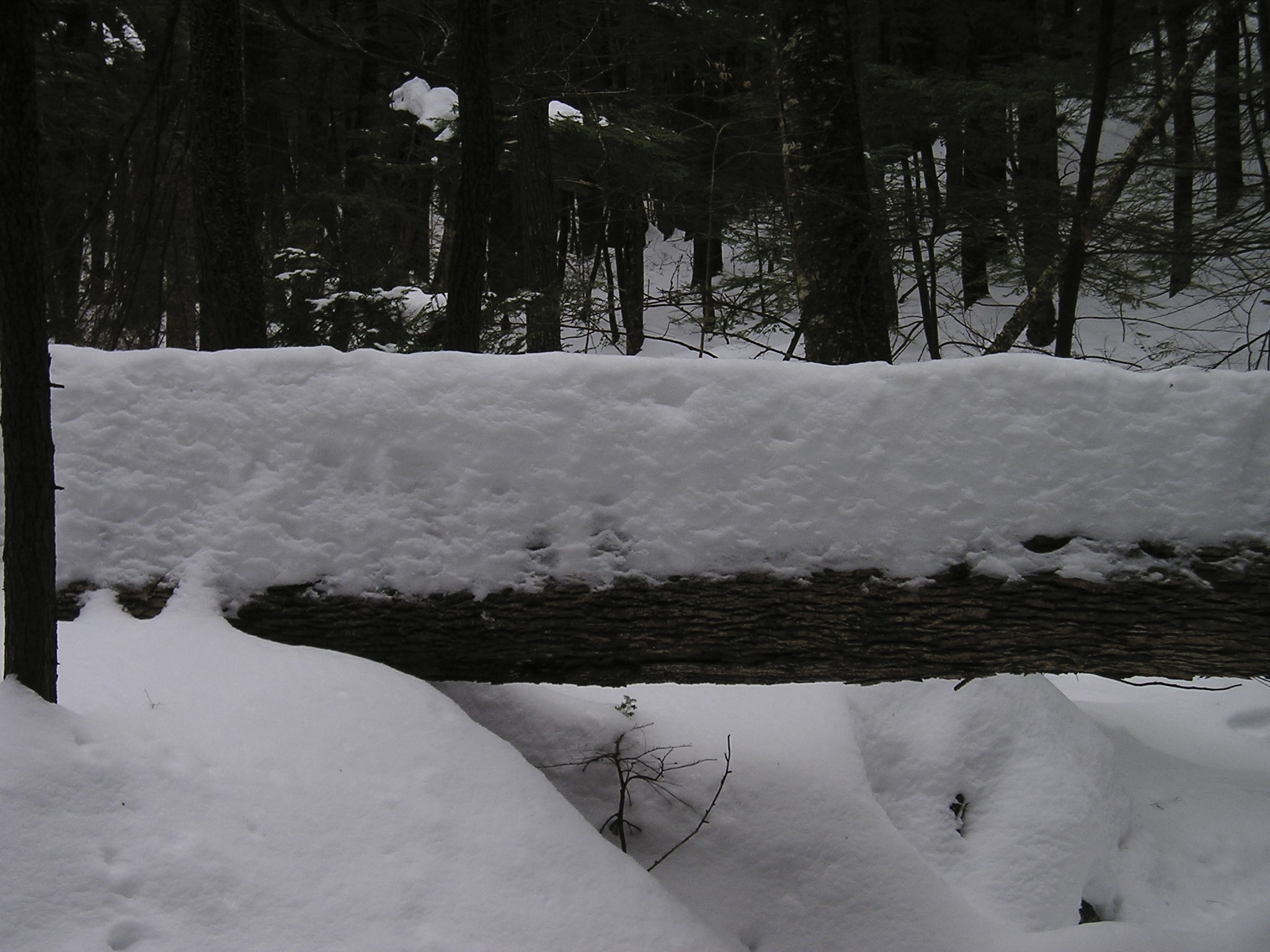
The snow has been for some time more than a foot deep on a level, and some roads drifted quite full; and the cold for some weeks has been intense, as low as twenty and twenty-one degrees in the early morning.
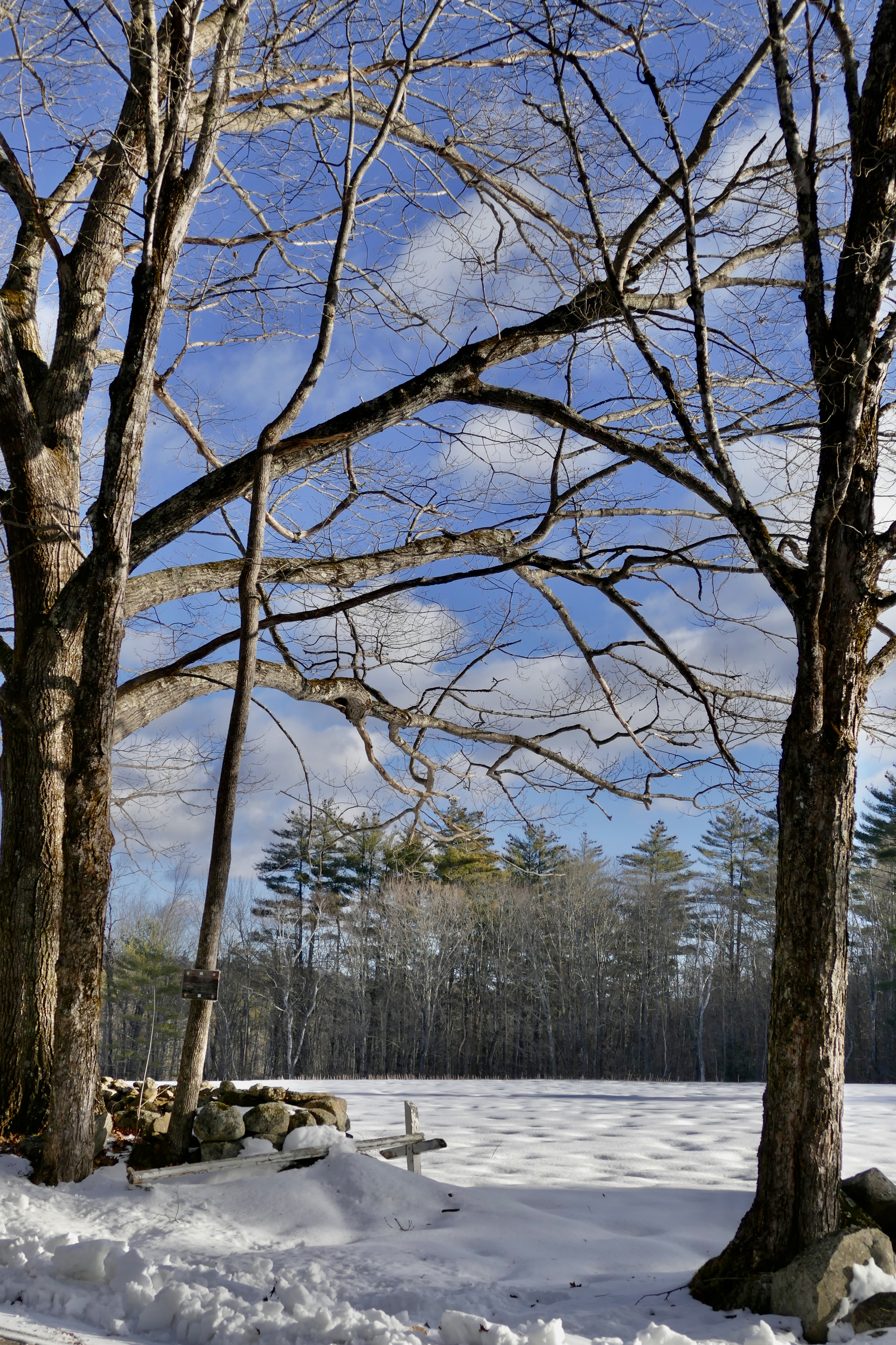
A Canadian winter. Some say that we have not had so long a spell of cold weather since ’31, when they say it was not seen to thaw for six weeks. But last night and to-day the weather has moderated. It is glorious to be abroad this afternoon. The snow melts on the surface. The warmth of the sun reminds me of summer. The dog runs before us on the railroad causeway and appears to enjoy it as much as ourselves.
in Thoreau’s Journal:
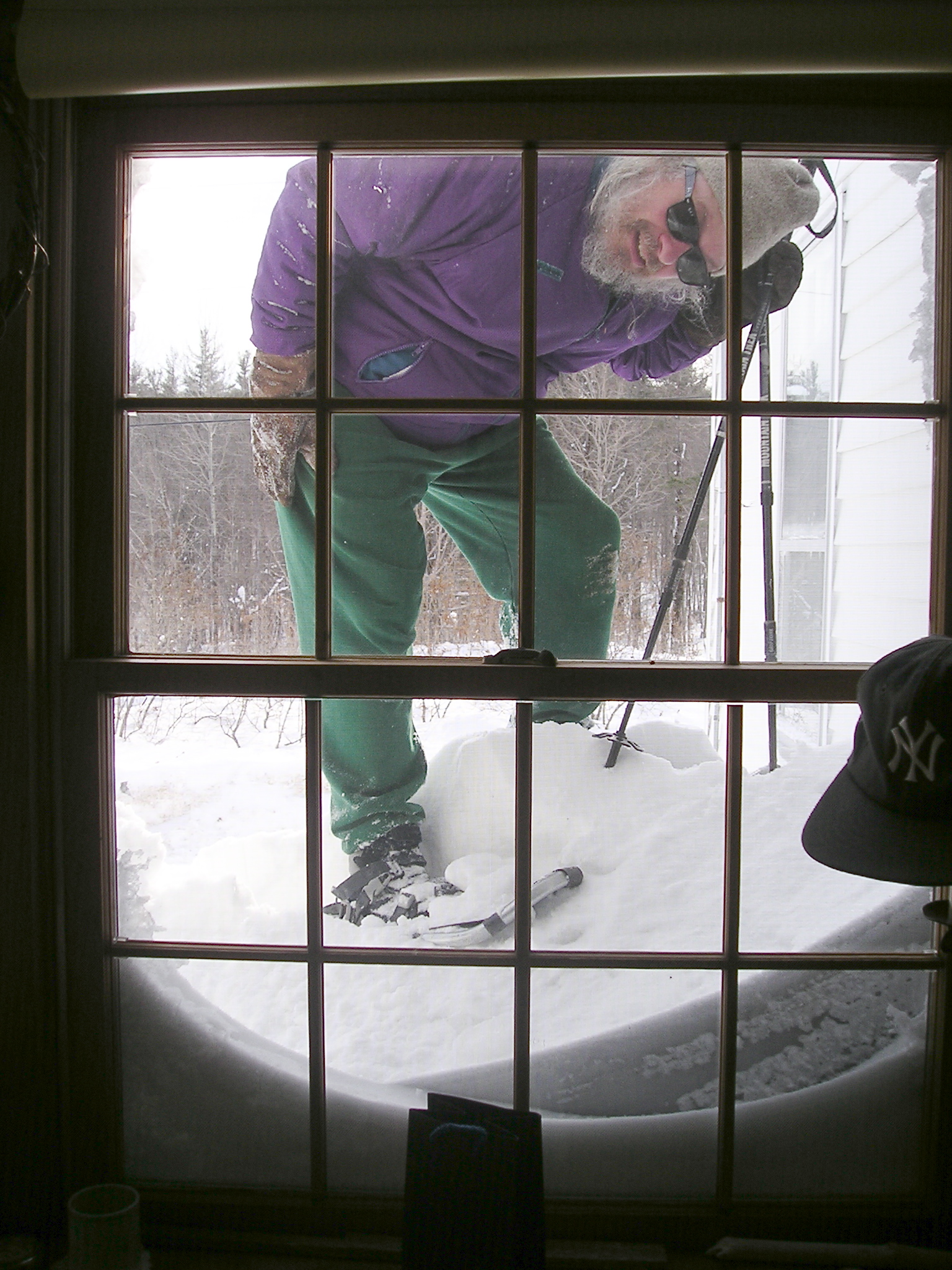
Thus we go about, raised, generally speaking, more than a foot above the summer level. So much higher do we carry our heads in the winter. What a great odds such a little difference makes! When the snow raises us one foot higher than we have been accustomed to walk, we are surprised at our elevation ! So we soar.


in Thoreau’s Journal:
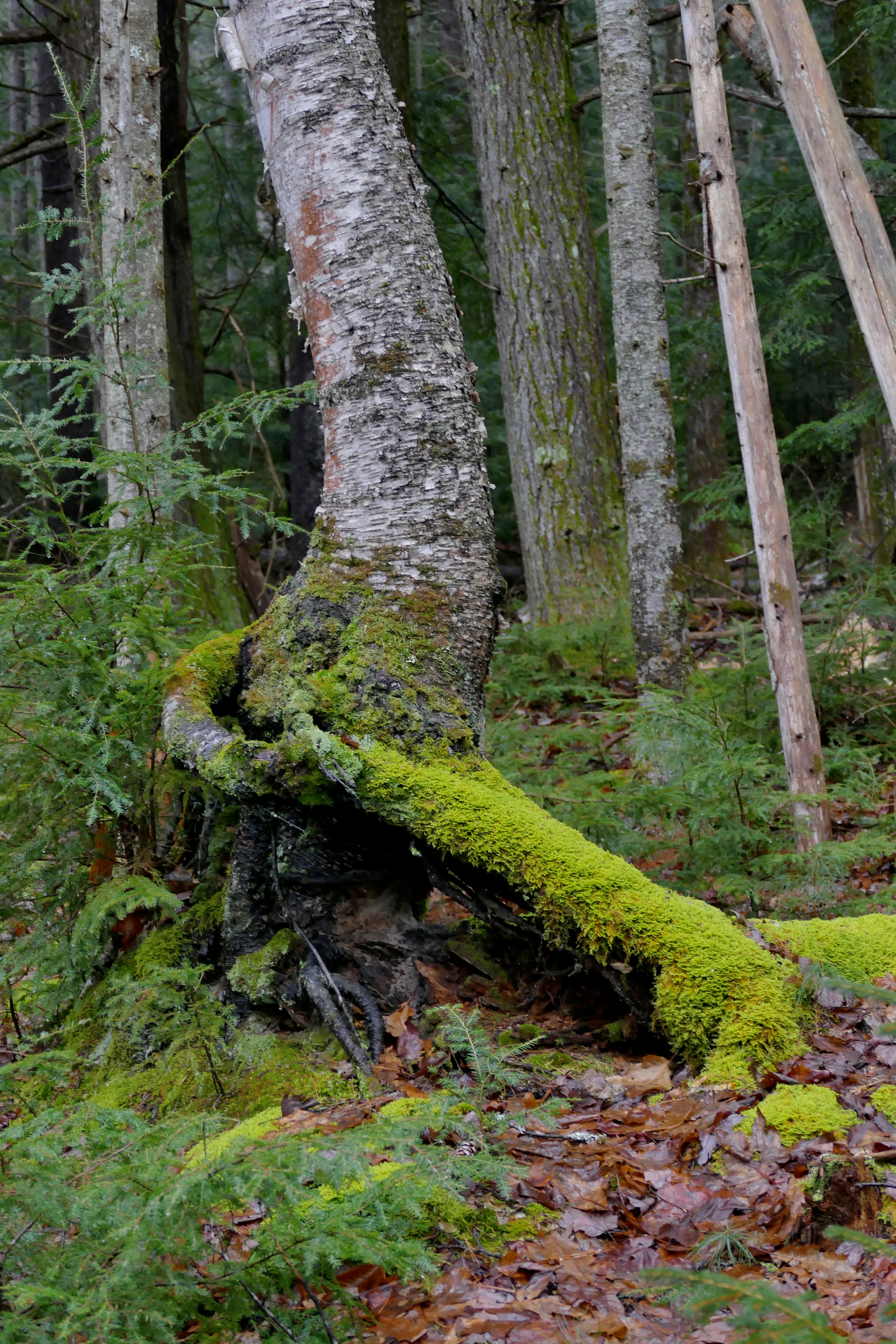
When I detect a beauty in any of the recesses of nature, I am reminded by the serene and retired spirit in which it requires to be contemplated—of the inexpressible privacy of a life. How silent and unambitious it is! The beauty there is in mosses will have to be considered from the holist, quietest nook. —The gods delight in stillness…
in Thoreau’s Journal:
To set down such choice experiences that my own writings may inspire me.— and at last I may make wholes of parts. Certainly it is a distinct profession to rescue from oblivion & to fix the sentiments & thoughts which visit all men more or less generally. That the contemplation of the unfinished picture may suggest its harmonious completion. Associate reverently, and as much as you can with your loftiest thoughts. Each thought that is welcomed and recorded is a nest egg—by the side of which more will be laid. Thoughts accidentally thrown together become a frame—in which more may be developed—& exhibited. Perhaps this is the main value of a habit of writing—of keeping a journal. That so we remember our best hours—& stimulate ourselves. My thoughts are my company — They have a certain individuality & separate existence—aye personality. Having by chance recorded a few disconnected thoughts and then brought them into juxtaposition—they suggest a whole new field in which it was possible to labor & to think. Thought begat thought….

It is a sharp cutting cold day stiffening the face. Thermometers have lately sunk to 20º.
in Thoreau’s Journal:
The sky has gradually become overcast & now it is just beginning to snow—looking against a dark roof—I detect a single flake from time to time—but when I look at the dark side of the woods 2 miles off in the horizon there already is seen a slight thickness or mistiness in the air—In this way, perhaps, may it first be detected…..

Pines & oaks seen at a distance—say 2 miles off—are considerably blended & make one harmonious impression—the former if you attend—are seen to be of a blue or misty black—and the latter form commonly a reddish brown ground, out of which the former rise—These colors are no longer in strong contrast with each other—
in Thoreau’s Journal:
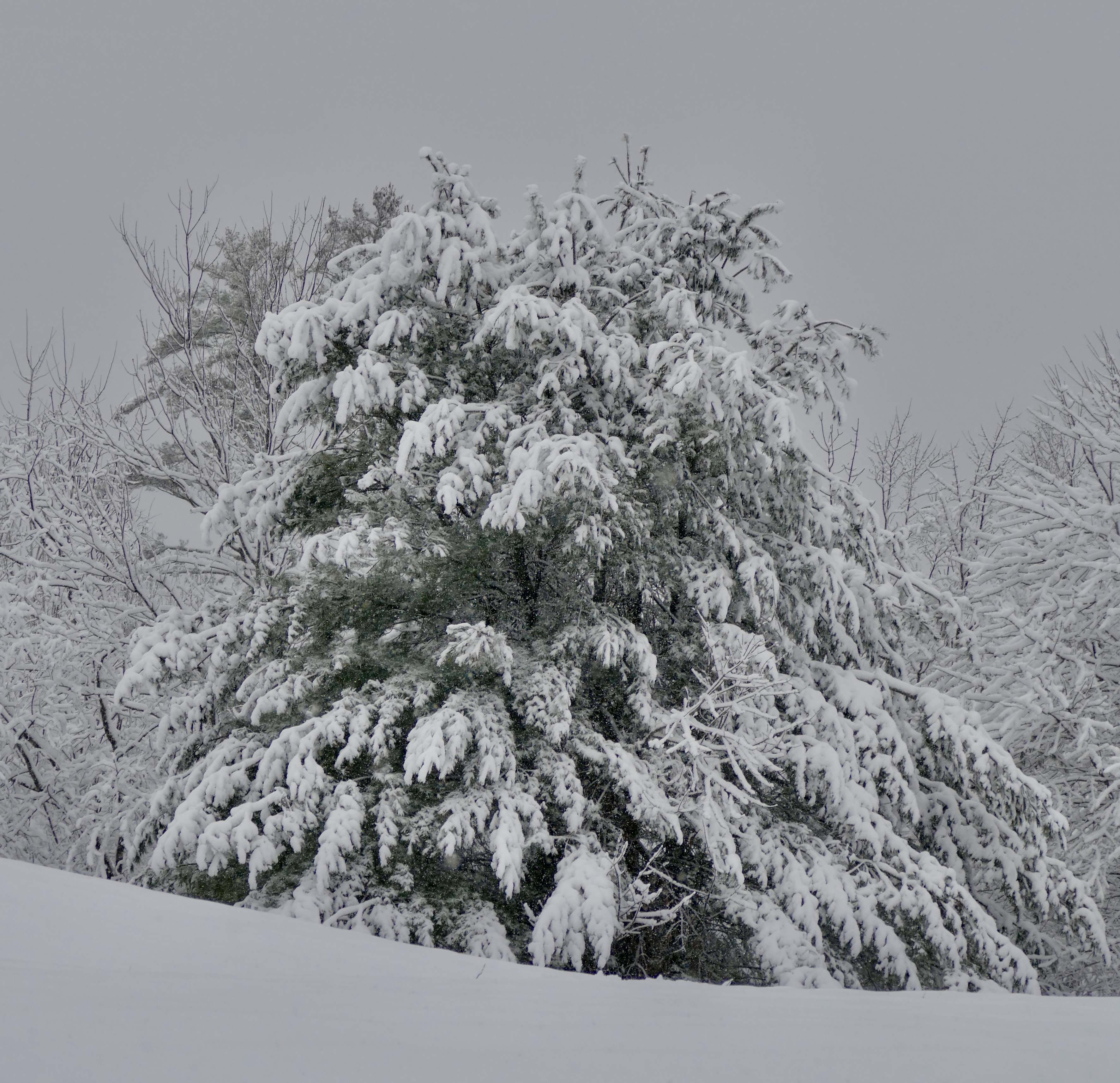
In many instances the snow had lodged on trees yesterday in just such forms as a white napkin or counterpane dropped on them would take—protuberant in the middle with many fold & dimples— An ordinary leafless bush supported so much snow on its twigs—a perfect maze like a whirligig—though not in one solid mass—that you could not see through it— We heard only a few chic-a-dees. Some times the snow on the bent P. Pines made me think of rams’ or elephants’ heads ready to butt you.
In particular places standing on their snowiest side the woods were incredibly fair—white as alabaster—indeed the young pines reminded you of the purest statuary. & the stately full grown ones towering around affected you as if you stood in a Titanic sculptor’s studio. So purely & delicately white—transmitting the light—their dark trunks all concealed. And in many places where the snow lay on withered oak leaves between you & the light—various delicate fawn coloured & cinnamon tints blending with the white still enhanced the beauty.


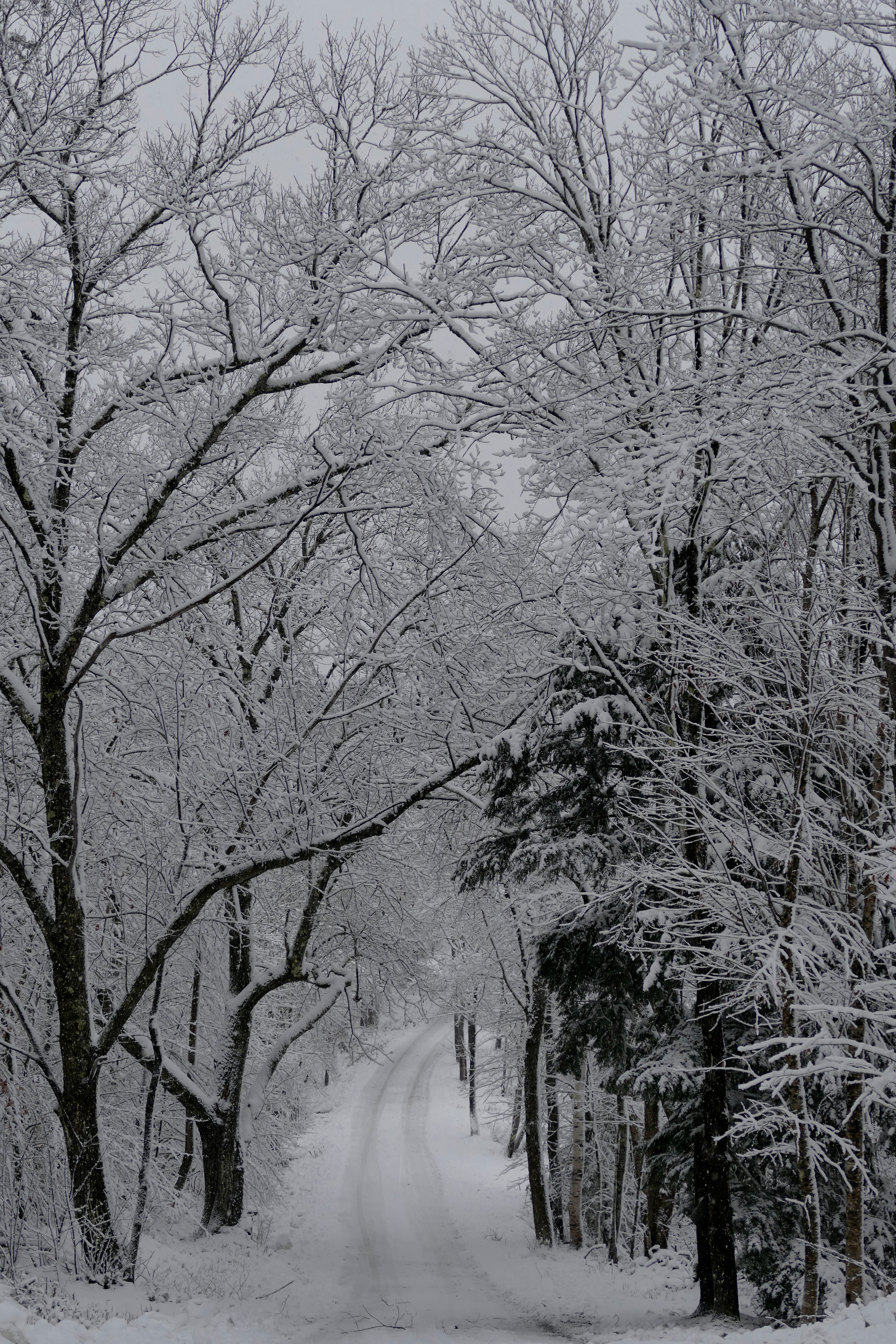

How new all things seem! Here is a broad, shallow pool in the fields which yesterday was slush, now converted into a soft, white fleecy snow ice…It is like the beginning of the world. There is nothing hackneyed where a new snow can come and cover all the landscape…The world is not only new to the eye, but is still as at creation. Every blade and leaf is hushed, not a bird or insect is heard, only, perchance, a faint tinkling sleigh-bell in the distance…The snow still adheres conspicuously to the N.W. sides of the stems of the trees, quite up to their summits, with a remarkably sharp edge in that direction…It would be about as good as a compass to steer by in a cloudy day or by night…I doubt if I can convey an idea of the appearance of the woods yesterday. As you stood in their midst, and looked round on their boughs and twigs laden with snow, it seemed as if there could be none left to reach the ground. These countless zigzag white arms crossing each other at every possible angle completely closed up the view like a light drift within three or four rods on every side, the wintriest prospect imaginable. That snow which sifted down into the wood paths was much drier and lighter than elsewhere.
in Thoreau’s Journal:
P. M. — The damp snow still drives from the northwest nearly horizontally over the fields, while I go with C. toward the Cliffs and Walden. There is not a single fresh track on the back road, and the aspect of the road and trees and houses is very wintry. Though considerable snow has fallen, it lies chiefly in drifts under the walls. We went through the Spring Woods, over the Cliff, by the wood-path at its base to Walden, and thence by the path to Brister’s Hill, and by road home. It was worth the while to see what a burden of damp snow lay on the trees notwithstanding the wind. Pitch pines were bowed to the ground with it, and birches also, and white oaks. I saw one of the last, at least twenty-five feet high, splintered near the ground past recovery. All kinds of evergreens, and oaks which retain their leaves, and birches which do not, up to twenty-five feet or more in height, were bent to the earth, and these novel but graceful curves were a new feature in the woodland scenery. Young white pines often stood draped in robes of purest white, emblems of purity, like a maiden that has taken the veil, with their heads slightly bowed and their main stems slanting to one side, like travellers bending to meet the storm with their heads muffled in their cloaks. The windward side of the wood, and the very tops of the trees everywhere, for the most part, were comparatively bare, but within the woods the whole lower two thirds of the trees were laden with the snowy burden which had sifted down on to them. The snow, a little damp, had lodged not only on the oak leaves and the evergreens, but on every twig and branch, and stood in upright walls or ruffs five or six inches high, like miniature Chinese walls, zigzag over hill and dale, making more conspicuous than ever the arrangement and the multitude of the twigs and branches; and the trunks also being plastered with snow, a peculiar soft light was diffused around, very unlike the ordinary darkness of the forest, as if you were inside a drift or snow house. This even when you stood on the windward side. In most directions you could not see more than four or five rods into this labyrinth or maze of white arms. This is to be insisted on. On every side it was like a snow-drift that lay loose to that height. They were so thick that they left no crevice through which the eye could penetrate further. The path was for the most part blocked up with the trees bent to the ground, which we were obliged to go round by zigzag paths in the woods, or carefully creep under at the risk of getting our necks filled with an avalanche of snow. In many places the path was shut up by as dense a labyrinth, high as the tree-tops and impermeable to vision, as if there had never been a path there. Often we touched a tree with our foot or shook it with our hand, and so relieved it of a part of its burden, and, rising a little, it made room for us to pass beneath. Often singular portals and winding passages were left between the pitch pines, through [which], stooping and grazing the touchy walls, we made our way. Where the path was open in the midst of the woods, the snow was about seven or eight inches deep. The trunks of the trees so uniformly covered on the northerly side, as happens frequently every winter, and sometimes continuing so for weeks, suggested that this might be a principal reason why the lichens watered by the melting snow flourished there most. The snow lay in great continuous masses on the pitch pines and the white, not only like napkins, but great white table-spreads and counterpanes, when you looked off at the wood from a little distance. Looking thus up at the Cliff, I could not tell where it lay an unbroken mass on the smooth rock, and where on the trees, it was so massed on the last also. White pines were changed into firs by it, and the limbs and twigs of some large ones were so matted together by the weight that they looked like immense solid fungi on the side of the trees, or those nests of the social grosbeak of Africa which I have seen represented. Some white pine boughs hung down like fans or the webbed feet of birds. On some pitch pines it lay in fruit-like balls as big as one’s head, like cocoanuts. Where the various oaks were bent down, the contrast of colors of the snow and oak leaves and the softened tints through the transparent snow — often a delicate fawn-color — were very agreeable.
As we returned over the Walden road the damp, driving snowflakes, when we turned partly round and faced them, hurt our eyeballs as if they had been dry scales.


in Thoreau’s Journal:
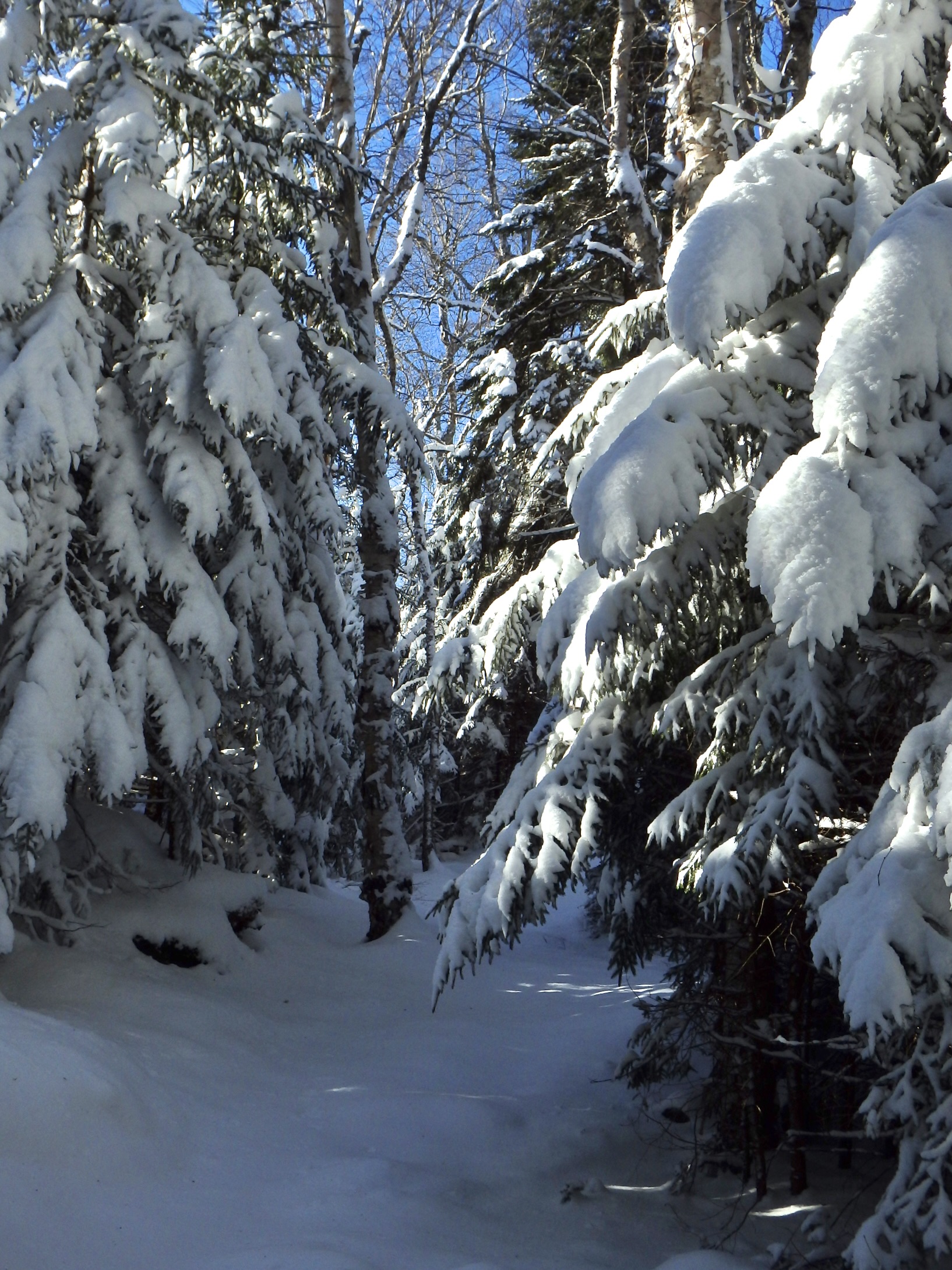
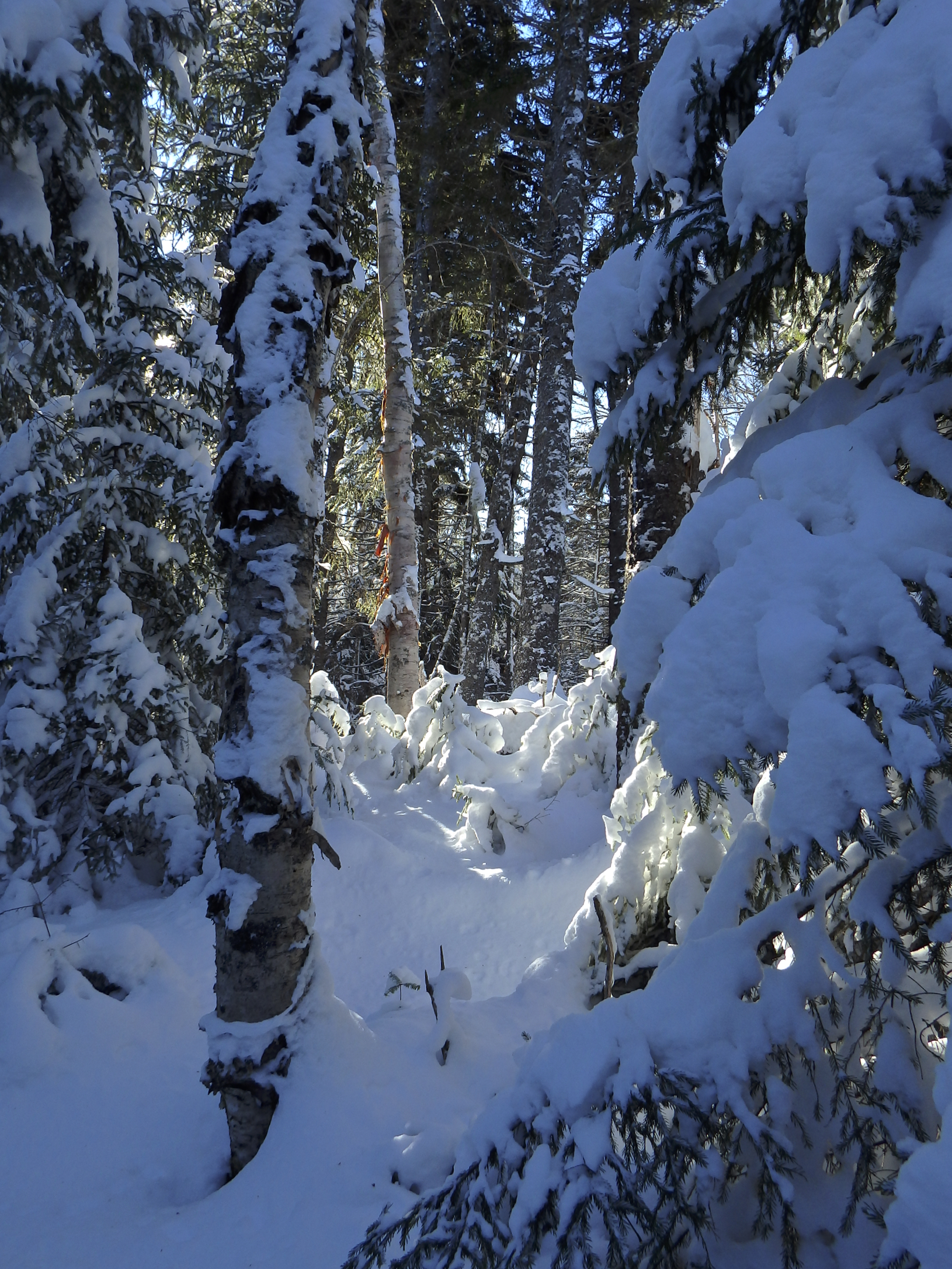
Every one, no doubt, has looked with delight, holding his face low, at that beautiful frostwork which so frequently in winter mornings is seen bristling about the throat of every breathing-hole in the earth’s surface. In this case the fog, the earth’s breath made visible, was in such abundance that it invested all our vales and hills, and the frostwork, accordingly, instead of being confined to the chinks and crannies of the earth, covered the mightiest trees, so that we, walking beneath them, had the same wonderful prospect and environment that an insect would have in the former case. We, going along our roads, had such a prospect as an insect would have making its way through a chink in the earth which was bristling with hoar frost.


That glaze! I know what it was by my own experience; it was the frozen breath of the earth upon its beard.
in Thoreau’s Journal:

….a dead lapse, where Time’s stream seems settling into a pool, a stillness not as if Nature’s breath were held, but expired. Let me know that such hours as this are wealthiest in Time’s gift. It is the insufficiency of the hour which, if we but feel and understand, we shall reassert our independence then.
in Thoreau’s Journal:

There is a tender crust on the snow, and the sun is brightly reflected from it.
in Thoreau’s Journal:
Cold as the weather is and has been, almost all the brook is open in the meadow there, an artery of black water in the midst of the snow, and there are many sink-holes, where the water is exposed at the bottom of a dimple in the snow.

Indeed, in some places these little black spots are distributed very thickly, the snow in swells covering the intervening tussocks.
in Thoreau’s Journal:
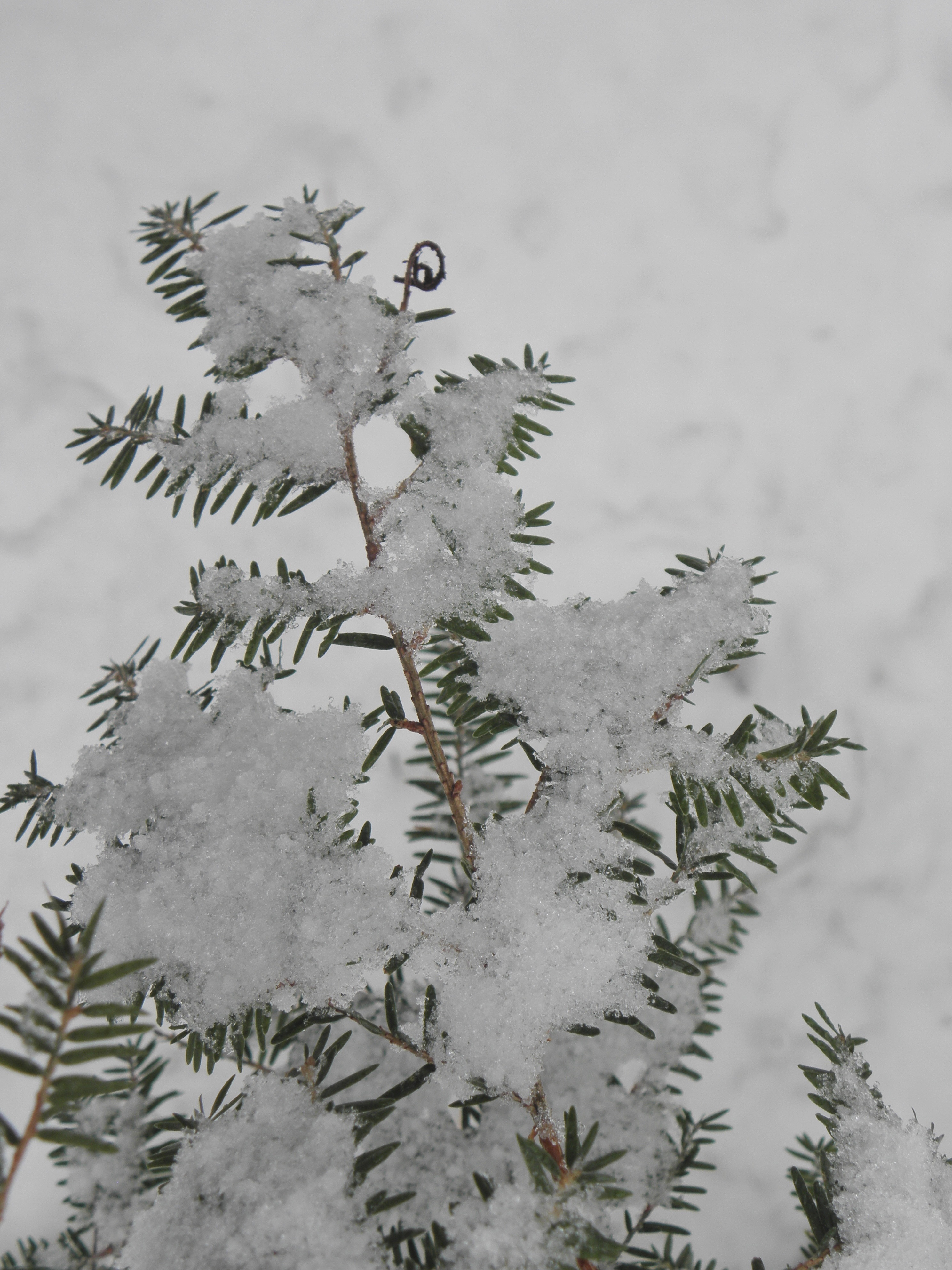
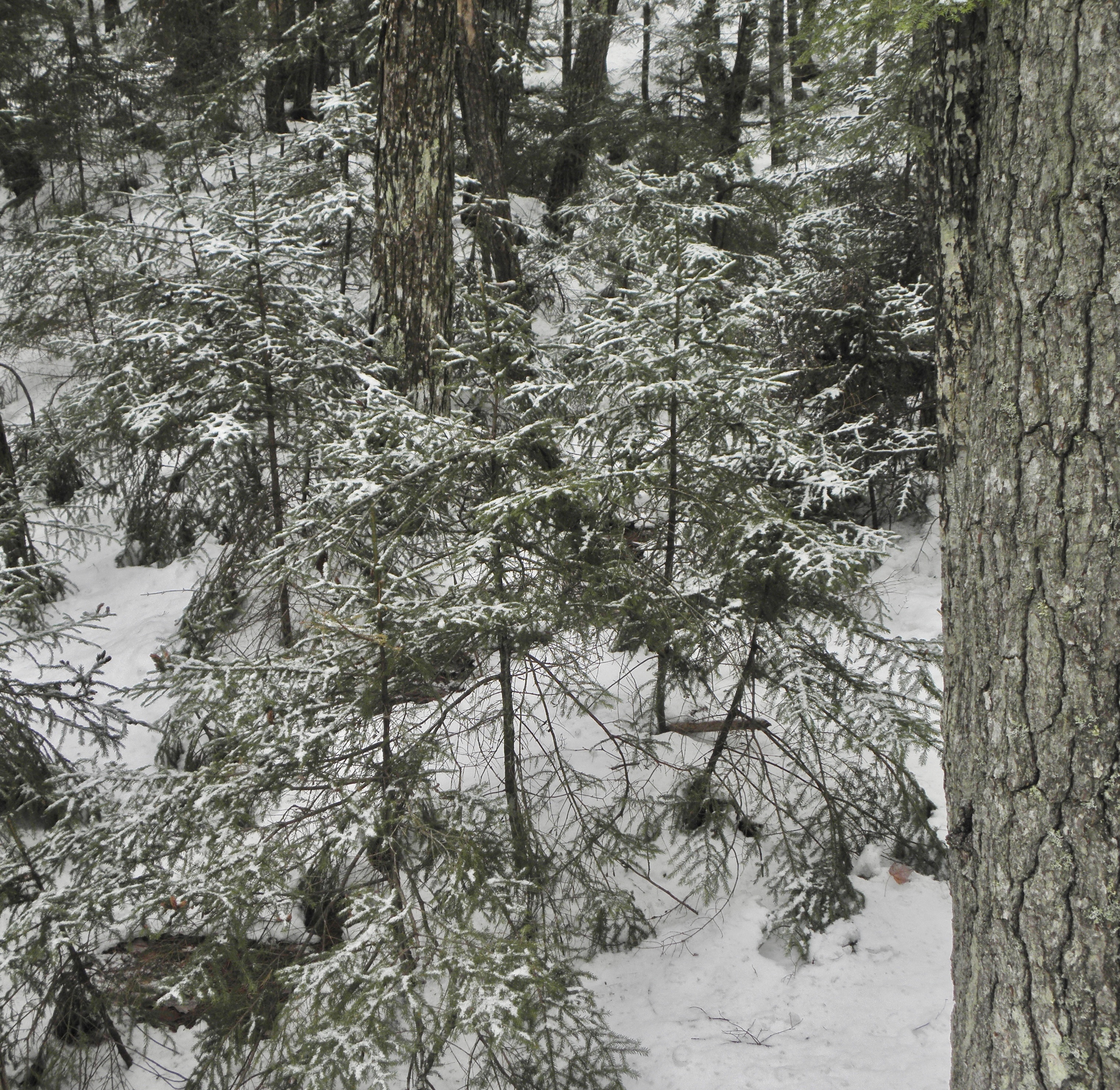
This forenoon I walk up the Assabet to see it. The hemlocks are perhaps a richer sight than any tree. –– such Christmas trees, thus, sugared, as were never seen. On one side you see more or less greenness, but when you stand due north they are unexpectedly white and rich, so beautifully still, and then you look under them you see some great rock, or rocks, all hoary with the same, and a finer frost on the very fine dead hemlock twigs there and on hanging roots and twigs, quite like the cobwebs in a grist-mill covered with meal, –– and it implies a stillness like that; or it is like the lightest down glued on.
in Thoreau’s Journal:
In our workshops we pride ourselves on discovering a use for what had previously been regarded as waste, but how partial and accidental our economy compared with Nature’s. In Nature nothing is wasted.
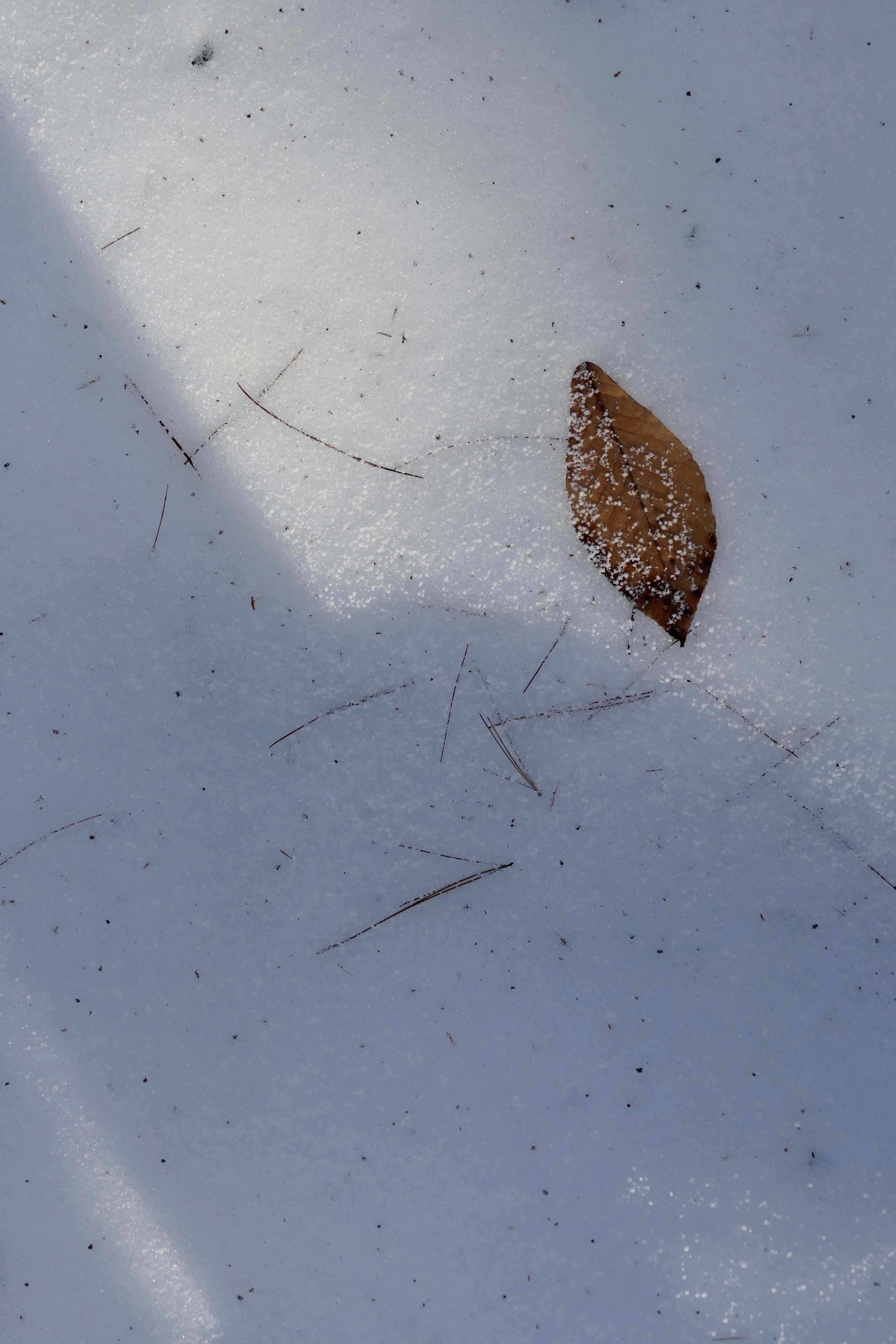
Every decayed leaf and twig and fibre is only the better fitted to serve in some other department, and all at last are gathered in her compost-heap.

in Thoreau’s Journal:
It is a very beautiful and spotless snow now, it having just ceased falling. You are struck by its peculiar tractlessness, as if it were a thick white blanket just spread.
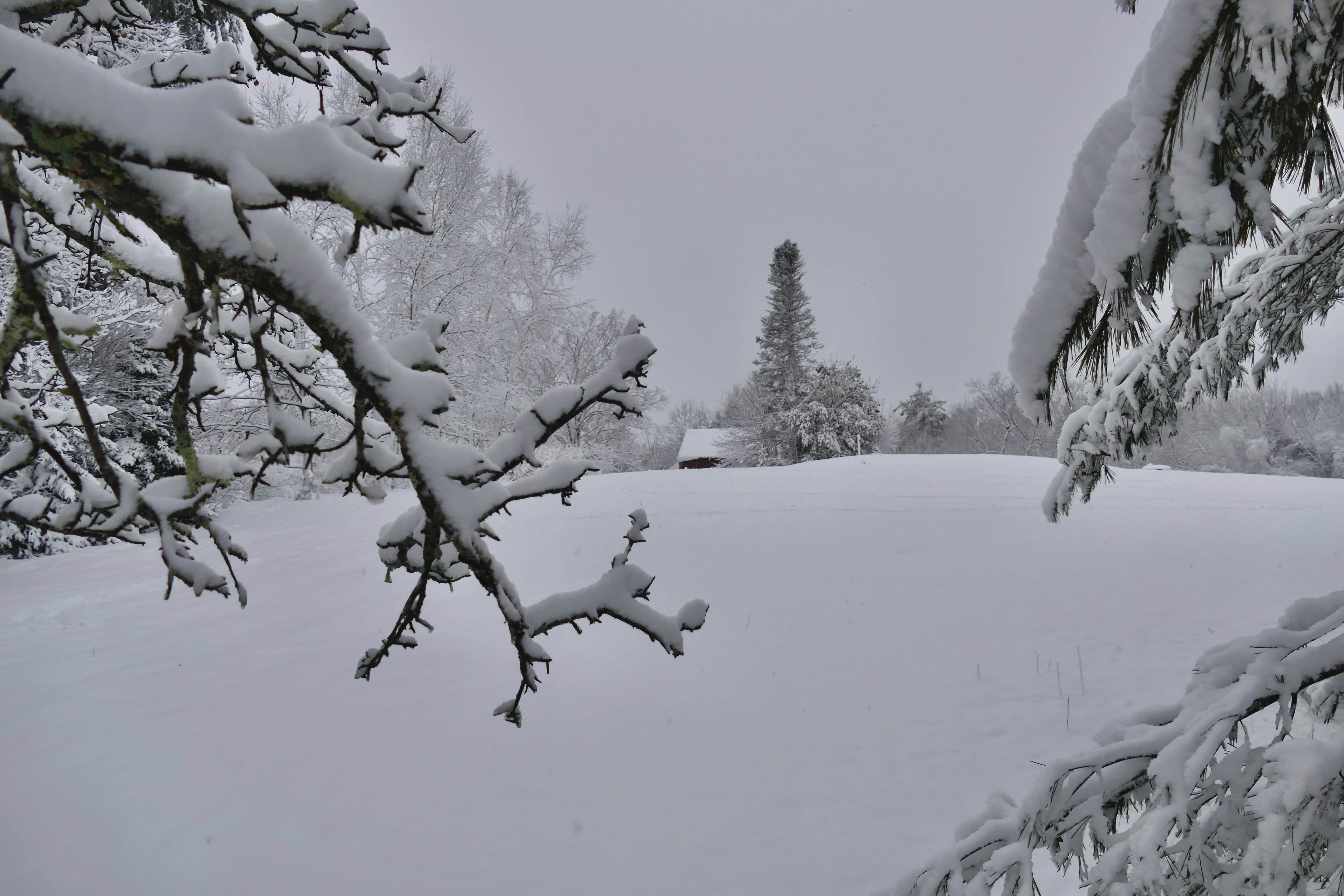
As it were, each snow-flake lies as it first fell, or there is a regular gradation from the denser bottom up to the surface which is perfectly light, and as it were fringed with the last flakes that fell.
 allandibiase.com
You must be logged in to post a comment.