March 31, 1855

in Thoreau’s Journal:

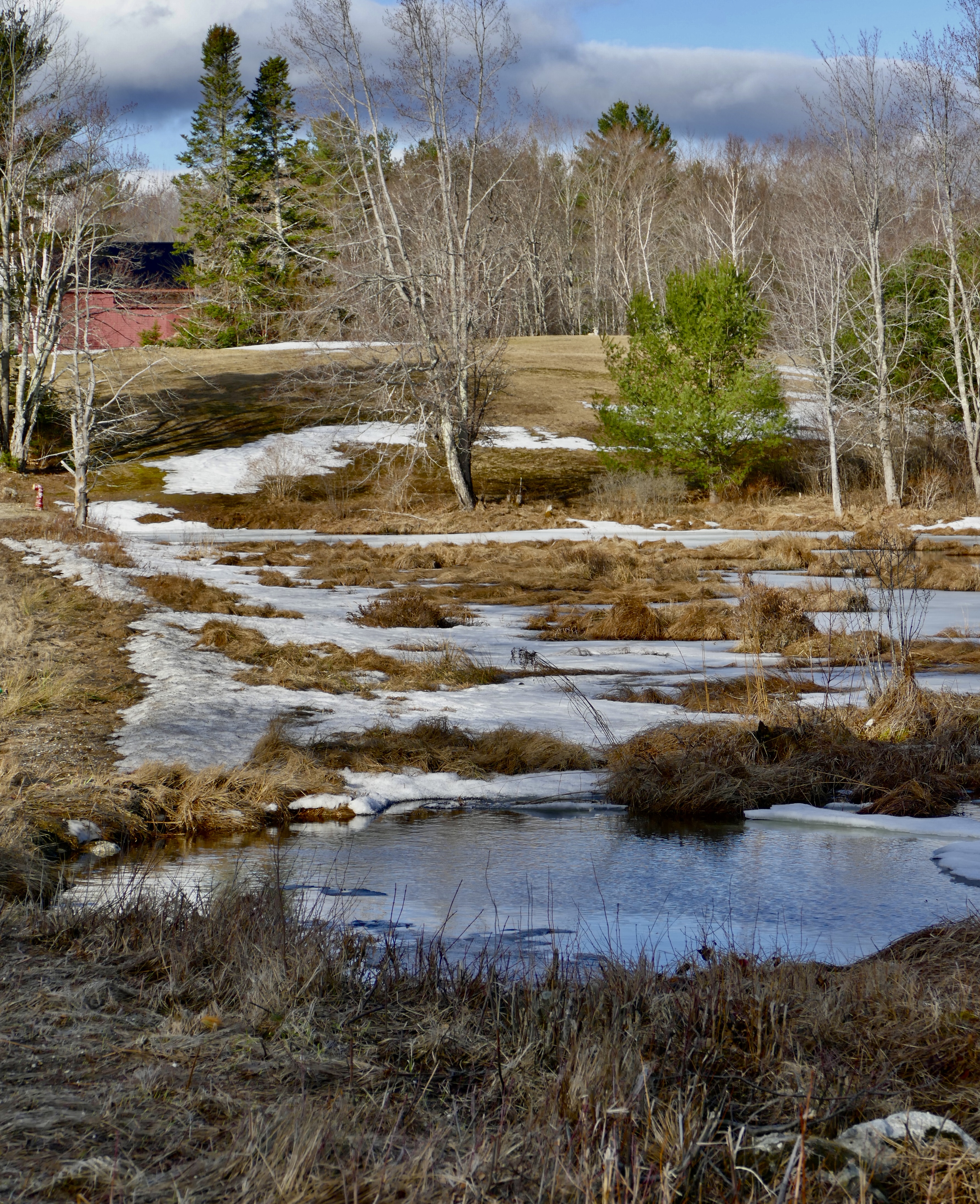
It is incredible what a revolution in our feelings and in the aspect of nature this warmer air alone has produced. Yesterday the earth was simple to barrenness, and dead, bound out. Out of doors there was nothing but the wind and the withered grass, and the cold though sparkling blue water, and you were driven in upon yourself. Now, you would think there was a sudden awakening in the very crust of the earth, as if flowers were expanding and leaves putting forth; but not so. I listen in vain to hear a frog or a new bird as yet. Only the frozen ground is melting a little deeper, and the water is trickling from the hills in some places. No, the change is mainly in us. We feel as if we had obtained a new lease of life.
March 29, 1855

in Thoreau’s Journal:

This which is a chilling wind to my fellow is decidedly refreshing to me…I feel an impulse also already to jump into the half melted pond.

March 28, 1859

in Thoreau’s Journal:

We know too well what shall have for our Saturday’s dinner—but each days feast in Nature’s year is a surprise to us & adapted to our appetite & spirits—

She has arranged such an order of feasts as never tires––Her motive is not economy but satisfaction.

March 27, 1842

in Thoreau’s Journal:

The eye must be firmly anchored to this earth which beholds birches and pines waving in the breeze in a certain light—a serene rippling light.

March 26, 1856

in Thoreau’s Journal

I am sometimes affected by the consideration that a man may spend the whole of his life after boyhood accomplishing a particular design; as if he were put to a special and petty use, without taking time to look around him and appreciate the phenomena of his existence.

March 25, 1859

in Thoreau’s Journal:

A score of my townsmen have been shooting and trapping musquash and mink of late. They are gone all day—early and late they scan the rising tide—stealthily they set their traps in remote swamps, avoiding one another. Am not I a trapper too? Early and late scanning the rising flood, ranging by distant woodsides, setting my traps in solitude and baiting them as well as I know how, that I may catch life and light…. 

March 23, 1856

in Thoreau’s Journal:

When I think what were the various sounds and notes, the migrations and works, and changes of fur and plumage which ushered in the spring and marked the other seasons of the year, I am reminded that this my life in nature, this particular round of natural phenomena which I call a year, is lamentably incomplete.  I listen to [a] concert in which so many parts are wanting. The whole civilized country is to some extent turned into a city, and I am that citizen whom I pity. Many of those animal migrations and other phenomena by which the Indians marked the season are no longer to be observed. 

I seek acquaintance with Nature, ––to know her moods and manners….

March 22, 1853

in Thoreau’s Journal:

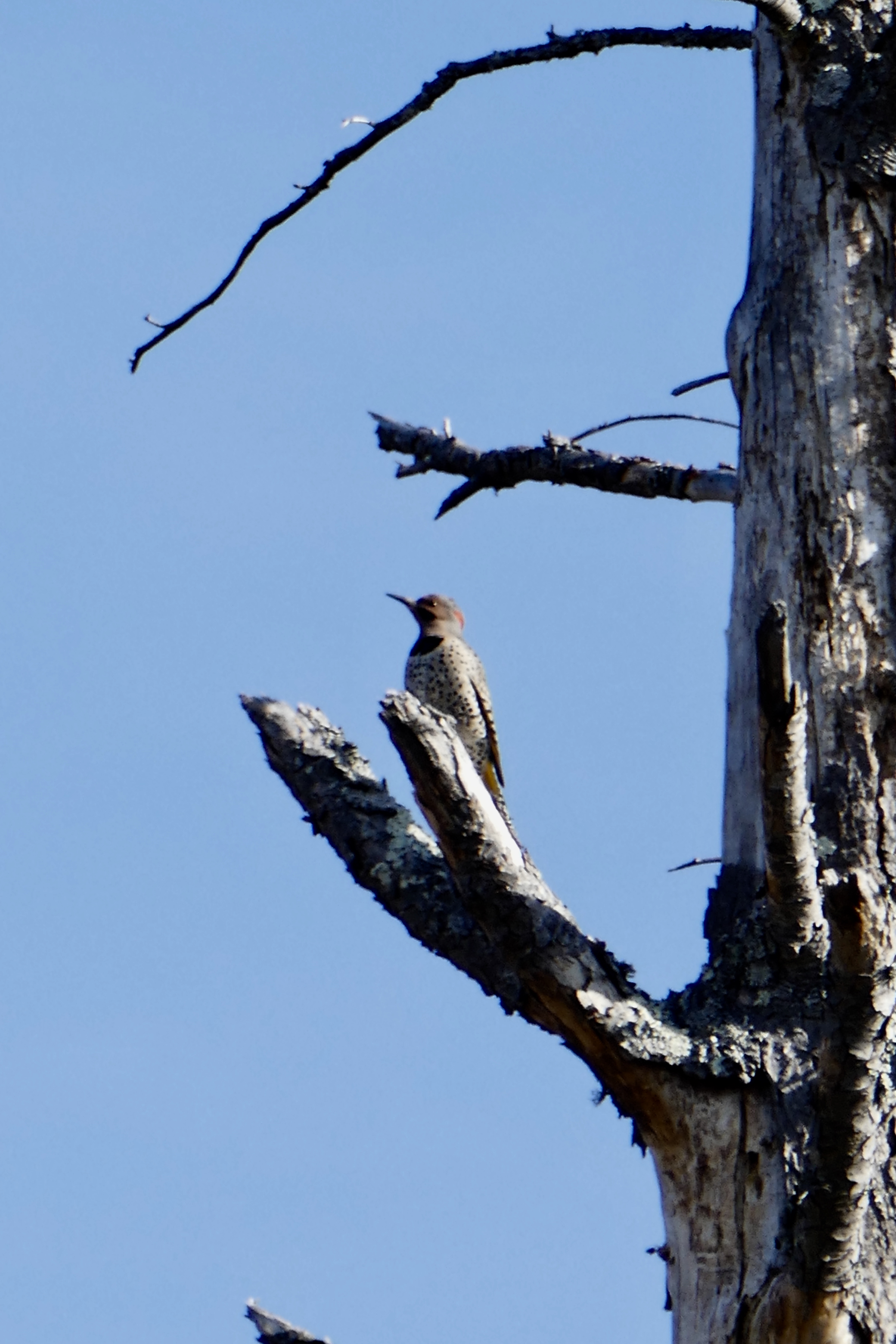
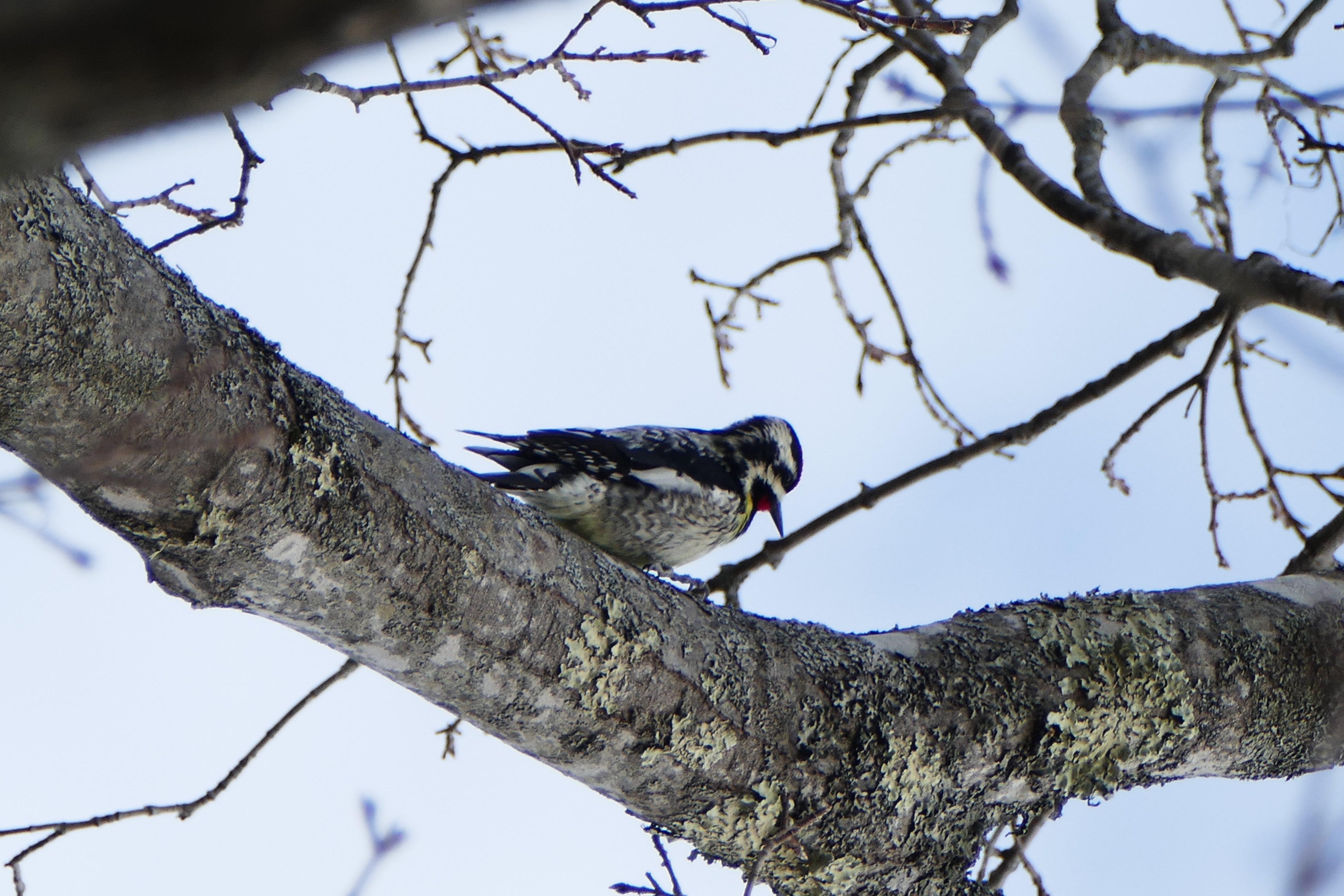
The tapping of the wood pecker-rat-tat-tat-knocking at the door of some sluggish grub to tell him that the spring has arrived-& his fate. 

This is one of the season sounds––calling the roll of birds & insects––the reveillee––

March 20, 1858

in Thoreau’s Journal:

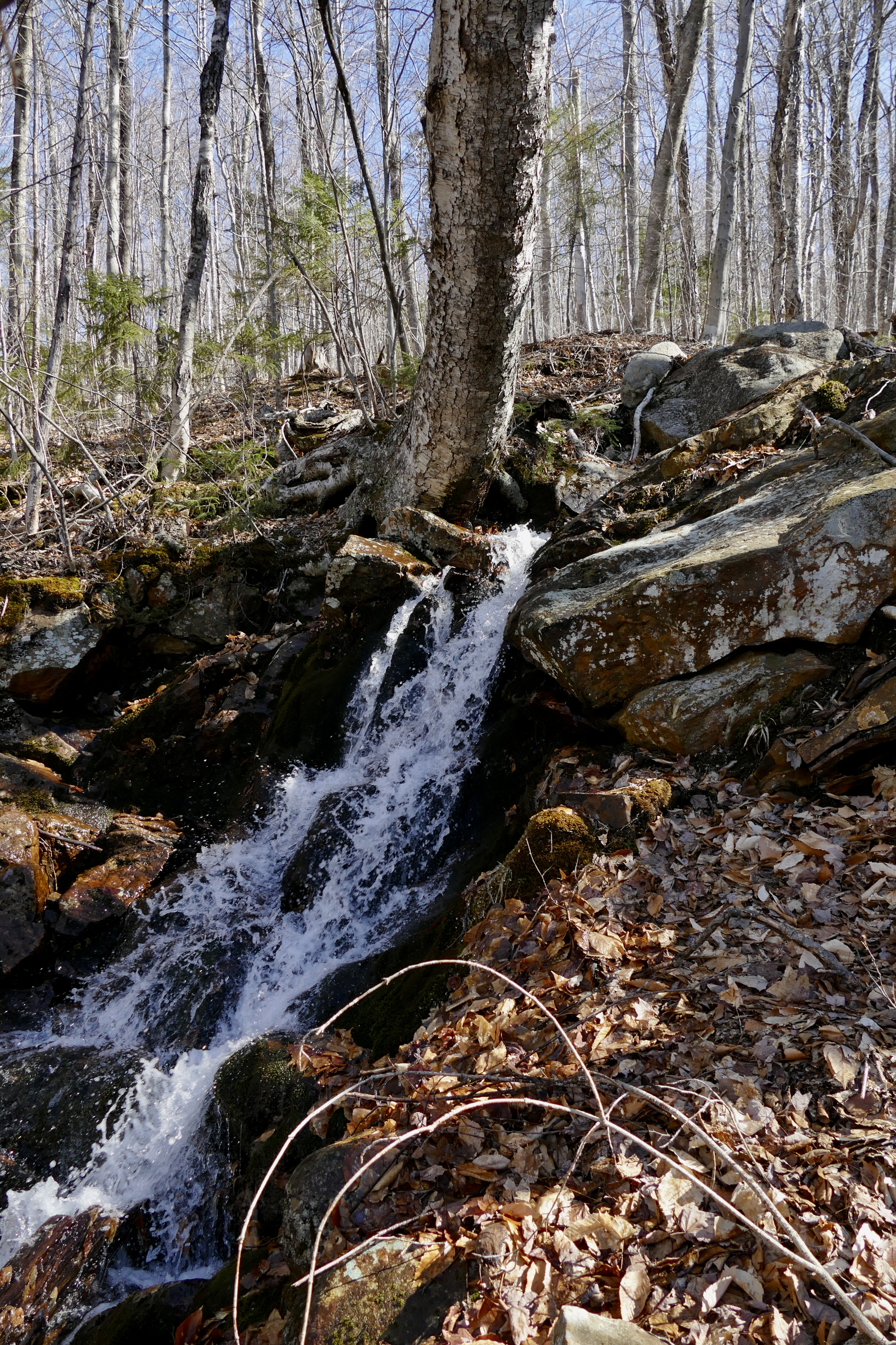
No wonder we feel the spring influences. There is a motion in the very ground under our feet. Each rill is peopled with new life rushing up it.

If a man does not revive with nature in the spring, how shall he revive when a white-collared priest prays for him?

March 18, 1852

in Thoreau’s Journal:

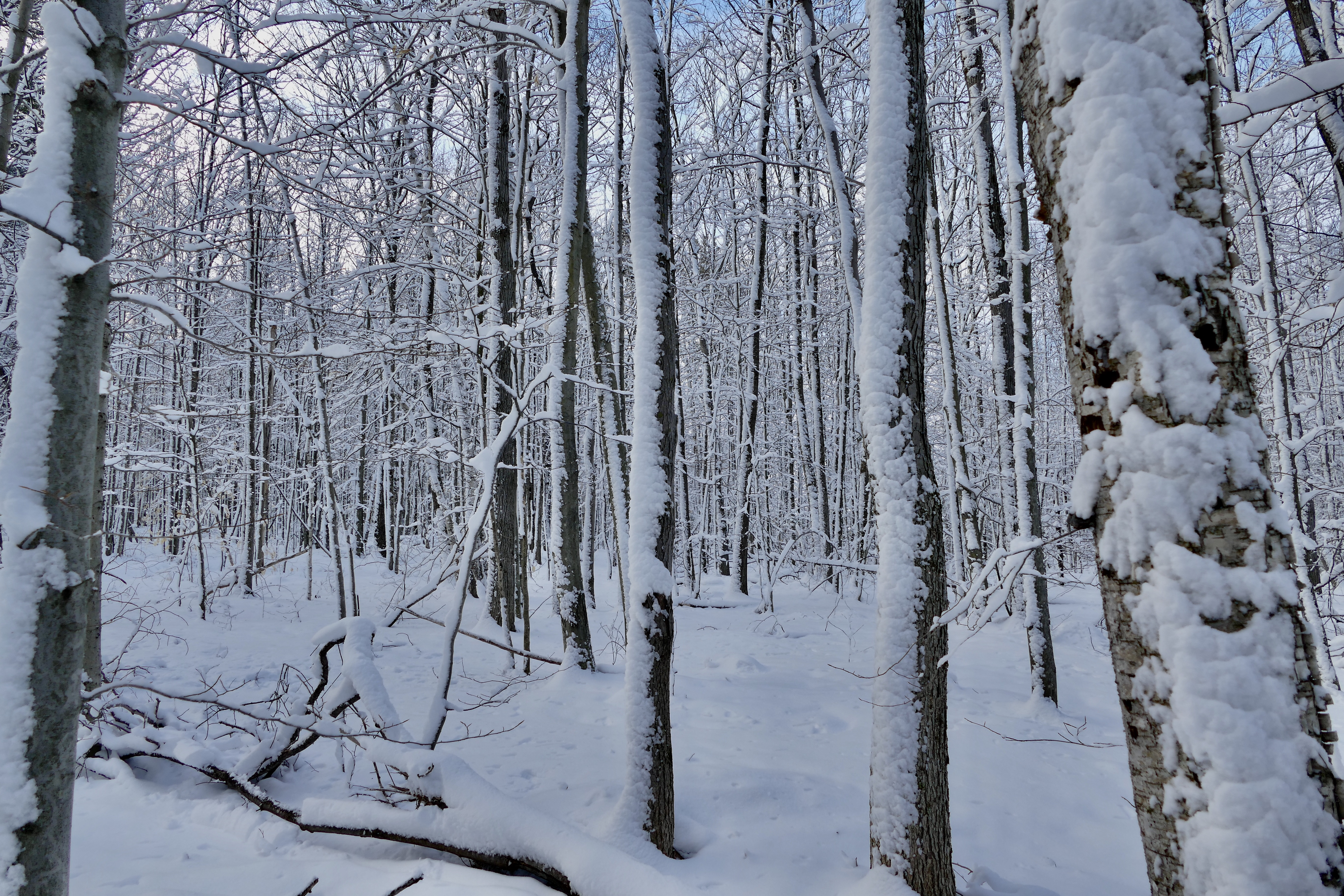
This afternoon the woods & walls and the whole face of the country wears once more a wintry aspect—though there is more moisture in the snow—and the trunks of the trees are whitened now on a more southerly or SE side––

March 17, 1857

in Thoreau’s Journal:

No mortal is alert enough to be present at the first dawn of the spring, but he will presently discover some evidence that vegetation had awaked some days at least before.

March 16, 1858

in Thoreau’s Journal:

 P. M. —To Conantum.

A thick mist, spiriting away the snow. Very bad walking. This fog is one of the first decidedly spring signs also the withered grass bedewed by it and wetting my feet. A still, foggy, and rather warm day.

I heard this morning, also, quite a steady warbling from tree sparrows on the dripping bushes, and that peculiar drawling note of a hen, who has this peevish way of expressing her content at the sight of bare ground and mild weather. The crowing of cocks and the cawing of crows tell the same story. The ice is soggy and dangerous to be walked on.

March 15, 1854

in Thoreau’s Journal:

Pleasant morning, unexpectedly. Hear on the alders by the river the lill lill lill lill of the first F. hyemalis, mingled with song sparrows and tree sparrows. The sound of Barrett’s saw mill in the still morning comes over the water very loud. I hear that peculiar, interesting loud hollow tapping of a woodpecker from over the water.

I am sorry to think that you do not get a man’s most effective criticism until you provoke him. Severe truth is expressed with some bitterness.

J. Farmer tells me his dog started up a lark last winter completely buried in the snow.

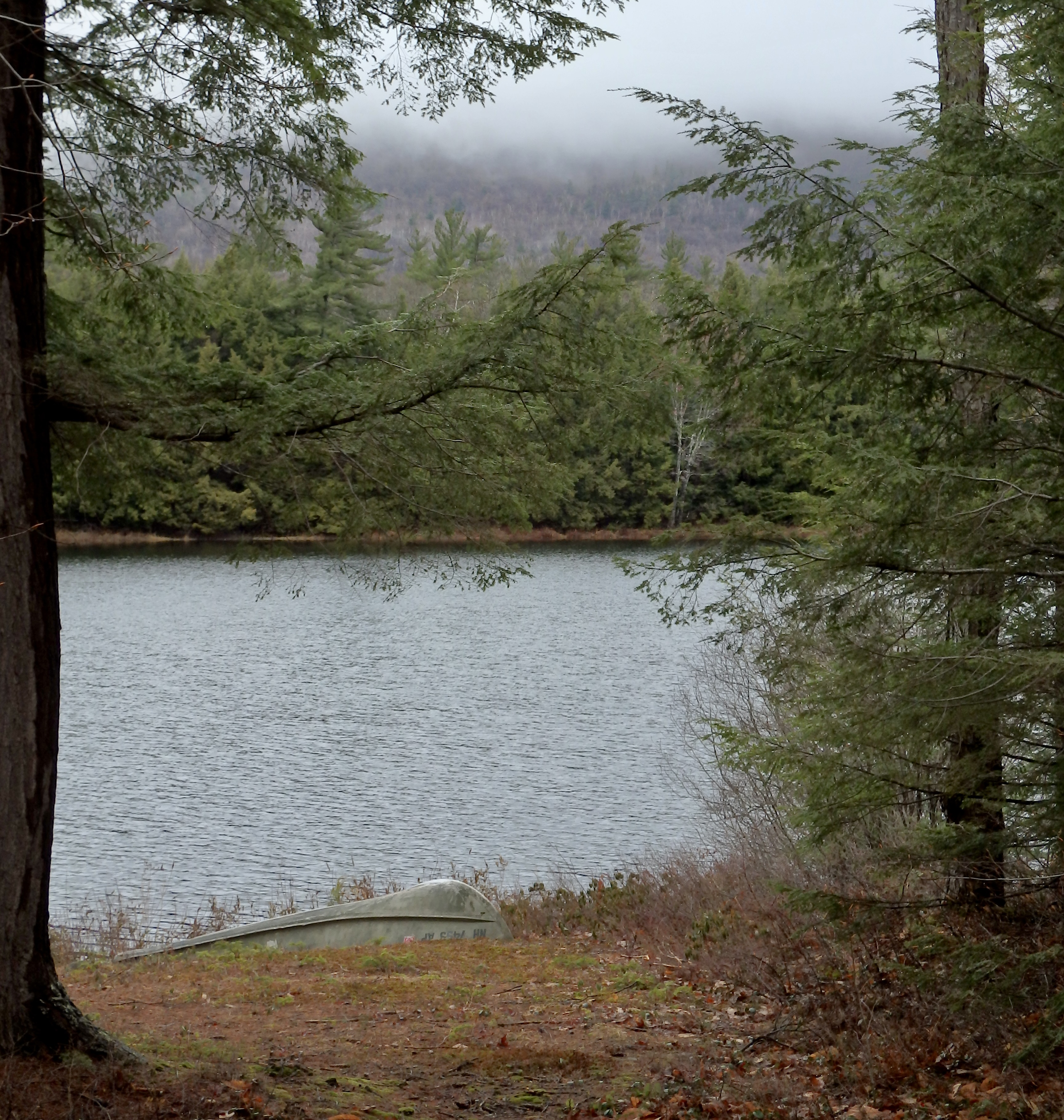
Painted my boat.

March 14, 1855

in Thoreau’s Journal:

It is the first and last snows—especially the last—which blind us most, when the sun is most powerful and our eyes are unused to them.

March 12, 1854

in Thoreau’s Journal:

All these birds do their warbling especially in the still, sunny hour after sunrise, as rivers twinkle at their sources. Now is the time to be abroad and hear them, as you detect the slightest ripple in smooth water. As with tinkling sounds the sources of streams burst their icy fetters, so the rills of music begin to flow and swell the general quire of spring. Memorable is the warm light of the spring sun on russet fields in the morning.

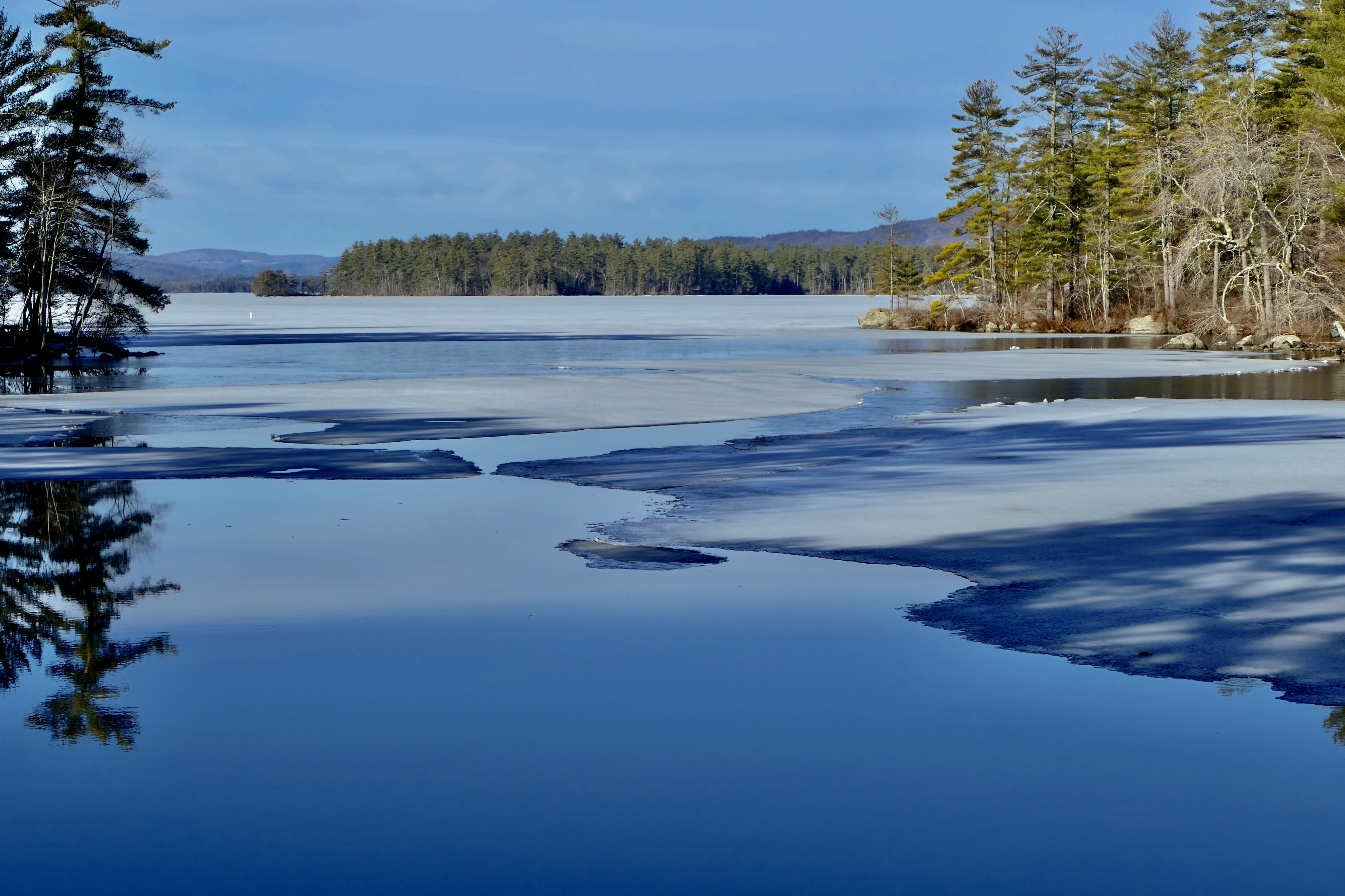
A new feature is being added to the landscape—and that is expanses of & reaches of blue water.