in Thoreau’s Journal:
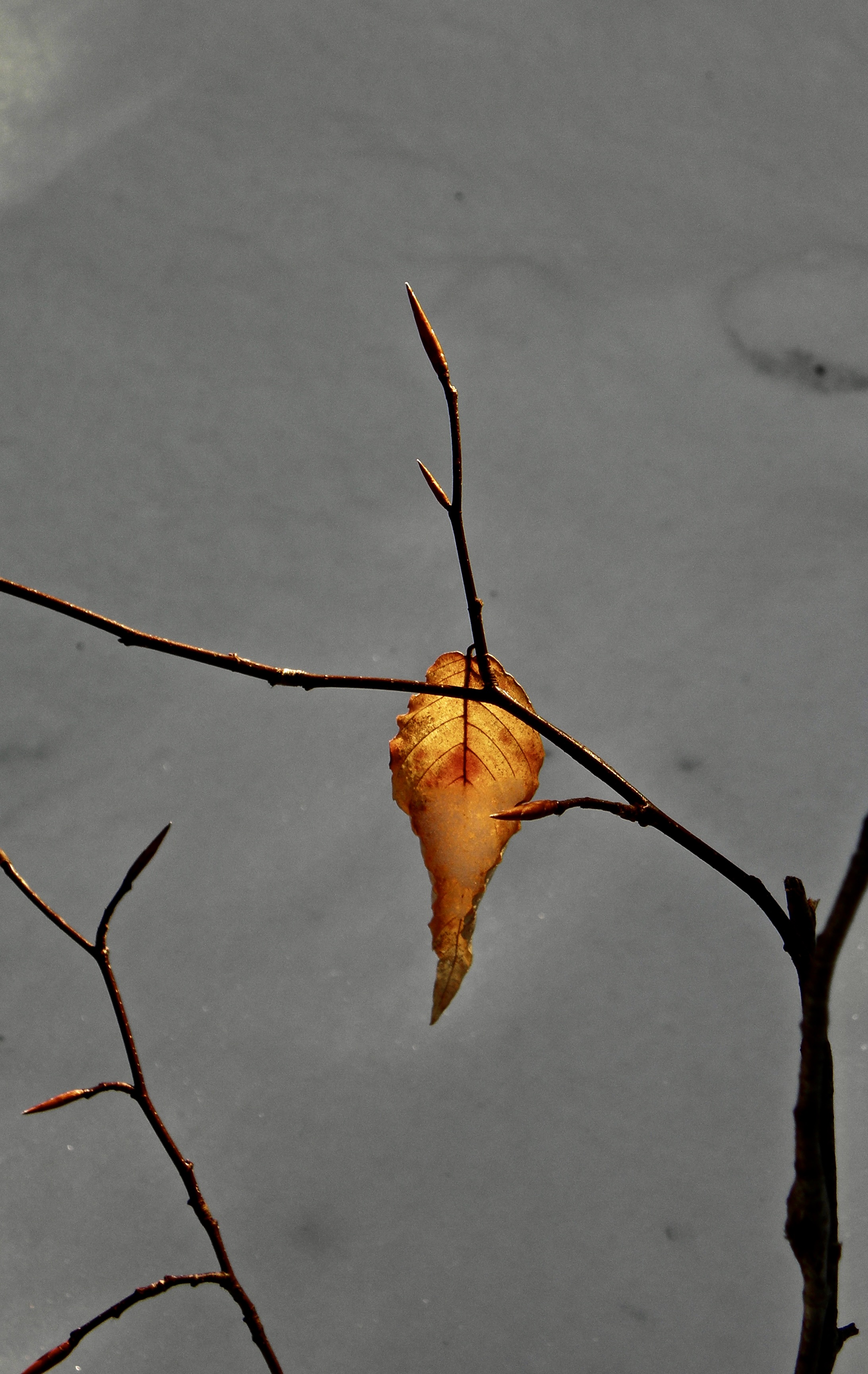
That man is the richest whose pleasures are the cheapest.
in Thoreau’s Journal:
That man is the richest whose pleasures are the cheapest.
in Thoreau’s Journal:
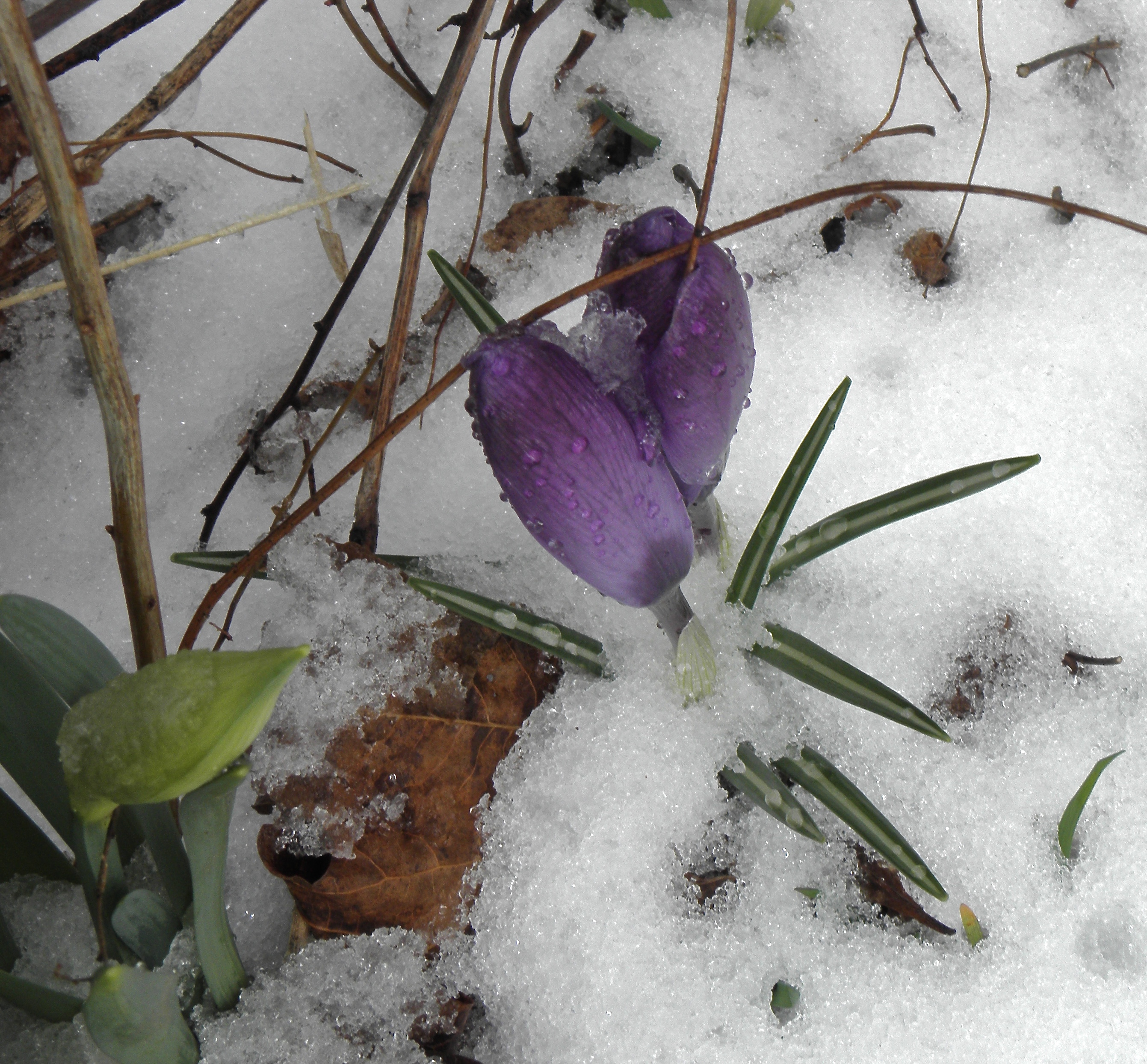
I suspect that in speaking of the springing of plants in previous years I have been inclined to make them start too early generally.
in Thoreau’s Journal:
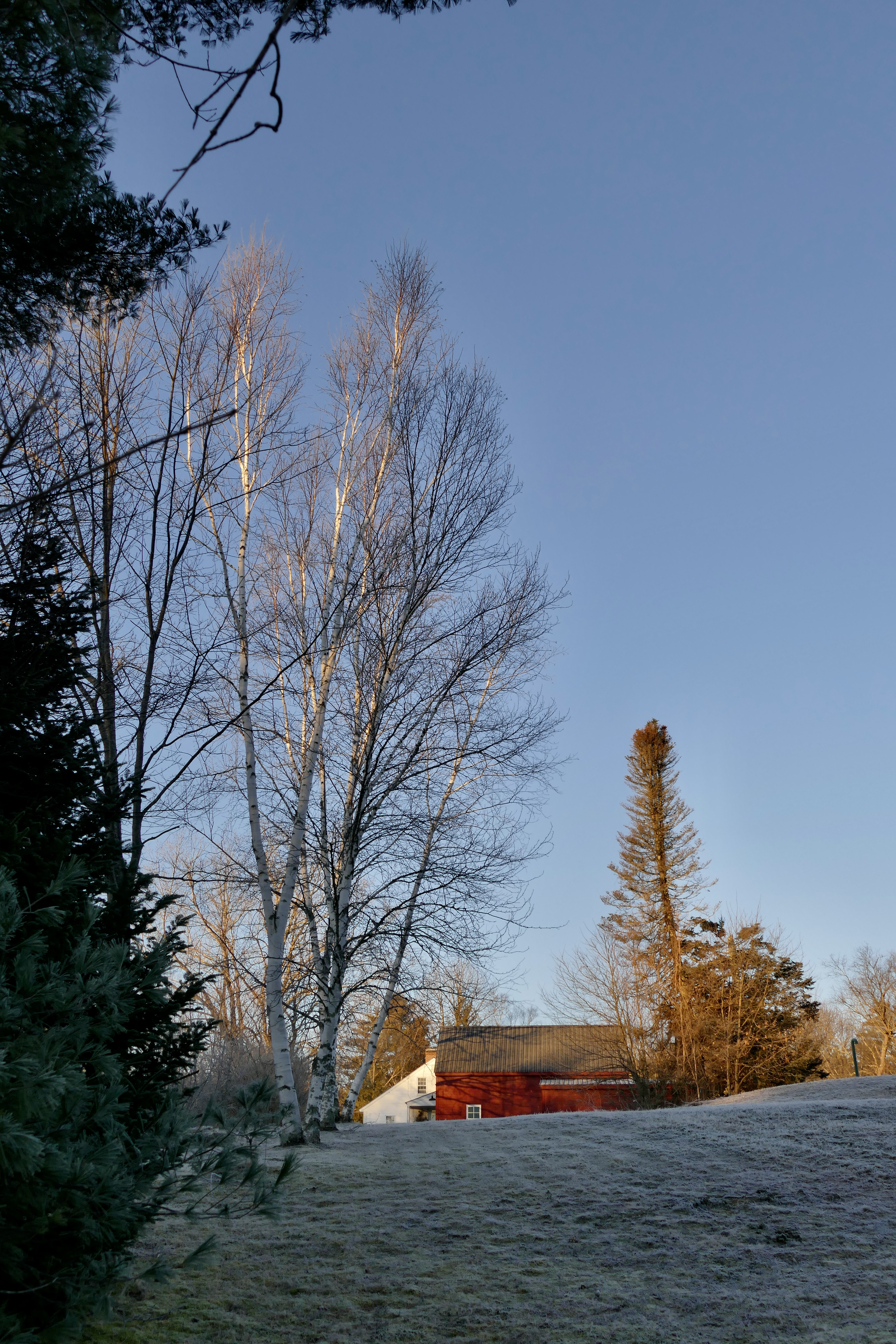
You incline to walk now along the south side of hills which will shelter you from the blustering northwest and north winds. The sidewalks are wet in the morning from the frost coming out.

in Thoreau’s Journal:
To us snow and cold seem a mere delaying of the spring. How far we are from understanding the value of these things in the economy of Nature.
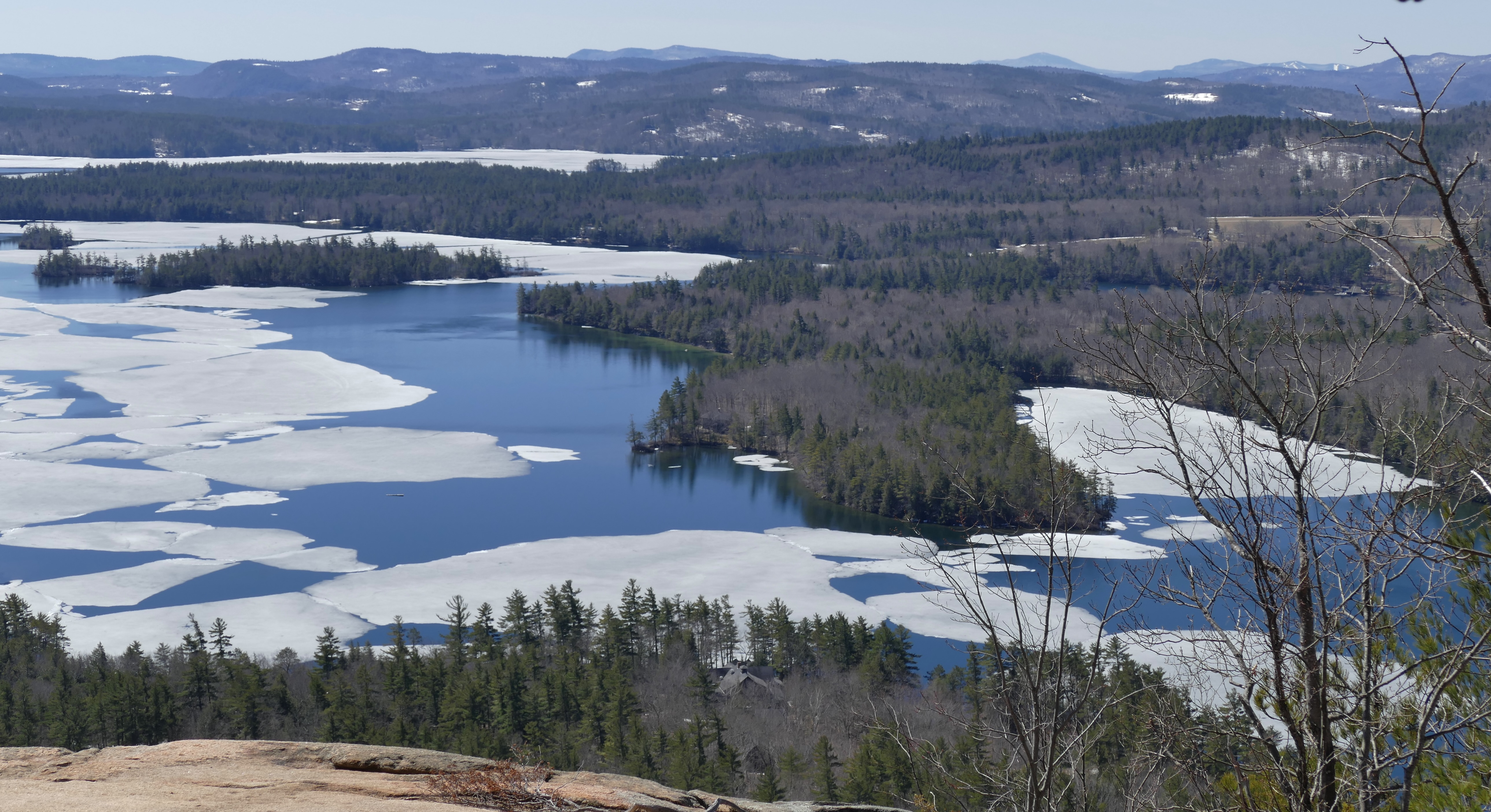


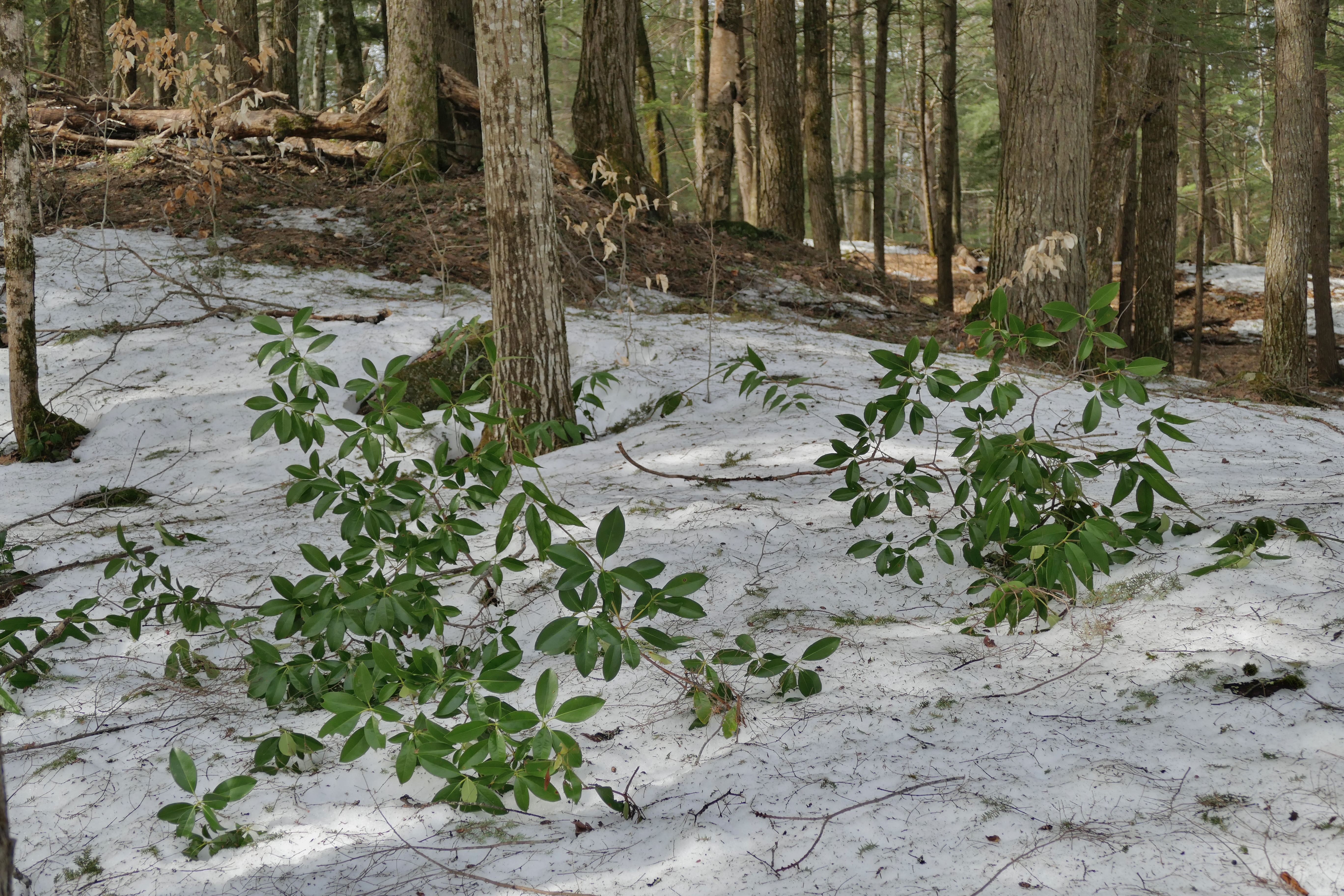
in Thoreau’s Journal:
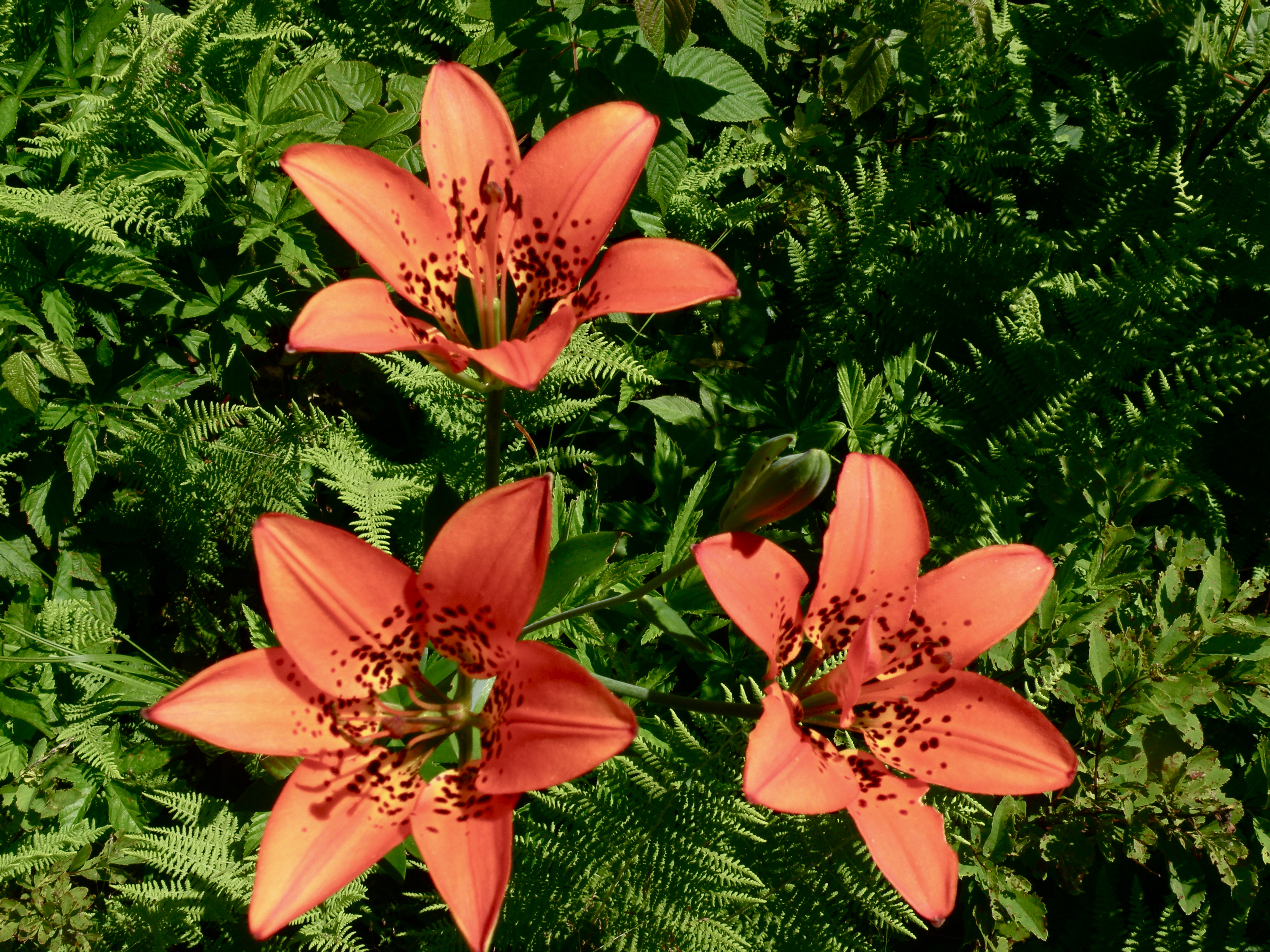

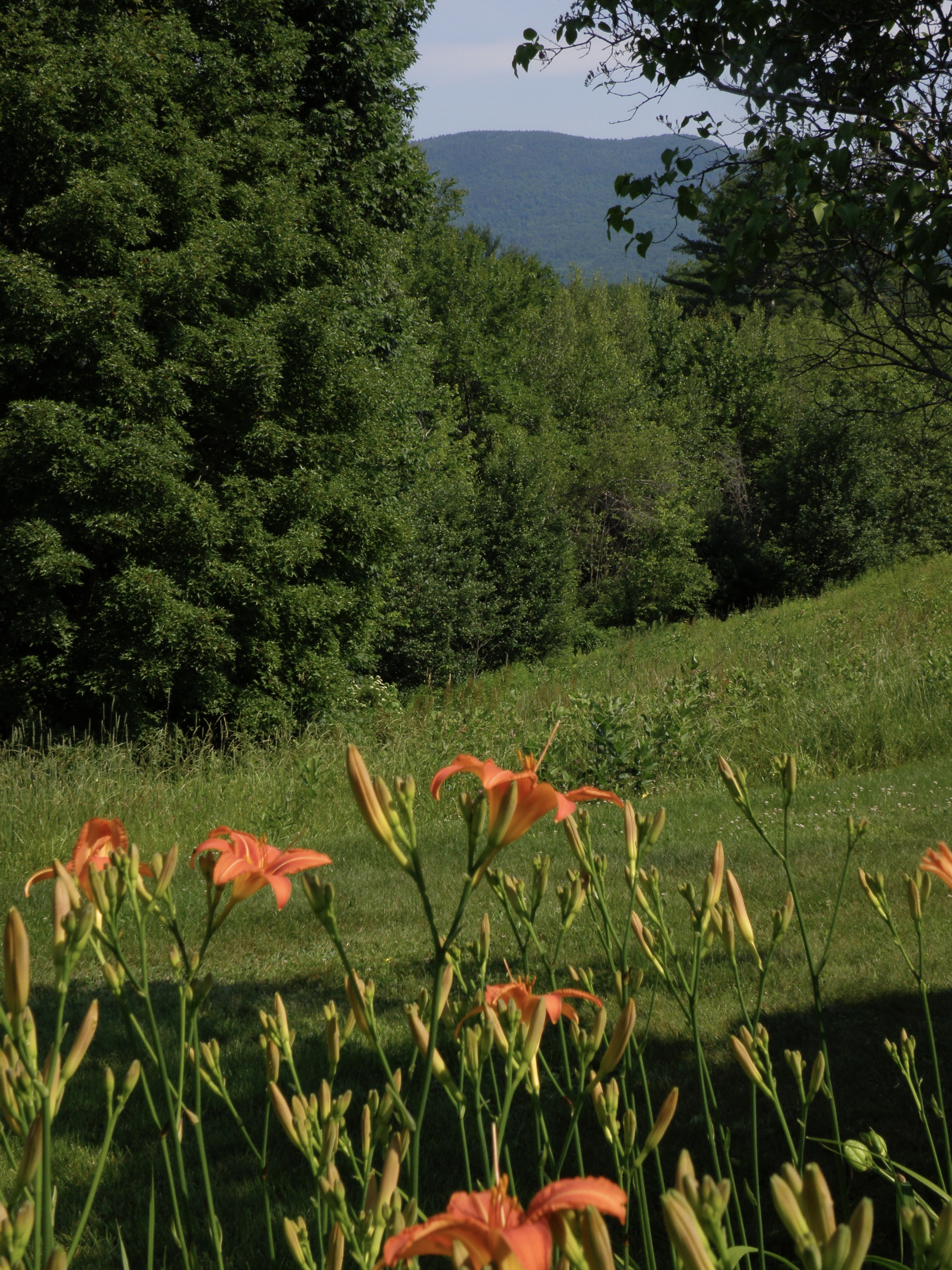
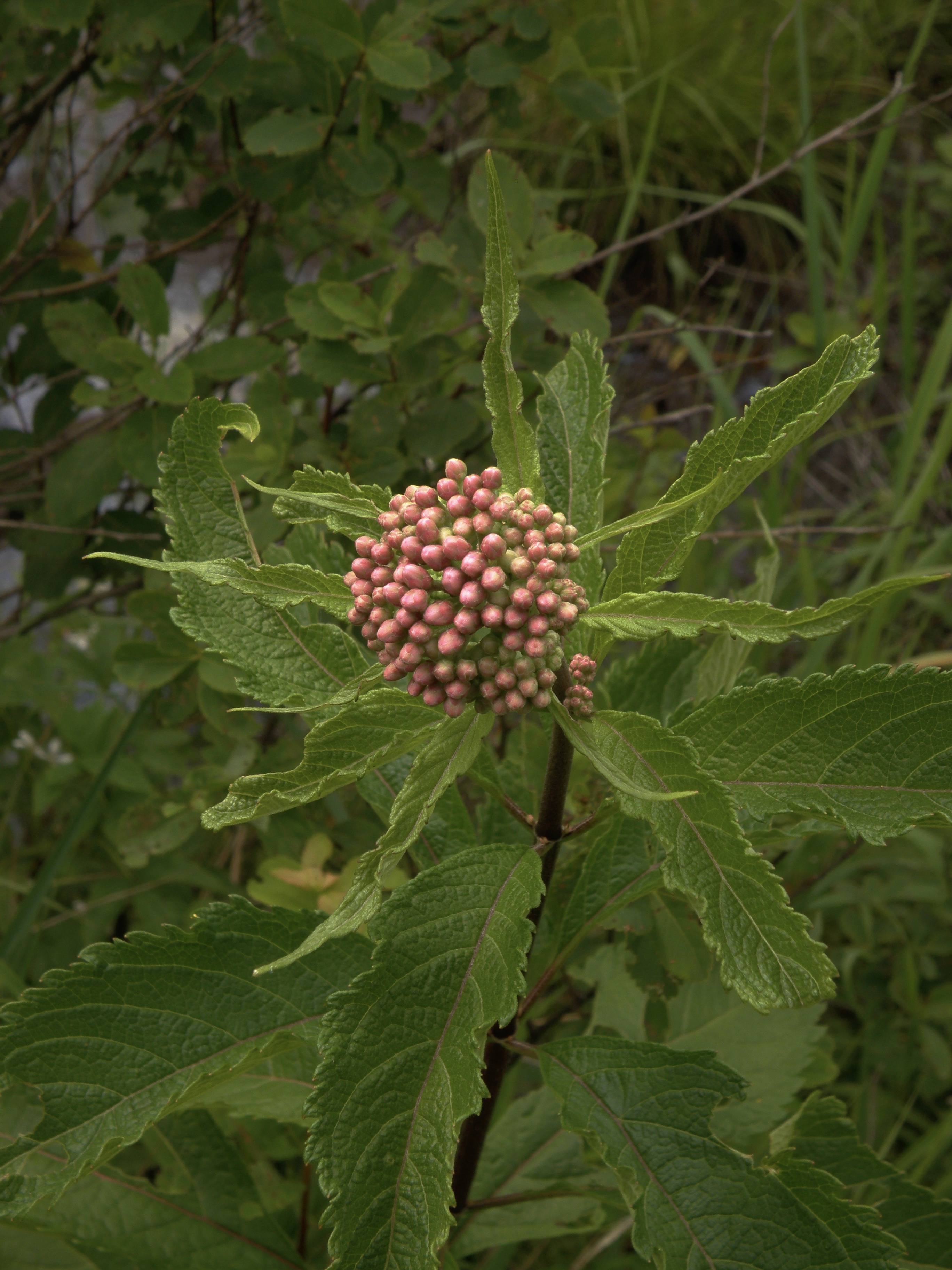
It is remarkable how true each flower is to its season.
in Thoreau’s Journal:
The river is frozen more solidly than during the past winter, and for the first time for a year I could cross it in most places.

I did not once cross it the past winter, though by choosing a safe place I might have done so without doubt once or twice. But I have had no river walks before.
in Thoreau’s Journal:
I must not forget the lichen-painted boles of the beeches….
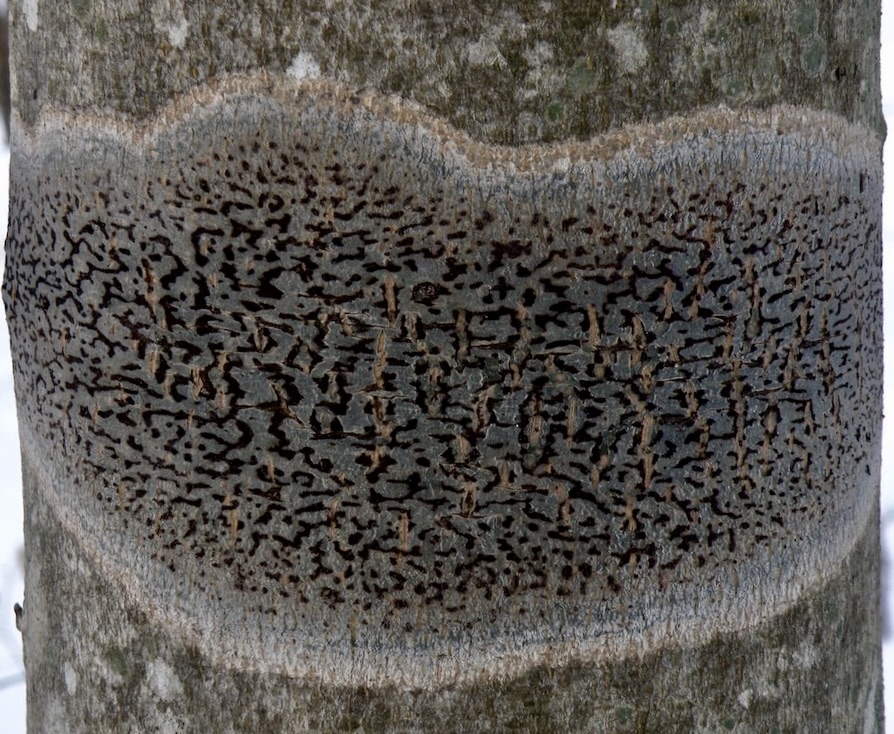
The habit of looking at things microscopically, as the lichens on the trees and rocks, really prevents my seeing aught else in a walk.
in Thoreau’s Journal:
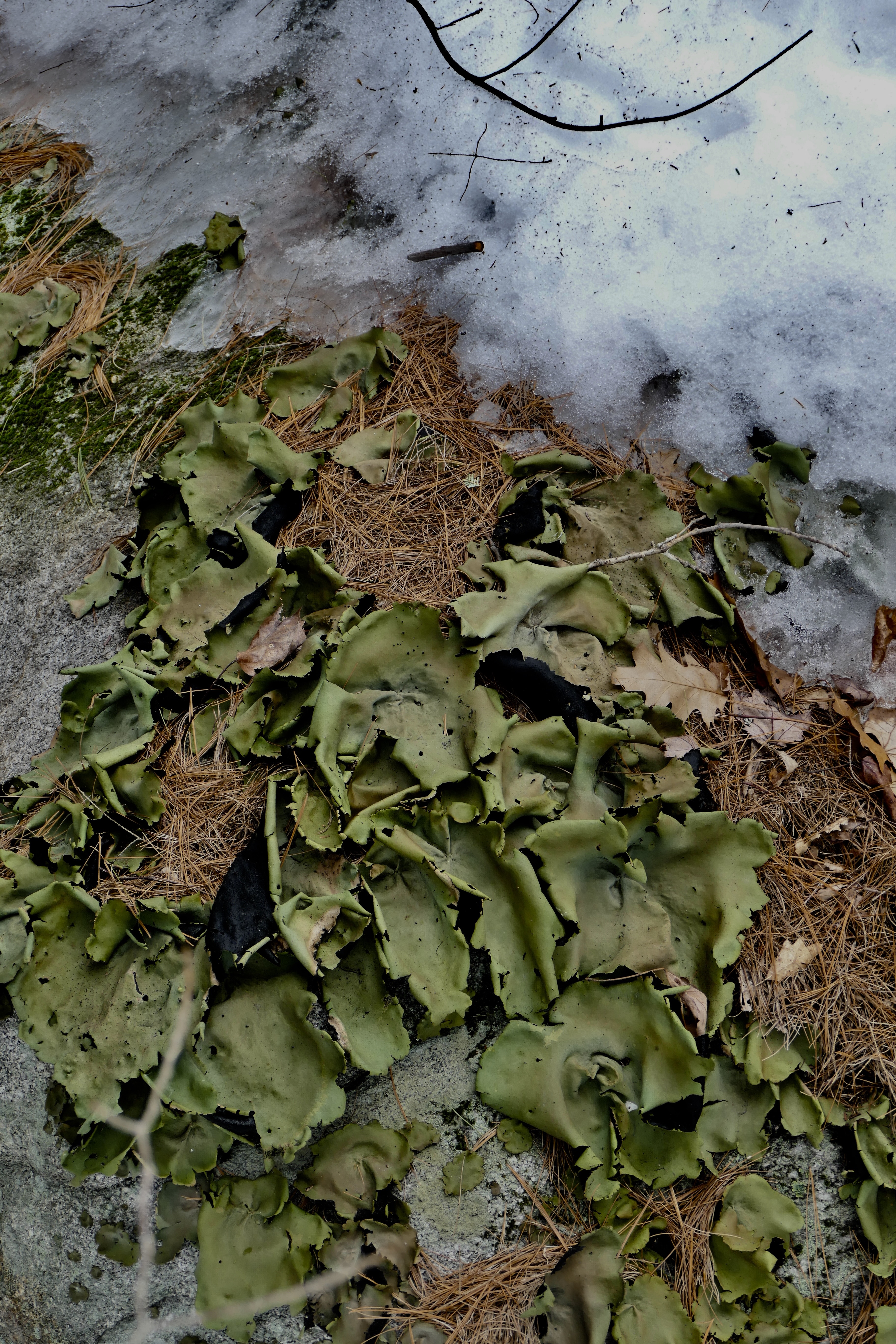
I go along below the north end of the Cliffs. The rocks in the usual place are buttressed with icy columns, for water in almost imperceptible quantity is trickling down the rocks. It is interesting to see how the dry black or ash-colored umbilicaria, which get a little moisture when the snow melts and trickles down along a seam or shallow channel of the rock, become relaxed and turn olive-green and enjoy their spring, while a few inches on each side of this gutter or depression in the face of the rock they are dry and crisp as ever. Perhaps the greater part of this puny rill is drunk up by the herbage on its brink.
in Thoreau’s Journal:
What produces the peculiar softness of the air yesterday & today—as if it were the air of the south suddenly pillowed amid our wintry hills— We have suddenly a different sky—a different atmosphere.

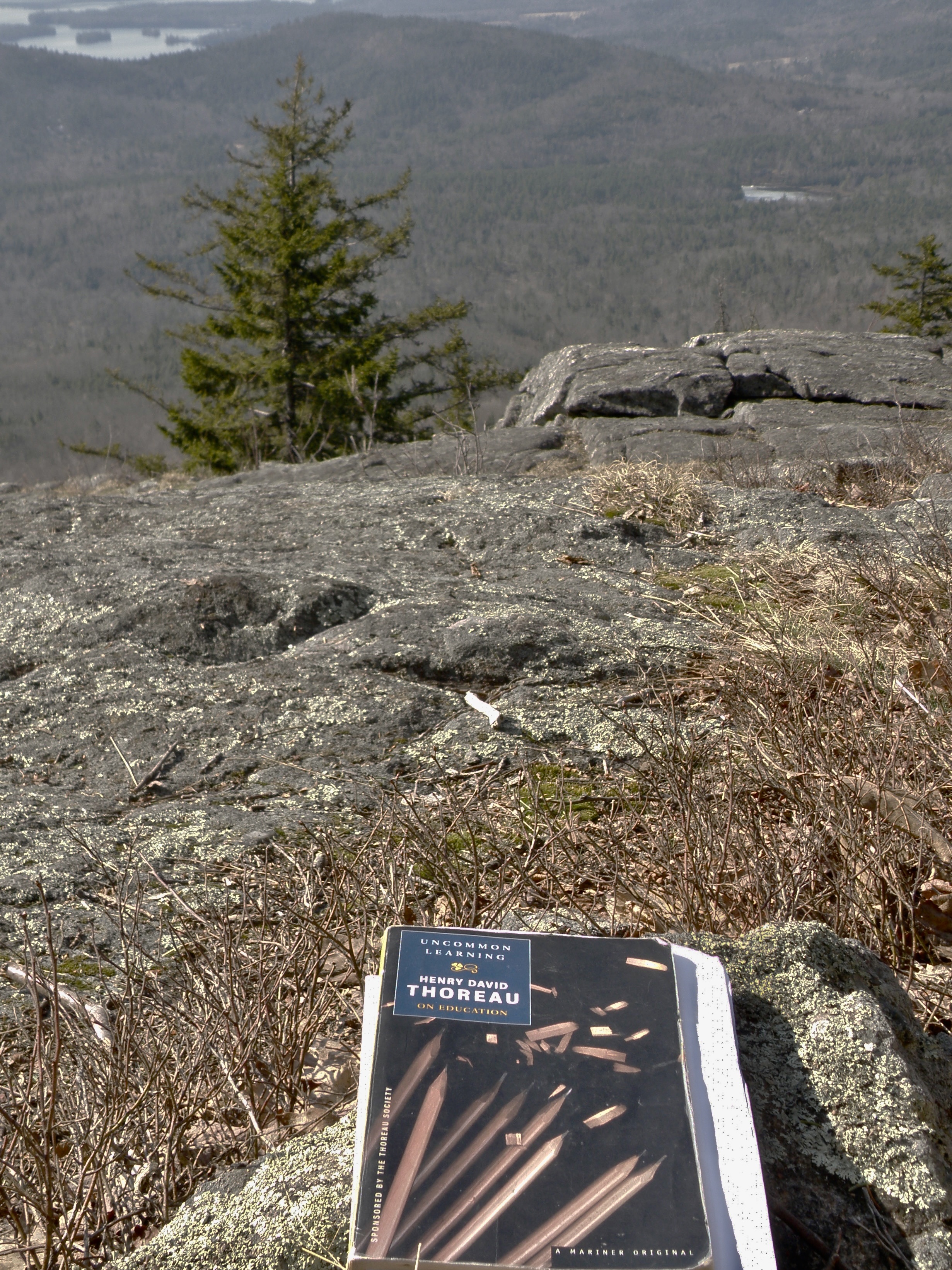
It is as if the subtlest possible soft vapour were diffused through the atmosphere. Warm Air has come to us from the S. But charged with moisture—which will yet distill in rain or congeal into snow & hail—
in Thoreau’s Journal:
P. M. —To Walden via R. W. E.’s.
I am surprised to see how bare Minott’s hillside is already. It is already spring there, and Minott is puttering outside in the sun. How wise in his grandfather to select such a site for a house, the summers he has lived have been so much longer!

How pleasant the calm season and the warmth —like a burning-glass on my back — and the sight and sound of melting snow running down the hill! I look in among the withered grass blades for some starting greenness. I listen to hear the first bluebird in the soft air. I hear the dry clucking of hens which have come abroad.
 allandibiase.com
You must be logged in to post a comment.