in Thoreau’s Journal:
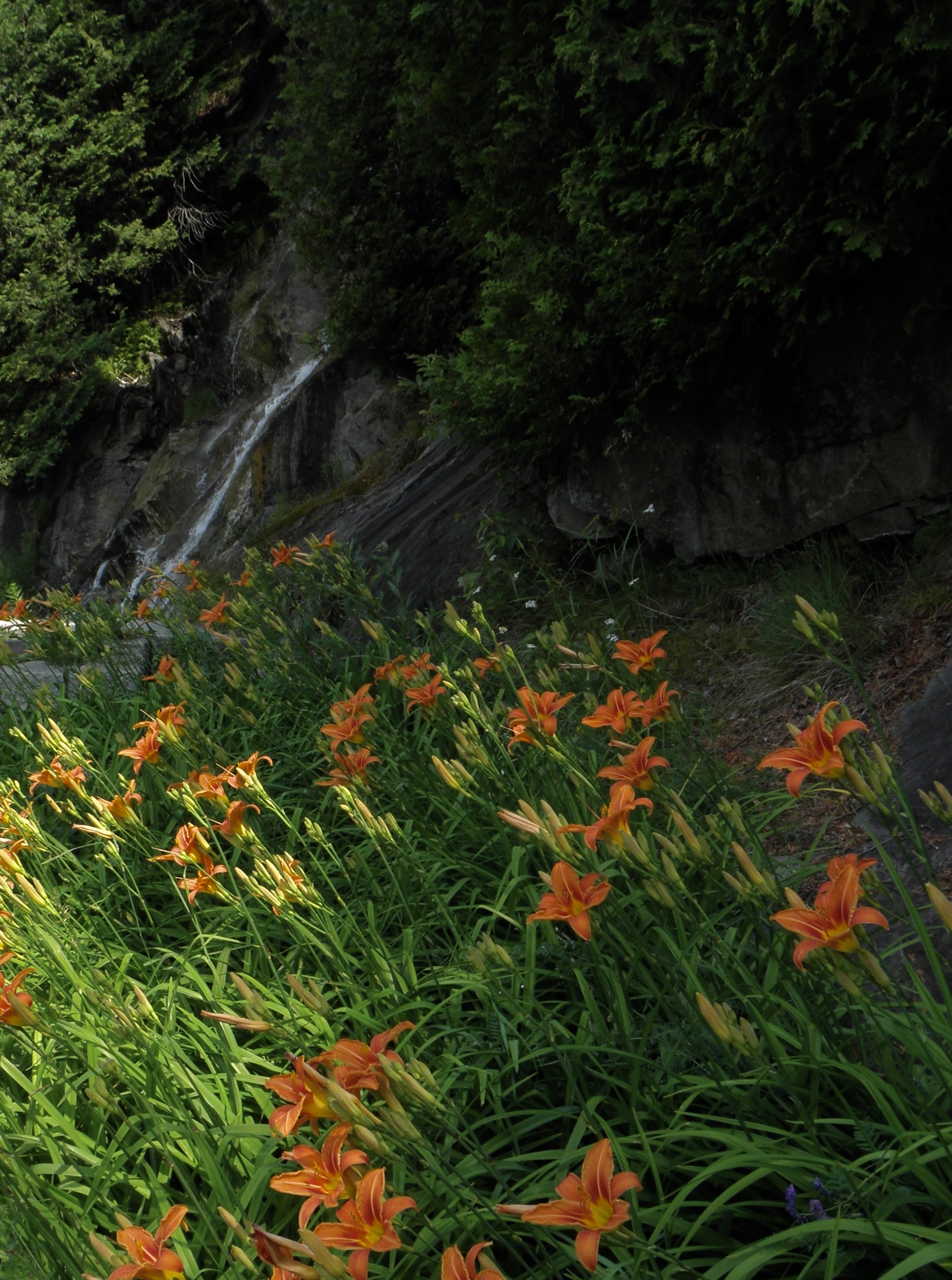
The large orange lily with sword-shaped leaves, strayed from cultivation, by the roadside beyond the stone bridge.
in Thoreau’s Journal:
The large orange lily with sword-shaped leaves, strayed from cultivation, by the roadside beyond the stone bridge.
in Thoreau’s Journal:

We turn aside near the old Lee place— The rye-fields are now quite yellow & ready for the sickle. Already there are many flavous colors in the landscape—much maturity of small seeds. The nodding heads of the rye make an agreeable maze to the eye.
in Thoreau’s Journal:
Coming out of town, —willingly as usual, —when I saw that reach of Charles River just above the depot, the fair, still water this cloudy evening suggesting the way to eternal peace and beauty, whence it flows, the placid, lake-like fresh water, so unlike the salt brine, affected me not a little. I was reminded of the way in which Wordsworth so coldly speaks of some natural visions or scenes “giving himpleasure.” This is perhaps the first vision of elysium on this route from Boston.
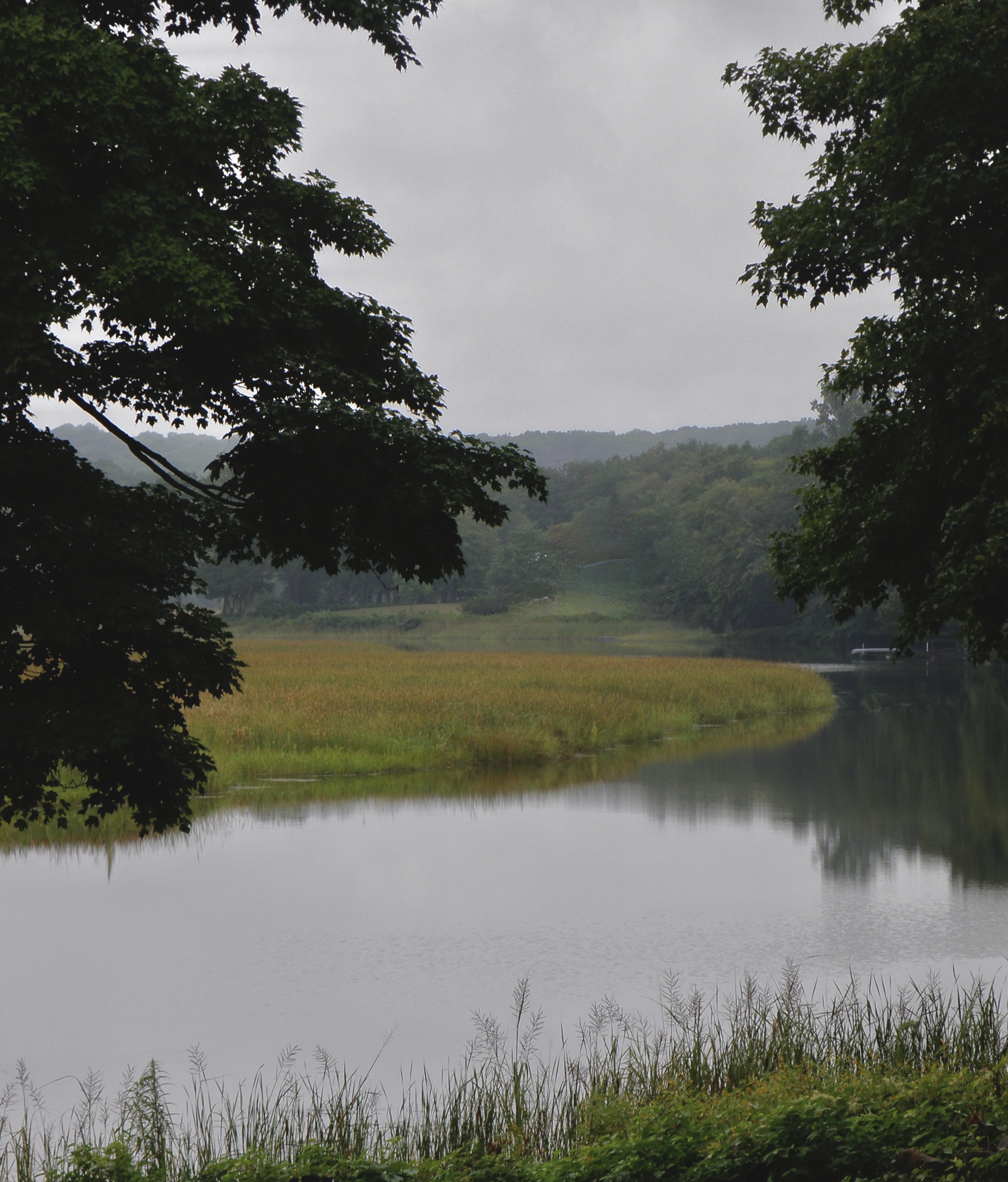
And just then I saw an encampment of Penobscots, their wigwams appearing above the railroad fence, they, too, looking up the river as they sat on the ground, and enjoying the scene. What can be more impressive than to look up a noble river just at evening, —one, perchance, which you have never explored, —and behold its placid waters, reflecting the woods and sky, lapsing inaudibly toward the ocean: to behold as a lake, but know it as a river, tempting the beholder to explore it and his own destiny at once? Haunt of waterfowl. This was above the factories, —all that I saw. That water could never have flowed under a factory. How then could it have reflected the sky?
in Thoreau’s Journal:
Here are some rich rye-fields waving over all the land, their heads nodding in the evening breeze with an apparently alternating motion; i. e. they do not all bend at once by ranks, but separately, and hence this agreeable alternation. How rich a sight this cereal fruit, now yellow for the cradle, — flavus? It is an impenetrable phalanx. I walk for half a mile beside these Macedonians, looking in vain for an opening. There is no Arnold Winkelried to gather these spear-heads upon his breast and make an opening for me. This is food for man. The earth labors not in vain ; it is bearing its burden. The yellow, waving, rustling rye extends far up and over the hills on either side, a kind of pinafore to nature, leaving only a narrow and dark passage at the bottom of a deep ravine. How rankly it has grown! How it hastes to maturity ! I discover that there is such a goddess as Ceres.
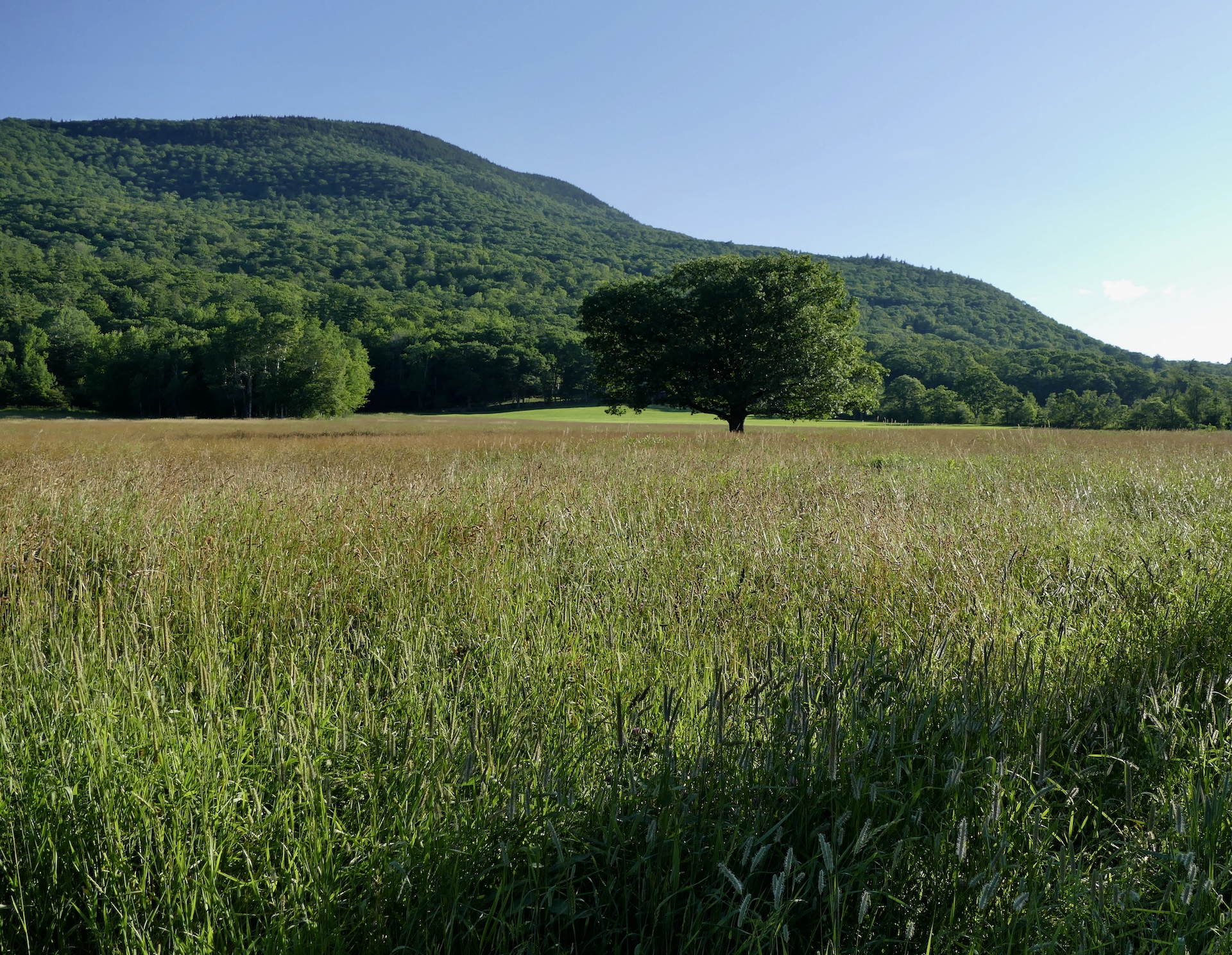
These long grain-fields which you must respect,—must go round,—- occupying the ground like an army. The small trees and shrubs seen dimly in its midst are overwhelmed by the grain as by an inundation. They are seen only as indistinct forms of bushes and green leaves mixed with the yellow stalks. There are certain crops which give me the idea of bounty, of the Alma Natura. They are the grains. Potatoes do not so fill the lap of earth. This rye excludes everything else and takes possession of the soil. The farmer says, “Next year I will raise a crop of rye” and he proceeds to clear away the brush, and either plows it, or, if it is too uneven or stony, burns and harrows it only, and scatters the seed with faith. And all winter the earth keeps his secret. — unless it did leak out somewhat in the fall, — and in the spring this early green on the hillsides betrays him. When I see this luxuriant crop spreading far and wide in spite of rock and bushes and unevenness of ground. I cannot help thinking that it must have been unexpected by the farmer himself, and regarded by him as a lucky accident for which to thank fortune. This, to reward a transient faith, the gods had given. As if he must have forgotten that he did it. until he saw the waving grain inviting his sickle.
in Thoreau’s Journal:
Now that there is an interregnum in the blossoming of the flowers, so is there in the singing of the birds….
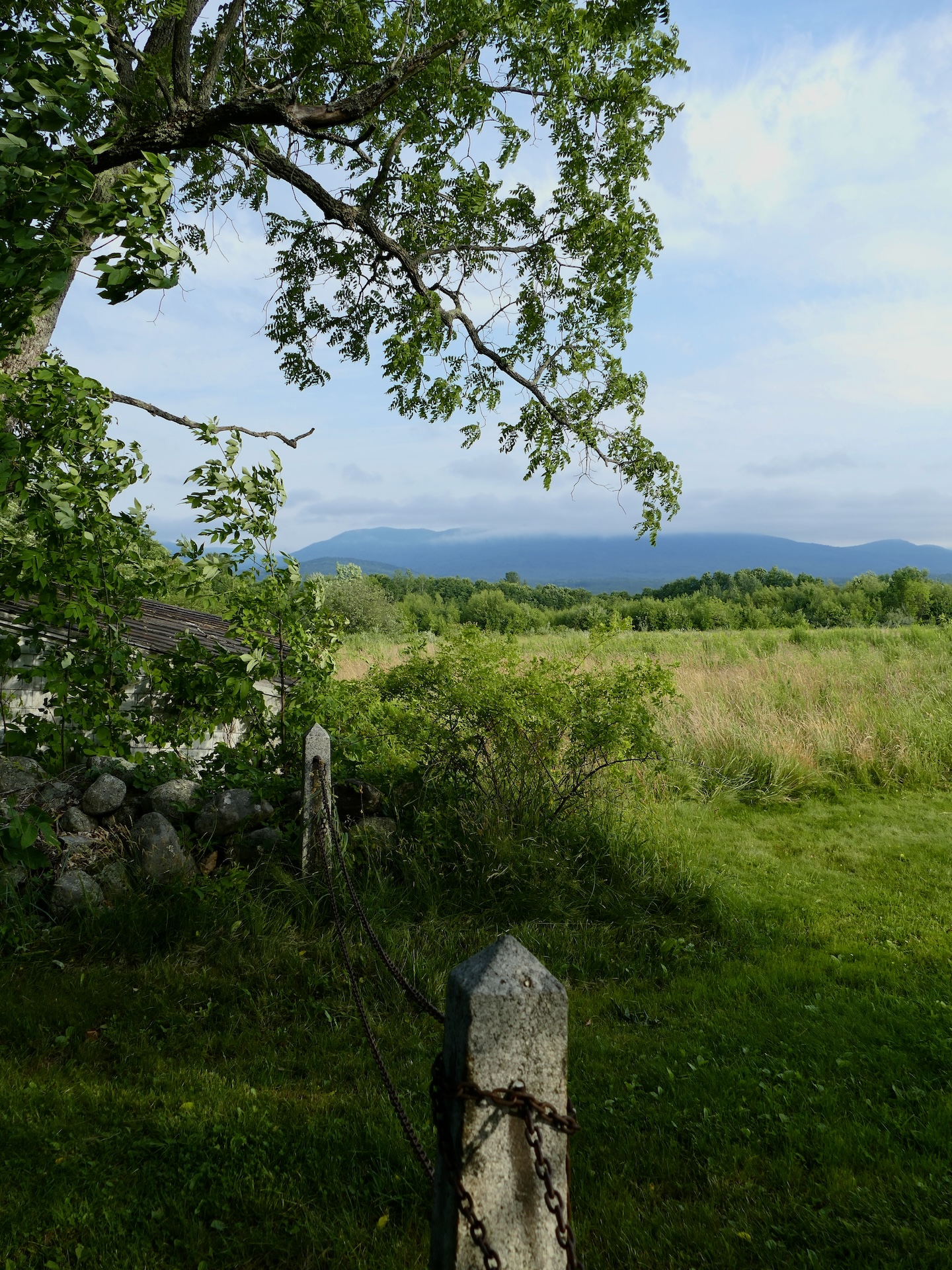
With a certain wariness, but not without a slight shudder at the danger oftentimes, I perceive how near I had come to admitting into my mind the details of some trivial affair, as a case at court, and I am astonished to observe how willing men are to lumber their minds with such rubbish, to permit idle rumors, tales, incidents, even of an insignificant kind, to intrude upon what should be the sacred ground of the thoughts…
in Thoreau’s Journal:
The grass & in the fields and meadows is not so fresh & fair as it was a fortnight ago––it is drier & riper & ready for the mowers ––
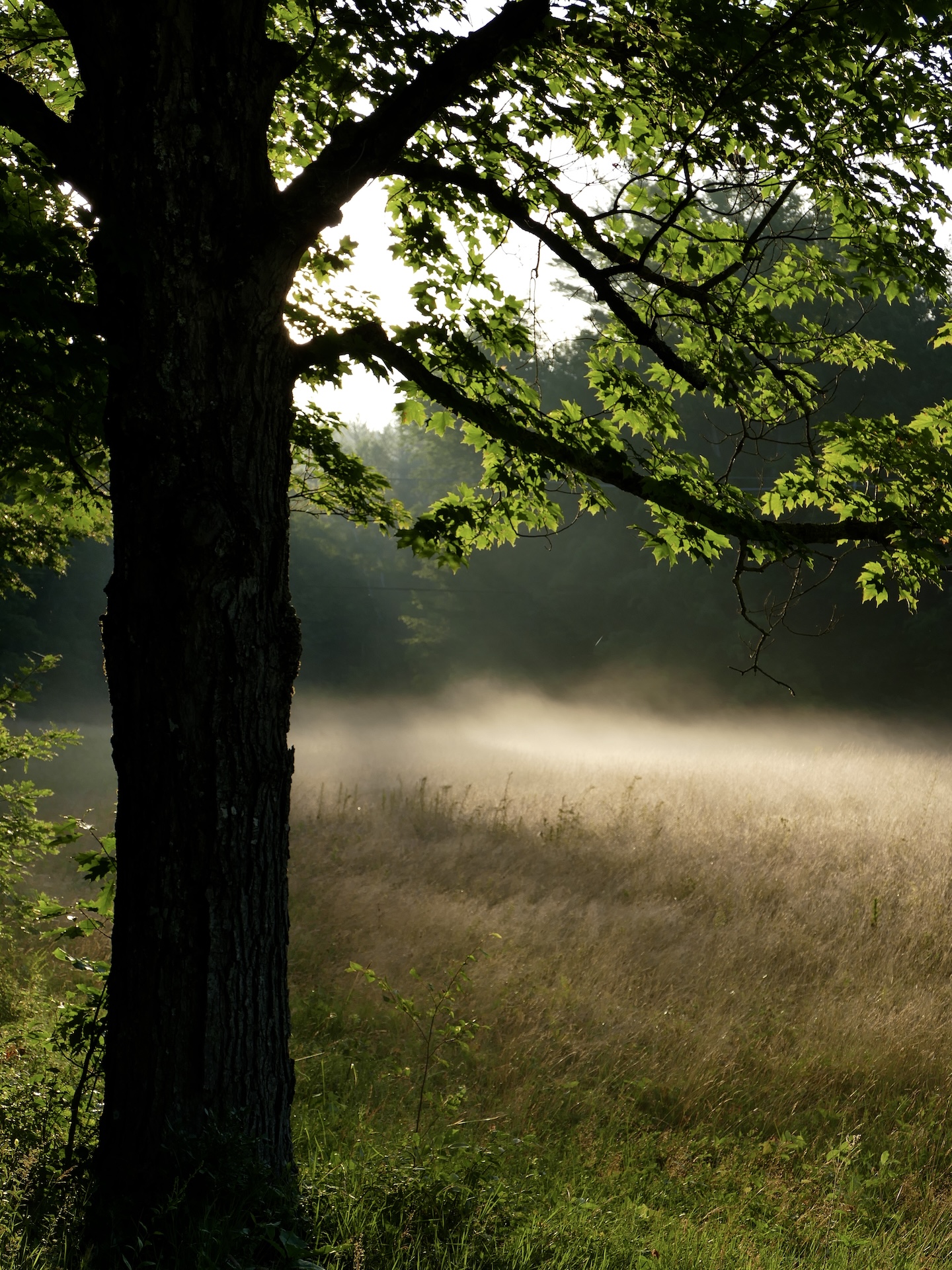
Now June is past. June is the month for grass & flowers –– Now grass is turning to hay & flowers to fruits. Already I gather ripe blueberries on the hills.
in Thoreau’s Journal:
The progress of the season is indescribable…Perhaps the sound of the locust expresses the season as well as anything. The farmers say the abundance of the grass depends on wet in June. I might make a separate season of those days when the locust is heard.
That is our torrid zone.
in Thoreau’s Journal:
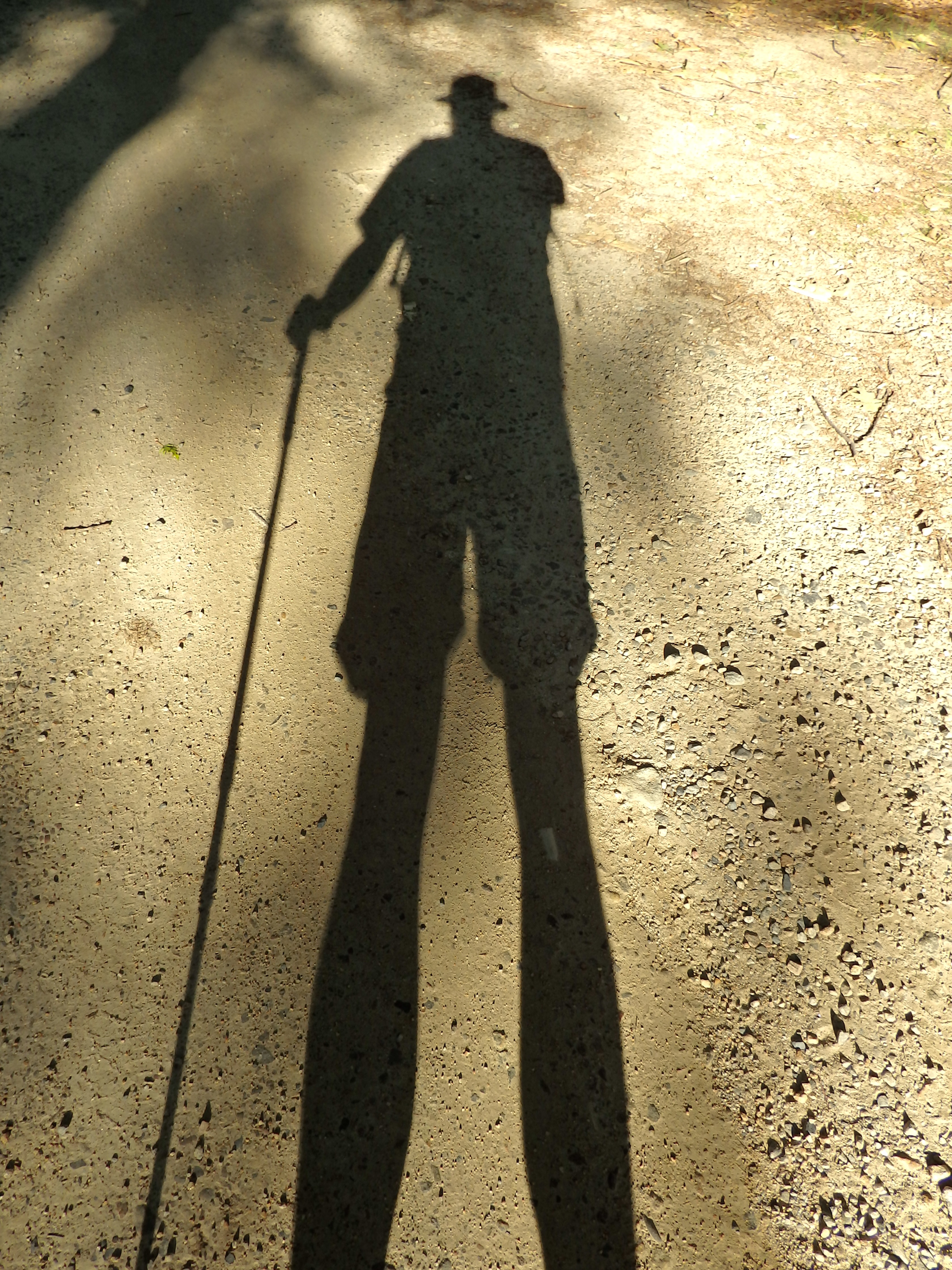
It is far more independent to travel on foot….
in Thoreau’s Journal:
The last sunrise I witnessed seems to outshine the splendor of all preceding ones, and I was convinced that it behoved man to dawn as freshly, and with equal promise and steadiness advance into the career of life, with as lofty and serene a countenance to move onward through his midday to a yet fairer and more promising setting….

We will have a dawn––and noon––and serene sunset in ourselves.
in Thoreau’s Journal:
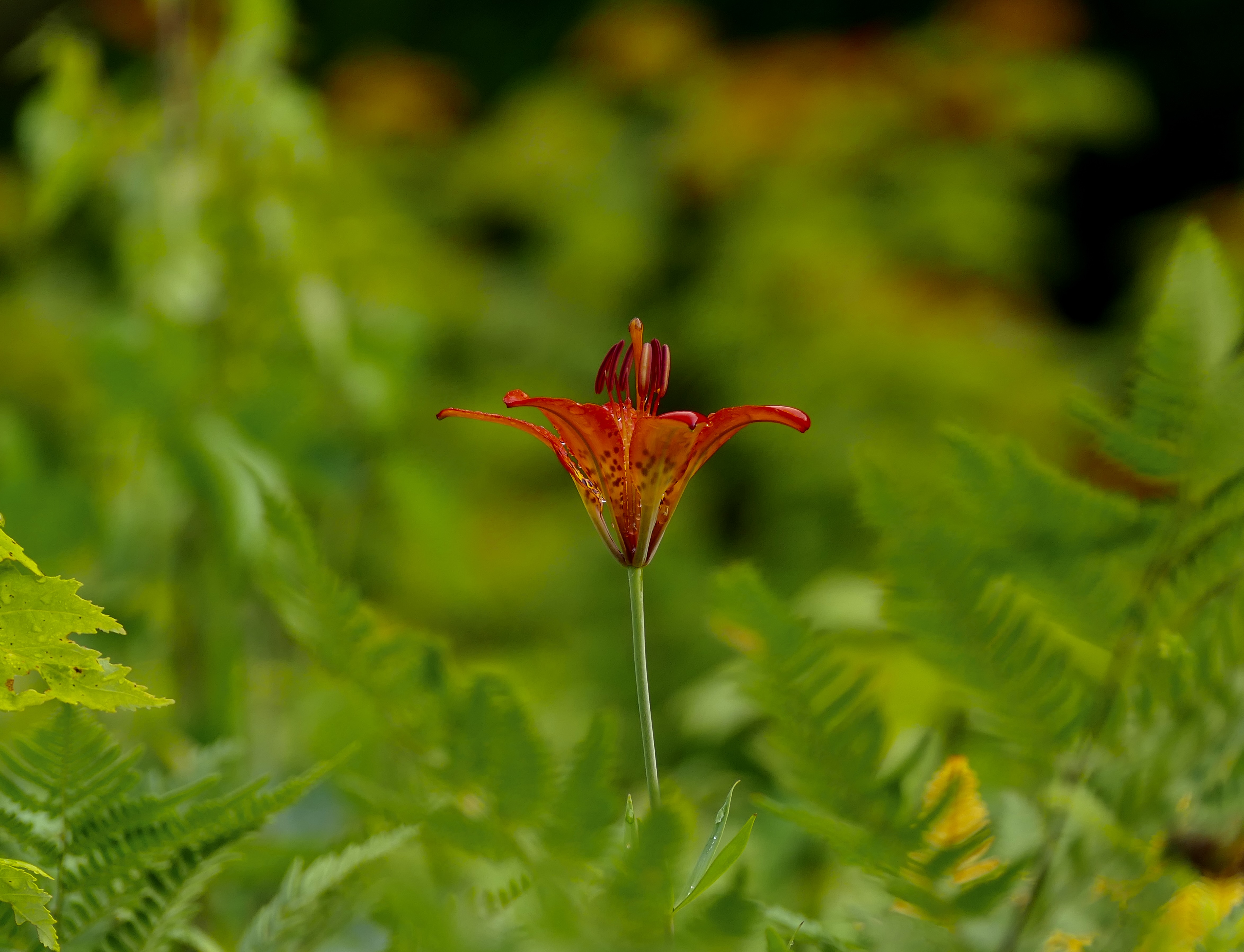
An abundance of red lilies in an upland dry meadow….low from one to two feet high–up-right flowered––more or less dark shade of red-freckled & sometimes wrinkle edged––must have been some days.
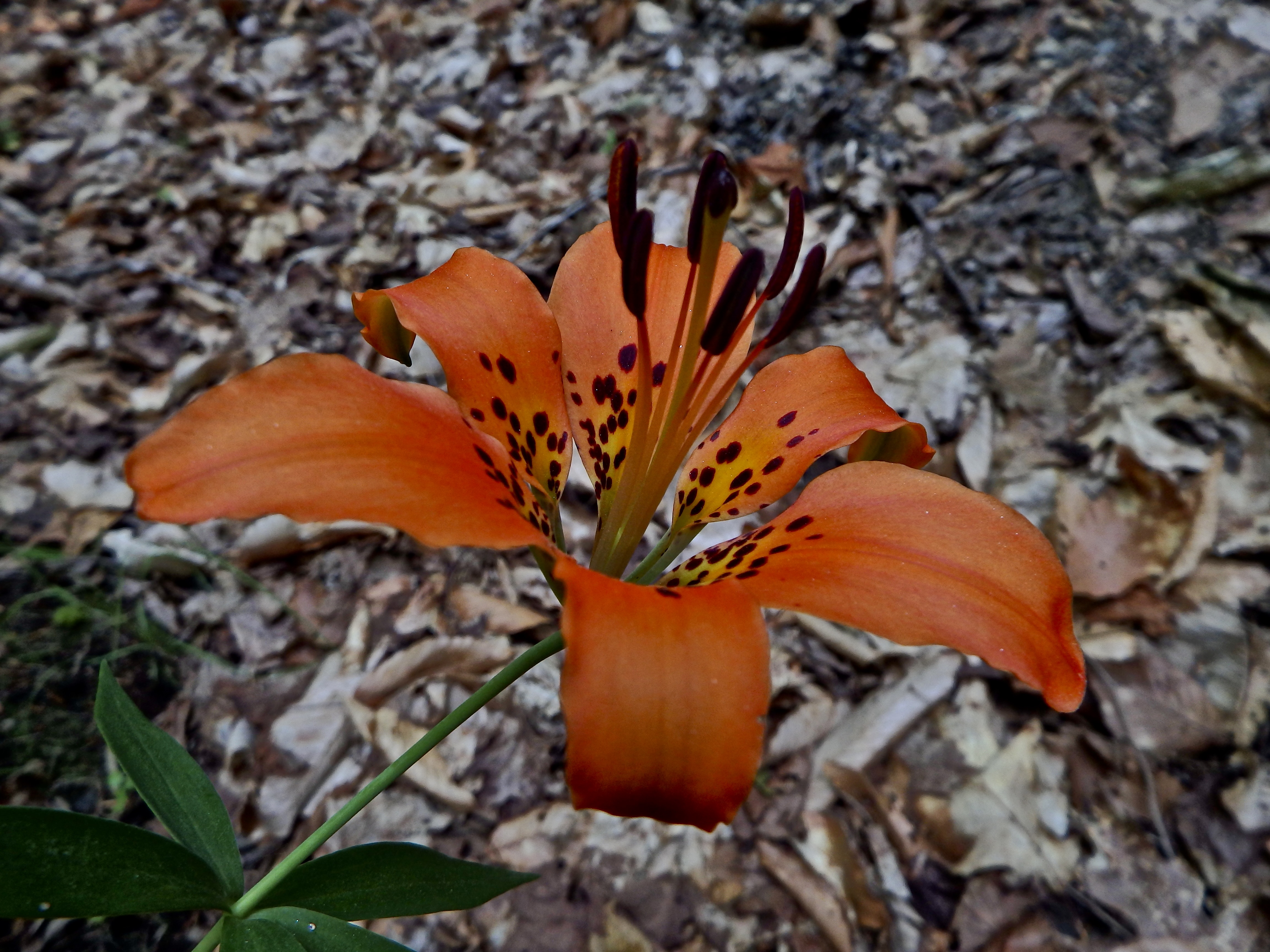
This has come with the intense summer heats– a torrid July heat like a red sunset threatening torrid heat. (Do we not always have a dry time just before the huckleberries turn?-) I think this meadow was burnt over about a year ago. Did that make the red lily grow? The spring now seems far behind–I do not remember the interval.
in Thoreau’s Journal:
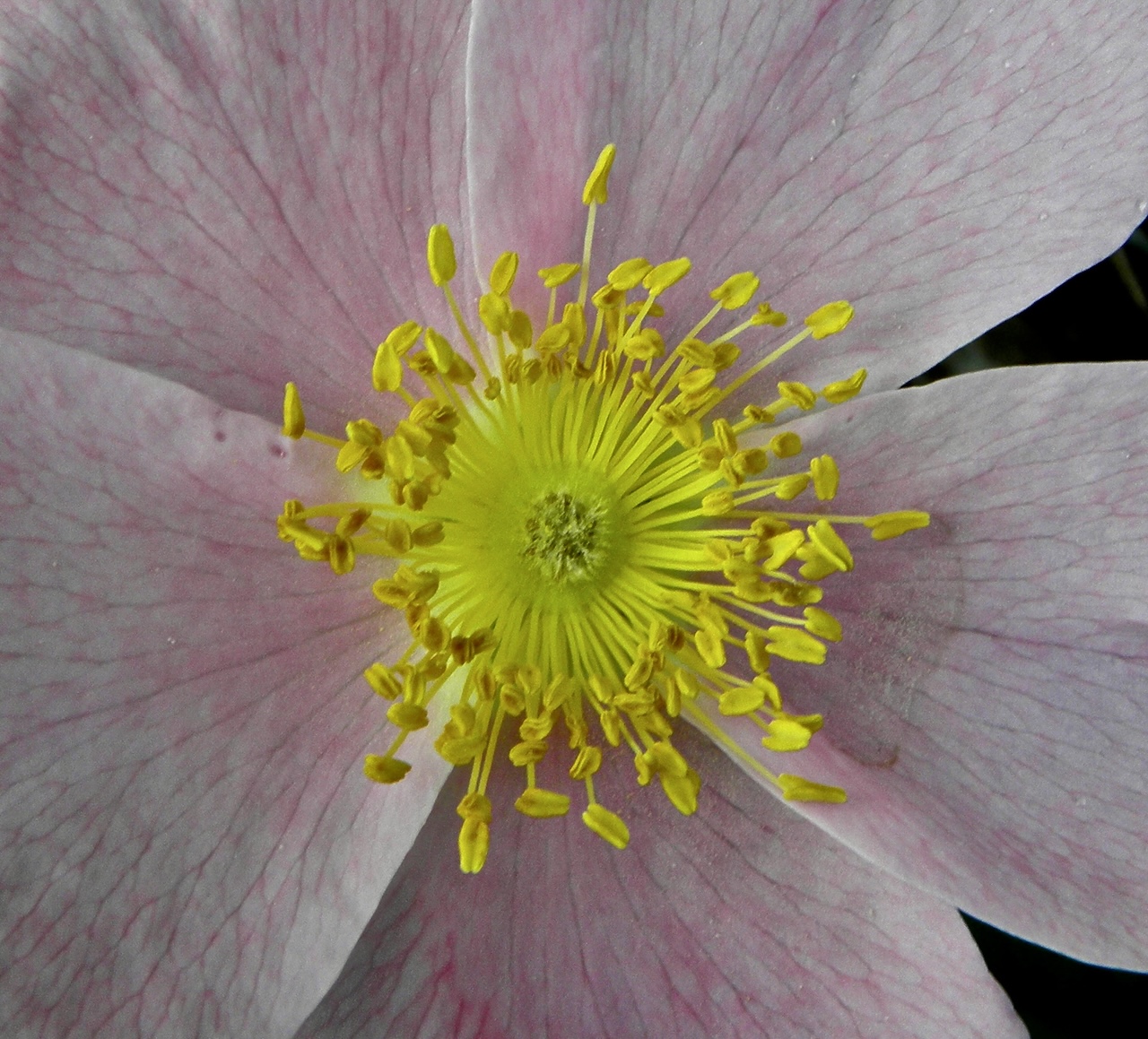
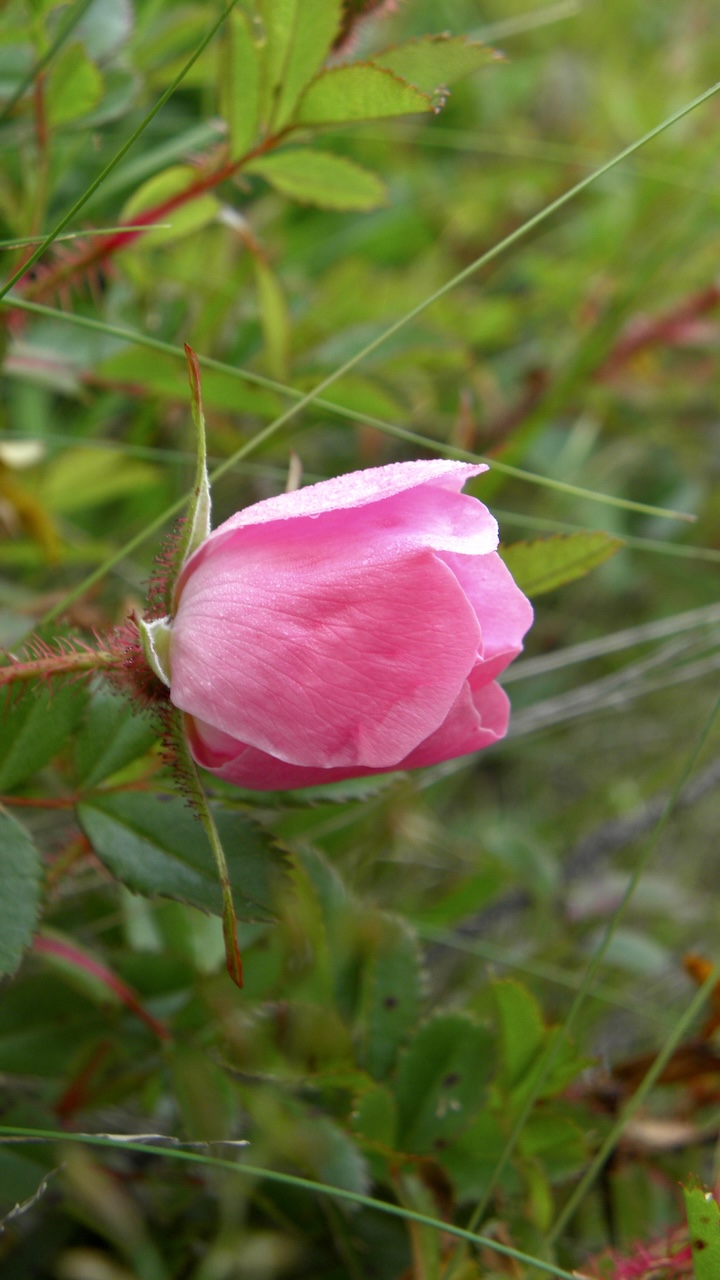
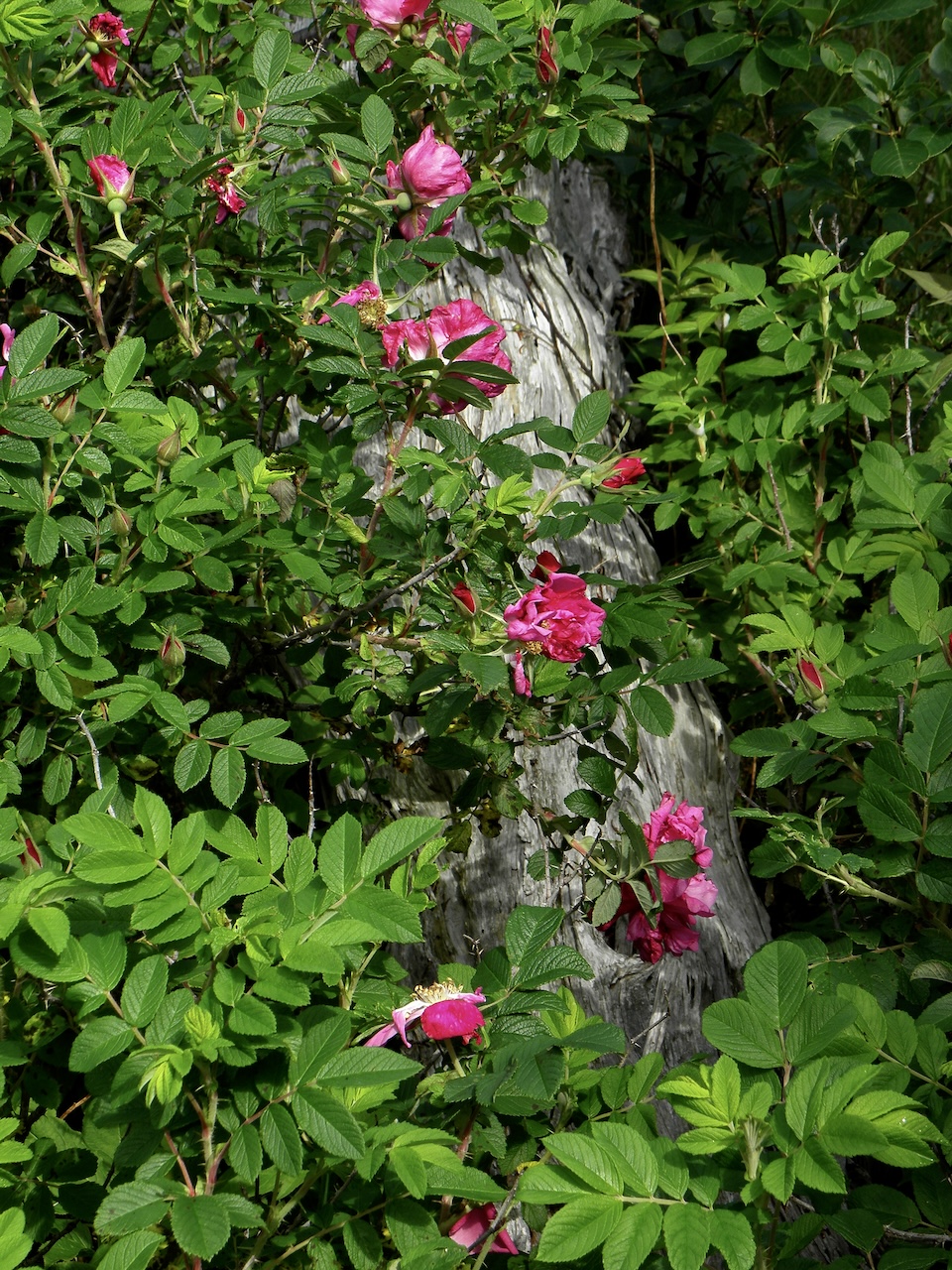
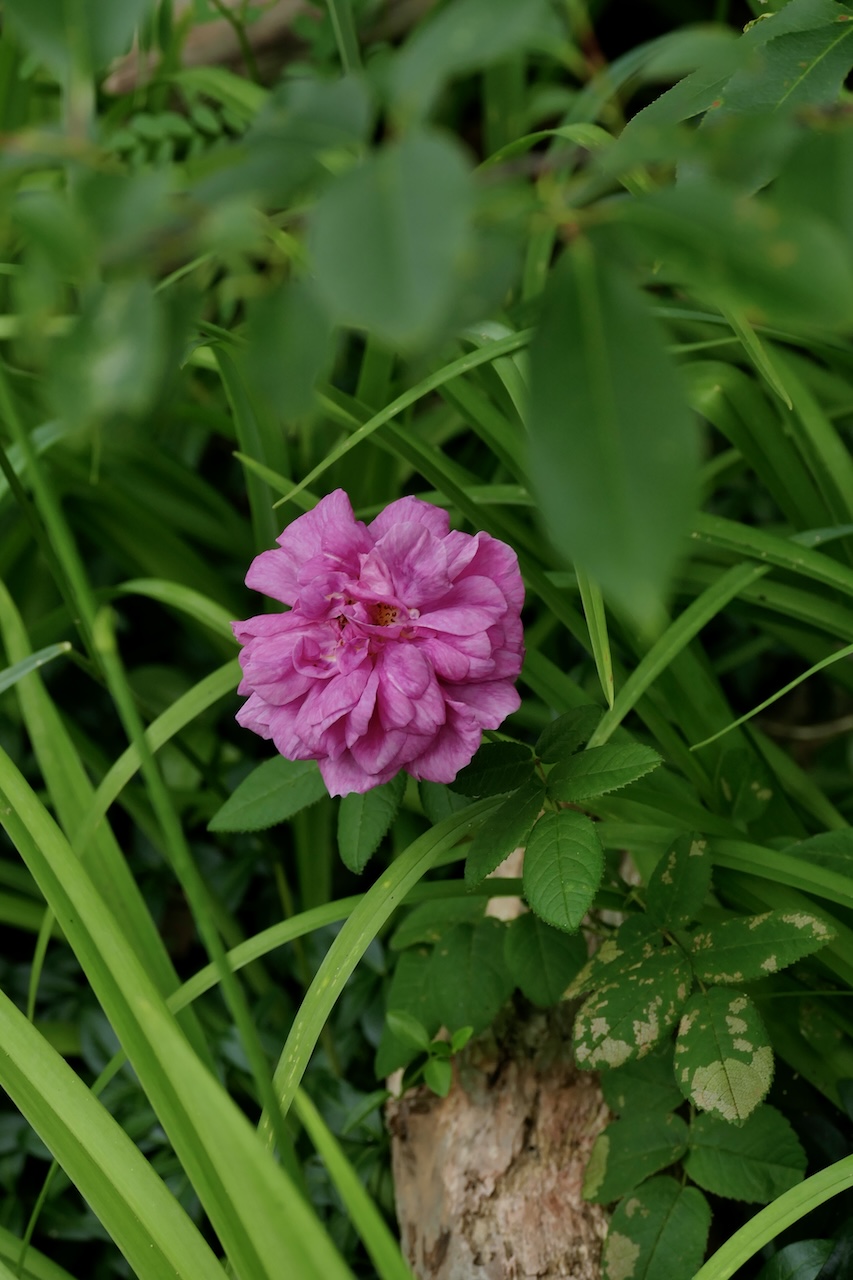
Roses are in their prime now, growing amid huckleberry bushes, ferns, and sweet ferns, especially about some dry pond hole, some paler, some more red….

 allandibiase.com
You must be logged in to post a comment.