in Thoreau’s Journal:
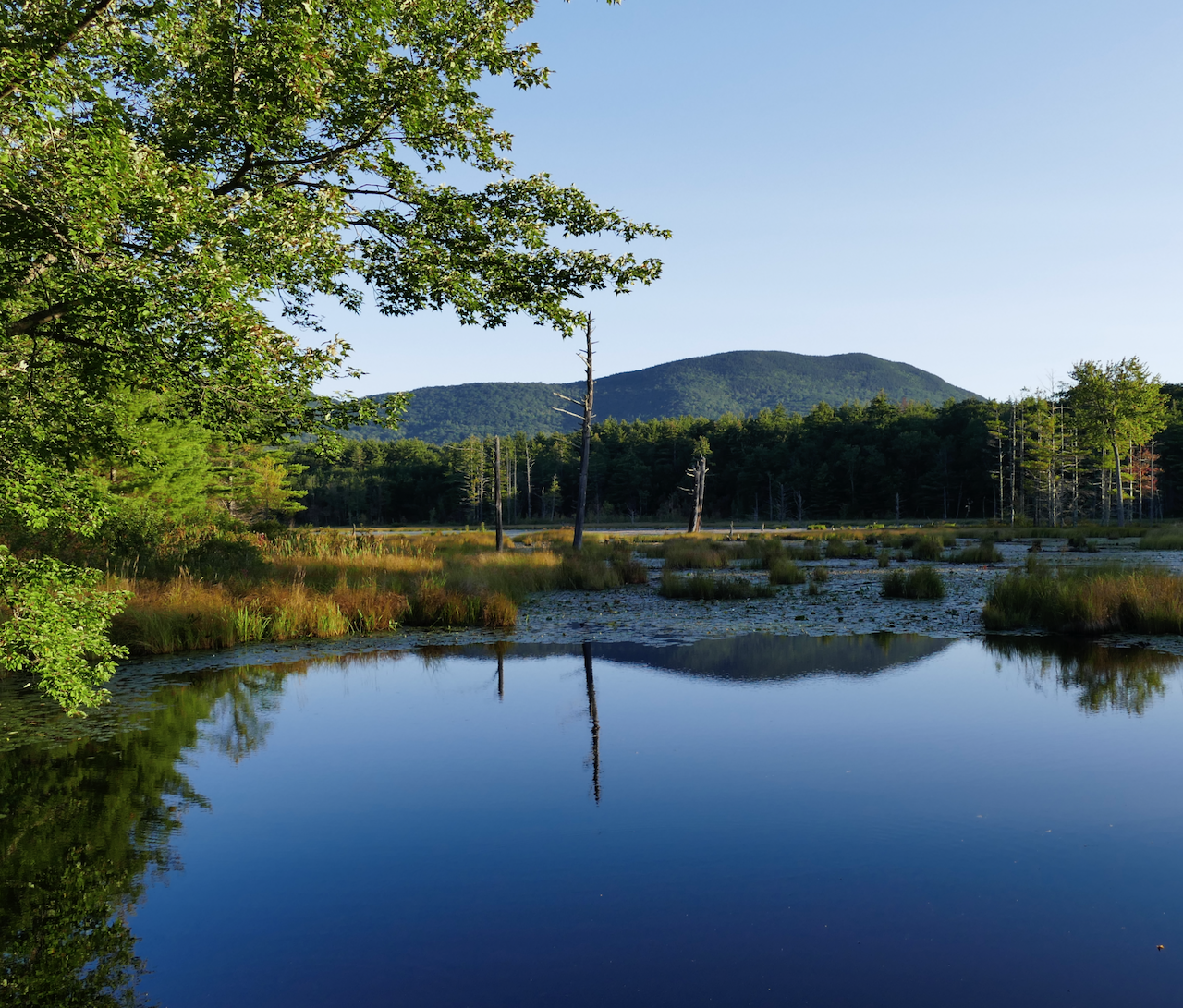
The reflections are perfect.
in Thoreau’s Journal:
The reflections are perfect.
in Thoreau’s Journal:
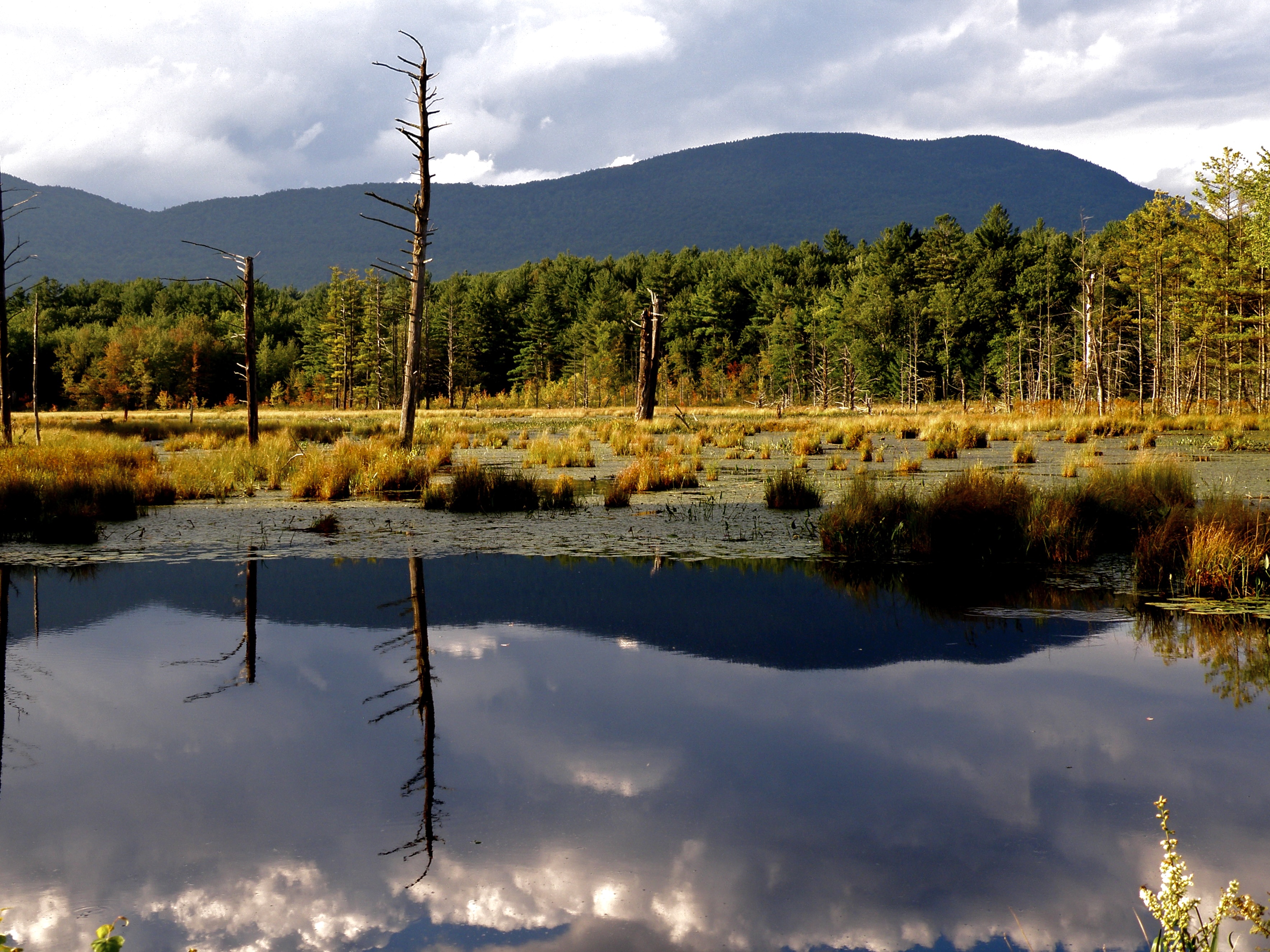
The clearness of the air which began with the cool morning of the 28th ult— makes it delicious to gaze in any direction….Coolness & clarity go together.
in Thoreau’s Journal:
It is so cool a morning that for the first time I move into the entry to sit in the sun. But in this cooler weather I feel as if the fruit of my summer were hardening and maturing a little, acquiring color and flavor like the corn and other fruits in the field.

When the very earliest ripe grapes begin to be scented in the cool nights, then, too, the first cooler airs of autumn begin to waft my sweetness on the desert airs of summer. Now, too, poets nib their pens afresh. I scent their first-fruits in the cool evening air of the year. By the coolness the experience of the summer is condensed and matured, whether our fruits be pumpkins or grapes. Man, too, ripens with the grapes and apples.
in Thoreau’s Journal:

I omit the unusual –– the hurricanes and earthquakes –– and describe the common. This has the greatest charm and is the true theme of poetry. You may have the extraordinary for your province, if you will let me have the ordinary.
in Thoreau’s Journal:
Would it not be well to describe some of those rough—all day walks across lots….
—-Picking our way over quaking meadows & swamps —& occasionally slipping into the muddy batter mid-leg deep—-jumping or fording ditches & brooks—forcing our way through dense blueberry swamps—-where there is water beneath & bushes above—then brushing through extensive birch forests all covered with green lice—which cover our clothes & face—then under larger wood relieved, more open beneath—-steering for some more conspicuous trunk Now along a rocky hill side where the sweet fern grows for a mile—then over a recent cutting—finding our uncertain footing on the cracking tops & trimmings of trees left by the choppers— Now taking a step or 2 of smooth walking across a high way— Now through a dense pine wood descending—into a rank dry swamp where the cinnamon fern rises above your head—with isles of poison dog wood— Now up a scraggy hill—covered with shrub oak—stooping & winding ones way—for half a mile—tearing ones clothes in many places & putting out ones eyes—& find at last that it has no bare brow but another slope of the same character— Now through a corn field diagonally with the rows—now coming upon the hidden melon patch seeing the back-side of familiar hills & not knowing them. The nearest house to home which you do not know—seeming further off—than the farthest which you do know— In the spring defiled with the froth on various bushes, &c &c &c—

Now reaching on higher land some open—pigeon place—a breathing place for us.
in Thoreau’s Journal:
More wind & quite cold this morning but very bright & sparkling autumn-like air–-reminding of frosts to be apprehended–-but hear a rumor tempting abroad-–to adventure….
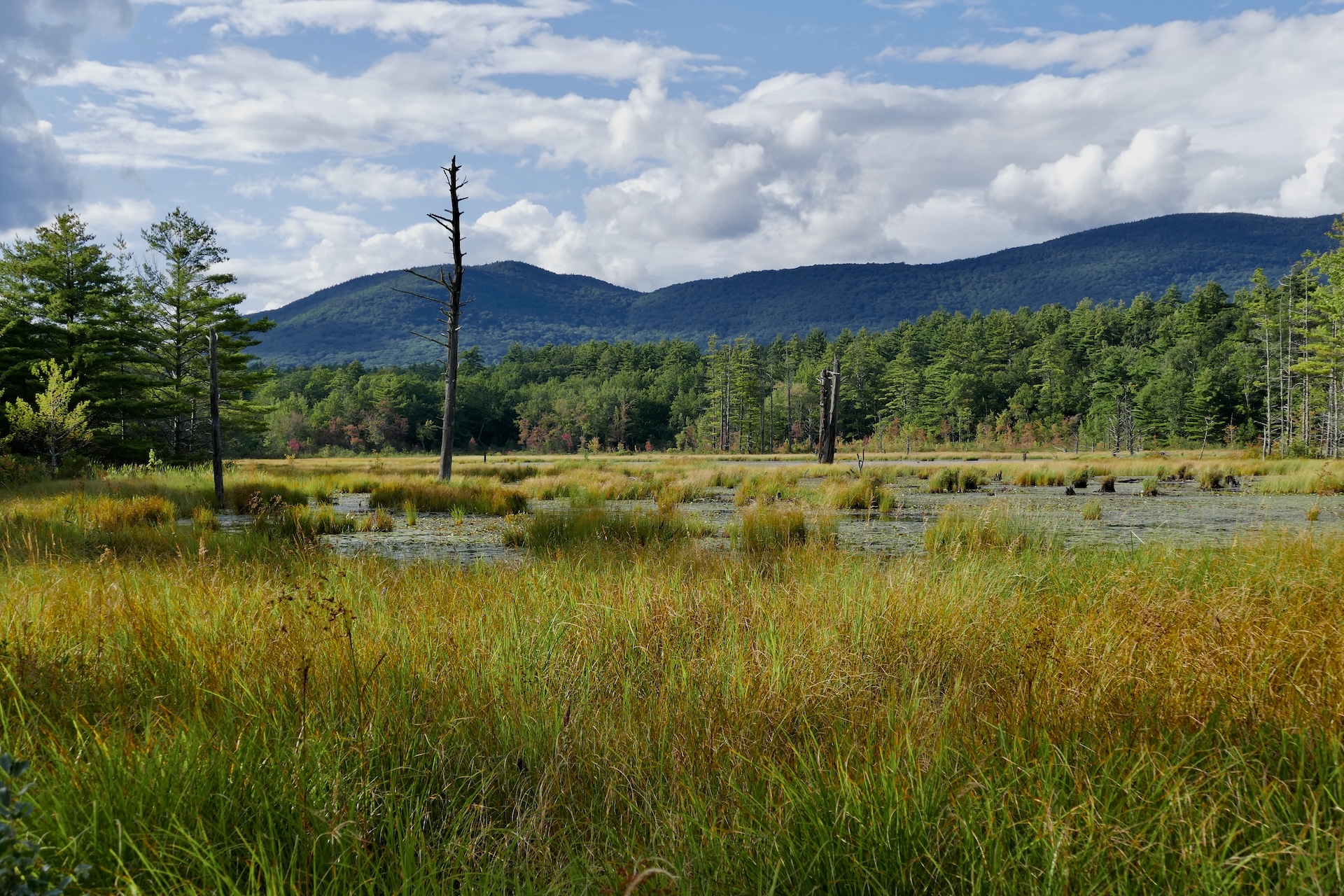
The red maples of Potter’s swamp show a dull purple blush–-& sometimes a low scarlet bough–-the effect evidently of the rain ripening them….
In Thoreau’s Journal:

How grateful to our feelings is the approach of autumn! We have had no serious storm since spring. What a salad to my spirits is this cooler, darker day!
in Thoreau’s Journal:
The year is but a succession of days, and I see that I could assign some office to each day which, summed up, would be the history of the year.

Everything is done in season, and there is no time to spare. The bird gets its brood hatched in season and is off.
in Thoreau’s Journal:
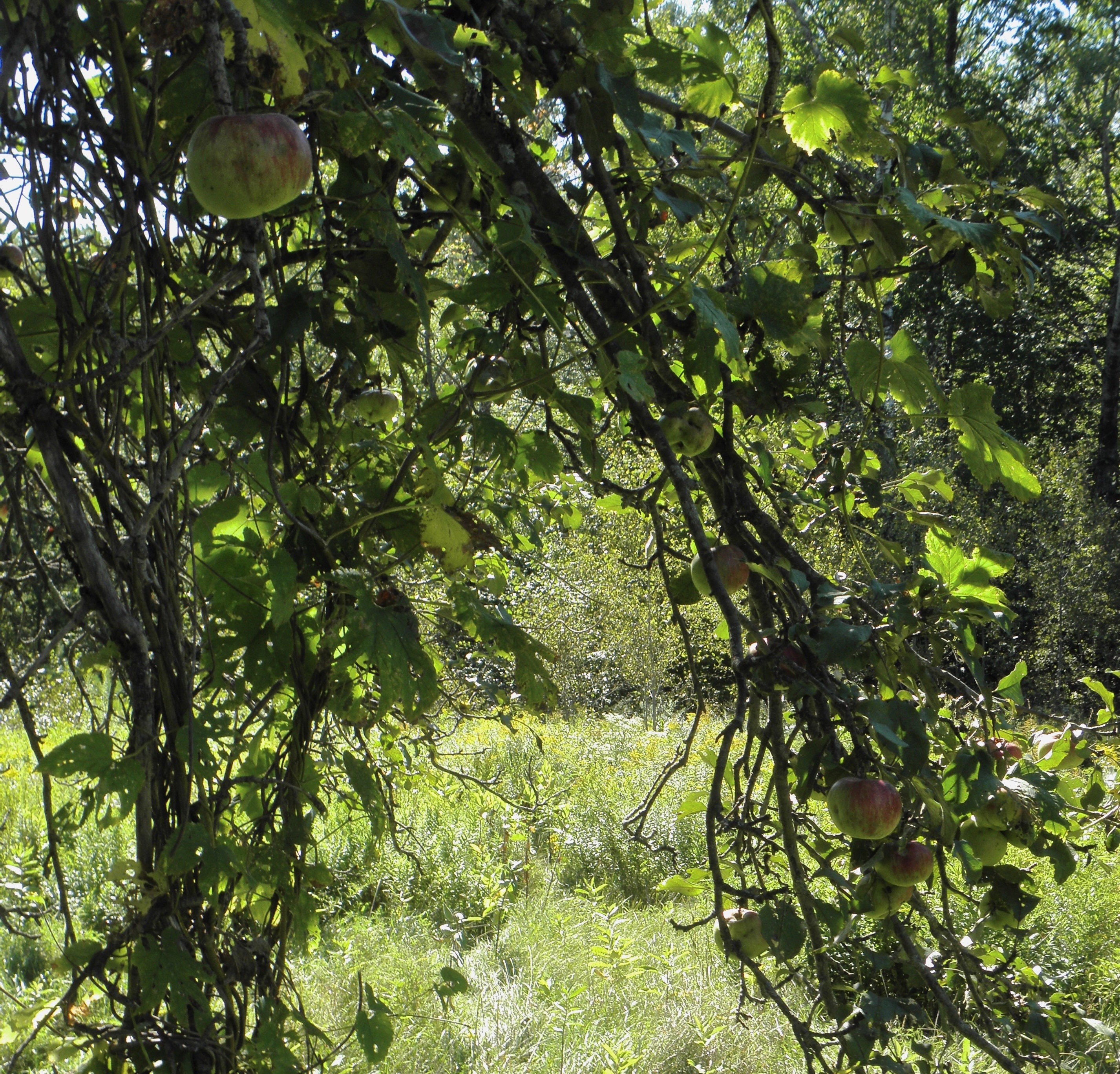
Live in each season as it passes; breathe the air, drink the drink, taste the fruit, and resign yourself to the influences of each.
in Thoreau’s Journal:
Walking may be a science, so far as the direction of a walk is concerned. I go again to the Great Meadows, to improve this remarkably dry season and walk where in ordinary times I cannot go.

There is, no doubt, a particular season of the year when each place may be visited with most profit and pleasure, and it may be worth the while to consider what that season is in each case.
in Thoreau’s Journal:
….It is very pleasant to measure the progress of the seasons by this [the blossoming of vervain] & similar clocks— So you get not the absolute time but the true time of the season.

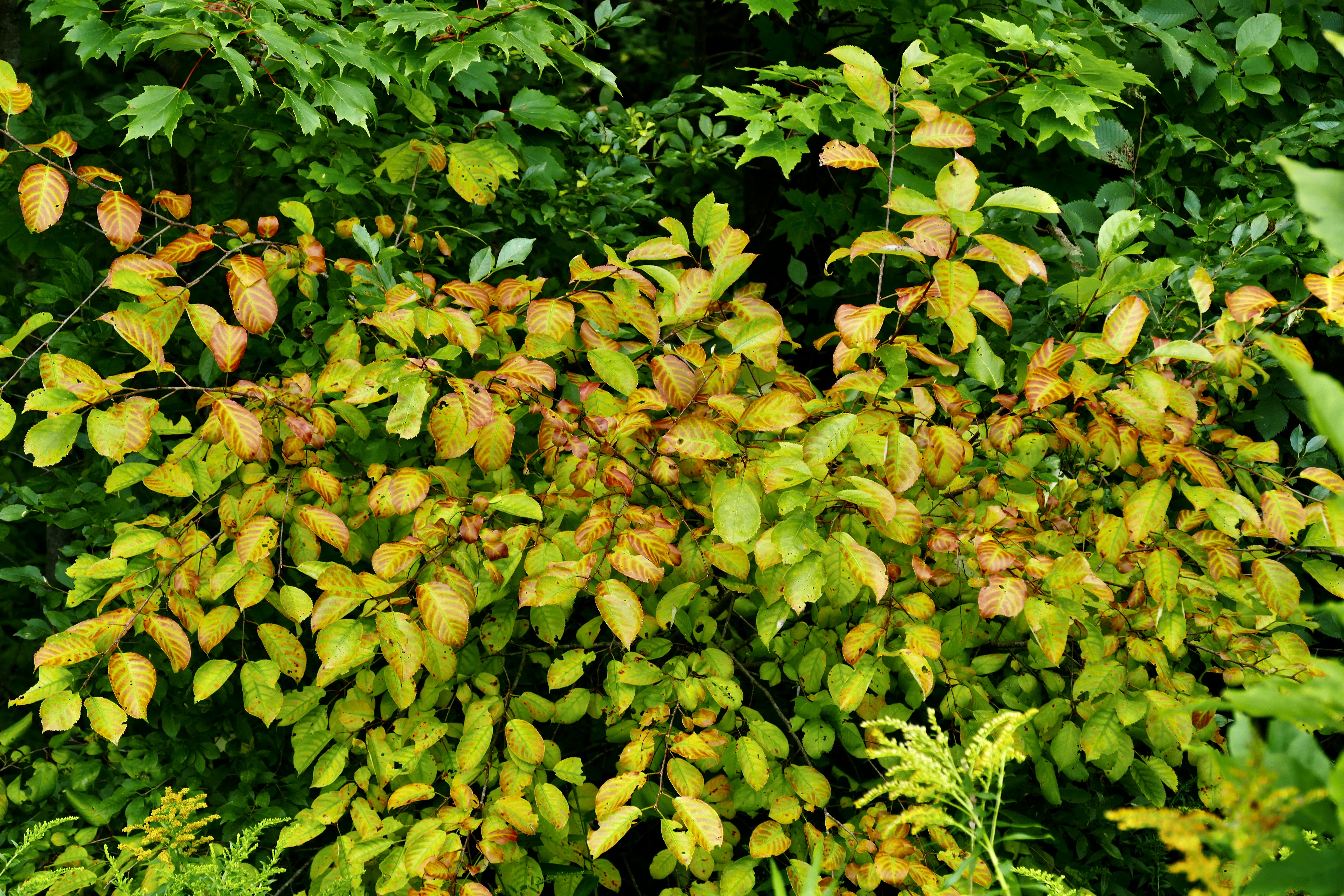
But I can measure the progress of the seasons only by observing a particular plant, for I notice that they are by no means equally advanced.
in Thoreau’s Journal:
This day, too, has that autumnal character. I am struck by the clearness and stillness of the air, the brightness of the landscape, or, as it were, the reflection of light from the washed earth, the darkness and heaviness of the shade, as I look now up the river at the white maples and bushes, and the smoothness of the stream.

If they are between you and the sun, the trees are more black than green. It must be owing to the clearness of the air since the rains, together with the multiplication of the leaves, whose effect has not been perceived during the mists of the dog-days. But I cannot account for this peculiar smoothness of the dimpled stream – unless the air is stiller than before – nor for the peculiar brightness of the sun’s reflection from its surface. I stand on the south bank, opposite the black willows, looking up the full stream, which, with a smooth, almost oily and sheeny surface, comes welling and dimpling onward, peculiarly smooth and bright now at 4 P. M., while the numerous trees seen up the stream – white maples, oaks, etc. – and the bushes look absolutely black in the clear, bright light.
in Thoreau’s Journal:
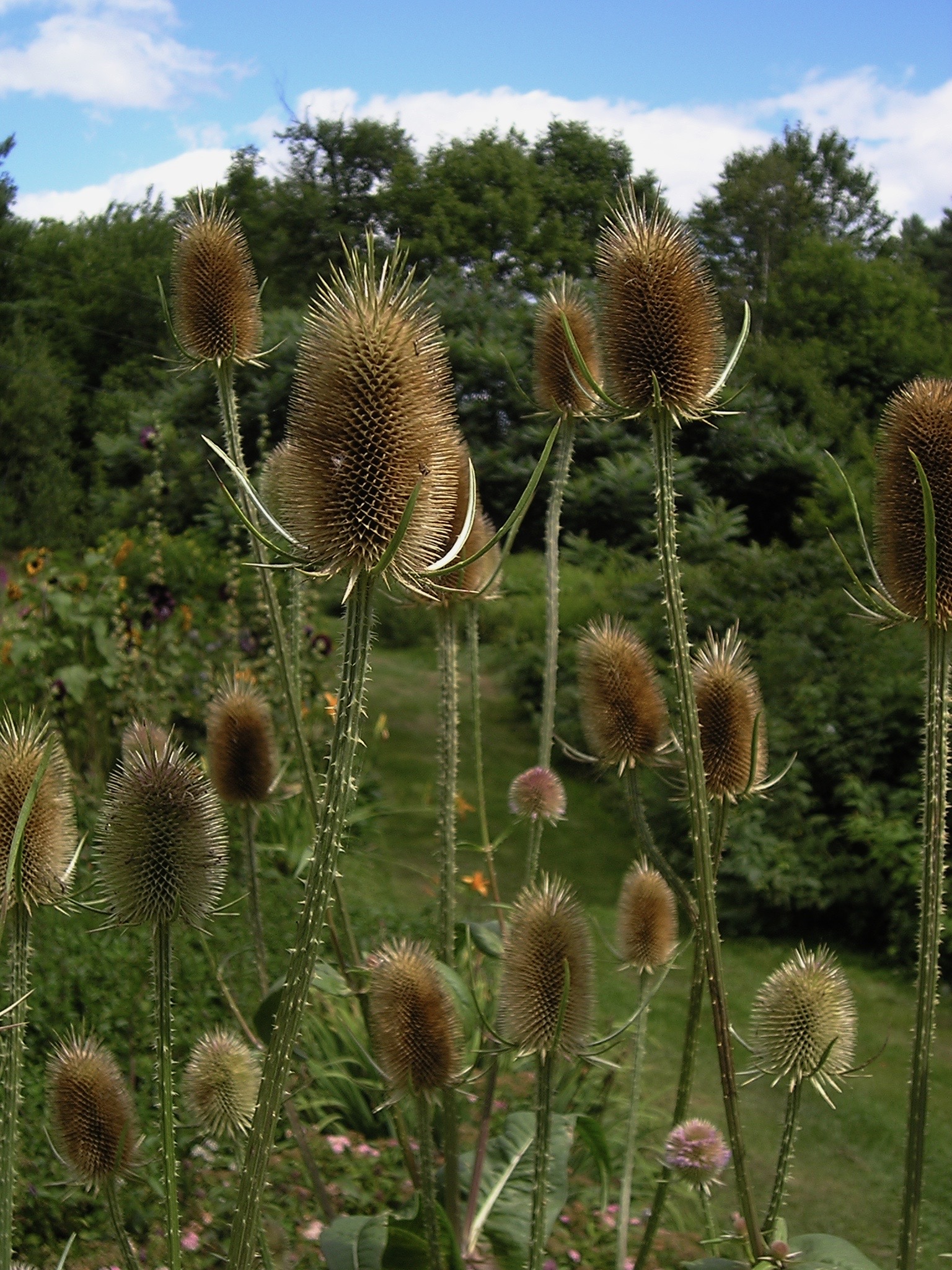
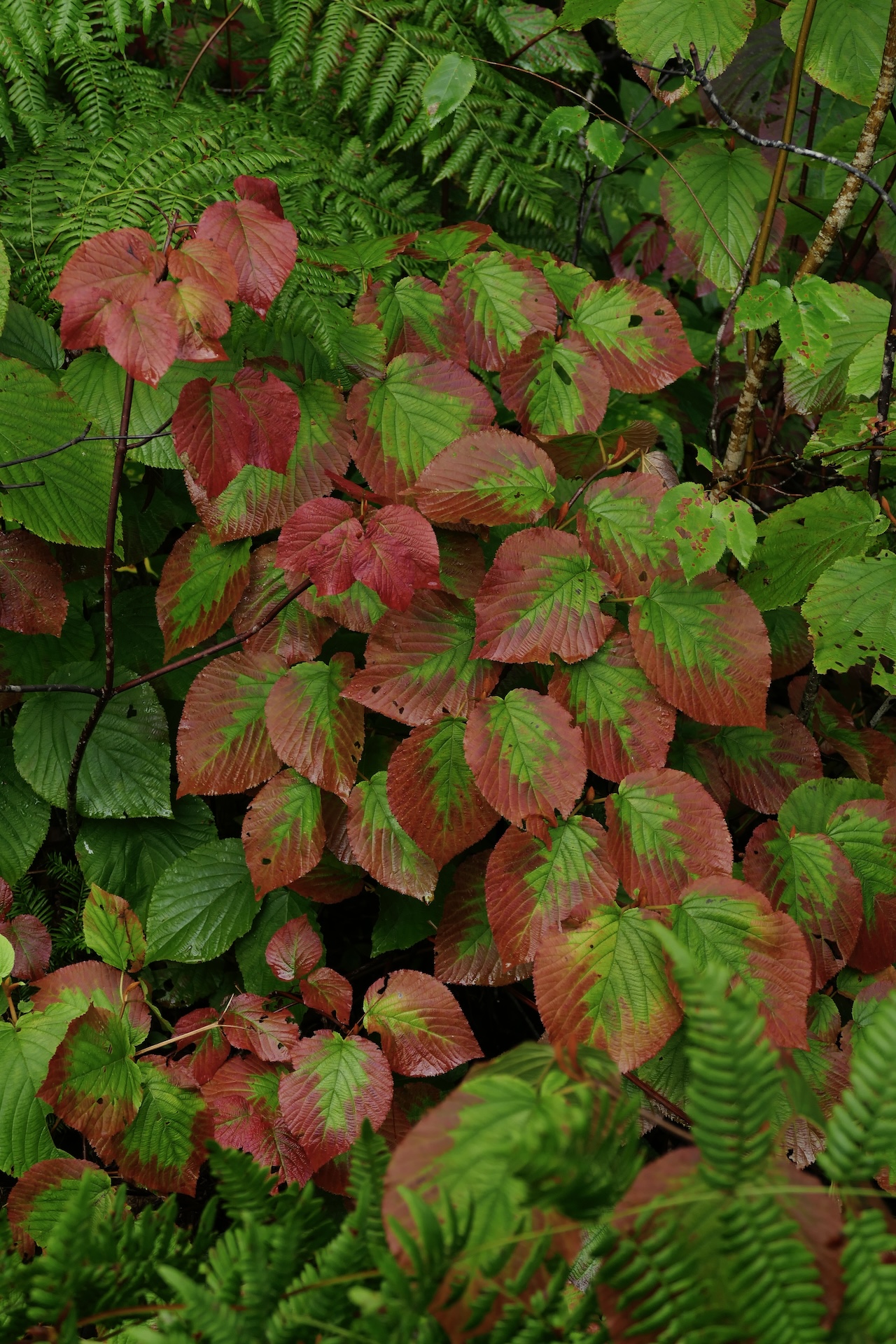
The seasons do not cease a moment to revolve, and therefore Nature rests no longer at her culminating point than at any other. If you are not out at the right instant, the summer may go by and you not see it. How much of the year is spring and fall! How little can be called summer! The grass is no sooner grown than it begins to wither.
in Thoreau’s Journal:
Elizabeth Hoar shows me the following plants which she brought from the Wht Mts the 16th ult.
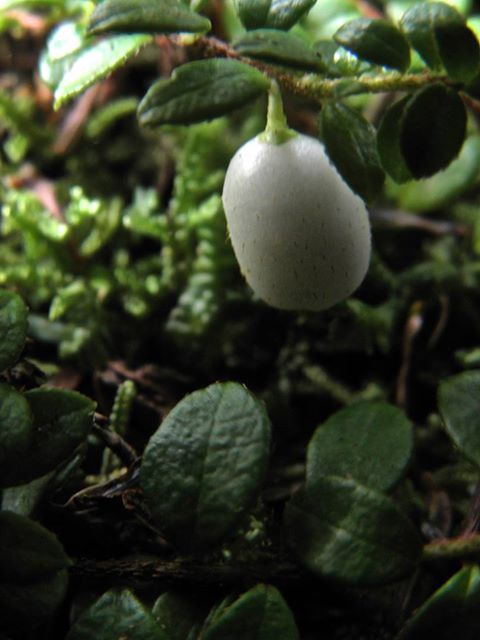
Chiogenes hispidula creeping snow-berry also called Gaultheria & also vaccinium hispidula–in fruit. –– with a partridge berry scent & taste.
in Thoreau’s Journal:
20 ms’ before 5 Am to Cliffs & Walden. Dawn….

This mornings red, there being a misty cloud there, is equal to an evening red.
in Thoreau’s Journal:
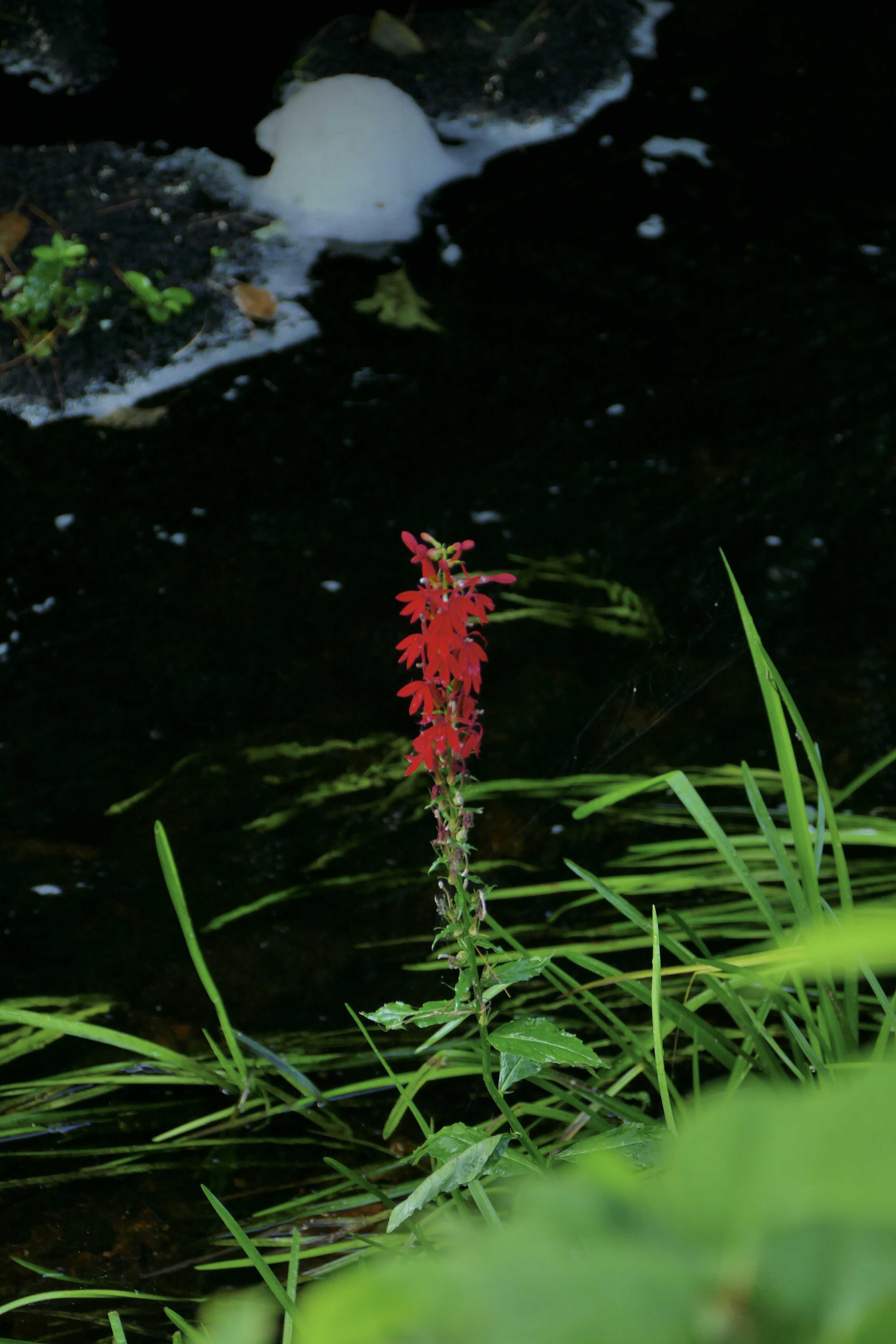
I am surprised to find that whereof late years there have been so many cardinal-flowers, there are now very few. So much does a plant fluctuate from season to season.
in Thoreau’s Journal:
May I love and revere myself above all the gods that men have ever invented. May I never let the vestal fire go out in my recesses.
in Thoreau’s Journal:

How long we may have gazed on a particular scenery and think that we have seen and known it, when, at length, some bird or quadruped comes and takes possession of it before our eyes, and imparts to it a wholly new character. The heron uses these shallows as I cannot. I give them up to him.
in Thoreau’s Journal:
First marked dog-day; sultry and with misty clouds. For ten days or so we have had comparatively cool, fall-like weather.

I remember only with a pang the past spring and summer thus far. I have not been an early riser. Society seems to have invaded and overrun me. I have drank tea and coffee and made myself cheap and vulgar. My days have been all noontides, without sacred mornings and evenings. I desire to rise early henceforth, to associate with those whose influence is elevating, to have such dreams and waking thoughts that my diet may not be indifferent to me.
in Thoreau’s Journal:

The smallest of nature’s works fits the farthest and widest view, as if it had been referred in its bearings to every point in space. It harmonizes with the horizon line and the orbits of the planets.
 allandibiase.com
You must be logged in to post a comment.