October 10, 1851

in Thoreau’s Journal:

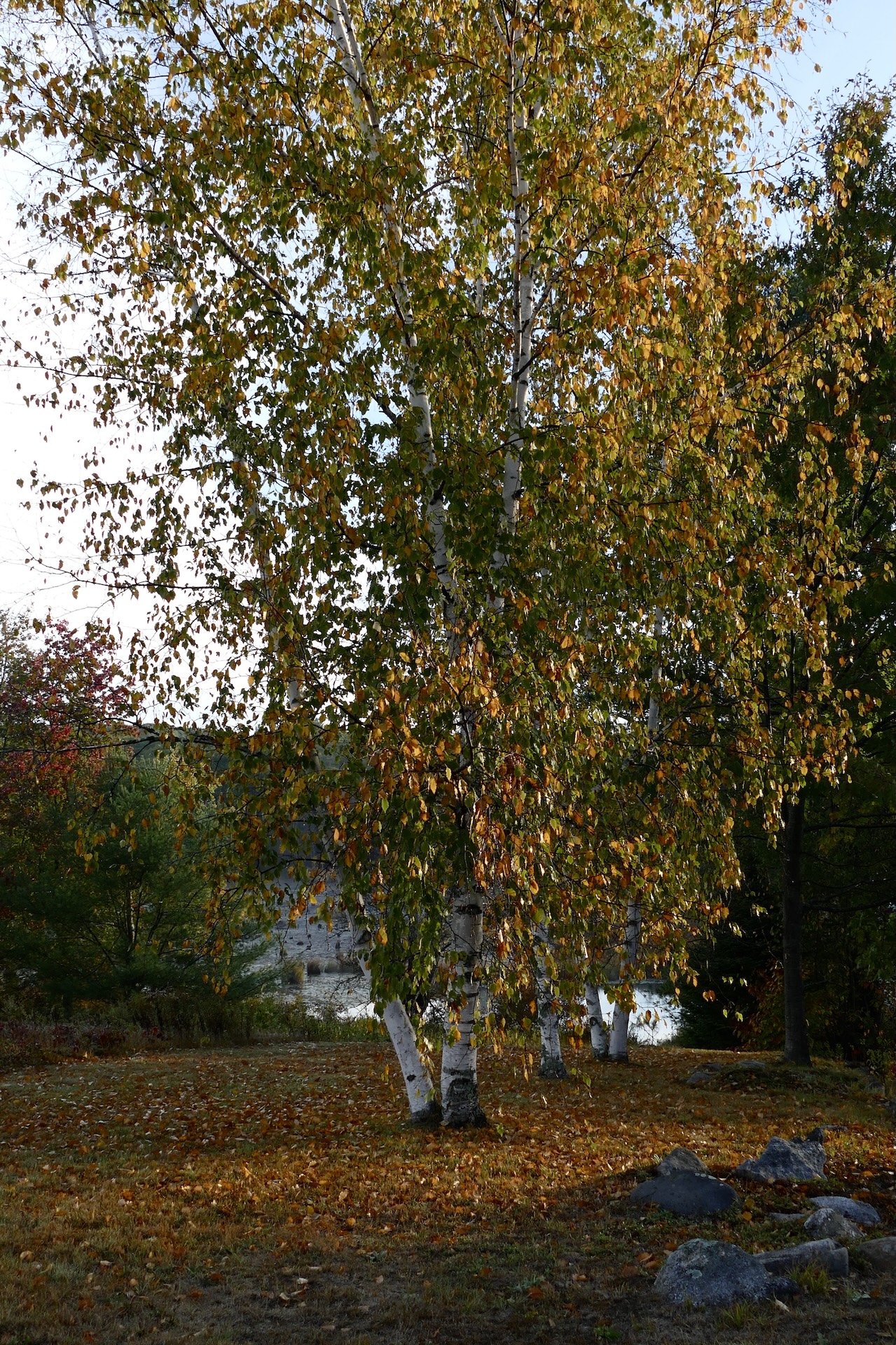
How agreeable to the eye at this season the color of new fallen leaves….sere & crisp. When freshly fallen with their forms & their veins still distinct they have a certain life in them still….You make a great noise now walking in the woods on account of the dry leaves—especially chestnut & oak—& maples that cover the ground….
October 8, 1851

in Thoreau’s Journal:

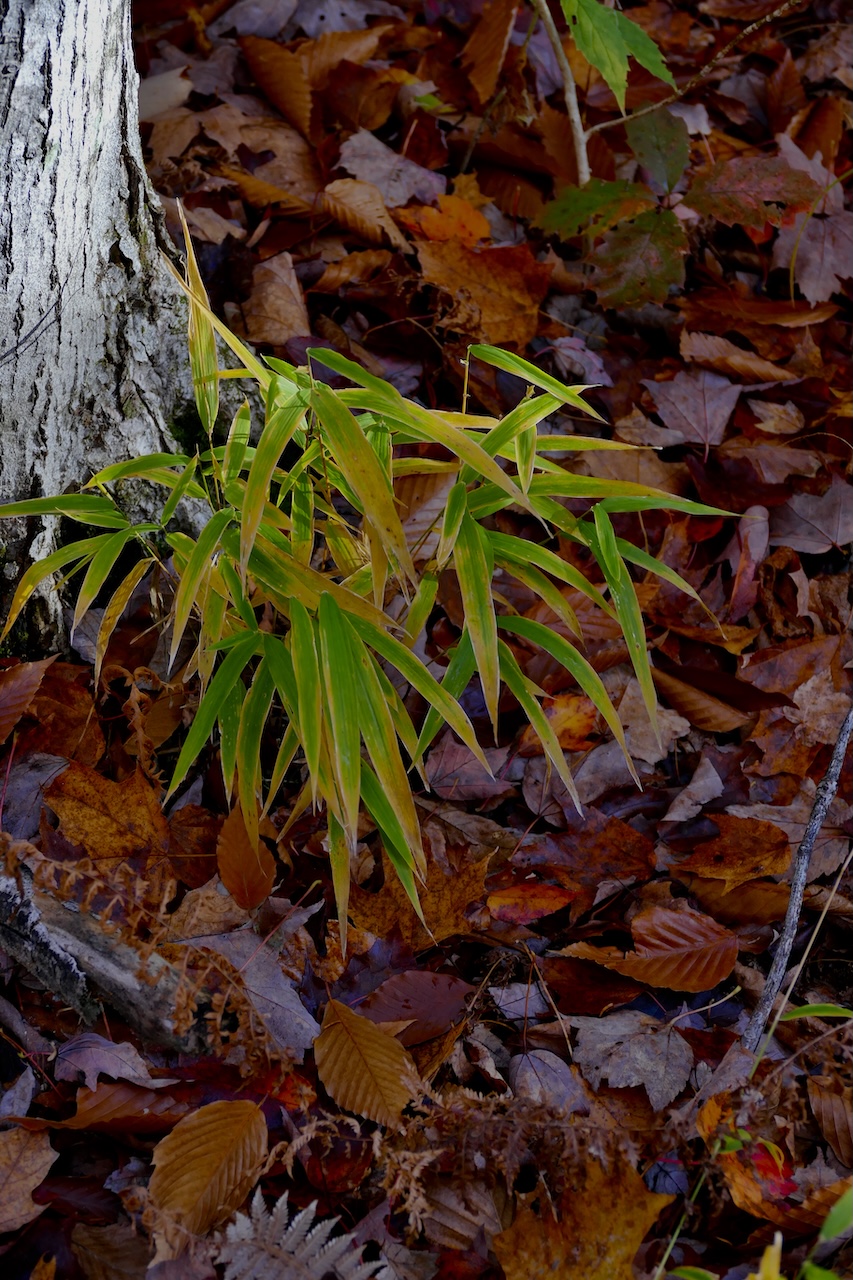
This warm day is a godsend to the wasps. I see them buzzing about the broken windows of deserted buildings, as Jenny Dugan’s, —the yellow-knotted. I smell the dry leaves like hay from the woods. Some elms are already bare. The basswood here is quite sere. The pines are still shedding their leaves. This brook by Jenny’s is always a pleasant sight and sound to me. In the spring I saw the sucker here. It is remarkable through what narrow and shallow brooks a sucker will be seen to dart, and a trout. I perceive that some white oaks are quitered. The black oaks are yellowish. I know not surely whether the brighter red and more divided leaf is that of the red or the scarlet oak. 

October 7, 1851

in Thoreau’s Journal:

There is a great difference between this season and a month ago — warm as this happens to be — as between one period of your life and another. A little frost is at the bottom of it.

October 6, 1857

in Thoreau’s Journal:

I observe too that the ferns of a rich brown (being sere),about swamps, etc., are an important feature.

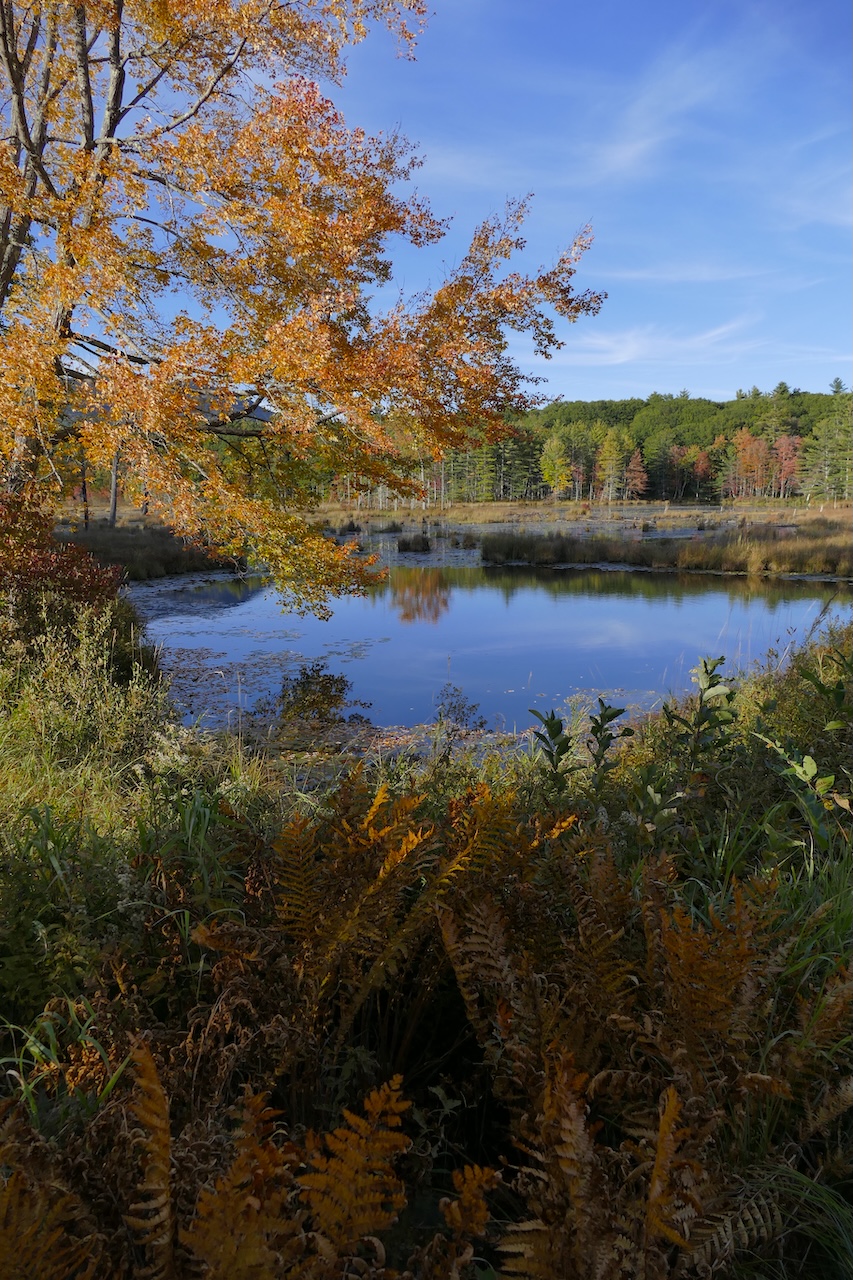
A broad belt of rich brown (and crisp) ferns stands about many a bright maple swamp.

October 5, 1857

in Thoreau’s Journal:

There is not now that profusion, and consequent confusion, of events which belongs to a summer walk.

There are few flowers, birds, insects, or fruits now, and hence what does occur affects us as more simple and significant, as the cawing of a crow or the scream of a jay.

The latter seems to scream more fitly and with more freedom through the vacancies occasioned by fallen maple leaves.

October 3, 1859

in Thoreau’s Journal:

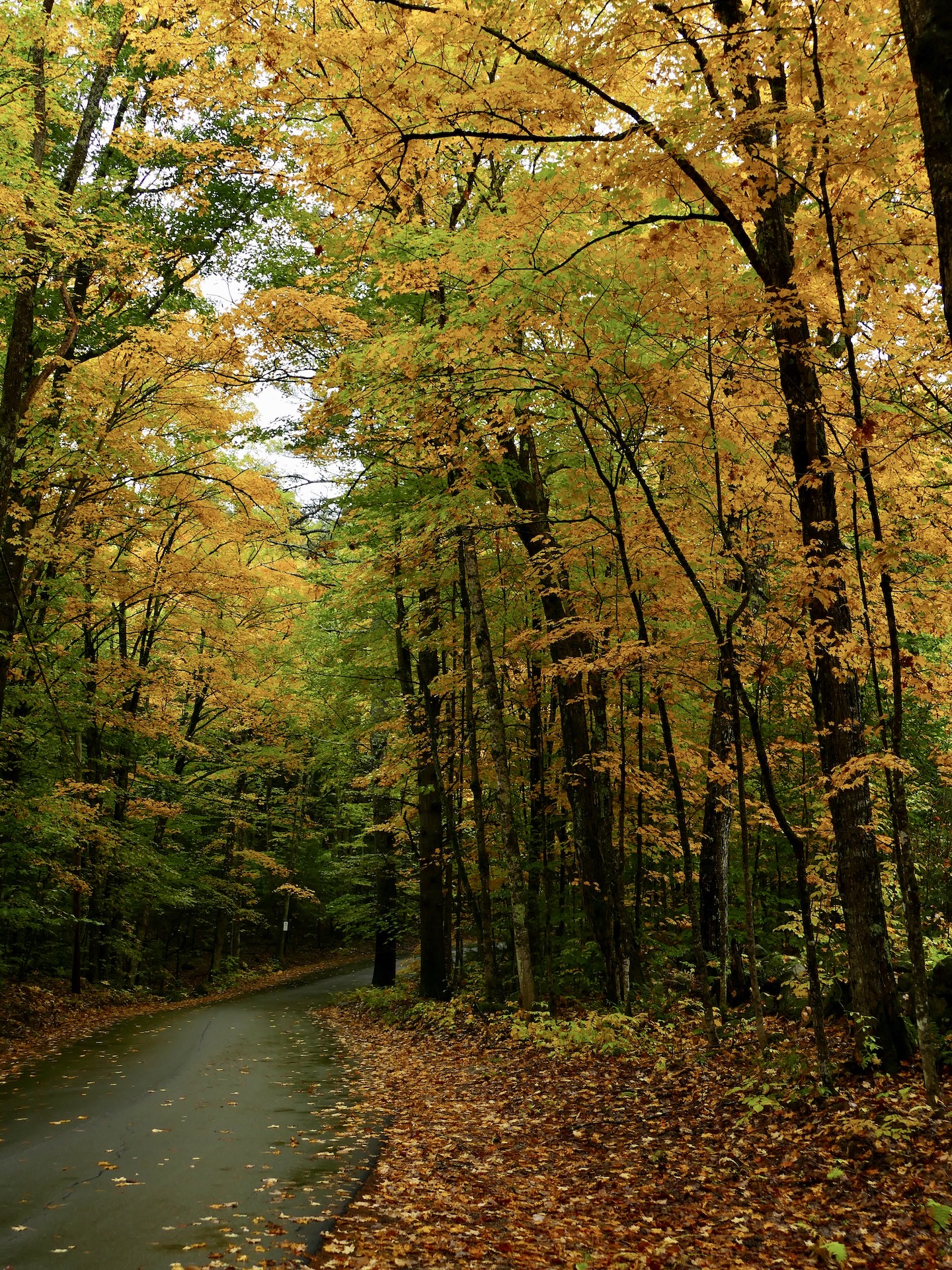
It is somewhat cooler and more autumnal. A great many leaves have fallen and the trees begin to look thin. You incline to sit in a sunny and sheltered place.

This season, the fall, which we have now entered on, commenced, I may say, as long ago as when the first frost was seen and felt in low ground in August. From that time, even, the year has been gradually winding up its accounts. Cold, methinks, has been the great agent which has checked the growth of plants, condensed their energies, and caused their fruits to ripen, in September especially.

Perchance man never ripens within the tropics.

October 2, 1852

in Thoreau’s Journal:

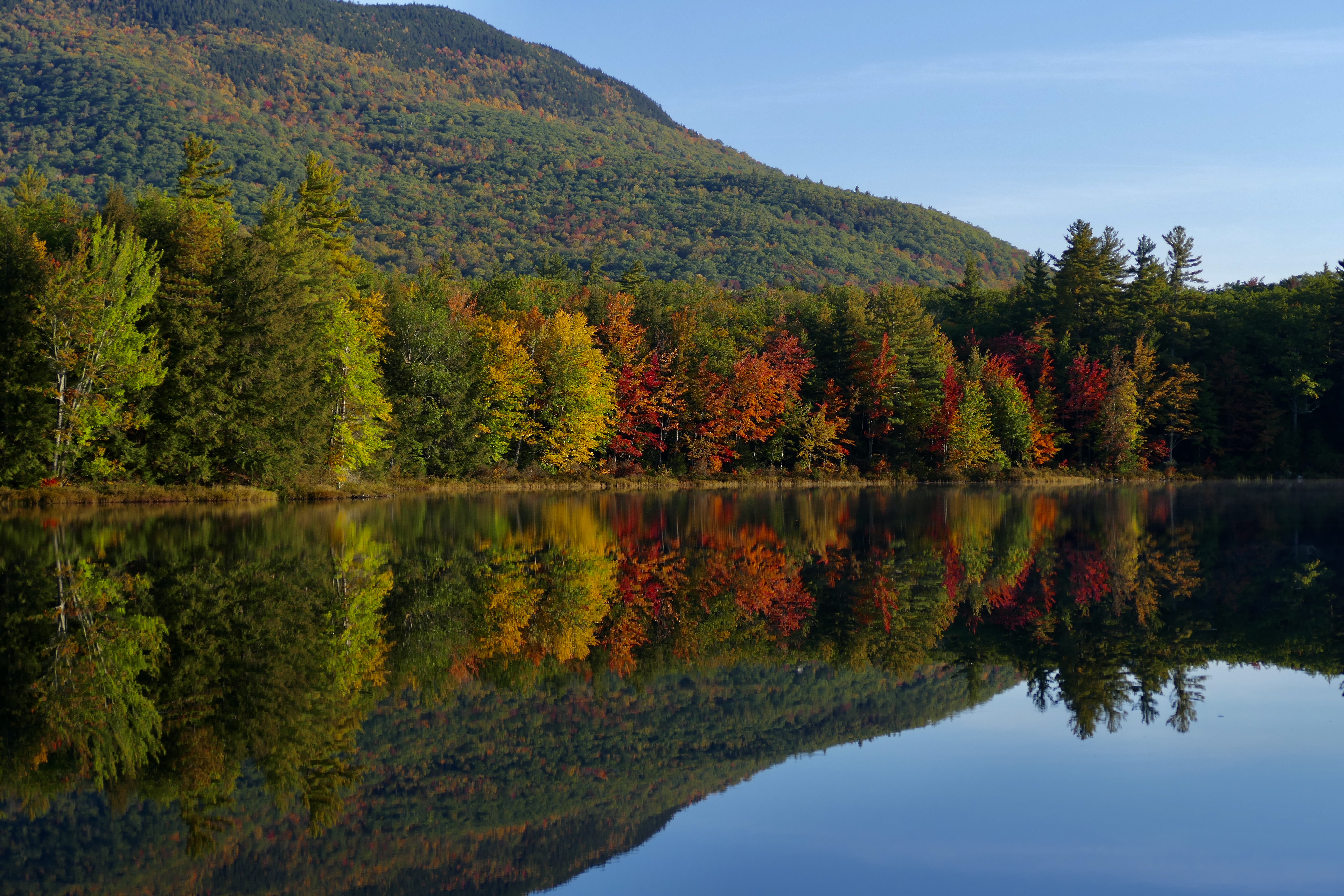
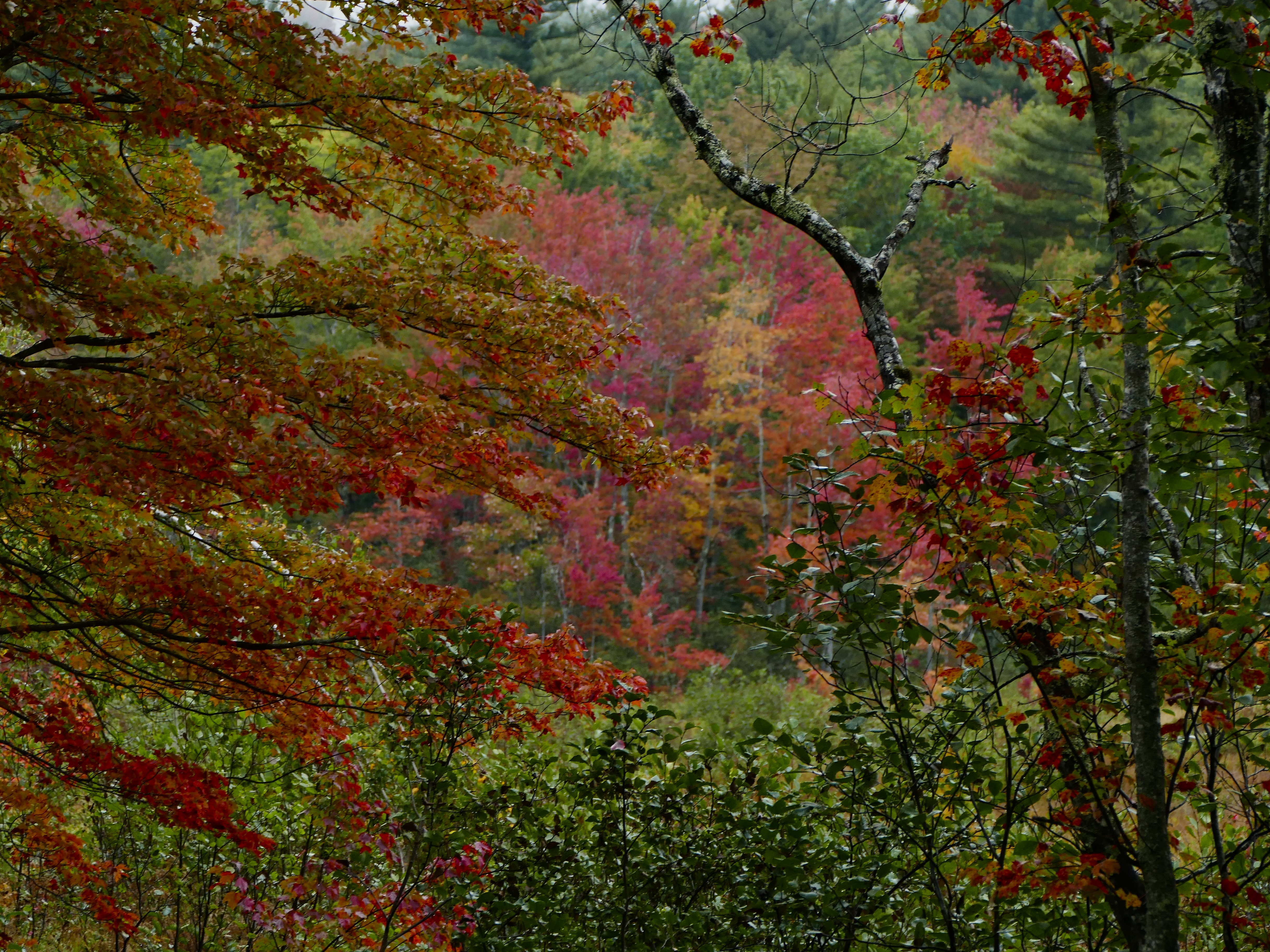
How much more beautiful the lakes now like Fair Haven surrounded by the autumn tinted woods & hills.— as in an ornamented frame. Some maples in sprout lands are of a delicate pure clear unspotted red inclining to crimson—surpassing most flowers— I would fain grasp at the whole tree & carry it home for a nose-gay.

October 1, 1856

in Thoreau’s Journal:

Examined an Asclepias Cornuti pod, already opening. As they dry, the pods crack open by the seam along their convex or outer side, revealing the seeds with their silky parachutes, closely packed in an imbricated manner, already right side up, to the number in one instance of 134, as I counted, and again 270. As they lie, they resemble somewhat a round plump fish, with the silk ends exposed at the tail. Children call them fishes. The silk is divided once or twice by the raised partition of the spongy core around which they are arranged. At the top of some more open and drier, is already a little clump of loosened seeds and down two or three inches in diameter, held by the converging tips of the down, like meridians, and just ready to float away when the wind rises.