in Thoreau’s Journal:
The sun seen setting through the snow-carpeted woods—with shimmering pine needles or dark green spruces & warm brown oak leaves for screens.
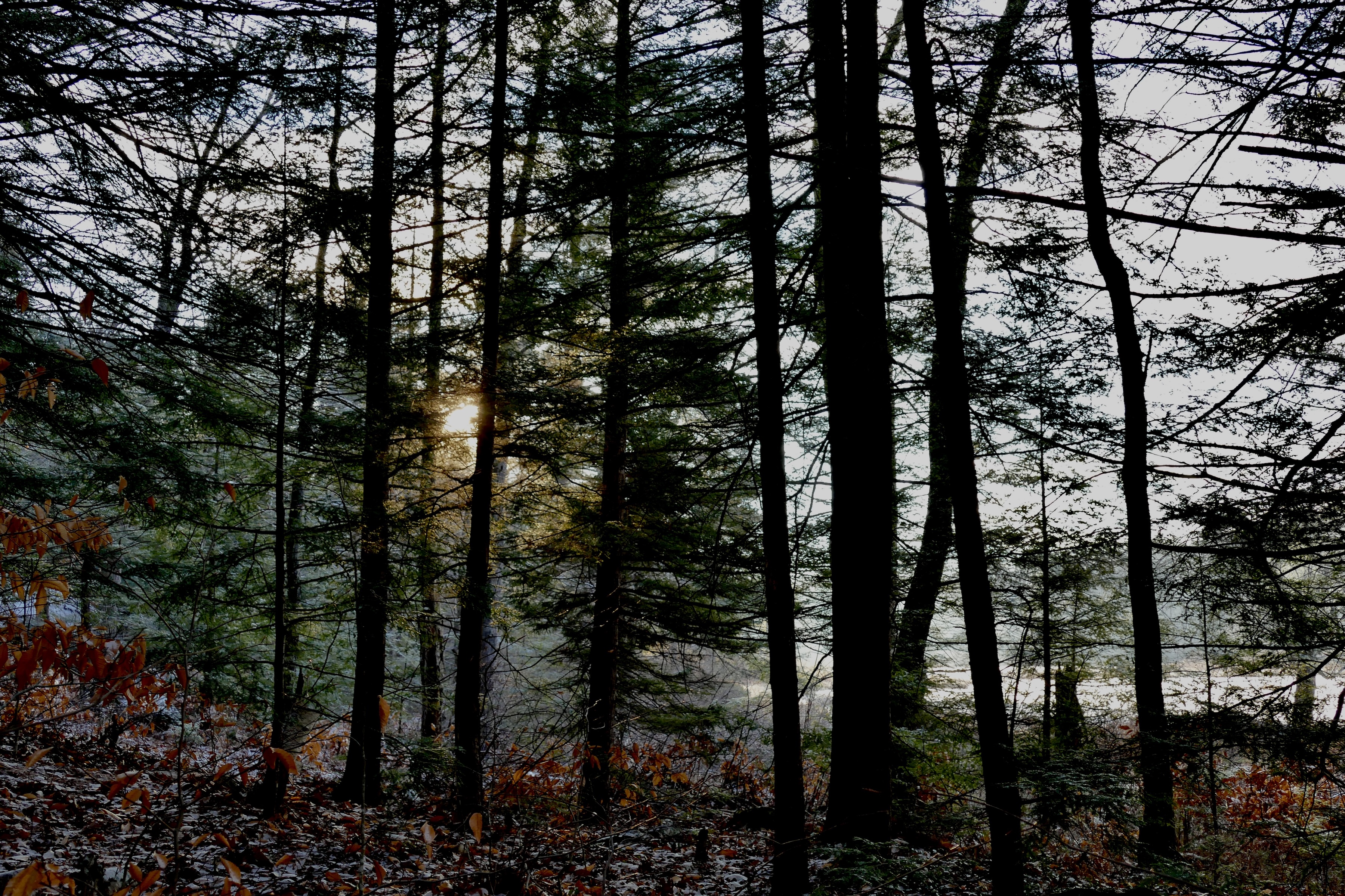
With the advent of snow & ice—so much cold white—the browns are warmer to the eye—
in Thoreau’s Journal:
The sun seen setting through the snow-carpeted woods—with shimmering pine needles or dark green spruces & warm brown oak leaves for screens.
With the advent of snow & ice—so much cold white—the browns are warmer to the eye—
in Thoreau’s Journal:
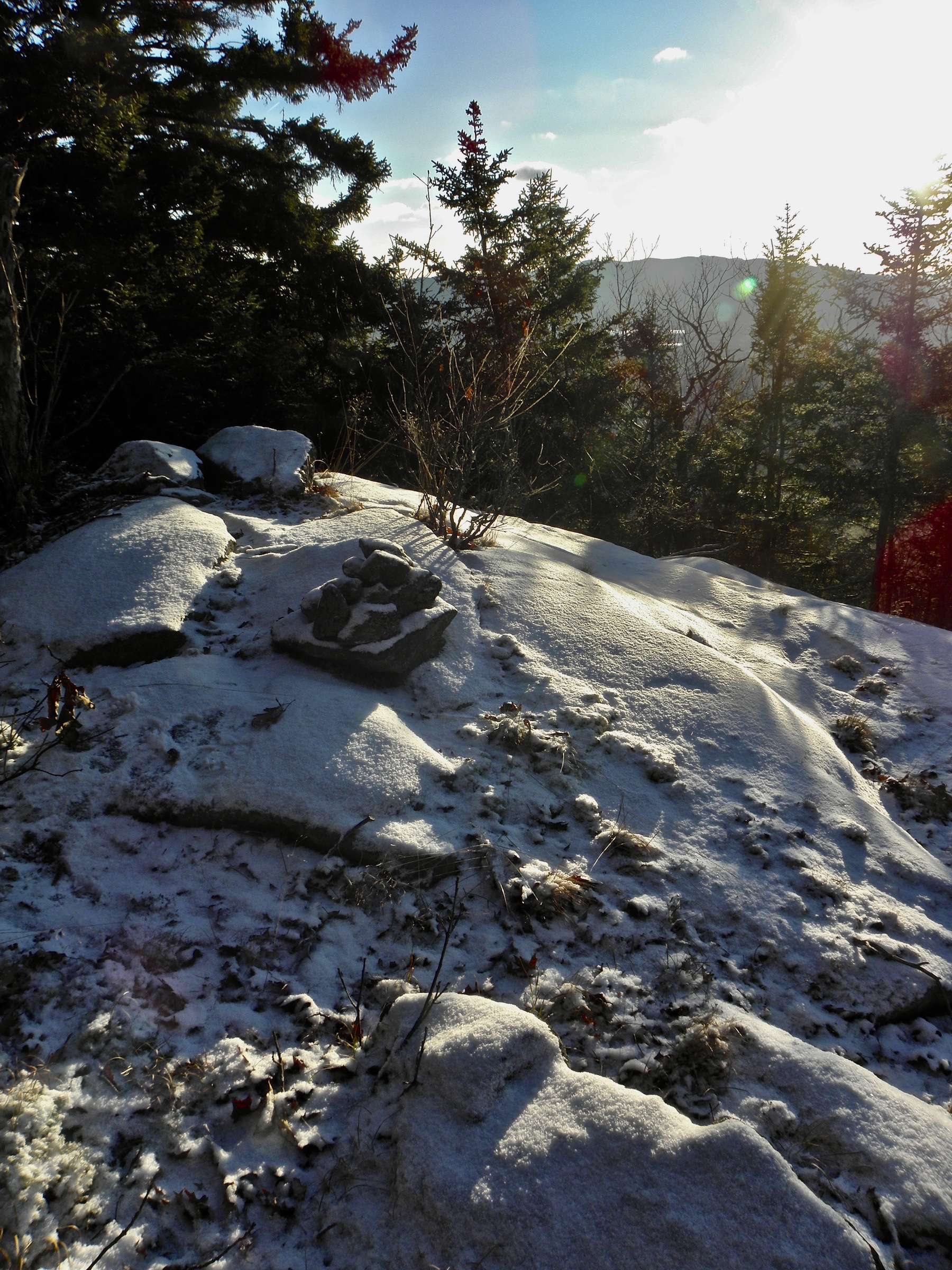
About three inches of snow fell last night. How light and bright the day now; methinks it is was good as a half hour added to the day. White houses no longer stand out and stare in the landscape. The pine woods snowed up look more like the bare oak woods with their gray boughs. The river meadows show now far off a dull straw color or pale brown amid the general white, where the coarse sedge rises about the snow; and distant oak woods are now indistinctly reddish. It is a clear and pleasant winter day. The snow has taken all the November out of the sky.

in Thoreau’s Journal:
I cannot now walk without leaving a track behind me. That is one peculiarity of winter walking. Anybody may follow my trail. I have walked, perhaps, a particular wild path along some swamp side all summer, and thought, to myself, I am the only villager that ever comes here.
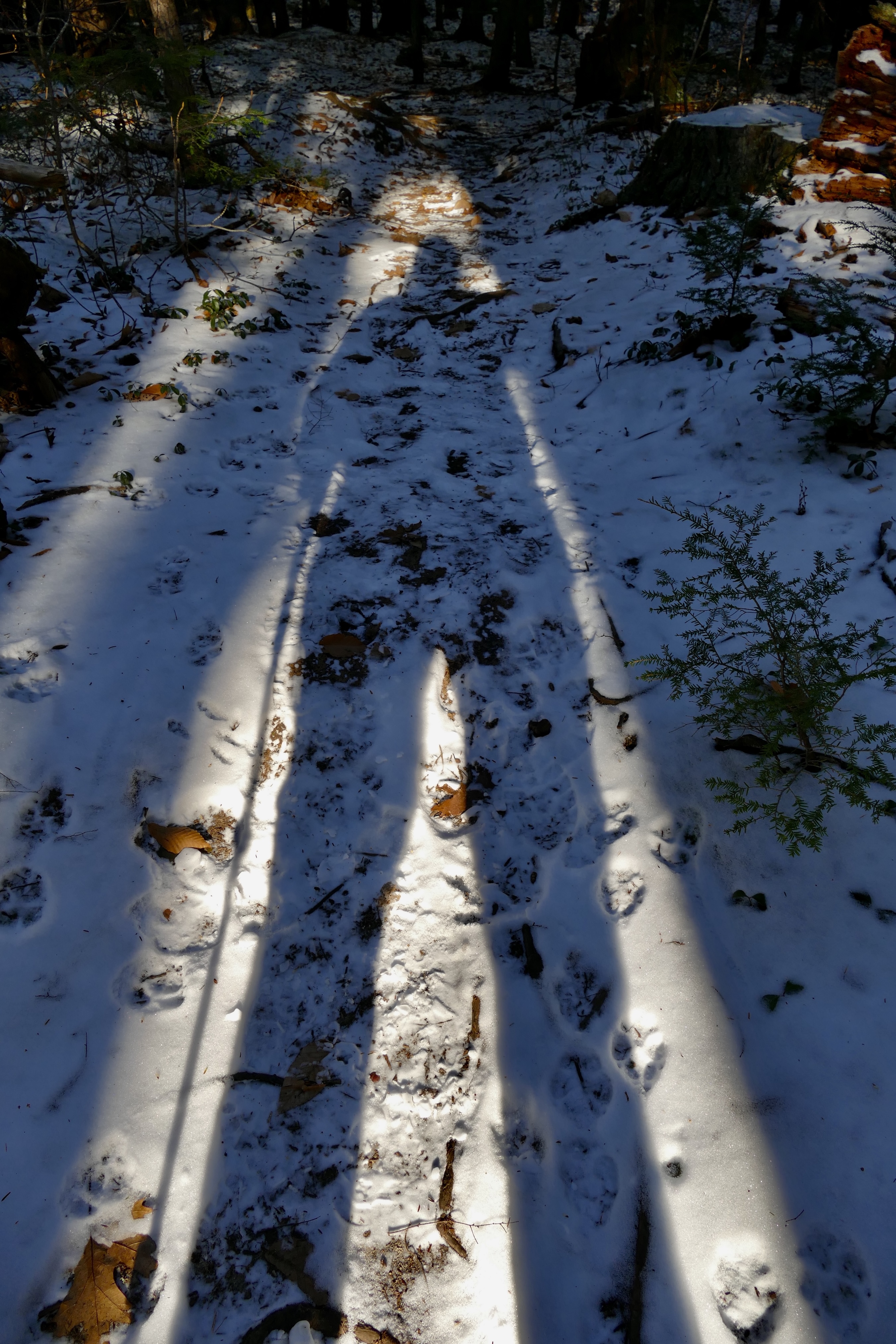
But I go out shortly after the first snow has fallen, and lo, here is the track of a sportsman and his dog in my secluded path, and probably he preceded me in the summer as well. But my hour is not his, and I may never meet him.
in Thoreau’s Journal:
There is little now to be heard along the river but the sedge rustling on the brink.

There is a little ice along most of the shore throughout the day.
in Thoreau’s Journal:
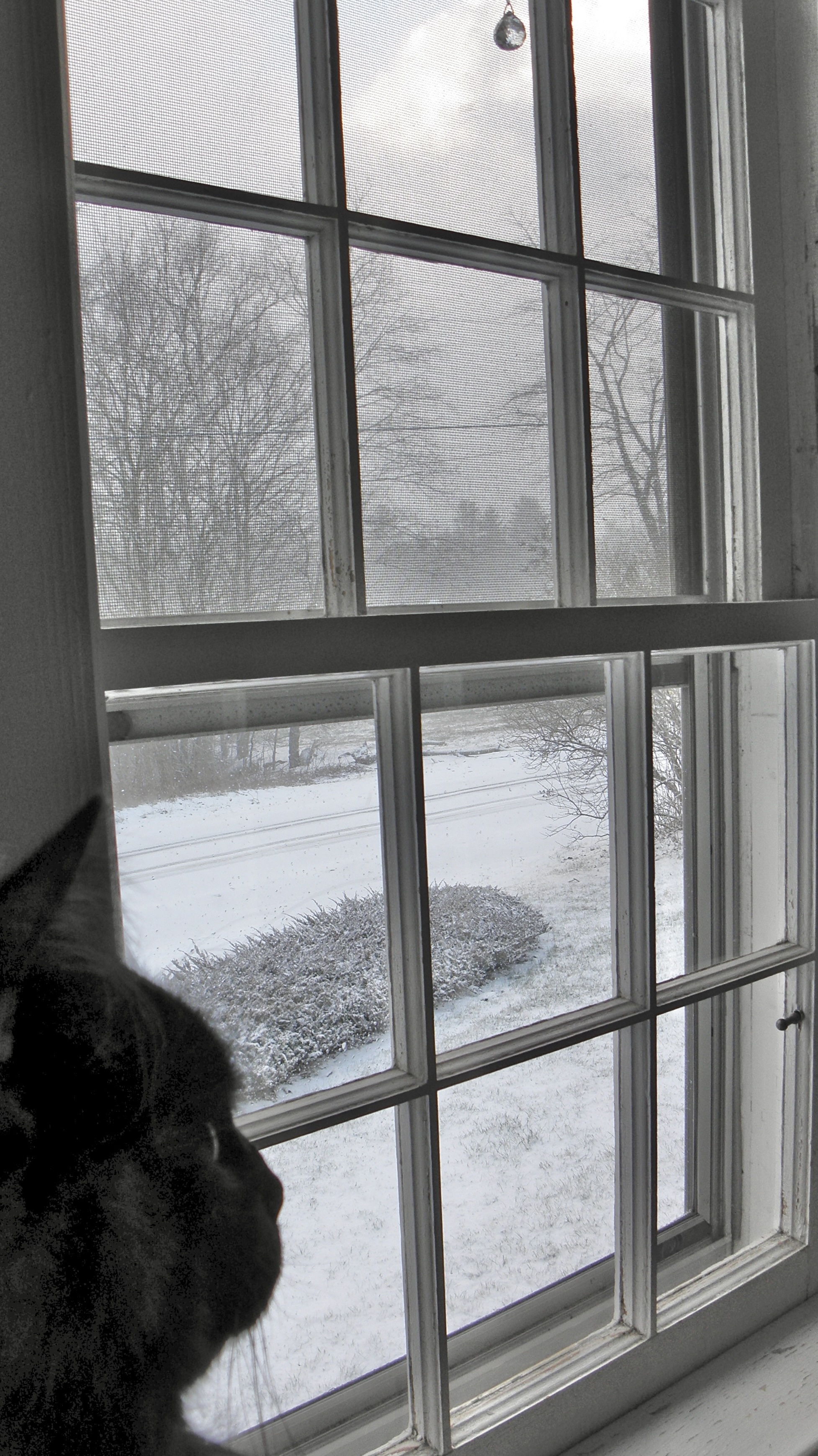
An inch of snow on the ground this morning—our first.
in Thoreau’s Journal:
This afternoon, late & cold as it is has been a sort of Indian summer. Indeed, I think we have summer days from time to time the winter through, and that it is often the snow on the ground which makes the whole difference. This afternoon the air was indescribably clear—& exhilarating—& though the thermometer would have shown it to be cold I thought there was a finer & purer warmth than in summer.
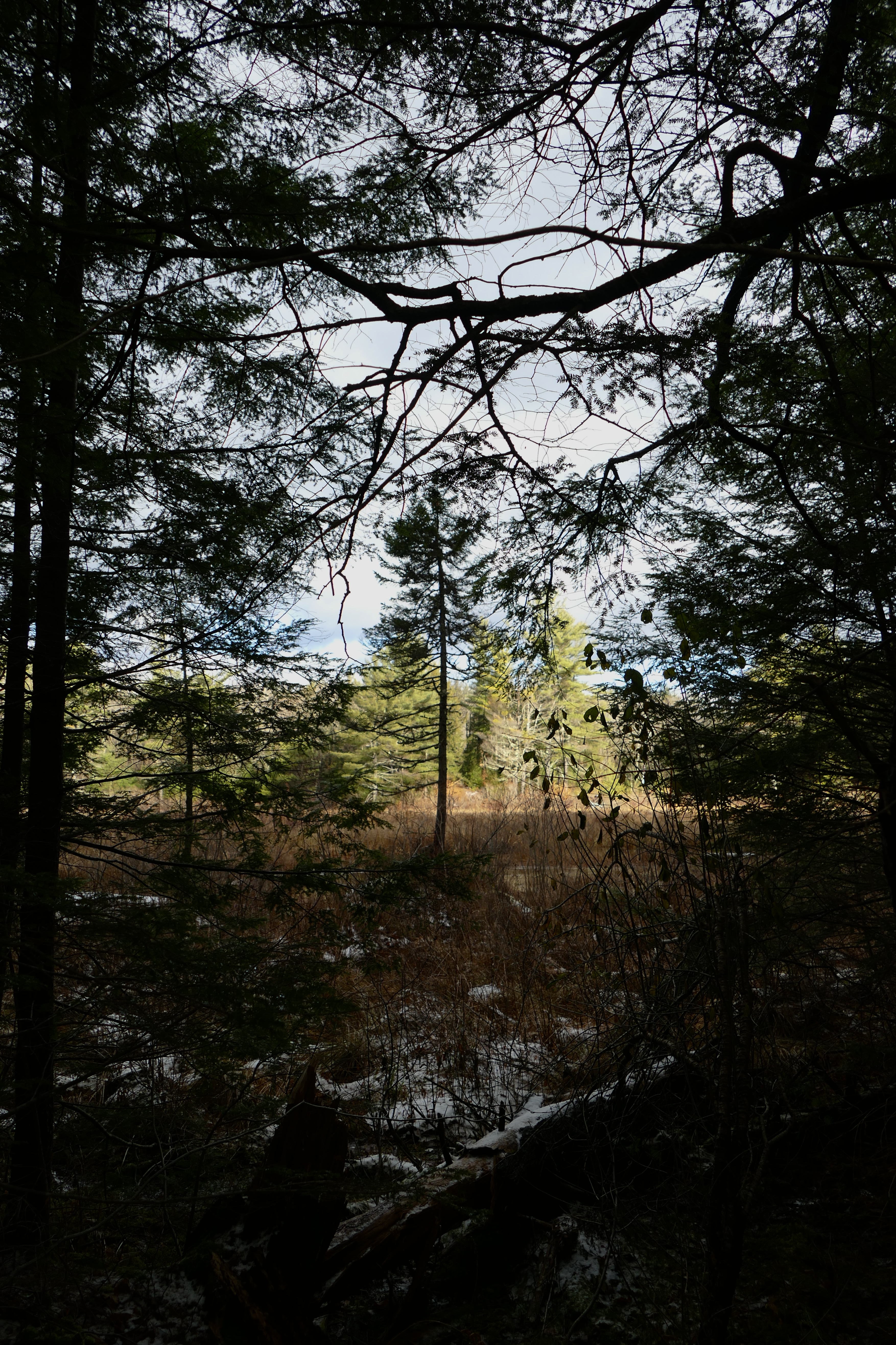
A wholesome intellectual warmth in which the body was warmed by the mind’s contentment— The warmth hardly sensuous but rather the satisfaction of existence….
November 24, 1860 in Thoreau’s Journal:
The first spitting of snow—a flurry or squall—from out a gray or slate colored cloud that came up from the west—This consisted almost entirely of pellets an eighth of an inch or less in diameter– These drove along almost horizontally curving upward like the outline of a breaker—before the strong & chilling wind. The plowed fields were for a short time whitened with them—
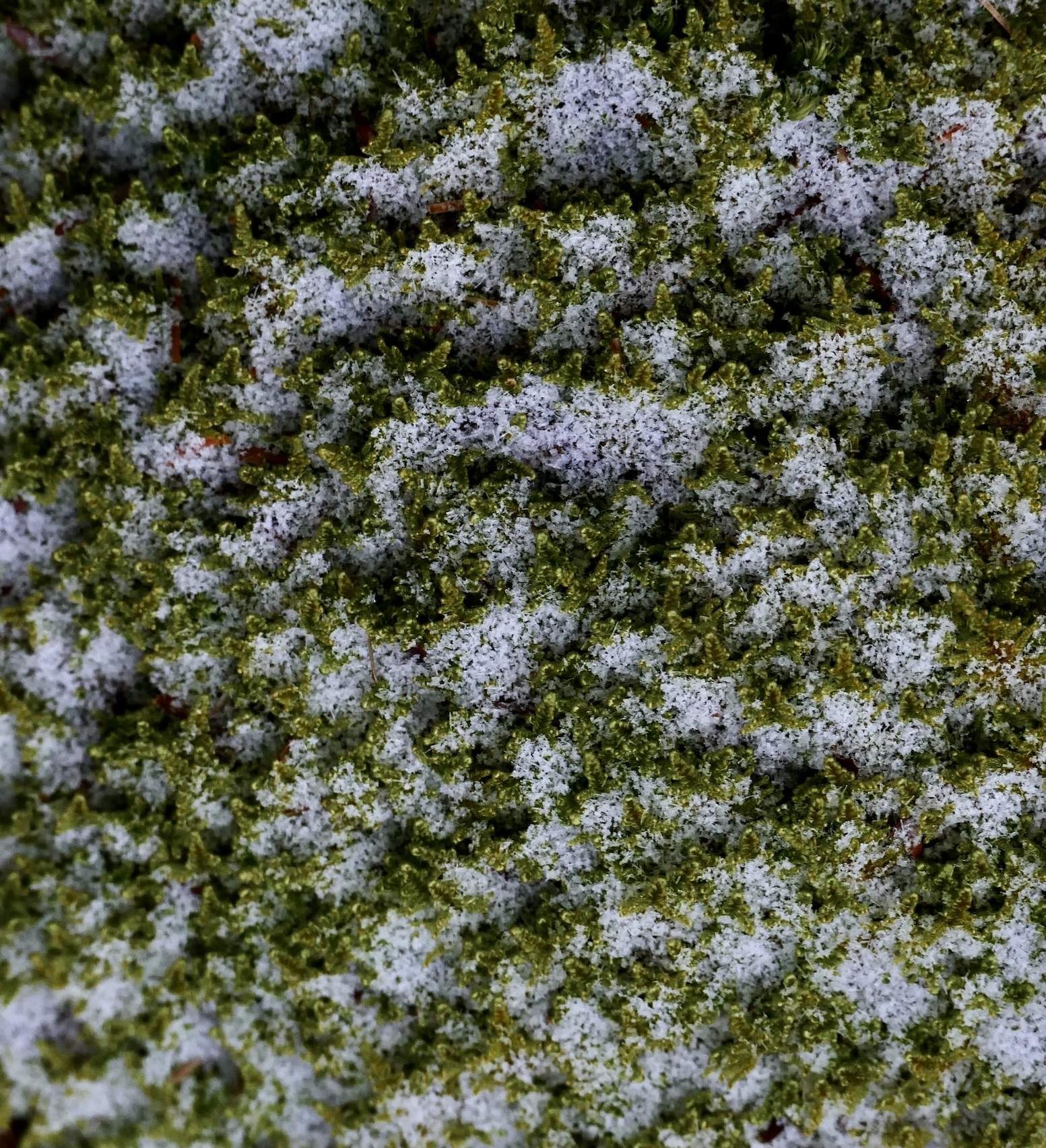
The green moss about the barest trees was very prettily spotted white with them—and also the large beds of cladonia in the pastures—
in Thoreau’s Journal:

Most of us are still related to our native fields as the navigator to undiscovered islands in the sea.
in Thoreau’s Journal:

Geese went over yesterday, and to-day also.
in Thoreau’s Journal:

I am made to love the pond & meadow as the wind is made to ripple the water.
in Thoreau’s Journal:

Decidedly finger-cold to-night.
in Thoreau’s Journal:
Consider the phenomena of morn, or eve, and you will say that nature has perfected herself by an eternity of practice, – evening stealing over the fields, the stars coming to bathe in retired waters, the shadows of the trees creeping farther and farther into the meadows, and a myriad phenomena besides.

in Thoreau’s Journal:
About an inch of snow fell last night—but the ground was not at all frozen or prepared for it—a little greener grass & stubble here & there seems to burn its way through it this forenoon—
The snow is the great track-revealer—I come across the tracks of persons who at different hour from myself have crossed—& perhaps often cross some remote field on their errands—where I had not suspected a predecessor—& the track of the dog or staff are seen too. The latter have tracked their whole pasture over. —as if there had been a thousand.
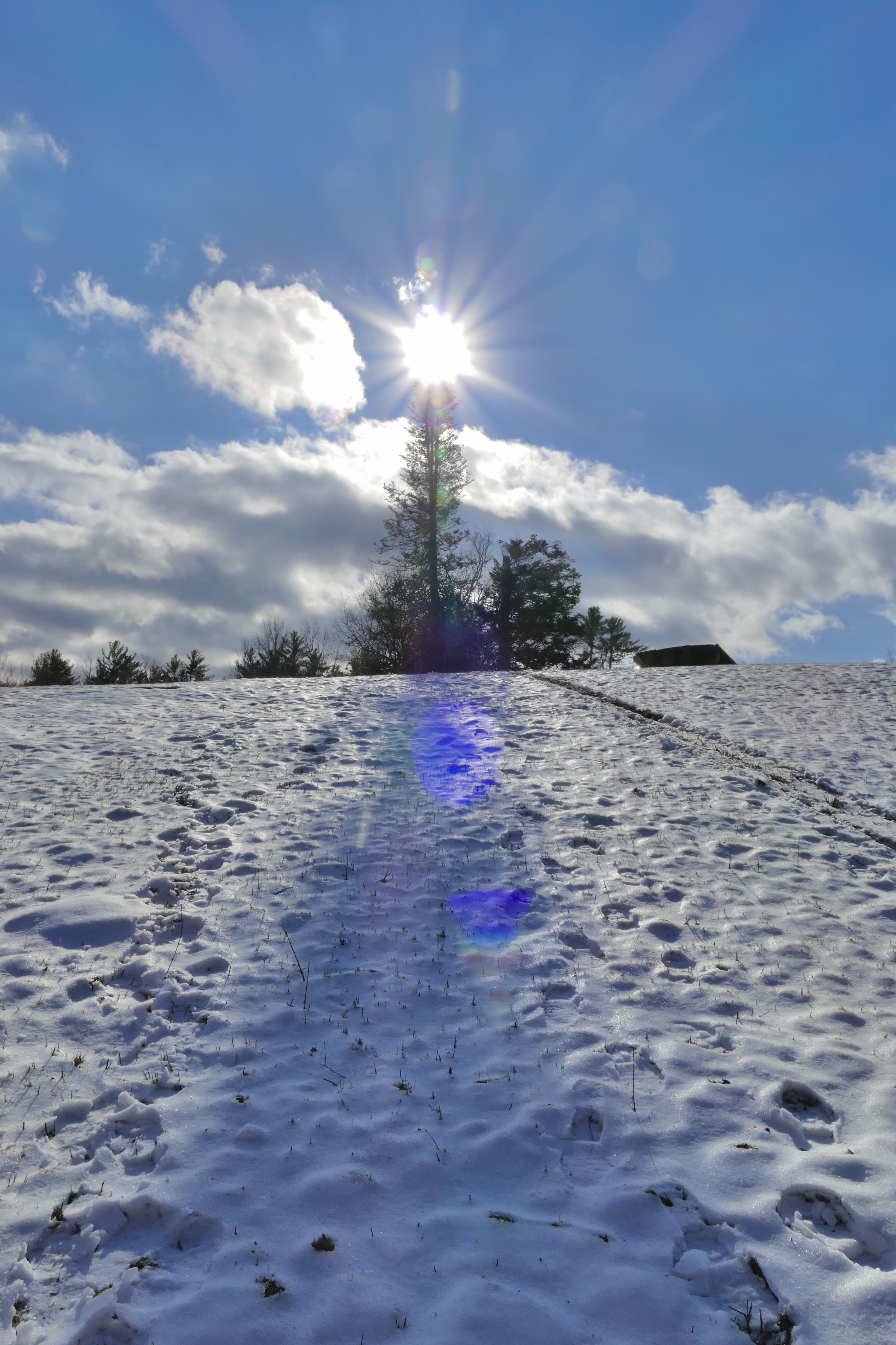
I have thus silent but unerring evidence of any who have crossed the fields since last night– It is pleasant to see tracks leading towards the woods to be reminded that any have engagements there. Yet for the most part the snow is quite untrodden– Most fields have no tracks of man in them– I only see where a squirrel has leaped from the wall…
in Thoreau’s Journal:
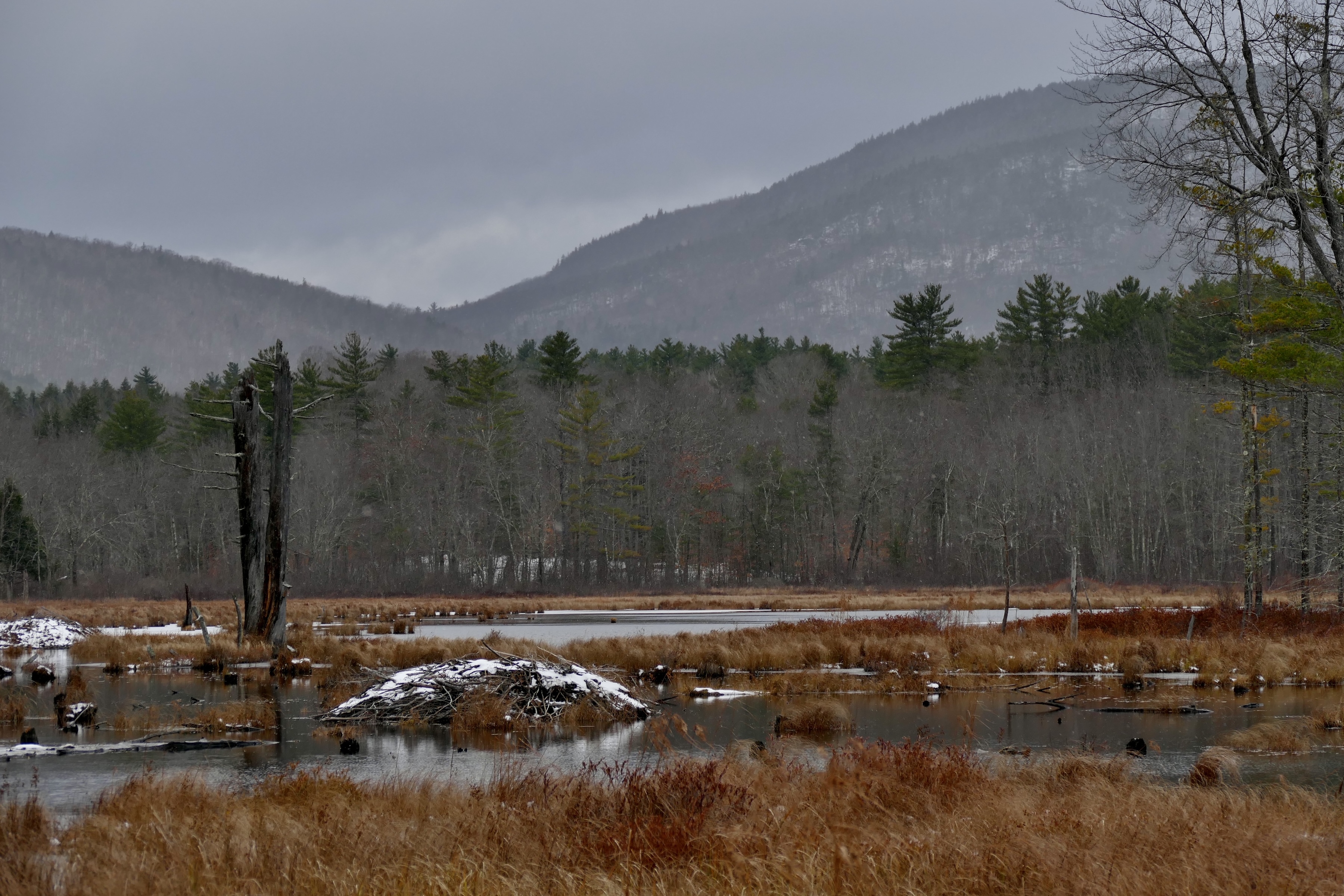
The very sunlight on the pale-brown-bleached fields is an interesting object these cold days. I naturally look toward it as a wood fire. Not only different objects are presented to our attention at different seasons of the year, but we are in a frame of body and mind to appreciate different objects at different seasons. I see one thing when it is cold and another when it is warm.
in Thoreau’s Journal:
My Journal should be the record of my love. I would write in it only of the things I love, my affection for any aspect of the world, what I love to think of.
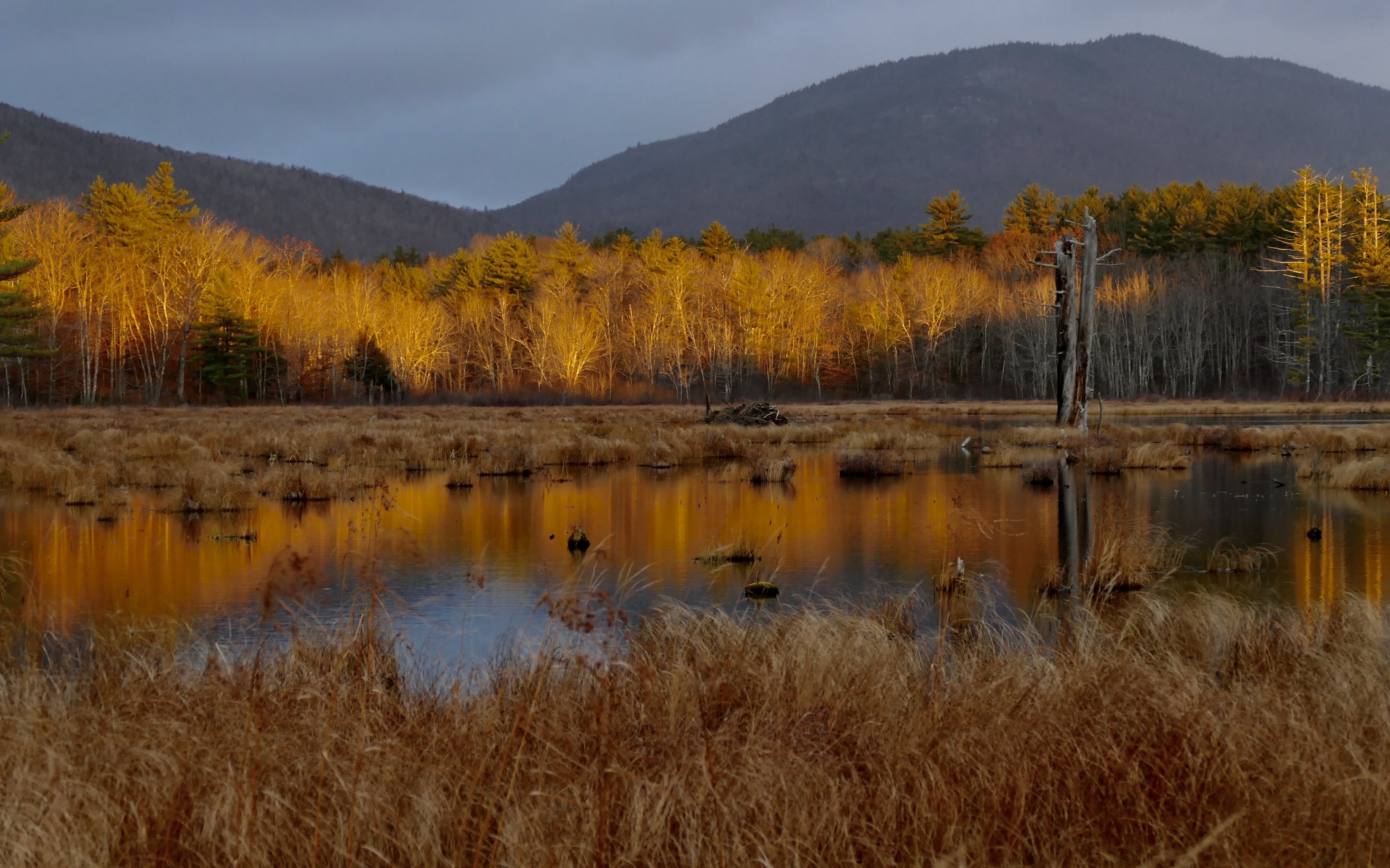
I have no more distinctness or pointedness in my yearnings than an expanding bud, which does indeed point to flower and fruit, to summer and autumn, but is aware of the warm sun and spring influence only. I feel ripe for something, yet do nothing, can’t discover what that thing is. I feel fertile merely. It is seed time with me. I have lain fallow long enough.
in Thoreau’s Journal:
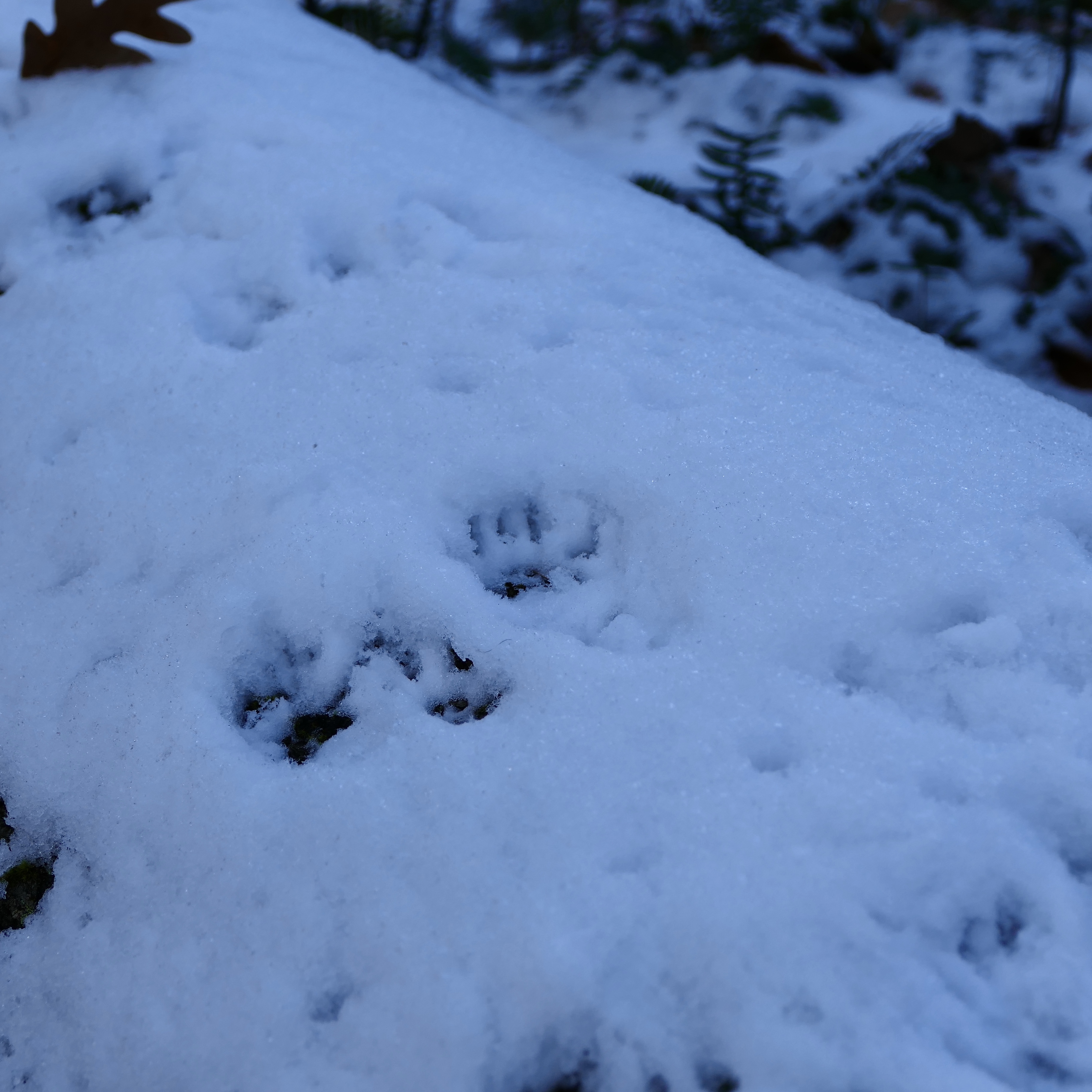
Slight as the snow is–you are now reminded occasionally in your walks that you have contemporaries–& perchance predecessors–
in Thoreau’s Journal:

It is very cold and windy— Thermometer 26+. I walk to Walden & andromeda ponds— It is all at once perfect winter. I walk on frozen ground 2/3 covered with a sugaring of dry snow—& this strong & cutting NW wind makes the oak leaves rustle drily enough to set your heart on edge—

in Thoreau’s Journal:
Truly a hard day—hard Times these. Not a mosquito left. Not an insect to hum. Crickets gone into winter quarters— Friends long since gone there—& you left to walk on frozen ground—with your hands in your pockets.
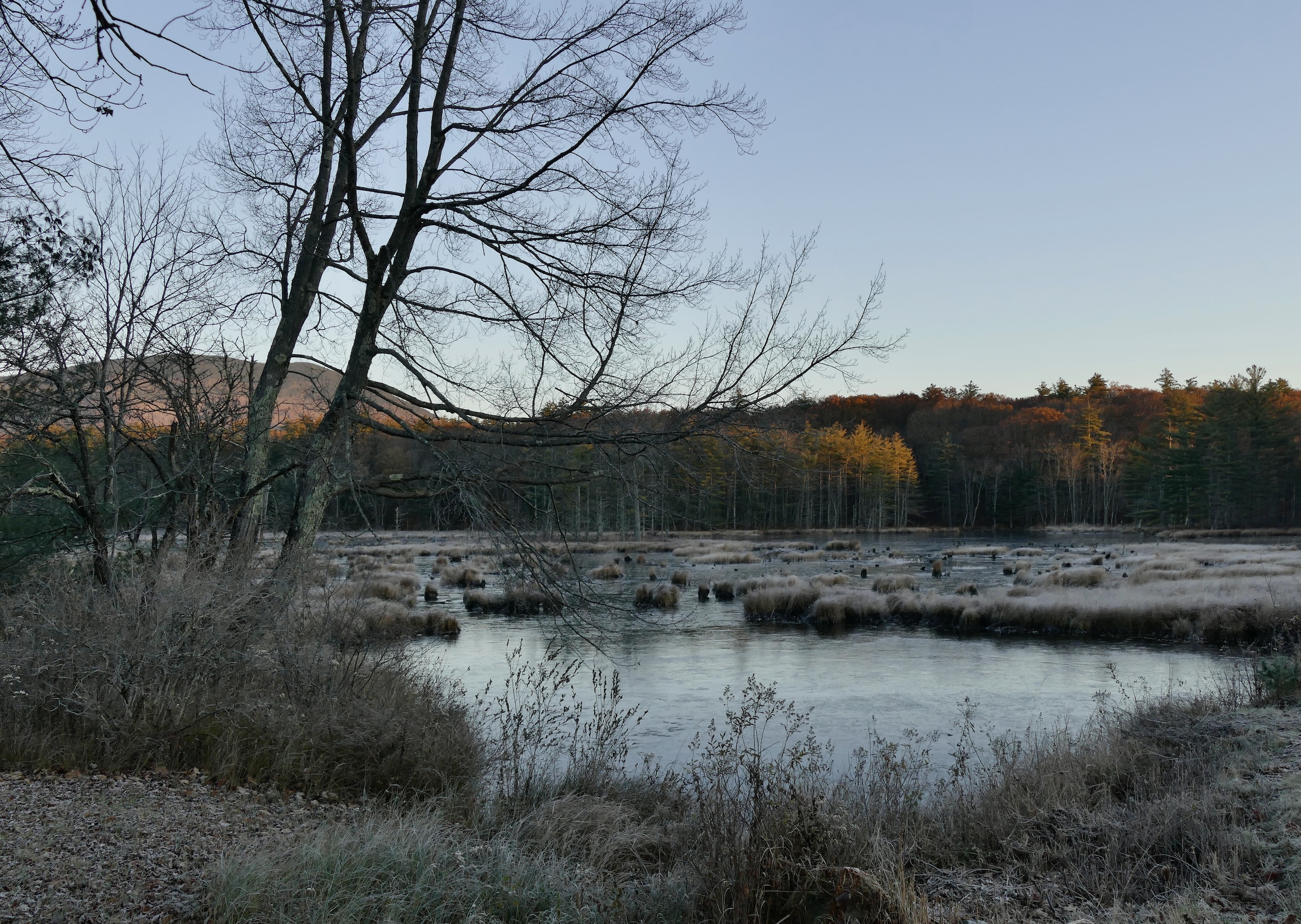
Ah but is not this a glorious time for your deep inward fires?— & will not your green hickory & white oak burn clean—in this frosty air?
in Thoreau’s Journal:
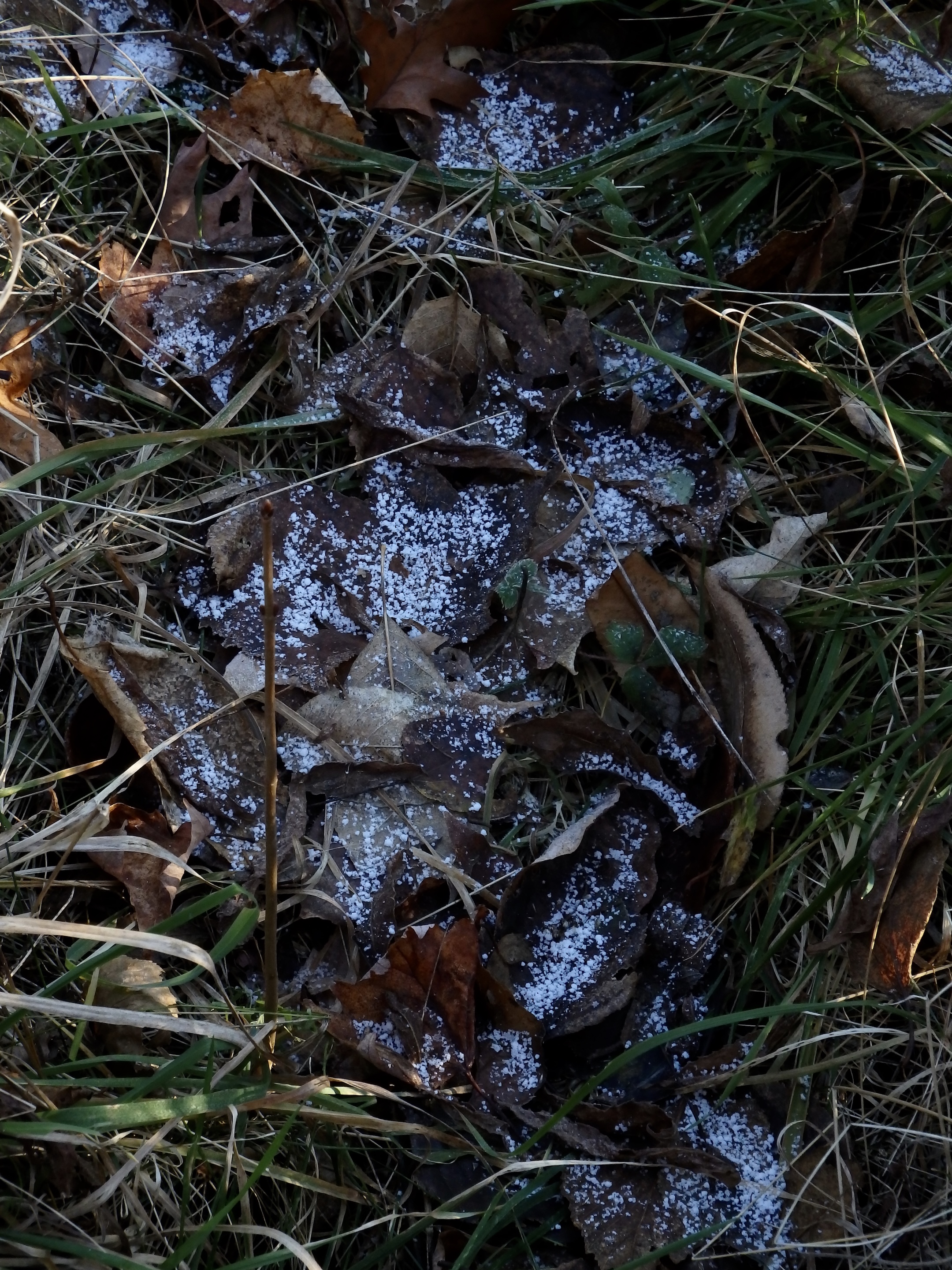
The first sprinkling of snow, which for a short time whitens the ground in spots.
I do not know how to distinguish between our waking life and a dream. Are we not always living the life that we imagine we are?
Fear creates danger, and courage dispels it.
in Thoreau’s Journal:
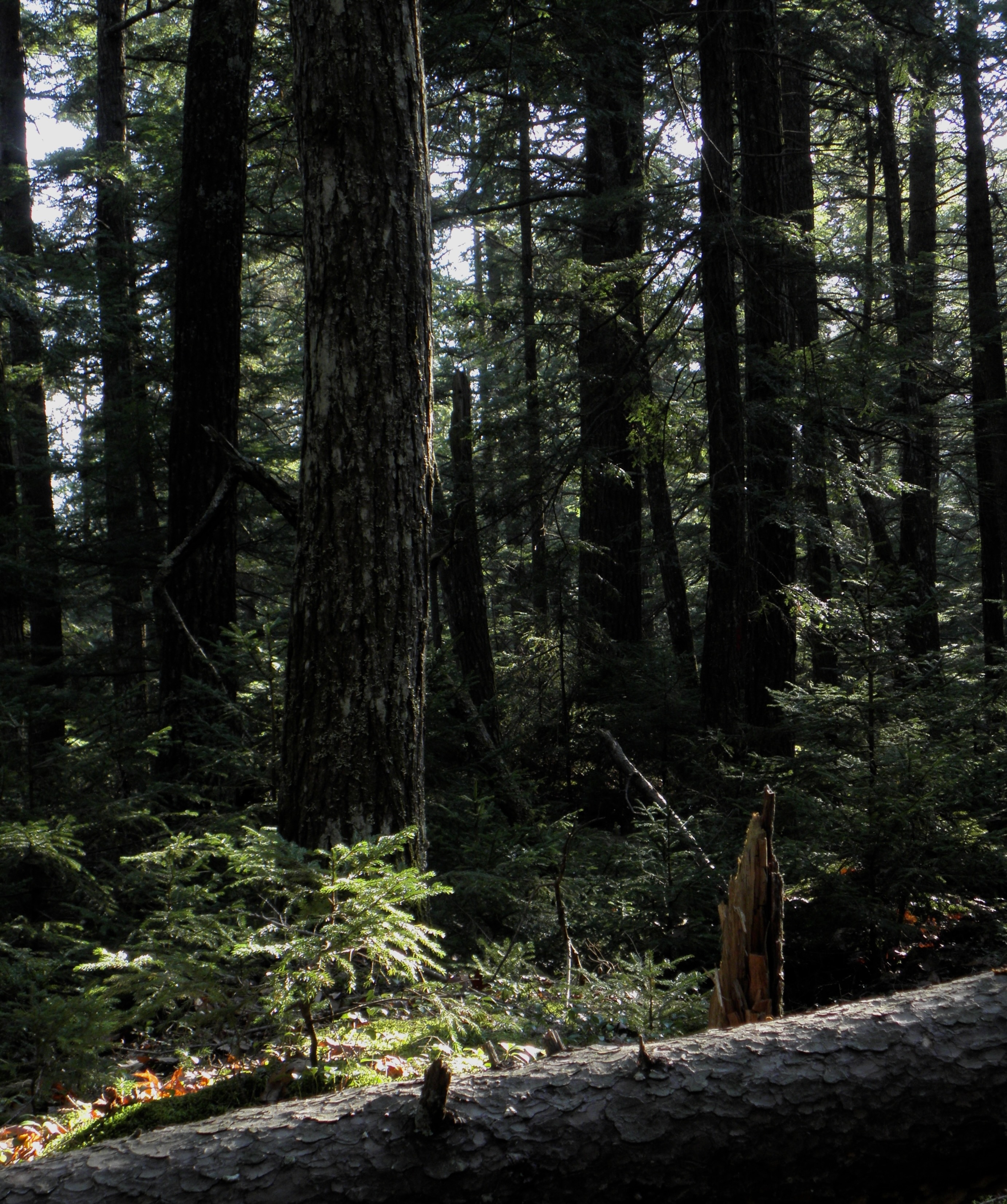
I am glad of the shelter of the thick pine wood on the Marlboro’ road—on the plain. The roar of the wind over the pines sounds like the surf on countless beaches—an endless shore—& at intervals it sounds like a gong resounding through the halls & entries. How the wind roars among the shrouds of the wood i.e. there is a certain resounding woodiness in the tone— The sky looks mild & fair enough from this shelter.— every withered blade of grass & every dry weed—as well as pine needle—reflects light— The lately dark woods are open & light—the sun shines in upon the stems of trees which it has not shone on since spring — Around the edges of ponds the weeds are dead and there too the light penetrates— The atmosphere is less moist & gross & light is universally dispersed. We are greatly indebted to these transition seasons or states of the atmosphere—which show us thus phenomena which belong not to the summer or the winter of any climate. The brilliancy of the autumn is wonderful—this flashing brilliancy—as if the atmosphere were phosphoric…
 allandibiase.com
You must be logged in to post a comment.