in Thoreau’s Journal:

This morning the ground is once more whitened with snow—

in Thoreau’s Journal:
This morning the ground is once more whitened with snow—
in Thoreau’s Journal:
Thus steadily but unobserved the winter steals down from the north–till from our highest hills we can discern its vanguard….Little did we think how near the winter was.

It is as if a scout had brought in word that an enemy was approaching in force only a day’s march distant….We had not thought seriously of winter–we dwelt in fancied security yet.
in Thoreau’s Journal:
I too have my spring thoughts even in November.
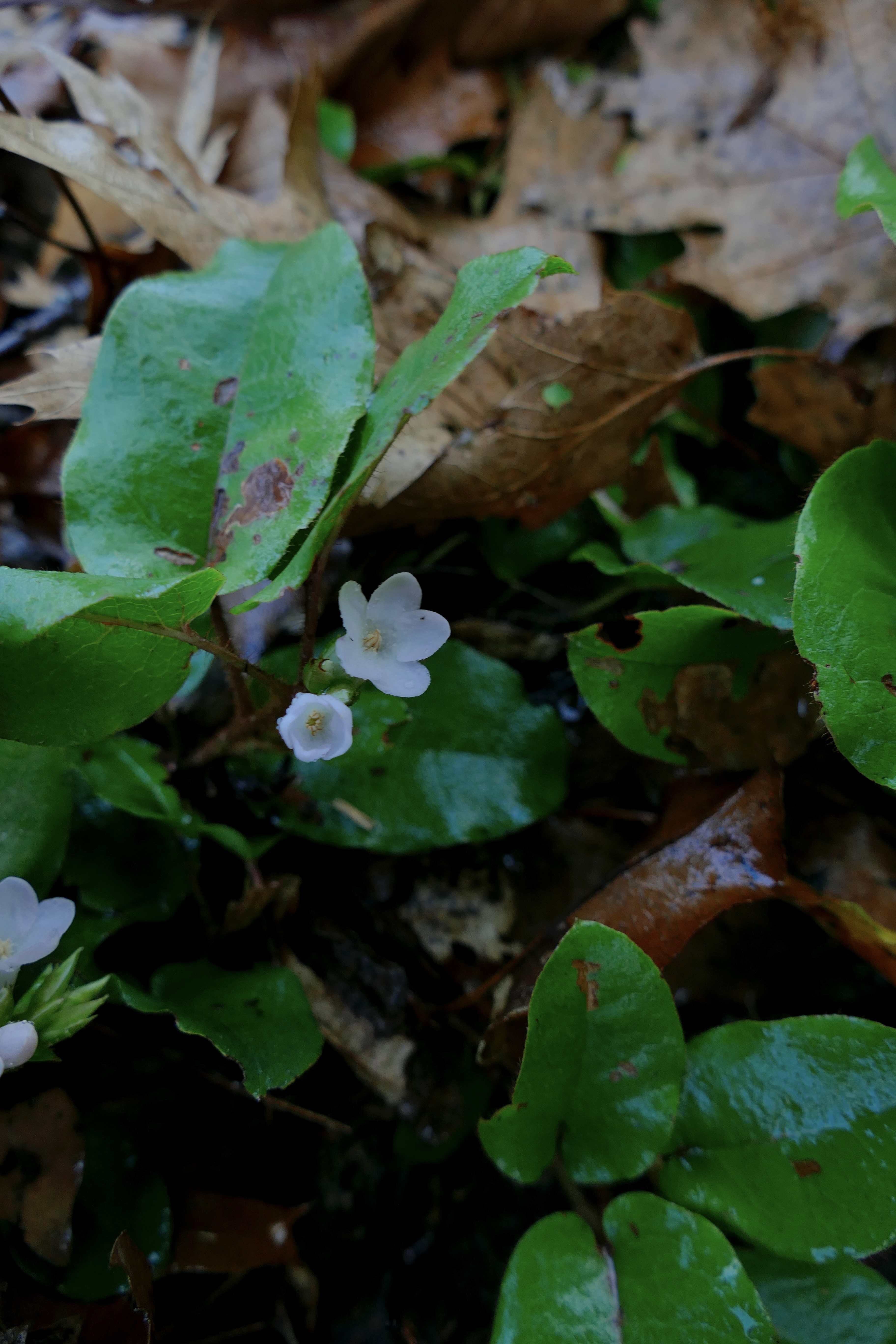
Photo: November 8, 2022
Each phase of nature, while not invisible, is yet not too distinct and obtrusive. It is there to be found when we look for it, but not demanding our attention. It is like a silent but sympathizing companion in whose company we retain most of the advantages of solitude, with whom we can walk and talk, or be silent, naturally, without the necessity of talking in a strain foreign to the place.
in Thoreau’s Journal:
The sun now rises far southward. I see westward the earliest sunlight on the reddish oak leaves & the pines—the former appear to get more than their share— How soon the sun gets above the hills—as if he would accomplish his whole diurnal journey in a few hours at this rate—but it is a long way around & these are nothing to the hill of heaven.
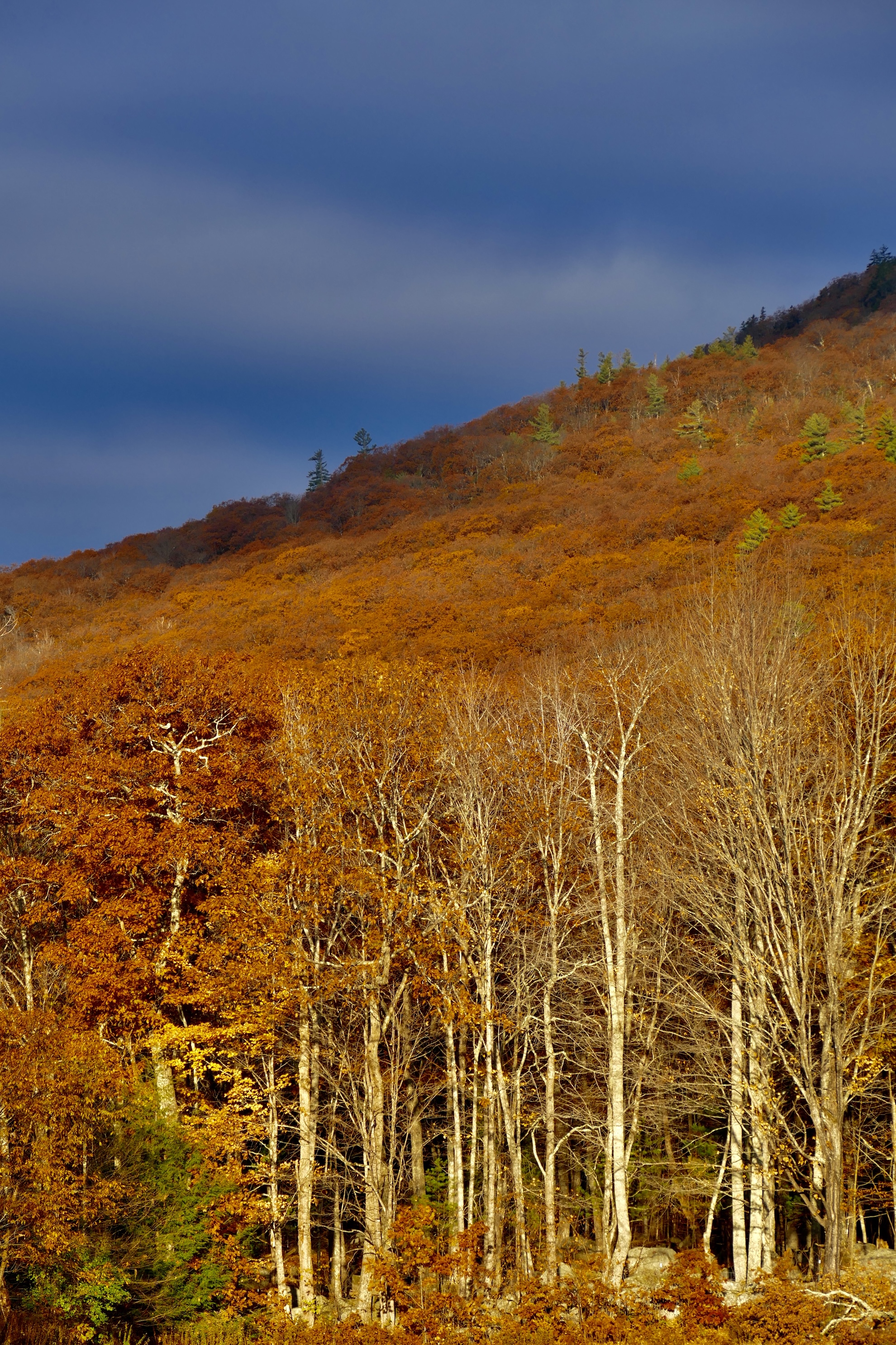
Whether we are idle or industrious the sun is constantly traveling through the sky—consuming arc after arc of this great circle at this same rapid pace.
in Thoreau’s Journal:
Climbed the wooded hill by Holden’s spruce swamp—& got a novel View of the river & Fair Haven Bay—through the almost leafless woods. How much handsomer a river or lake such as ours seems thus through a foreground of scattered or else partially leafless trees though at a considerable distance this side of it—especially if the water is open without wooded shore or isles—

It is the most perfect & beautiful of all frames which yet the sketcher is commonly careful to brush aside. I mean a foreground—a view of the distant water through the near forest—through a thousand little vistas—as we are rushing toward the former—that intimate mingling of wood & water which excites an expectation which the near & open view rarely realizes. We prefer that some part be concealed—which our imagination may navigate.
in Thoreau’s Journal:

I am struck by the fact that the more slowly trees grow at first, the sounder they are at the core, and I think the same is true of human beings. We do not wish to see children precocious, making great strides in their early years like sprouts, producing a soft and perishable timber, but better if they expand slowly at first, as if contending with difficulties, and so are solidified and perfected.
in Thoreau’s Journal:
Must be out-of-doors enough to get experience of wholesome reality—as a ballast to thought and sentiment. Health requires this relaxation, this aimless life. This life in the present.
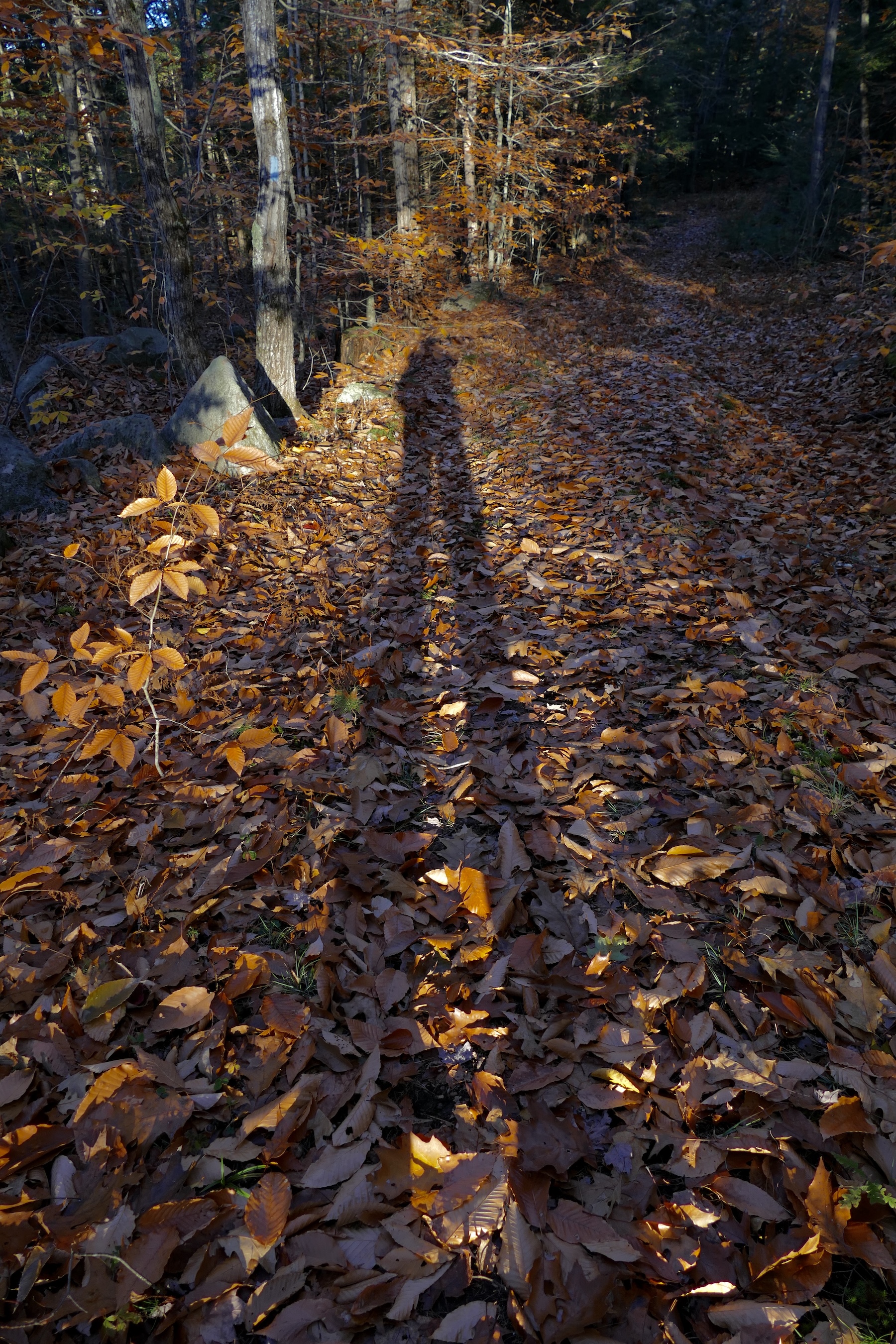
Let a man have thought what he will of Nature in the house—she will still be novel outdoors. I keep out of doors for the sake of the mineral, vegetable, and animal in me….My thought is a part of the meaning of the world, and hence I use a part of the world as a symbol to express my thought.
in Thoreau’s Journal:
By fall I mean literally the falling of the leaves, though some mean by it the changing or the acquisition of a brighter color.
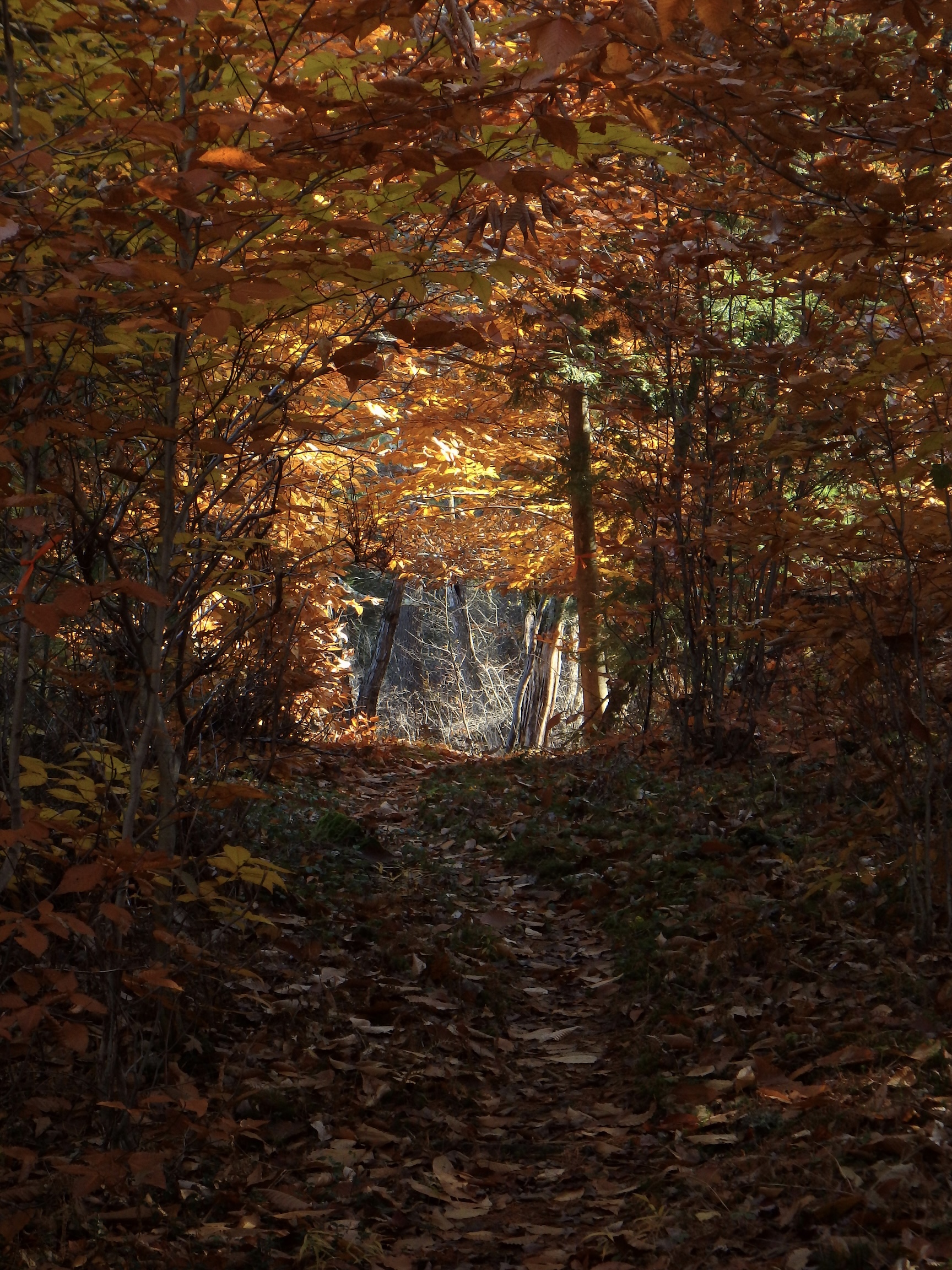
This I call the autumnal tint, the ripening to the fall.
in Thoreau’s Journal:
What is Nature unless there is an eventful human life passing within her?

Many joys and many sorrows are the lights and shadows in which she shows most beautiful.
in Thoreau’s Journal:
It is a bright, clear, warm November day. I feel blessed. I love my life. I warm toward all nature.
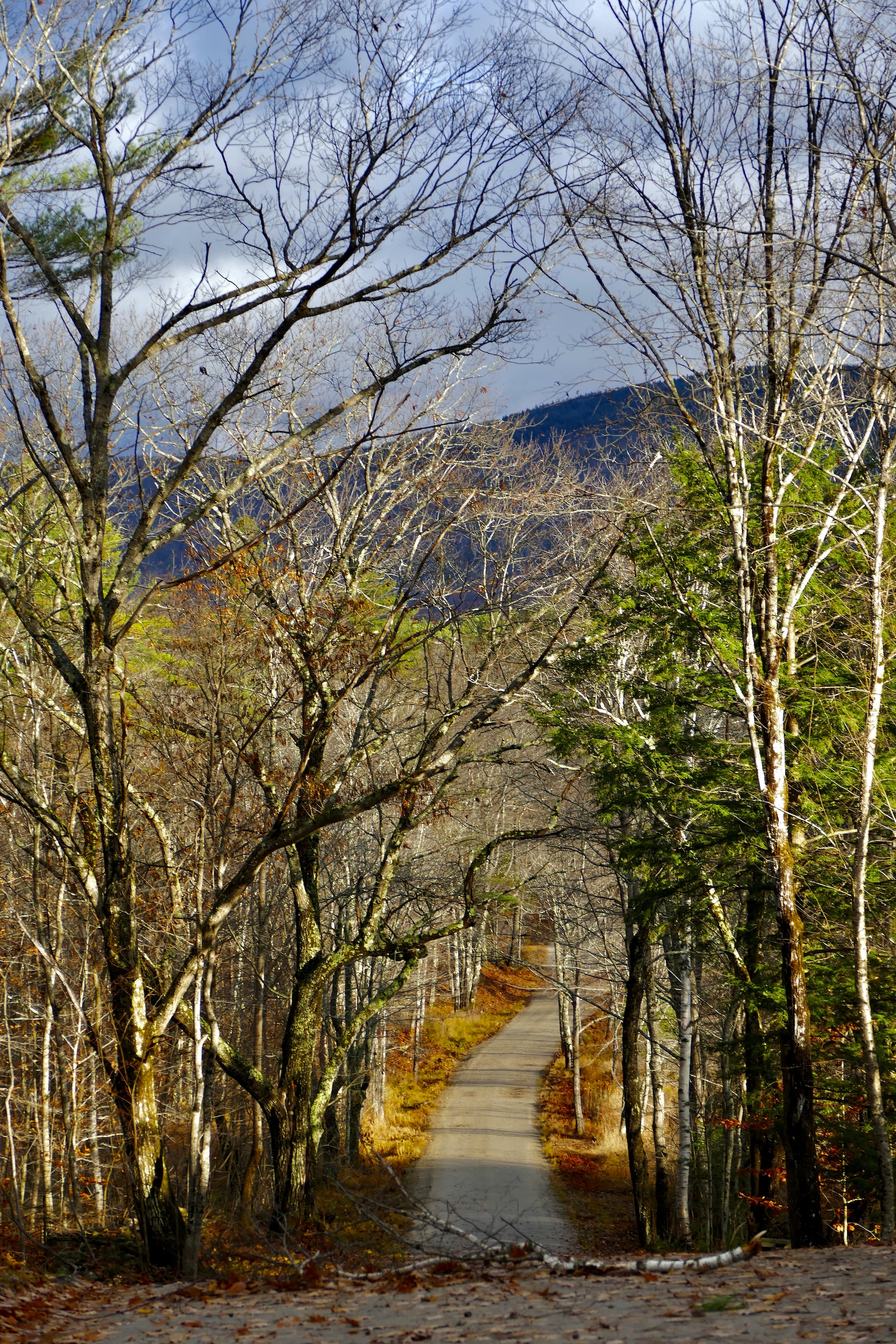
The woods are now much more open than when I last observed them; the leaves have fallen, and they let in light, and I see the sky through them as through a crow’s wing in every direction.
 allandibiase.com
You must be logged in to post a comment.