As it is important to consider nature from the point of view of science—remembering the nomenclature and systems of men—& so if possible go a step further in that direction—so it is equally important often to ignore or forget all that men presume that they know—& take an original and unprejudiced view of Nature—letting her make what impression she will on you—as the first men & all children & natural men do.
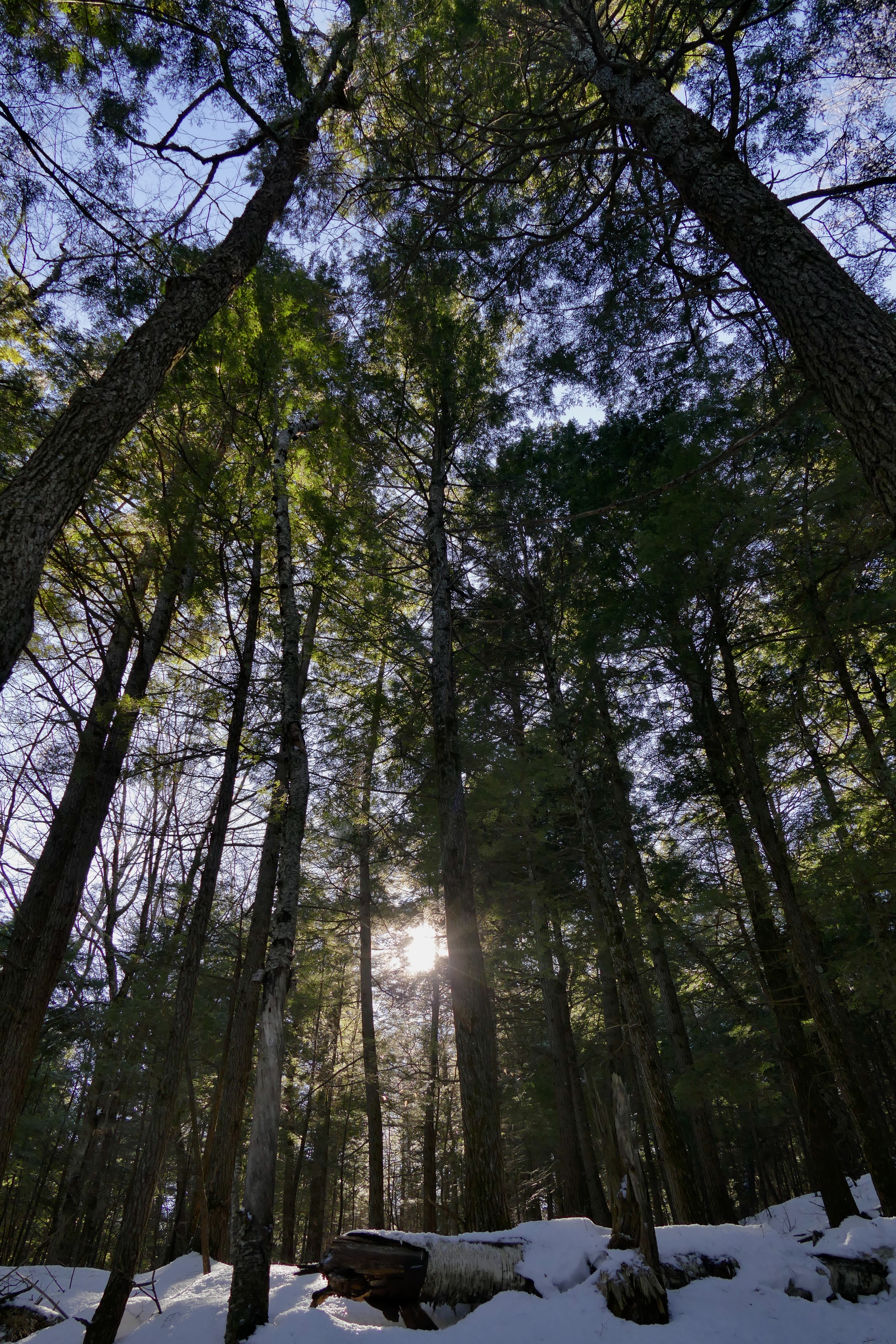
Walking in the woods, it may be some afternoon, the shadow of the wings of a thought flits across the landscape of my mind, and I am reminded how little eventful are our lives.
What have been all these wars and rumors of wars, and modern discoveries and improvements, so called? A mere irritation in the skin. But this shadow which is so soon past, and whose substance is not detected, suggests that there are events of importance whose interval is to us a true historic period.
Why should we live with such hurry & bustle—let us spend one day as deliberately as nature—
Let us rise early & fast or break fast gently and without noise—What if the milk-man does not come in season, white wash our coffee—let us murmur an inward prayer that we may be sustained under this trial & forget him. Let company come & let company go determined to make a day of it. Let the bells ring & the children cry, why should we knock under—& go with the stream.
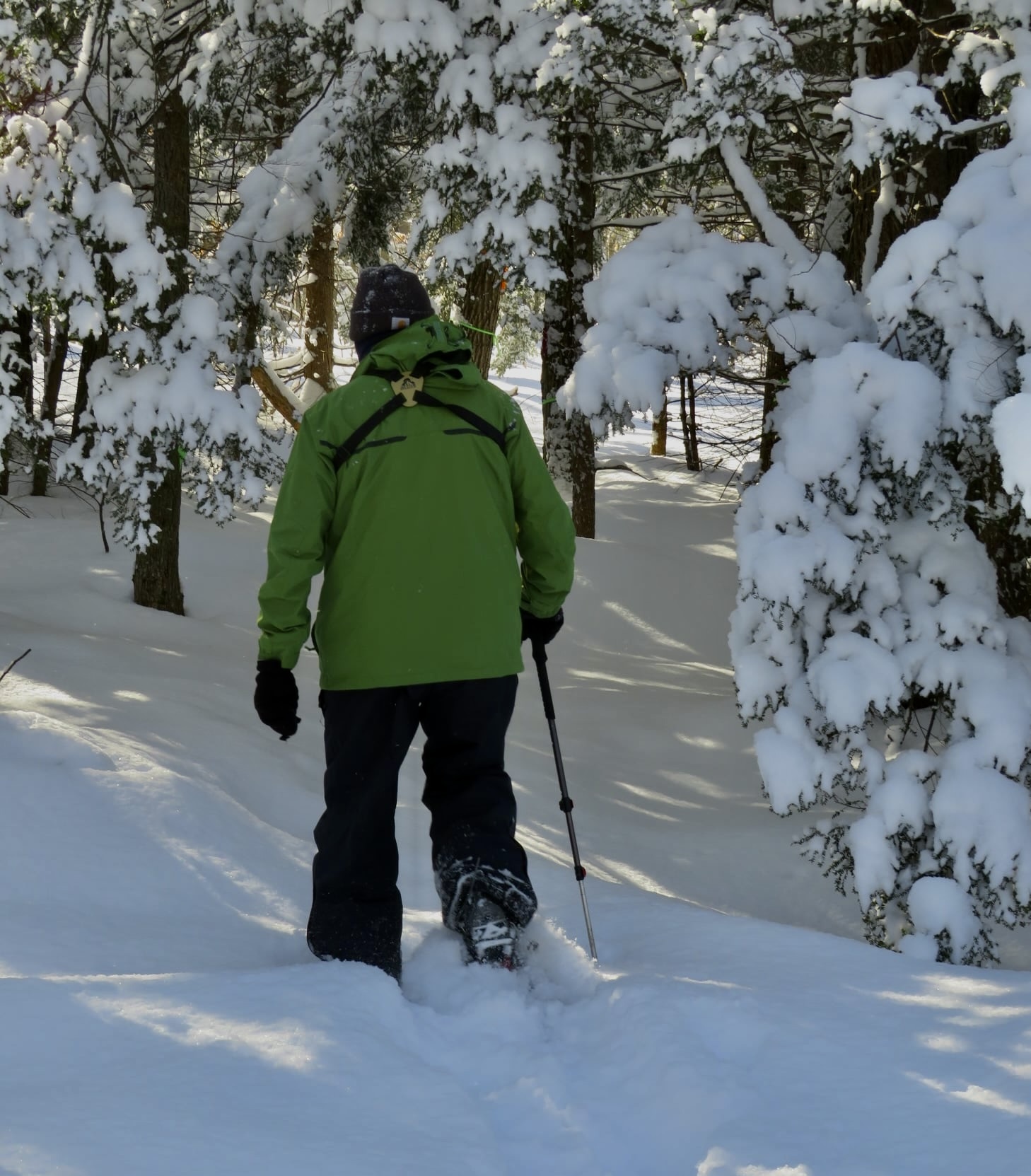
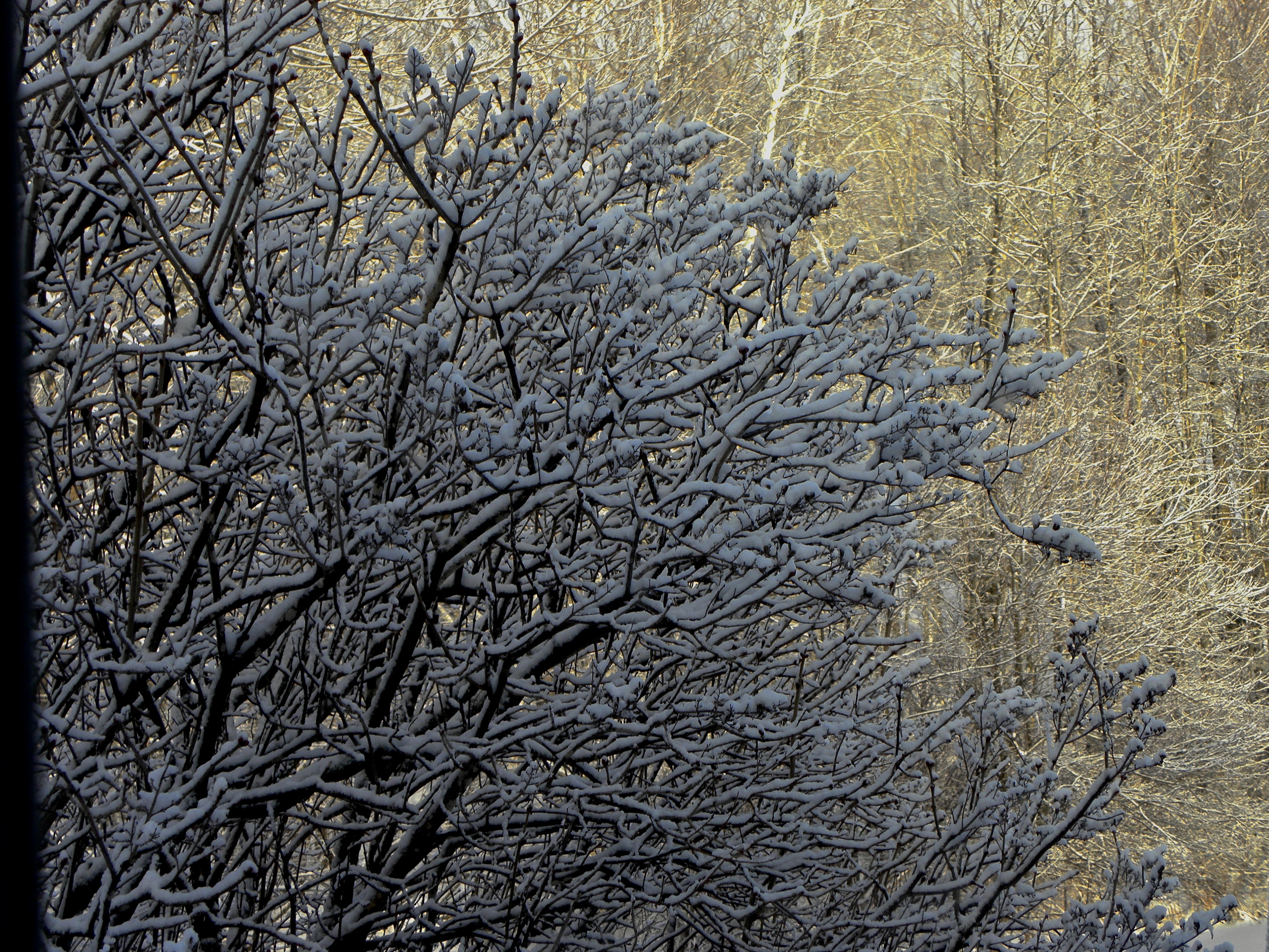
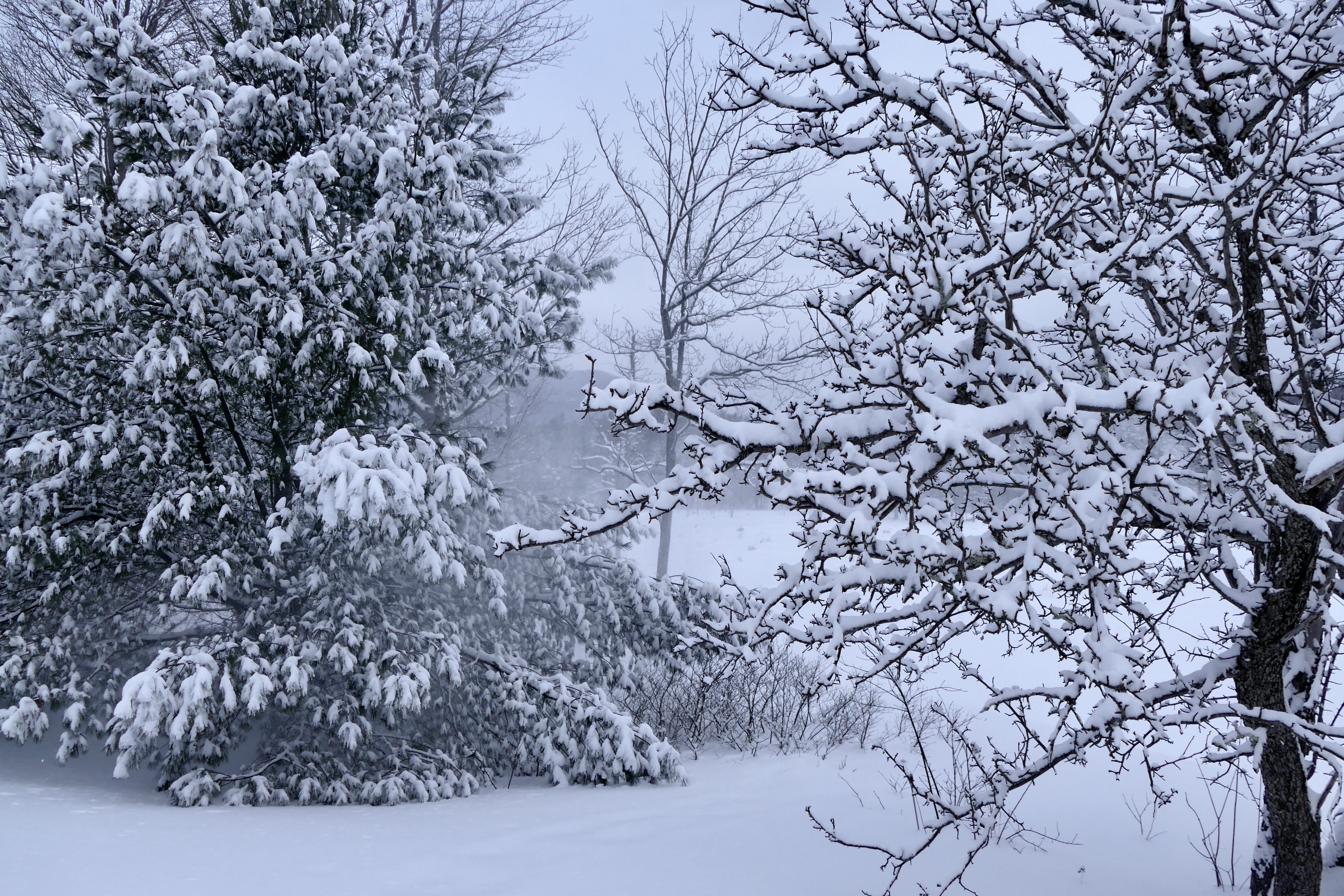
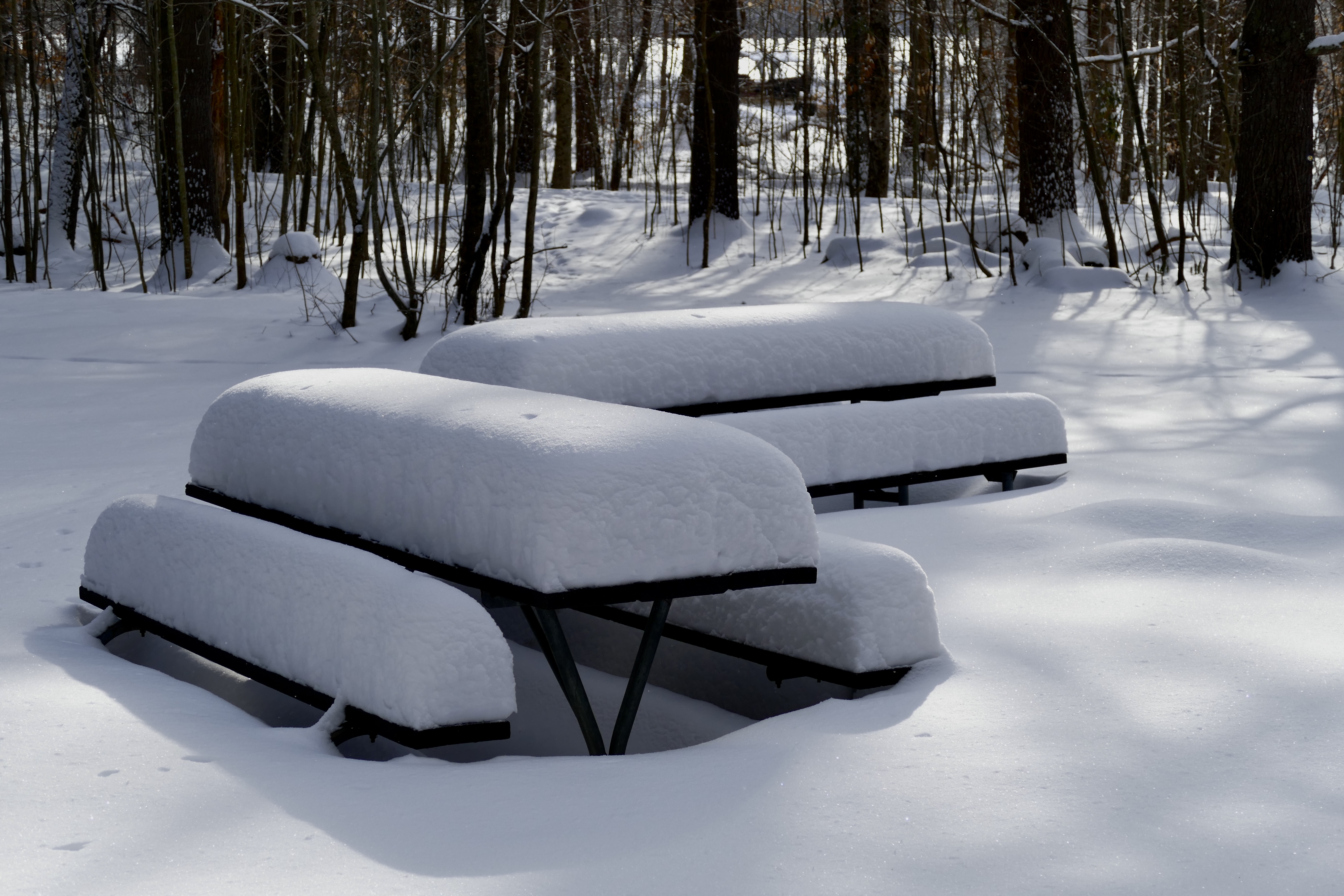
We have had but one & no more this winter (and that I think was the first) of those gentle moist snows which lodge perfectly on the trees—and make perhaps the most beautiful sight of any.
The snow is fine and drives low; is composed of granulated masses one sixteenth to one twentieth of an inch in diameter. Not in flakes at all. I think it is not those large-flaked snow-storms that are the worst for the traveller, or the deepest.
Perhaps the peculiarity of those western vistas was partly owing to the shortness of the days when we naturally look to the heavens & make the most of the little light.— When we live an arctic life. When the woodchopper’s axe reminds us of twilight at 3 o’clock p.m. When the morning & the evening literally make the whole day.
When I travelled as it were between the portals of the night—& the path was narrow as well as blocked with snow.
A snow-storm which began in the night –& is now 3 or 4 inches deep– The ground which was more than half bare before–is thus suddenly concealed–& the snow lodges on the trees & fences & sides of houses–& we have a perfect wintry scene again– We hear that it stormed at Philadelphia yesterday morning.
As look I toward the woods beyond the poor house– & see how the trees—esp apple trees, are suddenly brought out–relieved against the snow–black on white–every twig as distinct as if it were a pen & ink drawing the size of nature. The snow being spread for a back ground, while the storm still raging confines your view to near objects–each apple tree is distinctly outlined against it.
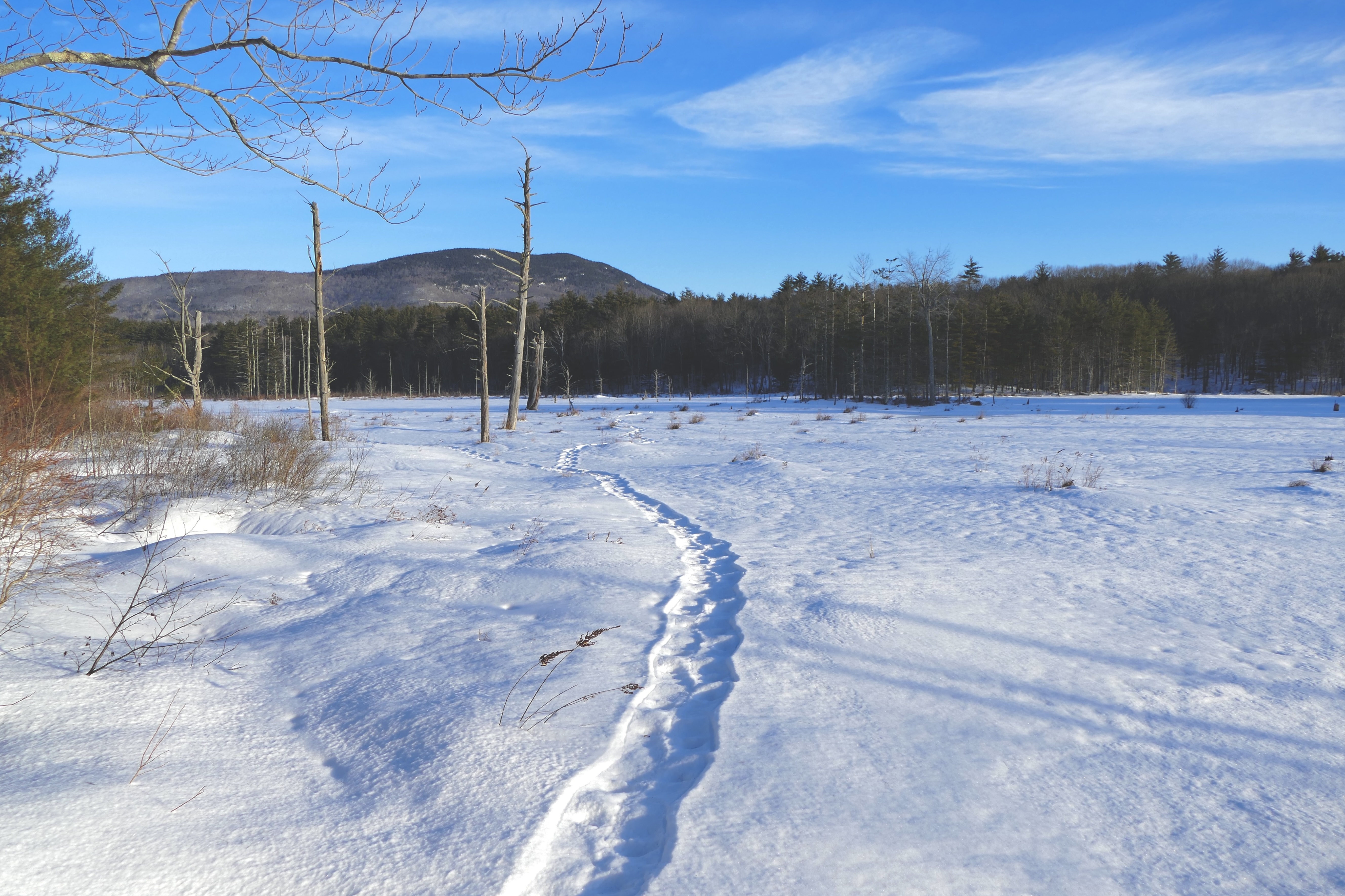
Winter comes to make walking possible where there was no walking in the summer. Not till winter can we take possession of the whole of our territory…The wonderful stillness of a winter day! The sources of sound are, as it were, frozen up…A transient acquaintance with any phenomenon is not sufficient to make it completely the subject of your muse. You must be so conversant with it as to remember it, and be reminded of it long afterward, while it lies remotely fair and elysian in the horizon, approachable only by the imagination…..
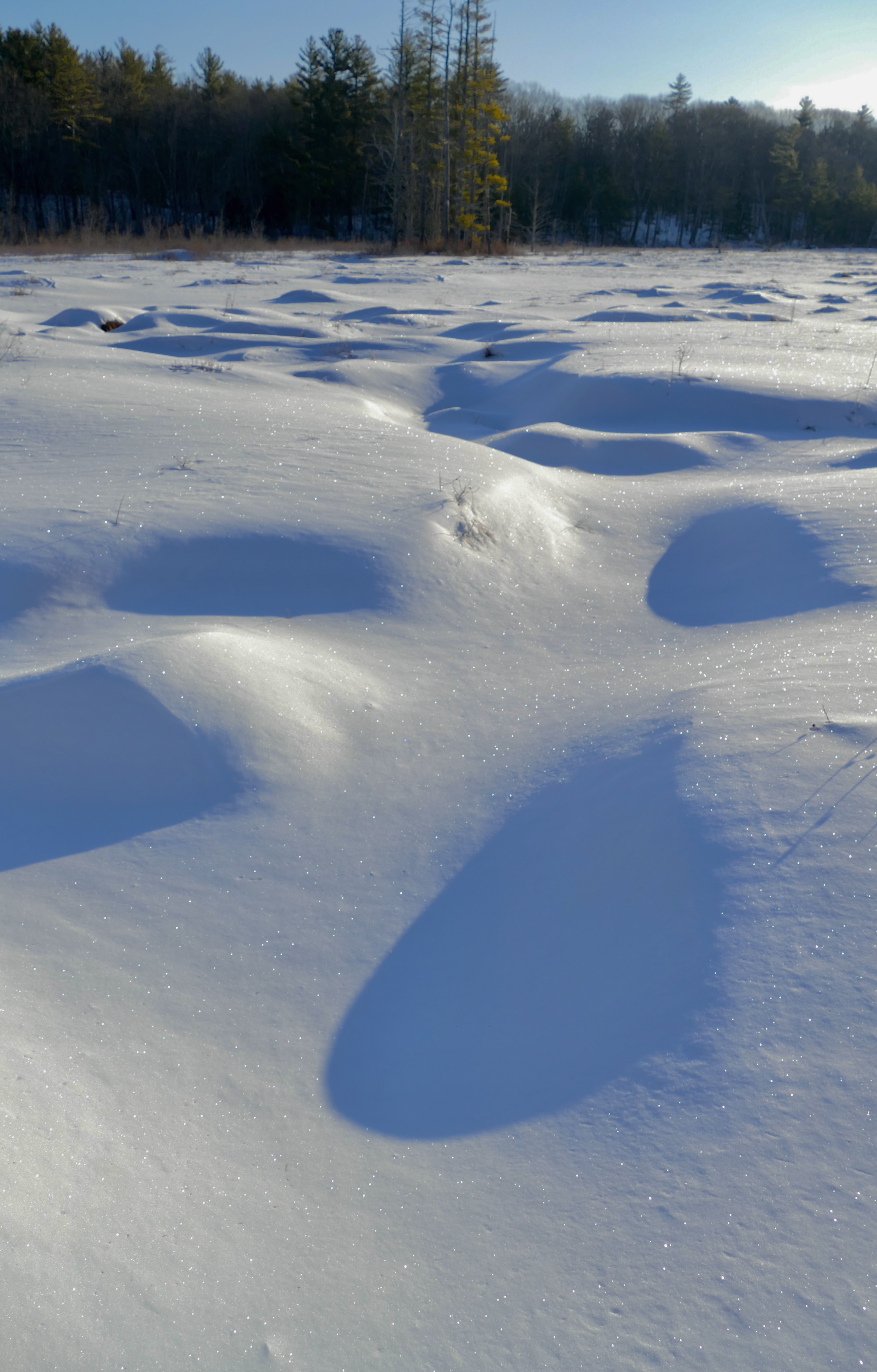
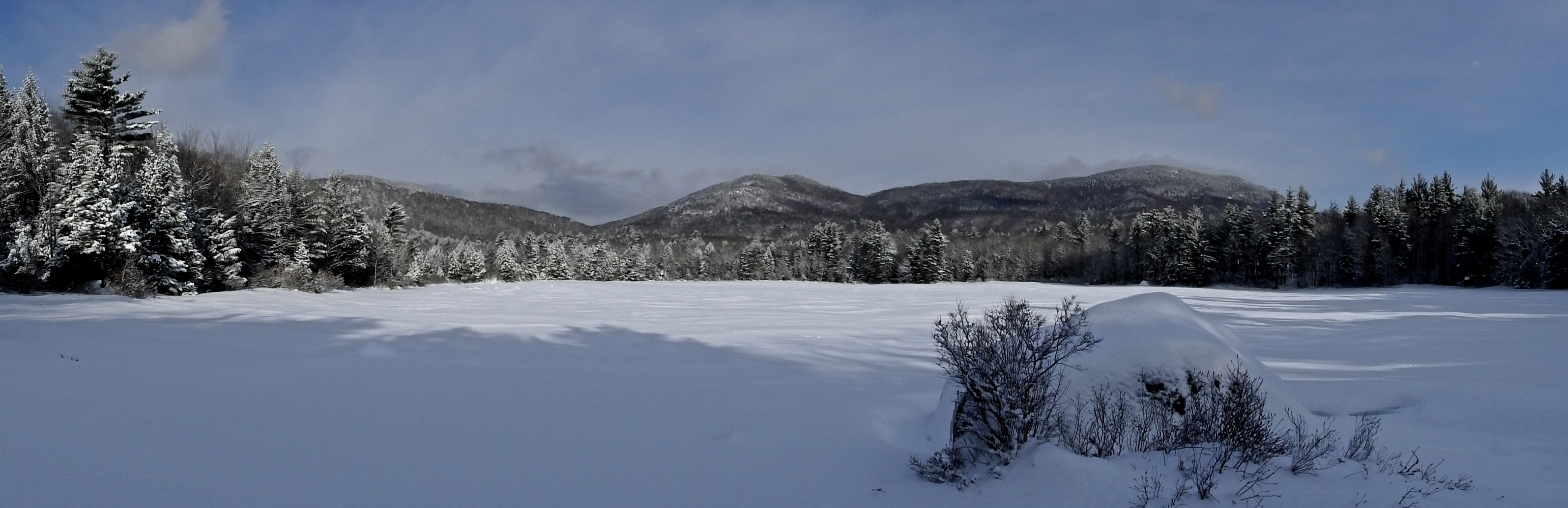
Never is there so much light in the air as in one of these bright winter afternoons, when all the earth is covered with new-fallen snow and there is not a cloud in the sky. The sky is much the darkest side, like the bluish lining of an egg-shell. There seems nothing left to make night out of. With this white earth beneath and that spot[less] skimmed-milk sky above him, man is but a black speck inclosed in a white egg-shell.
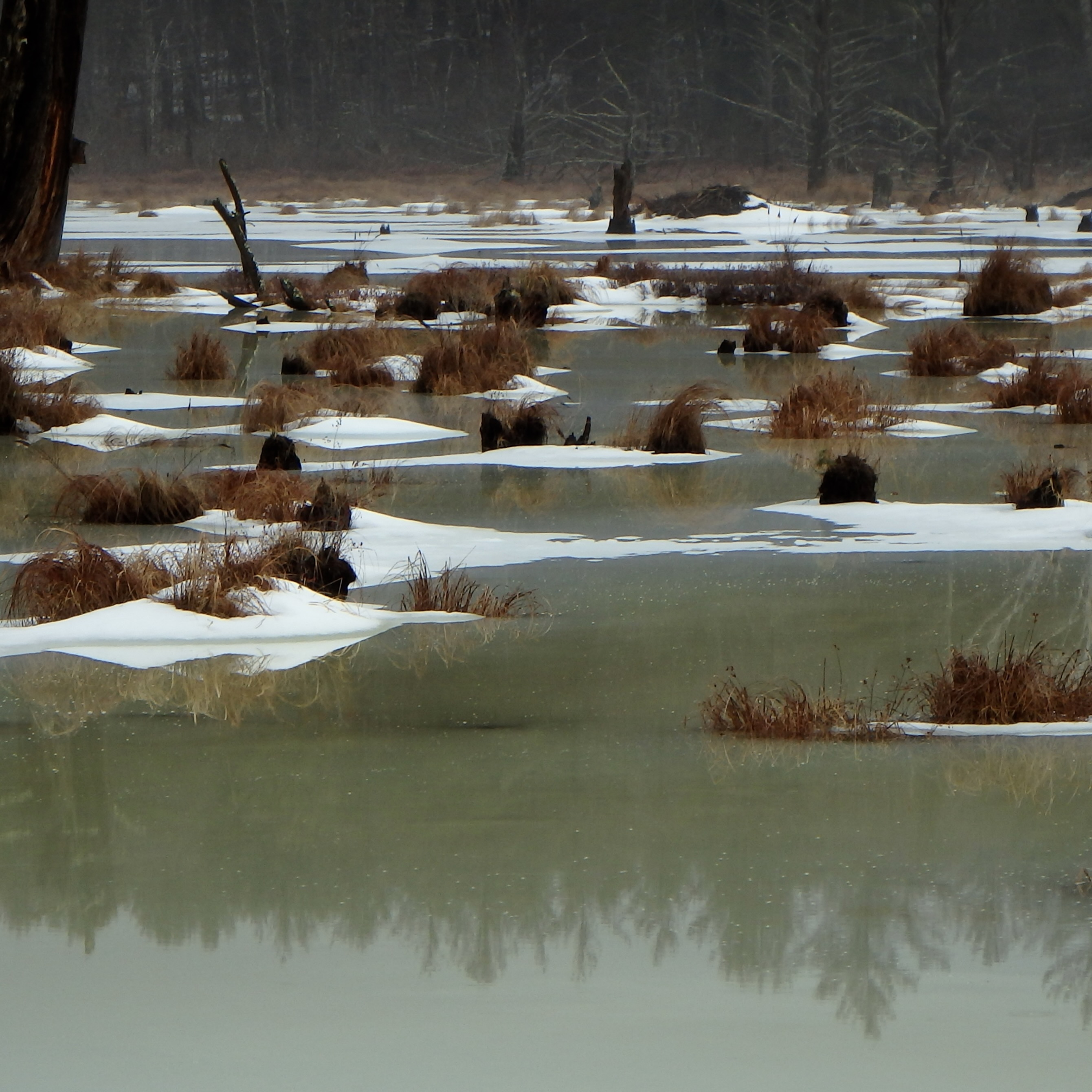
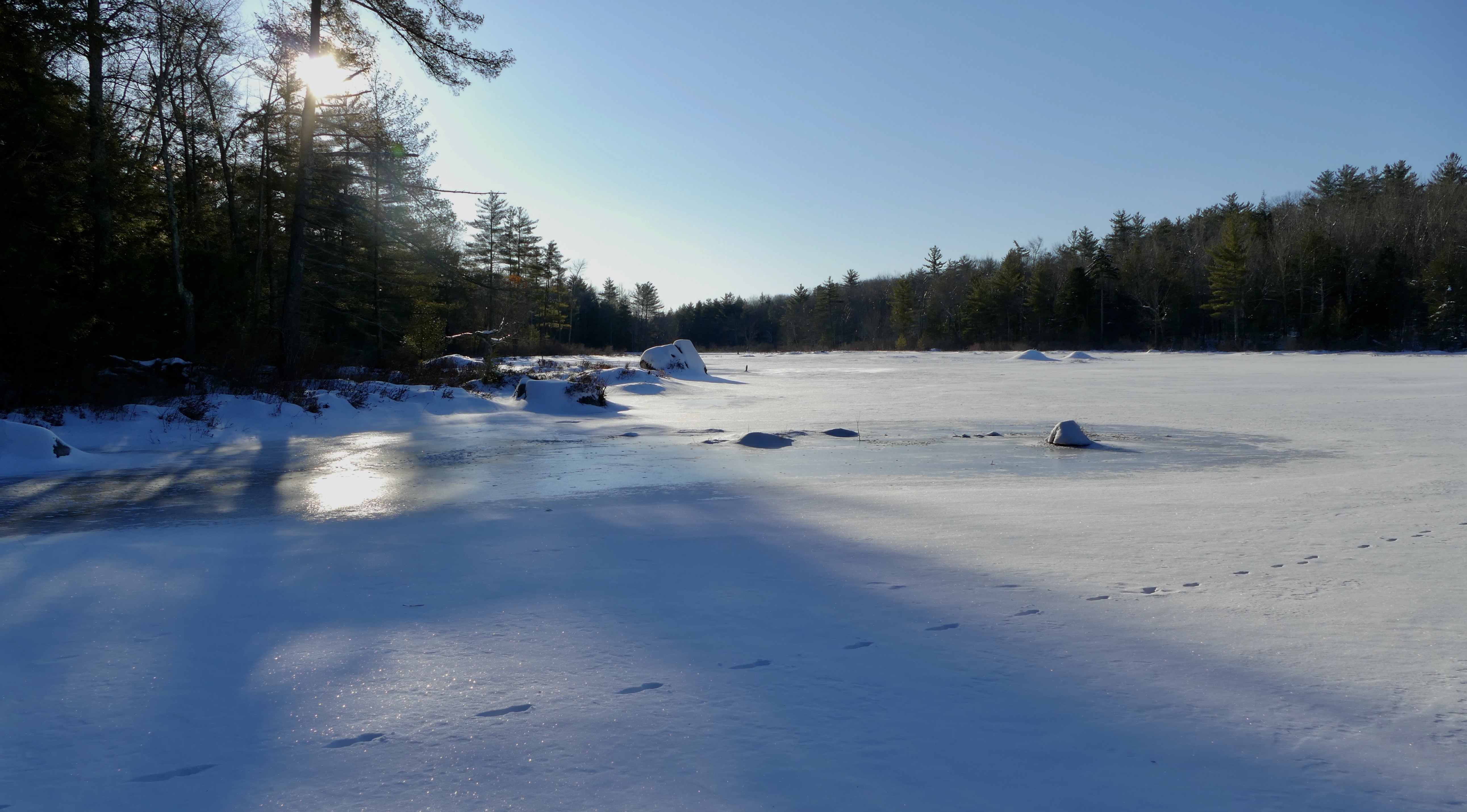
The winter is coming when I shall walk the sky. The ice is a solid sky on which we walk. It is the inverted year. There is an annual light in the darkness of the winter night. The shadows are blue, as the sky is forever blue. In winter we are purified and translated. The earth does not absorb our thoughts. It becomes a Valhalla.
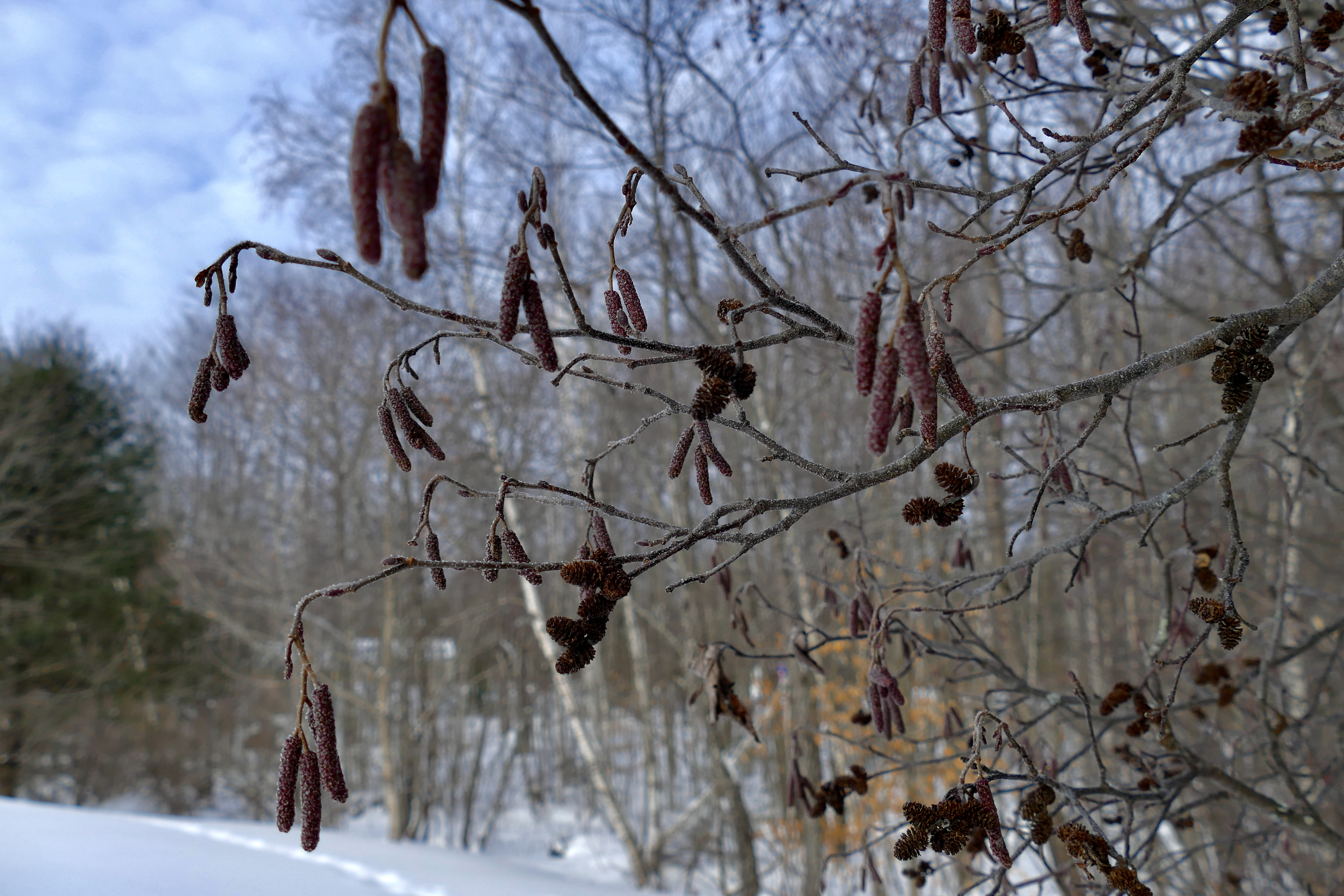
When I read of the catkins of the alder and the willow, etc., scattering their yellow pollen, they impress me as a vegetation which belongs to the earliest and most innocent dawn of nature; as if they must have preceded other trees in the order of creation, as they precede them annually in their blossoming and leafing. In the winter we so value the semblance of fruit that even the dry black female catkins of the alder are an interesting sight, not to mention, on shoots rising a foot or two above these, the red or mulberry male catkins, in little parcels, dangling at a less than right angle with the stems, and the short female ones at their bases. For how many aeons did the willow shed its yellow pollen annually before man was created!







 allandibiase.com
You must be logged in to post a comment.