March 31, 1852

in Thoreau’s Journal:

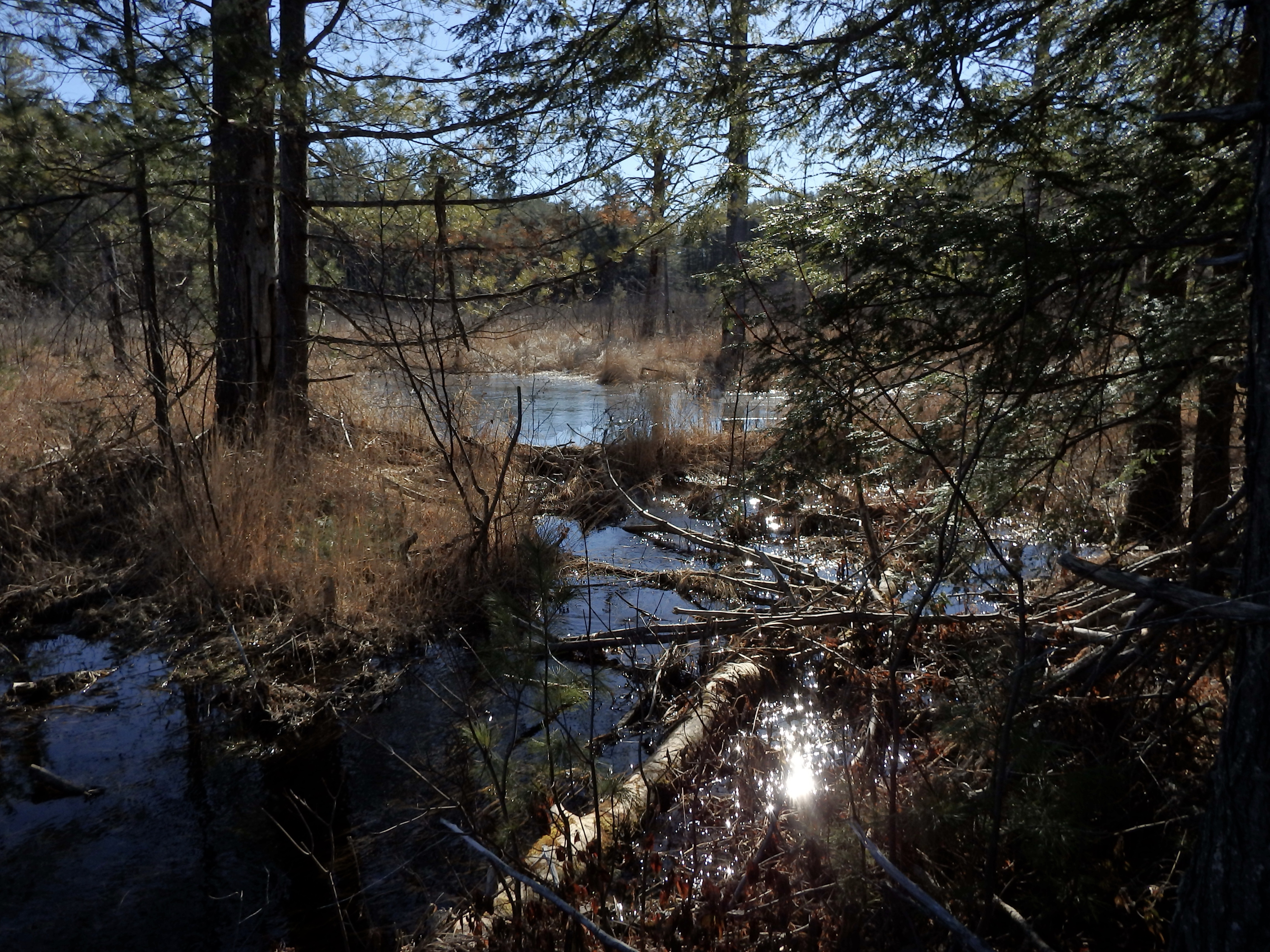
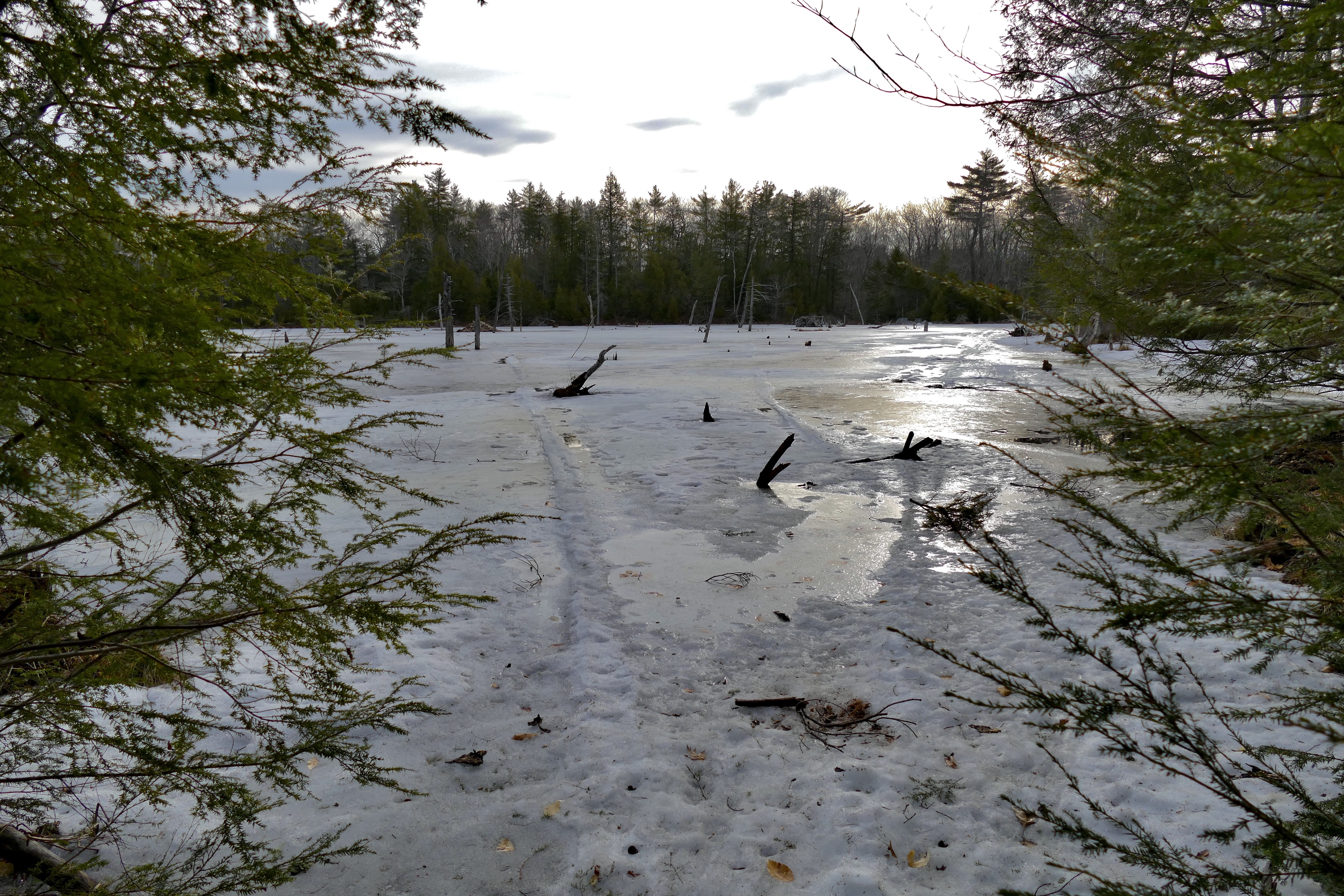
It would be worth the while to tell why a swamp pleases us, what kinds please us, also what weather, etc., etc., – analyze our impressions.

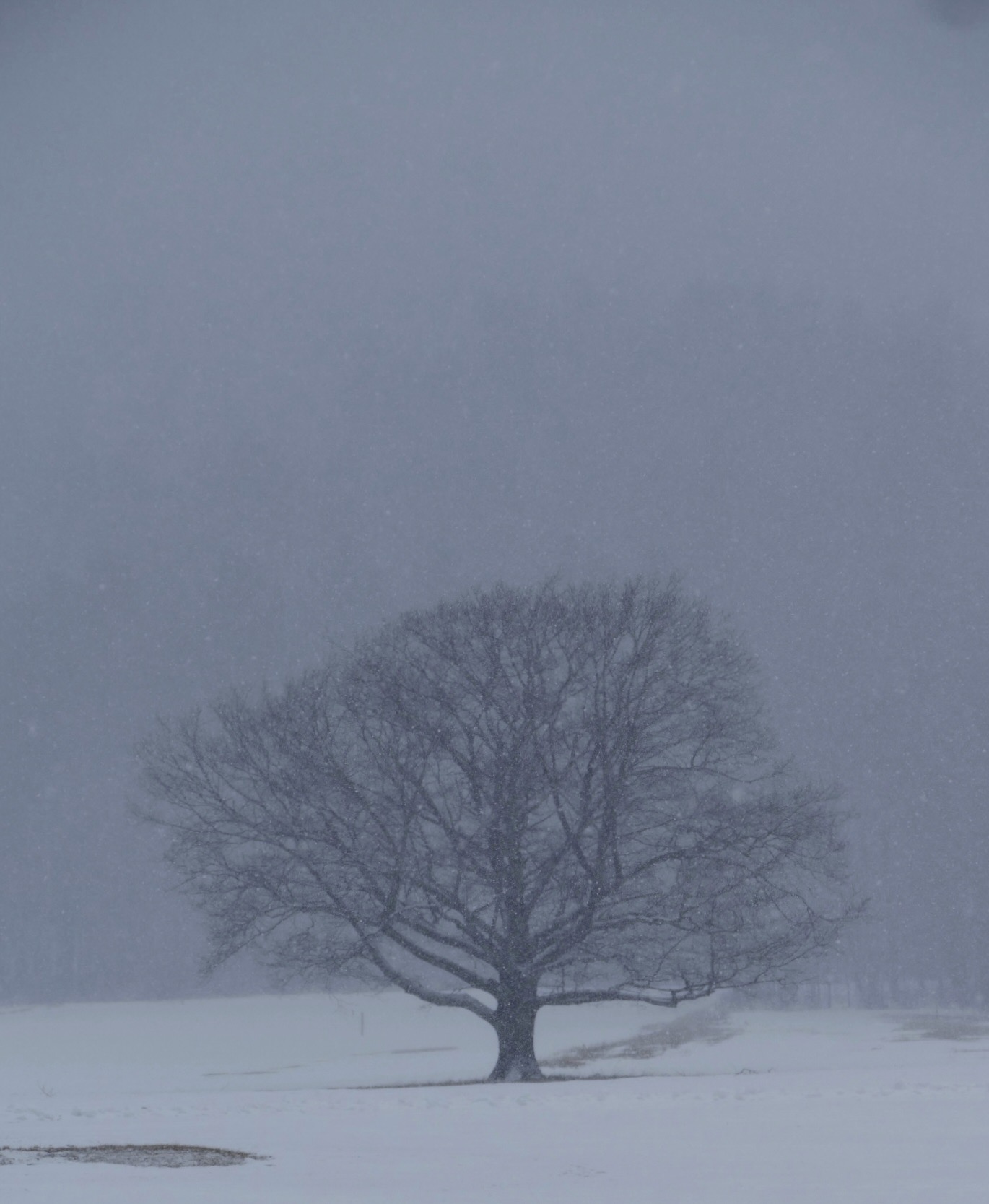
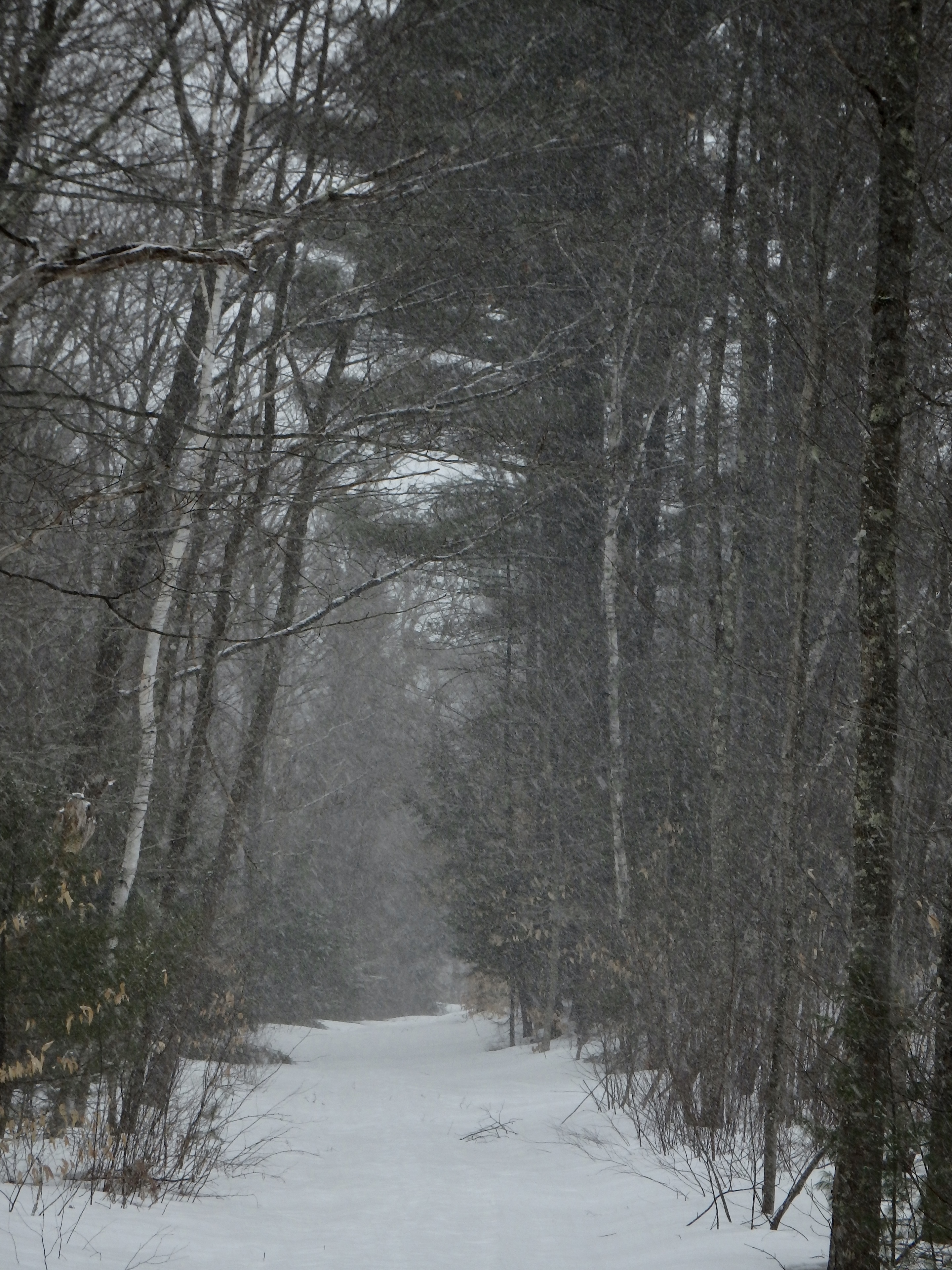
Why the moaning of the storm gives me pleasure. Methinks it is because it puts to rout the trivialness of our fair-weather life and gives it at least a tragic interest. The sound has the effect of a pleasing challenge, to call forth our energy to resist the invaders of our life’s territory. It is musical and thrilling, as the sound of an enemy’s bugle. Our spirits revive like lichens in the storm. There is something worth living for when we are resisted, threatened. As at the last day we might be thrilled with the prospect of the grandeur of our destiny, so in these first days our destiny appears grander. What would the days, what would our life, be worth, if some nights were not dark as pitch, – of darkness tangible or that you can cut with a knife? How else could the light in the mind shine? How should we be conscious of the light of reason? If it were not for physical cold, how should we have discovered the warmth of the affections? I sometimes feel that I need to sit in a far-away cave through a three weeks’ storm, cold and wet, to give a tone to my system. The spring has its windy March to usher it in, with many soaking rains reaching into April. Methinks I would share every creature’s suffering for the sake of its experience and joy. 
March 30, 1852

in Thoreau’s Journal:

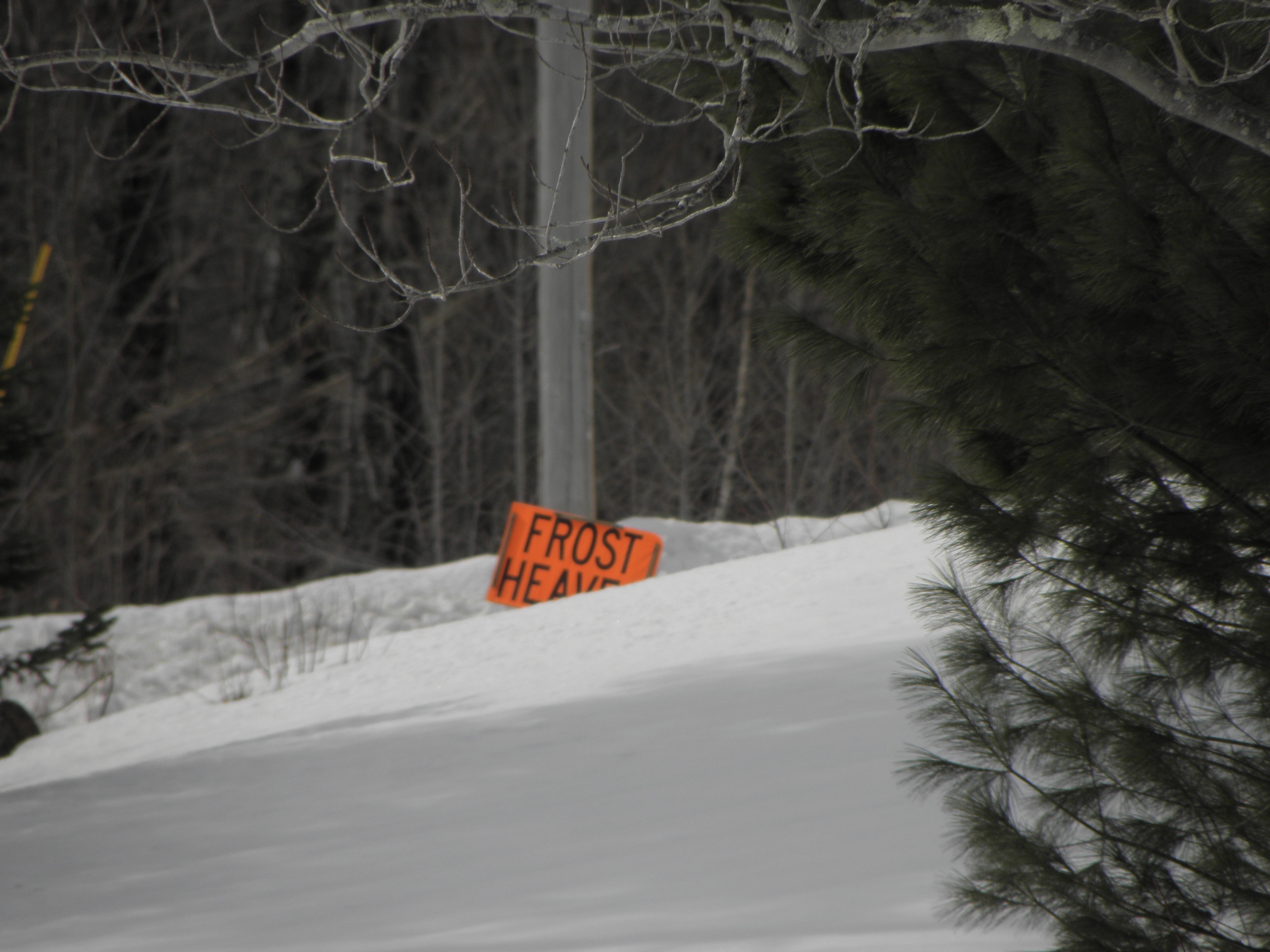
Though the frost is nearly out of the ground, the winter has not broken up in me. It is a backward season with me.

Perhaps we grow older and older till we no longer sympathize with the revolution of the seasons, and our winters never break up.

March 29, 1853

in Thoreau’s Journal:

It is surprising and memorable and, I may add, valuable experience, to be lost in the woods, especially at night. Sometimes in a snowstorm, even by day, one will come out upon a well-known road and yet find it impossible to tell which way leads to the village. Though your reason tells you have travelled it one hundred times, yet no object looks familiar, but is as strange to you as if you were in Tartary. By night, of course, the perplexity is infinitely greater. We are constantly steering like pilots by certain well-known beacons and headlands, though we are not conscious of it, and if we go beyond our usual course we still preserve the bearing of some neighboring cape and not till we are completely lost or turned around, — for a man needs only to be turned round once with his eyes shut in this world to be lost — do we appreciate the vastness and strangeness of nature.

Every man must once more learn the points of the compass as often as he wakes, whether from sleep or from an abstraction. In fact, not till we are lost do we begin to realize where we are and the infinite extent of our relations.

March 28, 1858

in Thoreau’s Journal:

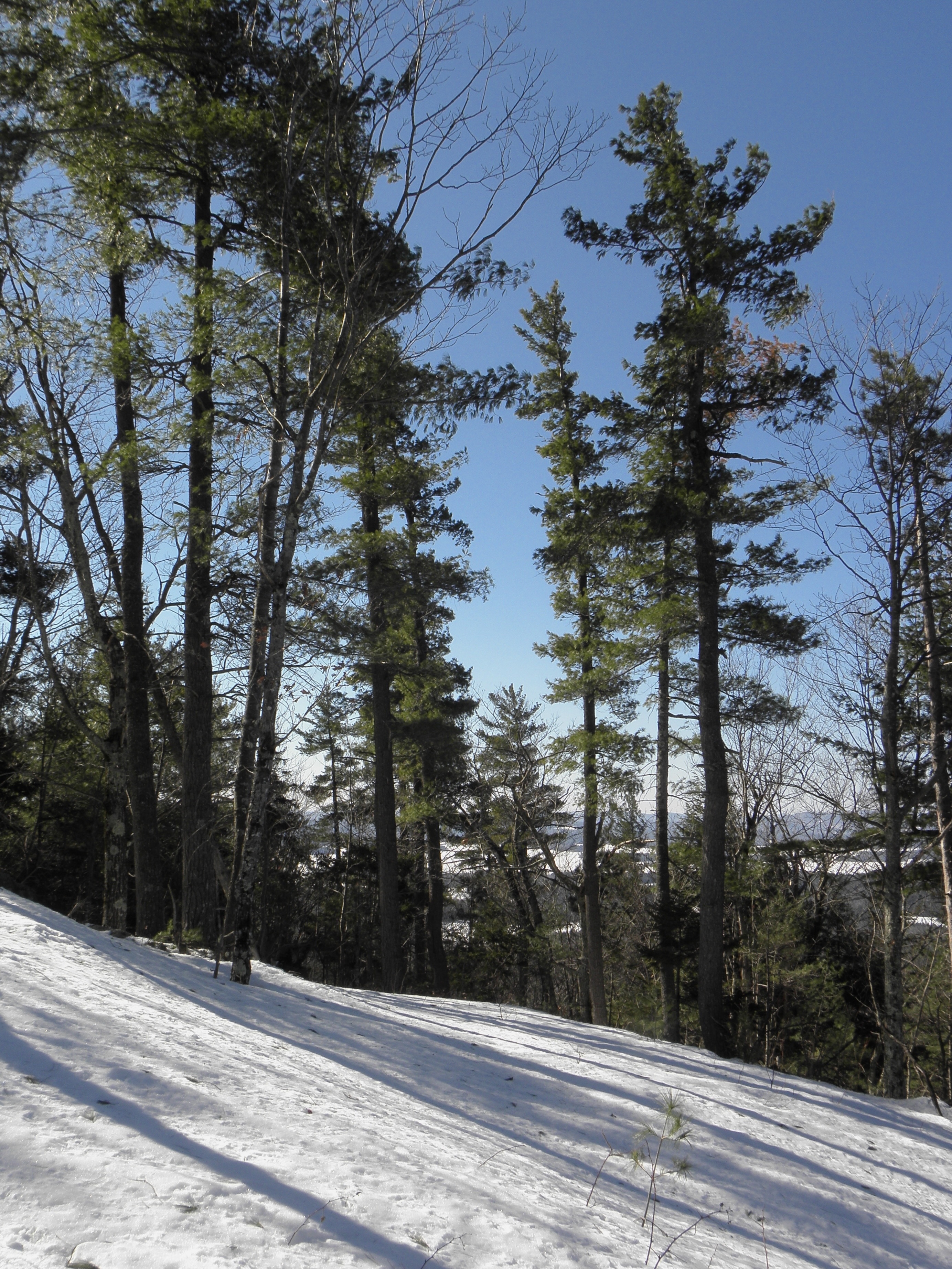
From this hilltop I overlook, again bare of snow, putting on a warm, hazy spring face, this seemingly concave circle of earth, in the midst of which I was born and dwell, which in the northwest and southeast has a more distant blue rim to it, as it were of more costly manufacture.

On ascending the hill next his home, every man finds that he dwells in a shallow concavity whose sheltering walls are the convex surface of the earth, beyond which he cannot see. I see those familiar features, that large type, with which all my life is associated, unchanged.

March 26, 1842

in Thoreau’s Journal:

He who does not borrow trouble does not lend it…

I wish to communicate those parts of my life which I would gladly live again…

March 25, 1855

in Thoreau’s Journal:

P. m. to Ministerial Lot–

Still cold & blustering– The ditches where I have seen salamanders last year before this are still frozen up. Was it not a sucker I saw dart along the brook beyond Jennie’s? I see where the squirrels have fed extensively on the acorns now exposed in the melting of the snow–

The ground is strewn with the freshly torn shells & nibbled meat in some places.

March 23, 1852

in Thoreau’s Journal:

As I cannot go upon a Northwest Passage, then I will find a passage round the actual world where I am. Connect the Behring Straits and Lancaster Sounds of thought;

winter on Melville Island, and make a chart of Banks Land; explore the northward-trending Wellington Inlet, where there is said to be a perpetual open sea, cutting my way through floes of ice.

March 20, 1858

in Thoreau’s Journal:

No wonder we feel the spring influences. There is a motion in the very ground under our feet.

Each rill is peopled with new life rushing up it.

March 19, 1856

in Thoreau’s Journal:

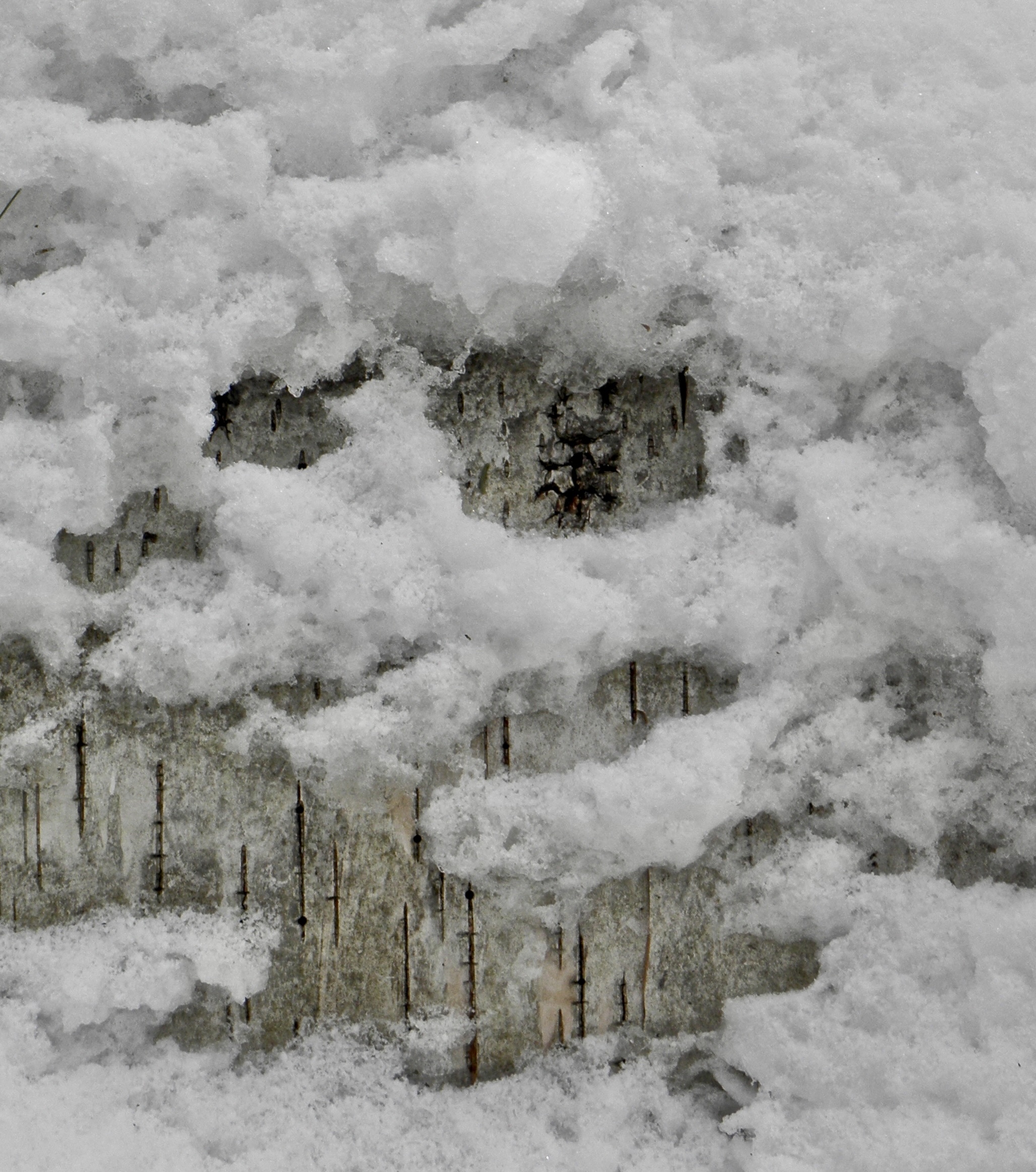
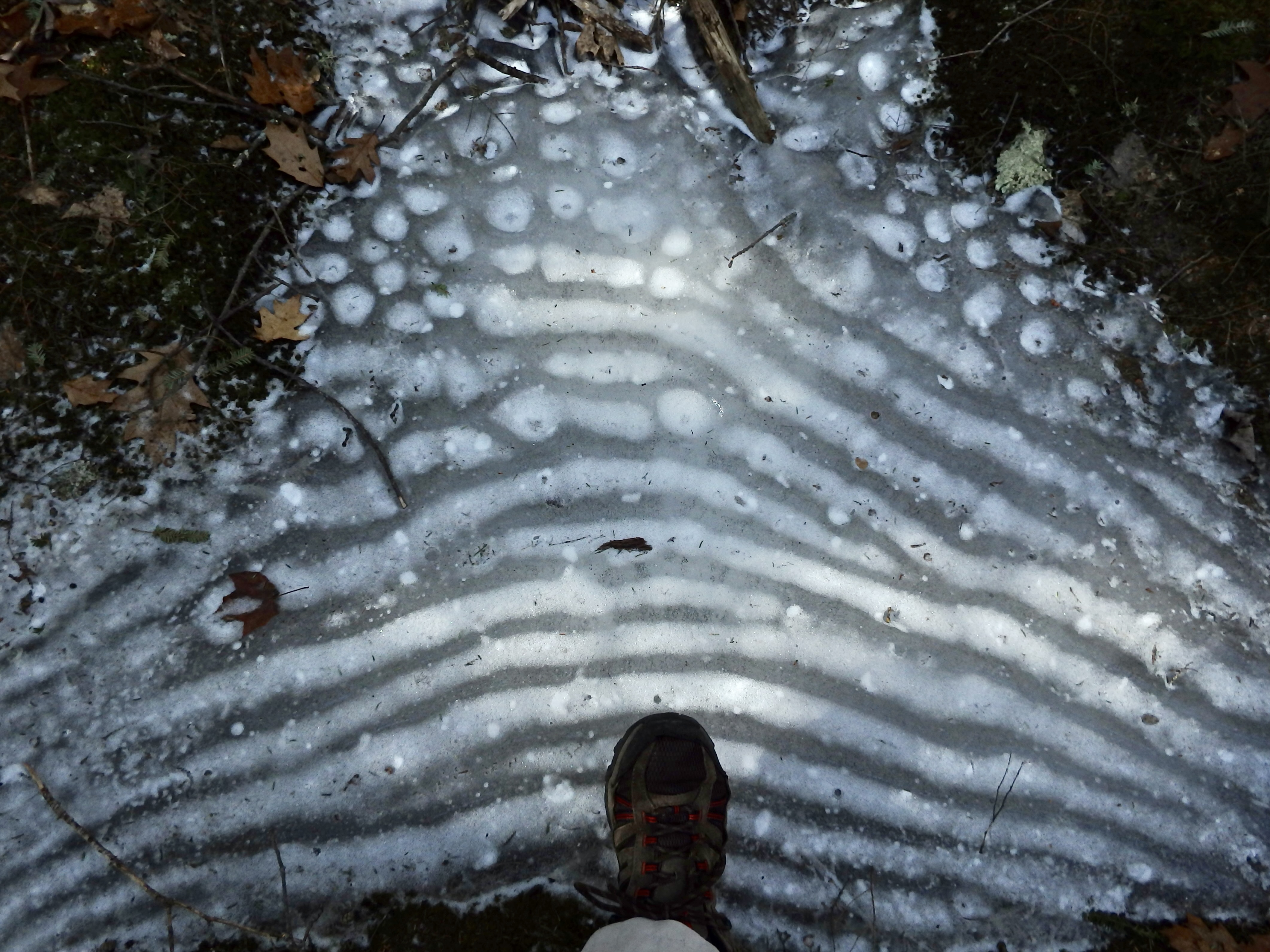
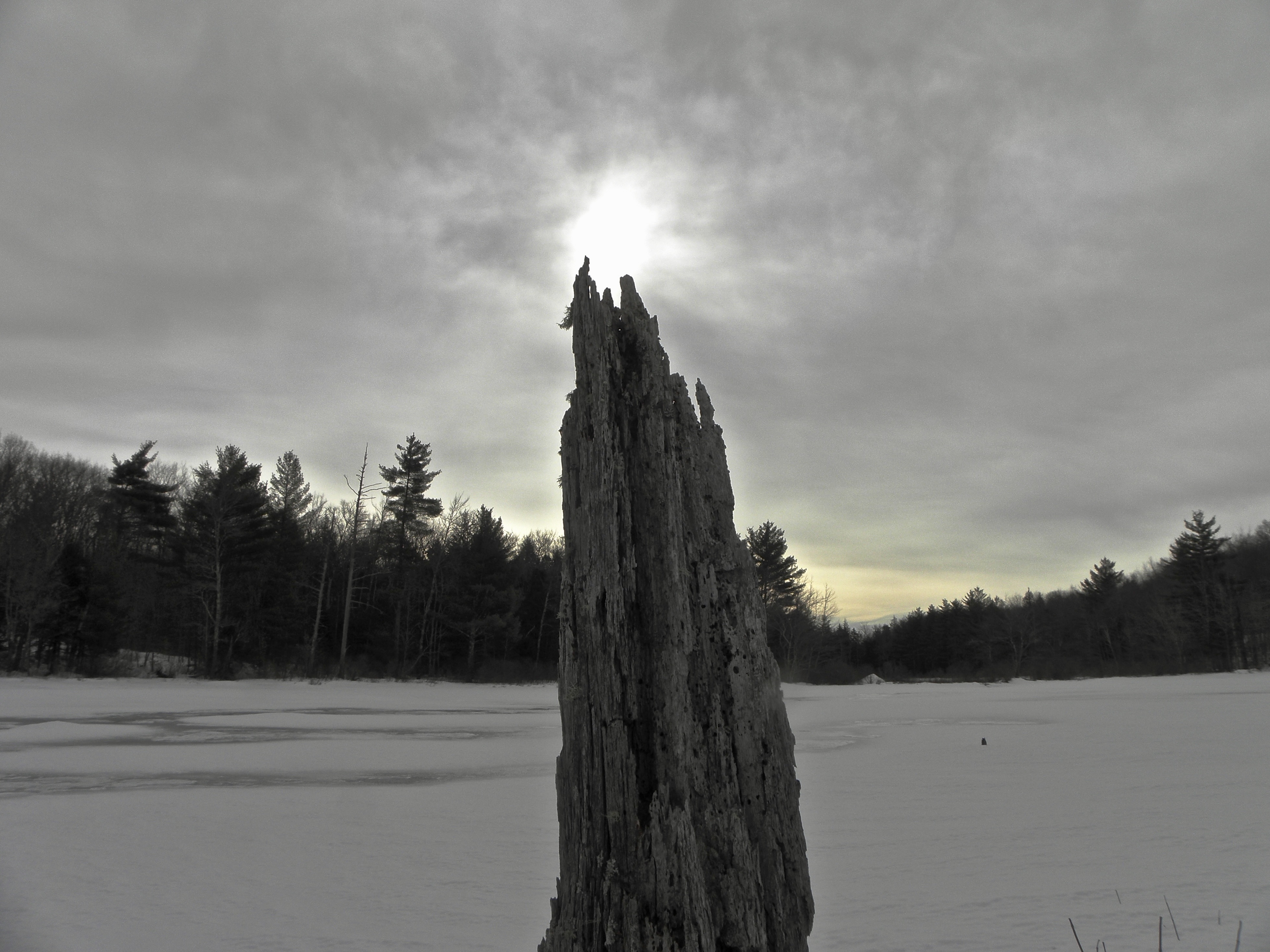
I am surprised at the sudden change in the Walden ice with five days.  In cutting a hole now, instead of hard, dry, transparent chips of ice, you make a fine white snow, very damp and adhering together, with but few chips in it. 

The ice has been affected throughout its twenty-six inches, though most, I should say above.  Hard to say exactly where the ice begins, under the two inches of snow.

March 18, 1856

in Thoreau’s Journal:

What a solid winter we have had! No thaw of any consequence; no bare ground since December 25th; but an unmelting mass of snow and ice, hostile to all greenness.

Have not seen a green radical leaf even, as usual, all being covered up.

March 17, 1852

in Thoreau’s Journal:

 I catch myself philosophizing most abstractly when first returning to consciousness in the night or morning.

I make the truest observations and distinctions then, when the will is yet wholly asleep and the mind works like a machine without friction.

March 16, 1852

in Thoreau’s Journal:

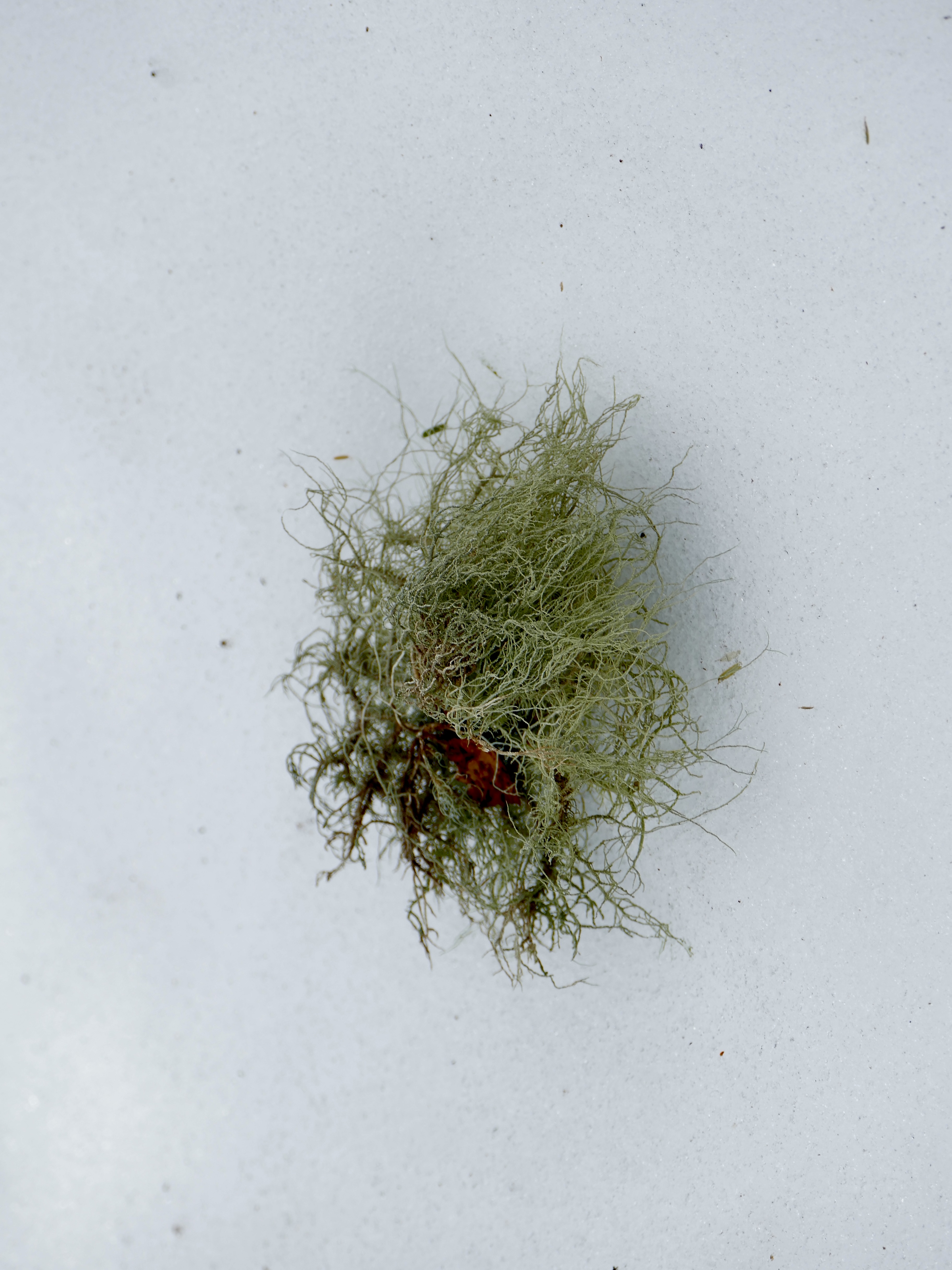
Before sunrise. With what infinite and unwearied expectation and proclamation the cocks usher in every dawn as if there had never been one before. And the dog barks still and the thallus of lichens springs, so tenacious of life is nature.

March 13, 1841

in Thoreau’s Journal:

How alone must our life be lived! We dwell on the seashore, and none between us and the sea. Men are my merry companions, my fellow-pilgrims, who beguile the way but leave me at the first turn in the road, for none are travelling one road so far as myself.

March 12, 1853

in Thoreau’s Journal:

It is essential that a man confine himself to pursuits —a scholar, for instance, to studies —which lie next to and conduce to his life, which do not go against the grain, either of his will or his imagination. The scholar finds in his experience some studies to be most fertile and radiant with light, others dry, barren, and dark. If he is wise, he will not persevere in the last, as a plant in a cellar will strive toward the light. He will confine the observations of his mind as closely as possible to the experience or life of his senses. His thought must live with and be inspired with the life of the body. The deathbed scenes and observations even of the best and wisest afford but a sorry picture of our humanity. Some men endeavor to live a constrained life, to subject their whole lives to their wills, as he who said he would give a sign if he were conscious after his head was cut off, —but he gave no sign. 

Dwell as near as possible to the channel in which your life flows.