I wish so to live ever as to derive my satisfaction and inspirations from the commonest events, every-day phenomena,
so that what my senses hourly perceive in my daily walk, the conversations of my neighbors, may inspire me and I may dream of no heaven but that which lies about me.
Thermometer at 7 a. m. 6° below zero. Dr. Bartlett’s, between 6.30 and 7 a. m., was at— 13° ; Smith’s at -13° or -14°, at 6 a. m.
P. M.—Up river to Hubbard Bridge.
Thermometer +9° at 3.30 p. m. (the same when I return at five). The snow hard and dry, squeaking under the feet; excellent sleighing. A biting northwest wind compels to cover the ears. It is one of the hardest days of the year to bear.
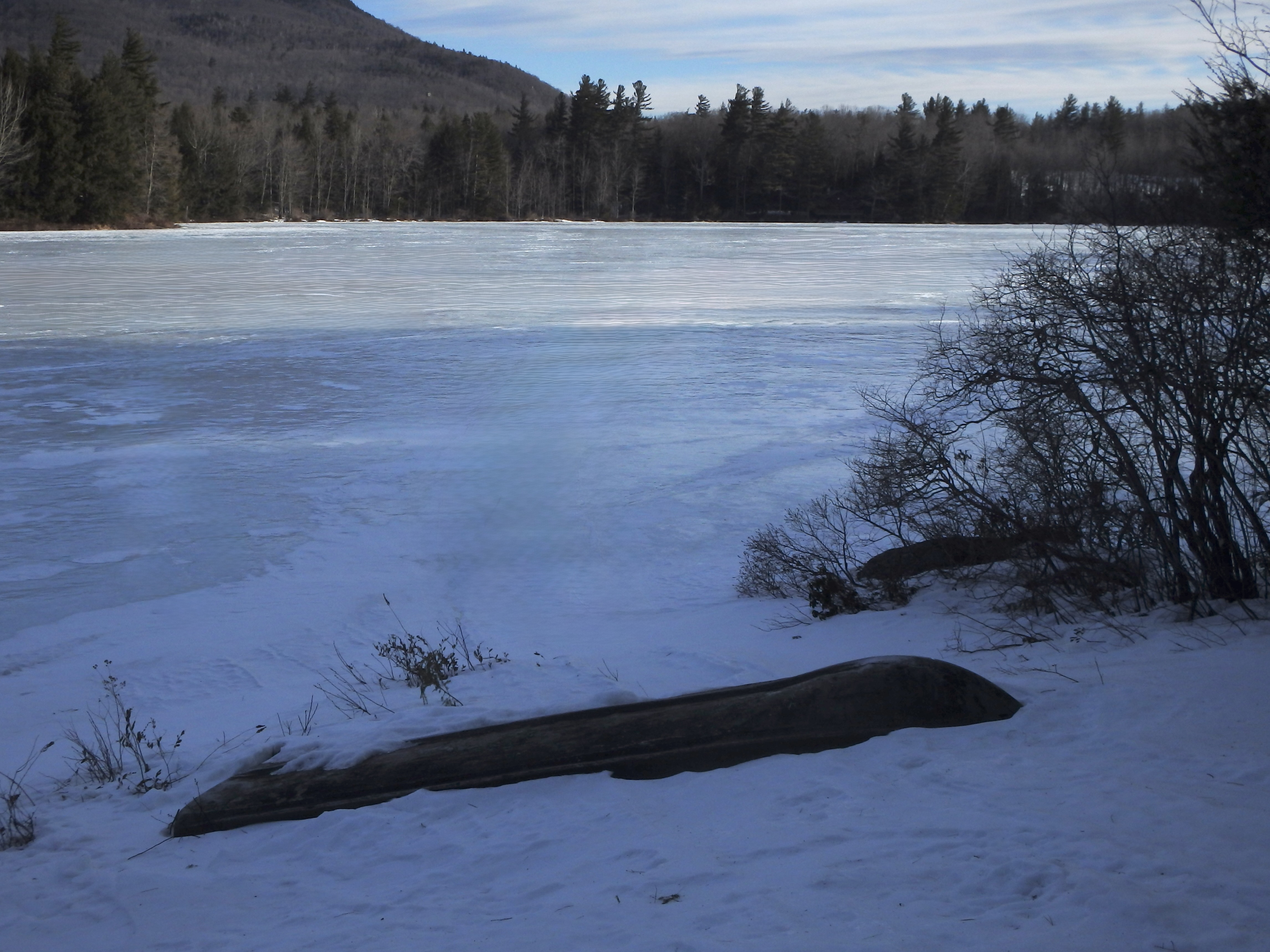
Truly a memorable 10th of March. There is no opening yet in the main stream at Prichard’s, Hubbard Bath, or the Clamshell, or probably anywhere but at Merrick’s, and that a dozen rods long by ten feet; and it is tight and strong under the bridges. A bluebird would look as much out of place now as the 10th of January.
In the spaces of still, open water I see the reflection of the hills and woods, which for so long I have not seen, and it gives expression to the face of nature. The face of nature is lit up by these reflections in still water in the spring.
Sometimes you see only the top of distant hill reflected far within the meadow, where a dull, gray field of ice intervenes between the water and the shore.
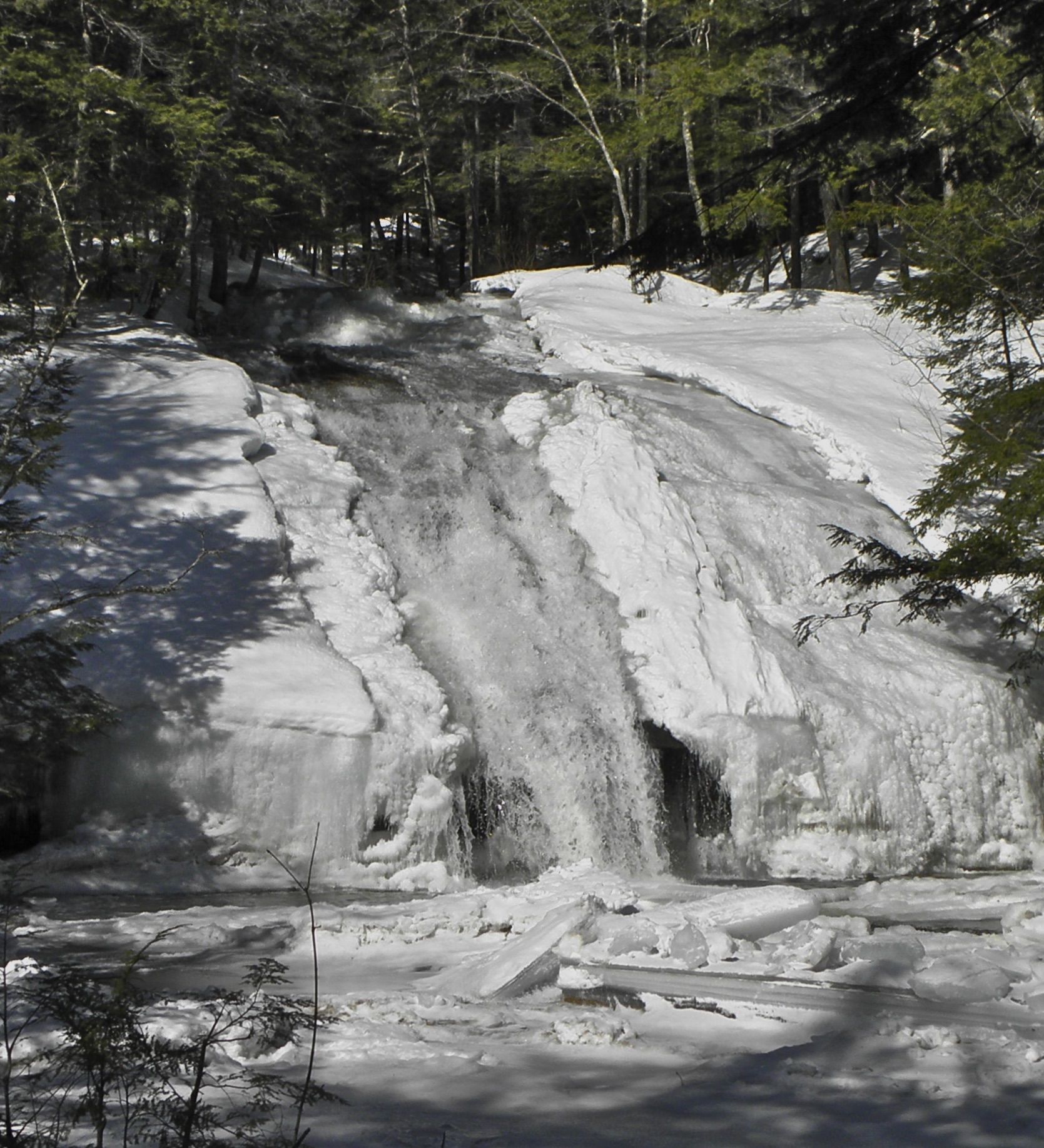
The wind shifts from northeast and east, to north-west and south, and every icicle which has tinkled on the meadow grass so long—trickles down its stem and seeks its water level unerringly with a million comrades. In the ponds the ice cracks with a busy and inspiriting din—and down the larger streams is whirled, grating hoarsely and crashing its way along—which was so lately a firm field for the woodman’s team and the fox—sometimes with the tracks of the skaters still fresh upon it—and the holes cut for pickerel. Town committees inspect the bridges and causeways—as if by mere eye-force to intercede with the ice, and save the treasury.
In the brooks the slight grating sound of small cakes of ice floating with various speed, is full of content and promise, and where the water gurgles under a natural bridge you may hear these hasty rafts hold conversation in an under tone.
Every rill is a channel for the juices of the meadow. Last years grasses and flower stalks have been steeped in rain and snow, and now the brooks flow with meadow tea—thoroughwort mint, flagroot and pennyroyal, all at one draught.
In the ponds the sun makes encroachments around the edges first, as ice melts in a kettle on the fire—darting his rays through this crevice; and preparing the deep water to act simultaneously on the under side.
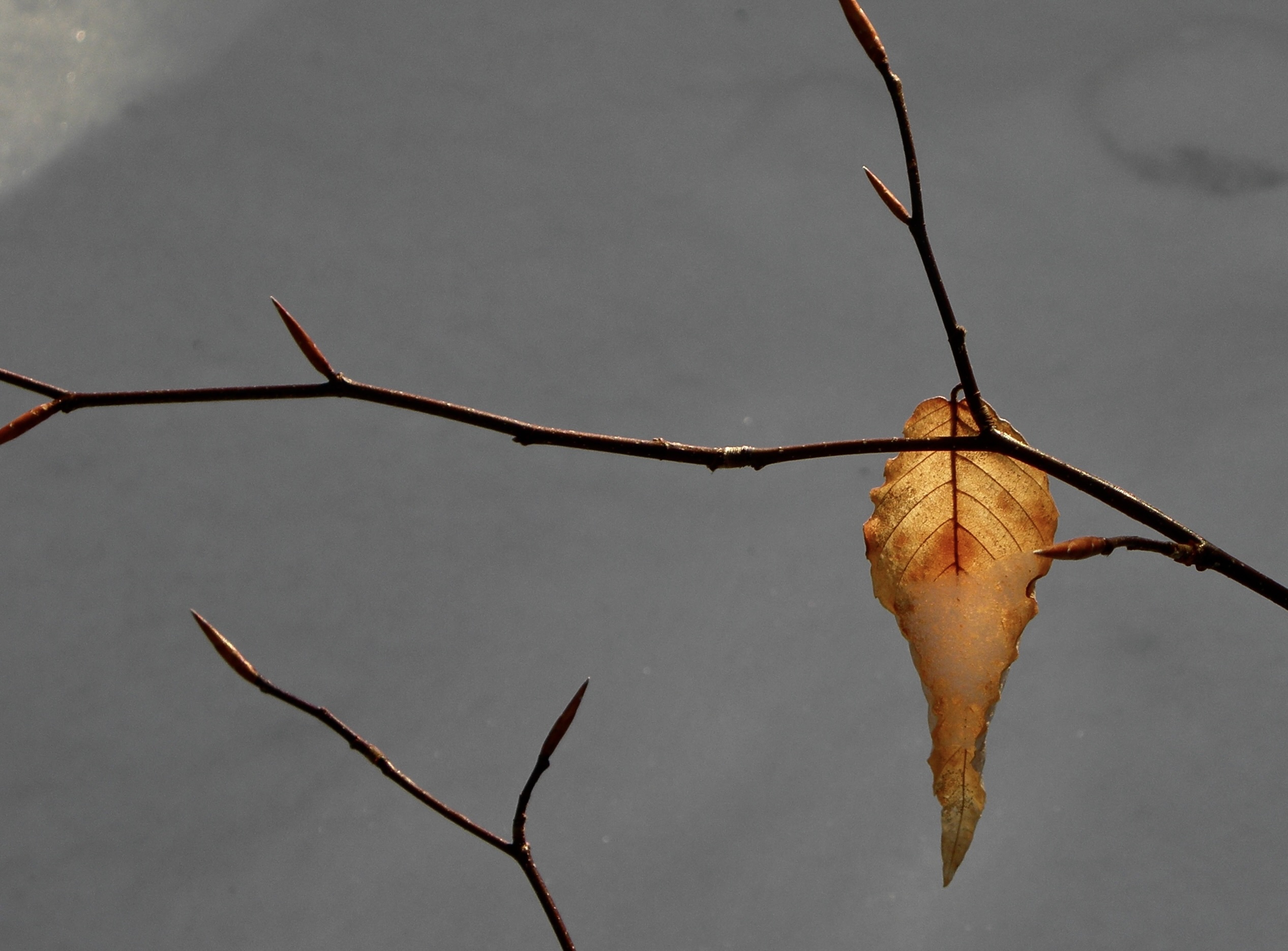
There is no ripeness which is not, so to speak, something ultimate in itself, and not merely a perfected means to a higher end. In order to be ripe it must serve a transcendent use. The ripeness of a leaf, being perfected, leaves the tree at that point and never returns to it.
It has nothing to do with any other fruit which the tree may bear, and only genius can pluck it. The fruit of a tree is neither in the seed nor in the full-grown tree, but it is simply the highest use to which it can be put.
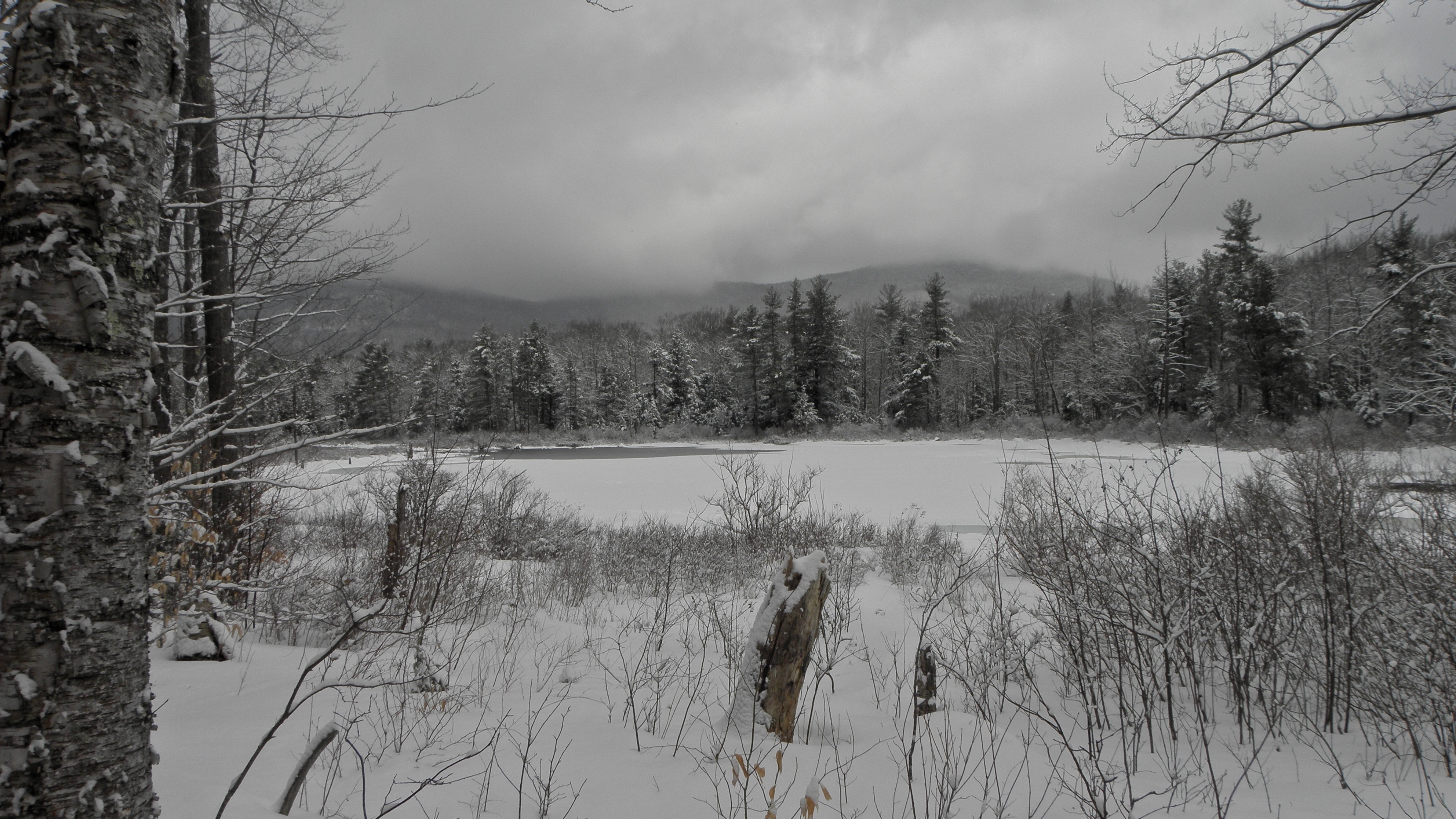
The river is frozen more solidly than during the past winter, and for the first time for a year I could cross it in most places.
I did not once cross it the past winter, though by choosing a safe place I might have done so without doubt once or twice. But I have had no river walks before.
We stood still a few moments on the Turnpike below Wright’s (the Turnpike, which had no wheel-track beyond Tuttle’s and no track at all beyond Wright’s), and listened to hear a spring bird. We heard only the jay screaming in the distance and the cawing of a crow. What a perfectly New England sound is this voice of the crow!
If you stand perfectly still anywhere in the outskirts of the town and listen, stilling the almost incessant hum of your own personal factory, this is perhaps the sound which you will be most sure to hear rising above all sounds of human industry and leading your thoughts to some far bay in the woods where the crow is venting his disgust. This bird sees the white man come and the Indian withdraw, but it withdraws not. Its untamed voice is still heard above the tinkling of the forge. It sees a race pass away, but it passes not away. It remains to remind us of aboriginal nature.
We talk about spring as at hand before the end of February, and yet it will be two good months, one sixth part of the whole year, before we can go a-Maying. There may be a whole month of solid and uninterrupted winter yet, plenty of ice and good sleighing.
We may not even see the bare ground, and hardly any water; and yet we sit down and warm our spirits annual with the distant prospect of spring.
Here is our first spring morning according to the almanac. It is remarkable that the spring of the almanac and of nature should correspond so closely. The morning of the 26th was good winter, but there came a plentiful rain in the afternoon, and yesterday and to-day are quite spring like. This morning the air is still, and, though clear enough, a yellowish light is widely diffused throughout the east now just after sunrise. The sunlight looks and feels warm, and a fine vapor fills the lower atmosphere.
I hear the phcebe or spring note of the chickadee, and the scream of the jay is perfectly repeated by the echo from a neighboring wood. For some days past the surface of the earth, covered with water, or with ice where the snow is washed off, has shone in the sun as it does only at the approach of spring, methinks. And are not the frosts in the morning more like the early frosts in the fall, ––common white frosts ?




 allandibiase.com
You must be logged in to post a comment.