May 31, 1853

in Thoreau’s Journal:

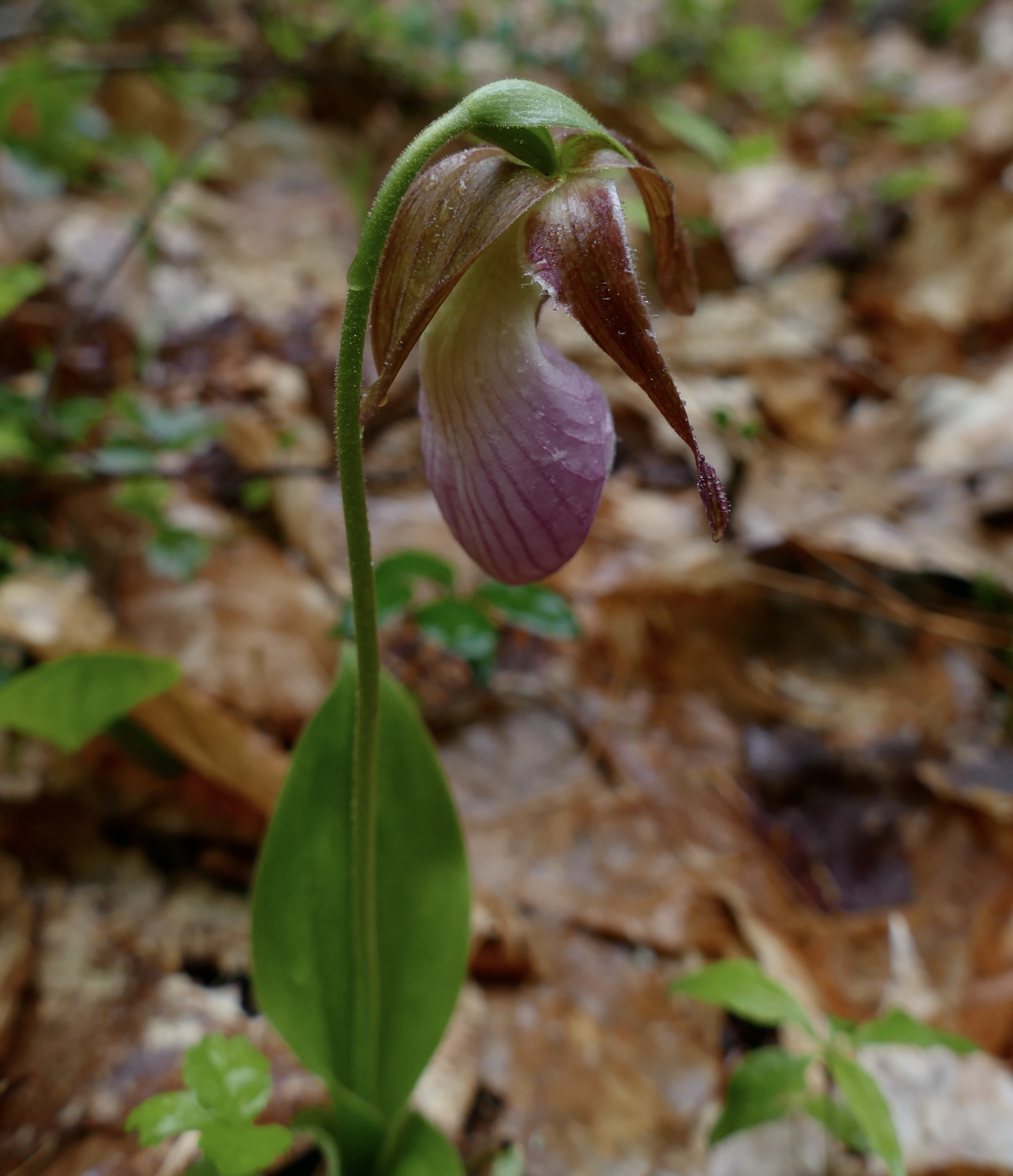
Some incidents in my life have seemed far more allegorical than actual; they were so significant that they plainly served no other use. That is, I have been more impressed by their allegorical significance and fitness; they have been like myths or passages in a myth, rather than mere incidents or history which have to wait to become significant. Quite in harmony with my subjective philosophy. This, for instance: that, when I thought I knew the flowers so well, the beautiful purple azalea or pinxter-flower should be shown to me by the hunter who found it. Such facts are quite above the level of the actual. They are all just such events as my imagination prepares me for, no matter how incredible. Perfectly in keeping with my life and characteristic. Ever and anon something will occur which my philosophy has not dreamed of.

The limits of the actual are set some thoughts further off. That which had seemed a rigid wall of vast thickness unexpectedly proves a thin and undulating drapery. The boundaries of the actual are no more fixed and rigid than the elasticity of our imaginations. The fact that a rare and beautiful flower which we never saw, perhaps never heard of, for which therefore there was no place in our thoughts, may at length be found in our immediate neighborhood, is very suggestive.
May 29, 1851

in Thoreau’s Journal:

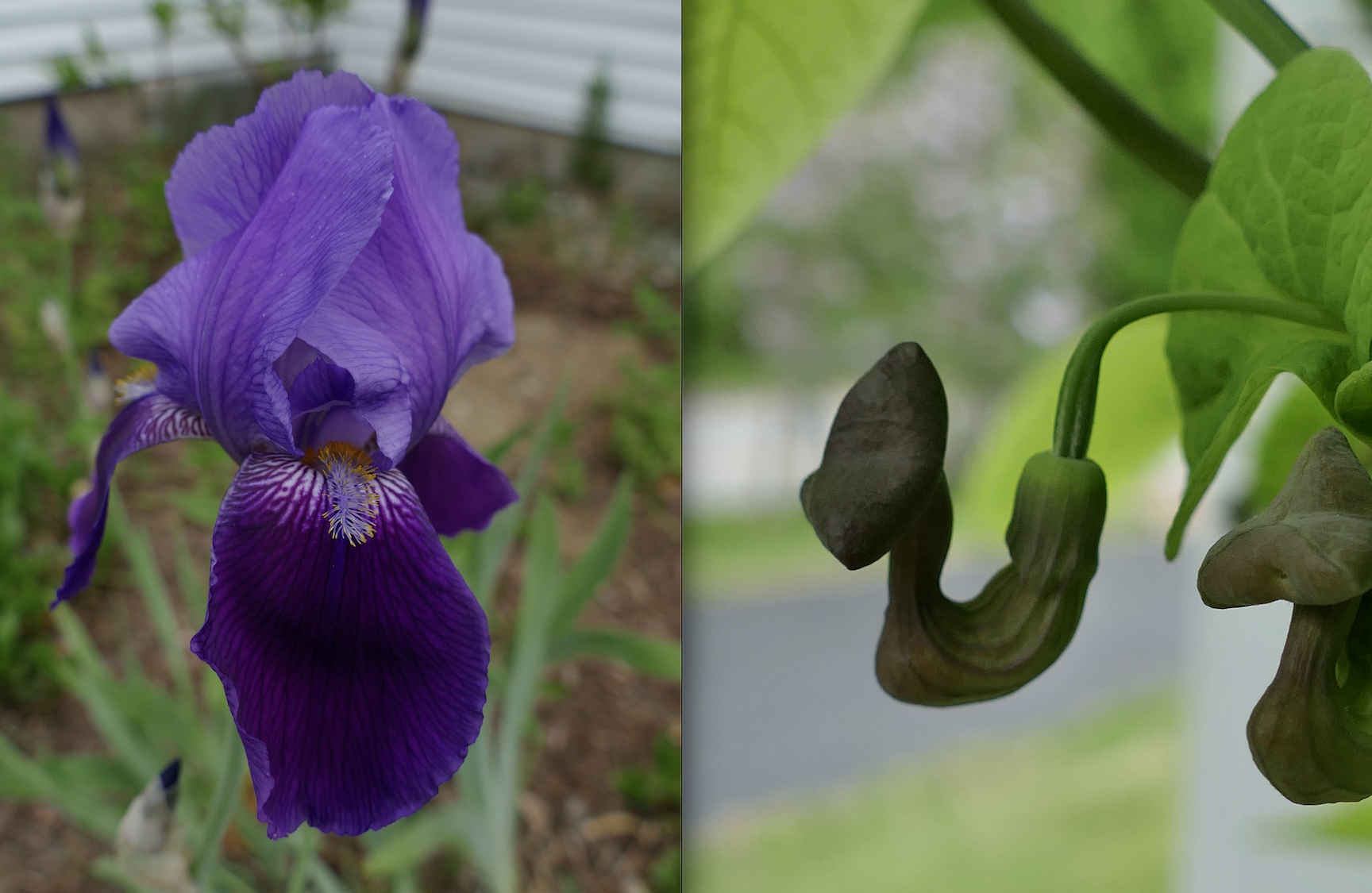
It is evident that the virtues of plants are almost completely unknown to us, and we esteem the few with which we are better acquainted unreasonably above the many which are comparatively unknown to us.

May 28, 1854

in Thoreau’s Journal:

It would be worth the while to ask ourselves weekly, Is our life innocent enough? Do we live inhumanely, toward man or beast in thought or act?  To be serene and successful we must be at one with the universe.

The least conscious and needless injury inflicted on any creature is to its extent a suicide.  What peace –– or life –– can a murderer have? 

May 27, 1852

in Thoreau’s Journal:

At Corner Spring.

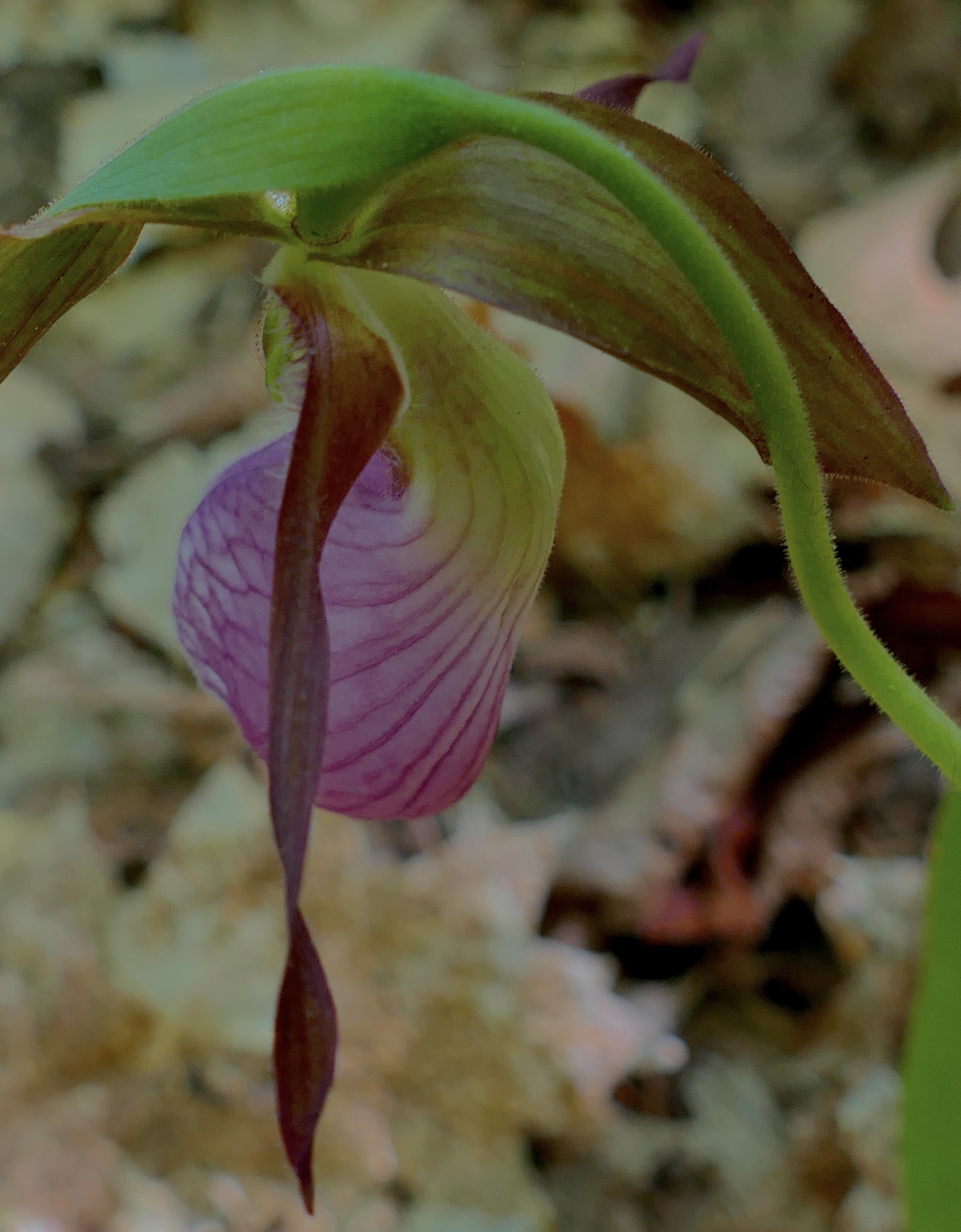
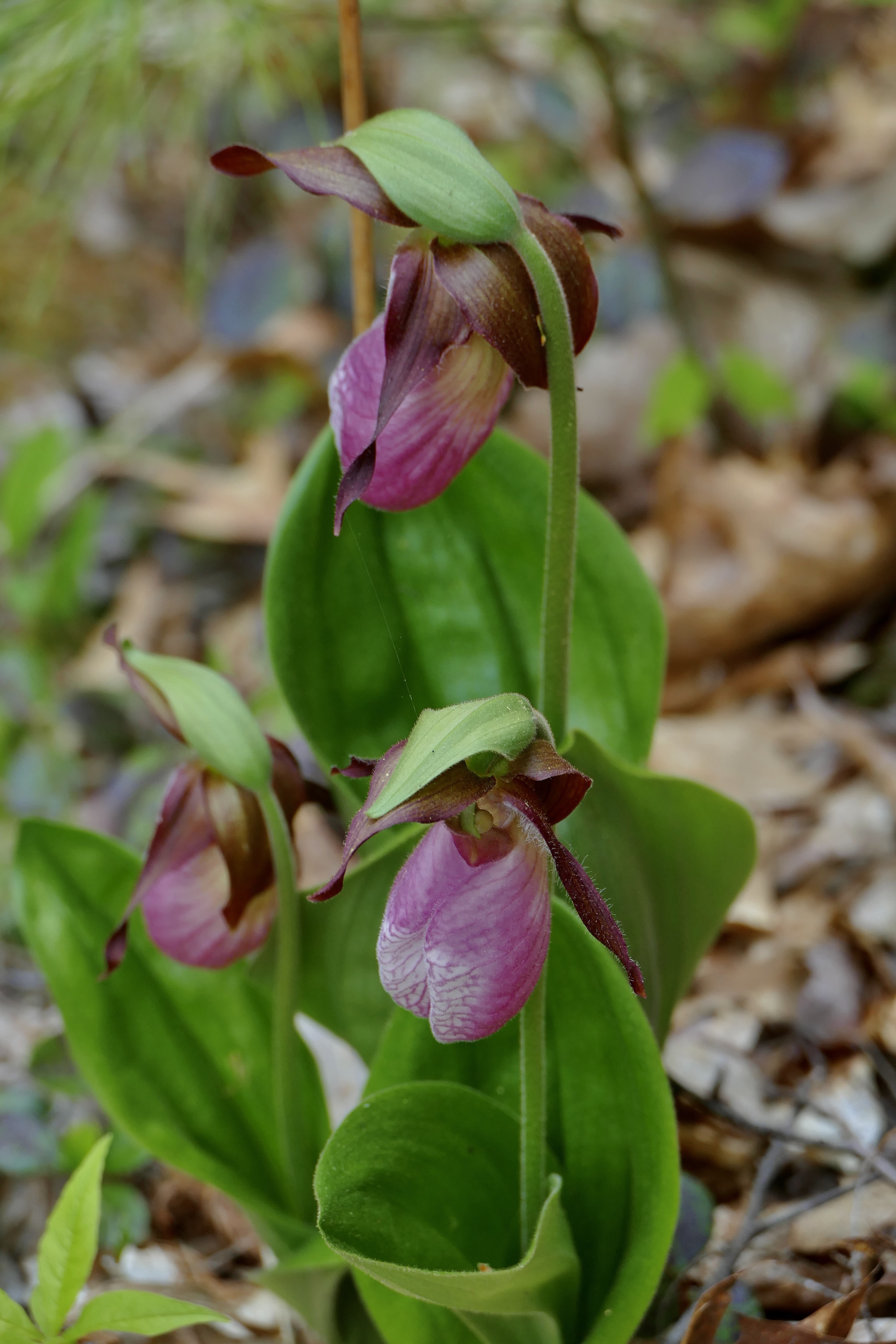
A wet day. The veery sings nevertheless. The road is white with the apple blossoms fallen off, as with snowflakes. The dogwood is coming out. Ladies’-slippers out. They perfume the air.

May 26, 1857

in Thoreau’s Journal:

At the same season with this haze of buds comes also the kindred haziness of the air….A ladies slipper at Cliffs.

May 25, 1853

in Thoreau’s Journal:

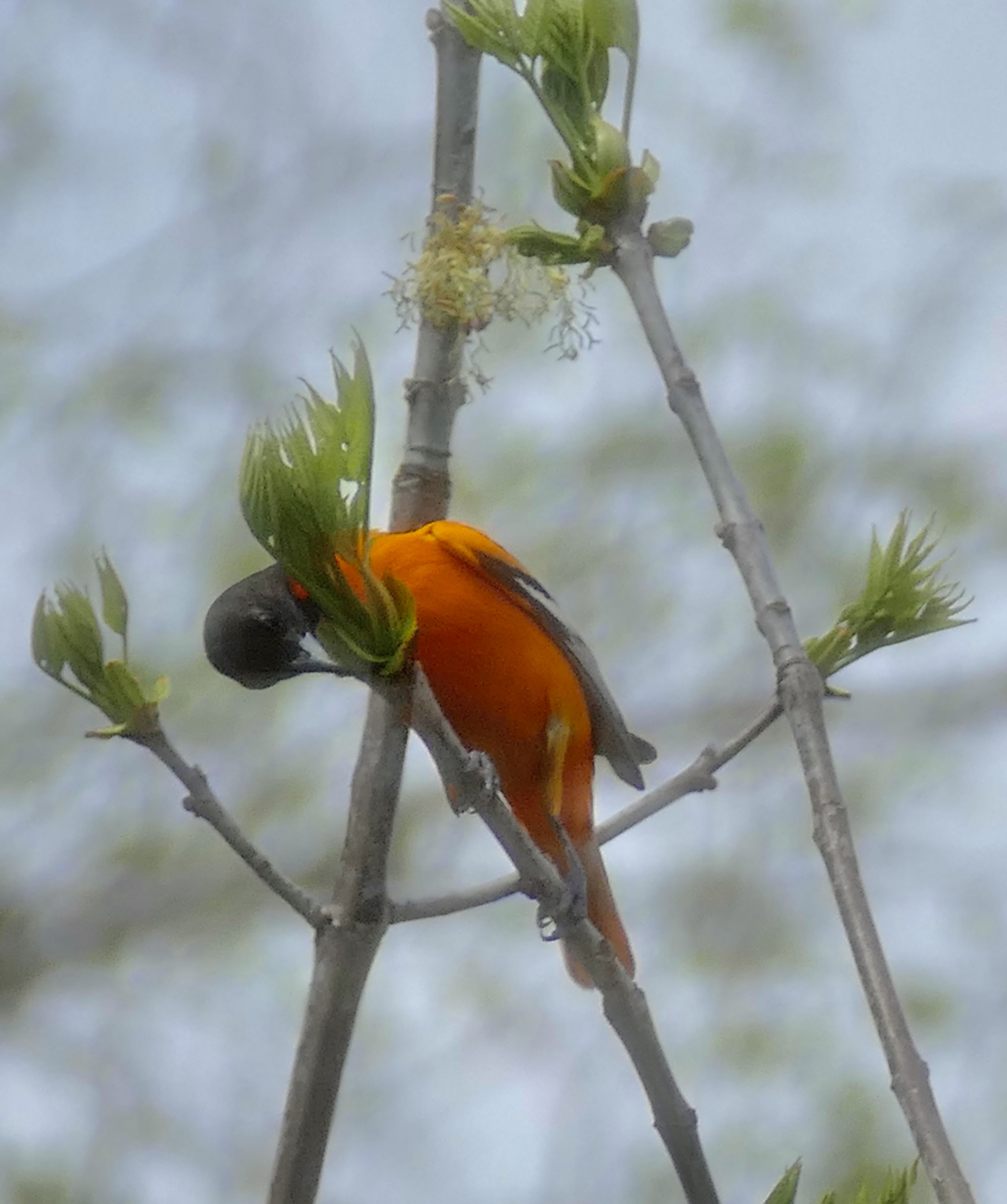
How rapidly the young twigs shoot — the herbs, trees, shrubs no sooner leaf out than they shoot forward surprisingly, as if they had acquired a head by being repressed so long.

They do not grow nearly so rapidly at any other season. Many do most of their growing for the year in a week or two at this season. They shoot — they spring — and the rest of the year they harden and mature, and perhaps have a second spring in the latter part of summer or in the fall.

May 23, 1841

in Thoreau’s Journal: 

Books are to be attended to as new sounds merely. Most would be put to a sore trial if the reader should assume the attitude of a listener. They are but a new note in the forest. To our lonely, sober thought the earth is a wild unexplored. Wildness as of the jay and muskrat reigns over the great part of nature. The oven-bird and plover are heard in the horizon. Here is a new book of heroes, come to me like the note of the chewink from over the fen, only over a deeper and wider fen. The pines are unrelenting sifters of thought; nothing petty leaks through them. Let me put my ear close, and hear the sough of this book, that I may know if any inspiration yet haunts it.

There is always a later edition of every book than the printer wots of, no matter how recently it was published. All nature is a new impression every instant.

May 20, 1852

in Thoreau’s Journal:

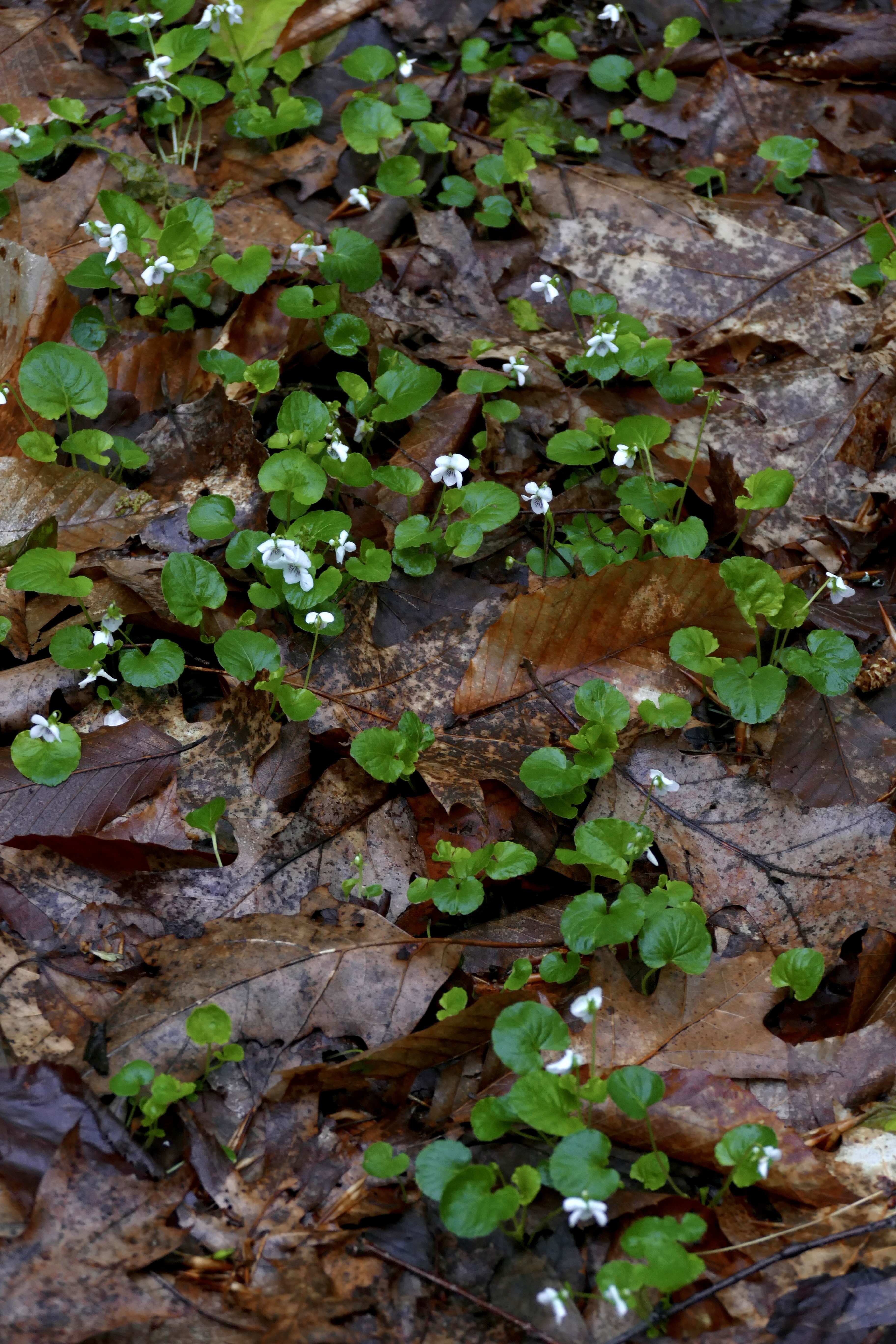
The white violets by the spring are rather scarce now.

The red oak leaves are very pretty & finely cut about 1 3/4 inches long.  Like most young leaves they are turned back around the twig parasol like. The farmers apprehend frosts these nights. A purplish gnaphallium with 3 nerved leaves. 

May 17, 1854

in Thoreau’s Journal:

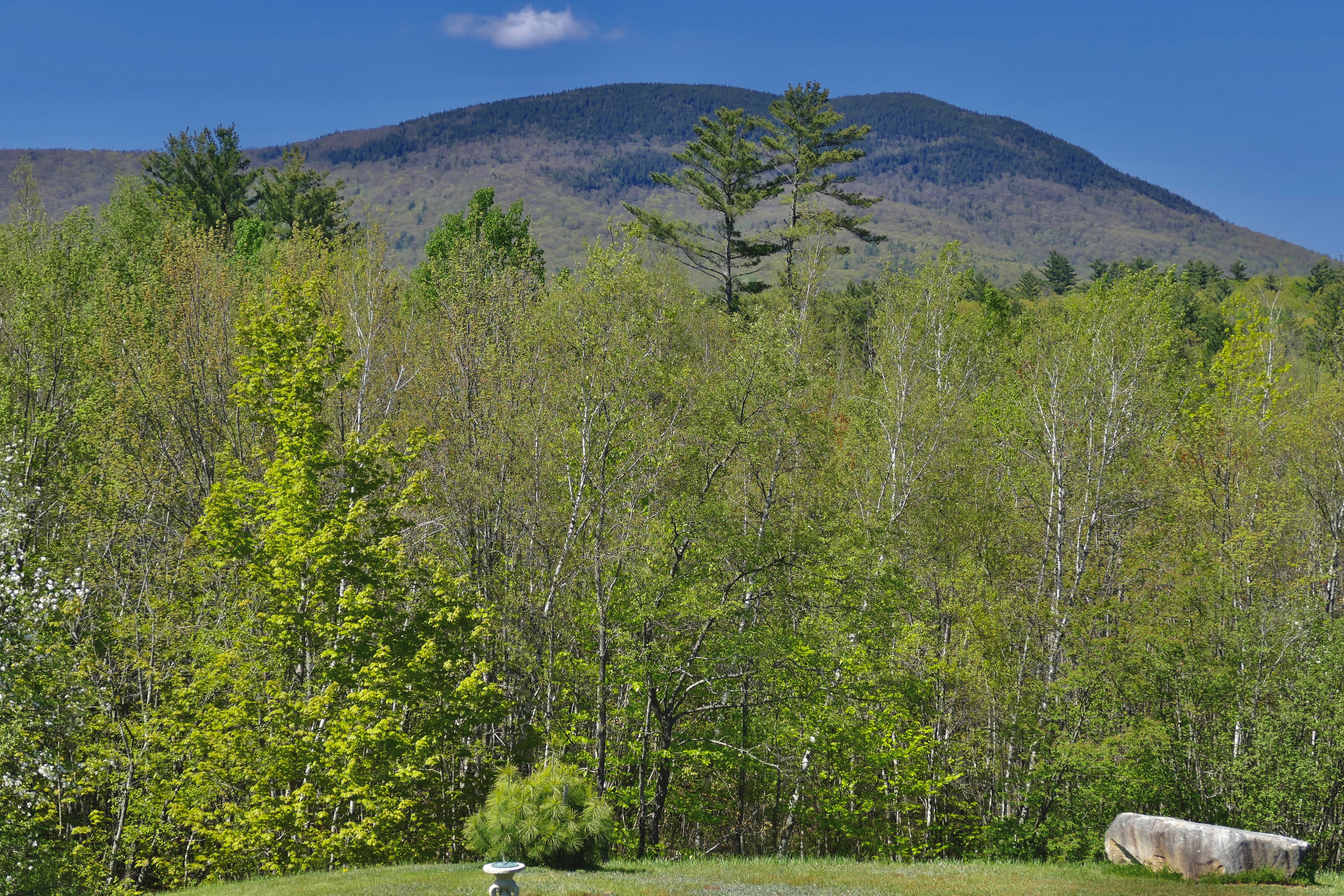
In the case of the early aspen you could almost see the leaves expand and acquire a darker green––this to be said the 12th or 13th or 14th––under the influence of the sun and genial atmosphere. Now they are only as big as a nine pence, to-morrow or sooner they are as big as a pistareen, and the next day they are as big as a dollar. This from its far greater prevalence than the aspens, balm-of-Gilead, white maples, etc., is the first to give the woodlands anywhere generally a (fresh) green aspect.

It is the first to clothe large tracts of deciduous woodlands with green, and perchance it marks an epoch in the season, the transition decidedly and generally from bare twigs to leaves. When the birches have put on their green sacks, then a new season has come. The light reflected from their tender yellowish green is like sunlight. 

May 15, 1860

in Thoreau’s Journal: 

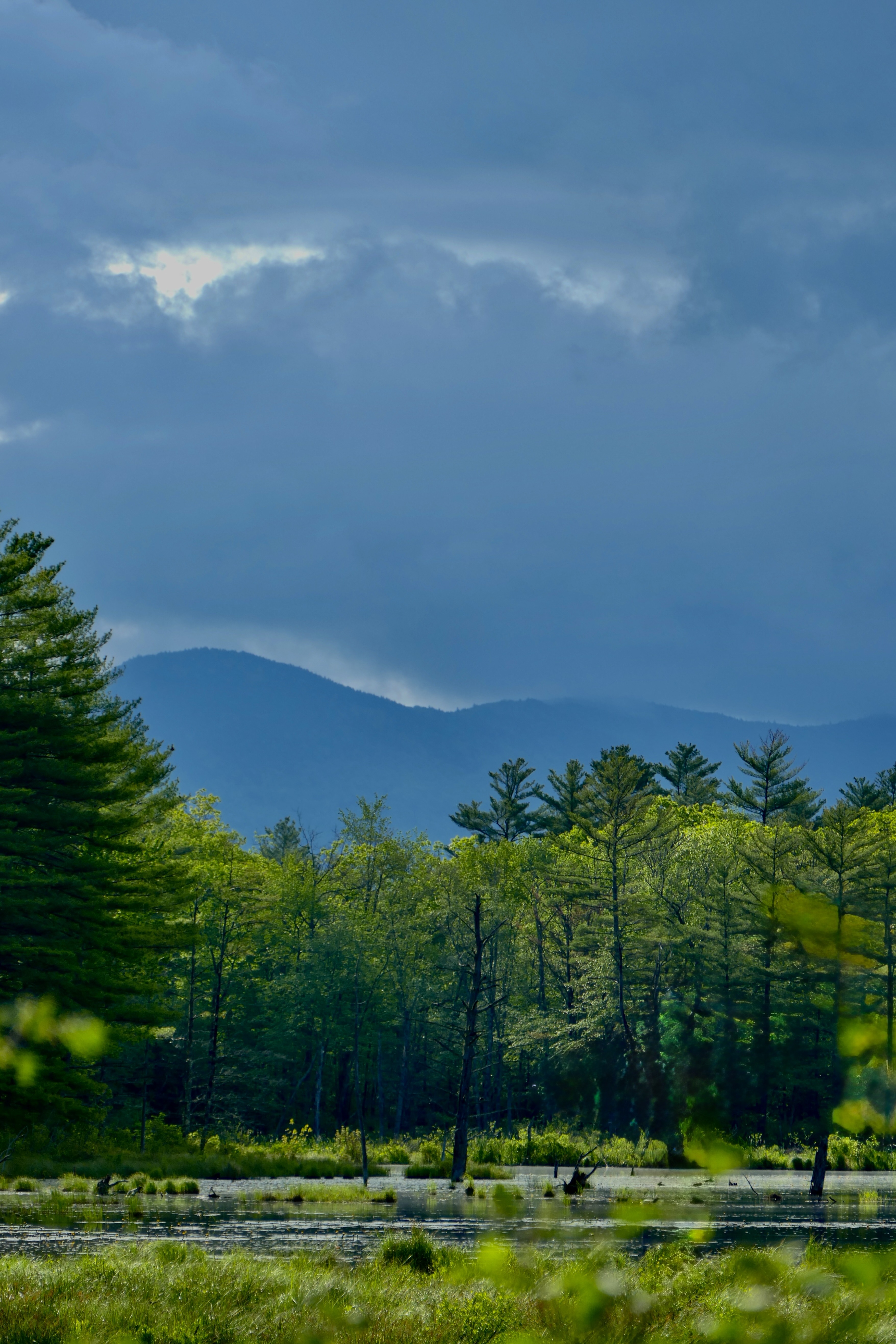
Looking from the Cliffs through the haze, the deciduous trees are a mist of leaflets, against which the pines are already darkened.

At this season there is thus a mist in the air and a mist on the earth.

May 14, 1852

in Thoreau’s Journal 

The sounds & sights—as birds & flowers heard & seen at those seasons when there are fewest—are most memorable & suggestive of poetic associations.  

May 13, 1857

in Thoreau’s Journal:

If you would have the song of the sparrow inspire you a thousand years hence, let your life be in harmony with its strain today.

May 12, 1853

in Thoreau’s Journal:

5.30a.m.—To Nawshawtuct by river.

You are pretty sure now to hear the stake-driver farther or nearer, morning or evening.