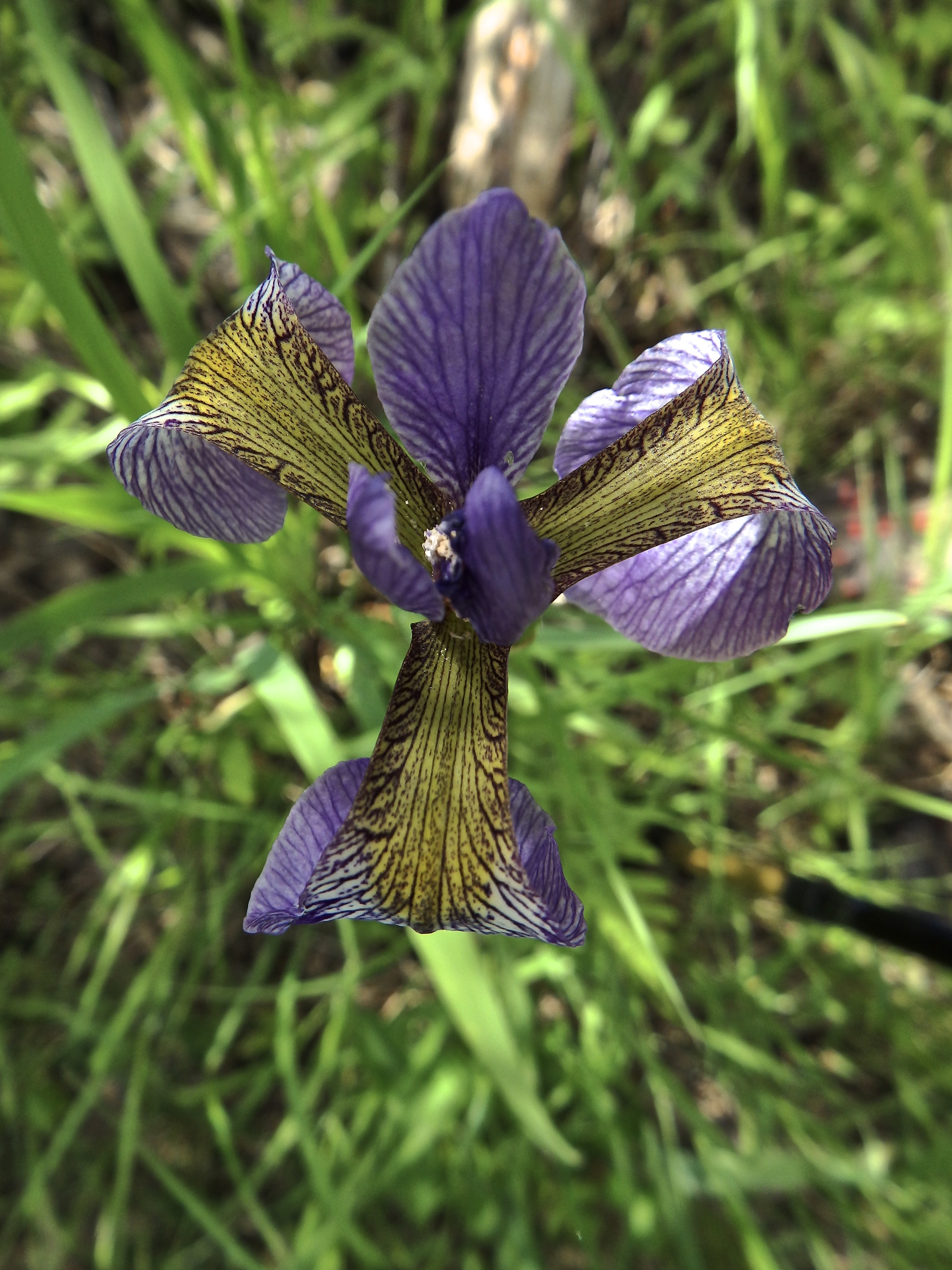
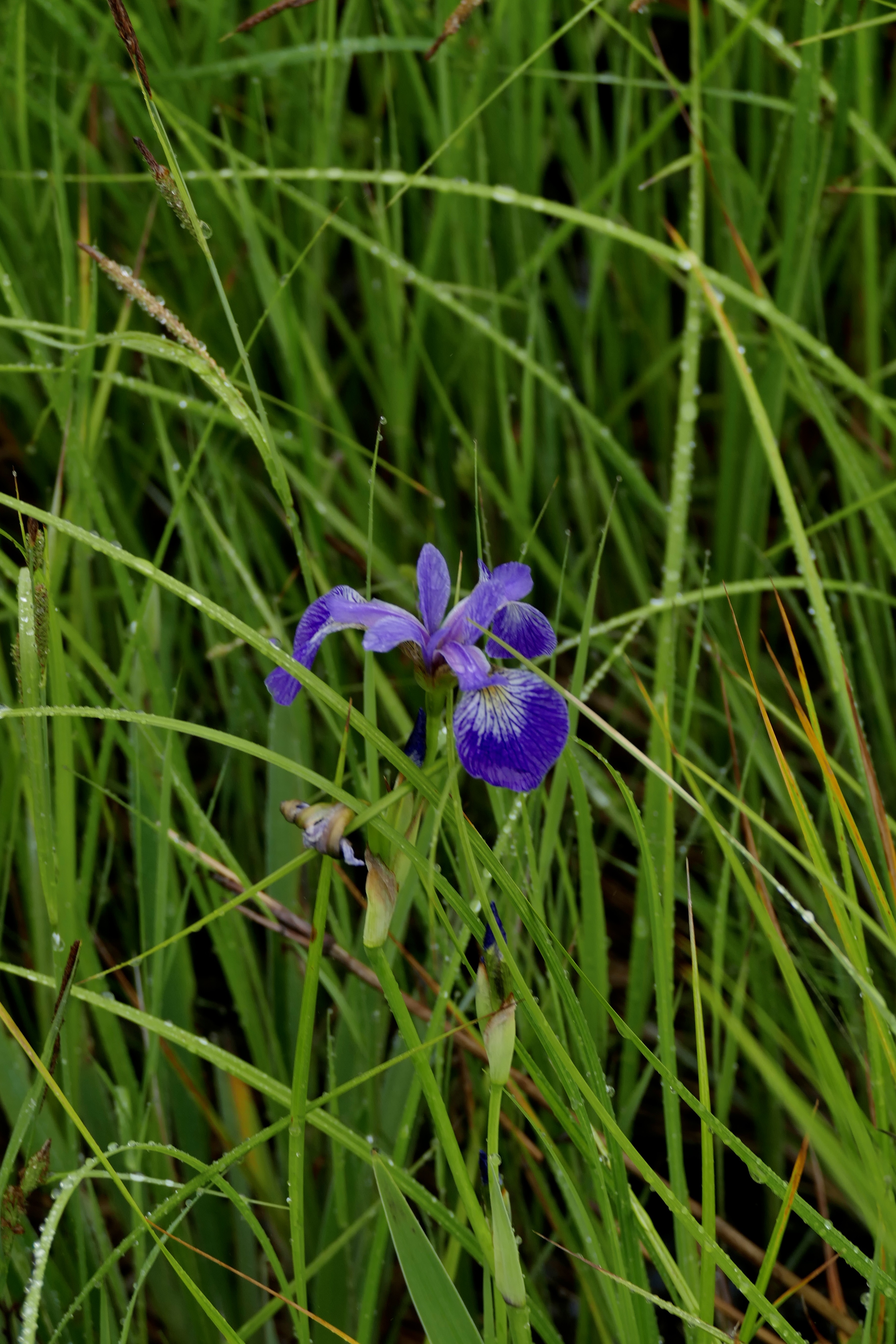
The blue flag (Iris versicolor) enlivens the meadow. The lark sings at sundown off in the meadow. It is a note which belongs to a New England summer evening. Though so late, I hear the summer hum of a bee in the grass, as I am on my way to the river behind Hubbard’s to bathe.
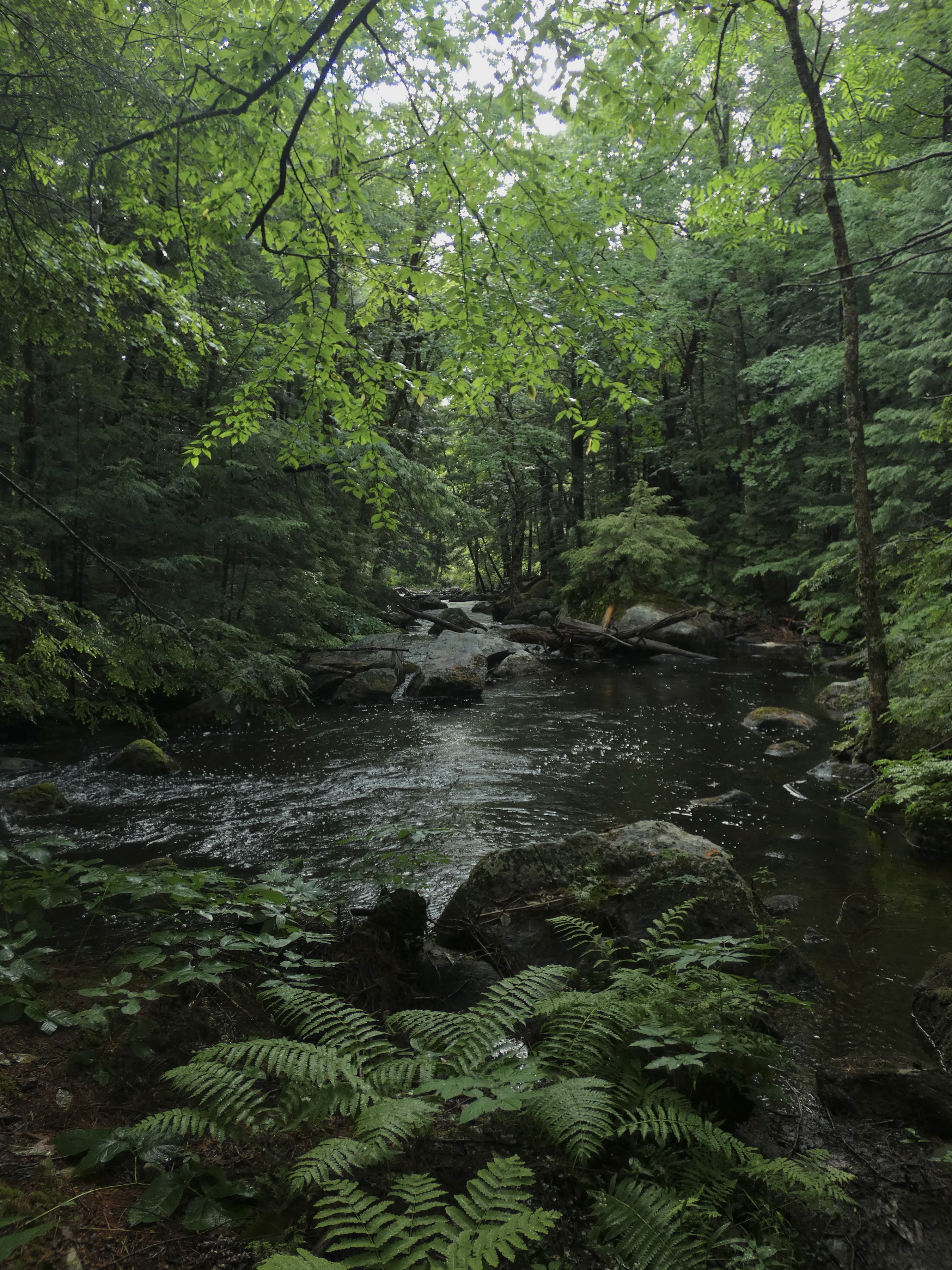
After hoeing in a dusty garden all this warm afternoon, —so warm that the baker says he never knew the like and expects to find his horses dead in the stable when he gets home, —it is very grateful to wend one’s way at evening to some pure and cool stream and bathe therein.
I still perceive that ambrosial sweetness from the meadows in some places. Give me the strong, rank scent of ferns in the spring for vigor; just blossoming late in the spring. A healthy and refined nature would always derive pleasure from the landscape. As long as the bodily vigor lasts, man sympathizes with nature.
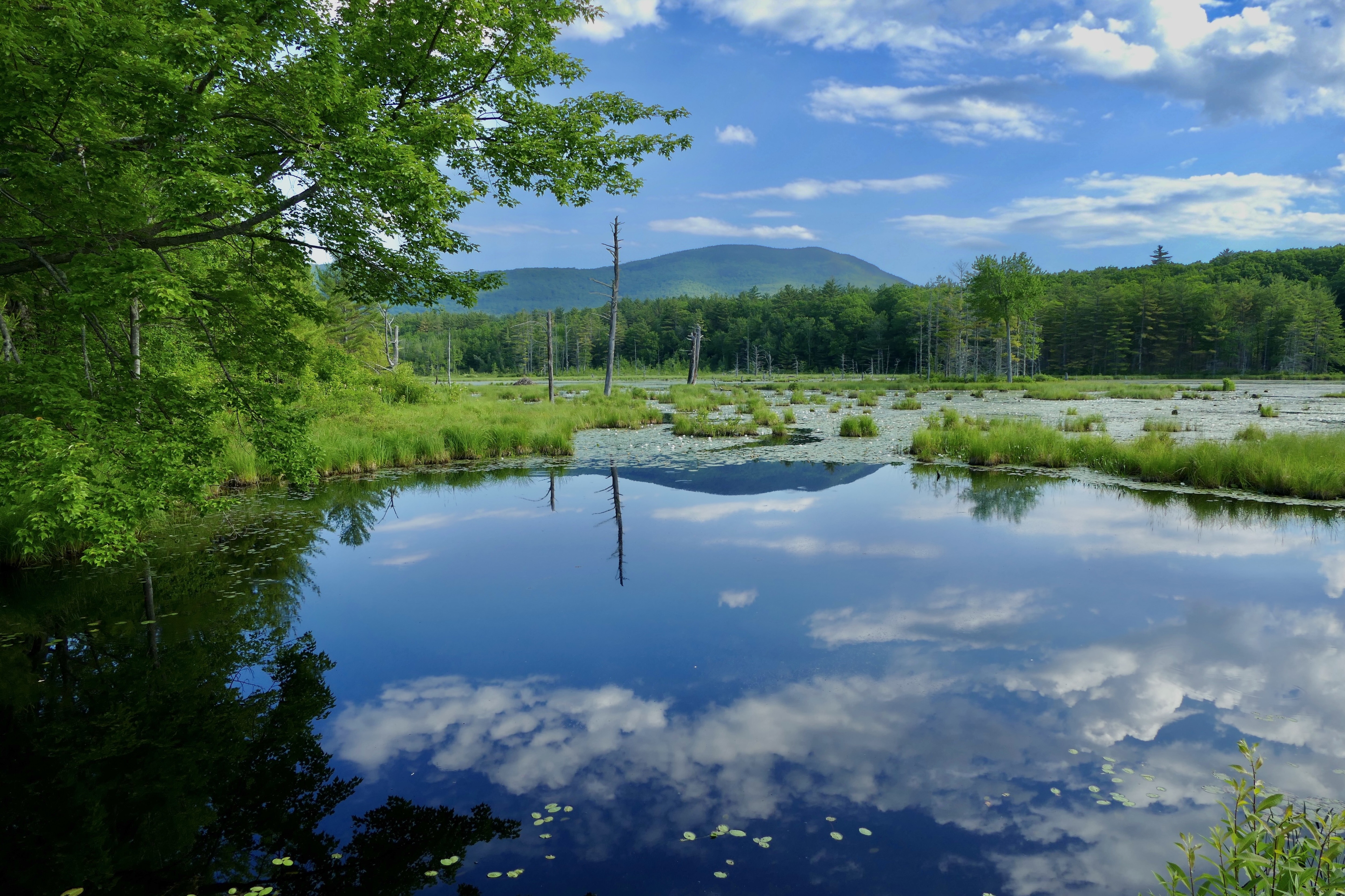
The earliest water surfaces as I remember––as soon as the ice is melted, present as fair & matured scenes––as soft & warm reflecting the sky through the clear atmosphere––as in midsummer––far in advance of the earth. The earliest promise of the summer––is it not in the smooth reflecting surface of woodland lakes in which the ice is just melted?
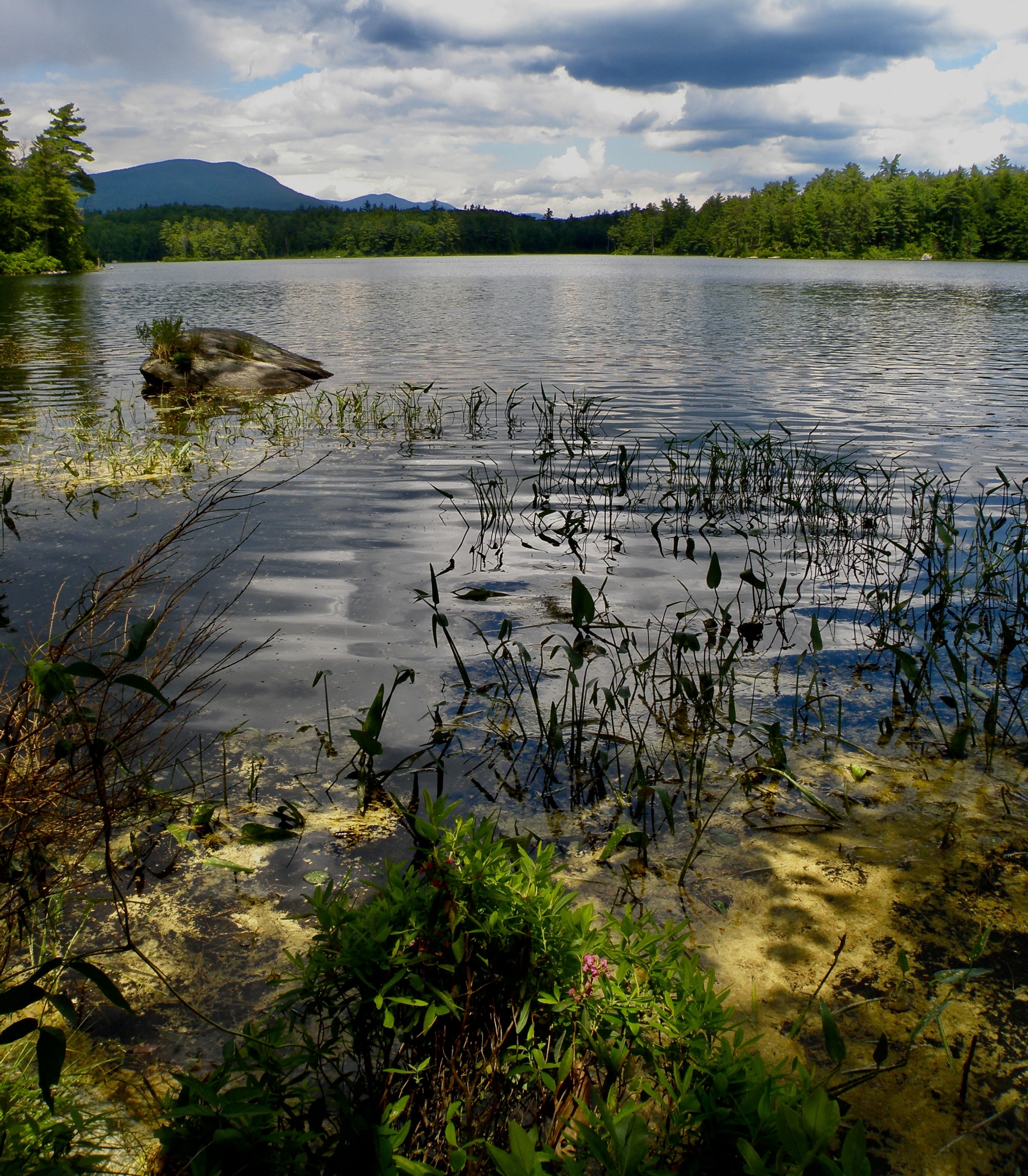
The liquid eyes of nature––blue or black or even hazel. Deep or shallow––clear or turbid. Green next the shore the color of their iris.
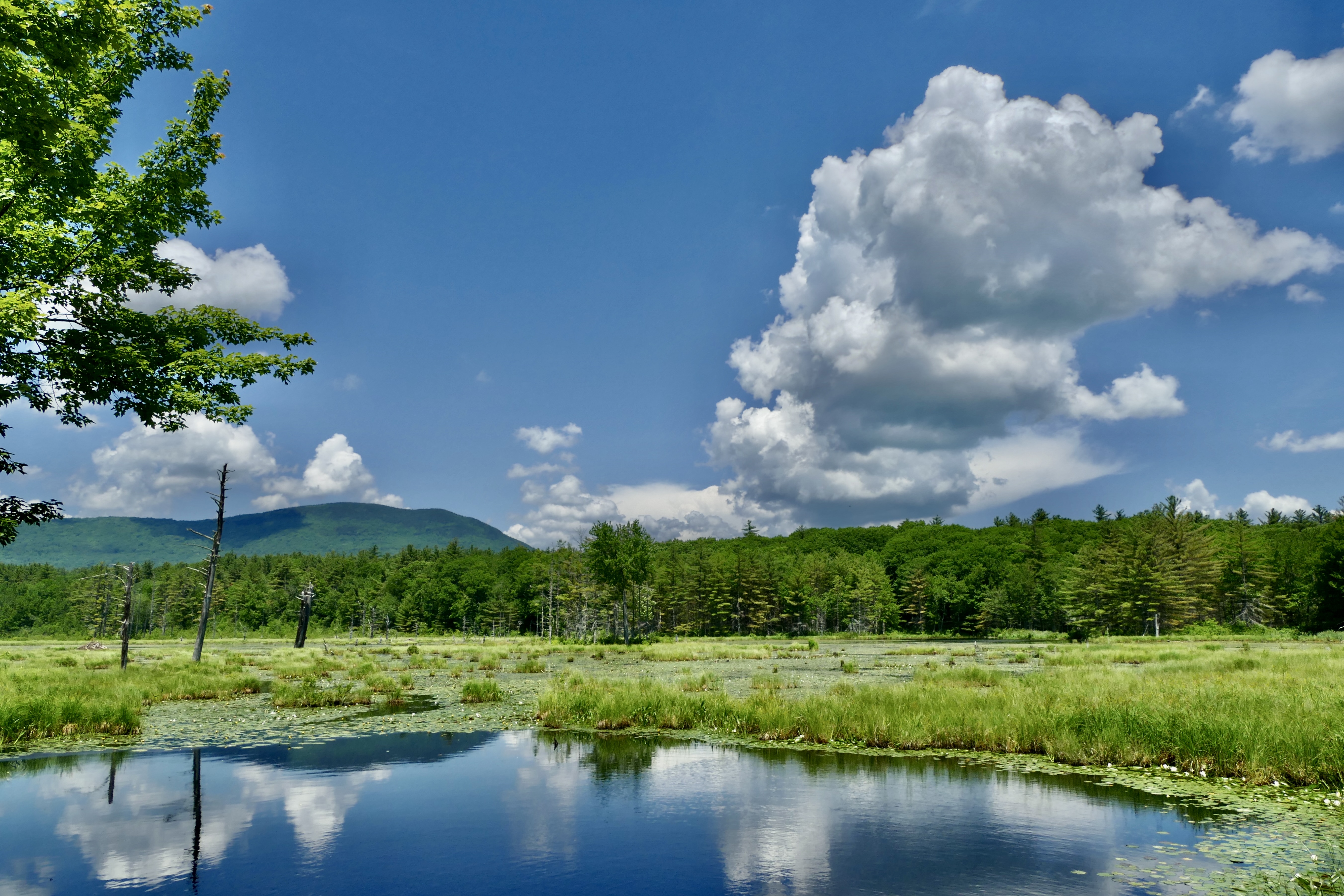
The drifting white downy clouds are to the landsman what sails on the sea are to him that dwells by the shore, – objects of a large, diffusive interest. When the laborer lies on the grass or in the shade for rest, they do not too much tax or weary his attention. They are unobtrusive. I have not heard that white clouds, like white houses, made any one’s eyes ache. They are the flitting sails in that ocean whose bounds no man has visited. They are like all great themes, always at hand to be considered, or they float over us unregarded. Far away they float in the serene sky, the most inoffensive of objects, or, near and low, they smite us with their lightnings and deafen us with their thunder. We know no Ternate nor Tidore grand enough whither we can imagine them bound. There are many mare’s-tails to-day, if that is the name. What could a man learn by watching the clouds?
The objects which go over our heads unobserved are vast and indefinite. Even those clouds which have the most distinct and interesting outlines are commonly below the zenith, somewhat low in the heavens, and seen on one side. They are among the most glorious objects in nature. A sky without clouds is a meadow without flowers, a sea without sails. Some days we have the mackerel fleet. But our devilishly industrious laborers rarely lie in the shade. How much better if they were to take their nooning like the Italians, relax and expand and never do any work in the middle of the day, enjoy a little sabbath in the middle of the day.
From N. Barrett’s road I look over the Great Meadows. The meadows are the freshest, the greenest green in the landscape, and I do not (at thus hour, at any rate) see any bent grass light. The river is a singularly deep living blue, the bluest blue, such as I rarely observe, and its shore is silvered with white maples, which show the under sides of their leaves, stage upon stage, in leafy towers. Methinks the leaves continue to show their under sides sometime after the wind has done blowing. The southern edge of the meadow is also silvered with (I suppose) the red maple.
Then there is the darker green of the forest, and the reddish, brown-ish, and bluish green of grass-lands and pastures and grain-fields, and the light-blue sky. There are not clouds enough in the sky to attract you to-day.
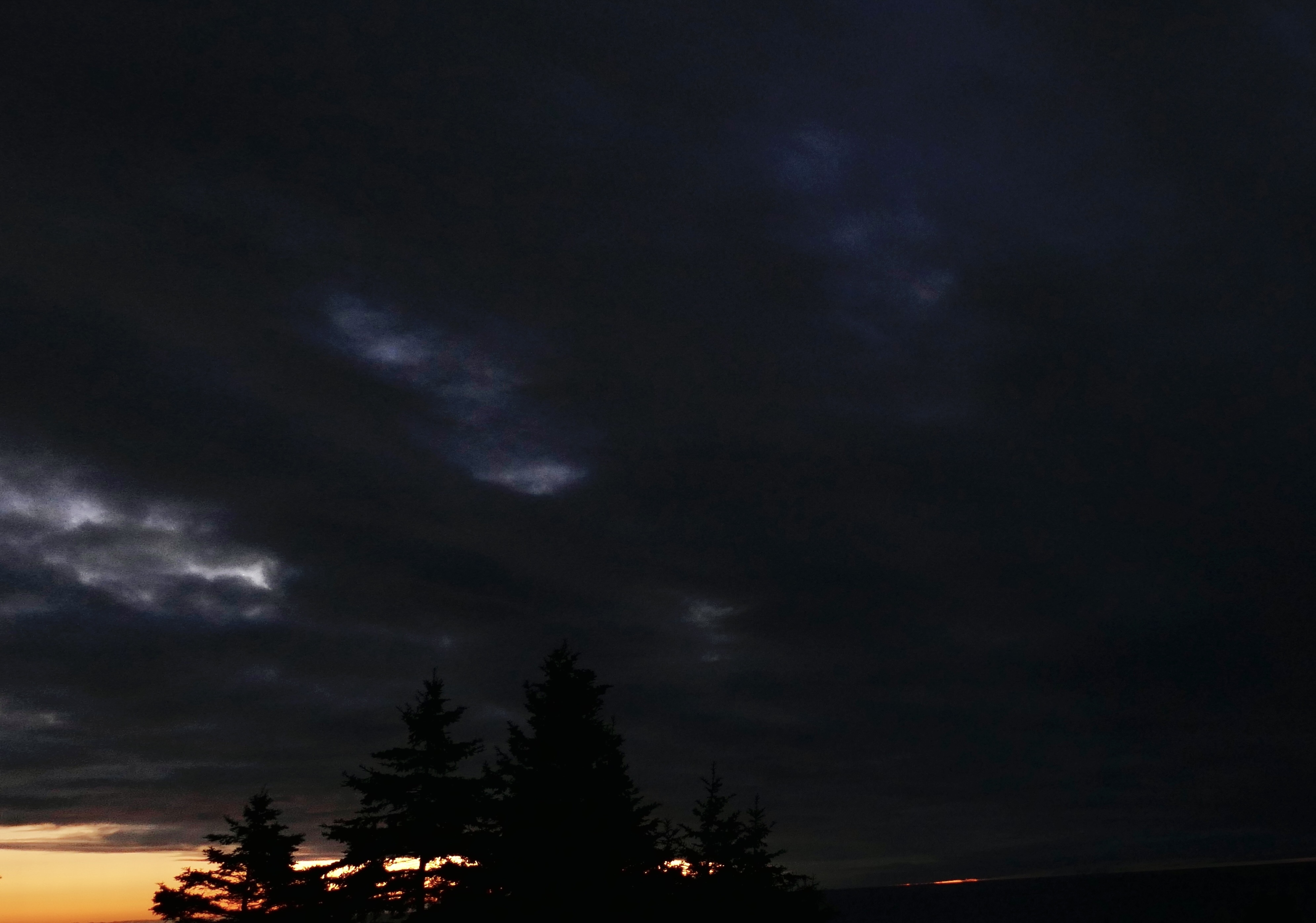
The white anemone is withering with drought; else would probably have opened. Return while the sun is setting behind thunder-clouds, which now over-shadow us. Between the heavy masses of clouds, mouse-colored, with dark-blue bases, the patches of clear sky are a glorious cobalt blue, as Sophia calls it.
How happens it that the sky never appears so intensely, brightly, memorably blue as when seen between clouds and, it may be, as now in the south at sunset? This, too, is like the blue in snow. For the last two or three days it has taken me all the forenoon to wake up.
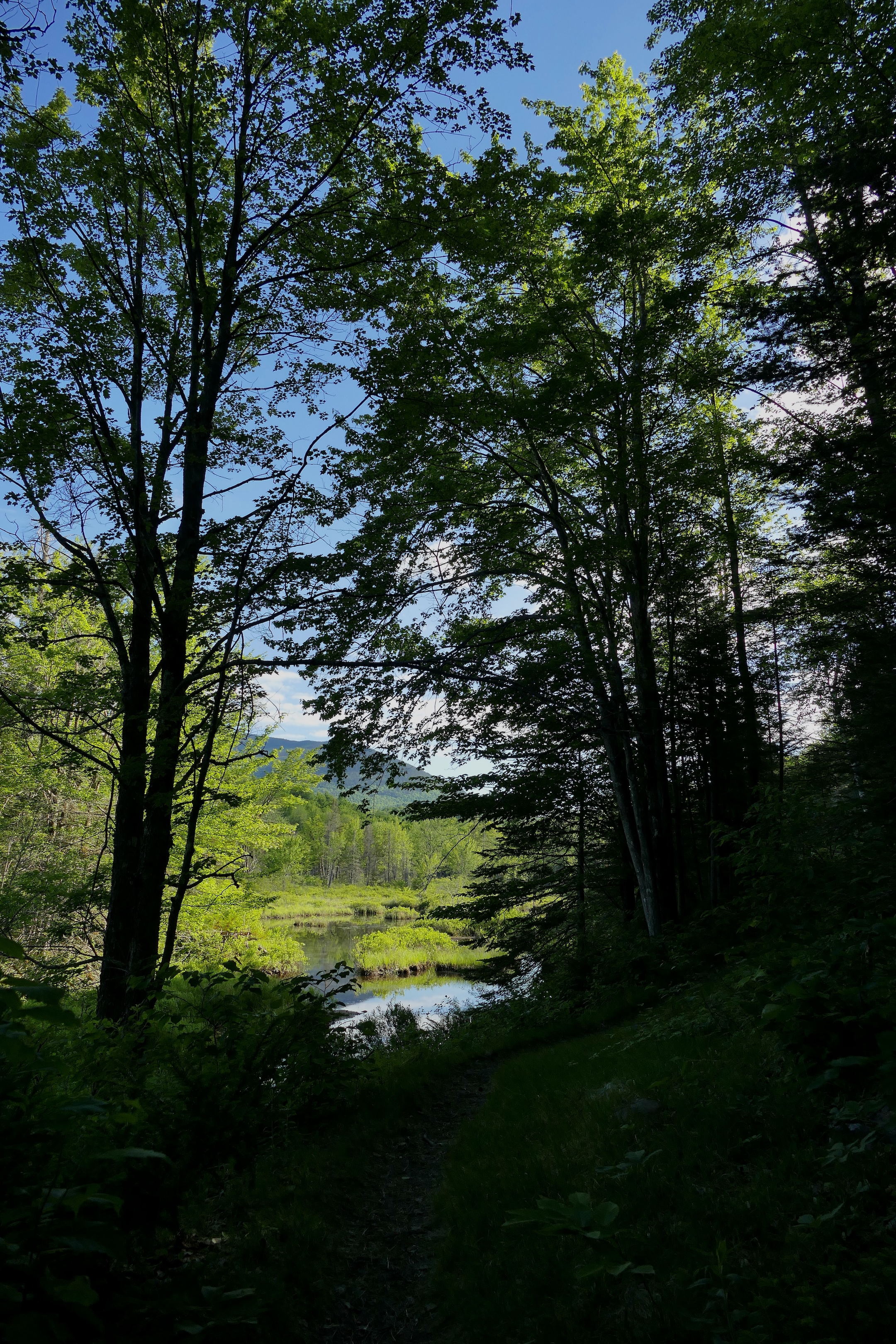
And then for my afternoon walks I have a garden––larger than any artificial garden that I have read of––and far more attractive to me,
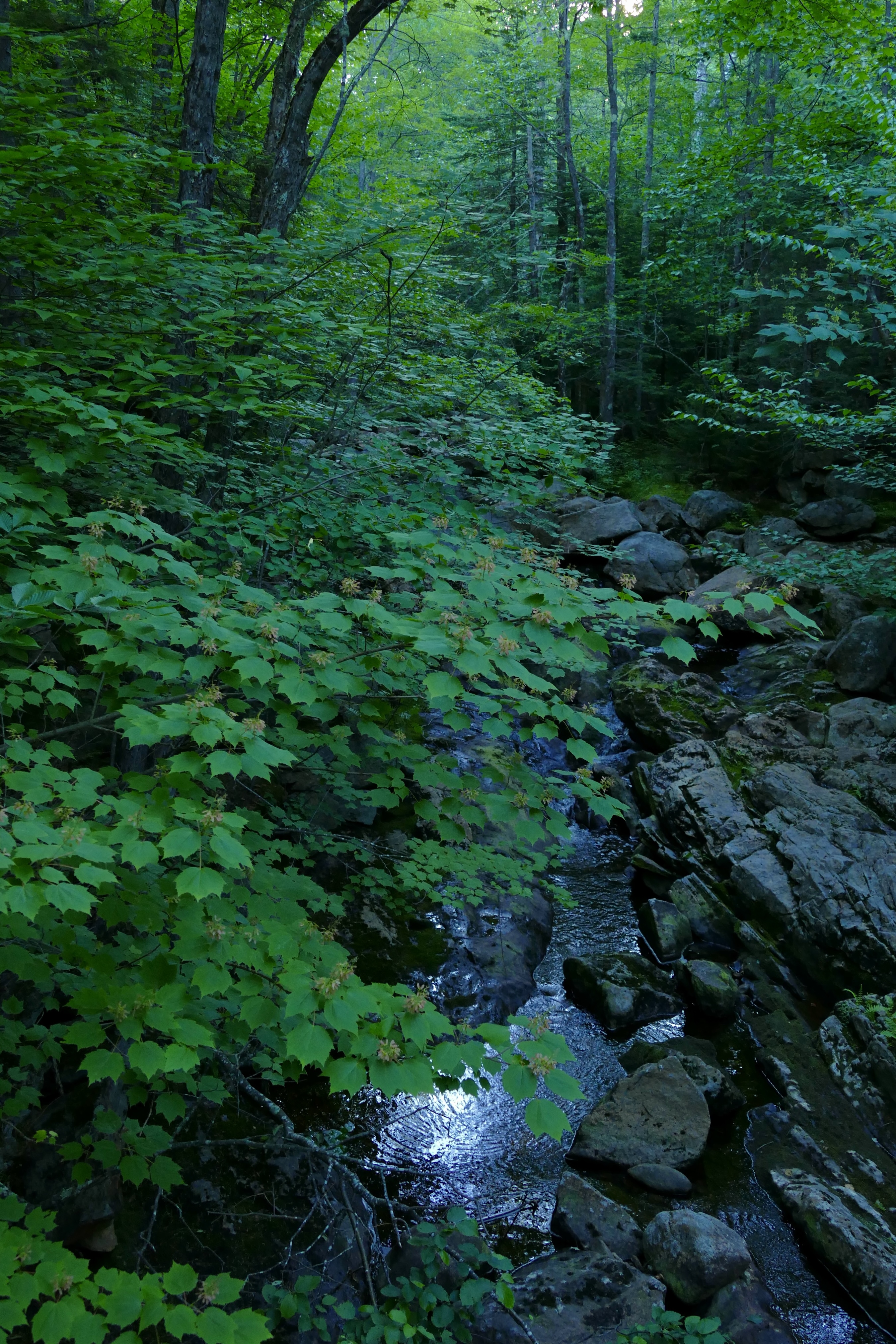
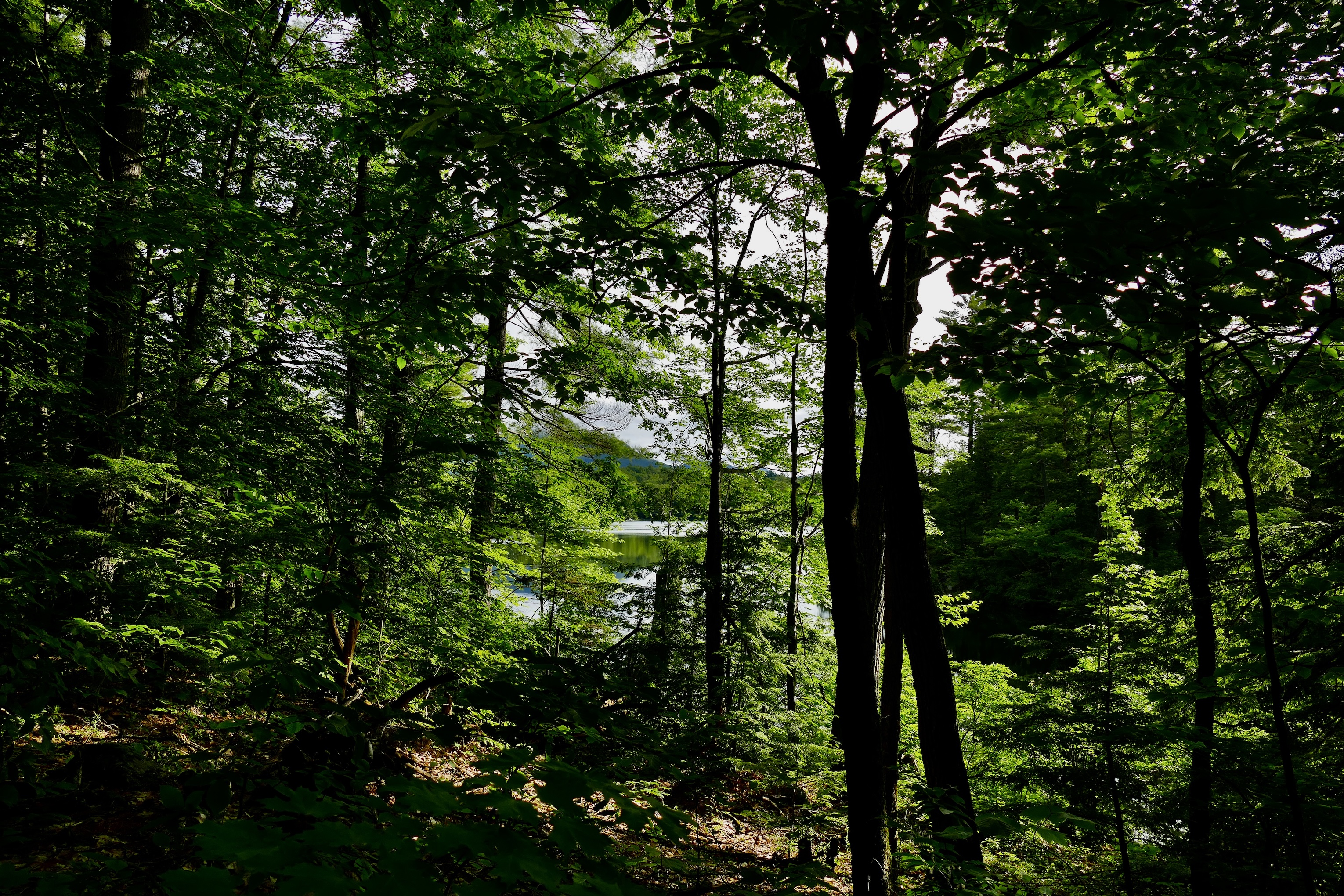
mile after mile of embowered walks, with animals running free & wild therein as from the first––varied with land & water prospect––and above all so retired that it is extremely rare that you meet a single wanderer in its maze –– No gardener is seen therein no gates nor… You may wander away to solitary bowers & brooks & hills….
A comfortable breezy June morning. No dust to-day. To explore a segment of country between the Stow hills and the railroad in Acton, west to Boxboro.
A fine, clear day, a journey day. A very small blue veronica in the bank by the roadside at Mrs. Hosmer’s, apparently the same with that I saw on the Cliffs with toothed leaves. Interesting from being blue. The traveller now has the creak of the cricket to encourage him on all country routes, out of the fresh sod, still fresh as in the dawn, not interrupting his thoughts. Very cheering and refreshing to hear so late in the day, this morning sound. The whiteweed colors some meadows as completely as the frosting does a cake. The waving June grass shows watered colors like grain. No mower’s scythe is heard. The farmers are hoeing their corn and potatoes. Some low blackberry leaves are covered with a sort of orange-colored mildew or fungus. The clover is now in its glory. Whole fields are rosed with it, mixed with sorrel, and looking deeper than it is. It makes fields look luxuriant which are really thinly clad. The air is full of its sweet fragrance. I cannot find the linnæa in Loring’s; perhaps because the woods are cut down; perhaps I am too late. The robins sing more than usual, maybe because of the coolness. Buttercups and geraniums cover the meadows, the latter appearing to float on the grass, – of various tints. It has lasted long, this rather tender flower. Methinks there are most tall buttercups now. These and the senecio, now getting stale, prevail in the meadows. Green early blueberries on hillsides passim remind you of the time when berries will be ripe. This is the ante-huckleberry season, when fruits are green. The green fruit of the thorn is conspicuous, and of the wild cherry and the amelanchiers and the thimble-berry. These are the clover days.
I see in the southerly bays of Walden the pine pollen now washed up thickly; only at the bottom of the bays, especially the deep long bay, where it is a couple of rods long by six to twenty-four inches wide and one inch deep; pure sulphur-yellow, and now has no smell.
It has come quite across the pond from where the pines stand, full half a mile, probably washed across most of the way.
Perhaps these mornings are the most memorable in the year — after a sultry night and before a sultry day — when, especially, the morning is the most glorious season of the day, when its coolness is most refreshing and you enjoy the glory of the summer gilded or silvered with dews, without the torrid summer’s sun or the obscuring haze. The sound of crickets at dawn after these first sultry nights seems like the dreaming of the earth still continued into the daylight.
I love that early twilight hour when the crickets still creak right on with such dewy faith and promise, as if it were still night — expressing the innocence of morning — when the creak of the cricket is fresh and bedewed. While the creak of the cricket has that ambrosial sound, no crime can be committed. It buries Greece and Rome past resurrection. The earth-song of the cricket! Before Christianity was, it is. Health! health! health! is the burden of its song. It is, of course, that man, refreshed with sleep, is thus innocent and healthy and hopeful. When we hear that sound of the crickets in the sod, the world is not so much with us.
It would be well if we saw ourselves as in perspective always, impressed with distinct outline on the sky, side by side with the shrubs on the river’s brim.
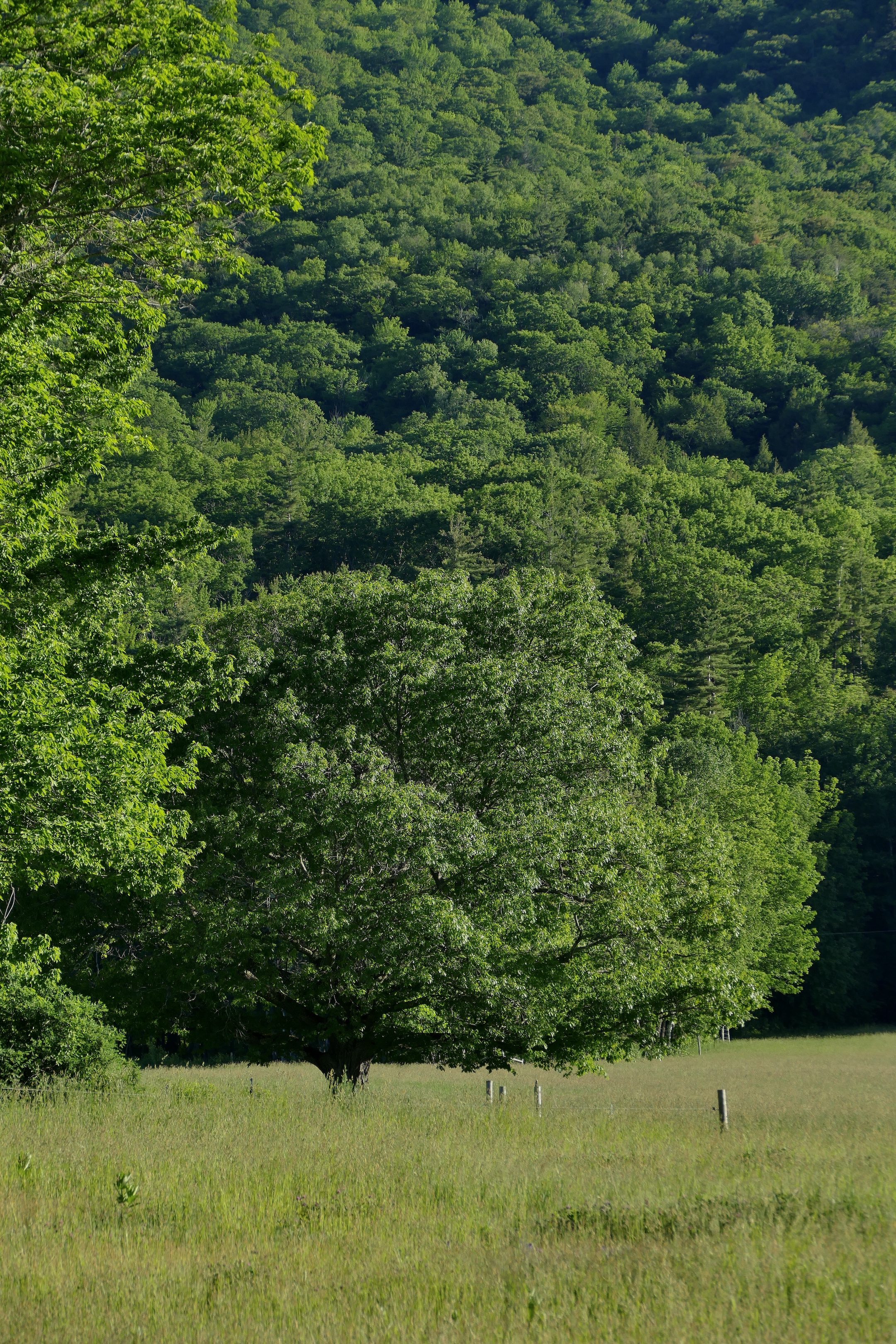
So let our life stand to heaven as some fair, sunlit tree against the western horizon, and by sunrise be planted on some eastern hill to glisten in the first rays of the dawn.
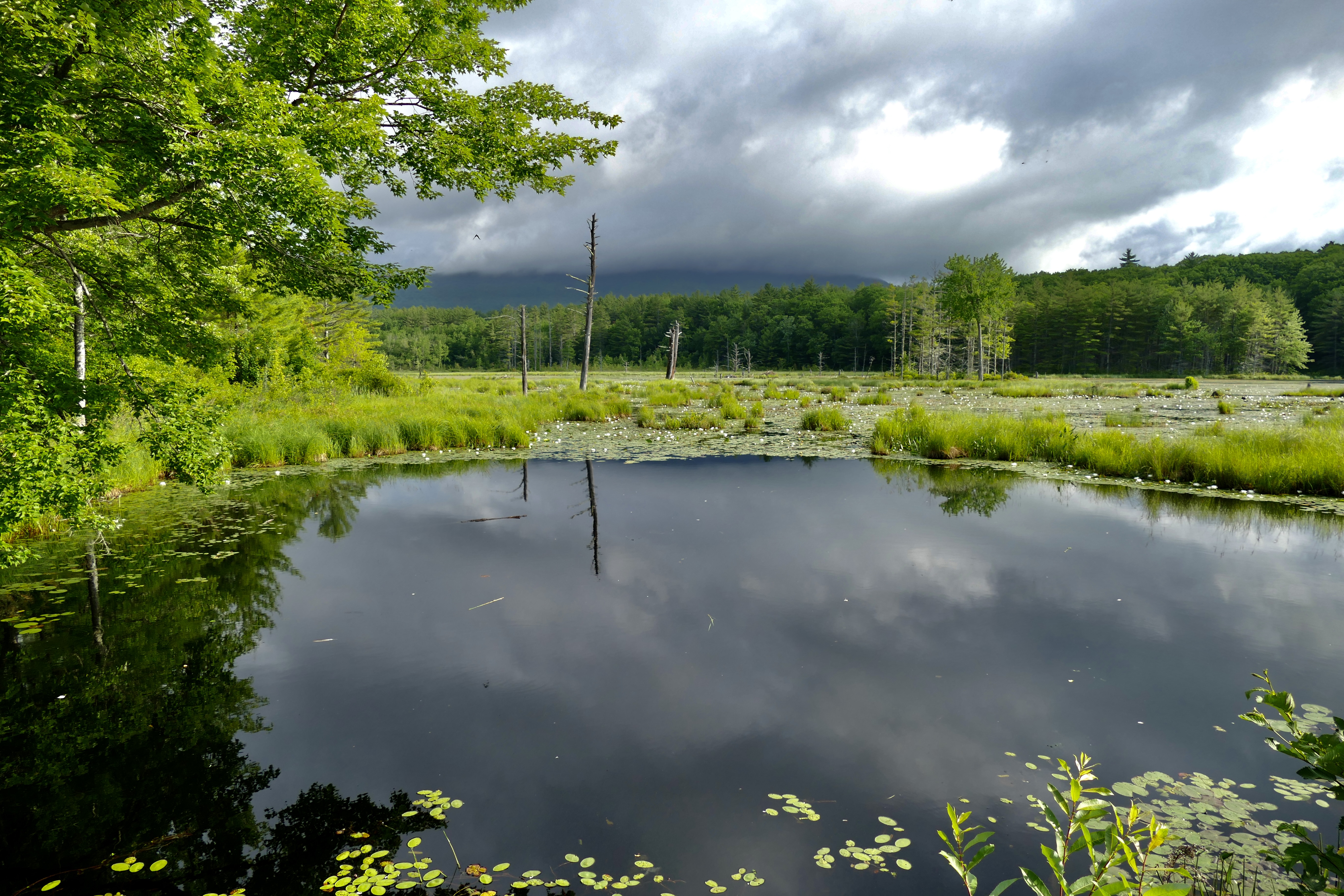
How agreeable in a still, cloudy day, when large masses of clouds, equally dispersed, float across the sky, not threatening rain, but preserving a temperate air, to see a sheet of water thus revealed by its reflections, a smooth, glassy mirror, reflecting the light sky and the dark and shady woods. It is very much like a mirage.






 allandibiase.com
You must be logged in to post a comment.