July 31, 1856

in Thoreau’s Journal:

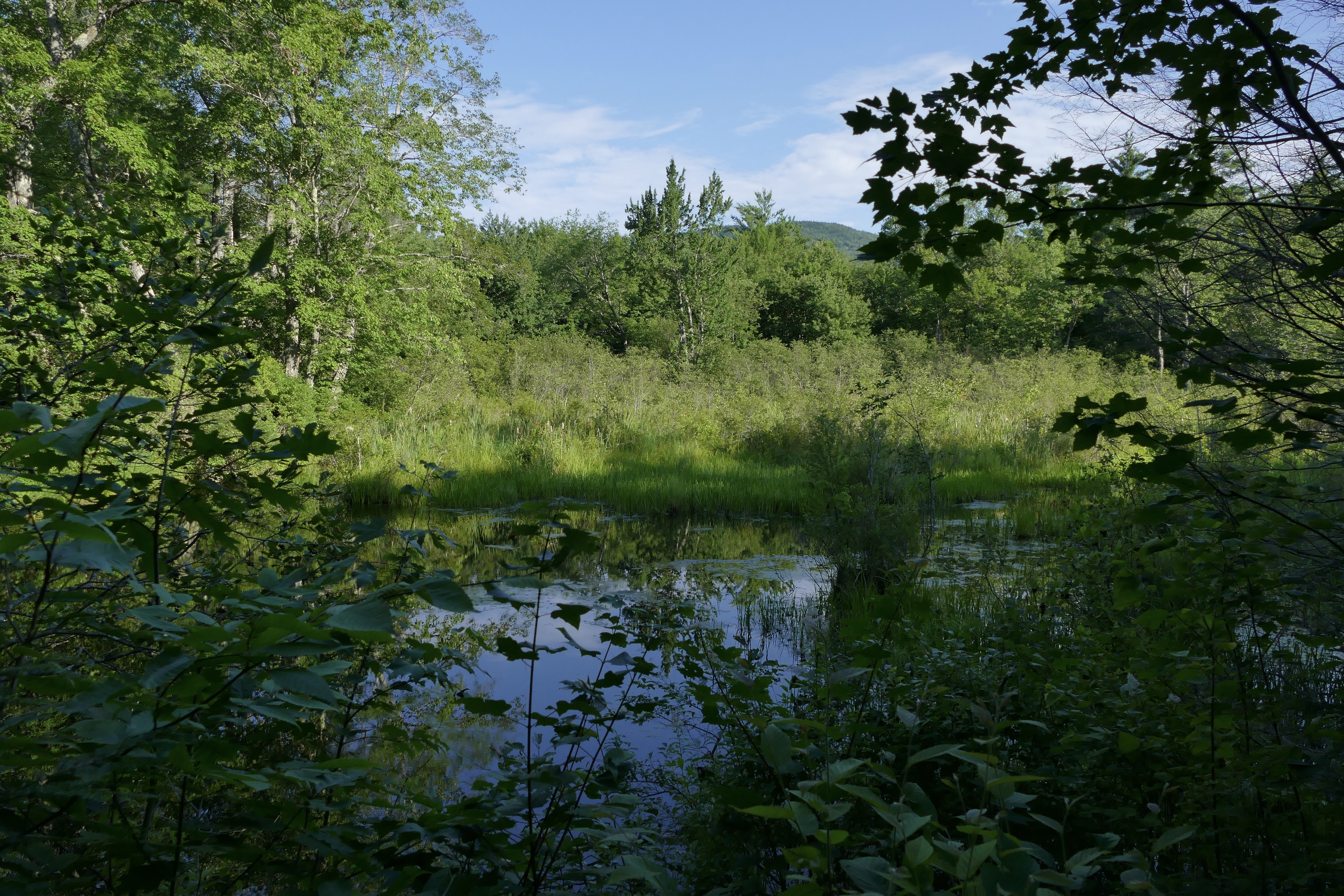
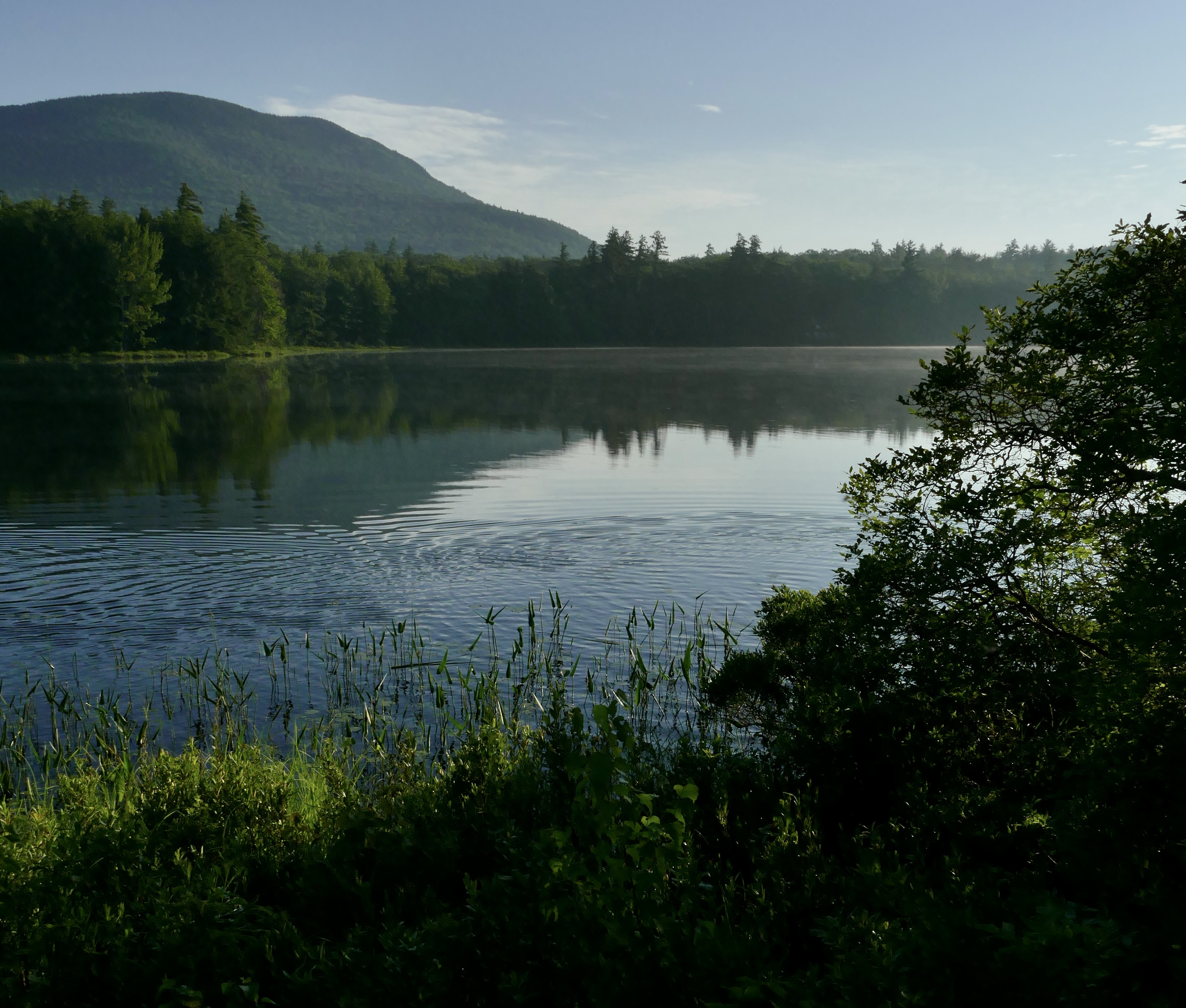
As I look out through the woods westward there, I see, sleeping and gleaming through the stagnant, misty, glaucous dog-day air, i. e. blue mist, the smooth silvery surface of Fair Haven Pond.
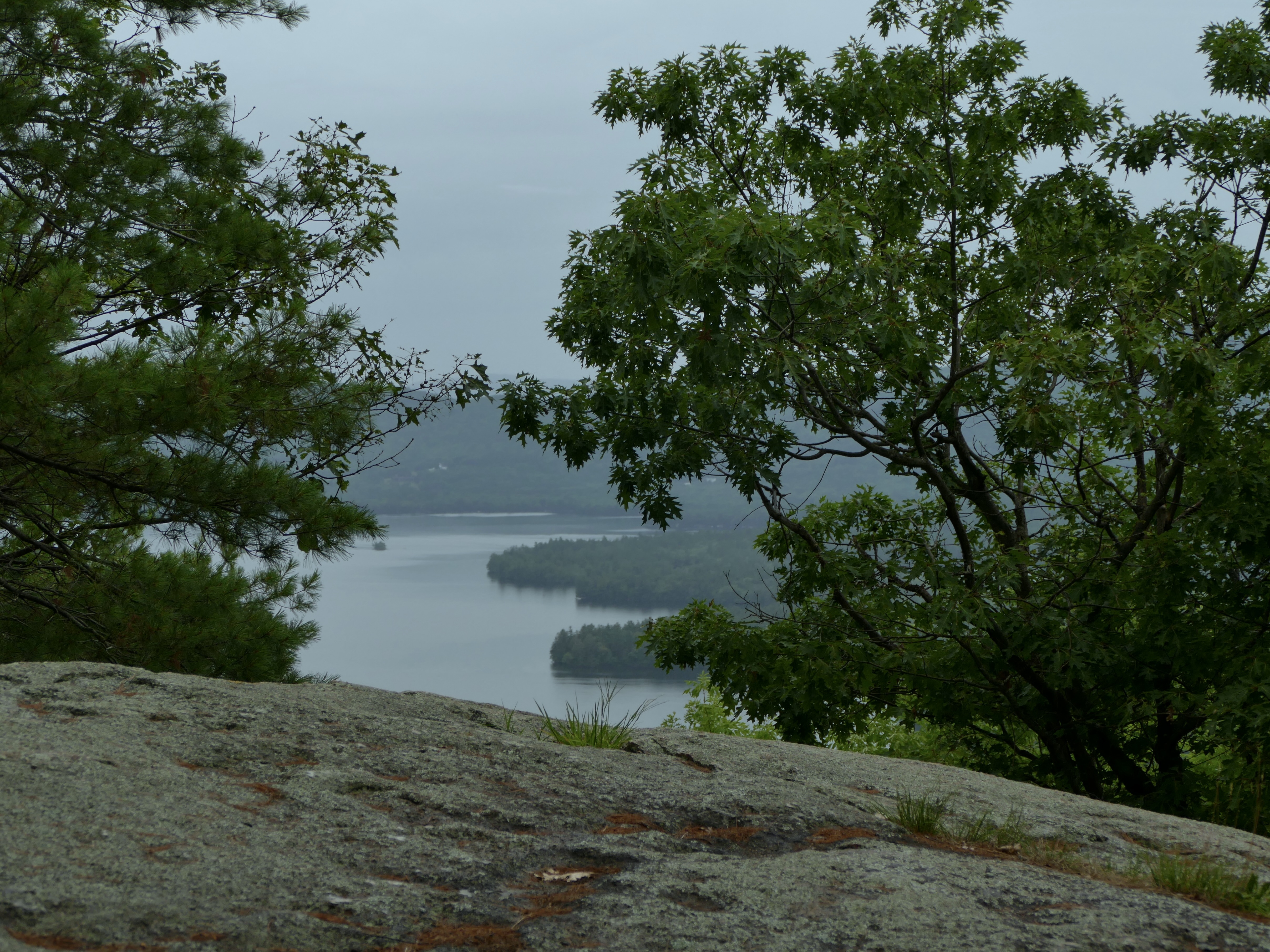
There is a singular charm about it in this setting. The surface has a dull, gleaming polish on it, though draped in this glaucous mist.
July 30, 1853

in Thoreau’s Journal:

The wayfarer’s tree! How good a name! Who be-stowed it? How did it get adopted?

The mass of men are very unpoetic, yet that Adam that names things is always a poet. The boor is ready to accept the name the poet gives. How nameless is the poet among us!  He is abroad, but is not recognized. He does not get crowned with the laurel.

July 29, 1857

in Thoreau’s Journal

I am interested in an indistinct prospect, a distant view, a mere suggestion often, revealing an almost wholly new world to me. 

I rejoice to get, and am apt to present, a new view.  I rejoice to get, and am apt to present, a new view. But I find it impossible to present my view to most people. 

July 28, 1854

in Thoreau’s Journal:

Methinks the season culminated about the middle of this month––That the year was of indefinite promise before––but that after the 1st intense heats we postponed the fulfillment of many of our hopes for this year––& having as it were attained the ridge of the summer––commenced to descend the long slope toward winter––

the afternoon & down hill of the year––  Last evening it was much cooler––& I heard a decided fall sound of crickets––

July 27, 1840

in Thoreau’s Journal:

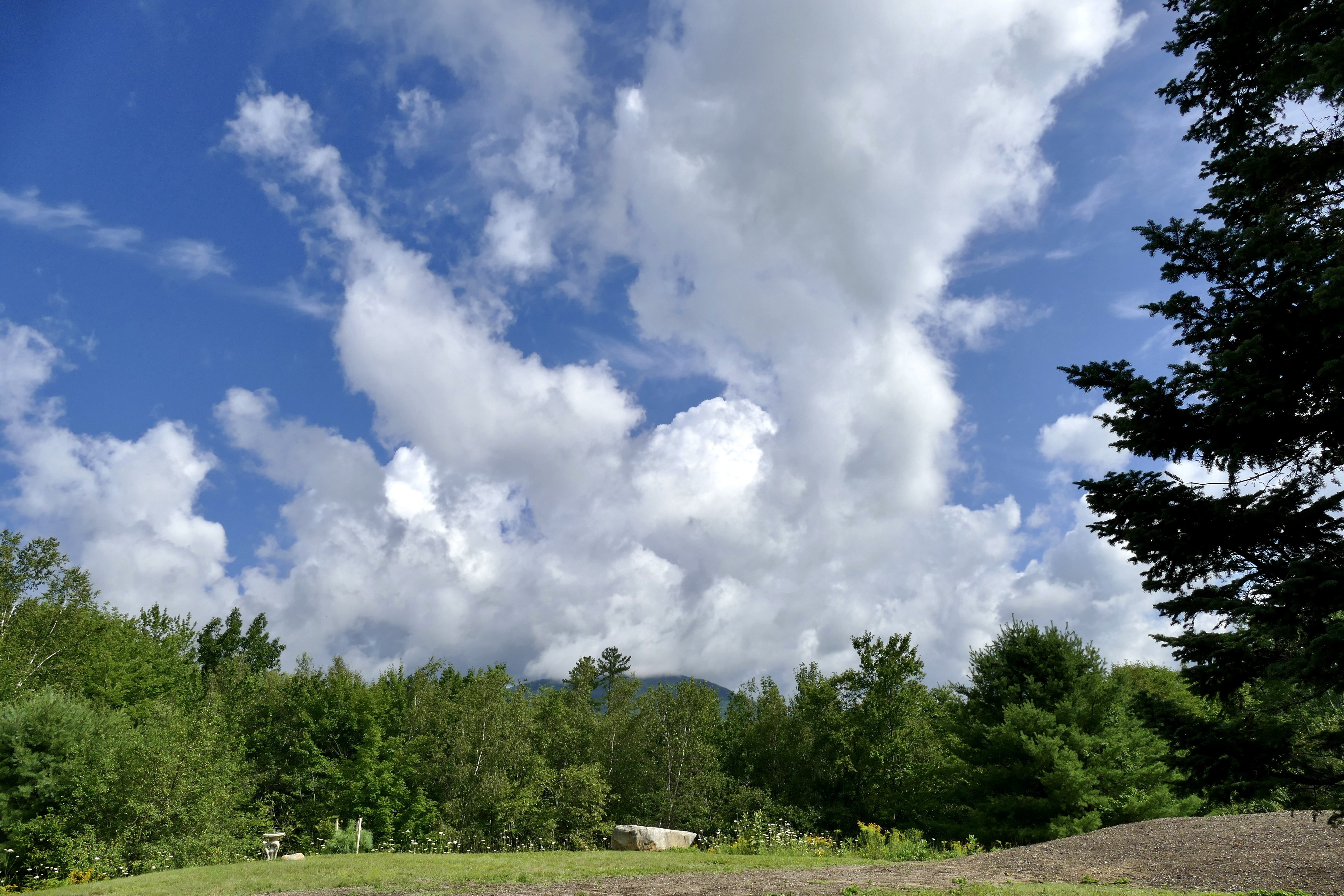
The grandeur of these stupendous masses of clouds, tossed into such irregular greatness across the sky, seems thrown away on the meanness of my employment. The drapery seems altogether too rich for such poor acting.

July 26, 1854

in Thoreau’s Journal:

One reason why the lately shorn fields shine so and reflect so much light is that a lighter-colored and tender grass, which has been shaded by the crop taken off, is now exposed, and also a light and fresh grass is springing up there.

Yet I think it is not wholly on this account, but in a great measure owing to a clearer air after rains which have succeeded to misty weather. I am going over the hill through Ed. Hosmer’s orchard, when I observe this light reflected from the shorn fields….

July 25, 1852

in Thoreau’s Journal:

This morning is all the more glorious for a white fog, which, though not universal, is still very extensive over all lowlands, some fifty feet high or more, though there was none at ten last night. There are white cobwebs on the grass. The battalions of the fog are continually on the move.

July 23, 1853

in Thoreau’s Journal:

A comfortable breeze blowing. Methinks I can write better in the afternoon, for the novelty of it— if I should go abroad this morning— My genius makes distinctions which my understanding cannot— and which my senses do not report. If I should reverse the usual— go forth & saunter in the fields all the forenoon then sit down in my chamber in the afternoon, which it is so unusual for me to do—it would be like a new season to me & the novelty of it inspire me. The wind has fairly blown me out doors—the elements were so lively & active— & I so sympathized with them that I could not sit while the wind went by. And I am reminded that we should especially improve the summer to live out of doors— When we may so easily it behoves us to break up this custom of sitting in the house. for it is but a custom—and I am not sure that it has the sanction of common sense. A man no sooner gets up than he sits down again….

Is the literary man to live always or chiefly sitting in a chamber—through which Nature enters by a window only? What is the use of the summer?  ….but here outdoors is the place to store up influences.

July 22, 1860

in Thoreau’s Journal:

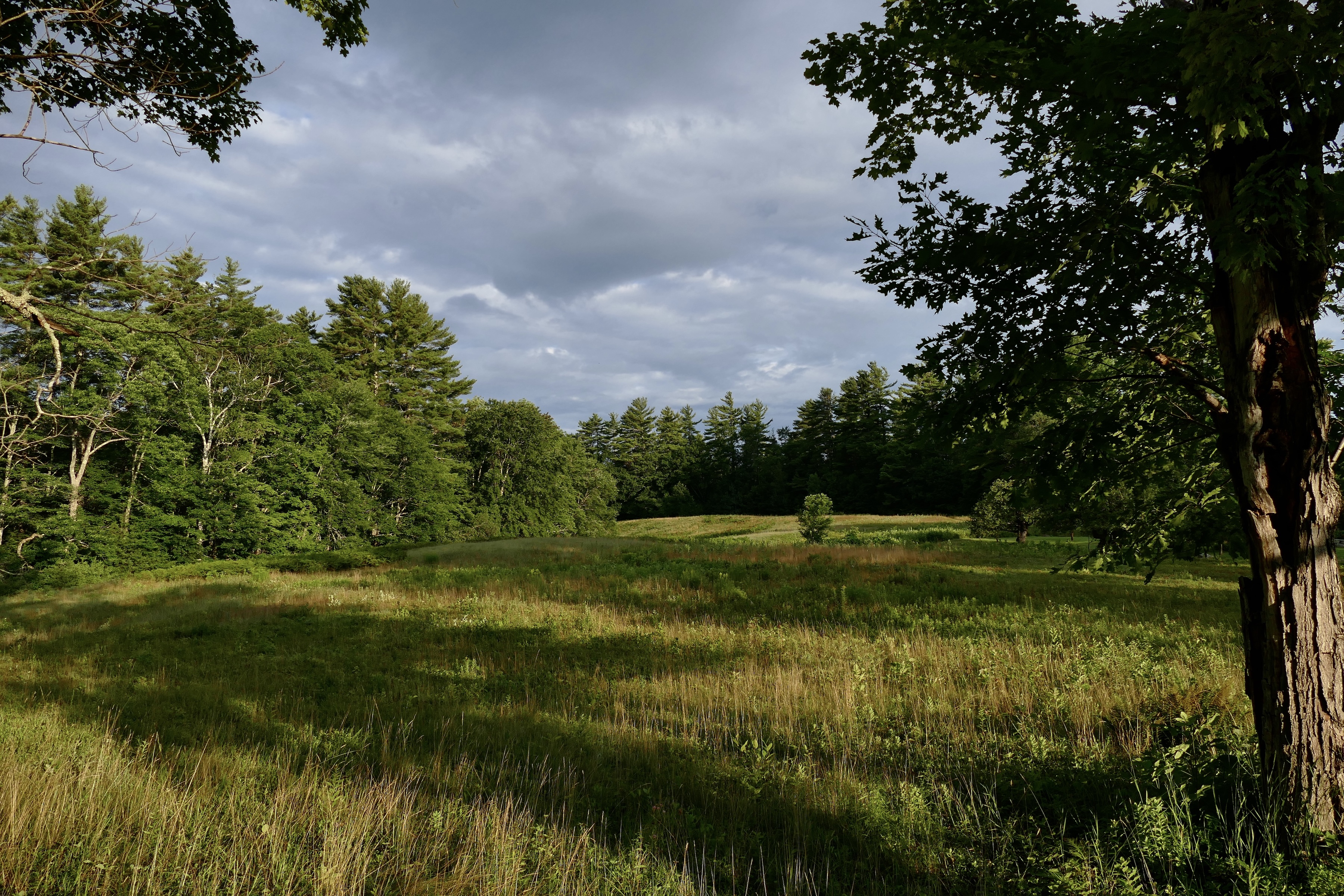
Yesterday having been a rainy day, the air is now remarkably clear and cool and you rarely see the horizon so distinct. The surface of the earth, especially looking westward, —grass grounds, pastures, and meadows, — is remarkably beautiful.

I stand in Heywood’s pasture… leaning over the wall, look westward. All things — grass, etc. — are peculiarly fresh this season on account of the copious rains.

July 21, 1853

in Thoreau’s Journal:

Nature is beautiful only as a place where a life is to be lived.  It is not beautiful to him who has not resolved on a beautiful life.

July 20, 1853

July 20, 1853 in Thoreau’s Journal:

The gentle susurrus from the leaves of the trees on shore is very enlivening, as if Nature were freshening, awakening to some enterprise.

There is but little wind, but its sound, incessantly stirring the leaves at a little distance along the shore, heard not seen, is very inspiriting. It is like an everlasting dawn or awakening of nature to some great purpose.

July 18, 1852

in Thoreau’s Journal:

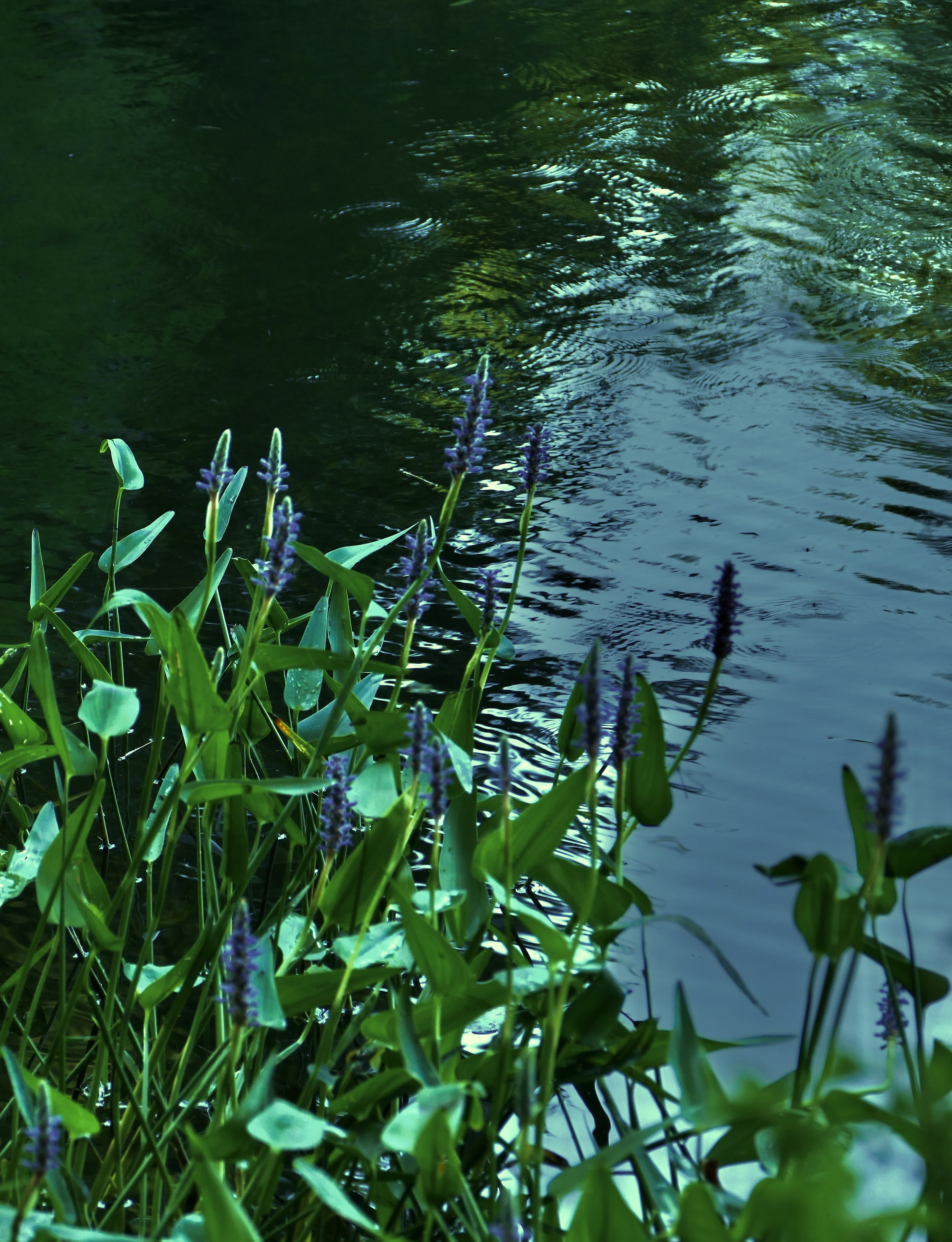
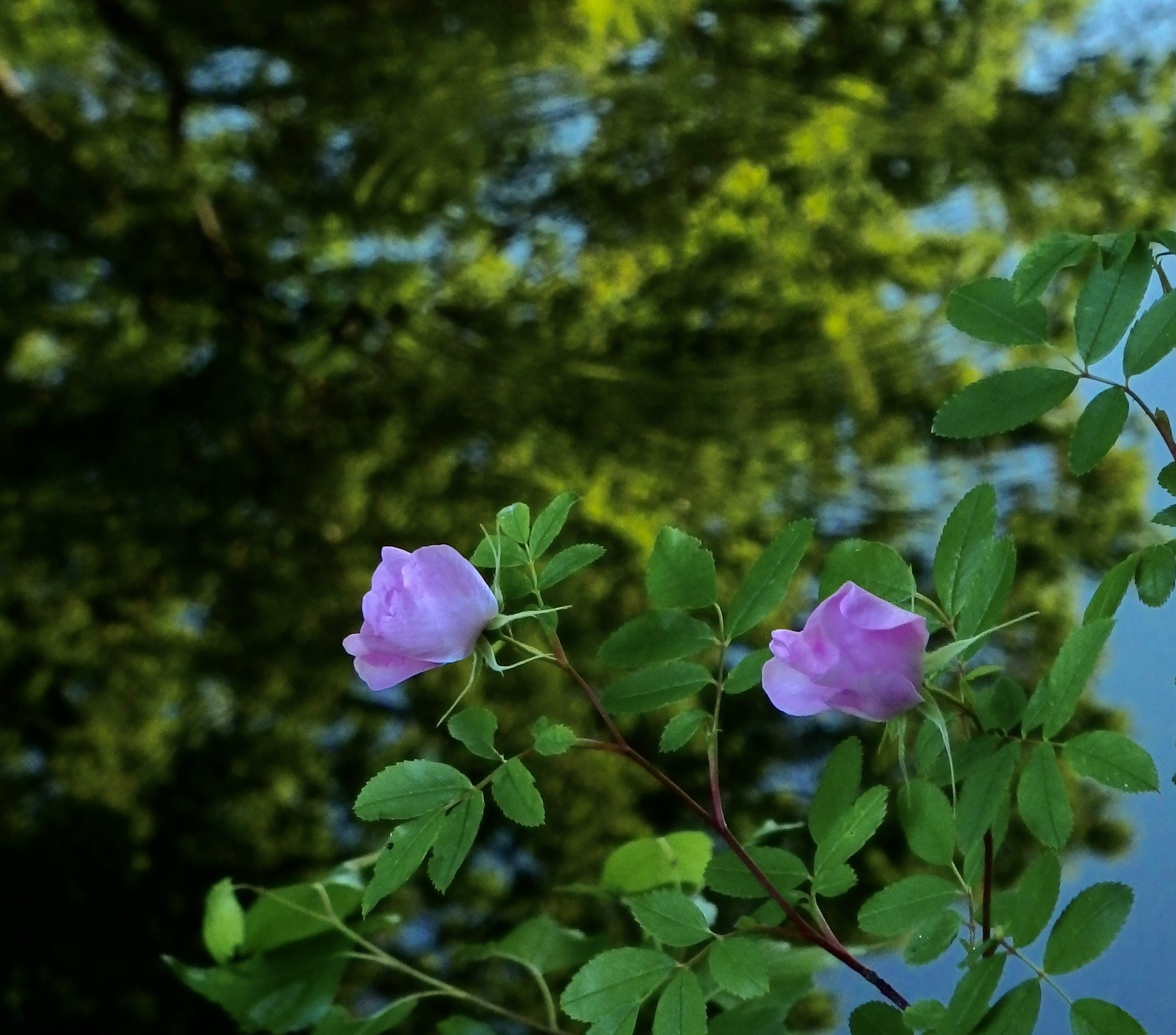
We are gliding swiftly up the river by Lee’s bend. The surface of the water is the place to see the Pontederia from for now the spikes of flowers are all brought into a dense line––a heavy line of blue a foot or more in width––on both sides of the river. The pontederias are now in their prime––there being no withered heads, they are very freshly blue. In the sun when you are looking west they are of a violaceous blue….

In many parts of the river the pickerel weed is several rods wide––its blueness akin to the misty blue air which paints the sky….The border of pontederia is rarely of equal depth on both sides at once––but it keeps that side in the meander where the sediment is deposited––the shortest course which will follow the shore…..This is the longest line of blue that nature paints with flowers in our fields––though the lupines may have been more densely blue within a small compass––  Thus by a natural law a river instead of flowing straight through its meadows––meanders––from side to side––& fertilizes this side or that & adorns its banks with flowers.

July 15, 1854

July 15, 1854 in Thoreau’s Journal:

We seem to be passing or to have passed a dividing line between spring & autumn––& begin to descend the long slope toward winter…

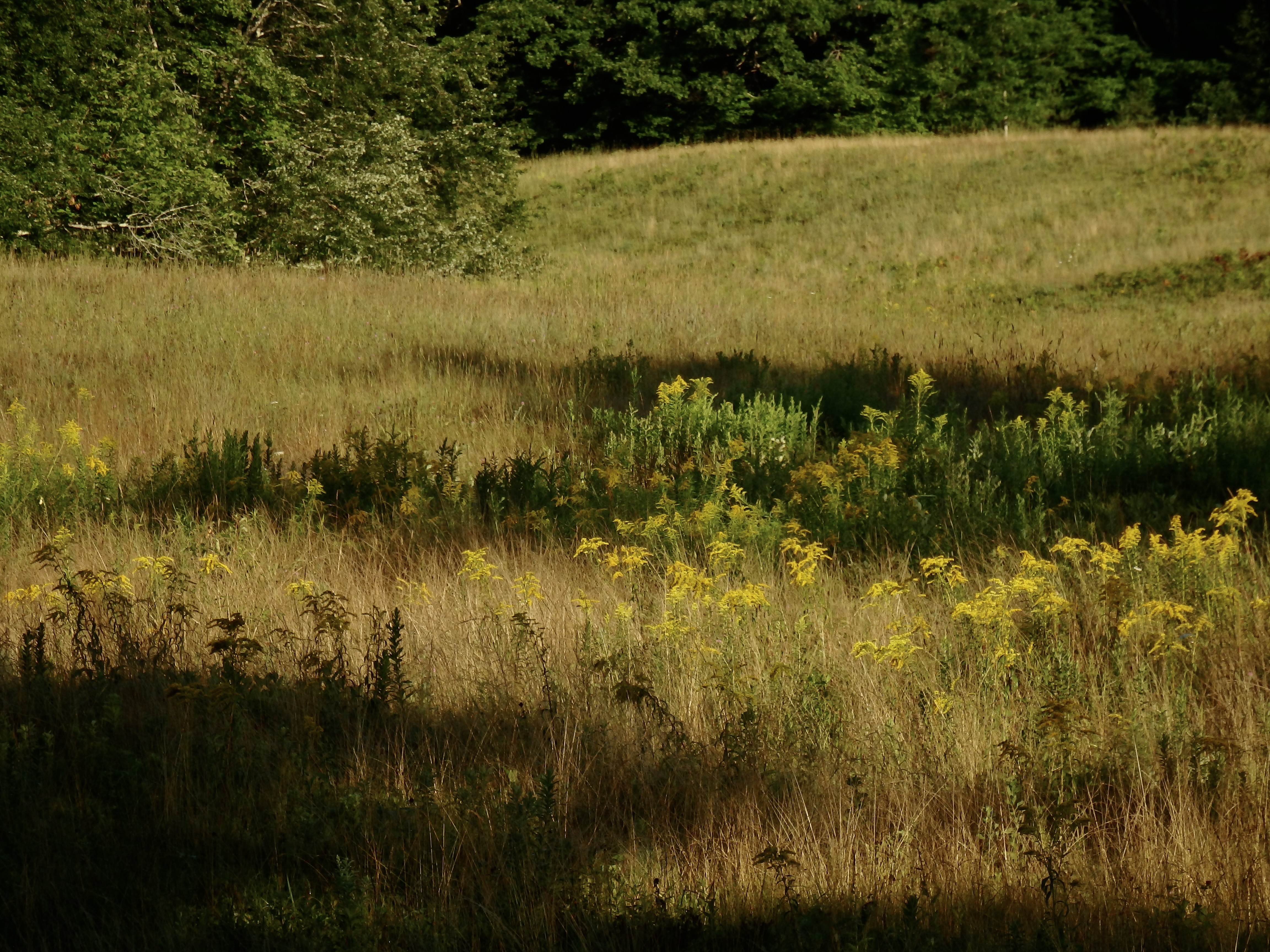
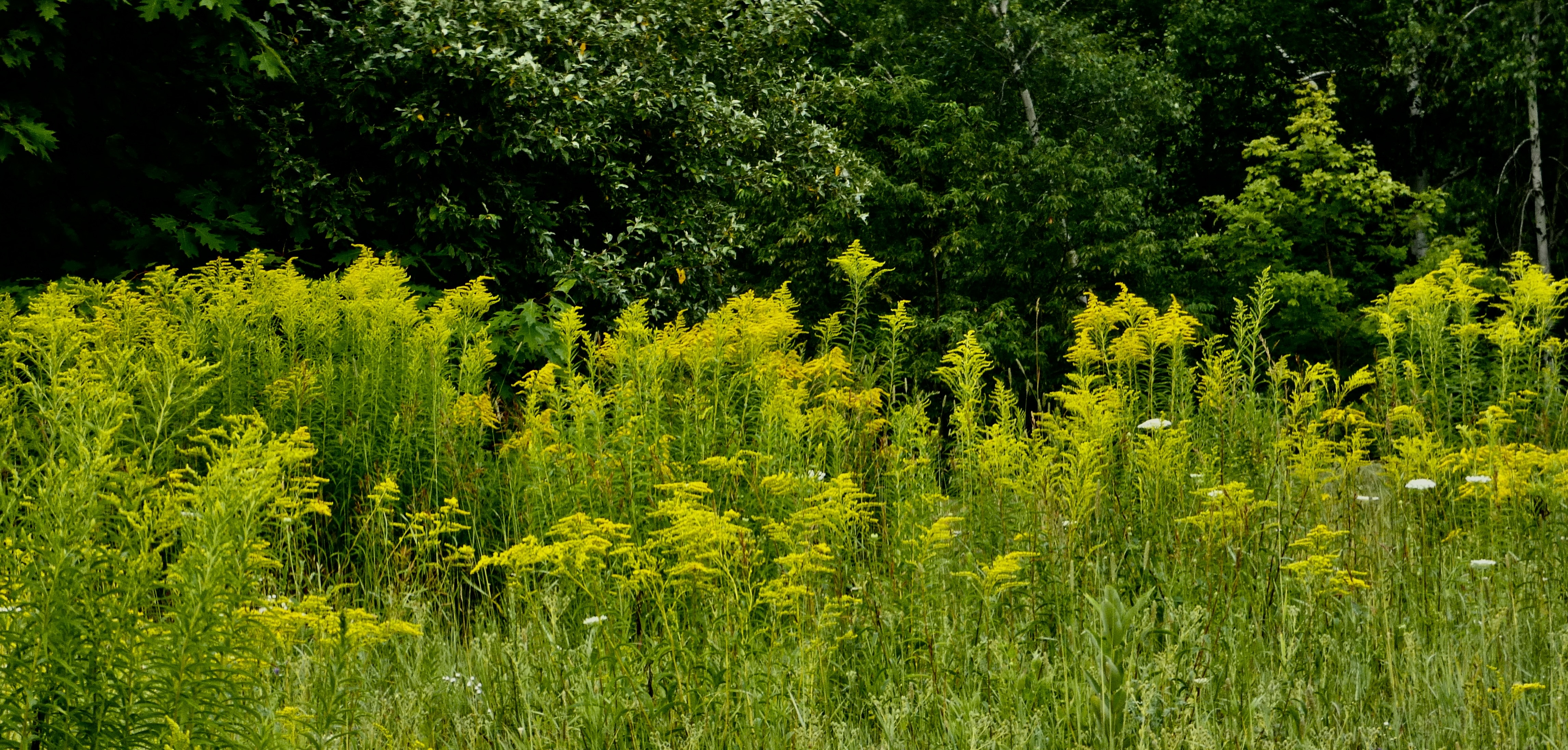
The stems of various asters & golden-rods which ere long will reign along the way begin to be conspicuous.

July 14, 1852

in Thoreau’s Journal:

The youth gets together his materials to build a bridge to the moon, or perchance a palace or temple on the earth,

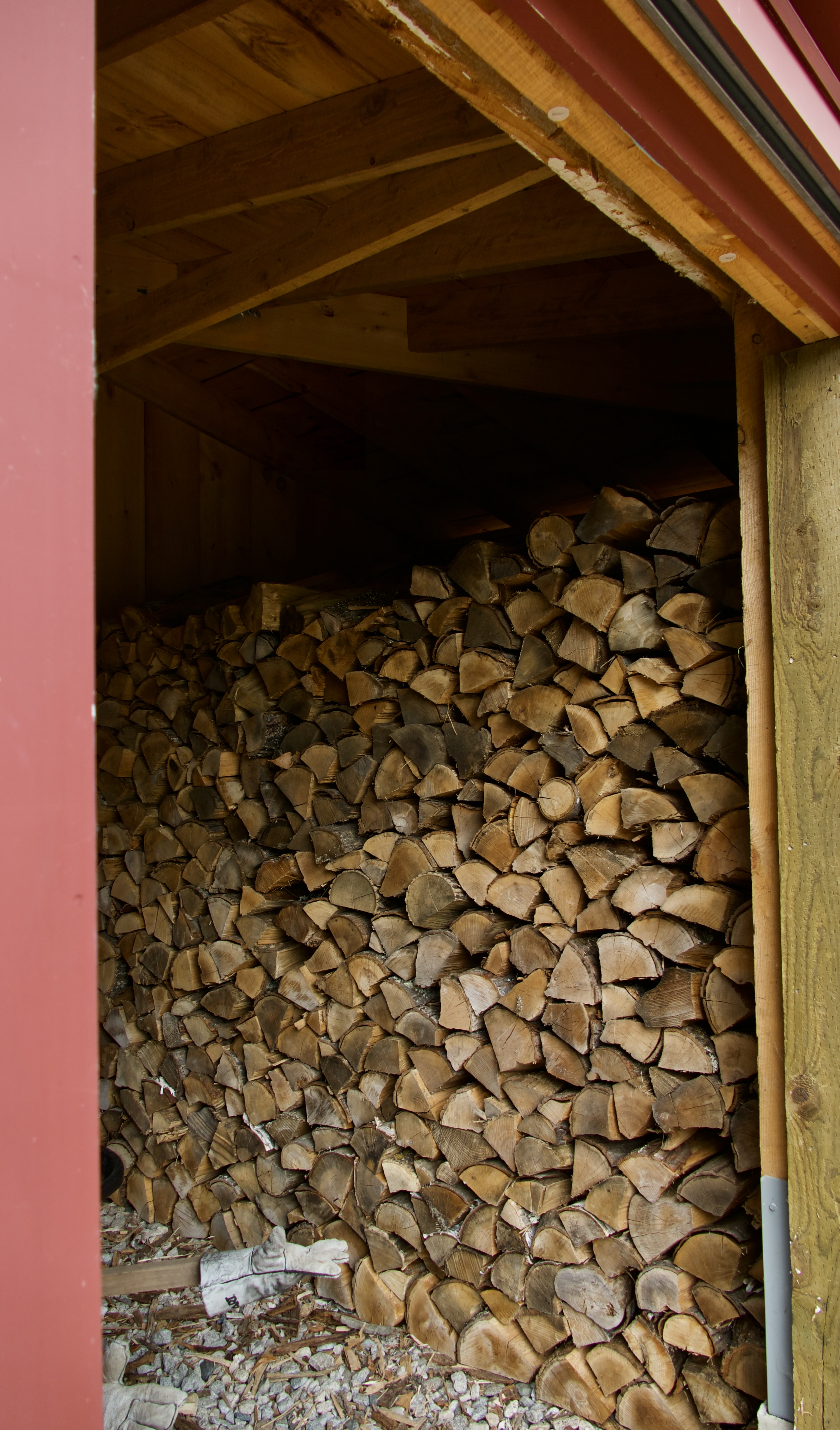
and at length the middle-aged man concludes to build a wood-shed with them.

July 12, 1856

in Thoreau’s Journal:

Red lilies in prime, single upright fiery flowers, their throats how splendidly and variously spotted,

hardly two of quite the same hue and not two spotted alike––leopard-spotted––averaging a foot or more in height amide the huckleberry and lamb kill, etc, in the moist, meadowy pasture.