in Thoreau’s Journal:
How valuable & significant is shade now––

Trees appear valuable for shade mainly––& we observe their shadows as much as their form & foliage.
in Thoreau’s Journal:
How valuable & significant is shade now––
Trees appear valuable for shade mainly––& we observe their shadows as much as their form & foliage.
in Thoreau’s Journal:

Nothing was ever so unfamiliar and startling to me as my own thoughts.
in Thoreau’s Journal:
The heat to-day (as yesterday) is furnace-like. It produces a thickness almost amounting to vapor in the near horizon. The railroad men cannot work in the Deep Cut, but have come out on to the causeway, where there is a circulation of air. They tell with a shudder of the heat reflected from the rails. Yet a breezy wind, as it were born of the heat, rustles all leaves. Those drifting piles of clouds in the north, assuming interesting forms, of unmeasured rocky mountains or unfathomed precipices, light-colored and even downy above, but with watery bases, portend a thundershower before night.
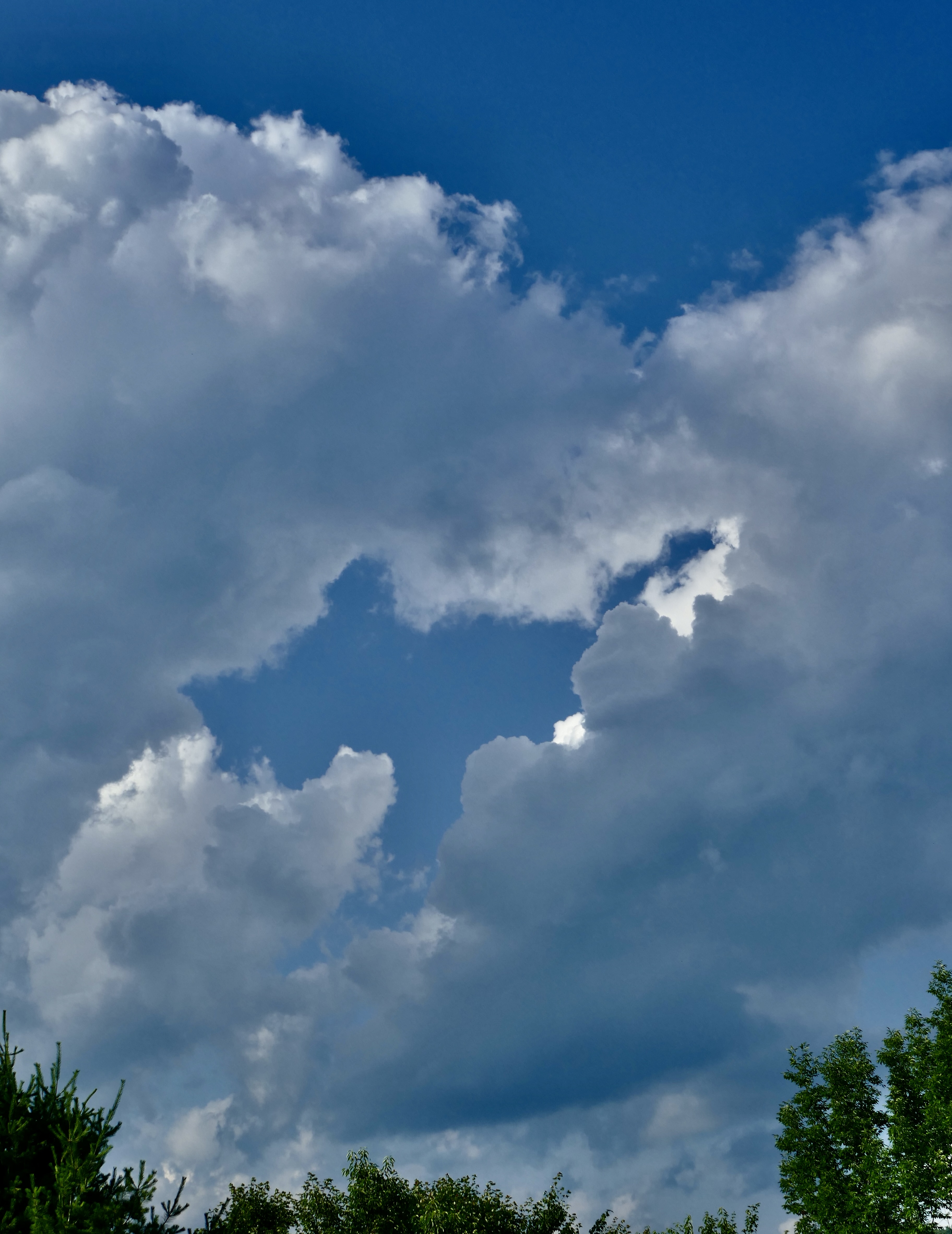
Well, I can take shelter in some haven or under a bridge. It shall not spoil my afternoon.
in Thoreau’s Journal:
Here are some rich rye-fields waving over all the land, their heads nodding in the evening breeze with an apparently alternating motion; i. e. they do not all bend at once by ranks, but separately, and hence this agreeable alternation….This rye excludes everything else and takes possession of the soil.

The farmer says, “Next year I will raise a crop of rye” and he proceeds to clear away the brush, and either plows it, or, if it is too uneven or stony, burns and harrows it only, and scatters the seed with faith. And all winter the earth keeps his secret. — unless it did leak out somewhat in the fall, — and in the spring this early green on the hillsides betrays him. When I see this luxuriant crop spreading far and wide in spite of rock and bushes and unevenness of ground. I cannot help thinking that it must have been unexpected by the farmer himself, and regarded by him as a lucky accident for which to thank fortune. This, to reward a transient faith, the gods had given. As if he must have forgotten that he did it. until he saw the waving grain inviting his sickle.
in Thoreau’s Journal:
It is so hard to forget what is less than useless to remember.
in Thoreau’s Journal:
The grass & in the fields and meadows is not so fresh & fair as it was a fortnight ago––it is drier & riper & ready for the mowers –– Now June is past. June is the month for grass & flowers –– Now grass is turning to hay & flowers to fruits.
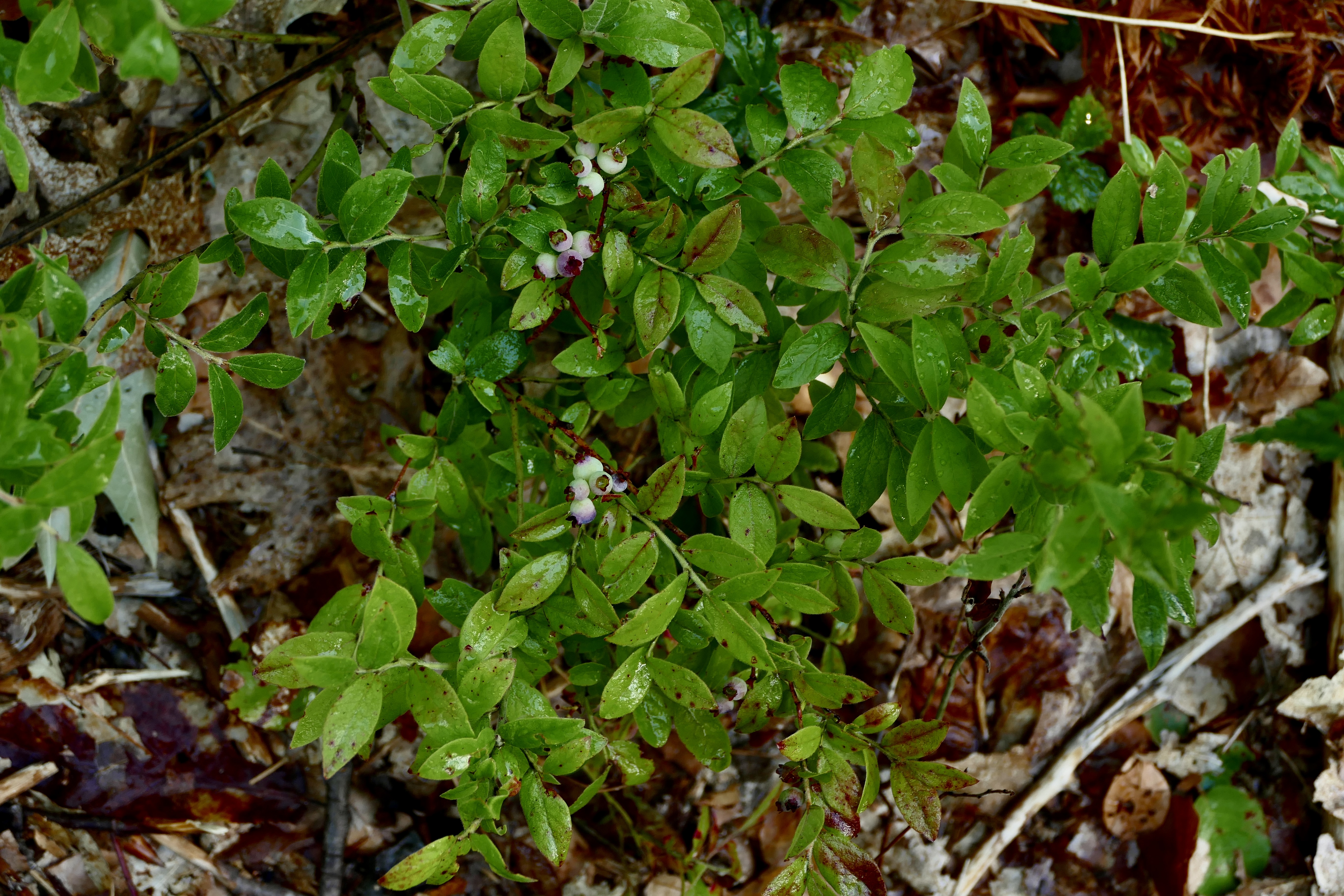
Already I gather ripe blueberries on the hills.
in Thoreau’s Journal:
It is a remarkably cool, clear, breezy atmosphere to-day. One would say there were fewer flowers just now than there have been and are to be; i. e. we do not look so much for the blossoming of new flowers.
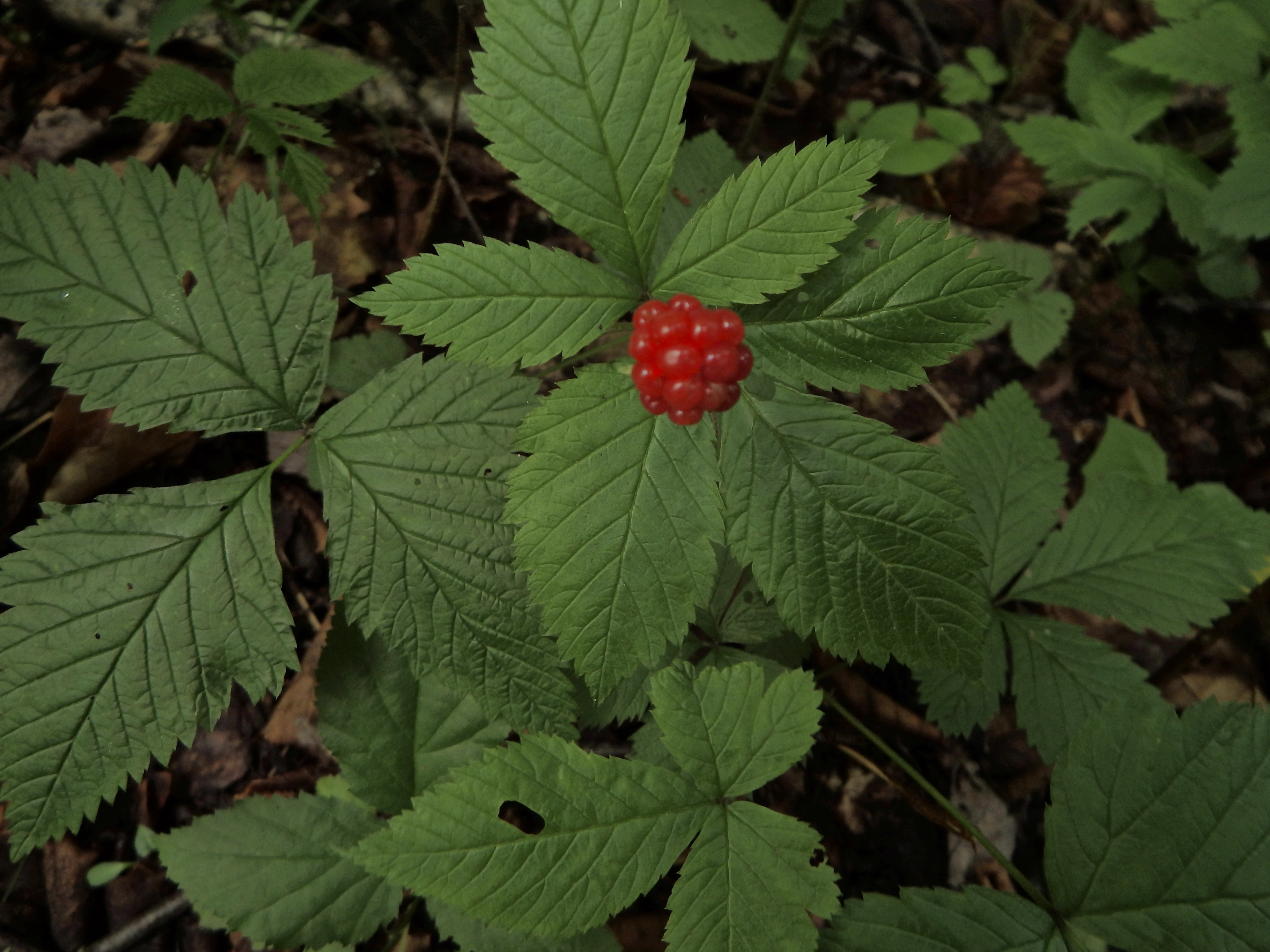
The earliest small fruits are just beginning to be ripe, — the raspberry, thimble-berry, blueberry, etc. We have no longer the blossoms of those which must ripen their fruits in early autumn.
July 4, 1852 in Thoreau’s Journal:
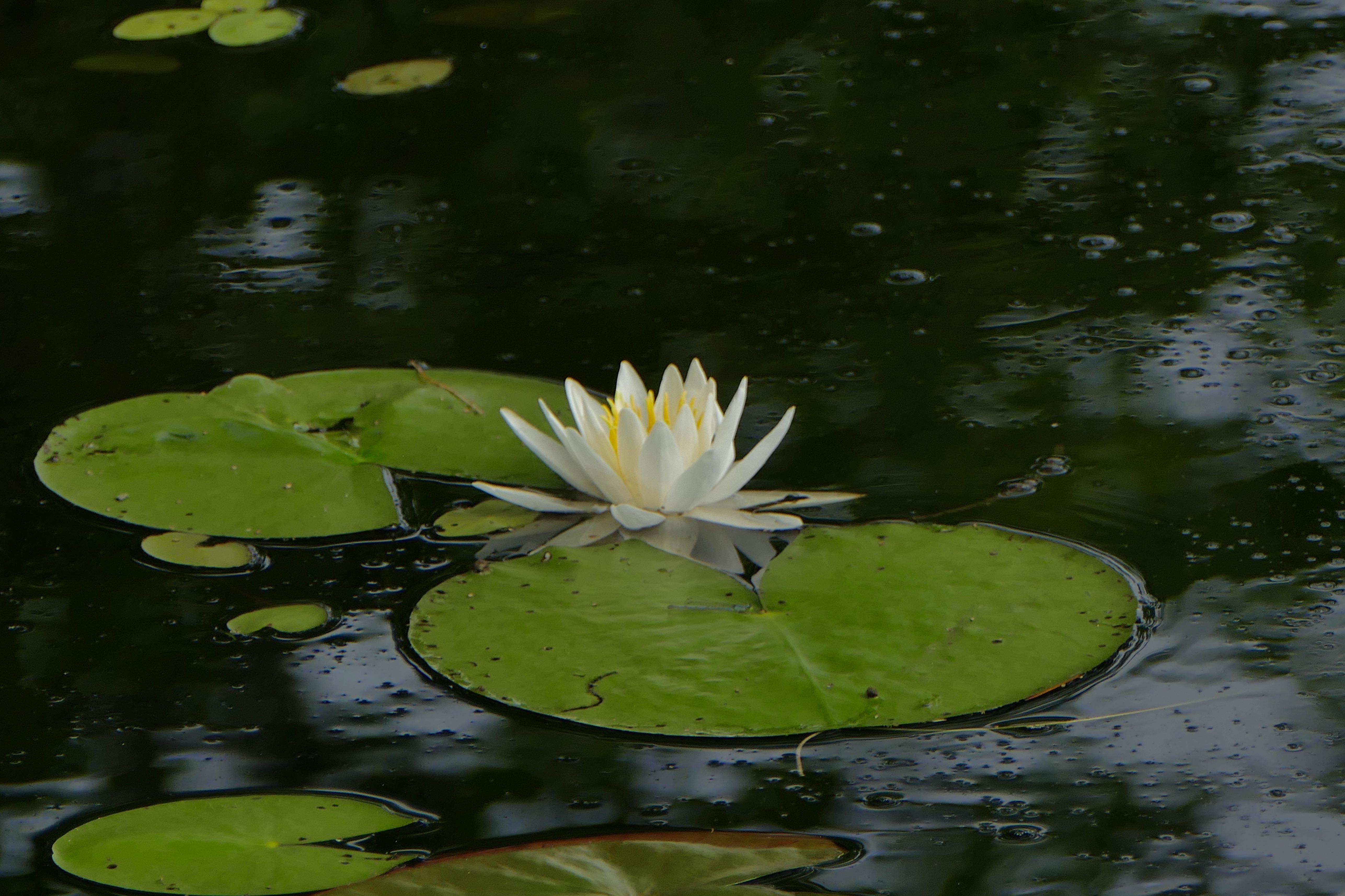
To Conantum. –to see the lilies open– I hear an occasional crowing of cocks in distant barns as has been their habit for how many thousand years. It was so when I was young; and it will be so when I am old- I hear the croak of a tree toad as I am crossing the yard– I am surprised to find the dawn so far advanced. There is a yellowish segment of light in the east paling a star–& adding sensibility to the light of the waning & now declining moon. There is very little dew on the uplands. I hear a little twittering & some clear singing from the seringo & the song sparrow– as I go along the Back Road–and now and then the note of the bull frog from the river– The light in the east has acquired a reddish tinge near the horizon Small wisps of cloud are already fuscous & dark seen against the light as in the W at evening. It being Sunday morning I hear no early stirring farmer driving over a bridge– The crickets are not remarkably loud at this season– The sound of a whippoorwill is wafted from the woods– Now on the Corner Road the hedges are alive with twittering sparrows–a blue bird or two &c. The day light now balances the moonlight. How short the nights. The last traces of day have not disappeared much before 10 o’clock or perchance 9 1/2 and before 3 Am you see them again in the East. (probably 2 1/2) leaving about 5 hours of solid night– The sun so soon coming around again. The robins sing–but not so loud & long as in the spring– I have not been awakened by them latterly in the mornings– Is it my fault–ah! those mornings when you are awakened in the dawn by the singing of the Matins of the birds. I hear the dumping sound of frogs now on the causeway. Some small clouds in the east are reddish fuscous. There is no fog on the river nor in the meadows. The king-bird twitters? on the Black willows. Methinks I saw the not yet extinguished lights of one or two fireflies in the darker ruts in the grass in Conant’s meadow. The moon yields to the sun–she pales even in the presence of his dawn. It is chiefly the spring birds that I hear at this hour—& in dawn the spring is thus revived–– The notes of the sparrows & the blue-birds & the robin have a prominence now which they have not by day The light is more & more general & some low bands begin to look bluish as well as reddish. (Elsewhere the sky wholly clear of clouds) The dawn is at this stage far lighter than the brightest moonlight–– I write by it––yet the sun will not rise for some time. Those bars are reddening more above one spot. They grow purplish or lilac rather. White & whiter grows the light in the eastern sky–– (And now descending to the cliff by the river side I cannot see the low horizon & its phenomena) I love to go through these old apple orchards so irregularly set out. Sometimes two trees standing alone together– The rows of grafted fruit will never tempt me to wander amid them like these. A bittern leaves the shore at my approach–– I suppose it is he whose excrement has whitened the rocks–as if a mason had spilled his whitewash–– A night hawk squeaks & booms– before sunrise. The insects shaped like shad flies (some which I see are larger & yellowish) begin to leave their cases (and selves?) on the stems of the grasses & the rushes in the water. I find them so weak they can hardly hold on. I hear the blackbirds carqueree & the king-fisher darts away with his alarum– and outstretched neck. Every lily is shut Sunrise––I see it gilden the top of the hill behind me but the sun itself is concealed by the hills & woods on the E shore. A very slight fog begins to rise now in one place on the river. There is something serenely glorious & memorable to me in the sight of the first cool sun light now gilding the eastern extremity of the bushy island in Fair Haven that wild lake––the subdued light––& the repose remind me of Hades. In such sunlight there is no fairer––it is such an innocent pale yellow as the spring flowers It is the pollen of the sun––fertilizing plants. The color of the earliest spring flowers is as cool and innocent as the first rays of the sun in the morning falling on woods & hills. The fog not only rises upward (about 2 feet) but at once there is a motion from the sun over the surface–– What means this endless motion of water bugs collected in little groups on the surface––and ceaselessly circling about their centre––(as if they were a family hatched from the eggs on the under side of a pad.) Is not this motion intended partly to balk the fishes? Methinks they did not begin to move till sun rise––where were they? And now I see an army of skaters advancing in loose array––of chasseurs––or scouts as Indian allies are drawn in old books–– Now the rays of the sun have reached my seat a few feet above the water––flies begin to buzz––mosquitoes to be less troublesome A humming bird hums by over the pads up the river as if looking like myself to see if lilies have blossomed (The birds begin to sing generally––& if not loudest at least most noticeably on account of the quietness of the hour––just before a few minutes before sun rise –– They do not sing so incessantly & earnestly as a regular thing half an hour later). Carefully looking both up & down the river I could perceive that the lilies began to open about 15 minutes after the sun from over the opposite bank fell on them––which was perhaps 3/4 of an hour after sun rise which is about 4 1/2) and one was fully expanded about 20 minutes later–– When I returned over the bridge about 6 1/4 there were perhaps a dozen open ones in sight. It was very difficult to find one not injured by insects––even the buds which were just about the expand were frequently bored quite through––and the water had rotted them. You must be on hand early to anticipate insects.

in Thoreau’s Journal:
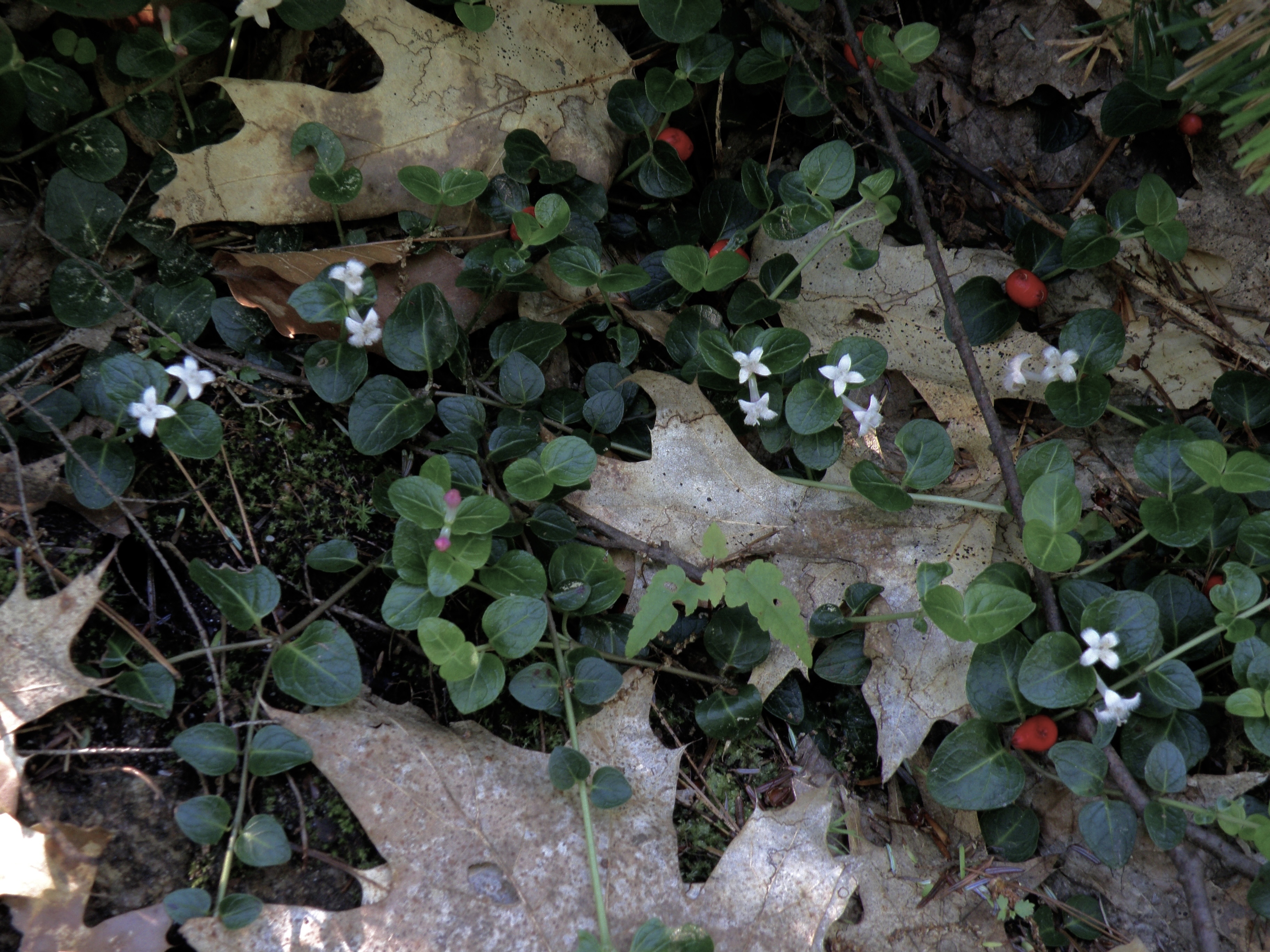
The Mitchella repens, so abundant now in the north-west part of Hubbard’s Grove, emits a strong astringent cherry-like scent as I walk over it, now that it is so abundantly in bloom, which is agreeable to me, —spotting the ground with its downy-looking white flowers.
in Thoreau’s Journal:

To-day the milk-weed is blossoming.
July 1, 1852 in Thoreau’s Journal:

Roses are in their prime now, growing amid huckleberry bushes, ferns, and sweet ferns, especially about some dry pond hole, some paler, some more red….
 allandibiase.com
You must be logged in to post a comment.