in Thoreau’s Journal:
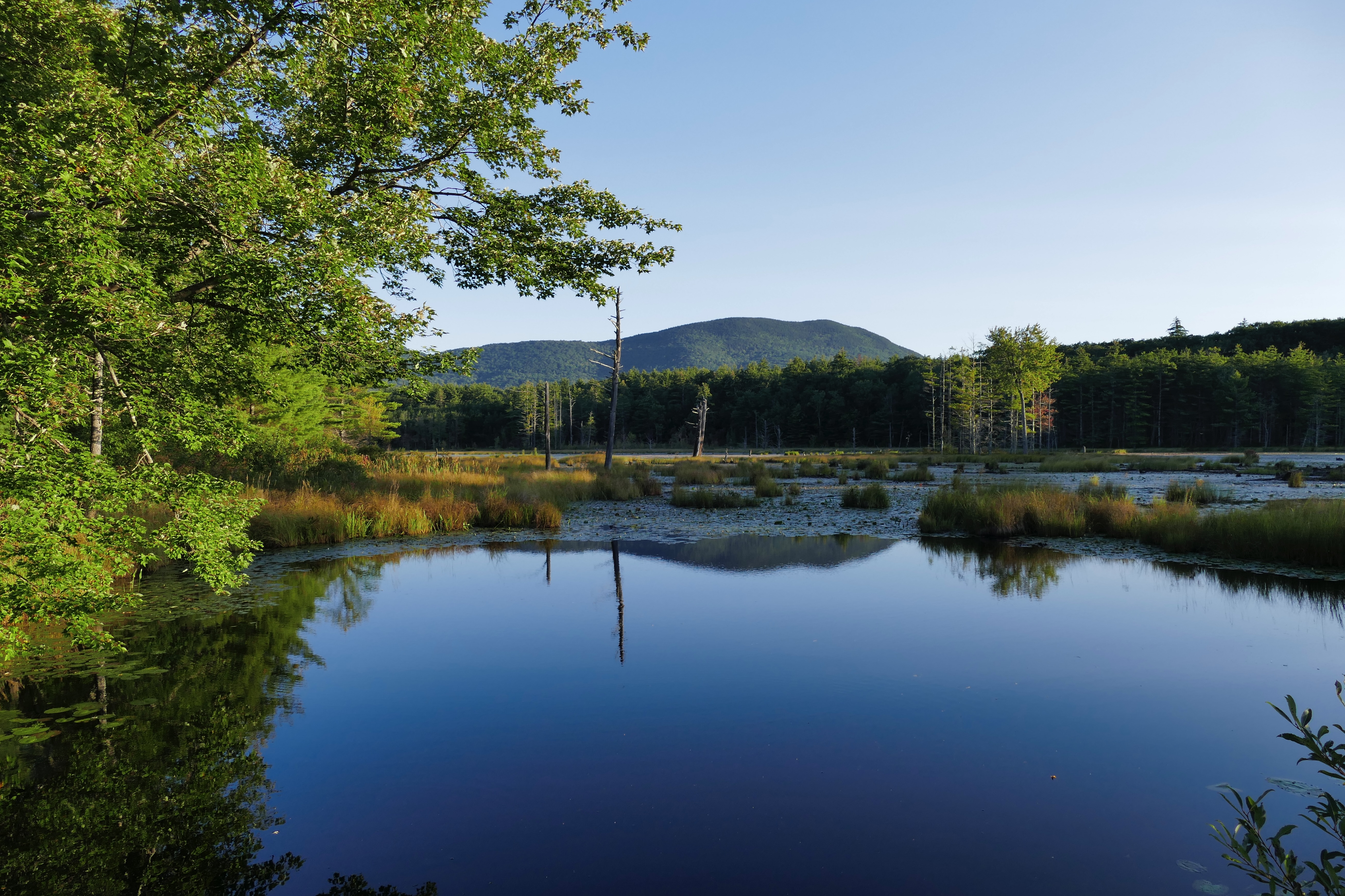
The reflections are perfect.
in Thoreau’s Journal:
The reflections are perfect.
in Thoreau’s Journal:
Both a conscious and an unconscious life are good. Neither is good exclusively, for both have the same source. The wisely conscious life springs out of an unconscious suggestion. I have found my account in travelling in having prepared beforehand a list of questions which I would get answered, not trusting to my interest at the moment, and can then travel with the most profit.
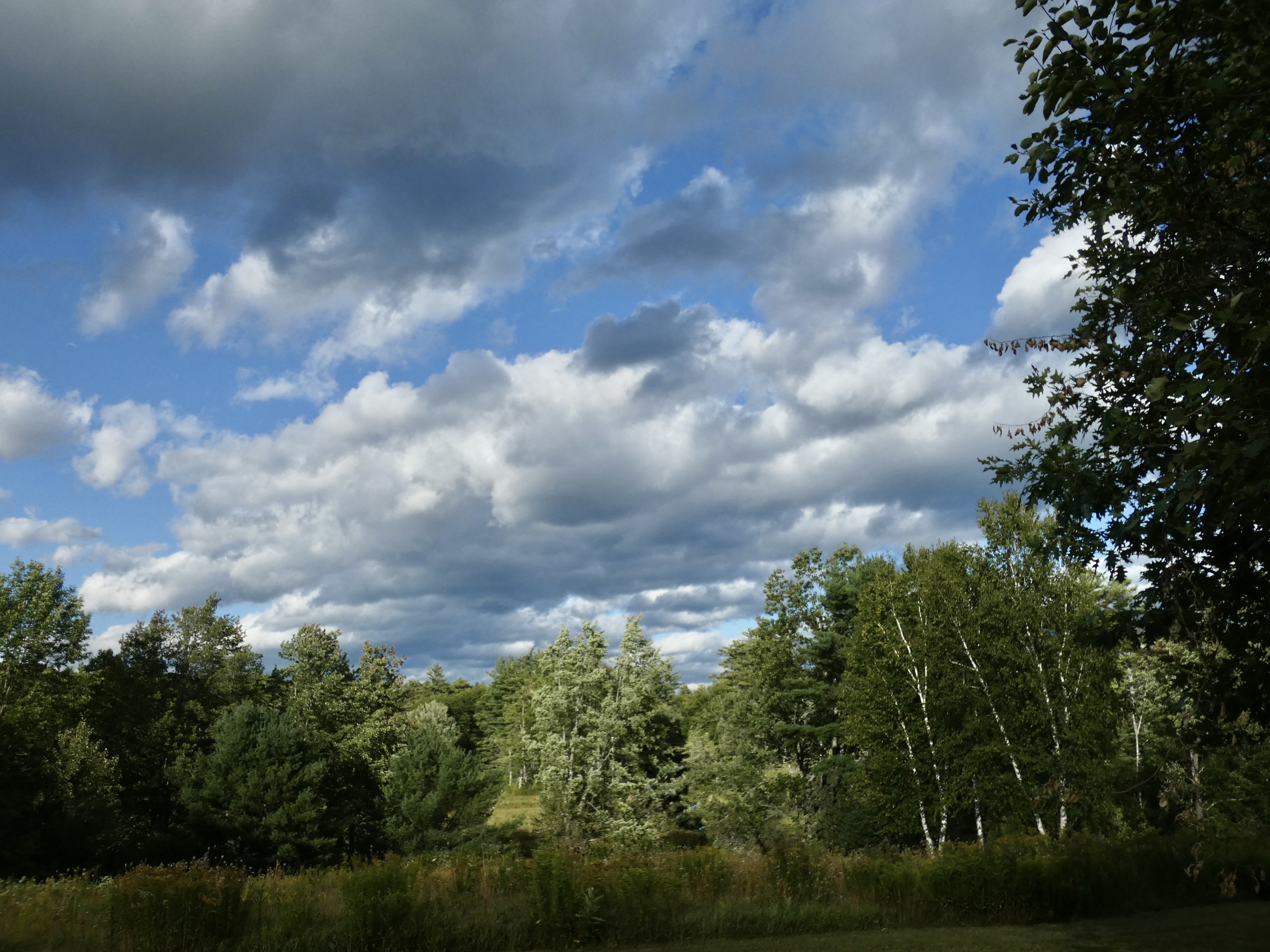
Indeed, it is by obeying the suggestions of a higher light within you that you escape from yourself and, in the transit, as it were see with the unworn sides of your eye, travel totally new paths.
in Thoreau’s Journal:
Walking down the street in the evening, I detect my neighbor’s ripening grapes by the scent twenty rods off; though they are concealed behind his house, every passer knows of them.

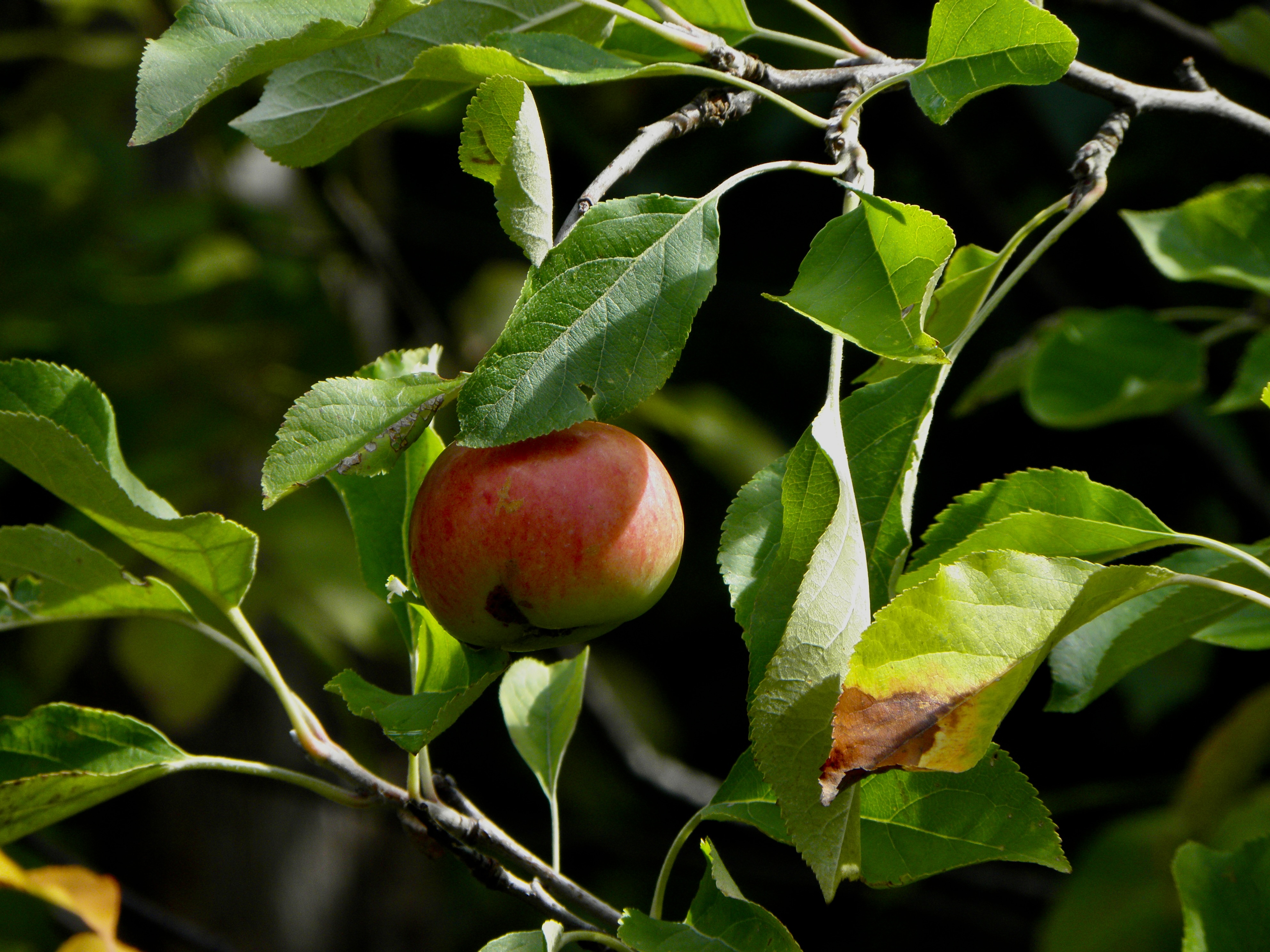
So, too, ever and anon I pass through a little region possessed by the fragrance of ripe apples.
in Thoreau’s Journal:
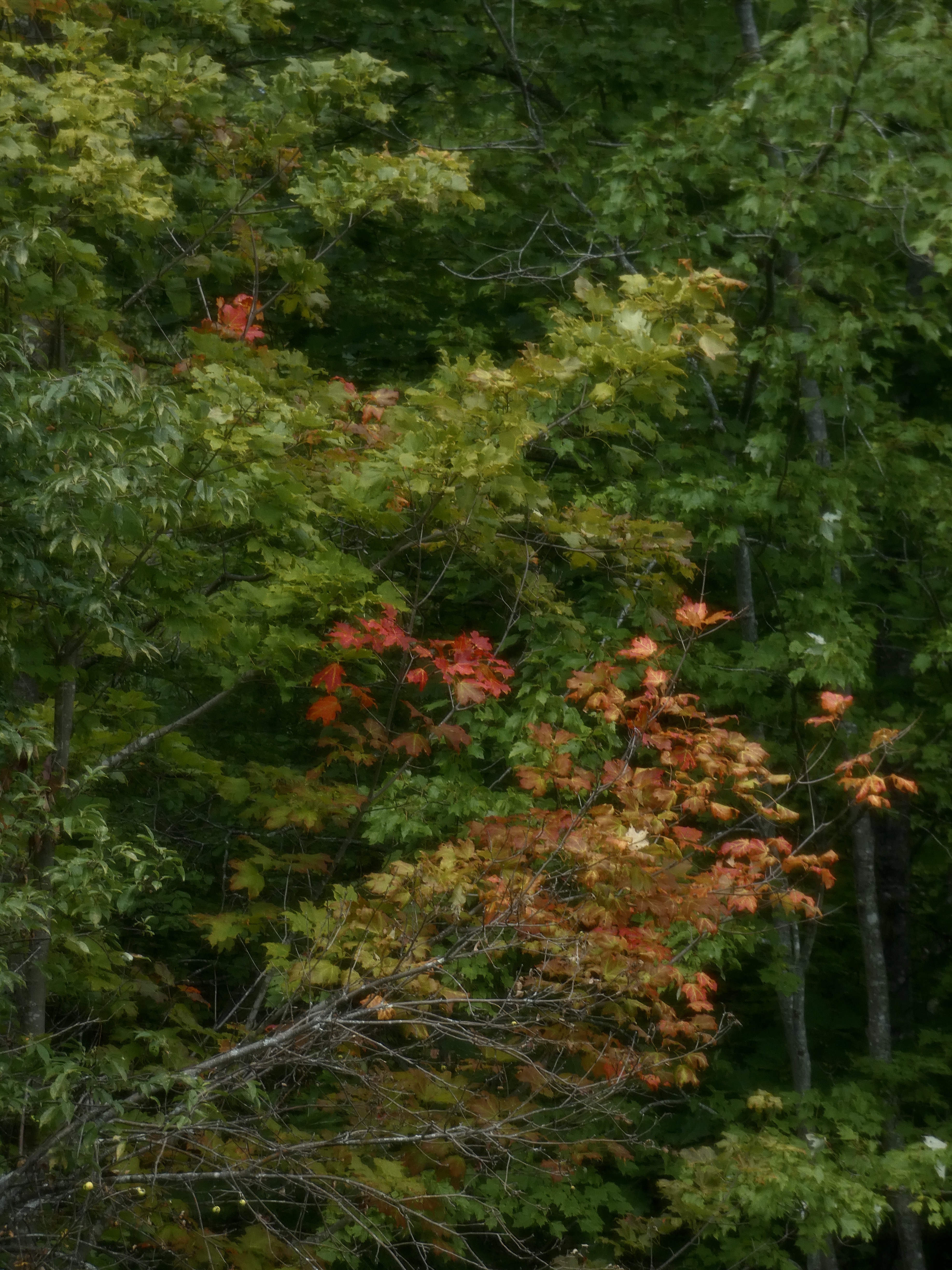
Soaking rain last night, straight down. When the wind stirs after the rain, leaves that were prematurely ripe or withered begin to strew the ground on the leeward side. Especially the scarlet leaves of the cultivated cherry are seen to have fallen.

Their change, then, is not owing to drought, but commonly a portion of them ripens thus early, reminding us of October and November. When, as I go to the post-office this morning, I see these bright leaves strewing the moist ground on one side of the tree and blown several rods from it into a neighboring yard, I am reminded that I have crossed the summit ridge of the year and have begun to descend the other slope. The prospect is now toward winter. These are among the first-fruits of the leafy harvest. The sharp whistling note of a downy woodpecker, which sounds rare; perhaps not heard since spring.
in Thoreau’s Journal:
Would it not be well to describe some of those rough—all day walks across lots….

—-Picking our way over quaking meadows & swamps —& occasionally slipping into the muddy batter mid-leg deep—-jumping or fording ditches & brooks—forcing our way through dense blueberry swamps—-where there is water beneath & bushes above—then brushing through extensive birch forests all covered with green lice—which cover our clothes & face—then under larger wood relieved, more open beneath—-steering for some more conspicuous trunk Now along a rocky hill side where the sweet fern grows for a mile—then over a recent cutting—finding our uncertain footing on the cracking tops & trimmings of trees left by the choppers— Now taking a step or 2 of smooth walking across a high way— Now through a dense pine wood descending—into a rank dry swamp where the cinnamon fern rises above your head—with isles of poison dog wood— Now up a scraggy hill—covered with shrub oak—stooping & winding ones way—for half a mile—tearing ones clothes in many places & putting out ones eyes—& find at last that it has no bare brow but another slope of the same character— Now through a corn field diagonally with the rows—now coming upon the hidden melon patch seeing the back-side of familiar hills & not knowing them. The nearest house to home which you do not know—seeming further off—than the farthest which you do know— In the spring defiled with the froth on various bushes, &c &c &c— Now reaching on higher land some open—pigeon place—a breathing place for us.
in Thoreau’s Journal:
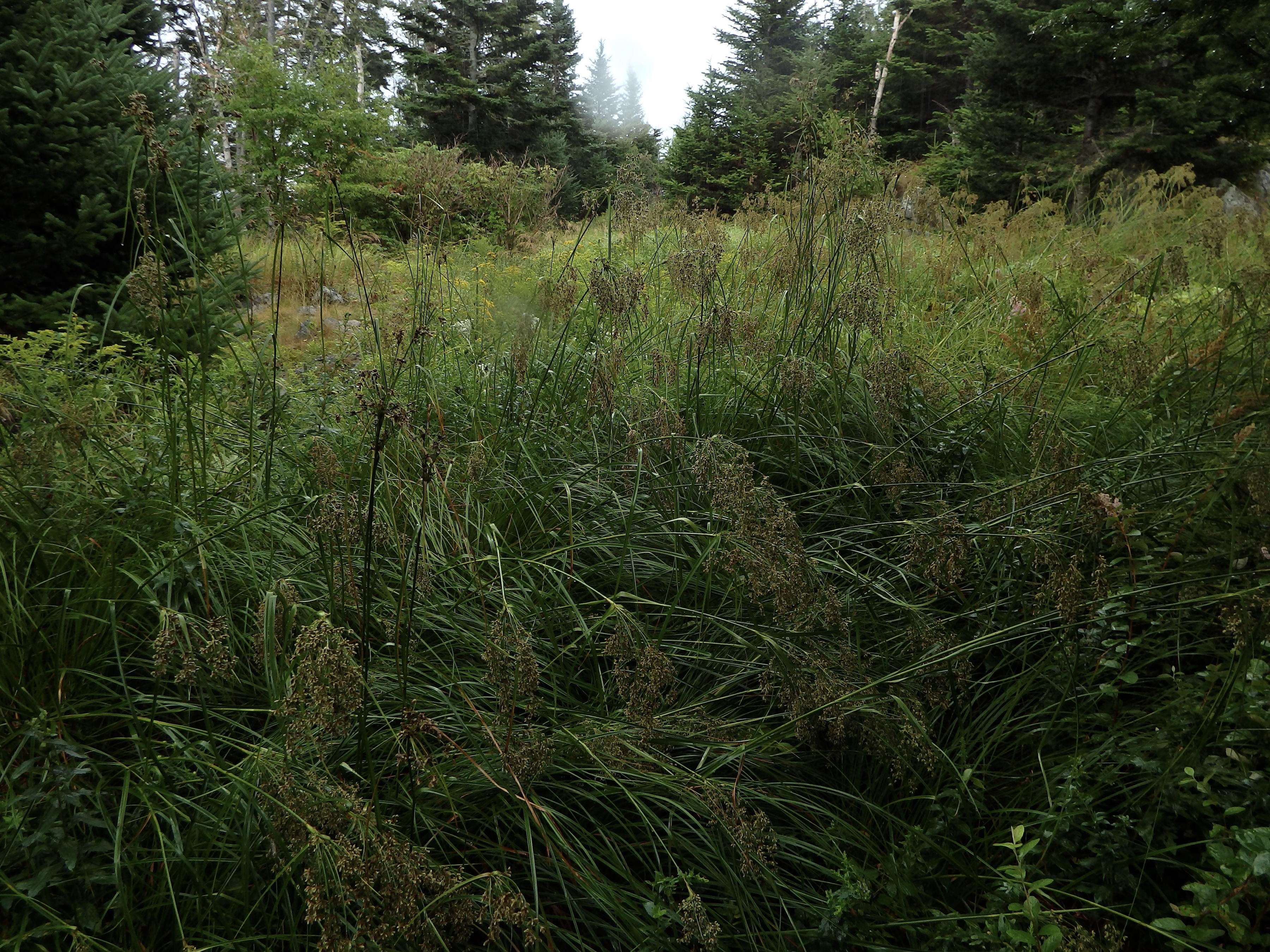
A man shall, perchance, rush by and trample down
plants as high as his head, and cannot be said to know
that they exist, though he may have cut and cured many
tons of them for his cattle. Yet, perchance, if he ever
favorably attend to them, he may be overcome by their
beauty.
in Thoreau’s Journal:
One of the most noticeable wild fruits at present is the Viburnum nudum berries, their variegated cymes amid the green leaves in the swamps or low grounds, some whitish, some greenish, some red, some pink, some rose-purple and very beautiful, —and so beautiful, however, off the bush, — some dark purple or blue, and some black whose bloom is rubbed off, a very rich sight. The silky cornel is the most common everywhere, bordering the river and swamps, its drooping cymes of amethystine (?) china or glass beads mingled with whitish.
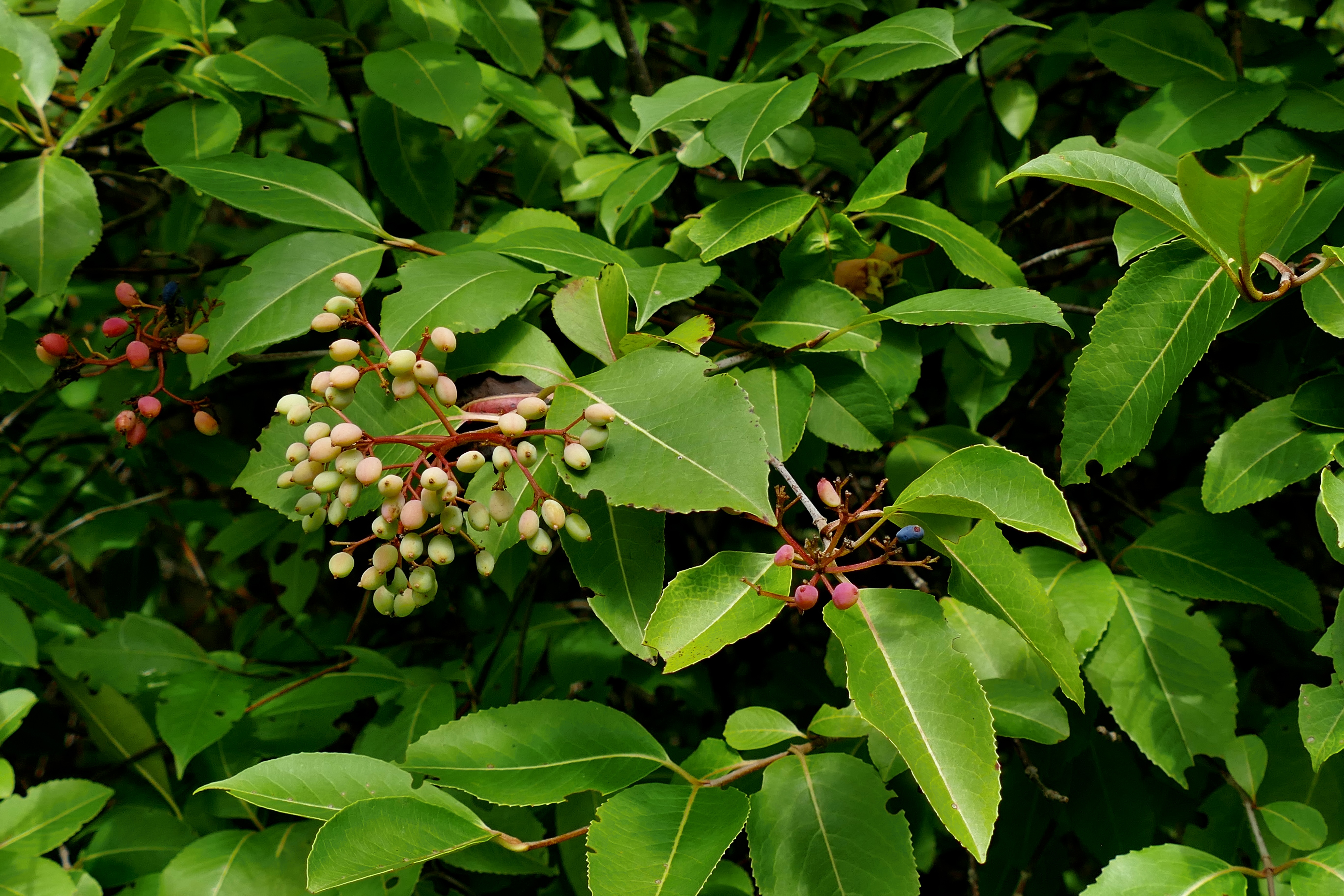
The fruit of the Viburnum Lentago is now very handsome, with its sessile cymes of large elliptical berries, green on one side and red with a purple bloom on the other or exposed side, not yet purple, blushing on one cheek. Many pyrus leaves are now red in the swamps, and some Viburnum nudum.
in Thoreau’s Journal:
The year is but a succession of days, and I see that I could assign some office to each day which, summed up, would be the history of the year.
Everything is done in season, and there is no time to spare. The bird gets its brood hatched in season and is off.
in Thoreau’s Journal:
Live in each season as it passes; breathe the air, drink the drink, taste the fruit, and resign yourself to the influences of each.
in Thoreau’s Journal:
When I used to pick the berries for dinner on the East Quarter hills I did not eat one until I had done, for going a-berrying implies more things than eating the berries.

They at home got only the pudding; I got the forenoon out of doors and the appetite for the pudding.
in Thoreau’s Journal:
….It is very pleasant to measure the progress of the seasons by this [the blossoming of vervain] & similar clocks— So you get not the absolute time but the true time of the season.

But I can measure the progress of the seasons only by observing a particular plant, for I notice that they are by no means equally advanced.
in Thoreau’s Journal:
This day, too, has that autumnal character. I am struck by the clearness and stillness of the air, the brightness of the landscape, or, as it were, the reflection of light from the washed earth, the darkness and heaviness of the shade, as I look now up the river at the white maples and bushes, and the smoothness of the stream. If they are between you and the sun, the trees are more black than green. It must be owing to the clearness of the air since the rains, together with the multiplication of the leaves, whose effect has not been perceived during the mists of the dog-days.
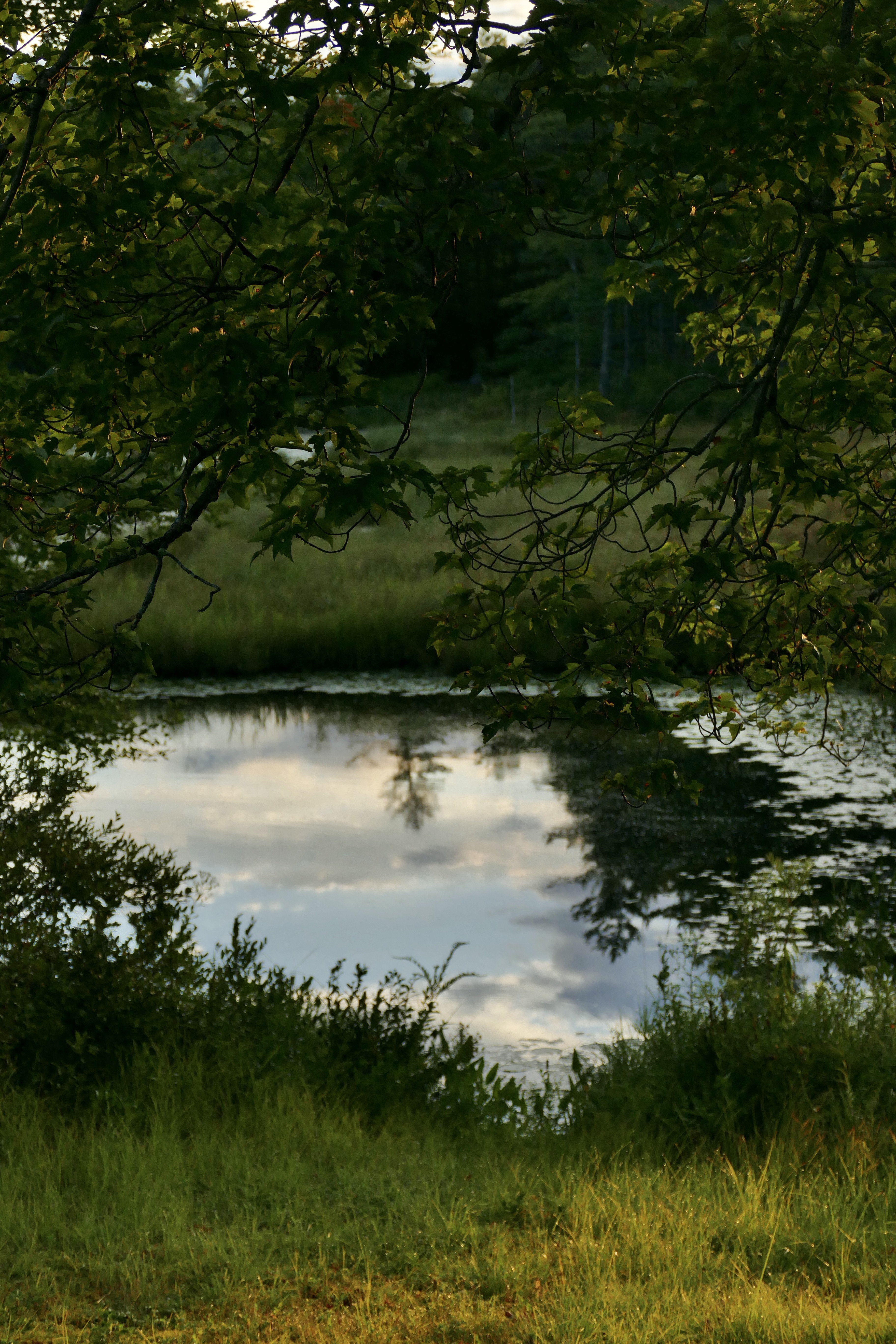
But I cannot account for this peculiar smoothness of the dimpled stream – unless the air is stiller than before – nor for the peculiar brightness of the sun’s reflection from its surface. I stand on the south bank, opposite the black willows, looking up the full stream, which, with a smooth, almost oily and sheeny surface, comes welling and dimpling onward, peculiarly smooth and bright now at 4 P. M., while the numerous trees seen up the stream – white maples, oaks, etc. – and the bushes look absolutely black in the clear, bright light.
in Thoreau’s Journal:
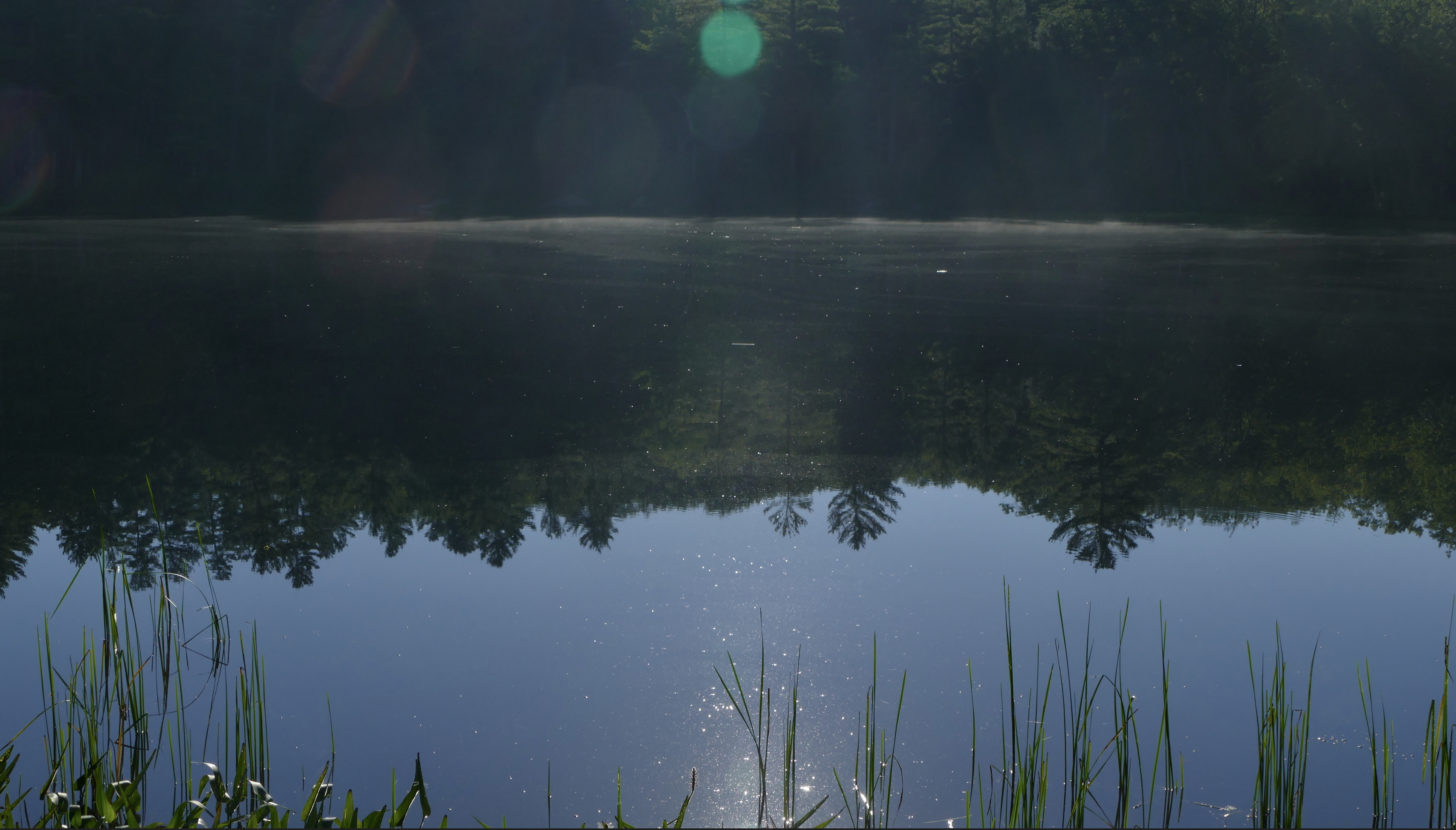
As toward the evening of the day the lakes and streams are smooth, so in the fall, the evening of the year, the waters are smoothed more perfectly than at any other season. The day is an epitome of the year.
in Thoreau’s Journal:
I sailed on the North River last night with my flute, and my music was a tinkling stream which meandered with the river, and fell from note to note as a brook from rock to rock. I did not hear the strains after they had issued from the flute, but before they were breathed into it, for the original strain precedes the sound by as much as the echo follows after, and the rest is the perquisite of the rocks and trees and beasts.

Unpremeditated music is the true gauge which measures the current of our thoughts, the very undertow of our life’s stream.
in Thoreau’s Journal:
Ah, the very brooks seem fuller of reflections than they were! Ah, such provoking sibylline sentences they are! The shallowest is all at once unfathomable. How can that depth be fathomed where a man may see himself reflected? The rill I stopped to drink at I drink in more than I expected. I satisfy and still provoke the thirst of thirsts.

in Thoreau’s Journal:
These are locust days. I hear them on the elms in the street—but cannot tell where they are—loud is their song—drowning many others—but men appear not to distinguish it—though it pervade their ears as the dust their eyes.
The river was exceedingly fair this afternoon—and there are few handsomer reaches than that by the leaning oak—the deep place, where the willows make a perfect shore…
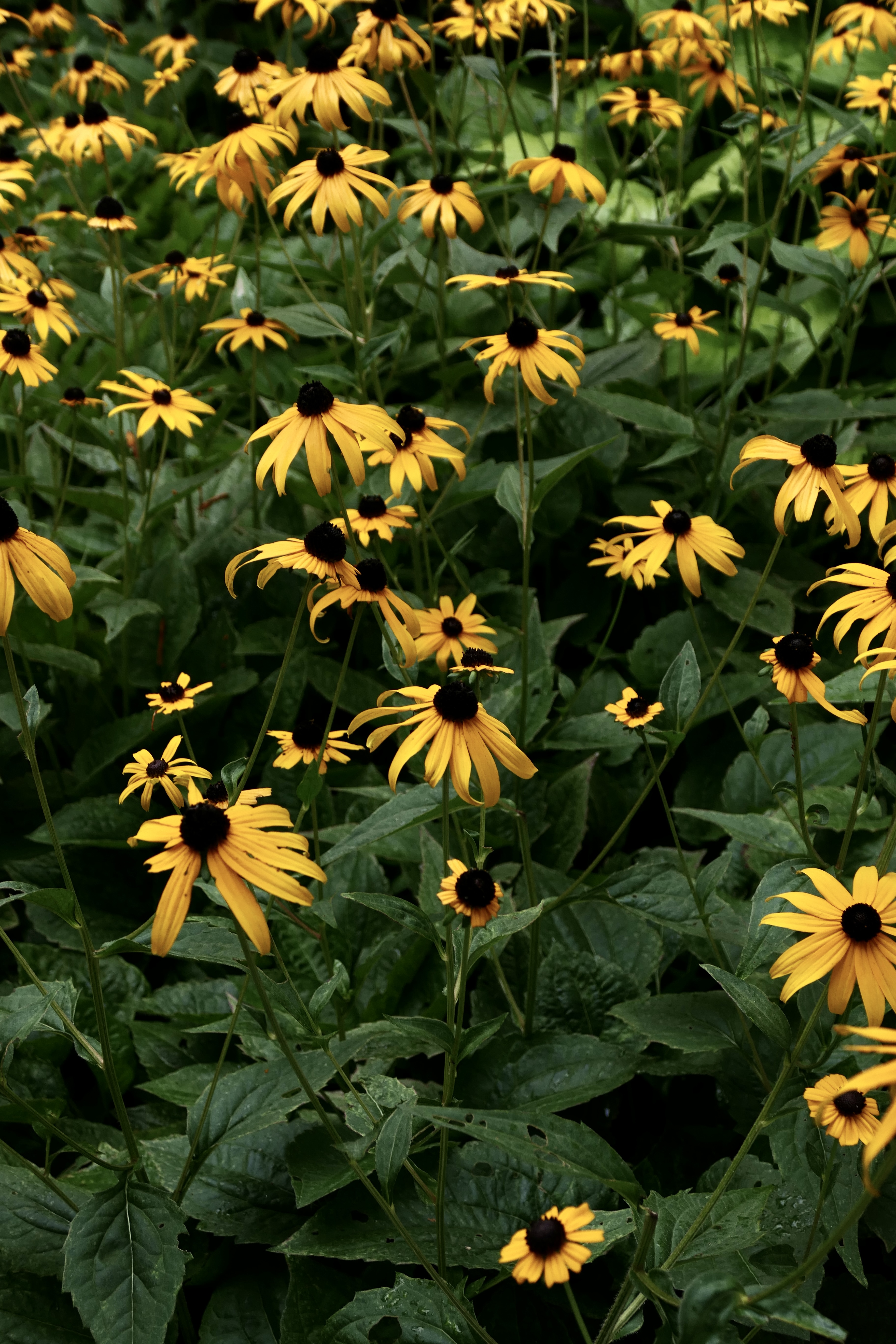
I must look for the Rudbeckia which Bradford says he found yesterday behind Joe Clarks.
in Thoreau’s Journal:
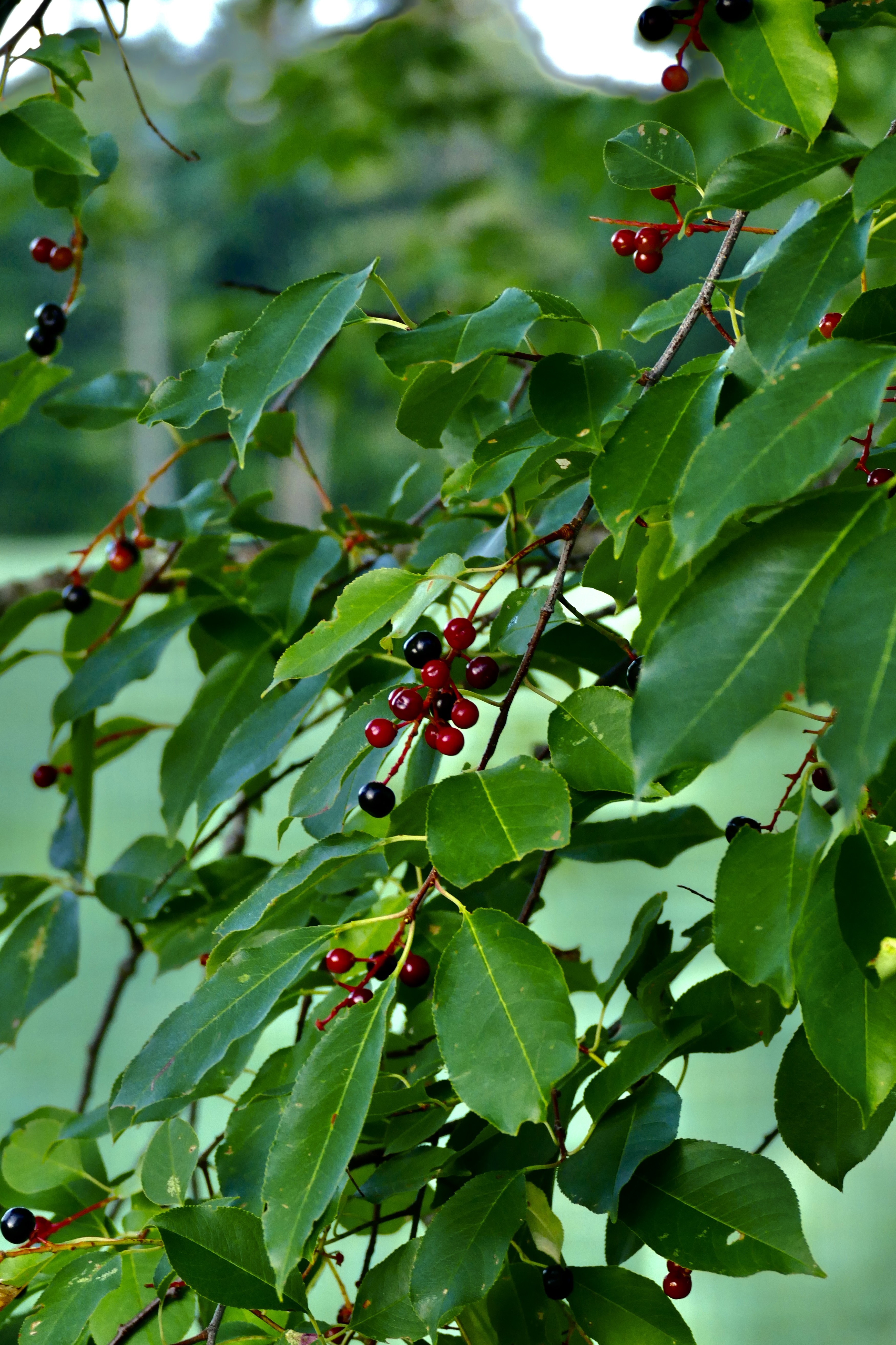
Elder berry ripe. The river was lowest early in July. Some time past I have noticed meadow-grass floating on the river, reminding me that they were getting the hay up the stream. Some naked viburnum berries are quite dark purple amid the red, while other bunches are wholly green yet. The red choke-berry is small and green still. I plainly distinguish it, also, by its woolly under side. In E. Hubbard’s swamp I gather some large and juicy and agreeable rum cherries. The birds make much account of them. They are much finer than the small ones on large trees; quite a good fruit. Some cranberries turned red on one cheek along the edges of the meadows.
Now a sudden gust of wind blows from the northwest, cooled by a storm there, blowing the dust from roads far over the fields. The whole air, indeed, is suddenly filled with dust, and the outlines of the clouds are concealed. But it proves only the wind of the fall, which apparently passes north of us. That clear ring like an alder locust (is it a cricket ?) for some time past is a sound which belongs to the season, —autumnal. Here is a second crop of clover almost as red as the first. The swamp blackberry begins. Saw a blue heron on the meadow. Aster amplexicaulis of Bigelow, apparently; probably for a day or two. An orchis by the brook under the Cliffs with only three white flowers, only smaller than the fringed white; spurs half an inch long. May it be another species?
in Thoreau’s Journal:
How long we may have gazed on a particular scenery and think that we have seen and known it,
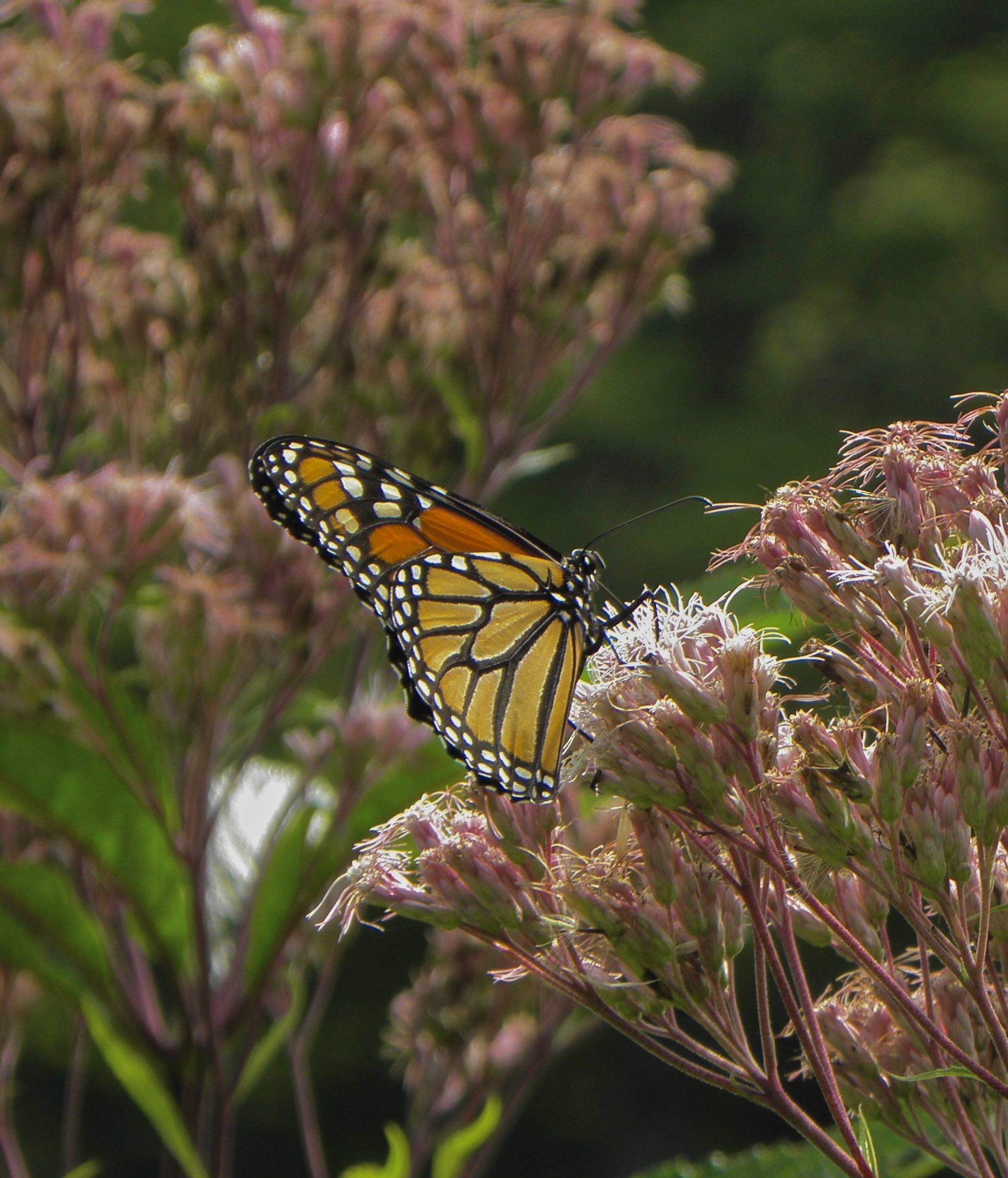
when, at length, some bird or quadruped comes and takes possession of it before our eyes, and imparts to it a wholly new character.
in Thoreau’s Journal:
I have been in the swamp by Charles Miles’s this afternoon, and found it so bosky and sylvan that Art would never have freedom or courage to imitate it. It can never match the luxury and superfluity of Nature….

Surely no stinted hand has been at work here for these centuries to produce these particular tints this summer.
in Thoreau’s Journal:
4 A. M. —It adds a charm, a dignity, a glory, to the earth to see the light of the moon reflected from her streams. There are but us three, the moon, the earth which wears this jewel (the moon’s reflection) in her crown, and myself. Now there has come round the Cliff (on which I sit), which faces the west, all unobserved and mingled with the dusky sky of night, a lighter and more ethereal living blue, whispering of the sun still far, far away, behind the horizon.

From the summit of our atmosphere, perchance, he may already be seen by soaring spirits that inhabit those thin upper regions, and they communicate the glorious intelligence to us lower ones. There real divine, the heavenly, blue, the Jove-containing air, it is, I see through this dusky lower stratum. The sun gilding the summits of the air. The broad artery of light flows overall the sky. Yet not without sadness and compassion I reflect that I shall not see the moon again in her glory. (Not far from four, still in the night, I heard a nighthawk squeak and boom, high in the air, as I sat on the Cliff. What is said about this being less of a night bird than the whip-poor-will is perhaps to be questioned. For neither do I remember to have heard the whip-poor-will sing at 12 o’clock, though I met one sitting and flying between two and three this morning. I believe that both may be heard at midnight, though very rarely.) Now at very earliest dawn the nighthawk booms and the whip-poor-will sings. Returning down the hill by the path to where the woods [are] cut off, I see the signs of the day, the morning red. There is the lurid morning star, soon to be blotted out by a cloud.
 allandibiase.com
You must be logged in to post a comment.