Most leaves are already somewhat faded and withered. Their tints are not so bright. The chestnut leaves already rustle with a great noise as you walk through the woods, as they lie light, firm, and crisp. Now the chestnuts are rattling out. The burs are gaping and showing the plump nuts. They fill the ruts in the road, and are abundant amid the fallen leaves in the midst of the wood. The jays scream, and the red squirrels scold, while you are clubbing and shaking the trees. Now it is true autumn—all things are crisp & ripe.
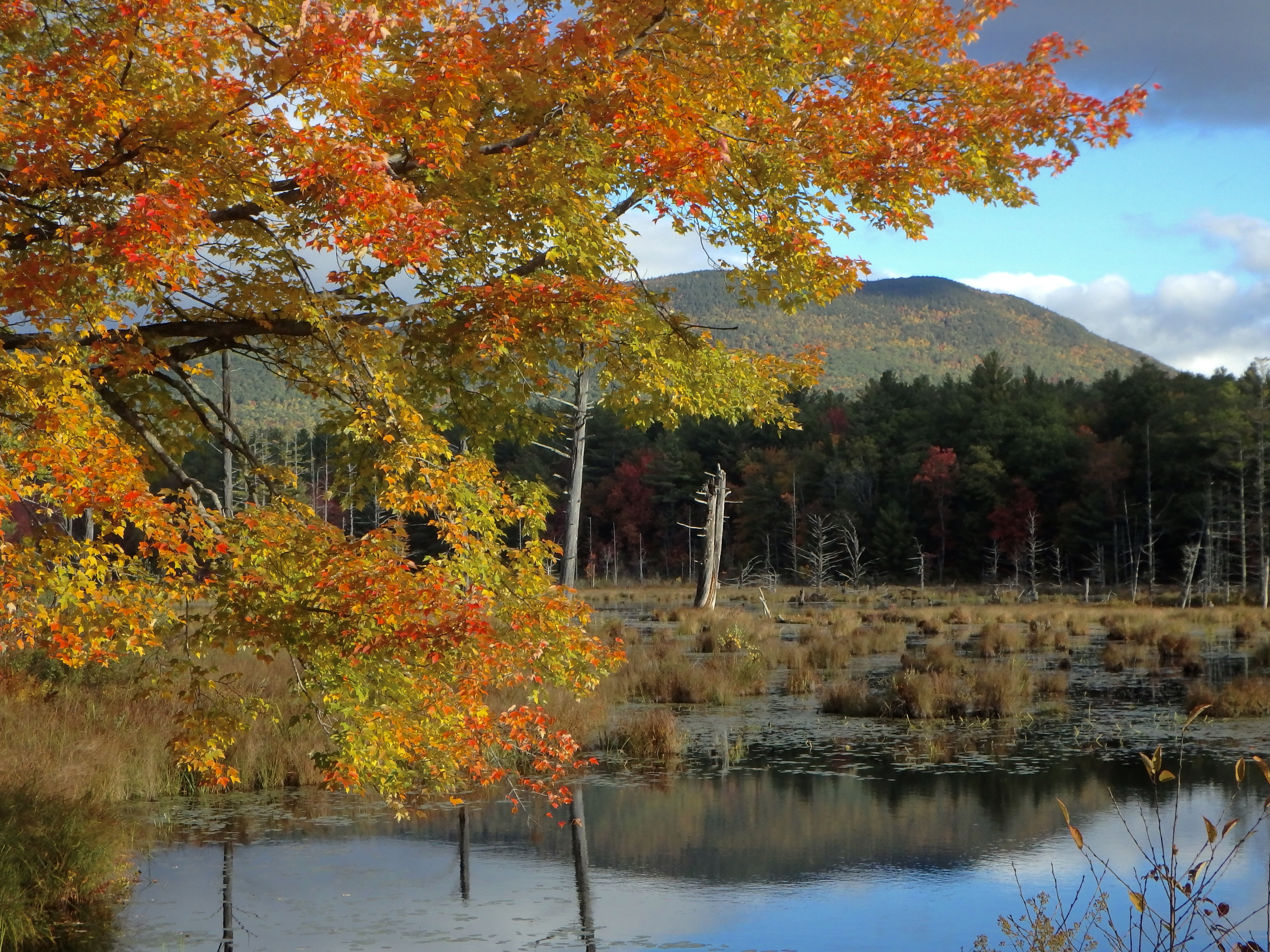
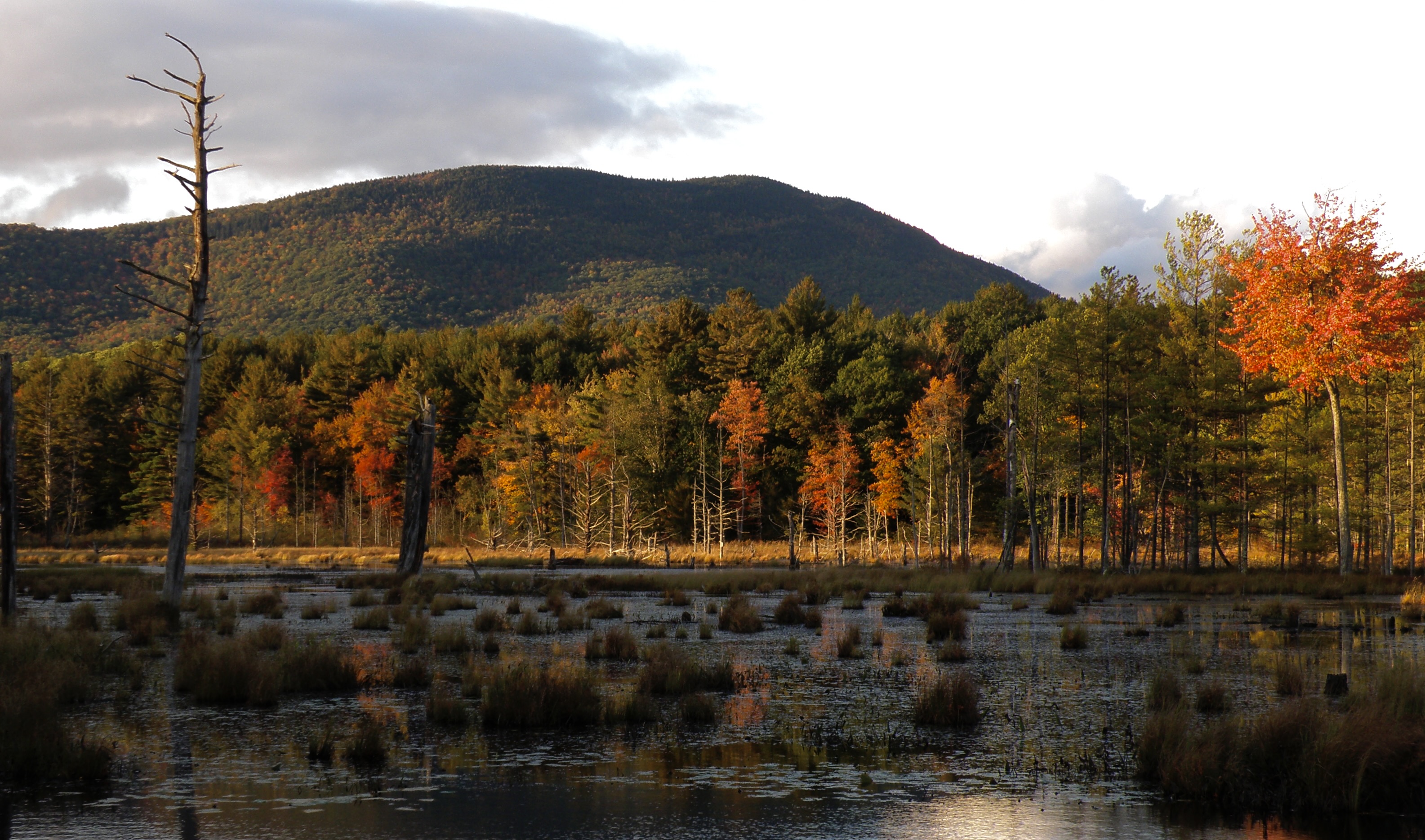
Generally speaking, the autumnal tints affect the color of the landscape for only two or three miles, but I distinguish maples by their color half a mile north of Brooks Clark’s, or some three miles distant, from this hill, —one further east very bright.
Also I see them in the northeast, or on or near, apparently, a road between Bedford and Billerica, at least four or five miles distant ! ! This is the furthest I can see them.
Many people have a foolish way of talking about small things––& apologize for themselves or another having attended to a small thing––having neglected their ordinary business & amused or interested themselves by attending to a small thing–– When if the truth were known their ordinary business was the small thing––& almost their whole lives misspent––but they were such fools as not to know it.
Think what a change, unperceived by many, has within a month come over the landscape!
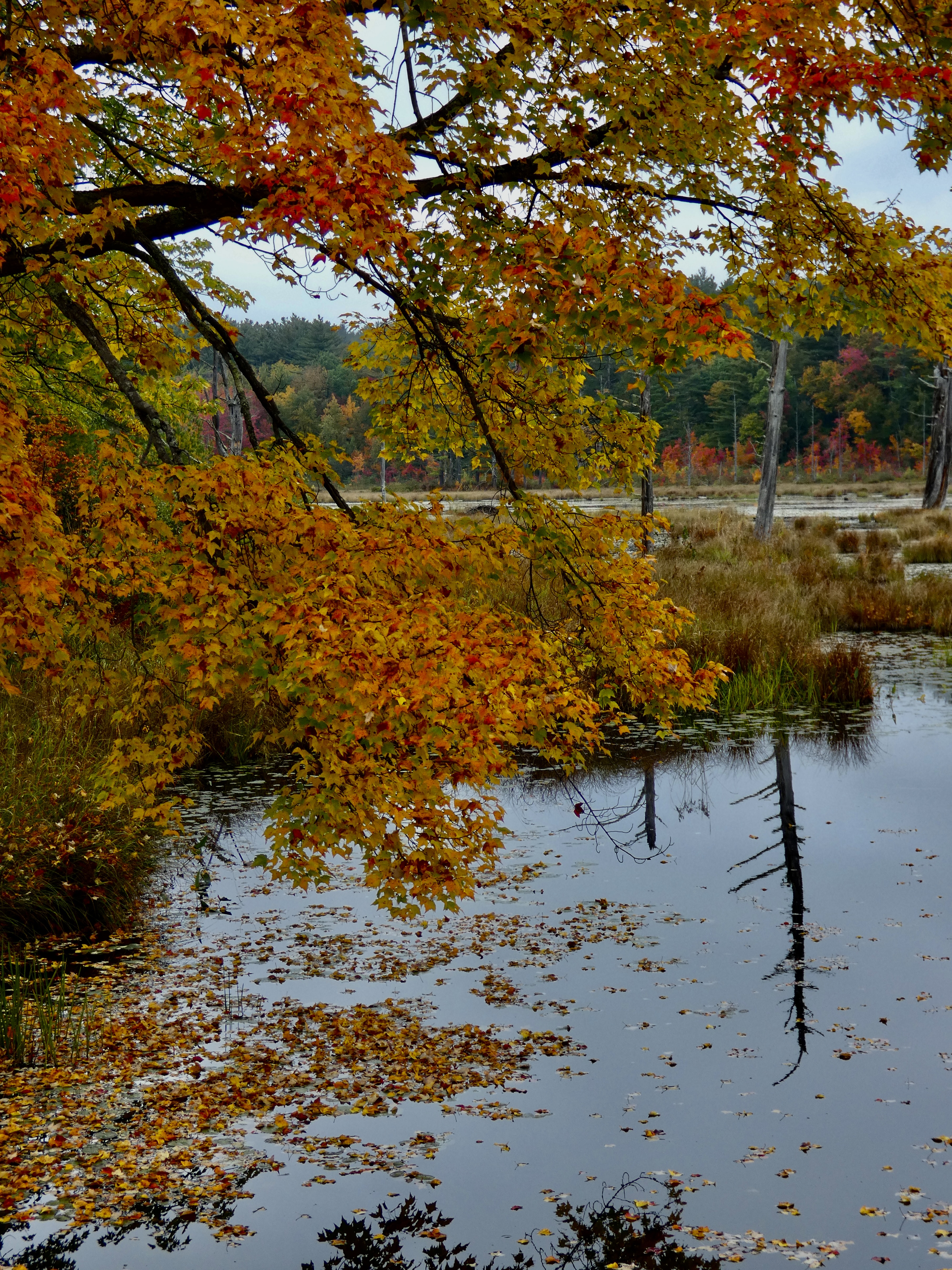
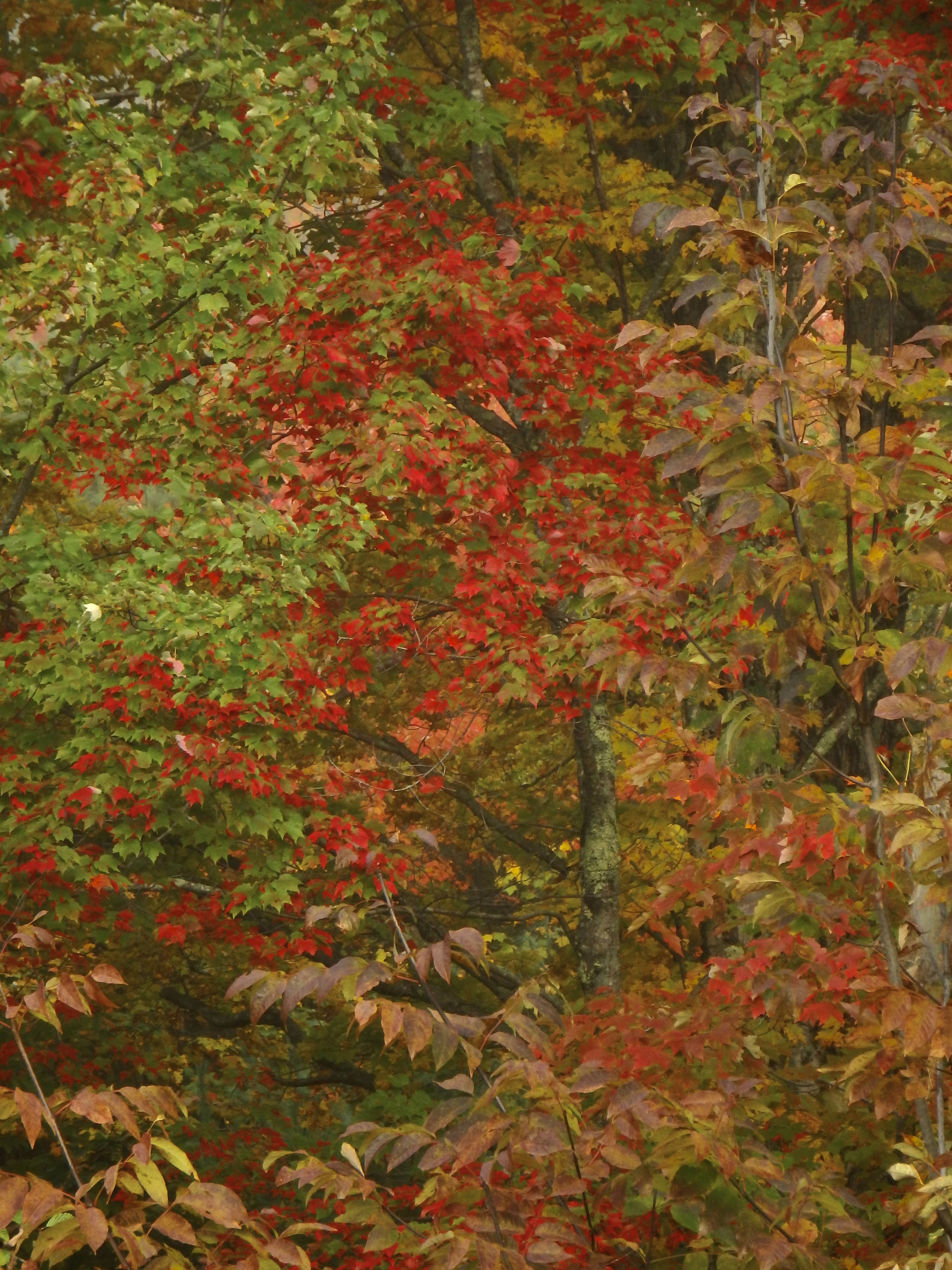
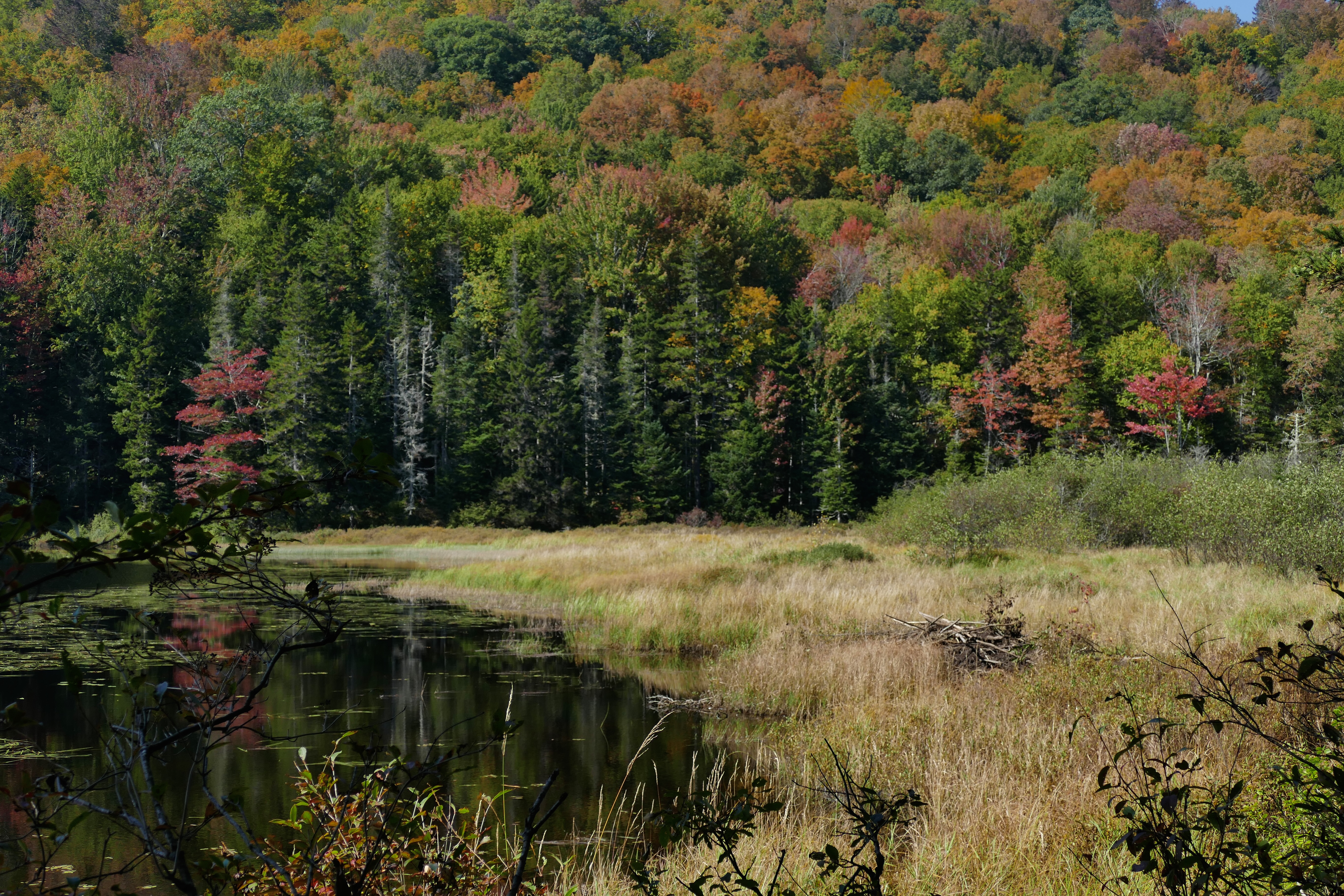
Then the general, the universal, hue was green. Now see those brilliant scarlet and glowing yellow trees in the lowlands a mile off…See those crimson patches far away on the hillsides, like dense flocks of crimson sheep..See those patches of rich brown in the low grounds, where the ferns stand shriveled. See the greenish-yellow phalanxes of birches, and the crisped yellowish elm-tops here and there. We are not prepared to believe that the earth is now so parti-colored, and would present to a bird’s eye such distinct masses of bright yellow.
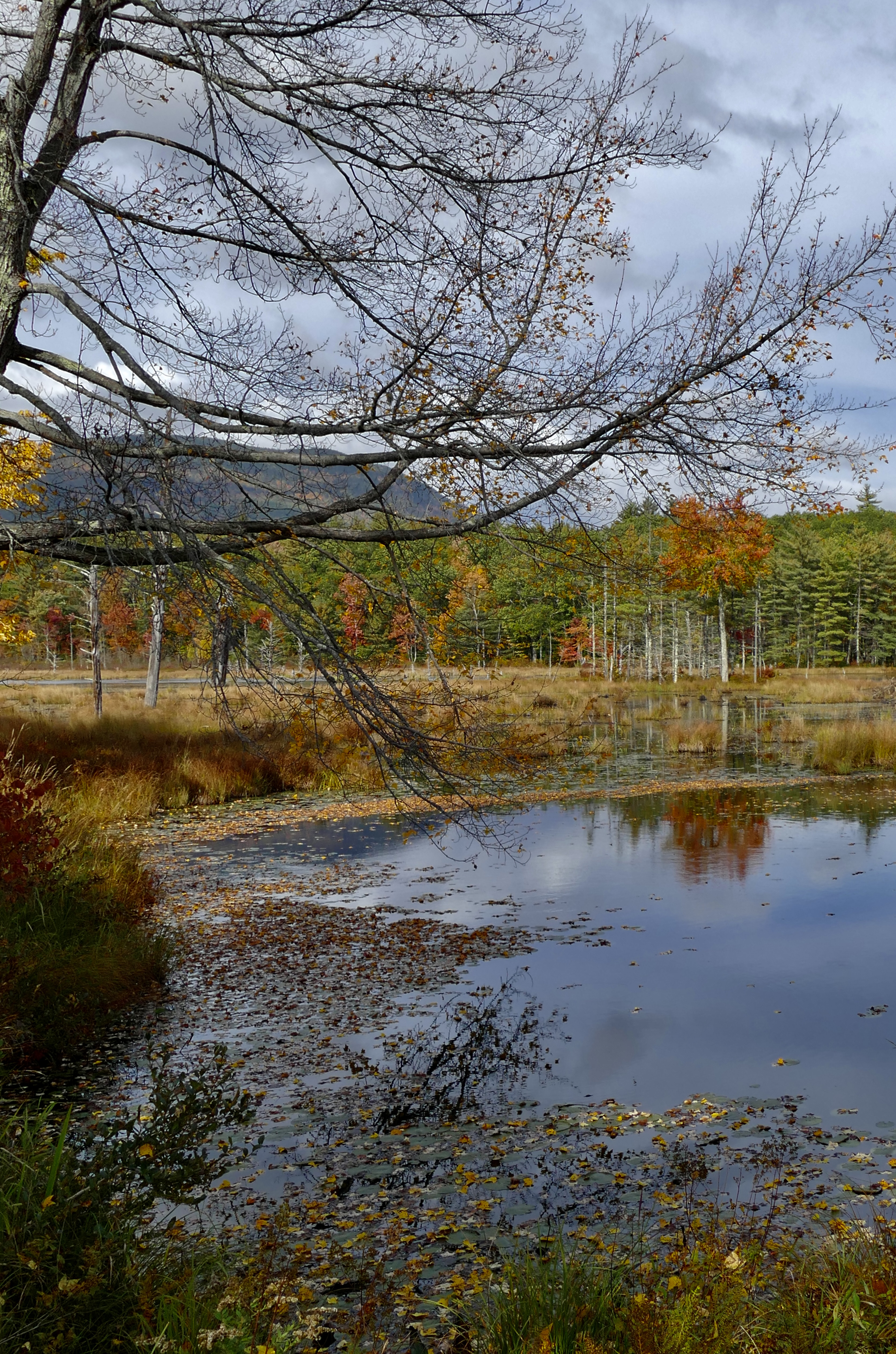
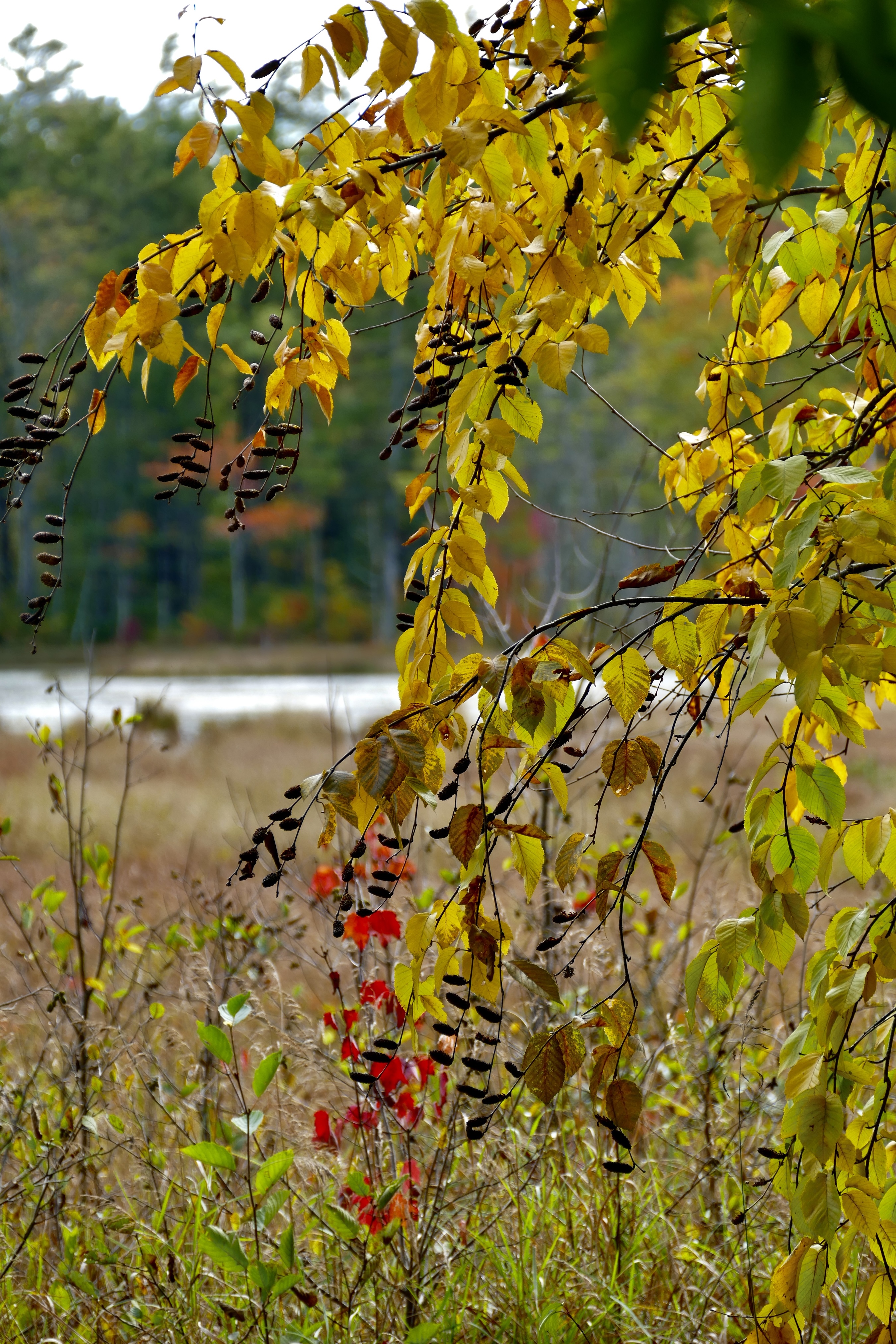
The maples about Walden are quite handsome now. Standing on the railroad, I look across the pond to Pine Hill, where the outside trees and the shrubs scattered generally through the wood glow through the green, yellow, and scarlet, like fires just kindled at the base of the trees, – a general conflagration just fairly under way, soon to envelop every tree. The hillside forest is all aglow along its edge and in all its cracks and fissures, and soon the flames will leap upward to the tops of the tallest trees. About the pond I see maples of all their tints, and black birches (on the southwest side) clear pale yellow; and on the peak young chestnut clumps and walnuts are considerably yellowed.
The leaves of some trees merely wither, turn brown, and drop off at this season, without any conspicuous flush of beauty, while others now first attain to the climax of their beauty.
Surveying in Lincoln. A severer frost last night. The young & tender trees begin to assume the autumnal tints more generally—plainly in consequence of the frost the last 2 mornings.
The sides of the bushy hills present a rich variety of colors like rug work—but the forest generally is not yet changed.



 allandibiase.com
You must be logged in to post a comment.