February 8, 1857

in Thoreau’s Journal:

Debauched and worn-out senses require the violent vibrations of an instrument to excite them, but sound and still youthful senses, not enervated by luxury, hear music in the wind and rain and running water. One would think from reading the critics that music was intermittent as a spring in the desert, dependent on some Paganini or Mozart, or heard only when the Pierians or Euterpeans drive through the villages; but music is perpetual, and only hearing is intermittent.
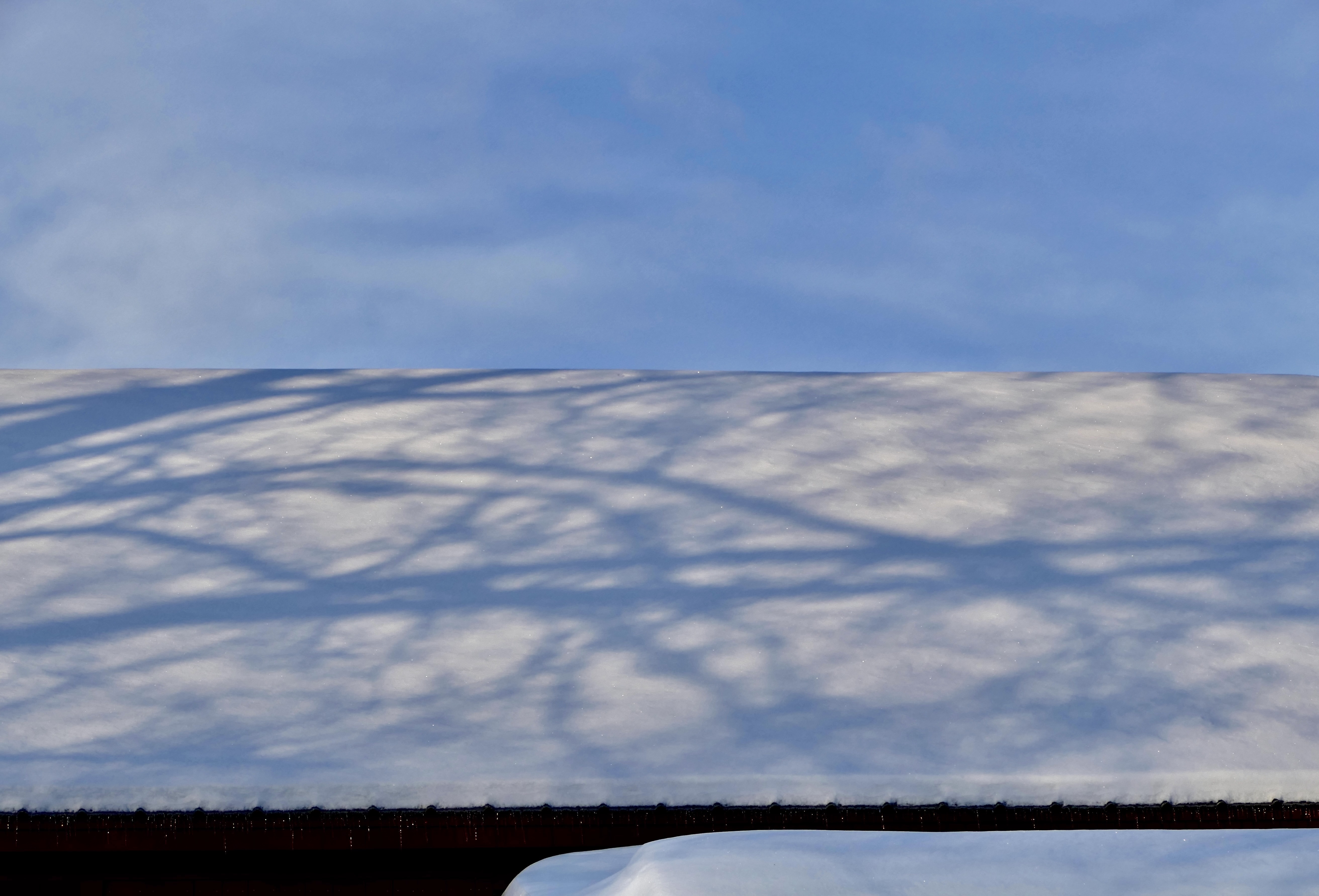
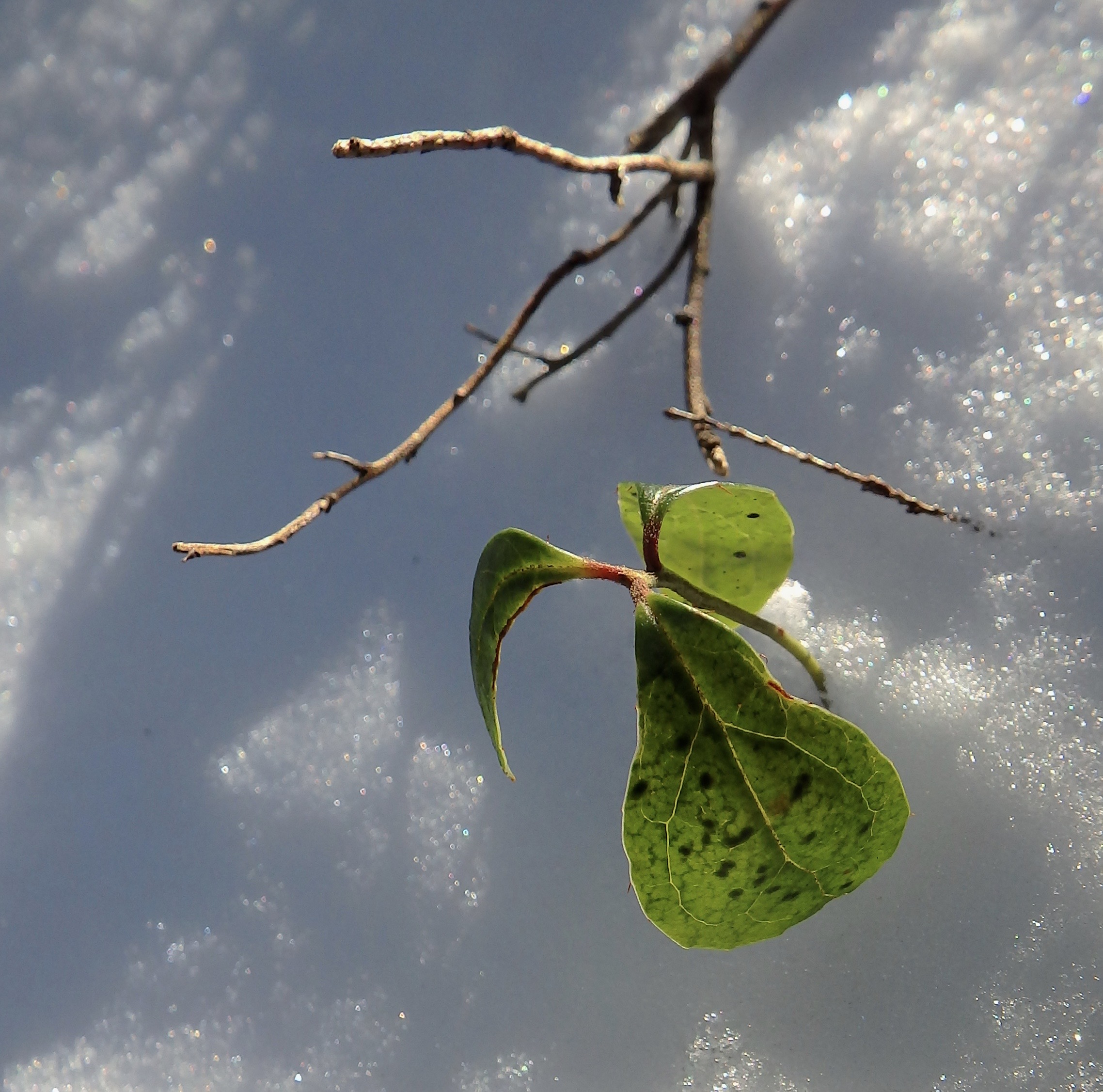
I hear it in the softened air of these warm February days which have broken the back of the winter…
February 7, 1854

in Thoreau’s Journal:

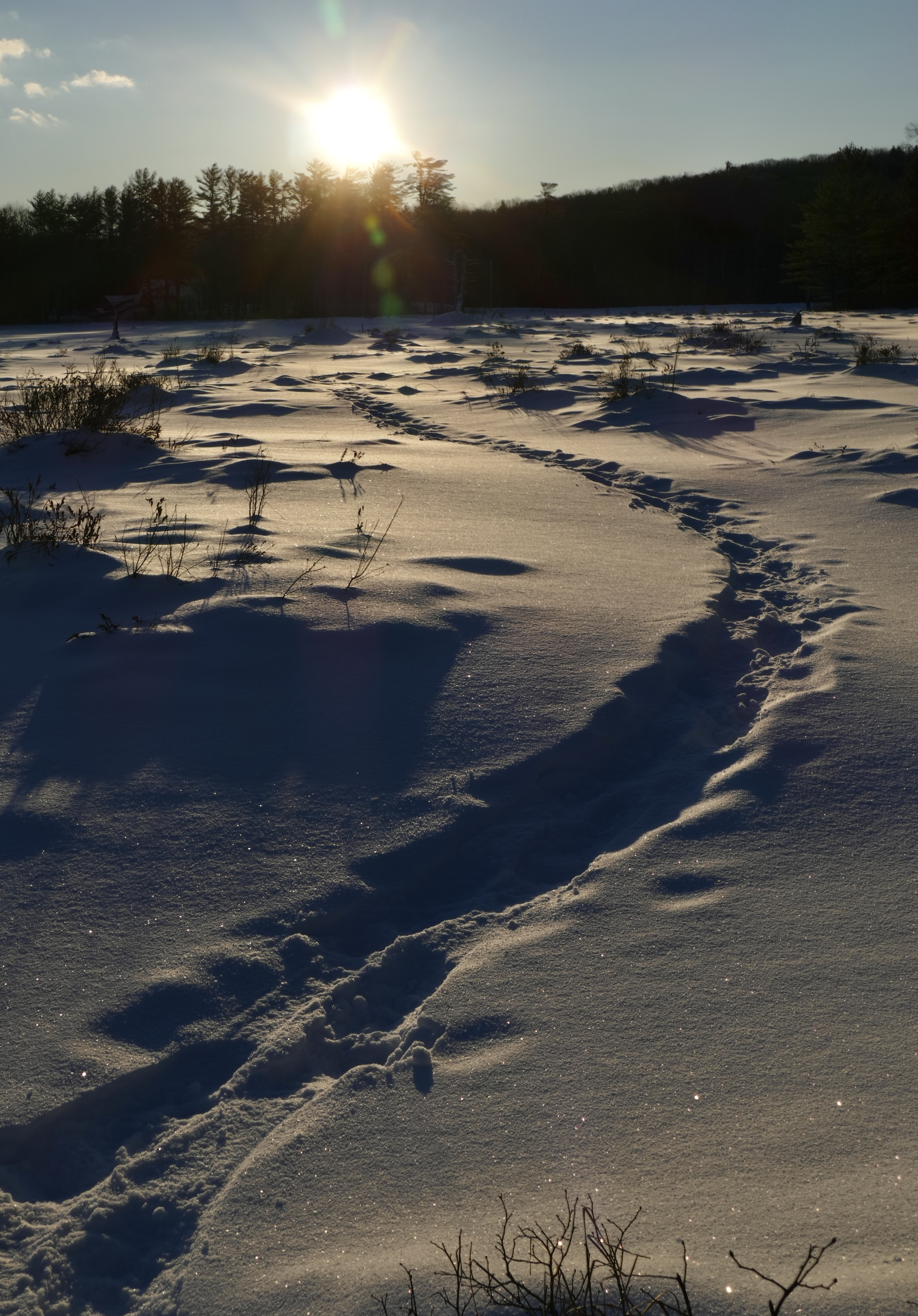
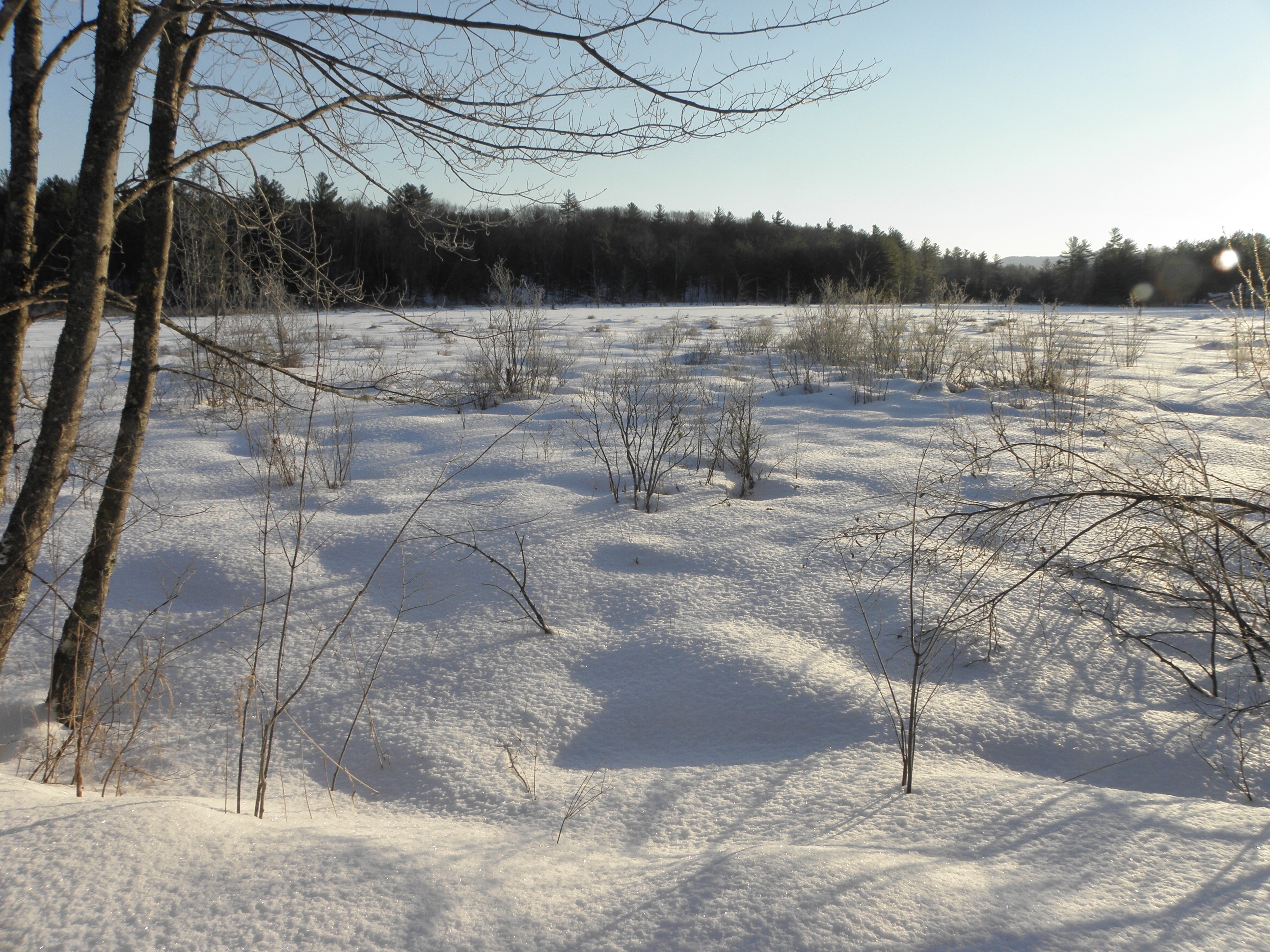
Under the waves of the snowy ocean yesterday, roads and rivers, pastures and cultivated fields, all traces of man’s occupancy of the globe were for the most part concealed. Water and sand also assume this same form under the influence of wind.

And I have seen, on the surface of the Walden ice, great sweeping, waving lines, somewhat like these. It is the track of the wind, the impress which it makes on flowing materials.

February 6, 1841

in Thoreau’s Journal:

When I select one here and another there, and strive to join sundered thoughts, I make but a partial heap after all— Nature strews her nuts and flowers broadcast, and never collects them into heaps— A man does not tell us all he has thought upon truth or beauty at a sitting—but from his last thought on the subject wanders through a varied scenery of upland meadow and woodland to his next— Sometimes a single and casual thought rises naturally and inevitably with a queenly majesty and escort  like the stars in the east.

Fate has surely enshrined it in this hour and circumstances for some purpose— What she has joined together, let not man put asunder.—  Shall I transplant the primrose by the river’s brim—to set it beside its sister on the mountain? This was the soil it grew in—this the hour it bloomed in—if sun, wind, and rain came here to cherish and expand it–shall not we come here to pluck it? — Shall we require it to grow in a conservatory for our convenience?

February 5, 1855

in Thoreau’s Journal:

In a journal it is important in a few words to describe the weather, or character of the day, as it affects our feelings. That which was so important at the time cannot be unimportant to remember.

February 4, 1852

in Thoreau’s Journal:

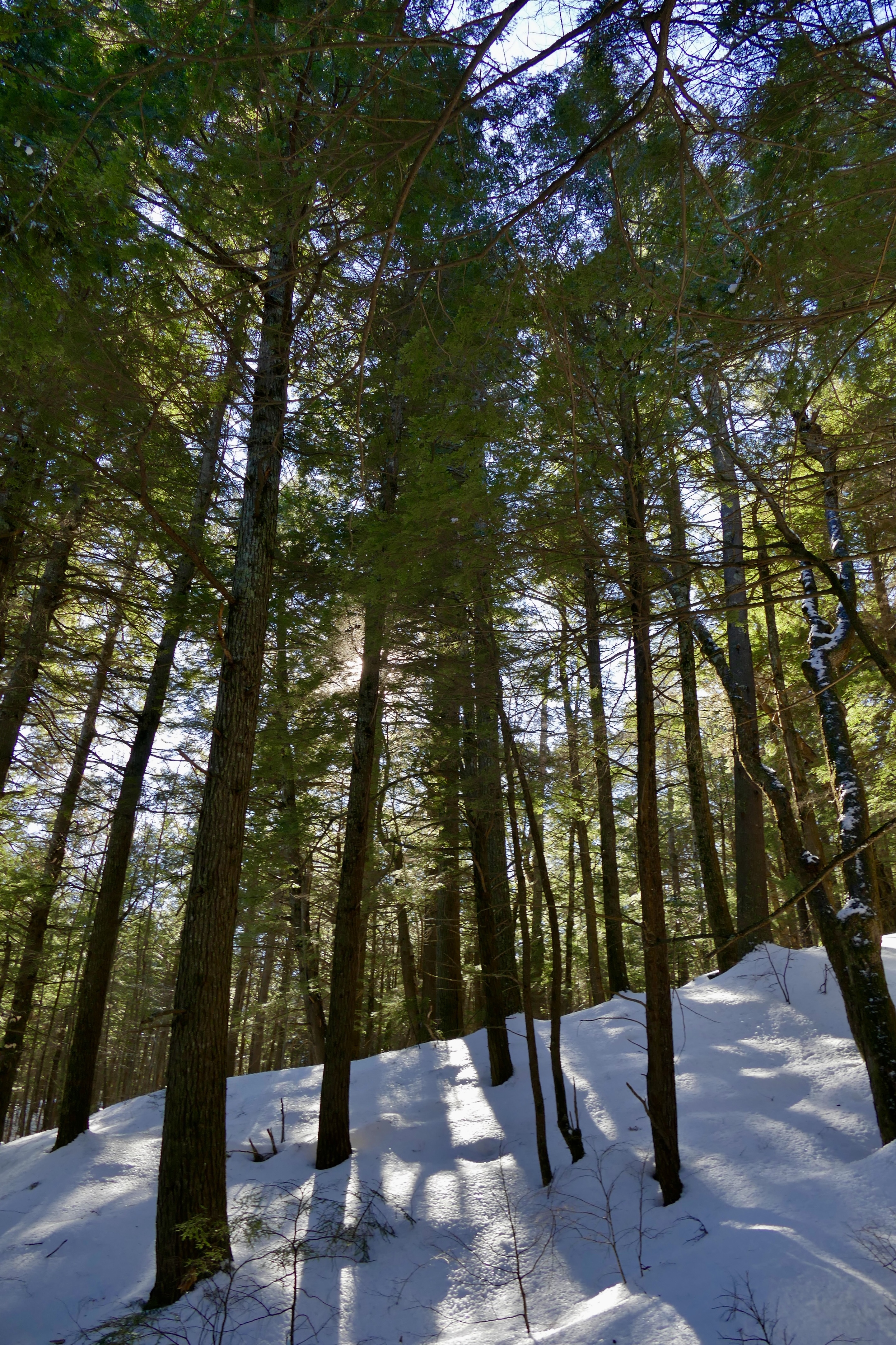
A mild, thawy day. The needles of the pine are the touch-stone for the air—any change in that element is revealed to the practiced eye by their livelier green or increased motion. They are the tell-tales. Now they are (the white pine) a cadaverous, misty blue—anon a lively silvery light plays on them —& they seem to erect themselves unusually—while the pitch pines are a brighter yellowish green than usual—The sun loves to nestle in the boughs of the pine & pass rays through them.

The scent of bruised pine leaves where a sled has passed is a little exciting to me now…

February 3, 1852

in Thoreau’s Journal:

Access to nature for original observation is secured by one ticket, by one kind of expense, but access to the works of your predecessors by a very different kind of expense. All things tend to cherish the originality of the original.

Nature, at least, takes no pains to introduce him to the works of his predecessors, but only presents him with her own Opera Omnia.

February 2, 1860

in Thoreau’s Journal:

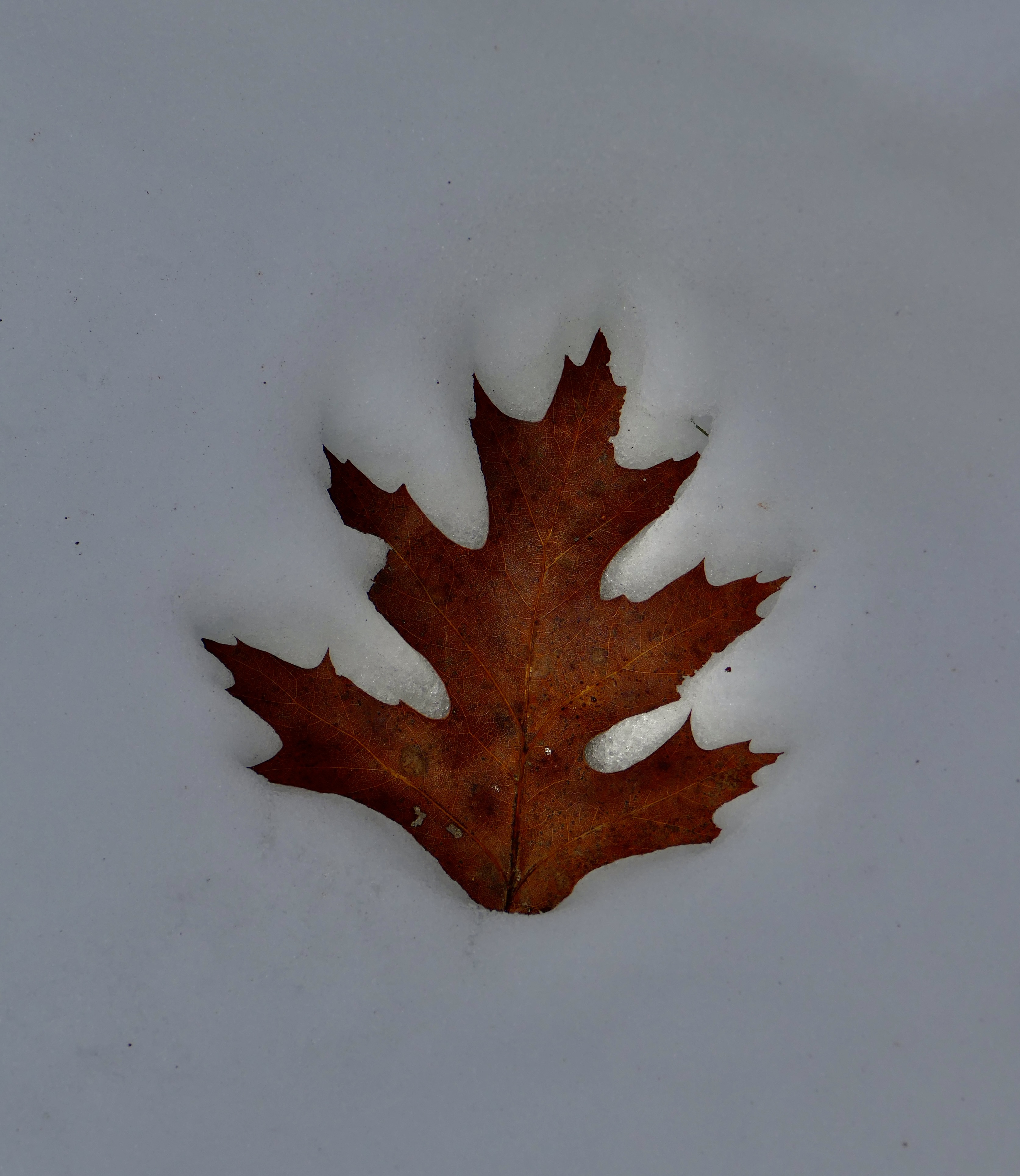
I frequently see where oak leaves–absorbing the heat of the sun have sunk in to the ice & an inch in depth & afterward been blown out–leaving a perfect type of the leaf with its petiole & lobes sharply cut–with perfectly upright sides–so that I can easily tell the species of oak that made it. Sometimes these moulds have been evenly filled with snow–while the ice is dark–& you have the figure of the leaf in white.