I don’t know but we should make life all too tame if we had our own way, and should miss these impulses in a happier time.
How much virtue there is in simply seeing! We may almost say that the hero has striven in vain for his preeminency, if the student oversees him. The woman who sits in the house and sees is a match for a stirring captain. Those still, piercing eyes, as faithfully exercised on their talent, will keep her even with Alexander or Shakespeare. They may go to Asia with parade, or to fairyland, but not beyond her ray.
We are as much as we see. Faith is sight and knowledge. The hands only serve the eyes. The farthest blue streak in the horizon I can see, I may reach before many sunsets. What I saw alters not; in my night, when I wander, it is still steadfast as the star which the sailor steers by.
Whoever has had one thought quite lonely, and could contentedly digest that in solitude; knowing that none could accept it, may rise to the height of humanity, and overlook all living men as from a pinnacle.
I am surprised to find Walden completely open. When did it open? According to all accounts, it must have been between the 6th and 9th. Fair Haven must have opened entirely the 5th or 6th, and Walden very nearly at the same time. This proves how steadily it has been melting, notwithstanding the severe cold of the last half of March; i. e., it is less affected by transient heat or cold than most ponds.
The flowers have blossomed very suddenly this year as soon as the long cold spell was over, and almost all together.
As to which are the earliest flowers, it depends on the character of the season, and ground bare or not, meadows wet or dry, etc., etc., also on the variety of soils and localities within your reach.
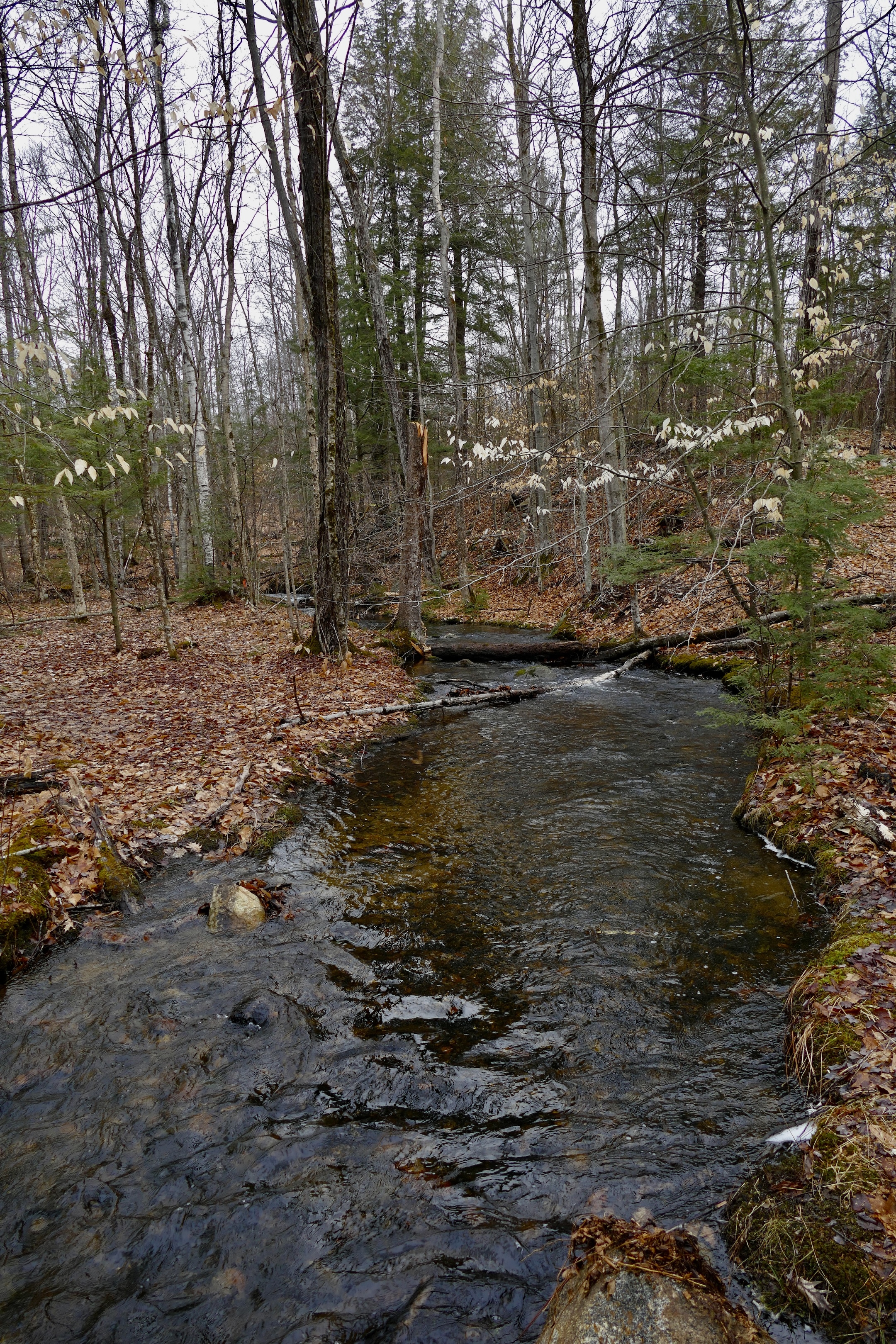
My life will wait for nobody, but is being matured still irresistibly while I go about the streets and chaffer with this man and that to secure it a living. It will cut its own channel, like the mountain stream, which by the longest ridges and by level prairies is not kept from the sea finally.
So flows a man’s life, and will reach the sea water, if not by an earthy channel, yet in dew and rain, overleaping all barriers, with rainbows to announce its victory. It can wind as cunningly and unerringly as water that seeks its level; and shall I complain if the gods make it meander?
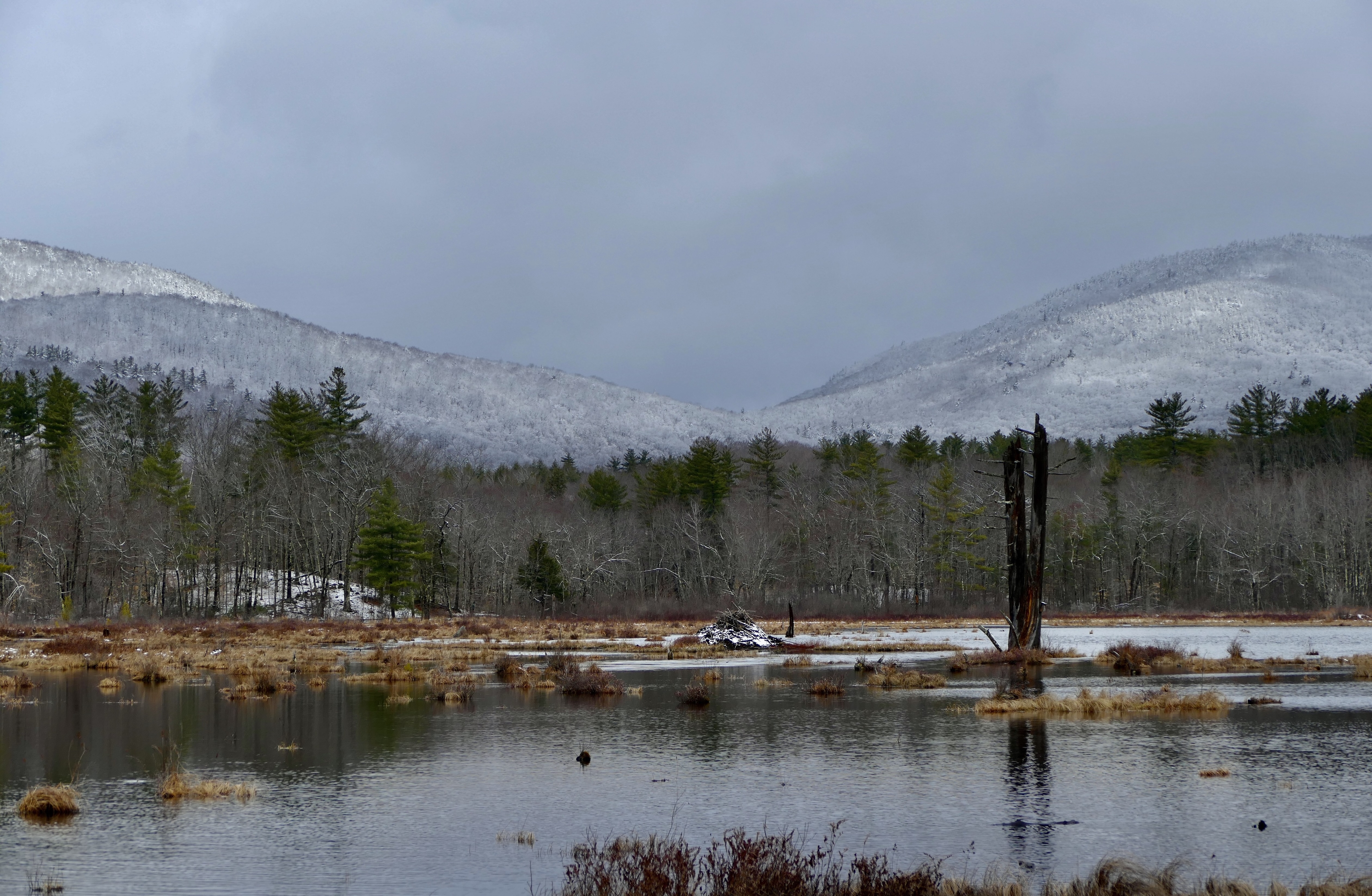
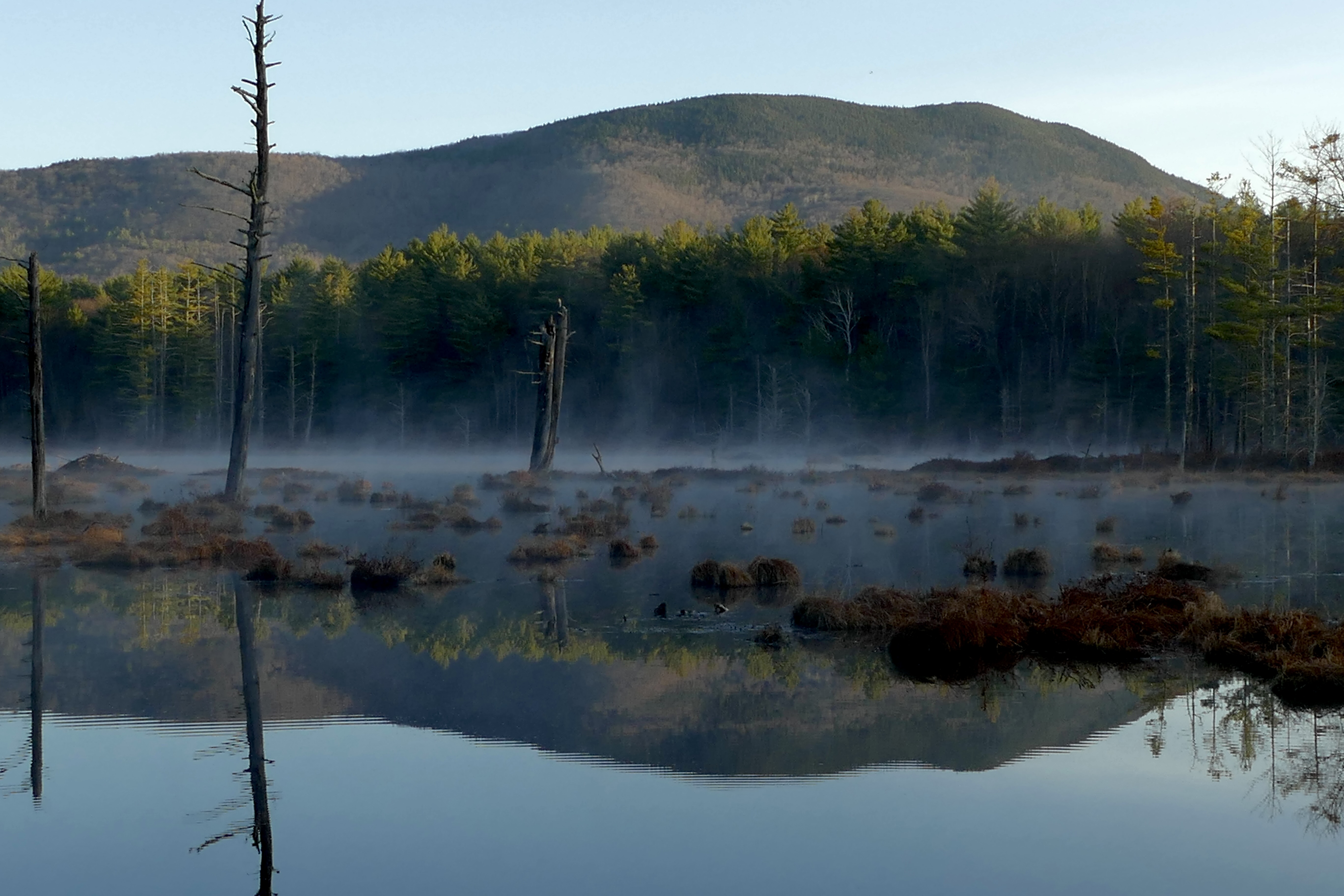
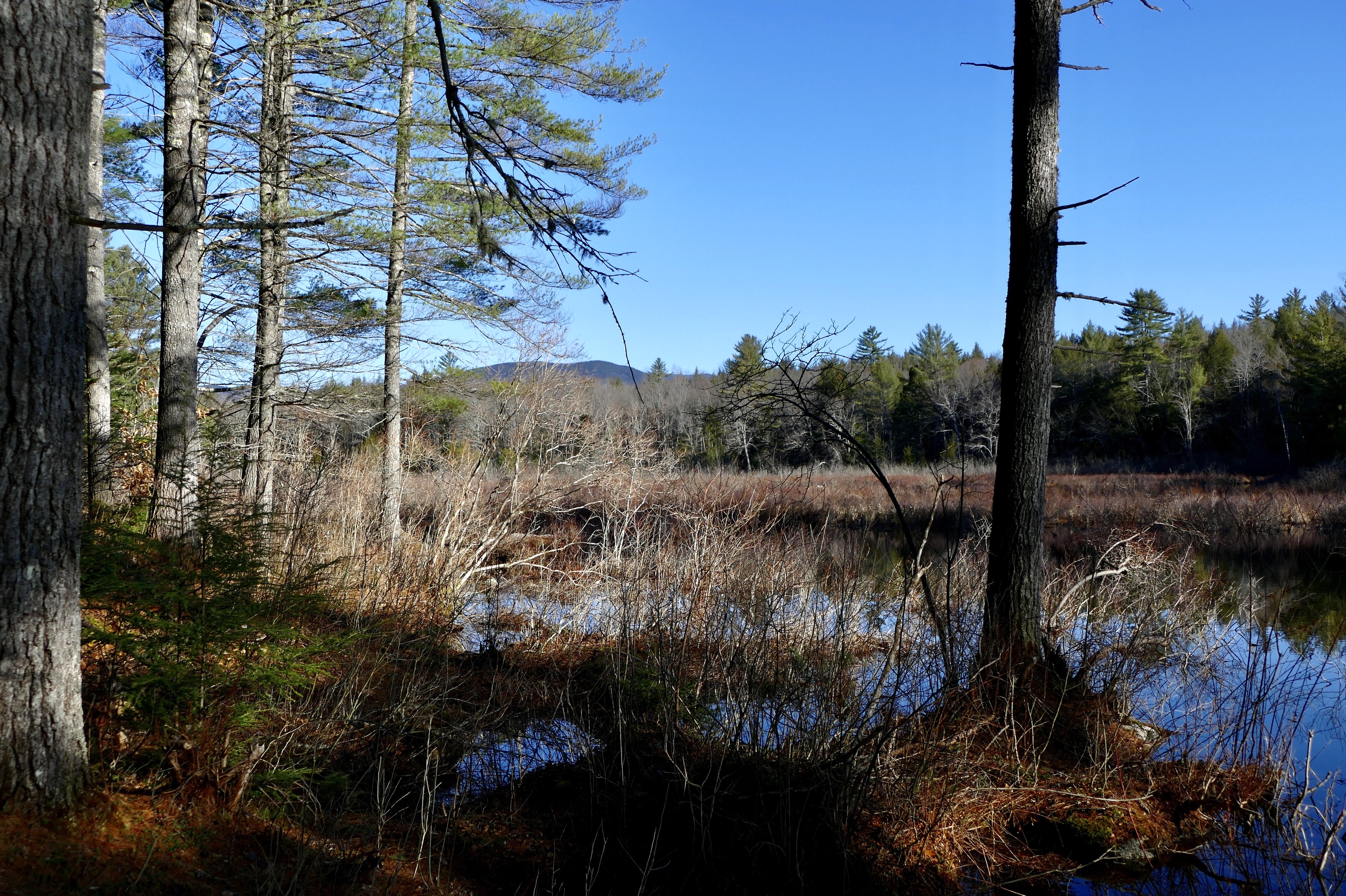
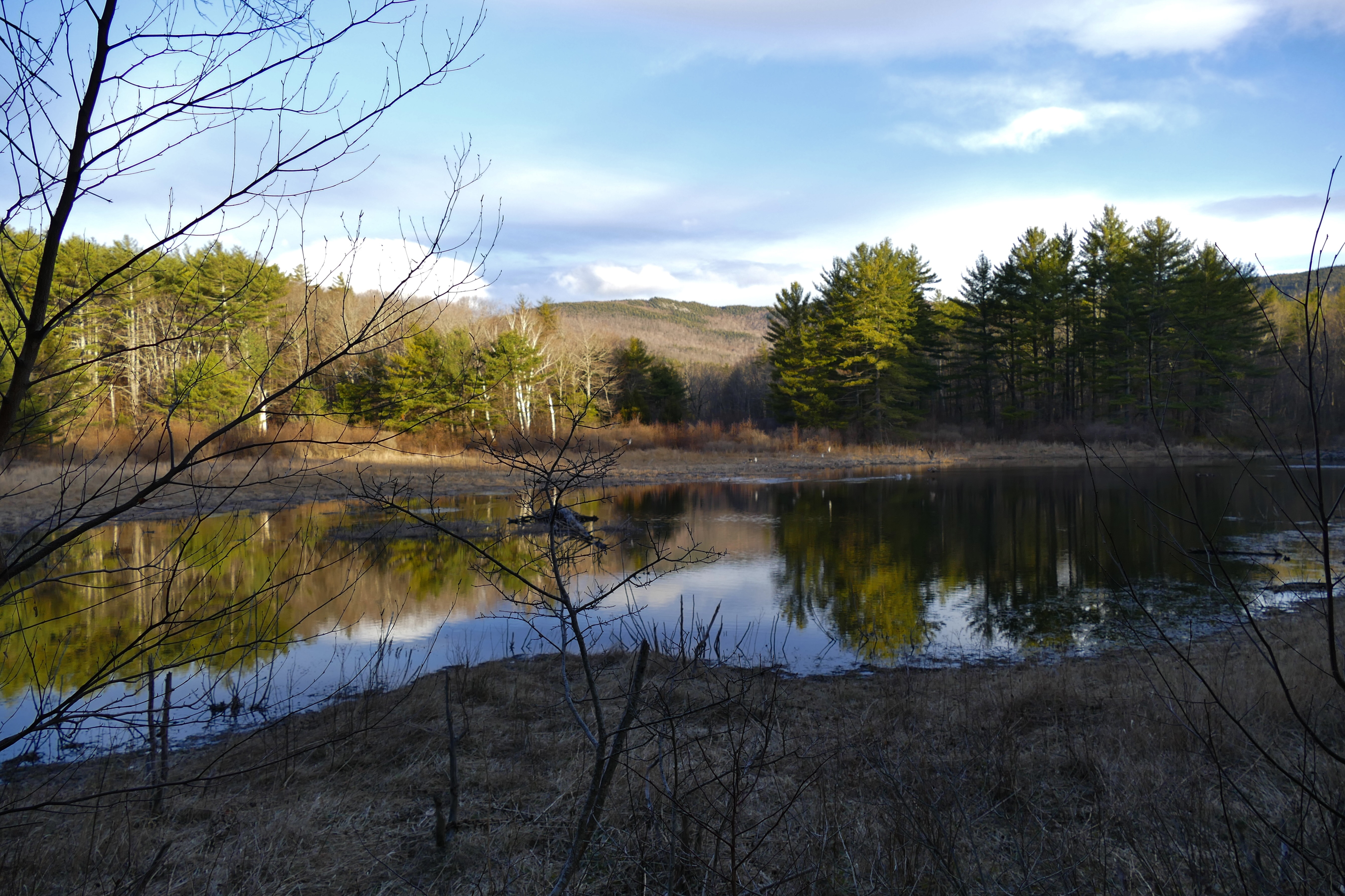
The aspect of April waters, smooth and commonly high, before many flowers (none yet) or any leafing while the landscape is still russet, and frogs are just awakening, is peculiar.
When I stand more out of the wind, under the shelter of the hill beyond Clamshell, where there is not wind enough to make a noise on my person, I hear, or think that I hear, a very faint distant ring of toads, which, though I walk and walk all the afternoon, I never come nearer to. It is hard to tell if it is not a ringing in my ears; yet I think it is a solitary and distant toad called to life by some warm and sheltered pool or hill, its note having, as it were, a chemical affinity with the air of the spring. It merely gives a slightly more ringing or sonorous sound to the general rustling of inanimate nature. A sound more ringing and articulate my ear detects, under and below the noise of the rippling wind.
Thus gradually and moderately the year begins. It creeps into the ears so gradually that most do not observe it, and so our ears are gradually accustomed to the sound, and perchance we do not perceive it when at length it has become very much louder and more general.
It is surprising how the earth on bare south banks begins to show some greenness in its russet cheeks in this rain and fog—a precious emerald-green tinge—almost like a green mildew, the growth of the night — a green blush suffusing her cheek — heralded by twittering birds.
This sight is no less interesting than the corresponding bloom & ripe blush of the fall. How encouraging to perceive again that faint tinge of green, spreading amid the russet on earth’s cheeks! I revive with Nature—her victory is mine.
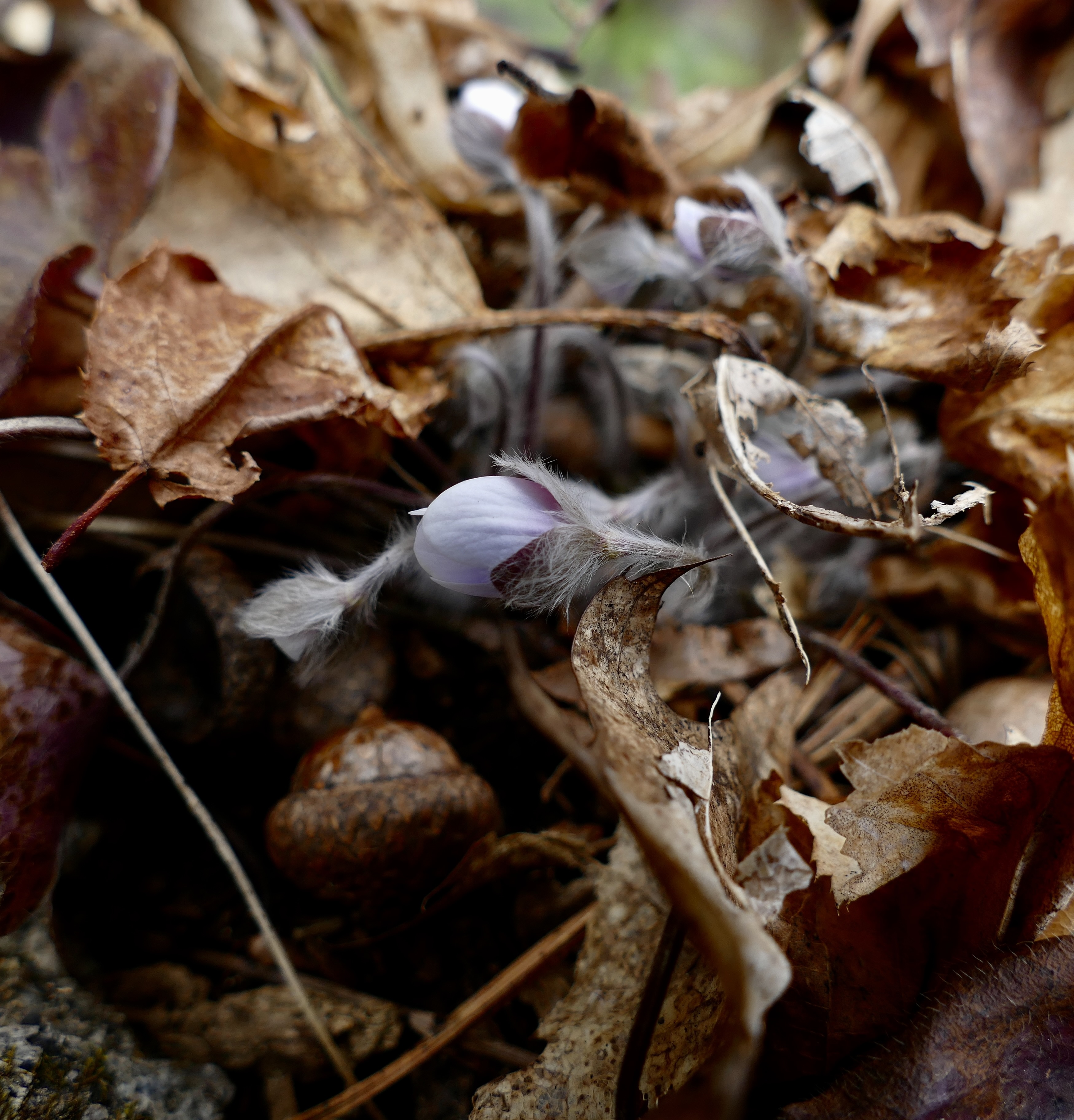
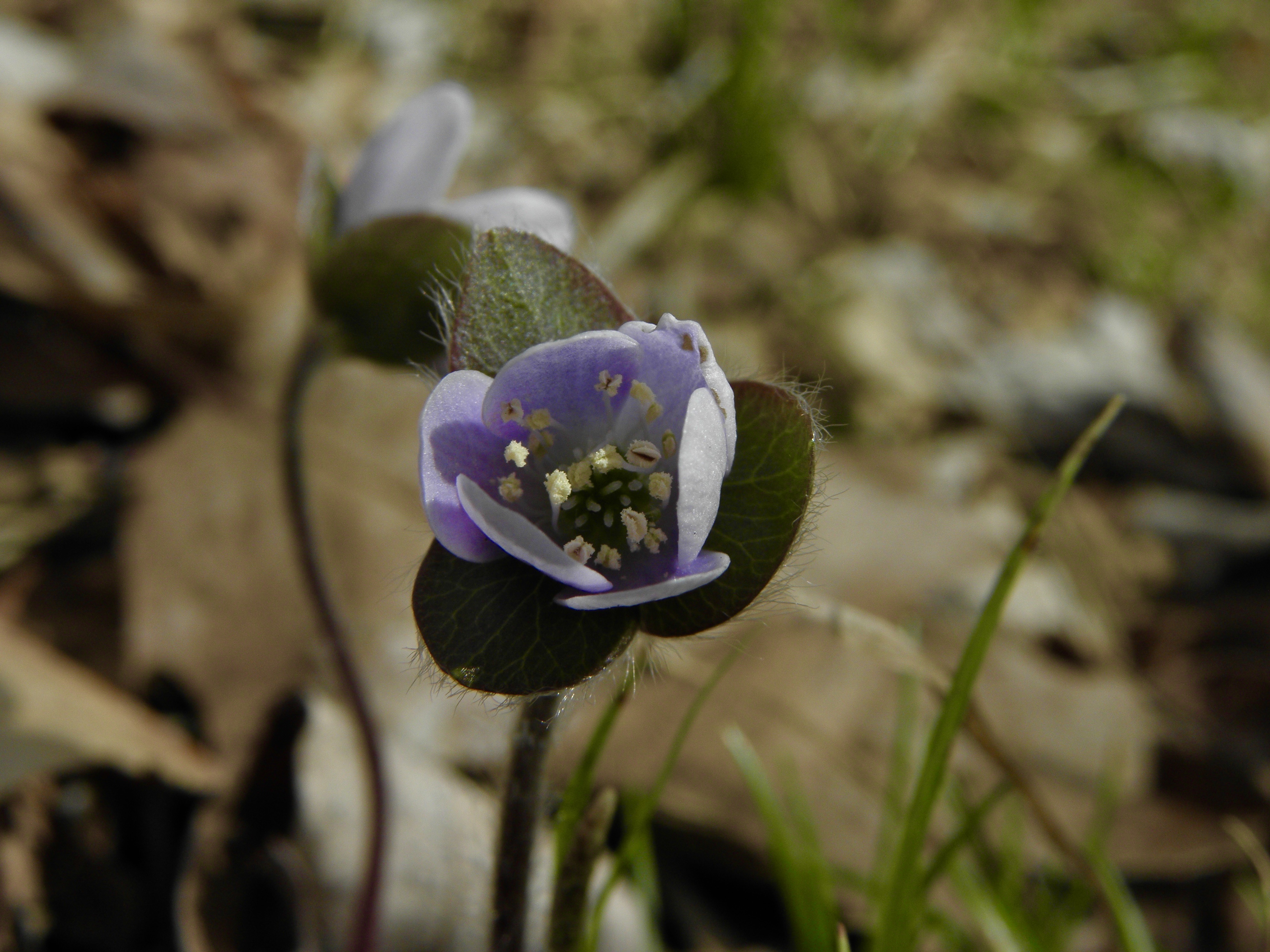
With this flower, so much more flowerlike or noticeable than any yet—begins a new era in the flower season.
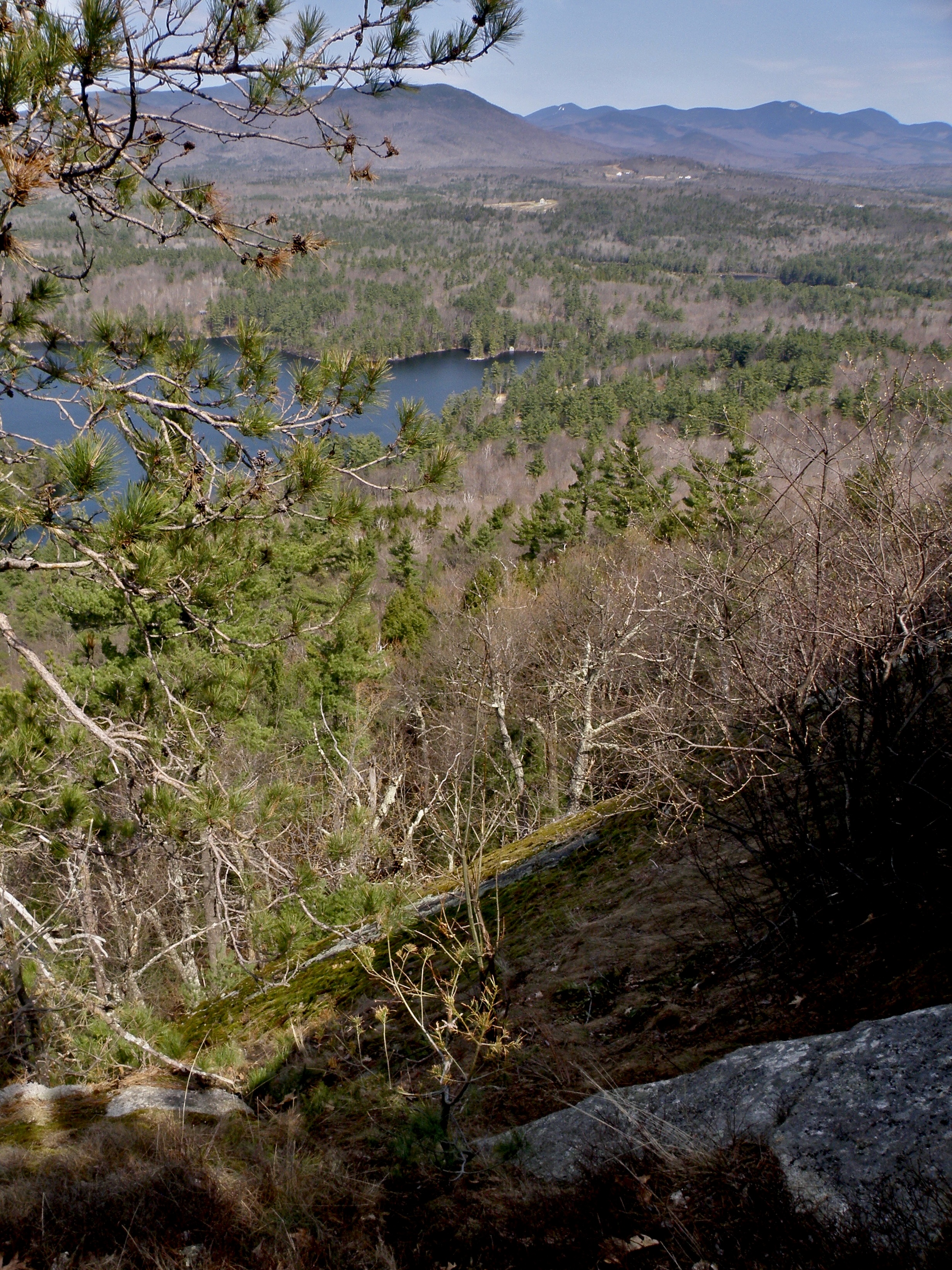
Photo: April 1, 2012 at Eagle Cliff, Sandwich, New Hampshire
[My Our Town Transition, first posted April 1, 2024]
I’ve heard from many people that once you’ve lived in Sandwich, NH you may leave it but it never leaves you. But as of April 1st, in the narrow sense, the me that’s part of Our Town will not live here any longer. So, no more “Our Town” from me.
Some of you may know that in addition to a zillion photos of the Sandwich landscape, I have accumulated a similar amount of research on Henry David Thoreau’s amazing, 2,000,000 word, daily Journal which he kept from 1836 until his death in 1862. Thoreau came to New Hampshire fairly often, once camped in Center Harbor, and climbed Red Hill. But to the best of my knowledge, he never made it to Sandwich.
Whether by the vagaries of the gods, or the harbingers of climate change, the climate in Sandwich has become fairly similar to that of Concord, Massachusetts in the mid-1800s. Most of Thoreau’s close observations of weather, flora, and fauna in Concord then, are abundant in Sandwich now. So I’m thinking of making a daily post from Thoreau’s Journal coupled with an archival photo taken here in Our Town that illustrates it. I will give this a certain subject heading and see if I can take us through a few years of Thoreau Comes to Sandwich. Despite the fact that he never did. But his Journal still can.
I can say, in many ways, Thoreau’s Journal has been my guide for living in Sandwich, showing me what to see, how to get off the beaten path, how to set priorities and, how to keep a clear mind.
Last, I want to thank all the folks who’ve given me feedback on my daily Our Town posts. It’s given me great pleasure to share my excursions at Chicks Corner and farther afield. I hope my fascination with both the small and the grand details of where we live has come across. It is something we who live–and have lived here–all share. From my own experience I surmise this can change your life. My hope for you all is that you know this to be true for yourselves.


You must be logged in to post a comment.