in Thoreau’s Journal:
In the morning and evening, when waters are still and smooth, and dimpled by innate currents only,
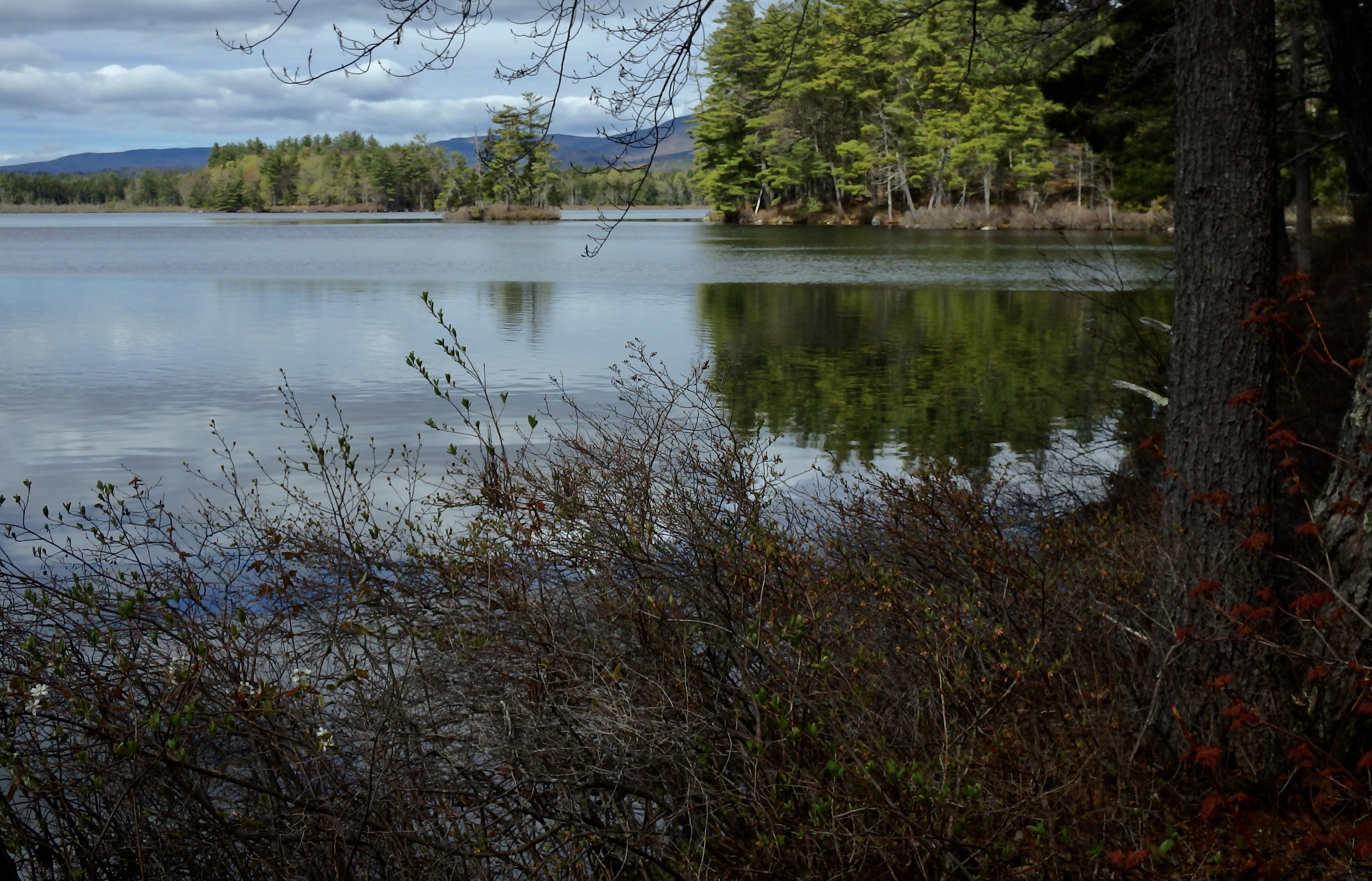
not disturbed by foreign winds and currents of the air, and reflect more light than at noonday.

in Thoreau’s Journal:
In the morning and evening, when waters are still and smooth, and dimpled by innate currents only,
not disturbed by foreign winds and currents of the air, and reflect more light than at noonday.
in Thoreau’s Journal:
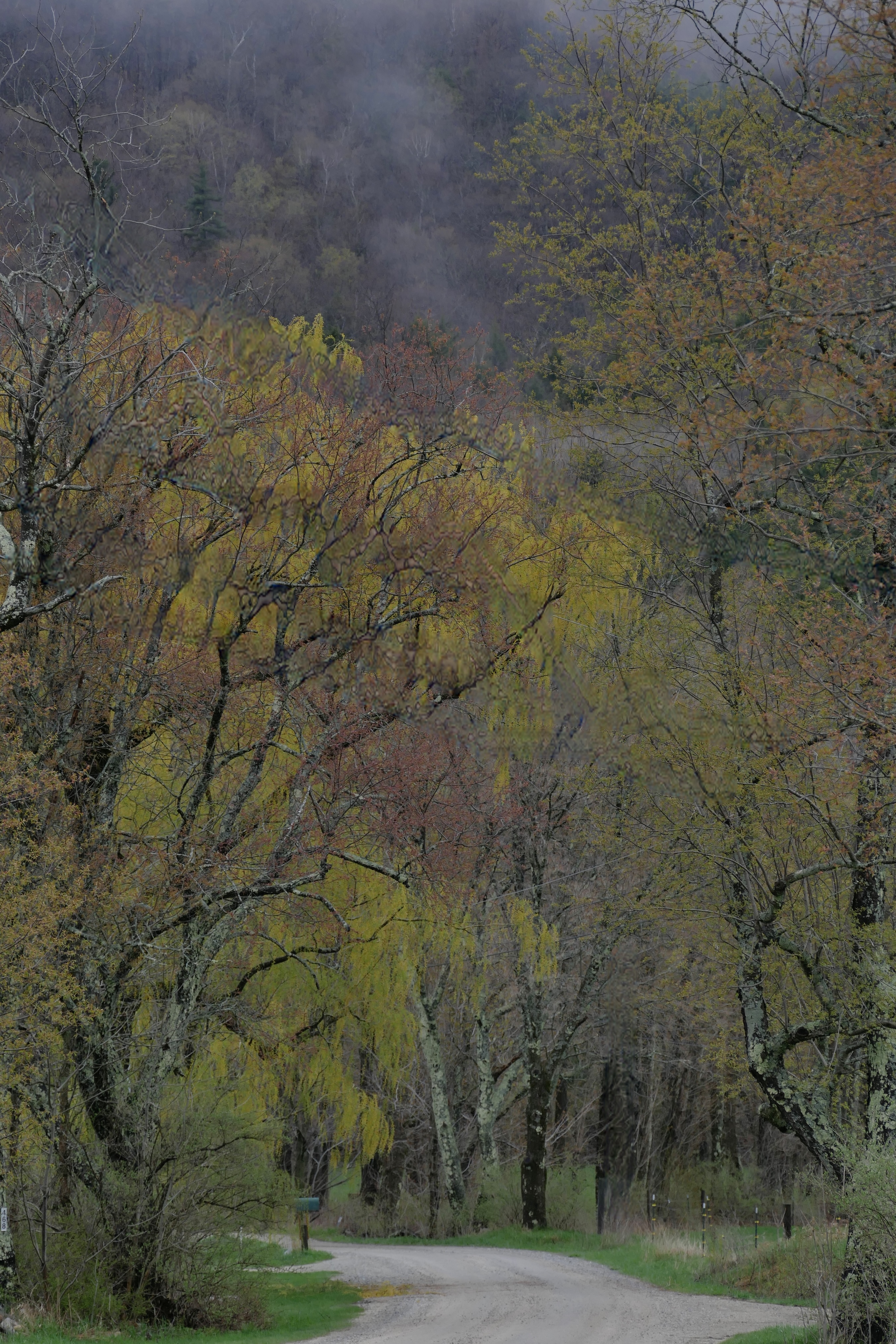
He is the richest who has most use for nature as raw material of tropes and symbols with which to describe his life. If these gates of golden willows affect me, they correspond to the beauty and promise of some experience on which I am entering. If I am overflowing with life, am rich in experience for which I lack expression, then nature will be my language full of poetry — all nature will fable, and every natural phenomenon be a myth.
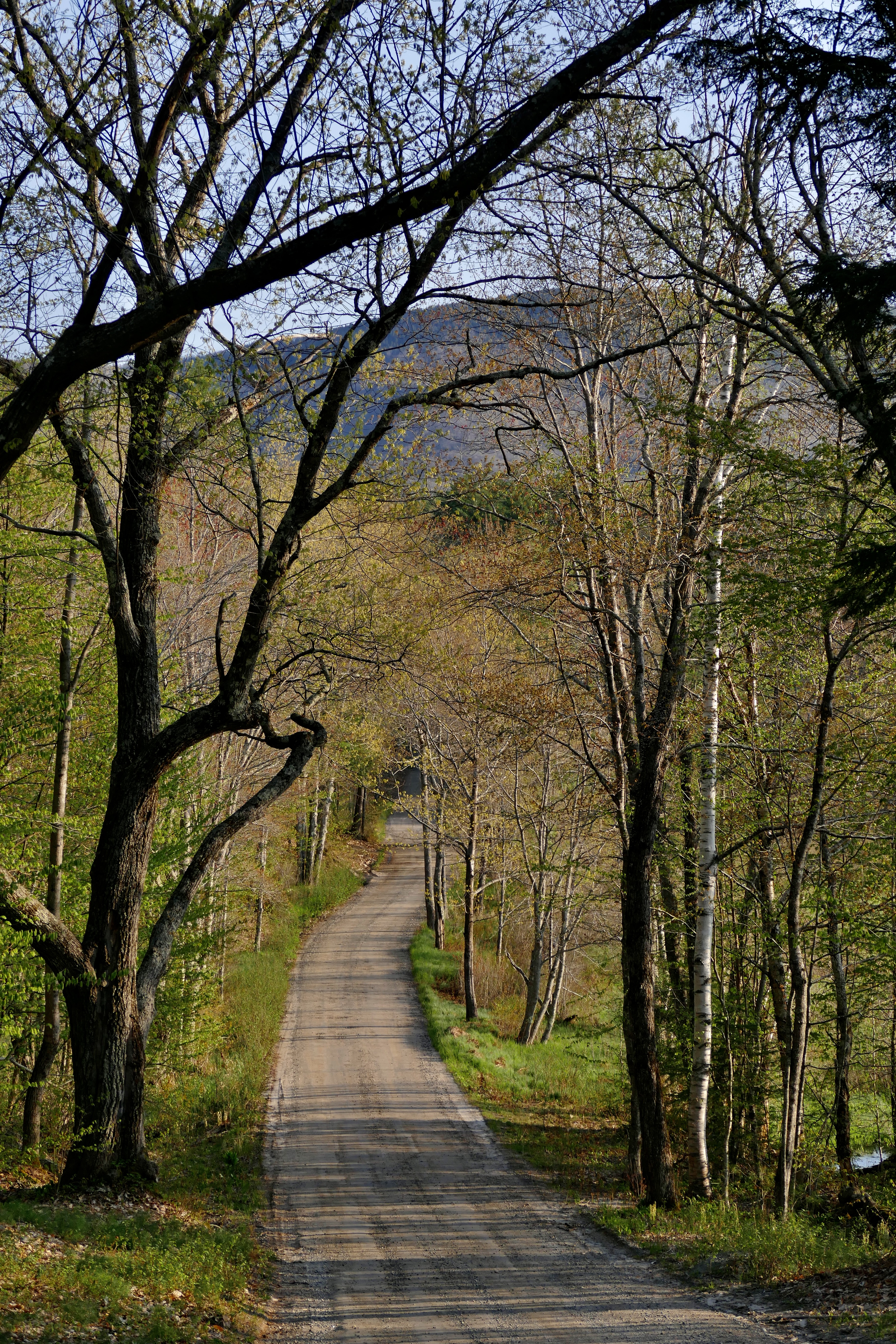
The man of science, who is not seeking for expression but for a fact to be expressed merely, studies nature as a dead language. I pray for such inward experience as will make nature significant.
in Thoreau’s Journal:
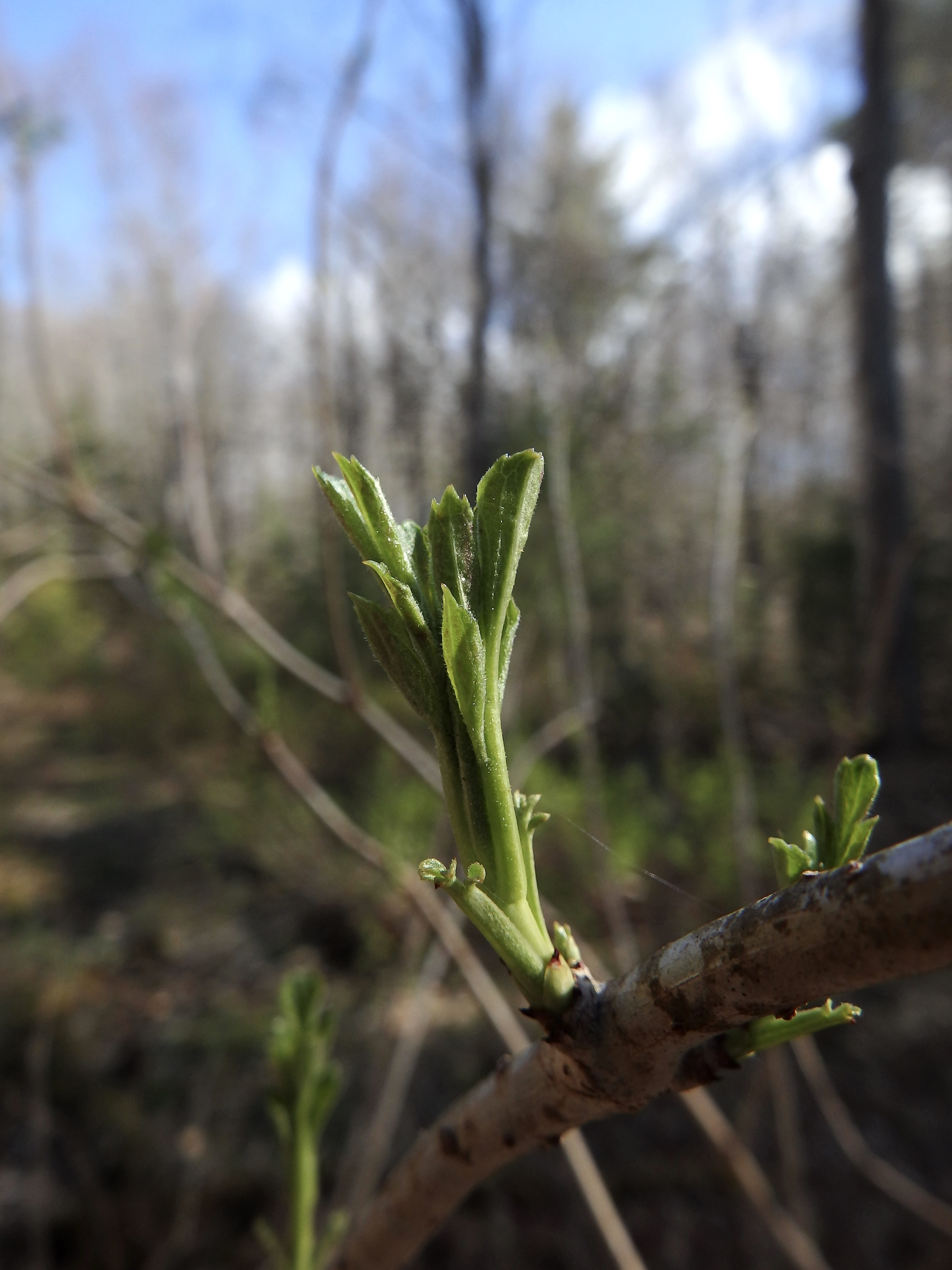
Leaves generally are most beautiful when young and tender, before insects or weather has defaced them.
in Thoreau’s Journal:
How dead would the globe seem—especially at this season if it were not for these water surfaces…We are slow to realize water—the beauty & magic of it. It is interestingly strange forever….
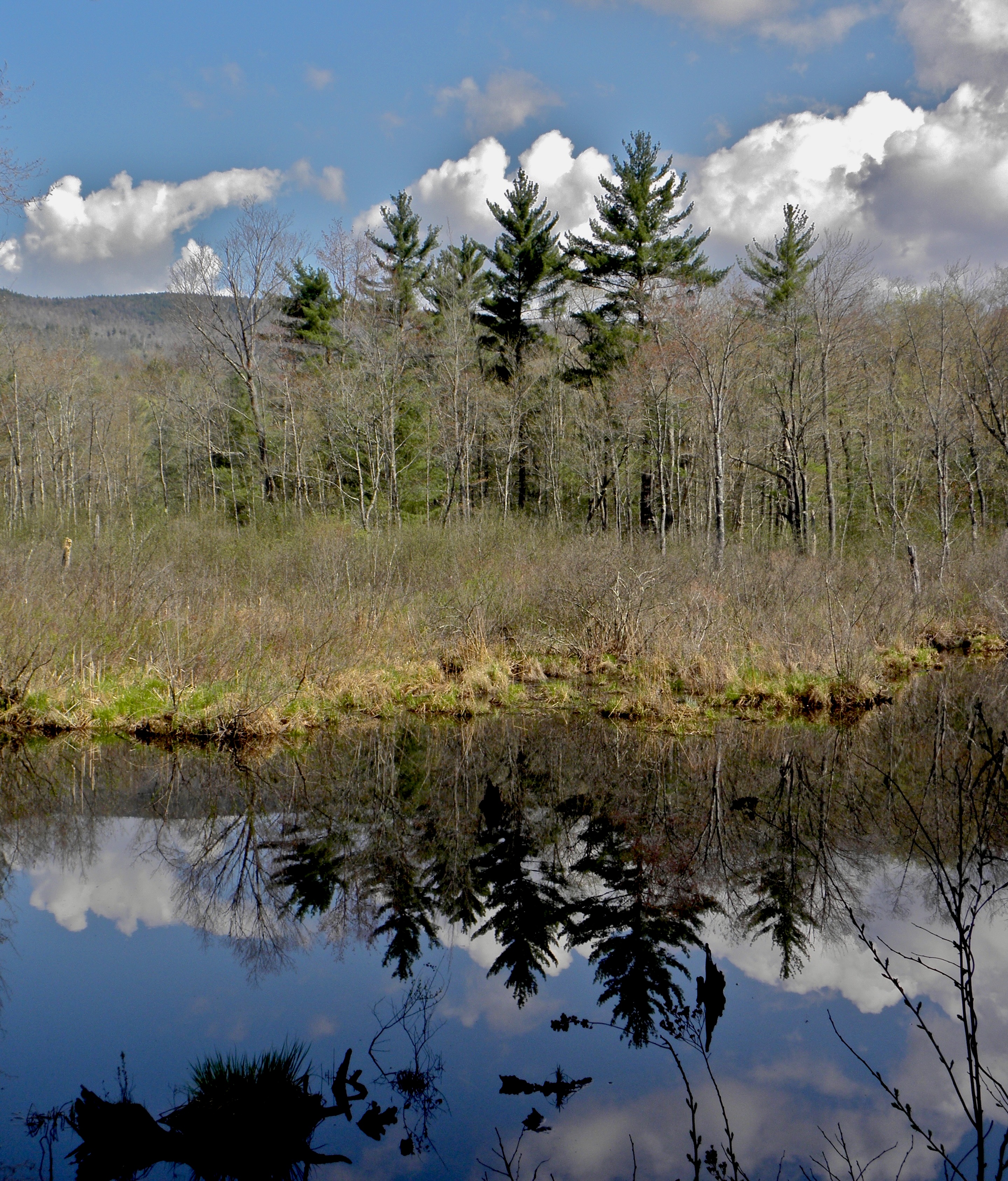
I look round with a thrill on this bright fluctuating surface on which no man can walk—whereon is—no trace of foot step—unstained as glass.
in Thoreau’s Journal:
When I hear a bird singing I cannot think of any words that will imitate it—
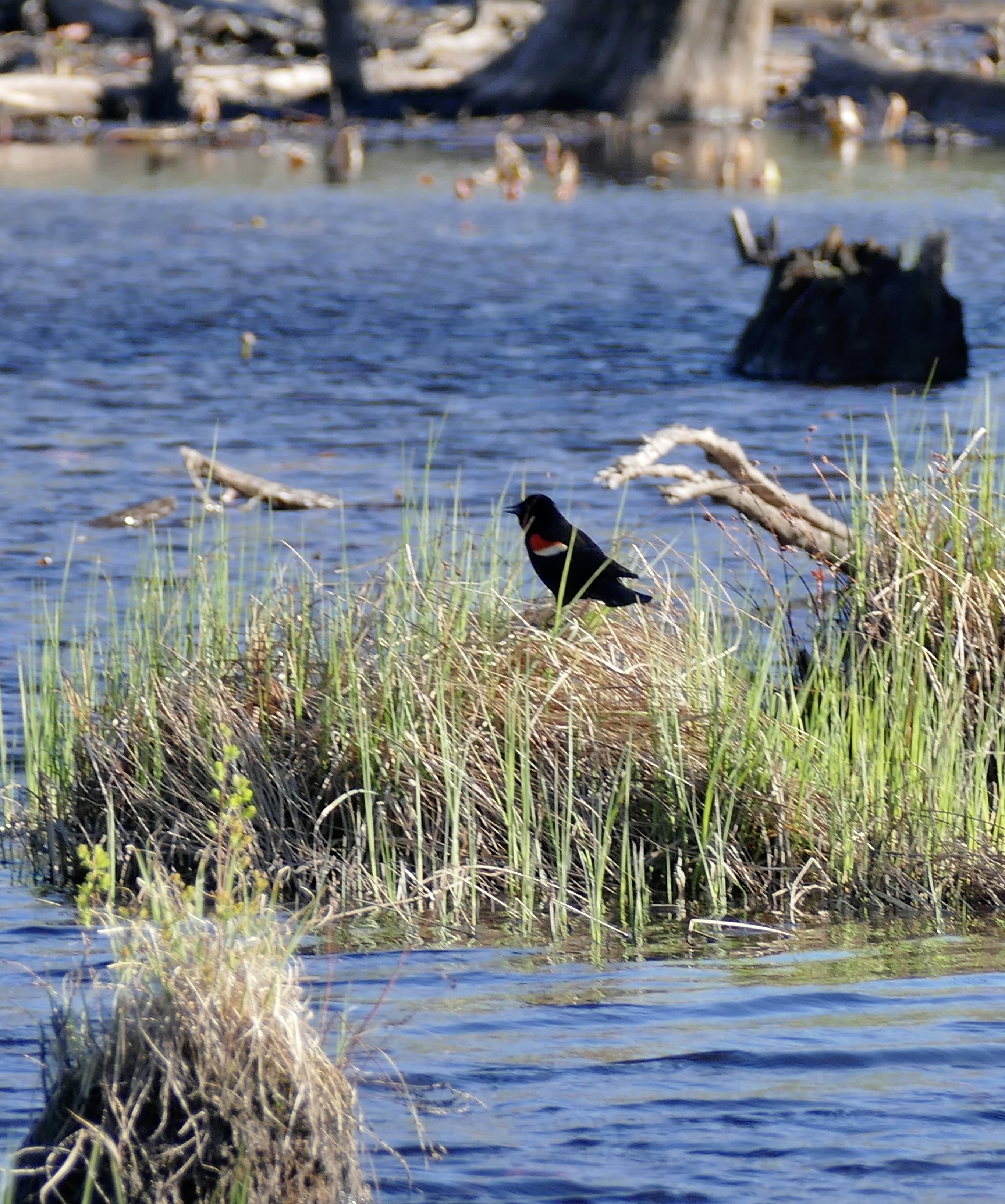
What word can stand in place of a bird’s note! [But this did not stop him!]
in Thoreau’s Journal:
How important is a constant intercourse with nature and the contemplation of natural phenomenon to the preservation of Moral & intellectual health.
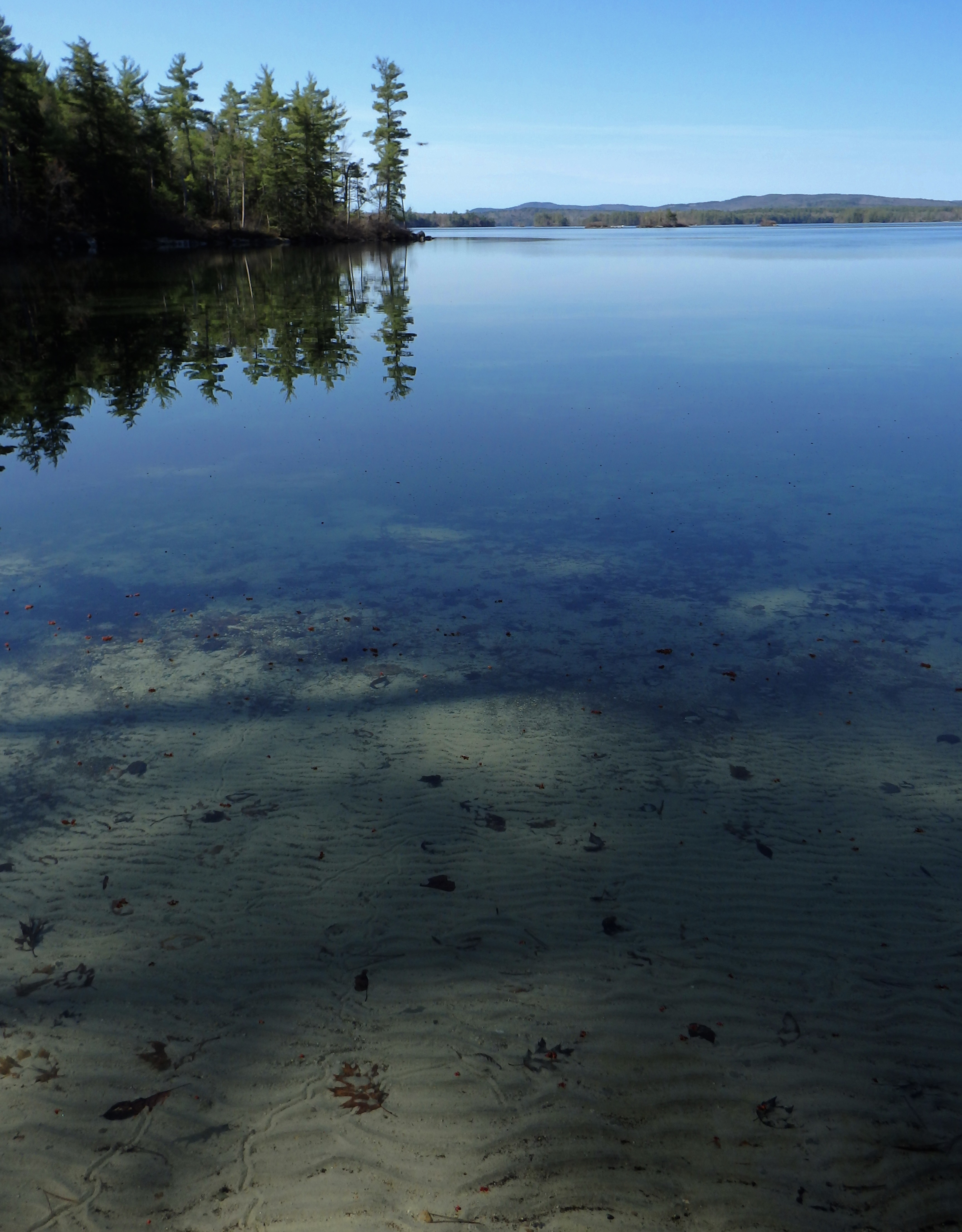
The discipline of the schools or of business—can never impart such serenity to the mind.
in Thoreau’s Journal:
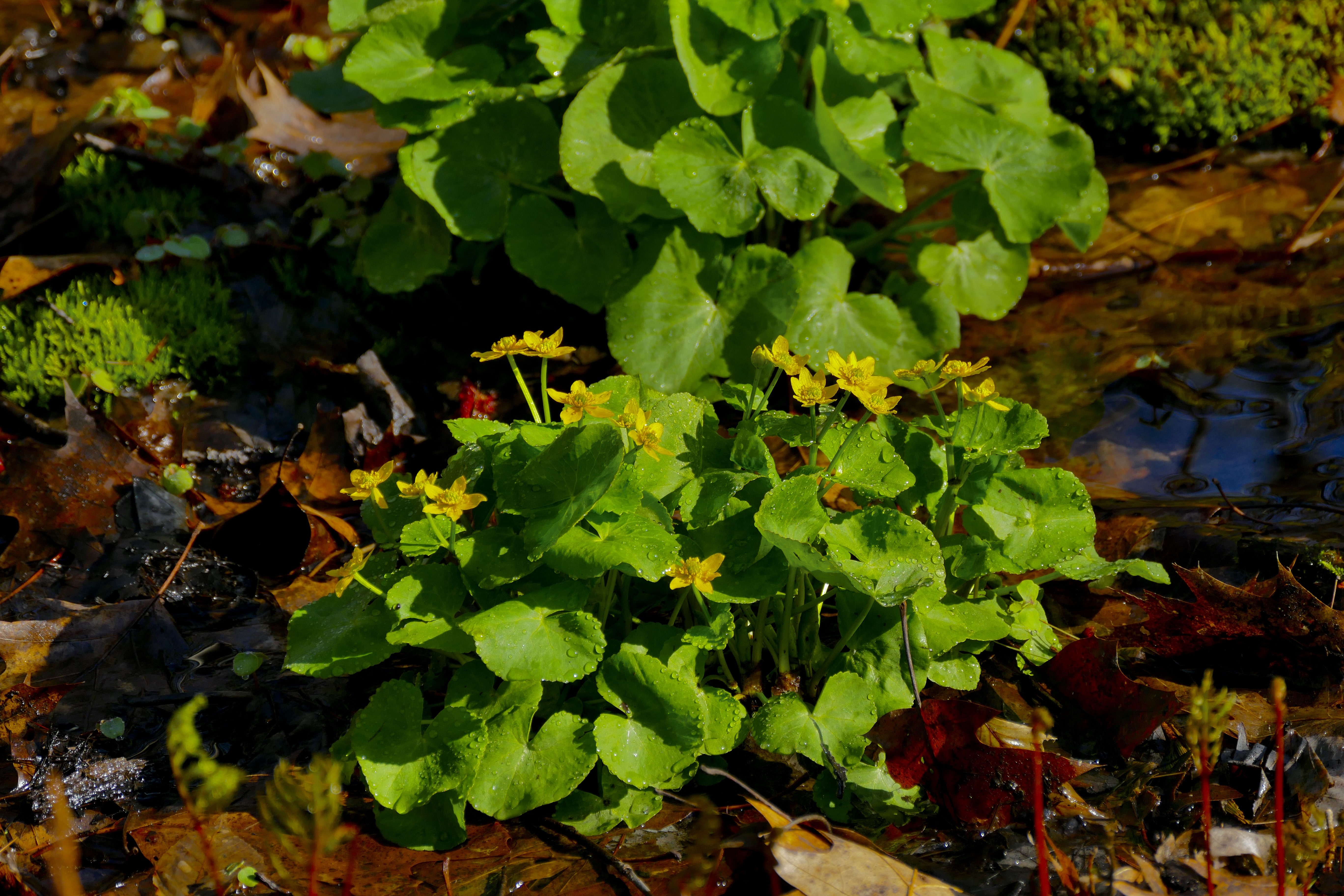
Green herbs of all kinds, — buttercups, etc., etc., etc., now make more or less show. Put this with the grassy season’s beginning.
in Thoreau’s Journal:
Crossing that first Conantum field, I perceive a peculiar fragrance in the air (not the meadow fragrance), like that of vernal flowers or of expanding buds. The ground is covered with the mouse-ear in full bloom, and it may be that in part. It is a temperate southwest breeze, and this is a scent as of willows (flowers and leafets), bluets, violets, shad-bush, mouse-ear, etc., combined; or perhaps the last chiefly; at any rate it is very perceptible. The air is more genial, laden with the fragrance of spring flowers.
I, sailing in the spring ocean, getting in from my winter voyage, begin to smell the land. Such a scent perceived by a mariner would be very exciting. I not only smell the land breeze, but I perceive in it the fragrance of spring flowers. I draw near to the land; I begin to lie down and stretch myself on it. After my winter voyage I begin to smell the land.
in Thoreau’s Journal:
Thermometer from 1 to 2 pm at +78º.
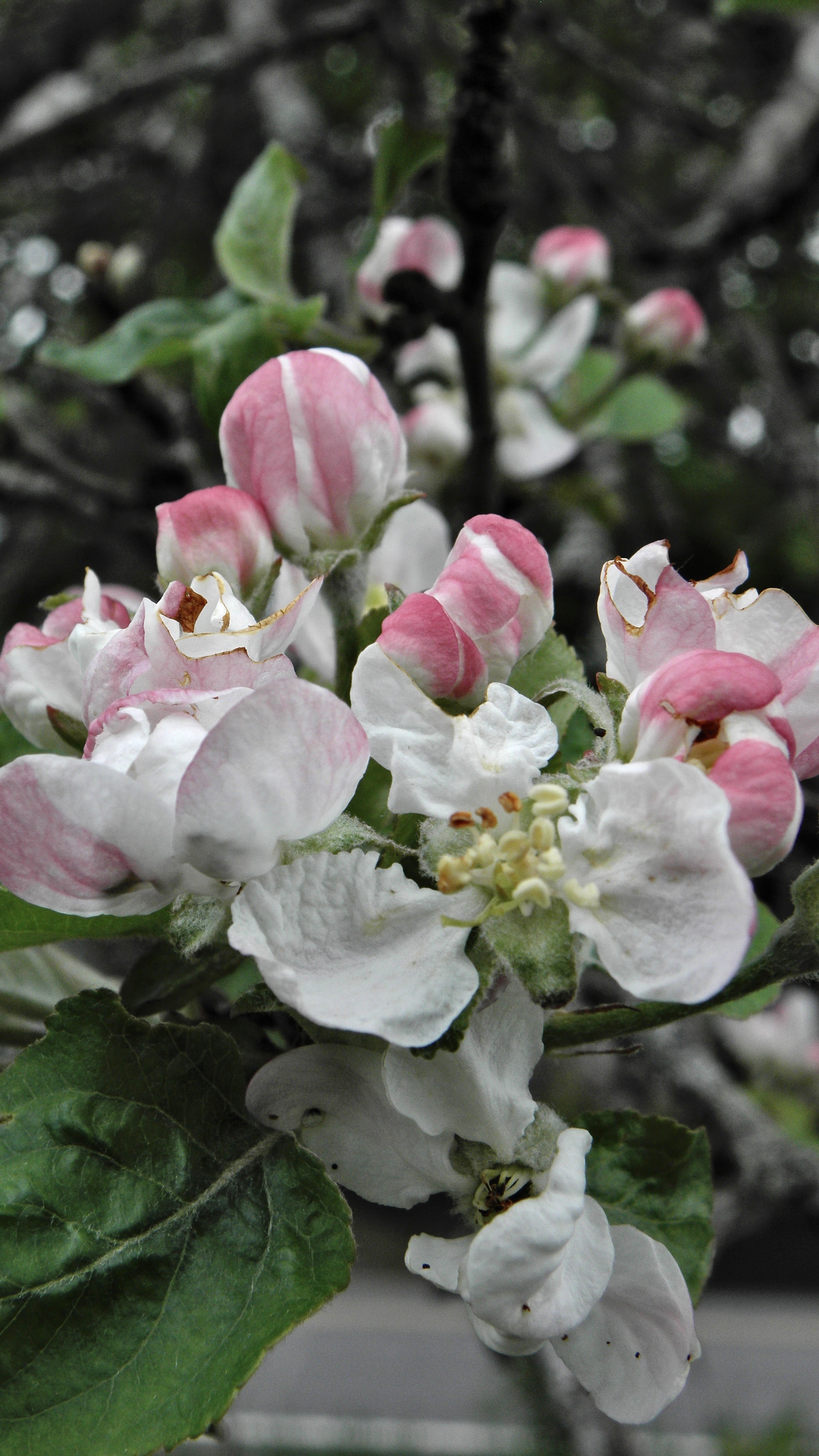
Neighbors come forth to view the expanding buds in their gardens.
in Thoreau’s Journal:
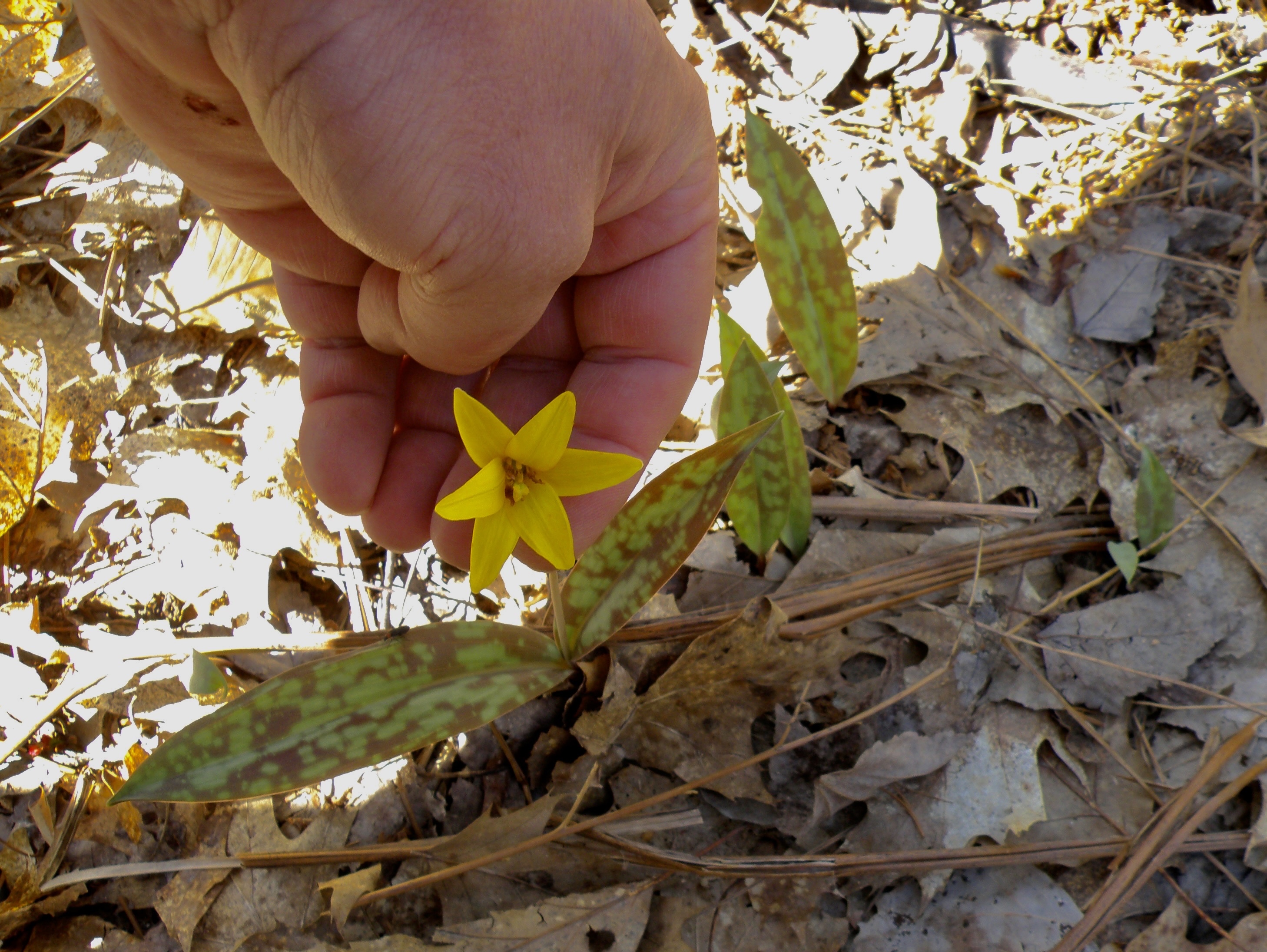
The Yellow lily is budded.
in Thoreau’s Journal:
The smell of our fresh meadows—from which the flood has in some measure receded—reminds me of the scent of salt marshes to which it corresponds.
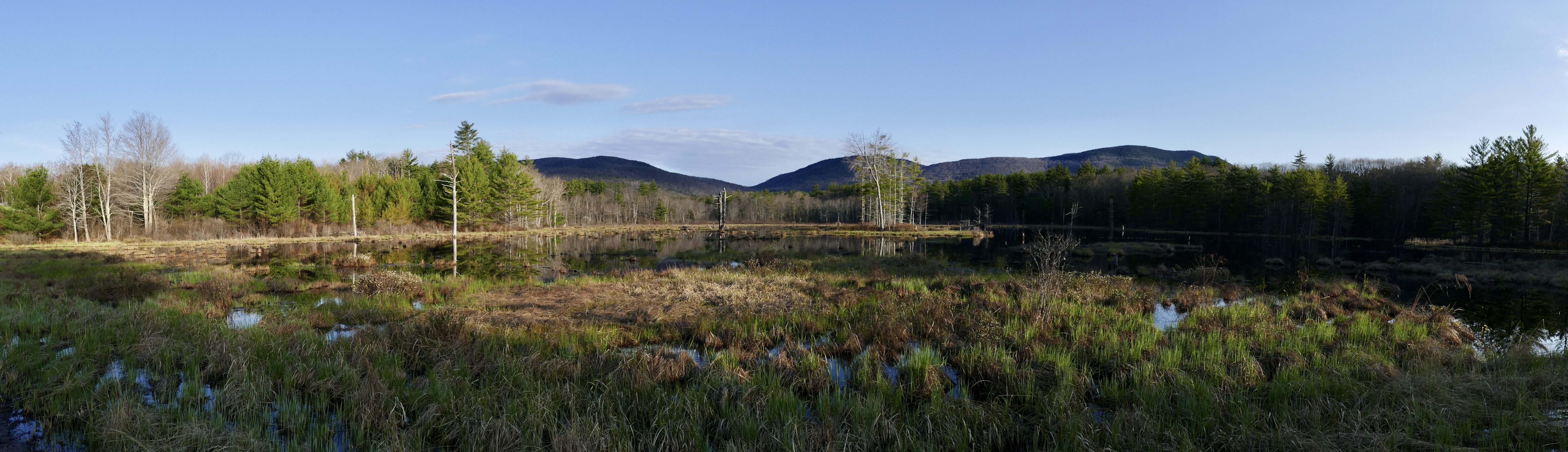
A coarse grass is starting up all the greener & more luxuriant for the freshet—1 foot high.


You must be logged in to post a comment.