June 10, 1853

in Thoreau’s Journal:

What shall this great wild tract over which we strolled be called? Many farmers have pastures there, and wood-lots, and orchards. It consists mainly of rocky pastures. It contains what I call the Boulder Field, the Yellow Birch Swamp, the Black Birch Hill,the Laurel Pasture, the Hog-Pasture, the White Pine Grove, the Easterbrooks Place, the Old Lime-Kiln, the Lime Quarries, Spruce Swamp, the Ermine Weasel Woods; also the Oak Meadows, the Cedar Swamp, the Kibbe Place, and the old place northwest of Brooks Clark’s.
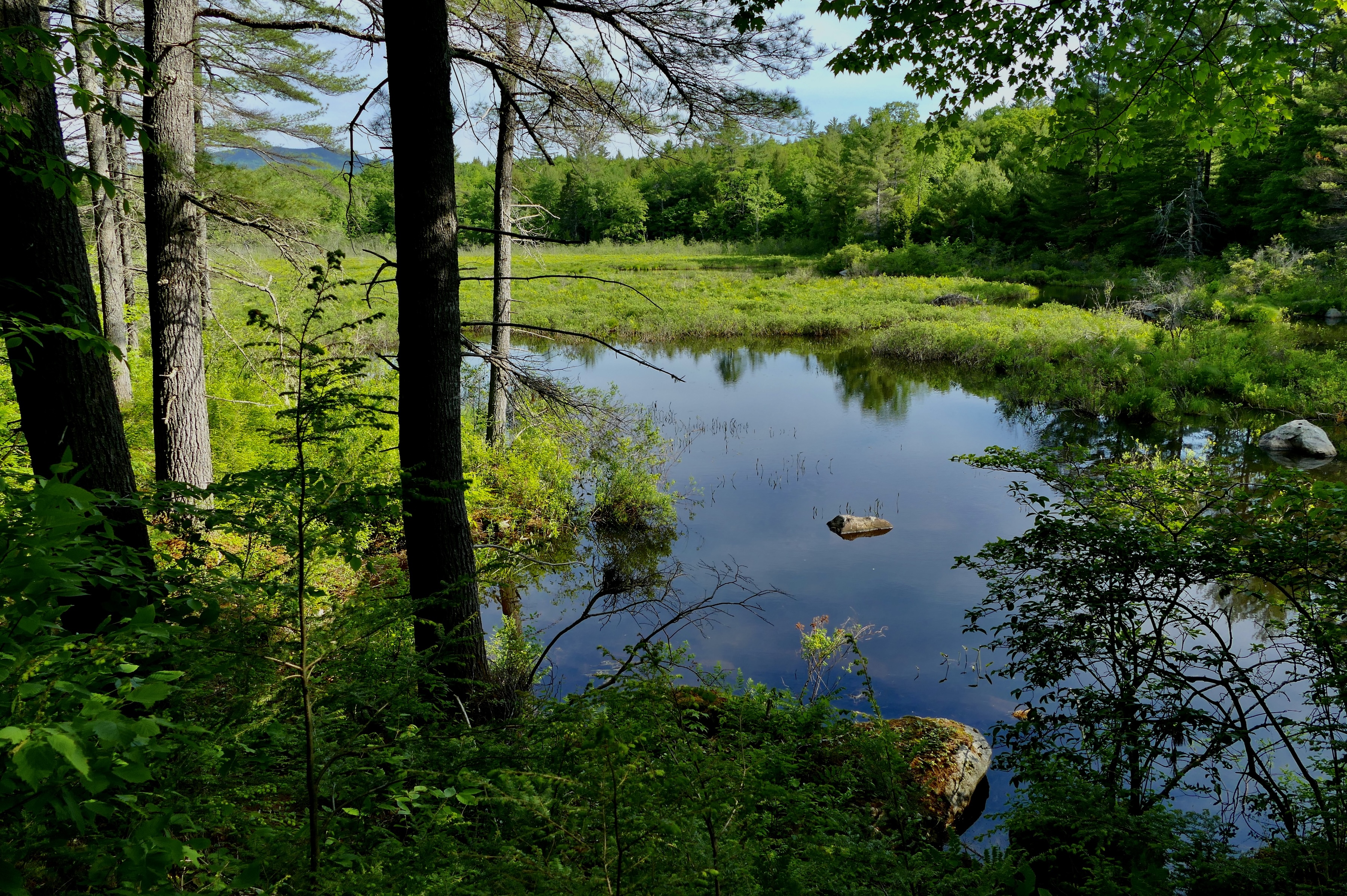
Ponkawtasset bounds it on the south. There are a few frog-ponds and an old mill-pond within it, and Bateman’s Pond on its edge. What shall the whole be called ? 
June 9, 1852

in Thoreau’s Journal:

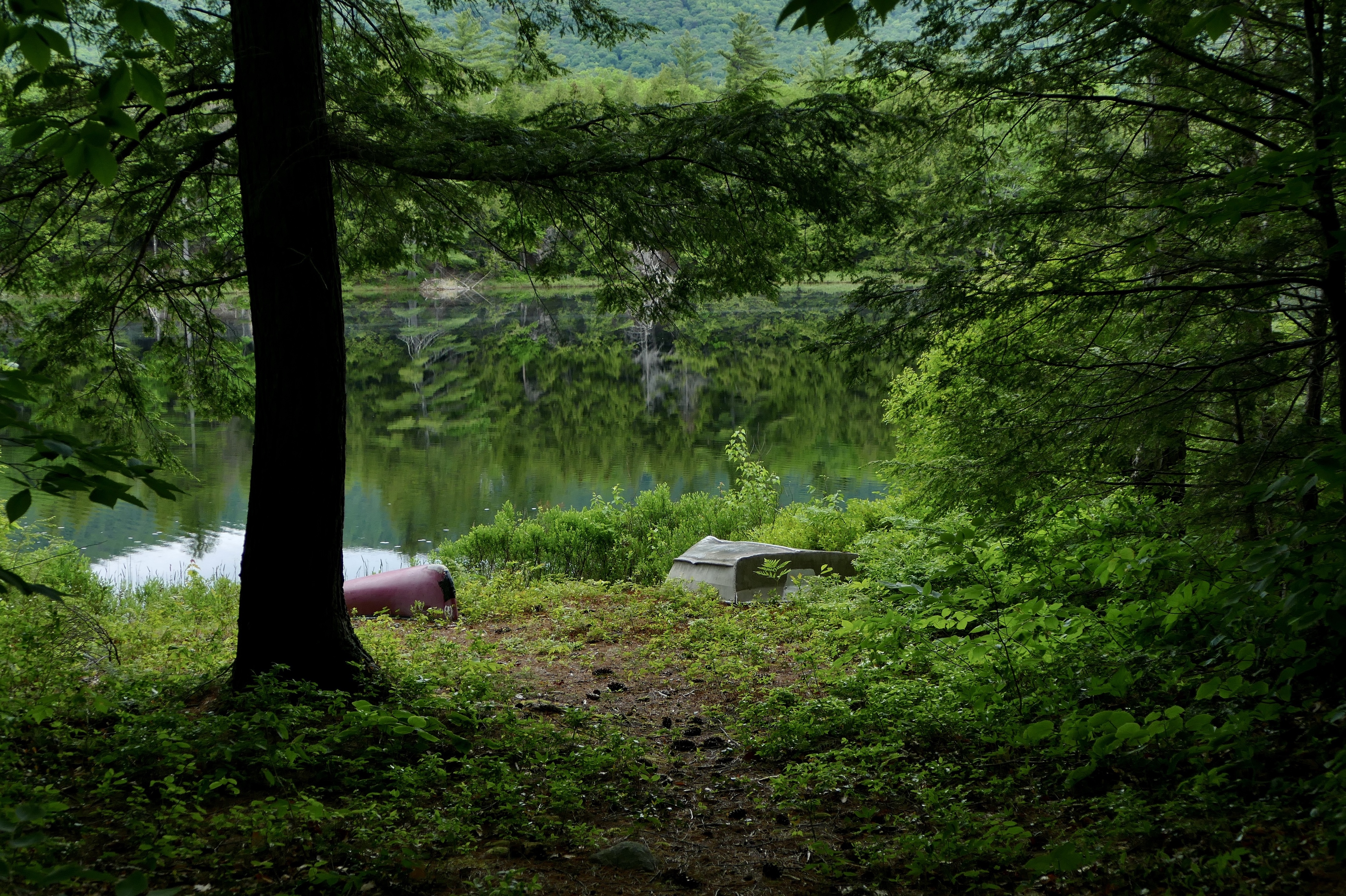
For a week past we have had washing days. The grass waving, and trees having leaved out, their boughs wave and feel the effect of the breeze. Thus new life and motion is imparted to the trees. The season of waving boughs; and the lighter under sides of the new leaves are exposed. This is the first half of June.

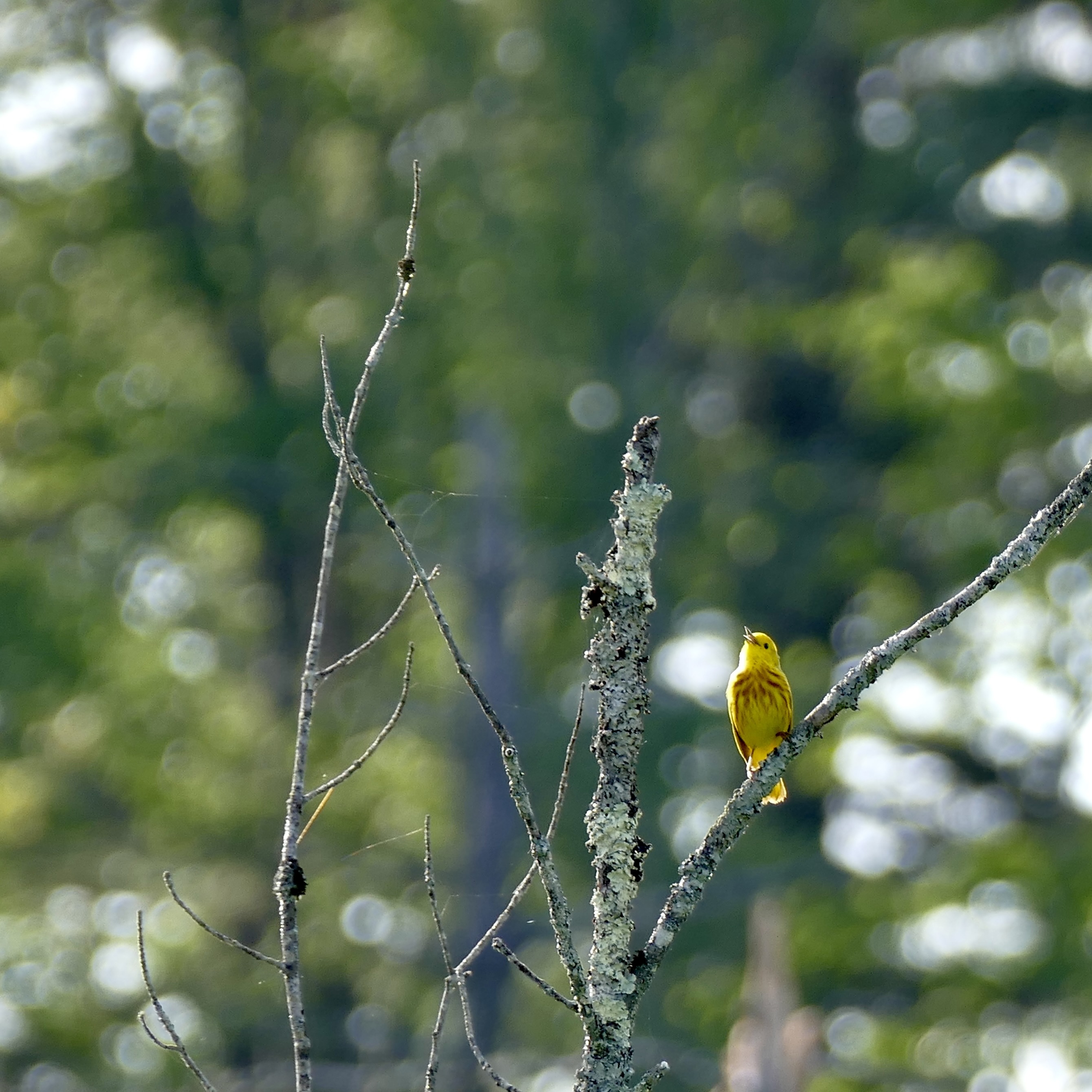
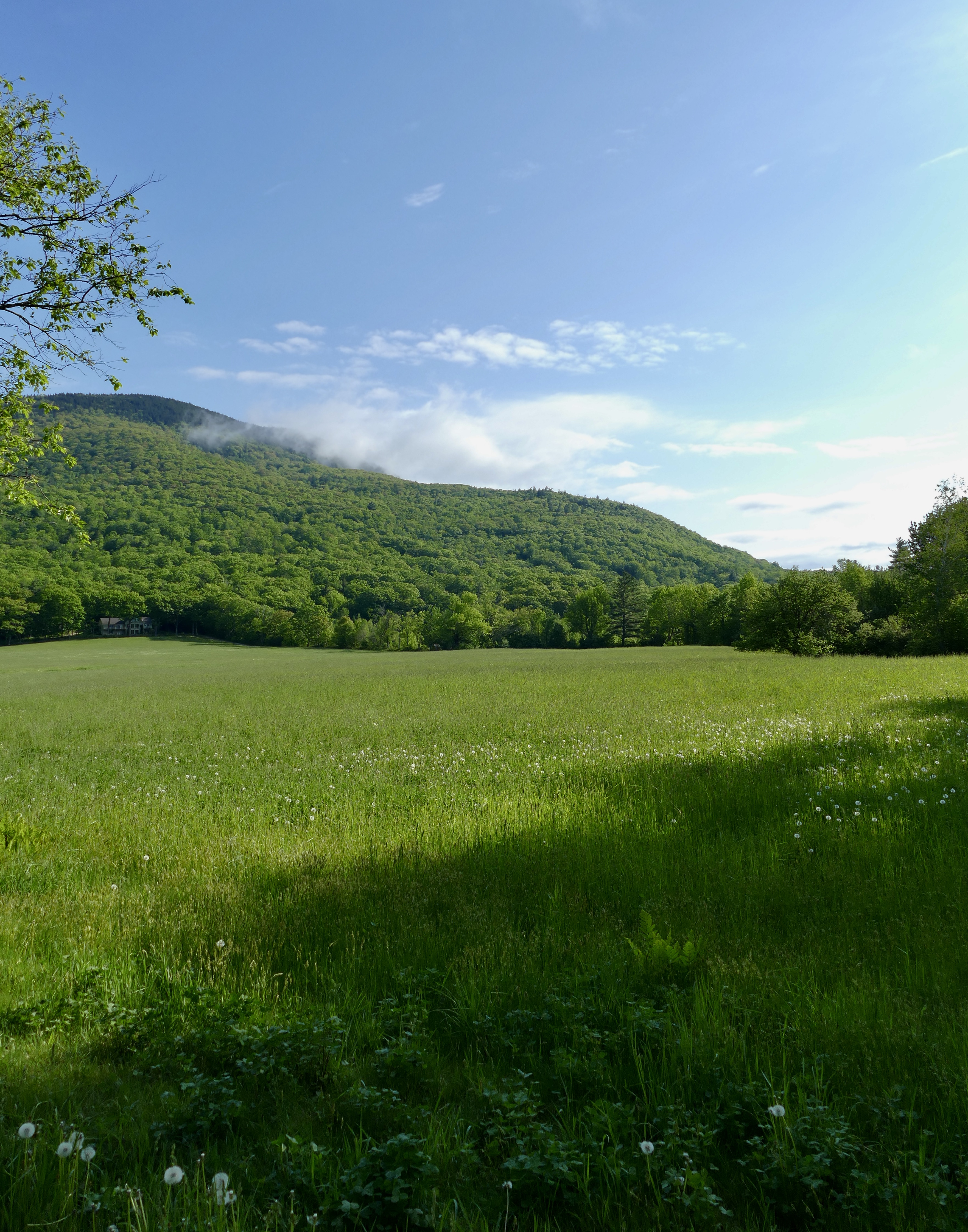
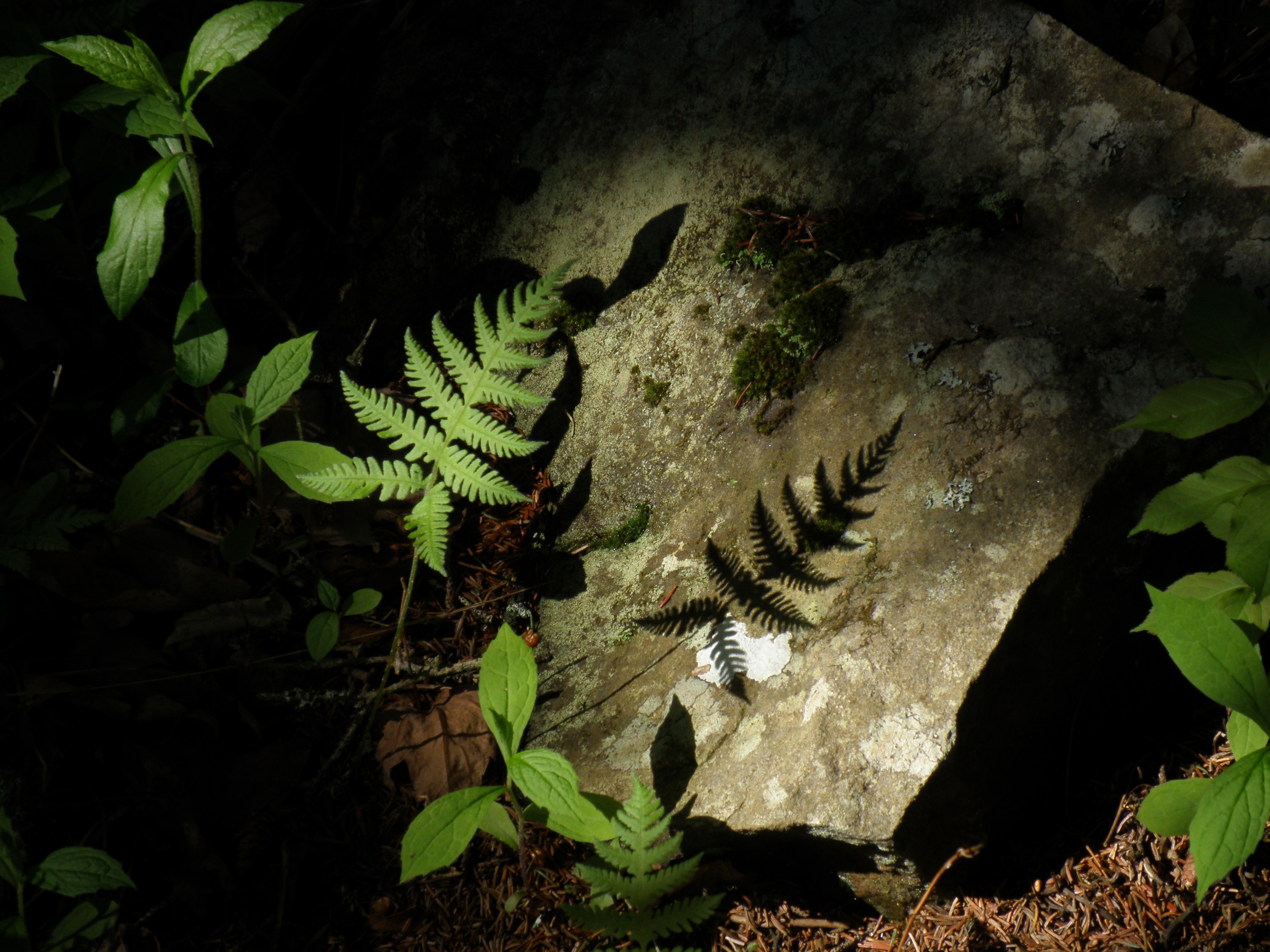
Already the grass is not so fresh and liquid-velvety a green, having much of it blossom[ed] and some even gone to seed, and it is mixed with reddish ferns and other plants, but the general leafiness, shadiness, and waving of grass and boughs in the breeze characterize the season. The wind is not quite agreeable, because it prevents your hearing the birds sing. Meanwhile the crickets are strengthening their quire. The weather is very clear, and the sky bright. The river shines like silver. Methinks this is a traveller’s month. The locust in bloom. The waving, undulating rye. The deciduous trees have filled up the intervals between the evergreens, and the woods are bosky now.

June 6, 1857

in Thoreau’s Journal:  

This is June–the month of grass & leaves. The deciduous trees are investing the evergreens & revealing how dark they are. Already the aspens are trembling again, and a new summer is offered me– I feel a little fluttered in my thoughts as if I might be too late. Each season is but an infinitesimal point. It no sooner comes than it is gone. It has no duration. It simply gives a tone & hue to my thought. Each annual phenomenon is a reminiscence & prompting. Our thoughts & sentiments answer to the revolutions of the seasons, as 2 cog-wheels fit into each other– We are conversant with only one point of contact at a time–from which we receive a prompting & impulse & instantly pass to a new season or point of contact.

A year is made up of a certain series & number of sensations & thoughts–which have their language in nature. Now I am ice–now I am sorrel. Each experience reduces itself to a mood of the mind. I see a man grafting, for instance–What this imports chiefly is not apples to the owner–or bread to the grafter–but a mood or certain train of thought to my mind.

June 5, 1853

in Thoreau’s Journal:

The world now full of verdure & fragrance and the air comparatively clear (not yet the constant haze of the dog days) through which the distant fields are seen reddened with sorrel & the meadows wet green full of fresh grass & the trees in their first beautiful bright untarnished & unspotted green.

May is the bursting into leaf––and early flowering with much coolness & wet and a few decidedly warm days ushering in summer  –– June verdure & growth––but agreeable, heat––

June 3, 1860

in Thoreau’s Journal:

These are the clear breezy days of early June, when the leaves are young and few and the sorrel not yet in its prime.  Perceive the meadow fragrance. 

The roads are strewn with red maple seed. The pine shoots have grown generally from three to six inches, and begin to make a distant impression, even at some distance, of white and brown above their dark green. The foliage of deciduous trees is still rather yellow-green than green.

June 1, 1854

in Thoreau’s Journal:

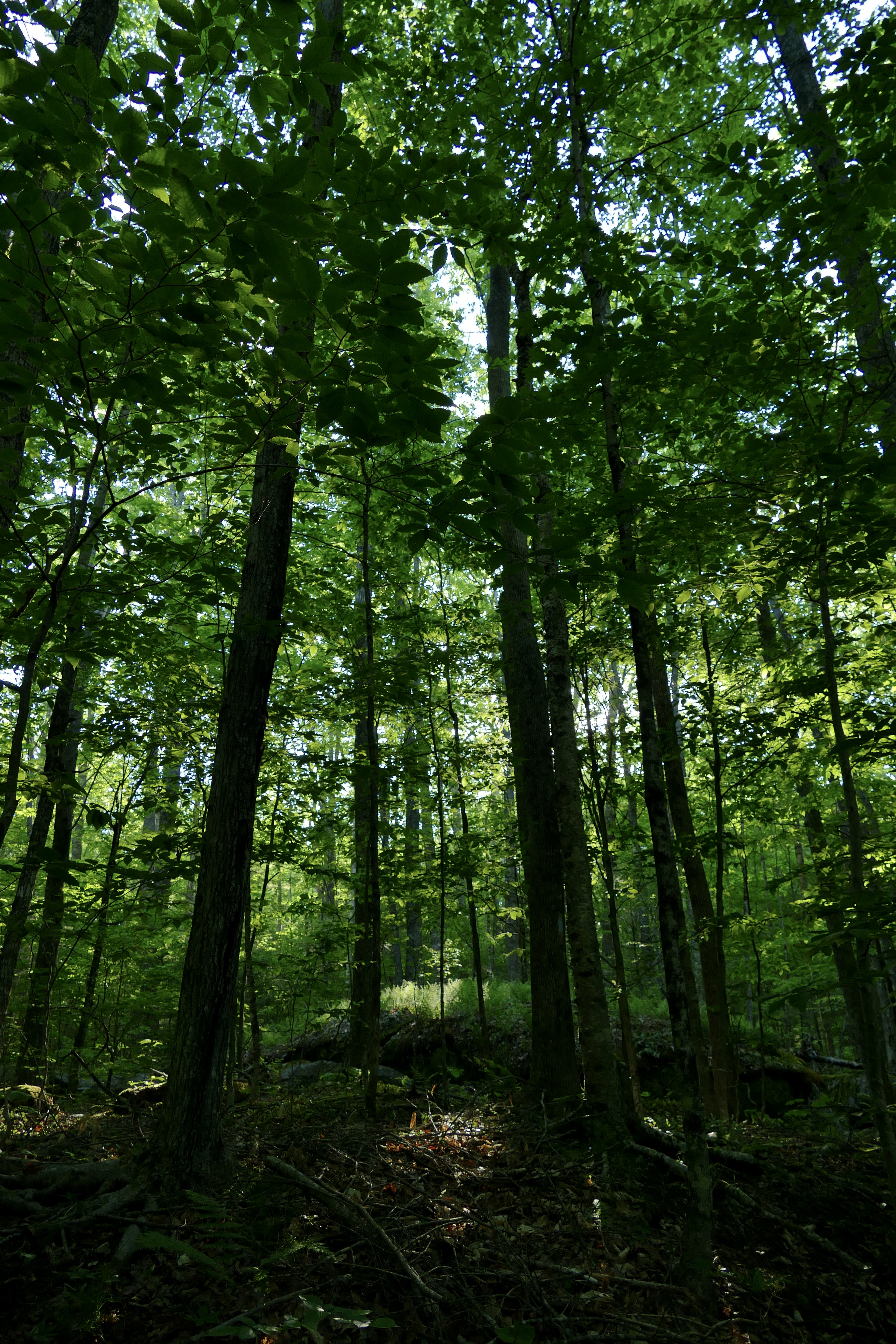
Within little more than a fortnight the woods, from bare twigs, have become a sea of verdure, and young shoots have contended with one another in the race. The leaves have unfurled all over the country like a parasol.

Shade is produced, and the birds are concealed and their economies go forward uninterruptedly, and a covert is afforded to the animals generally.