in Thoreau’s Journal:
Cardinal-flower nearly done.
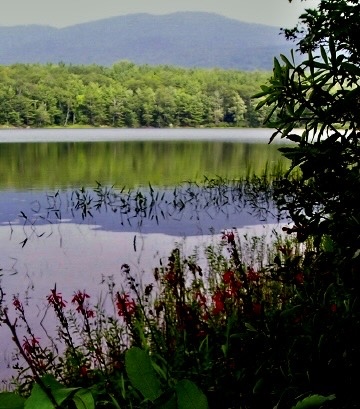
Photo: September 10, 2004 at Intervale Pond, Sandwich, NH

in Thoreau’s Journal:
Cardinal-flower nearly done.
Photo: September 10, 2004 at Intervale Pond, Sandwich, NH
in Thoreau’s Journal:
2 A. M. – The moon not quite full. To Conantum via road. There is a low vapor in the meadows beyond the depot, dense and white, though scarcely higher than a man’s head, concealing the stems of the trees. I see that the oaks, which are so dark and distinctly outlined, are illumined by the moon on the opposite side. This as I go up the back road. A few thin, ineffectual clouds in the sky. I come out thus into the moonlit night, where men are not, as if into a scenery anciently deserted by men. The life of men is like a dream. It is three thousand years since night has had possession. Go forth and hear the crickets chirp at midnight. Hear if their dynasty is not an ancient one and well founded. I feel the antiquity of the night. She surely repossesses herself of her realms, as if her dynasty were uninterrupted, or she had underlain the day. No sounds but the steady creaking of crickets and the occasional crowing of cocks. I go by the farmer’s houses and barns, standing there in the dim light under the trees, as if they lay at an immense distance or under a veil. The farmer and his oxen now all asleep. Not even a watch-dog awake. The human slumbers. There is less of man in the world. The fog in the lowlands on the Corner road is never still. It now advances and envelops me as I stand to write these words, then clears away, with ever noiseless step. It covers the meadows like a web. I hear the clock strike three.

Photo: September 9, 2018 along Great Rock Road, Sandwich, NH
in Thoreau’s Journal:
While the grass is fresh the earth is in its vigor. The greenness of the grass is the best symptom or evidence of the earth’s youth or health. Perhaps it will be found that when the grass ceases to be fresh & green or after June—the birds have ceased to sing—& the fireflies too no longer in myriads sparkle in the meadows—
Perhaps a history of the year would be a history of the grass, or of a leaf, regarding the grass-blades as leaves, for it is equally true that the leaves soon lose their freshness and soundness, and become the prey of insects and of drought… The period of youth is past. The year may be in its summer, in its manhood, but it is no longer in the flower of its age. It is a season of withering, of dust and heat, a season of small fruits and trivial experiences. Summer thus answers to manhood. But there is an aftermath in early autumn, and some spring flowers bloom again, followed by an Indian summer of finer atmosphere and of a pensive beauty. May my life be not destitute of its Indian summer, a season of fine and clear, mild weather…
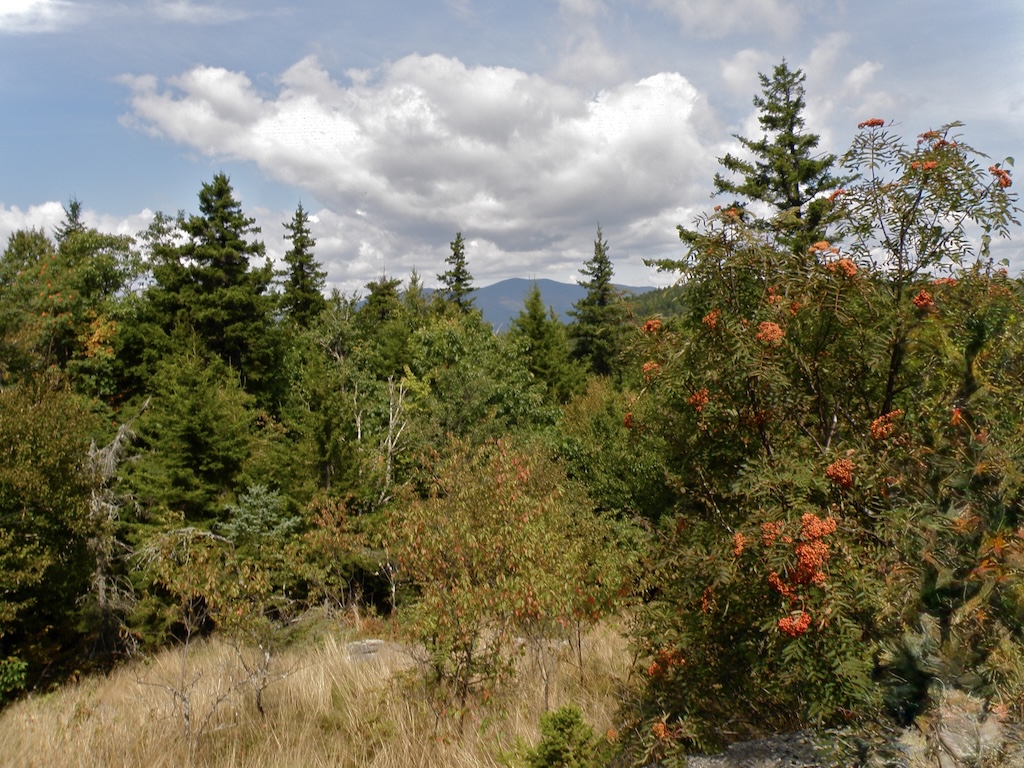
Photo: September 8, 2009 on Doublehead Mt., Sandwich, NH
in Thoreau’s Journal:
I turn Anthony’s corner. It is an early September afternoon, melting warm and sunny; the thousands of grasshoppers leaping before you reflect gleams of light; a little distance off the field is yellowed with a Xerxean army of Solidago nemoralis between me and the sun; the earth-song of the cricket comes up through all; and ever and anon the hot z-ing of the locust is heard. (Poultry is now fattening on grasshoppers.) The dry deserted fields are one mass of yellow, like a color shoved to one side on Nature’s palette. You literally wade in yellow flowers knee-deep, and now the moist banks and low hollows are beginning to be abundantly sugared with Aster Tradescanti.
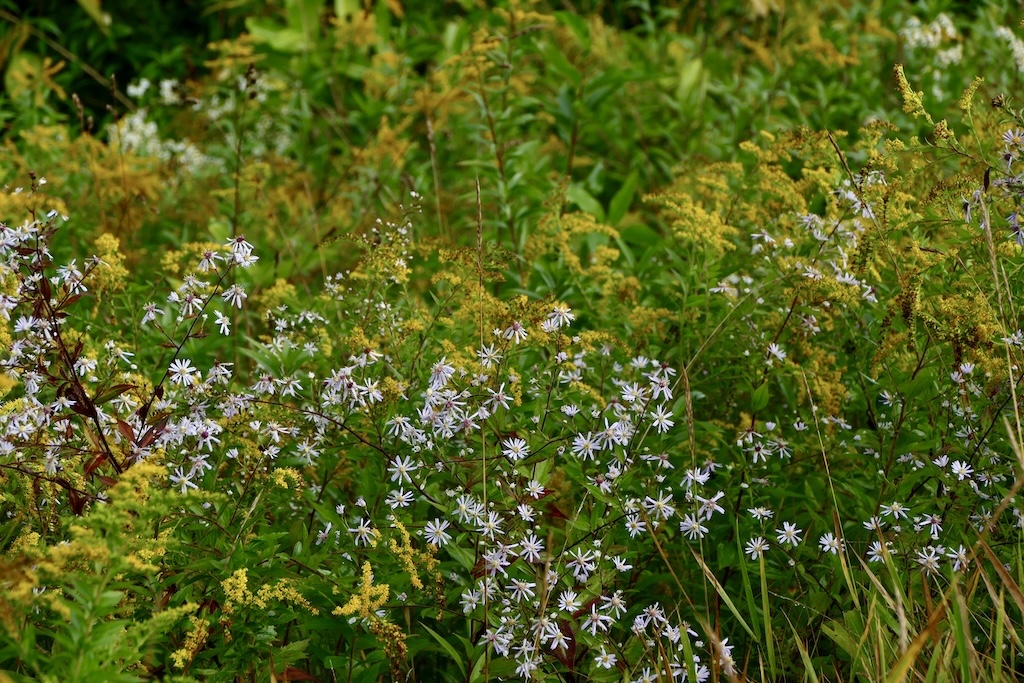
Photo: September 7, 2017 along Millbridge Rd, Sandwich, NH
in Thoreau’s Journal:
Staghorn sumach berries probably some time, but ours are injured by worms.
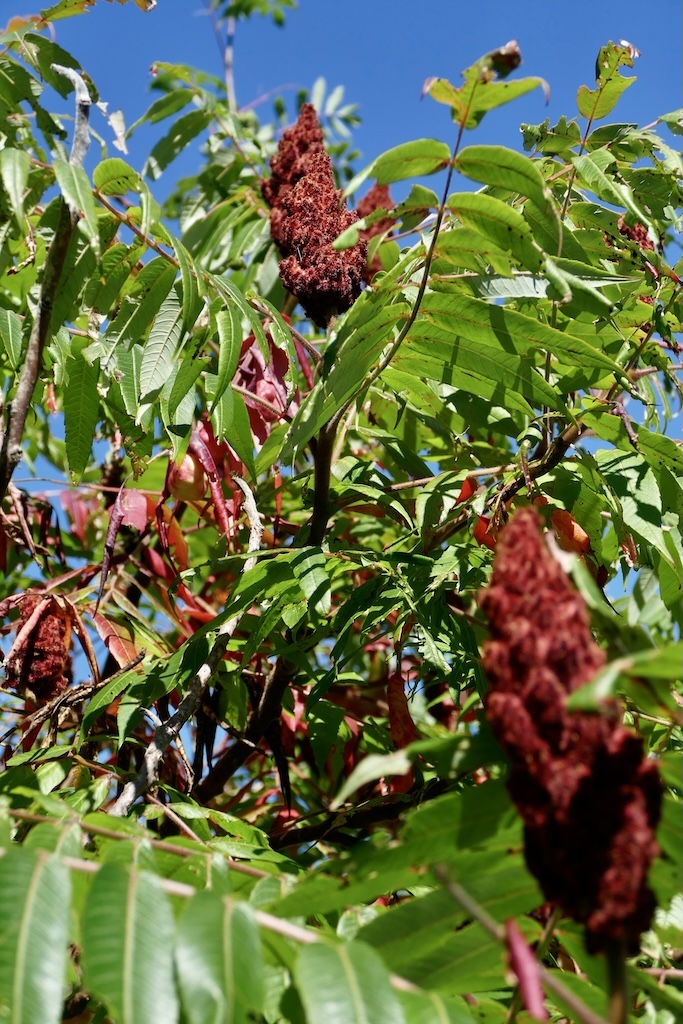
Photo: September 6, 2023 on the Algonquin Rd, Sandwich, New Hampshire
in Thoreau’s Journal:
China-like berries of cornel along the river now abundant, some cymes wholly white; also the panicled there and in swamps, though its little red (?) fingers stems are oftenest bare, but are pretty enough, perhaps, to take the place of the berries. The black choke-berries, as also choke-cherries, are stale. The two-leaved Solomon’s-seal has just begun to redden; so the largest one. The creeping juniper berries are now a hoary green but full-grown. The scarlet thorn is in many places quite edible and now a deep scarlet. Polygonum and medulla now. Green-briar only begins to turn. Viburnum nudum rather stale. Clintonia probably about gone. Carrion-flower in prime. Maple viburnum fully ripe, like the dentatum. Aralia hispida getting old. Feverwort now. Rose hips generally beginning; and two primroses beginning. Elder in prime and cranberry. Smooth sumach stale.
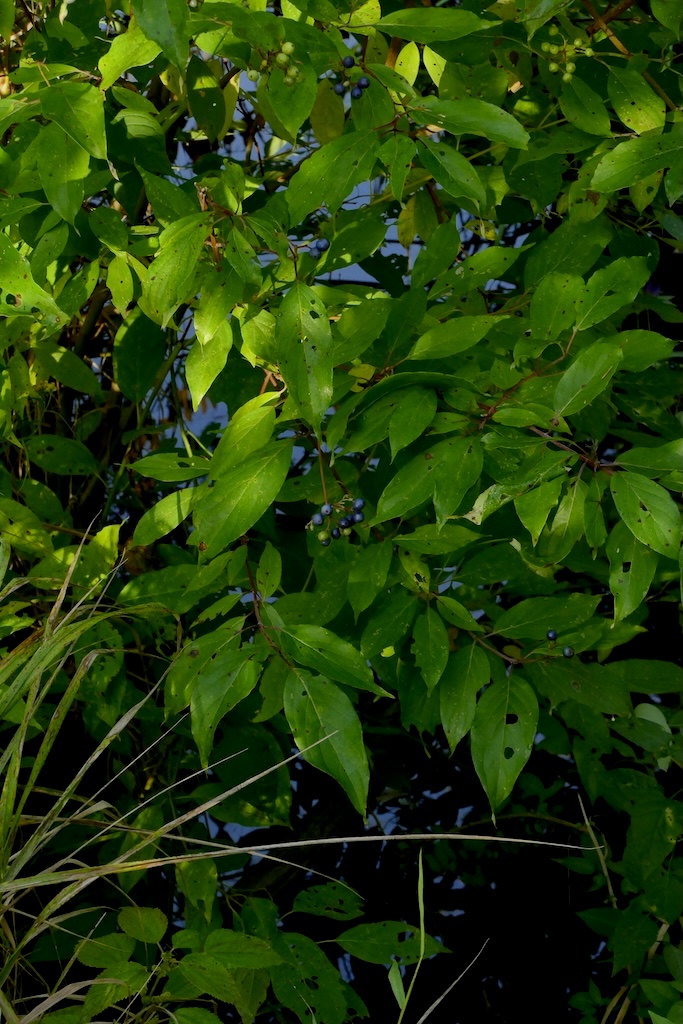
Photo: September 5, 2016 on an unnamed trail off Range Road, Sandwich, NH
in Thoreau’s Journal:
In the summer we lay up a stock of experiences for the winter, as the squirrel of nuts, — something for conversation in winter evenings. I love to think then of the more distant walks I took in summer.
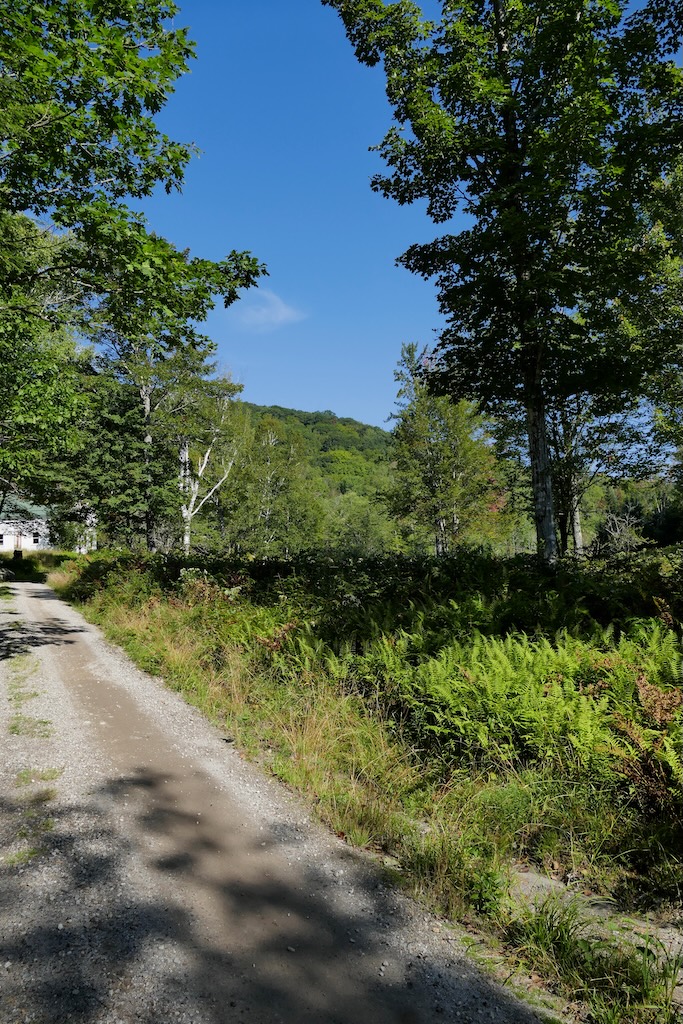
Photo: September 4, 2023 at the Moses Hall House on the Sandwich Notch Road, Sandwich, New Hampshire
in Thoreau’s Journal:
The Soapwort gentian out abundantly in Flints-Bridge Lane—ap. for a week—a surprisingly deep faintly purplish blue….it has the flowering of the sky. The sky has descended & kissed the earth….Why come these blue flowers thus late in the year.
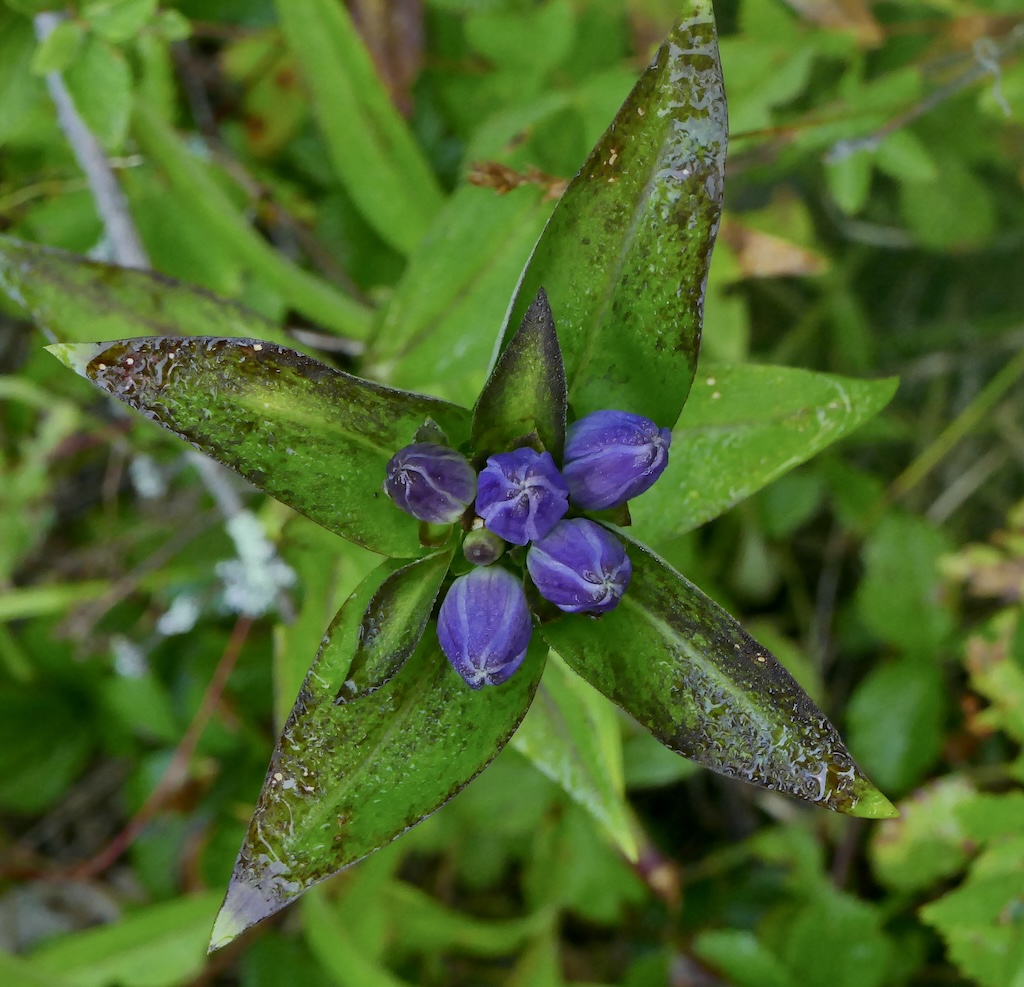
September 3, 2016 on an unnamed trail off Range Road, Sandwich, NH
in Thoreau’s Journal:
It is always essential that we love to do what we are doing, do it with a heart. The maturity of the mind, however, may perchance consist with a certain dryness.
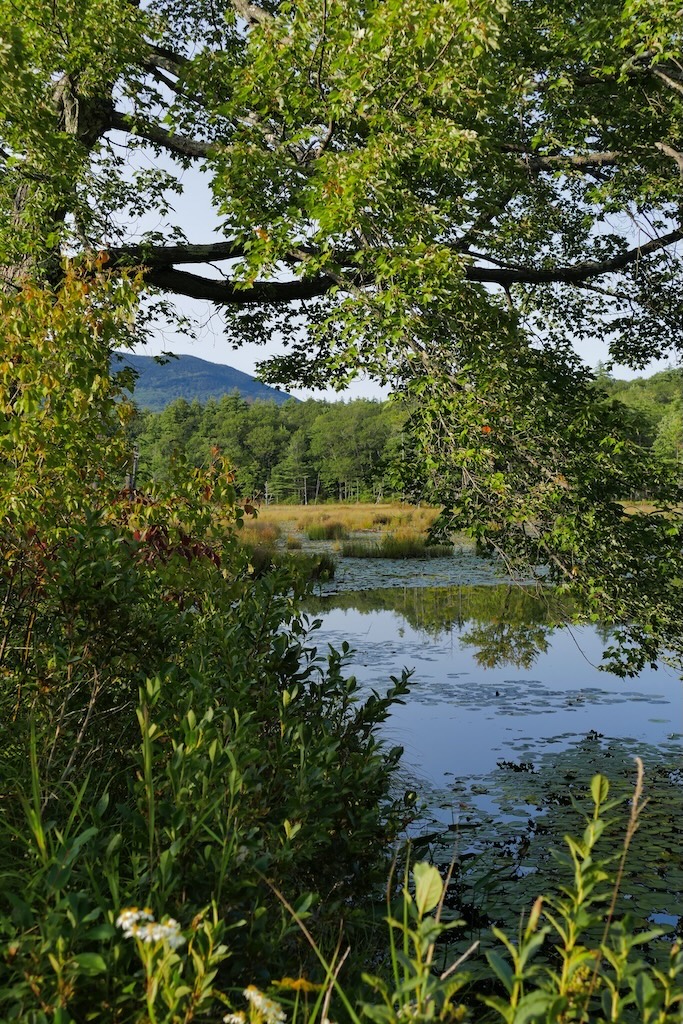
Photo: September 2, 2023 at Chicks Corner, Sandwich, NH
in Thoreau’s Journal:
Cohosh berries appear now to be in their prime, and arum berries, and red choke-berries, which last further up in this swamp, with their peculiar glossy red and squarish form, are really very handsome. A few medeola berries ripe. The very dense clusters of the smilacina berries, finely purple-dotted on a pearly ground, are very interesting; also the smaller and similar clusters of the two-leaved convallaria. Many of the last and a few of the first are already turned red, clear semilucent red. They have a pleasant sweetish taste.
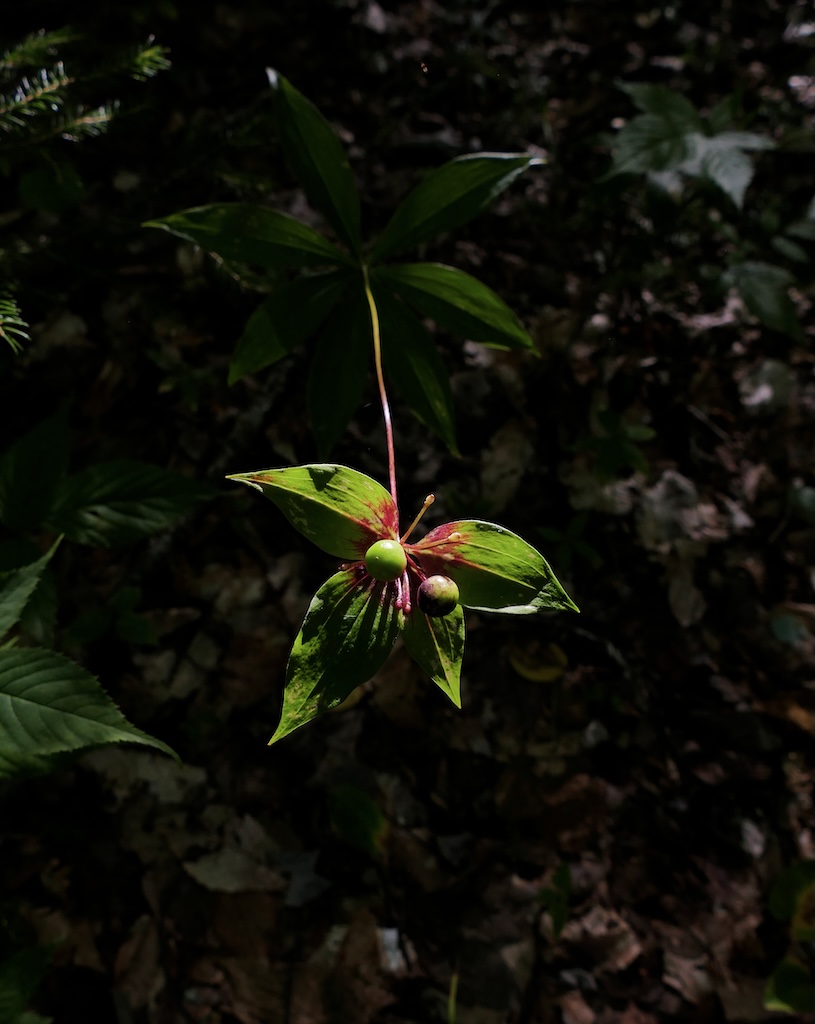
Photo: September 1, 2023 at Kiah Pond, Sandwich, New Hampshire


You must be logged in to post a comment.