in Thoreau’s Journal:
I do not value any view of the universe into which man and the institutions of man enter very largely and absorb much of the attention.
in Thoreau’s Journal:
I do not value any view of the universe into which man and the institutions of man enter very largely and absorb much of the attention.
in Thoreau’s Journal:
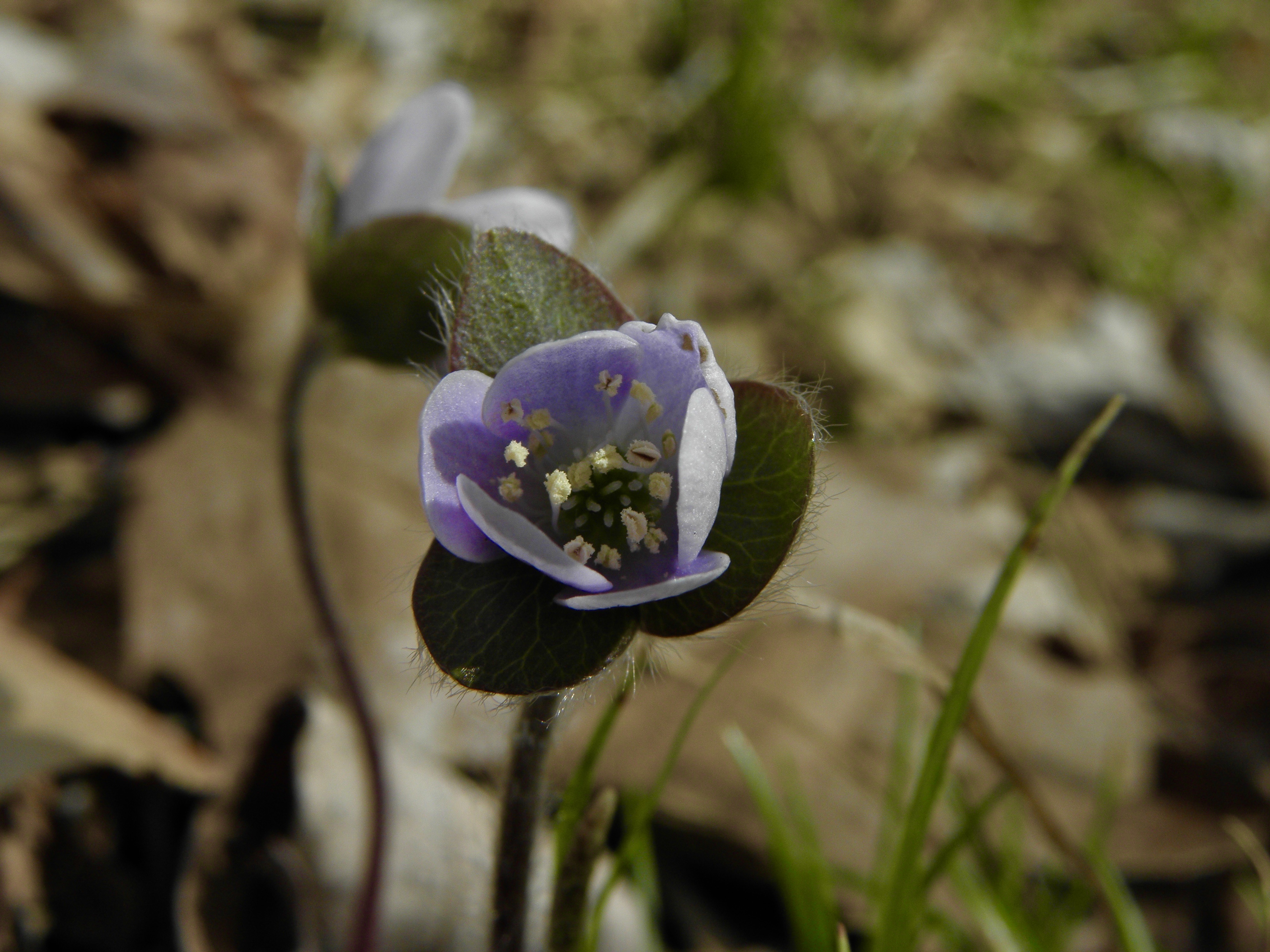
With this flower, so much more flowerlike or noticeable than any yet—begins a new era in the flower season.
[My Our Town Transition, first posted April 1, 2024]
I’ve heard from many people that once you’ve lived in Sandwich, NH you may leave it but it never leaves you. But as of April 1st, in the narrow sense, the me that’s part of Our Town will not live here any longer. So, no more “Our Town” from me.
Some of you may know that in addition to a zillion photos of the Sandwich landscape, I have accumulated a similar amount of research on Henry David Thoreau’s amazing, 2,000,000 word, daily Journal which he kept from 1836 until his death in 1862. Thoreau came to New Hampshire fairly often, once camped in Center Harbor, and climbed Red Hill. But to the best of my knowledge, he never made it to Sandwich.
Whether by the vagaries of the gods, or the harbingers of climate change, the climate in Sandwich has become fairly similar to that of Concord, Massachusetts in the mid-1800s. Most of Thoreau’s close observations of weather, flora, and fauna in Concord then, are abundant in Sandwich now. So I’m thinking of making a daily post from Thoreau’s Journal coupled with an archival photo taken here in Our Town that illustrates it. I will give this a certain subject heading and see if I can take us through a few years of Thoreau Comes to Sandwich. Despite the fact that he never did. But his Journal still can.
I can say, in many ways, Thoreau’s Journal has been my guide for living in Sandwich, showing me what to see, how to get off the beaten path, how to set priorities and, how to keep a clear mind.
Last, I want to thank all the folks who’ve given me feedback on my daily Our Town posts. It’s given me great pleasure to share my excursions at Chicks Corner and farther afield. I hope my fascination with both the small and the grand details of where we live has come across. It is something we who live–and have lived here–all share. From my own experience I surmise this can change your life. My hope for you all is that you know this to be true for yourselves.
in Thoreau’s Journal:
It is incredible what a revolution in our feelings and in the aspect of nature this warmer air alone has produced. Yesterday the earth was simple to barrenness, and dead, bound out. Out of doors there was nothing but the wind and the withered grass, and the cold though sparkling blue water, and you were driven in upon yourself.
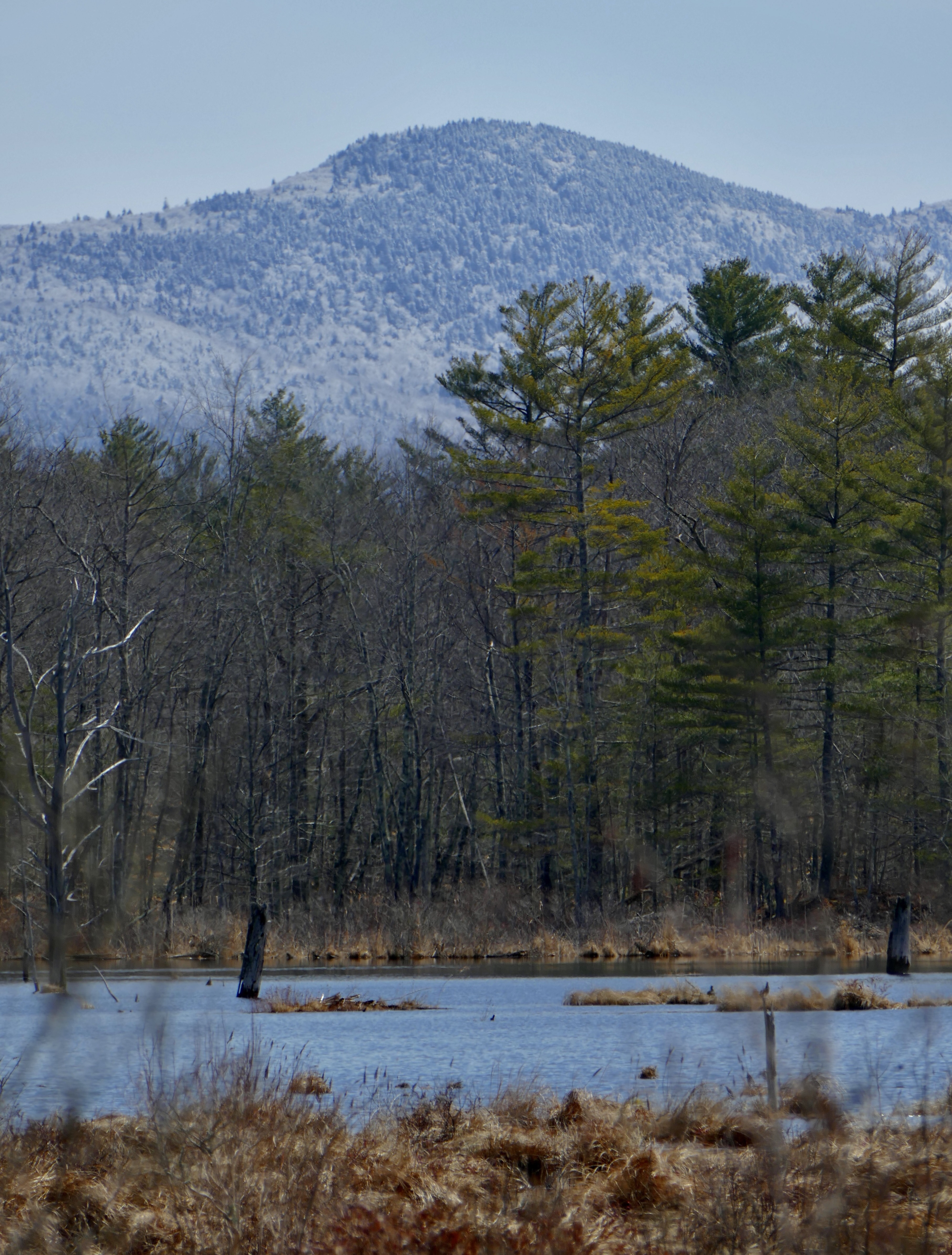
Now, you would think there was a sudden awakening in the very crust of the earth, as if flowers were expanding and leaves putting forth; but not so. I listen in vain to hear a frog or a new bird as yet. Only the frozen ground is melting a little deeper, and the water is trickling from the hills in some places. No, the change is mainly in us. We feel as if we had obtained a new lease of life.
in Thoreau’s Journal:
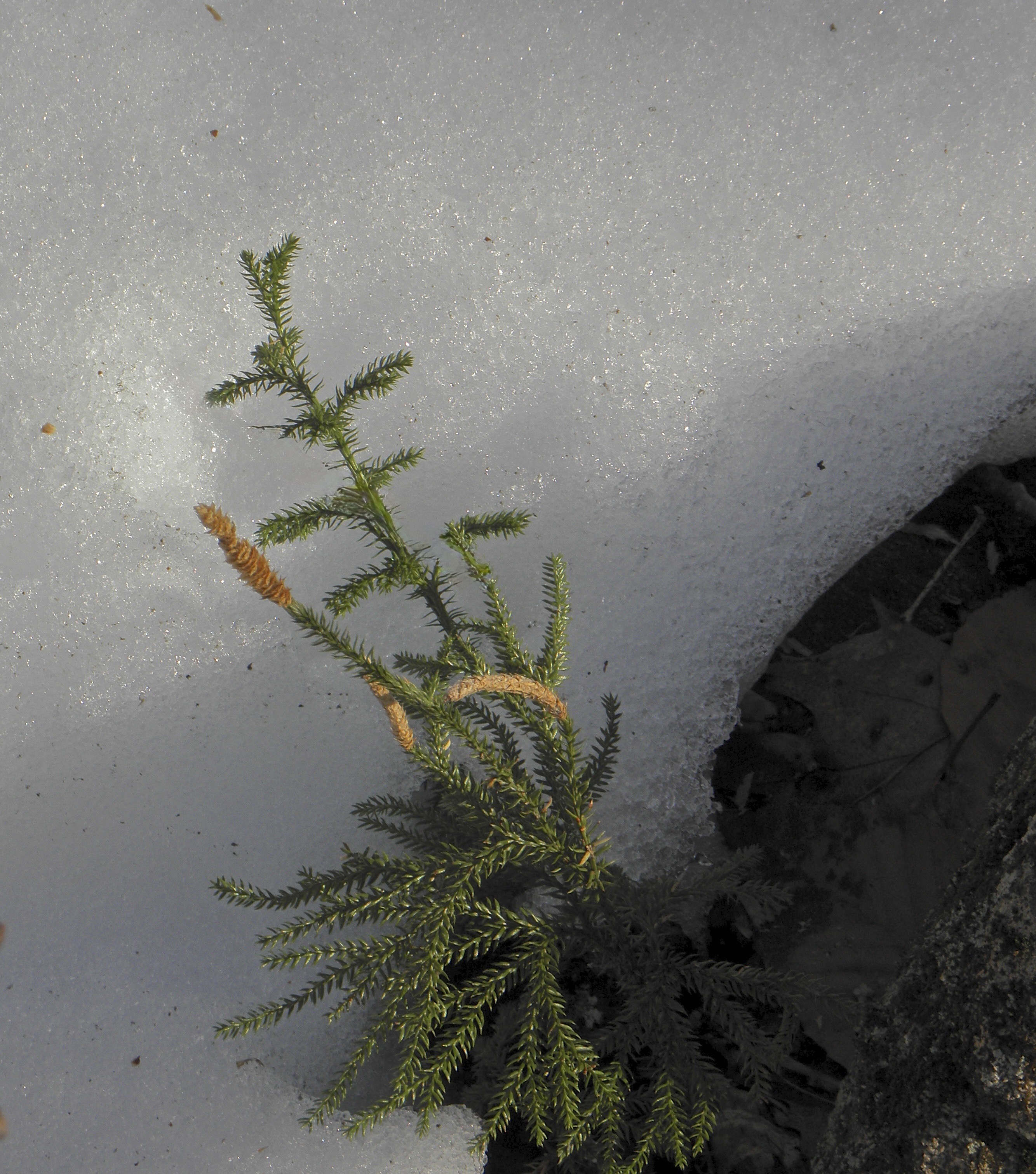
The spring advances in spite of snow and ice and cold even.
in Thoreau’s Journal:
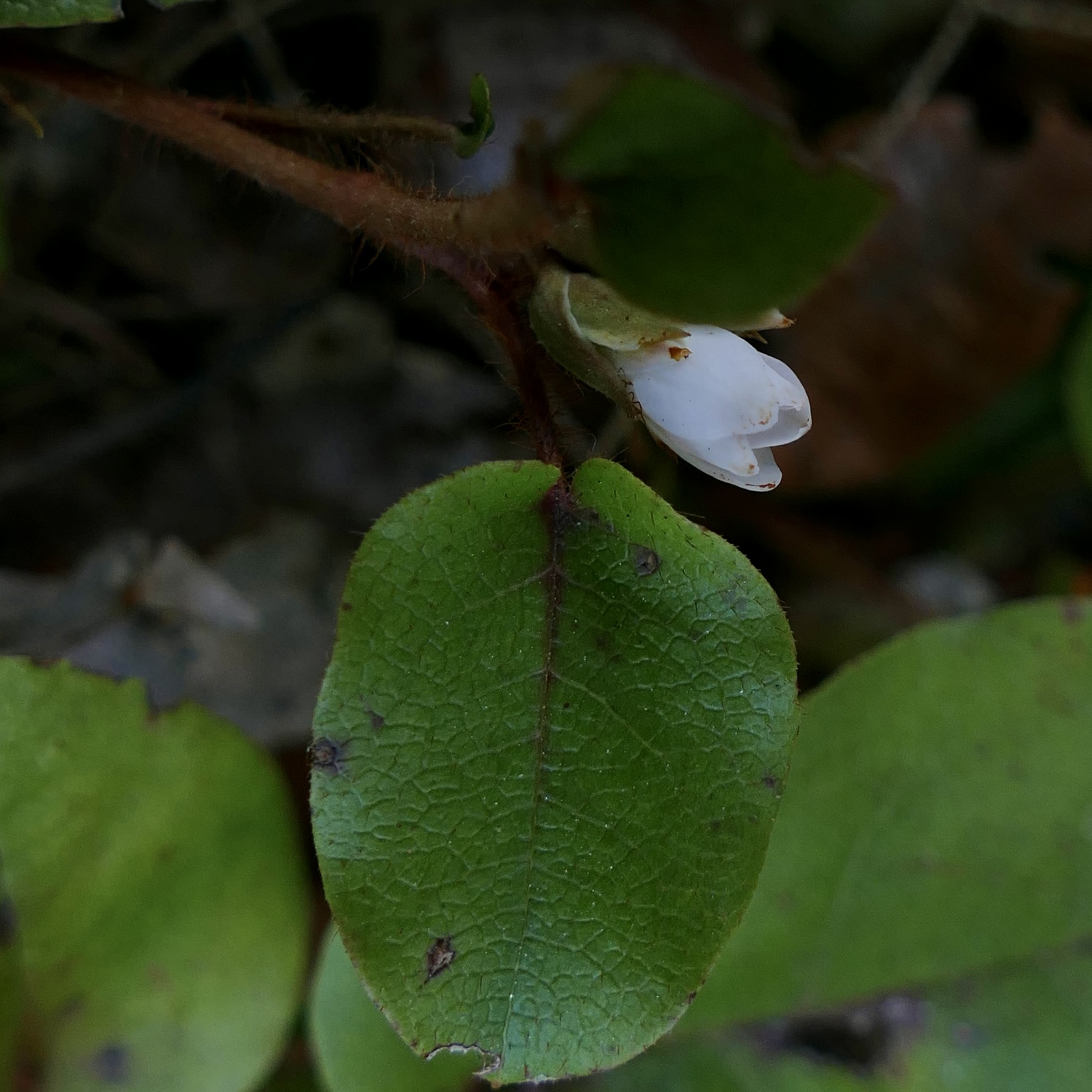
Found the mayflower budded, though mostly covered with snow.
in Thoreau’s Journal:
Our Vernal lakes have a beauty to my mind which they would not possess if they were more permanent. Everything is in rapid flux here, suggesting that nature is alive to her extremities and superficies. Today we sail swiftly on dark rolling waves or paddle over a sea as smooth as a mirror, unable to touch the bottom, where mowers work and hide their jugs in August, coasting the edge of maple swamps where alder tassels and white maple flowers are kissing the tide that has risen to meet them. But this particular phase of beauty is fleeting. Nature has so many shows for us, she cannot afford to give much time to this. In a few days, per chance, these lakes will have runaway to the sea.
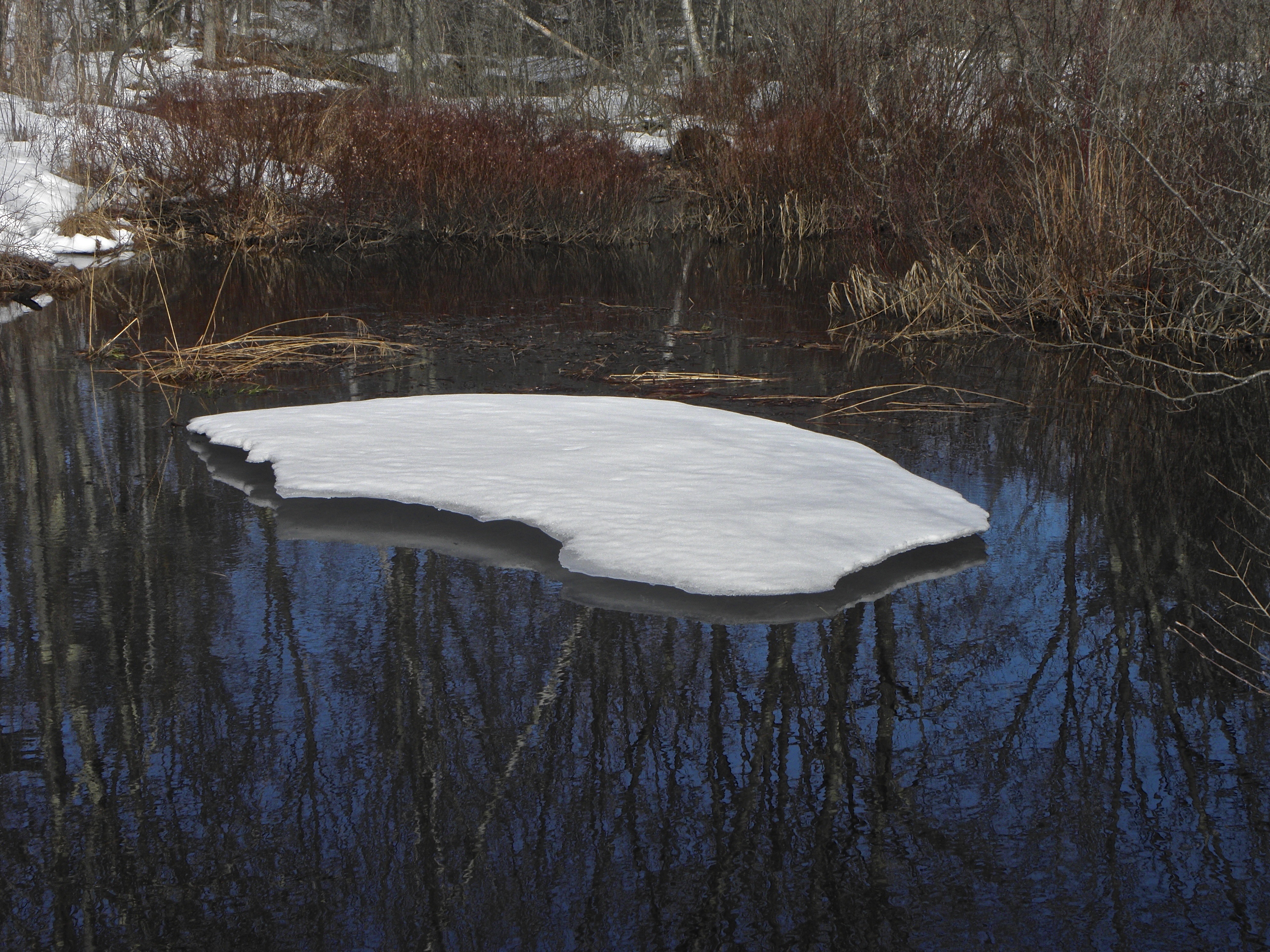
Such are the pictures which she paints. When we look at our masterpieces we see only dead paint and its vehicle, which suggests no liquid life rapidly flowing off from beneath. But in nature it is constant surprise and novelty…
in Thoreau’s Journal:
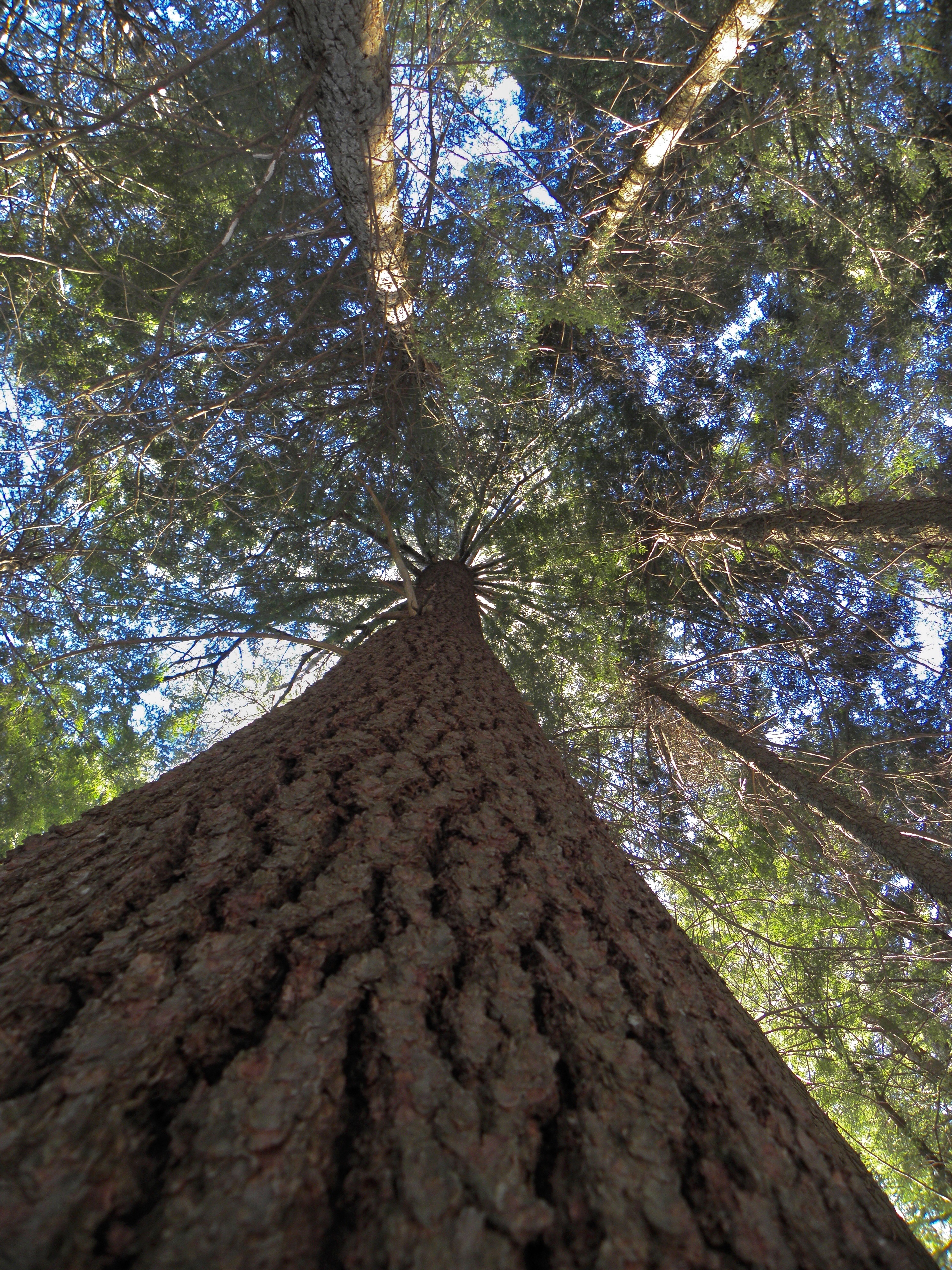
The eye must be firmly anchored to this earth which beholds birches and pines waving in the breeze in a certain light—a serene rippling light.
in Thoreau’s Journal:
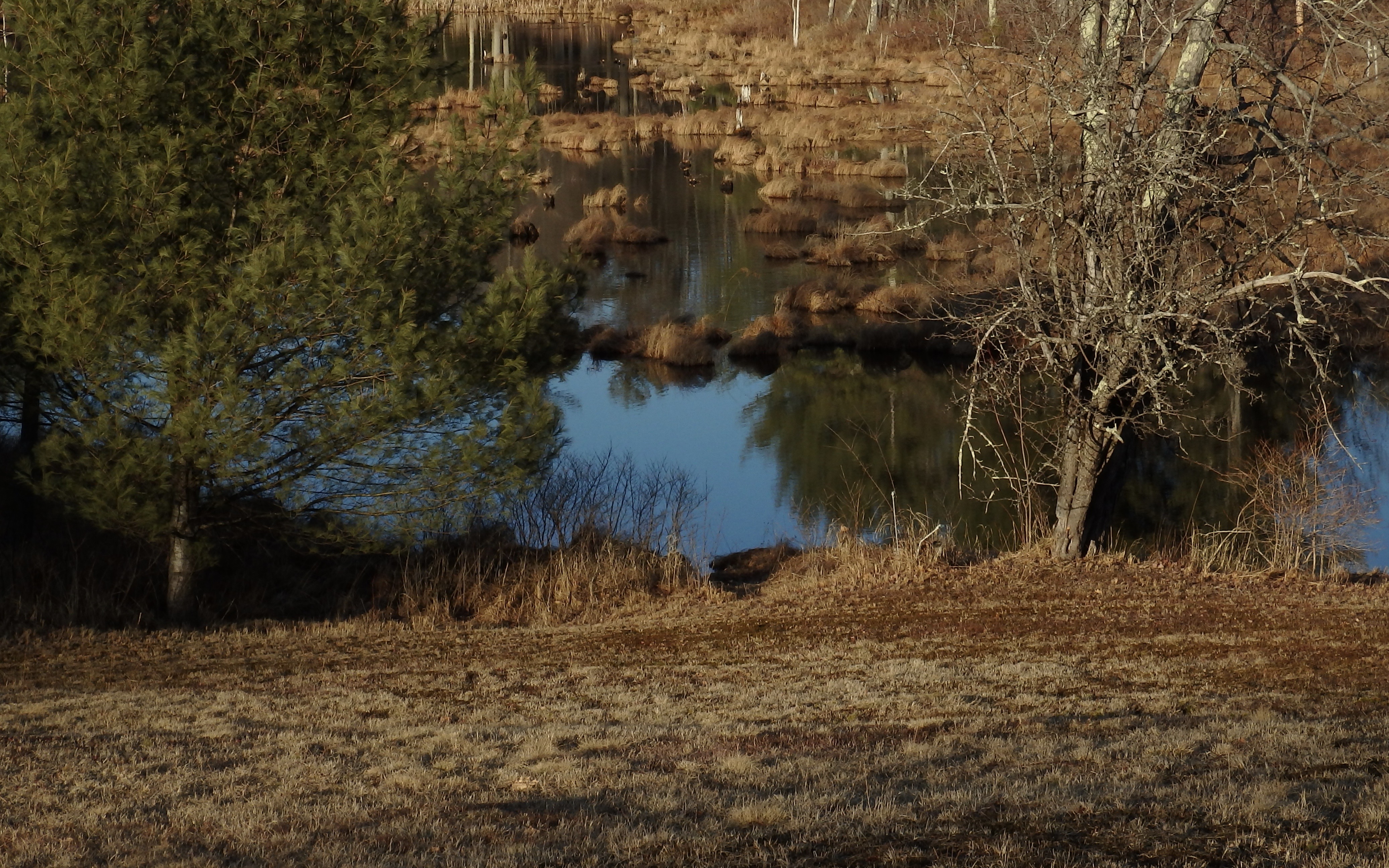
The brown season extends from about the 6th of March ordinarily into April….Tried by various tests, this season fluctuates more or less.
in Thoreau’s Journal:
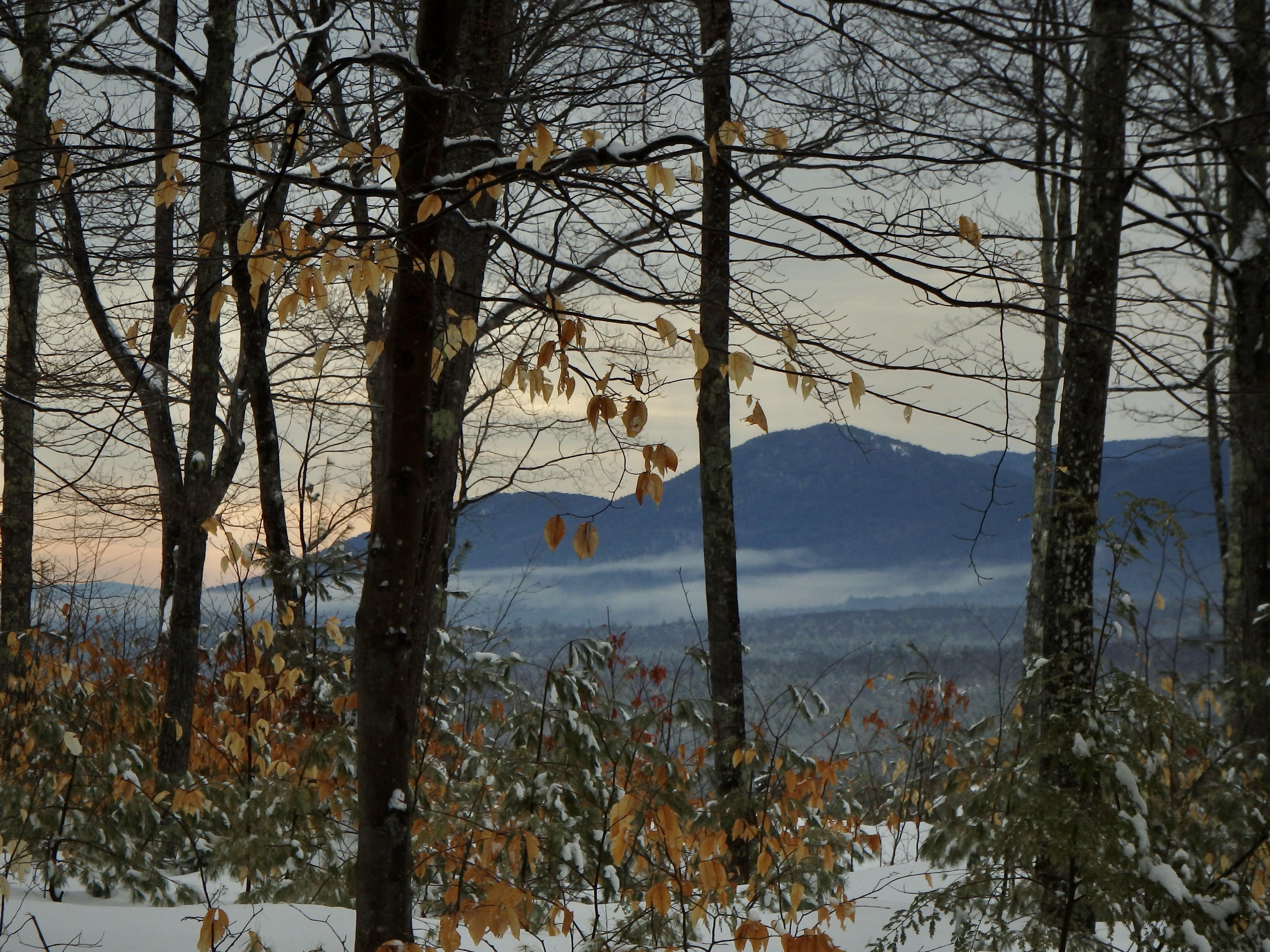
I thought the other day, How we enjoy a warm and pleasant day at this season!
in Thoreau’s Journal:
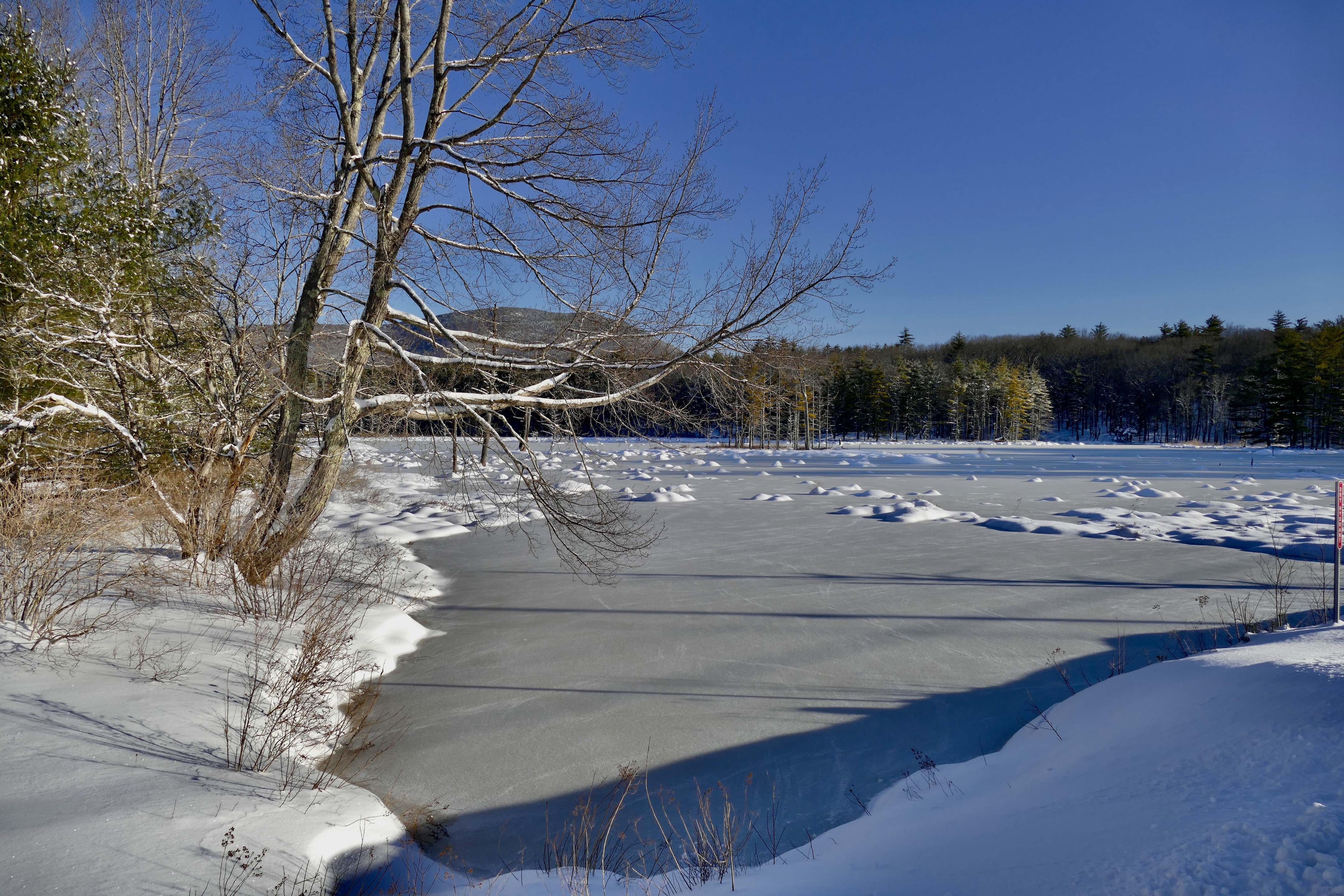
It is too cold to think of those signs of spring which I find recorded under this date last year.
in Thoreau’s Journal:
When I think what were the various sounds and notes, the migrations and works, and changes of fur and plumage which ushered in the spring and marked the other seasons of the year, I am reminded that this my life in nature, this particular round of natural phenomena which I call a year, is lamentably incomplete. I listen to [a] concert in which so many parts are wanting. The whole civilized country is to some extent turned into a city, and I am that citizen whom I pity. Many of those animal migrations and other phenomena by which the Indians marked the season are no longer to be observed. I seek acquaintance with Nature, ––to know her moods and manners….
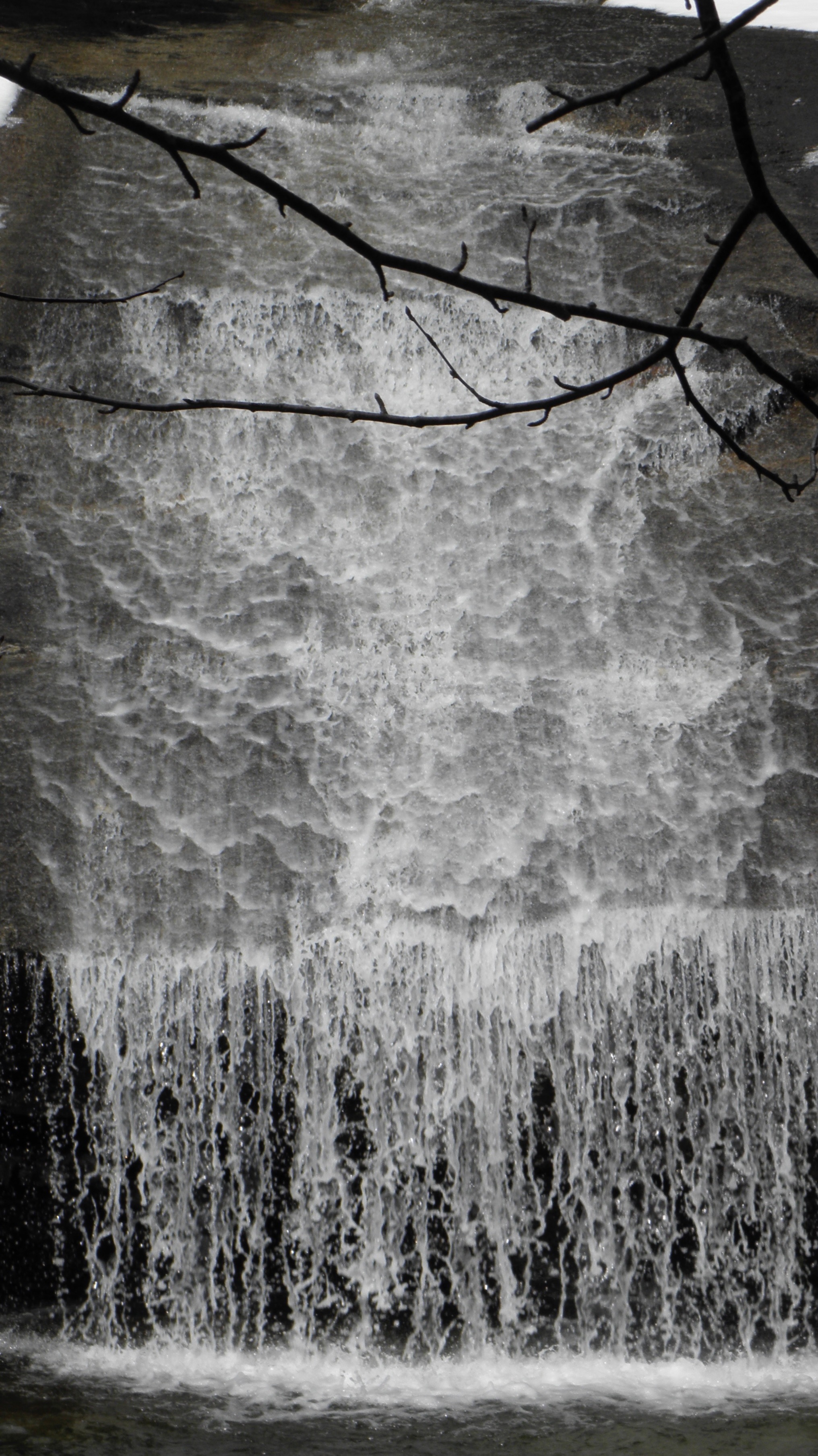
I am reassured and reminded that I am the heir of eternal inheritances which are inalienable, when I feel the warmth reflected from the sunny bank, and see the yellow sand and the reddish soil, and hear some dried leaves rustle and the trickling of melted snow in some sluiceway. The eternity which I detect in Nature I predicate of myself also. How many springs I have had this same experience! I am encouraged for I recognize this steady persistency and recovery of Nature as a quality of myself.
in Thoreau’s Journal:
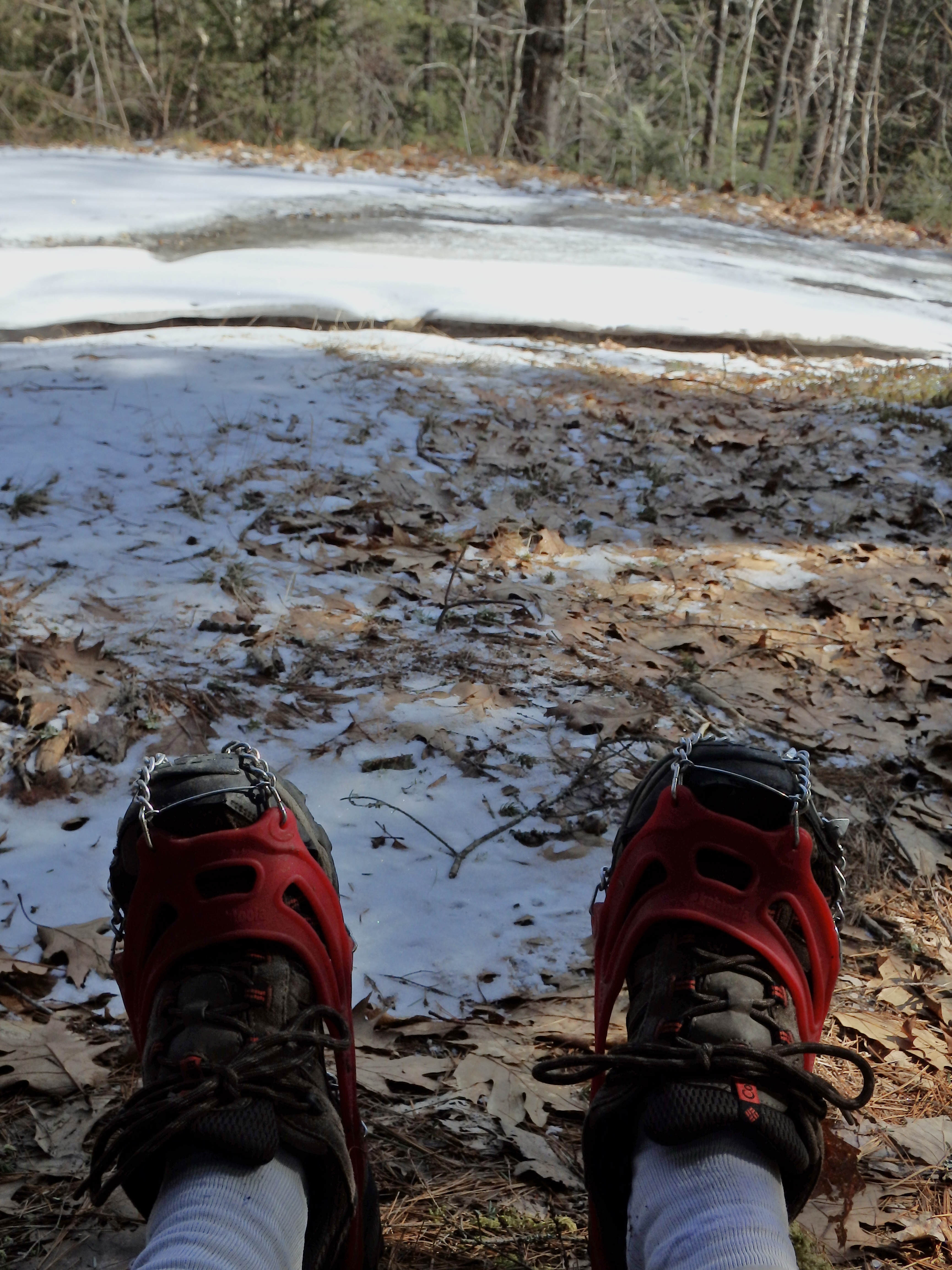
Nothing can be more useful to a man than a determination not to be hurried.
in Thoreau’s Journal:
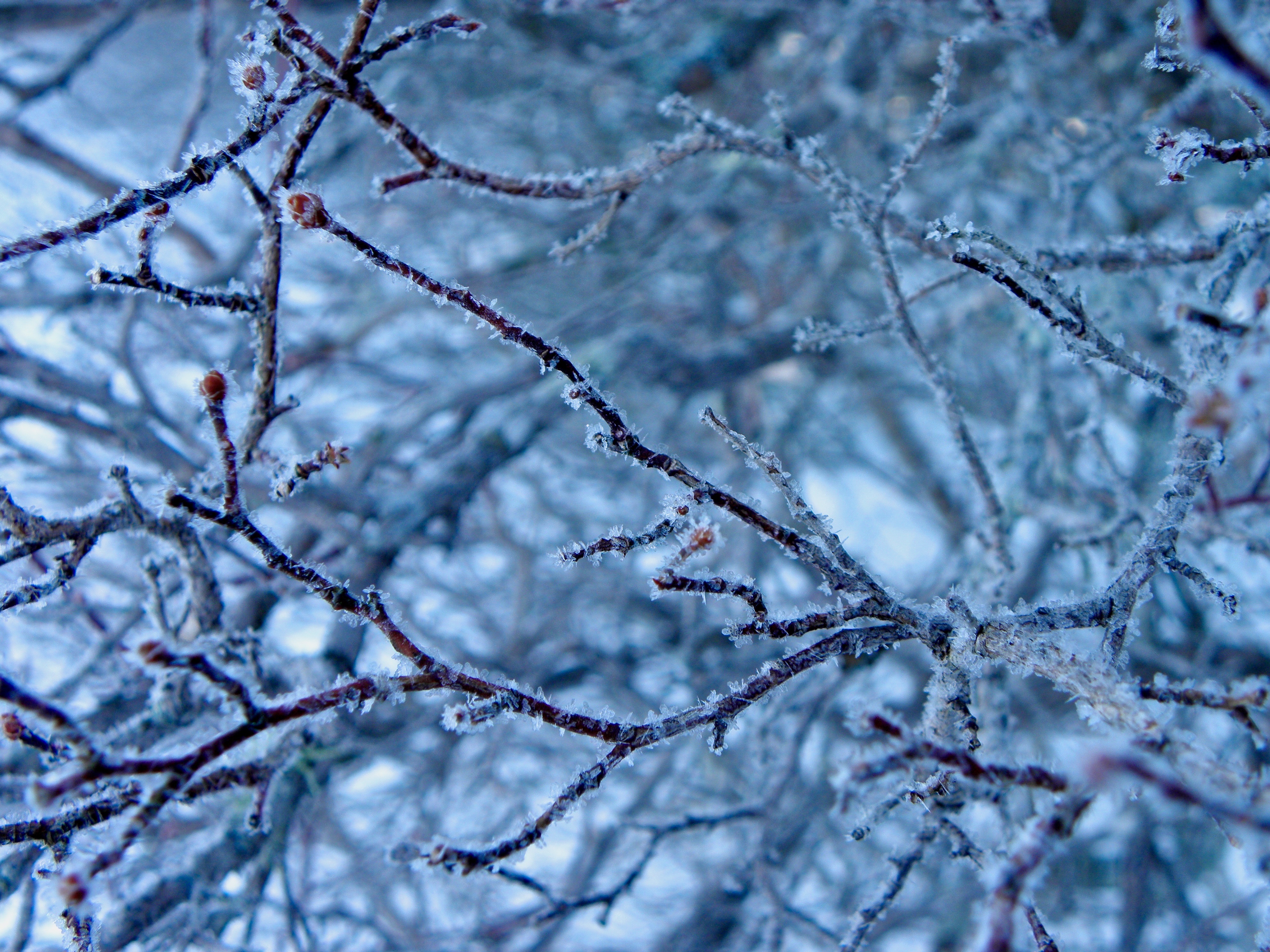
Might not my Journal be called “Field Notes.”
in Thoreau’s Journal:
No wonder we feel the spring influences. There is a motion in the very ground under our feet. Each rill is peopled with new life rushing up it.
If a man does not revive with nature in the spring, how shall he revive when a white-collared priest prays for him?
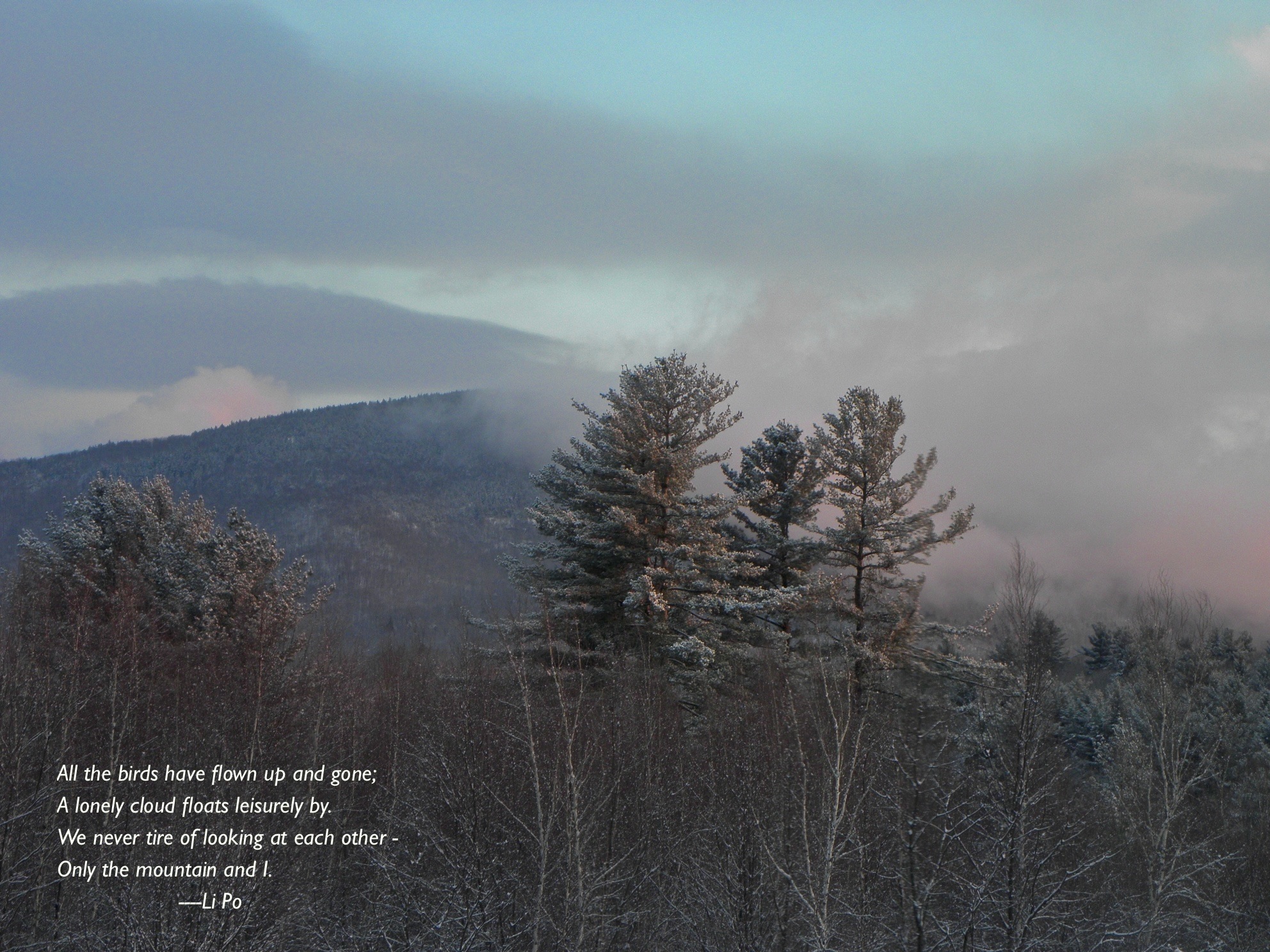
…..We too are out, obeying the same law with all nature– Not less important are the observers of the birds than the birds themselves.
in Thoreau’s Journal:
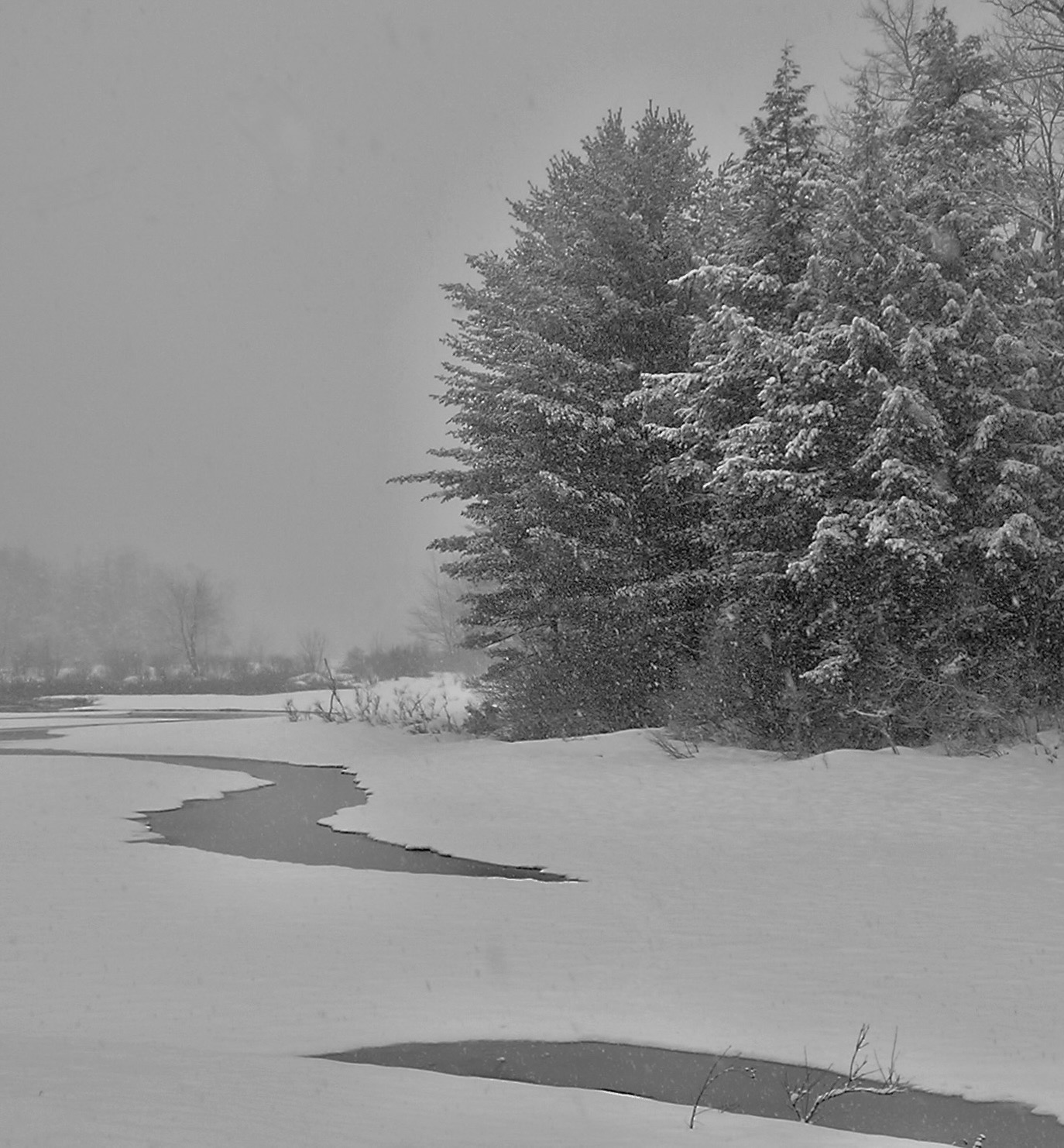
The snow was constantly sixteen inches deep at least on a level in open land from January 13th to March 13th.
in Thoreau’s Journal:
But, ah! the needles of the pine, how they shine…Every third tree is lit with the most subdued but clear, ethereal light, as if it were the most delicate frost-work in a winter morning, reflecting no heat, but only light.
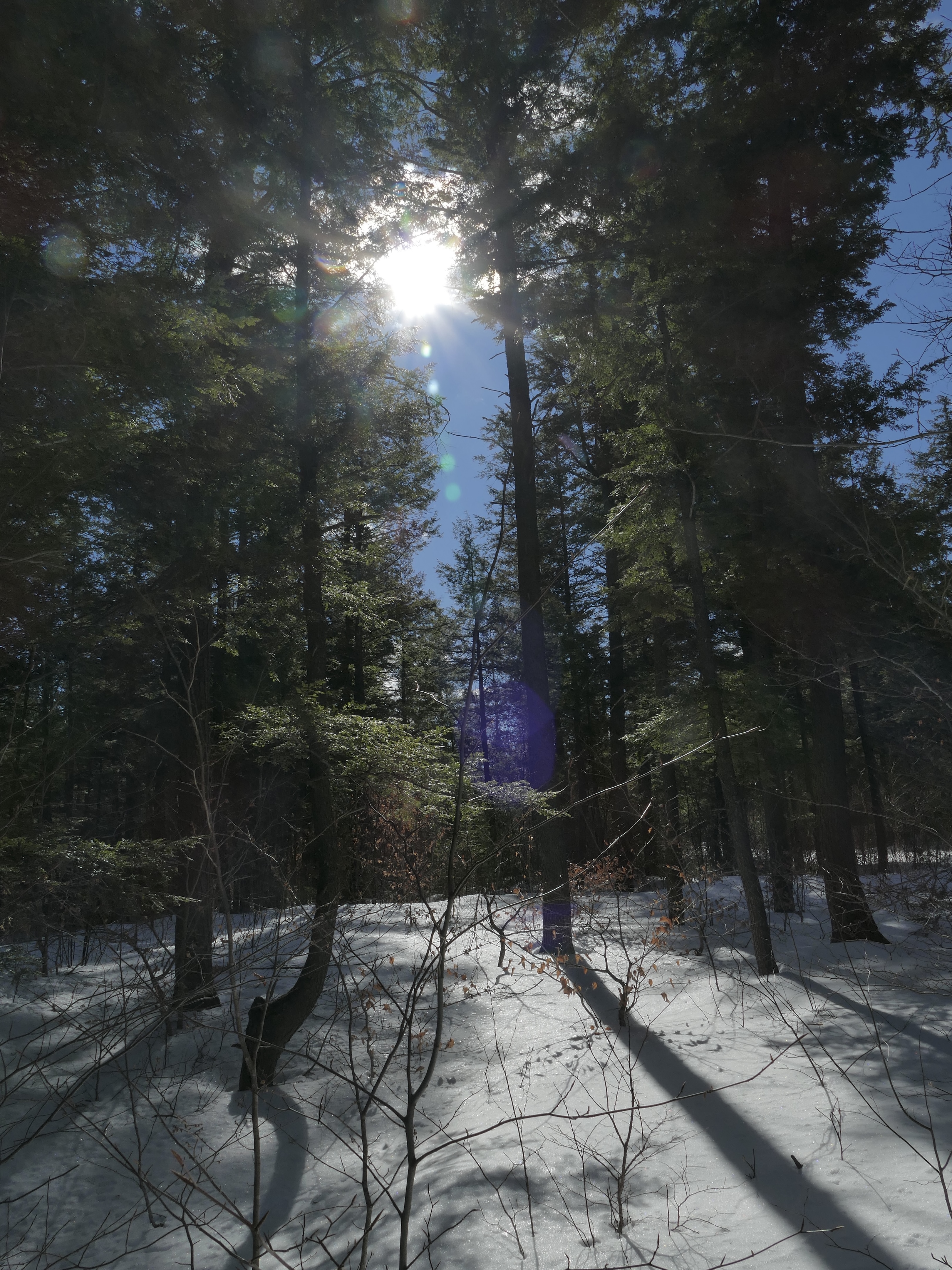
And as they rock and wave in the strong wind, even a mile off, the light courses up and down them as over a field of grain…At sight of this my spirit is like a lit tree.
in Thoreau’s Journal:
The stars go up and down before my only eye. Seasons come round to me alone. I cannot lean so hard on any arm as on a sunbeam.
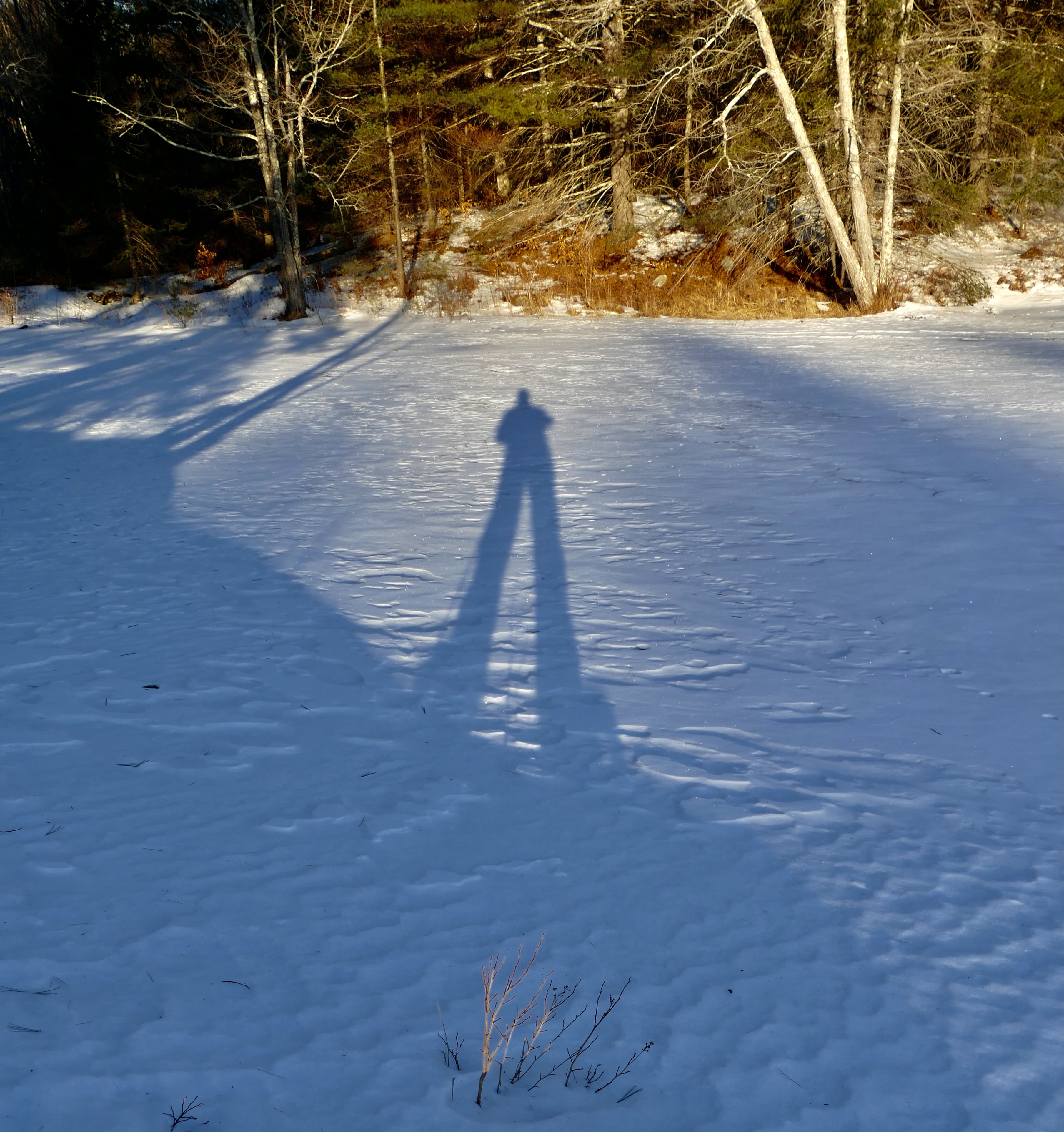
So solid men are not to my sincerity as is the shimmer of the fields.
in Thoreau’s Journal:
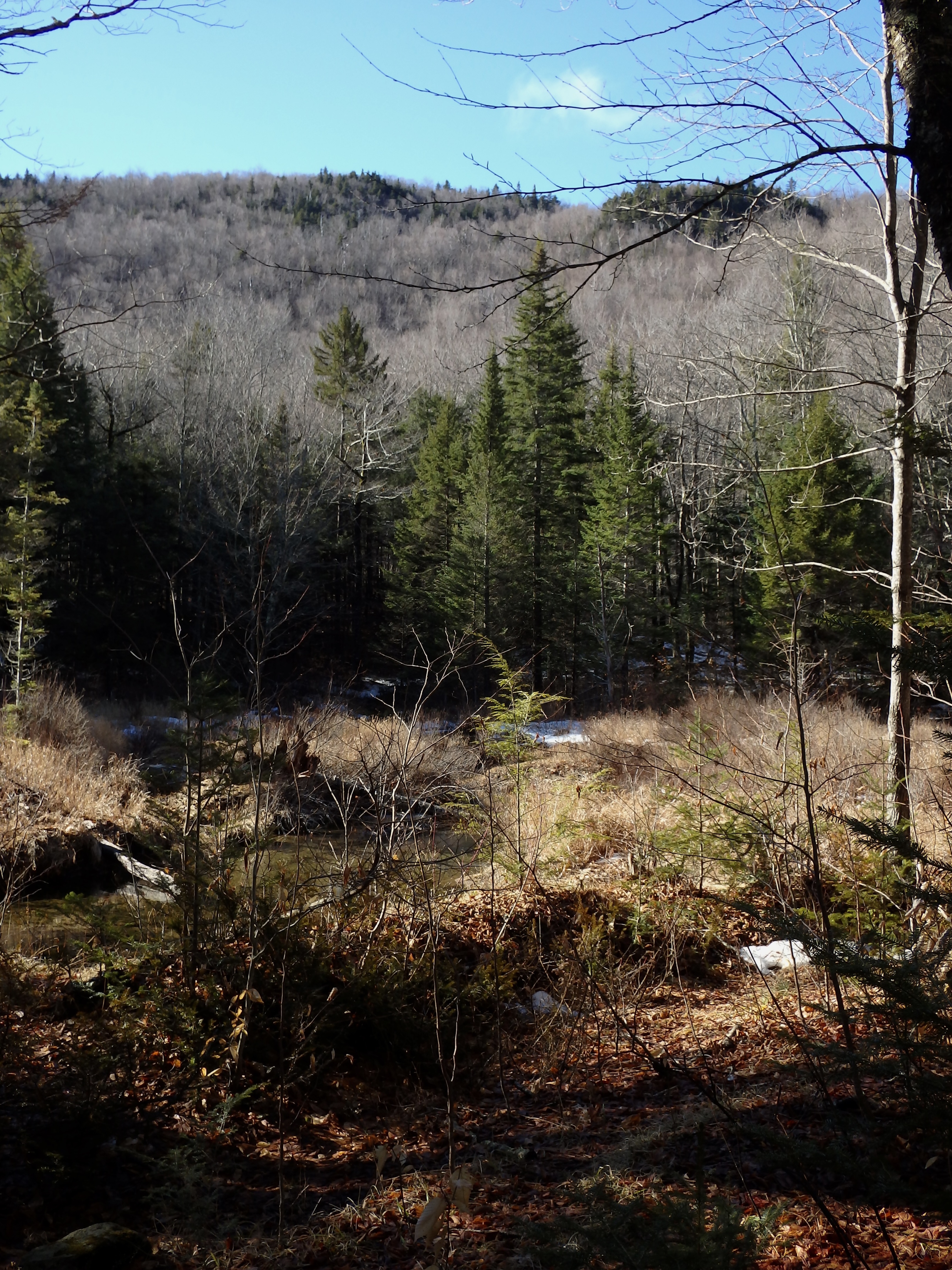
Another fine morning. Willows and alders along water courses all alive these mornings, and ringing with the trills and jingles and warbles of birds, even as the waters have lately broken loose and tinkle below, ––song-sparrows, blackbirds, not to mention robins, etc., etc. The song-sparrows are very abundant, peopling each bush, willow, or alder for a quarter of a mile, and pursuing each other as if selecting their mates. It is their song which especially fills the air, made an incessant and indistinguishable trill and jingle by their numbers. I see ducks afar sailing on the meadow…The fawn-colored oak leaves, with a few pines intermixed, thickly covering the hill, look not like a withered vegetation, but an ethereal kind just expanded and peculiarly adapted to the season and the sky.
in Thoreau’s Journal:
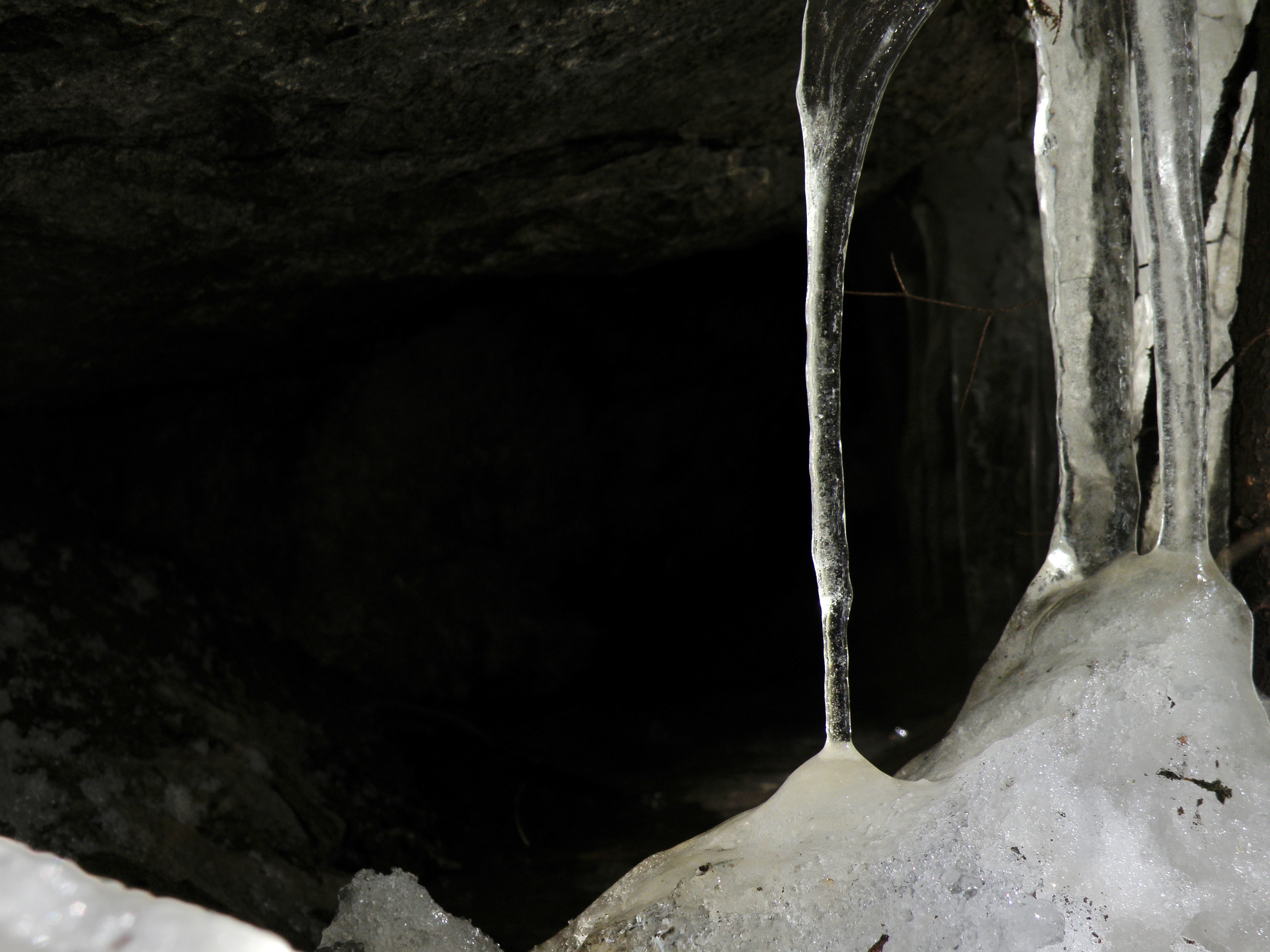
Nature is constantly original and inventing new patterns, like a mechanic in his shop.
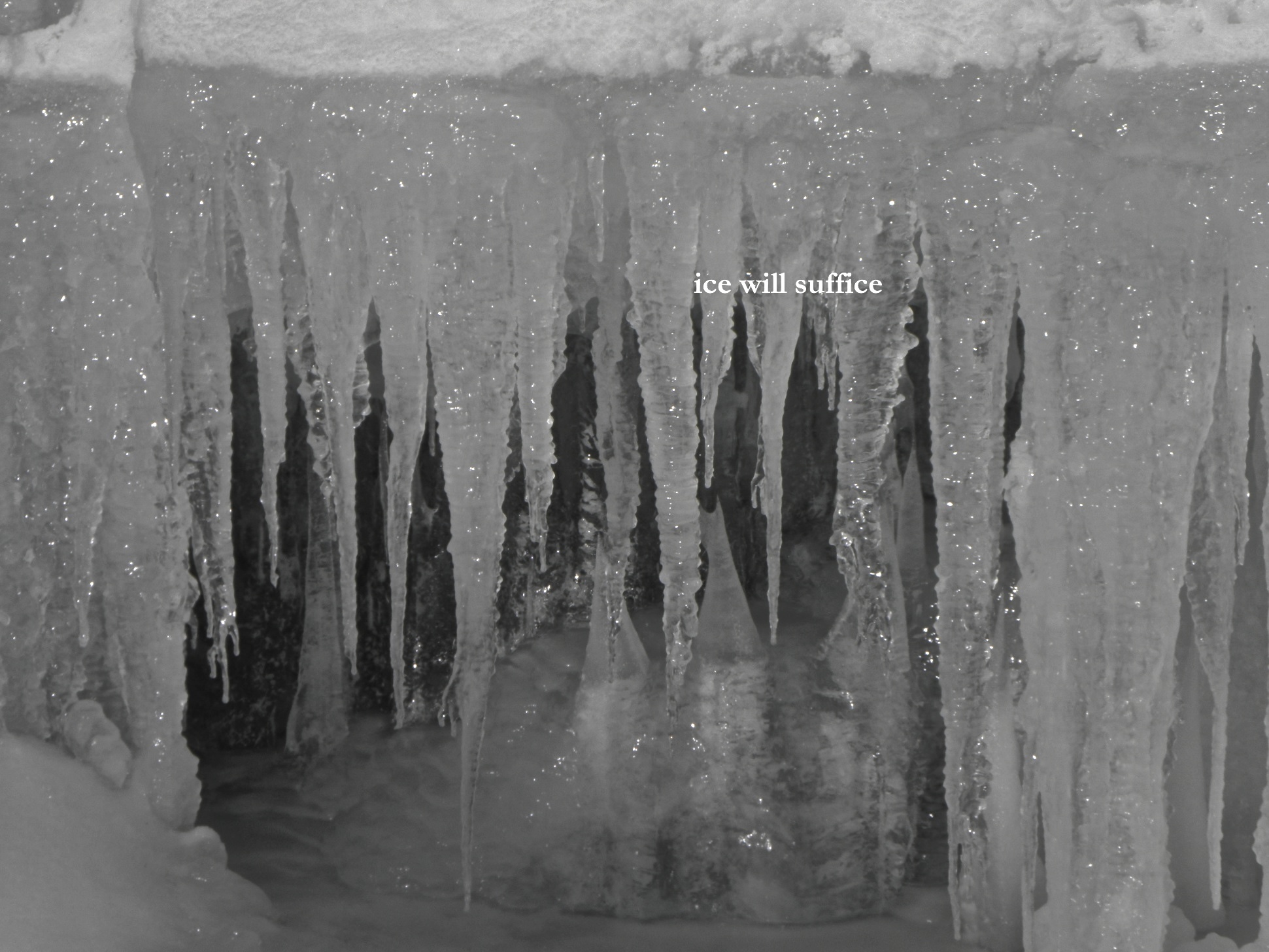
in Thoreau’s Journal:
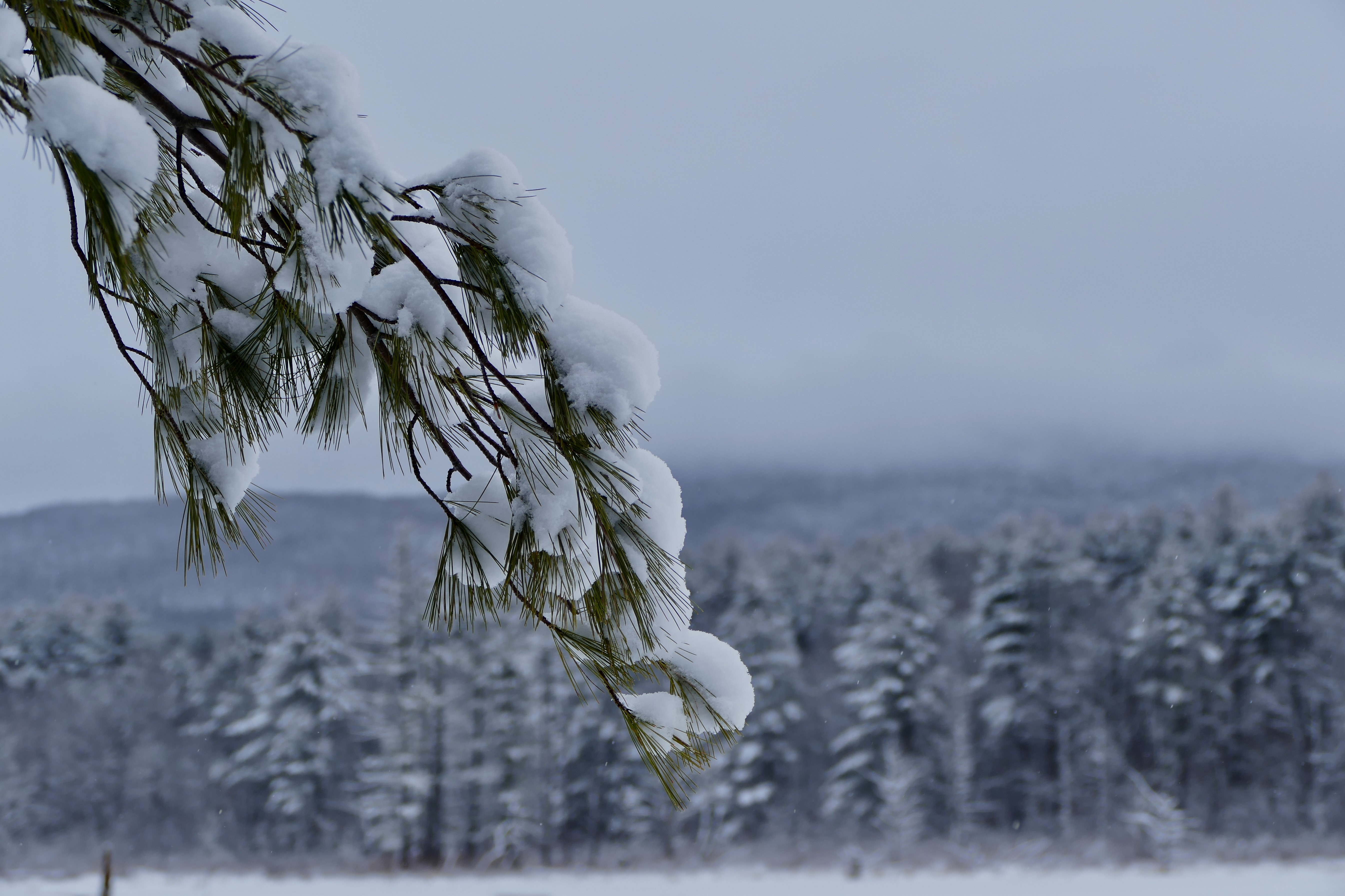
If I know what I love, it is because I remember it.
 allandibiase.com
You must be logged in to post a comment.