in Thoreau’s Journal:

Get in my boat, in the snow. The bottom is coated with a glaze.
in Thoreau’s Journal:
Get in my boat, in the snow. The bottom is coated with a glaze.
in Thoreau’s Journal:
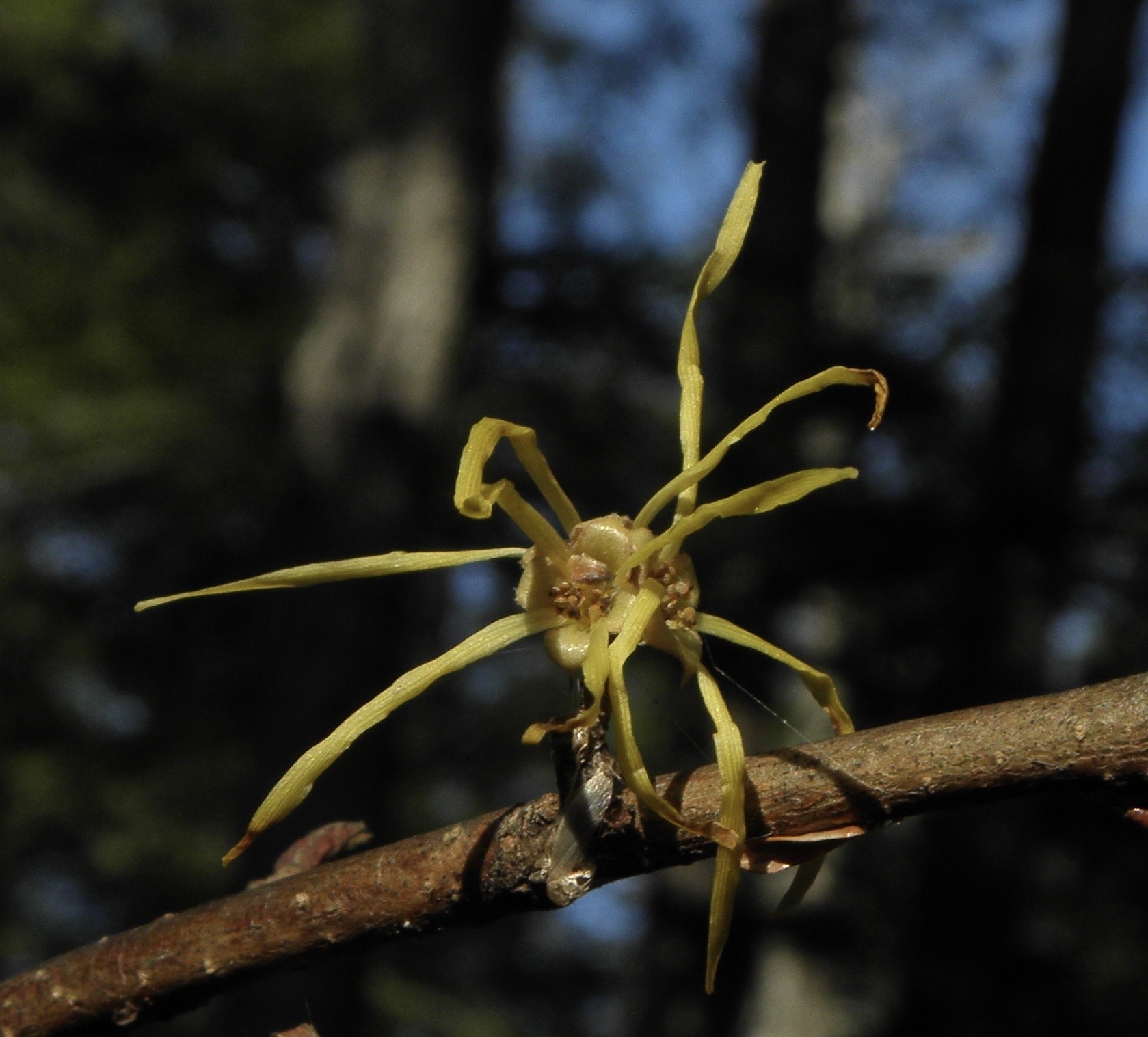
A few petals of the witch-hazel still hold on.
in Thoreau’s Journal:

7 A. M. – How can we spare to be abroad in the morning red, to see the forms of the leafless eastern trees against the dun sky and hear the cocks crow, when a thin low mist hangs over the ice and frost in meadows?
in Thoreau’s Journal:
That grand old poem called Winter is round again without any connivance of mine. As I sit under Lee’s Cliff, where the snow is melted, amid sere pennyroyal and frost-bitten catnep, I look over my shoulder upon an arctic scene. I see with surprise the pond a dumb white surface of ice speckled with snow, just as so many winters before, where so lately were lapsing waves or smooth reflecting water.
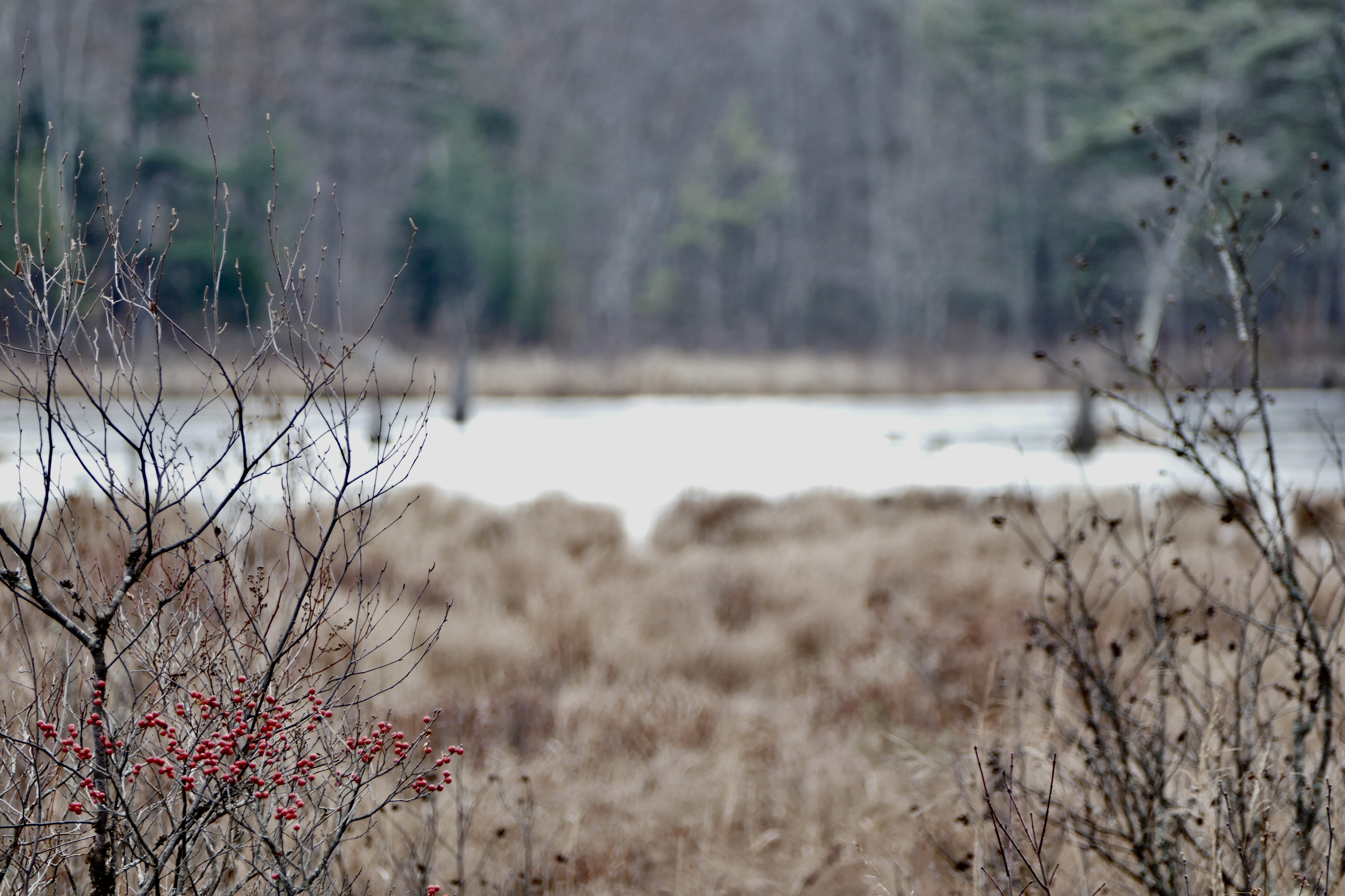
I see the holes which the pickerel-fisher has made, and I see him, too, retreating over the hills, drawing his sled behind him. The water is already skimmed over again there. I hear, too, the familiar belching voice of the pond. It seemed as if winter had come without any interval since midsummer, and I was prepared to see it flit away by the time I again looked over my shoulder. It was as if I had dreamed it. But I see that the farmers have had time to gather their harvests as usual, and the seasons have revolved as slowly as in the first autumn of my life. The winters come now as fast as snowflakes. It is wonderful that old men do not lose their reckoning. It was summer, and now again it is winter. Nature loves this rhyme so well that she never tires of repeating it. So sweet and wholesome is the winter, so simple and moderate, so satisfactory and perfect, that her children will never weary of it. What a poem! an epic in blank verse, enriched with a million tinkling rhymes. It is solid beauty. It has been subjected to the vicissitudes of millions of years of the gods, and not a single superfluous ornament remains. The severest and coldest of the immortal critics have shot their arrows at and pruned it till it cannot be amended.
in Thoreau’s Journal:
On all sides in swamps and about their edges, and in the woods, the bare shrubs are sprinkled with buds more or less noticeable and pretty, their little gemmae or gems their most vital and attractive parts now, almost all the greenness and color left, greens and salads for the birds and rabbits.

Our eyes go searching along the stem for what is most vivacious and characteristic, the concentrated summer gone into winter quarters. For we are hunters pursuing the summer on snow-shoes and skates all winter long, and there is really but one season in our hearts.
in Thoreau’s Journal:
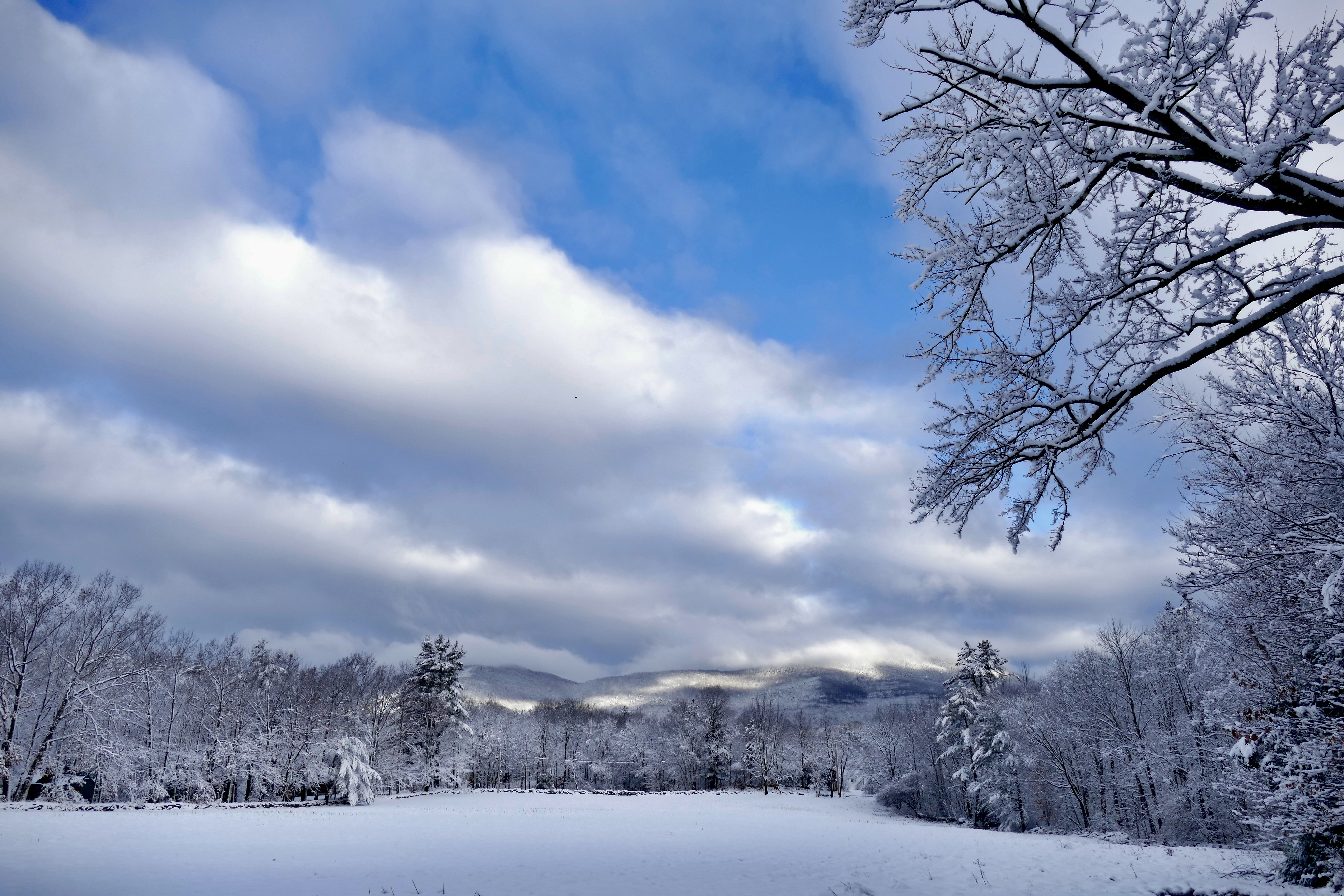
Clear cold winter weather—what a contrast between this week & last when I talked of setting out apple trees!
in Thoreau’s Journal:
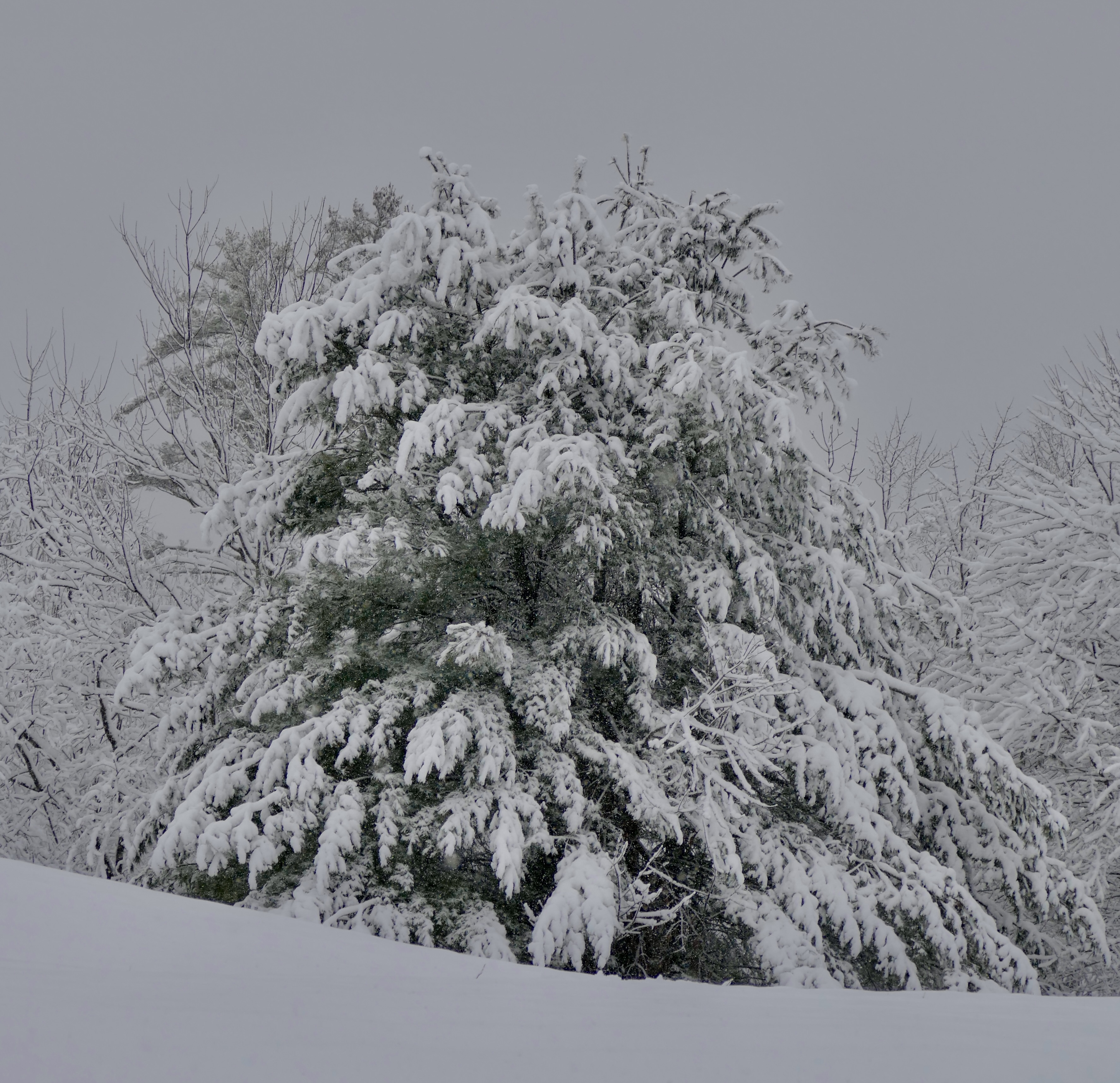
Awake to winter, and snow two or three inches deep, the first of any consequence.
in Thoreau’s Journal:
Sunday. The first snow of consequence fell in the evening, very damp (wind northeast);

five or six inches deep in morning, after very high wind in the night.
in Thoreau’s Journal:
I saw but little in my walk. Saw no bird, only a crow’s track in the snow.

[But a comment on Leaves of Grass comes to mind:]
As for the sensuality in Whitman’s ” Leaves of Grass,”
I do not so much wish that it was not written, as that men and women were so pure that that could read it without harm.
in Thoreau’s Journal:
We may infer that every withered culm of grass or sedge—or weed that still stands in the fields—answers some purpose by standing— Those trees & shrubs which retain their withered leaves through the winter—shrub oaks—& young white red & black oaks—the lower branches of larger trees of the last mentioned species—horn-beam &c & young hickories seem to form an intermediate class between deciduous & evergreen trees— They may almost be called the ever-reds. Their leaves which are falling all winter long serve as a shelter to rabbits & partridges & other winter quadrupeds & birds—even the little chickadees love to skulk amid them & peep out from behind them. I hear their faint silvery lisping notes‚ like tinkling glass—& occasionally a sprightly day-day-day—as they inquisitively hop nearer & nearer to me.

They are our most honest & innocent little bird—drawing yet nearer to us as the winter advances—& deserve best of any of the walker.
in Thoreau’s Journal:
A rather cold and windy afternoon with some snow not yet melted on the ground. Under the south side of the hill between Brown’s & Tarbel’s, in a warm nook—disturbed 3 large grey-squirrels & some partridges—who had all sought out this bare and warm place. While the squirrels hid themselves in the tree tops I sat on an oak stump by an old cellar hole and mused.
This squirrel is always an unexpected large animal to see frisking about. My eye wanders across the valley to the pine woods which fringe the opposite side, and in their aspect my eye finds something which addresses itself to my nature. Methinks that in my mood I was asking nature to give me a sign— I do not know exactly what it was that attracted my eye— I experienced a transient gladness at any rate at something which I saw. I am sure that my eye rested with pleasure on the white pines now reflecting a silvery light—the infinite stories of their boughs—tier above tier—a sort of basaltic structure—a crumbling precipice of pine horizontally stratified.

Each pine is like a great green feather stuck in the ground. A myriad white pine boughs extend themselves horizontally one above & behind another each bearing its burden of silvery sun-light—with darker seams between them—as if it were a great crumbling piny precipice thus stratified— On this my eyes pastured while the squirrels were up the trees. behind me That at any rate it was that I got by my afternoon walk—a certain recognition from the pine. some congratulation.
in Thoreau’s Journal:
Begins to snow this morning and snows slowly and interruptedly with a little fine hail all day till it is several inches deep. This the first snow I have seen, but they say the ground was whitened for a short time some weeks ago.
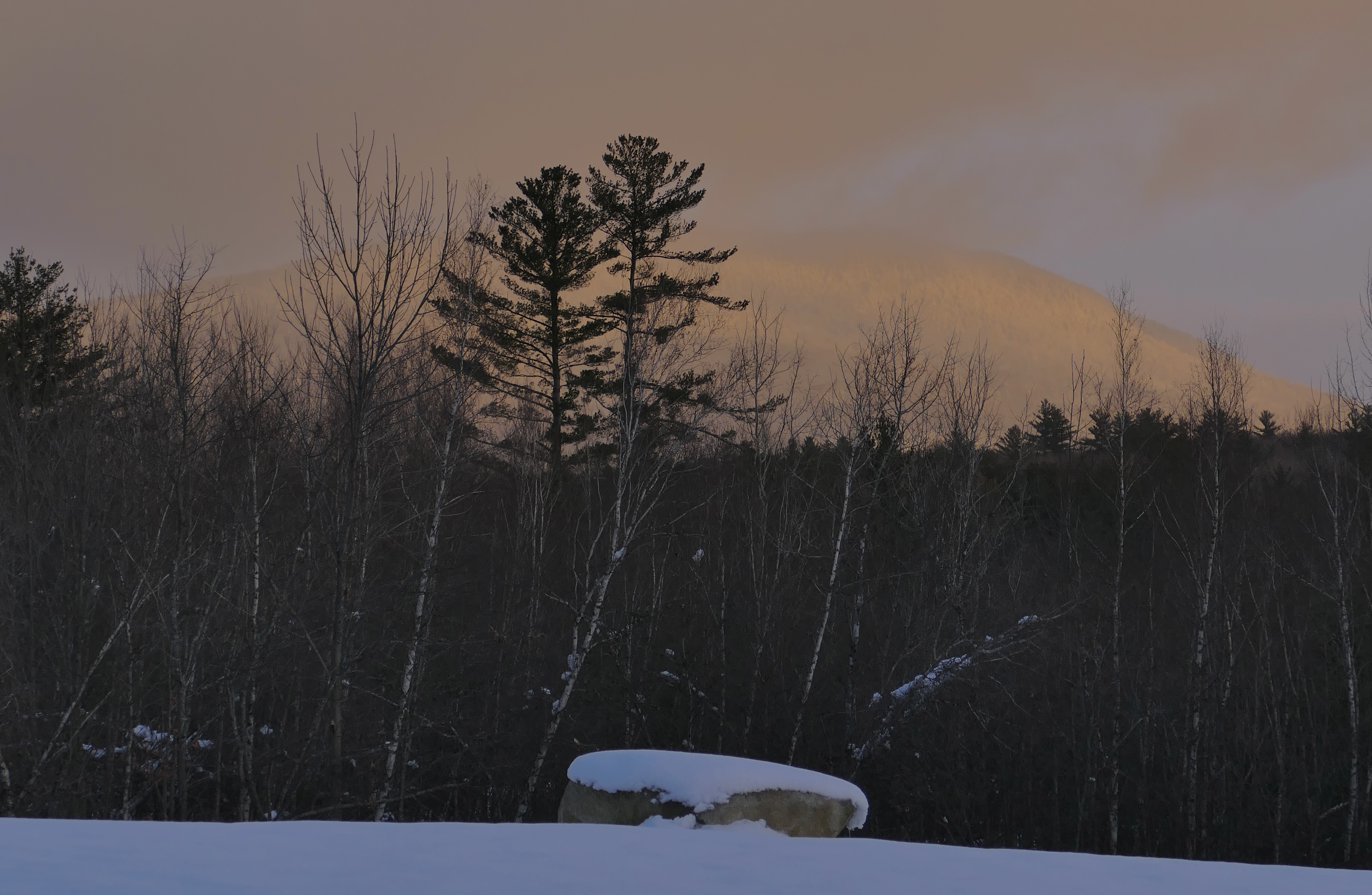
It has been a remarkably pleasant November, warmer and pleasanter than last year.
in Thoreau’s Journal:
Every tree, fence, and spire of grass that could raise its head above the snow was this morning covered with a dense hoar frost. The trees looked like airy creatures of darkness caught napping…

The branches and taller grasses were covered with a wonderful ice-foliage, answering leaf for leaf to their summer dress. The centre, diverging, and even more minute fibres were perfectly distinct and the edges regularly indented.
in Thoreau’s Journal:
There is little now to be heard along the river but the sedge rustling on the brink.

There is a little ice along most of the shore throughout the day.
in Thoreau’s Journal:
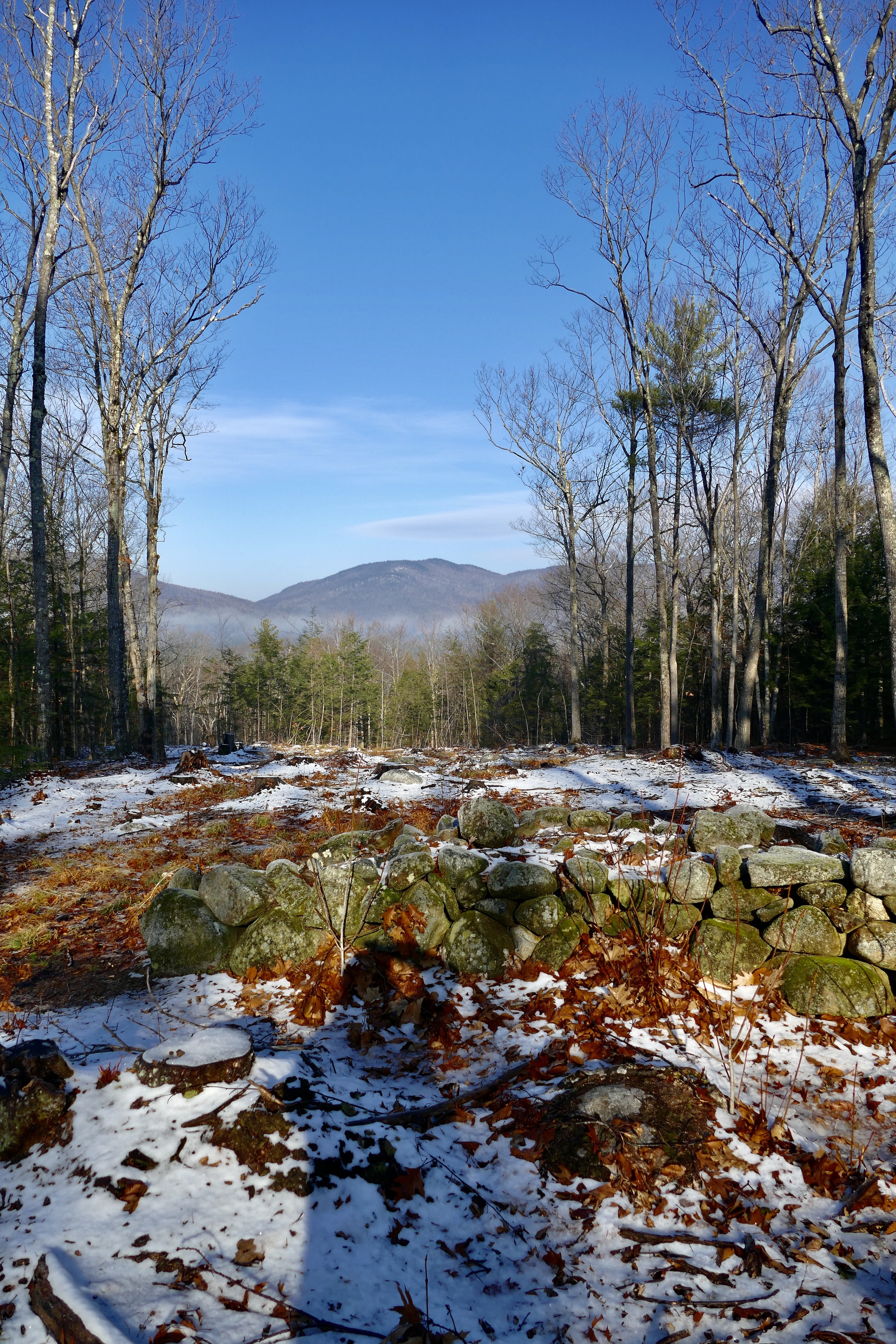
An inch of snow on the ground this morning—our first.
in Thoreau’s Journal:
I found Fair Haven skimmed entirely over, though the stones which I threw down on it from the high bank on the east broke through— Yet the river was open. The landscape looked singularly clean & pure and dry—the air like a pure glass being laid over the picture—the trees so tidy stripped of their leaves the meadows & pastures clothed with clean dry grass looked as if they had been swept—ice on the water—& winter in the air—but yet not a particle of snow on the ground.
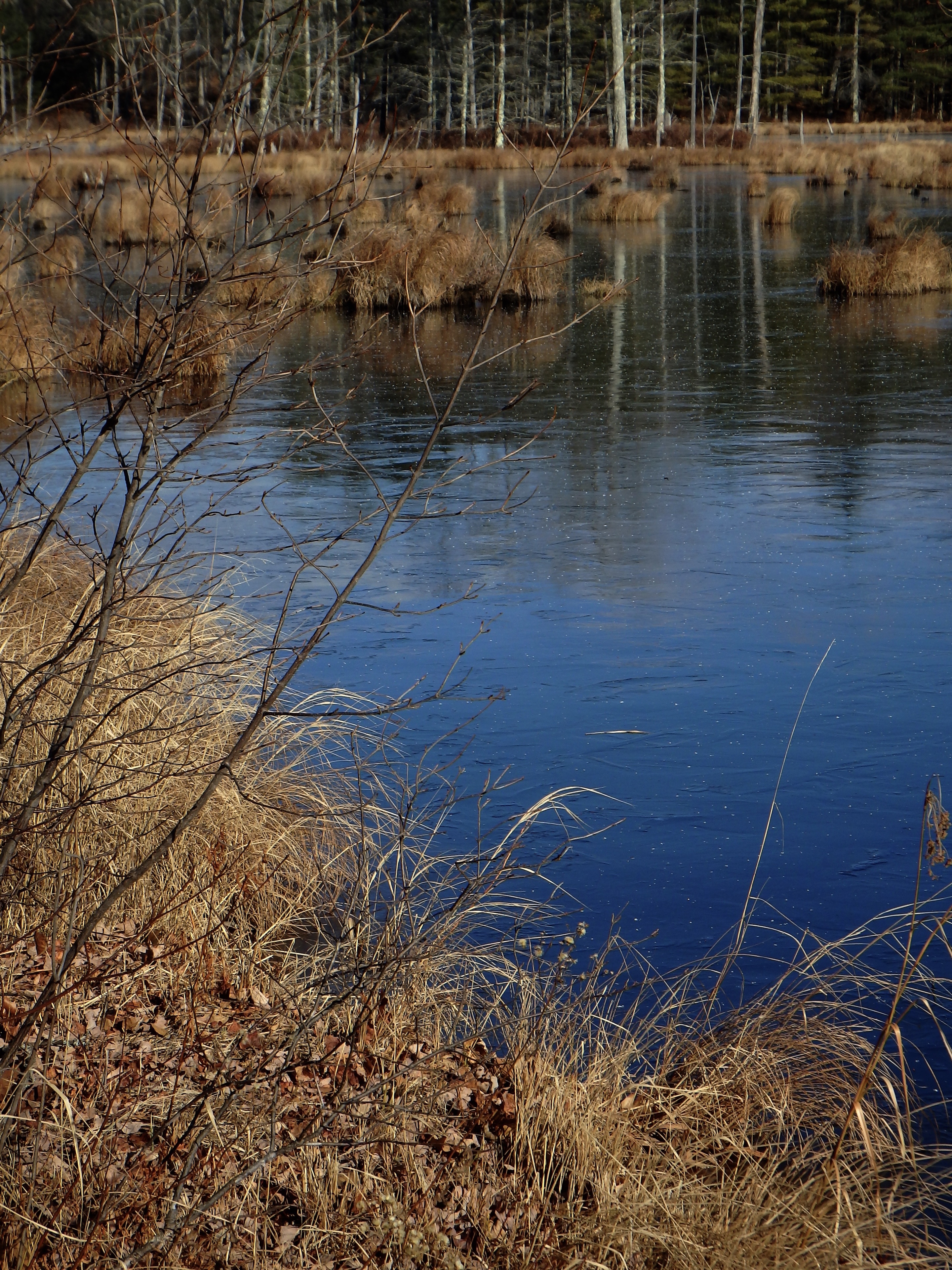
The woods divested in great part of their leaves are being ventilated. It is the season of perfect works—of hard tough-ripe twigs—not of tender buds & leaves— The leaves have made their wood—and a myriad new withes stand up all around pointing to the sky, able to survive the cold. It is only the perennial that you see—the iron age of the year.
in Thoreau’s Journal:
When I looked out this morning, the landscape presented a very pretty wintry sight, little now as there was.

Being very moist, it had lodged on every twig, and every one had its counterpart in a light, downy, white one, twice or thrice its own depth, resting on it.
November 23, 1860 in Thoreau’s Journal:
We cultivate imported shrubs in our front yards for the beauty of their berries,
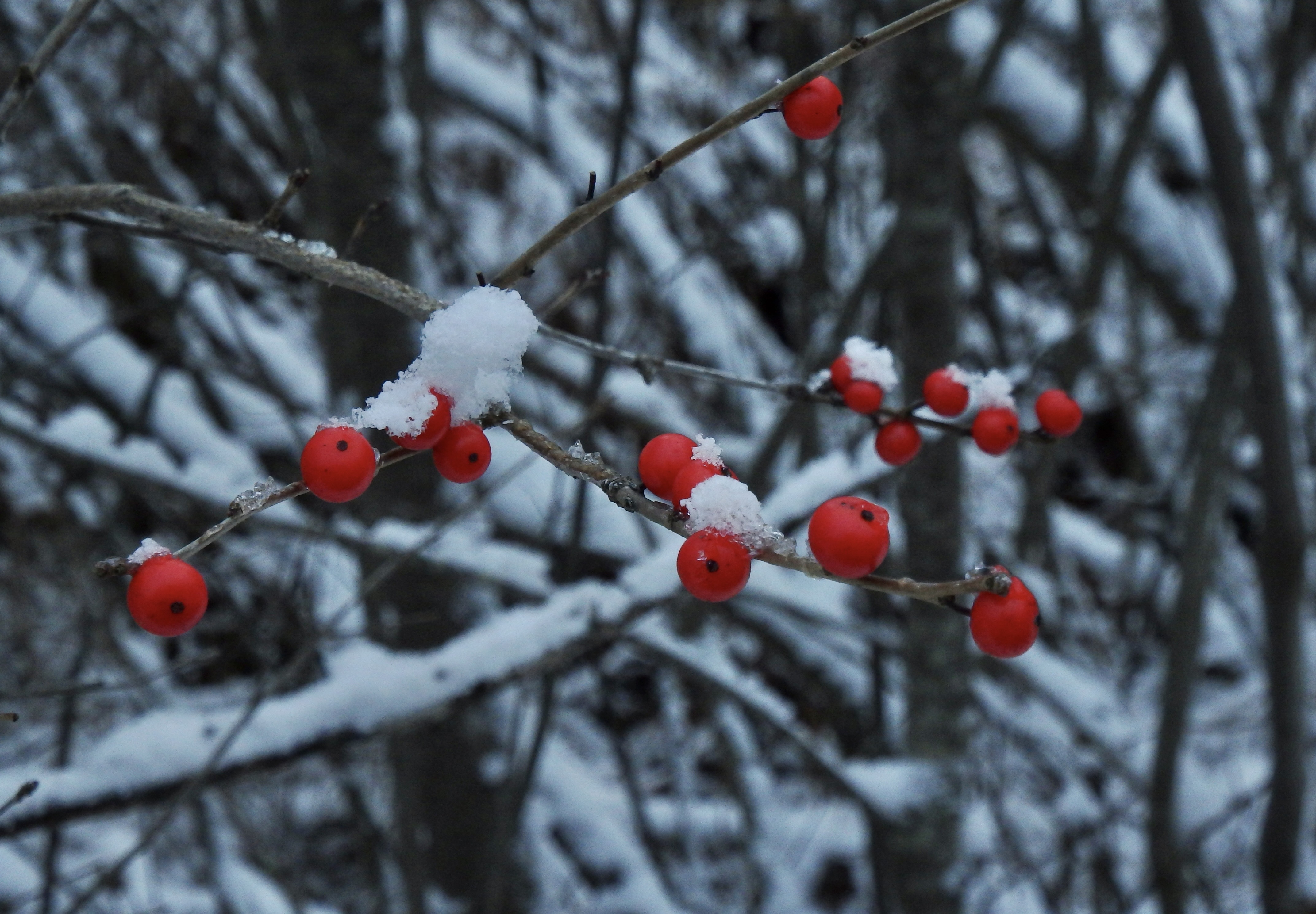
when yet more beautiful berries grow unregarded by us in the surrounding fields.
in Thoreau’s Journal:
It is glorious to consider how independent man is of all enervating luxuries–& the poorer he is in respect to them the richer he is–
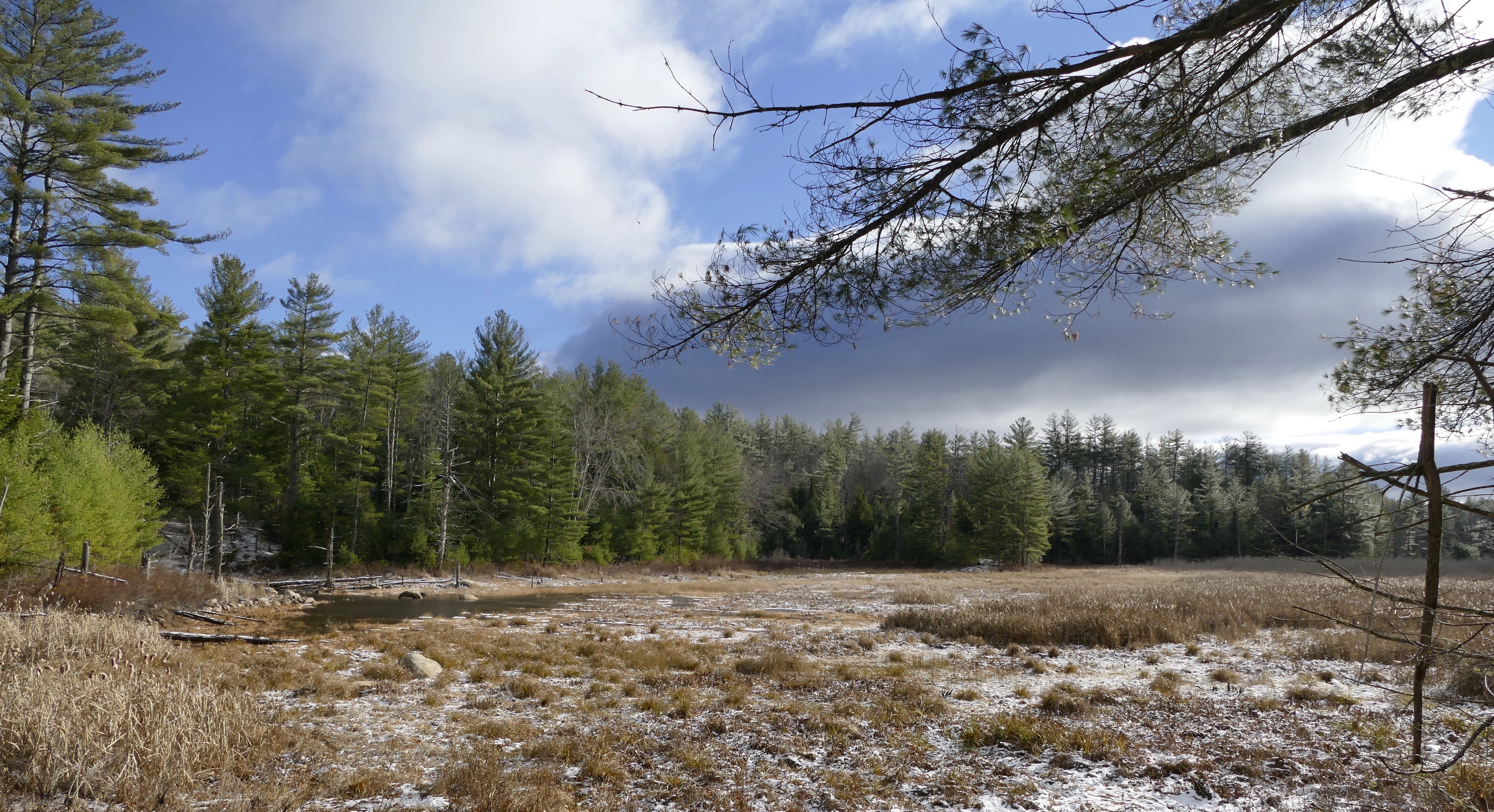
Summer is gone with all its infinite wealth–& still nature is genial to man—though he no longer bathes in the stream or reclines under the bank–or plucks berries on the hills–still he beholds the same inaccessible beauty around him….
in Thoreau’s Journal:
October must be the month of ripe & tinted leaves — Throughout November they are almost entirely withered & somber—the few that remain. In this month the sun is valued—when it shines warmer or brighter we are sure to observe it—

There are not so many colors to attract the eye. We begin to remember the summer. We walk fast to keep warm. For a month past I have sat by a fire.
 allandibiase.com
You must be logged in to post a comment.