in Thoreau’s Journal:

The skunk cabbages—& the trilliums both leaves & fruit are many flat prostrate—the former decaying and all looking as if early frosts had prevailed….

The red-stemmed (?) cornel berries…

in Thoreau’s Journal:
The skunk cabbages—& the trilliums both leaves & fruit are many flat prostrate—the former decaying and all looking as if early frosts had prevailed….
The red-stemmed (?) cornel berries…
in Thoreau’s Journal:
Elizabeth Hoar shows me the following plants which she brought from the Wht Mts the 16th ult. Chiogenes hispidula creeping snow-berry also called Gaultheria & also vaccinia hispidula—in fruit. — with a partridge berry scent & taste. Taxus Canadensis Ground hemlock with red cup shaped berries very handsome & remarkably like wax or red marble. Planthera orbiculata remarkable for its watery shining leaves fast on the ground while its spike of flowers rises perpendicular—suggesting as she said respose & steadiness amid the prostrate trunks—& you could not avoid seeing it any more than a child in blossom. Oxallis acetosella in blossom. Arenaria Groenlandica also in bloom in tufts like houstonia. Lonicera ciliata probably with a double red fruit.
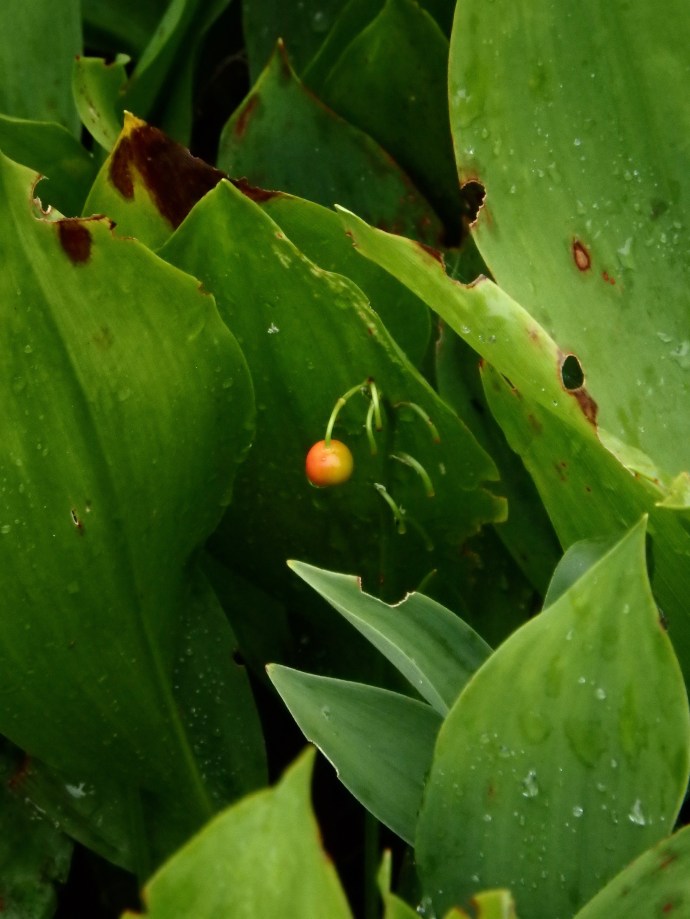
She also brought Lichens & mosses & convallaria berries which she gathered at the flume in Franconia—the latter red ripe hanging from the axils of the leaves—affected me—reminding me of the progress of autumn in the north—& the other two were a very fit importation still dripping with the moisture the water of the flume. It carries you indeed into the primitive wood. To think how in those wild woods now hang these wild berries in grim solitude as of yore—already scenting their autumn— A thousand years ago this convallaria growing there—its berries turning red as now & leaves acquiring an autumnal tint.
in Thoreau’s Journal:
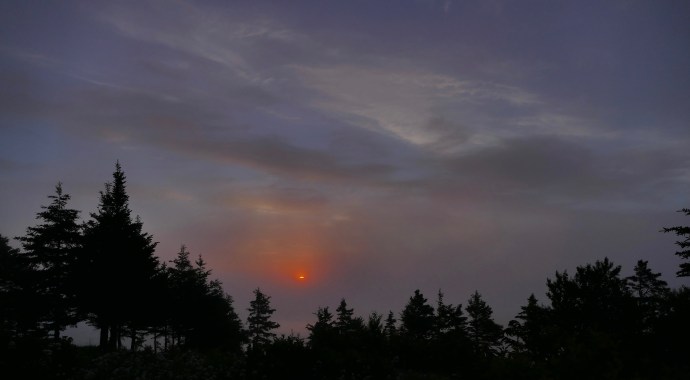
This mornings red, there being a misty cloud there—is equal to an evening red.
The woods are very still…

The white cornel berries are dropping off before they are fairly white.

in Thoreau’s Journal:

I must look for the Rudbeckia which Bradford says he found yesterday behind Joe Clarks.
in Thoreau’s Journal:
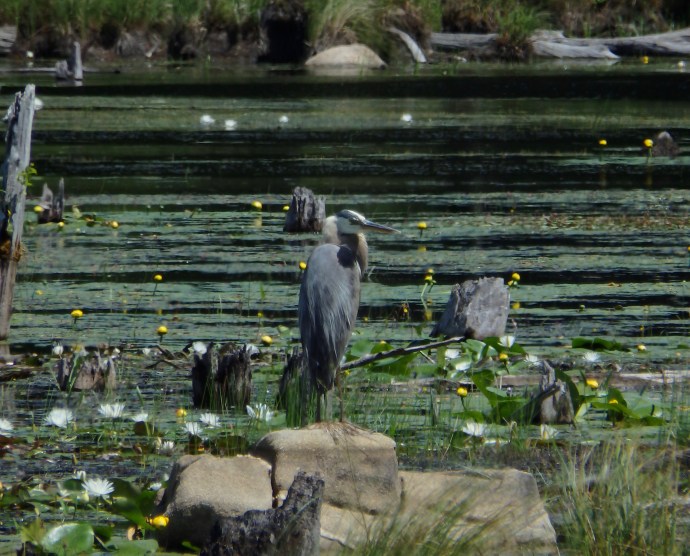
That clear ring like an alder locust is it a cricket? For some time past is a sound which belongs to the season. — autumnal. Here is a 2nd crop of clover almost as red as the 1st. The swamp blackberry begins. Saw a blue-heron on the meadow—
in Thoreau’s Journal:
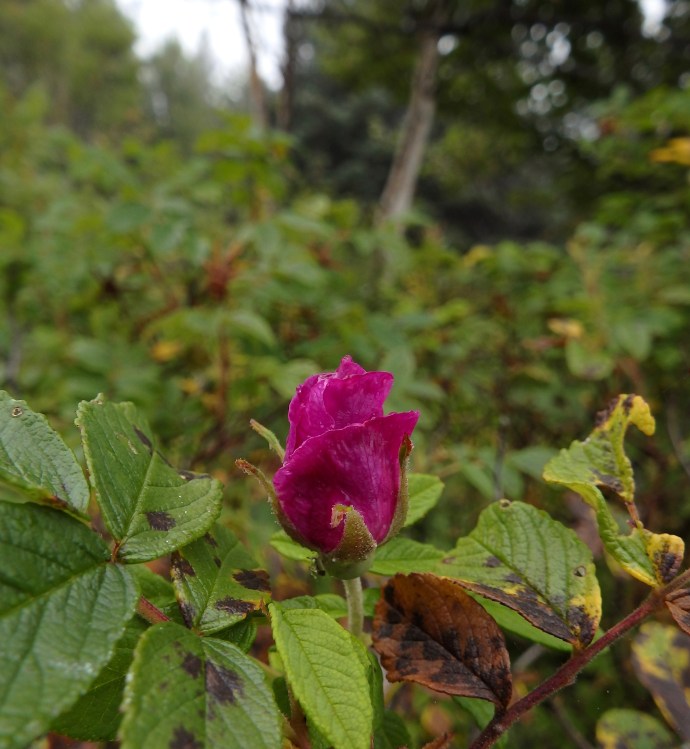
Viburnum dentatum berries blue. Saw a rose still—
There is such a haze that I cannot see the mts
in Thoreau’s Journal:

I hear that the coralhoriza odontorhiza (coral root) is out.
in Thoreau’s Journal:

I think that I begin to see a few more hawks than of late.
in Thoreau’s Journal:

The mt Ash berries are turning.
in Thoreau’s Journal:
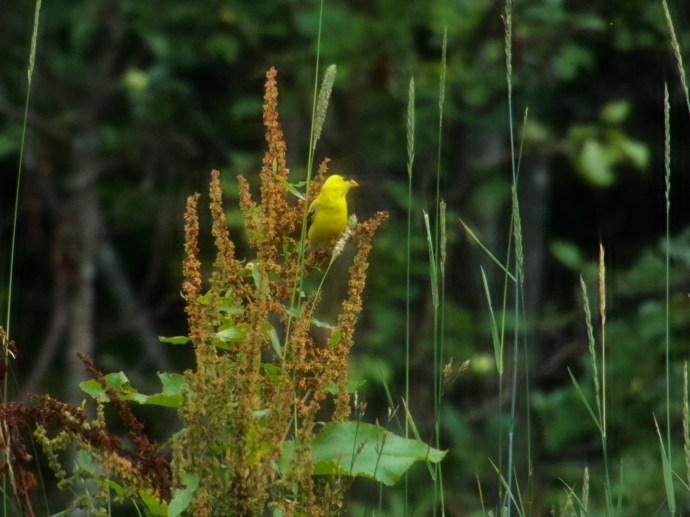
The tinkling notes of goldfinches and bobolinks which we hear nowadays are of one character and peculiar to the season.
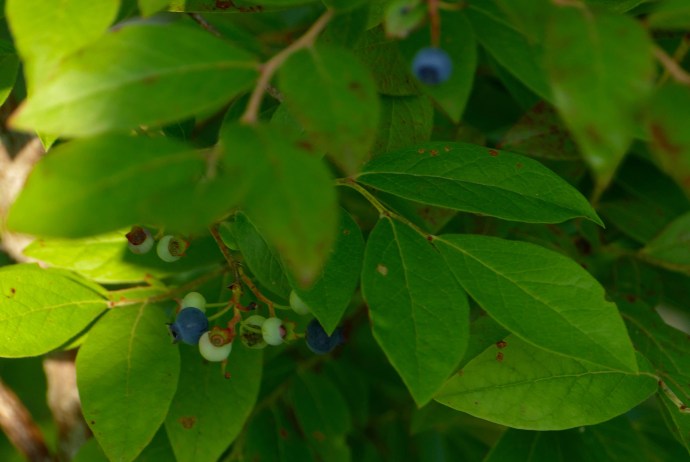
This is the season of small fruits. I trust, too, that I am maturing some small fruit as palatable in these months, which will communicate my flavor to my kind.
in Thoreau’s Journal:
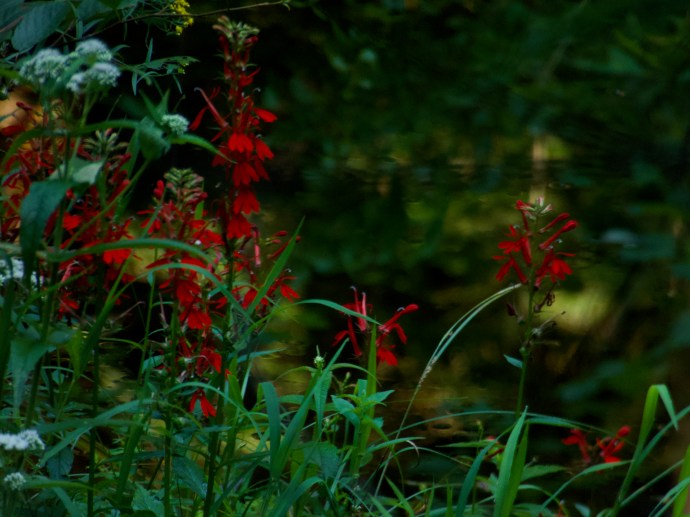
Ambrosia artemisiaefolia. July was a month of dry torrid heat & drouth especially the fore part—Aug. thus far of gentle-rain storms & fogs-dog-days. Things mildew now— The sun is warm but it is damp & cool in shade. The colored willow herb is an interesting small flower-pink (?) or white with its long seed vessel in RR gutter by red house. Dodder Cuscuta Americana just out. Cerasus Virginiana is now dark almost quite black & rather edible— It was only red before. Elderberries almost ripe. I notice now along the North River—Horsemint—arrowhead—Cardinal flower—trumpet weed just coming out. Water parsnip—skullcap (lateriflora) Monkey flower &c &c
Rattlesnake plantain is budded. Rivers meander most not amid rugged mts. but through soft level meadows. In some places the ground is covered now with the black unbelled berries of the sarsaparilla. The naked Viburnum berries are now greenish white. Nabalus Albus (white lettuce) perhaps a week? Varies in leaves. Spiranthese gracilis slender neottia for some time. Goddyera repens—white veined rattlesnake plantain some days (?) Bartonia tenella (Centaurella) ap. leafless plant in earth in Ministerial swamp. Hieracium Gronovi (?) An aster near the lygodium with numerous small white flowers ap either the unbelled or spreading of Big. Just opening.
No man ever makes a discovery—ever an observation of the least importance—but he is advertised of the fact by a joy that surprises him. The powers thus celebrate all discovery. The squirrels are now devouring the hazel nuts fast. A lupine blossomed again.
in Thoreau’s Journal:
I do not hear this morning the breathing of chip birds—nor the song of robins. Are the mornings now thus ushered in—are they as spring-like? Has not the year grown old. Methinks we do ourselves at any rate some what tire of the season–& observe less attentively and with less interest the opening of new flowers—and the song of the birds–
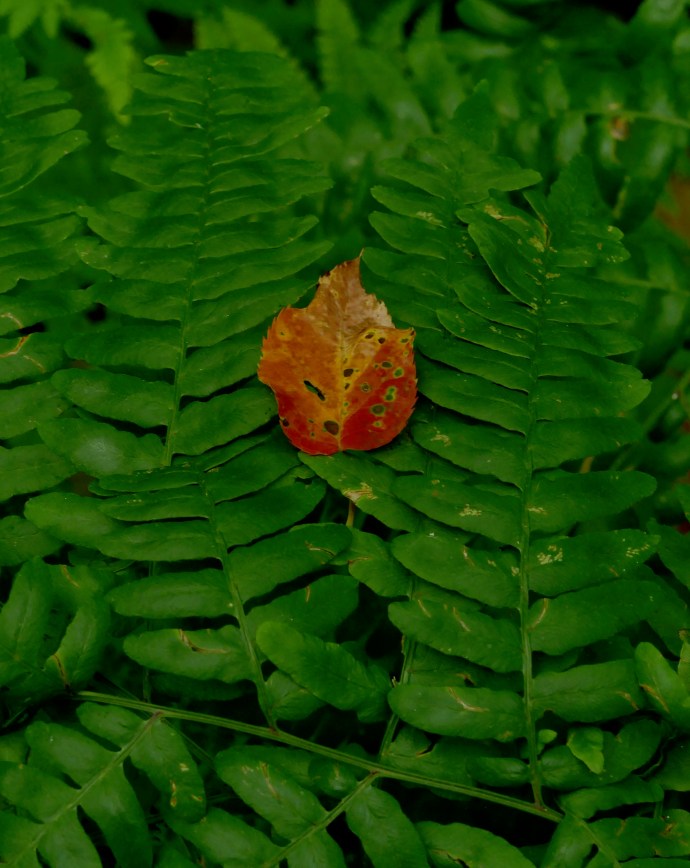
It is the signs of the fall that affect us most.
It is hard to live in the summer content with it.
in Thoreau’s Journal:
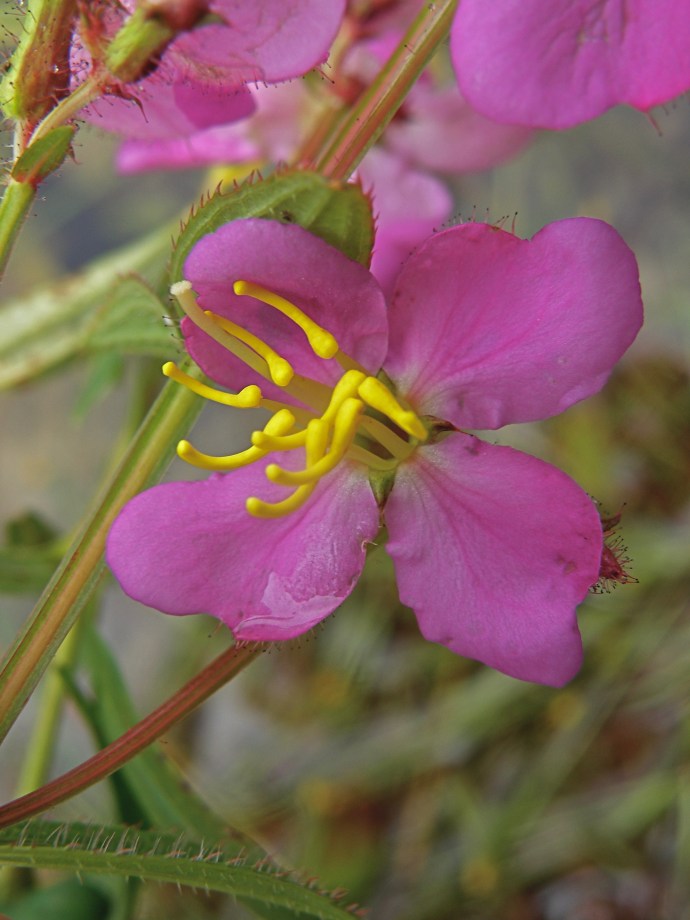
I cannot sufficiently admire the Rhexia one of the highest colored purple flowers—
but difficult to bring home in its perfection—with its fugacious petals.
in Thoreau’s Journal:
A pleasant time to behold a small lake in the woods is in the interval of a gentle rainstorm at this season—when the air & water are perfectly still but the sky still overcast.

1st because the lake is very smooth at such a time—2nd as the atmosphere is so shallow & contracted—being low roofed with clouds—the lake as a lower heaven is much larger in proportion to it— With its glassy reflecting surface it is somewhat more heavenly & more full of light—than the regions of the air above it.
in Thoreau’s Journal:

At the E window. A temperate noon. I hear a cricket creak in the shade also the sound of a distant piano. The music reminds me of imagined heroic ages—it suggests such ideas of human life and the field which the earth affords as the few noblest passages of poetry— Those few interrupted strains which reach me through the trees suggest the same thoughts & aspirations that all melody—by whatever sense appreciated has ever done— I am affected.
in Thoreau’s Journal:
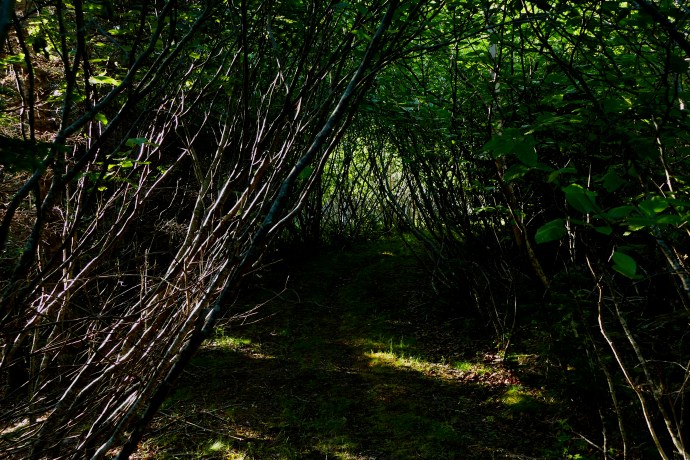
….I walked through a long alder copse where the leafy tops of the alders spread like umbrellas over my head…

in Thoreau’s Journal:
There is more shadow under the edges of woods & copses now—

The foliage appears to have increased so that the shadows are heavier & perhaps it is this that makes it cooler especially morning and evening though it may be as warm as ever at noon.


You must be logged in to post a comment.