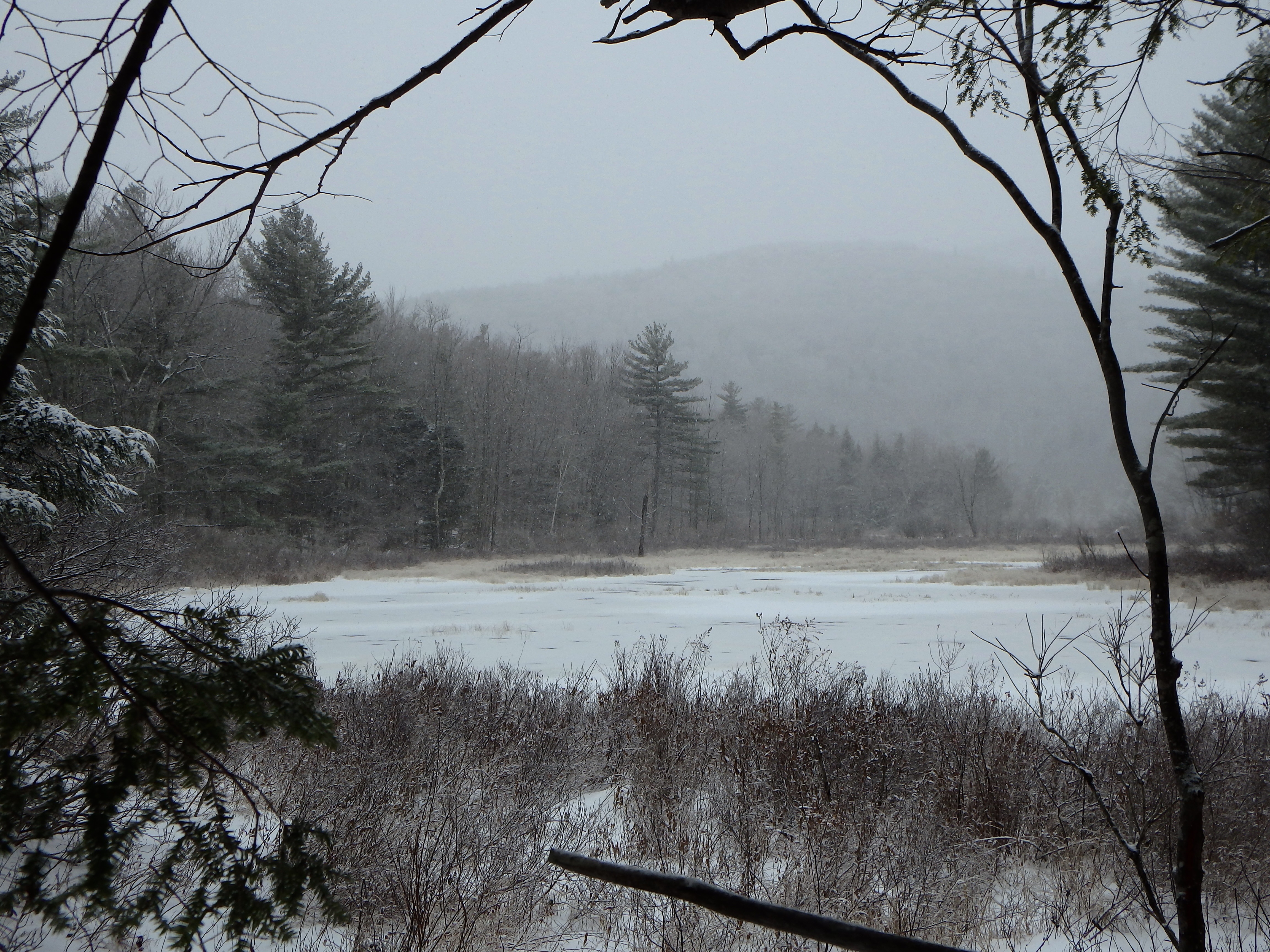
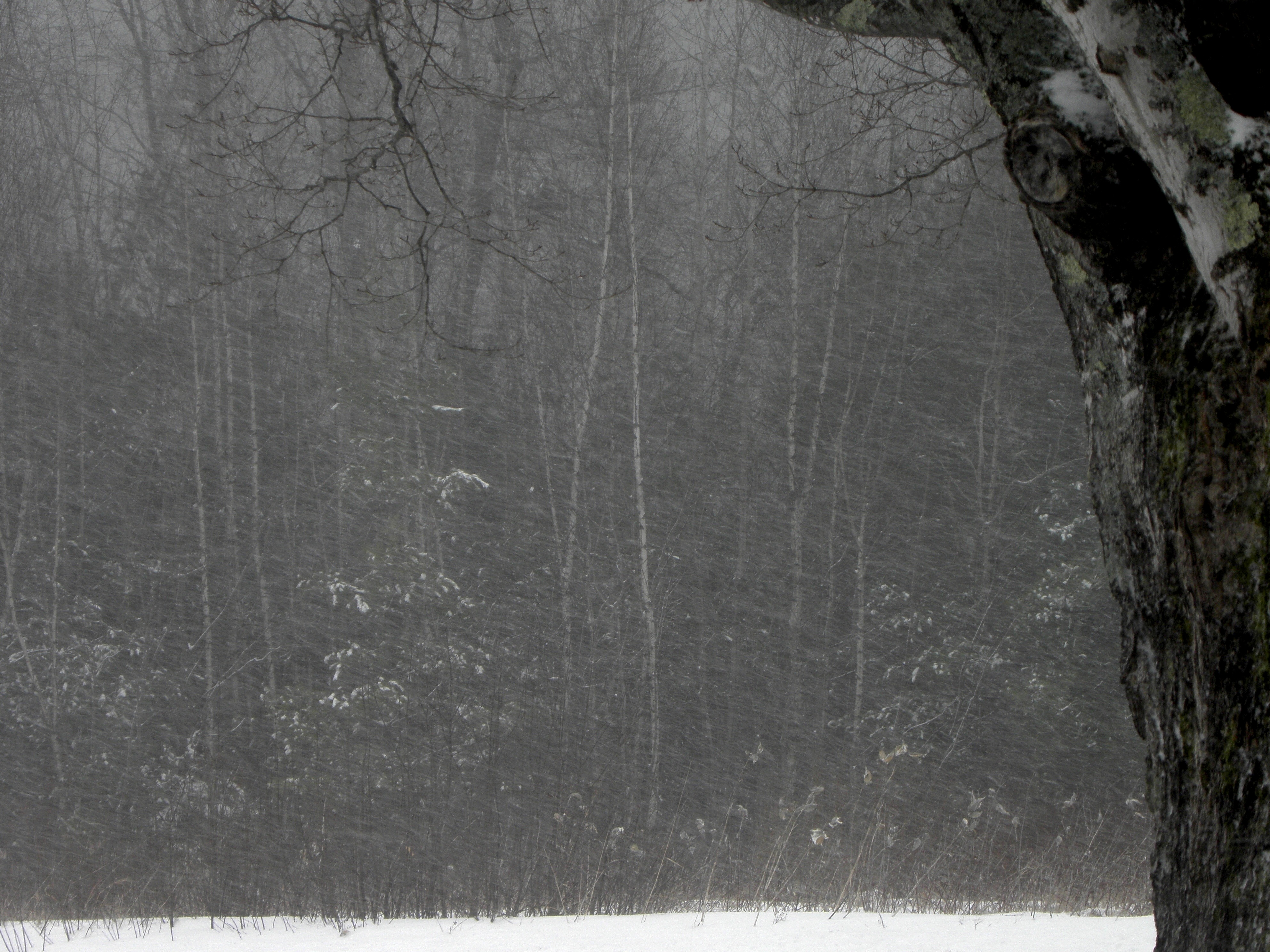
When the snow is falling thick and fast, the flakes nearest you seem to be driving straight to the ground, while the more distant seem to float in the air in a quivering bank, like feathers, or like birds at play, and not as if sent on any errand.
So, at a little distance, all the works of nature proceed with sport and frolic. They are more in the eye, and less in the deed.
The thoughts and associations of summer and autumn are now as completely departed from our minds as the leaves are blown from the trees. Some withered deciduous ones are left to rustle, and our cold immortal evergreens.
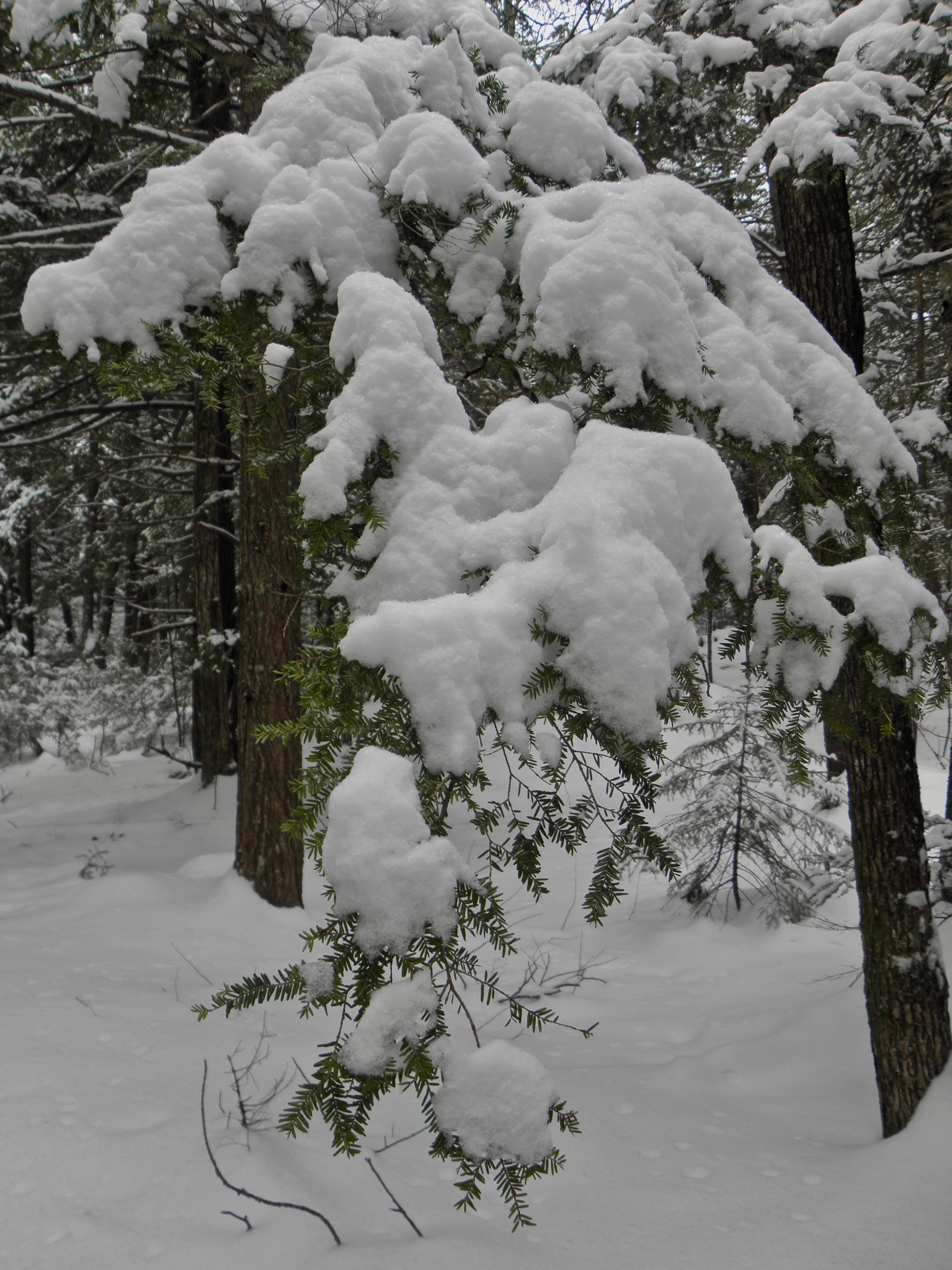
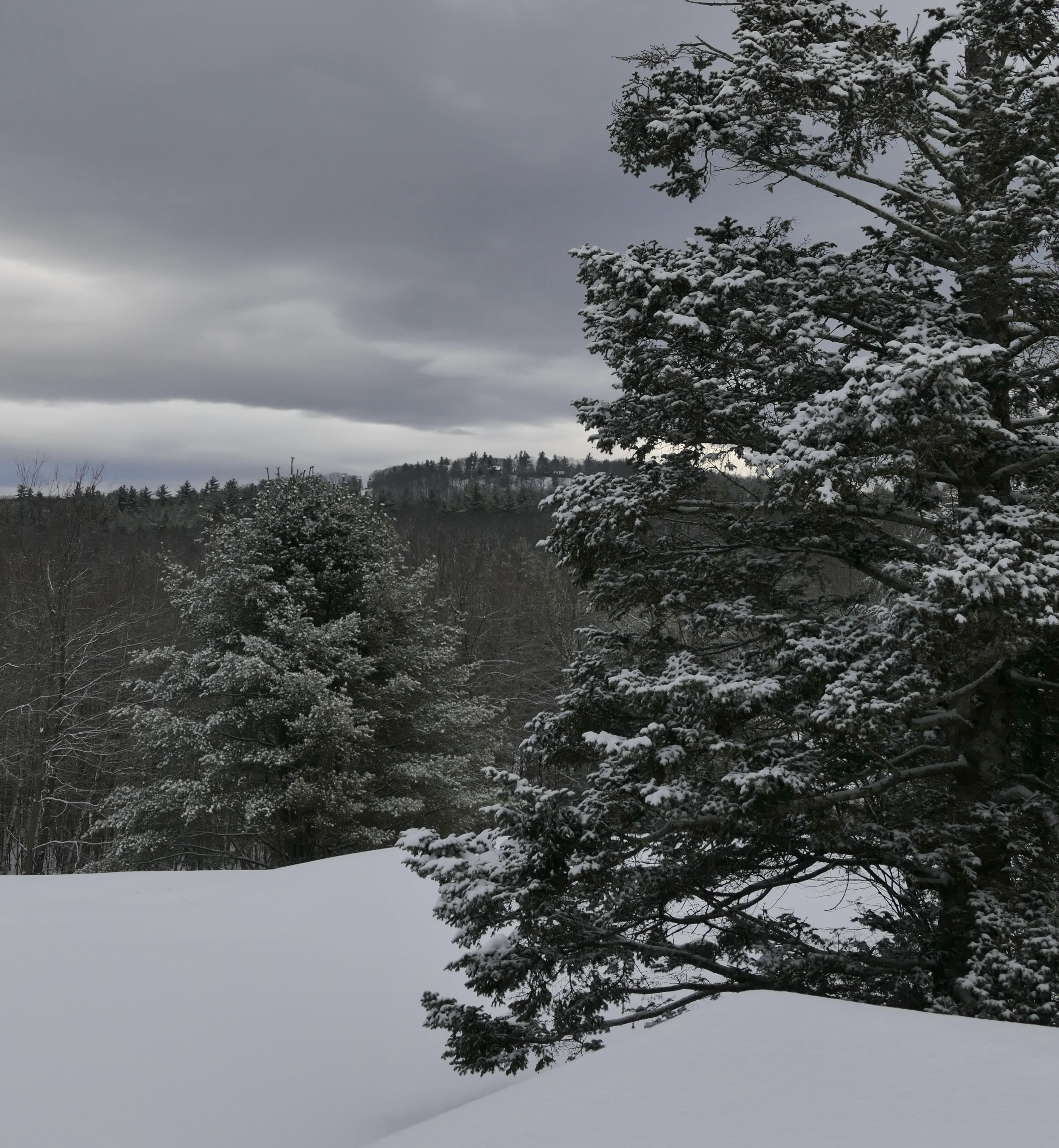
The snow hangs on the trees as the fruit of the season. In those twigs which the wind has preserved naked, there is a warmer green for the contrast. The whole tree exhibits a kind of interior and household comfort—a sheltered and covert aspect— It has the snug inviting look of a cottage on the Moors, buried in snows.
How like your house are the woods, your voice rings hollowly through them as through a chamber— The twigs crackle under feet with private and household echoes. All sound in the woods in private and domestic still, though never so loud.
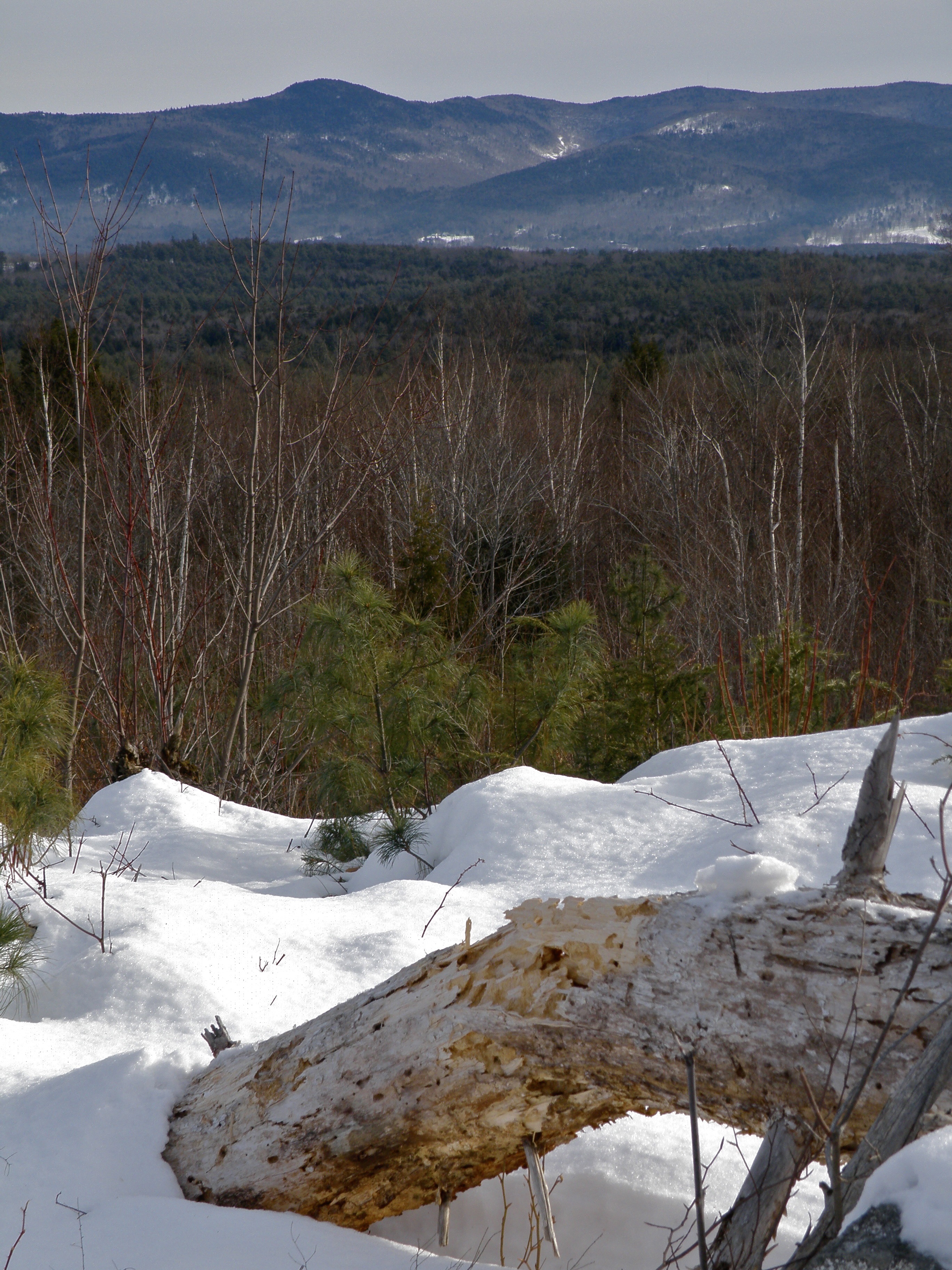
The pine woods seen from the hilltops now that the ground is covered with snow, are not green but a dark brown—greenish brown perhaps— You see dark patches of wood.
This morning, when I woke, I found it snowing, the snow fine and driving almost horizontally, as if it had set in for a long storm, but a little after noon it ceased snowing and began to clear up, and I set forth for a walk. The snow which we have had for the past week or 10 days has been remarkably light & dry. It is pleasant walking in the woods now when the sun is just coming out & shining on the woods freshly covered with snow—
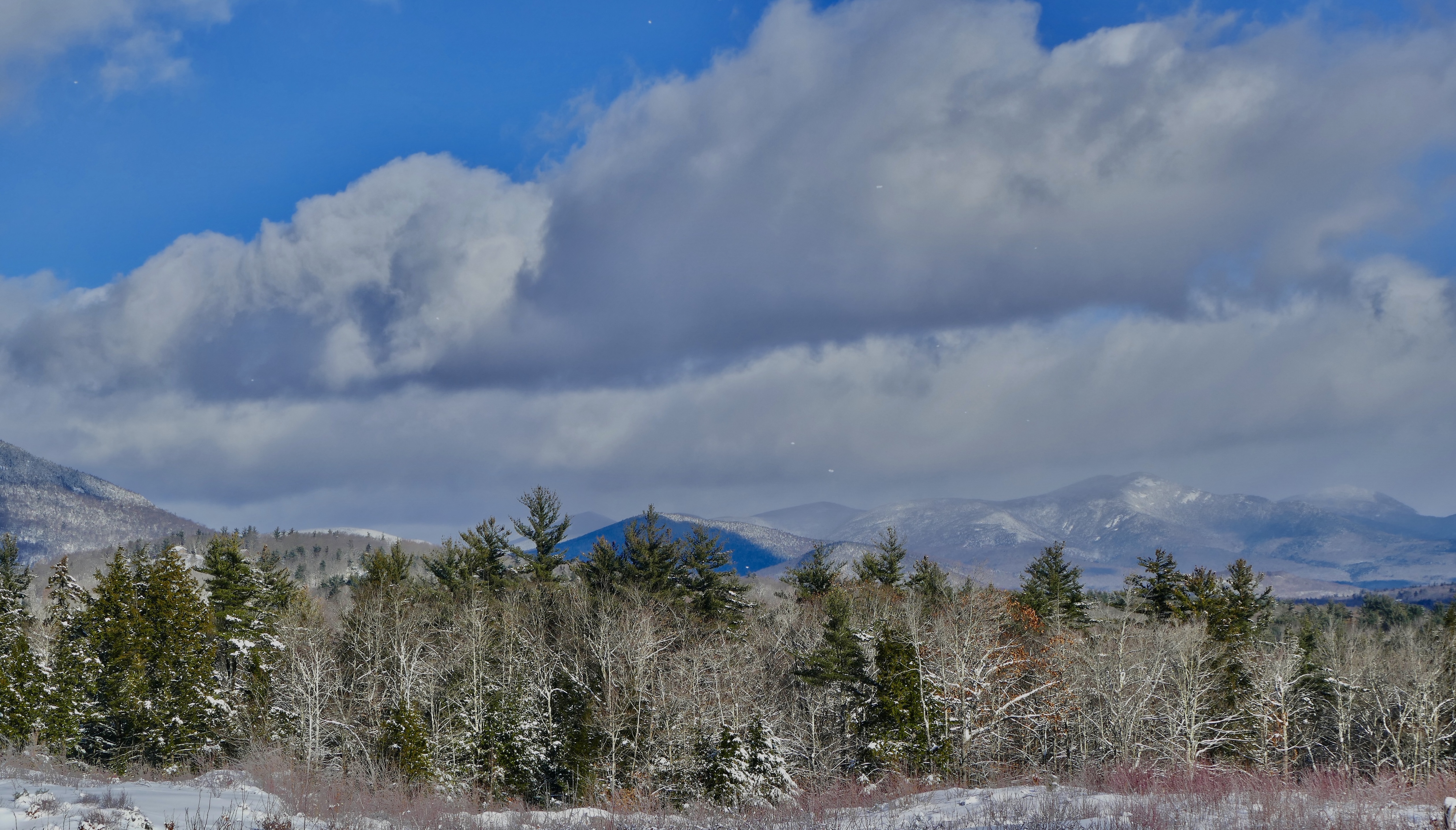
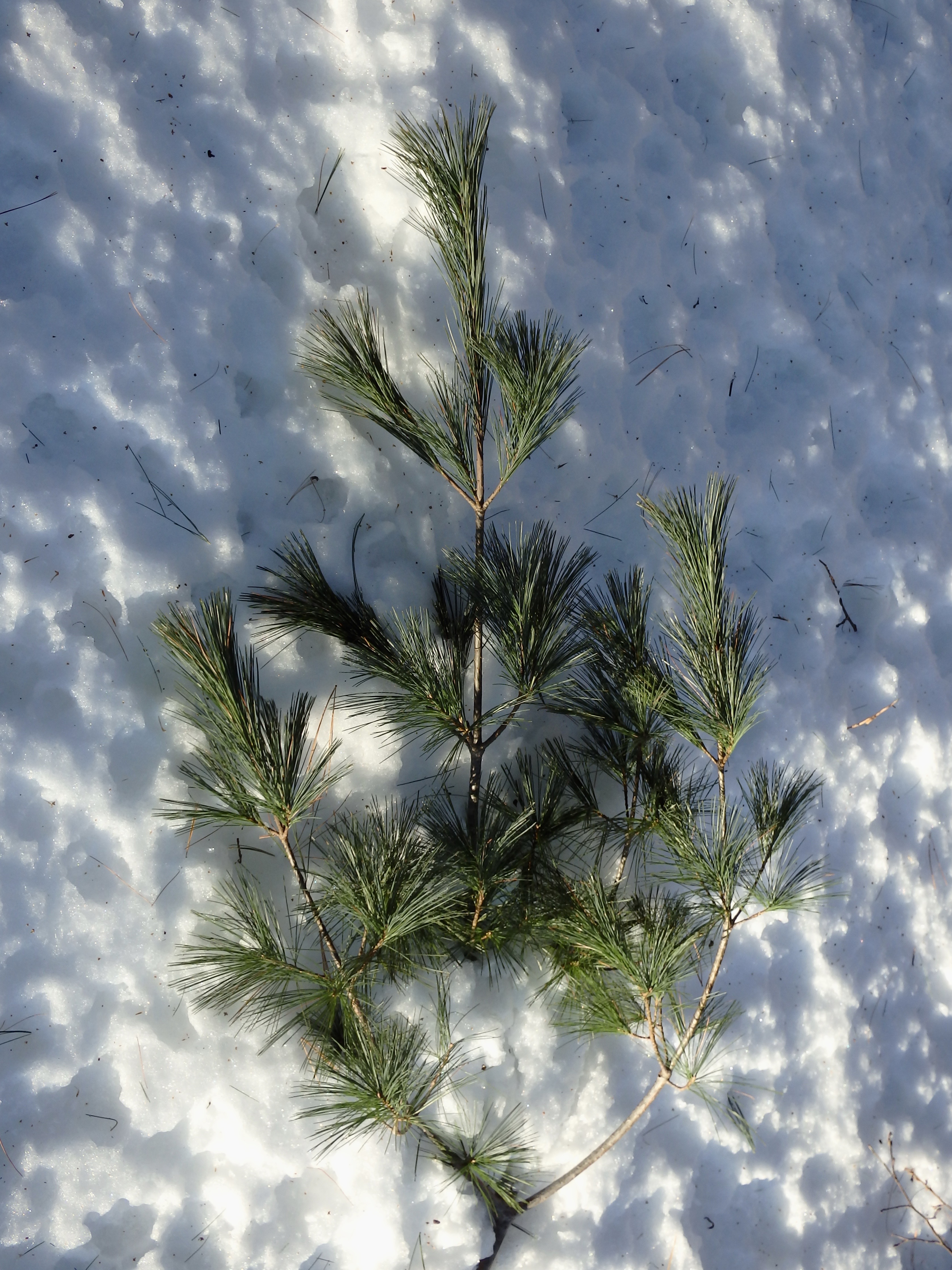
At a distance the oak woods look very venerable—a fine hale wintry aspect things wear and the pines all snowed up even suggest comfort. Where boughs cross each other much snow is caught—which now in all woods is gradually coming down.
Nature and human life are as various to our several experiences as our constitutions are various— Who shall say what prospect life offers to another? Could a greater miracle take place than if we should look through each other’s eyes for an instant. What I have read of Rhapodists—of the primitive poets—Argonautic expeditions—the life of demigods & heroes—Eleusinian mysteries—&c—suggests nothing so ineffably grand and informing as this would be.
We know not what it is to live in the open air—our lives are domestic in more senses than we had thought. From the hearth to the field is a great distance. A man should always speak as if there were no obstruction not even a mote or a shadow between him & the celestial bodies. The voices of men sound hoarse and cavernous—tinkling as from out of the recesses of caves—enough to frighten bats & toads—not like bells—not like the music of birds, not a natural melody.
Of all the Inhabitants of Concord I know not one that dwells in nature.— If one were to inhabit her forever he would never meet a man. This country is not settled nor discovered yet.
Start for Amherst, N. H. A very cold day. Thermometer at 8a.m.— 8° (and I hear of others very much lower at an earlier hour), -2° at 11.45.
I find the first snow enough to whiten the ground beyond Littleton, and it deepens all the way to Amherst. The steam of the engine hugs the earth very close. Is it because it [is] a very clear, cold day?
Philosophy is a Greek word by good rights, and it stands almost for a Greek thing. Yet some rumor of it has reached the commonest mind. M. Miles, who came to collect his wood-bill today, said, when I objected to the small size of his wood, that it was necessary to split wood fine in order to cure it well, that he had found that that was more than four inches in diameter would not dry, and moreover a good deal depended on the manner in which it was corded up in the woods. He piled his high and tightly. If this were not well done the stakes would spread and the wood lie loosely, and so the rain and snow find their way into it.
And he added, “I have handled a good deal of wood, and I think that I understand the philosophy of it.”
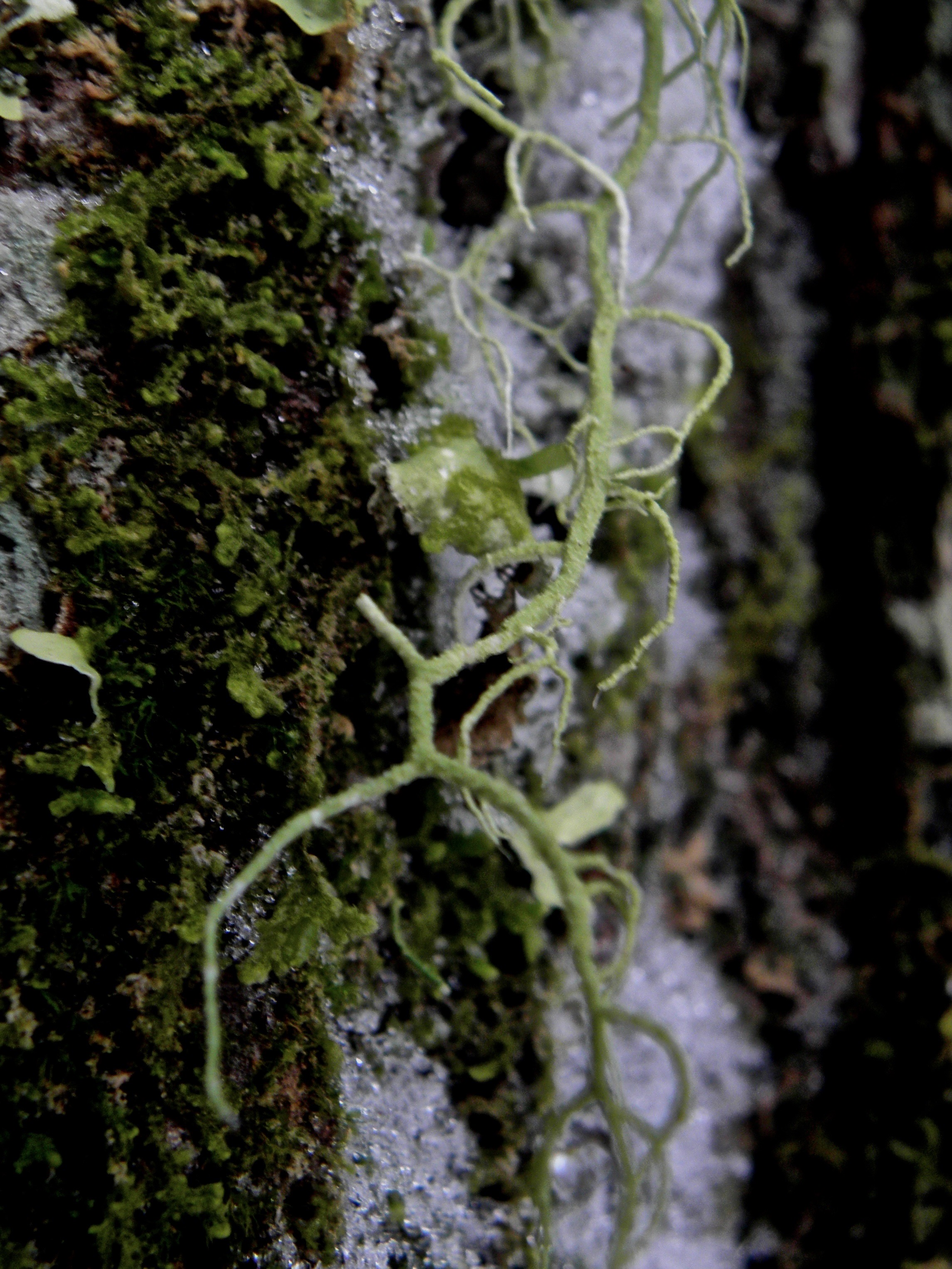
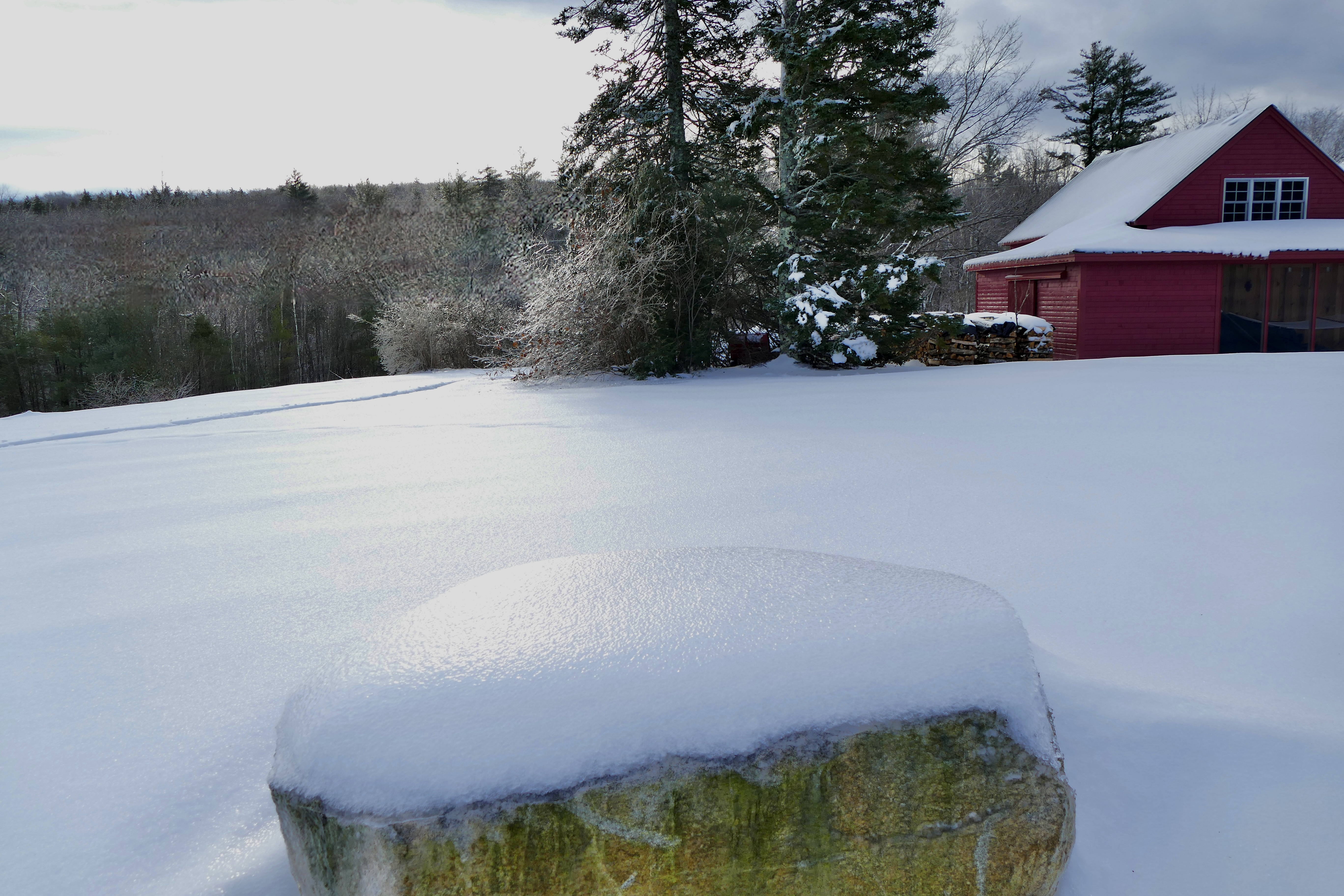
It began to snow again last evening, but soon ceased, and now it has turned out a fine winter morning, with half an inch of snow on the ground, the air full of mist, through which the smokes rise up perfectly straight; and the mist is frozen in minute leafets on the fences and trees and the needles of the pines, silvering them.
I stood by Bigelow the blacksmith’s forge yesterday, and saw him repair an axe. He burned the handle out, then, with a chisel, cut off the red-hot edge even, there being some great gaps in it, and by hammering drew it out and shaped it anew, —all in a few minutes. It was interesting to see performed so simply and easily, by the aid of fire and a few rude tools….
P. M. — To Pink Azalea Woods.
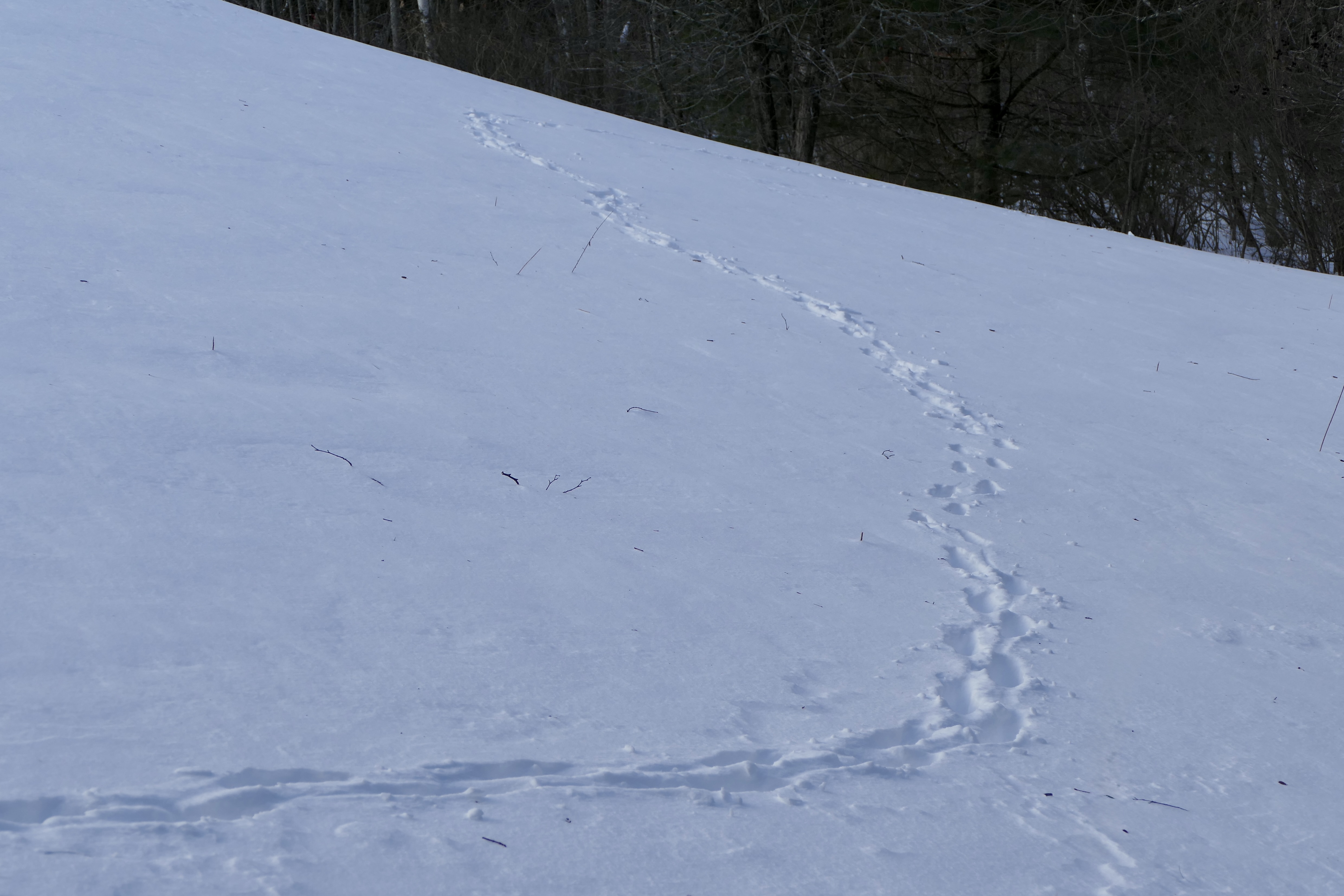
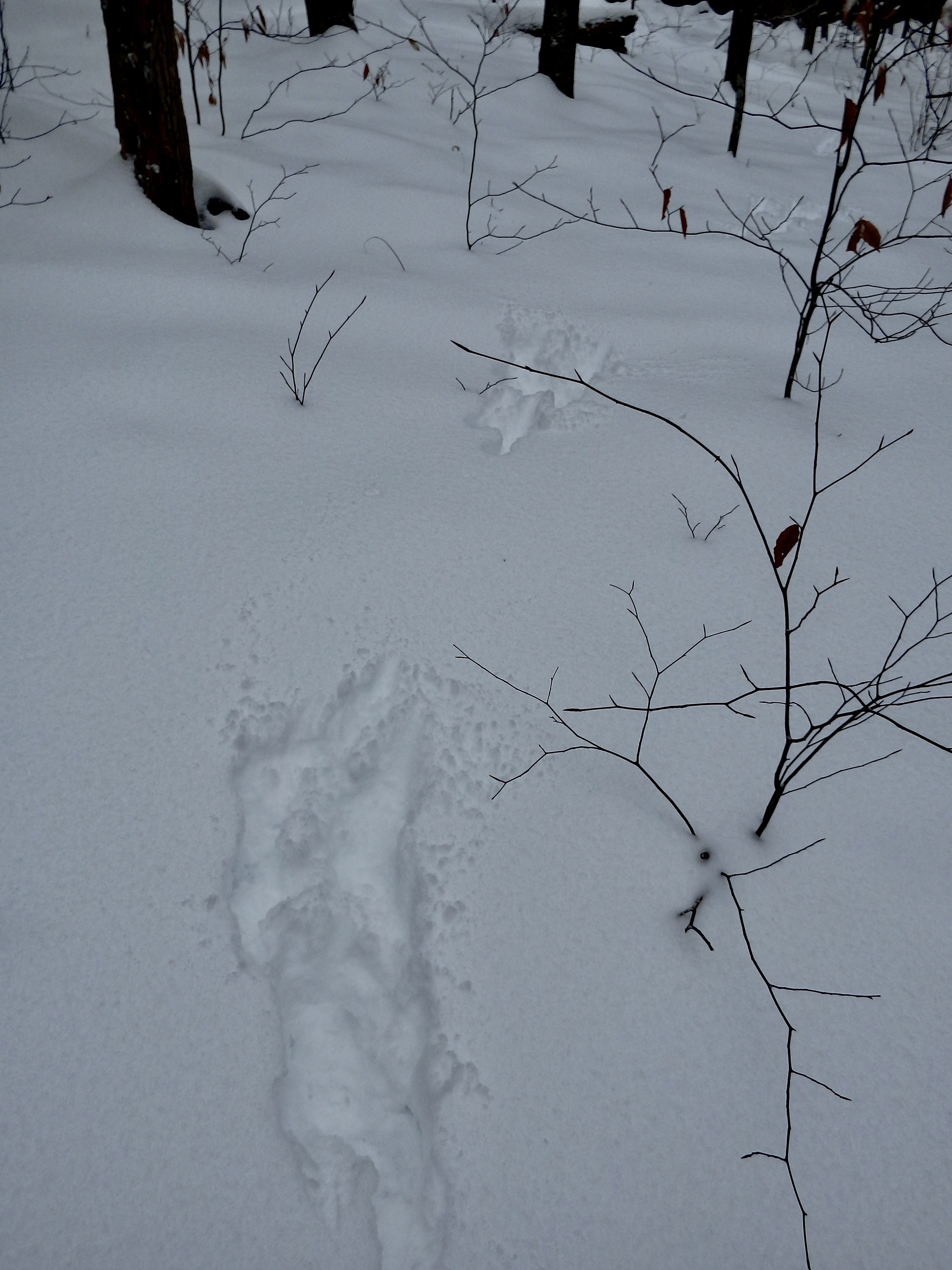
The warm sun has quite melted the thin snow on the south sides of the hills, but I go to see the tracks of animals that have been out on the north sides. First, getting over the wall under the walnut trees on the south brow of the hill, I see the broad tracks of squirrels, probably red, where they have ascended and descended the trees, and the empty shells of walnuts which they have gnawed left on the snow. The snow is so very shallow that the impression of their toes is the more distinctly seen. It imparts life to the landscape to see merely the squirrels’ track in the snow at the base of the walnut tree. You almost realize a squirrel at every tree. The attractions of nature are thus condensed or multiplied. You see not merely bare trees and ground which you might suspect that a squirrel had left, but you have this unquestionable and significant evidence that a squirrel has been there since the snow fell, — as conclusive as if you had seen him.
A little further I heard the sound [of] a downy wood- pecker tapping a pitch pine in a little grove, and saw him inclining to dodge behind the stem. He flitted from pine to pine before me. Frequently, when I pause to listen, I hear this sound in the orchards or streets. This was in one of these dense groves of young pitch pines.
Suddenly I heard the screwing mew and then the whir of a partridge on or beneath an old decaying apple tree which the pines had surrounded. There were several such, and another partridge burst away from one. They shoot off swift and steady, showing their dark-edged tails, almost like a cannon-ball. I saw one’s track under an apple tree and where it had pecked a frozen-thawed apple.
Then I came upon a fox-track made last night, leading toward a farmhouse, —Wheeler’s, where there are many hens, — running over the side of the hill parallel with Wheeler’s new wall. He was dainty in the choice of his ground, for I observed that for a mile he had adhered to a narrow cow-path, in which the snow lay level, for smoothness. Sometimes he had cantered, and struck the snow with his foot between his tracks. Little does the farmer think of the danger which threatens his hens.
In a little hollow I see the sere gray pennyroyal rising above the snow, which, snuffed, reminds me of garrets full of herbs.
Now I hear, half a mile off, the hollow sound of woodchopping, the work of short winter days begun, which is gradually laying bare and impoverishing our landscape. In two or three thicker woods which I have visited this season, I was driven away by this ominous sound.
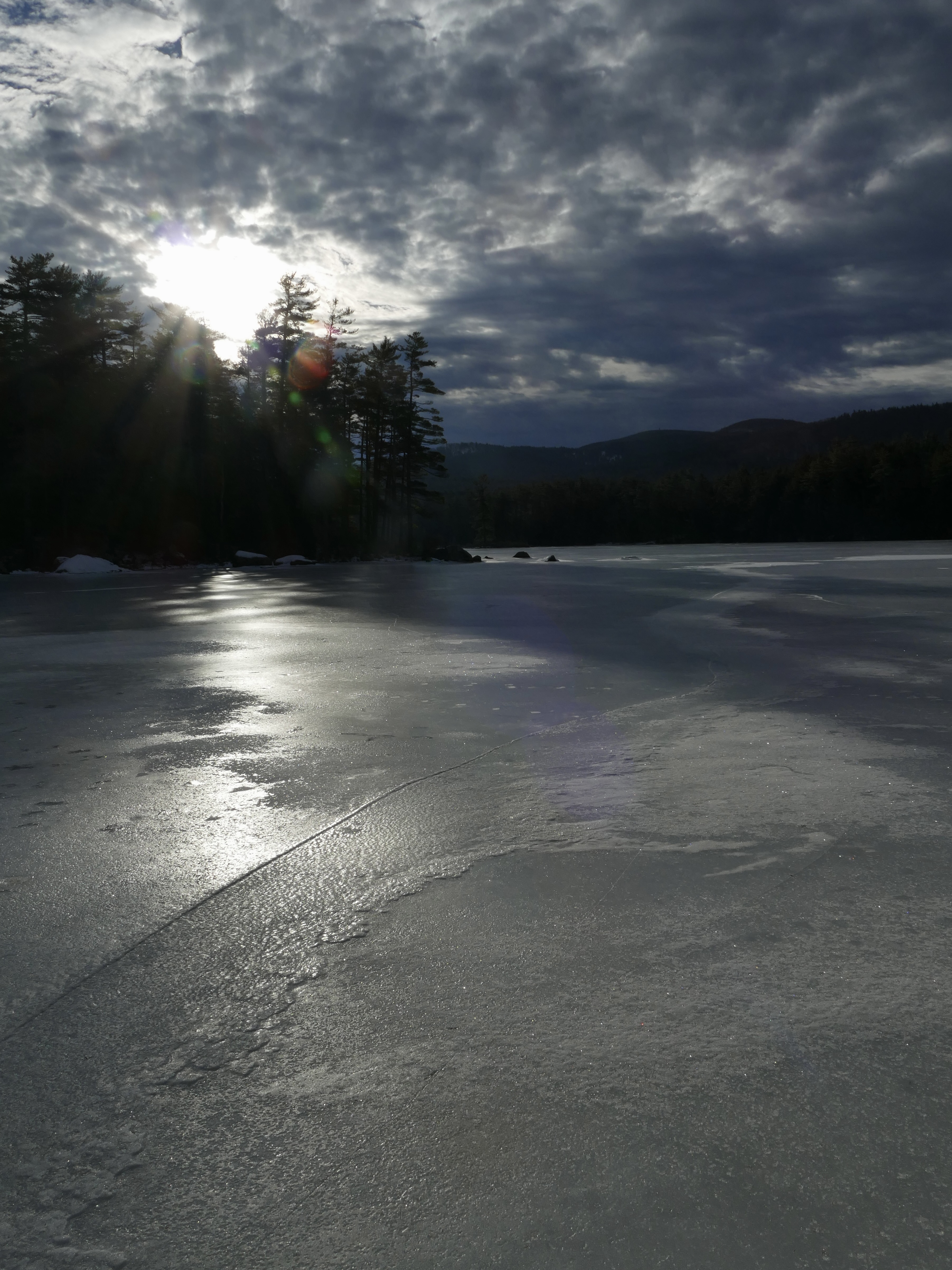
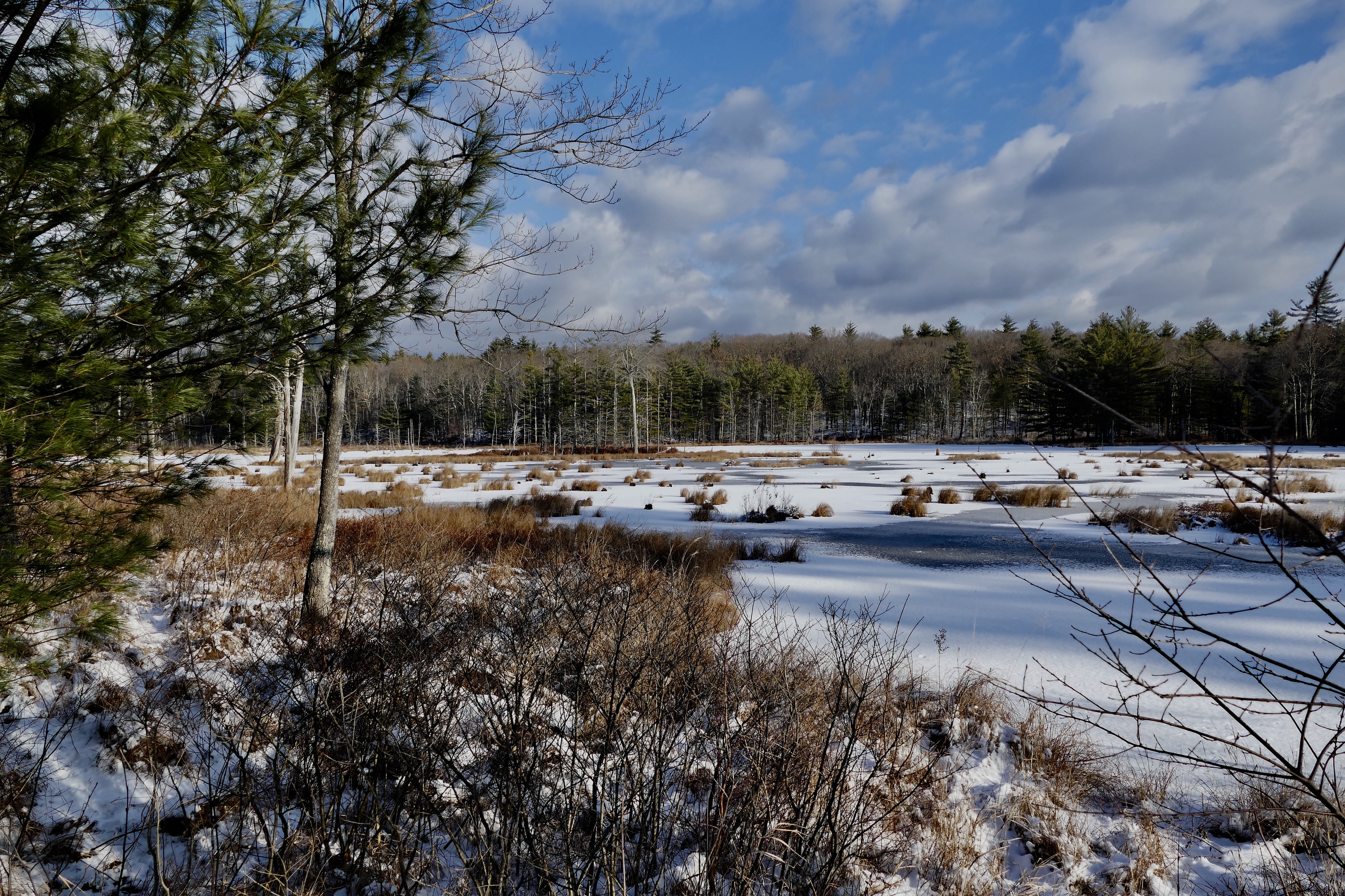
Further over toward the river, I see the tracks of a deer mouse on a rock, which suddenly come to an end where apparently it had ascended a small pine by a twig which hung over it. Sometimes the mark of its tail was very distinct. Afterwards I saw in the pasture westward where many had run about in the night. In one place many had crossed the cow-path in which I was walking, in one trail, or the same one had come and gone many times. In the large hollows where rocks have been blasted, and on the sides of the river, I see irregular spaces of dark ice bare of snow, which was frozen after the snow ceased to fall. But this ice is rotten and mixed with snow. I am surprised to see the river frozen over for the most part with this thin and rotten snow ice, and the drooping or bent alders are already frozen into this slush, giving to the stream a very wintry aspect. I see some squirrel-tracks about a hole in a stump.
At the azalea meadow or swamp, the red tops of the osiers, which are very dense and of a uniform height, are quite attractive, in the absence of color at this season. Any brighter and warmer color catches our eye at this season. I see an elm there whose bark is worn quite smooth and white and bare of lichens, showing exactly the height at which the ice stood last winter.
Looking more closely at the light snow there near the swamp, I found that it was sprinkled all over (as with pellets of cotton) with regular star-shaped cottony flakes with six points, about an eighth of an inch in diameter and on an average a half an inch apart. It snowed geometry.
How snug and warm a hemlock looks in the winter! [place of drawing] That by the azalea looks thus: There is a tendency in the limbs to arrange themselves ray-wise about a point one third from the base to the top. What singular regularity in the outline of a tree!
I noticed this morning successive banks of frost on the windows, marked by their irregular waving edges, like the successive five, ten, and fifteen fathom lines which mark the depth of the shores on charts.
Thus by the snow I was made aware in this short walk of the recent presence there of squirrels, a fox, and countless mice, whose trail I had crossed, but none of which I saw, or probably should have seen before the snow fell. Also I saw this afternoon the track of one sparrow, probably a tree sparrow, which had run among the weeds in the road.
The night comes on early these days, and I soon see the pine tree tops distinctly outlined against the dun (or amber) but cold western sky.
The snow having come, we see where is the path of the partridge, —his comings and goings from copse to copse, —and now first, as it were, we have the fox for our nightly neighbor, and countless tiny deer mice.
So, perchance, if a still finer substance should fall from heaven (iodine?), something delicate enough to receive the trace of their footsteps, we should see where unsuspected spirits and faery visitors had hourly crossed our steps, had held conventions and transacted their affairs in our midst. No doubt such subtle spirits transact their affairs in our midst, and we may perhaps invent some sufficiently delicate surface to catch the impression of them.
If in the winter there are fewer men in the fields and woods, —as in the country generally, —you see the tracks of those who had preceded you, and so are more reminded of them than in summer
The winter with its snow and ice is not an evil to be corrected…..To perceive freshly, with fresh senses, is to be inspired. Great winter itself looked like a precious gem reflecting rainbow colors from one angle.
My body is all sentient. As I go here or there, I am tickled by this or that I come into contact with, as if I touched the wires of a battery. I can generally recall, have fresh in my mind, several scratches last received. These I continually recall to mind, reimpress and harp upon. The age of miracles is each moment thus returned; now it is wild apples, now river reflections, now a flock of lesser red-polls. In winter, too, resides immortal youth and perennial summer….What if we could daguerreotype our thoughts and feelings !









You must be logged in to post a comment.