in Thoreau’s Journal:

A sane & growing man revolutionises every day. What institutions of man can survive a morning experience.
in Thoreau’s Journal:
A sane & growing man revolutionises every day. What institutions of man can survive a morning experience.
in Thoreau’s Journal:
Books are to be attended to as new sounds merely. Most would be put to a sore trial if the reader should assume the attitude of a listener. They are but a new note in the forest. To our lonely, sober thought the earth is a wild unexplored. Wildness as of the jay and muskrat reigns over the great part of nature. The oven-bird and plover are heard in the horizon. Here is a new book of heroes, come to me like the note of the chewink from over the fen, only over a deeper and wider fen. The pines are unrelenting sifters of thought; nothing petty leaks through them. Let me put my ear close, and hear the sough of this book, that I may know if any inspiration yet haunts it.
There is always a later edition of every book than the printer wots of, no matter how recently it was published. All nature is a new impression every instant.
in Thoreau’s Journal:

Is it not summer when we do not go seeking sunny and sheltered places, but also love the wind and shade ?
in Thoreau’s Journal:
Only that thought and that expression are good which are musical.
in Thoreau’s Journal:
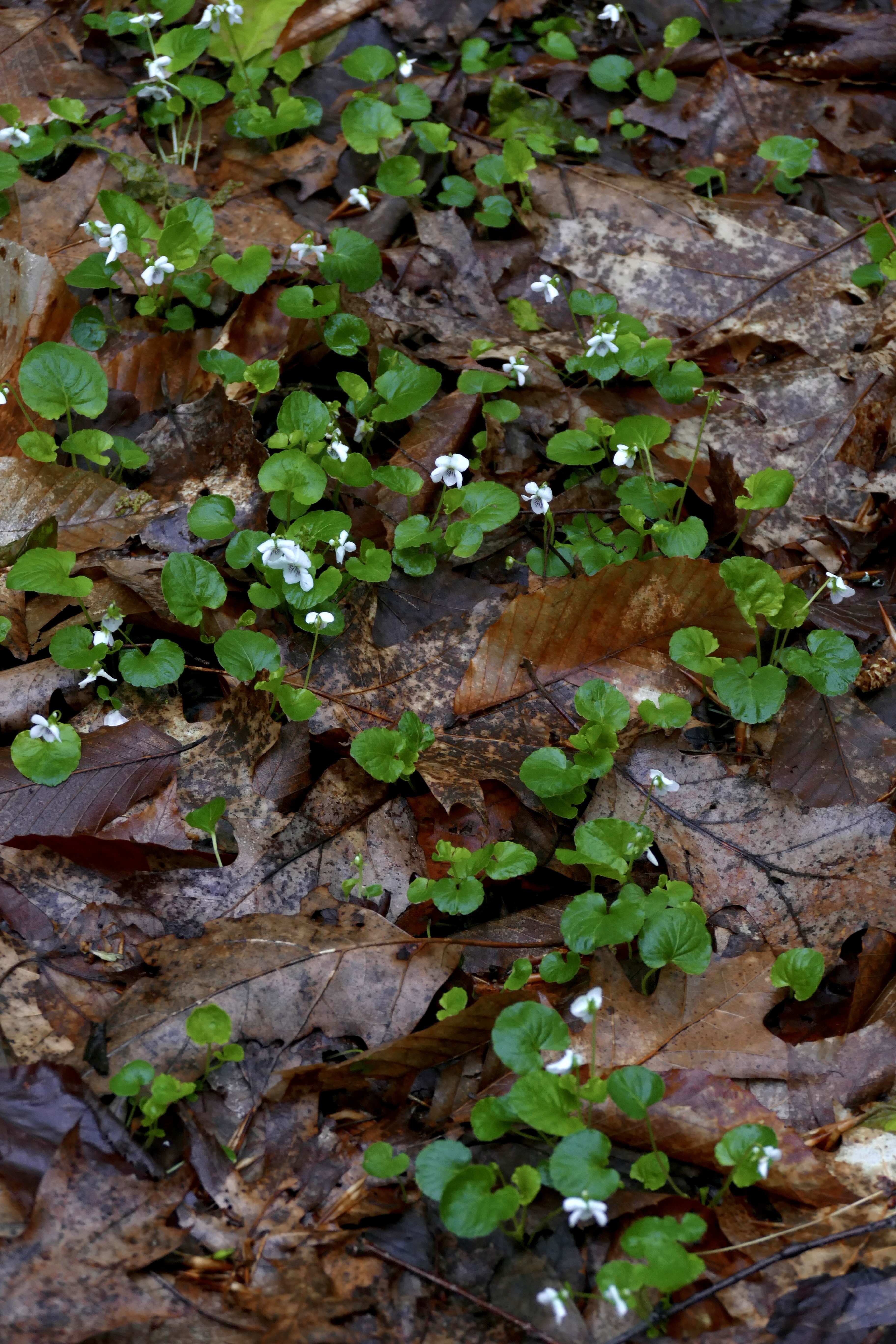
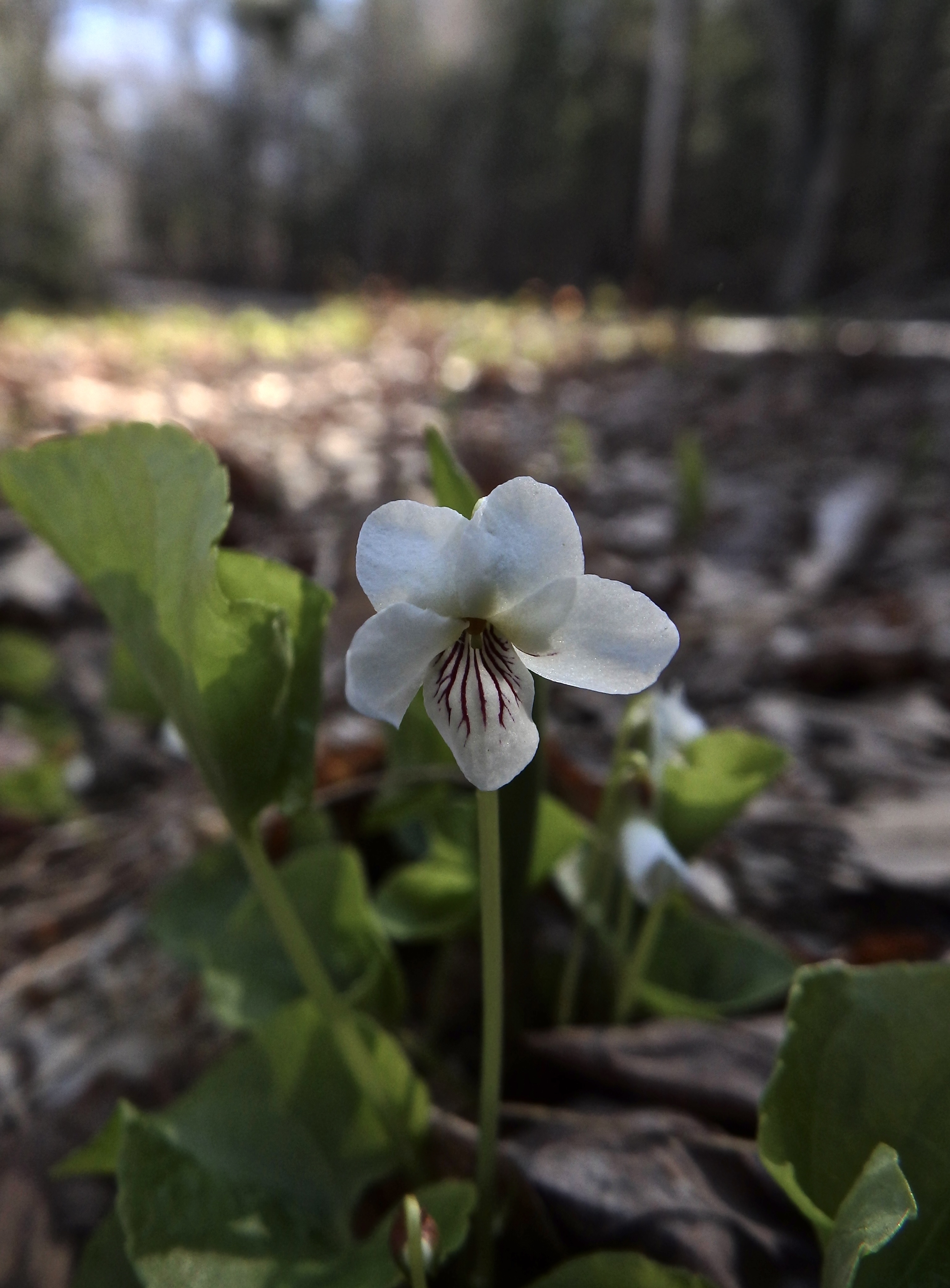
The white violets by the spring are rather scarce now.
The red oak leaves are very pretty & finely cut about 1 3/4 inches long. Like most young leaves they are turned back around the twig parasol like. The farmers apprehend frosts these nights. A purplish gnaphallium with 3 nerved leaves.
in Thoreau’s Journal:

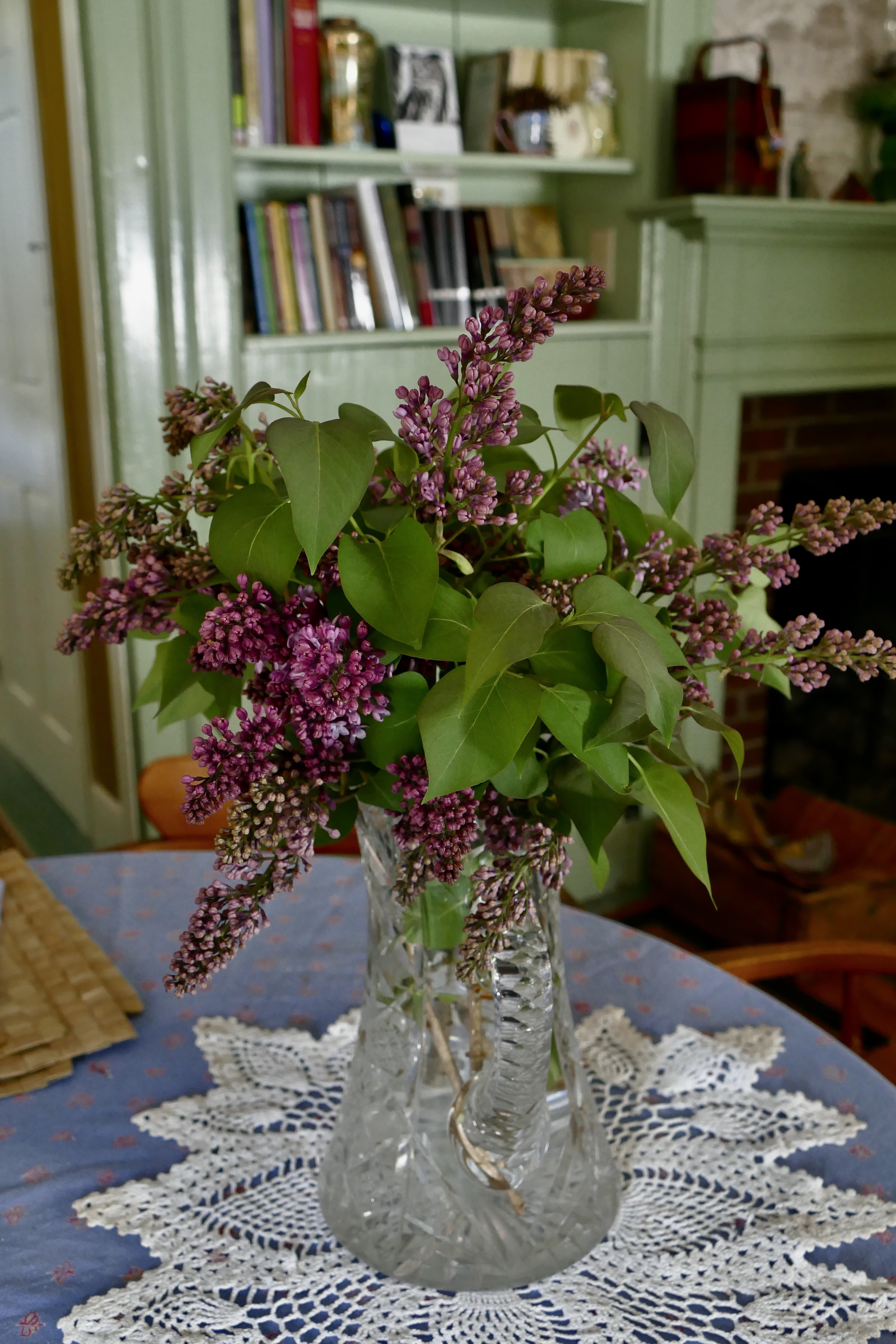
The lilac has begun to blossom.
in Thoreau’s Journal:

It seems to take but one summer day to fetch the summer in.
in Thoreau’s Journal:
In the case of the early aspen you could almost see the leaves expand and acquire a darker green––this to be said the 12th or 13th or 14th––under the influence of the sun and genial atmosphere. Now they are only as big as a nine pence, to-morrow or sooner they are as big as a pistareen, and the next day they are as big as a dollar. This from its far greater prevalence than the aspens, balm-of-Gilead, white maples, etc., is the first to give the woodlands anywhere generally a (fresh) green aspect.

It is the first to clothe large tracts of deciduous woodlands with green, and perchance it marks an epoch in the season, the transition decidedly and generally from bare twigs to leaves. When the birches have put on their green sacks, then a new season has come. The light reflected from their tender yellowish green is like sunlight.
in Thoreau’s Journal:
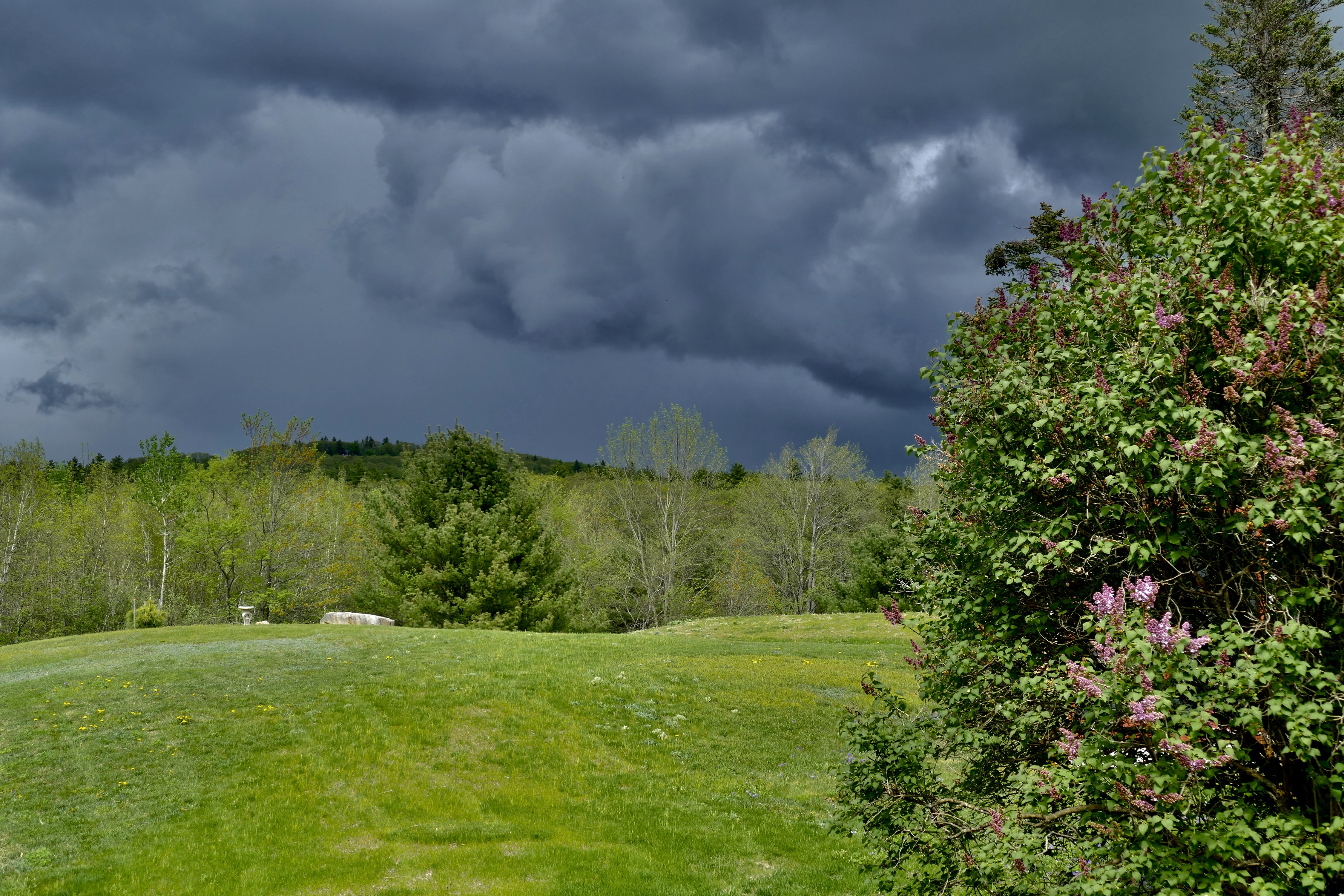
We smell the fresher and cooler air from where the storm has passed.
in Thoreau’s Journal:
Looking from the Cliffs through the haze, the deciduous trees are a mist of leaflets, against which the pines are already darkened.
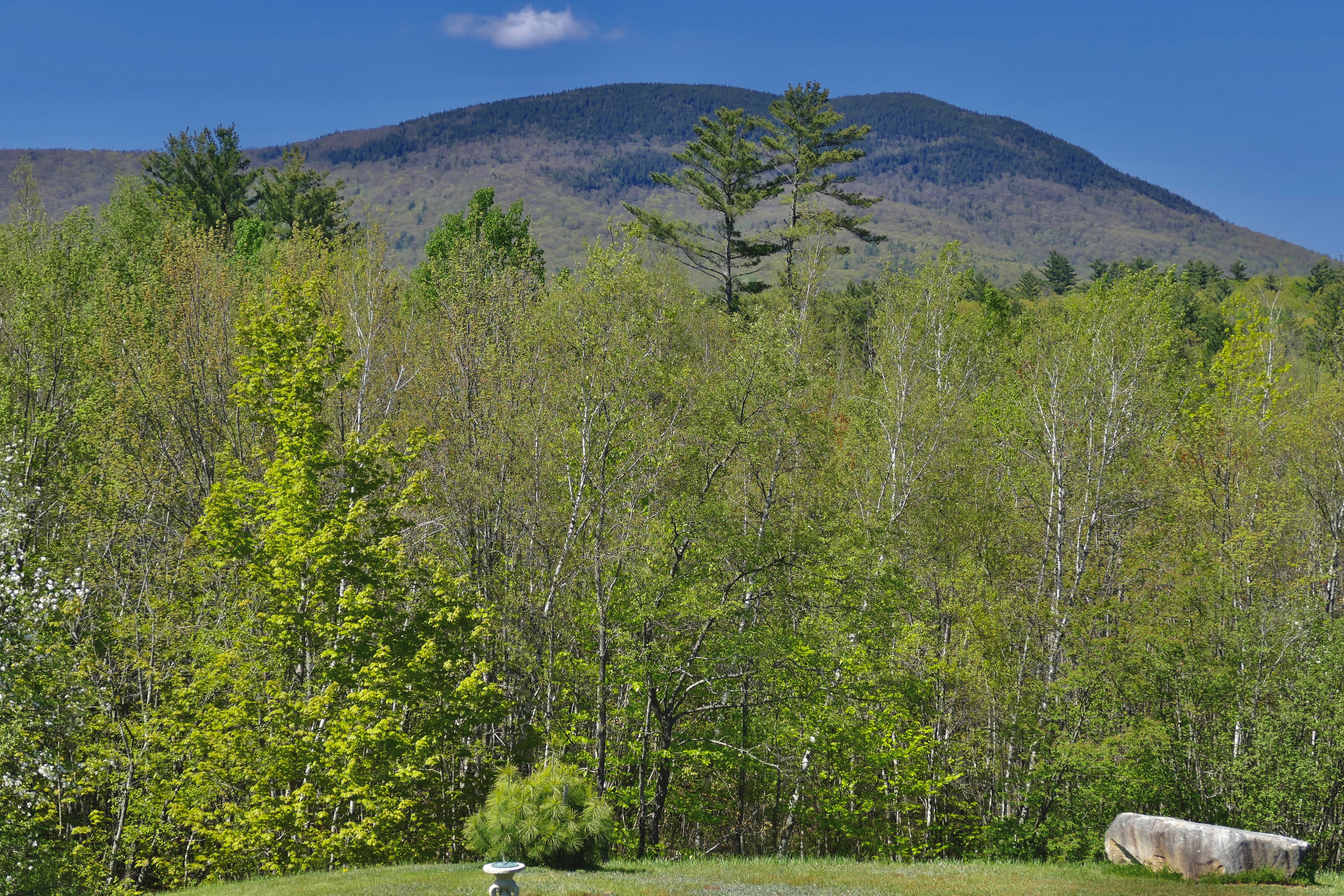
At this season there is thus a mist in the air and a mist on the earth.
in Thoreau’s Journal
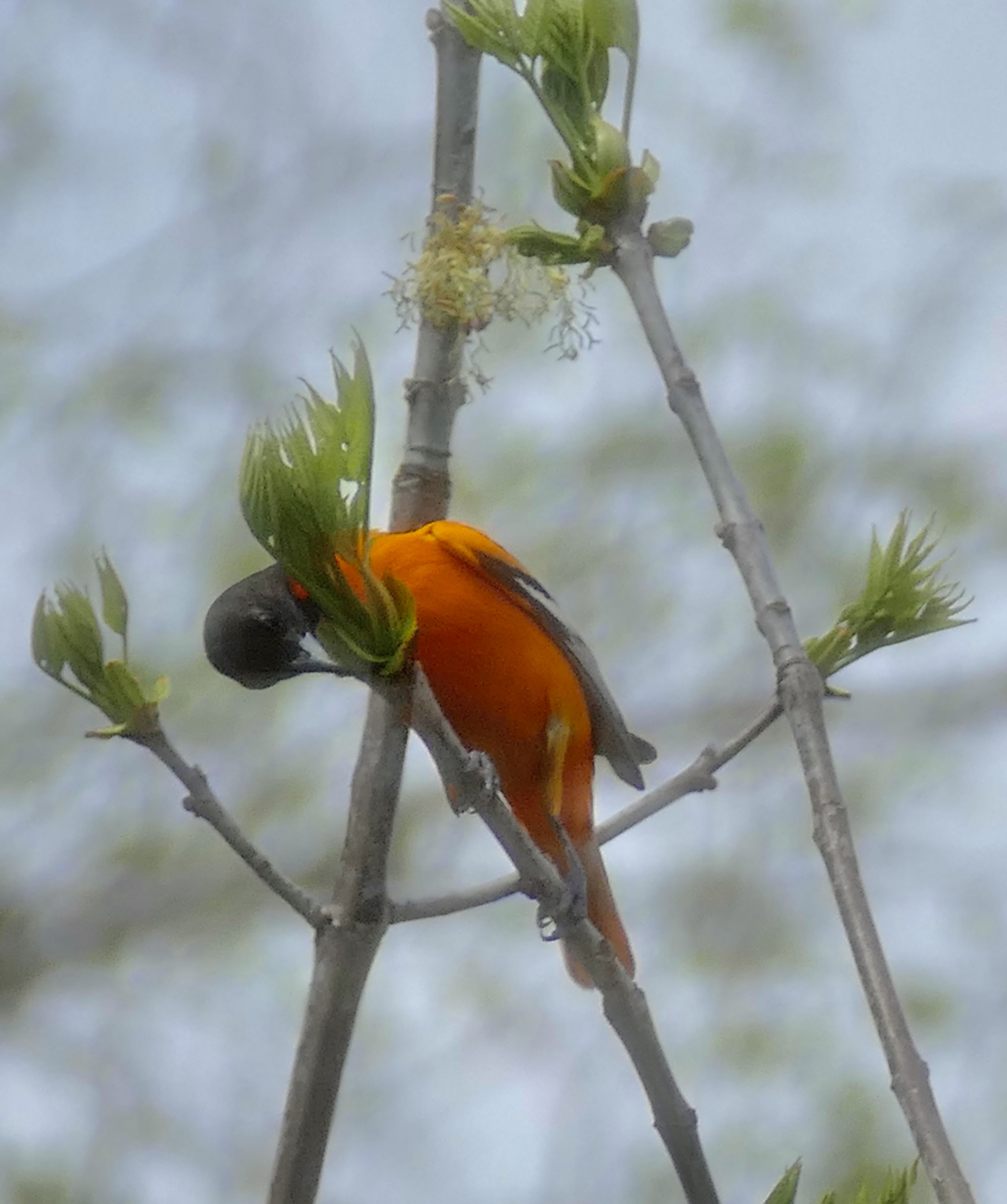
The sounds & sights—as birds & flowers heard & seen at those seasons when there are fewest—are most memorable & suggestive of poetic associations.
in Thoreau’s Journal:

If you would have the song of the sparrow inspire you a thousand years hence, let your life be in harmony with its strain today.
in Thoreau’s Journal:
5.30a.m.—To Nawshawtuct by river.

You are pretty sure now to hear the stake-driver farther or nearer, morning or evening.
in Thoreau’s Journal:
The Roman writers Columella and Palladius warn not to build in a low valley or by a marsh, and the same rule is observed here to-day. In the West the prudent settler avoids the banks of rivers, choosing high and open land. It suggests that man is not completely at one with Nature, or that she is not yet fitted to be his abode. Adam soon found that he must give a marsh a wide berth, —that he must not put his bower in or near a swamp in the new country, —else he would get the fever and ague or an intermittent fever.

Either nature may be changed or man. Some animals, as frogs and musquash, are fitted to live in the marsh. Only a portion of the earth is habitable by man. Is the earth improving or deteriorating in this respect? Does it require to be improved by the hands of man, or is man to live more naturally and so more safely?
in Thoreau’s Journal:
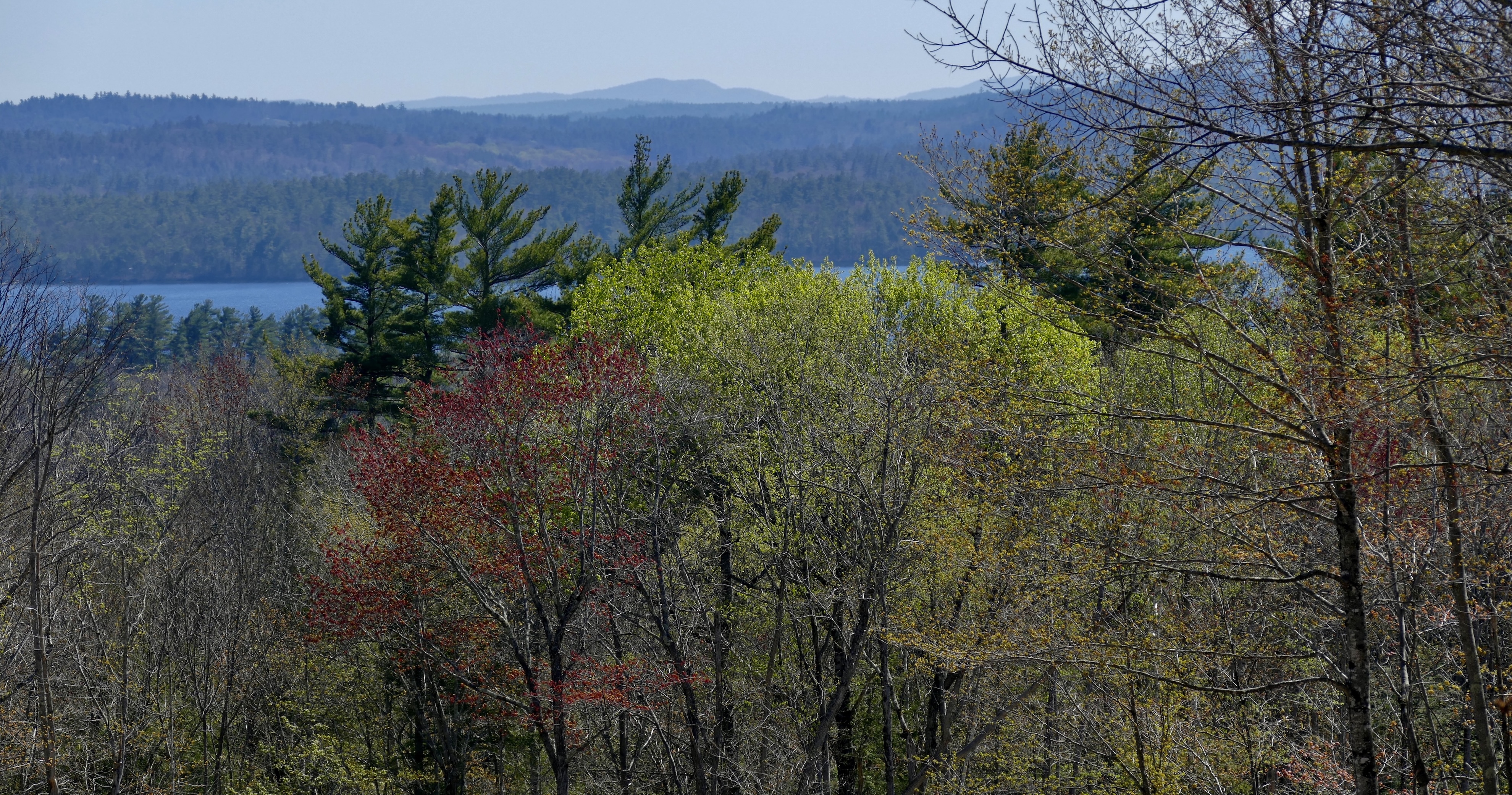
From the hill, I look westward over the landscape. The deciduous woods are in their hoary youth, every expanding bud swaddled with downy webs. From this more eastern hill, with the whole breadth of the river valley on the west, the mountains appear higher still, the width of the blue border is greater, —not mere peaks, or a short and shallow sierra, but a high blue table-land with broad foundations, a deep and solid base or tablet, in proportion to the peaks that rest on it. As you ascend, the near and low hills sink and flatten into the earth; no sky is seen behind them; the distant mountains rise. The truly great are distinguished. Vergers, crests of the waves of earth, which in the highest break at the summit into granitic rocks over which the air beats. A part of their hitherto concealed base is seen blue. You see, not the domes only, but the body, the facade, of these terrene temples. You see that the foundation answers to the superstructure. Moral structures. (The sweet-fern leaves among odors now.) The successive lines of haze which divide the western landscape, deeper and more misty over each intervening valley, are not yet very dense; yet there is a light atmospheric line along the base of the mountains for their whole length, formed by this denser and grosser atmosphere through which we look next the earth, which almost melts them into the atmosphere, like the contact of molten metal with that which is unfused; but their pure, sublimed tops and main body rise, palpable skyland above it, like the waving signal of the departing who have already left these shores. It will be worth the while to observe carefully the direction and altitude of the mountains from the Cliffs. The value of the mountains in the horizon, —would not that be a good theme for a lecture? The text for a discourse on real values, and permanent; a sermon on the mount. They are stepping-stones to heaven, —as the rider has a horse-block at his gate, by which to mount when we would commence our pilgrimage to heaven; by which we gradually take our departure from earth, from the time when our youthful eyes first rested on them, —from this bare actual earth, which has so little of the hue of heaven. They make it easier to die and easier to live. They let us off.
in Thoreau’s Journal:
This has been almost the first warm day––none yet quite so warm.
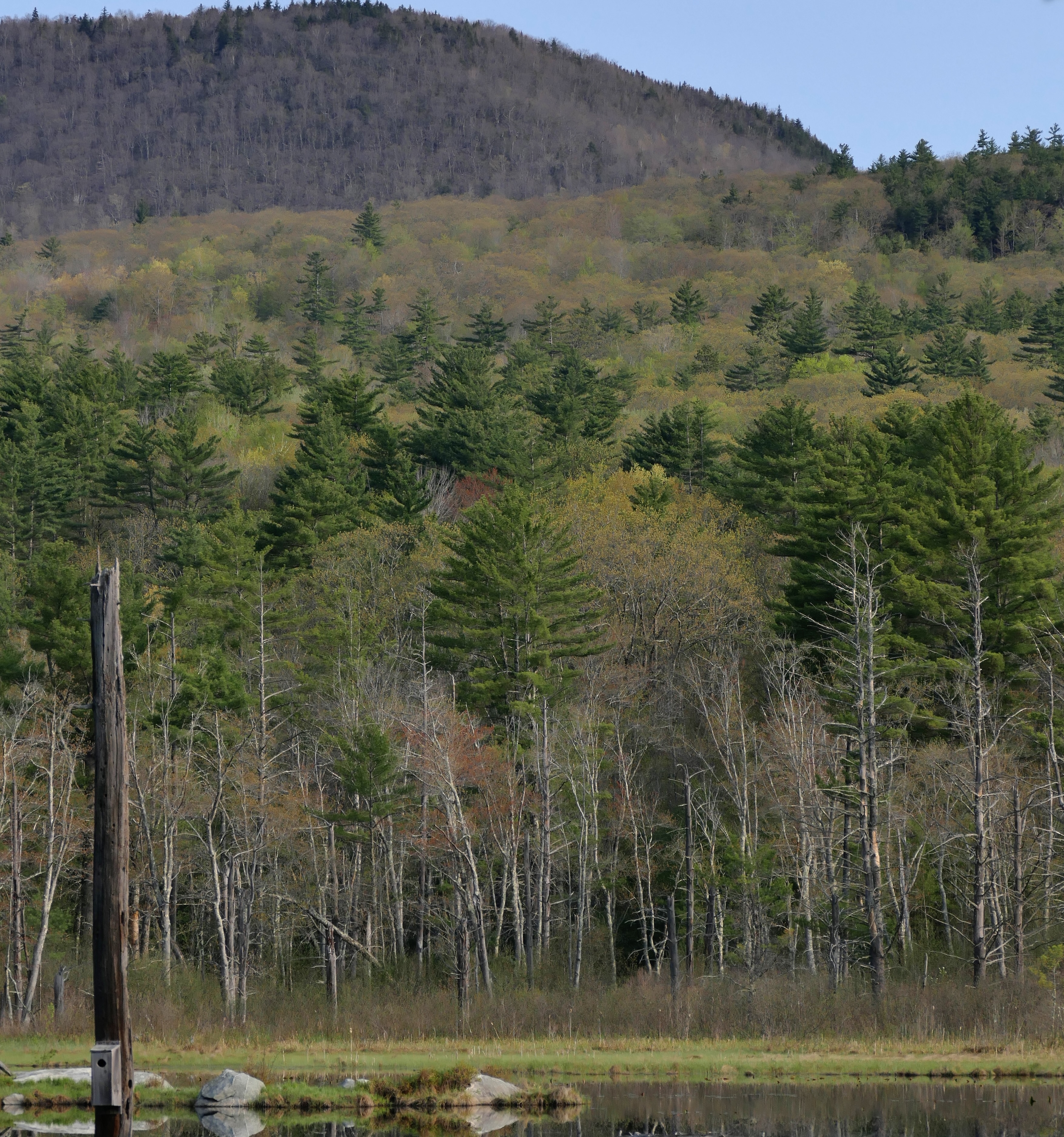
Walking to the Cliffs this afternoon––I noticed on Fair Haven Hill a season stillness as I looked over the distant budding forest & heard the buzzing of a fly––
in Thoreau’s Journal:
It is wonderful what a variety of flowers may grow within the range of a walk & how long some very conspicuous ones may escape the most diligent walker—If you do not chance to visit their localities the right week or fortnight––when their signs are out.
in Thoreau’s Journal:
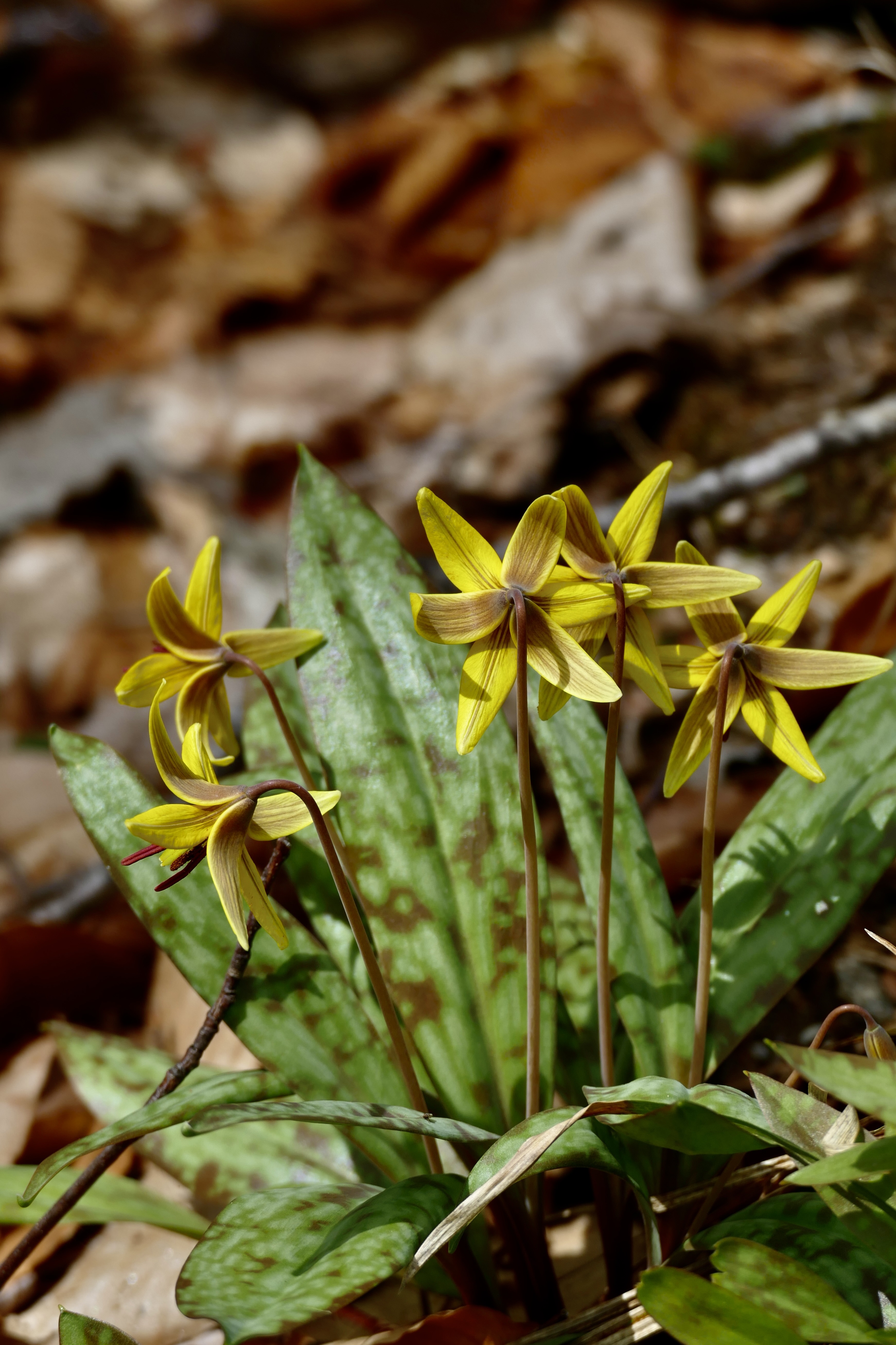
If man is thankful for the serene & warm day—much more are the flowers—
in Thoreau’s Journal:
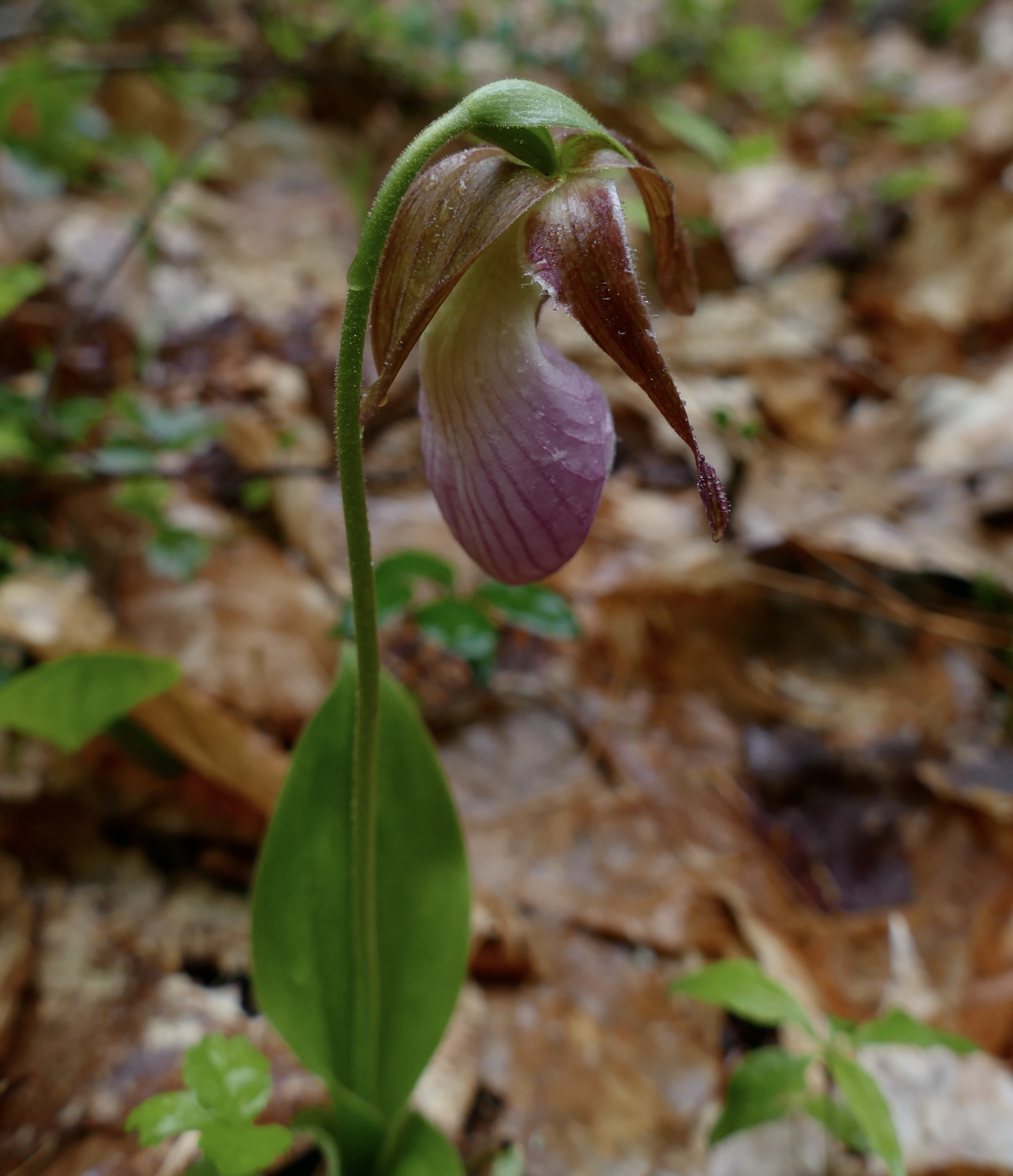
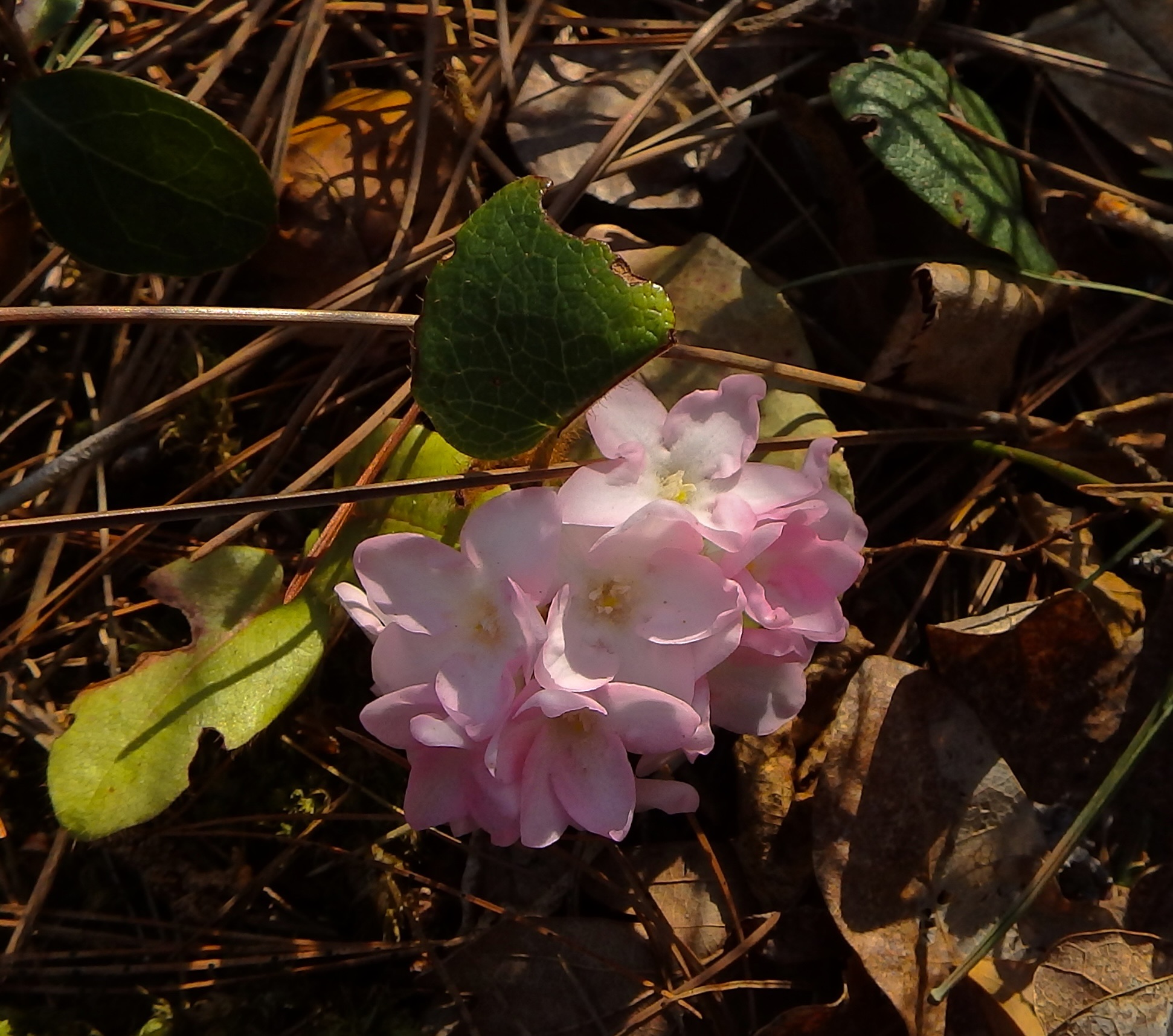
—To epigaea via Clamshell Hill.
There is no such thing as pure objective observation. Your observation, to be interesting, i. e. to be significant, must be subjective. The sum of what the writer of whatever class has to report is simply some human experience, whether he be poet or philosopher or man of science. The man of most science is the man most alive, whose life is the greatest event. Senses that take cognizance of outward things merely are of no avail. It matters not where or how far you travel, —the farther commonly the worse, —but how much alive you are. If it is possible to conceive of an event outside to humanity, it is not of the slightest significance, though it were the explosion of a planet. Every important worker will report what life there is in him. It makes no odds into what seeming deserts the poet is born. Though all his neighbors pronounce it a Sahara, it will be a paradise to him; for the desert which we see is the result of the barrenness of our experience. No mere willful activity whatever, whether in writing verses or collecting statistics, will produce true poetry or science. If you are really a sick man, it is indeed to be regretted, for you cannot accomplish so much as if you were well. All that a man has to say or do that can possibly concern mankind, is in some shape or other to tell the story of his love, ––to sing; and if he is fortunate and keeps alive, he will be forever in love. This alone is to be alive to the extremities. It is a pity that this divine creature should ever suffer from cold feet; a still greater pity that the coldness so often reaches to his heart. I look over the report of the doings of a scientific association and am surprised that there is so little life to be reported; I am put off with a parcel of dry technical terms. Anything living is easily and naturally expressed in popular language. I cannot help suspecting that the life of these learned professors has been almost as inhuman and wooden as a rain-gauge or self-registering magnetic machine. They communicate no fact which rises to the temperature of blood-heat. It doesn’t all amount to one rhyme.
in Thoreau’s Journal:
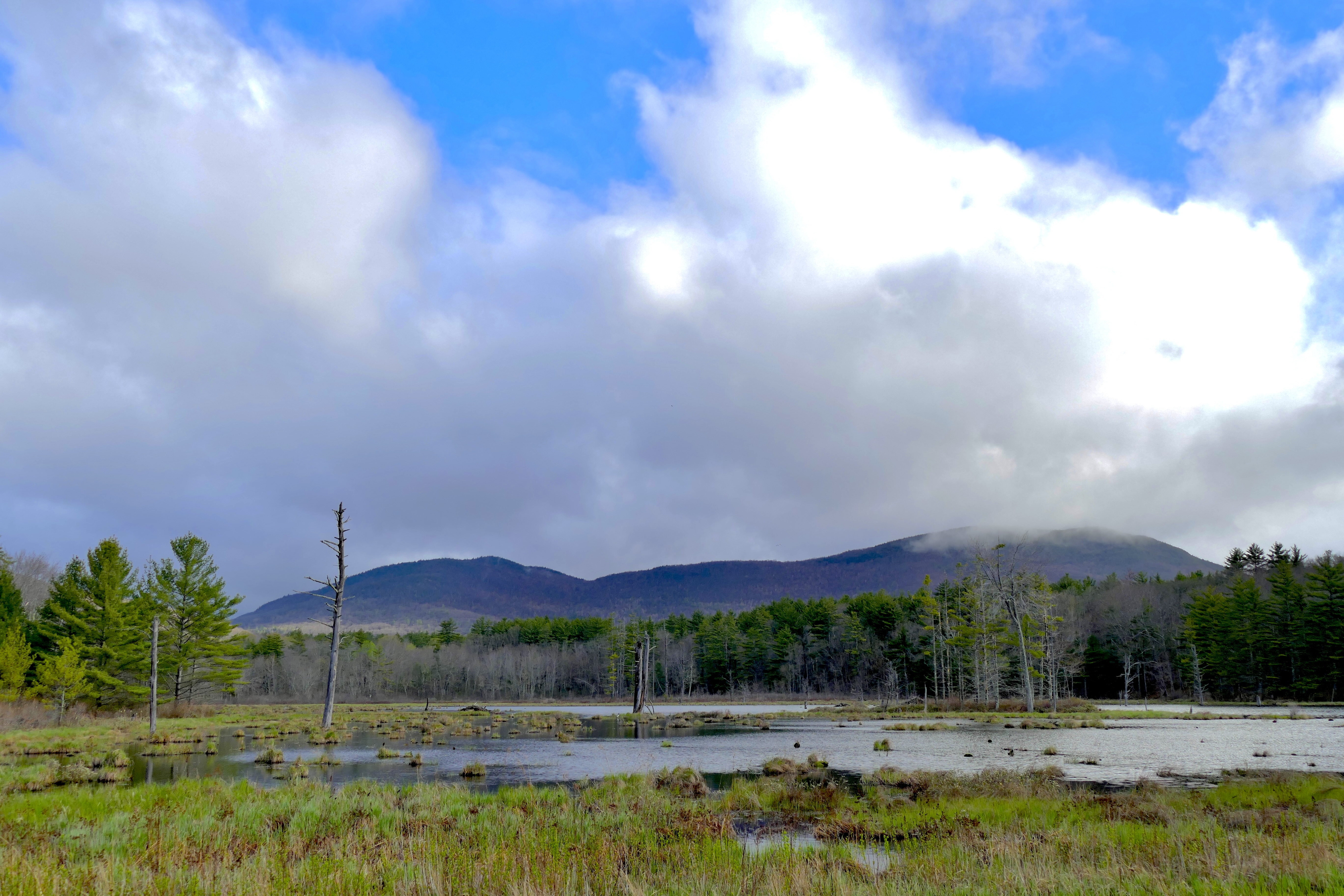
Every part of the world is beautiful today— — The bright shimmering water—fresh light-green grass springing up on the hills—tender firm moss-like before it waves.
As I can throw my voice into my head & sing very loud & clear there, so I can throw my thought into a higher chamber, & think louder & clearer above the earth than men will understand.


You must be logged in to post a comment.