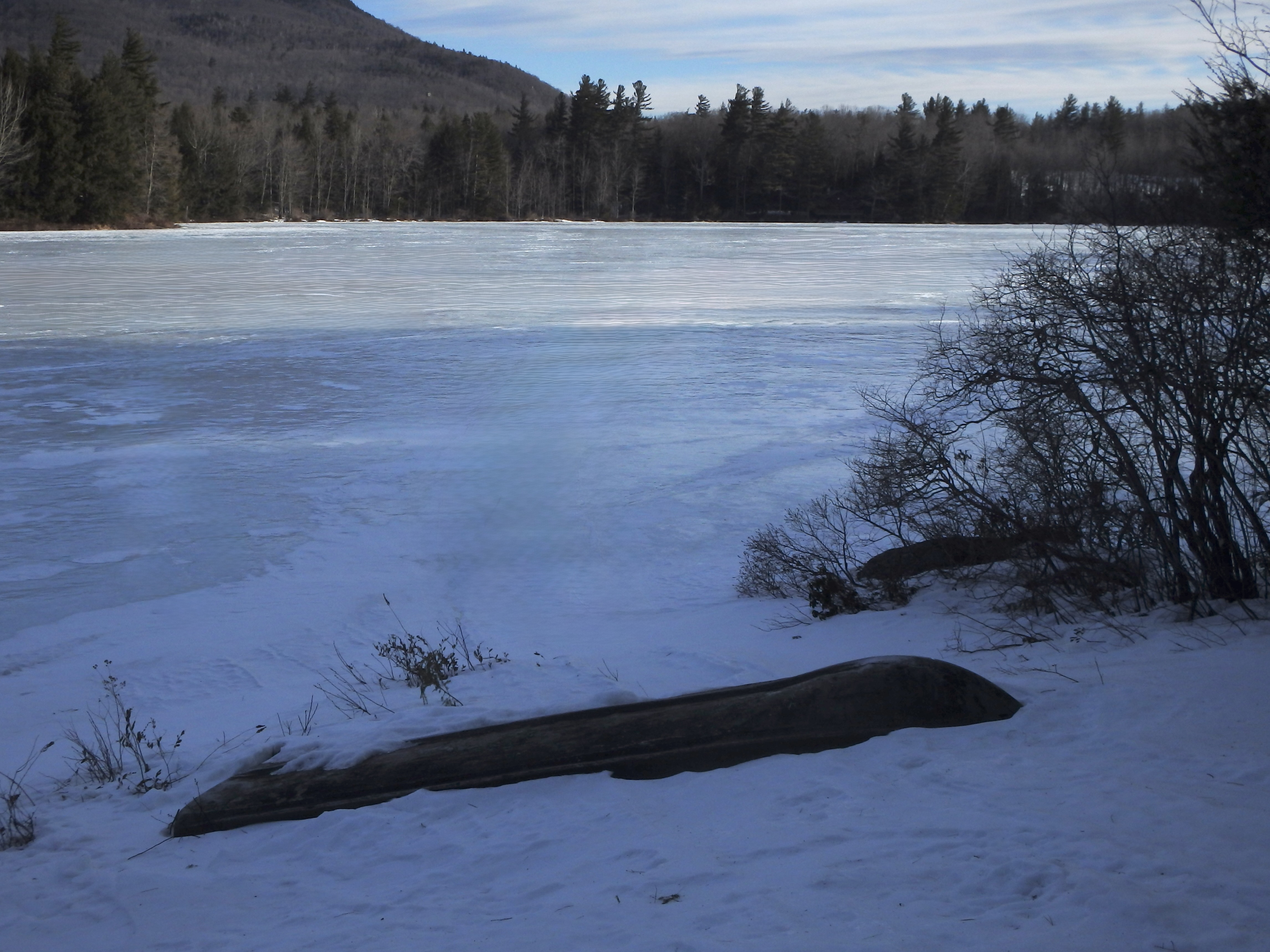
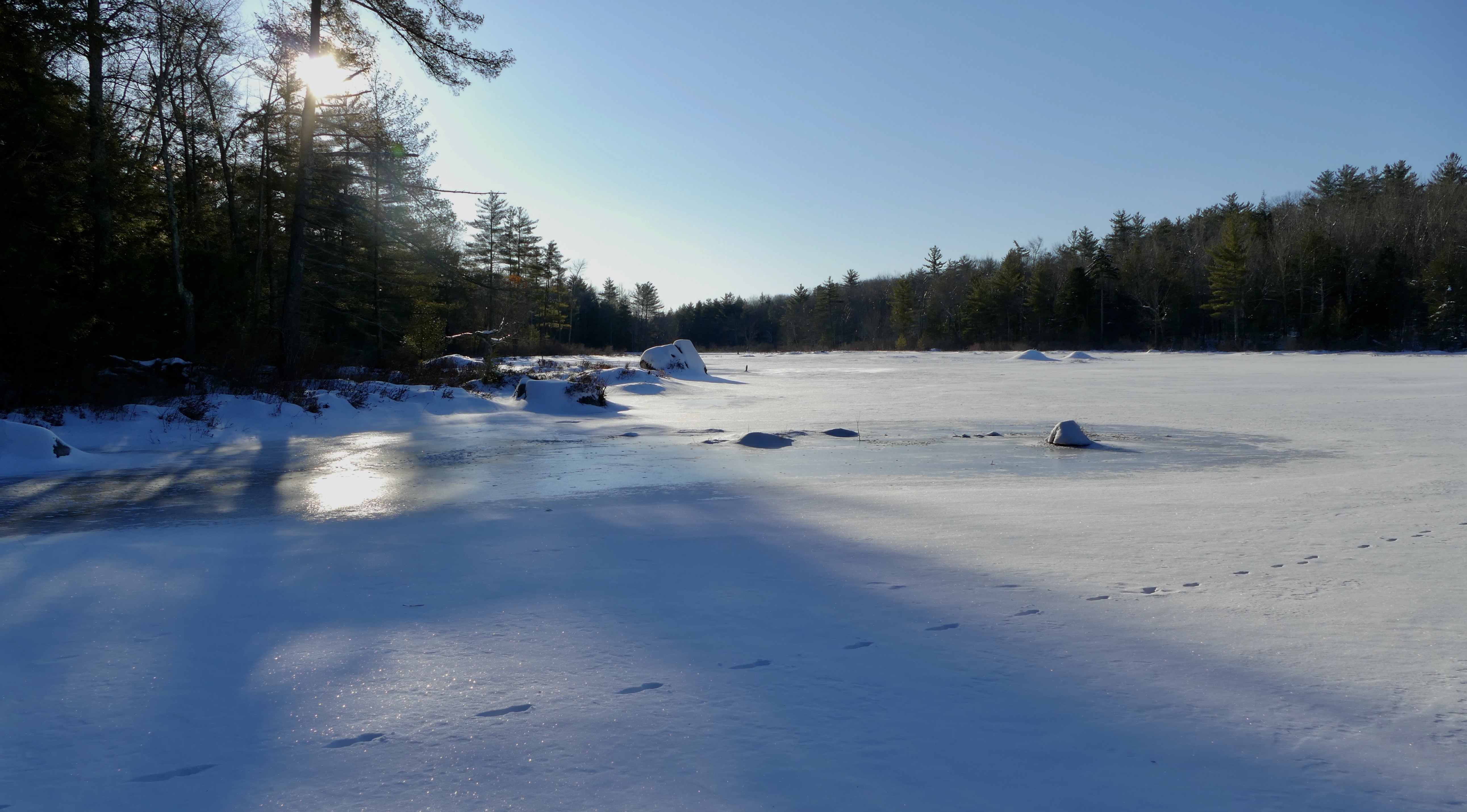
The river is frozen more solidly than during the past winter, and for the first time for a year I could cross it in most places.
I did not once cross it the past winter, though by choosing a safe place I might have done so without doubt once or twice. But I have had no river walks before.
We stood still a few moments on the Turnpike below Wright’s (the Turnpike, which had no wheel-track beyond Tuttle’s and no track at all beyond Wright’s), and listened to hear a spring bird. We heard only the jay screaming in the distance and the cawing of a crow. What a perfectly New England sound is this voice of the crow!
If you stand perfectly still anywhere in the outskirts of the town and listen, stilling the almost incessant hum of your own personal factory, this is perhaps the sound which you will be most sure to hear rising above all sounds of human industry and leading your thoughts to some far bay in the woods where the crow is venting his disgust. This bird sees the white man come and the Indian withdraw, but it withdraws not. Its untamed voice is still heard above the tinkling of the forge. It sees a race pass away, but it passes not away. It remains to remind us of aboriginal nature.
We talk about spring as at hand before the end of February, and yet it will be two good months, one sixth part of the whole year, before we can go a-Maying. There may be a whole month of solid and uninterrupted winter yet, plenty of ice and good sleighing.
We may not even see the bare ground, and hardly any water; and yet we sit down and warm our spirits annual with the distant prospect of spring.
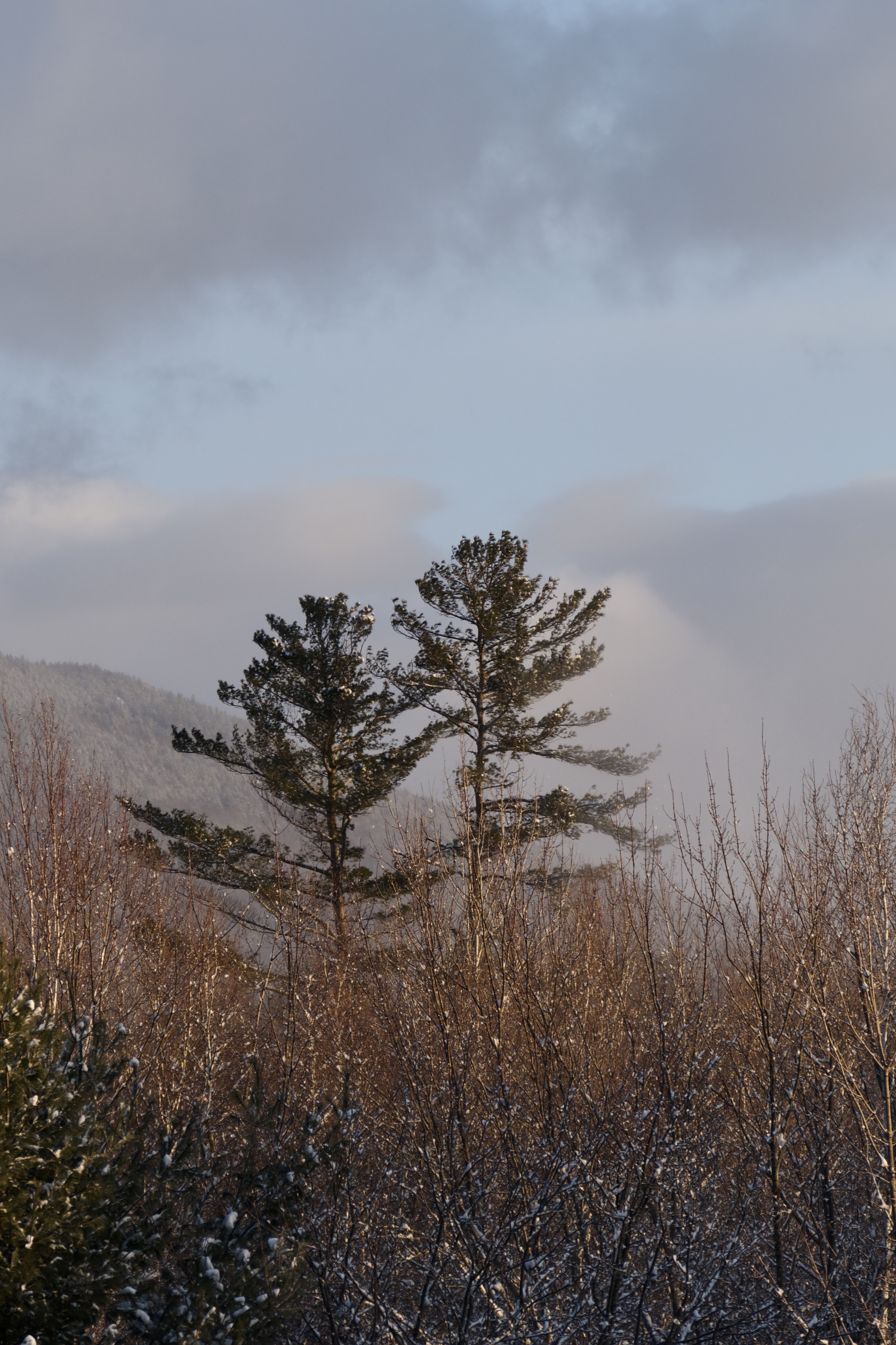
Here is our first spring morning according to the almanac. It is remarkable that the spring of the almanac and of nature should correspond so closely. The morning of the 26th was good winter, but there came a plentiful rain in the afternoon, and yesterday and to-day are quite spring like. This morning the air is still, and, though clear enough, a yellowish light is widely diffused throughout the east now just after sunrise. The sunlight looks and feels warm, and a fine vapor fills the lower atmosphere.
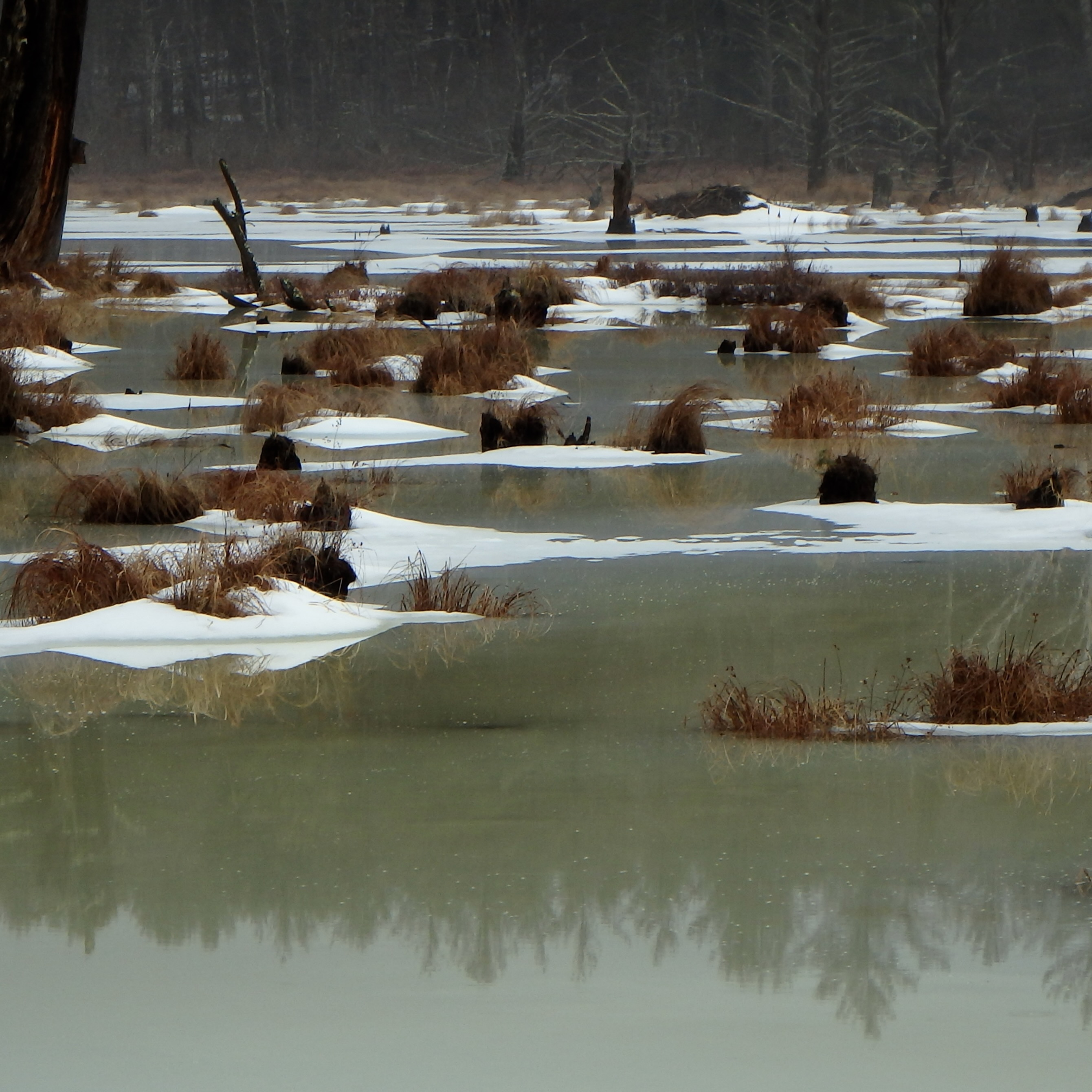
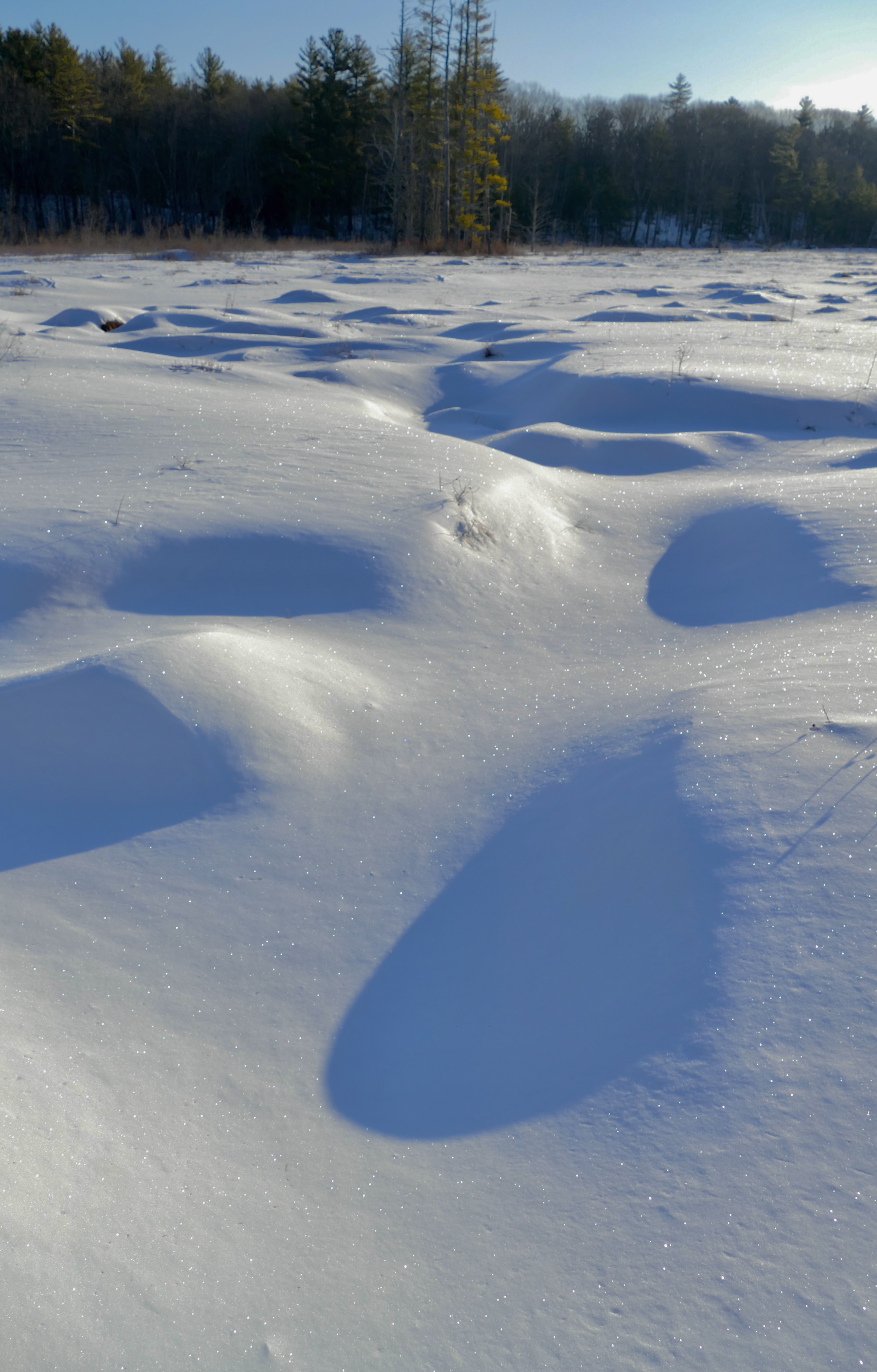
I hear the phcebe or spring note of the chickadee, and the scream of the jay is perfectly repeated by the echo from a neighboring wood. For some days past the surface of the earth, covered with water, or with ice where the snow is washed off, has shone in the sun as it does only at the approach of spring, methinks. And are not the frosts in the morning more like the early frosts in the fall, ––common white frosts ?
As it is important to consider nature from the point of view of science—remembering the nomenclature and systems of men—& so if possible go a step further in that direction—so it is equally important often to ignore or forget all that men presume that they know—& take an original and unprejudiced view of Nature—letting her make what impression she will on you—as the first men & all children & natural men do.
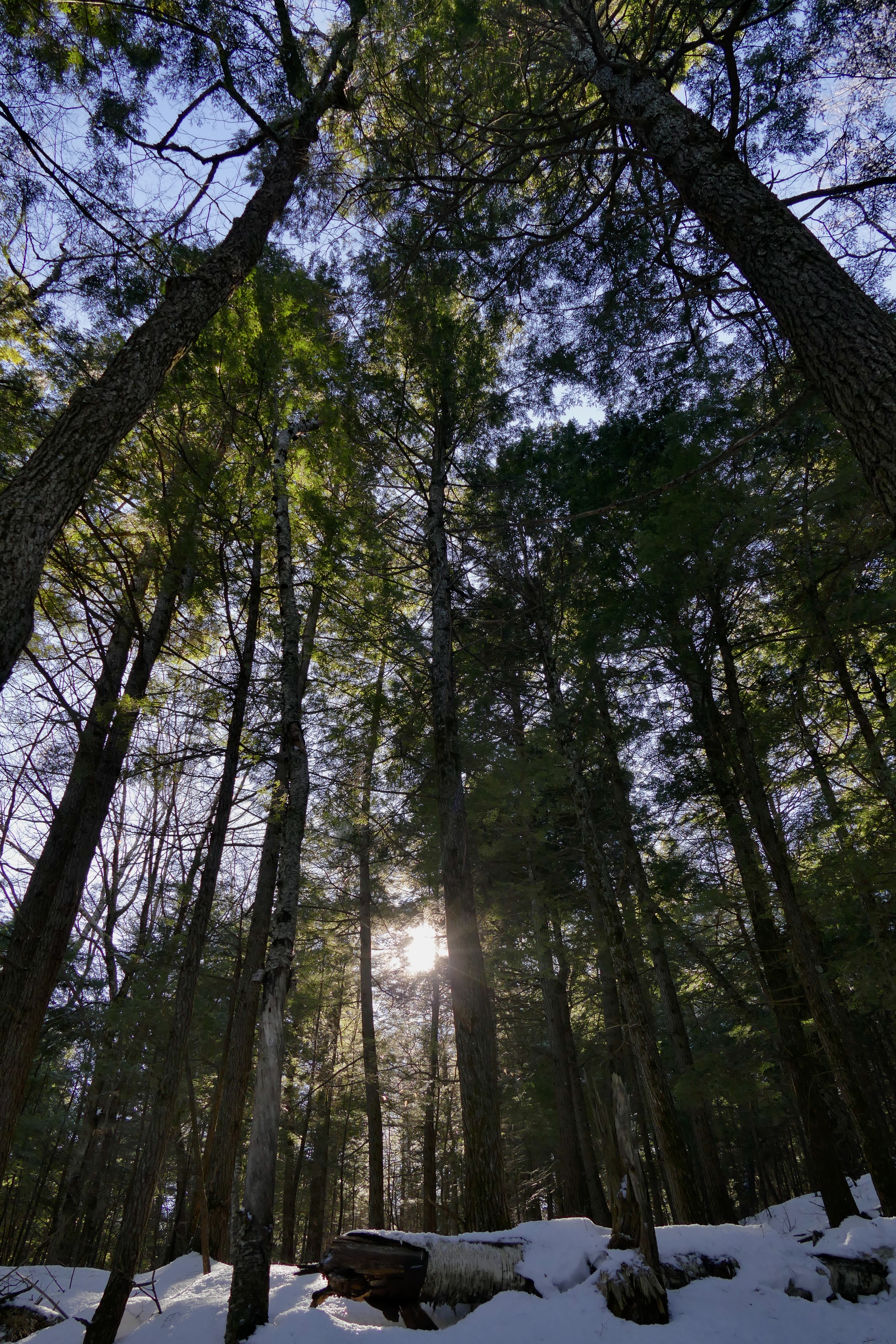
Walking in the woods, it may be some afternoon, the shadow of the wings of a thought flits across the landscape of my mind, and I am reminded how little eventful are our lives.
What have been all these wars and rumors of wars, and modern discoveries and improvements, so called? A mere irritation in the skin. But this shadow which is so soon past, and whose substance is not detected, suggests that there are events of importance whose interval is to us a true historic period.
Why should we live with such hurry & bustle—let us spend one day as deliberately as nature—
Let us rise early & fast or break fast gently and without noise—What if the milk-man does not come in season, white wash our coffee—let us murmur an inward prayer that we may be sustained under this trial & forget him. Let company come & let company go determined to make a day of it. Let the bells ring & the children cry, why should we knock under—& go with the stream.
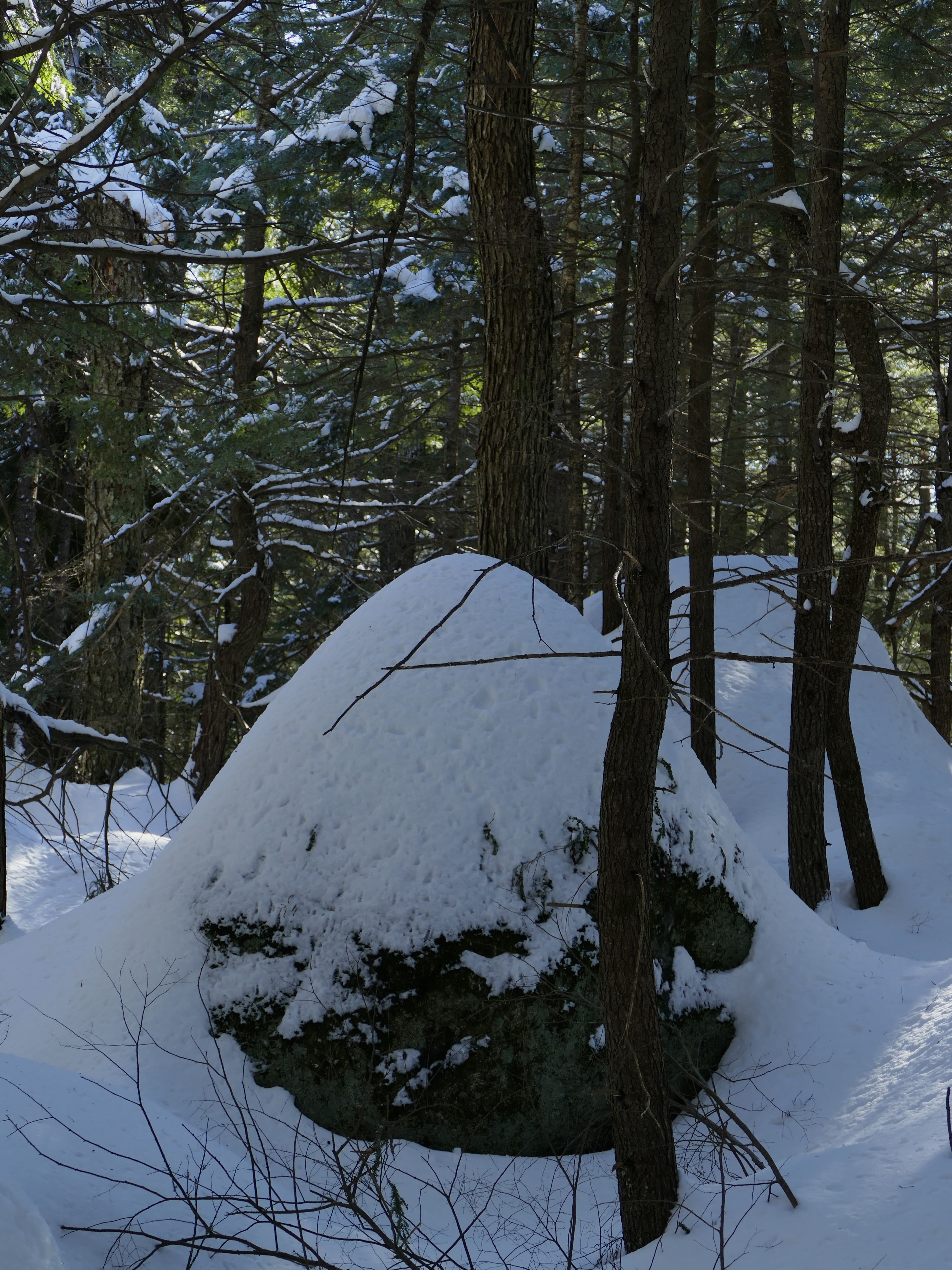
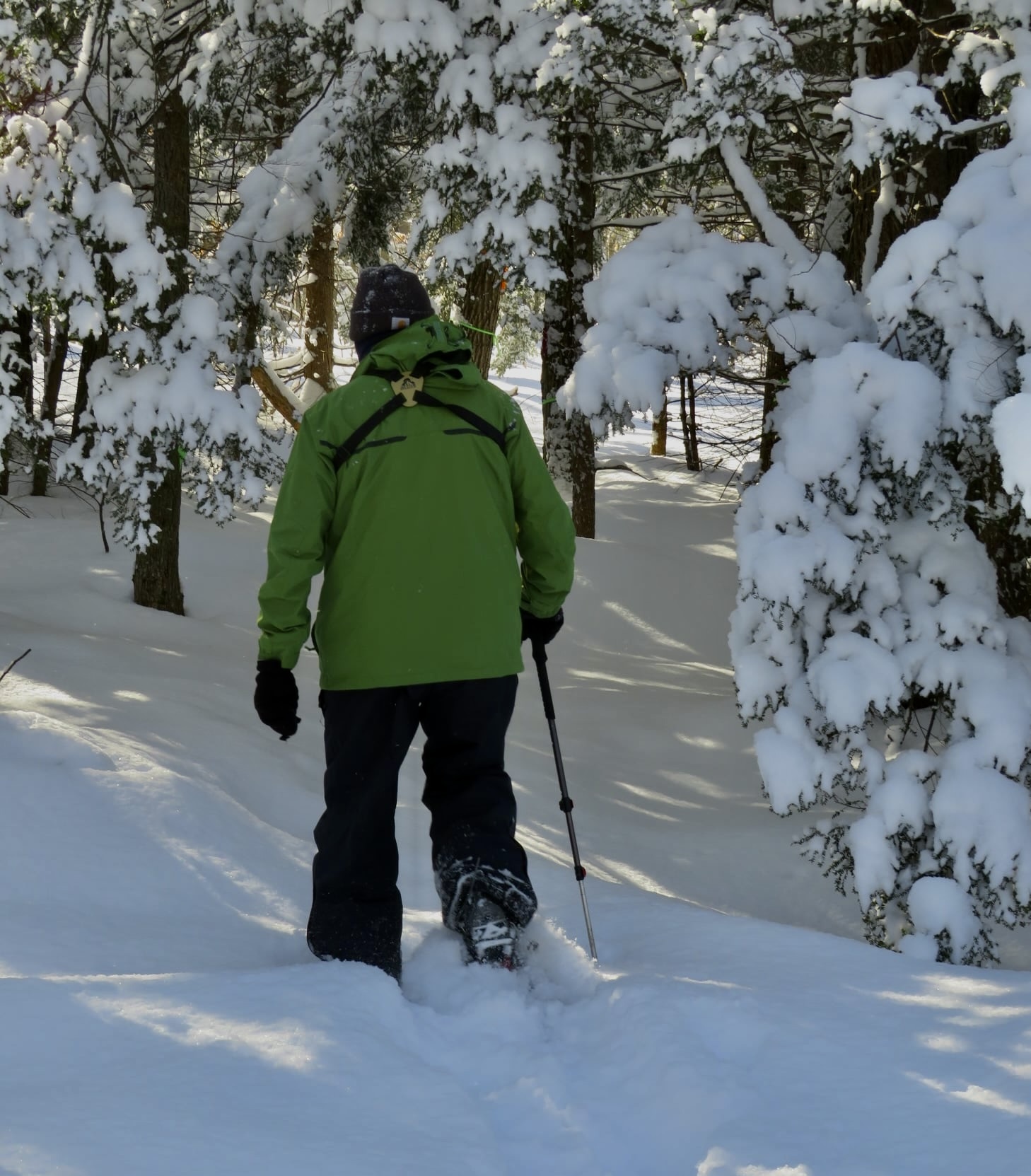
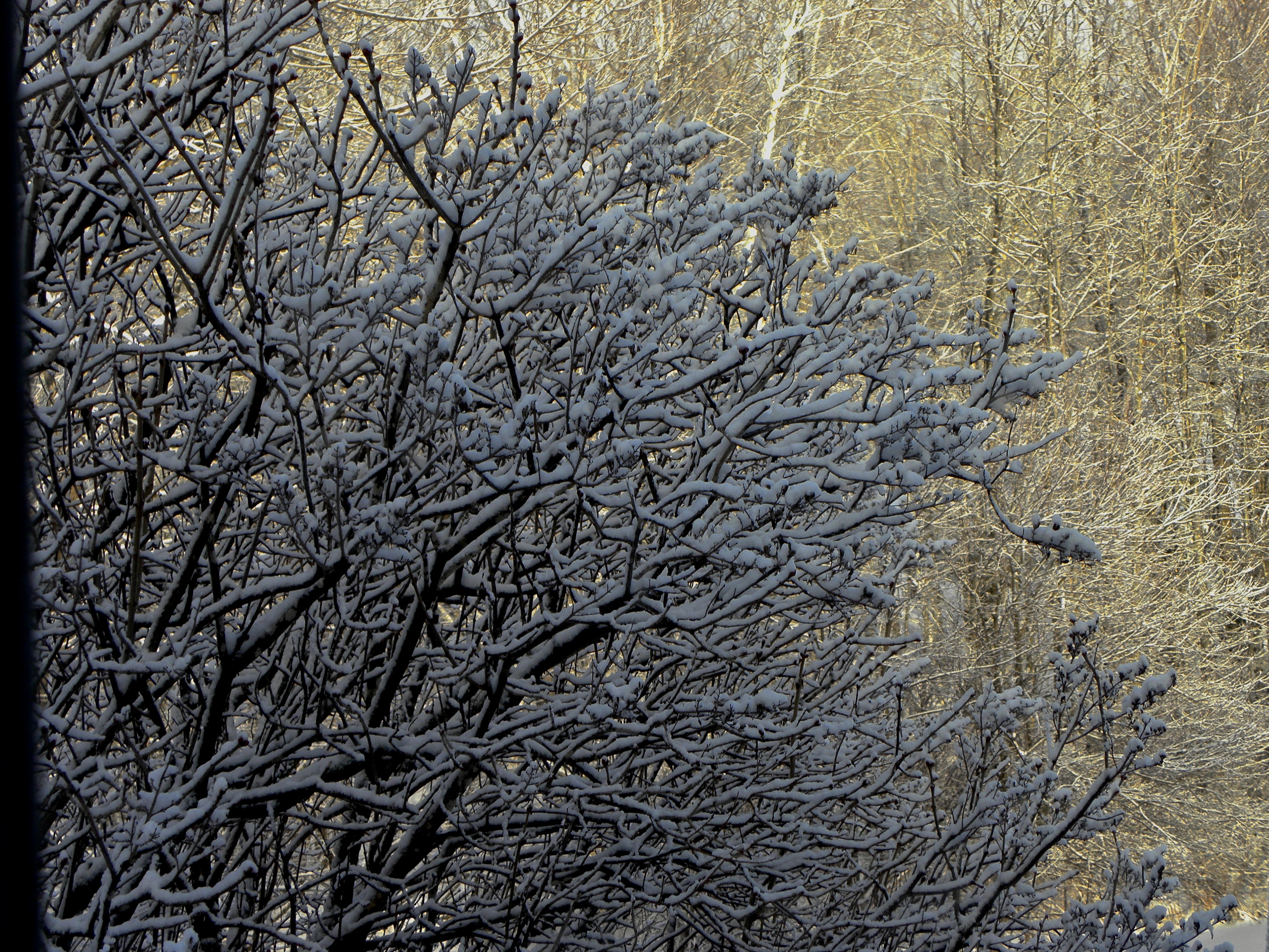
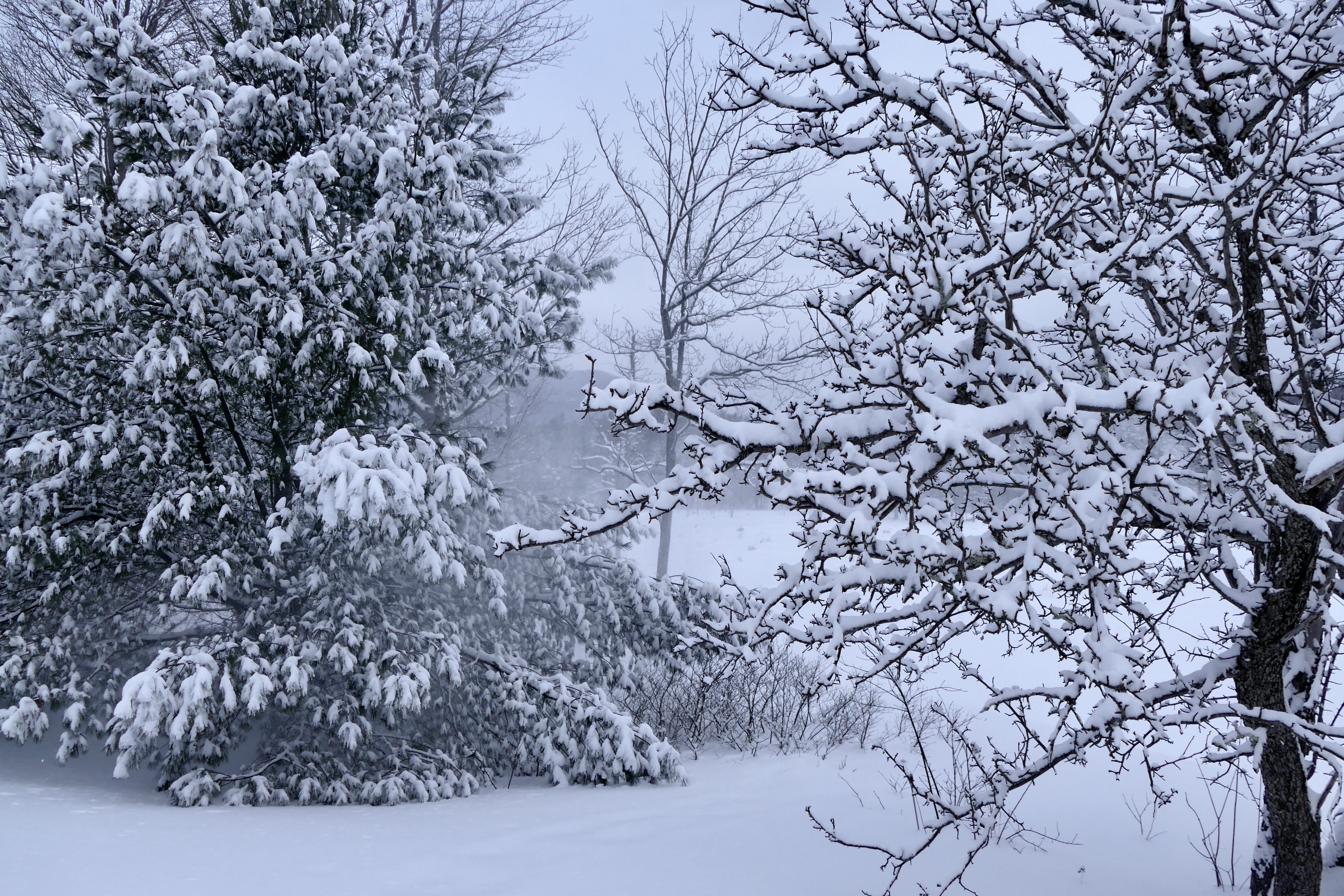
We have had but one & no more this winter (and that I think was the first) of those gentle moist snows which lodge perfectly on the trees—and make perhaps the most beautiful sight of any.
The snow is fine and drives low; is composed of granulated masses one sixteenth to one twentieth of an inch in diameter. Not in flakes at all. I think it is not those large-flaked snow-storms that are the worst for the traveller, or the deepest.
Perhaps the peculiarity of those western vistas was partly owing to the shortness of the days when we naturally look to the heavens & make the most of the little light.— When we live an arctic life. When the woodchopper’s axe reminds us of twilight at 3 o’clock p.m. When the morning & the evening literally make the whole day.
When I travelled as it were between the portals of the night—& the path was narrow as well as blocked with snow.
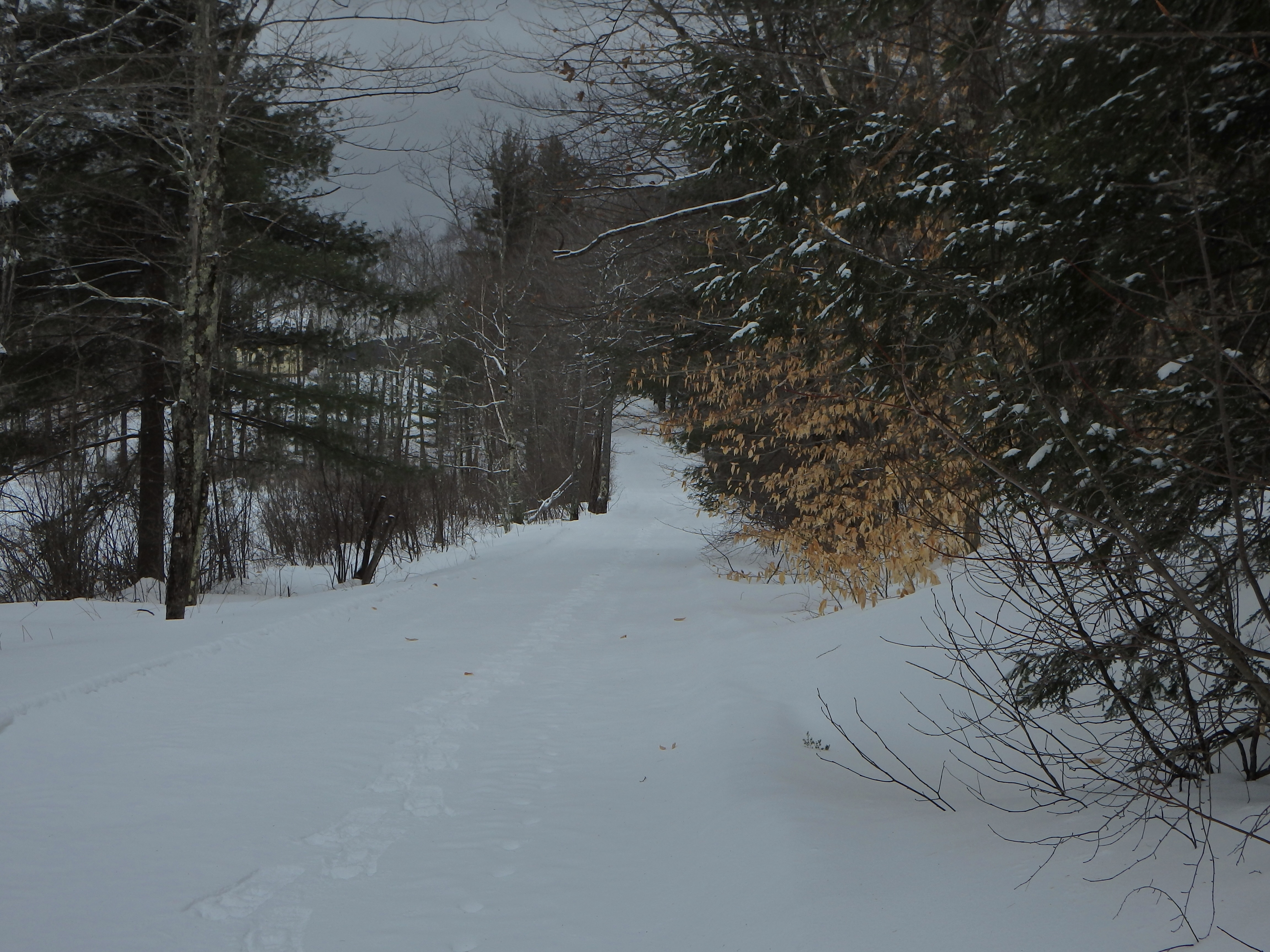
A snow-storm which began in the night –& is now 3 or 4 inches deep– The ground which was more than half bare before–is thus suddenly concealed–& the snow lodges on the trees & fences & sides of houses–& we have a perfect wintry scene again– We hear that it stormed at Philadelphia yesterday morning.
As look I toward the woods beyond the poor house– & see how the trees—esp apple trees, are suddenly brought out–relieved against the snow–black on white–every twig as distinct as if it were a pen & ink drawing the size of nature. The snow being spread for a back ground, while the storm still raging confines your view to near objects–each apple tree is distinctly outlined against it.







You must be logged in to post a comment.