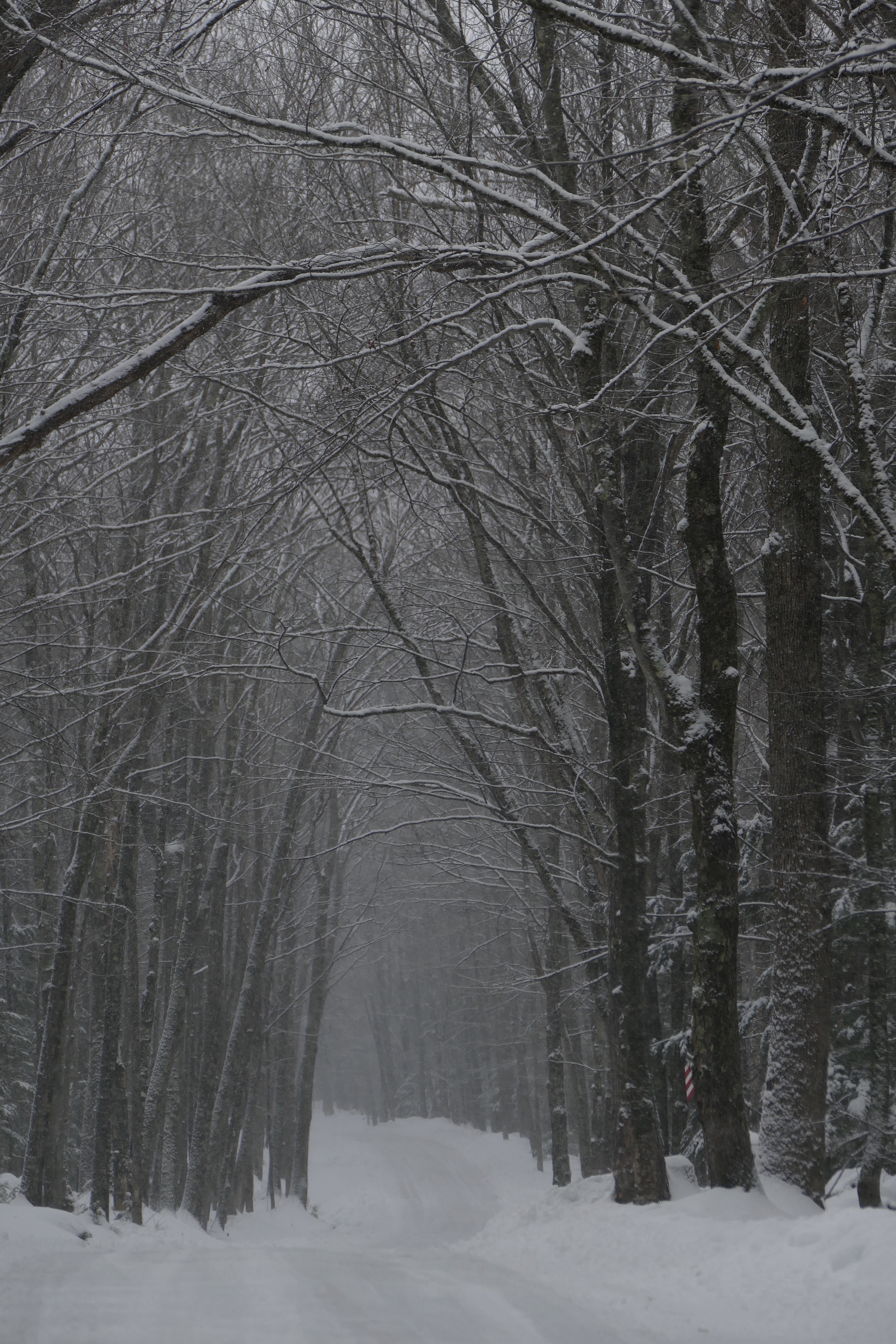
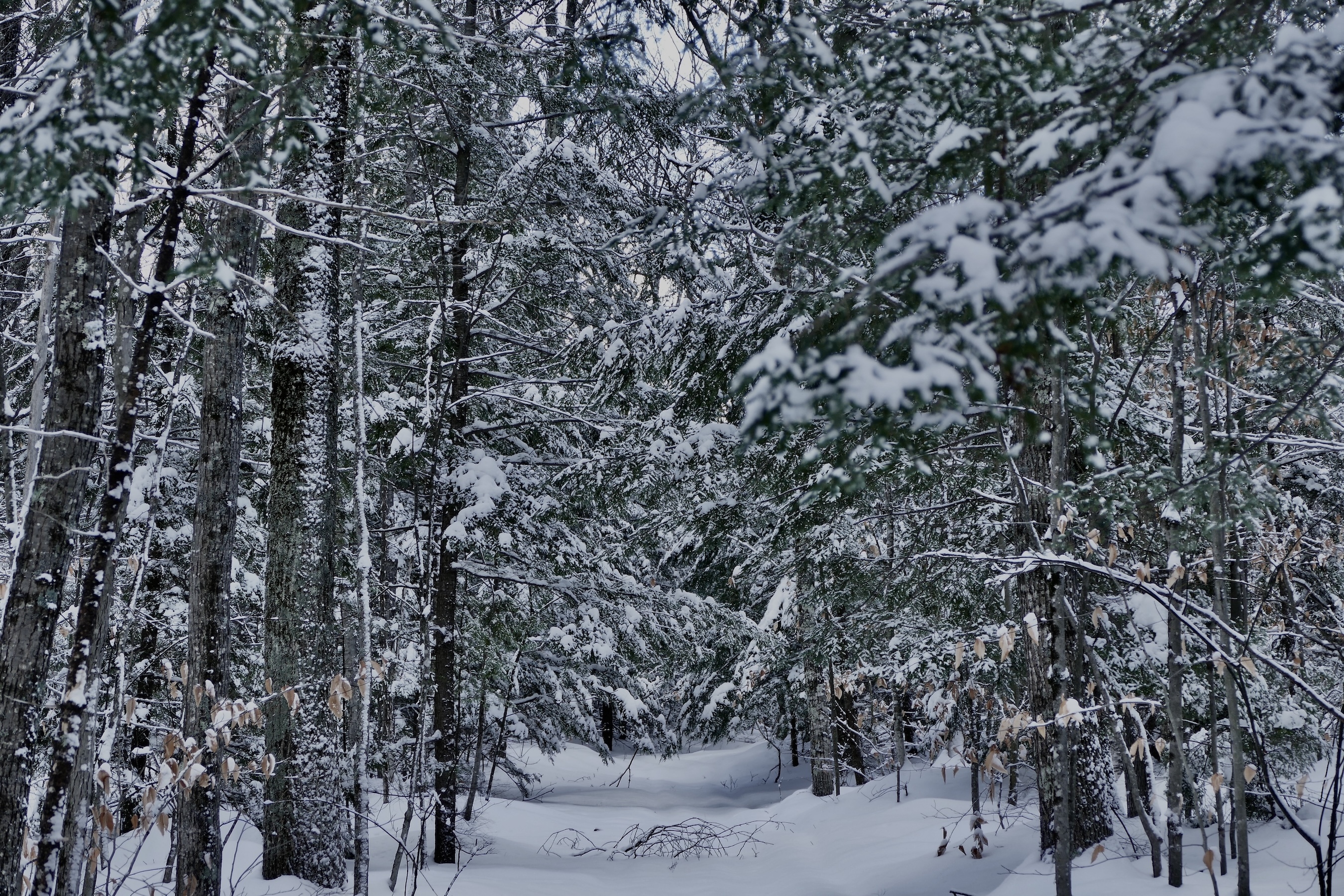
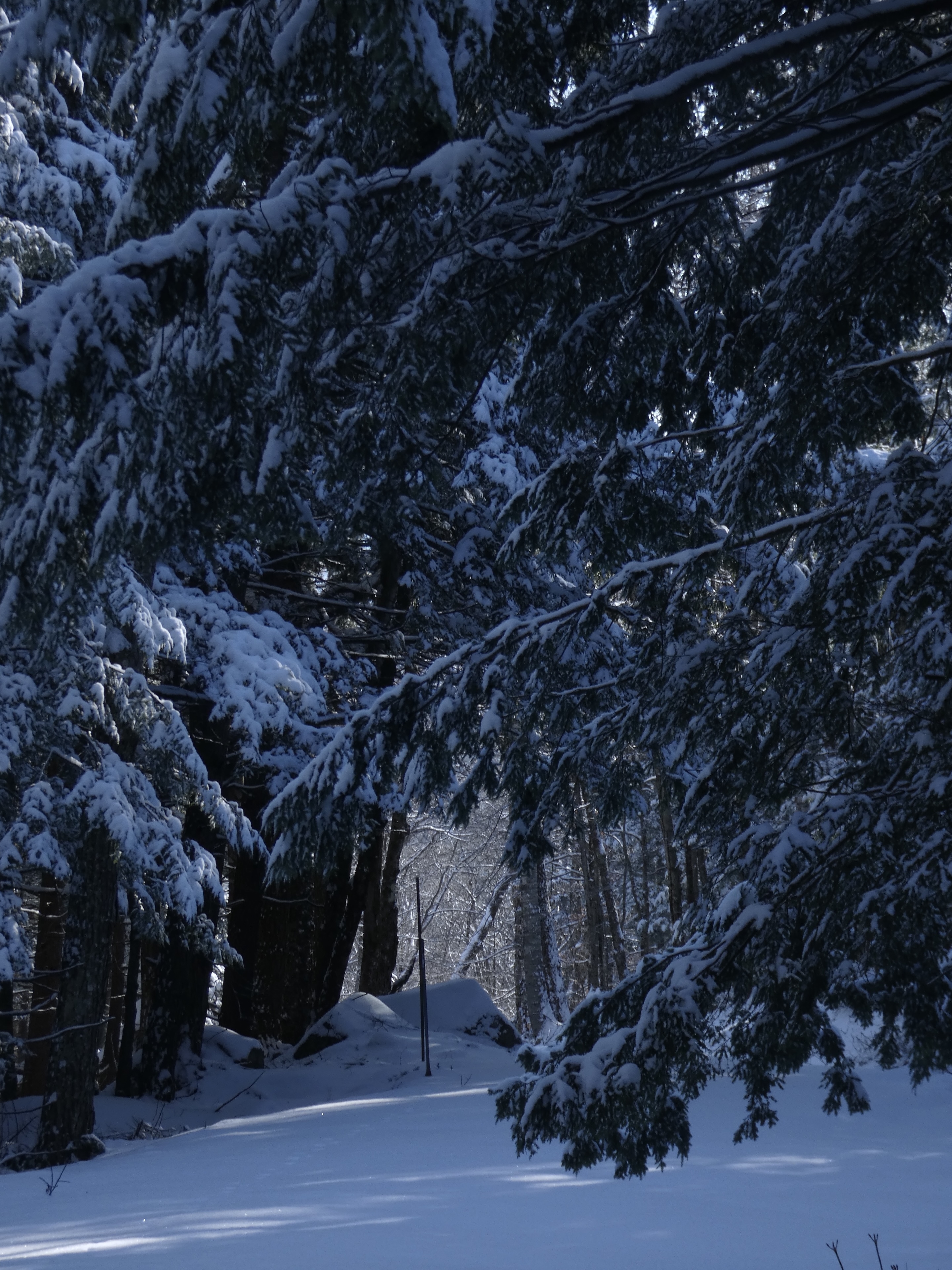
To-day the trees are white with snow—I mean their stems & branches and have the true wintry look—on the storm-side—not till this has the winter come to the forest.
They look like the small frost work in the path & on the windows now—. Especially the oak woods at a distance, & you see better the form which their branches take.
After spending four or five days surveying and drawing a plan incessantly, I especially feel the necessity of putting myself in communication with nature again, to recover my tone, to withdraw out of the wearying and unprofitable world of affairs. The things I have been doing have but a fleeting and accidental importance, however much men are immersed in them, and yield very little valuable fruit. I would fain have been wading through the woods and fields and conversing with the sane snow.
Having waded in the very shallowest stream of time, I would now bathe my temples in eternity. I wish again to participate in the serenity of nature, to share the happiness of the river and the woods. I thus from time to time break off my connection with eternal truths and go with the shallow stream of human affairs, grinding at the mill of the Philistines; but when my task is done, with never-failing confidence I devote myself to the infinite again. It would be sweet to deal with men more, I can imagine, but where dwell they? Not in the fields which I traverse.
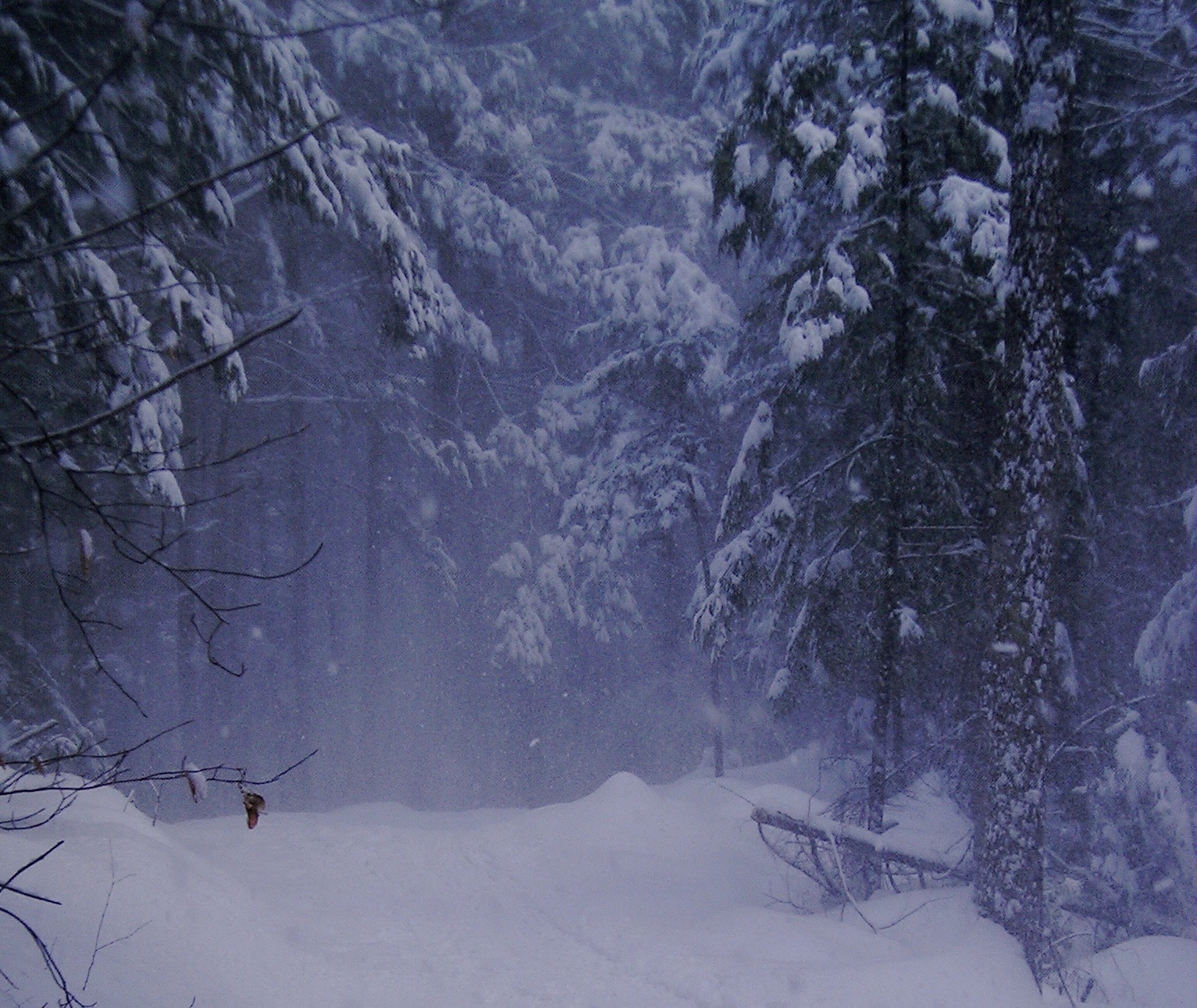
The air is thick and darkened with falling snow, and the woods are being draped with it in white wreaths. This is winter. They are putting on their white greatcoats.
….As the hunters are forward to take the field as soon as the first snow has fallen, so he who would make the most of his life for discipline must be abroad early and late, in spite of cold and wet, in pursuit of nobler game, whose traces there are most distinct, —a life which we seek not to destroy, but to make our own.
Whole weeks or months of my summer life slide away in thin volumes like mist or smoke—till at length some warm morning perchance I see a sheet of mist blow down the brook to the swamp—its shadow flitting across the fields which have caught a new significance from that accident. And as that vapor is raised above the earth so shall the next weeks be elevated above the plane of the actual— Or when the setting sun slants across the pastures—and the cows low to my inward ear—and only enhance the stillness—and the eve is as the dawn—a beginning hour and not a final one—as if it would never have done— With its clear western amber inciting men to lives of as limpid purity— Then do other parts of my days work shine than I had thought at noon—for I discover the real purport of my toil—As when the husbandman has reached the end of the furrow and looks back—he can best tell where the pressed earth shines most.
All true greatness runs as level as course and is as unaspiring as the plough in the furrow— ….There is no wisdom which can take place of humanity….I can recall to my mind the stillest summer hour—in which the grasshopper sings over the mulleins—and there is a valor in that time the memory of which is armor that can laugh at any blow of fortunes. And man should go out [of] nature with the chirp of the cricket, or the trill of the veery ringing in his ear. These earthly sounds should only die away for a season.
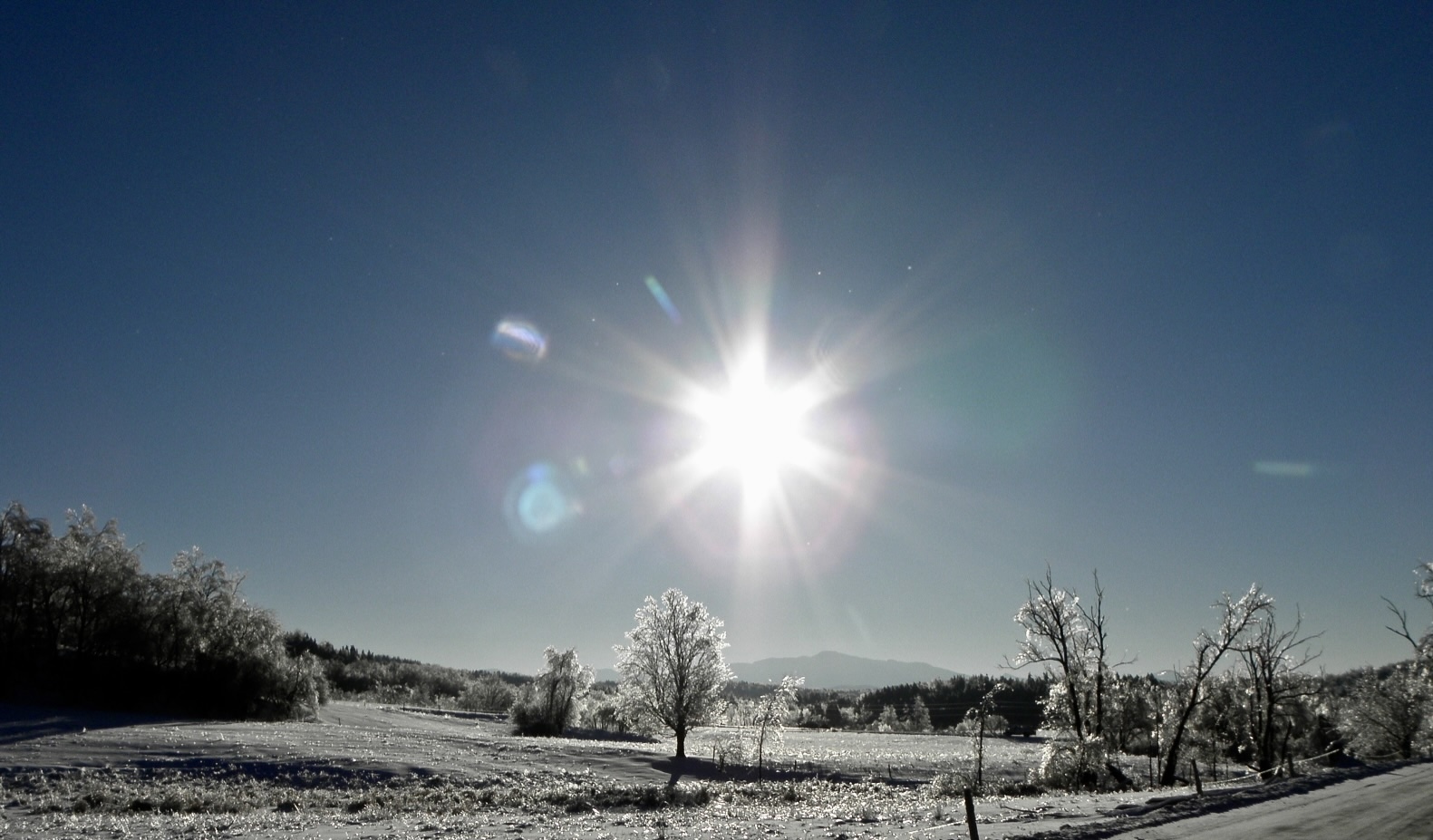
Both for bodily and mental health, court the present. Embrace health wherever you find her. A clump of birches raying out from one centre make a more agreeable object than a single tree. The rosettes in the ice, as Channing calls them, now and for some time have attracted me.
It is worth the while to apply what wisdom one has to the conduct of his life, surely. I find myself oftenest wise in little things and foolish in great ones. That I may accomplish some particular petty affair well, I live my whole life coarsely. A broad margin of leisure is as beautiful in a man’s life as in a book.
Haste makes waste, no less in life than in housekeeping. Keep the time, observe the hours of the universe, not of the cars. What are three score years and ten hurriedly and coarsely lived to moments of divine leisure in which your life is coincident with the life of the universe ? We live too fast and coarsely, just as we eat too fast, and do not know the true savor of our food. We consult our will and understanding and the expectation of men, not our genius. I can impose upon myself tasks which will crush me for life and prevent all expansion, and this I am but too inclined to do.
The snow blows like spray, fifteen feet high, across the fields, while the wind roars in the trees as in the rigging of a vessel. It is altogether like the ocean in a storm.
The snow has fallen so gently that it forms an upright wall on the slenderest twig. The agreeable maze which the branches make is more obvious than ever, and every twig thus laden is as still as the hillside itself…
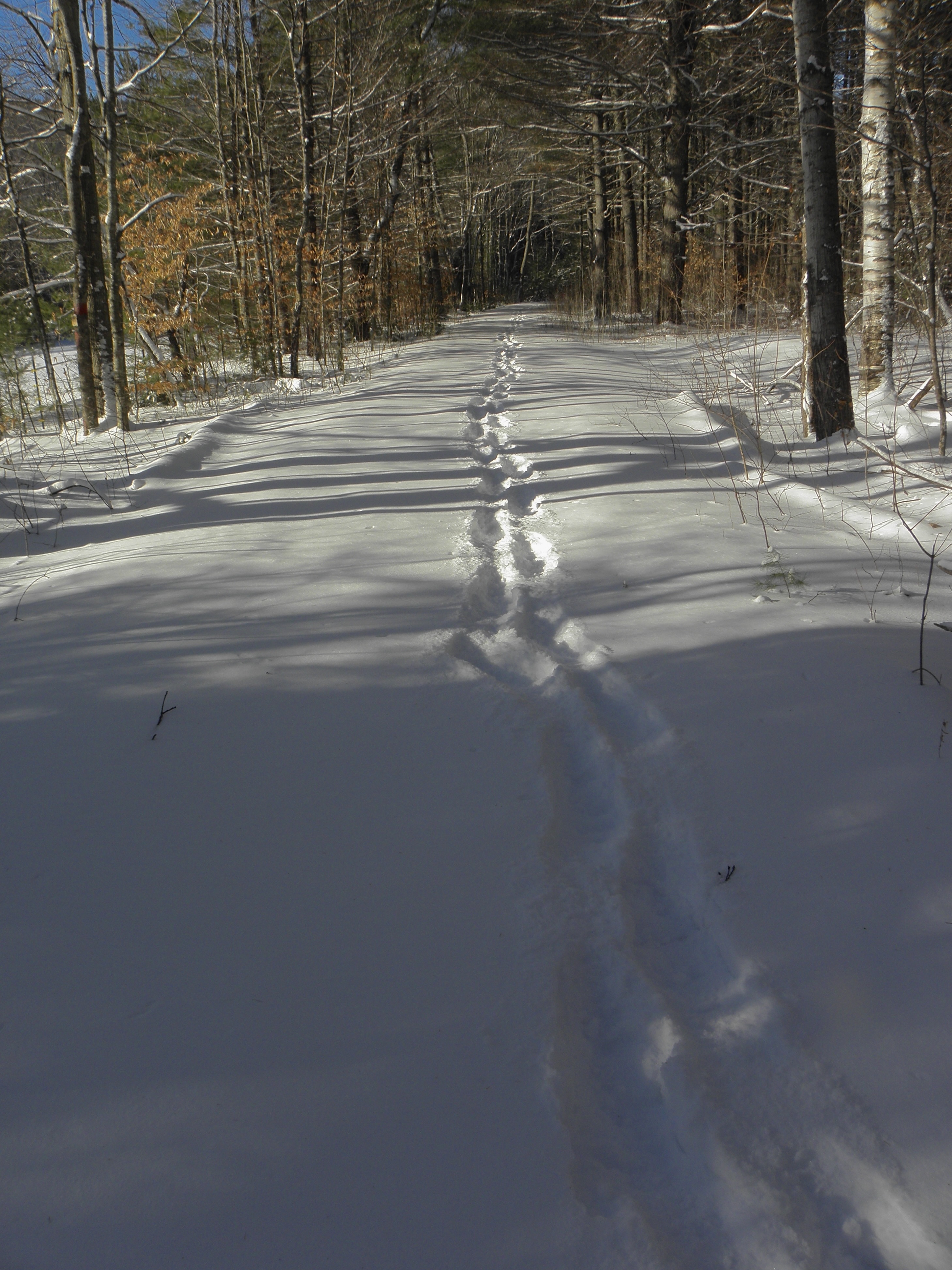
The sight of the pure and trackless road up Brister’s Hill, with branches and trees supporting snowy burdens bending over it on each side, would tempt us to begin life again.
It is a record of the mellow and ripe moments that I would keep.
I would not preserve the husk of life—but the kernel.
When the cup of life is full and flowing over—preserve some drops as a specimen-sample. When the intellect enlightens the heart & the heart warms the intellect.
A slight whitening of snow last evening—the 2nd whitening of the winter—just enough to spoil the skating now 10 days old on the ponds— Walden skimmed over in the widest part, but some acres still open—will prob. freeze entirely to-night if this weather holds….
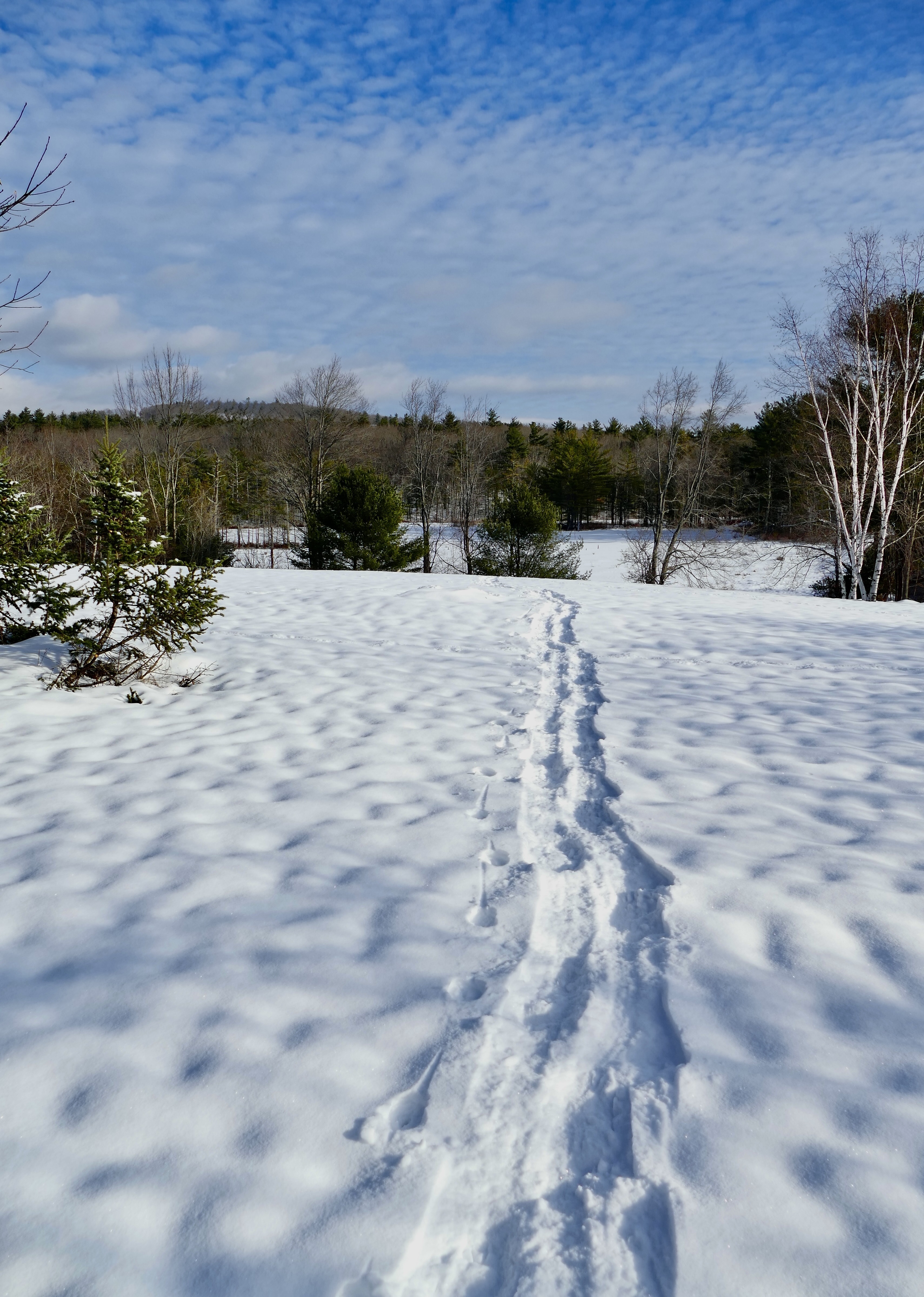
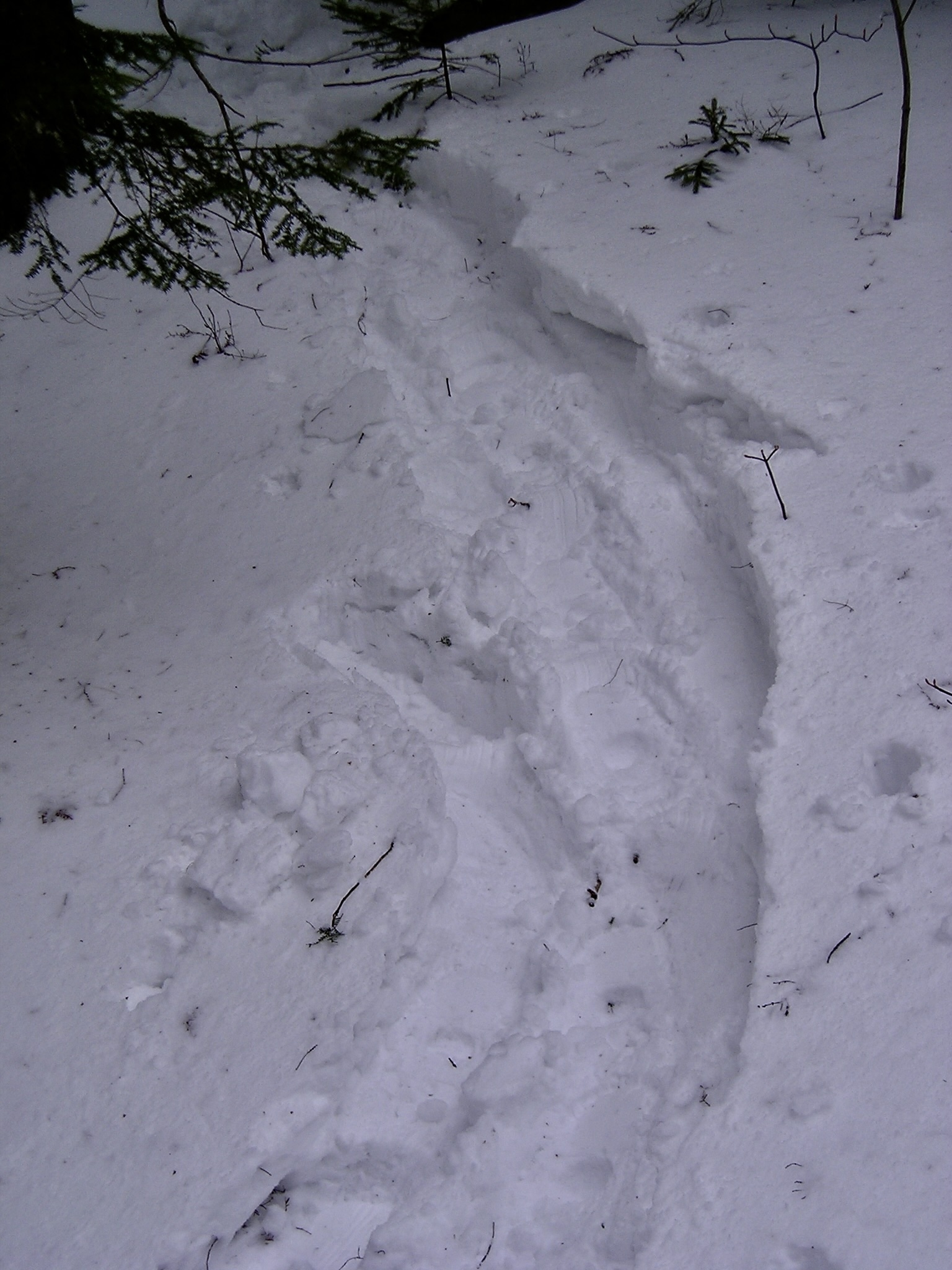
You cannot go out so early but you will find the track of some wild creature.
We are tempted to call these the finest days of the year.
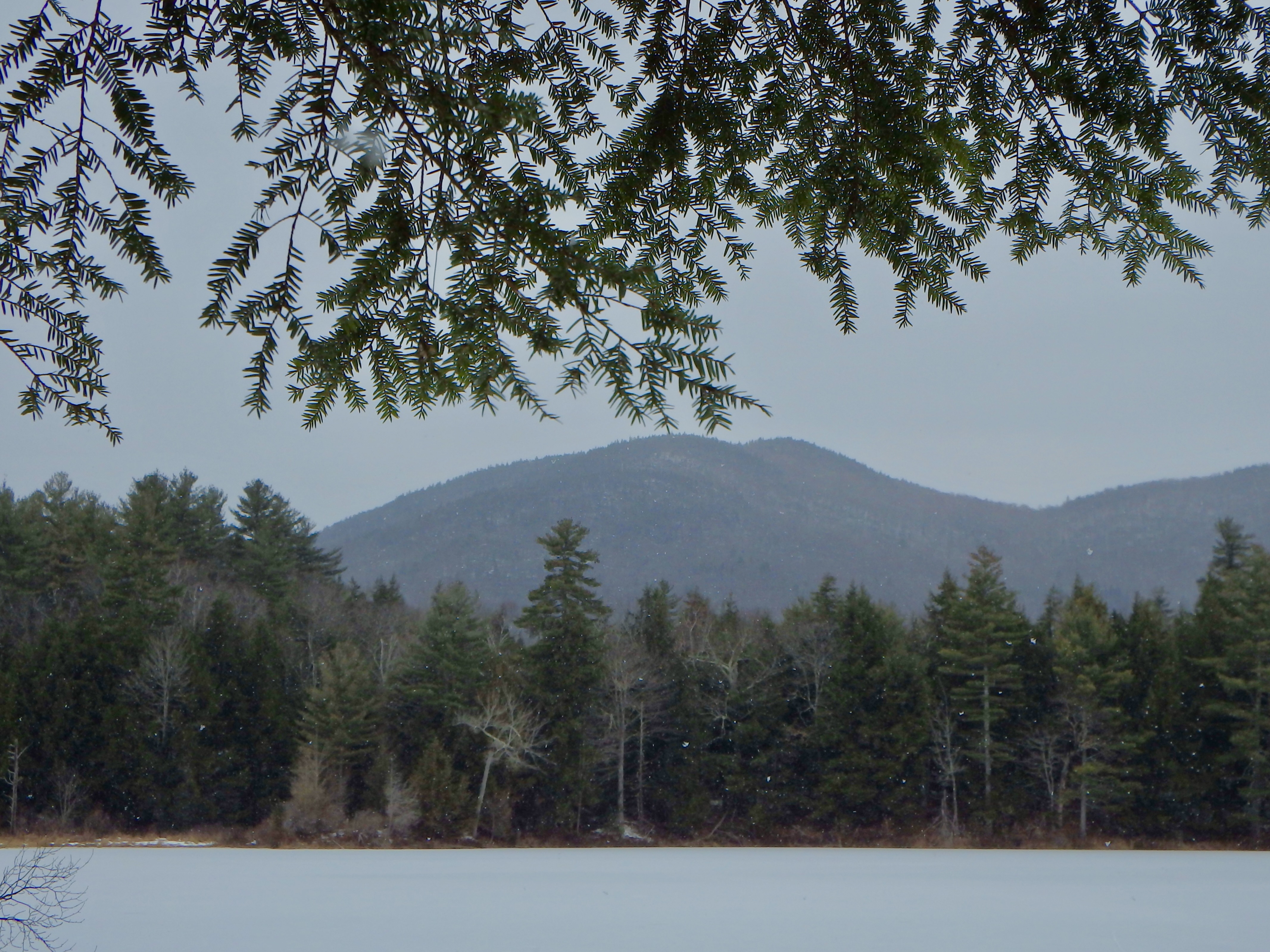
Take Fair Haven Pond, for instance, a perfectly level plain of snow, untrodden as yet by any fisherman, surrounded by snow-clad hills, dark evergreen woods, and reddish oak leaves, so pure and still.
My home is as much of nature as my heart embraces. If I only warm my house, then is that only my home. But if I sympathize with the heats and colds, the sounds and silence of nature, and share the repose and equanimity that reign around me in the fields, then are they my house, as much as if the kettle sang and fagots crackled, and the clock ticked on the wall.
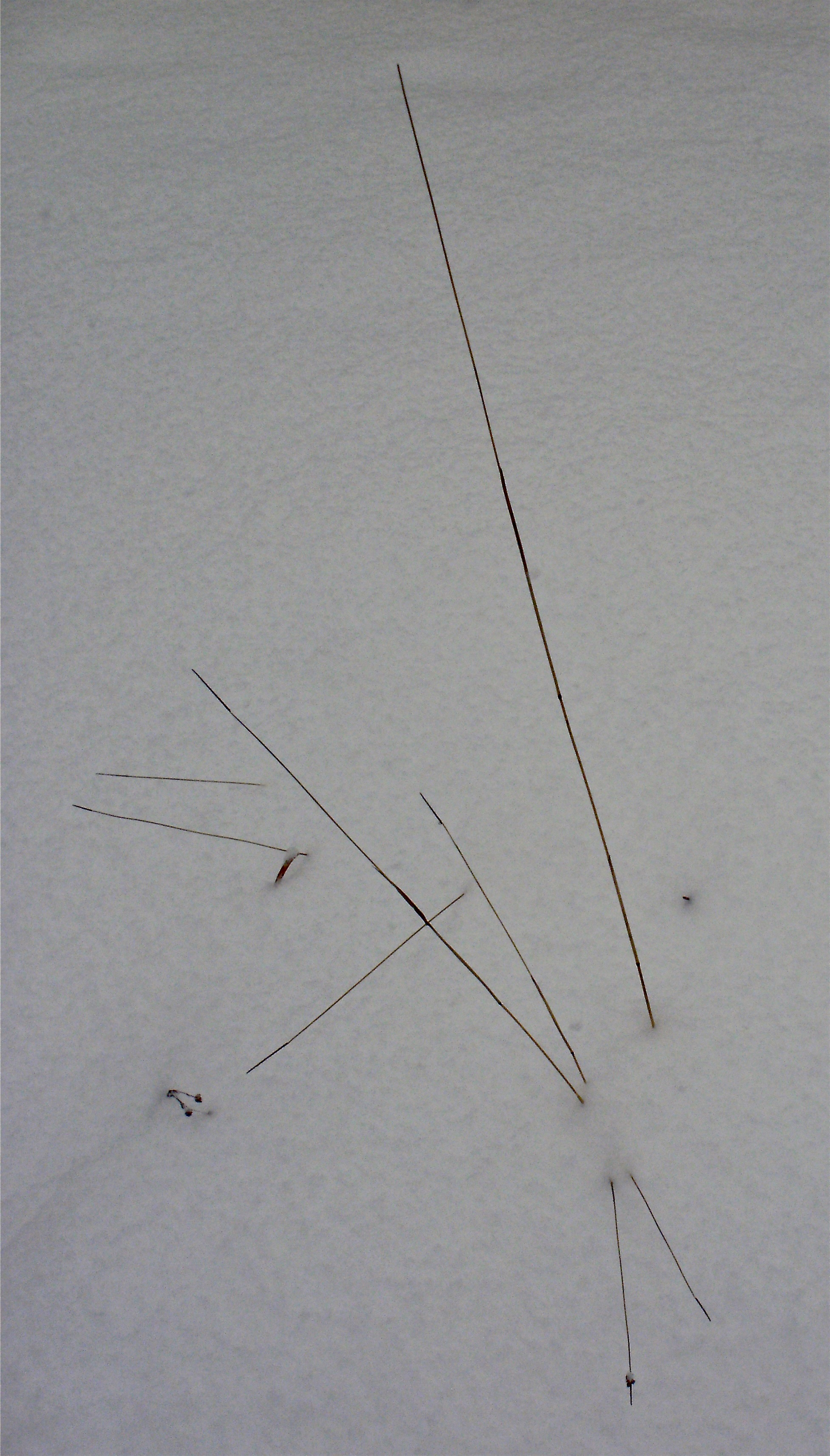
This plain sheet of snow which covers the ice of the pond is not such a blankness as is unwritten, but such as is unread. All colors are in white.
It is such simple diet to my senses as the grass and the sky. There is nothing fantastic in them. Their simple beauty has sufficed men from the earliest times.— they have never criticized the blue sky and the green grass.
Minott tells how he used to love to walk through swamps where great white pines grew and hear the wind sough in their tops.
He recalls this now as he crouches over his stove, but he adds that it was dangerous, for even a small dead limb broken off by the wind and falling from such a height would kill a man at once.
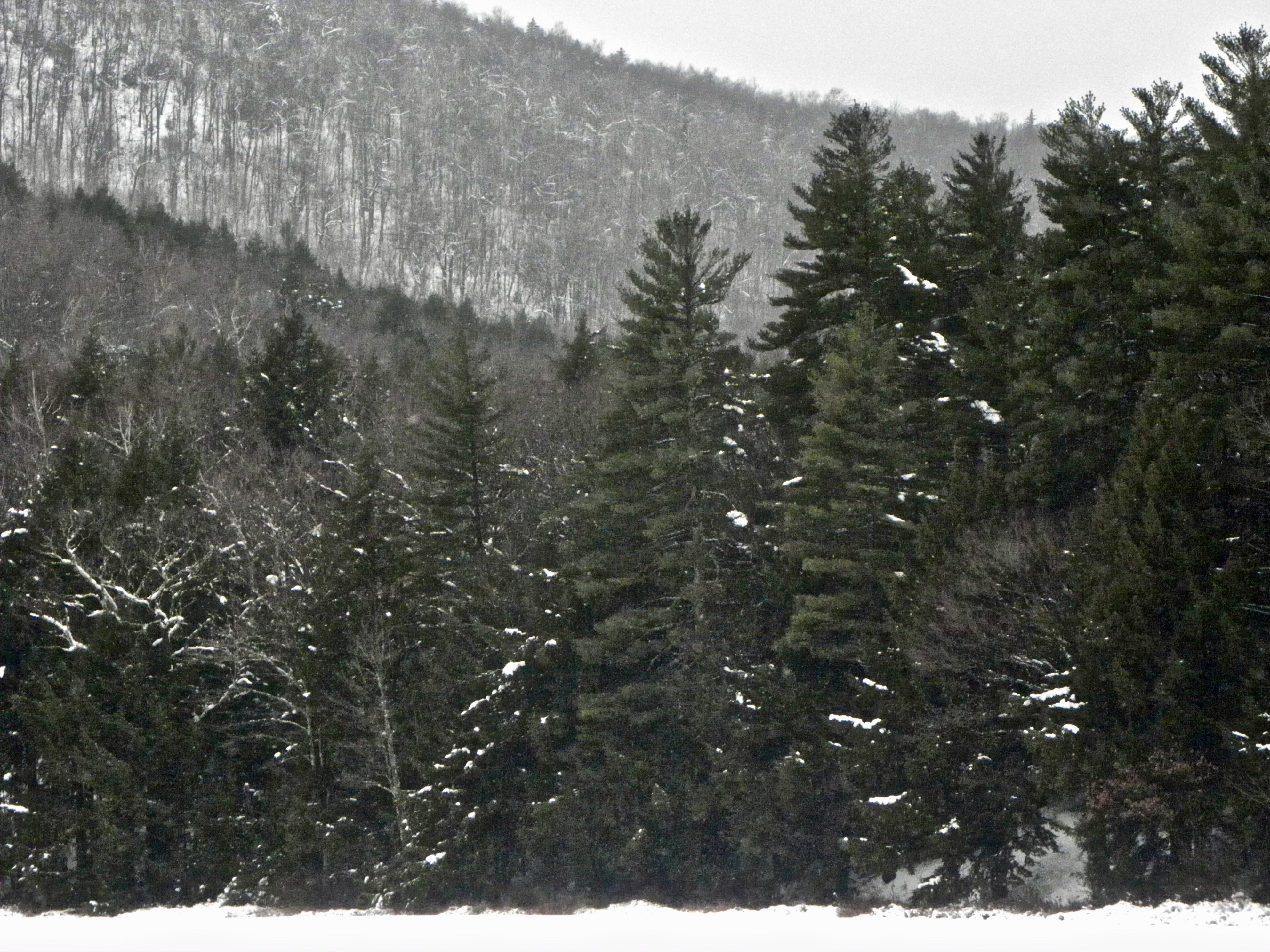
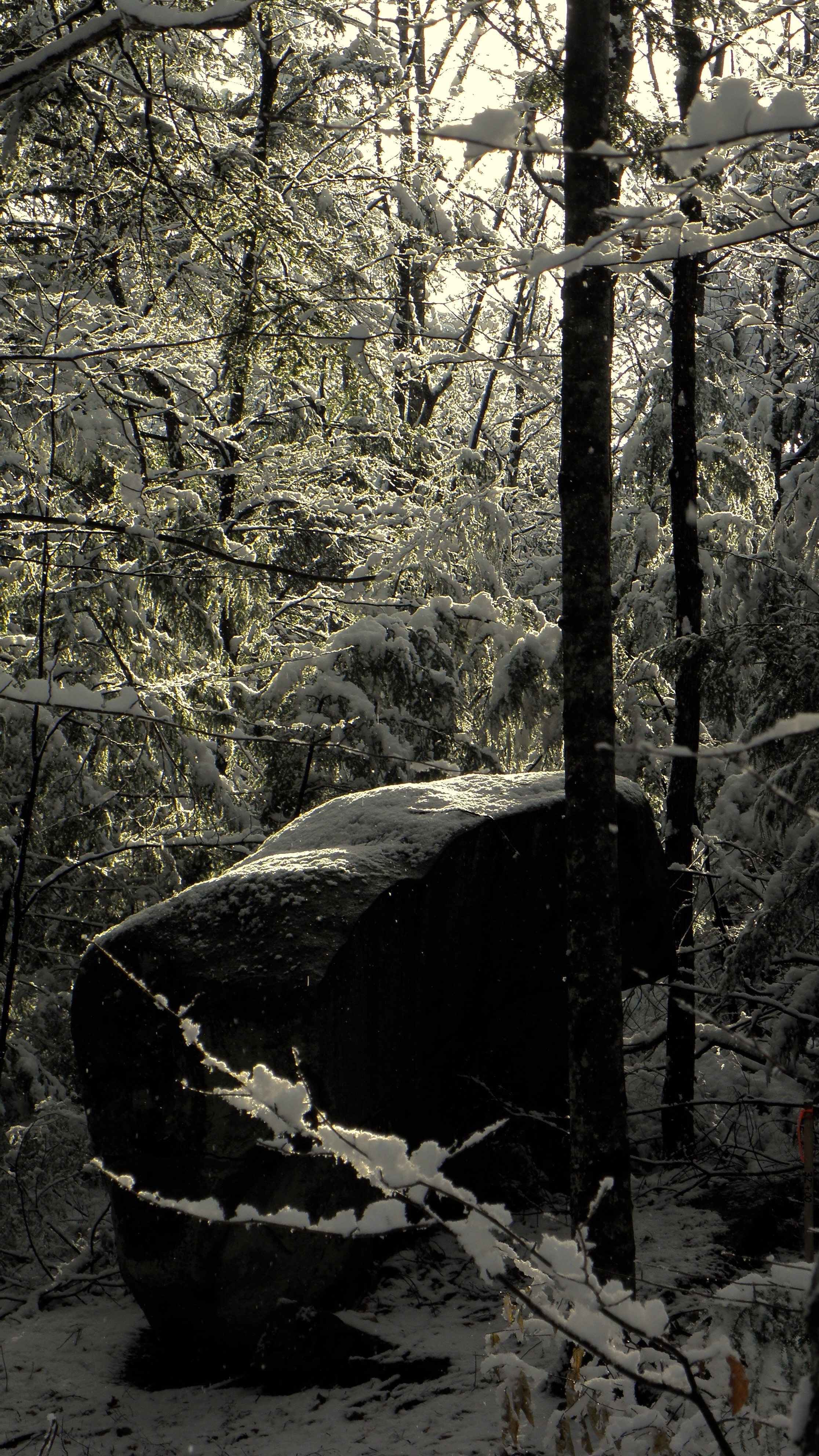
The winter morning is the time to see in perfection the woods and shrubs wearing their snowy and frosty dress. Even he who visits them half an hour after sunrise will have lost some of their most delicate and fleeting beauties. The trees wear their morning burden but coarsely after midday, and it no longer expresses the character of the tree…the stems and branches of the trees look black by contrast. You wander zigzag through the aisles of the woods where stillness and twilight reign. I do not know but a pine woods is as substantial and as memorable a fact as a friend. I am more sure to come away from it cheered than from this who are nearest to being my friends.
Improve every opportunity to express yourself in writing, as if it were your last….
My acquaintances sometimes wonder why I will impoverish myself by living aloof from this or that company, but greater would be the impoverishment if I should associate with them.








You must be logged in to post a comment.