in Thoreau’s Journal:

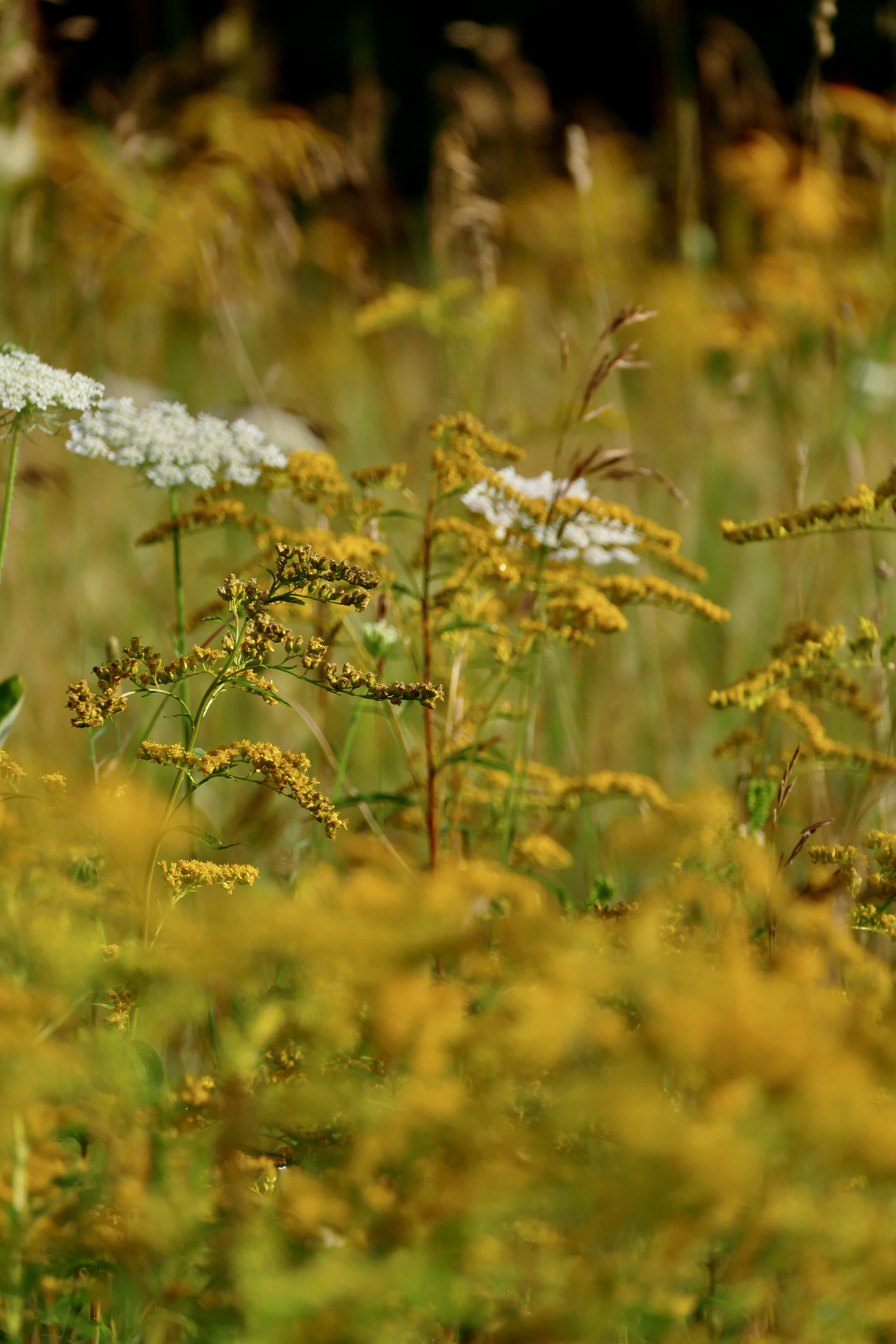
This is the season when the prevalence of the goldenrod gives such a ripe and teeming look to the dry fields and to the swamps.

in Thoreau’s Journal:
This is the season when the prevalence of the goldenrod gives such a ripe and teeming look to the dry fields and to the swamps.
in Thoreau’s Journal:

The poke is a very rich and striking plant. Some which stand under the Cliffs quite dazzled me with their now purple stems gracefully drooping each way, their rich, somewhat yellowish, purple-veined leaves, their bright purple racemes, —peduncles, and pedicels, and calyx-like petals from which the birds have picked the berries (these racemes, with their petals now turned to purple, are more brilliant than anything of the kind), — flower-buds, flowers, ripe berries and dark purple ones, and calyx-like petals which have lost their fruit, all on the same plant. I love to see any redness in the vegetation of the temperate zone. It is the richest color. I love to press these berries between my fingers and see their rich purple wine staining my hand. It asks a bright sun on it to make it show to best advantage, and it must be seen at this season of the year. It speaks to my blood. Every part of it is flower, such is its superfluity of color, —a feast of color. That is the richest flower which most abounds in color. What need to taste the fruit, to drink the wine, to him who can thus taste and drink with his eyes? Its boughs, gracefully drooping, offering repasts to the birds. It is cardinal in its rank, as in its color. Nature here is full of blood and heat and luxuriance. What a triumph it appears in Nature to have produced and perfected such a plant, enough for a summer.
in Thoreau’s Journal:
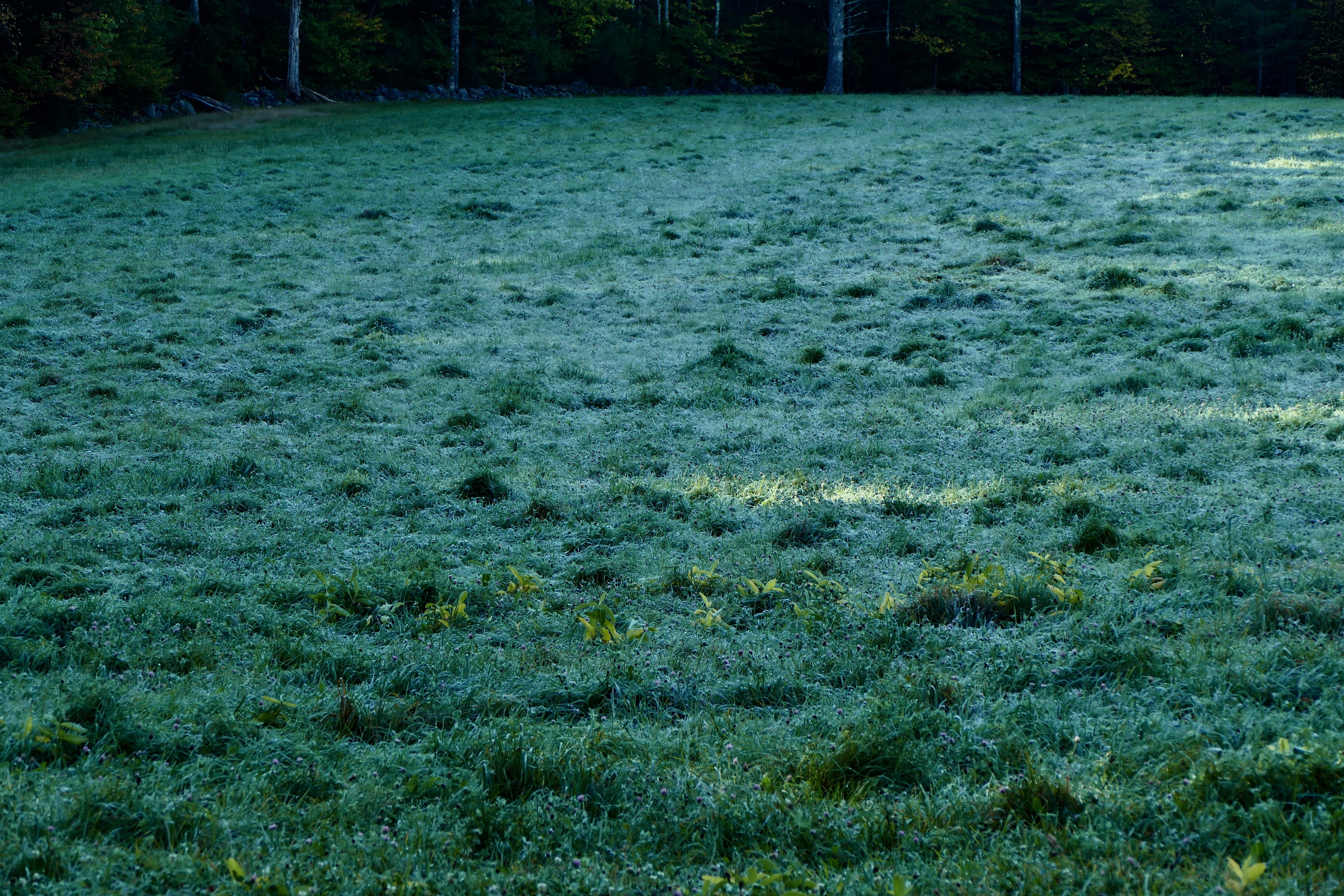
It is a great change produced in one frosty night. What a sudden period put to the reign of summer!
in Thoreau’s Journal:
It is good policy to be stirring about your affairs, for the reward of activity and energy is that if you do not accomplish the object you had professed to yourself, you do accomplish something else.
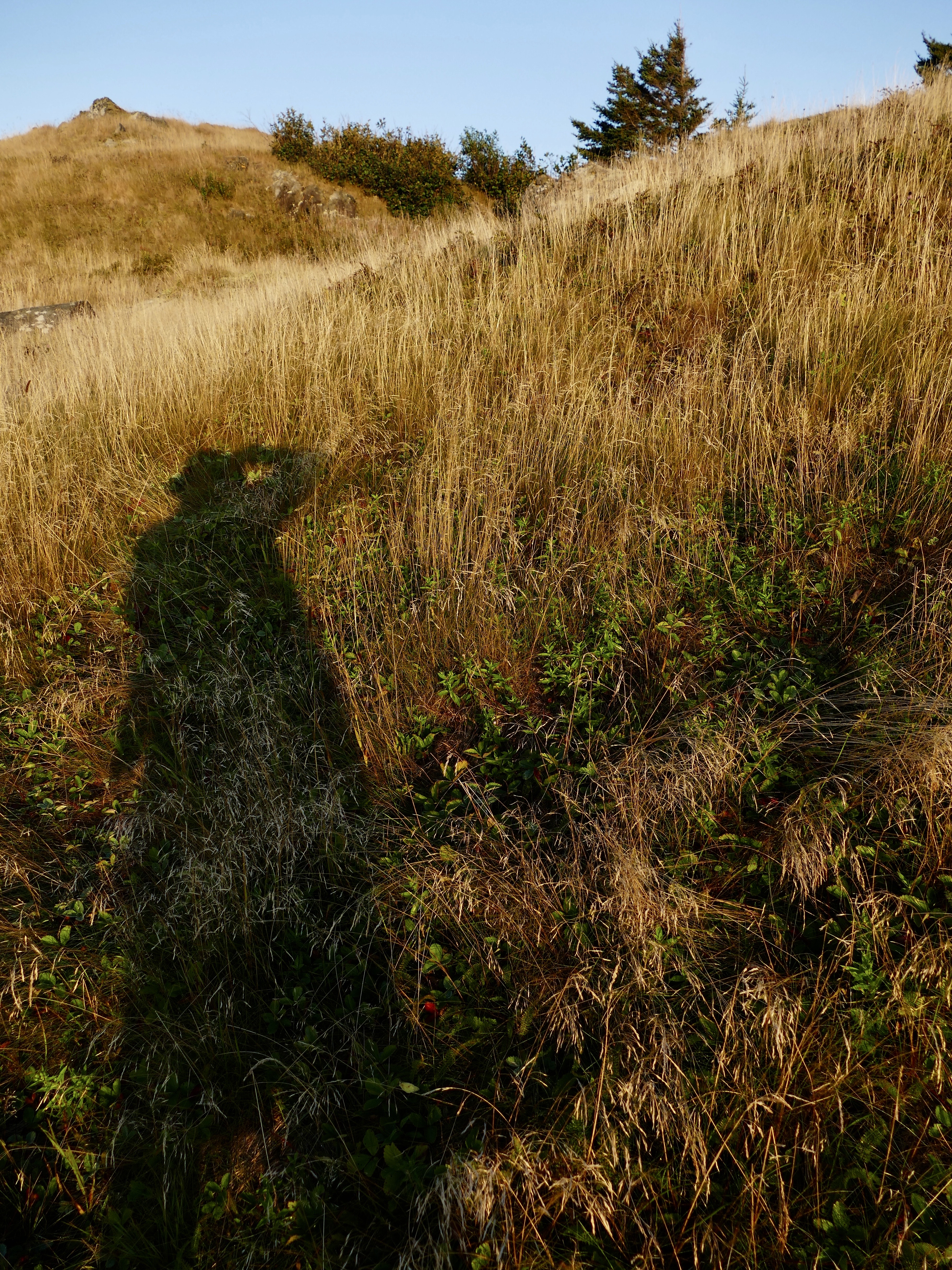
So, in my botanizing or natural history walks, it commonly turns out that, going for one thing, I get another thing.
in Thoreau’s Journal:
I do not remember any page which will tell me how to spend this afternoon. I do not so much wish to know how to economise time as how to spend it, by what means to grow rich, that the day may not have been in vain…
My profession is to be always on the alert to find God in nature, to know his lurking-places, to attend all the oratorios, the operas, in nature.
in Thoreau’s Journal:
The sarsaparilla leaves, green or reddish, are spotted with yellow eyes
centered with reddish, or dull-reddish eyes with yellow iris.

They have a very pretty effect held over the forest floor, beautiful in their decay.
in Thoreau’s Journal:
Some hours seem not to be occasion for anything, unless for great resolves to draw breath and repose in, so religiously do we postpone all action therein.

We do not straight go about to execute our thrilling purpose, but shut our doors behind us, and saunter with prepared mind, as if the half were already done.
in Thoreau’s Journal:
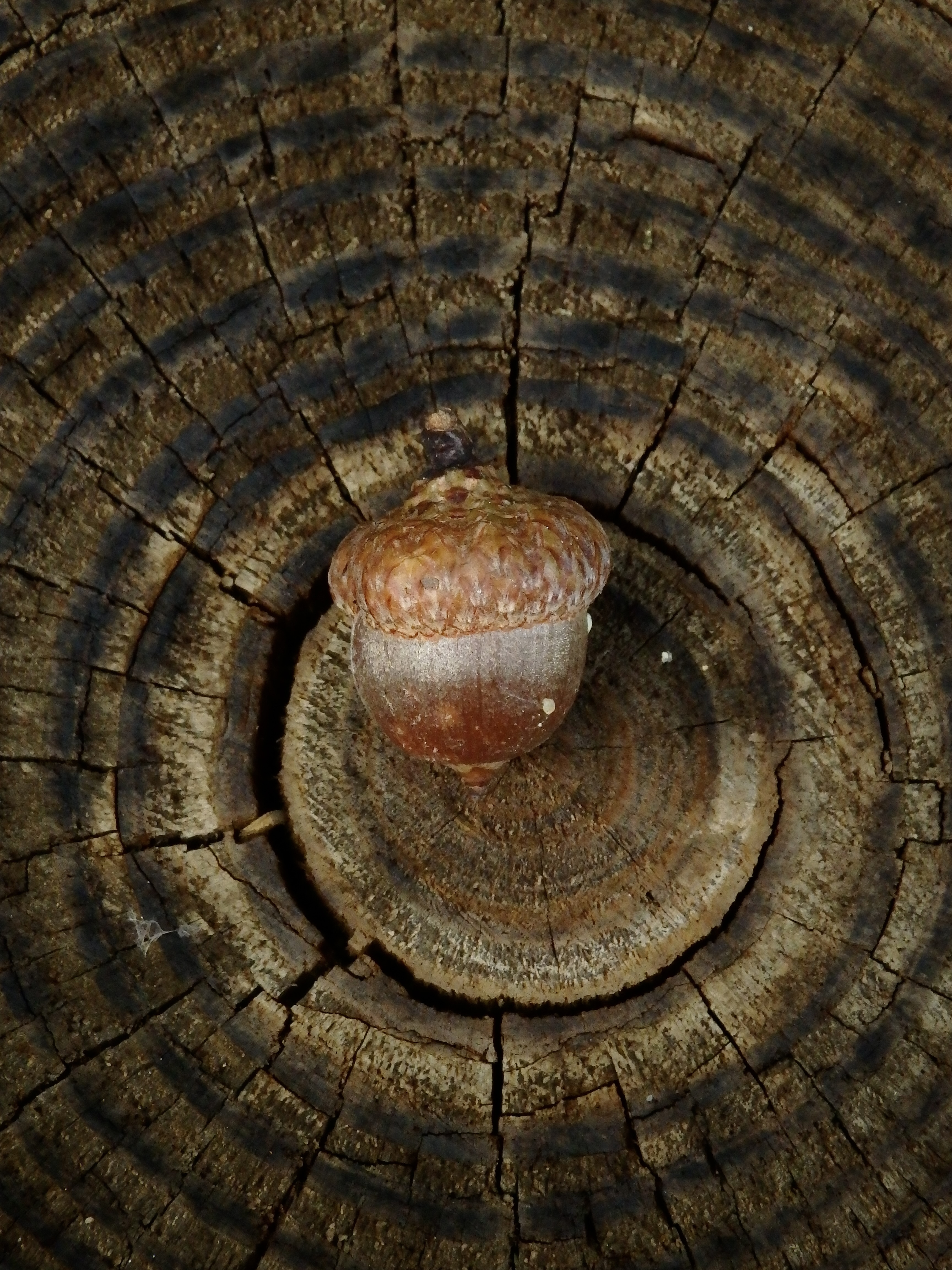
It is wise to write on many subjects, to try many themes, that so you may find the right and inspiring one. Be greedy of occasions to express your thought. Improve the opportunity to draw analogies. There are innumerable avenues to a perception of the truth. Improve the suggestion of each object however humble, however slight and transient the provocation. What else is there to be improved ? Who knows what opportunities he may neglect? It is not in vain that the mind turns aside this way or that: follow its leading; apply it whither it inclines to go. Probe the universe in a myriad points. Be avaricious of these impulses. You must try a thousand themes before you find the right one, as nature makes a thousand acorns to get one oak.
He is a wise man and experienced who has taken many views; to whom stones and plants and animals and a myriad objects have each suggested something, contributed something.
in Thoreau’s Journal:
As for walking, the inhabitants of large English towns are confined almost exclusively to their parks and to the highways. The few footpaths in their vicinities “are gradually vanishing,” says Wilkinson, “under the encroachments of the proprietors.” He proposes that the people’s right to them be asserted and defended and that they be kept in a passable state at the public expense. “This,”says he,”would be easily done by means of asphalt laid upon a good foundation” ! ! ! So much for walking, and the prospects of walking, in the neighborhood of English large towns.
Think of a man — he may be a genius of some kind—being confined to a highway and a park for his world to range in! I should die from mere nervousness at the thought of such confinement. I should hesitate before I were born, if those terms could be made known to me before hand. Fenced in forever by those green barriers of fields, where gentlemen are seated ! Can they be said to be inhabitants of this globe? Will they be content to inhabit heaven thus partially?

in Thoreau’s Journal:
Sometimes my thought rustles in midsummer as if ripe for the fall—

I anticipate the russet hues and the dry scent of autumn, as the feverish man dreams of balm and sage.
in Thoreau’s Journal:
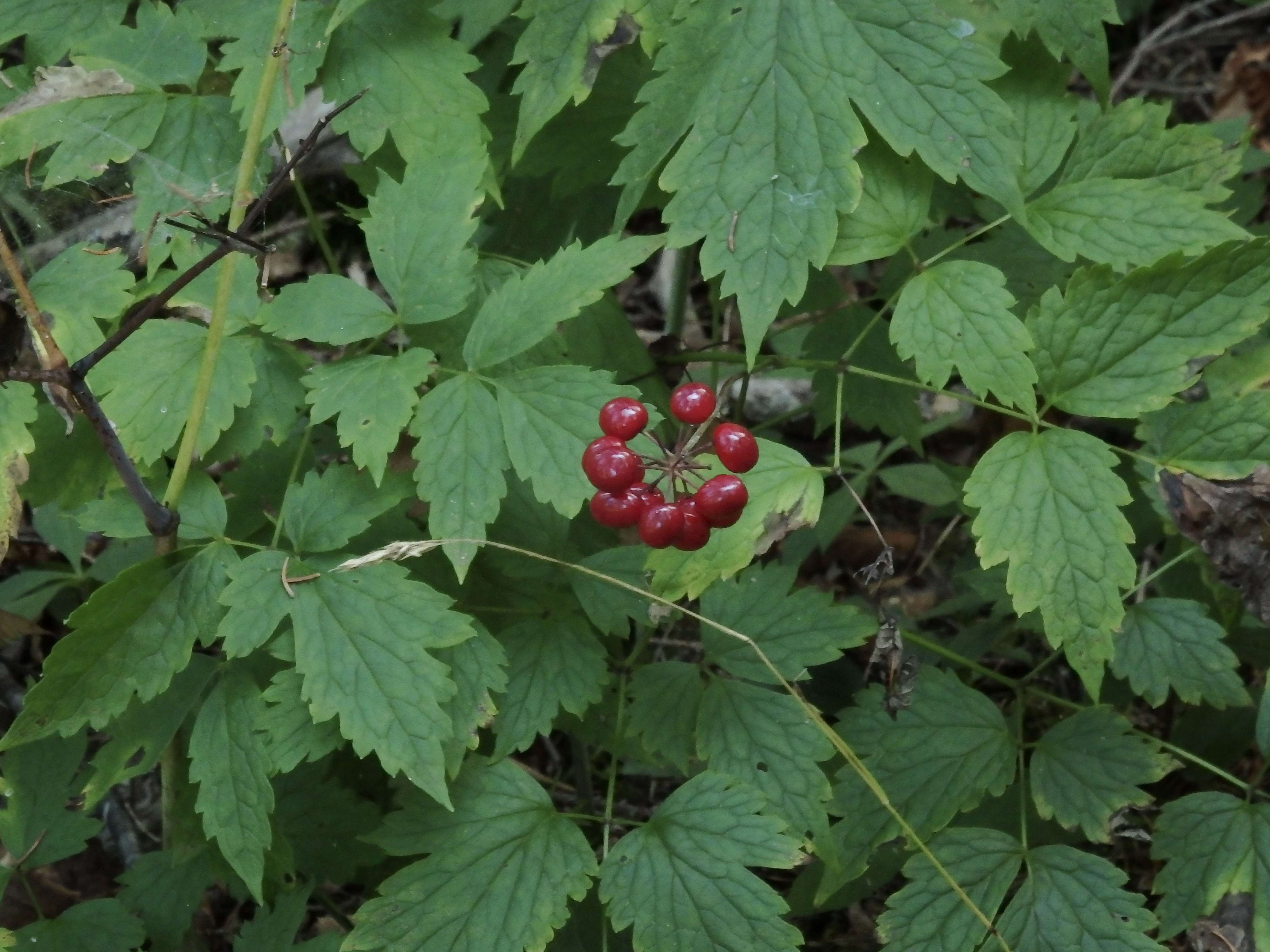
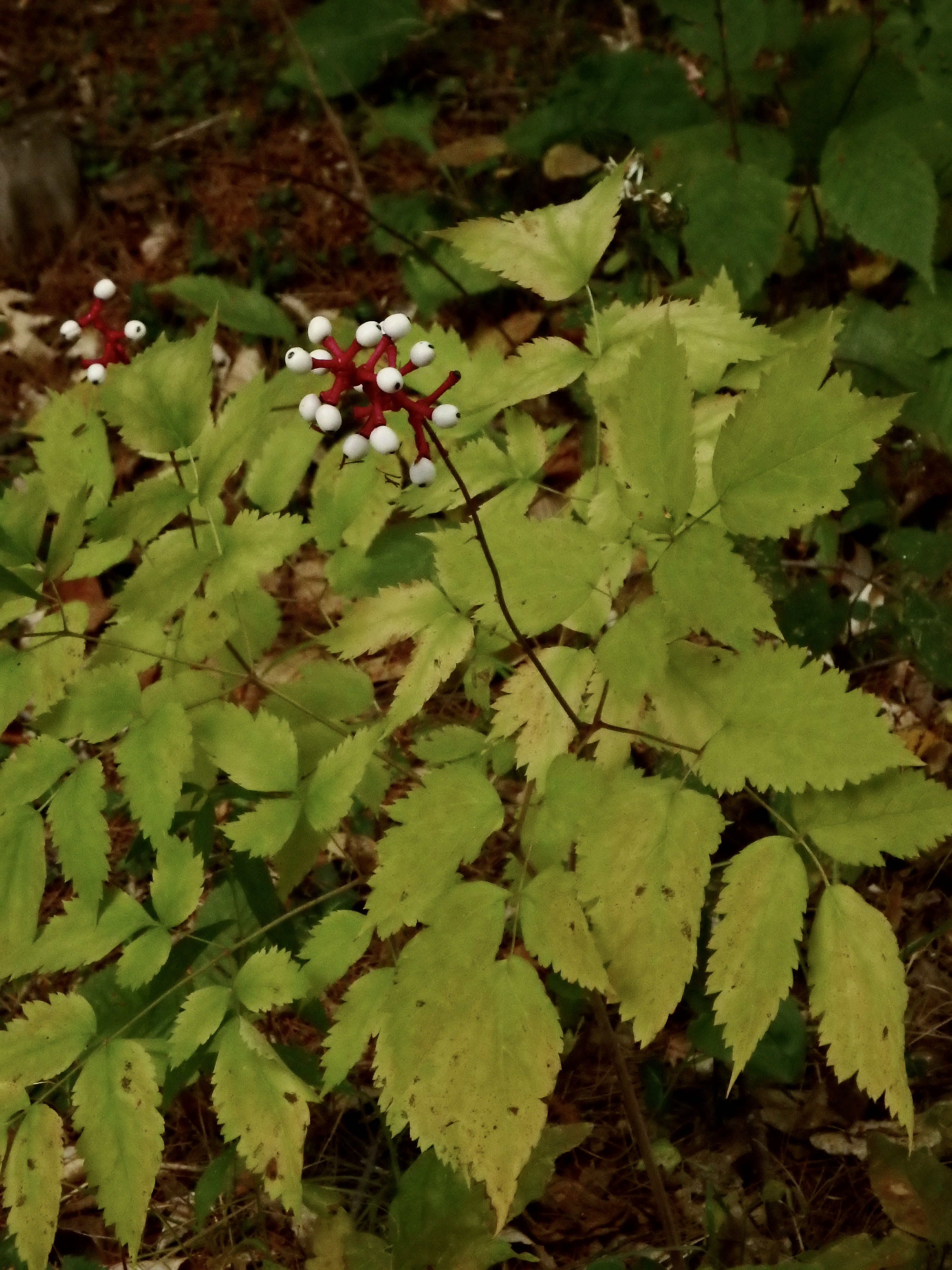
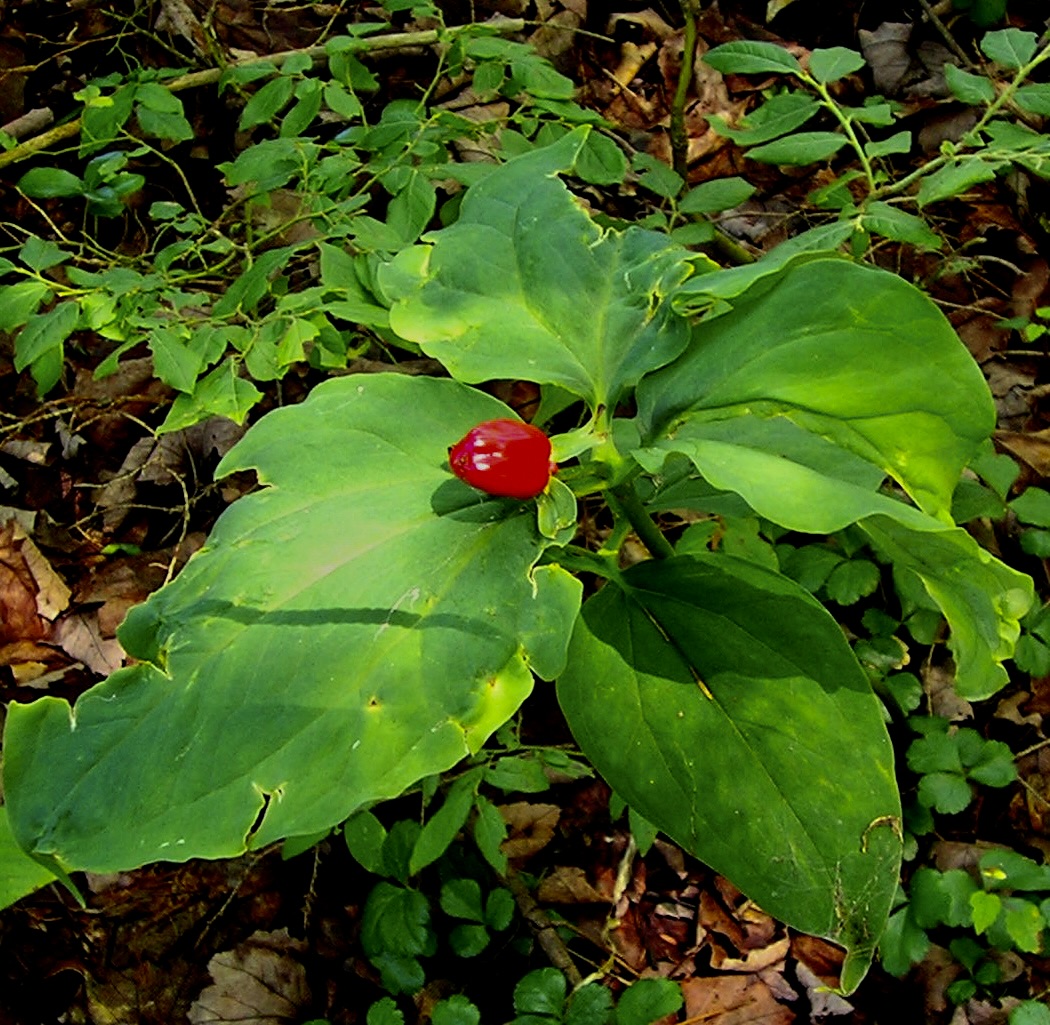
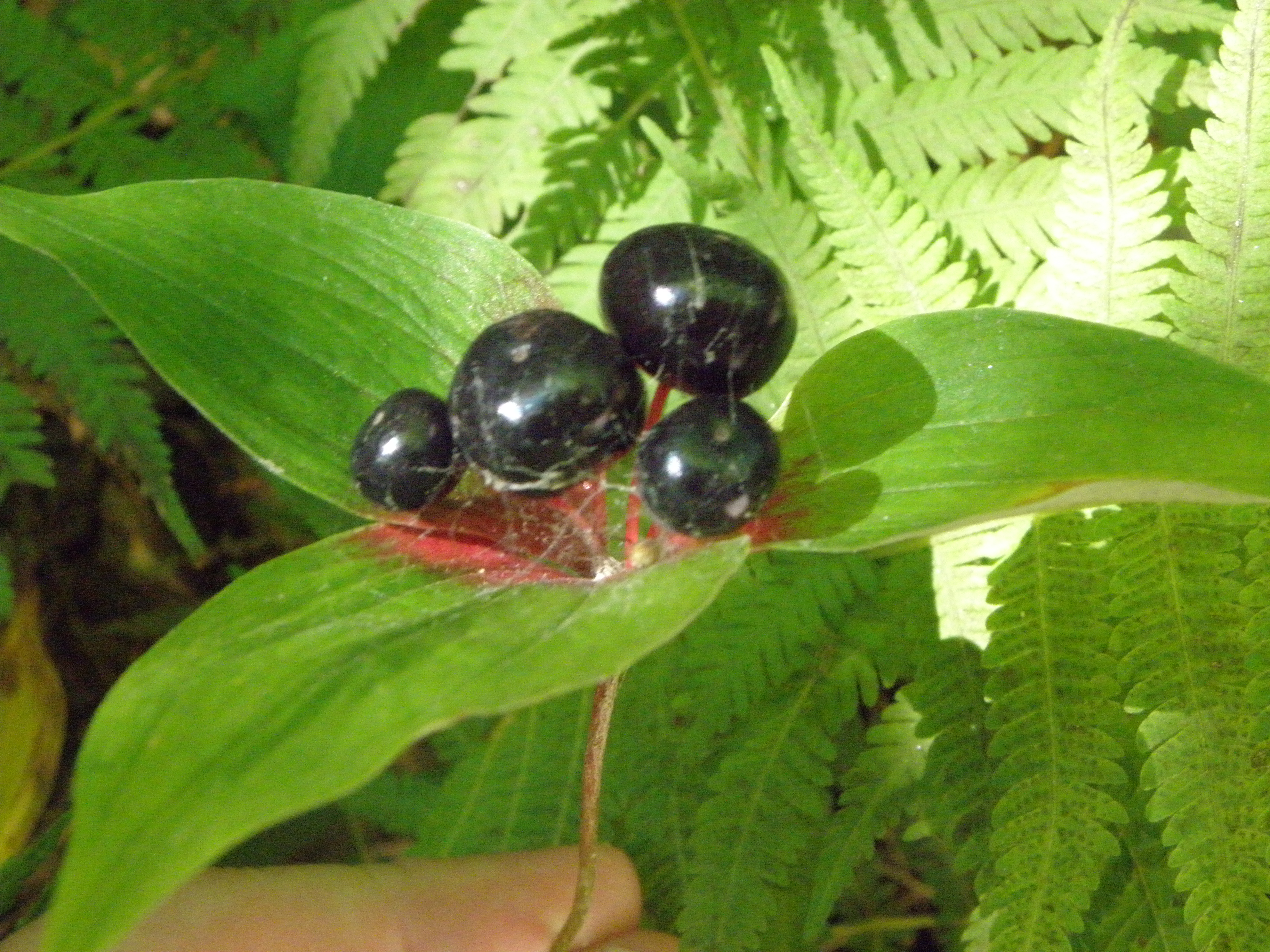
Cohush berries appear now to be in their prime, and arum berries, and red choke-berries, which last further up in this swamp, with their peculiar glossy red and squarish form, are really very handsome. A few medeola berries ripe. The very dense clusters of the smilacina berries, finely purple-dotted on a pearly ground, are very interesting; also the smaller and similar clusters of the two-leaved convallaria. Many of the last and a few of the first are already turned red, clear semilucent red. They have a pleasant sweetish taste.

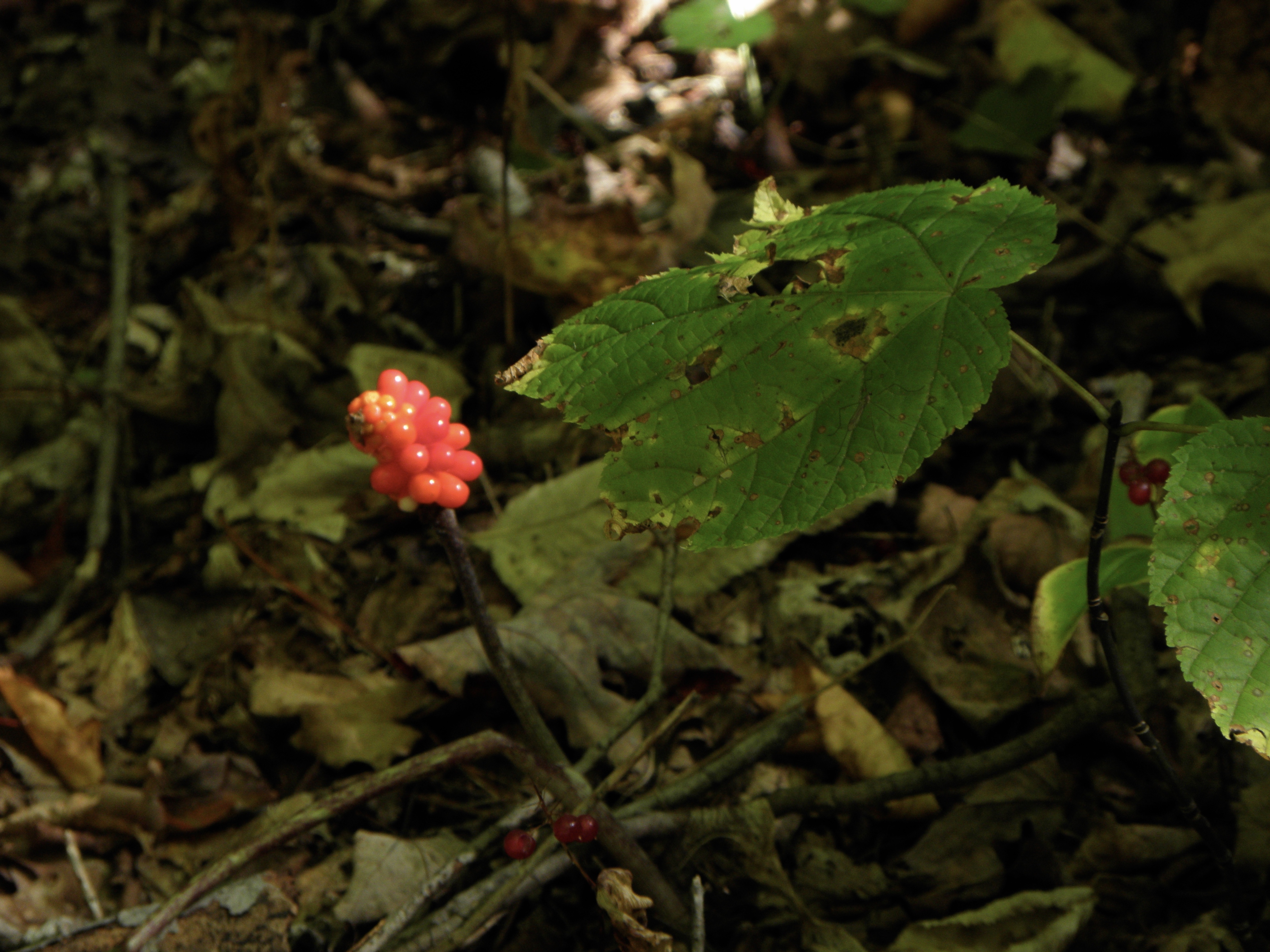
in Thoreau’s Journal:

First frost in our garden. Passed in boat within fifteen feet of a great bittern, standing perfectly still in the water by the riverside, with the point of its bill directly up, as if it knew that from the color of its throat, etc., it was much less likely to be detected in that position, near weeds.
in Thoreau’s Journal:
The purple balls of the carrion-flower, now open a little beneath, standing out on all sides six or eight inches from the twining stem, are very handsome.
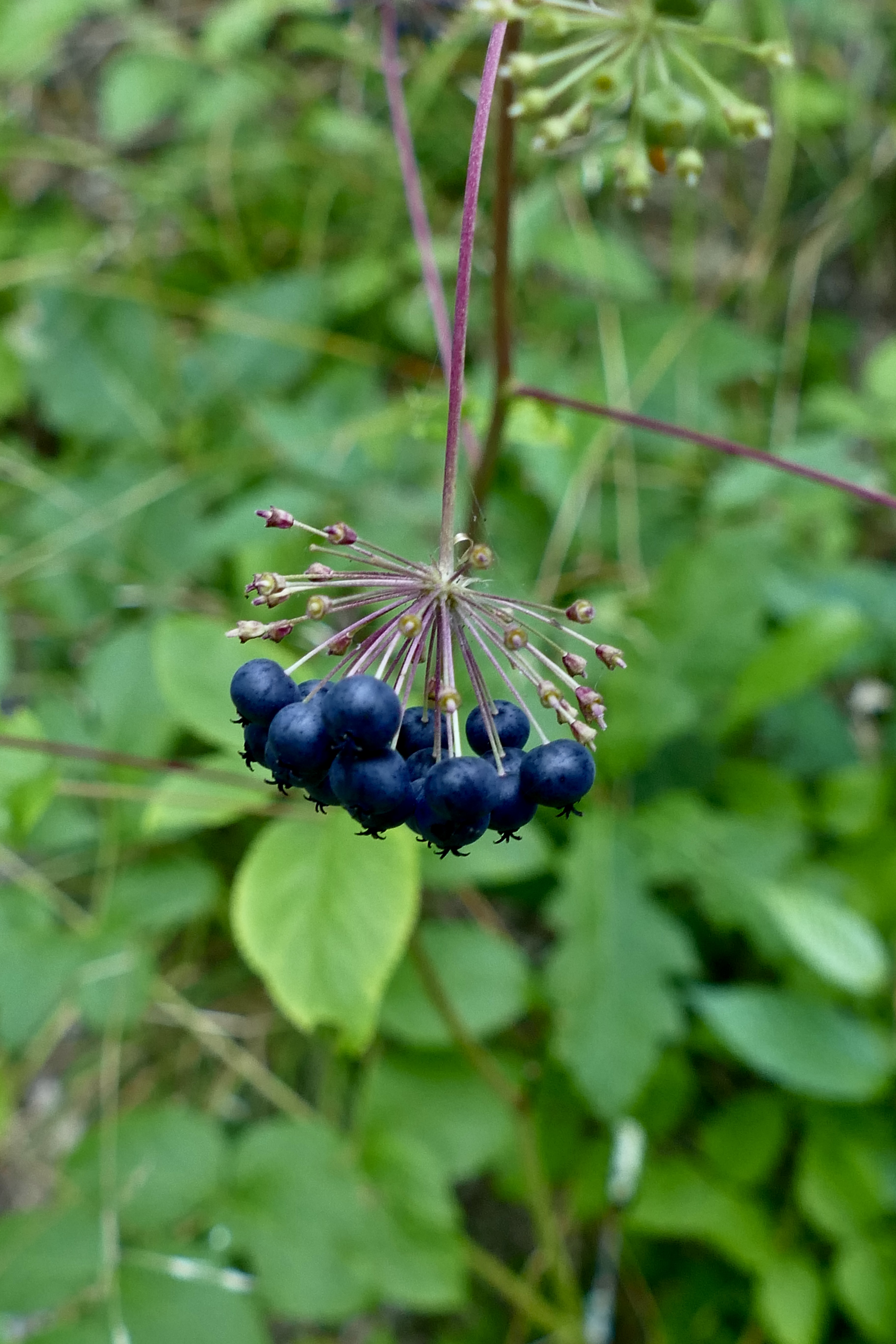
They are covered with a blue bloom, and when this is rubbed off by leaves, are a shining blackish.
in Thoreau’s Journal:
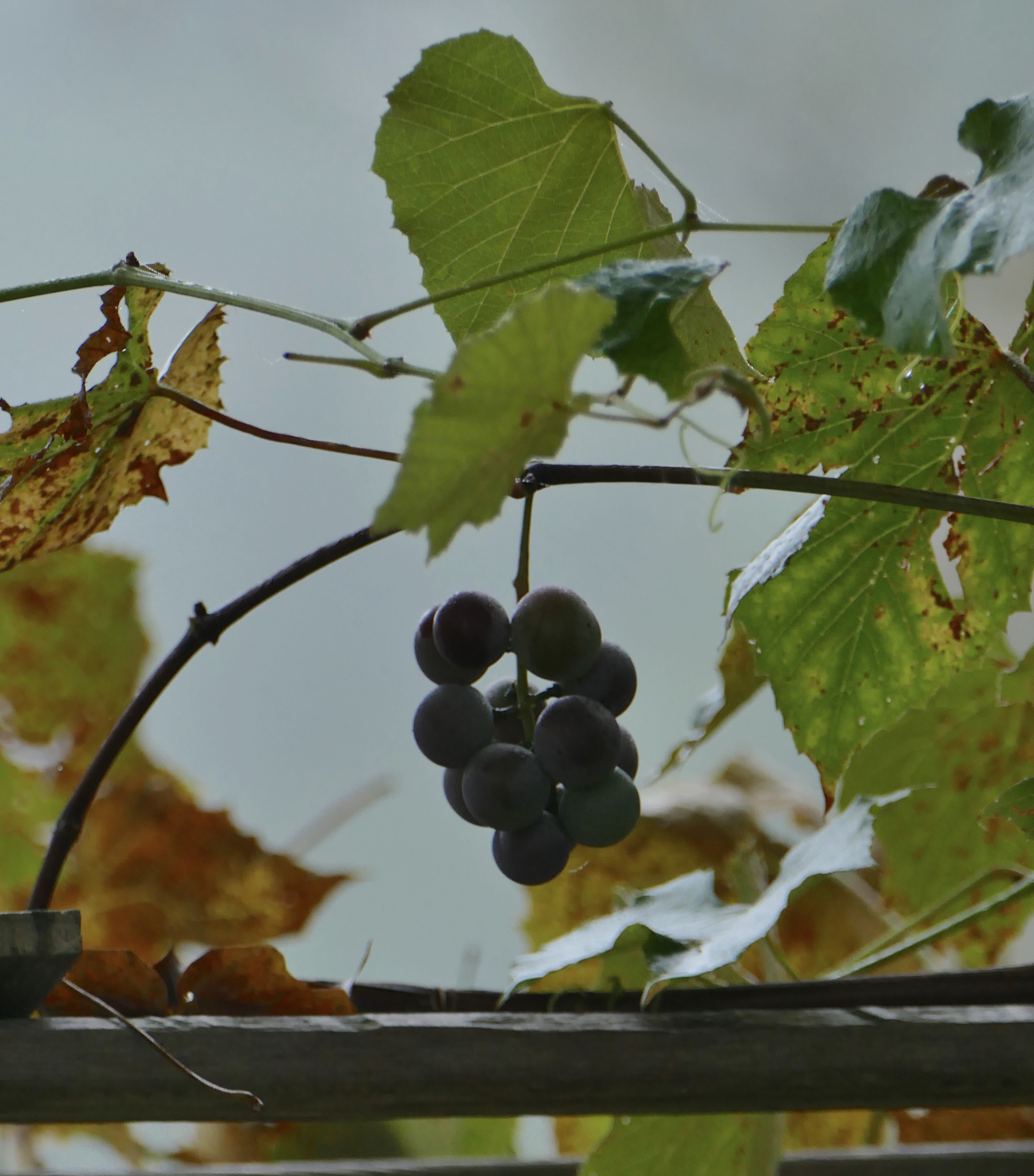

Walking down the street in the evening, I detect my neighbor’s ripening grapes by the scent twenty rods off; though they are concealed behind his house, every passer knows of them. So, too, ever and anon I pass through a little region possessed by the fragrance of ripe apples
in Thoreau’s Journal:
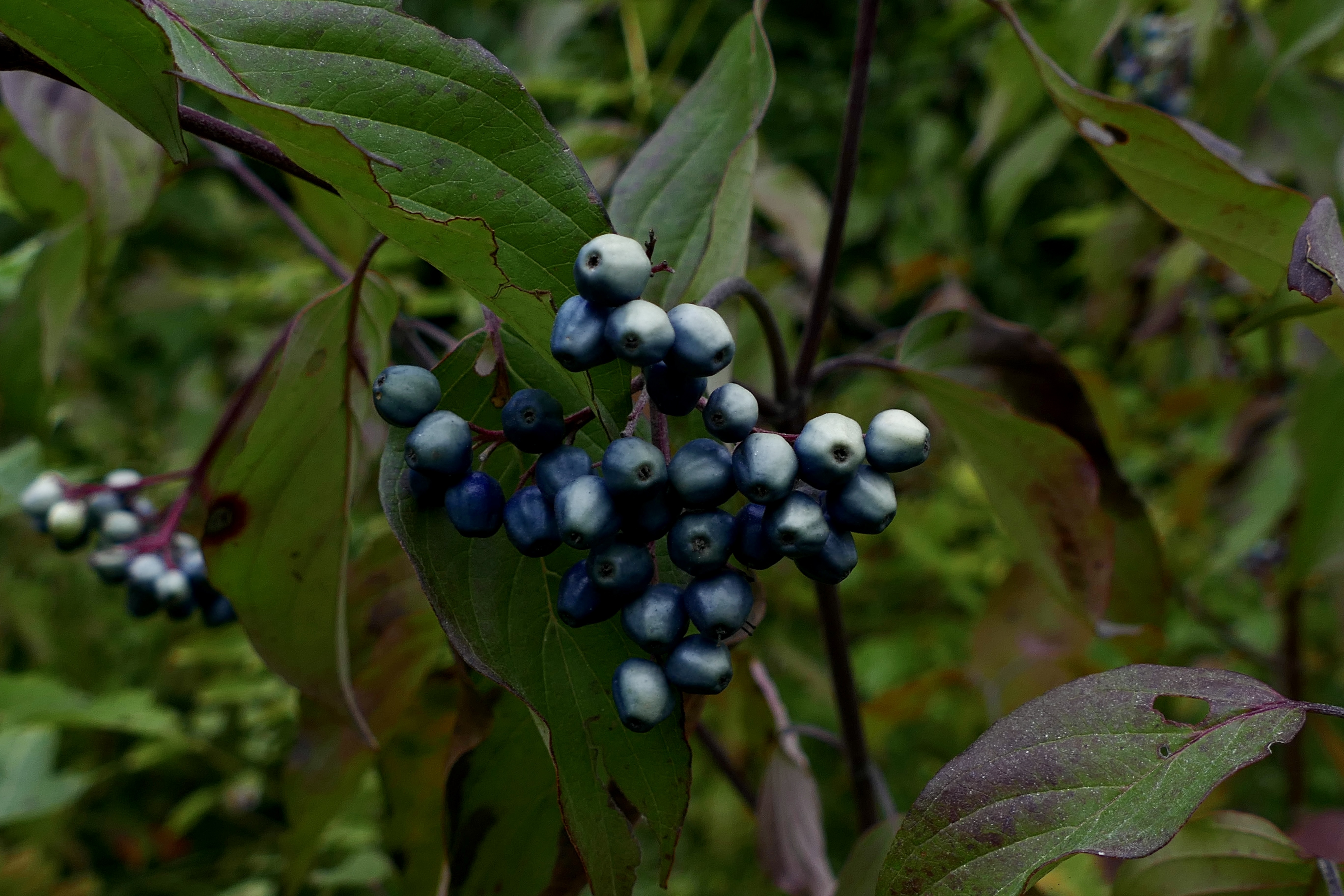
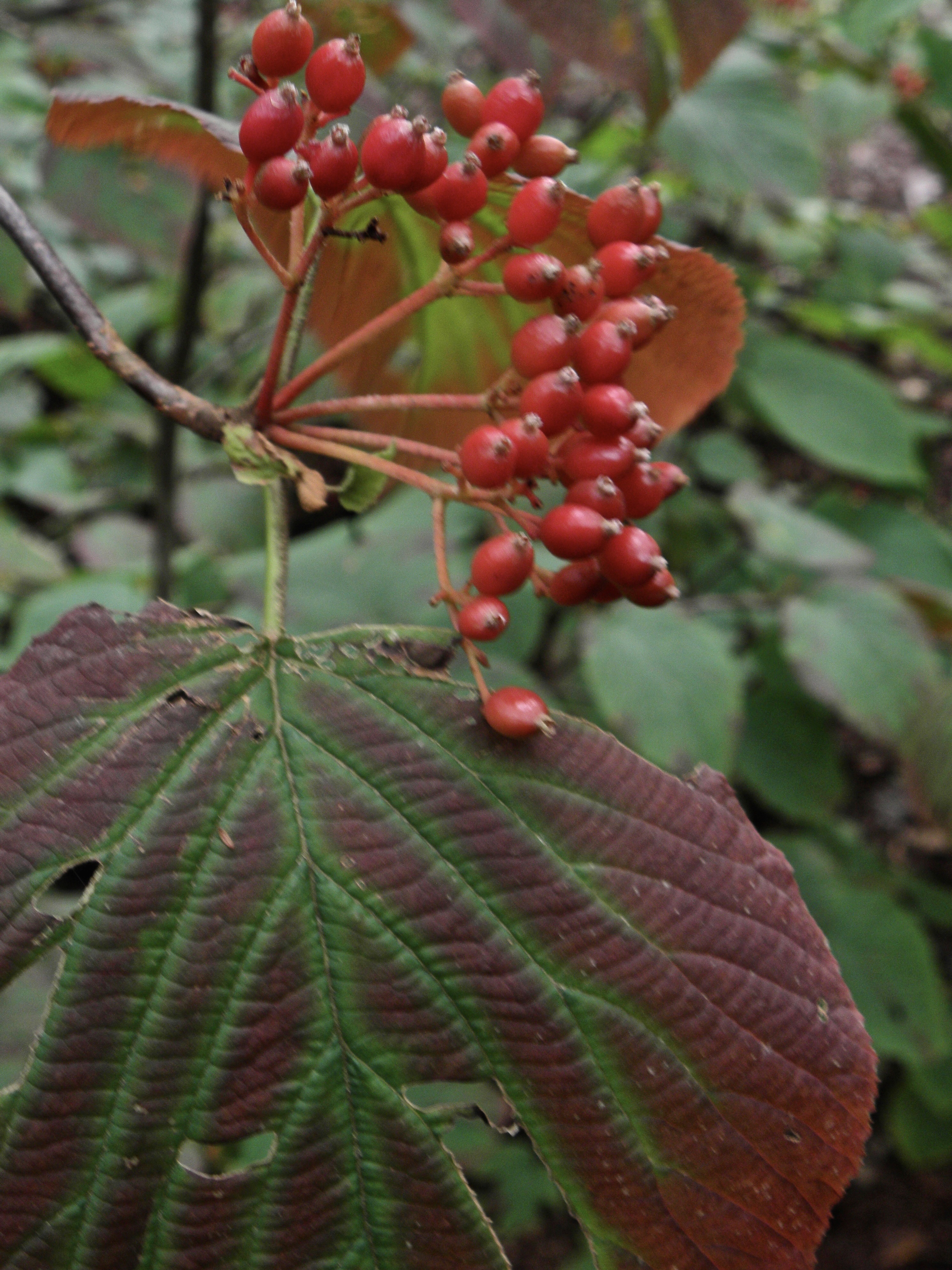
Now the red osier berries are very handsome along the river, overhanging the water, for the most part pale blue mixed with whitish, —part of the pendant jewelry of the season. The berries of the alternate-leaved cornel have dropped off mostly. The white-berried and red osier are in their prime. The other three kinds I have not seen. The viburnums, dentatum and nudum, are in their prime. The sweet viburnum not yet purple, and the maple-leaved still yellowish. Hemp still in blossom.
in Thoreau’s Journal:

The Medeola Virginica, cucumber-root, the whorl-leaved plant, is now in green fruit.
in Thoreau’s Journal:
June. July. August. The tortoise eggs are hatching beneath the surface in the sandy fields. You tell of active labors, of works of art and wars this past summer; meanwhile tortoise eggs underlie this turmoil. What events have transpired on the lit and airy surface three inches above them! …. Think what a summer to them! How many worthy men have died and had their funeral services preached since I saw the mother turtle bury her eggs here. They contained an undeveloped liquid then, they are now turtles. June, July, August the livelong summer what are they with their heats and fevers but sufficient to hatch a turtle in. Be not in haste; mind your private affairs.
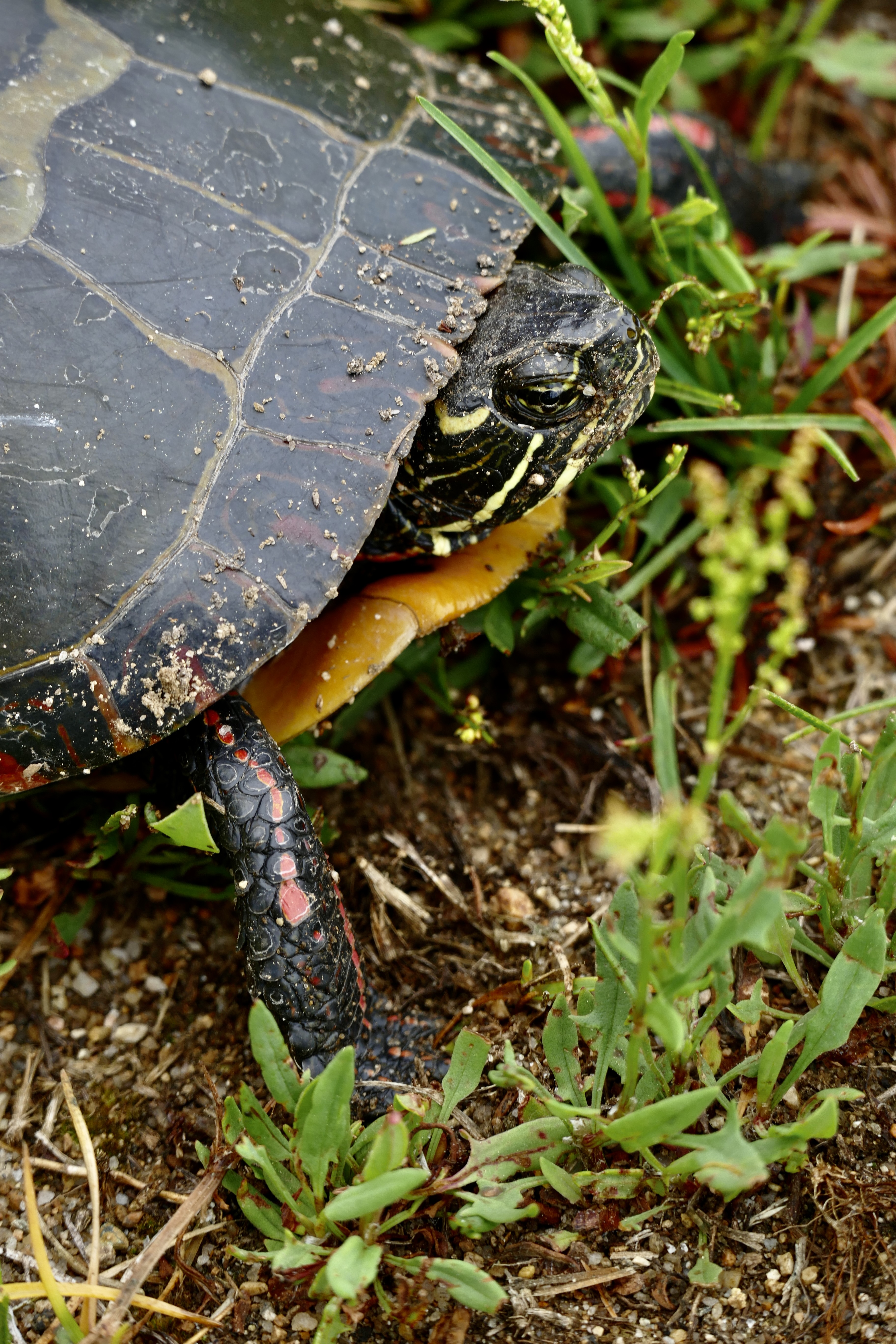
Consider the turtle. A whole summer June, July, August is not too good nor too much to hatch a turtle in. Perhaps you have worried yourself, despaired of the world, meditated the end of life and all things seem rushing to destruction, but nature has steadily and serenely advanced with a turtle’s pace…French empires rise or fall but the turtle is only developed so fast… So is the turtle developed, fitted to endure, for he outlives twenty French dynasties. One turtle knows several Napoleans. They have seen no berries, had no cares, yet the great world existed for them, as much for you.
in Thoreau’s Journal:
Methinks the truly weather-wise will know themselves––& find the signs of rain in their own moods––the aspect of their own skies or thoughts & not consult swallows & spiders––

I incline always [to] questions about the weather without thinking. Does a mind in sympathy with nature need a hygrometer? [Entry for August 26, 1852: Rain Rain.]
in Thoreau’s Journal:
The weather is warmer again after a week or more of cool days. There is greater average warmth, but not such intolerable heats as in July. The nights especially are more equably warm now, even when the day has been comparatively rather cool.

There are few days now, fewer than in July, when you cannot lie at your length on the grass. You have now forgotten winter and its fashions, and have learned new summer fashions. Your life may be out-of-doors now mainly.
August 23, 1851 in Thoreau’s Journal:
Resolve to read no book––to take no walk––to undertake no enterprise but such as you can endure to give an account of to yourself.

Live thus deliberately for the most part….
 allandibiase.com
You must be logged in to post a comment.