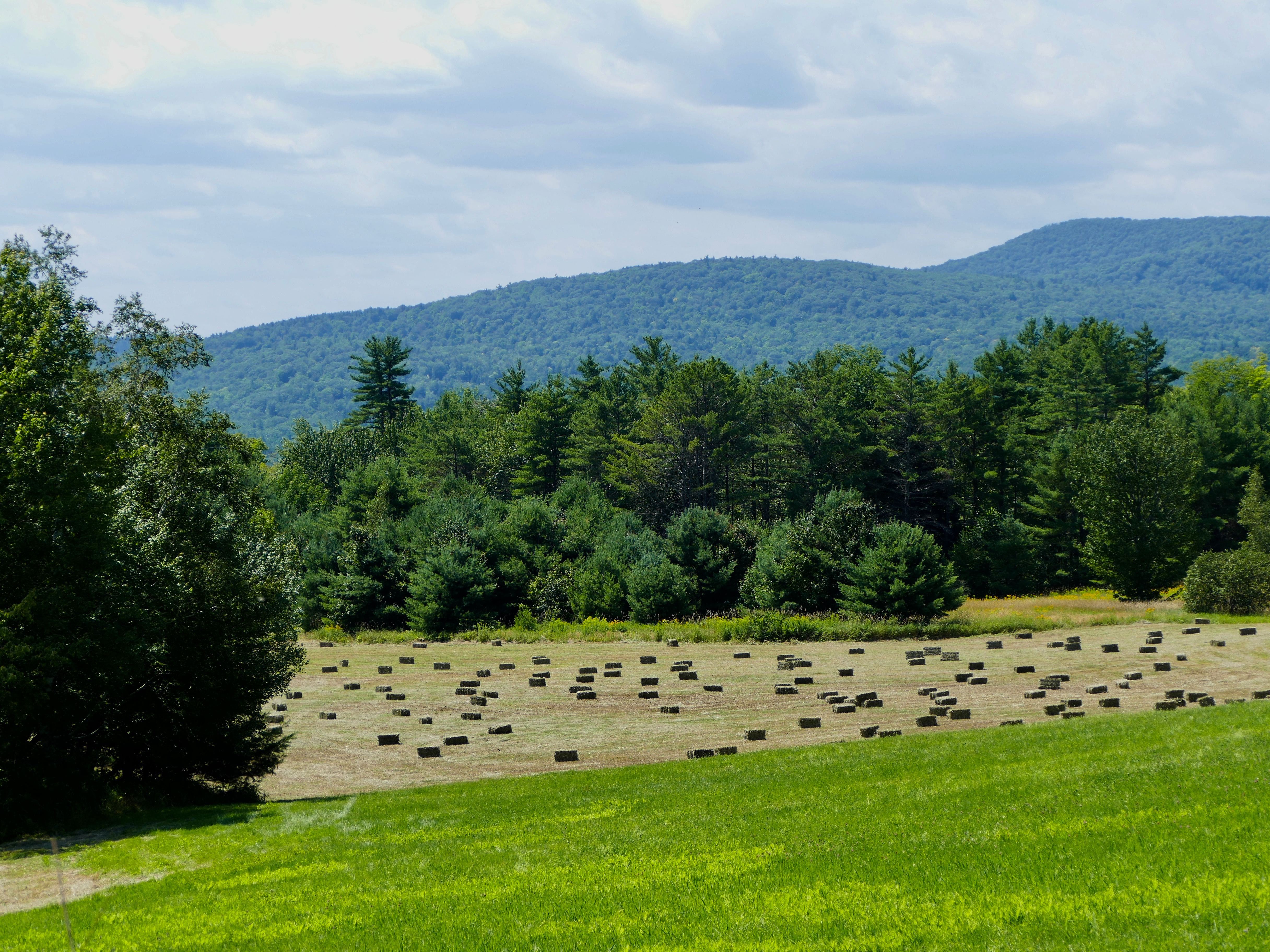
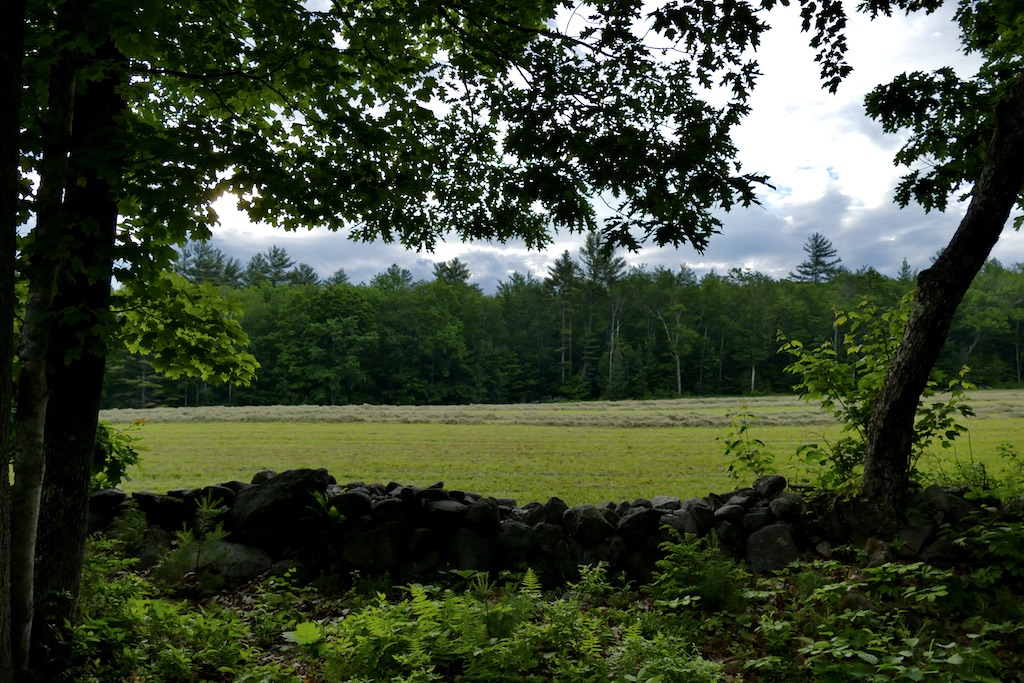
From N. Barrett’s road I look over the Great Meadows. The meadows are the freshest, the greenest green in the landscape, and I do not (at thus hour, at any rate) see any bent grass light. The river is a singularly deep living blue, the bluest blue, such as I rarely observe, and its shore is silvered with white maples, which show the under sides of their leaves, stage upon stage, in leafy towers. Methinks the leaves continue to show their under sides sometime after the wind has done blowing. The southern edge of the meadow is also silvered with (I suppose) the red maple. Then there is the darker green of the forest, and the reddish, brown-ish, and bluish green of grass-lands and pastures and grain-fields, and the light-blue sky. There are not clouds enough in the sky to attract you to-day.
The strawberries may perhaps be considered a fruit of the spring, for they have depended chiefly on the freshness and moisture of spring, and on high lands are already dried up; a soft fruit, a sort of manna which falls in June, and in the meadows they lurk at the shady roots of the grass.
Now the blueberry, a somewhat firmer fruit, is beginning. Nuts, the firmest, will be the last.
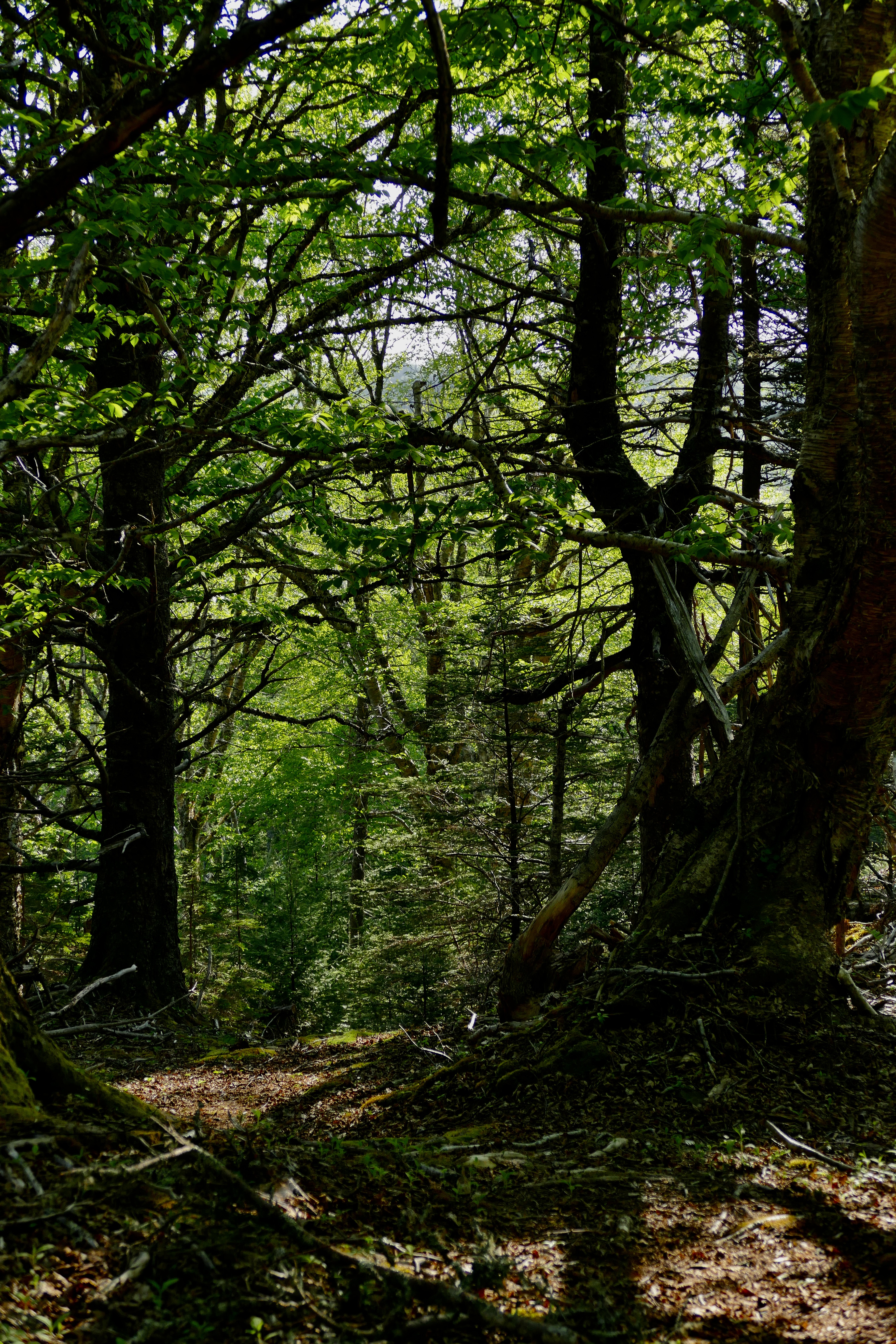
And then for my afternoon walks I have a garden––larger than any artificial garden that I have read of––and far more attractive to me, mile after mile of embowered walks, with animals running free & wild therein as from the first––varied with land & water prospect––and above all so retired that it is extremely rare that you meet a single wanderer in its maze –– No gardener is seen therein no gates nor… You may wander away to solitary bowers & brooks & hills…
A comfortable breezy June morning. No dust to-day. To explore a segment of country between the Stow hills and the railroad in Acton, west to Boxboro. A fine, clear day, a journey day. A very small blue veronica in the bank by the roadside at Mrs. Hosmer’s, apparently the same with that I saw on the Cliffs with toothed leaves. Interesting from being blue. The traveller now has the creak of the cricket to encourage him on all country routes, out of the fresh sod, still fresh as in the dawn, not interrupting his thoughts. Very cheering and refreshing to hear so late in the day, this morning sound. The whiteweed colors some meadows as completely as the frosting does a cake. The waving June grass shows watered colors like grain. No mower’s scythe is heard. The farmers are hoeing their corn and potatoes. Some low blackberry leaves are covered with a sort of orange-colored mildew or fungus. The clover is now in its glory. Whole fields are rosed with it, mixed with sorrel, and looking deeper than it is. It makes fields look luxuriant which are really thinly clad.
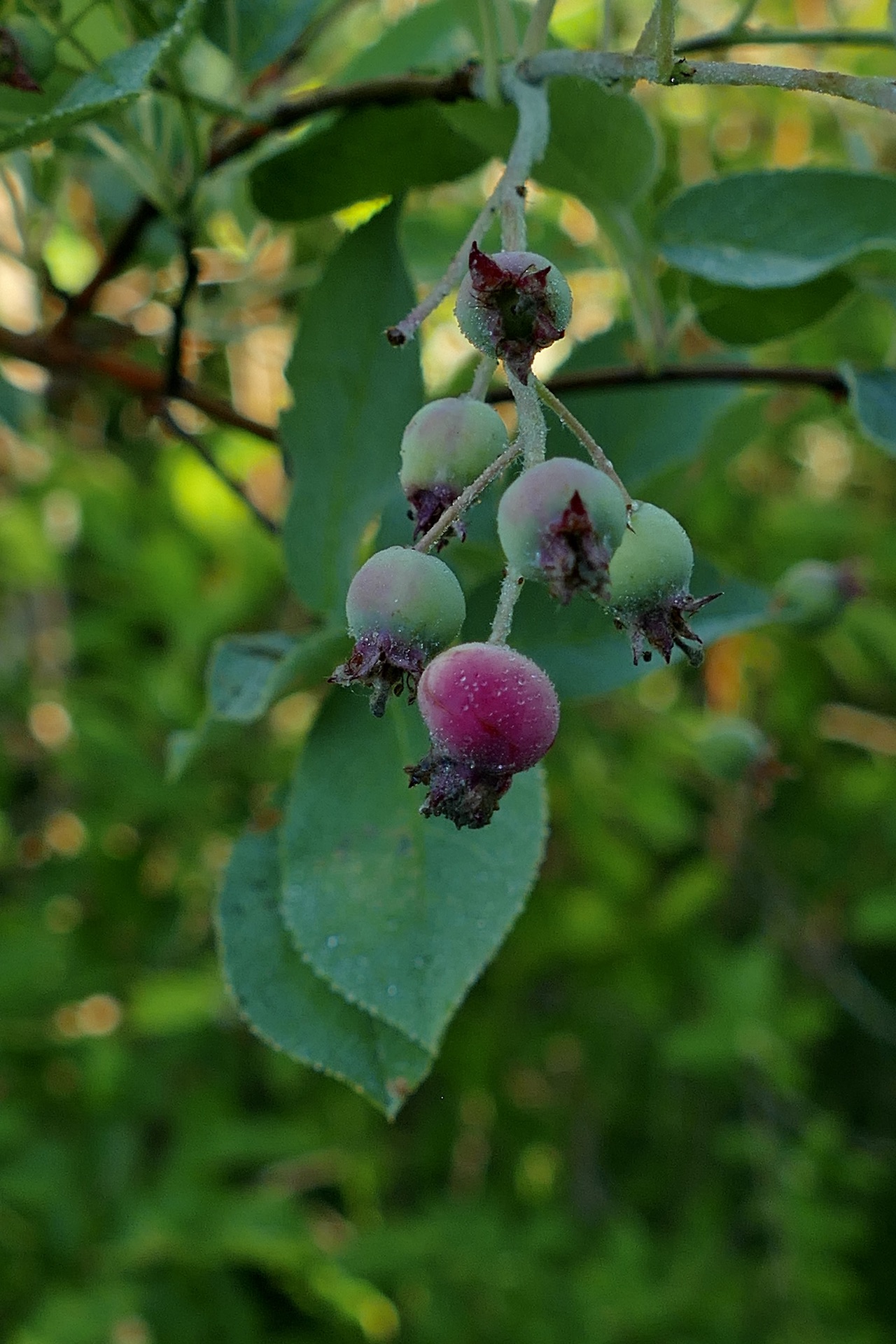
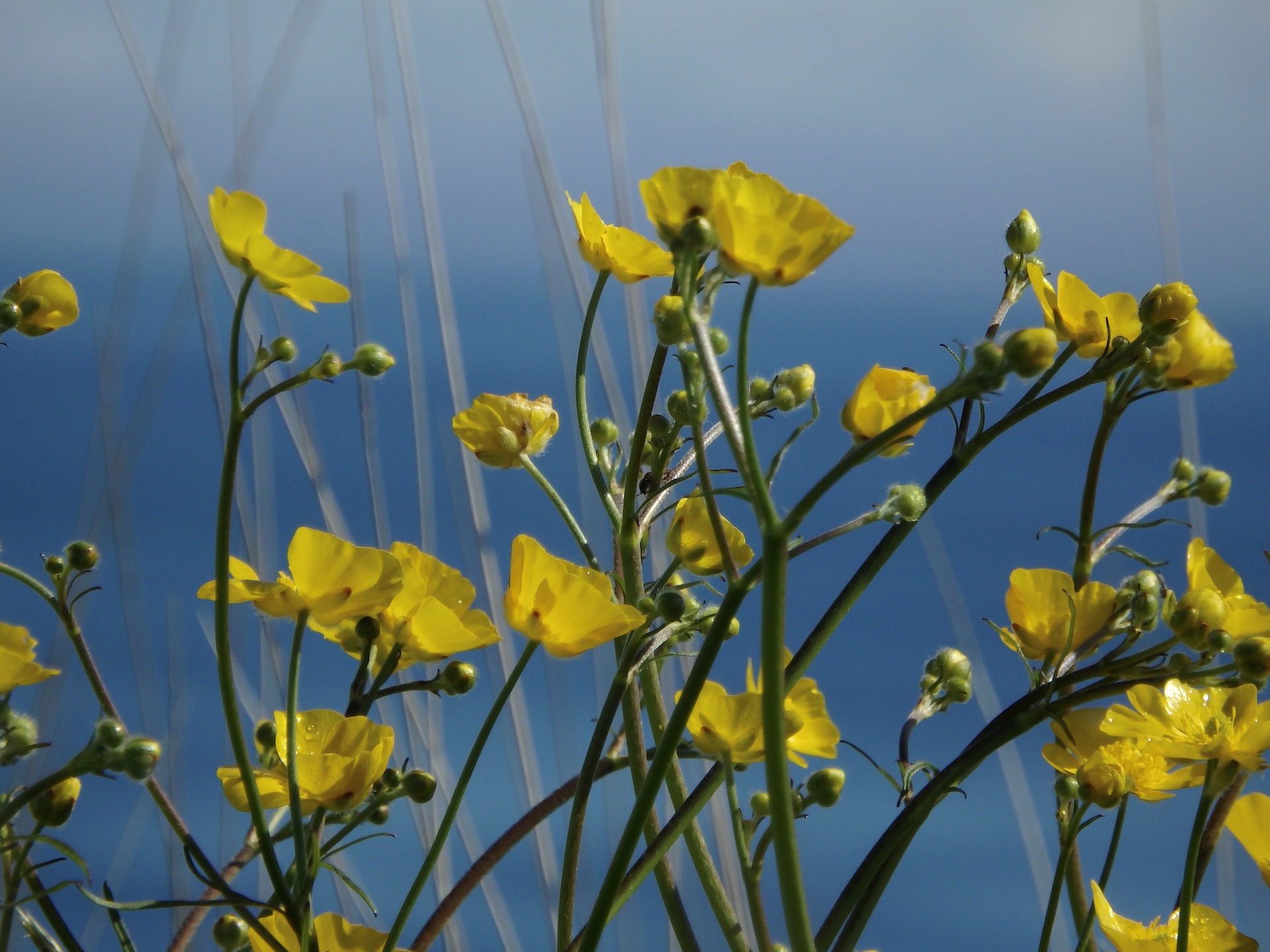
The air is full of its sweet fragrance. I cannot find the linnæa in Loring’s; perhaps because the woods are cut down; perhaps I am too late. The robins sing more than usual, maybe because of the coolness. Buttercups and geraniums cover the meadows, the latter appearing to float on the grass, – of various tints. It has lasted long, this rather tender flower. Methinks there are most tall buttercups now. These and the senecio, now getting stale, prevail in the meadows. Green early blueberries on hillsides passim remind you of the time when berries will be ripe. This is the ante-huckleberry season, when fruits are green. The green fruit of the thorn is conspicuous, and of the wild cherry and the amelanchiers and the thimble-berry. These are the clover days.
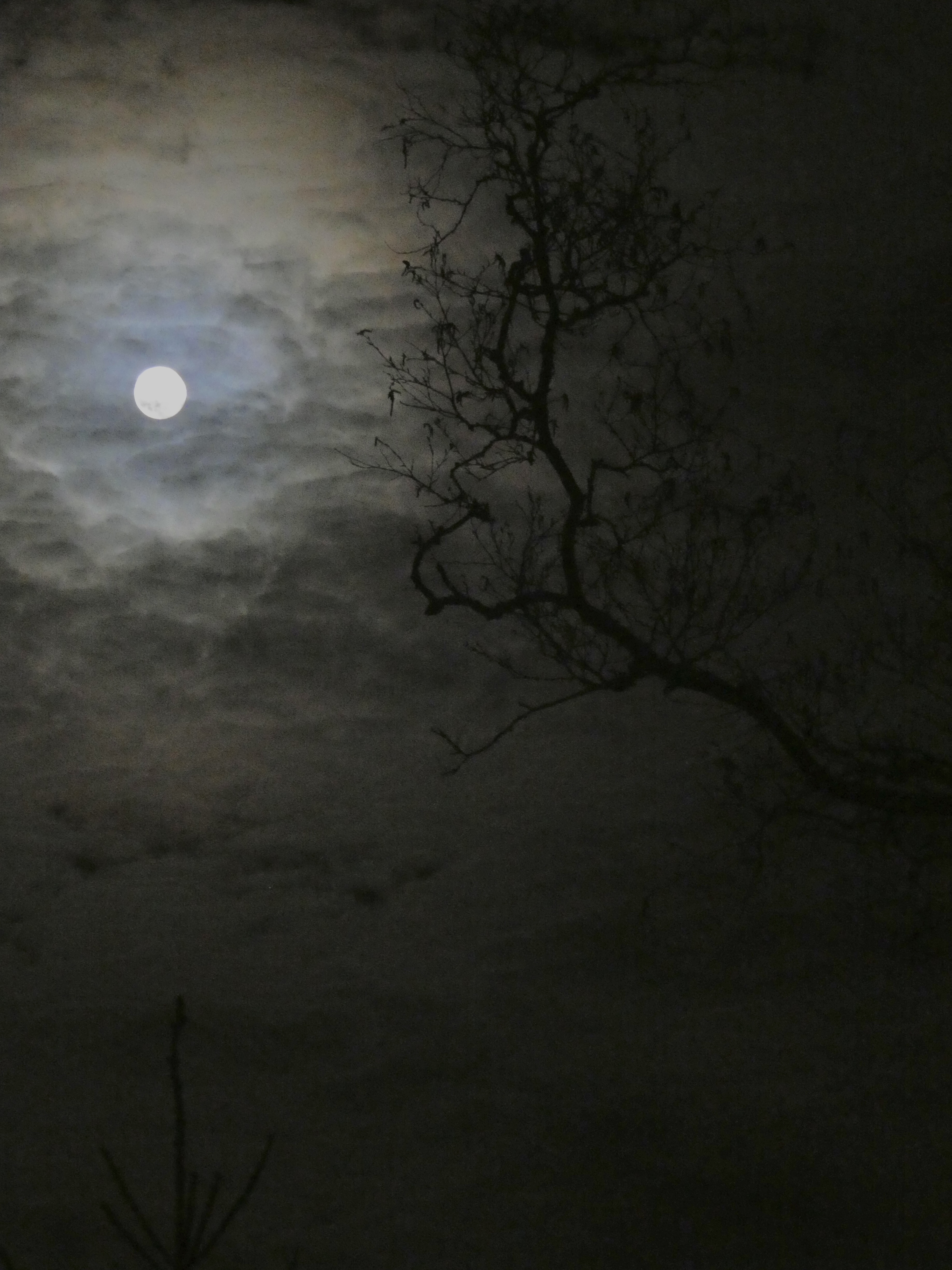
Moon not quite full– Going across Depot Field – The western sky is now a crescent of saffron inclining to salmon–a little dunnish perhaps. The grass is wet with dew–the evening star has come out but no other– There is no wind– I see a night hawk in the twilight flitting near the ground– I hear the hum of a beetle going by– The greenish fires of lightning bugs are already seen on the meadow– I pass through Hubbardston along the side of a field of oats–which wet one leg. I perceive the smell of a burning far off by the river, which I saw smoking 2 days ago. The moon is laboring in a mackerel cloud and my hopes are with her. Why do I hear no bull frogs yet– Do they ever trump as early and as universally as on that their first evening? I hear the whipper wills on different sides – White flowers alone show much at night–white clover–& white-weed It is commonly still at night as now– The day has gone by with its wind like the wind of a cannon ball–and now far in the west it blows–by that dun colored sky you may track it– There is no motion nor sound in the woods (Hubbards Grove) along which I am walking. The trees stand like great screens against the sky.
The distant village sounds, are the barking of dogs, that animal with which man has allied himself, and the rattling of wagons– For the farmers have gone into town shopping this Saturday night– The dog is the tamed wolf–as the villager is the tamed savage But here the crickets are heard in the grass chirping from everlasting to everlasting, a mosquito sings near my ear–and the humming of a dawbug drowns all the noise of the village. So roomy is the universe the moon comes out of the mackerel cloud and the traveller rejoices. How can a man write the same thoughts by the light of the moon–resting his book on a rail by the side of a remote potato field–that he does by the light of the sun, on his study table. The light is but a luminousness– My pencil seems to move through a creamy mystic medium – The moonlight is rich & somewhat opaque like cream but The day light is thin & blue like skimmed milk– I am less conscious than in the presence of the sun–my instincts have more influence…
If a man walks in the woods for love of them and [to] see his fellows with impartial eye afar, for half his days, he is esteemed a loafer; but if he spends his whole day as a speculator, shearing off those woods, he is esteemed industrious and enterprising — making earth bald before its time.
Nymphaea odorata. Again I scent the white water-lily, and a season I had waited for has arrived. How indispensable all these experiences to make up the summer!
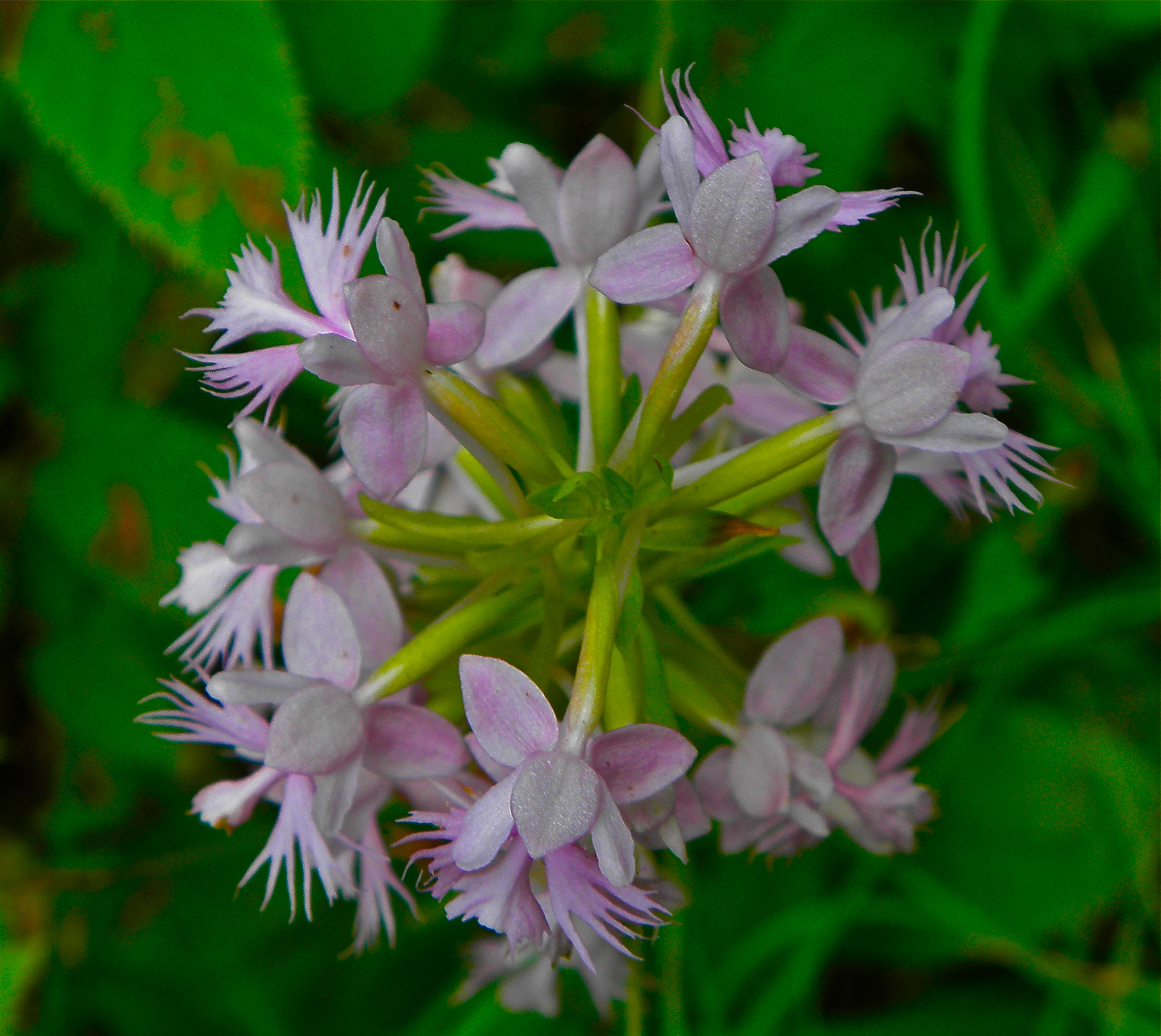
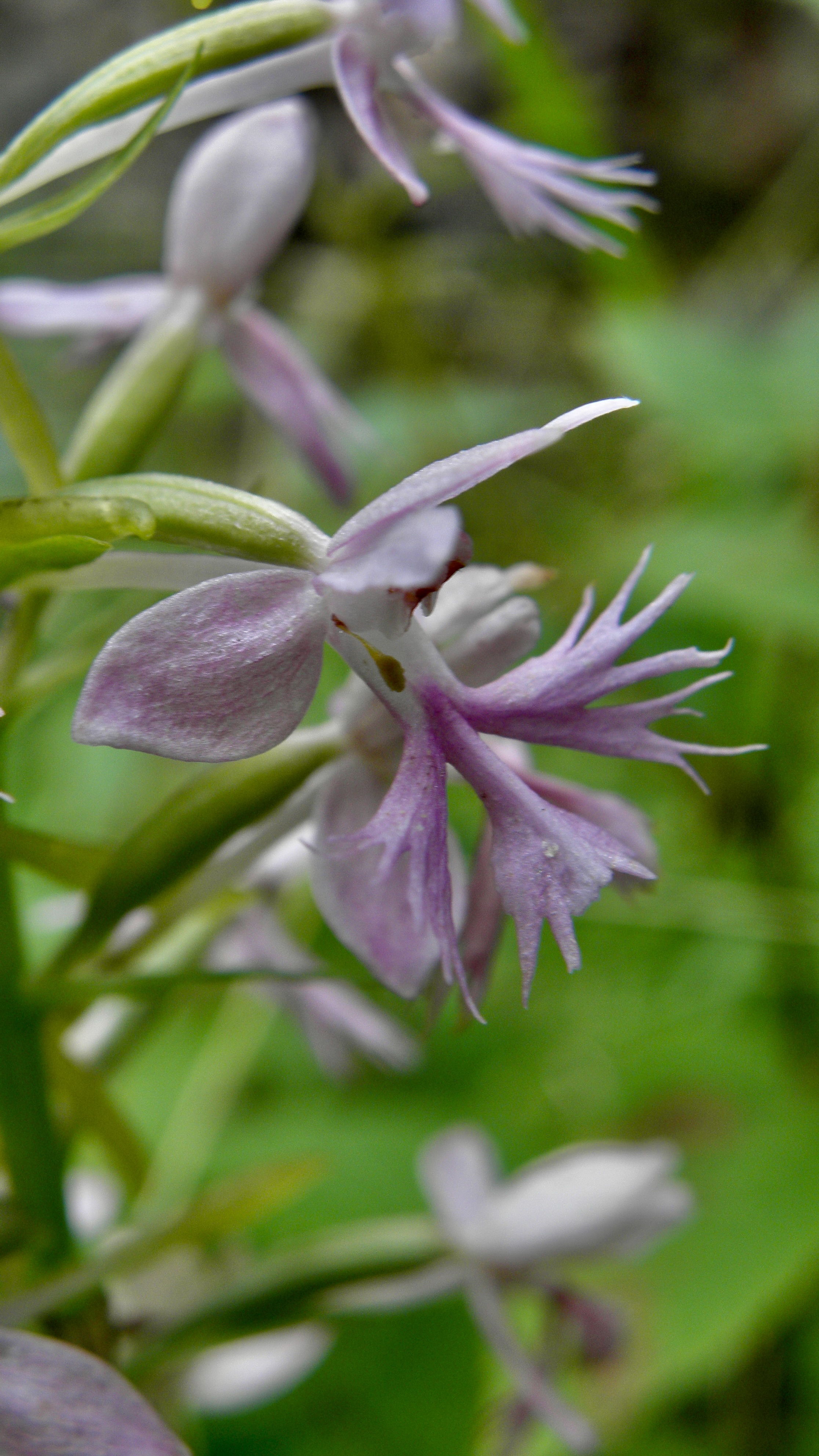
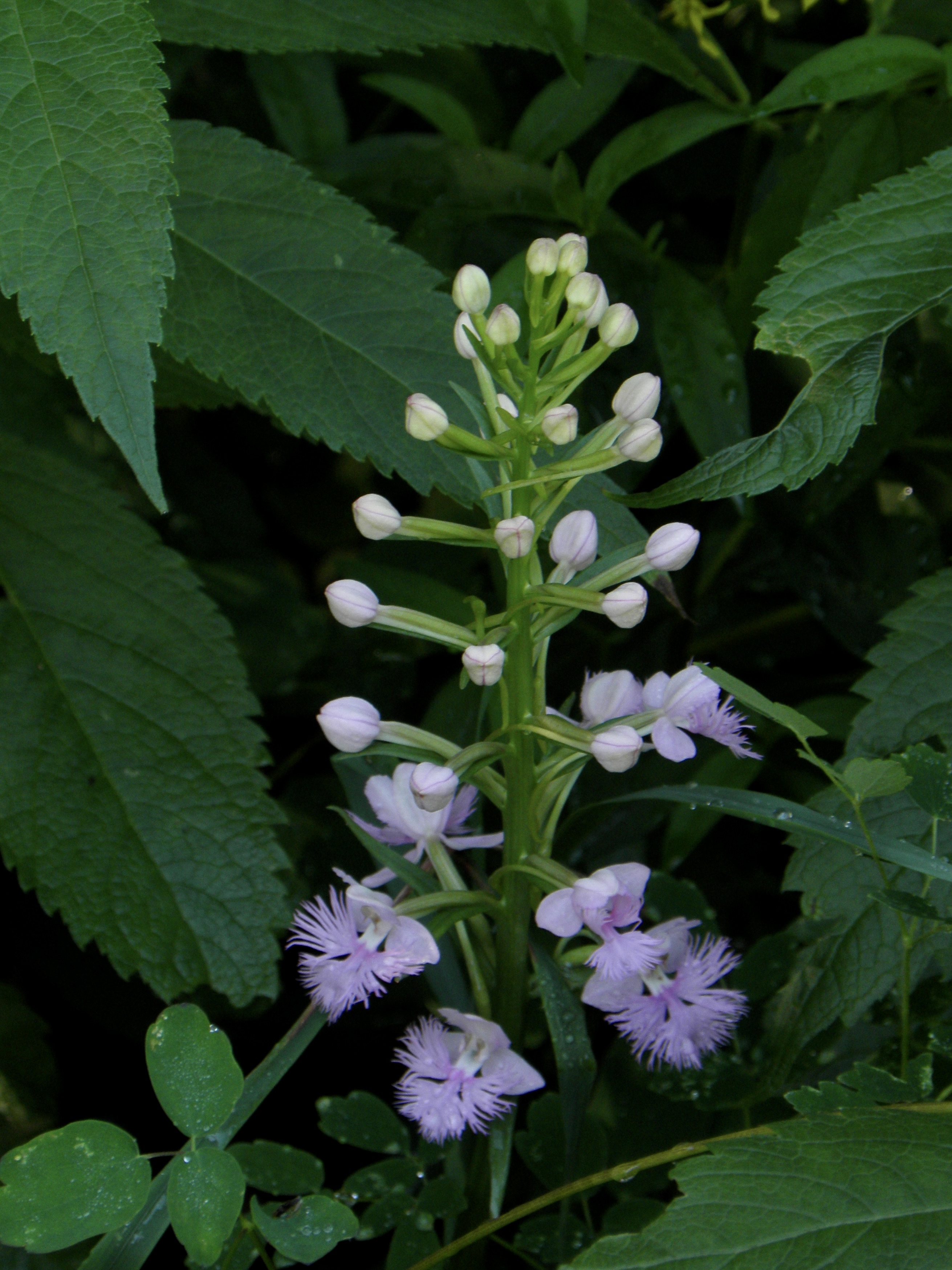
By half past five robins more than before–crows of course & jays. Dogsbane is just ready to open. Swallows. It is pleasant walking through the June grass (in Pleasant meadow) so thin & offering but little obstruction. The night hawk squeaks & booms. The veratrum viride top is now a handsome green cluster 2 feet by 10/12. Here also at well meadow head I see the fringed purple orchis–unexpectedly beautiful–though a pale lilac purple–a large spike of purple flowers. I find two–one answers to the O. fimbriata of Big & Psycodes of Gray–the other the grandiflora of Big– & fimbriata of Gray. Big. thinks it the most beautiful of all the orchises. I am not prepared to say it is the most beautiful wild flower I have found this year– Why does it grow there only–far in a swamp remote from public view? It is somewhat fragrant reminding me of the ladies slipper. Is it not significant that some rare & delicate beautiful flowers should be found only in unfrequented wild swamps.– There is the mould in which the orchis grows. Yet I am not sure but this is a fault in the flower– It is not quite perfect in all its parts– a beautiful flower must be simple–not spiked.– It must have a fair stem & leaves– This stem is rather naked & the leaves are for shade & moisture. It is fairest seen rising from amid brakes & hellebore, its lower part or rather naked stem concealed. Where the most beautiful wild flowers grow–there Man’s spirit is fed–& poets grow– It cannot be high-colored growing in the shade. Nature has taken no pains to exhibit–and few that bloom are ever seen by mortal eyes. The most striking & handsome large wild flower of the year thus far the I have seen.
The blue flag (Iris versicolor). Its buds are a dark indigo-blue tip beyond the green calyx. It is rich but hardly delicate and simple enough; a very handsome sword-shaped leaf. The blue-eyed grass is one of the most beautiful of flowers. It might have been famous from Proserpine down. It will bear to be praised by poets. The blue flag, not-withstanding its rich furniture, its fringed recurved parasols over its anthers, and its variously streaked and colored petals, is loose and coarse in its habit. How completely all character is expressed by flowers! This is a little too showy and gaudy, like some women’s bonnets.
Yet it belongs to the meadow and ornaments it much.
How agreeable in a still, cloudy day, when large masses of clouds, equally dispersed, float across the sky, not threatening rain, but preserving a temperate air, to see a sheet of water thus revealed by its reflections, a smooth, glassy mirror, reflecting the light sky and the dark and shady woods. It is very much like a, mirage.
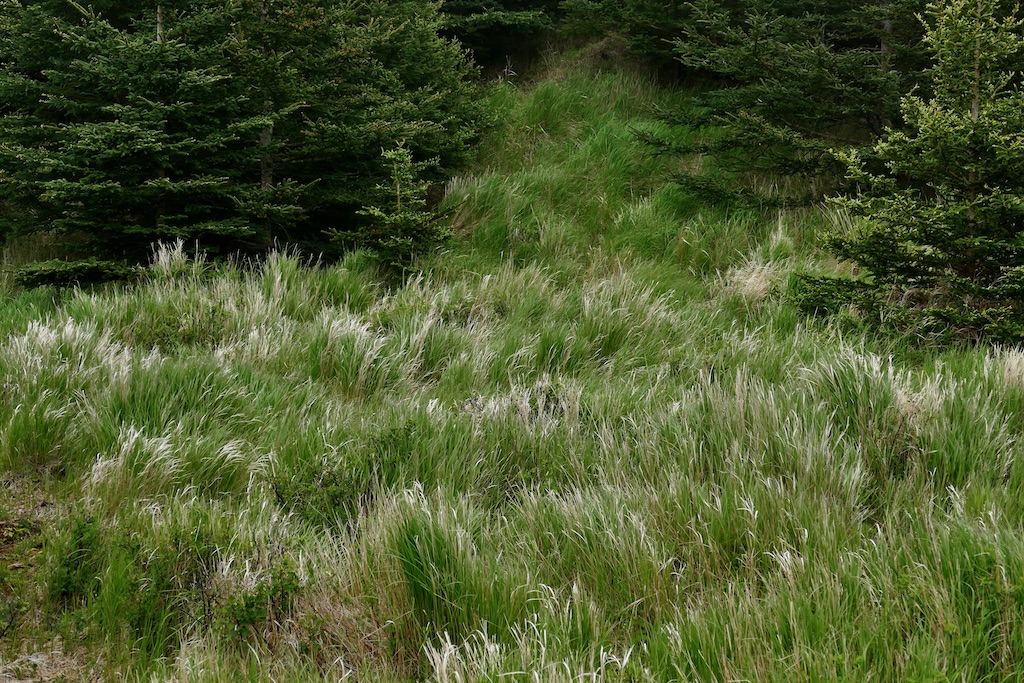
For a week past we have had washing days. The grass waving, and trees having leaved out, their boughs wave and feel the effect of the breeze. Thus new life and motion is imparted to the trees. The season of waving boughs; and the lighter under sides of the new leaves are exposed. This is the first half of June. Already the grass is not so fresh and liquid-velvety a green, having much of it blossom[ed] and some even gone to seed, and it is mixed with reddish ferns and other plants, but the general leafiness, shadiness, and waving of grass and boughs in the breeze characterize the season.
The wind is not quite agreeable, because it prevents your hearing the birds sing. Meanwhile the crickets are strengthening their quire. The weather is very clear, and the sky bright. The river shines like silver. Methinks this is a traveller’s month. The locust in bloom. The waving, undulating rye. The deciduous trees have filled up the intervals between the evergreens, and the woods are bosky now.
This is June–the month of grass & leaves. The deciduous trees are investing the evergreens & revealing how dark they are. Already the aspens are trembling again, and a new summer is offered me– I feel a little fluttered in my thoughts as if I might be too late. Each season is but an infinitesimal point. It no sooner comes than it is gone. It has no duration. It simply gives a tone & hue to my thought. Each annual phenomenon is a reminiscence & prompting. Our thoughts & sentiments answer to the revolutions of the seasons, as 2 cog-wheels fit into each other–We are conversant with only one point of contact at a time–from which we receive a prompting & impulse & instantly pass to a new season or point of contact.
A year is made up of a certain series & number of sensations & thoughts–which have their language in nature. Now I am ice–now I am sorrel. Each experience reduces itself to a mood of the mind. I see a man grafting, for instance–What this imports chiefly is not apples to the owner–or bread to the grafter–but a mood or certain train of thought to my mind.
I am interested in each contemporary plant in my vicinity, and have attained to a certain acquaintance with the larger ones. They are cohabitants with me of this part of the planet, and they bear familiar names. Yet how essentially wild they are! as wild, really, as those strange fossil plants whose impressions I see on my coal. Yet I can imagine that some race gathered those too with as much admiration, and knew them as intimately as I do these, that even they served for a language of the sentiments. Stigmariae stood for a human sentiment in that race’s flower language. Chickweed, or a pine tree, is but little less wild. I assume to be acquainted with these, but what ages between me and the tree whose shade I enjoy!
It is as if it stood substantially in a remote geographical period.













You must be logged in to post a comment.