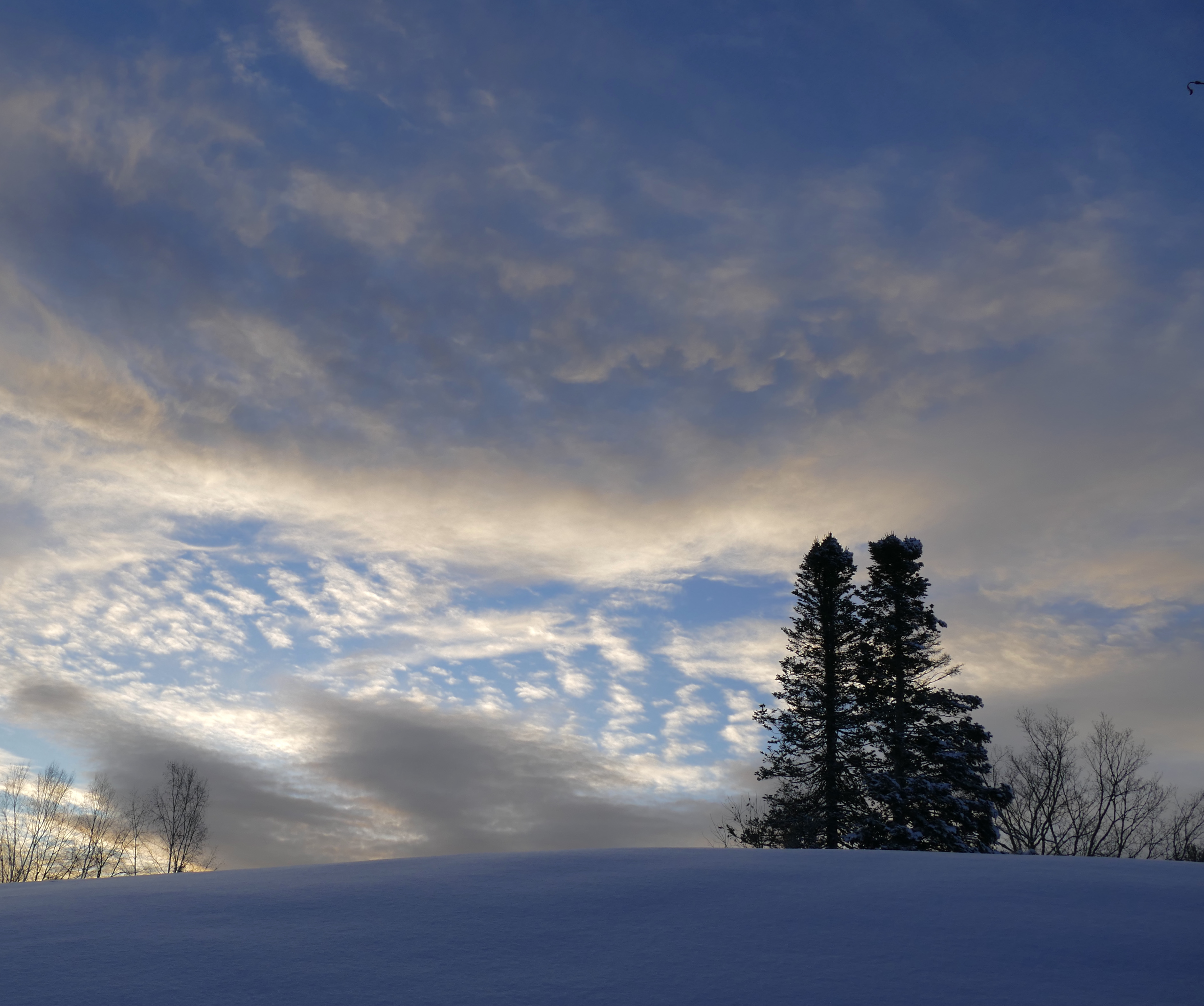
I go forth to see the sunset. Who knows how it will set, even half an hour beforehand ? whether it will go down in clouds or a clear sky? I feel that it is late when the mountains in the north and northwest have ceased to reflect the sun. The shadow is not partial but universal.
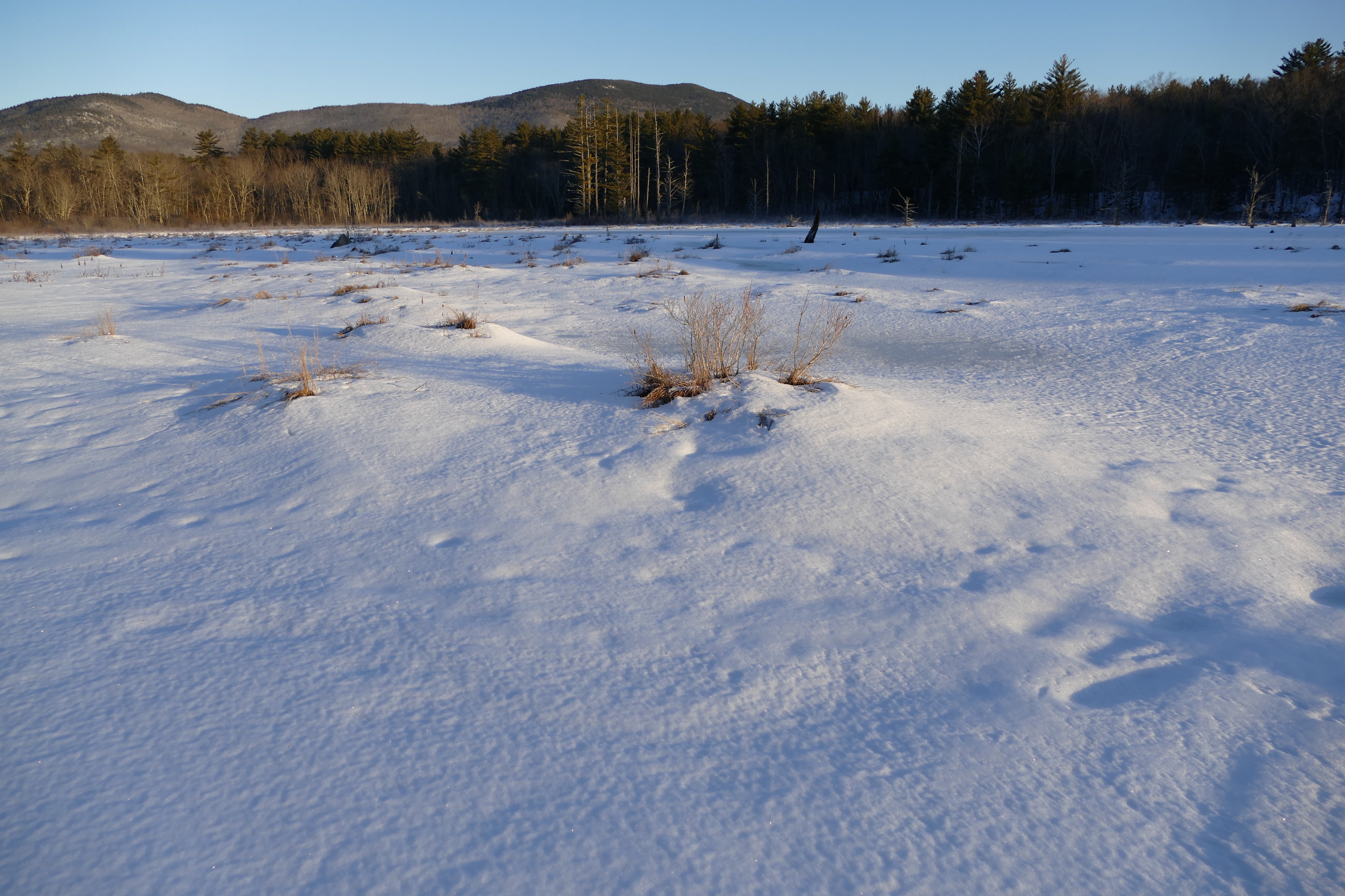
In walking across the Great Meadows to-day on the snow-crust, I noticed that the fine, dry snow which was blown over the surface of the frozen field, when I looked westward over it or toward the sun, looked precisely like steam curling up from its surface, as sometimes from a wet roof when the sun comes out after a rain.
The snow catches only in the hollows and against the reeds and grass, and never rests there, but when it has formed a broad and shallow drift or a long and narrow one like a winrow on the ice, it blows away again from one extremity, and leaves often a thin, tongue-like projection at one end, some inches above the firm crust.
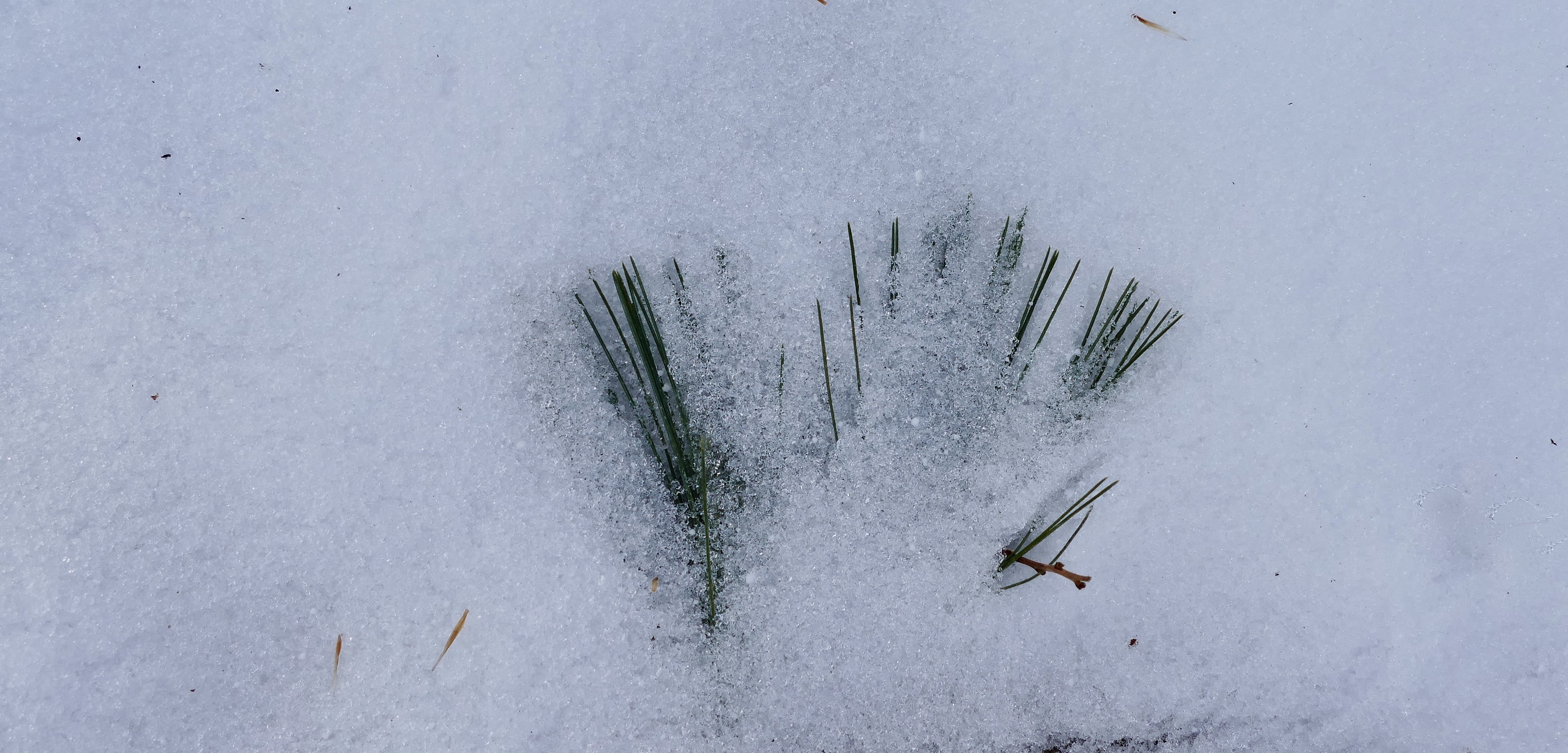
I observe that there are many dead pine-needles sprinkled over the snow, which had not fallen before. Saw a shrike pecking to pieces a small bird, apparently a snowbird. At length he took him up in his bill, almost half as big as himself, and flew slowly off with his prey dangling from his beak. I find that I had not associated such actions with my idea of birds. It was not birdlike.
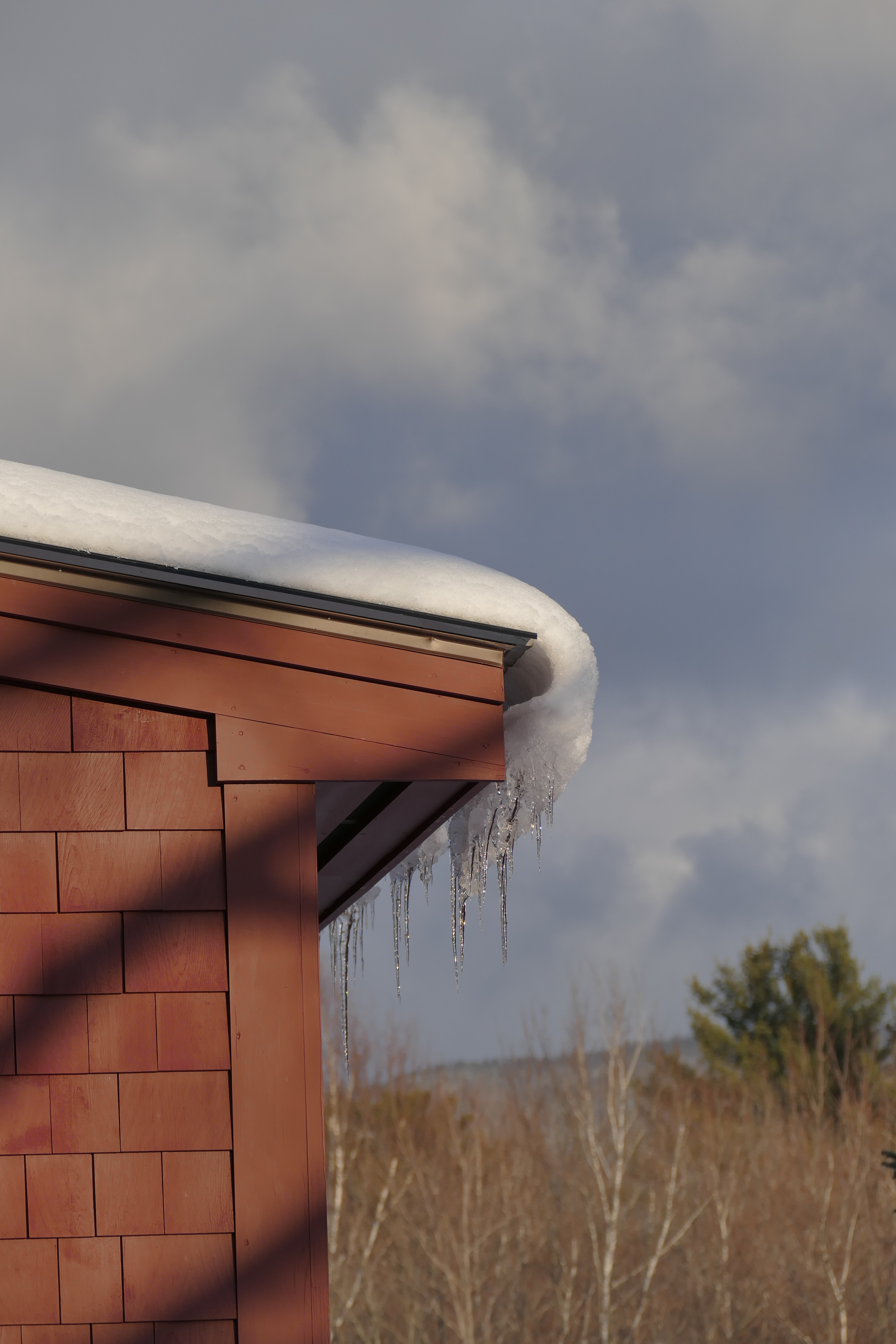
It is never so cold but it melts somewhere. Our mason well remarked that he had sometimes known it to be melting and freezing at the same time on a particular side of a house; while it was melting on the roof the icicles [were] forming under the eaves. It is always melting and freezing at the same time when icicles are formed.
Our thoughts are with those among the dead into whose sphere we are rising, or who are now rising into our own. Others we inevitably forget, though they be brothers and sisters.
Thus the departed may be nearer to us than when they were present. At death our friends and relations either draw nearer to us and are found out, or depart further from us and are forgotten. Friends are as often brought nearer together as separated by death.
We are tempted to call these the finest days of the year.
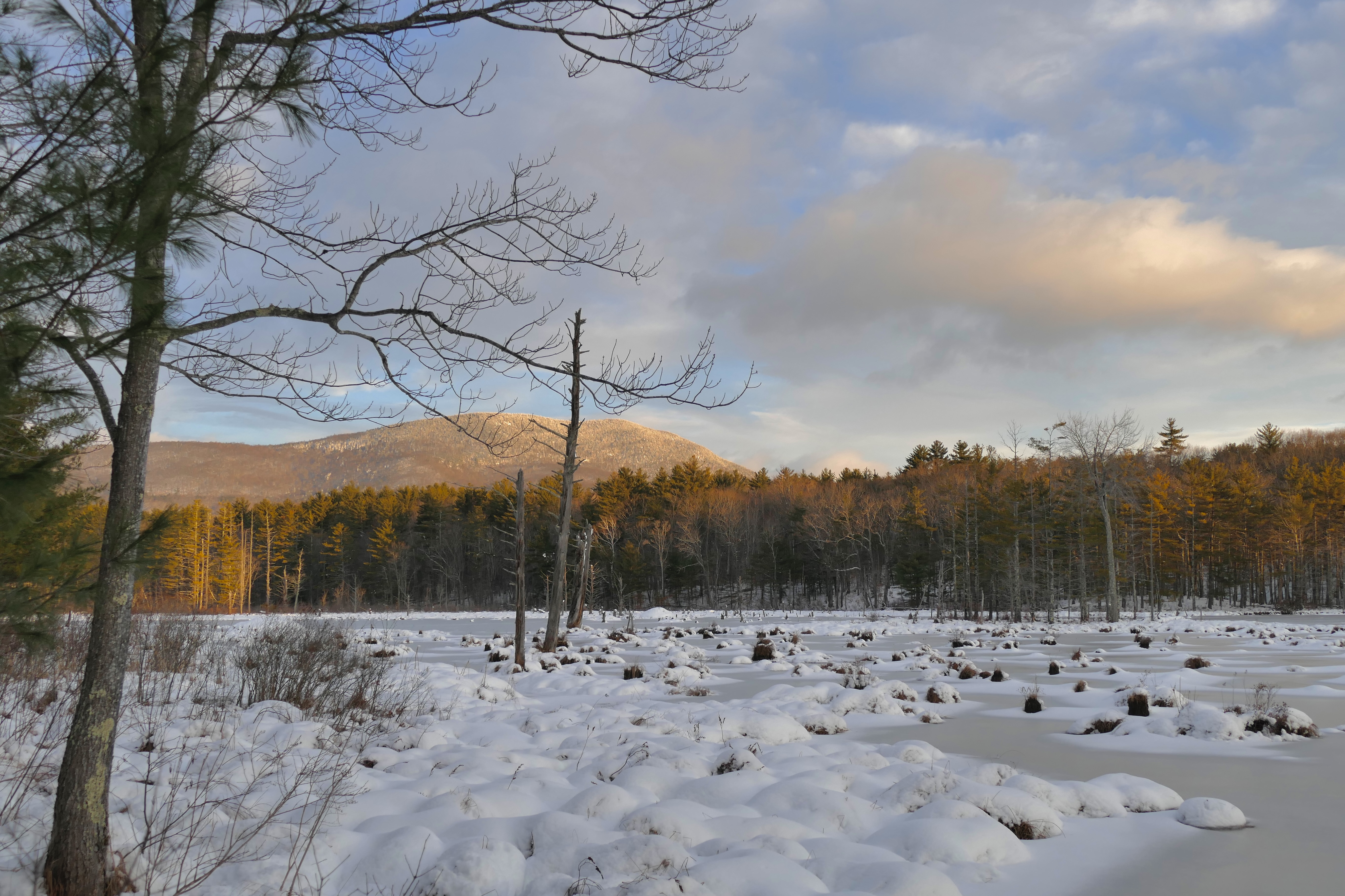
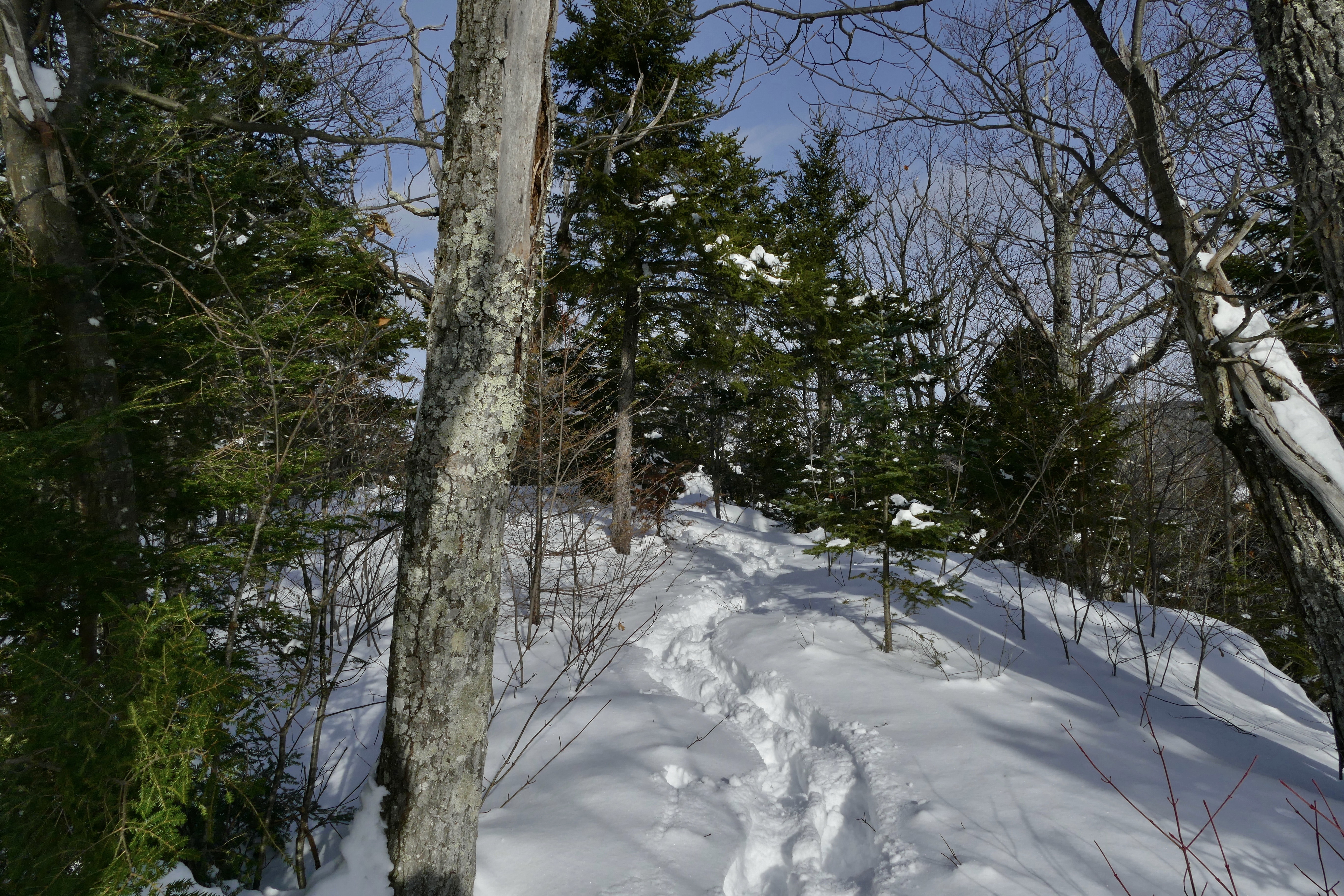
Take Fair Haven Pond, for instance, a perfectly level plain of snow, untrodden as yet by any fisherman, surrounded by snow-clad hills, dark evergreen woods, and reddish oak leaves, so pure and still.
My home is as much of nature as my heart embraces. If I only warm my house, then is that only my home.
But if I sympathize with the heats and colds, the sounds and silence of nature, and share the repose and equanimity that reign around me in the fields, then are they my house, as much as if the kettle sang and fagots crackled, and the clock ticked on the wall.
Nature and human life are as various to our several experiences as our constitutions are various— Who shall say what prospect life offers to another? Could a greater miracle take place than if we should look through each other’s eyes for an instant. What I have read of Rhapodists—of the primitive poets—Argonautic expeditions—the life of demigods & heroes—Eleusinian mysteries—&c—suggests nothing so ineffably grand and informing as this would be.
We know not what it is to live in the open air—our lives are domestic in more senses than we had thought. From the hearth to the field is a great distance. A man should always speak as if there were no obstruction not even a mote or a shadow between him & the celestial bodies. The voices of men sound hoarse and cavernous—tinkling as from out of the recesses of caves—enough to frighten bats & toads—not like bells—not like the music of birds, not a natural melody.
Of all the Inhabitants of Concord I know not one that dwells in nature.— If one were to inhabit her forever he would never meet a man. This country is not settled nor discovered yet.
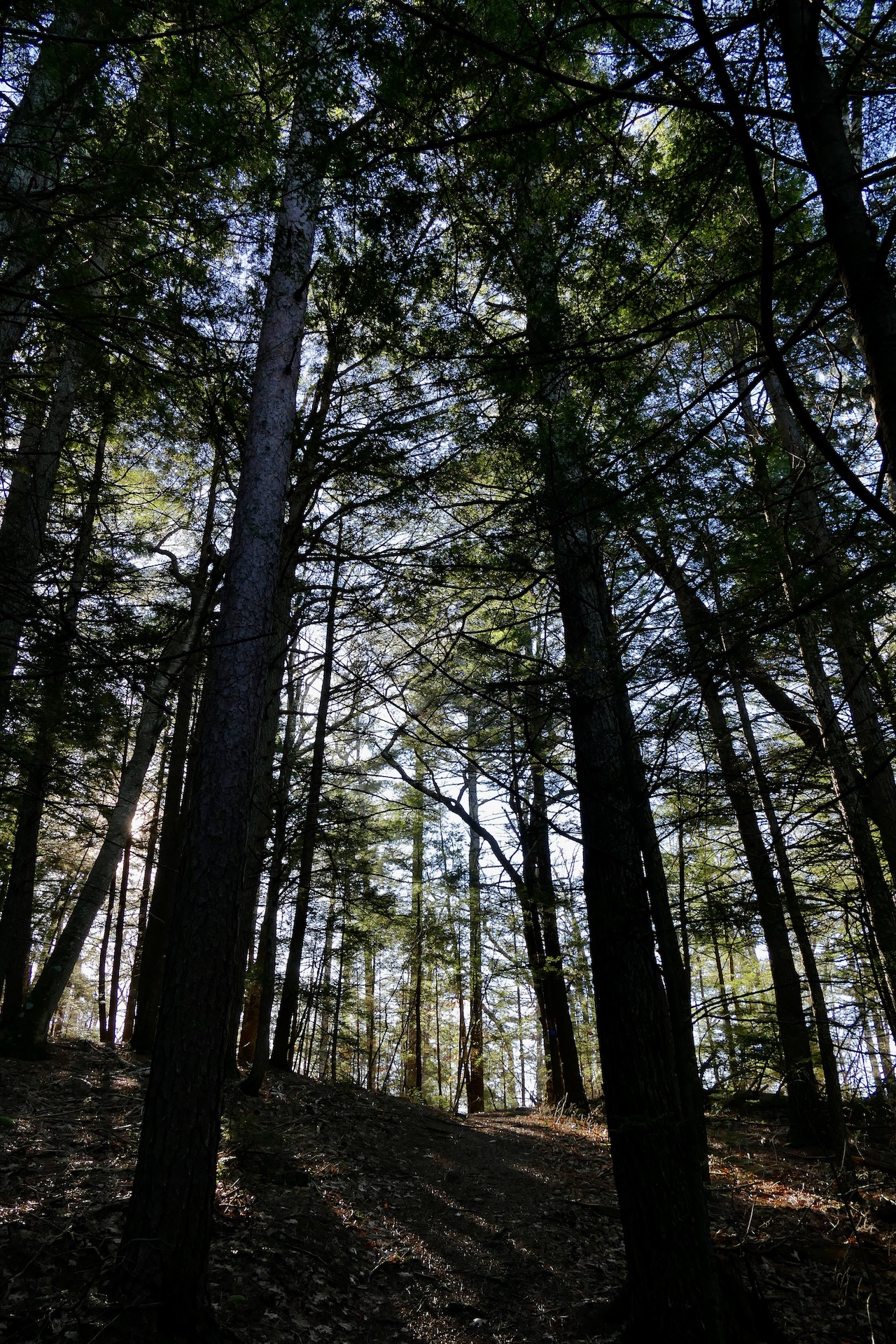
Minott tells how he used to love to walk through swamps where great white pines grew and hear the wind sough in their tops. He recalls this now as he crouches over his stove, but he adds that it was dangerous, for even a small dead limb broken off by the wind and falling from such a height would kill a man at once.
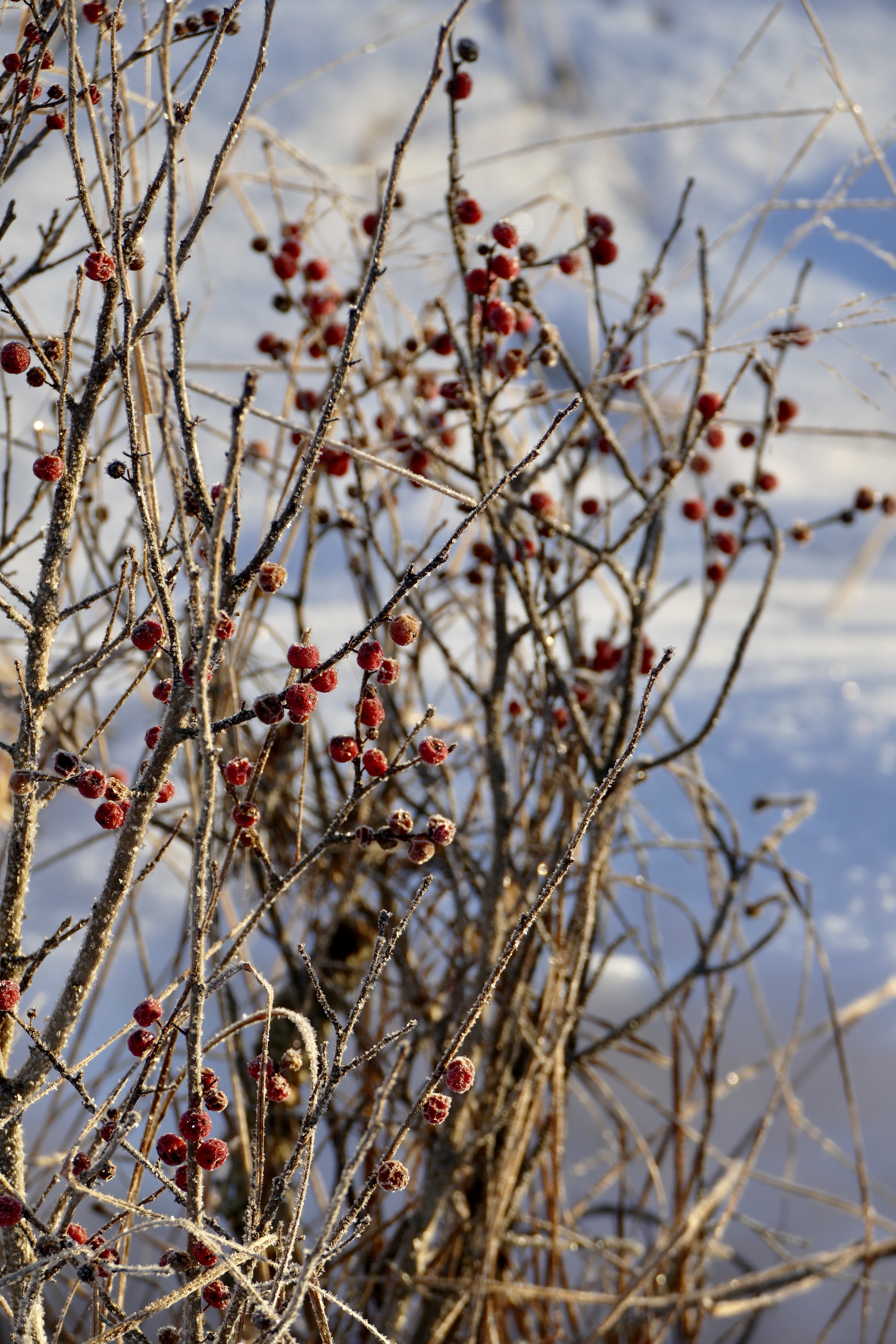
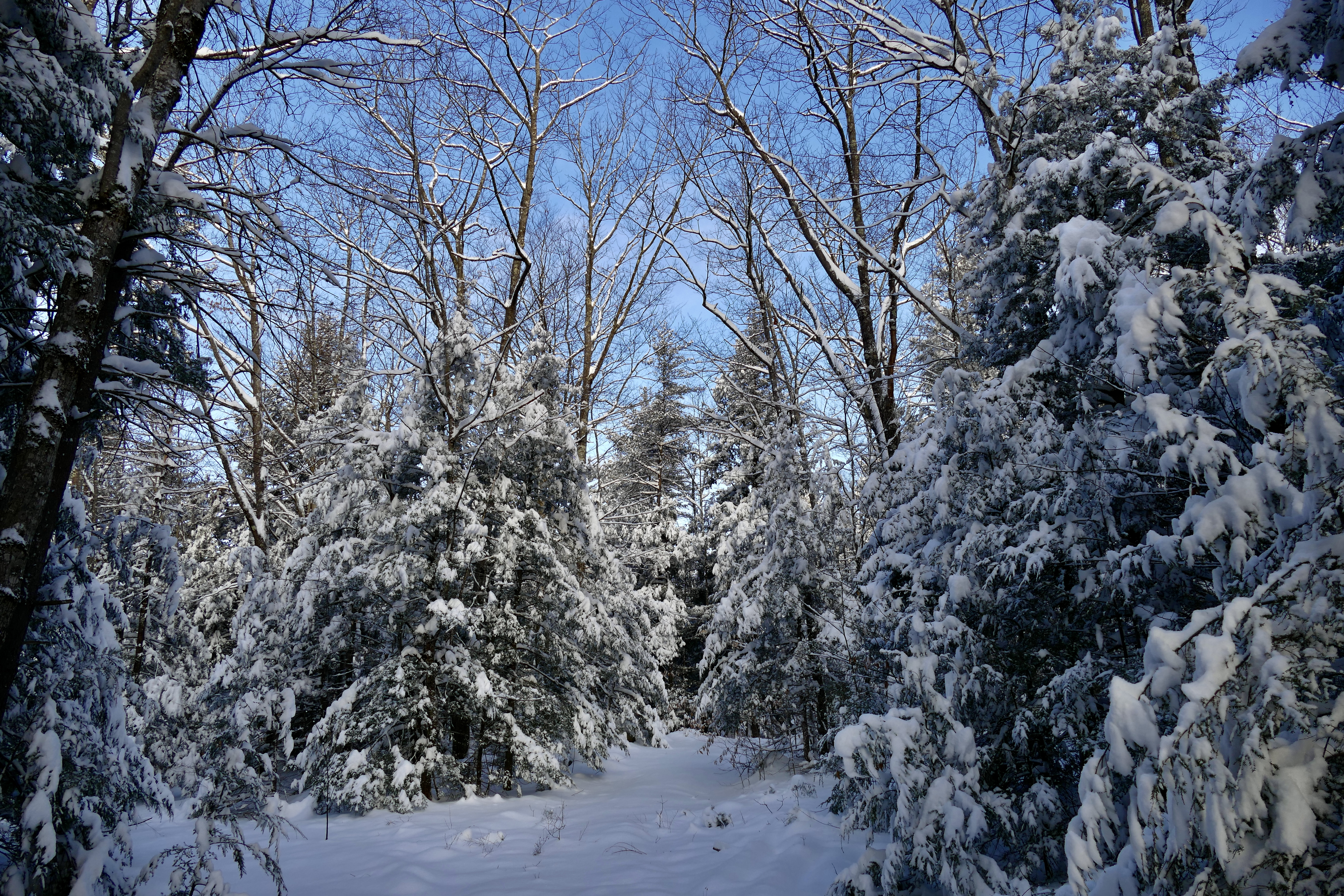
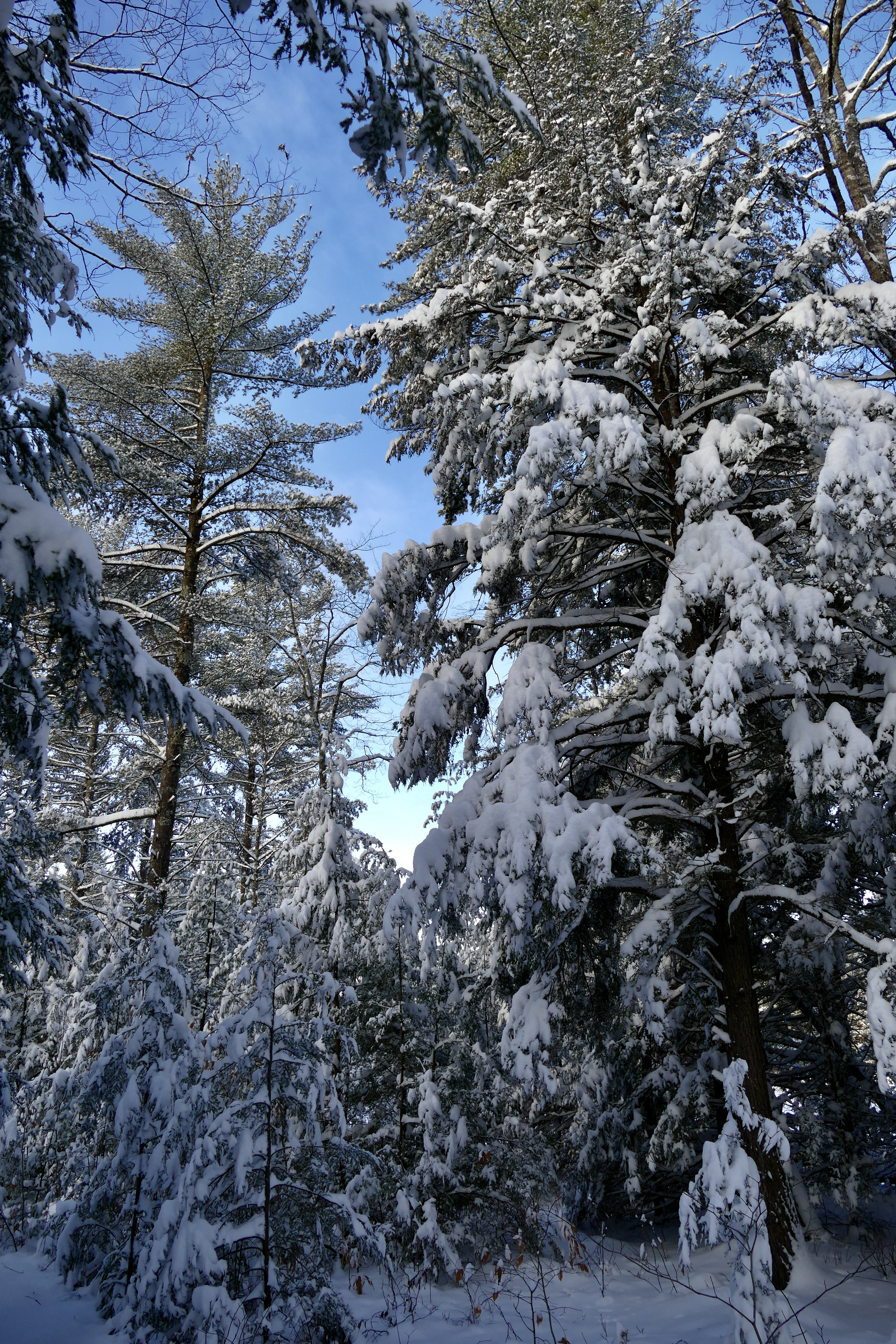
The winter morning is the time to see in perfection the woods and shrubs wearing their snowy and frosty dress. Even he who visits them half an hour after sunrise will have lost some of their most delicate and fleeting beauties. The trees wear their morning burden but coarsely after midday, and it no longer expresses the character of the tree…the stems and branches of the trees look black by contrast. You wander zigzag through the aisles of the woods where stillness and twilight reign. I do not know but a pine woods is as substantial and as memorable a fact as a friend. I am more sure to come away from it cheered than from this who are nearest to being my friends.
I still recall that characteristic winter evening of December 9th. The cold, dry, and wholesome diet my mind and senses necessarily fed on, —oak leaves, bleached and withered weeds that rose above the snow, the now dark green of the pines, and perchance the faint metallic chip of a single tree sparrow; the hushed stillness of the wood at sundown, aye, all the winter day, the short boreal twilight, the smooth serenity and reflections of the pond, still alone free from ice; the melodious hooting of the owl, heard at the same time with the yet more distant whistle of a locomotive, more aboriginal, and perchance more enduring here than that, heard above all the voices of Concord, as if they were not, the last strokes of the woodchopper (how little he is Anglicized!) who presently bends his steps homeward; the gilded bar of cloud across the apparent outlet of the pond, conducting my thoughts into the eternal west, the deepening horizon glow, and the hasty walk homeward to enjoy the long winter evening.
The hooting of the owl; that is a sound which my red predecessors heard here more than a thousand years ago it rings far and wide, occupying the space rightfully, — grand, primeval, aboriginal sound. There is no whisper in it of the Bulkeleys, the Flints, the Hosmers, who recently squatted here, nor of the first parish, nor of Concord Fight, nor of the last town-meeting.
Man lays down his body in the field and thinks from it as a stepping stone to vault at once into heaven, as if he could establish a better claim there when he had left such a witness behind him on the plain.
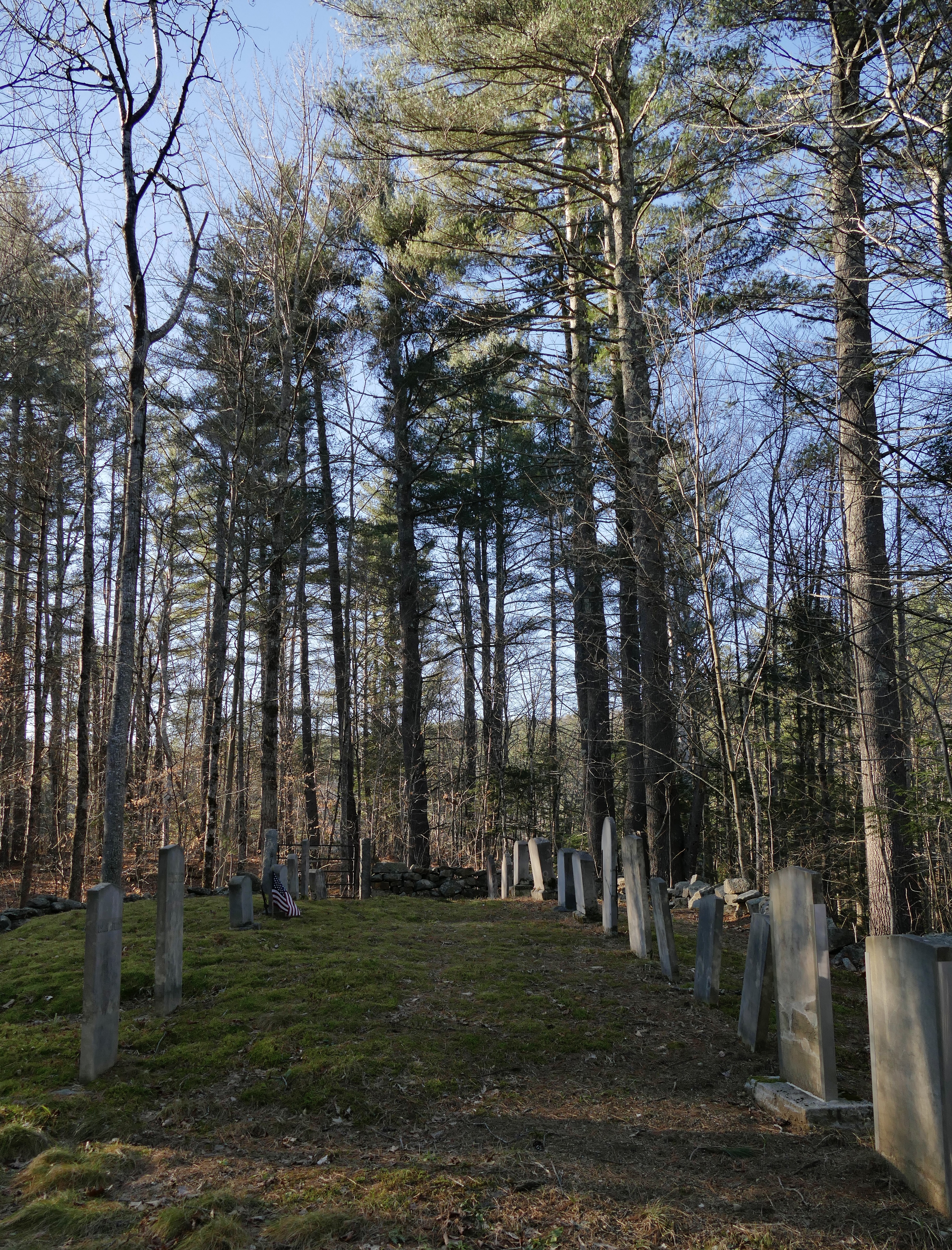
Our true epitaphs are those which the sun and wind write upon the atmosphere around our graves so conclusively that the traveller does not draw near to read the lie on our tombstones. Shall we not be judged rather by what we leave behind us, than what we bring into the world? The guest is known by his leavings. When we have become intolerable to ourselves shall we be tolerable to heaven?
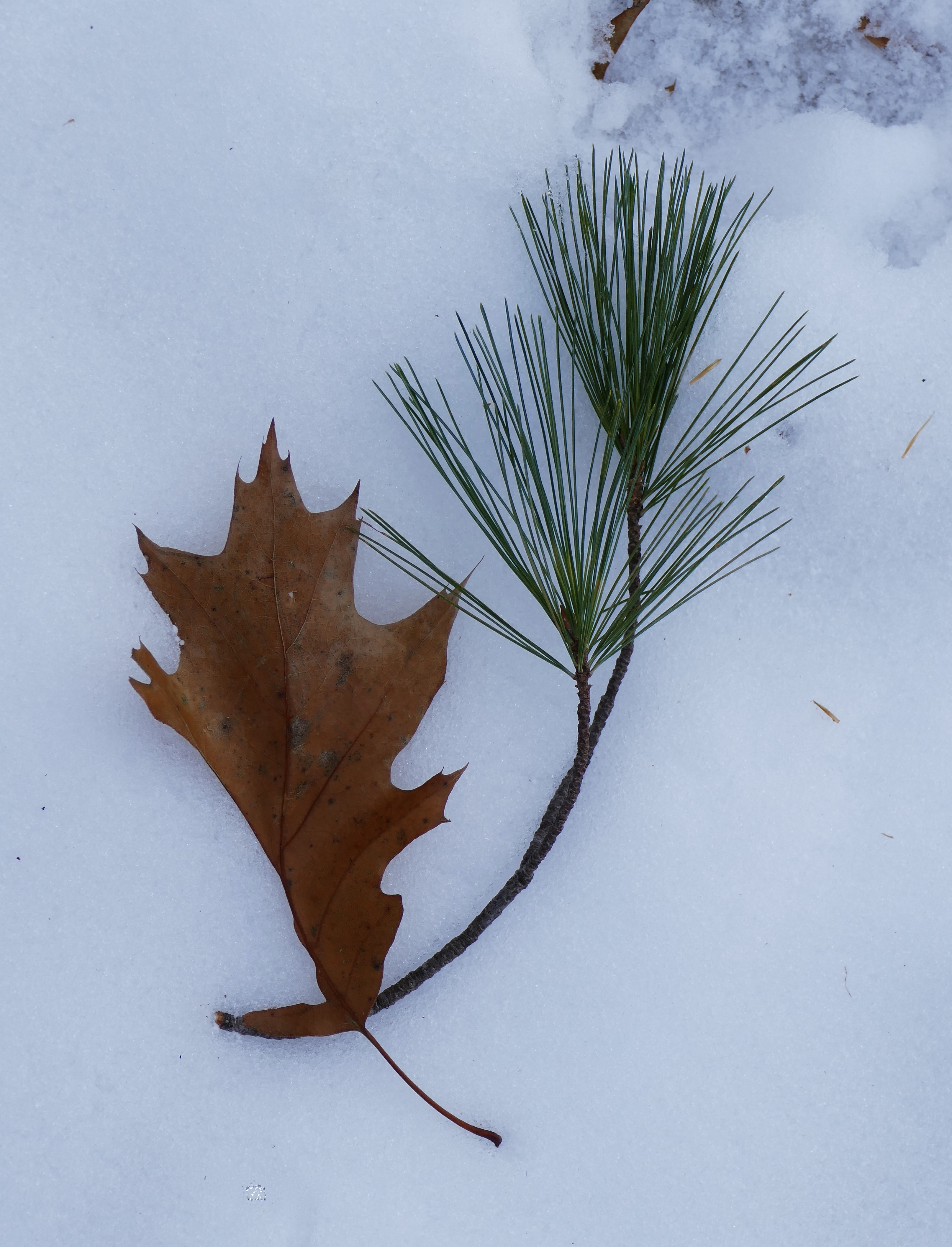
How much warmer our woodlands look and are for these withered leaves that still hang on! Without them the woods would be dreary, bleak, and wintry indeed. Here is a manifest provision for the necessities of man and the brutes. The leaves remain to keep us warm and to keep the earth warm about their roots.
Another still more glorious day, if possible. Indian summer, even. These are among the finest days in the year, on account of the wholesome bracing coolness and clearness.
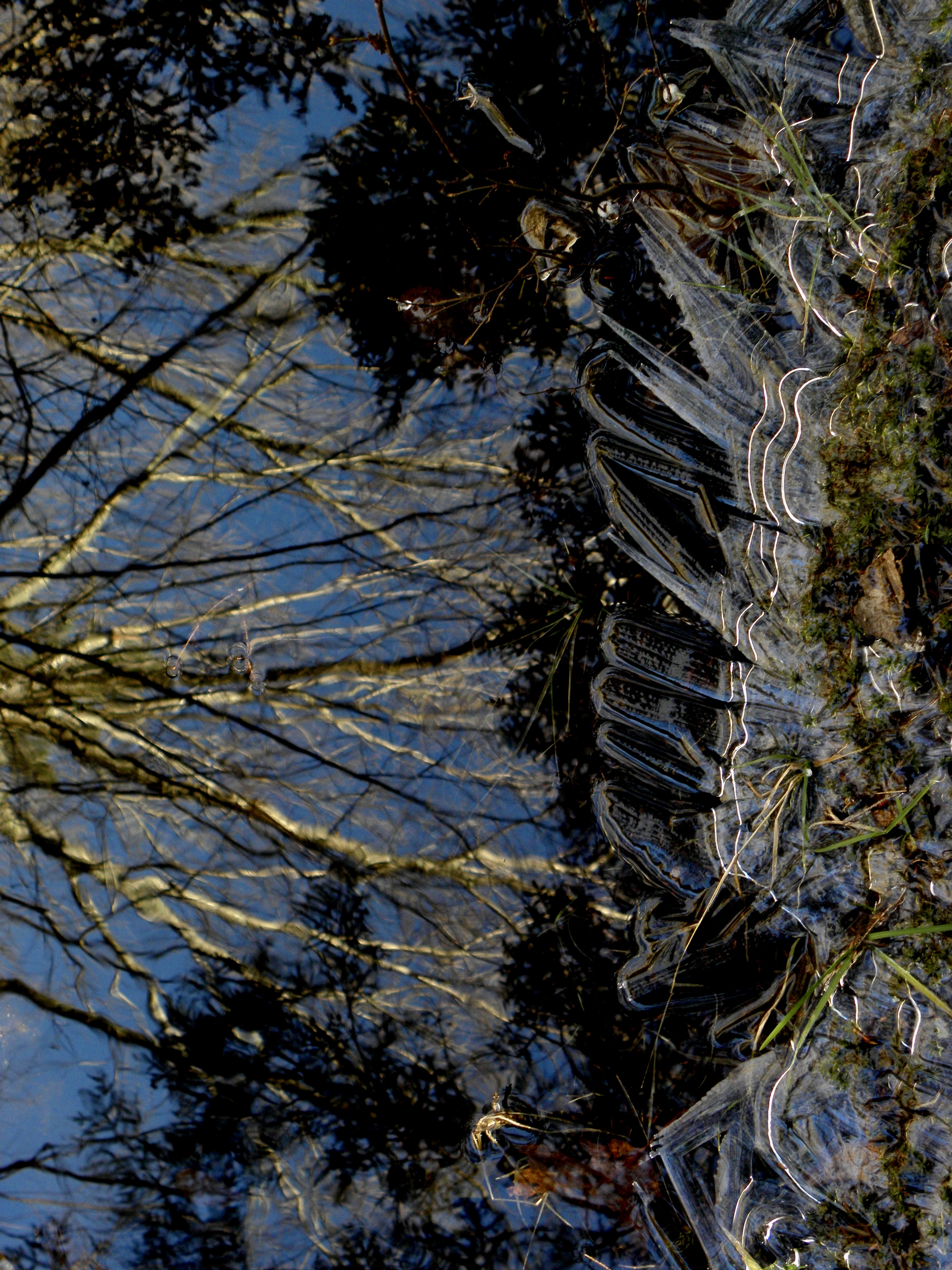
Paddled up Assabet. Passed in some places between shooting ice crystals extending from both sides of the stream.
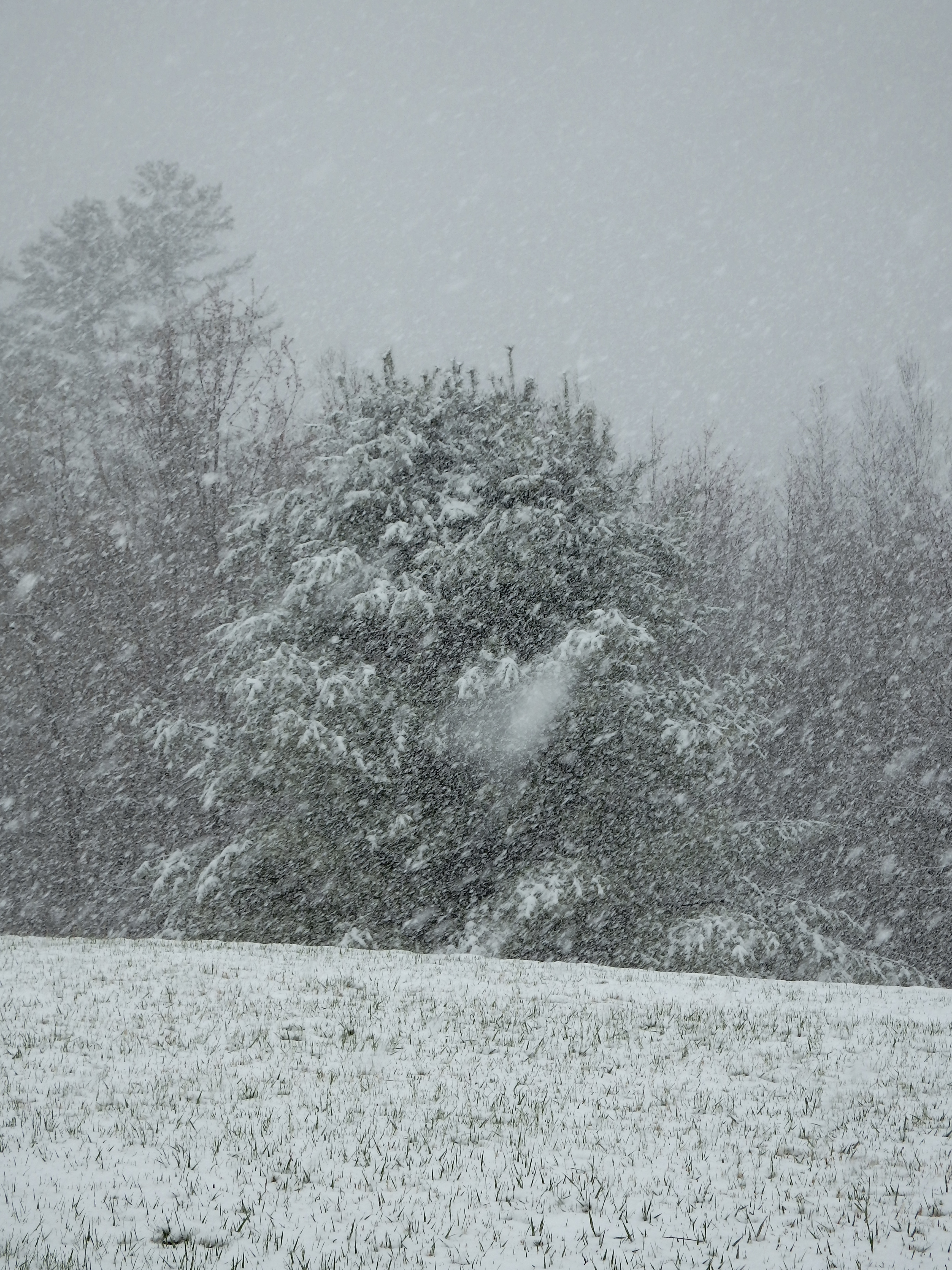
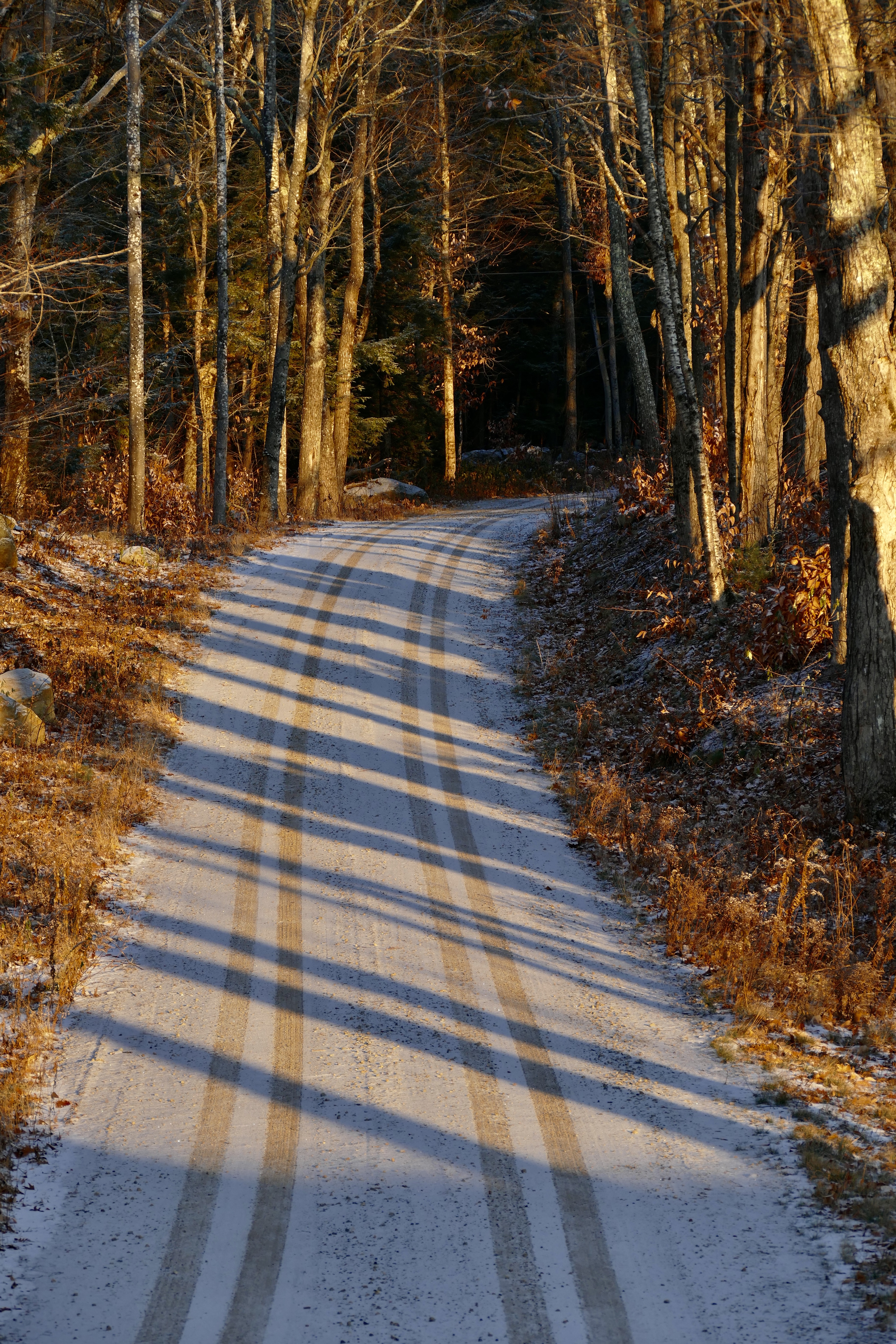
A still, completely gray, overcast, chilly morning. At 8:30 a fine snow begins to fall, increasing very gradually, perfectly straight down, till in fifteen minutes the ground is white, the smooth places first, and thus the winter landscape is ushered in.
And now it is falling thus all the land over, sifting down through the tree-tops in woods, and on the meadow and pastures, where the dry grass and weeds conceal it at first, and on the river and ponds, in which it is dissolved. But in a few minutes it turns to rain, and so the wintry landscape is postponed for the present.
Winter has come unnoticed by me, I have been so busy writing. This is the life most lead in respect to Nature. How different from my habitual one! It is hasty, coarse, and trivial, as if you were a spindle in a factory. The other is leisurely, fine, and glorious, like a flower. In the first case you are merely getting your living; in the second you live as you go along. You travel only on roads of the proper grade without jar or running off the track, and sweep round the hills by beautiful curves.
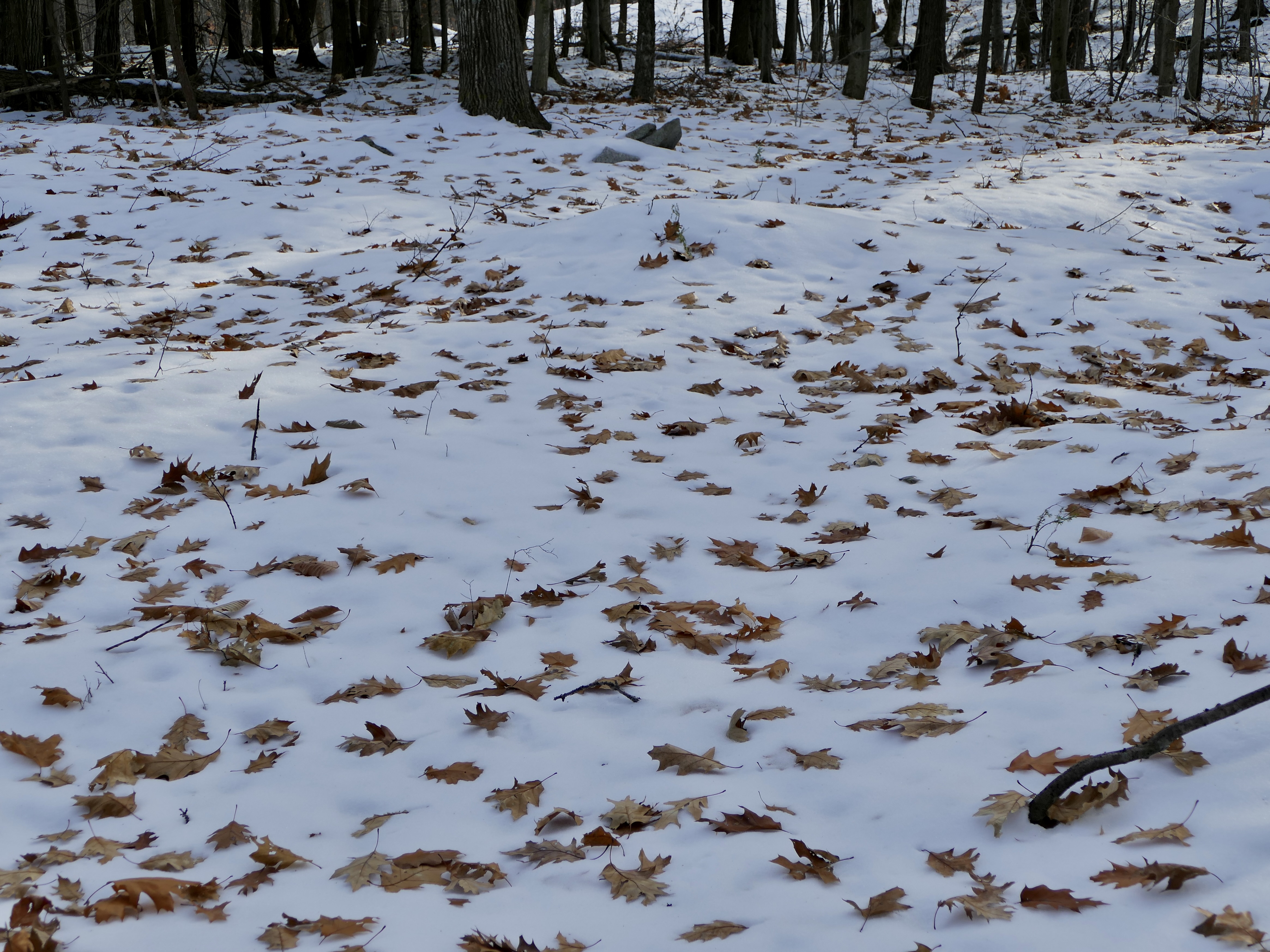
How every one of these leaves that are blown about the snow-crust or lie neglected beneath, soon to turn to mould! Not merely a matted mass of fibres like a sheet of paper, but a perfect organism and system in itself, so that no mortal has ever yet discerned or explored its beauty.



















You must be logged in to post a comment.