November 8, 1853

11:08.jpeg

in Thoreau’s Journal:

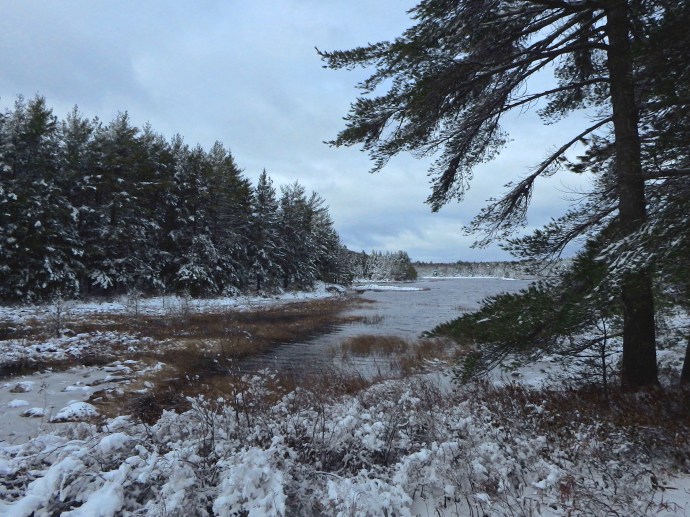
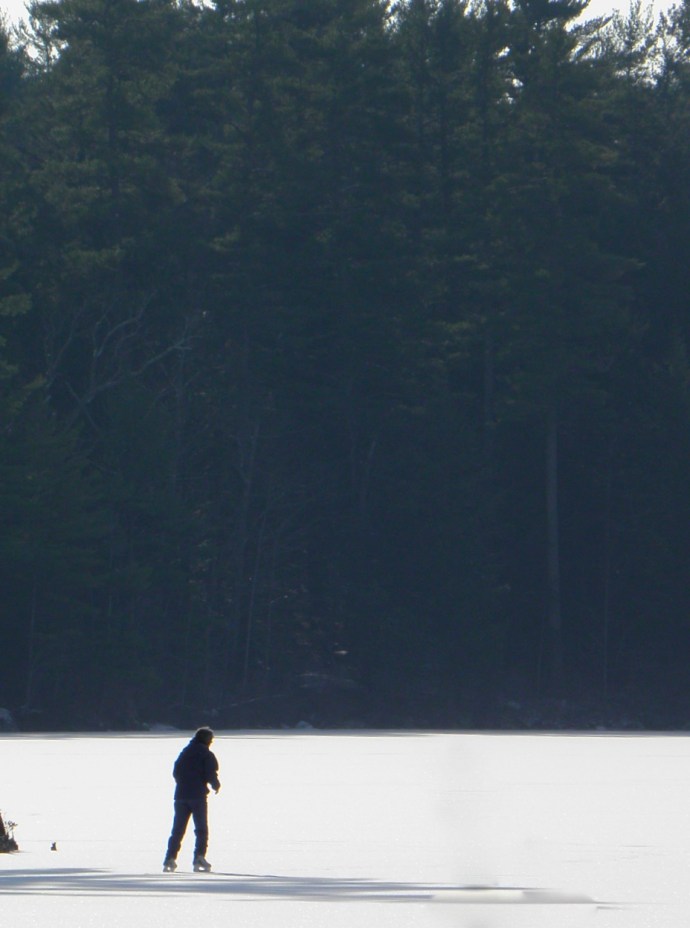
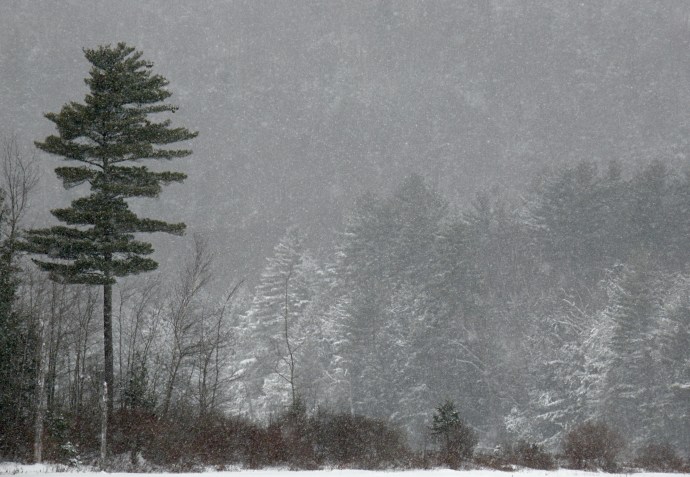
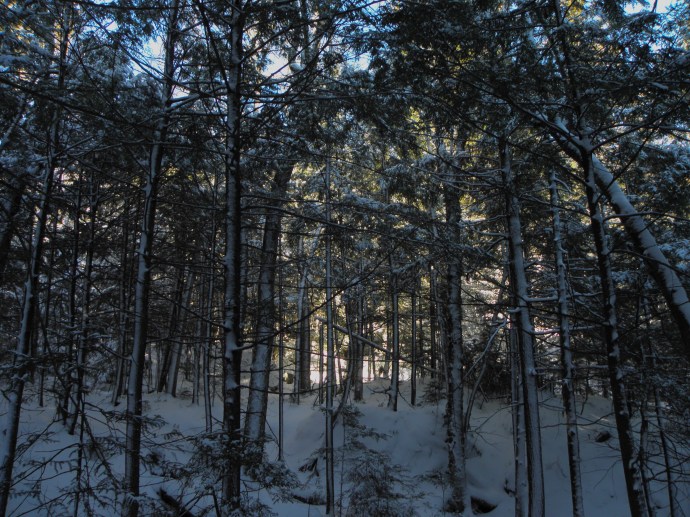
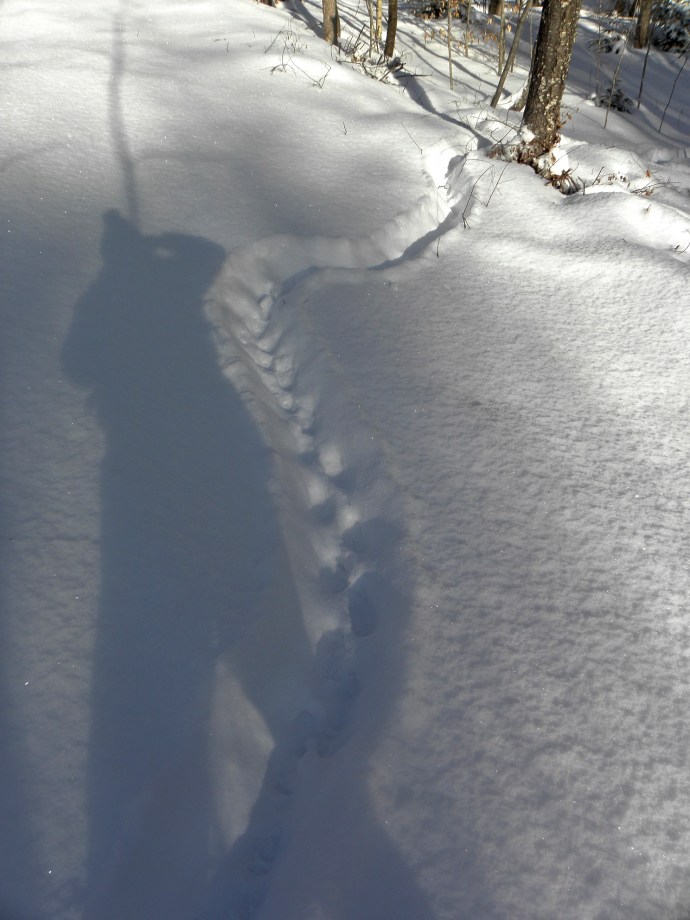
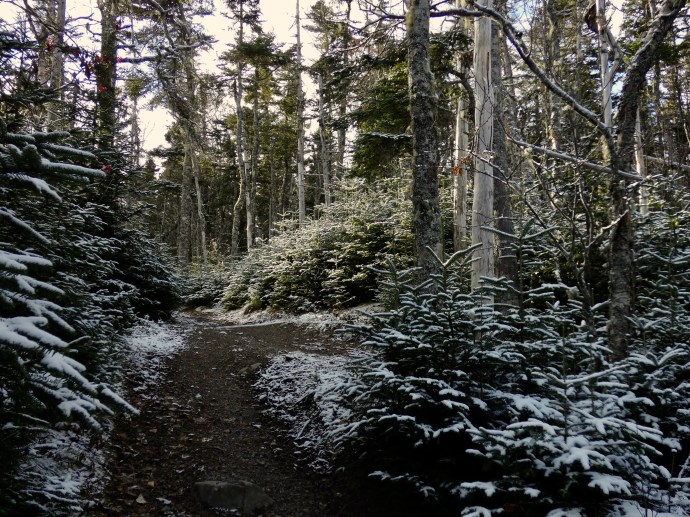
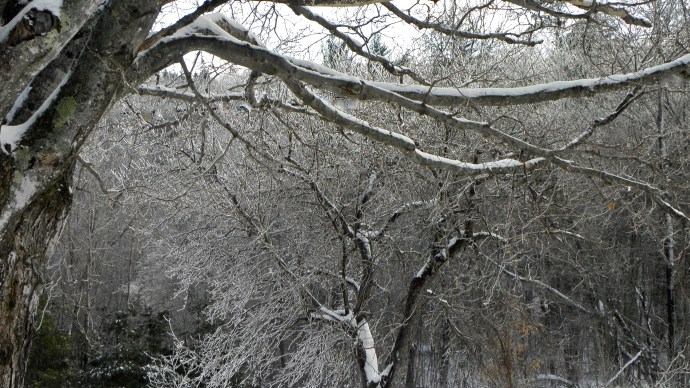
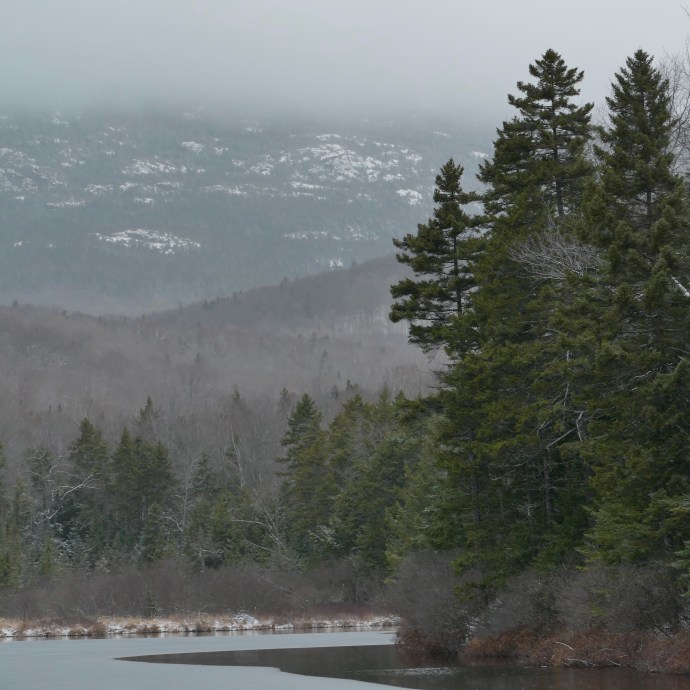
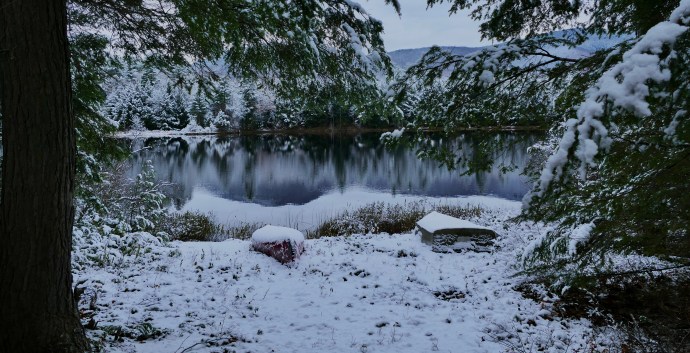
10 Am.  Our first snow—the wind southerly—the air chilly & moist—a very fine snow looking like a mist toward the woods or horizon which at 2 o’clock has not whitened the ground. The children greet it with a shout when they come out at recess.

November 7, 1855

in Thoreau’s Journal:

I find it good to be out this still dark mizzling afternoon– My walk or voyage is more suggestive & profitable than in bright weather. The view is contracted by the misty rain–the water is perfectly smooth & the stillness is favorable to reflection. I am more open to impressions more sensitive–(not callused or indurated by sun & wind) as if in a chamber still. My thoughts are concentrated– I am all compact–  The solitude is real too for the weather keeps other men at home.

11:07.jpeg

This mist is like a roof & walls over & around & I walk with a domestic feeling– The sound of a wagon going over an unseen bridge is louder than ever–& so of other sounds.  I am compelled to look at near objects–  All things have a soothing effect–the very clouds & mists brood over me. My power of observation & contemplation is much increased. My attention does not wander. The world & my life are simplified.  – What now of Europe & Asia?

November 6, 1854

in Thoreau’s Journal:

11:06.jpeg

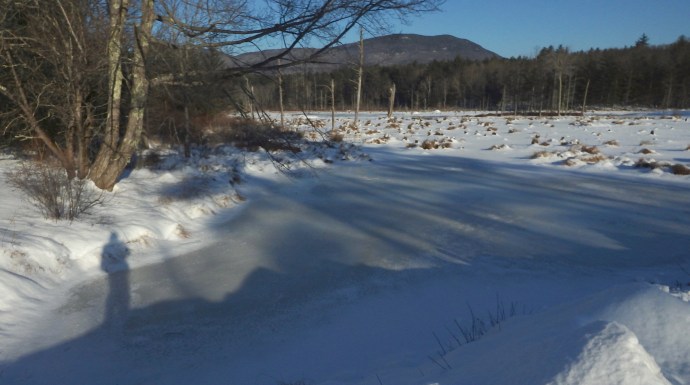
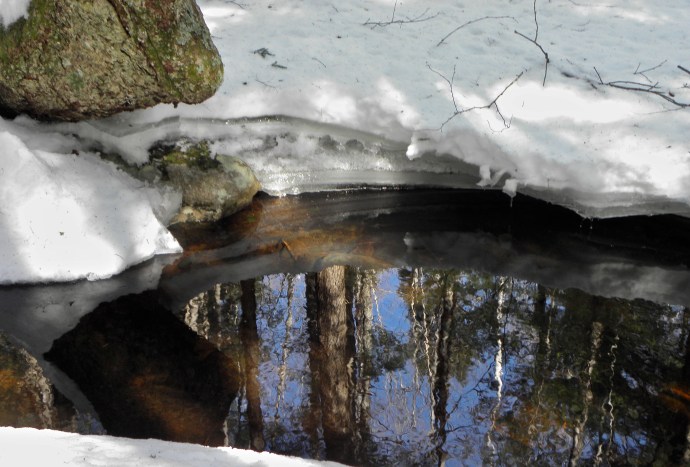
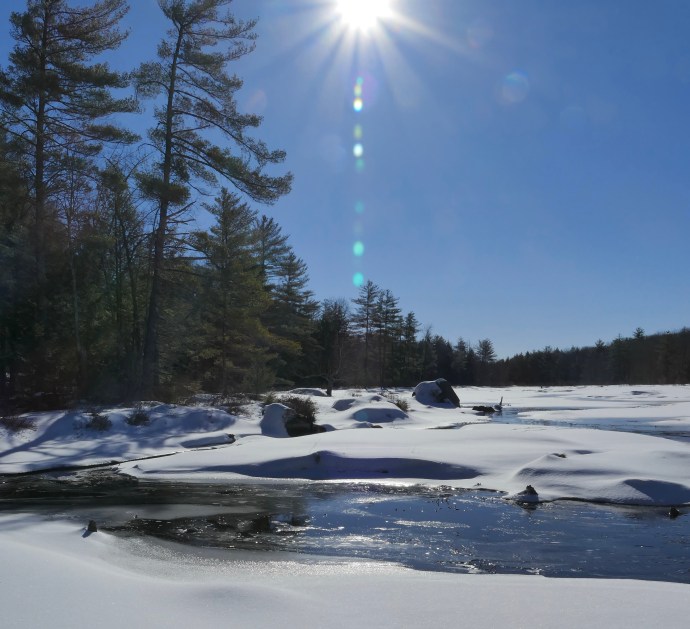
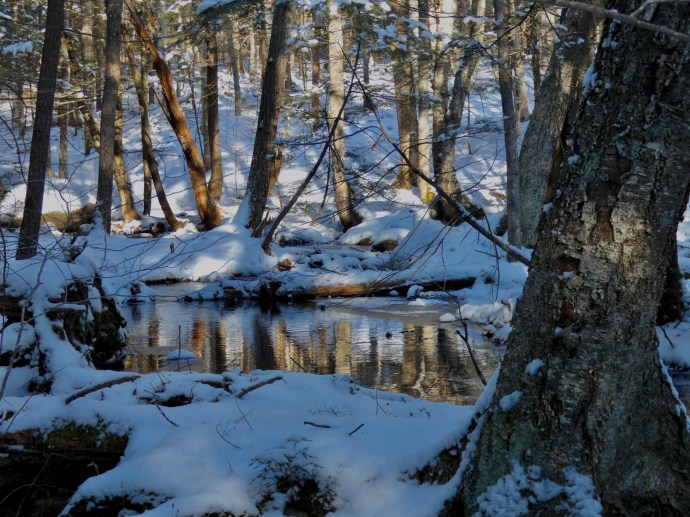
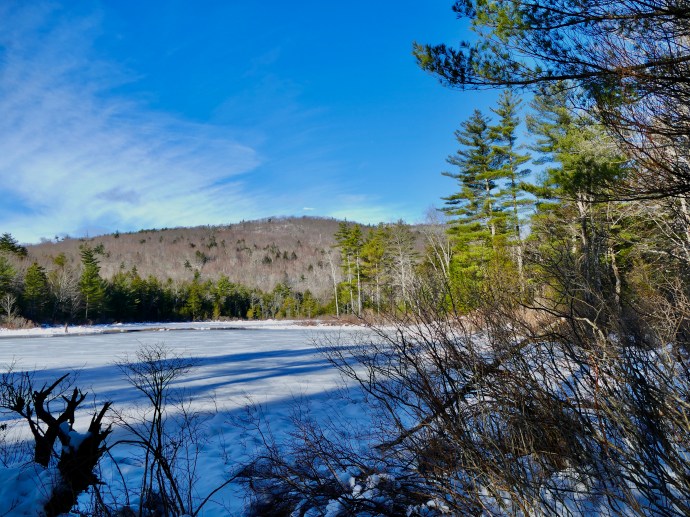
Surveying on Colburn Place — It is suddenly cold. Pools frozen so as to bear–& ground frozen so that it is difficult if not impossible to force down a stake in plowed ground. 

November 5, 1852

11:05a.jpeg

in Thoreau’s Journal:

At this season polypody is in the air. It is worth the while to walk in swamps now, to bathe your eyes with greenness. The terminal shield fern is the handsomest and glossiest green.

11:05b.jpeg

November 4

1840 in Thoreau’s Journal:

By your few words show how insufficient would be many words.

11:04.jpeg

1852 in Thoreau’s Journal:

Autumnal Dandelion—& yarrow—  Must be out of doors enough to get experience of wholesome reality—as a ballast to thought & sentiment.  Health requires this relaxation this aimless life. This life in the present….My thought is a part of the meaning of the world—& hence I use a part of the world as a symbol to express my thought.

1855 in Thoreau’s Journal:

pc060076.jpg

November 3

1852 in Thoreau’s Journal:

11:3a.jpeg

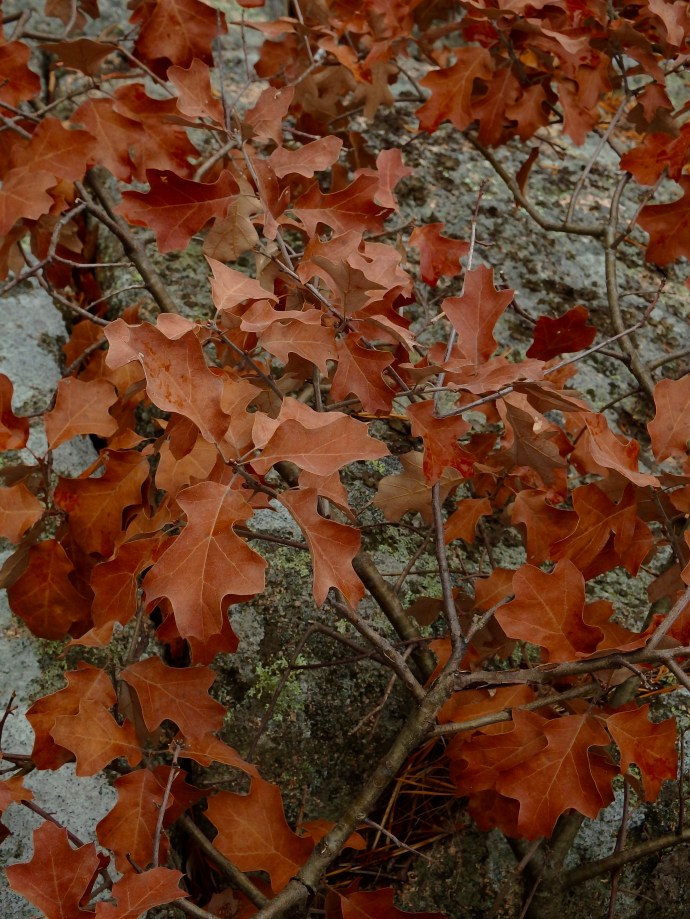
The landscape from Fair Haven Hill looks Novemberry—bare gray limbs & twigs in the swamps & where many young (or shrub) oaks have lost their leaves—You hear the rustling of oak & walnut leaves in the air. There is a ripple on the river from the cool northerly wind—the plants are sere. It is the month of withered oak leaves.

11:3c.jpeg

1853 in Thoreau’s Journal:

There are very few phenomena which can be described indifferently as occurring at different seasons of the year, for they will occur with some essential difference. 

11:3b.jpeg

1857 in Thoreau’s Journal:

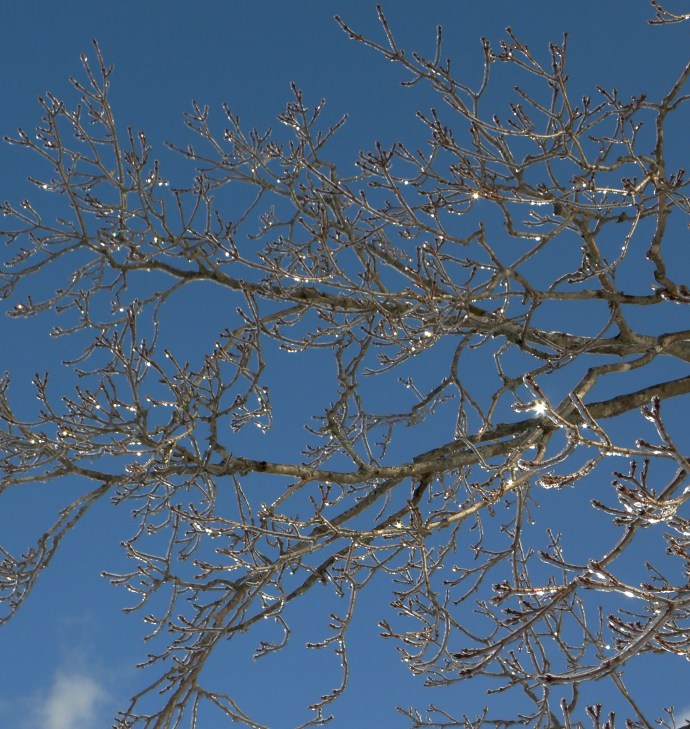
 It is a phenomenon peculiar to this season, when the twigs are bare and the air is clear.

November 2

7720C58A-3583-4E1C-AAC4-D91B9DB22ED1.jpeg

1852 in Thoreau’s Journal:

The prinos berries also now attract me in the scarcity of leaves—its own all gone—its berries are apparently a brighter red for it—

004EF684-4814-4A30-9C73-16C34B58D65C.jpeg

1857 in Thoreau’s Journal:

It is very pleasant & cheerful now days—when the brown & withered leaves strew the ground—& almost every plant is fallen or withered—to come upon a patch of polypody (as in abundance on hill side between Calla swamp & Bateman’s P.) on some rocky and still more (same) hillside E of the Callas hill side in the woods—  When in the midst of dry & rustling leaves defying frost it stands so freshly green & full of life—The mere green which was not remarkable in the summer—is positively interesting now— My thoughts are with the poly-pody a long time after my body has passed.

112a.jpeg

The brakes—the sarsaparilla—the Solomons seals—the ladies slippers—the osmundas—have long since withered & fallen. — The huckleberries & blueberries too have lost their leaves—  The forest floor is covered with a thick coat of moist brown leaves, but what is that perennial & spring like verdure that clothes the rocks—of small green plumes pointing various ways— It is the cheerful community of the polypody. It survives at least as the type of vegetation to remind us of the spring which shall not fail. These are the green pastures where I browse now— Why is not this form copied by our sculptors instead of the foreign acanthus leaves & bays? 

11:2c.jpeg

The sight of this unwithering green leaf excites me like red at some seasons.  Are not wood frogs the philosophers who walk in these groves? —Methinks I imbibe a cool composed frog-like philosophy when I behold them. I don’t care for acanthus leaves— They are far fetched— I do love this form however— & would like to see it whether on your marble or my butter painted or sculptured — How fit for a tuft about the base of a column….

The evergreen ferns & lycopodiums— now have their day—now is the flower of their age—& their greenness is appreciated. They are much the clearest & most liquid green in the woods—more yellow & brown specked in the open places— The form of the polypody is strangely interesting—it is even outlandish. Some forms though common in our midst are thus perennially foreign as the growths of other latitudes—there being a greater interval between us & their kind than usual. We all feel the ferns to be further from us essentially—& sympathetically—than the phaenogamous plants—the roses & weeds for instance— It needs no geology nor botany to assure us of that—we feel it—& told them of it first. The bare outline of the polypody—thrills me strangely—it is a strange type which I cannot read—It only piques me— Simple as it is, it is as strange as an oriental character. It is quite independent of my race & of the Indian— & all mankind. It is a fabulous mythological form—such as prevailed when the earth & air & water were inhabited by those extinct fossil creatures—that we find. It is contemporary with them and affects as the sight of them.

11:2b.jpeg

November 1, 1857

11:1b.jpeg

in Thoreau’s Journal:

I see much witch hazel in the swamp by the S end of the Abiel Wheeler Grape meadow—some of it is quite fresh & bright—Its bark is alternate white & smooth reddish brown—the smaller twigs looking as if gossamer had lodged on & draped them. What a lively spray it has—both in form & color—!

11:1a.jpeg

Truly it looks as if it would make divining rods—as if its twigs know where the true gold was & could point to it. The gold is in their late blossoms. Let them alone & they never point down to earth— They impart to the whole Hill-side a speckled particolored look—

October 31, 1851

10:31c.jpeg

in Thoreau’s Journal:

The wild apples are now getting palatable. I find a few left on distant trees—which the farmer thinks it not worth his while to gather—he thinks that he has better in his barrels, but he is mistaken unless he has a walker’s appetite & imagination—neither of which can he have. These apples cannot be too gnurly & rusty & crabbed (to look at)— The gnurliest will have some redeeming traits even to the eyes—

PA316872.jpeg

You will discover some evening redness dashed or sprinkled—on some protuberance or in some cavity— It is rare that the summer lets an apple go without streaking or spotting it on some part of its sphere—though perchance one side may only seem to betray that it has once fallen in a brick yard—and the other have been bespattered from a roily ink bottle.

10:31a.jpg

The saunterer’s apple, not even the saunterer can eat in the house.— Some red stains it will have commemorating the mornings & evenings it has witnessed—some dark & rusty blotches in memory of the clouds, & foggy mildewy days that have passed over it—and a spacious field of green reflecting the general face of nature—green even as the fields— Or yellow its ground if it has a sunny flavor—yellow as the harvests—or russet as the hills. The noblest of fruits is the apple. Let the most beautiful or swiftest have it.

10:31b.jpeg

10:30.jpeg

October 30, 1853 in Thoreau’s Journal:

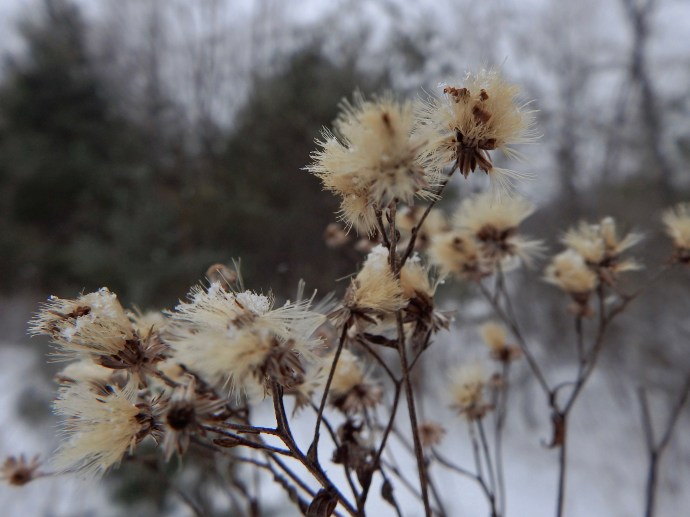
The prevalence of this light dry Color perhaps characterizes November—that of whitening withered grass—of the fuzzy gray goldenrods—harmonizing with the cold sunlight—and that of the leaves which still hang on deciduous trees.

October 28, 1852

10:28.jpeg

in Thoreau’s Journal:  

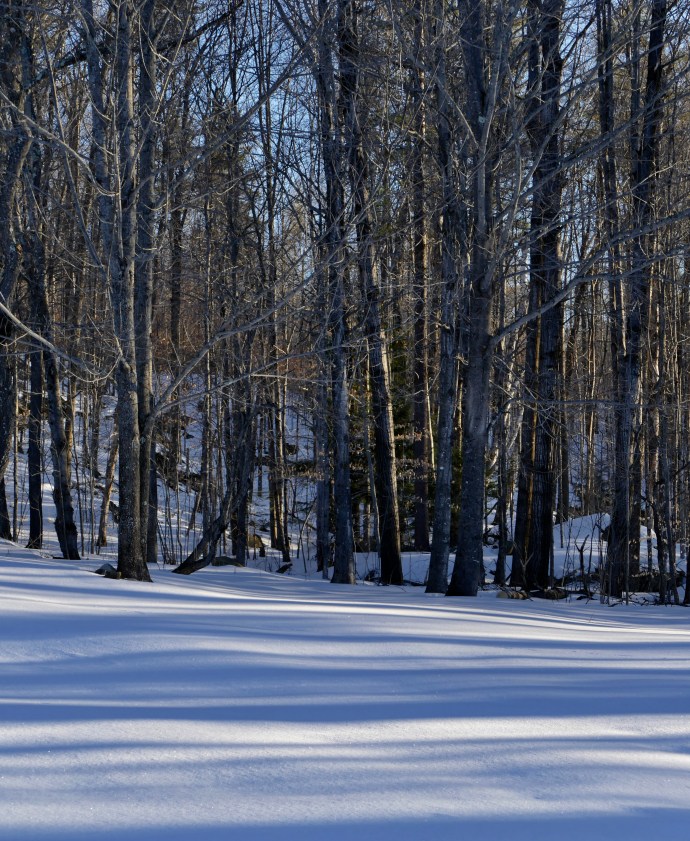
Four months of the green leaf make all our summer, if I reckon from June 1st to October 1st, the growing season, and methinks there are about four months when the ground is white with snow. That would leave two months for spring and two for autumn. October the month of ripe or painted leaves; November the month of withered leaves and bare twigs and limbs. 

October 27

10:27.jpeg

in Thoreau’s Journal 1851

This morning I awoke and found it snowing and the ground covered with snow….

P1120047.jpeg

in Thoreau’s Journal 1858

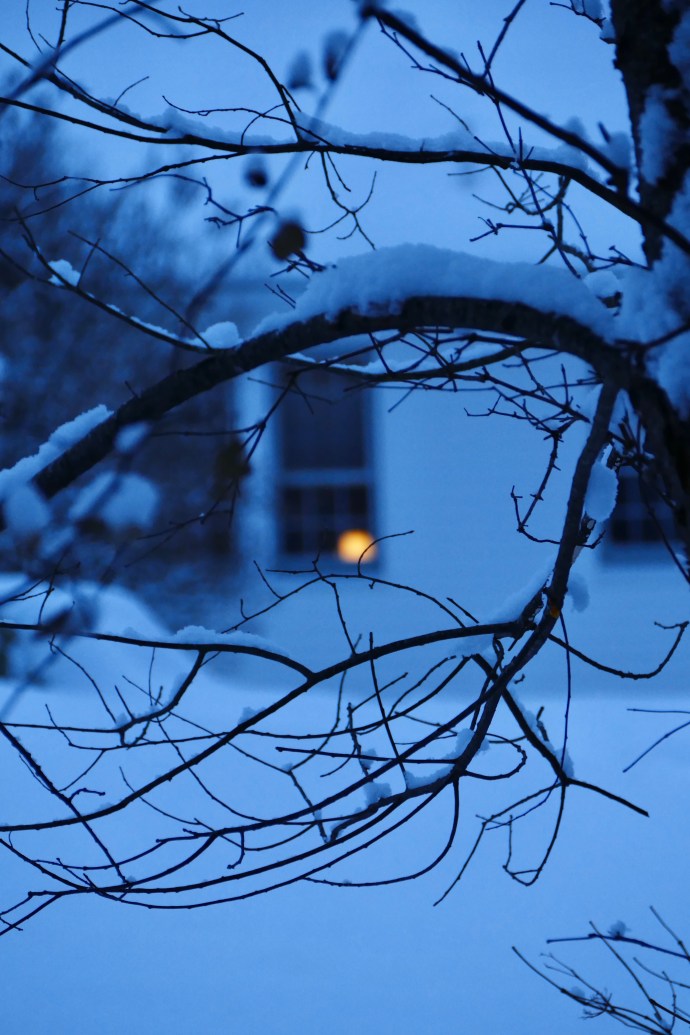
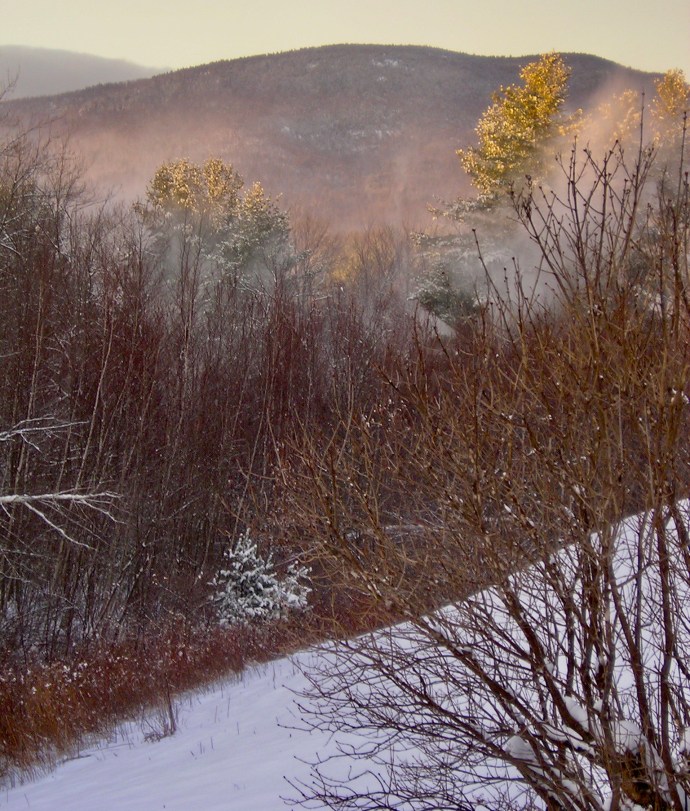
The colors of the fields make haste to harmonize with the snowy mantle which is soon to invest them and with the cool, white twilights of that season which is itself the twilight of the year. 

October 26, 1852

10:26.jpeg

in Thoreau’s Journal:

At this season we seek warm sunny lees & hill sides—as that under the pitch pines by Walden shore—where we cuddle & warm ourselves in the sun as by a fire—where we may get some of its reflected as well as direct heat.

October 24, 1837

10:24.jpeg

in Thoreau’s Journal:  

Every part of nature teaches us that the passing away of one life is the making room for another.  The oak dies down to the ground, leaving within its rind a rich virgin mould, which will impart a vigorous life to an infant forest – – The pine leaves a sandy and sterile soil—the harder woods a strong and fruitful mould. – – 

So this constant abrasion and decay makes the soil of my future growth. As I live now so shall I reap. If I grow pines and birches, my virgin mould will not sustain the oak, but pines and birches, or, perchance, weeds and brambles, will constitute my second growth. – – 

October 23, 1852

10:23.jpeg

in Thoreau’s Journal:

October has been the month of Aut. tints. The 1st of the month the tints began to be more general—at which time the frosts began. Though there were scattered brights tints long before—but not till then did the forest begin to be painted. By the end of the month the leaves will either have fallen or be sered & turned brown by the frosts—for the most part….

October 22, 1858

10:22.jpeg

in Thoreau’s Journal:

Think how much the eyes of painters—both artisans & artists—& of the manufacturer of cloth & paper—& the paper stainers—&c are to be educated by these autumnal colors. The stationer’s envelopes may be of very various tints—yet not so various as those of the leaves of a simple tree sometimes—If you want a different shade or tint of a particular color you have only to look further within or without the tree—or the wood. The eye might thus be taught to distinguish color & appreciate a difference of shade or tint.

October 21

1852 in Thoreau’s Journal:

This is a remarkable feature in the landscape now—the abundance of dead weeds.  The frosts have done it.  Winter comes on gradually. The red maples have lost their leaves before the rock maple which is now loosing its leaves at top first. All the country over the frosts have come & sered the tenderer herbs along all brook sides—  How unobserved this change until it has taken place.

P1110781.jpeg

1857 in Thoreau’s Journal:

Now again as in the spring we begin to look for sheltered and sunny places where we may sit.

10:21.jpeg

October 20, 1852

in Thoreau’s Journal:

The clouds have lifted in the NW and I see the mts  in sunshine, all the more attractive from the cold I feel here––with a tinge of purple on them––a cold but memorable and glorious outline. This is an advantage of mts in the horizon––they show you the fair weather from the midst of foul. The small red sol. seal berries spot the ground here & there amid the dry leaves––The witch hazel is bare of all but flowers. 

PA090095.jpeg

Many a man––when I tell him that I have been on to a mt asks if I took a glass with me. No doubt, I could have seen further with a glass and particular objects more distinctly—could have counted more meeting-houses; but this has nothing to do with the peculiar beauty & grandeur of the view which an elevated position affords. It was not to see a few particular objects as if they were near at hand as I had been accustomed to see them, that I ascended the mt—but to see an infinite variety far & near in their relation to each other thus reduced to a single picture.