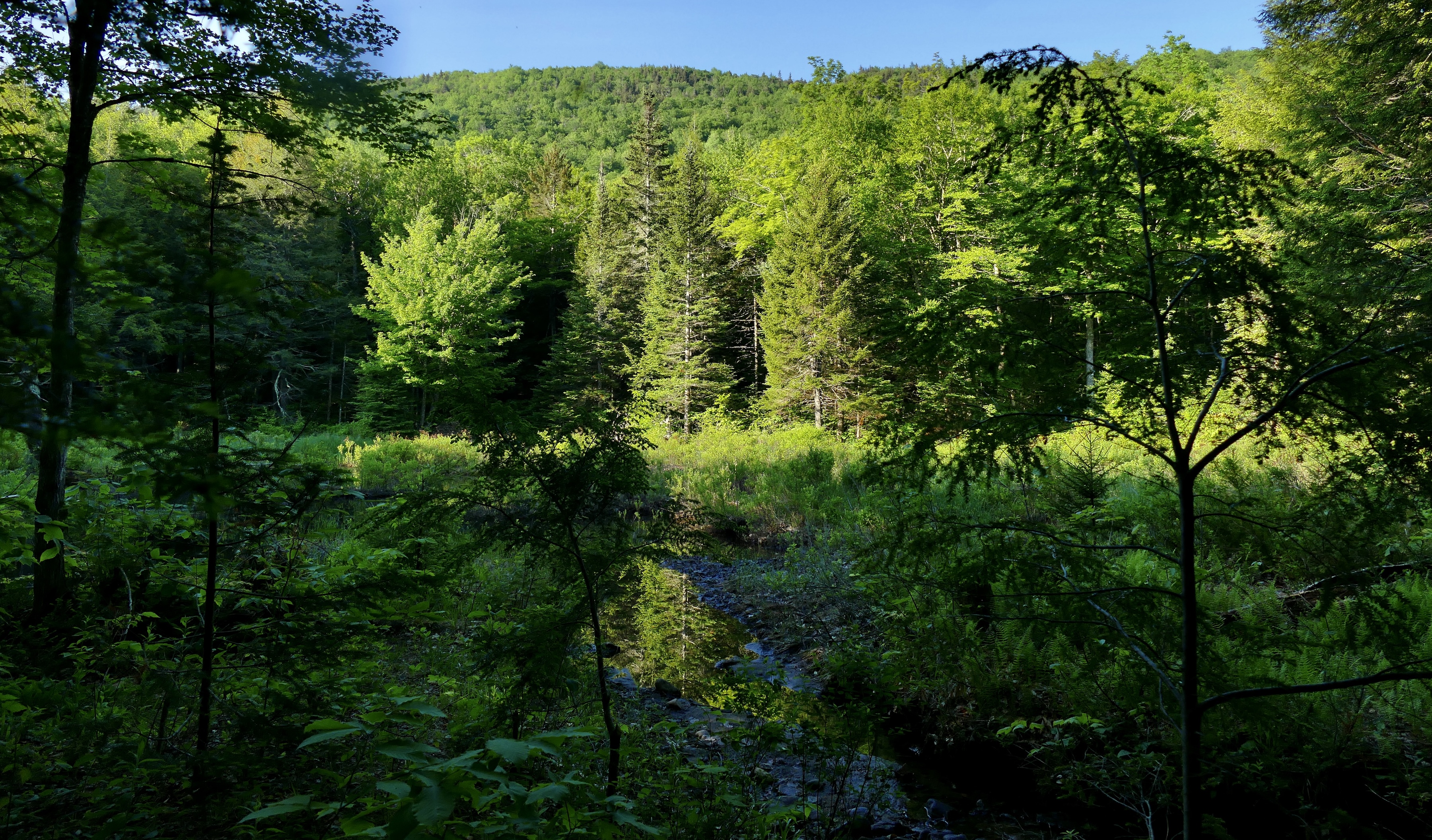
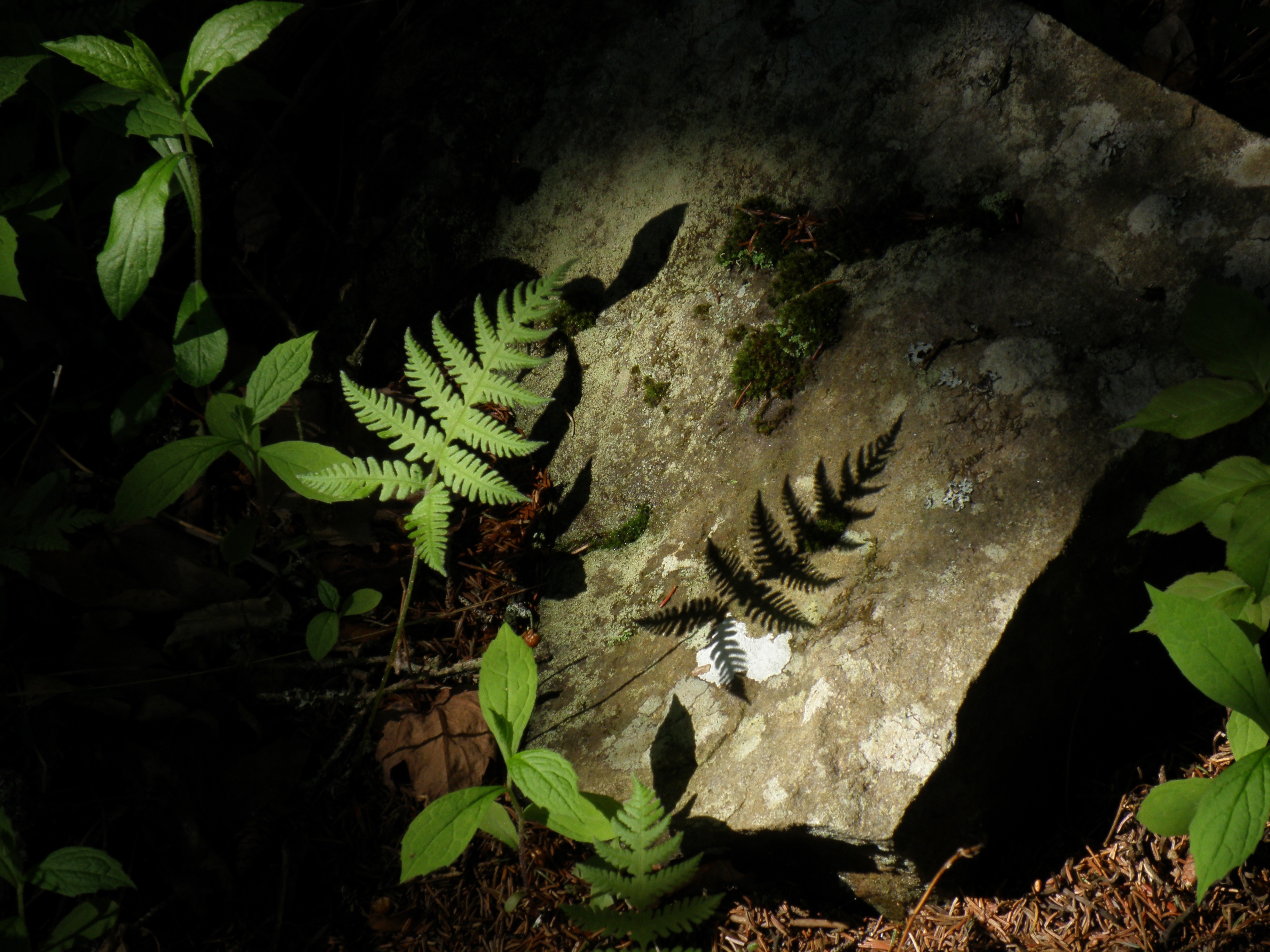
Begin to observe and to admire the forms of trees with shining foliage and each its shadow on the hillside.
This morning I hear the note of young bluebirds in the air, which have recently taken wing, and the old birds keep up such a warbling and twittering as remind me of spring.
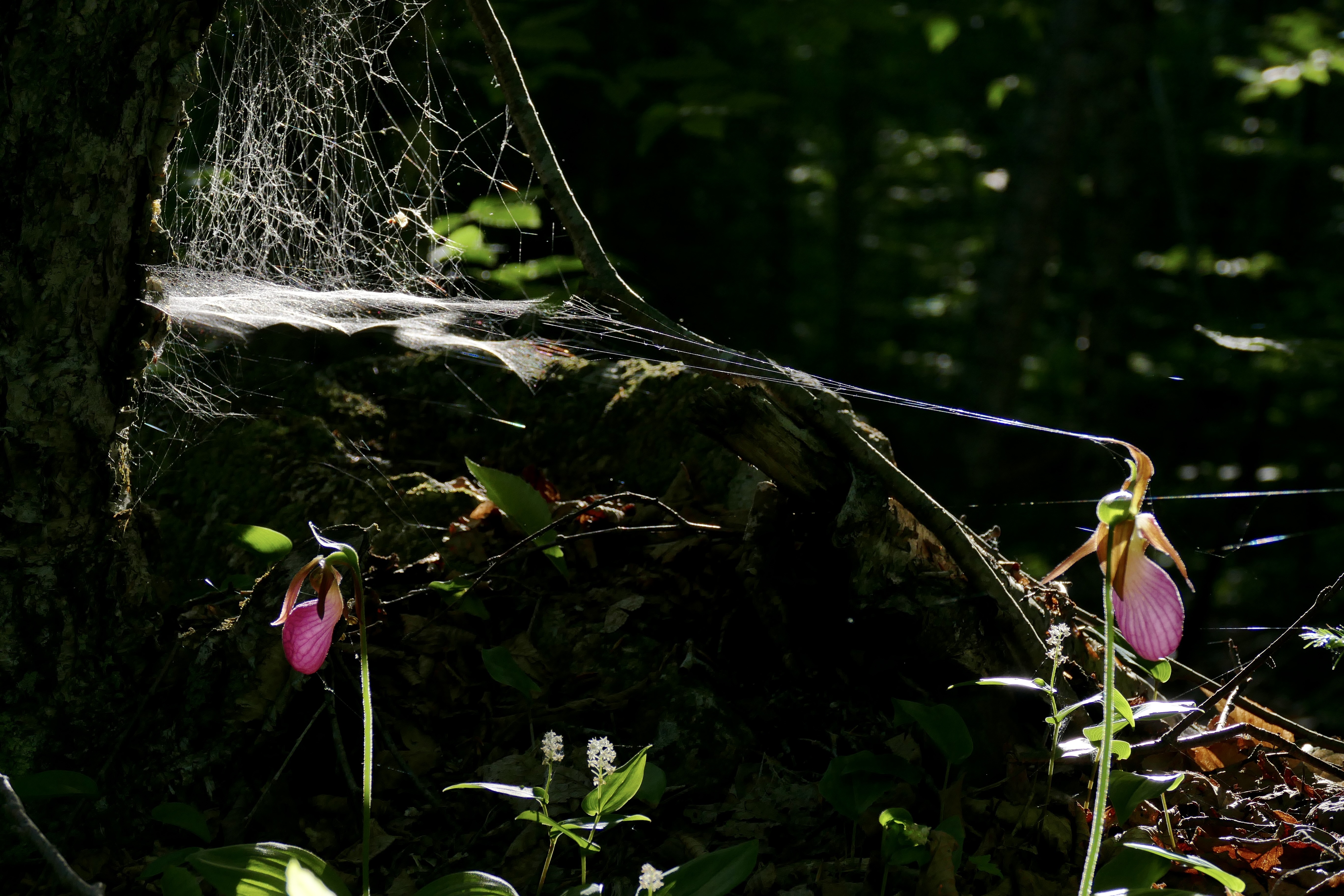
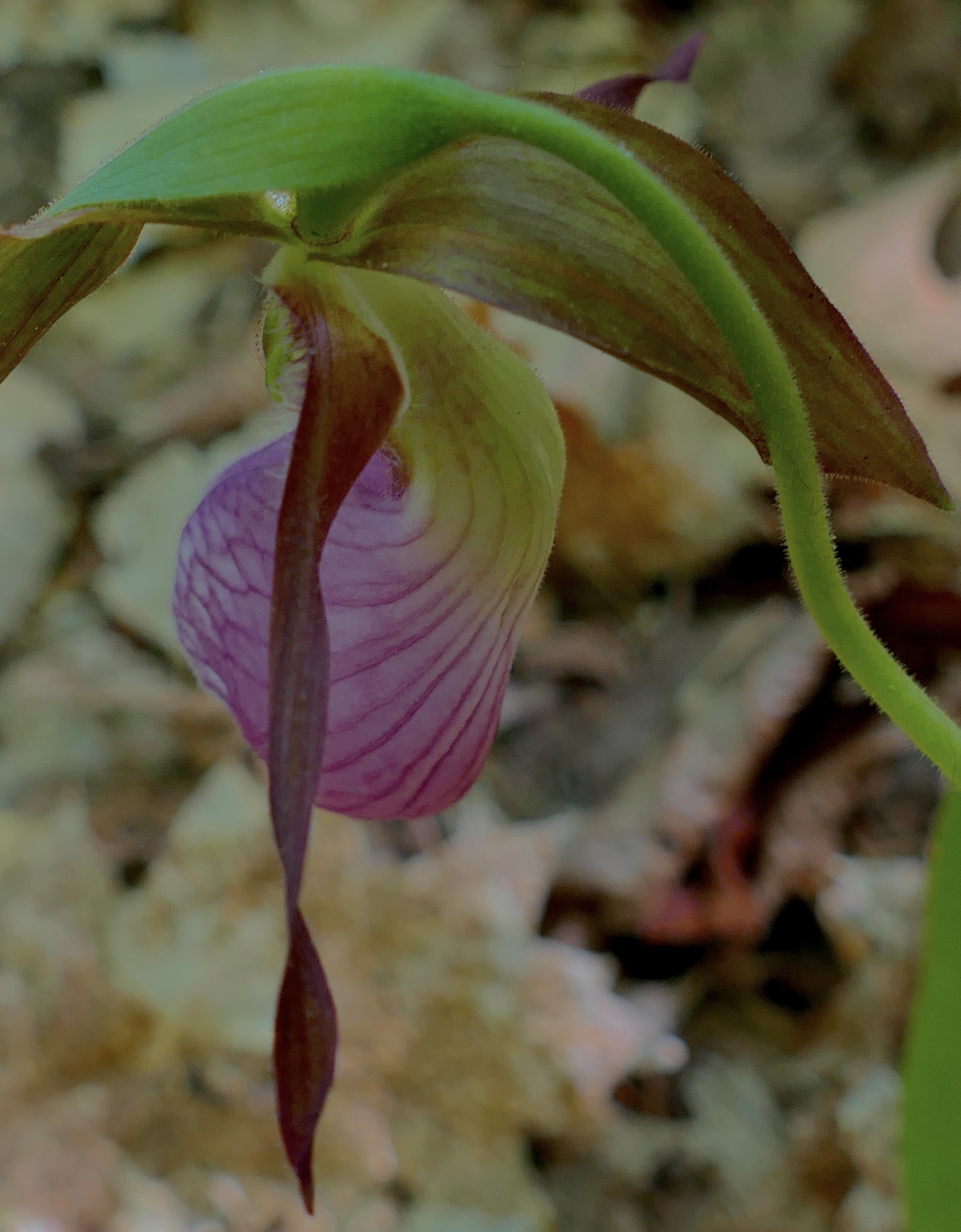
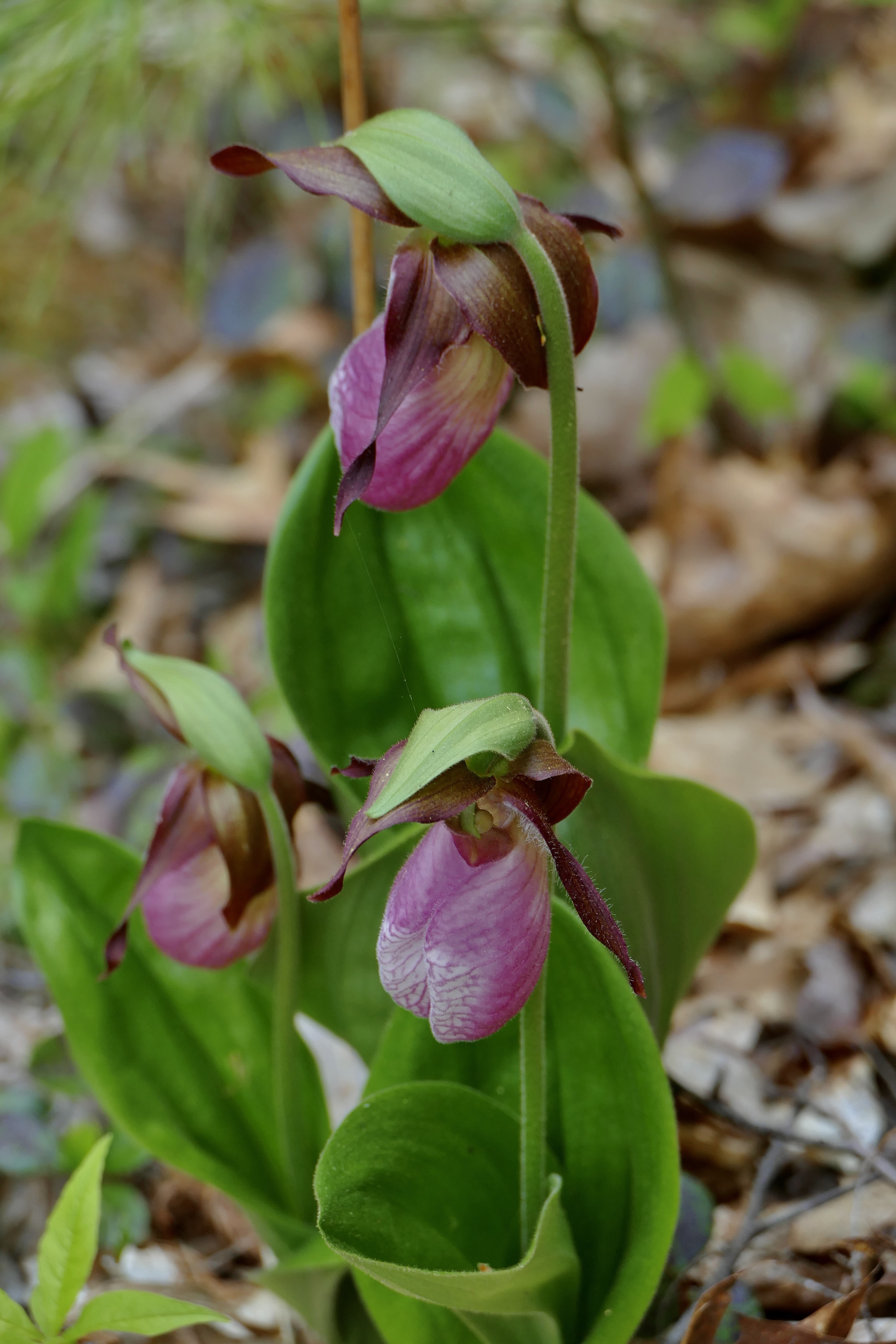
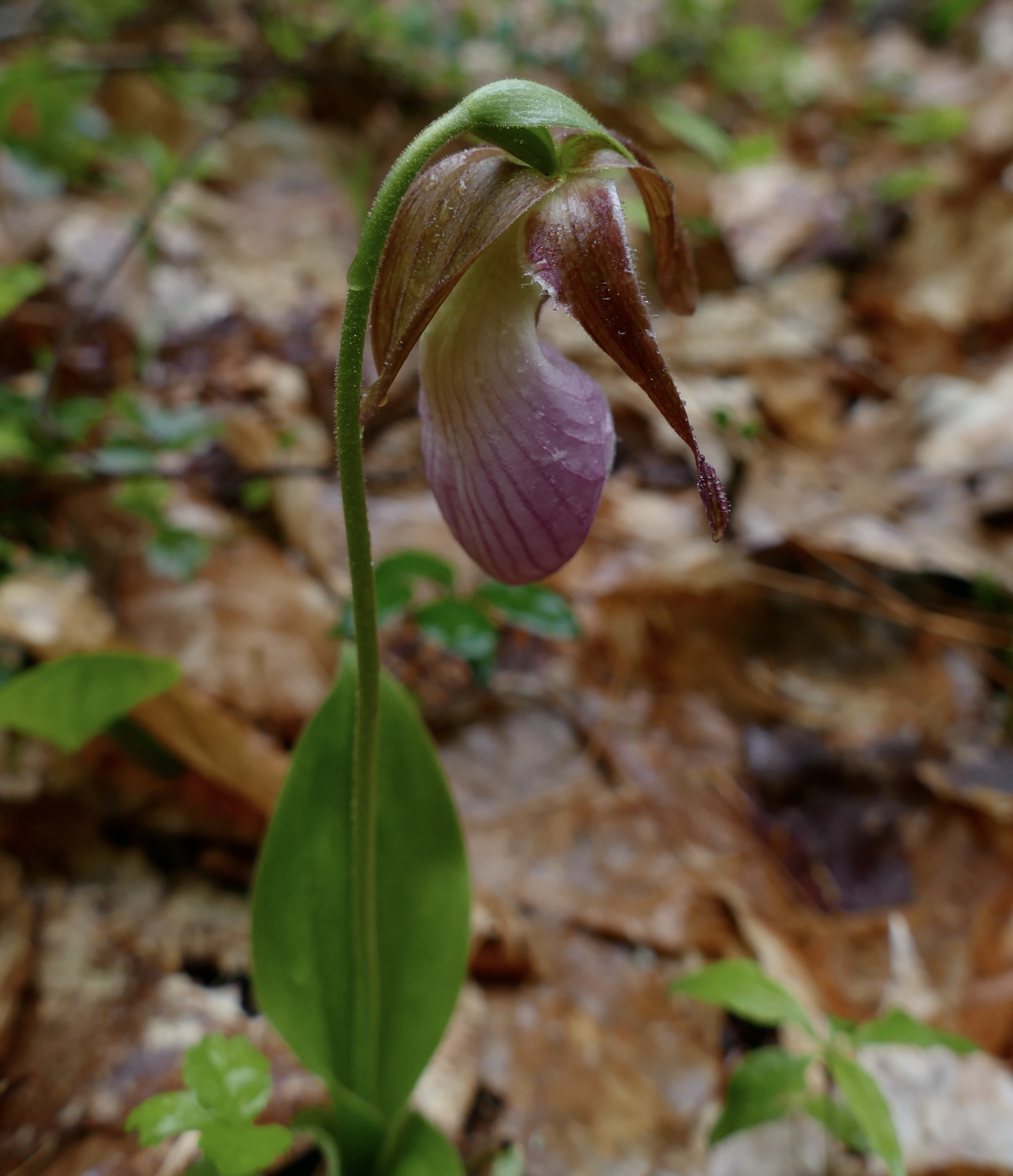
The first of June, when the lady’s slipper and the wild pink have come out in sunny places on the hill-sides, then the summer is begun according to the clock of the seasons.
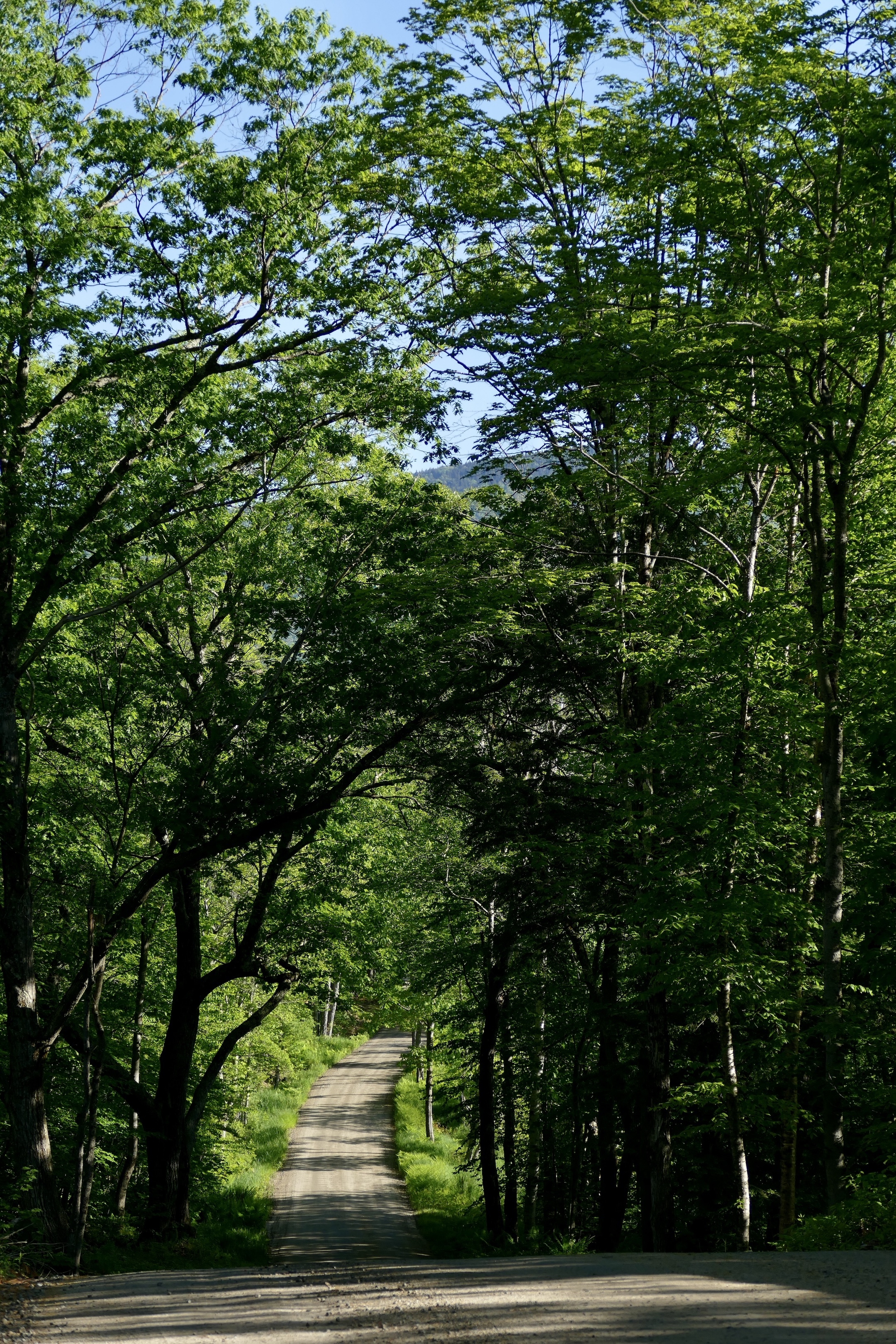
Within little more than a fortnight the woods, from bare twigs, have become a sea of verdure, and young shoots have contended with one another in the race. The leaves have unfurled all over the country like a parasol.
Shade is produced, and the birds are concealed and their economies go forward uninterruptedly, and a covert is afforded to the animals generally.
Some incidents in my life have seemed far more allegorical than actual; they were so significant that they plainly served no other use. That is, I have been more impressed by their allegorical significance and fitness; they have been like myths or passages in a myth, rather than mere incidents or history which have to wait to become significant. Quite in harmony with my subjective philosophy. This, for instance: that, when I thought I knew the flowers so well, the beautiful purple azalea or pinxter-flower should be shown to me by the hunter who found it. Such facts are quite above the level of the actual. They are all just such events as my imagination prepares me for, no matter how incredible. Perfectly in keeping with my life and characteristic. Ever and anon something will occur which my philosophy has not dreamed of.
The limits of the actual are set some thoughts further off. That which had seemed a rigid wall of vast thickness unexpectedly proves a thin and undulating drapery. The boundaries of the actual are no more fixed and rigid than the elasticity of our imaginations. The fact that a rare and beautiful flower which we never saw, perhaps never heard of, for which therefore there was no place in our thoughts, may at length be found in our immediate neighborhood, is very suggestive.
It is evident that the virtues of plants are almost completely unknown to us, and we esteem the few with which we are better acquainted unreasonably above the many which are comparatively unknown to us.
It would be worth the while to ask ourselves weekly, Is our life innocent enough? Do we live inhumanely, toward man or beast in thought or act? To be serene and successful we must be at one with the universe.
The least conscious and needless injury inflicted on any creature is to its extent a suicide. What peace –– or life –– can a murderer have?
A wet day. The veery sings nevertheless. The road is white with the apple blossoms fallen off, as with snowflakes. The dogwood is coming out. Ladies’-slippers out. They perfume the air.
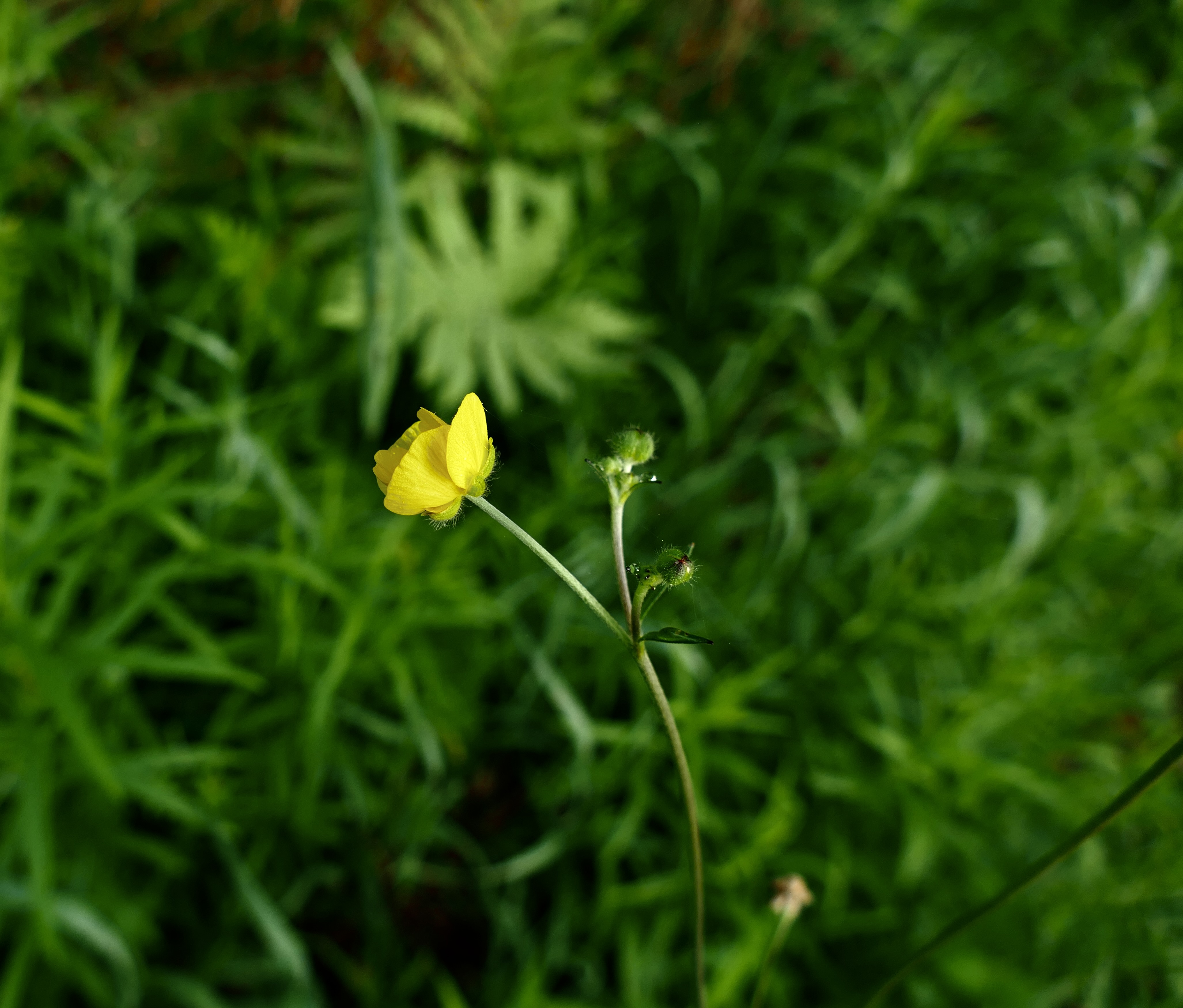
How rapidly the young twigs shoot — the herbs, trees, shrubs no sooner leaf out than they shoot forward surprisingly, as if they had acquired a head by being repressed so long.
They do not grow nearly so rapidly at any other season. Many do most of their growing for the year in a week or two at this season. They shoot — they spring — and the rest of the year they harden and mature, and perhaps have a second spring in the latter part of summer or in the fall.
Books are to be attended to as new sounds merely. Most would be put to a sore trial if the reader should assume the attitude of a listener. They are but a new note in the forest. To our lonely, sober thought the earth is a wild unexplored. Wildness as of the jay and muskrat reigns over the great part of nature. The oven-bird and plover are heard in the horizon. Here is a new book of heroes, come to me like the note of the chewink from over the fen, only over a deeper and wider fen. The pines are unrelenting sifters of thought; nothing petty leaks through them. Let me put my ear close, and hear the sough of this book, that I may know if any inspiration yet haunts it.
There is always a later edition of every book than the printer wots of, no matter how recently it was published. All nature is a new impression every instant.
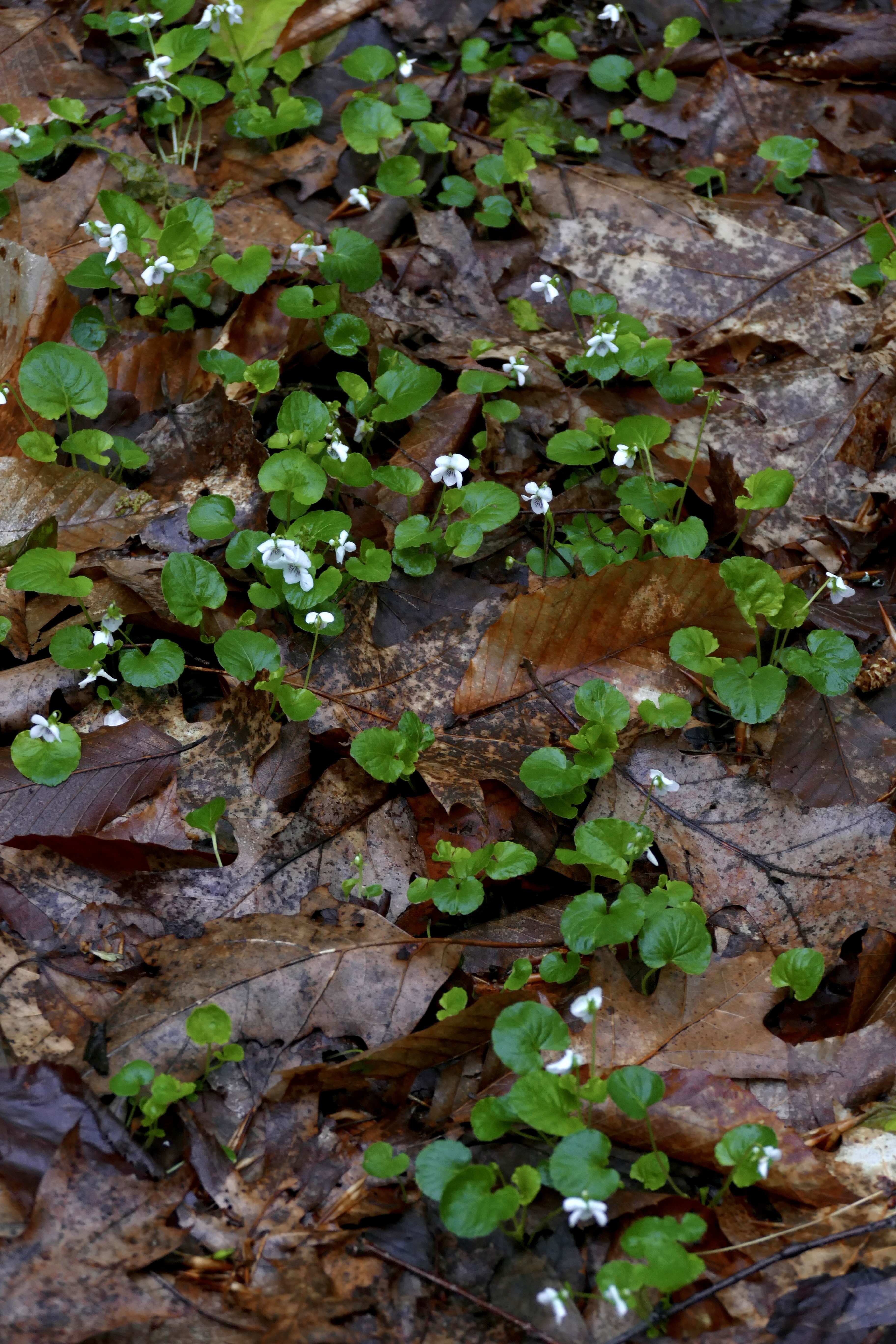
The white violets by the spring are rather scarce now.
The red oak leaves are very pretty & finely cut about 1 3/4 inches long. Like most young leaves they are turned back around the twig parasol like. The farmers apprehend frosts these nights. A purplish gnaphallium with 3 nerved leaves.







 allandibiase.com
You must be logged in to post a comment.