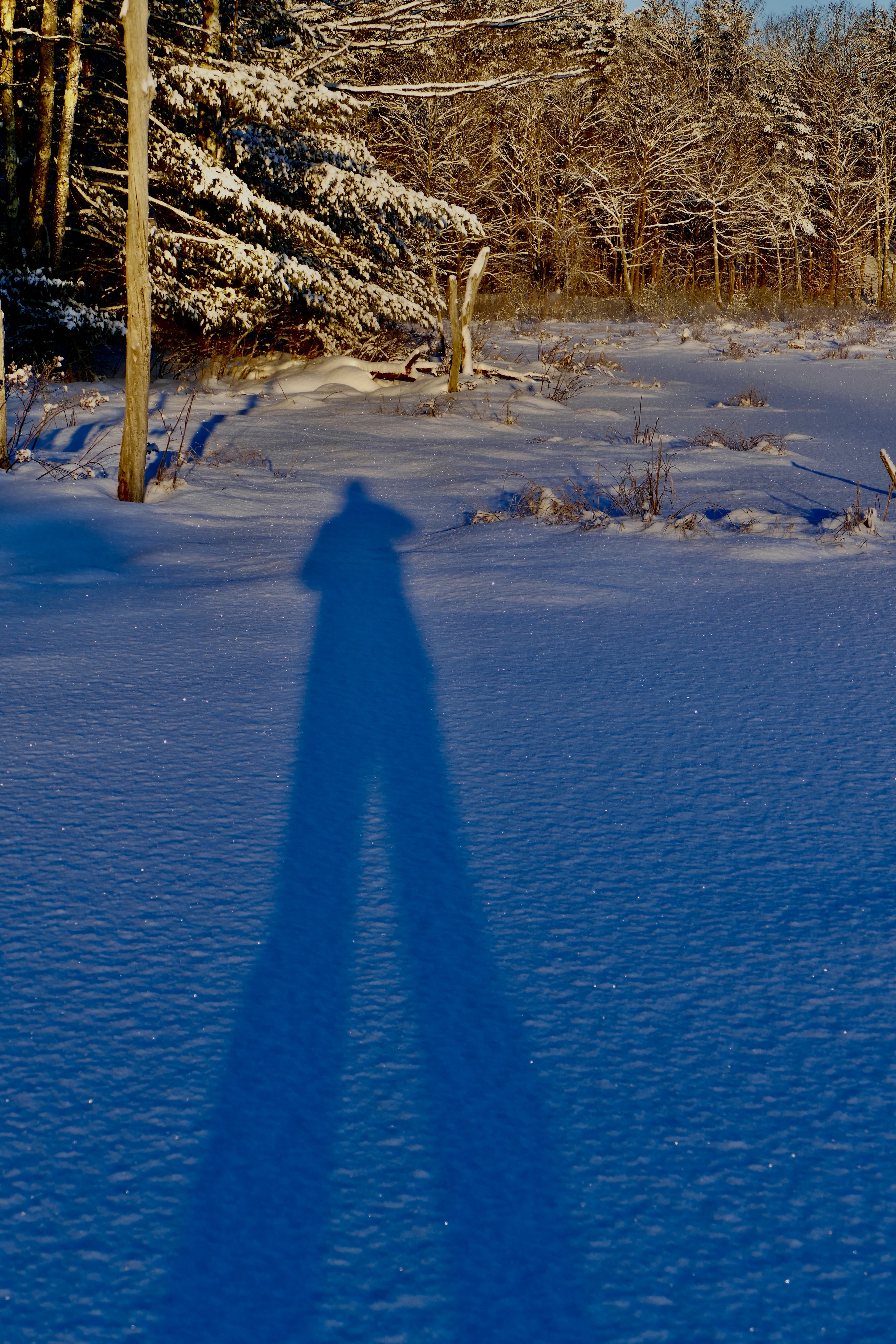
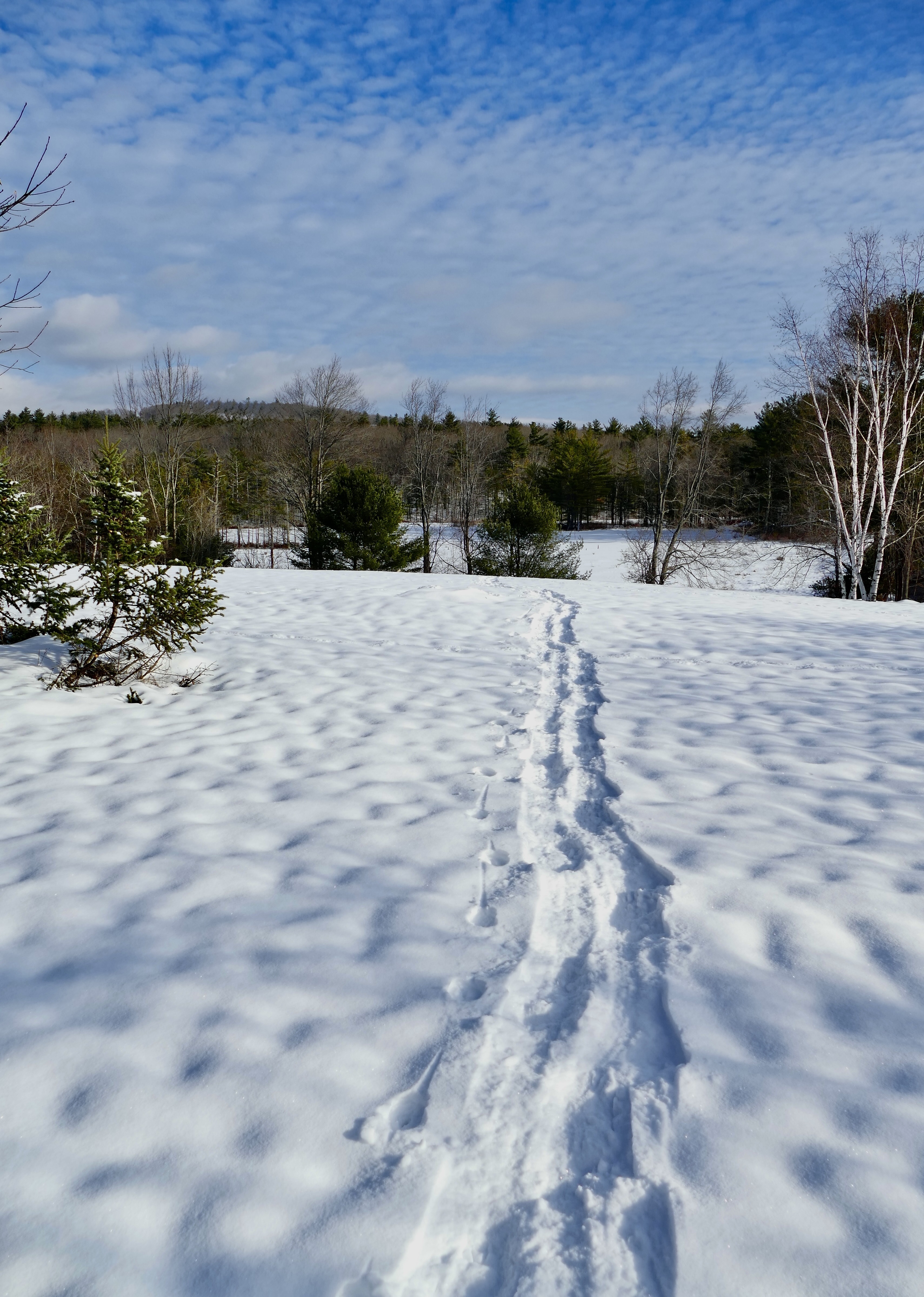
To Walden, to learn the temperature of the water….This is a very mild, melting winter day, but clear and bright. Yet I see the blue shadows on the snow at Walden. The snow lies very level there, about ten inches deep, and, for the most part, bears me as I go across with my hatchet. I think I never saw a more elysian blue than my shadow.
I am turned into a tall blue Persian from my cap to my boots, such as no mortal dye can produce, with an amethystine hatchet in my hand. I am in raptures with my own shadow. Our very shadows are no longer black but a celestial blue.
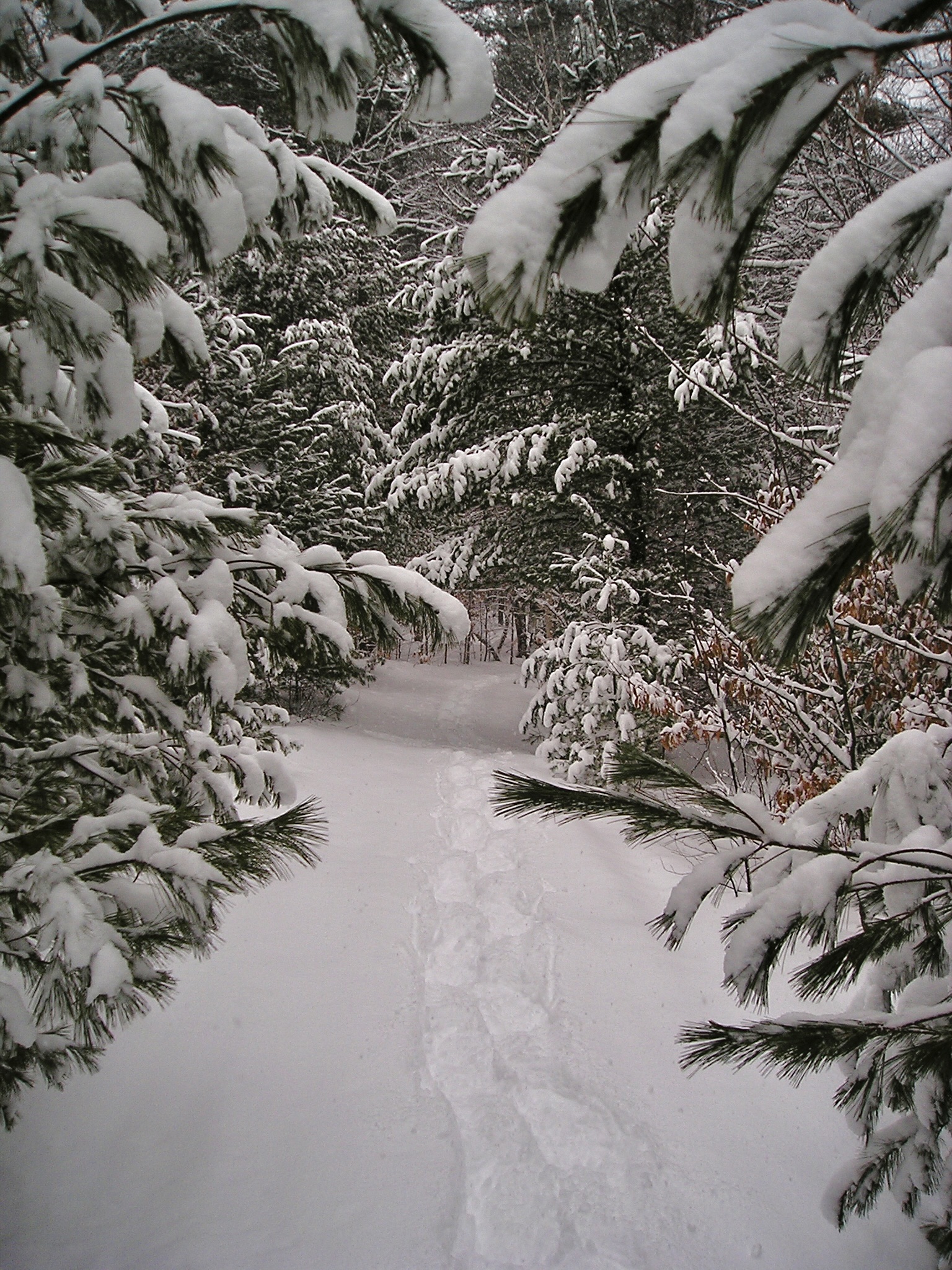
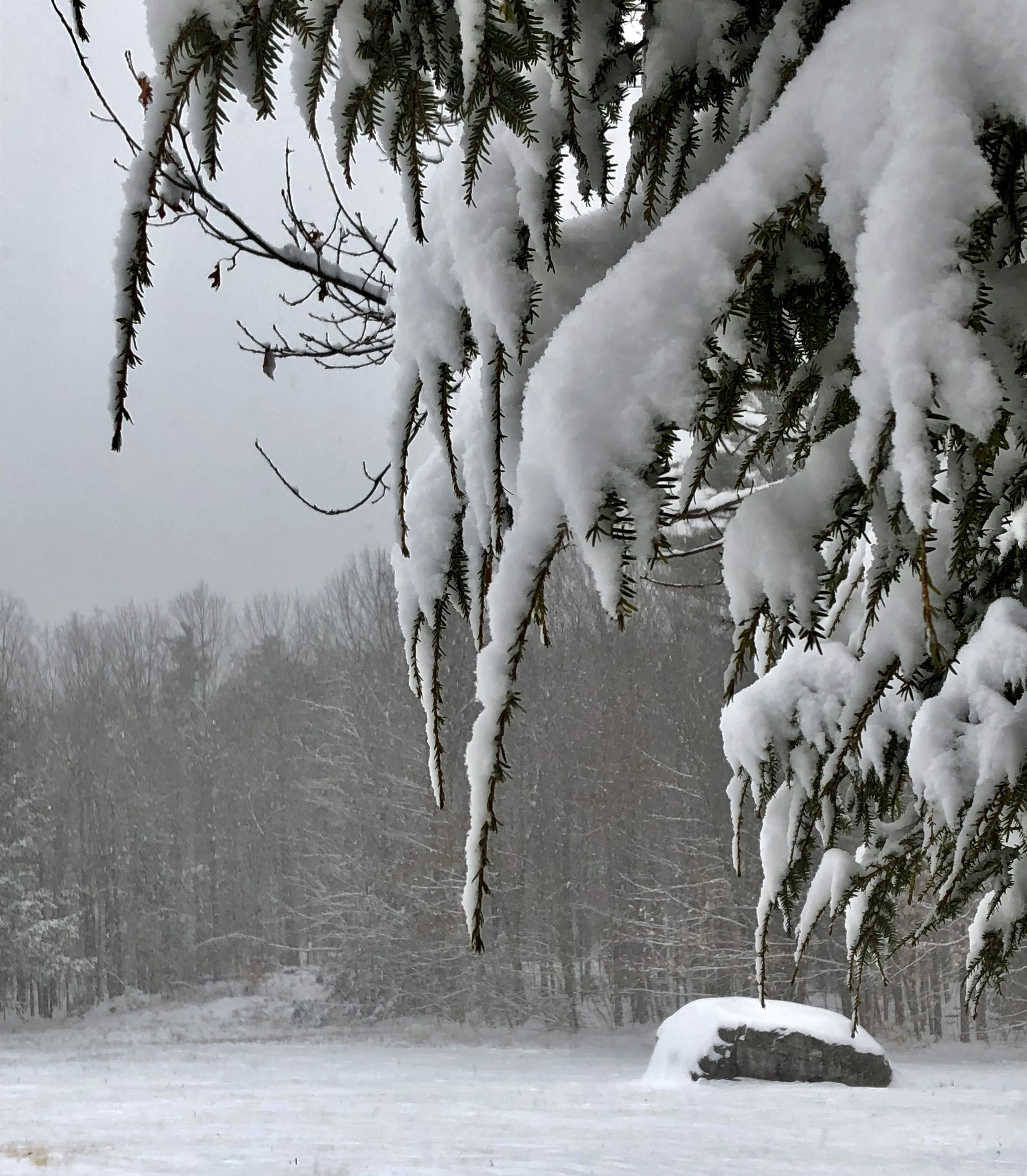
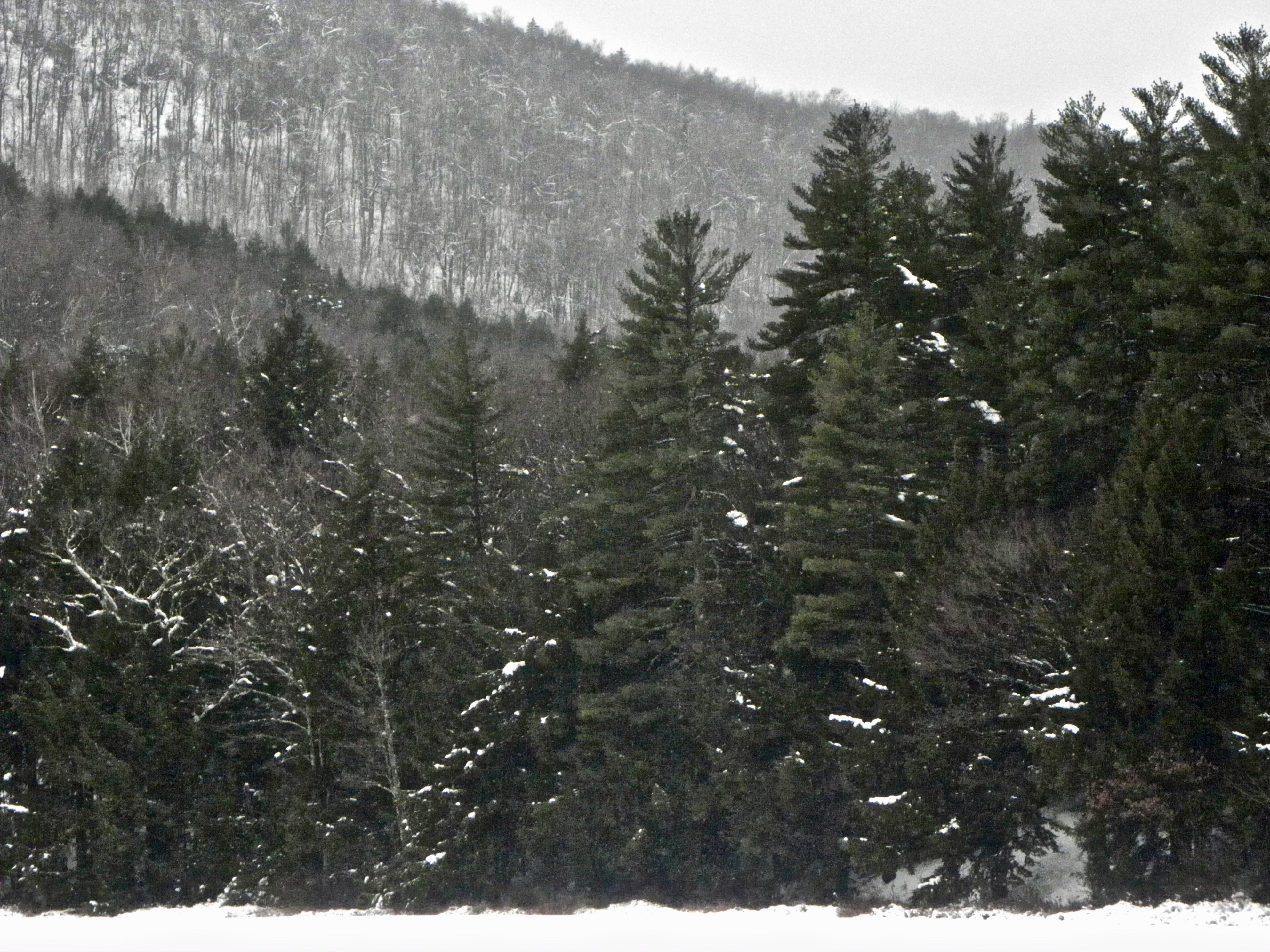
White walls of snow rest on the boughs of trees, in height two or three times their thickness. These white irregular arms give the forest a wintry and picturesque look at a distance. The evergreens, especially the pitch pine, often bear large irregular white burdens, agreeably diversified and loopholed by the interstices of the plumes.
But it is only when fresh that this snow on the trees is beautiful. Already, before the storm is over, the surface of the snow in the high woods is full of indentations and hollows where some of this burden has fallen.
I hear one thrumming a guitar below stairs. It reminds me of moments that I have lived. What a comment upon our life is the least strain of music! It lifts me above the mire and dust of the universe. I soar or hover with clean skirts over a field of my life. It is ever life within life, in concentric spheres. The field wherein I toil or rust at any time is at the same time the field for such different kinds of life! The farmer’s boy or hired man has an instinct which tells him as much indistinctly, and hence his dreams and his restlessness; hence, even, it is that he wants money to realize his dreams with. The identical field where I am leading my humdrum life, let but a strain of music be heard there, is seen to be the field of some unrecorded crusade or tournament the thought of which excites in us an ecstasy of joy.
The way in which I am affected by this faint thrumming advertises me that there is still some health and immortality in the springs of me. What an elixir is sound! I, who but lately came and went and lived under a dish cover, live now under the heavens. It releases me; it bursts my bonds. Almost all, perhaps all, our life is, speaking comparatively, a stereotyped despair; i.e., we never at any time realize the full grandeur of our destiny. We forever and ever and habitually underrate our fate.
Perhaps what most moves us in winter is some reminiscence of far-off summer. How we leap by the side of the open brooks! What beauty in the running brooks! What life! What society! The cold is merely superficial; it is summer still at the core, far, far within.
It is in the cawing of the crow, the crowing of the cock, the warmth of the sun on our backs. I hear faintly the cawing of a crow far, far away, echoing from some unseen wood-side, as if deadened by the springlike vapor which the sun is drawing from the ground. It mingles with the slight murmur of the village, the sound of children at play, as one stream empties gently into another, and the wild and tame are one.
We sometimes find ourselves living fast, unprofitably, and coarsely even, as we catch ourselves eating our meals in unaccountable haste. But in one sense we cannot live too leisurely. Let me not live as if time was short. Catch the pace of the seasons, have leisure to attend to every phenomenon of nature, and to entertain every thought that comes to you.
Let your life be a leisurely progress through the realms of nature, ever in guest-quarters….
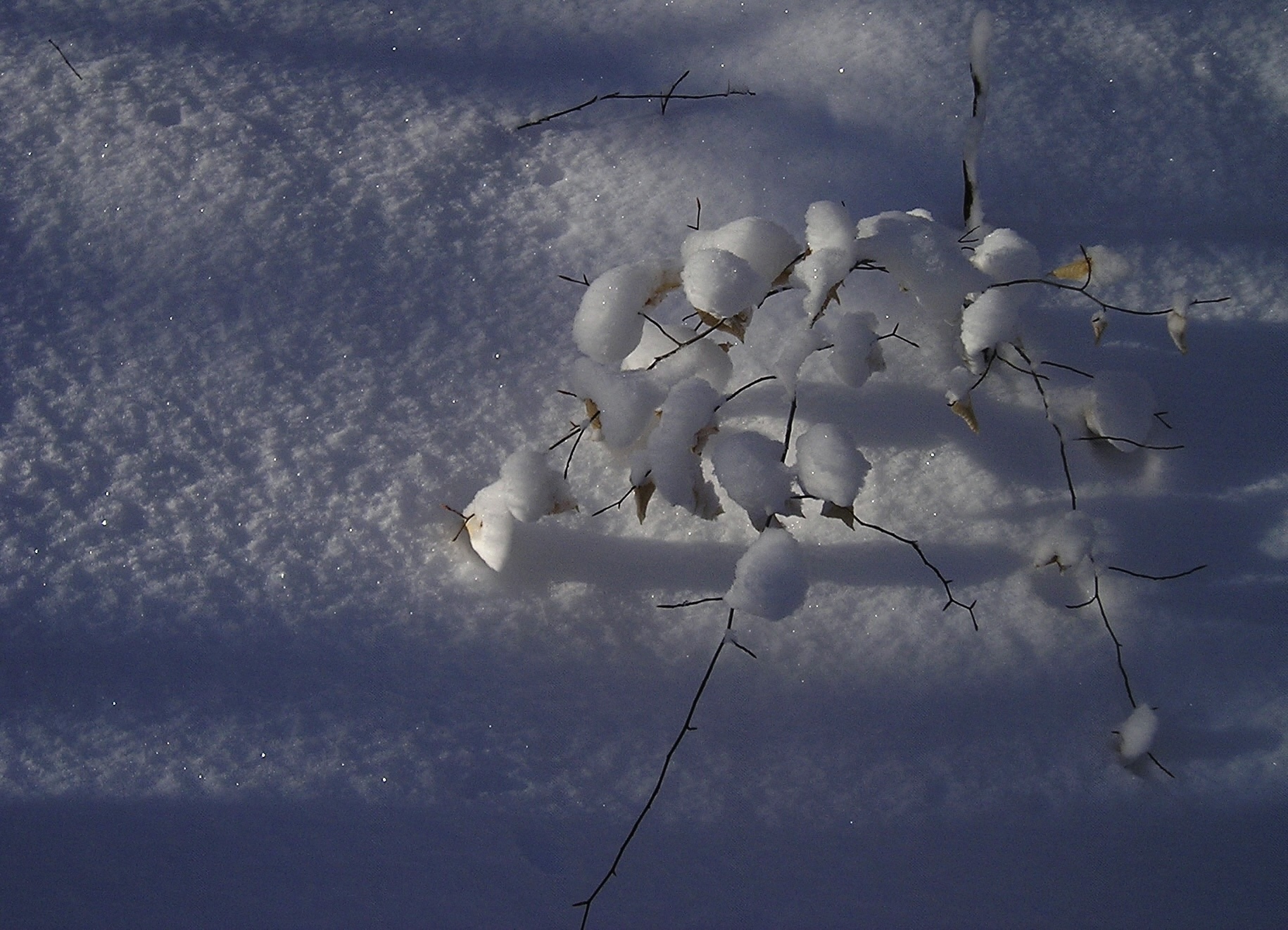
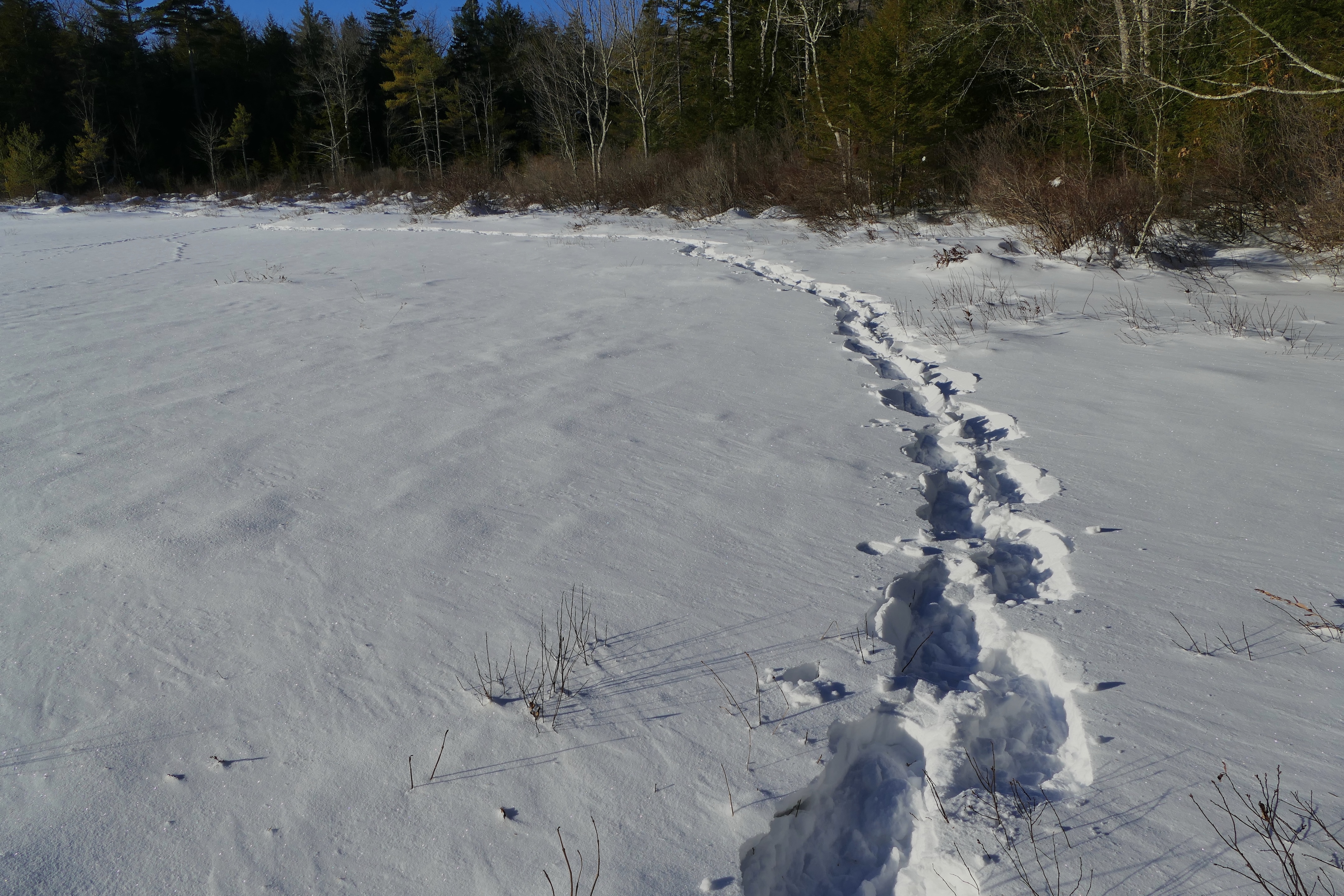
I love to wade and flounder through the swamp now, these bitter cold days, when the snow lies deep on the ground, and I need travel but little way from the town to get to a Nova Zembla solitude, to wade through the swamps all snowed up, untracked by man, into which the fine dry snow is still drifting till it is even with the tops of the water andromedia, and half way up the high blueberry bushes.
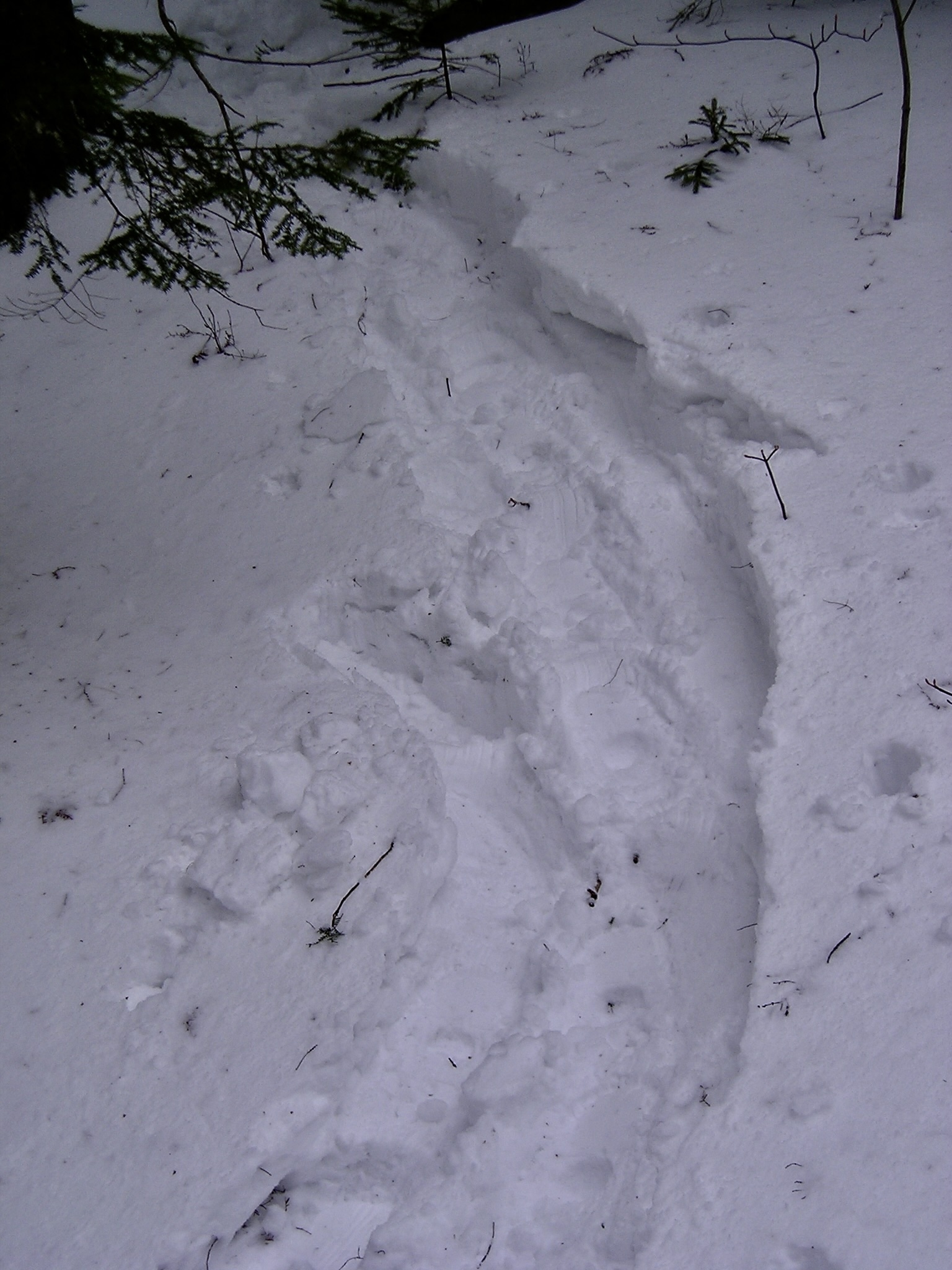
I penetrate to islets inaccessible in summer, my feet slumping to the sphagnum far out of sight beneath, where the alderberry glows yet….and perchance a single tree sparrow lisps by my side; where there are few tracks even of wild animals. Perhaps only a mouse or two have burrowed up by the side of some twig, and hopped away in straight lines on the surface of the light, deep snow, as if too timid to delay, to another hole by the side of another bush, and a few rabbits have run in a path amid the blueberries and alders about the edge of the swamp. This is instead of a Polar Expedition, and going after Franklin.
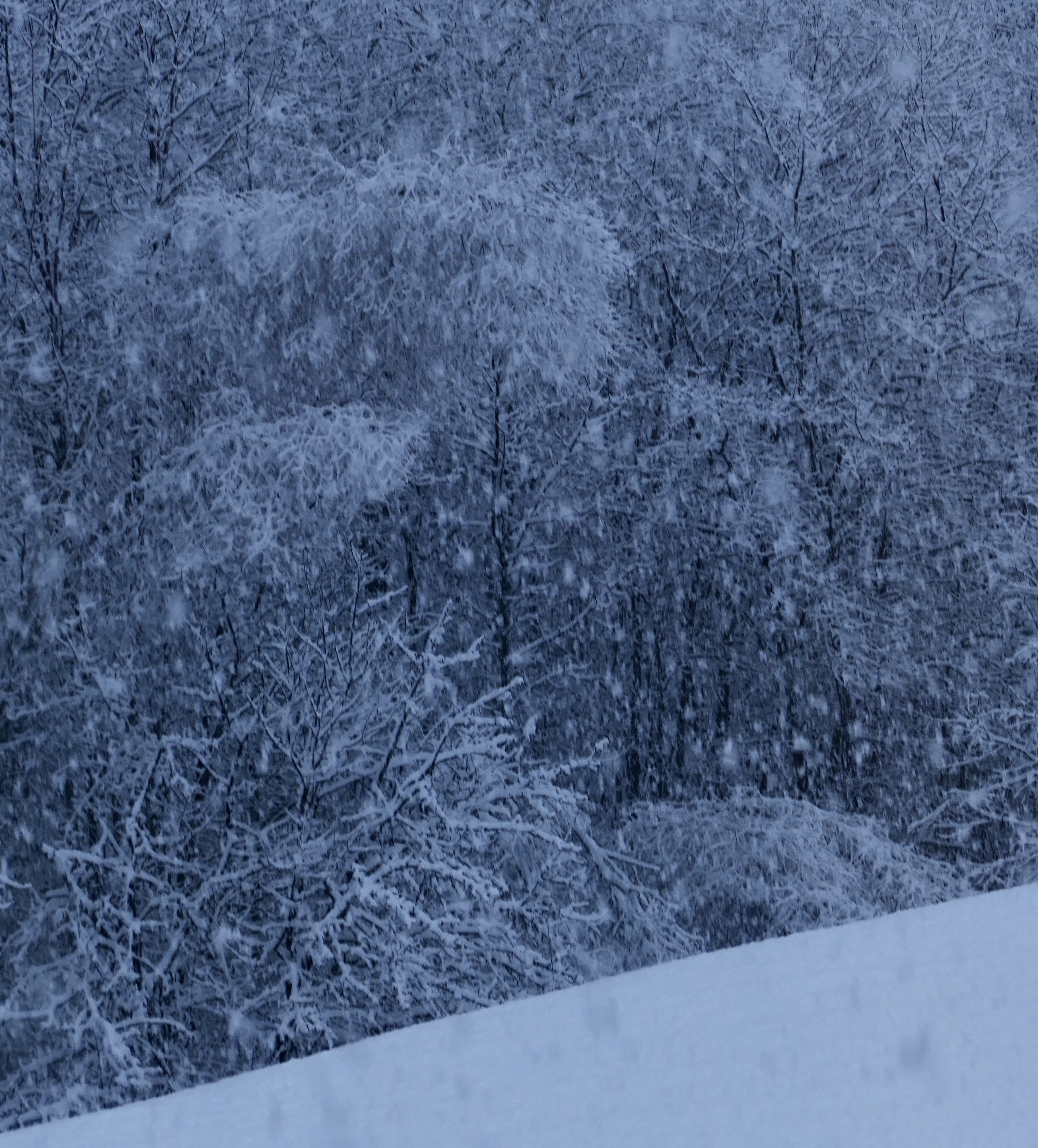
Snows again….The snow is very moist, with large flakes. Looking toward Trilllium wood, the nearer flakes appear to move quite swiftly, often making the impression of a continuous white line. They are also seen to move directly, and nearly horizontally. But the more distant flakes appear to loiter in the air, as if uncertain how they will approach the earth, or even to cross the course of the former, and are always seen as simple and distinct flakes. I think that this difference is simply owing to the fact that the former pass quickly over the field of view, while the latter are much longer in it.
When, as now, in January a south wind melts the snow, and the bare ground appears, covered with sere grass and occasionally wilted green leaves which seem in doubt whether to let go their greenness quite or absorb new juices against the coming year, — in such a season a perfume seems to exhale from the earth itself and the south wind melts my integuments also. Then is she my mother earth. I derive a real vigor from the scent of the gale wafted over the naked ground, as from strong meats, and realize again how man is the pensioner of Nature. We are always conciliated and cheered when we are fed by an influence, and our needs are felt to be part of the domestic economy of Nature.
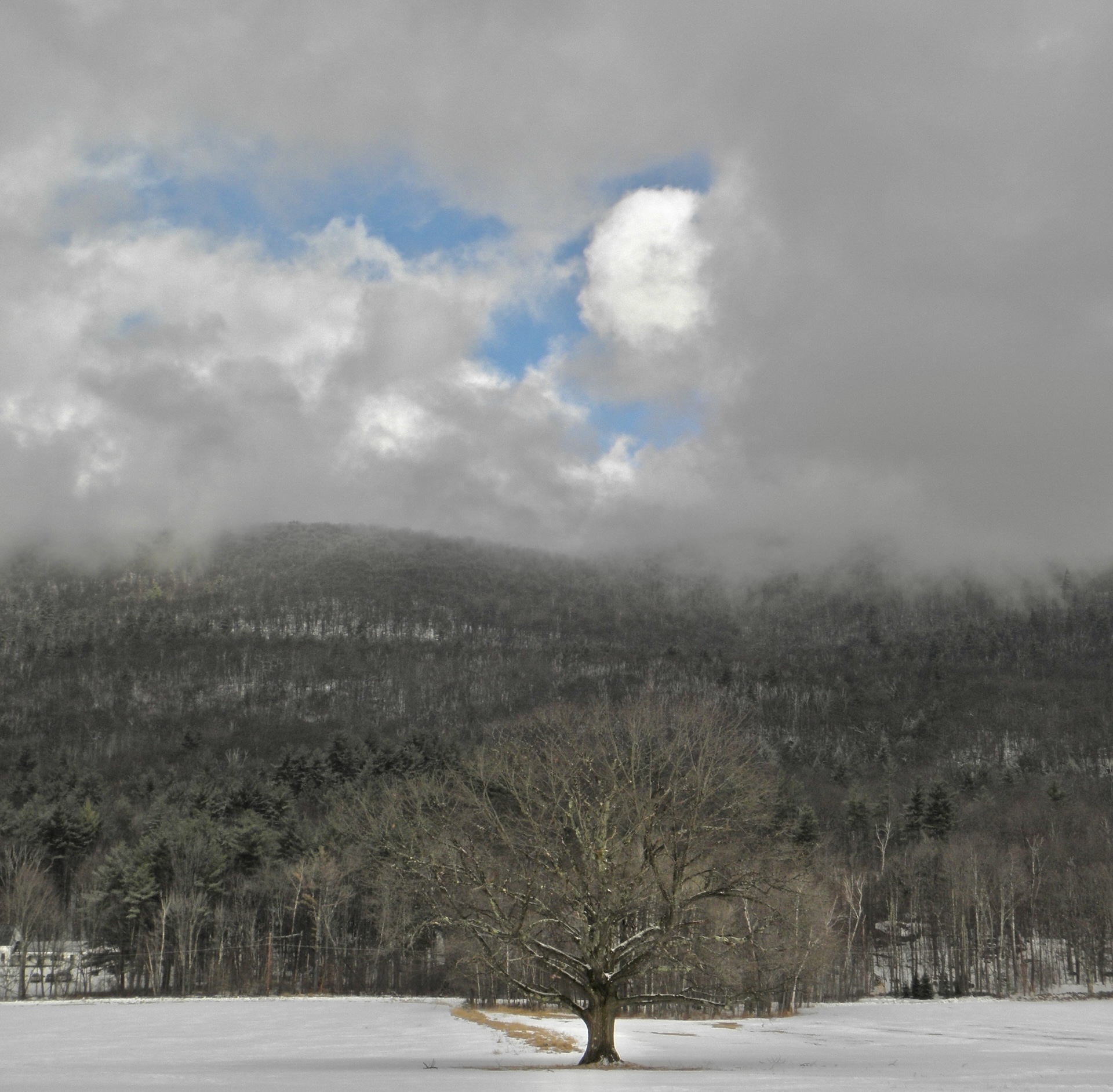
P.M. To Walden…It is bitter cold, with a cutting N.W. wind….I go through the woods toward the cliffs along the side of the Well Meadow field. There is nothing so sanitive, so poetic, as a walk in the woods and fields even now, when I meet none abroad for pleasure. Nothing so inspires me, and excites such serene and profitable thought….No amount of gold or respectability could in the least redeem it, dining with the governor or member of Congress!! But alone in the distant woods or fields, in unpretending sprout-lands or pastures tracked by rabbits, even in a bleak and, to most, cheerless day like this, when a villager would be thinking of his inn, I come to myself, I once more feel myself grandly related.
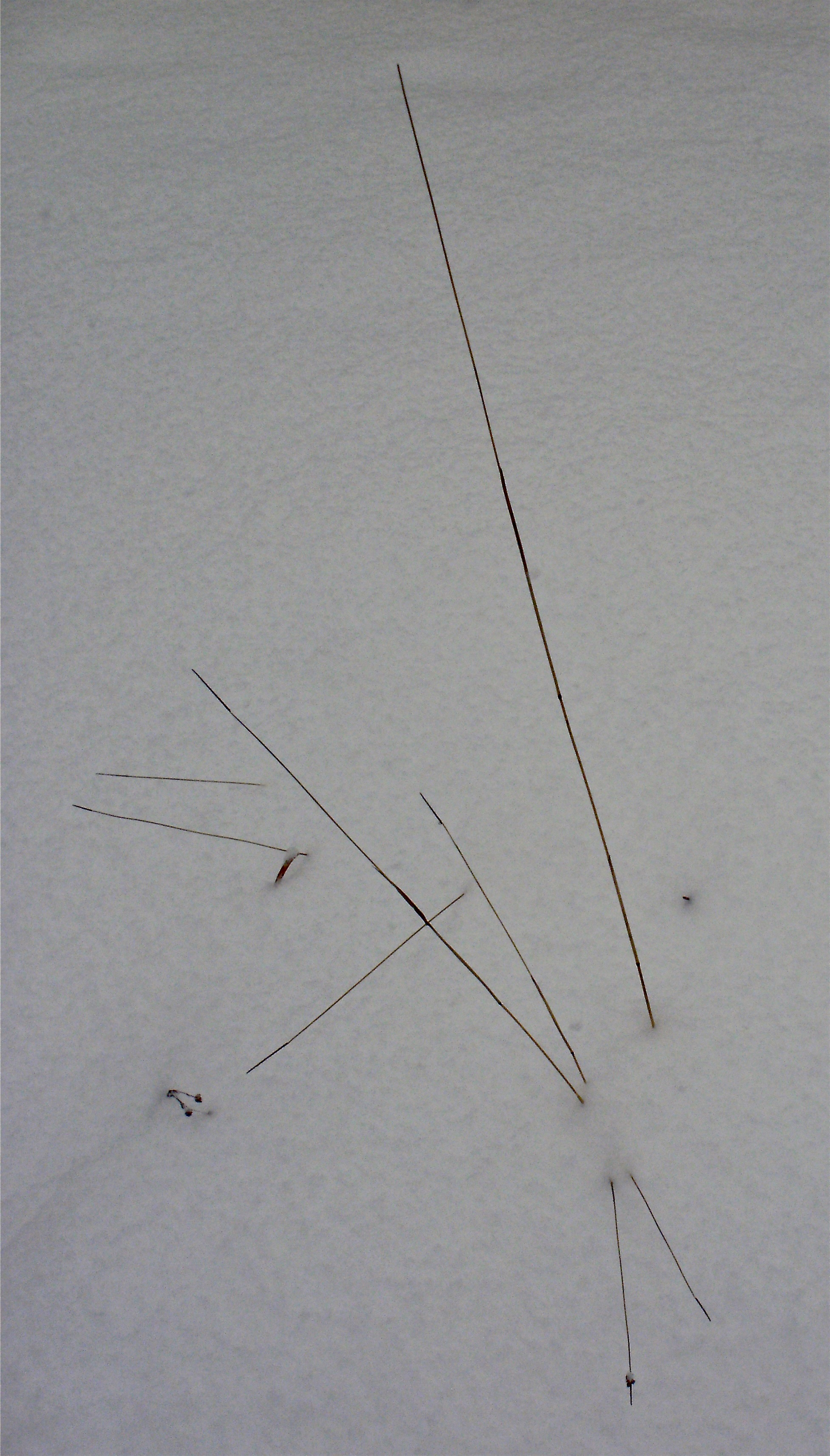
This cold and solitude are friends of mine….I enter some glade in the woods, perchance, where a few weeds and dry leaves alone lift themselves above the surface of the snow, and it is as if I had come to an open window. I see out and around myself. Our sky-lights are thus far away from the ordinary resorts of men. I am not satisfied with ordinary windows. I must have a true sky-light, and that is outside the village….I am aware that most of my neighbors would think it a hardship to be compelled to linger here one hour, especially this bleak day, and yet I receive this sweet and ineffable compensation for it. It is the most agreeable thing I do. I love and celebrate nature even in detail because I love the scenery of these interviews and translations.
A man asked me the other night whether such and such persons were not as happy as anybody, being conscious, as I perceived, of much unhappiness himself and not aspiring to much more than an animal content. “Why!”, said I… “the stones are happy, Concord River is happy, and I am happy too…
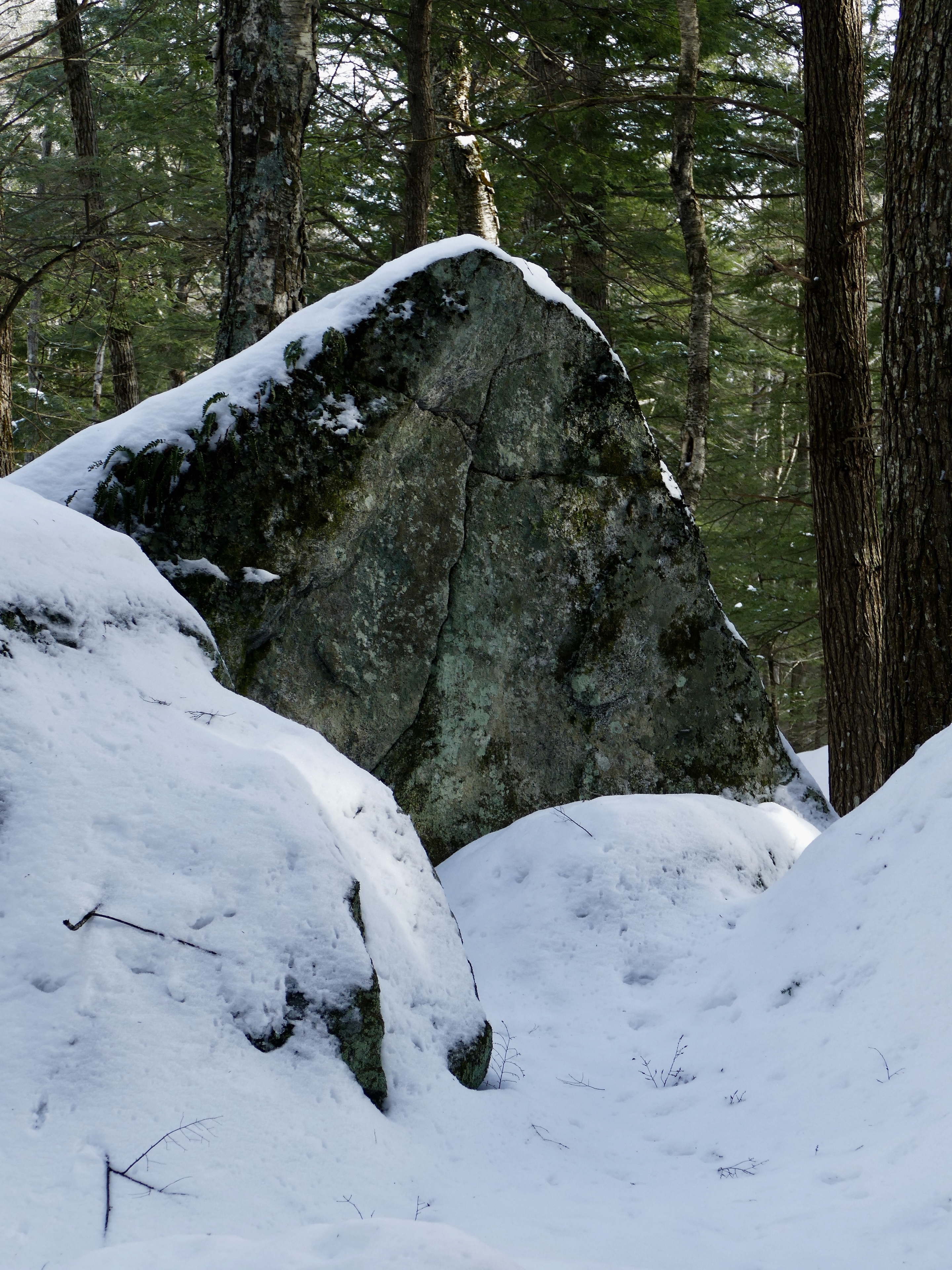
The most brutish and inanimate objects that are made suggest an everlasting and thorough satisfaction; they are the homes of content. Wood, earth, mould, etc., exist for joy. Do you think that Concord River would have continued to flow these millions of years…if it had not been happy…?” When I look up a fragment of a walnut shell this morning, I saw by its grain and composition, its form and color, etc., that is was made for happiness. The most brutish and inanimate objects that are made suggest an everlasting and thorough satisfaction. They are the homes of content. Wood, earth, mould, etc., exist for joy.
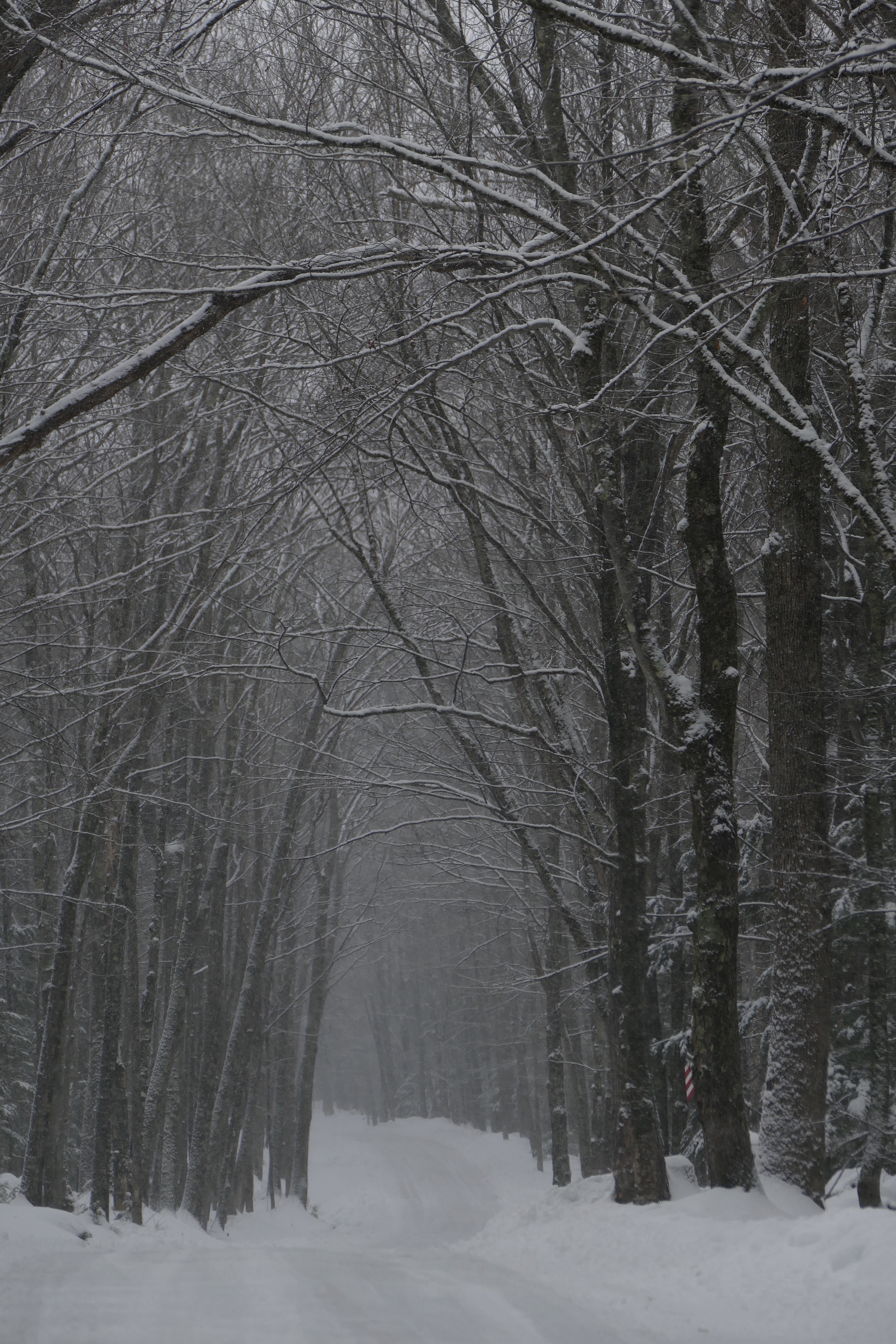
To-day the trees are white with snow—I mean their stems & branches and have the true wintry look—on the storm-side—not till this has the winter come to the forest.
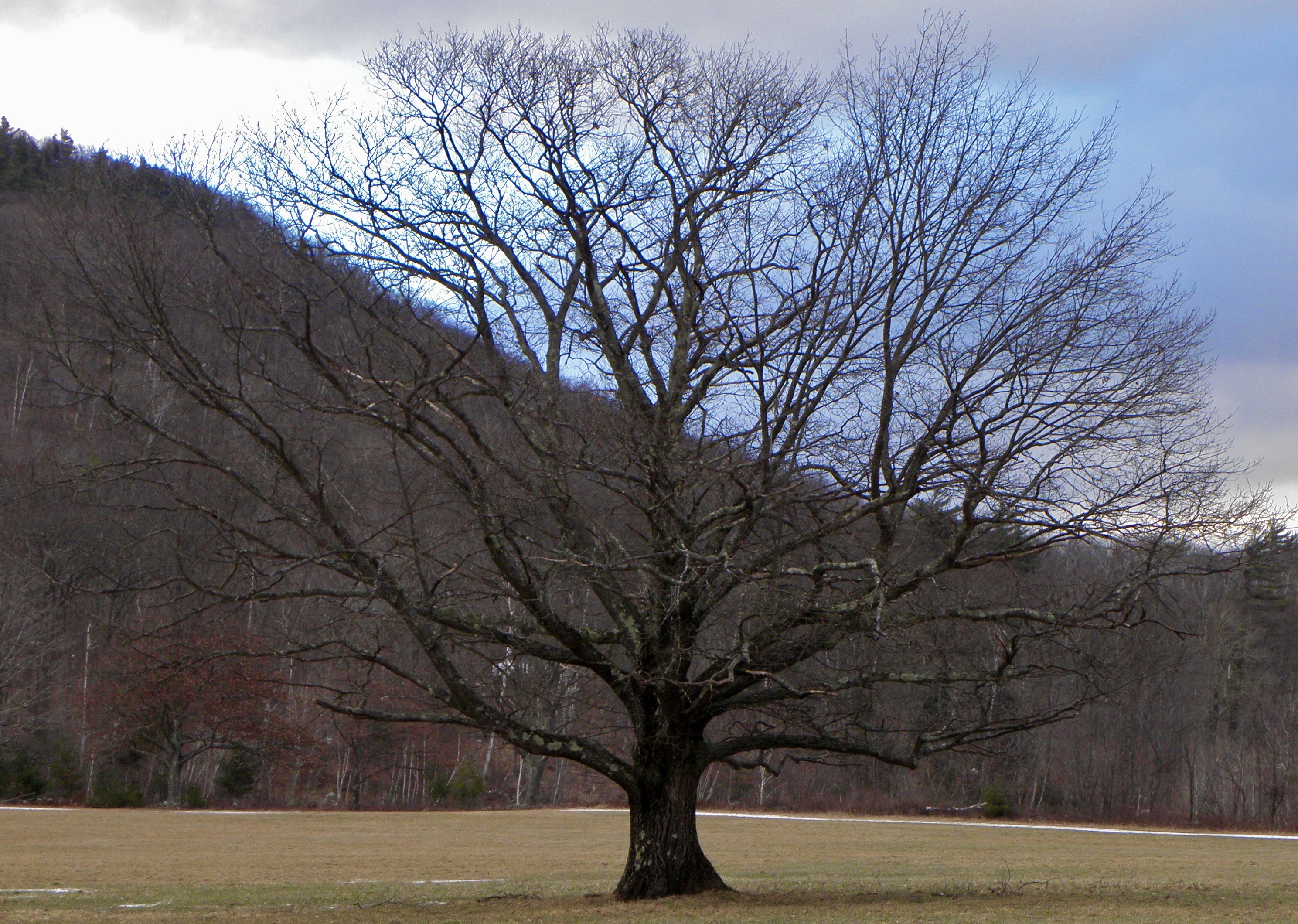
They look like the small frost work in the path & on the windows now—. Especially the oak woods at a distance, & you see better the form which their branches take.
After spending four or five days surveying and drawing a plan incessantly, I especially feel the necessity of putting myself in communication with nature again, to recover my tone, to withdraw out of the wearying and unprofitable world of affairs. The things I have been doing have but a fleeting and accidental importance, however much men are immersed in them, and yield very little valuable fruit. I would fain have been wading through the woods and fields and conversing with the sane snow.
Having waded in the very shallowest stream of time, I would now bathe my temples in eternity. I wish again to participate in the serenity of nature, to share the happiness of the river and the woods. I thus from time to time break off my connection with eternal truths and go with the shallow stream of human affairs, grinding at the mill of the Philistines; but when my task is done, with never-failing confidence I devote myself to the infinite again. It would be sweet to deal with men more, I can imagine, but where dwell they? Not in the fields which I traverse.
The air is thick and darkened with falling snow, and the woods are being draped with it in white wreaths. This is winter. They are putting on their white greatcoats.
….As the hunters are forward to take the field as soon as the first snow has fallen, so he who would make the most of his life for discipline must be abroad early and late, in spite of cold and wet, in pursuit of nobler game, whose traces there are most distinct, —a life which we seek not to destroy, but to make our own.






 allandibiase.com
You must be logged in to post a comment.