These are locust days. I hear them on the elms in the street—but cannot tell where they are—loud is their song—drowning many others—but men appear not to distinguish it—though it pervade their ears as the dust their eyes.
The river was exceedingly fair this afternoon—and there are few handsomer reaches than that by the leaning oak—the deep place, where the willows make a perfect shore…
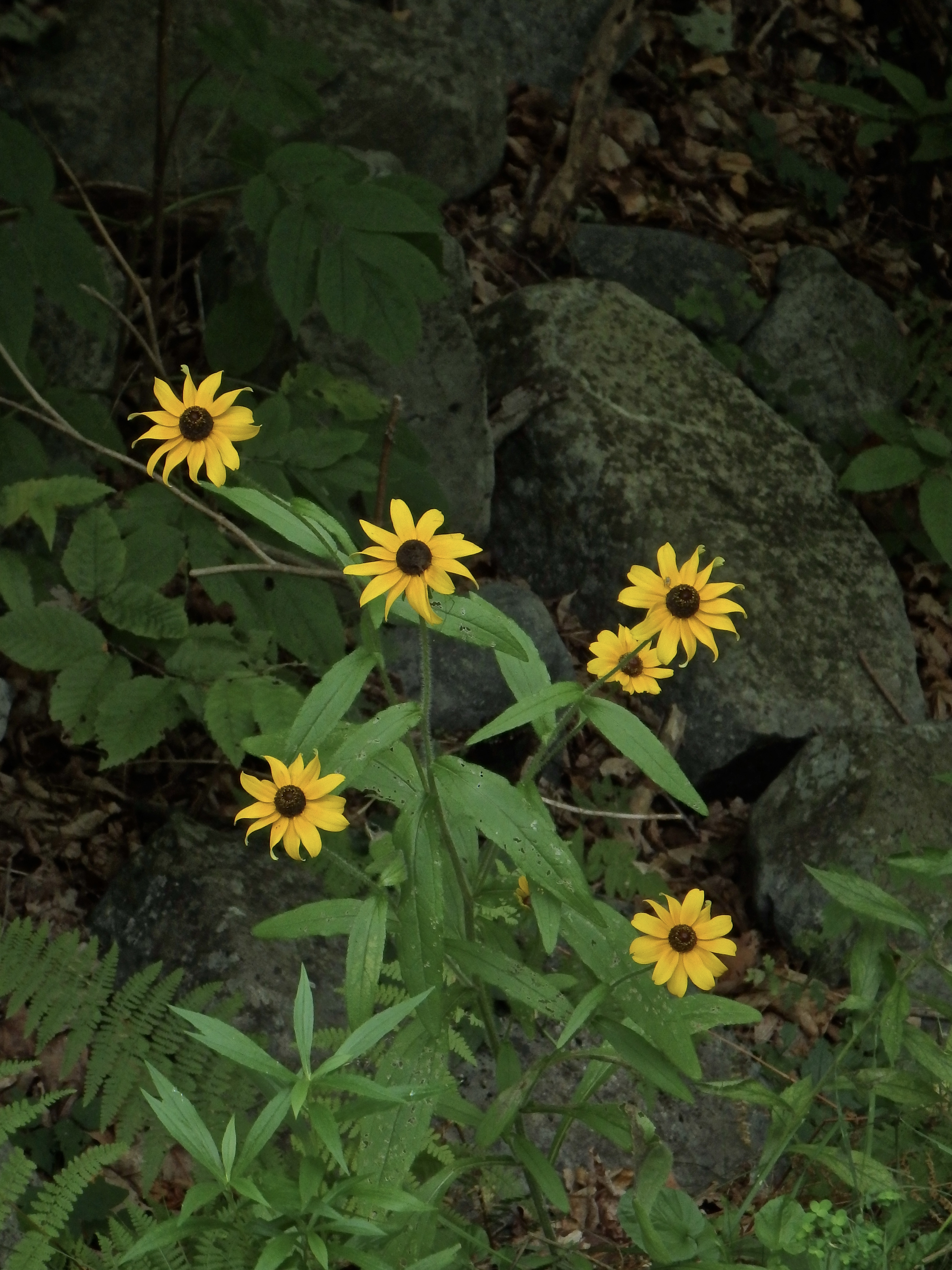
I must look for the Rudbeckia which Bradford says he found yesterday behind Joe Clarks.
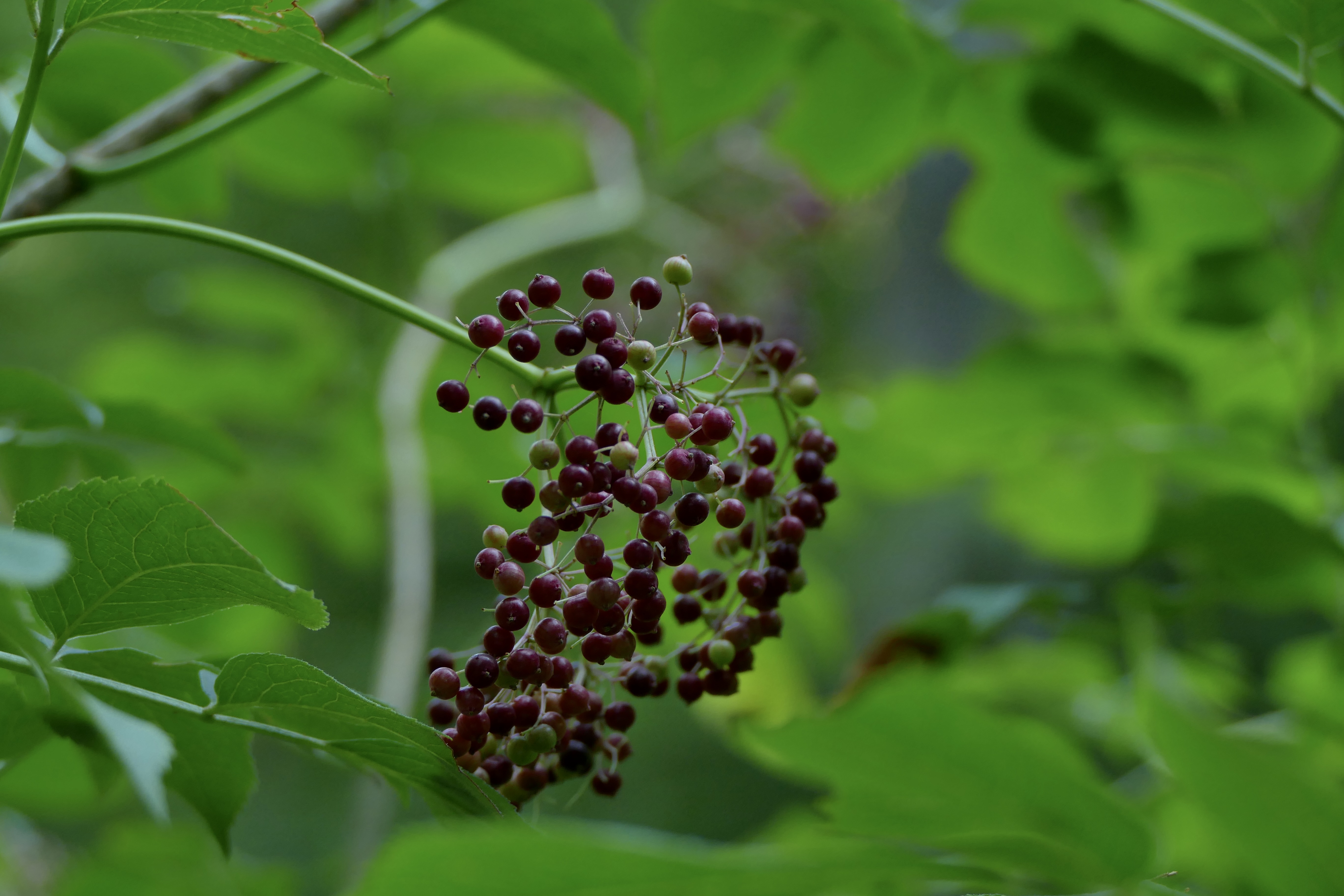
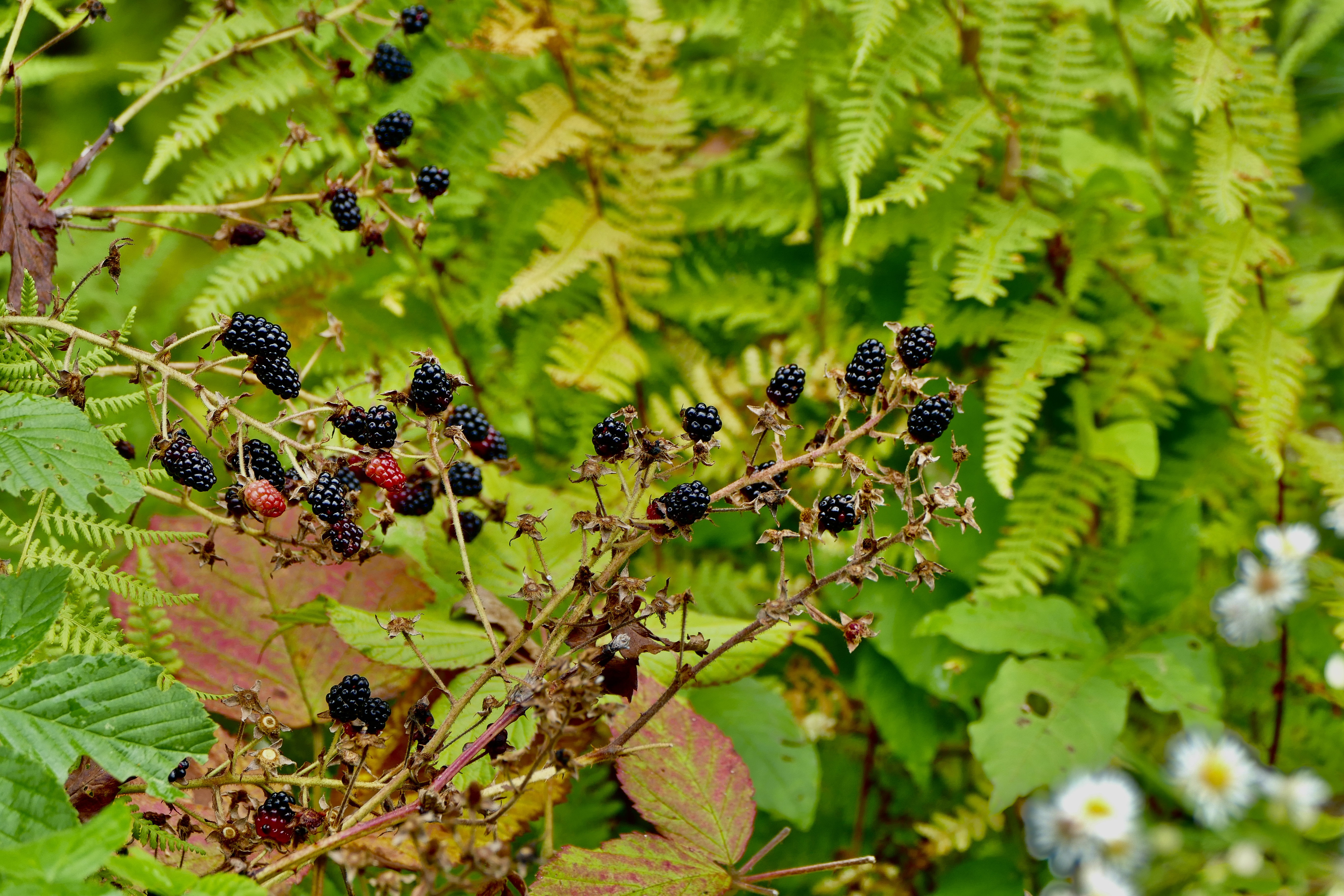
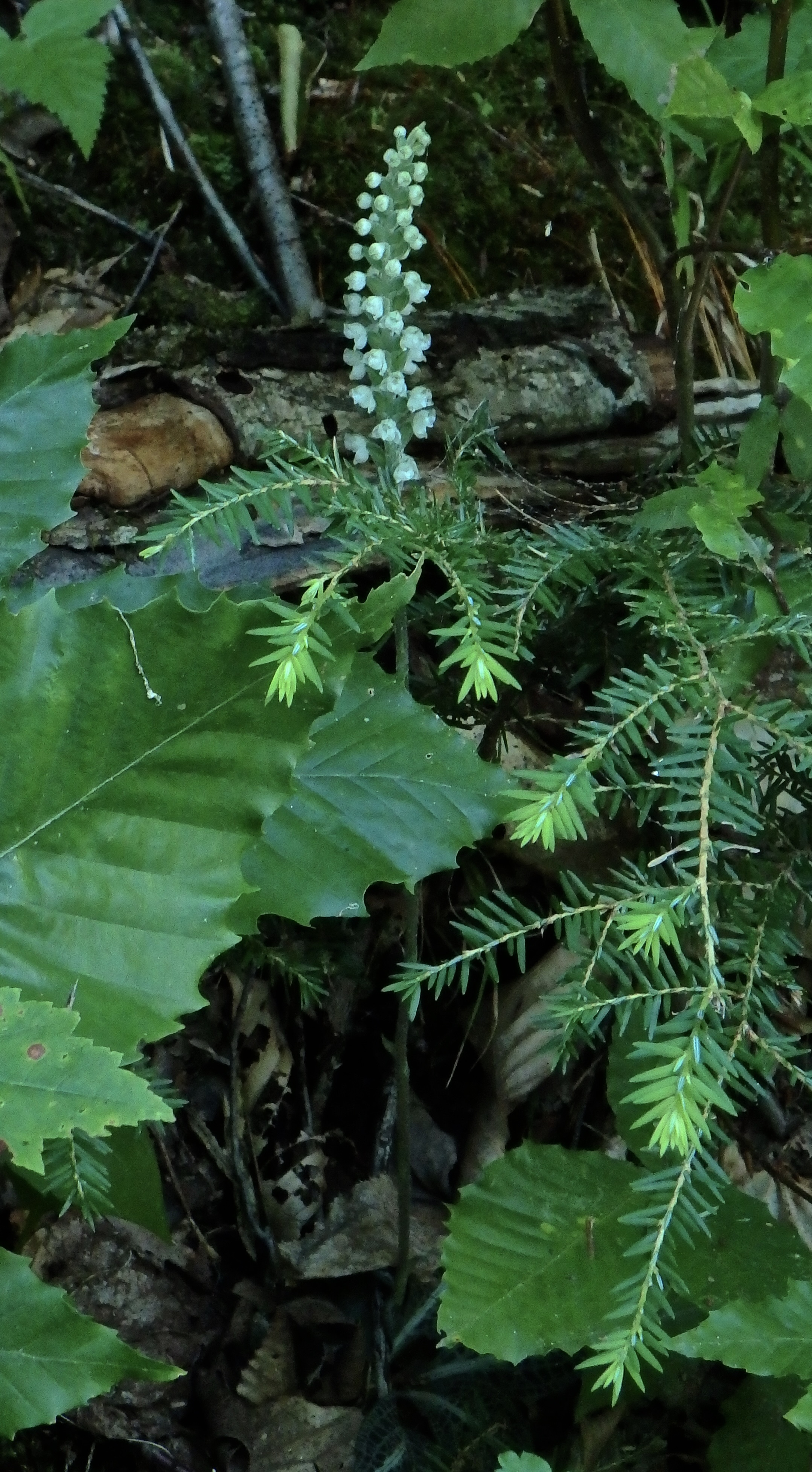
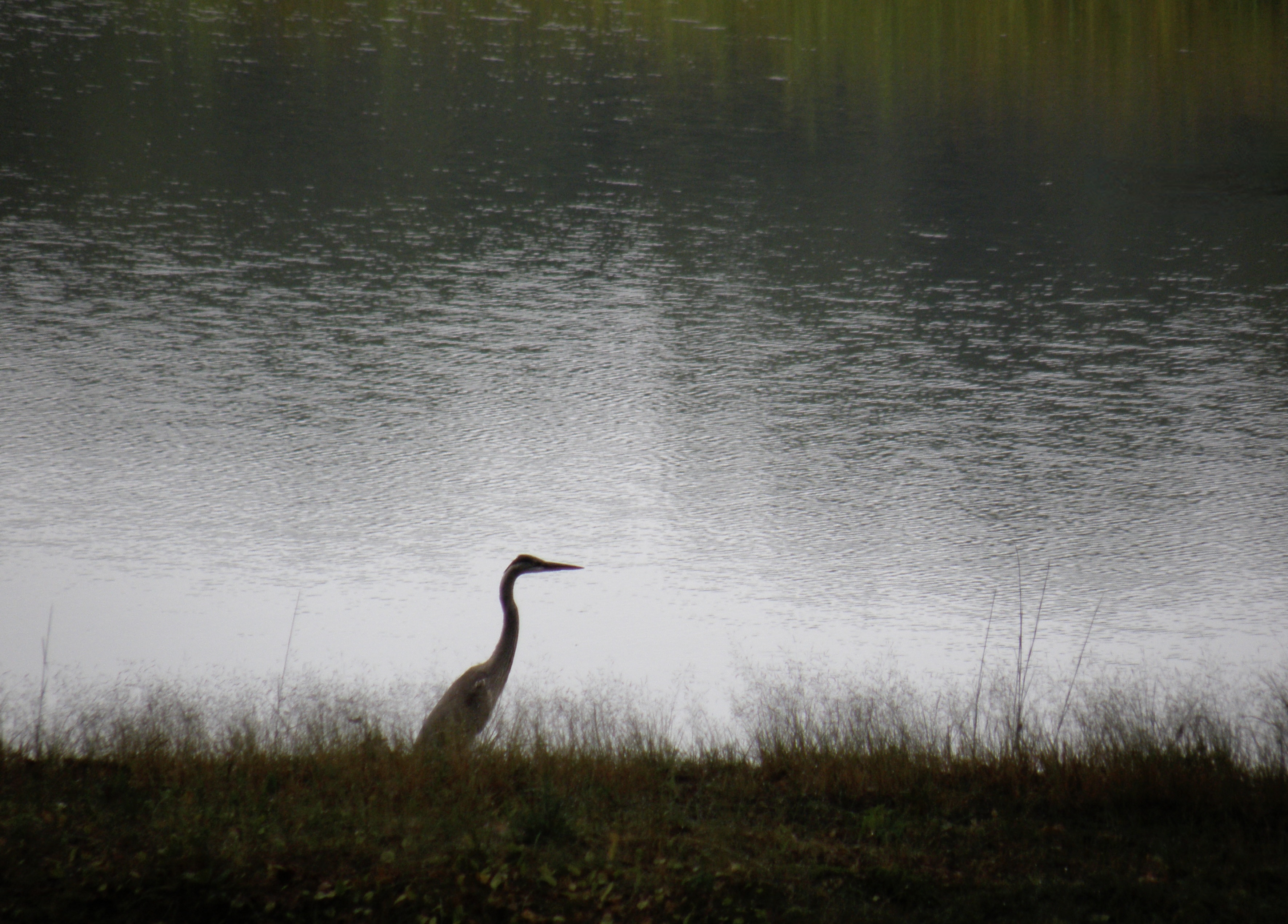
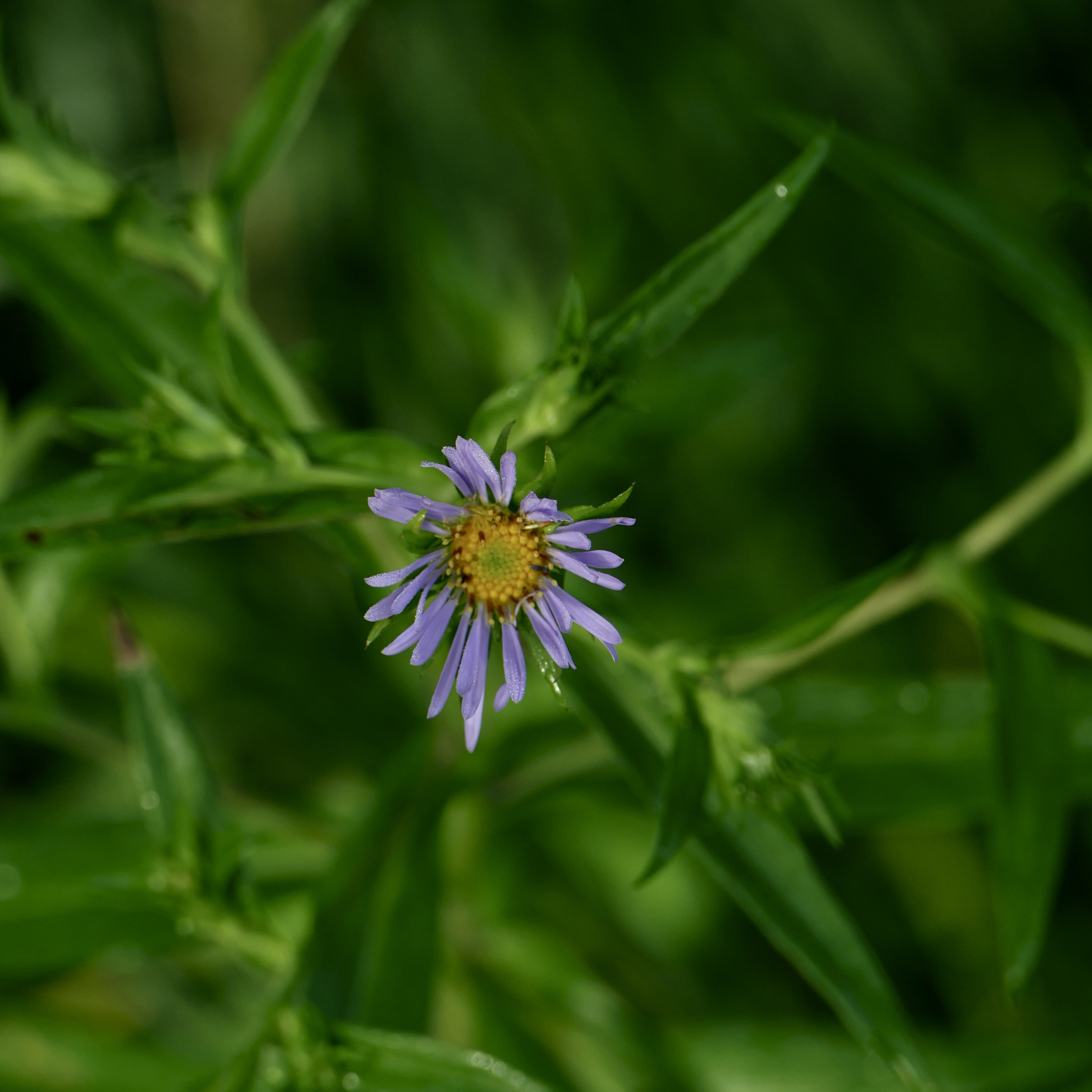
Elder berry ripe. The river was lowest early in July. Some time past I have noticed meadow-grass floating on the river, reminding me that they were getting the hay up the stream. Some naked viburnum berries are quite dark purple amid the red, while other bunches are wholly green yet. The red choke-berry is small and green still. I plainly distinguish it, also, by its woolly under side. In E. Hubbard’s swamp I gather some large and juicy and agreeable rum cherries. The birds make much account of them. They are much finer than the small ones on large trees; quite a good fruit. Some cranberries turned red on one cheek along the edges of the meadows. Now a sudden gust of wind blows from the northwest, cooled by a storm there, blowing the dust from roads far over the fields. The whole air, indeed, is suddenly filled with dust, and the outlines of the clouds are concealed. But it proves only the wind of the fall, which apparently passes north of us. That clear ring like an alder locust (is it a cricket ?) for some time past is a sound which belongs to the season, —autumnal. Here is a second crop of clover almost as red as the first. The swamp blackberry begins. Saw a blue heron on the meadow. Aster amplexicaulis of Bigelow, apparently; probably for a day or two. An orchis by the brook under the Cliffs with only three white flowers, only smaller than the fringed white; spurs half an inch long. May it be another species?
I have been in the swamp by Charles Miles’s this afternoon, and found it so bosky and sylvan that Art would never have freedom or courage to imitate it. It can never match the luxury and superfluity of Nature….
Surely no stinted hand has been at work here for these centuries to produce these particular tints this summer. The double spruce attracts me here, which I had hardly noticed in the gardens, and now I understand why men try to make them grow about their houses.
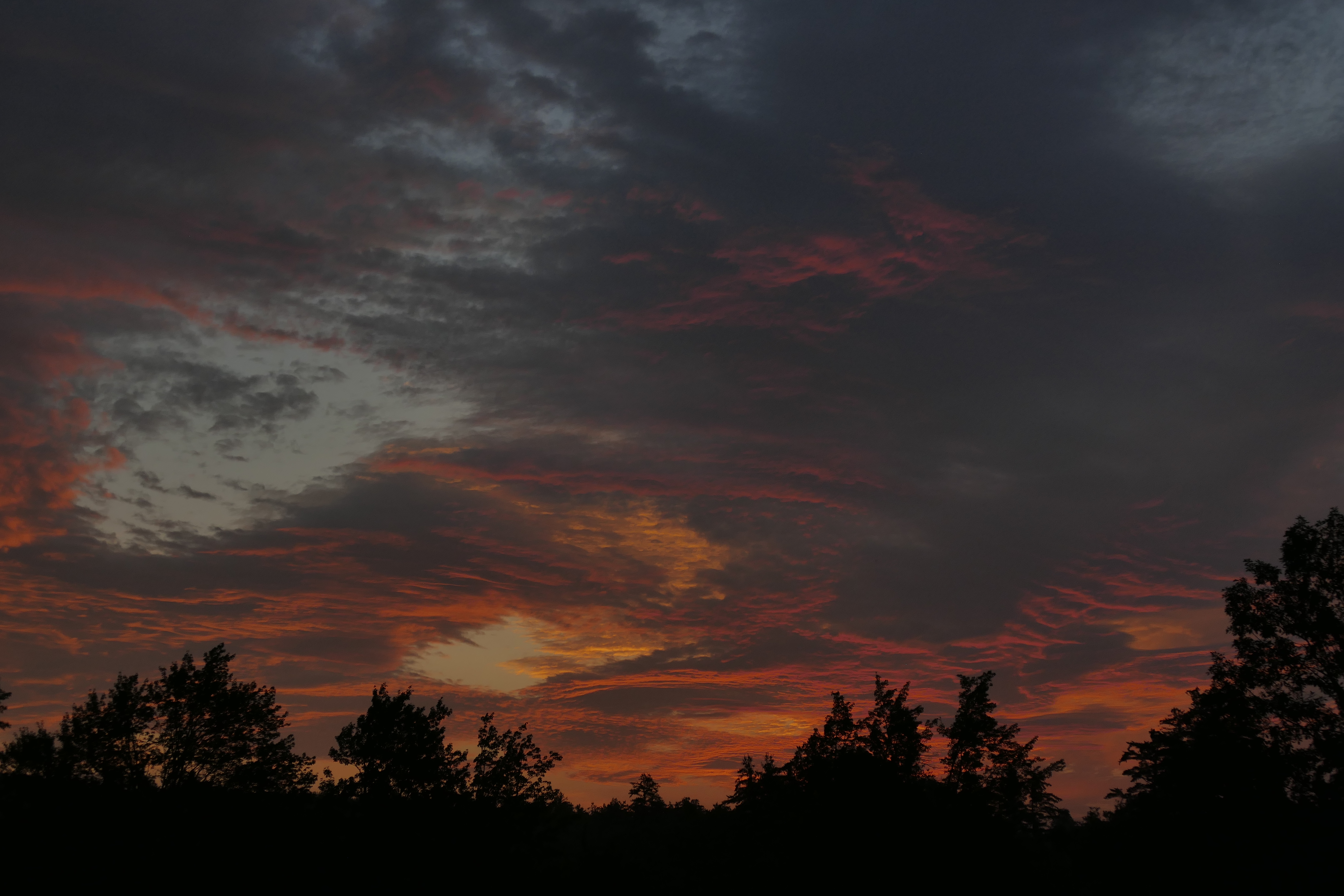
There is an early redness in the east which I was not prepared for, changing to amber or saffron, with clouds beneath in the horizon and also above this clear streak.
The birds utter a few languid and yawning notes, as if they had not left their perches, so sensible to light to wake so soon, —a faint peeping sound from I know not what kind, a slight, innocent, half-awake sound, like the sounds which a quiet housewife makes in the earliest dawn. Nature preserves her innocence like a beautiful child. I hear a wood thrush even now, long before sunrise, as in the heat of the day. And the pewee and the catbird and the vireo, red-eyed? I do not hear —or do not mind, perchance—the crickets now. Now whip-poor-wills commence to sing in earnest, considerably after the wood thrush. The wood thrush, that beautiful singer, inviting the day once more to enter his pine woods. (So you may hear the wood thrush and whip-poor-will at the same time.) Now go by two whip-poor-wills, in haste seeking some coverts from the eye of day. And the bats are flying about on the edge of the wood, improving the last moments of their day in catching insects. The moon appears at length, not yet as a cloud, but with a frozen light, ominous of her fate. The early cars sound like a wind in the woods. The chewinks make a business now of waking each other up with their low yorrick in the neighboring low copse. The sun would have shown before but for the cloud. Now, on his rising, not the clear sky, but the cheeks of the clouds high and wide, are tinged with red, which, like the sky before, turns gradually to saffron and then to the white light of day.
I go across lots like a hunting dog. With what tireless energy and abandonment they dash through the brush and up the sides of hills ! I meet two white foxhounds, led by an old red one. How full of it they are! How their tails work ! They are not tied to paths; they burst forth from the thickest shrub oak lot, and immediately dive into another as the fox did.
There are more varieties of blackberries between the low and the high than I take notice of. Vide that kind in the Well Meadow Field.
The fine (early sedge?) grass in the frosty hollows about Walden (where no bushes have sprung up) looks like an unkempt head.
…history fluctuates as the face of the landscape from morning to evening. What is of moment in it is its hue and color. Time hides no treasures; we want not its then, but its now.
No man ever makes a discovery––ever an observation of the least importance––but he is advertised of the fact by a joy that surprises him. The powers thus celebrate all discovery.
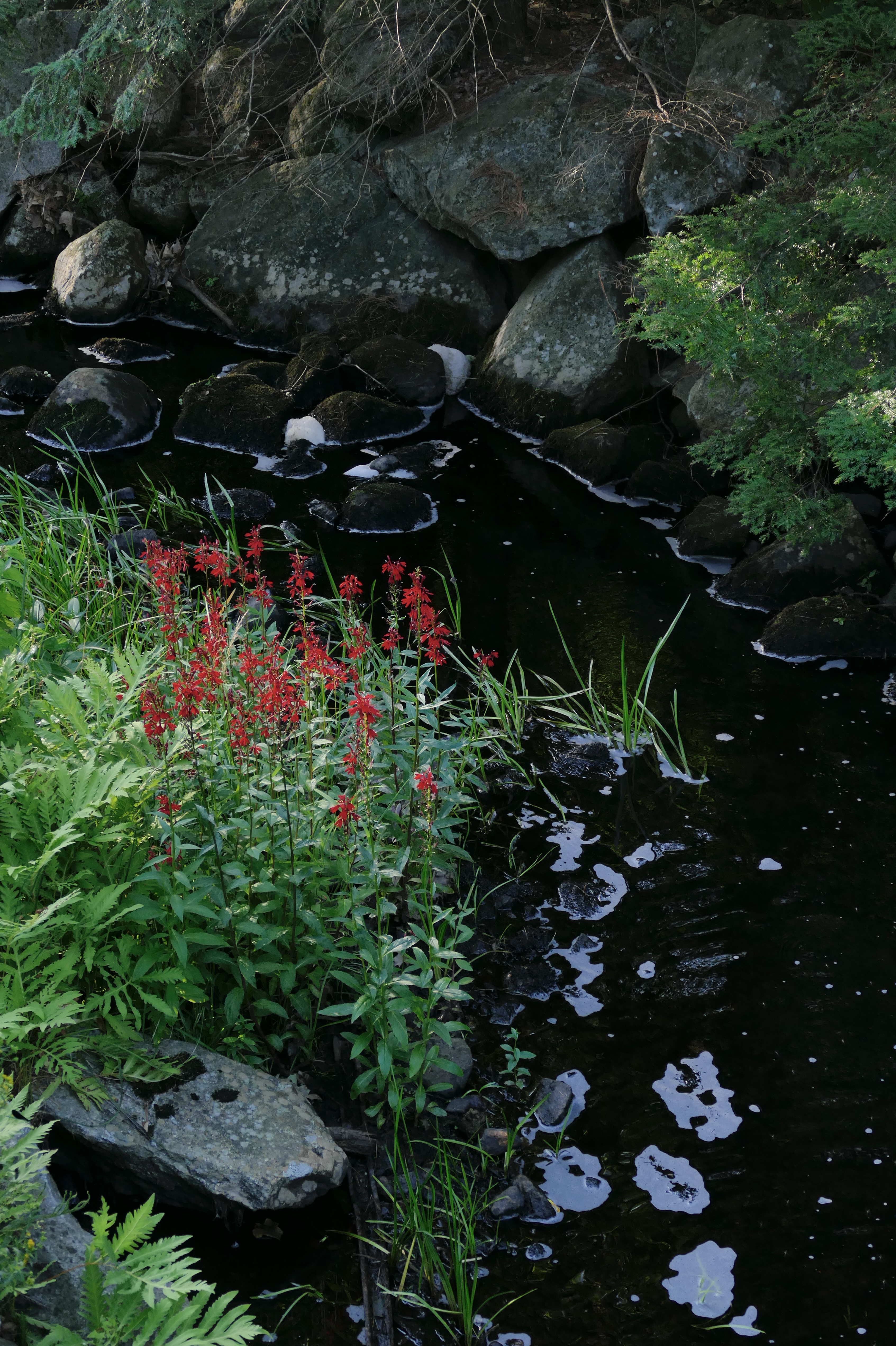
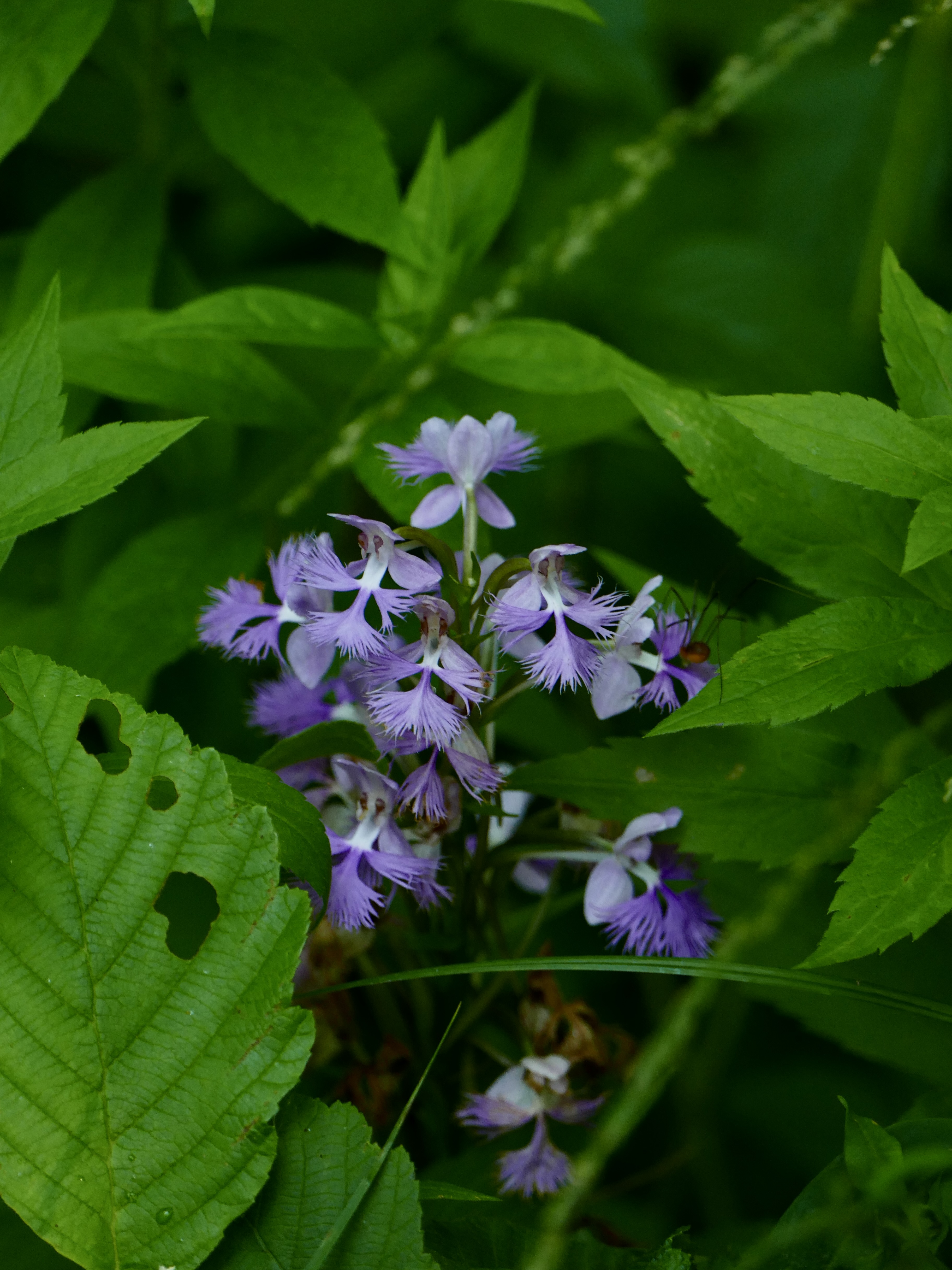
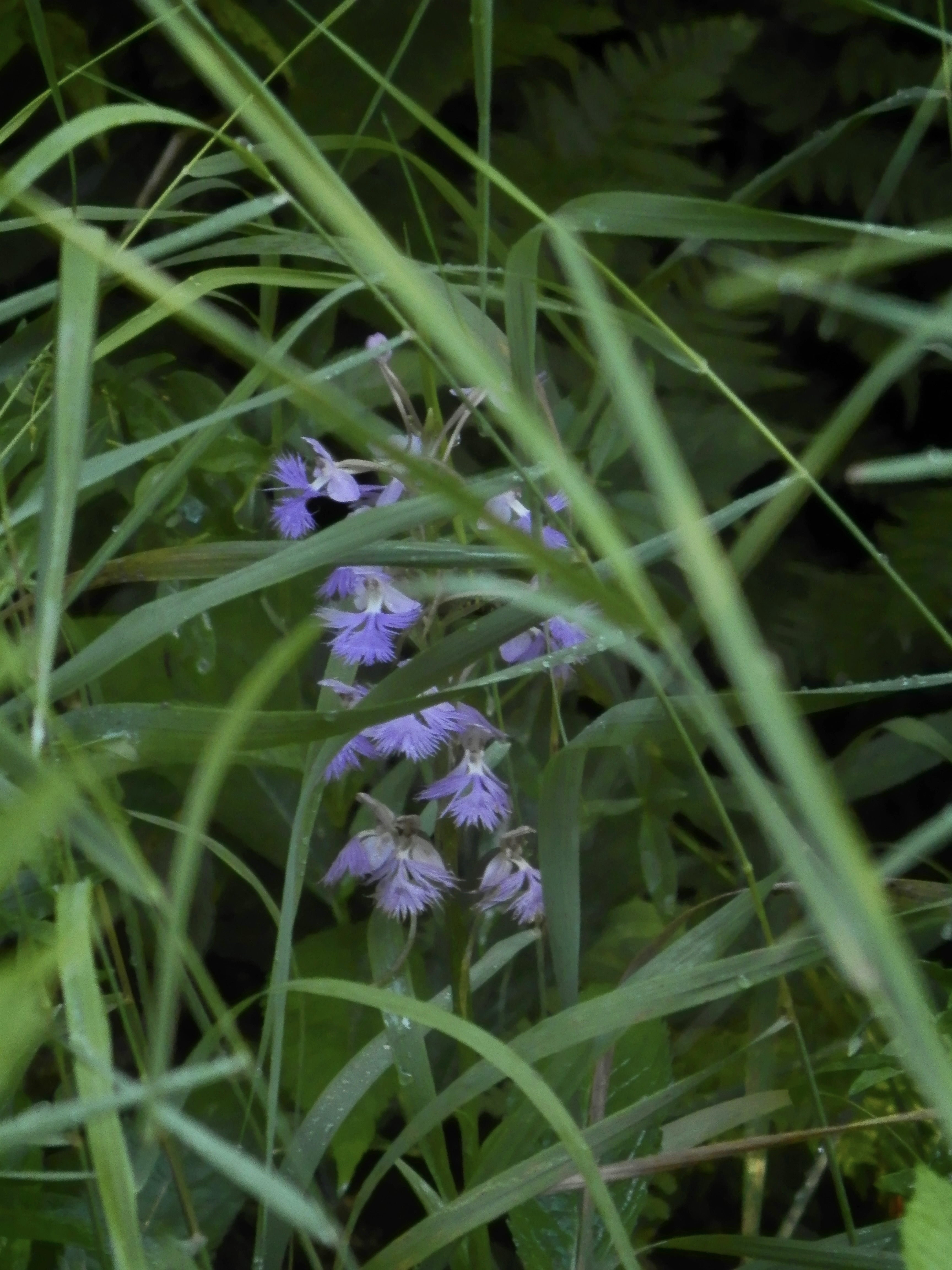
I love to follow up the course of the brook & see the cardinal flowers which stand in its midst above the rocks––their brilliant scarlet the more interesting in this open but dark cellar like wood––the small purple fringed orchises with the long dense spikes––all flower––for that is often all that is seen above the leaves of other plants–– Is not this the last flower of this peculiar flower kind; (i.e. all flower & color––the leaves subordinated)?
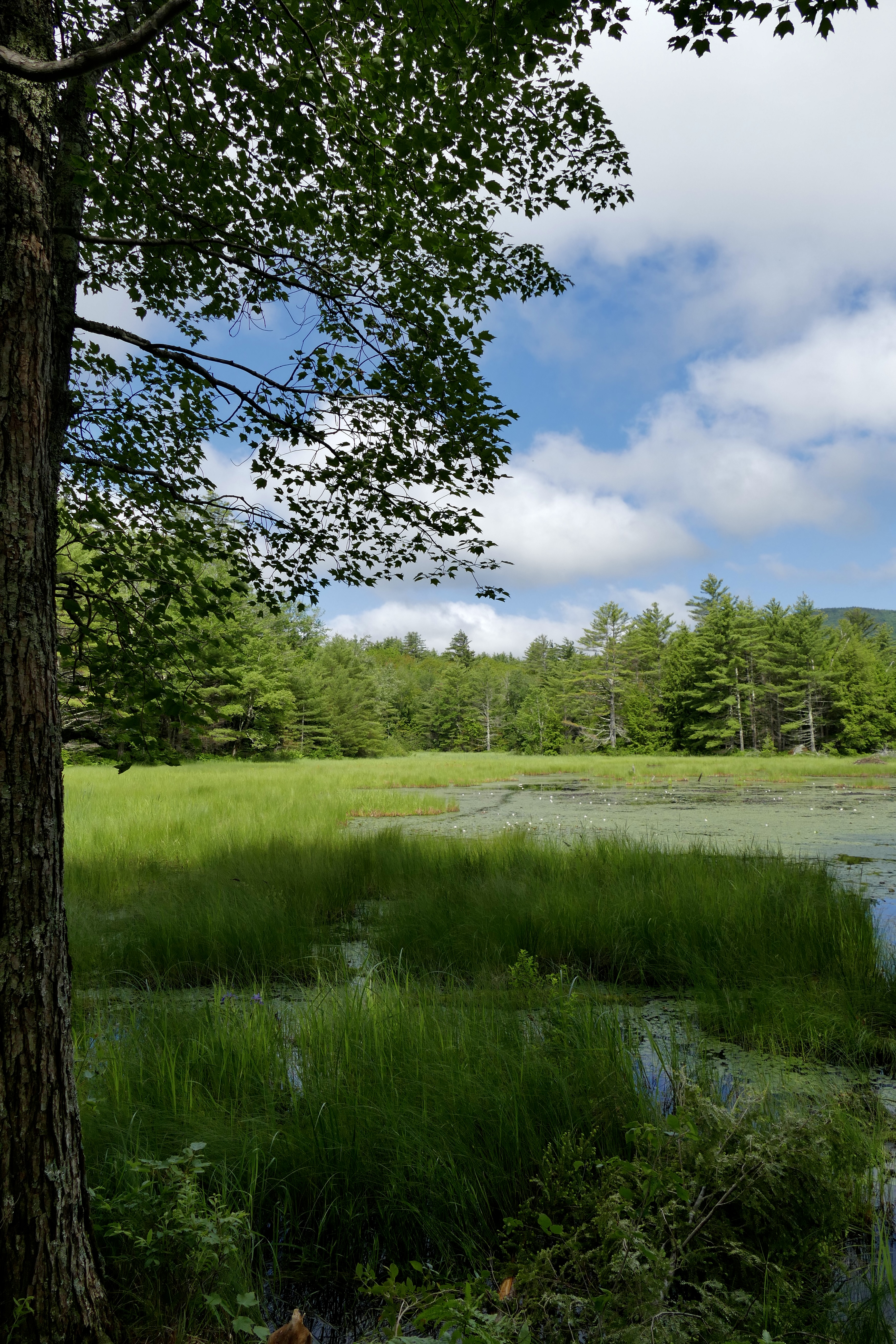
As I wade through the middle of the meadows in sedge up to my middle and look afar over the waving and rustling bent tops of the sedge (all are bent northeast by the southwest wind) toward the distant mainland, I feel a little as if caught by a rising tide on flats far from the shore. I am, as it were, cast away in the midst of the sea. It is a level sea of waving and rustling sedge about me. The grassy sea.
You feel somewhat as you would if you were standing in water at an equal distance from the shore. To-day I can walk dry over the greater part of the meadows, but not over the lower parts, where pipes, etc., grow; yet many think it has not been so dry for ten years!
My attic chamber has compelled me to sit below with the family at evening for a month. I feel the necessity of deepening the stream of my life; I must cultivate privacy. It is very dissipating to be with people too much. As C. says, it takes the edge off a man’s thoughts to have been much in society. I cannot spare my moonlight and my mountains for the best of man I am likely to get in exchange––
I am inclined now for a pensive evening walk
Methinks we think of spring mornings and autumn evenings. I go via Hubbard Path. Chelone say two days X at Conants meadow beyond Wheelers. July has been to me a trivial month. It began hot and continued drying, then rained some toward the middle, bringing anticipations of the fall, and then was hot again about the 20th. It has been a month of haying, heat, low water, and weeds. Birds have grown up and flown more or less in small flocks, though I notice a new sparrow’s nest and eggs and perhaps a catbird’s eggs lately. The woodland quire has steadily diminished in volume.
At the bass I now find that that memorable hum has ceased and the green berries are formed. Now blueberries, huckleberries, and low blackberries are in their prime. The fever-bush berries will not be ripe for two or three weeks.
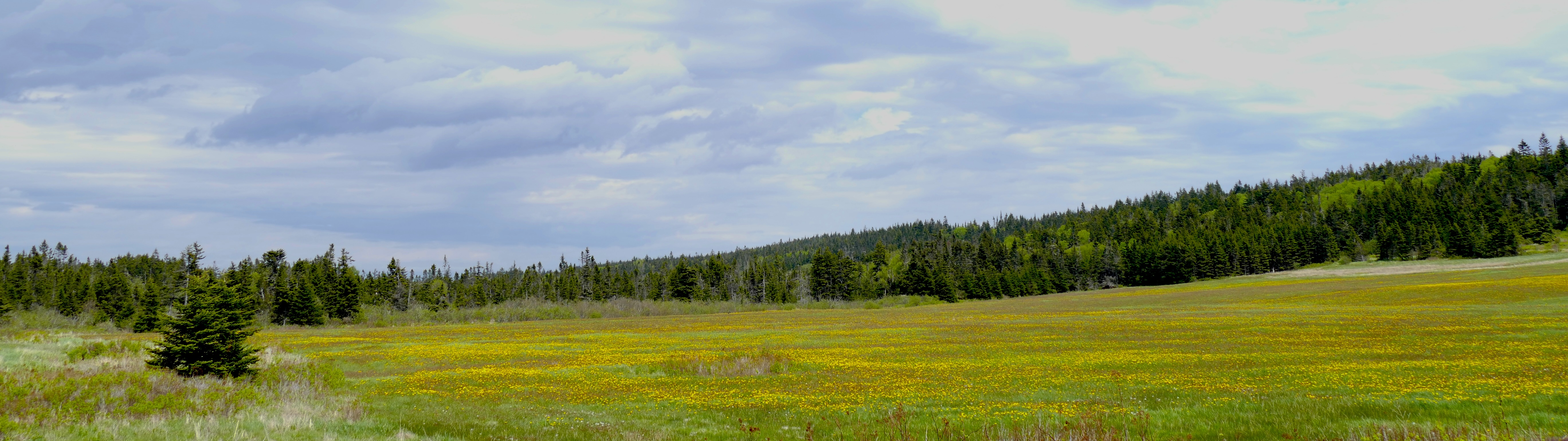
How much of beauty–of color as well as form–on which our eyes daily rest goes unperceived by us! No one but a botanist is likely to perceive nicely the different shades of green which the open surface of the earth is clothed–not even a landscape painter if he does not know the species of sedges and grasses which paint it. With respect to the color of grass, most of those even who attend peculiarly to the aspects of Nature only observe that it is more or less dark or light, green or brown, or velvety, fresh or parched, etc. But if you are studying grasses you look for another and different beauty, and you find it, in the wonderful variety of color, etc., presented by the various species. Take the bare, unwooded earth now, and consider the beautiful variety of shades (or tints ?) of green that clothe it under a bright sun. The pastured hills of Conantum, now just imbrowned (probably by the few now stale flowering tops of the red-top which the cows have avoided as too wiry), present a hard and solid green or greenish brown, just touched here and there delicately with light patches of sheep’s fescue (though it may be only its radical leaves left), as if a dew lay on it there, —and this has some of the effect of a watered surface, —and the whole is dotted with a thousand little shades of projecting rocks and shrubs. Then, looking lower at the meadow in Miles’s field, that is seen as a bright-yellow and sunny stream (yet with a slight tinge of glaucous) between the dark-green potato-fields, flowing onward with windings and expansions, and, as it were, with rips and waterfalls, to the river meadows.
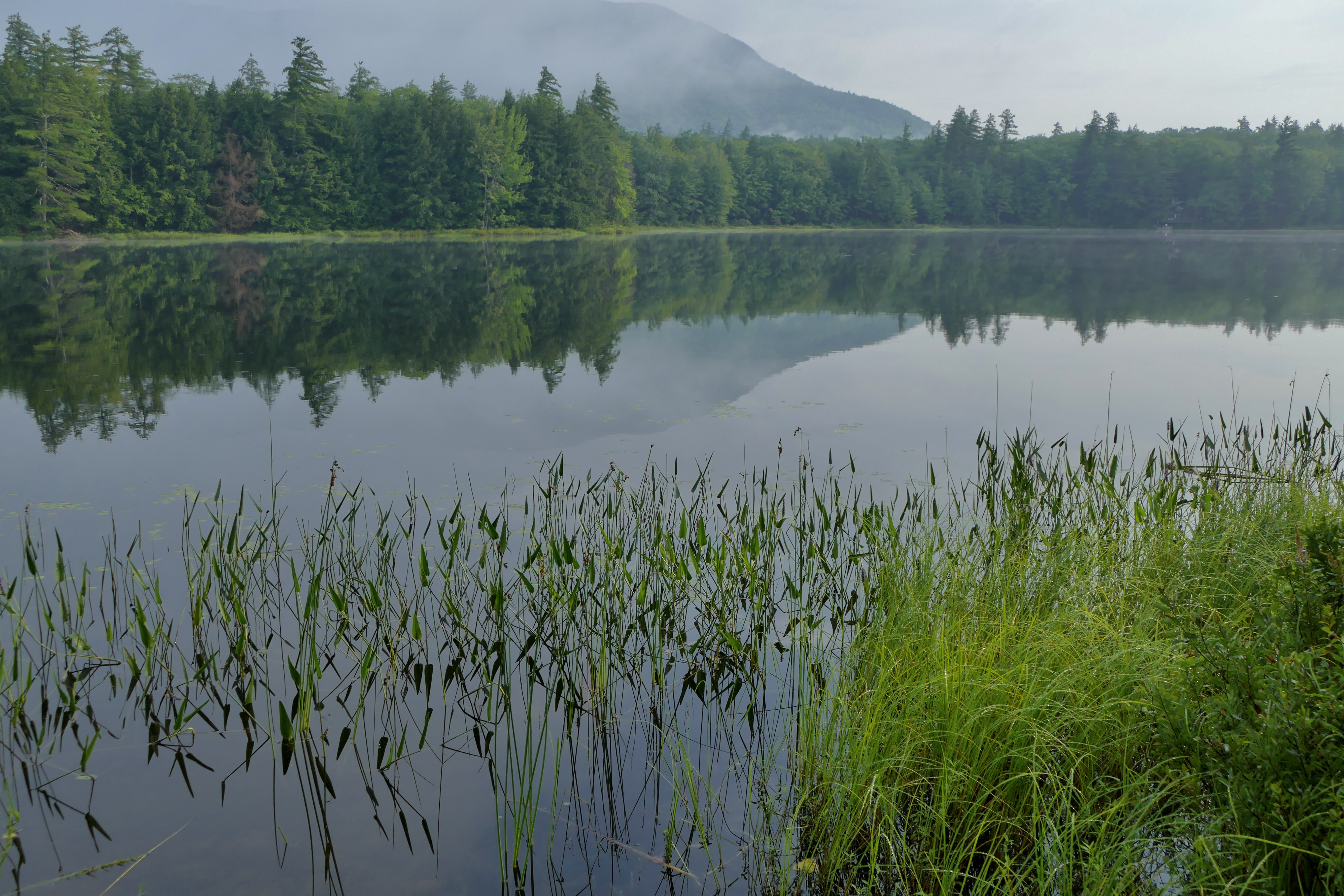
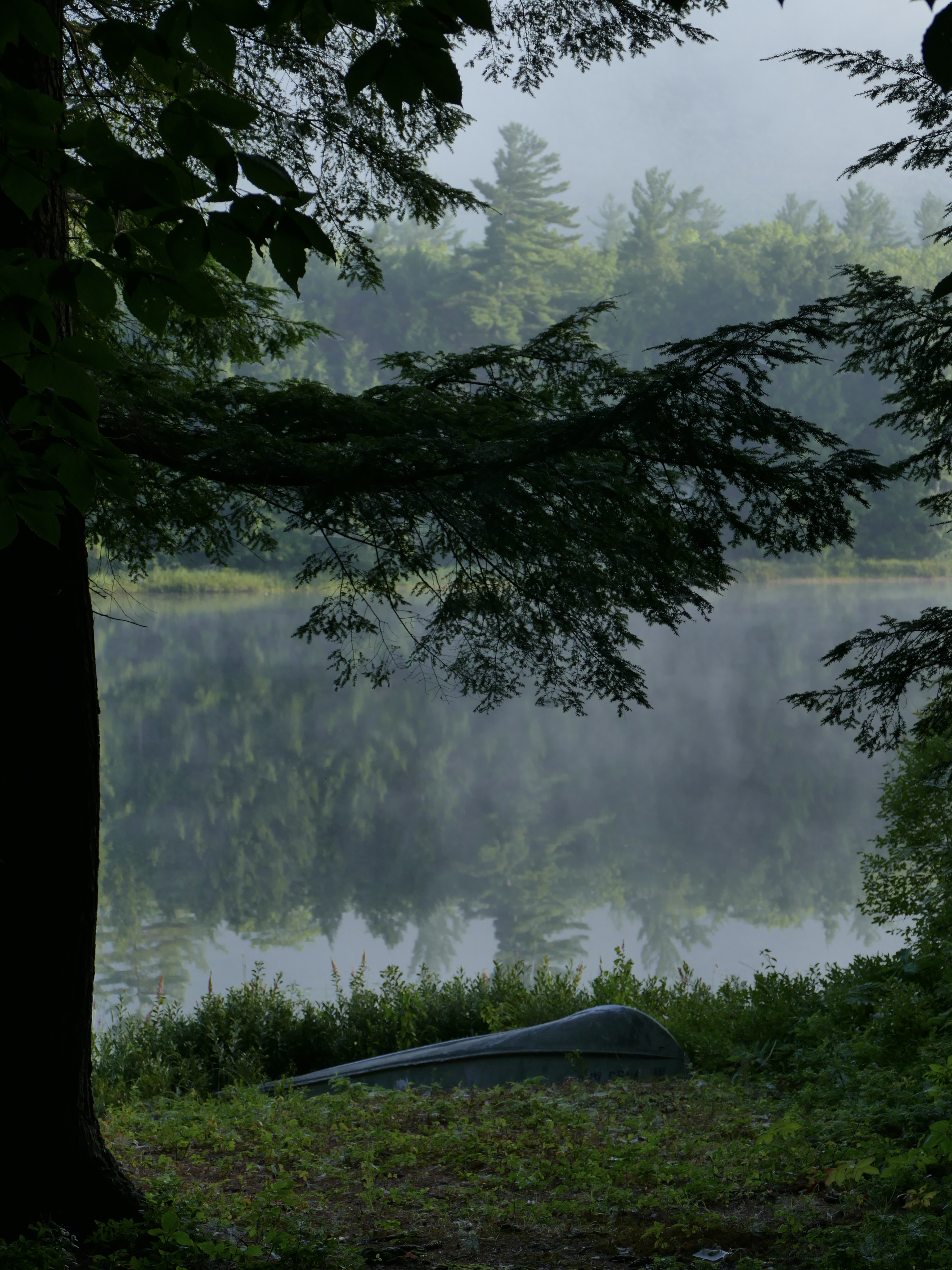
As I look out through the woods westward there, I see, sleeping and gleaming through the stagnant, misty, glaucous dog-day air, i. e. blue mist, the smooth silvery surface of Fair Haven Pond. There is a singular charm about it in this setting.
The surface has a dull, gleaming polish on it, though draped in this glaucous mist.
In every meadow you see far or near the lumbering hay-cart with its mountainous load––& the rakers & mowers in white shirts––
The bittern hardly knows where to lay its eggs. By the way I have heard no stake driver for some time. If the meadows were untouched I should no doubt see many more of the rare white & the beautiful smaller purple orchis there as I now see a few—along the shaded brooks & meadow’s edge.
I am interested in an indistinct prospect, a distant view, a mere suggestion often, revealing an almost wholly new world to me. I rejoice to get, and am apt to present, a new view. But I find it impossible to present my view to most people. In effect, it would seem that they do not wish to take a new view in any case.
Heat lightning flashes, which reveal a distant horizon to our twilight eyes. But my fellows simply assert that it is not broad day, which everybody knows, and fail to perceive the phenomenon at all. I am willing to pass for a fool in my often desperate, perhaps foolish, efforts to persuade them to lift the veil from off the possible and future, which they hold down with both their hands, before their eyes. The most valuable communication or news consists of hints and suggestions. When a truth comes to be known and accepted, it begins to be bad taste to repeat it. Every individual constitution is a probe employed in a new direction, and a wise man will attend to each one’s report.
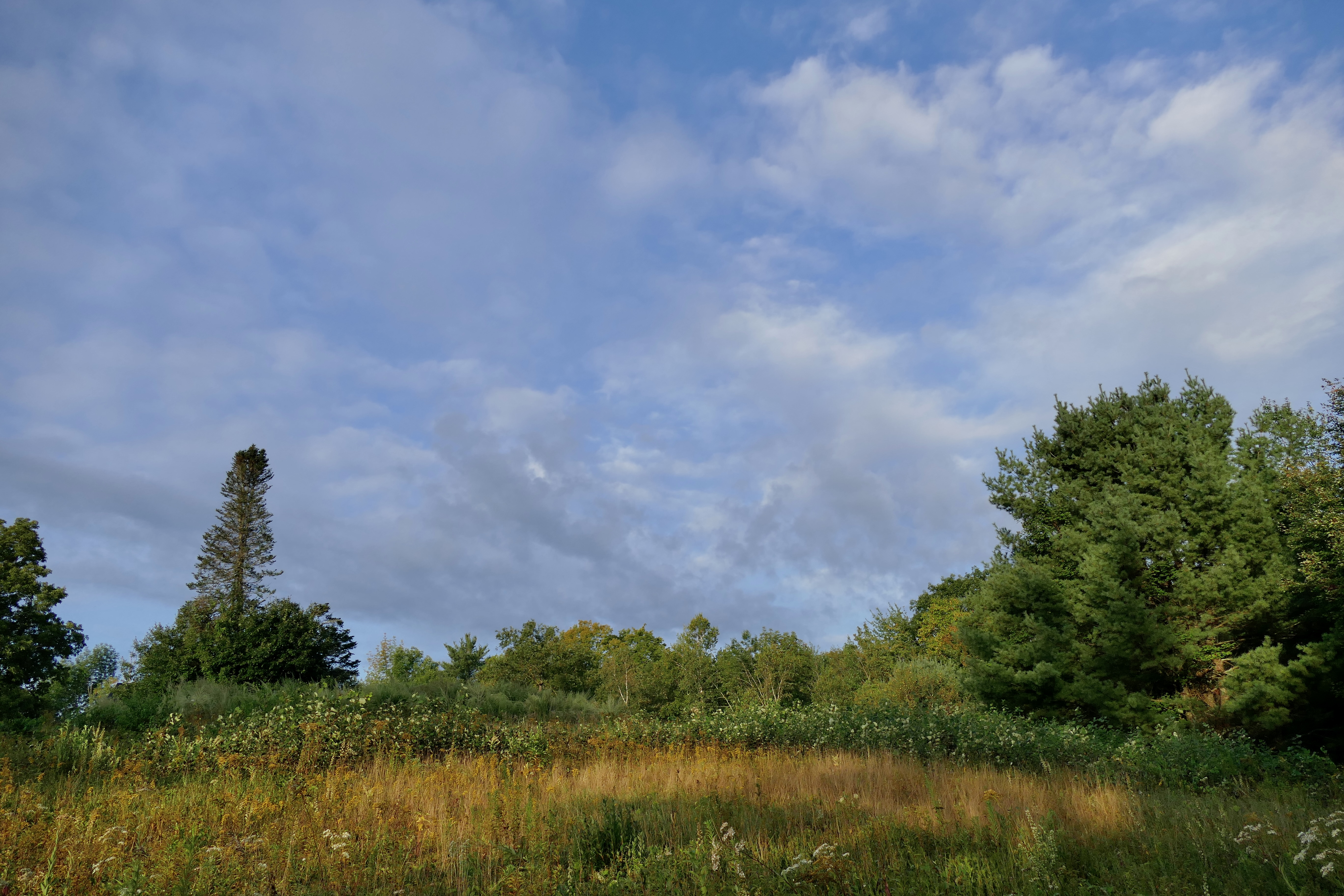
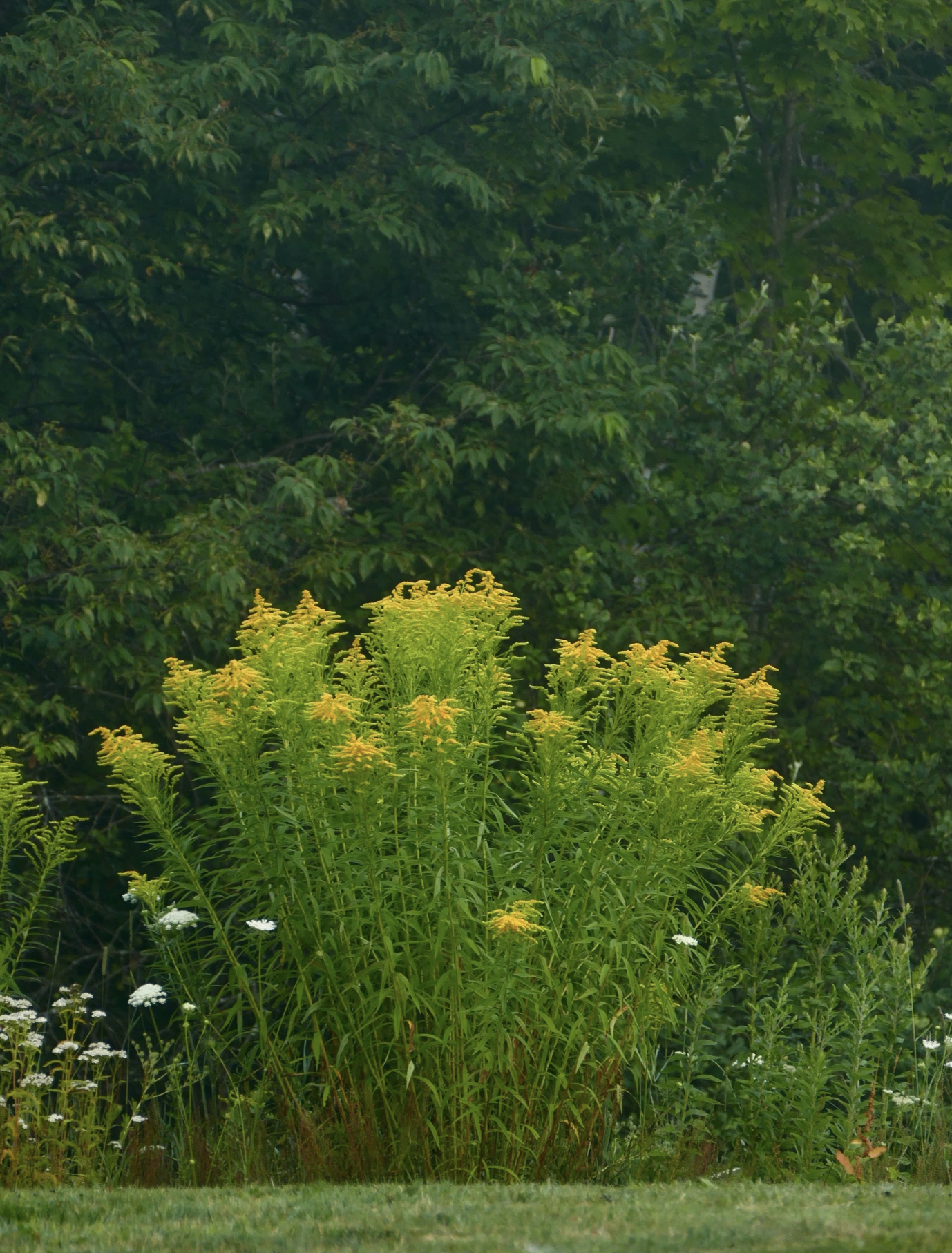
Solidago altissima (?) beyond the Corner Bridge, out some days at least, but not rough-hairy. Goldenrod and asters have fairly begun ; i. e. there are several kinds of each out.











You must be logged in to post a comment.