in Thoreau’s Journal:
The fringed polygala near the Corner Spring is a delicate flower with very fresh tender green leaves & red-purple blossoms.
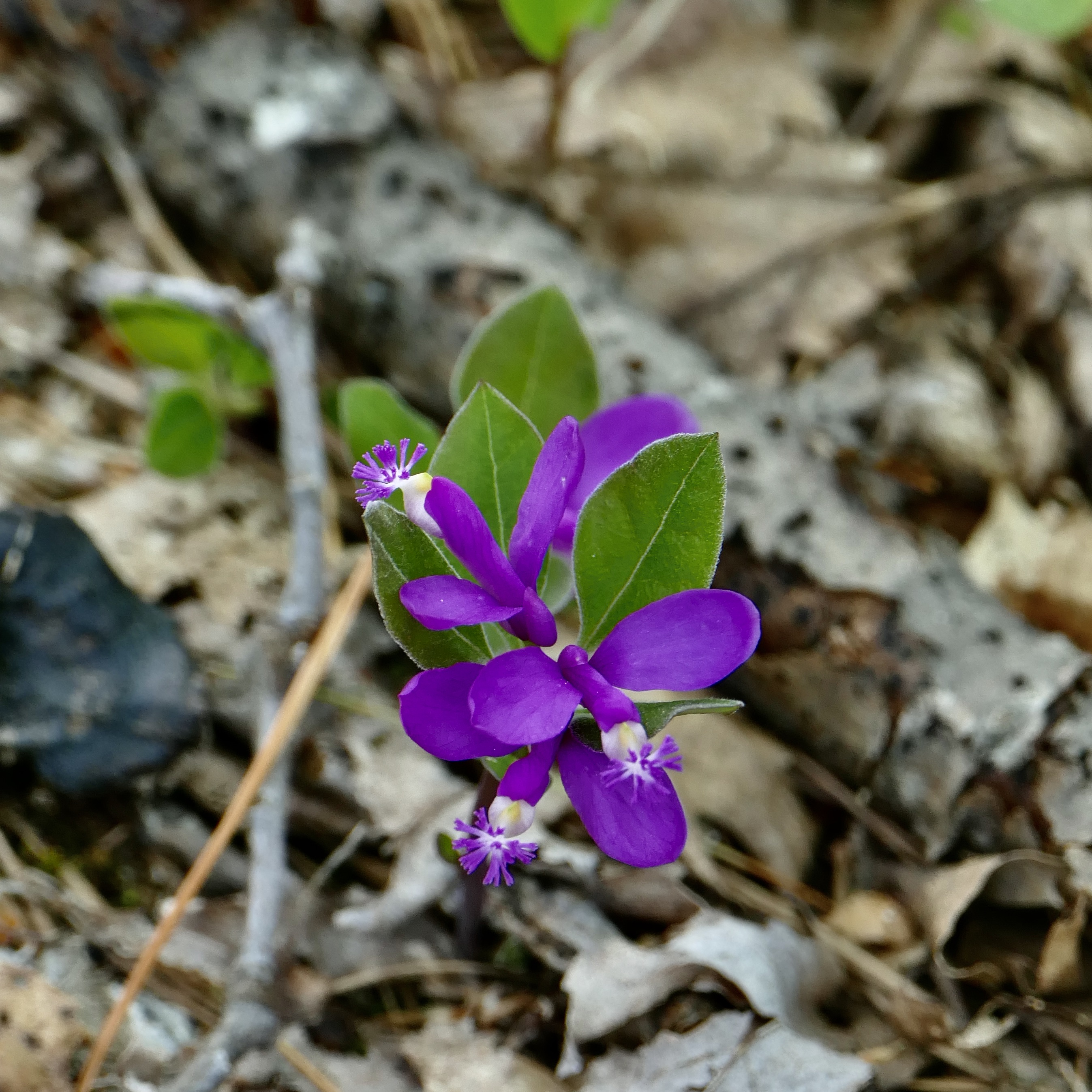
Beautiful from the contrast of its clear red purple flowers with its clear green leaves.

in Thoreau’s Journal:
The fringed polygala near the Corner Spring is a delicate flower with very fresh tender green leaves & red-purple blossoms.
Beautiful from the contrast of its clear red purple flowers with its clear green leaves.
in Thoreau’s Journal:
The air is full of the odor of apple blossoms–– Yet the air is fresh as from the salt water.

The meadow smells sweet as you go along low places in the road at sundown. To night I hear many crickets. They have commenced their song. They bring in the summer.
in Thoreau’s Journal:
A fine, freshening air, a little hazy, that bathes and washes everything, saving the day from extreme heat. Walked to the hills south of Wayland by the road by Deacon Farrar’s. First vista just beyond Merron’s (?), looking west down a valley, with a verdant-columned elm at the extremity of the vale and the blue hills and horizon beyond. These are the resting-places in a walk. We love to see any part of the earth tinged with blue, cerulean, the color of the sky, the celestial color. I wonder that houses are not oftener located mainly that they may command particular rare prospects, every convenience yielding to this. The farmer would never suspect what it was you were buying, and such sites would be the cheapest of any. A site where you might avail yourself of the art of Nature for three thousand years, which could never be materially changed or taken from you, a noble inheritance for your children. The true sites for human dwellings are unimproved. They command no price in the market. Men will pay something to look into a travelling showman’s box, but not to look upon the fairest prospects on the earth.
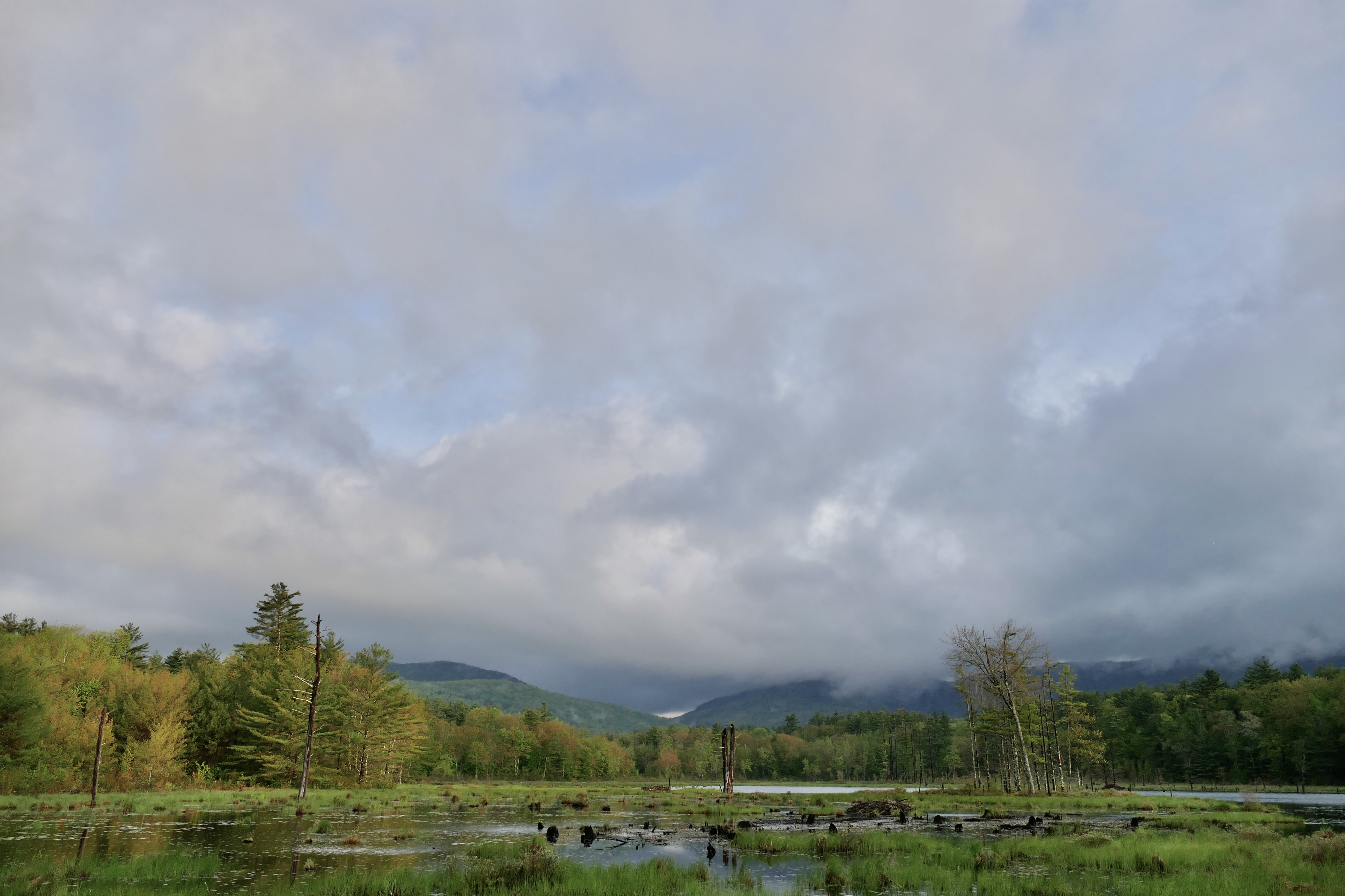
A vista where you have the near green horizon contrasted with the distant blue one, terrestrial with celestial earth. The prospect of a vast horizon must be accessible in our neighborhood. Where men of enlarged views may be educated. An unchangeable kind of wealth, a real estate.
in Thoreau’s Journal:
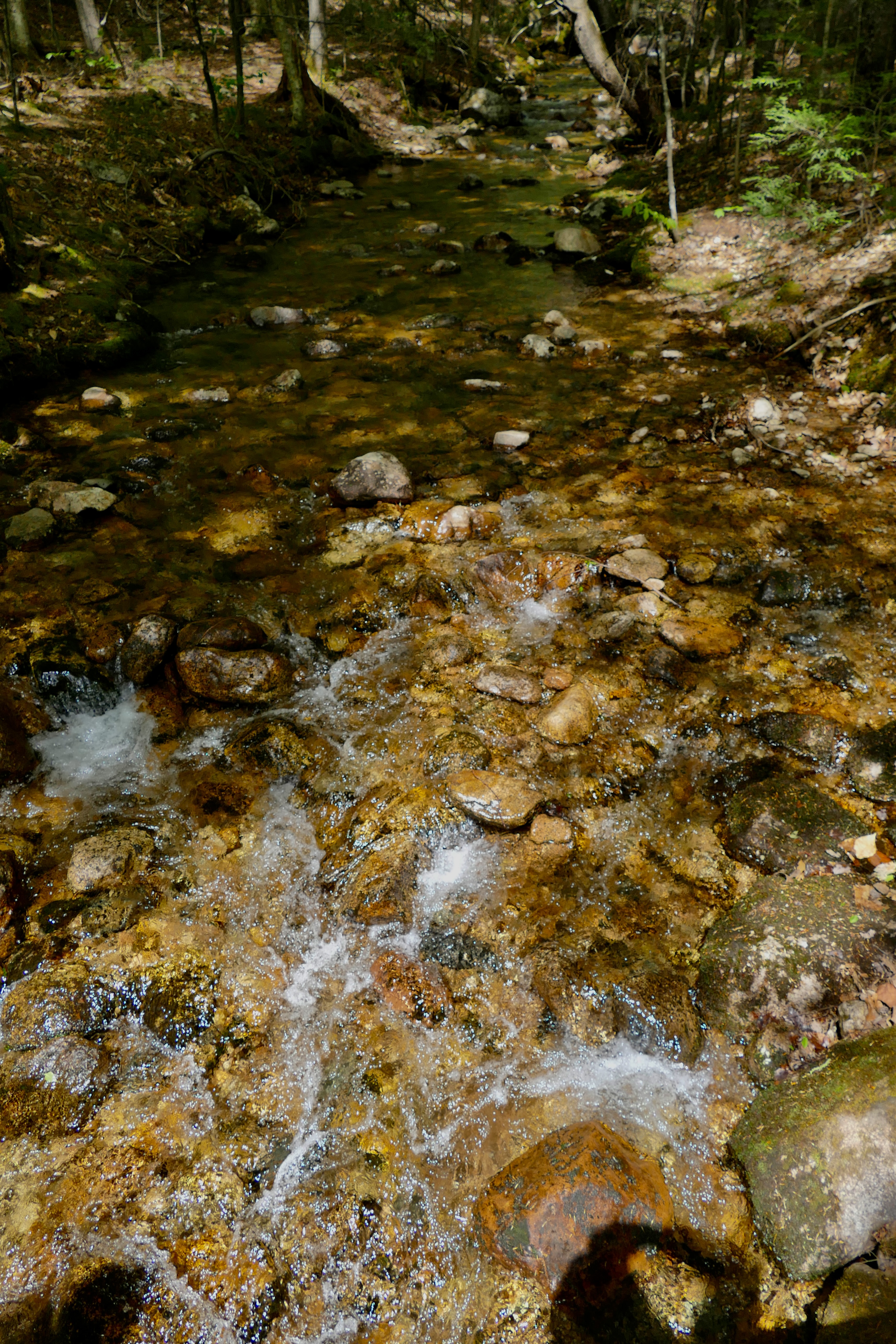
How perfectly new and fresh the world is seen to be, when we behold a myriad sparkles of brilliant, white sunlight on a rippled stream. So remote from dust and decay, more bright than the flash of an ey
in Thoreau’s Journal:
Every new flower that opens, no doubt, expresses a new mood of the human mind.
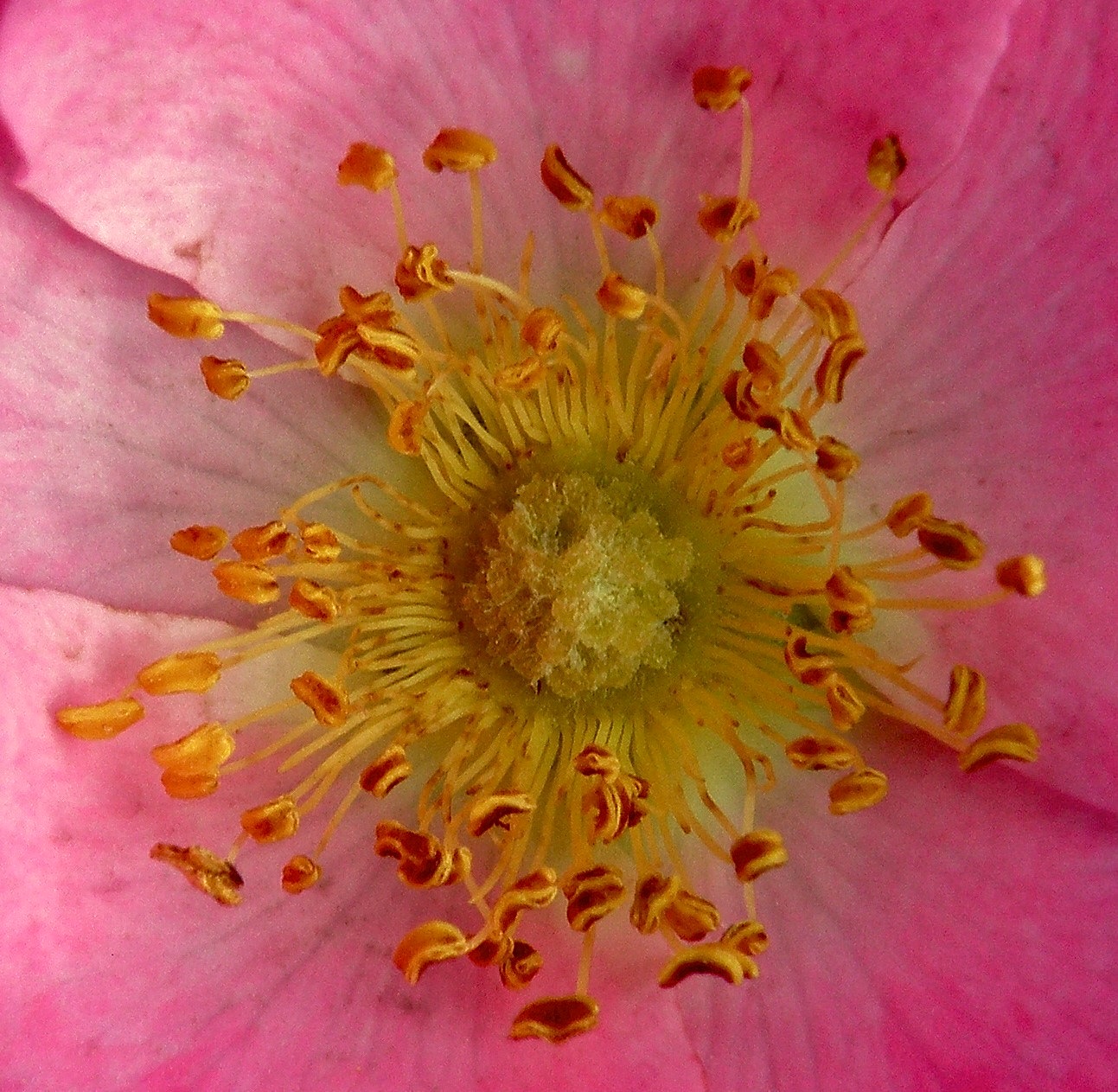
Have I any dark or ripe orange-yellow thoughts to correspond? The flavor of my thoughts begins to correspond.
in Thoreau’s Journal:
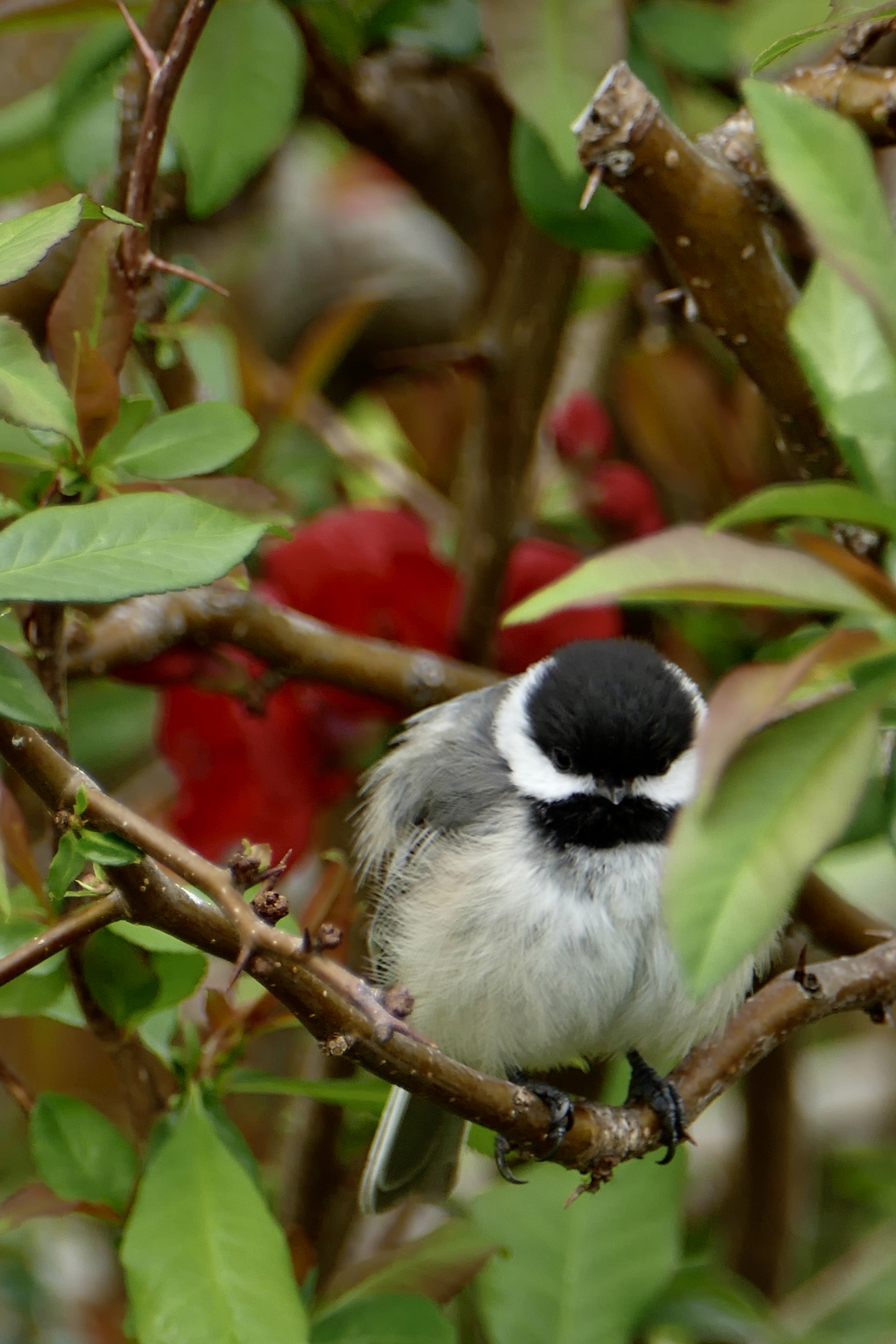
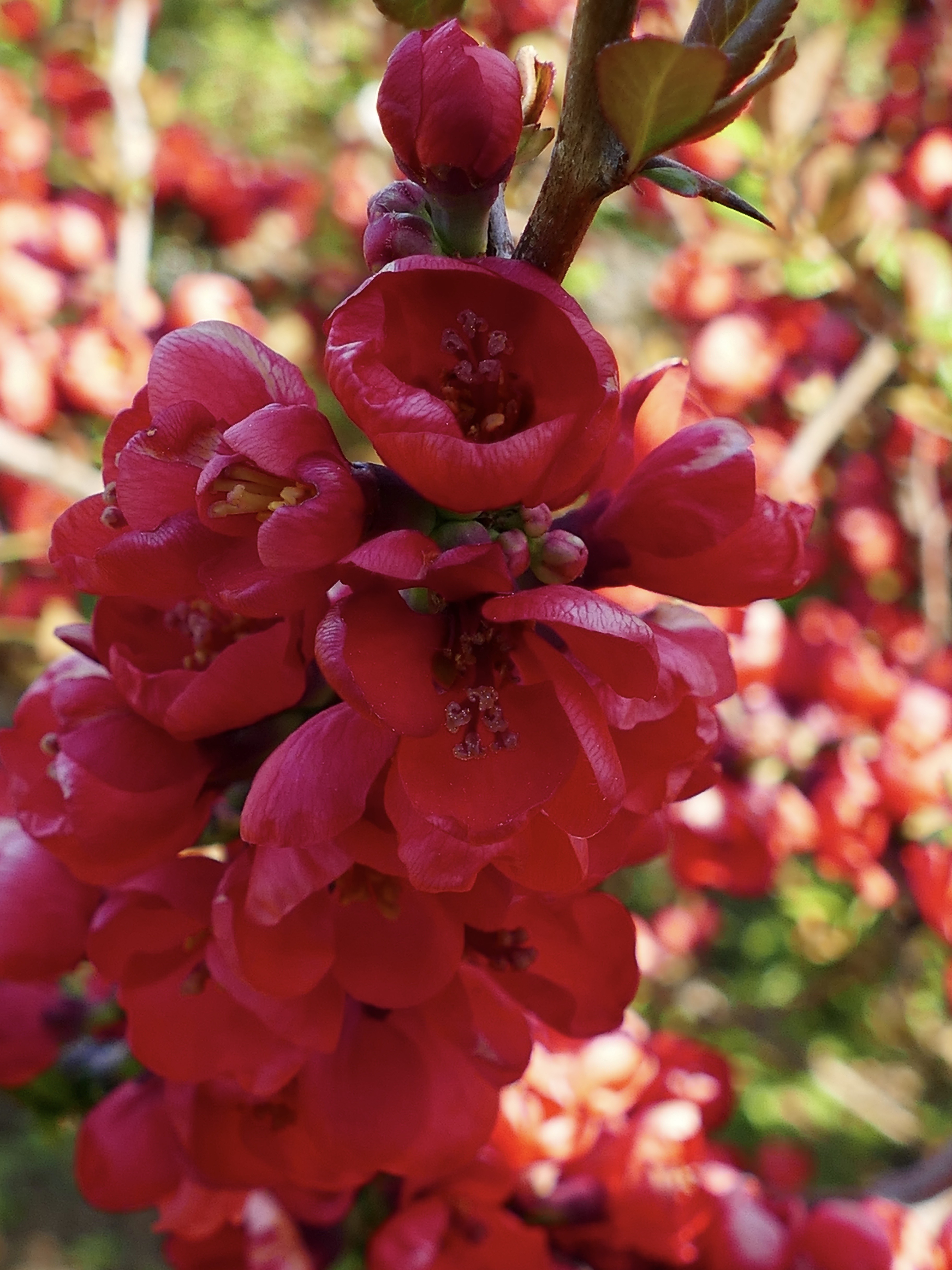
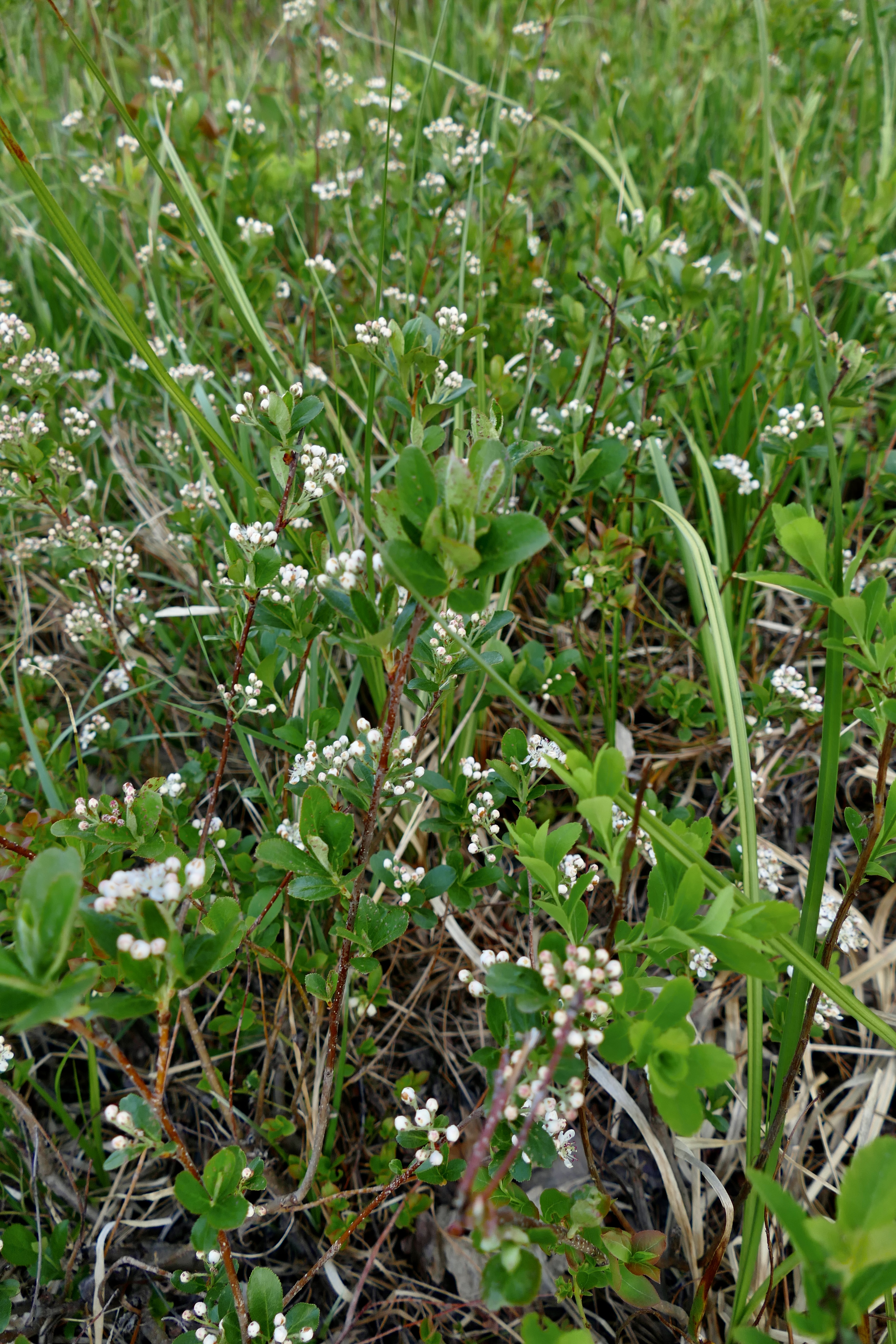
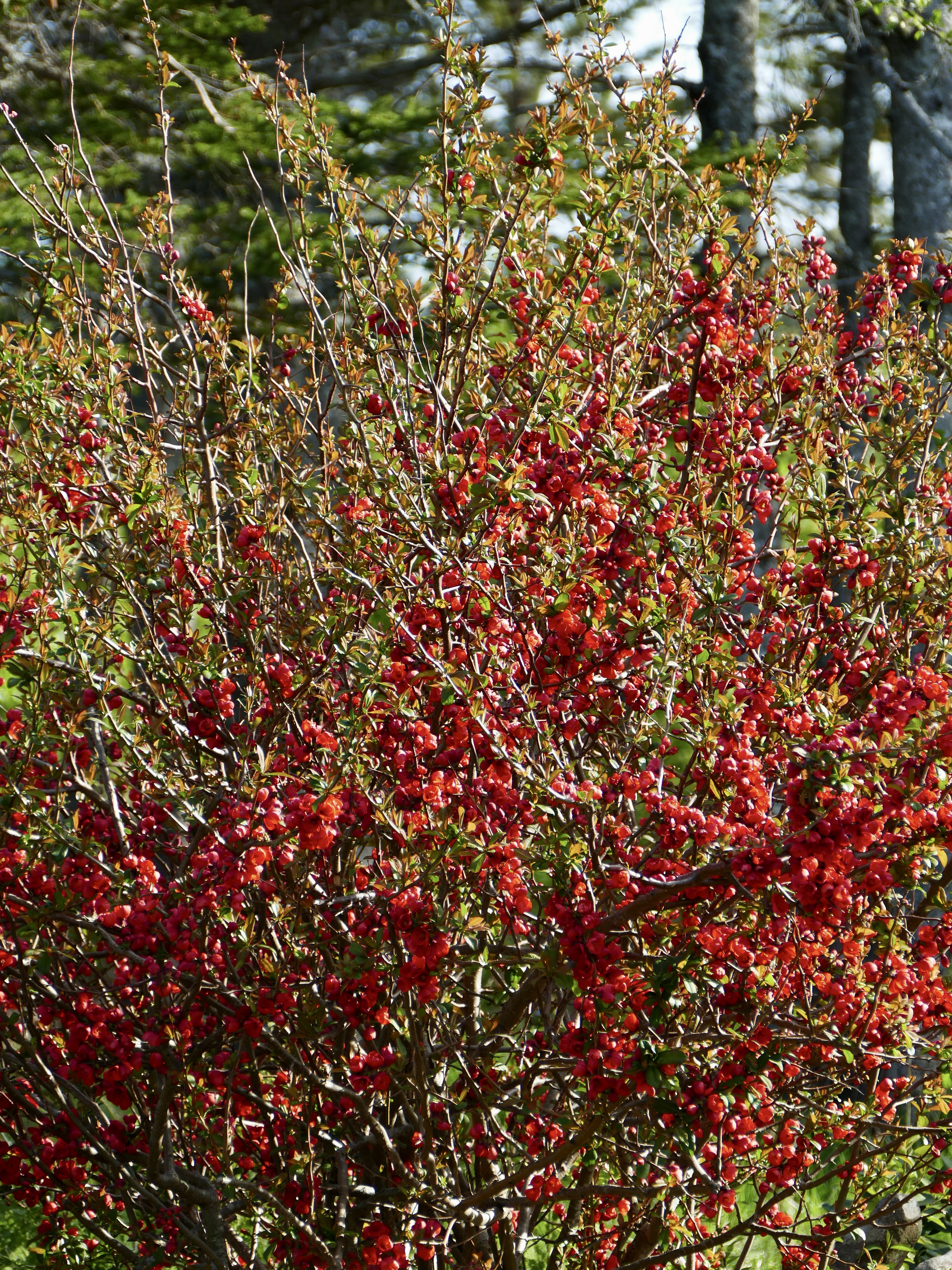
Our quince blossomed yesterday. Saw many low blackberries in bloom to-day.
in Thoreau’s Journal:

Only that thought and that expression are good which are musical.
in Thoreau’s Journal:
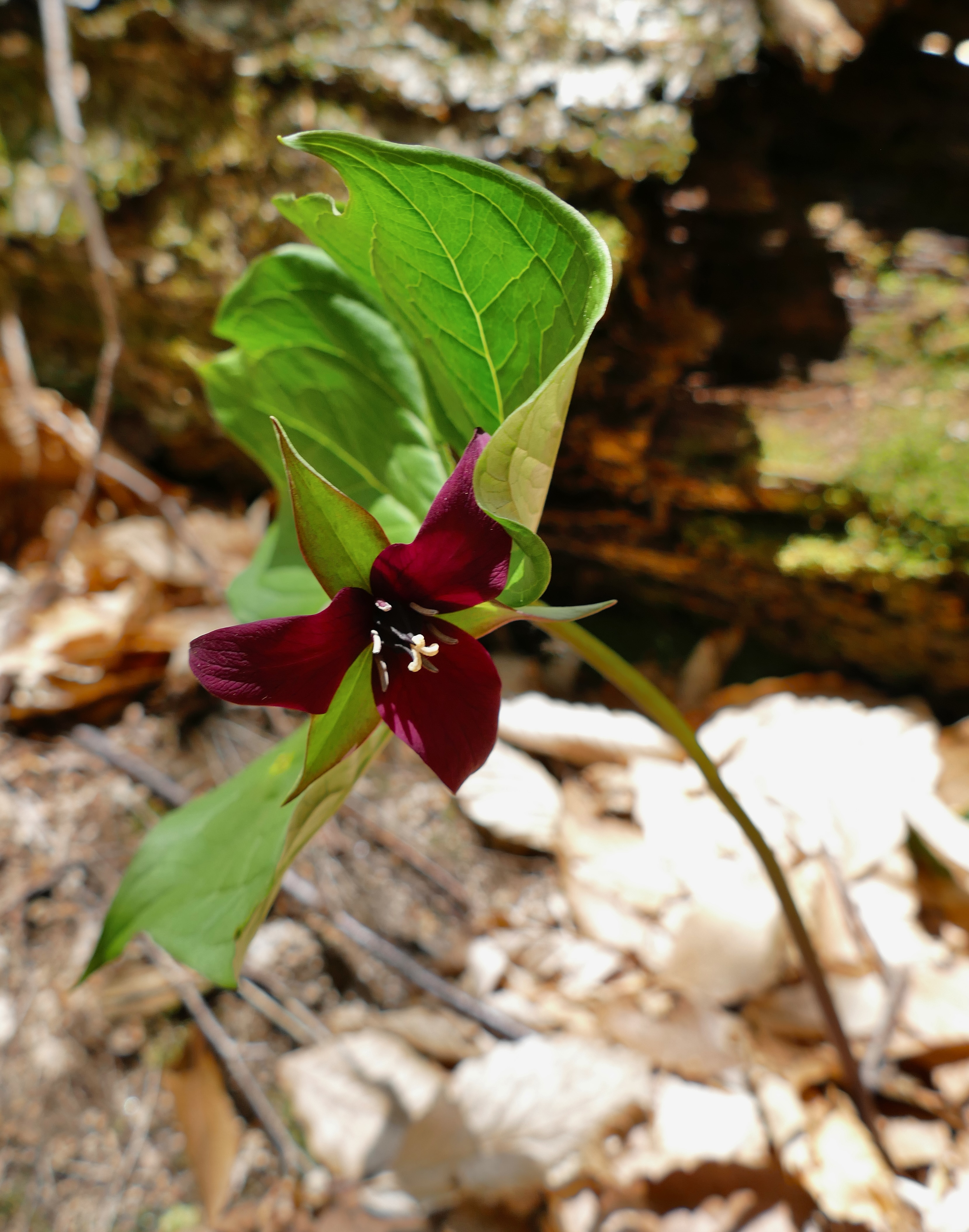
No thought but is connected as strictly as a flower, with the earth.
in Thoreau’s Journal:
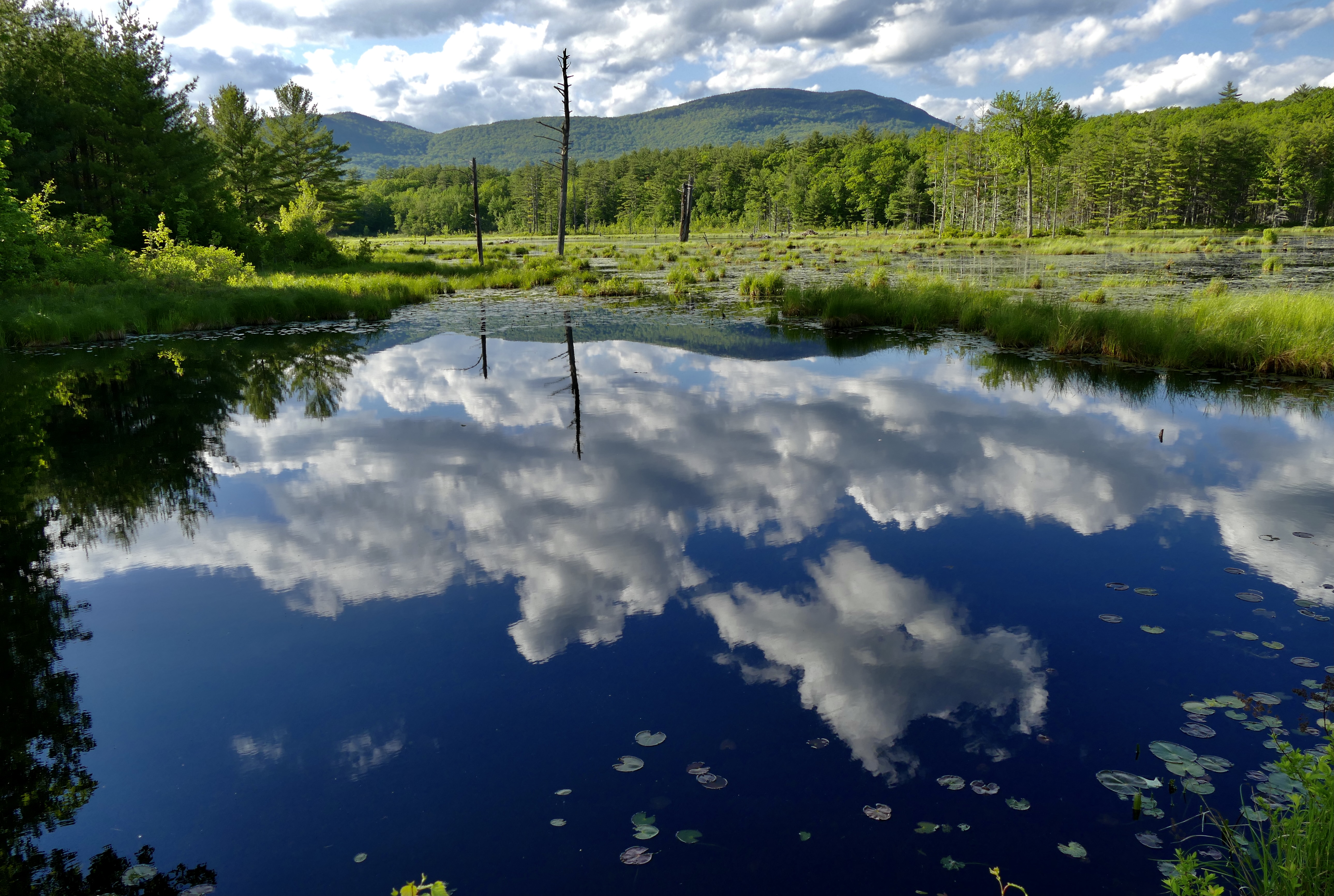
This is the season when the meadow grass is seen waving in the wind at the same time that the shadows of clouds are passing over it.
in Thoreau’s Journal:
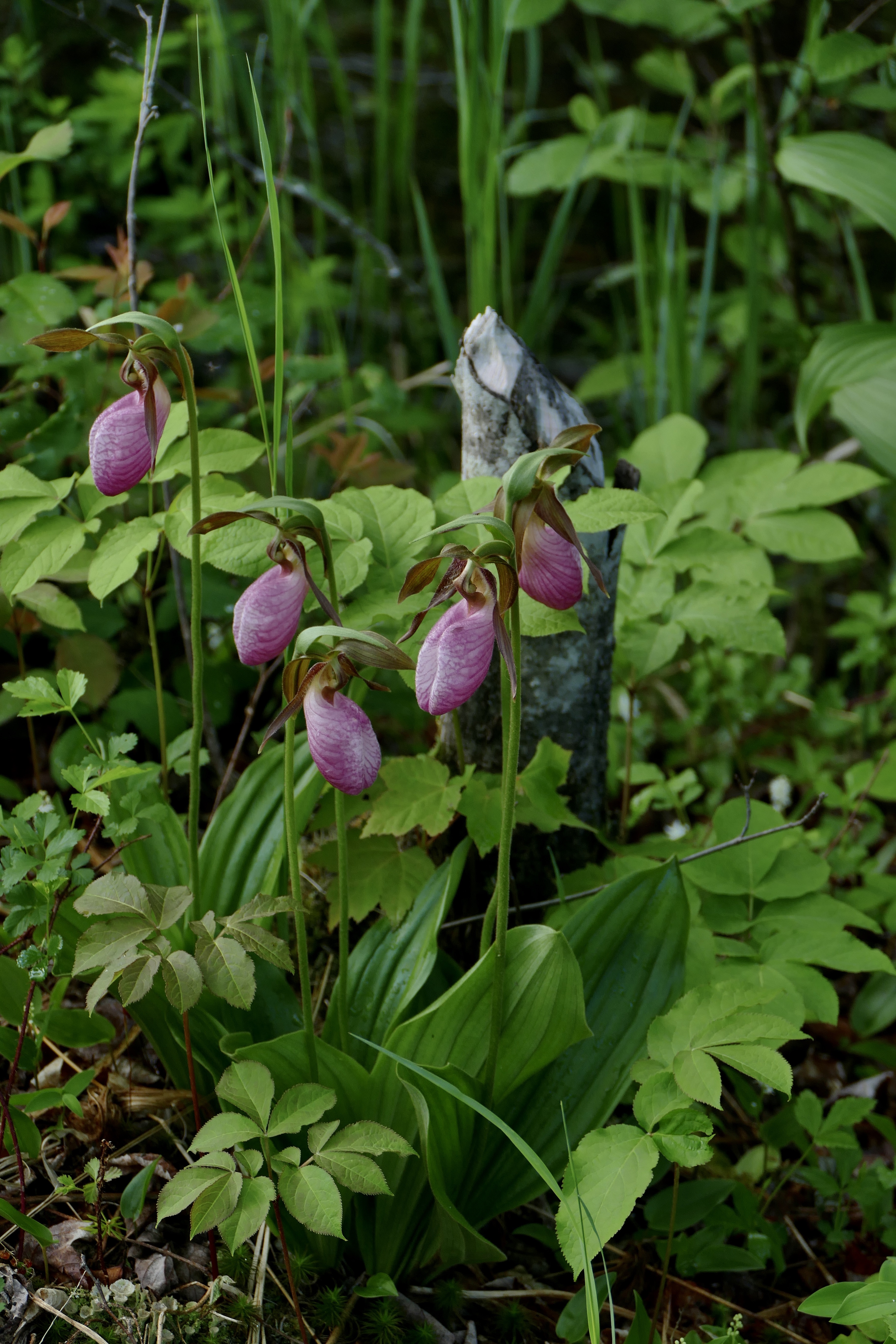
It seems to take but one summer day to fetch the summer in.
in Thoreau’s Journal:
I sit now on a rock on the west slope of Fair Haven orchard, an hour before sunset, this warm, almost sultry evening, the air filled with the sweetness of apple blossoms (this is blossom week) — or I think it is mainly that meadow fragrance still — the sun partly concealed behind a low cloud in the west, the air cleared by last evening’s thunder-shower, the river now beautifully smooth (though a warm, bland breeze blows up here), full of light and reflecting the placid western sky and the dark woods which overhang it. I was surprised, on turning round, to behold the serene and everlasting beauty of the world, it was so soothing, I saw that I could not go home to supper and lose it. It was so much fairer, serener, more beautiful, than my mood had been.
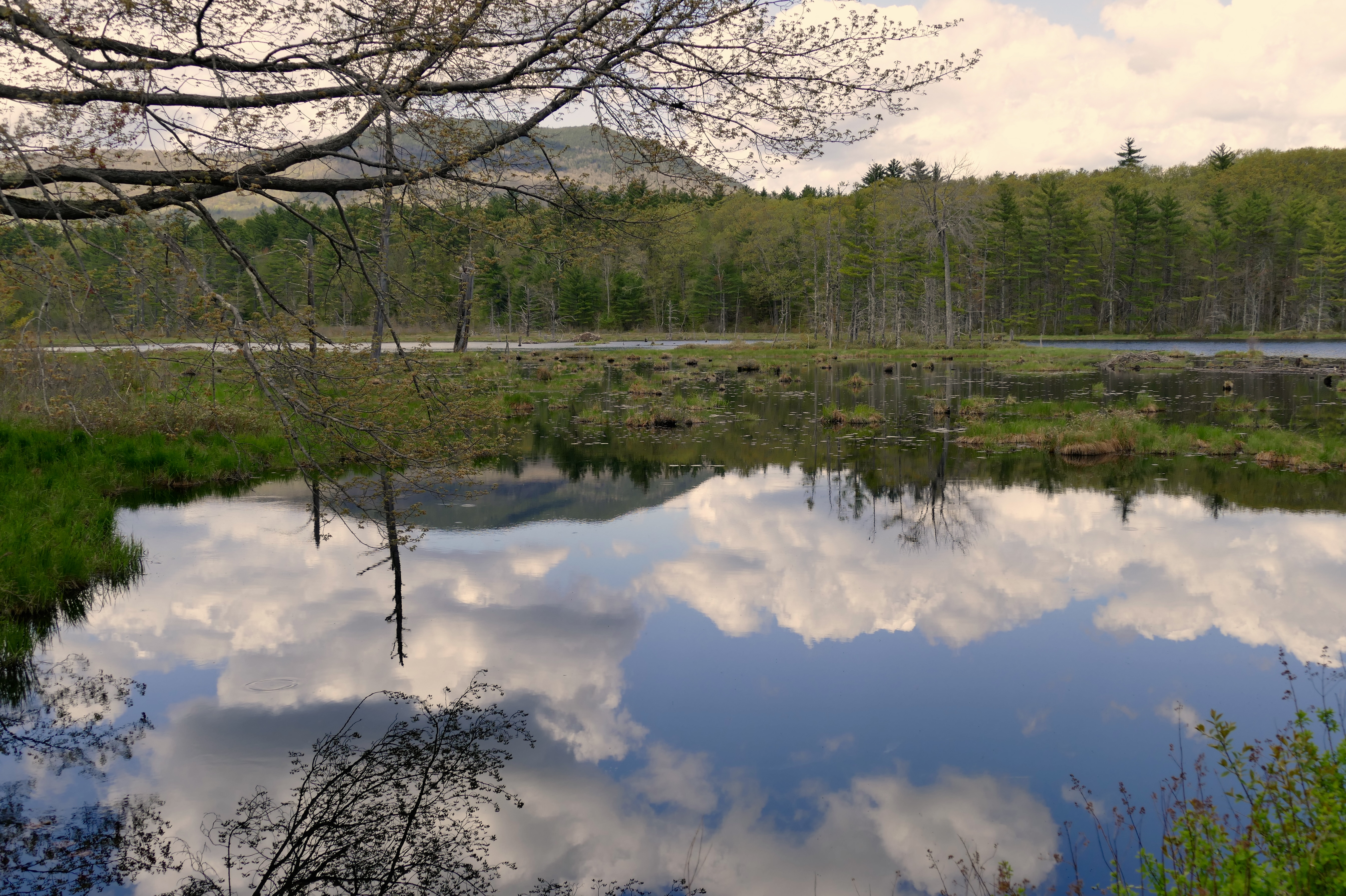
The fields beyond the river have unexpectedly a smooth, lawn-like beauty, and in beautiful curves sweep round the edge of the woods. The rapidly expanding foliage of the deciduous trees (last evening’s rain or moisture has started them) lights up with a lively yellow green the dark pines which we have so long been used to. Some patches (I speak of woods half a mile or more off) are a lively green, some gray or reddish-gray still, where white oaks stand. With the stillness of the air comes the stillness of the water. The sweetest singers among the birds are heard more distinctly now, as the reflections are seen more distinctly in the water — the veery constantly now. Methinks this serene, ambrosial beauty could hardly have been but for last evening’s thunder-shower, which, to be sure, barely touched us, but cleared the air and gave a start to vegetation. The elm on the opposite side of the river has now a thin but dark verdure, almost as dark as the pines, while, as I have said, the prevailing color of the deciduous woods is a light yellowish and sunny green. The woods rarely if ever present a more beautiful aspect from afar than now. Methinks the black oak at early leafing is more red than the red oak. Ah, the beauty of this last hour of the day — when a power stills the air and smooths all waters and all minds — that partakes of the light of the day and the stillness of the night!
in Thoreau’s Journal:
I was ready to say that I had seen no more beautiful flower than the dandelion. That has the vernal scent.
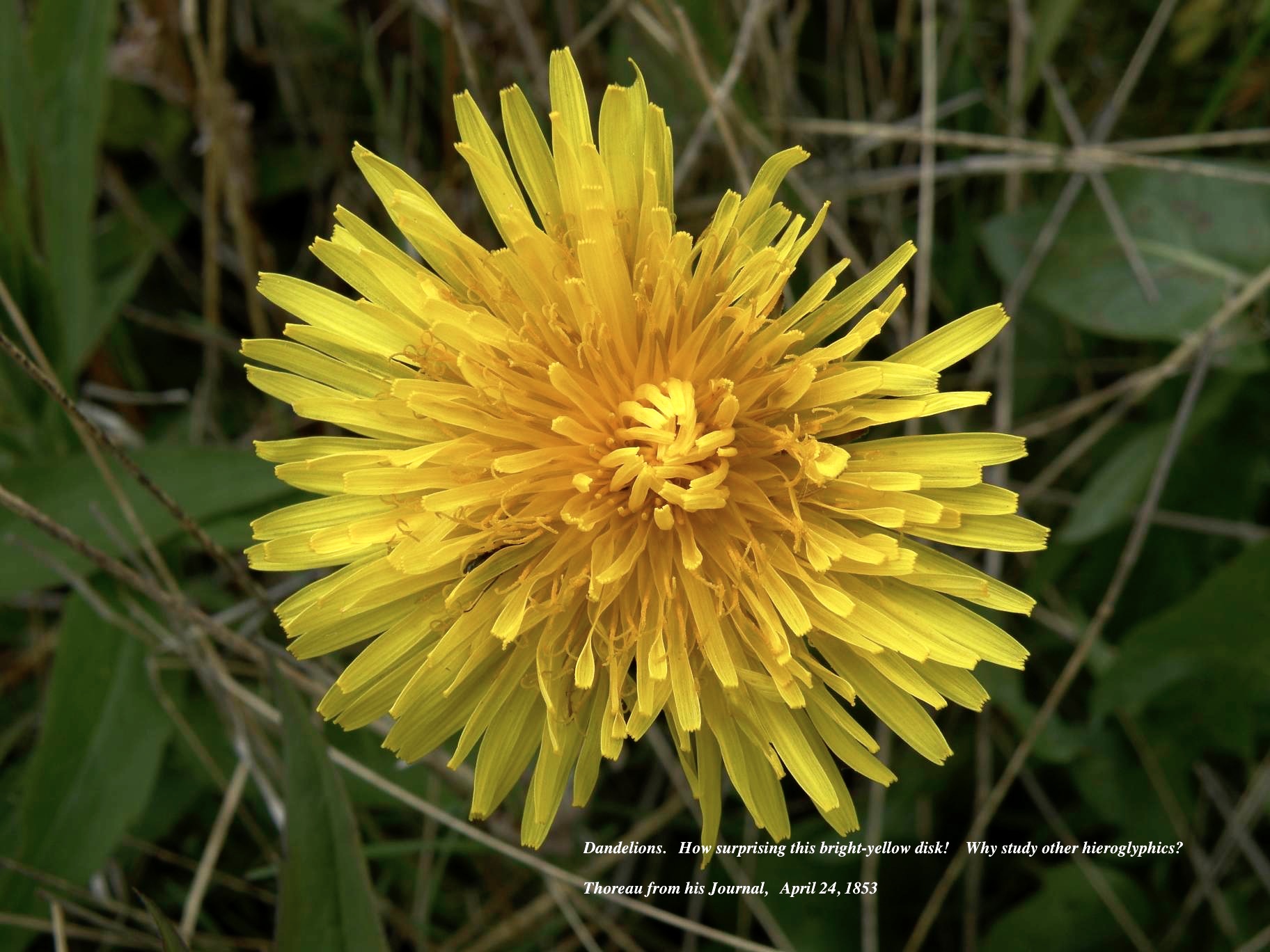
How many flowers have no peculiar, but only this simple vernal, fragrance?
in Thoreau’s Journal:
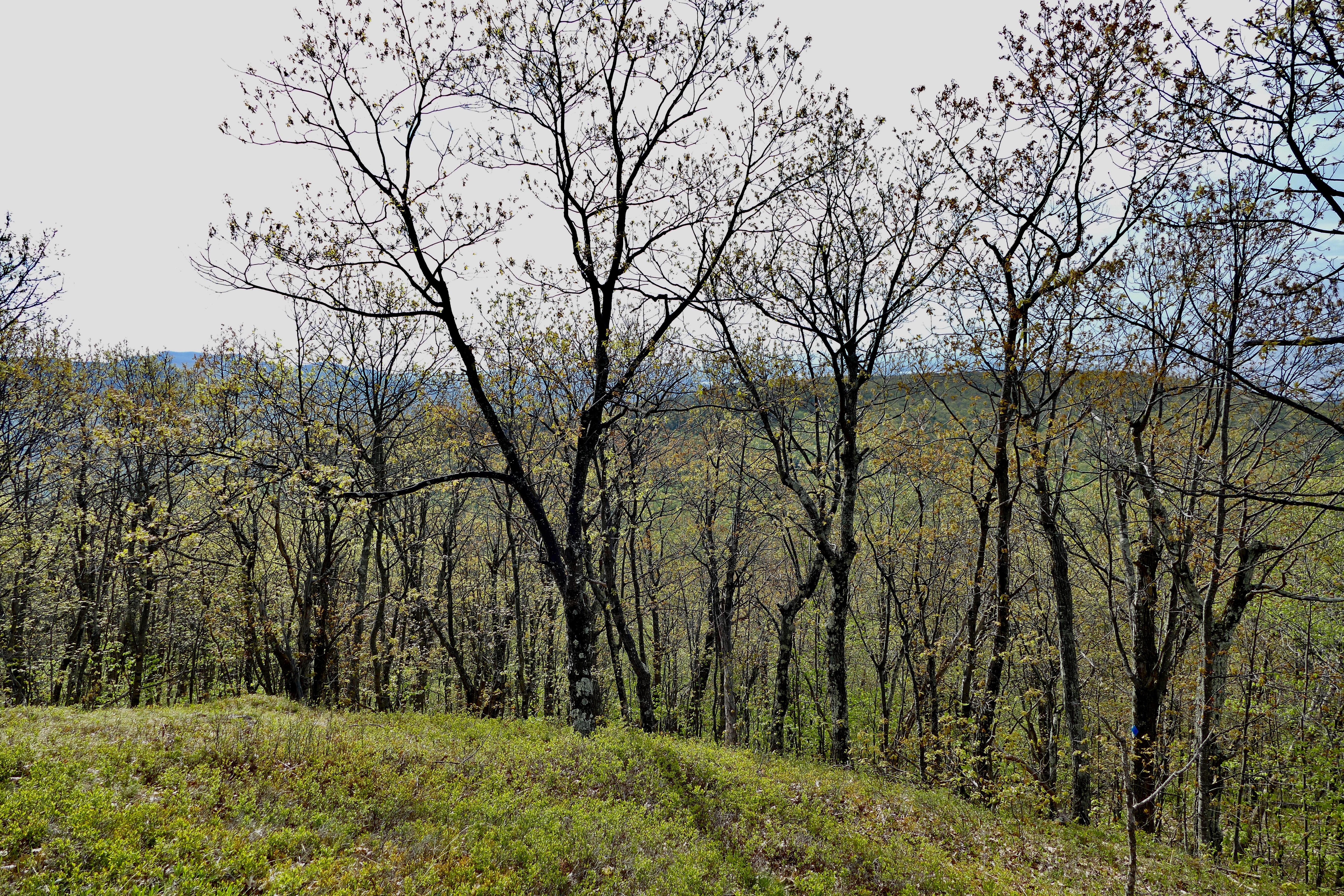
I looked again on the forest from this hill, which view may contrast with that of last Sunday. The mist produced by the leafing of the deciduous trees has greatly thickened now and lost much of its reddishness in the lighter green of expanding leaves, has become a brownish or yellowish green, except where it has attained distinctness in the light-green foliage of the birch, the earliest distinct foliage visible in extensive great masses at a great distance, the aspen not being common. The pines and other evergreens are now fast being merged in a sea of foliage.
in Thoreau’s Journal:
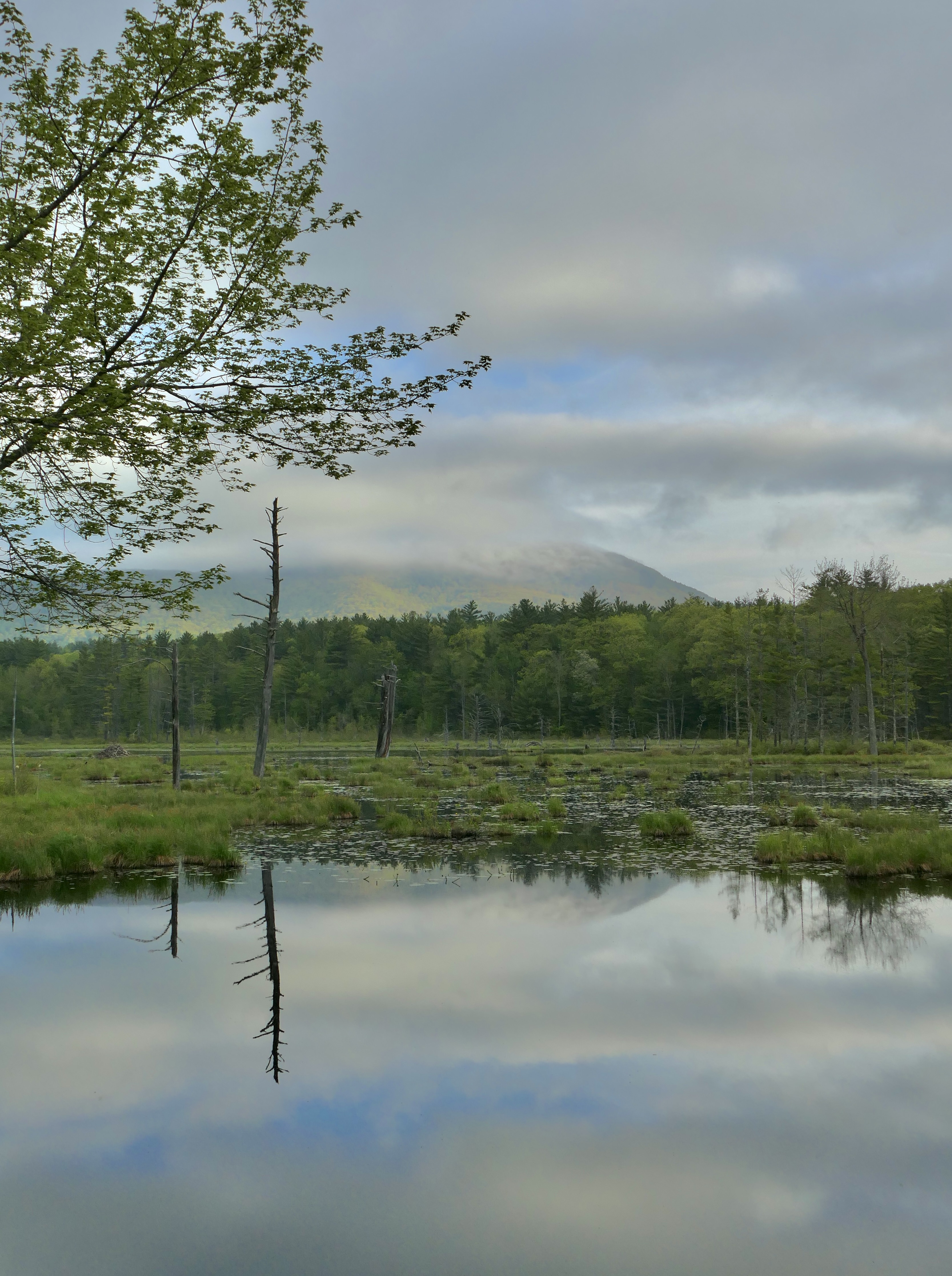
To-day for the first time, it appears to me summer-like and a new season.
in Thoreau’s Journal:
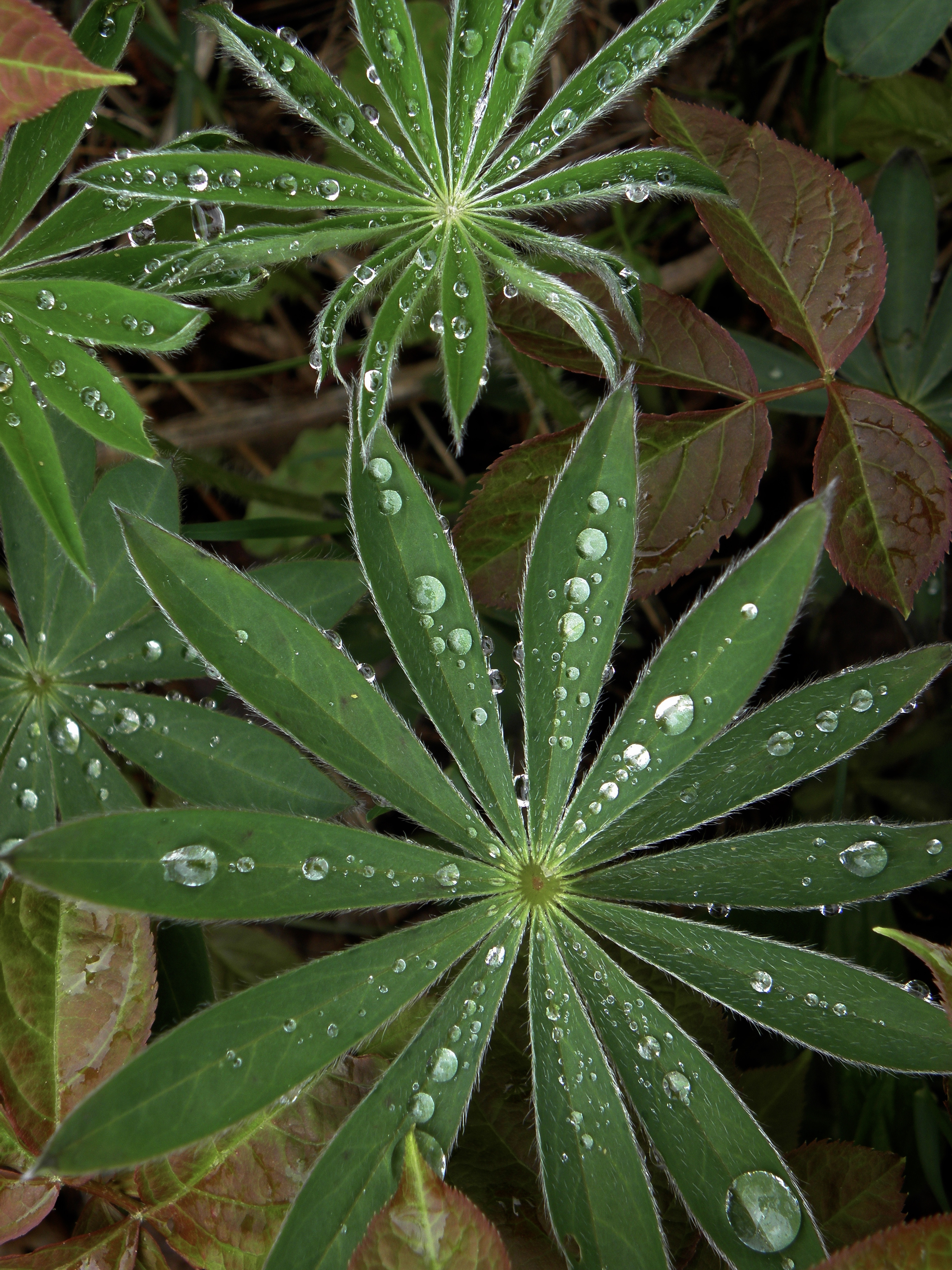
The leaves of the lupine, six inches high, are handsome, covered with rain-drops.
in Thoreau’s Journal:
Some grass is seen to wave in the distance on the side of N. Barrett’s warm hill, showing the lighter under sides. That is a soft, soothing, June-like impression when the most forward grass is seen to wave and the sorrel looks reddish. The year has the down of youth on its cheek. This, too, is the era of the bobolink, now, when apple trees are ready to burst into bloom. Now it is too late to retreat from the summer adventure. You have passed the Rubicon, and will spend your summer here. Lately, for a few days, the note of the pine warbler rang through the woods, but now it is lost in the notes of other birds. Then each song was solo. Its vetter vetter vetter vetter rang through silent woods. Now I rarely hear it. A yellow butterfly.
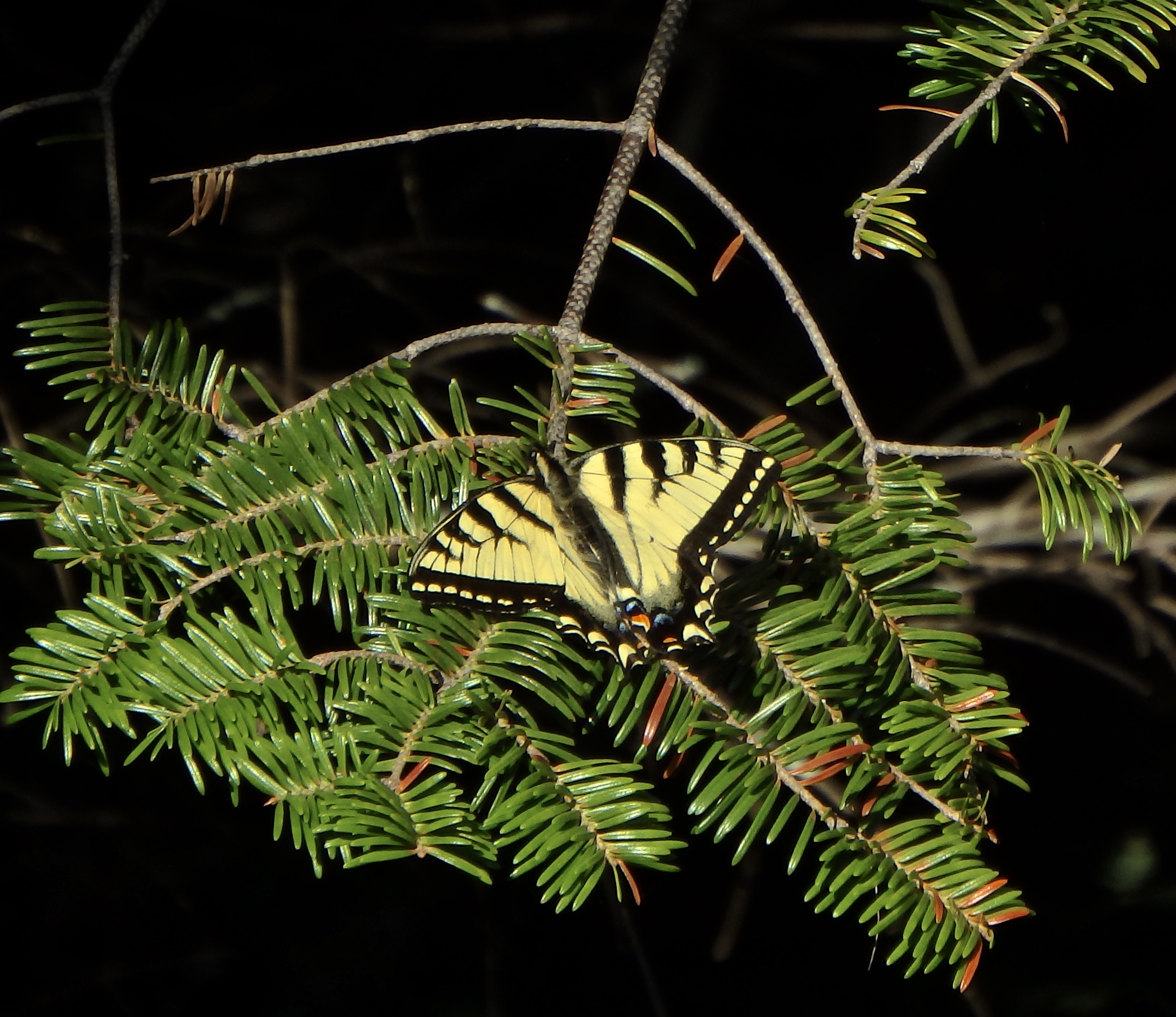
in Thoreau’s Journal:

White birches are suddenly leafing in some places, so as to make an open veil or gauze of green against the other trees
in Thoreau’s Journal:
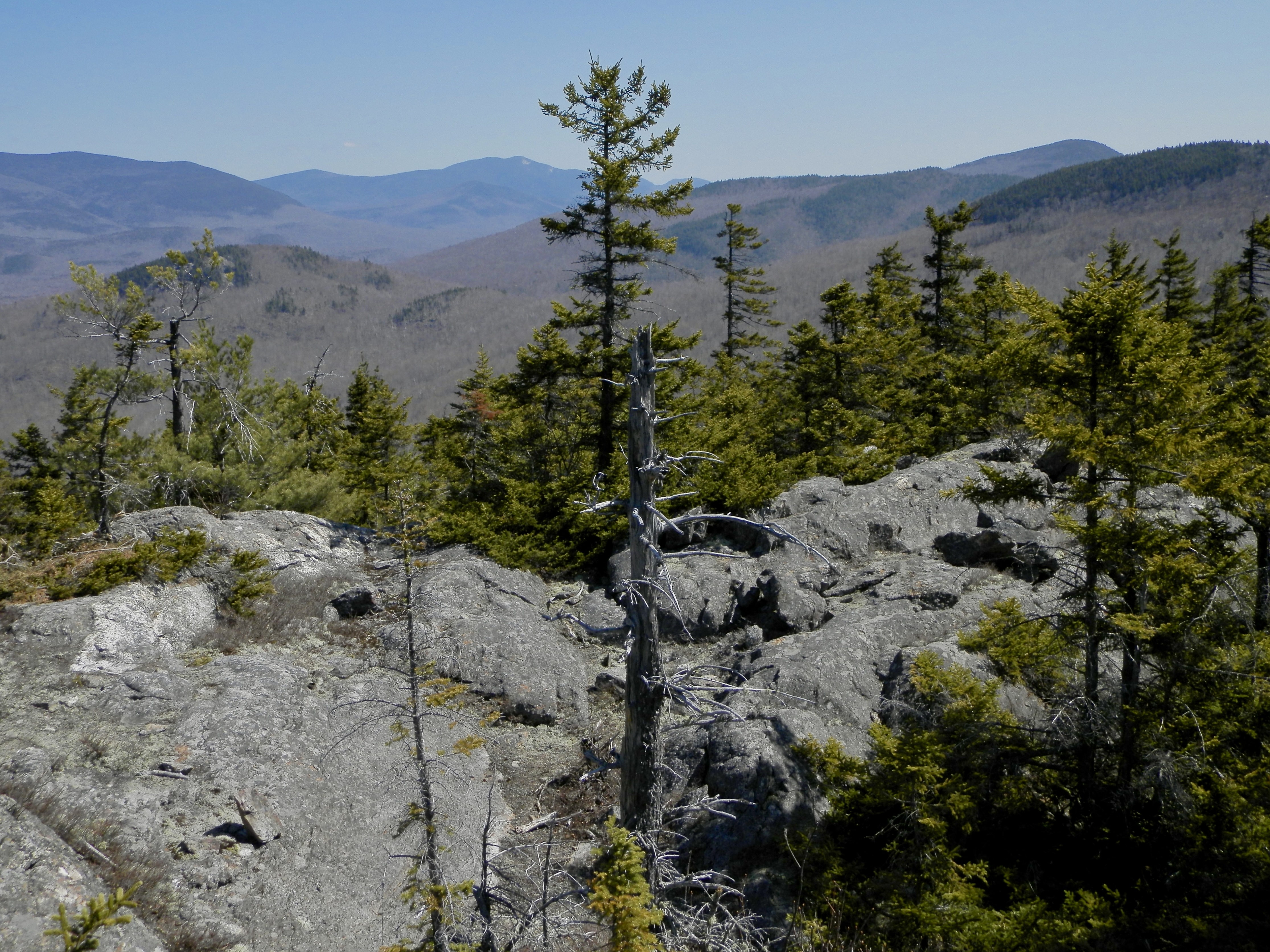
From the hill, I look westward over the landscape. The deciduous woods are in their hoary youth, every expanding bud swaddled with downy webs. From this more eastern hill, with the whole breadth of the river valley on the west, the mountains appear higher still, the width of the blue border is greater, —not mere peaks, or a short and shallow sierra, but a high blue table-land with broad foundations, a deep and solid base or tablet, in proportion to the peaks that rest on it. As you ascend, the near and low hills sink and flatten into the earth; no sky is seen behind them; the distant mountains rise. The truly great are distinguished. Vergers, crests of the waves of earth, which in the highest break at the summit into granitic rocks over which the air beats. A part of their hitherto concealed base is seen blue. You see, not the domes only, but the body, the facade, of these terrene temples. You see that the foundation answers to the superstructure. Moral structures. (The sweet-fern leaves among odors now.) The successive lines of haze which divide the western landscape, deeper and more misty over each intervening valley, are not yet very dense; yet there is a light atmospheric line along the base of the mountains for their whole length, formed by this denser and grosser atmosphere through which we look next the earth, which almost melts them into the atmosphere, like the contact of molten metal with that which is unfused; but their pure, sublimed tops and main body rise, palpable skyland above it, like the waving signal of the departing who have already left these shores. It will be worth the while to observe carefully the direction and altitude of the mountains from the Cliffs. The value of the mountains in the horizon, —would not that be a good theme for a lecture? The text for a discourse on real values, and permanent; a sermon on the mount. They are stepping-stones to heaven, —as the rider has a horse-block at his gate, by which to mount when we would commence our pilgrimage to heaven; by which we gradually take our departure from earth, from the time when our youthful eyes first rested on them, —from this bare actual earth, which has so little of the hue of heaven. They make it easier to die and easier to live. They let us off.
in Thoreau’s Journal:
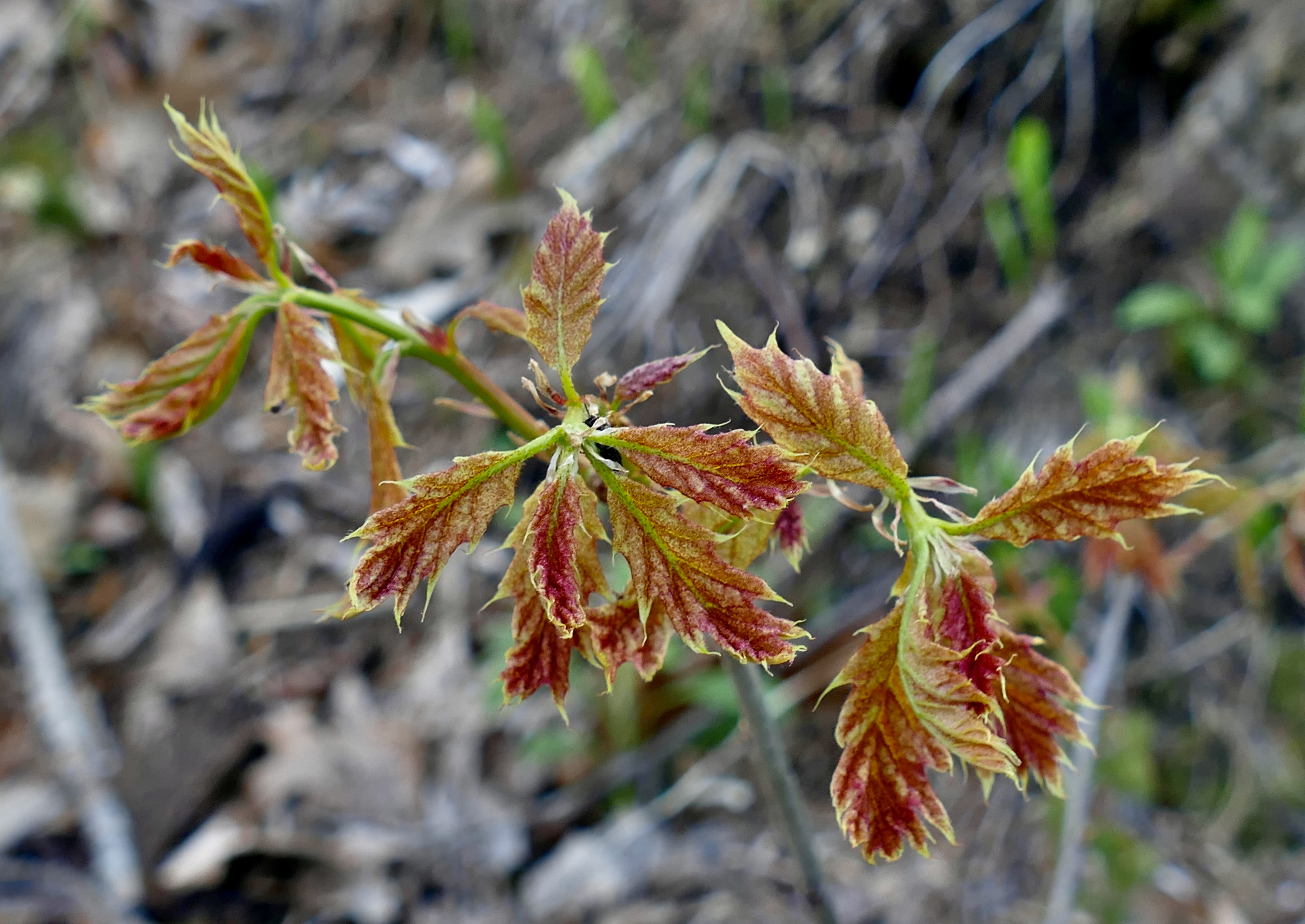
Leaves generally are most beautiful when young and tender, before insects or weather has defaced them.
in Thoreau’s Journal:
It is wonderful what a variety of flowers may grow within the range of a walk & how long some very conspicuous ones may escape the most diligent walker—If you do not chance to visit their localities the right week or fortnight––when their signs are out.

It is a flaming leaf The very leaf has flowers––not the ripe tints of autumn but the rose in the cheek of infancy––a more positive flowering.


You must be logged in to post a comment.