in Thoreau’s Journal:
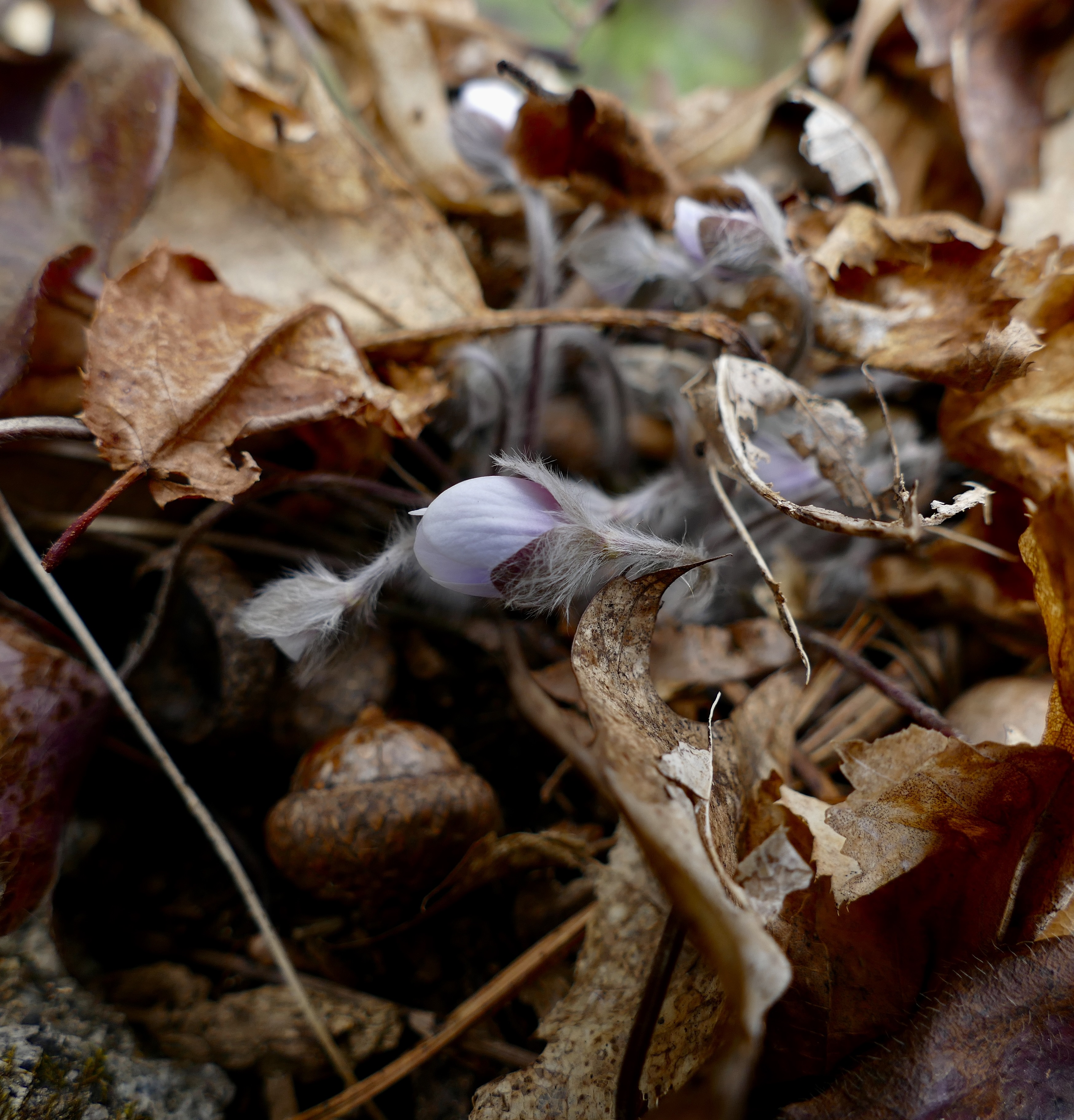
How fitly and exactly any season of the year may be described by indicating the condition of some flower!
in Thoreau’s Journal:
How fitly and exactly any season of the year may be described by indicating the condition of some flower!
in Thoreau’s Journal:
You take your walk some pretty cold and windy, but sunny March day, through rustling woods, perhaps, glad to take shelter in the hollows or on the south side of the hills or woods. When ensconced in some sunny and sheltered hollow, with some just melted pool at its bottom, as you recline on the fine withered sedge, in which the mice have had their galleries, leaving it pierced with countless holes, and are, perchance, dreaming of spring there, a single dry, hard croak, like a grating twig, comes up from the pool. Such is the earliest voice of the pools, where there is a small smooth surface of melted ice bathing the bare button-bushes or water andromeda or tufts of sedge; such is the earliest voice of the liquid pools, hard and dry and grating. Unless you watch long and closely, not a ripple nor a bubble will be seen, and a marsh hawk will have to look sharp to find one. The notes of the croaking frog and the hylodes are not only contemporary with, but analogous to, the blossoms of the skunk-cabbage and white maple.
Are not March and November gray months?
Men will hardly believe me when I tell them of the thickness of snow and ice at this time last year.


in Thoreau’s Journal:
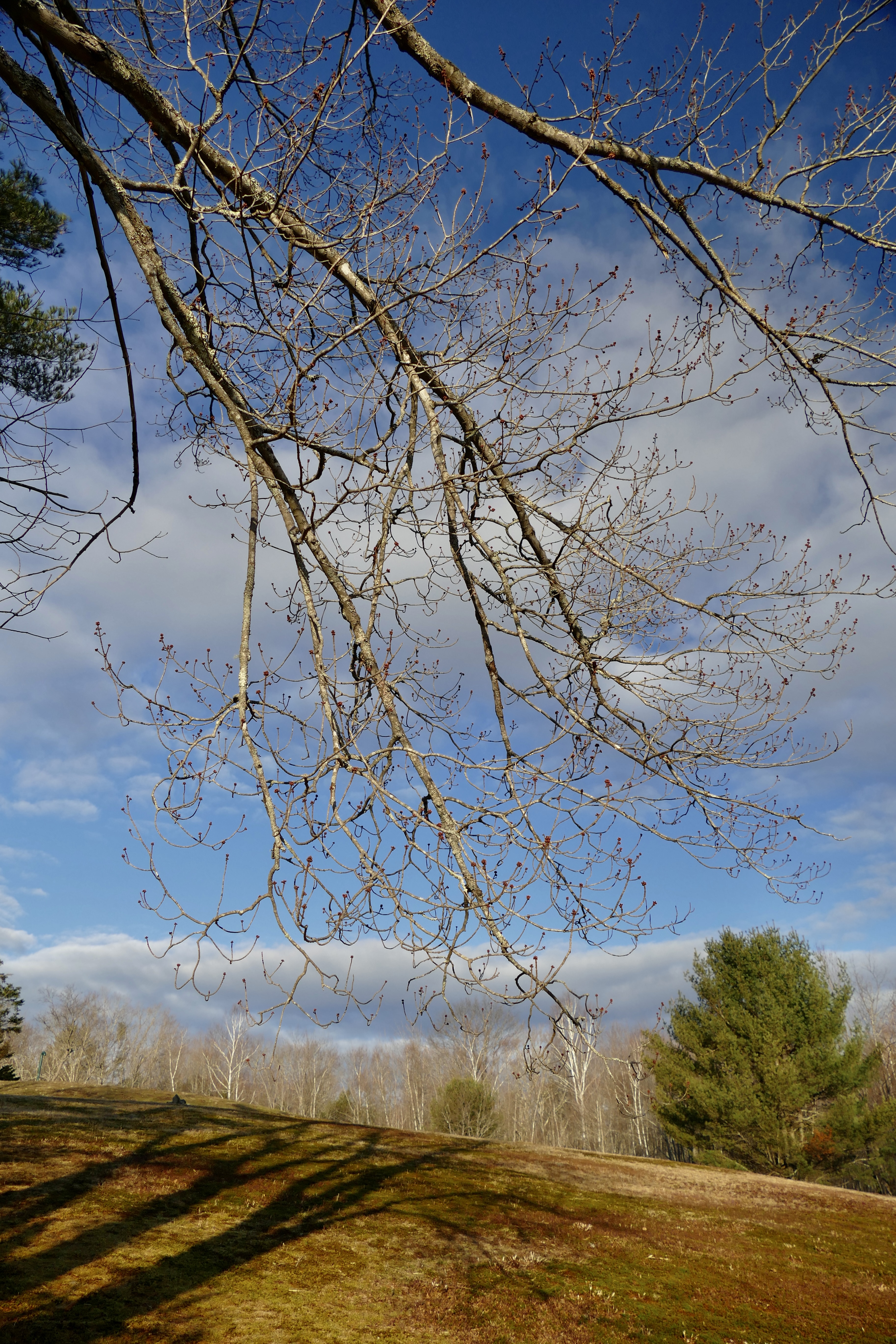
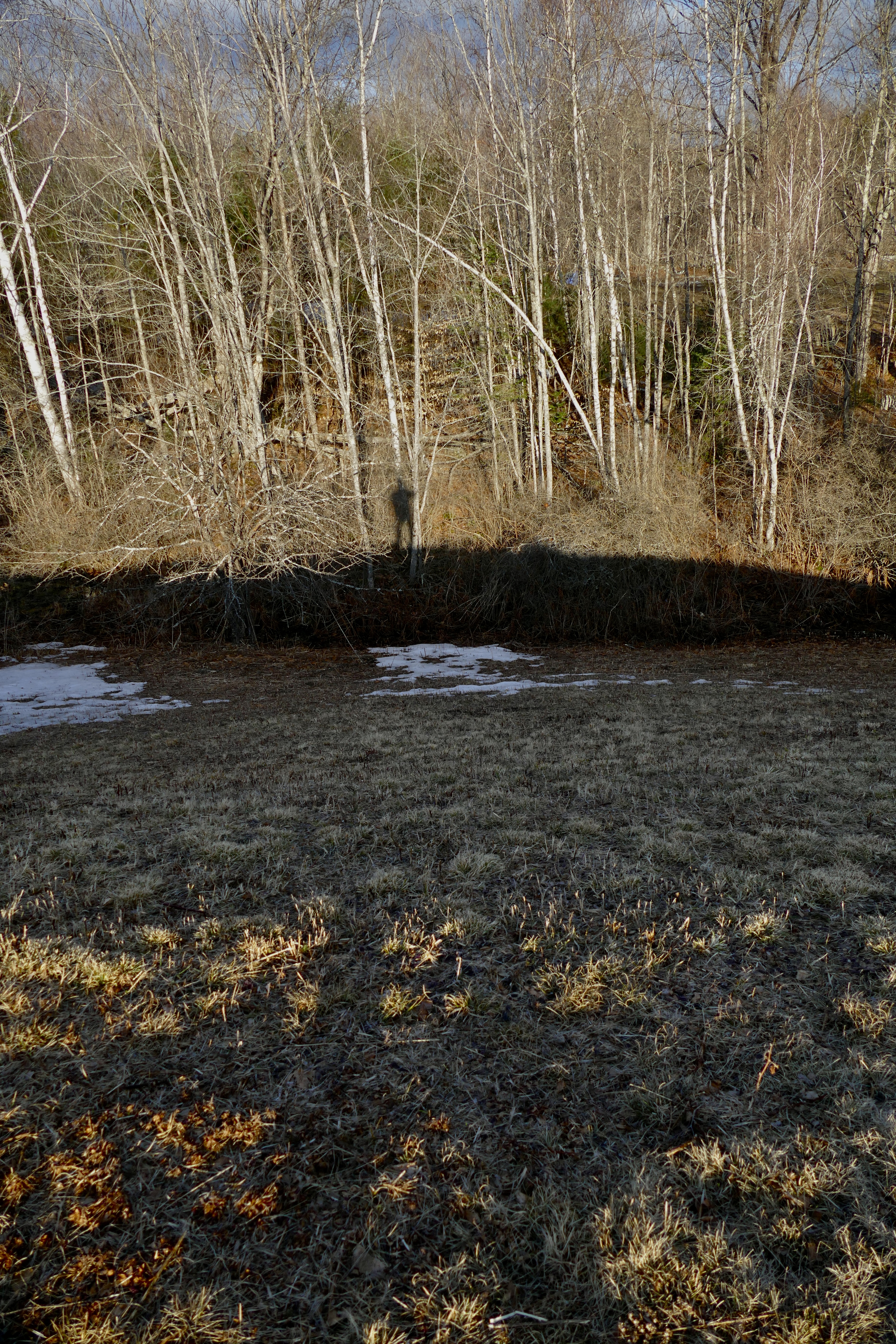
I thought the other day, How we enjoy a warm and pleasant day at this season!
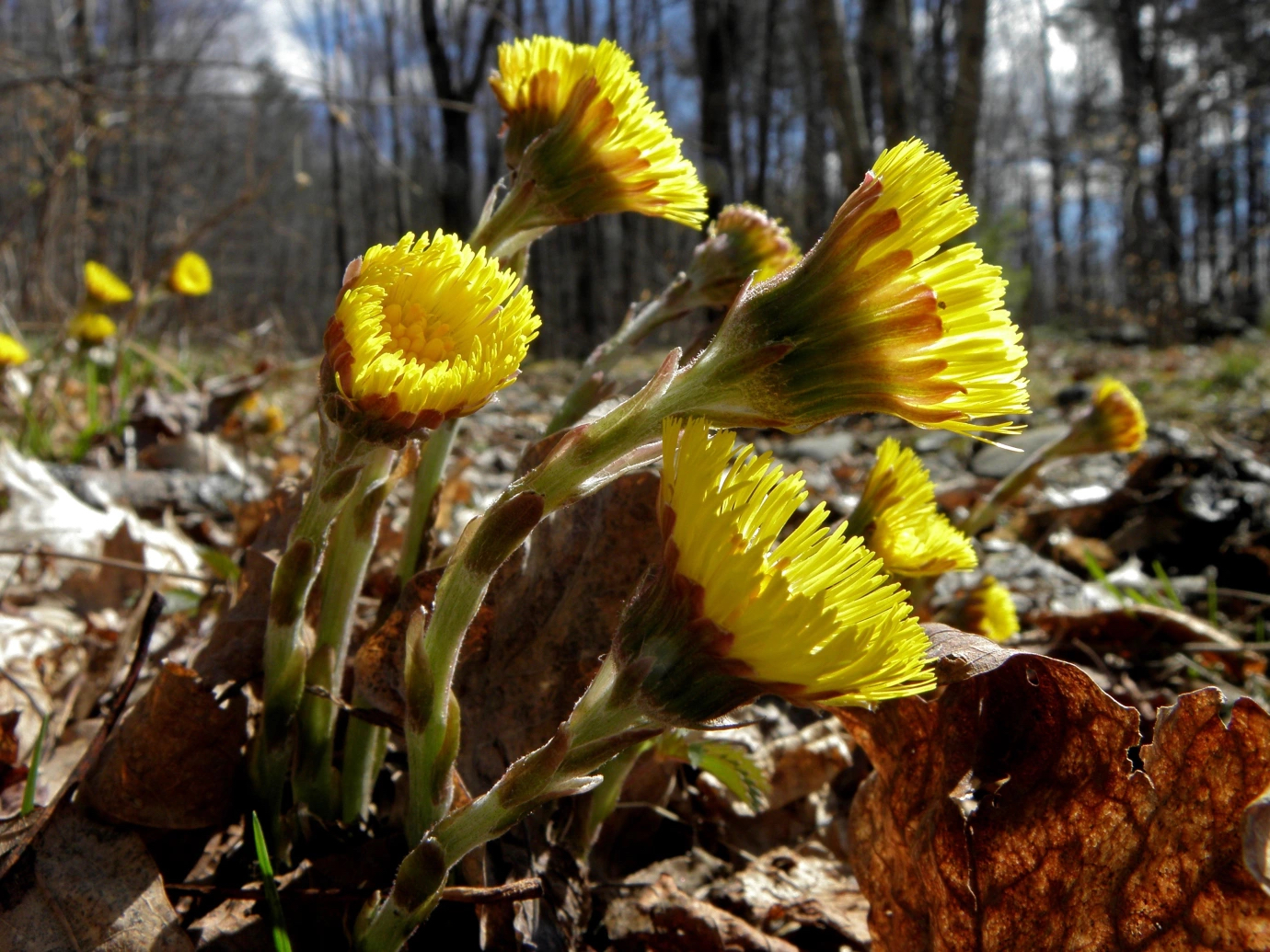
We dance like gnats in the sun.
in Thoreau’s Journal:
Passing up the Assabet, by the Hemlocks, where there has been a slide and some rocks have slid down into the river, I think I see how rocks come to be found in the midst of rivers. Rivers are continually changing their channels, —eating into one bank and adding their sediment to the other, —so that frequently where there is a great bend you see a high and steep bank or hill on one side, which the river washes, and a broad meadow on the other. As the river eats into the hill, especially in freshets, it undermines the rocks, large and small, and they slide down, alone or with the sand and soil, to the water’s edge.
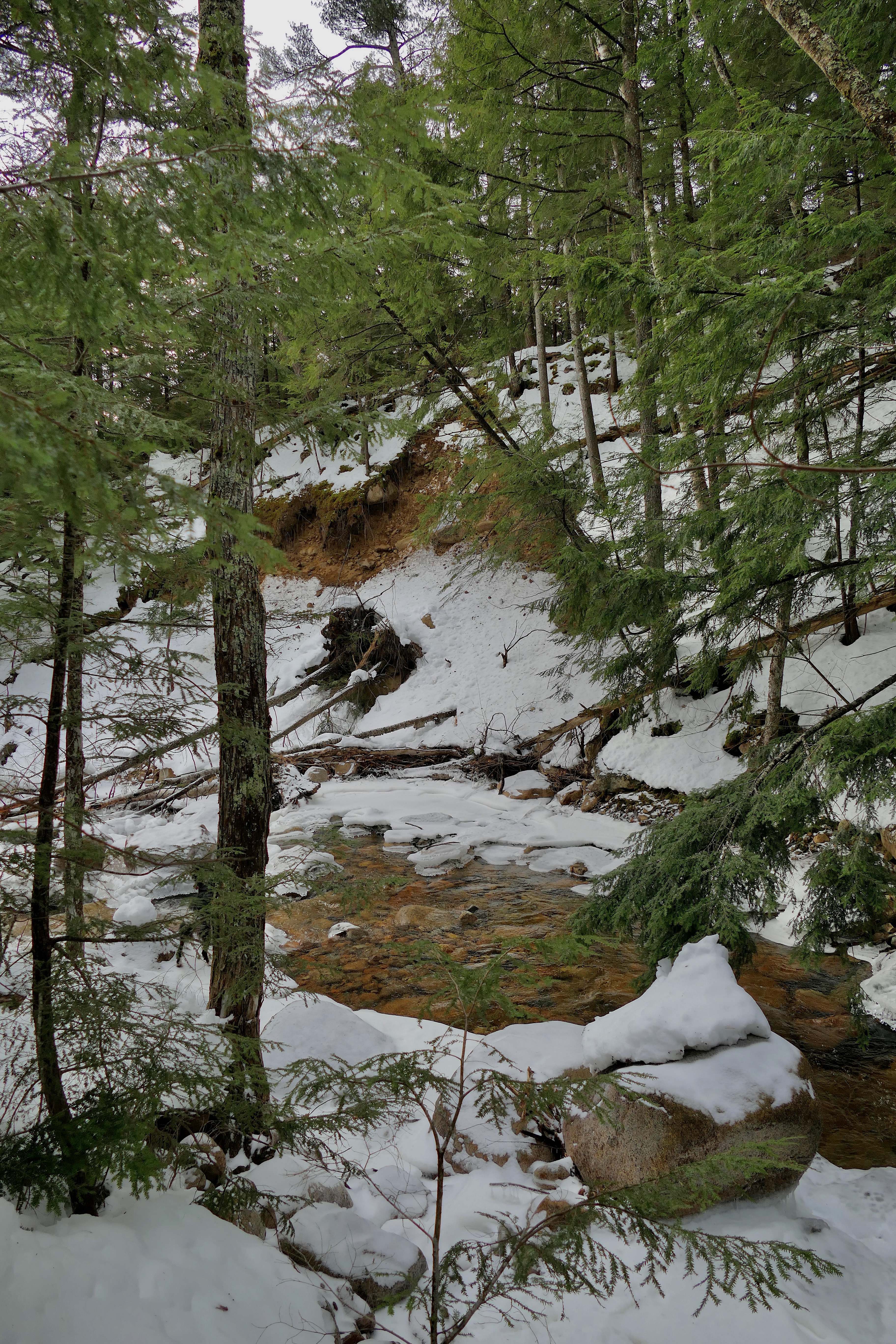
The river continues to eat into the hill, carrying away all the higher parts [of] the sand and soil, to add to its meadows or islands somewhere, but leaves the rocks where they rested, and thus in course of time they occupy the middle of the stream and, later still, the middle of the meadow, perchance, though it may be buried under the mud. But this does not explain how so many rocks lying in streams have been split in the direction of the current. Again, rivers appear to have travelled back and worn into the meadows of their creating, and then they become more meandering than ever. Thus in the course of ages the rivers wriggle in their beds, till it feels comfortable under them. Time is cheap and rather insignificant. It matters not whether it is a river which changes from side to side in a geological period or an eel that wriggles past in an instant.
in Thoreau’s Journal:
As I cannot go upon a Northwest Passage, then I will find a passage round the actual world where I am.
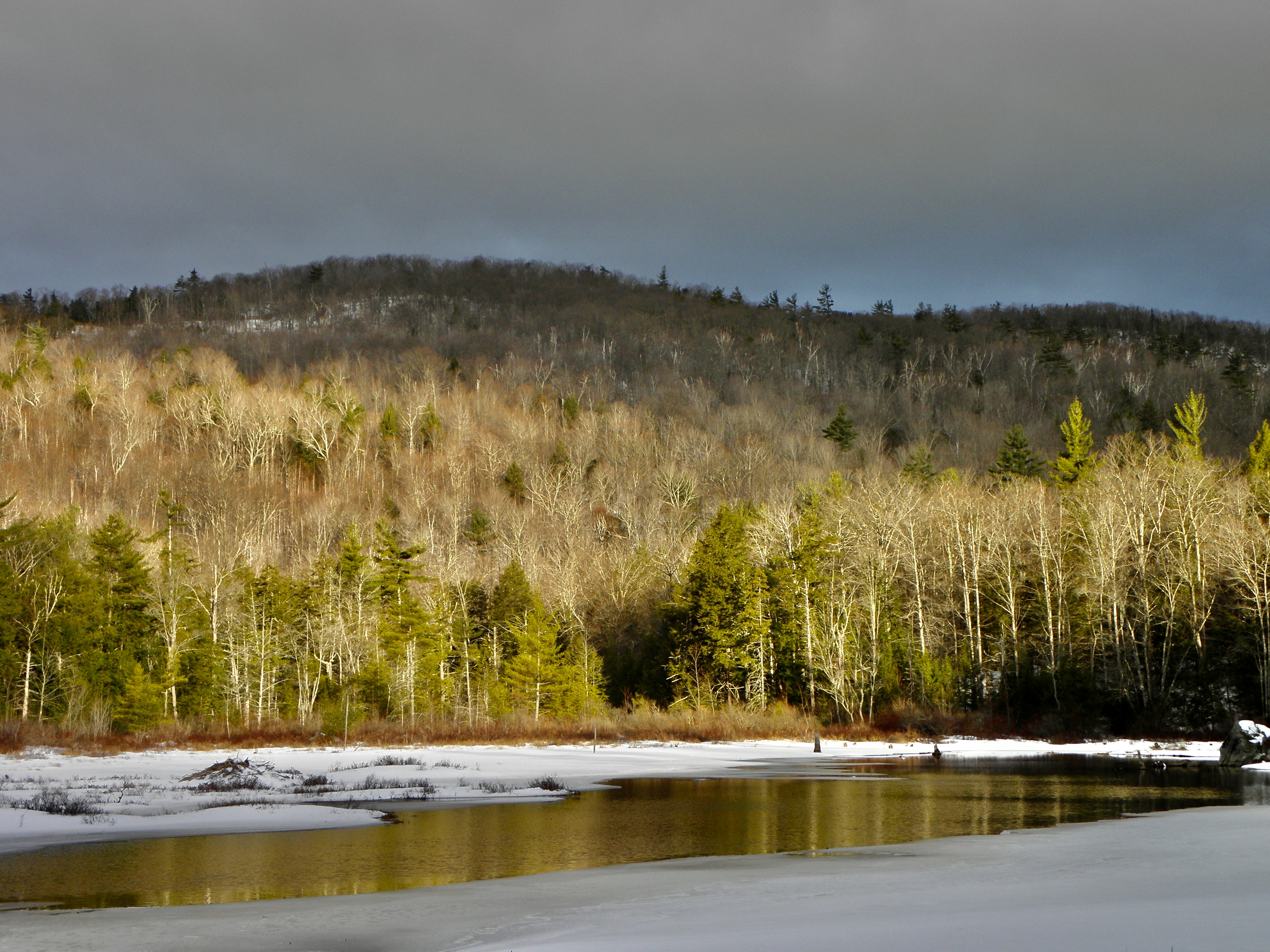
Connect the Behring Straits and Lancaster Sounds of thought; winter on Melville Island, and make a chart of Banks Land; explore the northward-trending Wellington Inlet, where there is said to be a perpetual open sea, cutting my way through floes of ice.
in Thoreau’s Journal:

Nothing can be more useful to a man than a determination not to be hurried.
in Thoreau’s Journal:


in Thoreau’s Journal:
The peculiarity of to-day is that now first you perceive that dry, warm, summer-presaging scent from dry oak and other leaves, on the sides of hills and ledges. You smell the summer from afar. The warmth makes a man young again. There is also some dryness, almost dustiness, in the roads. The mountains are white with snow, and sure as the wind is northwest it is wintry; but now it is more westerly.

The edges of the mountain snow melt into the sky. It is affecting to be put into communication with such distant objects by the power of vision, —actually to look into rich lands of promise. In this spring breeze, how full of life the silvery pines, probably the under sides of their leaves. Goose Pond is wholly open. Unexpectedly dry and crispy the grass is getting in warm places.
in Thoreau’s Journal:
Saturday. When I walk in the fields of Concord and meditate on the destiny of this prosperous slip of the Saxon family, the unexhausted energies of this new country, I forget that this which is now Concord was once Musketaquid, and that the American race has had its destiny also. Everywhere in the fields, in the corn and grain land, the earth is strewn with the relics of a race which has vanished as completely as if trodden in with the earth. I find it good to remember the eternity behind me as well as the eternity before. Wherever I go, I tread in the tracks of the Indian. I pick up the bolt which he has but just dropped at my feet. And if I consider destiny I am on his trail. I scatter his hearthstones with my feet, and pick out of the embers of his fire the simple but enduring implements of the wigwam and the chase. In planting my corn in the same furrow which yielded its increase to his support so long, I displace some memorial of him.
I have been walking this afternoon over a pleasant field planted with winter rye, near the house, where this strange people once had their dwelling-place. Another species of mortal men, but little less wild to me than the musquash they hunted. Strange spirits, daemons, whose eyes could never meet mine; with another nature and another fate than mine. The crow’s flew over the edge of the woods, and, wheeling over my head, seemed to rebuke, as dark-winged spirits more akin to the Indian thanI. Perhaps only the present disguise of the Indian. If the new has a meaning, so has the old.
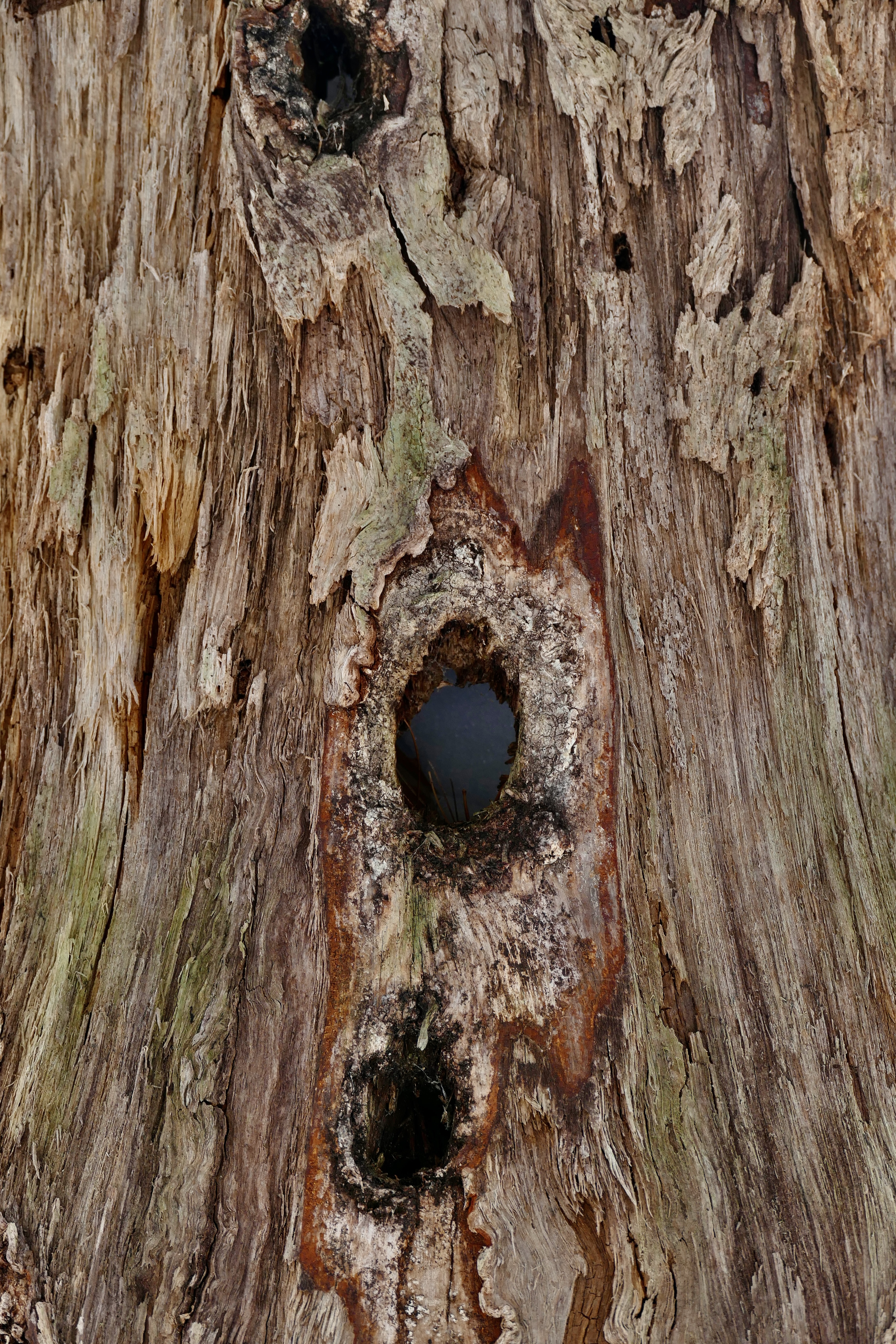
Nature has her russet hues as well as green. Indeed, our eye splits on every object, and we can as well take one path as the other. If I consider its history, it is old if its destiny, it is new. I may see a part of an object, or the whole. I will not be imposed on and think Nature is old because the season is advanced. I will study the botany of the mosses and fungi on the decayed [wood], and remember that decayed wood is not old, but has just begun to be what it is. I need not think of the pine almond or the acorn and sapling when I meet the fallen pine or oak, more than of the generations of pines and oaks which have fed the young tree. The new blade of the corn, the third leaf of the melon, these are not green but gray with time, but sere in respect of time.
The pines and the crows are not changed, but instead that Philip and Paugus stand on the plain, here are Webster and Crockett. Instead of the council-house is the legislature. What a new aspect have new eyes given to the land! Where is this country but in the hearts of its inhabitants ? Why, there is only so much of Indian America left as there is of the American Indian in the character of this generation.
A blithe west wind is blowing over all. In the fine flowing haze, men at a distance seem shadowy and gigantic, as ill-defined and great as men should always be. I do not know if yonder be a man or a ghost. What a consolation are the stars to man! — so high and out of his reach, as is his own destiny. I do not know but my life is fated to be thus low and grovelling always. I cannot discover its use even to myself. But it is permitted to see those stars in the sky equally useless, yet highest of all and deserving of a fair destiny. My fate is in some sense linked with that of the stars, and if they are to persevere to a great end, shall I die who could conjecture it? It surely is some encouragement to know that the stars are my fellow-creatures, for I do not suspect but they are reserved for a high destiny. Has not he who discovers and names a planet in the heavens as long a year as it? I do not fear that any misadventure will befall them. Shall I not be content to disappear with the missing stars? Do I mourn their fate?
Man’s moral nature is a riddle which only eternity can solve.
I see laws which never fail, of whose failure I never conceived. Indeed I cannot detect failure anywhere but in my fear. I do not fear that right is not right, that good is not good, but only the annihilation of the present existence. But only that can make me incapable of fear. My fears are as good prophets as my hopes.
in Thoreau’s Journal:
Now, then, spring is beginning again in earnest after this short check. Is it not always thus? Is there not always an early promise of spring, something answering to the Indian summer, which succeeds the summer, so an Indian or false spring preceding the true spring — first false promise which merely excites our expectations to disappoint them, followed by a short return of winter? Yet all things appear to have made progress, even during these wintry days, for I cannot believe that they have thus instantaneously taken a start….
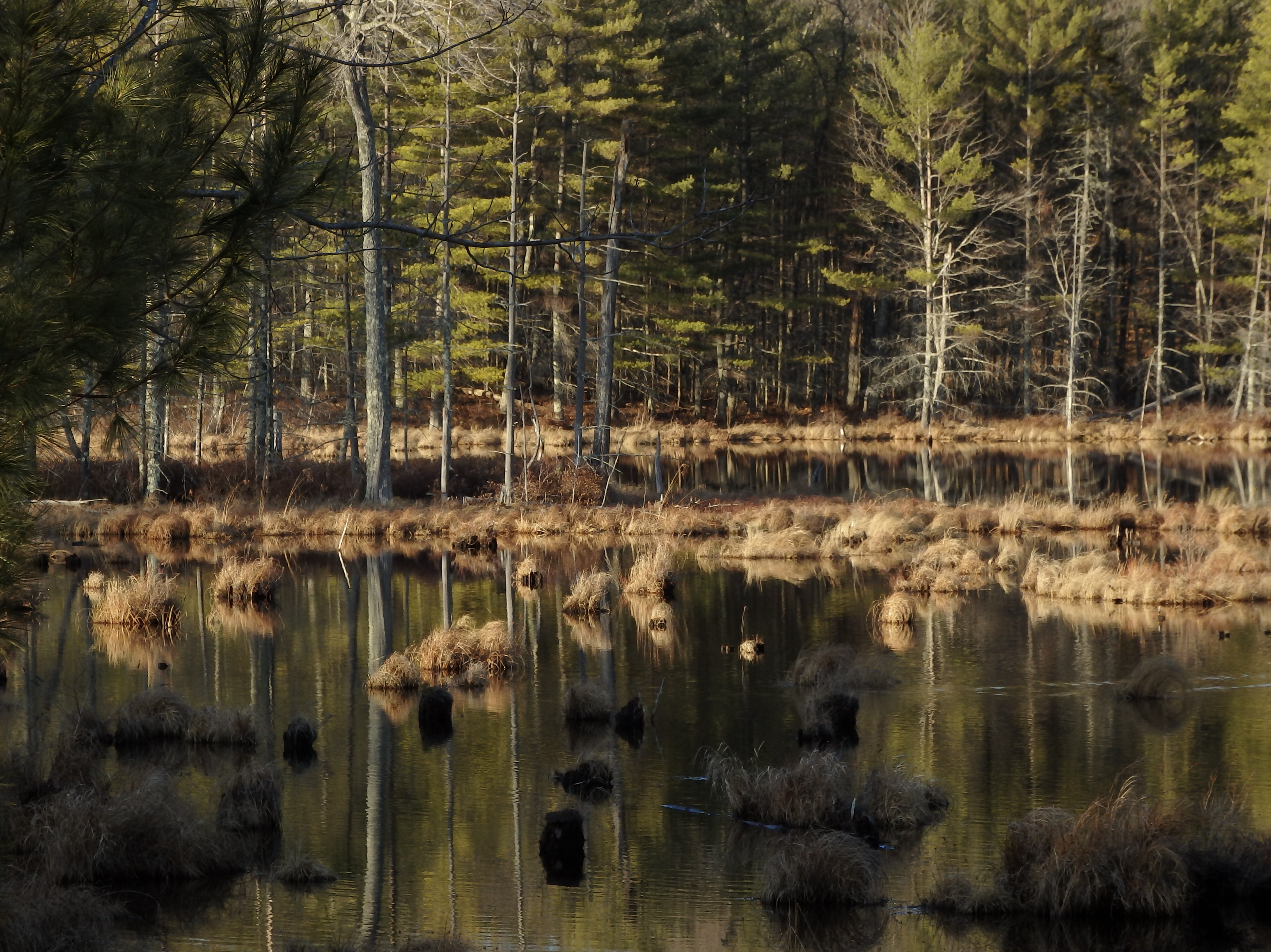
The sun is now declining, with a warm and bright light on all things, a light which answers to the late afternoon glow of the year, when, in the fall, wrapping his cloak closer about him, the traveller goes home at night to prepare for winter. This the foreglow of the year, when the walker goes home at even to dream of summer.
in Thoreau’s Journal:
How different to-day from yesterday! Yesterday was a cool, bright day, the earth just washed bare by the rain, and a strong northwest wind raised respectable billows on our vernal seas and imparted remarkable life and spirit to the scene. Today it is perfectly still and warm. Not a ripple disturbs the surface of these lakes, but every insect, every small black beetle struggling on it, is betrayed; but, seen through this air, though many might not notice the difference, the russet surface of the earth does not shine, is not bright. I see no shining russet islands with dry but flushing oak leaves. The air is comparatively dead when I attend to it, and it is as if there were the veil of a fine mist over all objects, dulling their edges. Yet this would be called a clear day. These aerial differences in the days are not commonly appreciated, though they affect our spirits.

in Thoreau’s Journal:
A new phase of the spring is presented, a new season has come…we no longer see dripping, saturated russet and brown banks through rain, hearing at intervals the alarm notes of early robins, banks which reflect a yellowish light, but we see the bare and now pale-brown and dry russet hills. The earth has cast off her white coat and come forth in her clean-washed, sober russet, early spring dress. As we look over the lively tossing blue waves for a mile or more eastward and westward our eyes fall on these shining russet hills and Ball’s Hill appears in this strong light at the verge of this undulating blue plain, like some glorious newly created island of the spring, just sprung up from the bottom in the midst of the blue waters. The fawn-colored oak leaves, with a few pines intermixed, thickly covering the hill, look not like a withered vegetation, but an ethereal kind, just expanded and peculiarly adapted to the season and the sky.
in Thoreau’s Journal:
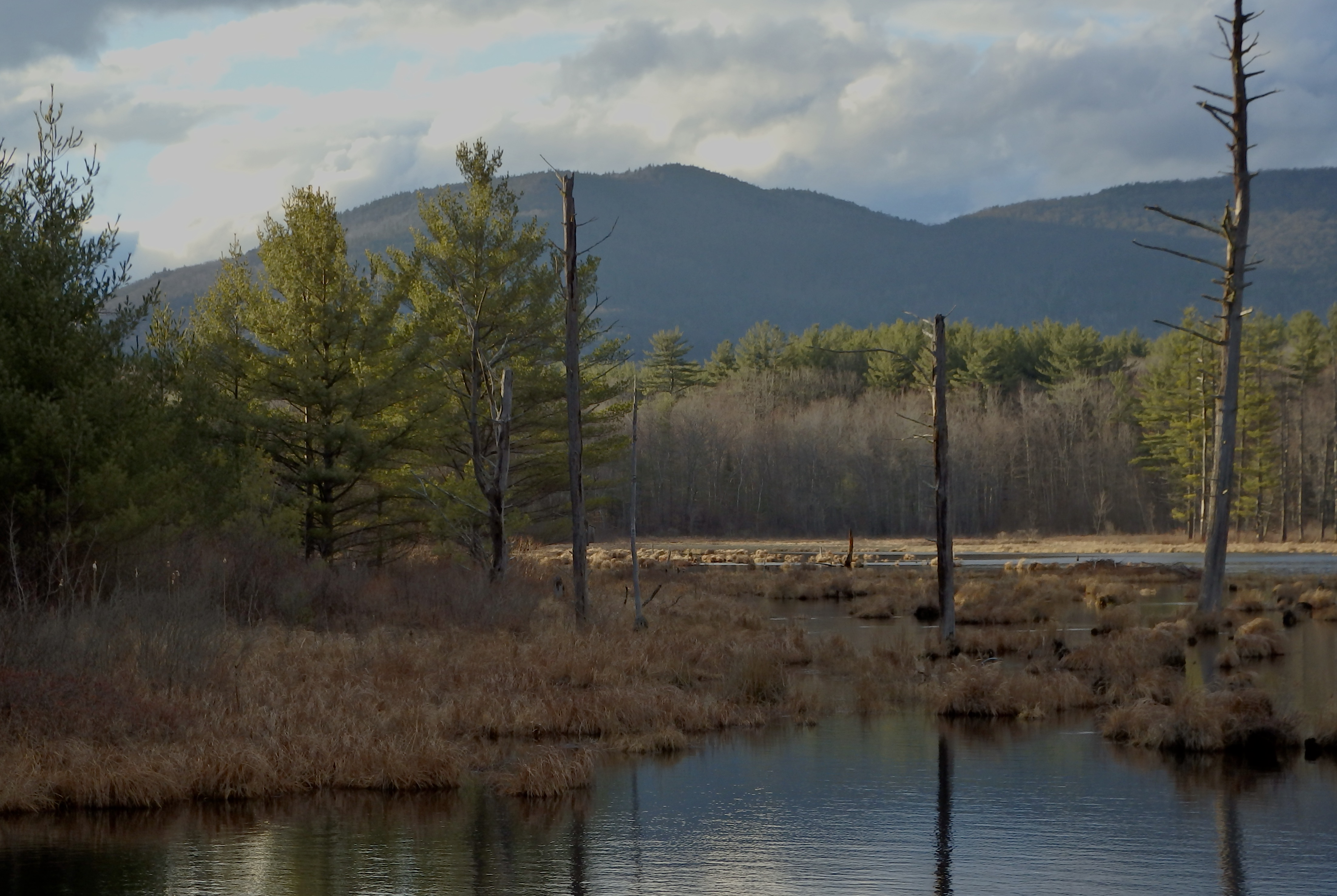
This afternoon I throw off my outside coat. A mild spring day–– I must hie to the great Meadows. The air is full of blue-birds. The ground almost entirely bare. The villagers are out in the sun––and every man is happy whose work takes him out doors–– I go by sleepy Hollow toward the Great Fields–– I lean over a rail to hear what is in the air liquid with the blue-bird’s warble. My life partakes of infinity. The air is as deep as our natures. Is the drawing in of this vital air attended with no more glorious results than I witness? The air is a velvet cushion against which I press my ear––

I go forth to make new demands on life. I wish to begin this summer well––to do something in it worthy of it & of me–– To transcend my daily routine––& that of my townsmen to have my immortality now––that it be in the quality of my daily life. To pay the greatest price-the-greatest tax of any man in Concord––& enjoy the most!! I will give all I am for my nobility. I will pay all my days for my success. I pray that the life of this spring & summer may ever lie fair in my memory. May I dare as I have never done.–– May my melody not be wanting to the season….It is reasonable that a man should be something worthier at the end of the year than he was at the beginning….We go out without our coats saunter along the streets look at the aments of the willow beginning to appear & the swelling buds of the maple & the elm.
in Thoreau’s Journal:
If I know what I love, it is because I remember it.
in Thoreau’s Journal:
All enterprises must be self-supporting, must pay for themselves. The great art of life is how to turn the surplus life of the soul into life for the body — that so the life not be a failure.
For instance, a poet must sustain his body with his poetry. As is said of the merchants, in ninety-nine cases out of a hundred the life of men is a failure, and bankruptcy may be surely prophesied. You must get your living by loving.
in Thoreau’s Journal:
It is essential that a man confine himself to pursuits —a scholar, for instance, to studies —which lie next to and conduce to his life, which do not go against the grain, either of his will or his imagination. The scholar finds in his experience some studies to be most fertile and radiant with light, others dry, barren, and dark. If he is wise, he will not persevere in the last, as a plant in a cellar will strive toward the light. He will confine the observations of his mind as closely as possible to the experience or life of his senses. His thought must live with and be inspired with the life of the body. The deathbed scenes and observations even of the best and wisest afford but a sorry picture of our humanity. Some men endeavor to live a constrained life, to subject their whole lives to their wills, as he who said he would give a sign if he were conscious after his head was cut off, —but he gave no sign.

Dwell as near as possible to the channel in which your life flows. A man may associate with such companions, he may pursue such employments, as will darken the day for him. Men choose darkness rather than light.
in Thoreau’s Journal:
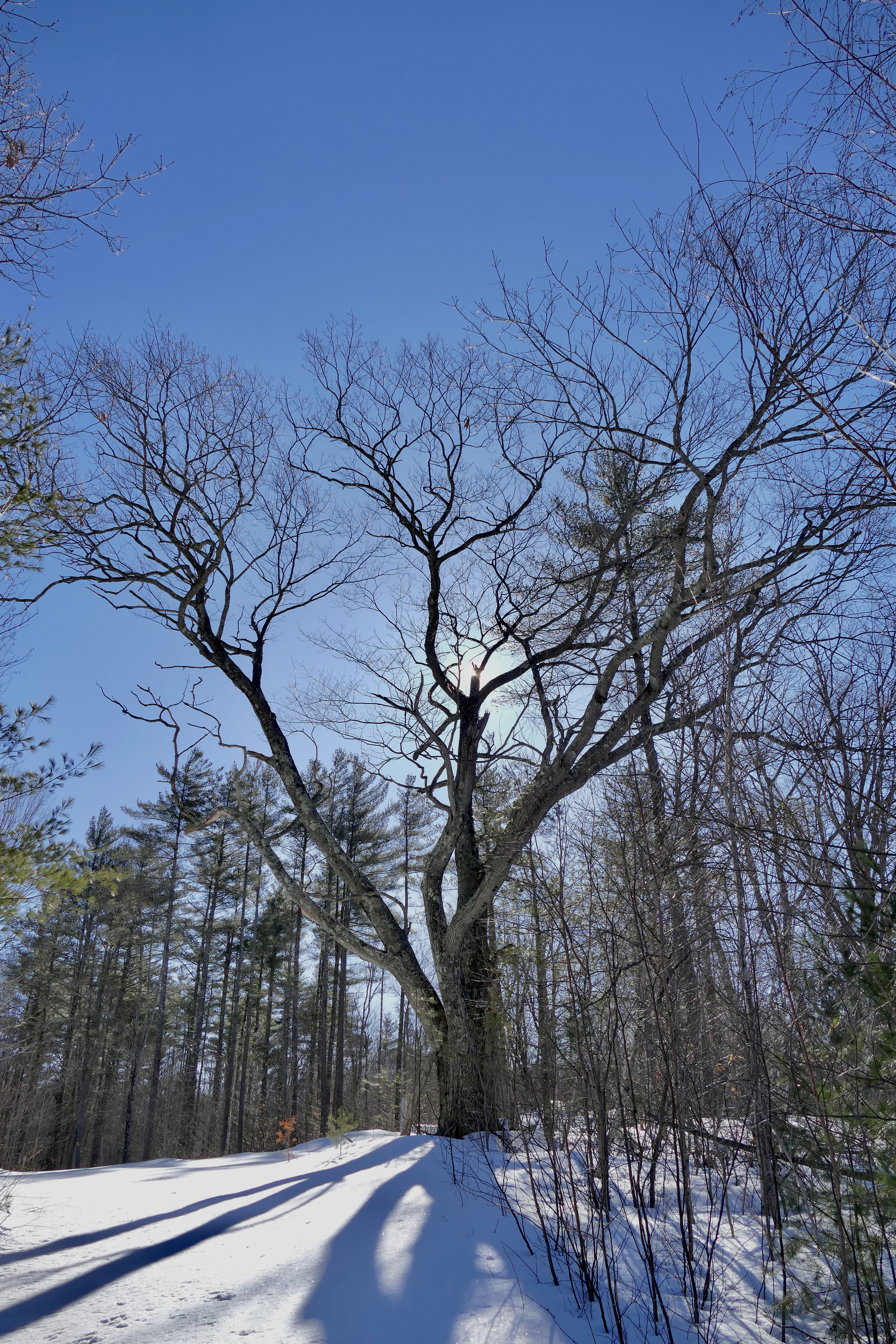
I wish so to live ever as to derive my satisfaction and inspirations from the commonest events, every-day phenomena, so that what my senses hourly perceive in my daily walk, the conversations of my neighbors, may inspire me and I may dream of no heaven but that which lies about me.

in Thoreau’s Journal:
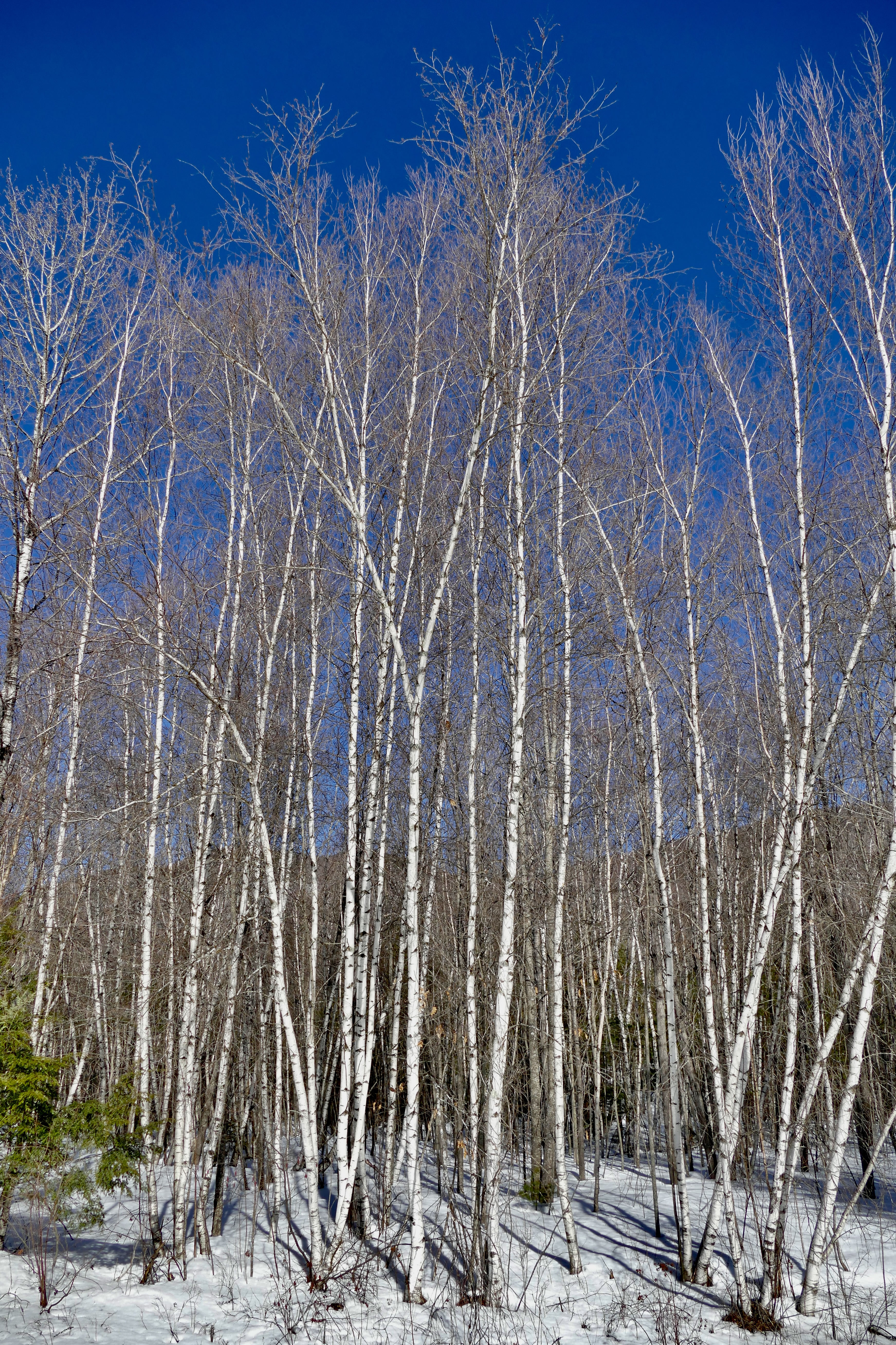
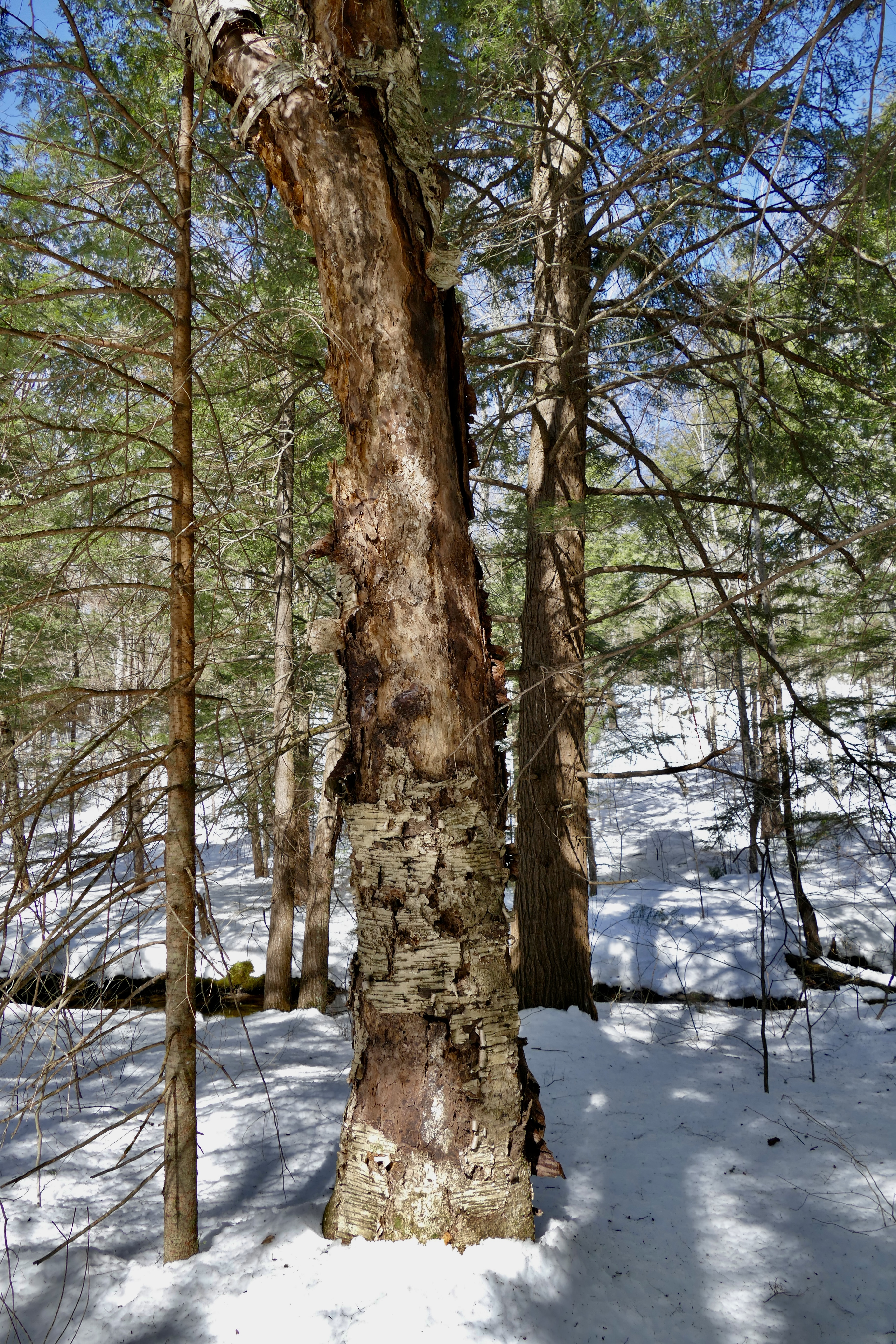
There is a fine effluence surrounding the wood, as if the sap had begun to stir and you could detect it a mile off. Such is the difference between an object seen through a warm, moist, and soft air and a cold, dry, hard one. Such is the genialness of nature that the trees appear to have put out feelers by which our senses apprehend them more tenderly. I do not know that the woods are ever more beautiful, or affect me more.
I feel it to be a greater success as a lecturer to affect uncultivated natures than to affect the most refined, for all cultivation is necessarily superficial, and its roots may not even be directed toward the centre of the being.
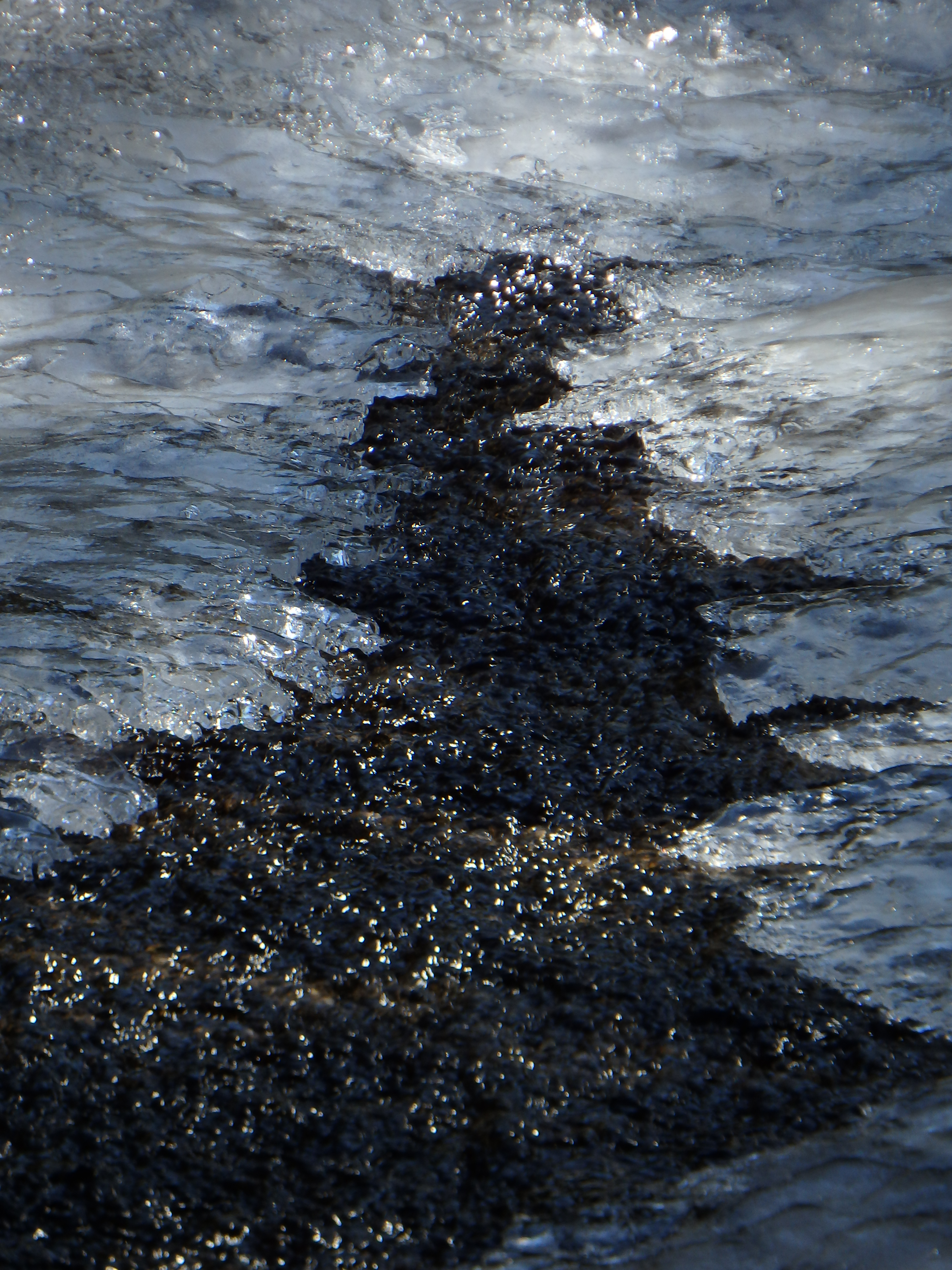
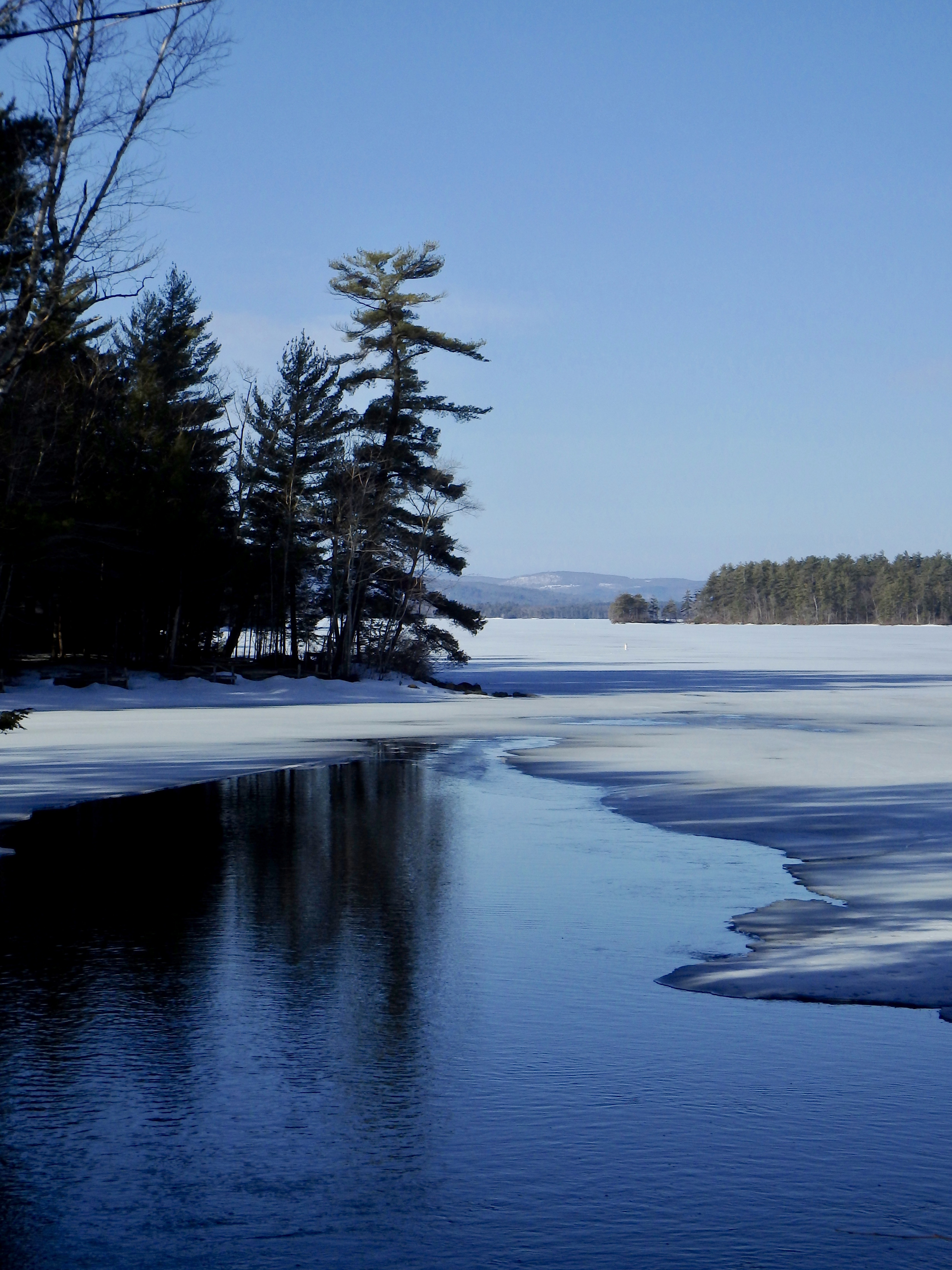
Rivers, too, like the walker, unbutton their icy coats, and we see the dark bosoms of their channels in the midst of the ice. Again, in pools of melted snow, or where the river has risen, I look into clear, placid water, and see the russet grassy bottom in the sun….
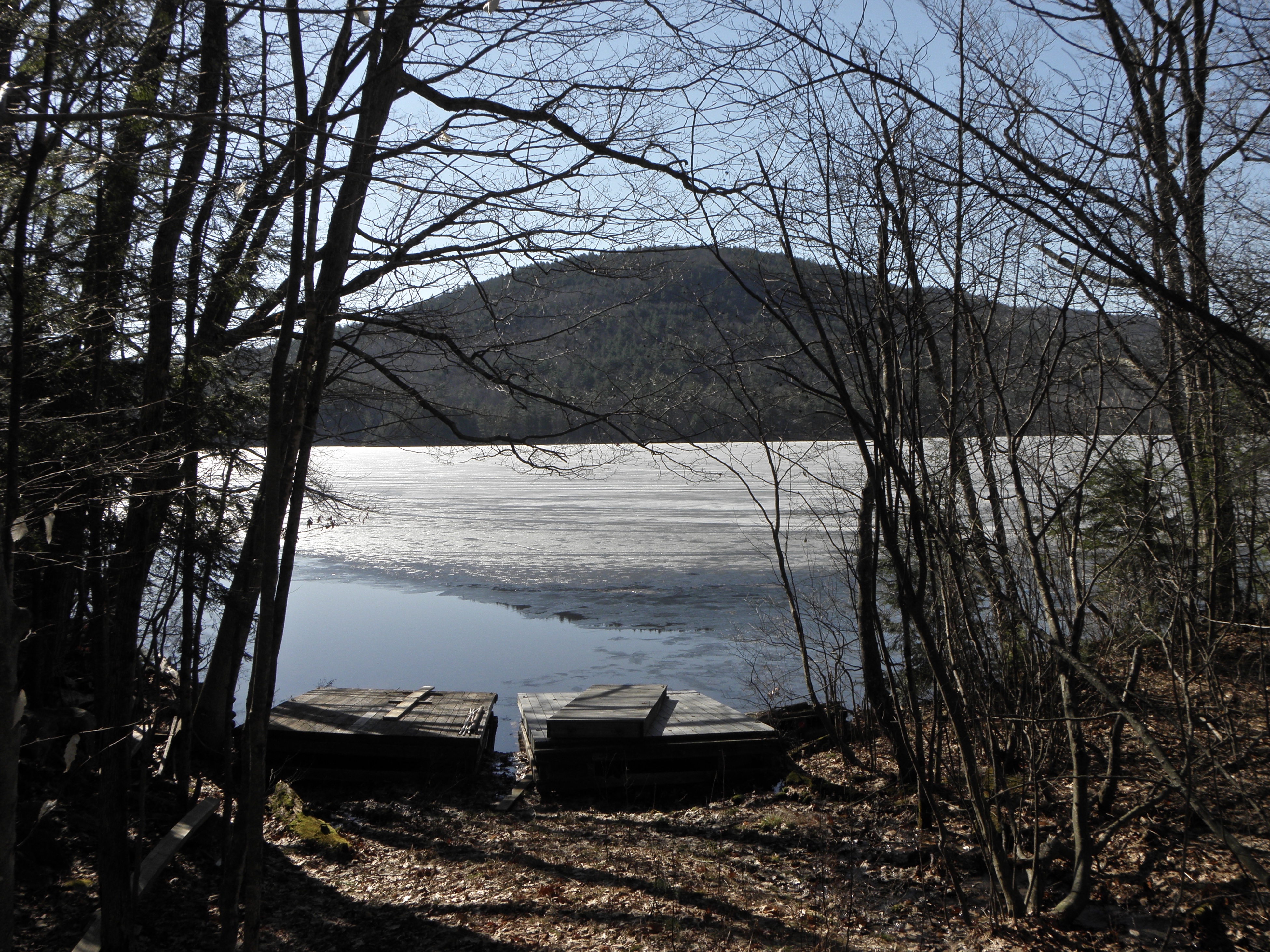
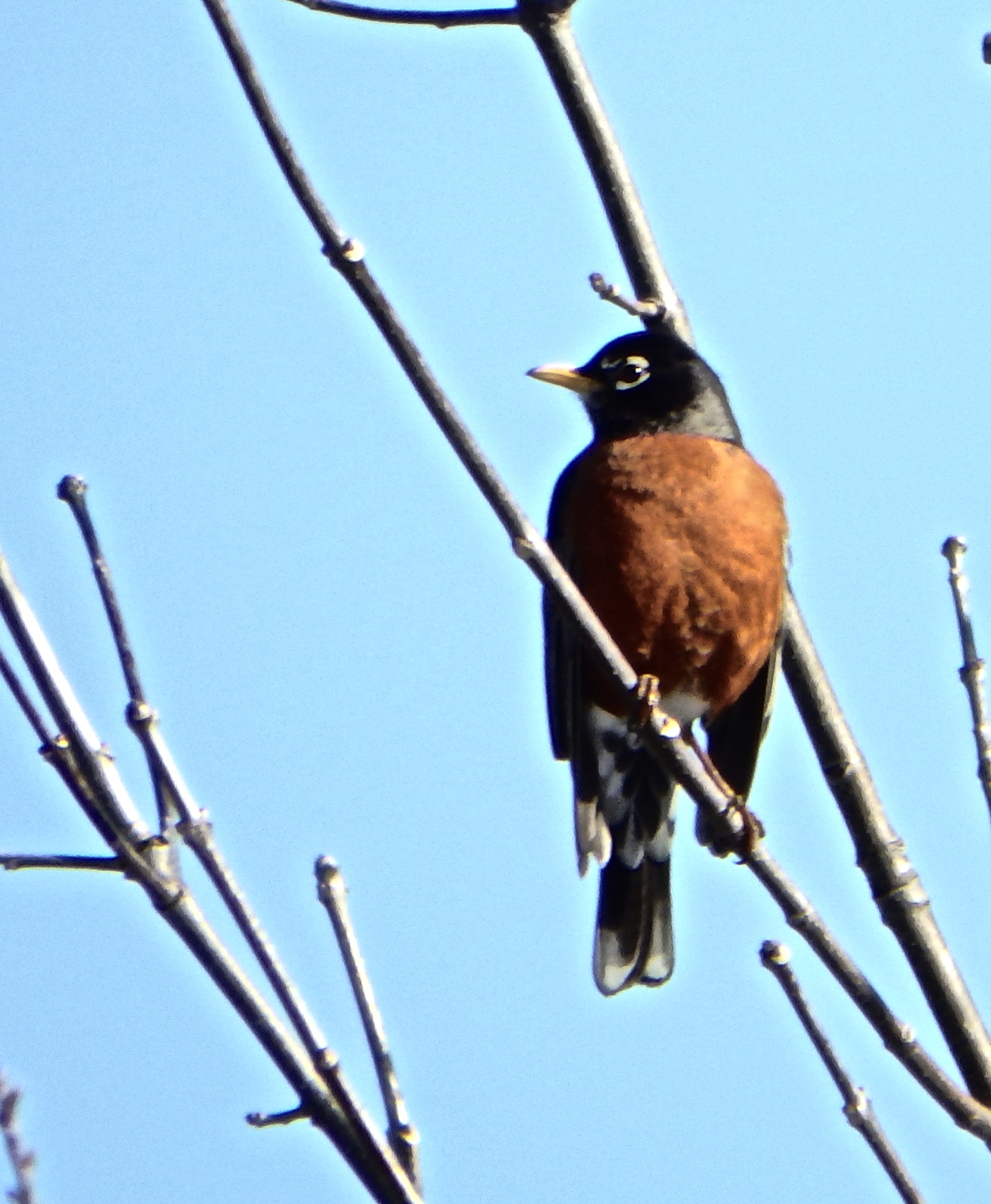
As we sit in this wonderful air, many sounds — that of woodchopping, for one — come to our ears agreeably blunted or muffled, even like the drumming of a partridge, not sharp and rending as in winter and recently. If a partridge should drum in winter, probably it would not reverberate so softly through the wood and sound indefinitely far. Our voices, even, sound differently and betray the spring. We speak as in a house, in a warm apartment still, with relaxed muscles and softened voices. The voice, like a woodchuck in his burrow, is met and lapped in and encouraged by all genial and sunny influences. There may be heard now, perhaps, under south hillsides and the south sides of houses, a slight murmur of conversation, as of insects, out of doors.
These earliest spring days are peculiarly pleasant. We shall have no more of them for a year. I am apt to forget that we may have raw and blustering days a month hence. The combination of this delicious air, which you do not want to be warmer or softer, with the presence of ice and snow, you sitting on the bare russet portions, the south hillsides, of the earth, this is the charm of these days. It is the summer beginning to show itself like an old friend in the midst of winter. You ramble from one drier russet patch to another. These are your stages. You have the air and sun of summer, over snow and ice, and in some places even the rustling of dry leaves under your feet, as in Indian-summer days.
in Thoreau’s Journal:

These March winds, which make the woods roar and fill the world with life and bustle, appear to wake up the trees out of their winter sleep and excite the sap to flow. I have no doubt they serve some such use, as well as to hasten the evaporation of the snow and water.

in Thoreau’s Journal:
I live in the perpetual verdure of the globe.
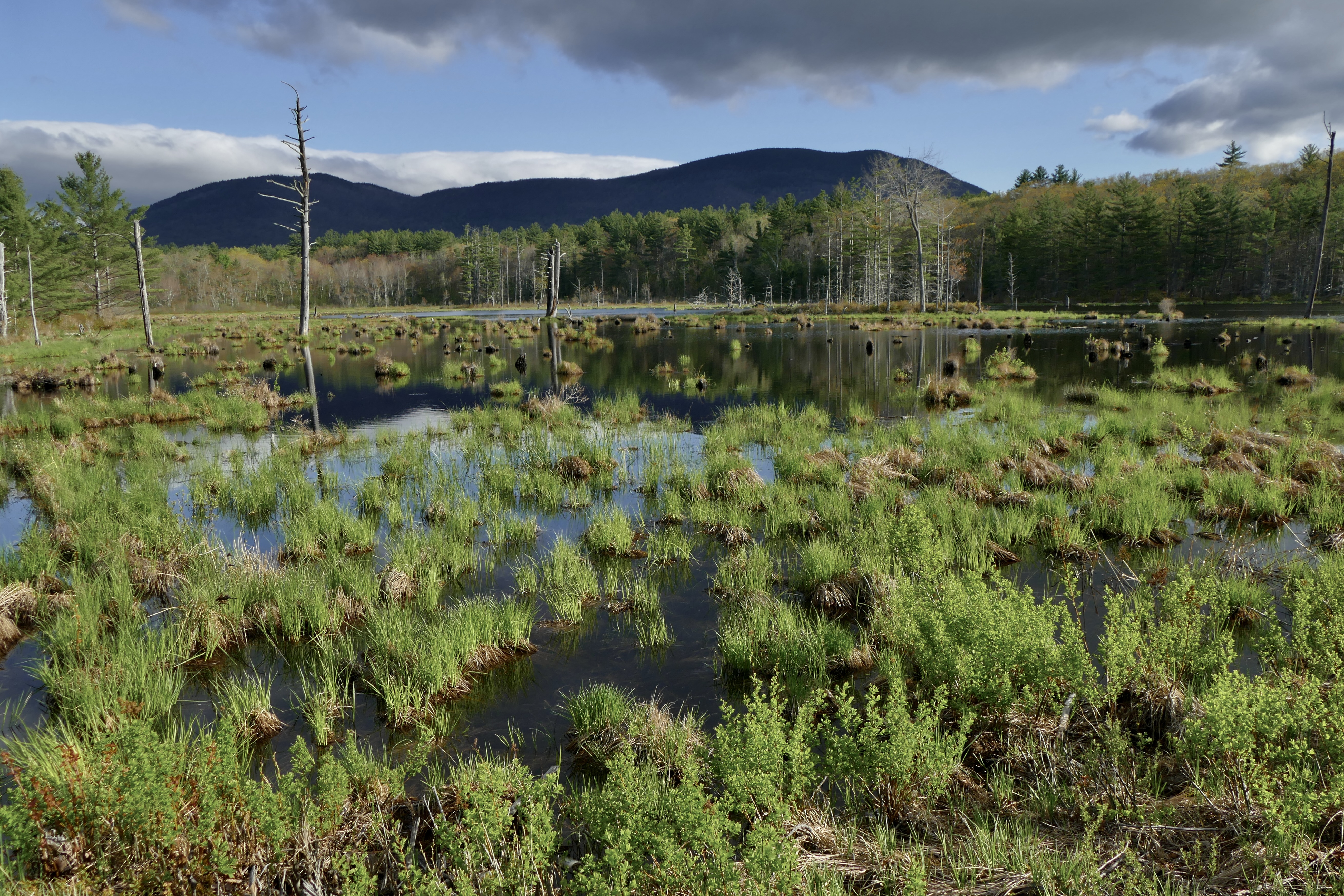
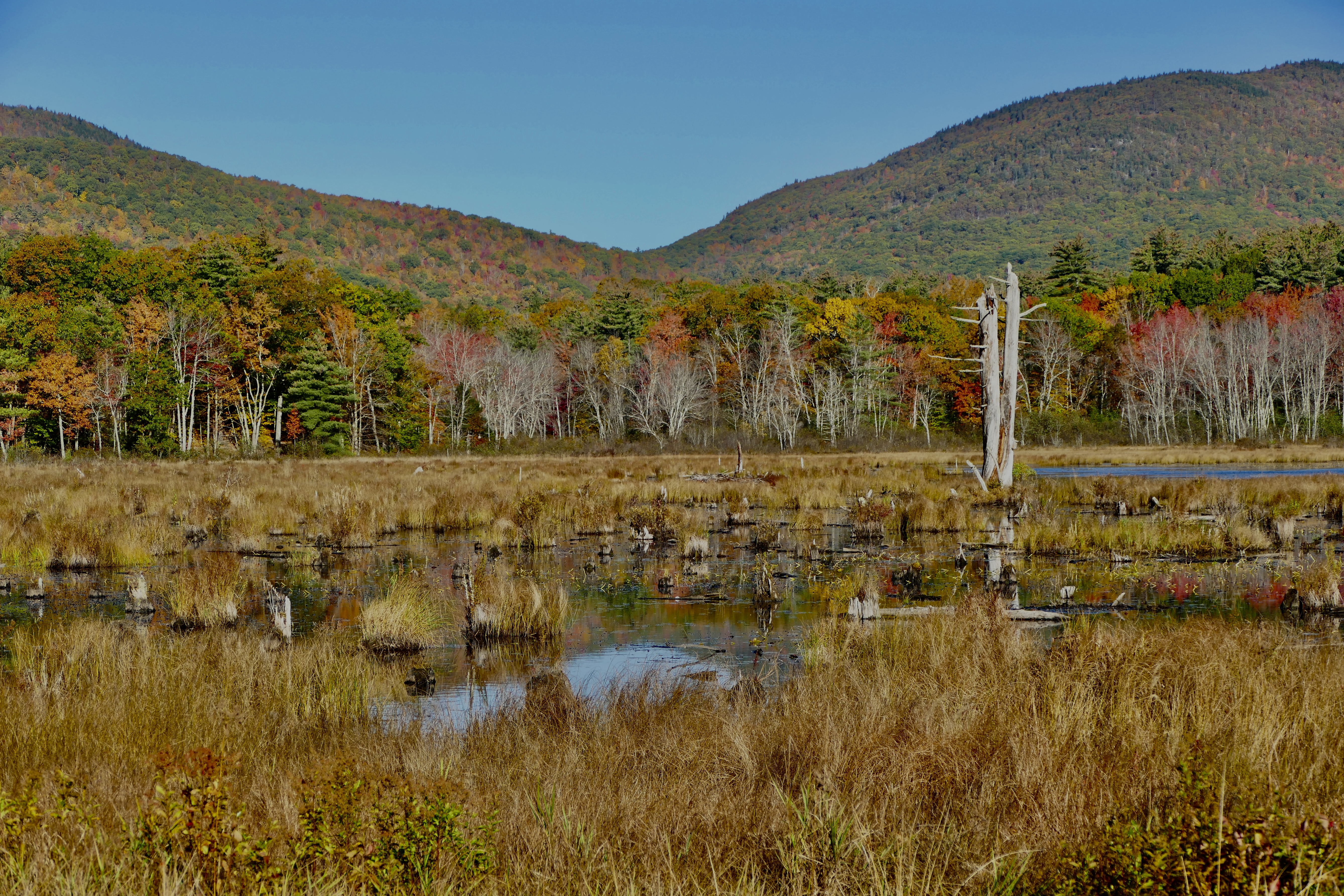
I die in the annual decay of nature.
 allandibiase.com
You must be logged in to post a comment.