in Thoreau’s Journal:
[This post is a fytte or section of Thoreau’s Journal which is a poem.]

in Thoreau’s Journal:
[This post is a fytte or section of Thoreau’s Journal which is a poem.]
in Thoreau’s Journal:
The mice tracks are very amusing. It is surprising how numerous they are—& yet I rarely see one—
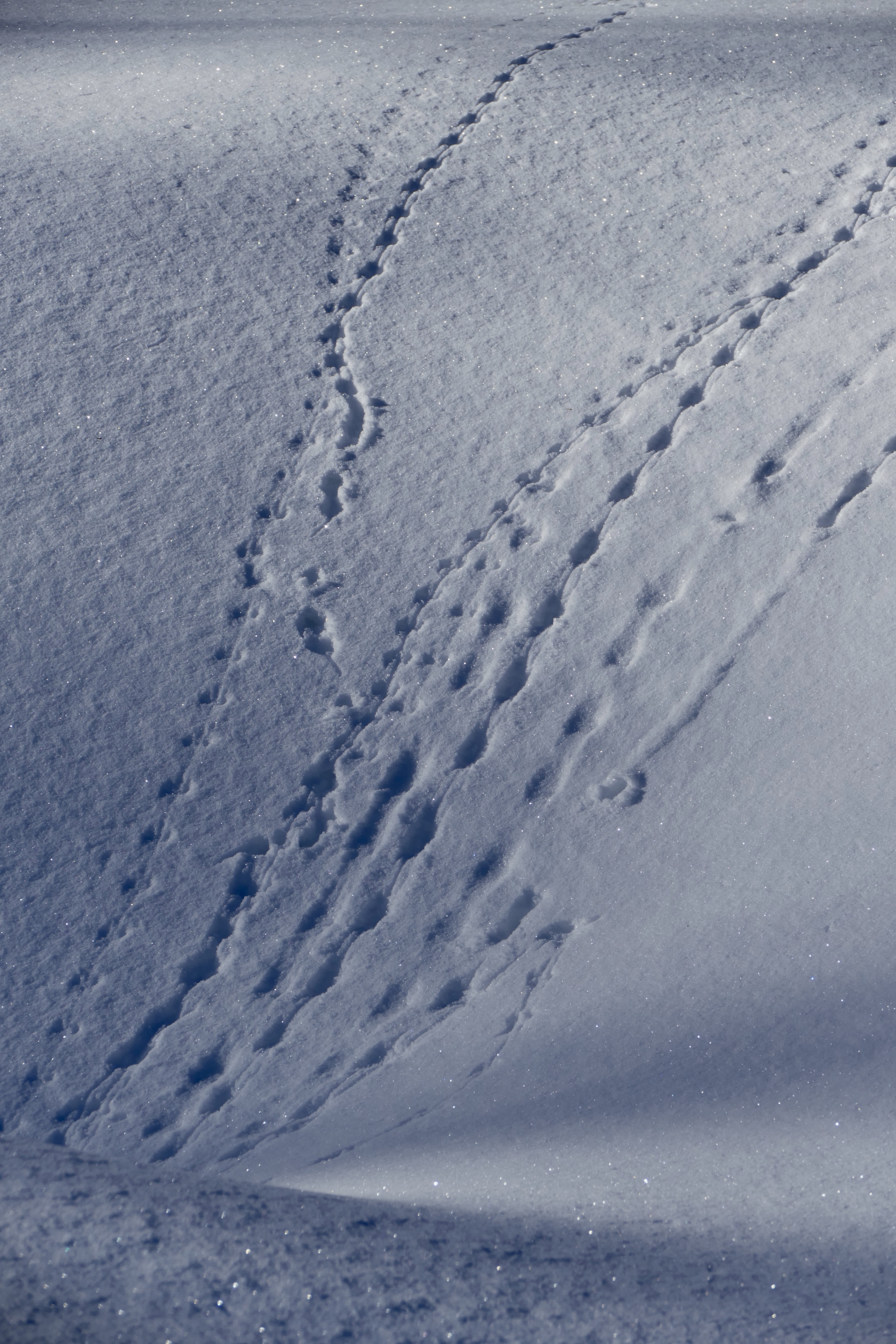
….Any tussocky ground is scored with them— ….You see deep & distinct channels in the snow in some places as if a whole colony had long traveled to & fro in them—a high-way—a well-known trail—but suddenly they will come to an end—& yet they have not dived beneath the snow…
in Thoreau’s Journal:
2 pm To Walden
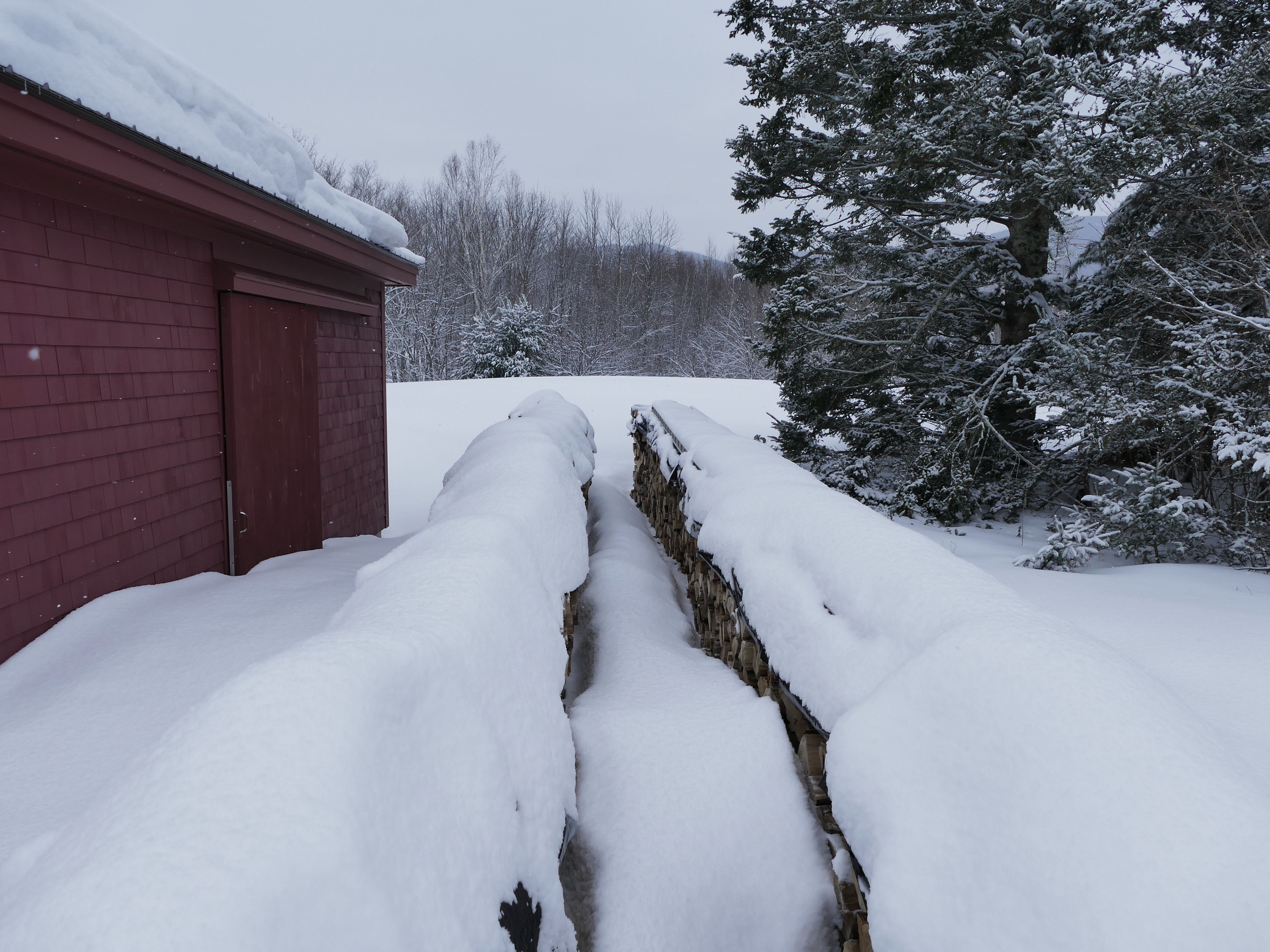

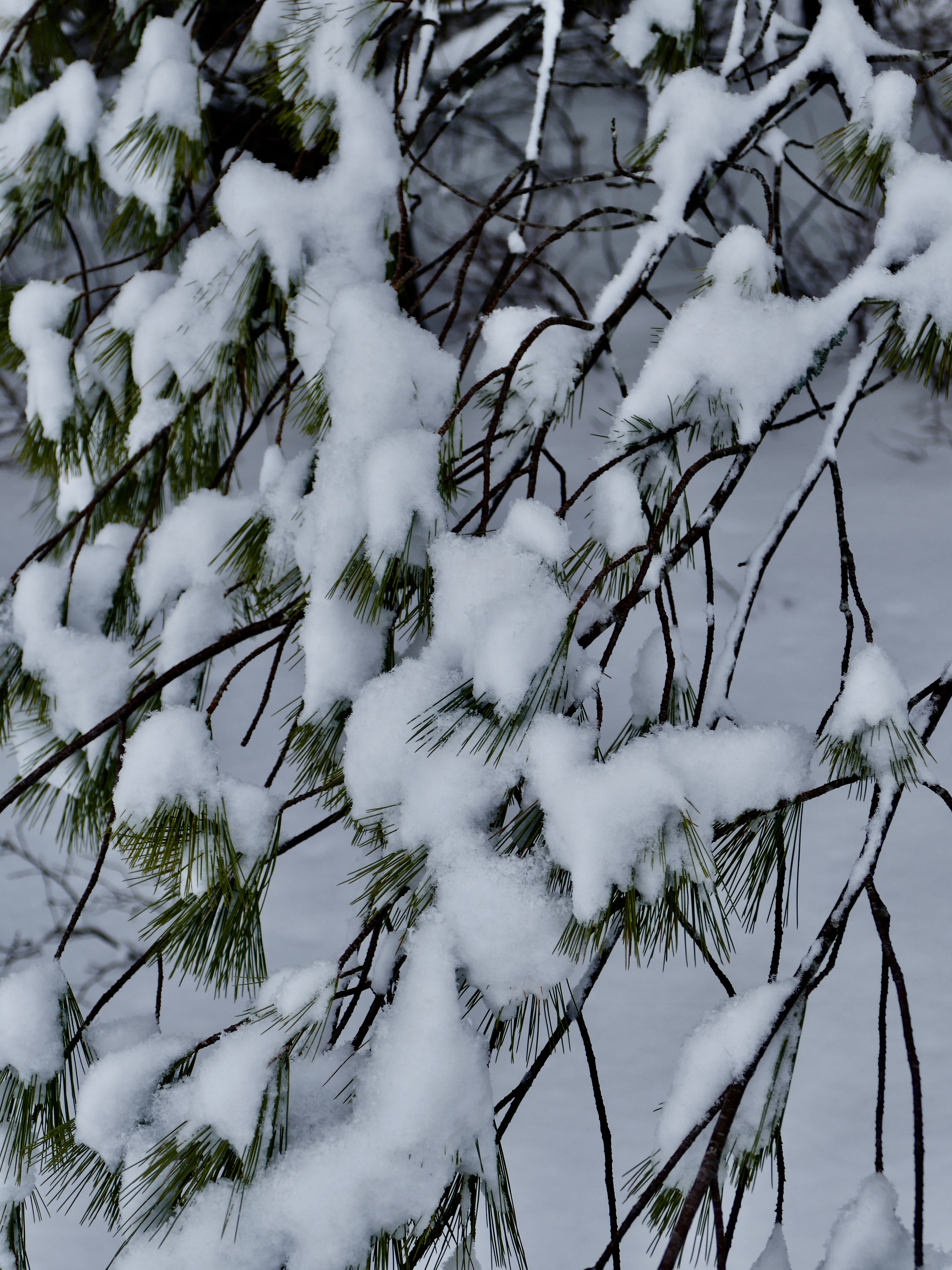
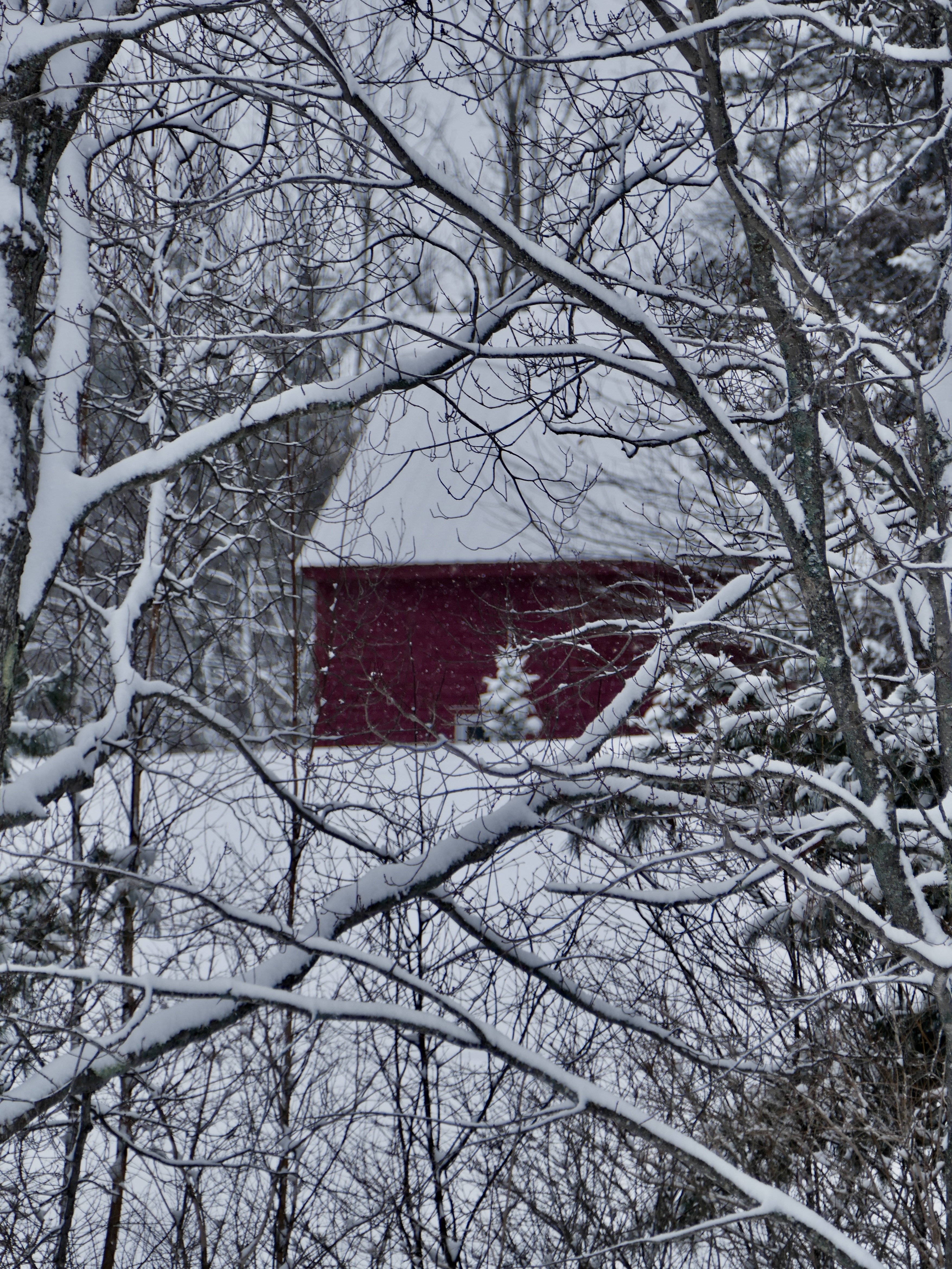
A snow-storm which began in the night –& is now 3 or 4 inches deep– The ground which was more than half bare before–is thus suddenly concealed–& the snow lodges on the trees & fences & sides of houses–& we have a perfect wintry scene again– We hear that it stormed at Philadelphia yesterday morning.
in Thoreau’s Journal:

Why should we not still continue to live with the intensity & rapidity of infants? Is not the world––are not the heavens––as unfathomed as ever? Have we exhausted any joy––any sentiment?

in Thoreau’s Journal:

We shall see but little way if we require to understand what we see. How few things can a man measure with the tape of his understanding! How many greater things might he be seeing in the meanwhile!
in Thoreau’s Journal:
Winter comes to make walking possible where there was no walking in the summer. Not till winter can we take possession of the whole of our territory…The wonderful stillness of a winter day! The sources of sound are, as it were, frozen up…A transient acquaintance with any phenomenon is not sufficient to make it completely the subject of your muse. You must be so conversant with it as to remember it, and be reminded of it long afterward, while it lies remotely fair and elysian in the horizon, approachable only by the imagination.

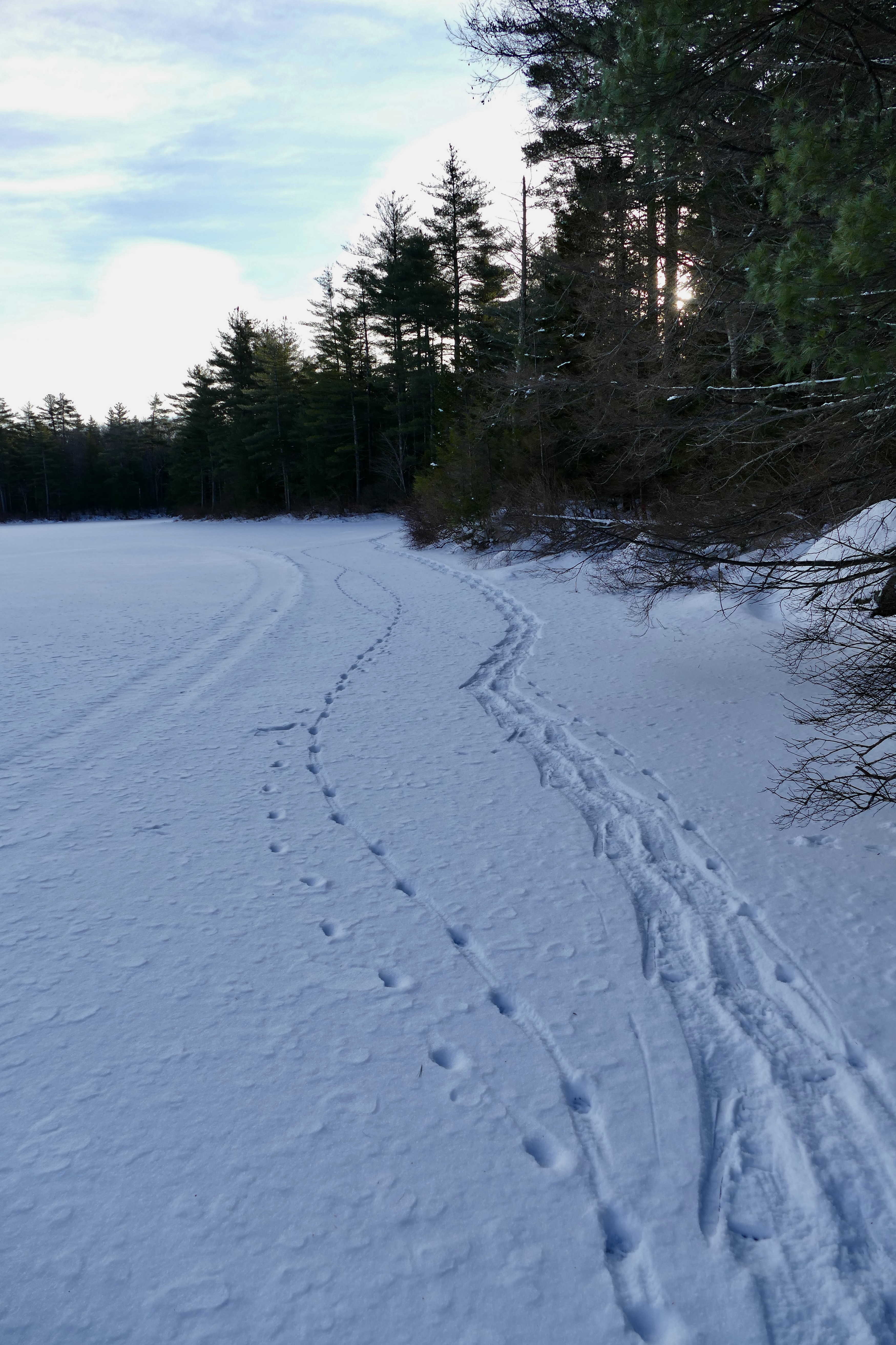
in Thoreau’s Journal:
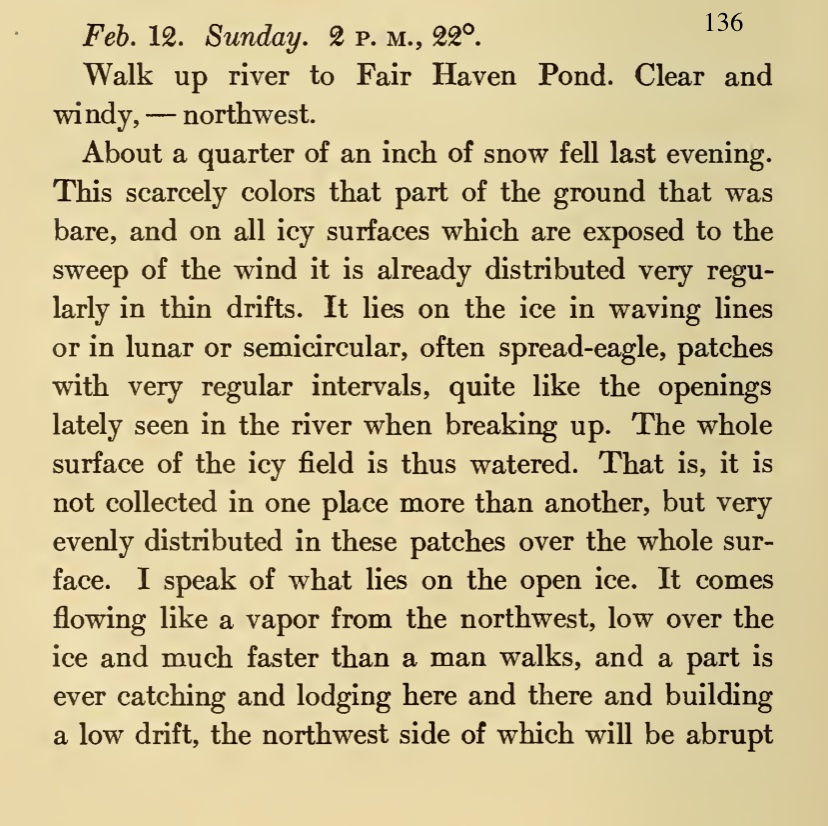
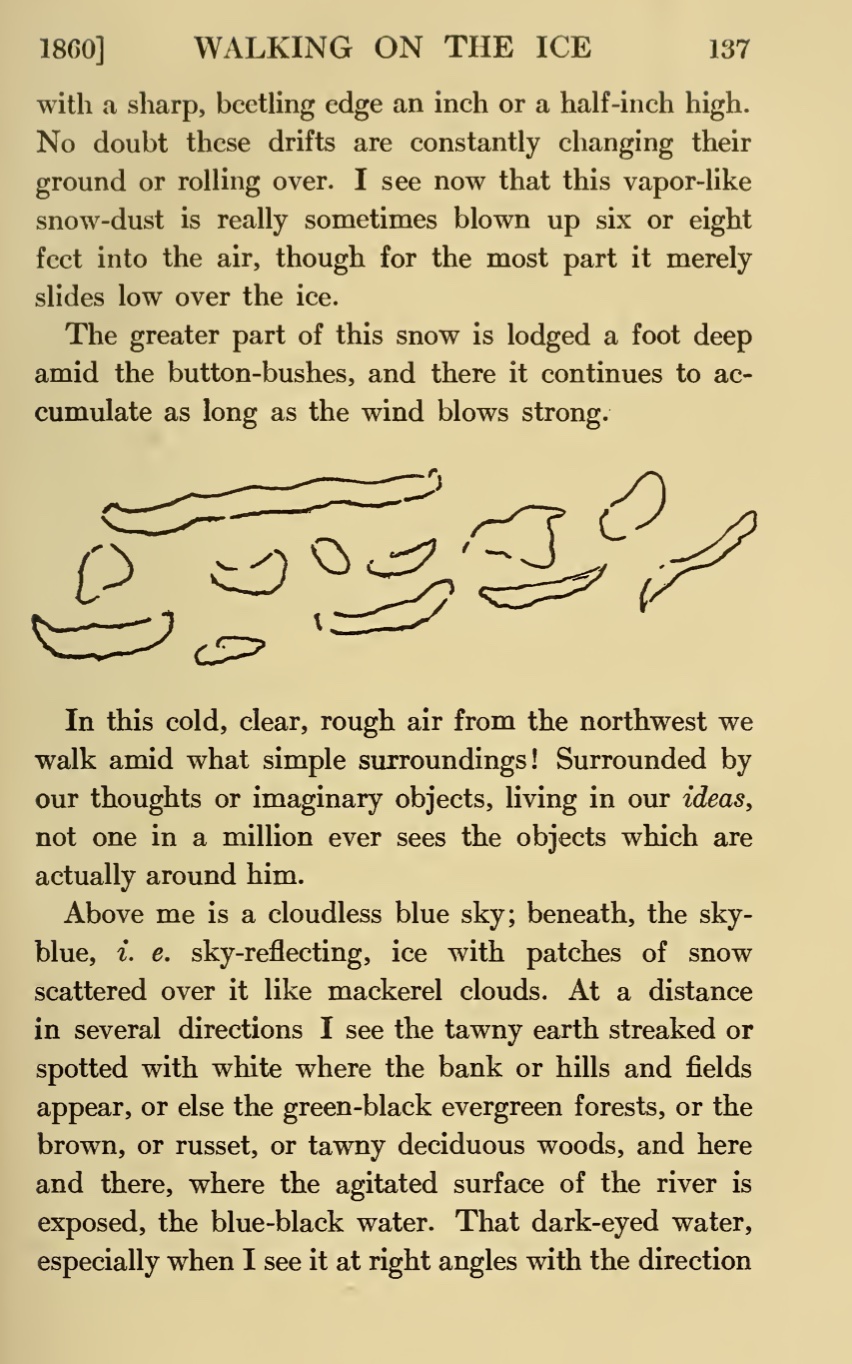
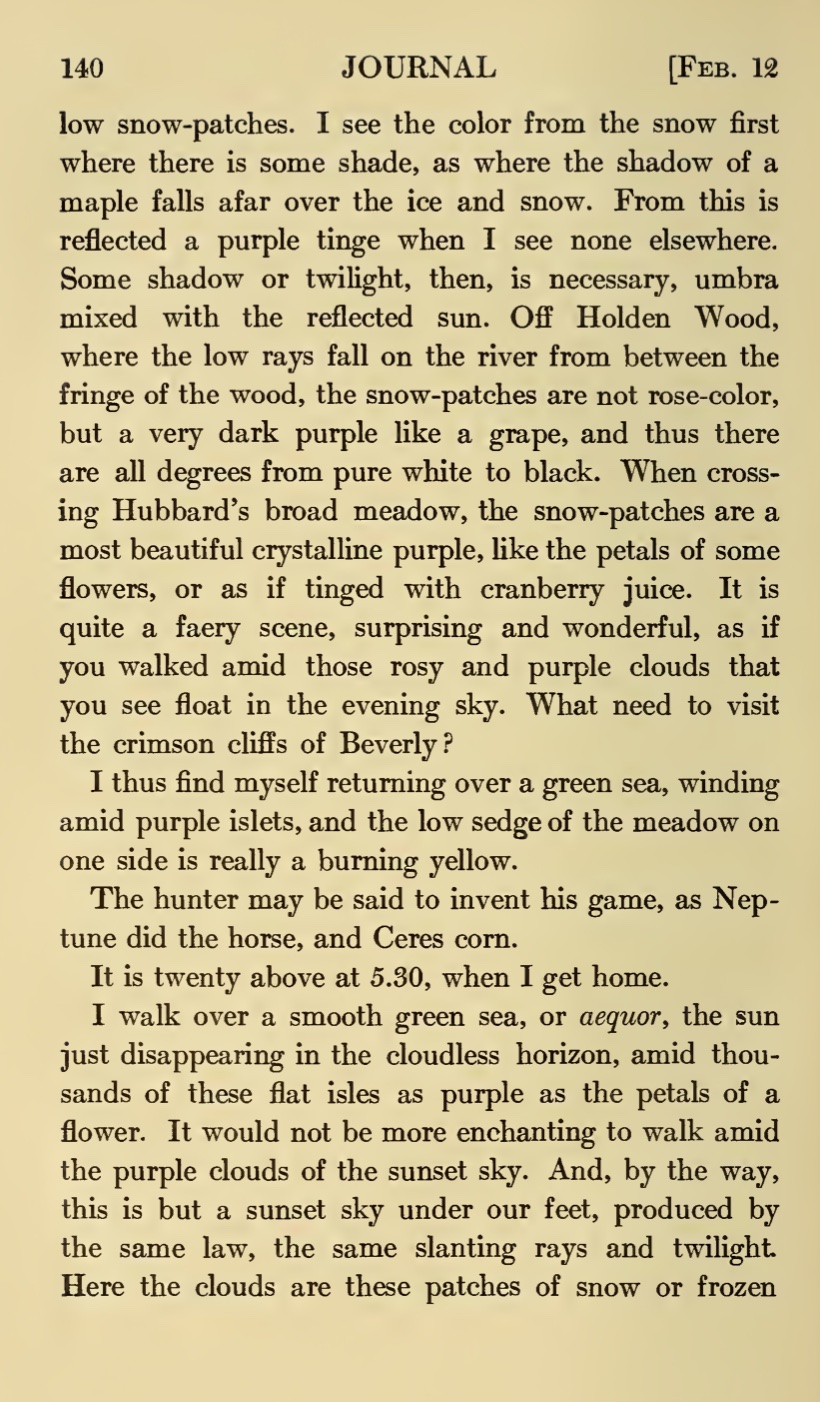
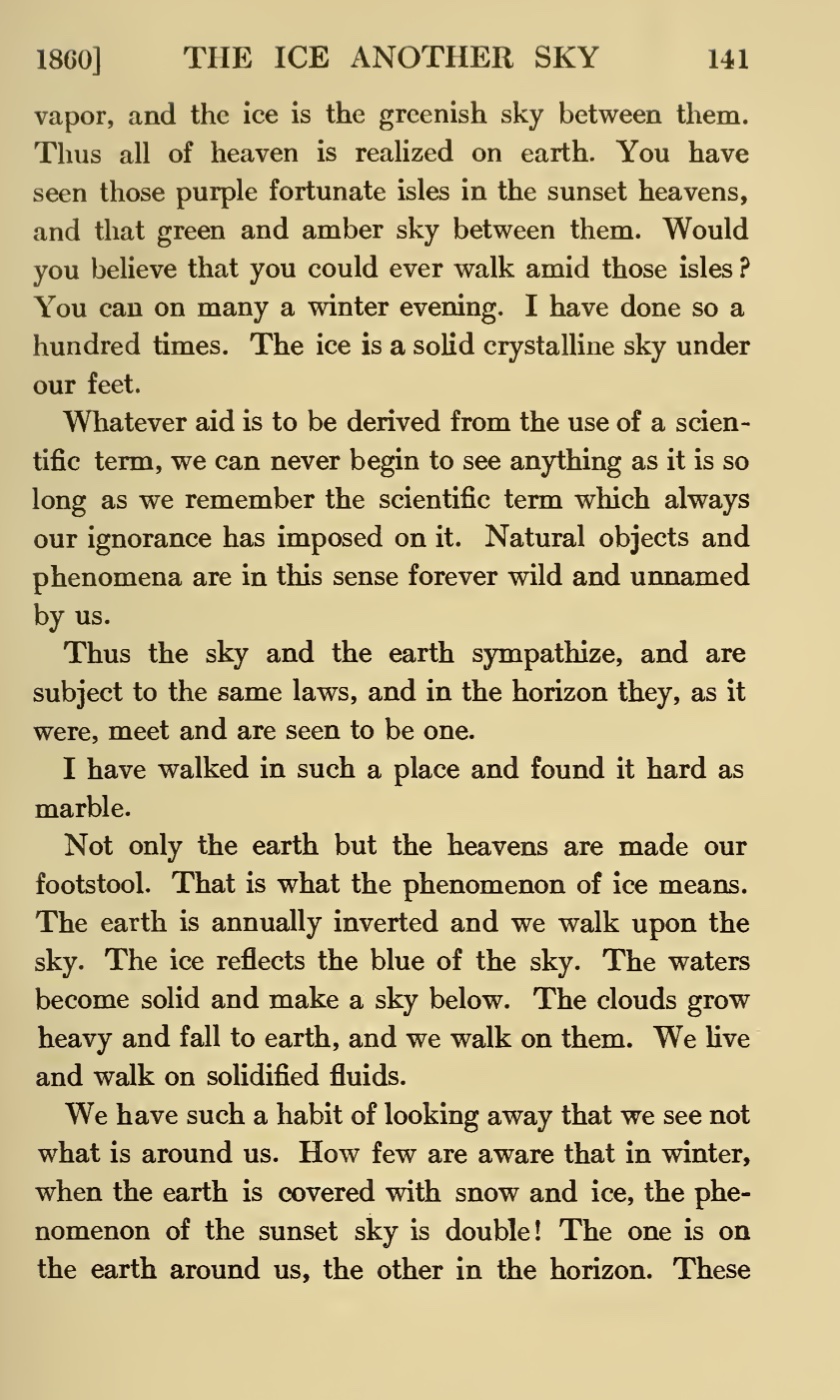
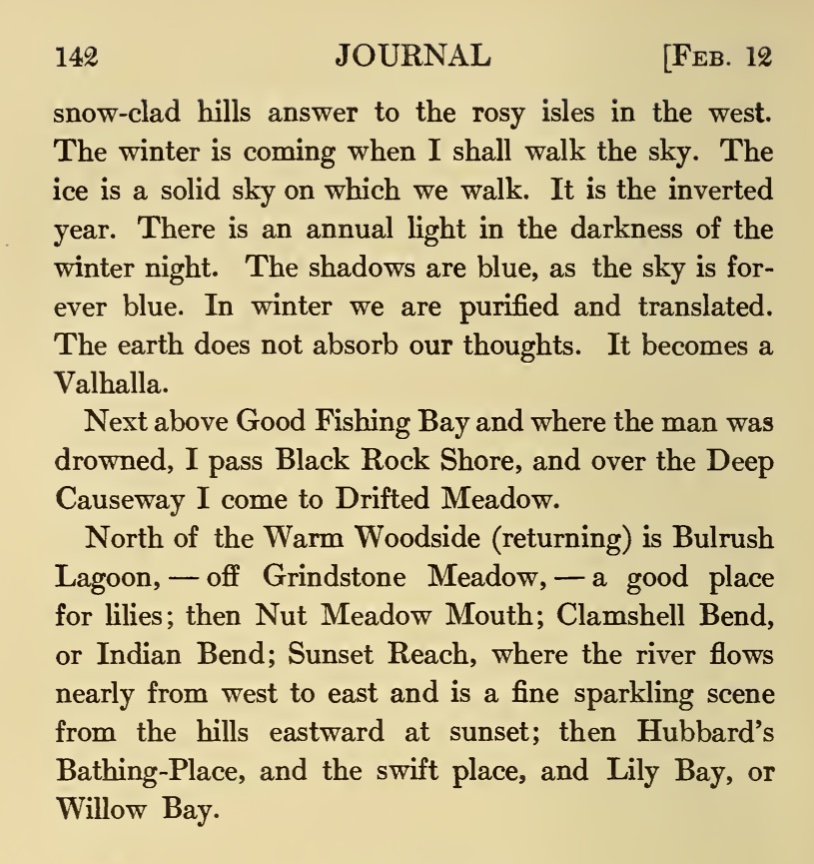
[I was drawn to this passage by the excerpt immediately following. It comes near the end of Thoreau’s entry for February 12, 1860. Then thought to give the full entry (7 printed pages) so readers could see how Thoreau came to the part I’ve excerpted. The 7 pages also contain some of Thoreau’s drawings.]
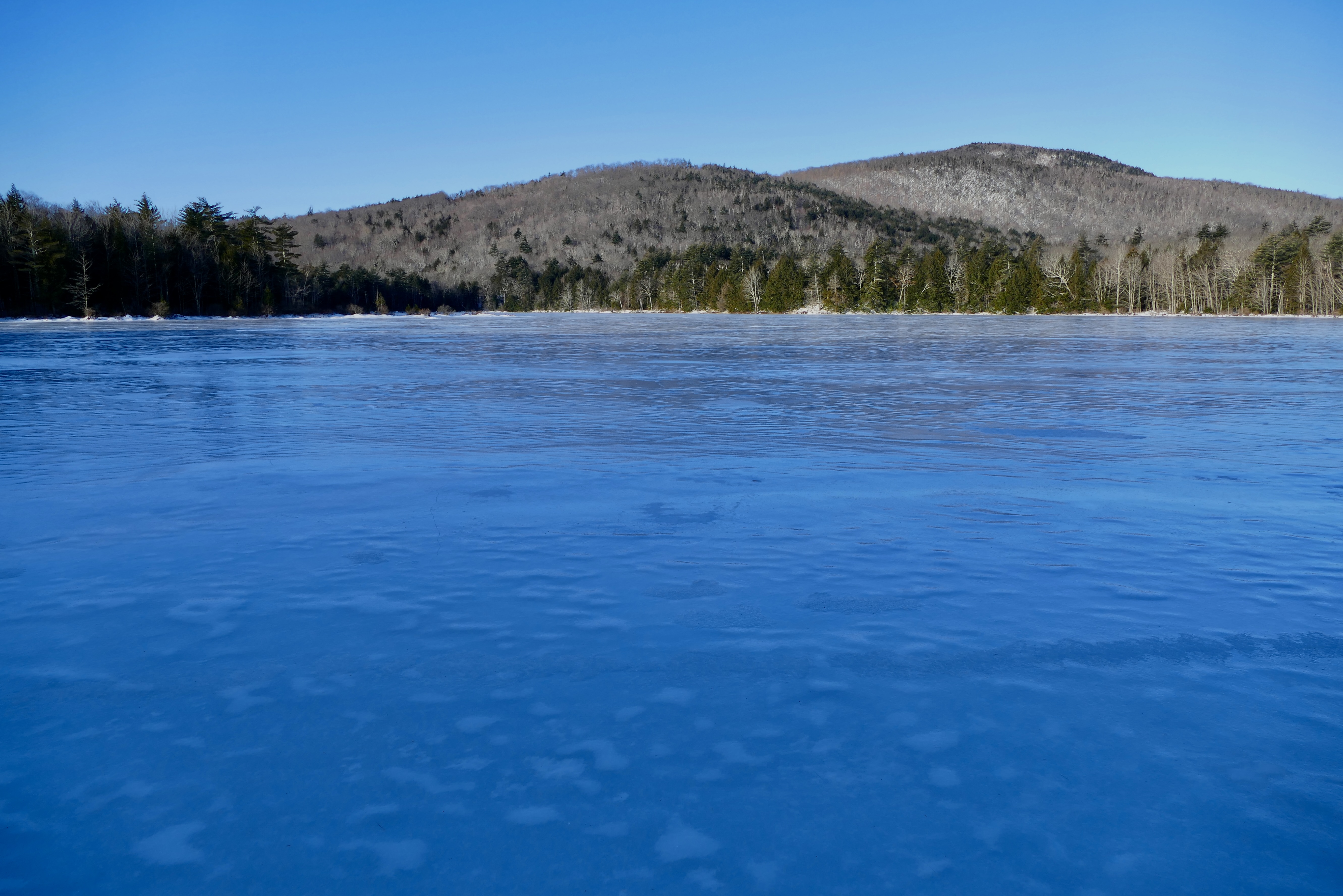
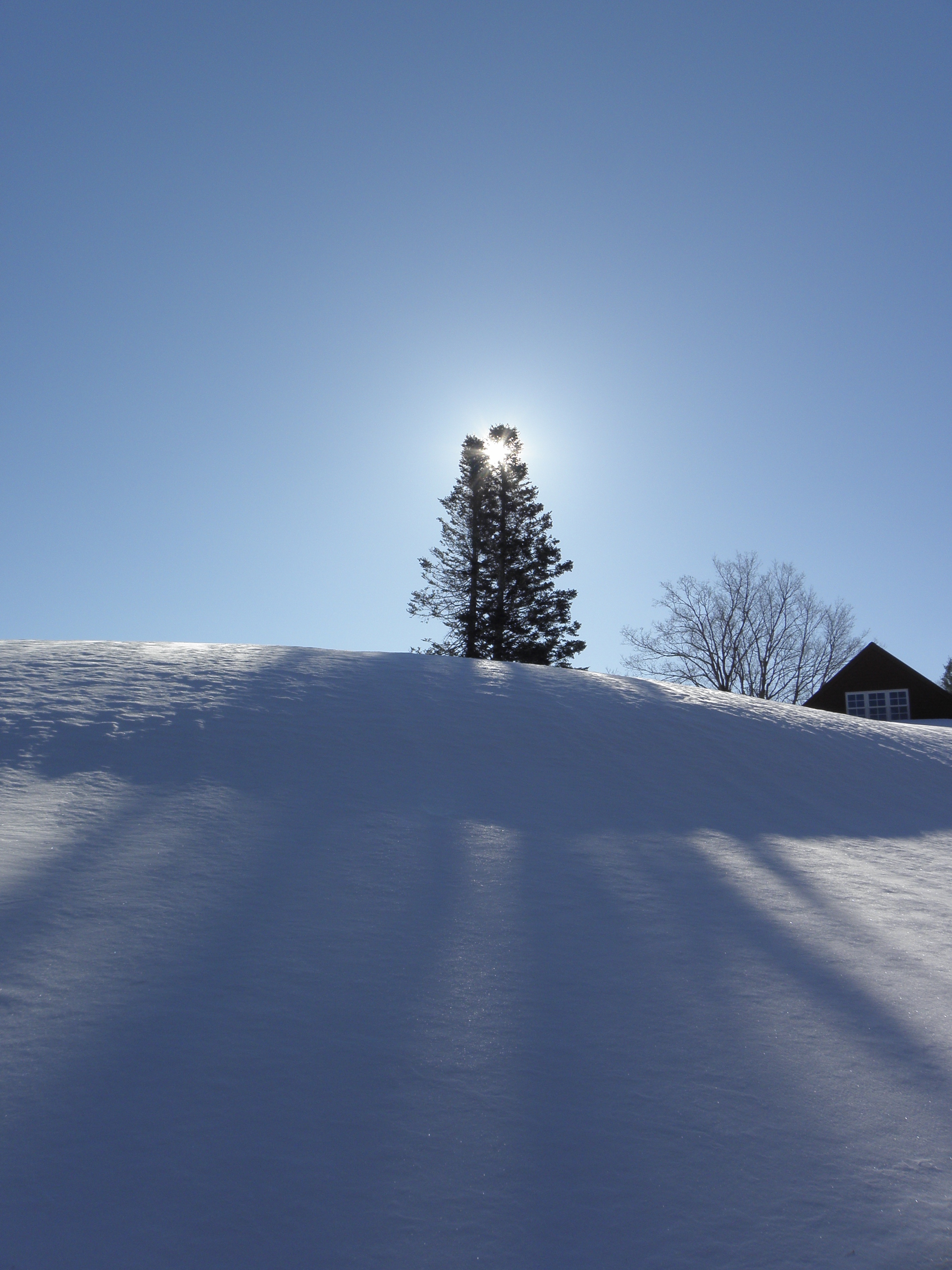
The winter is coming when I shall walk the sky. The ice is a solid sky on which we walk. It is the inverted year. There is an annual light in the darkness of the winter night. The shadows are blue, as the sky is forever blue. In winter we are purified and translated. The earth does not absorb our thoughts. It becomes a Valhalla.



in Thoreau’s Journal:
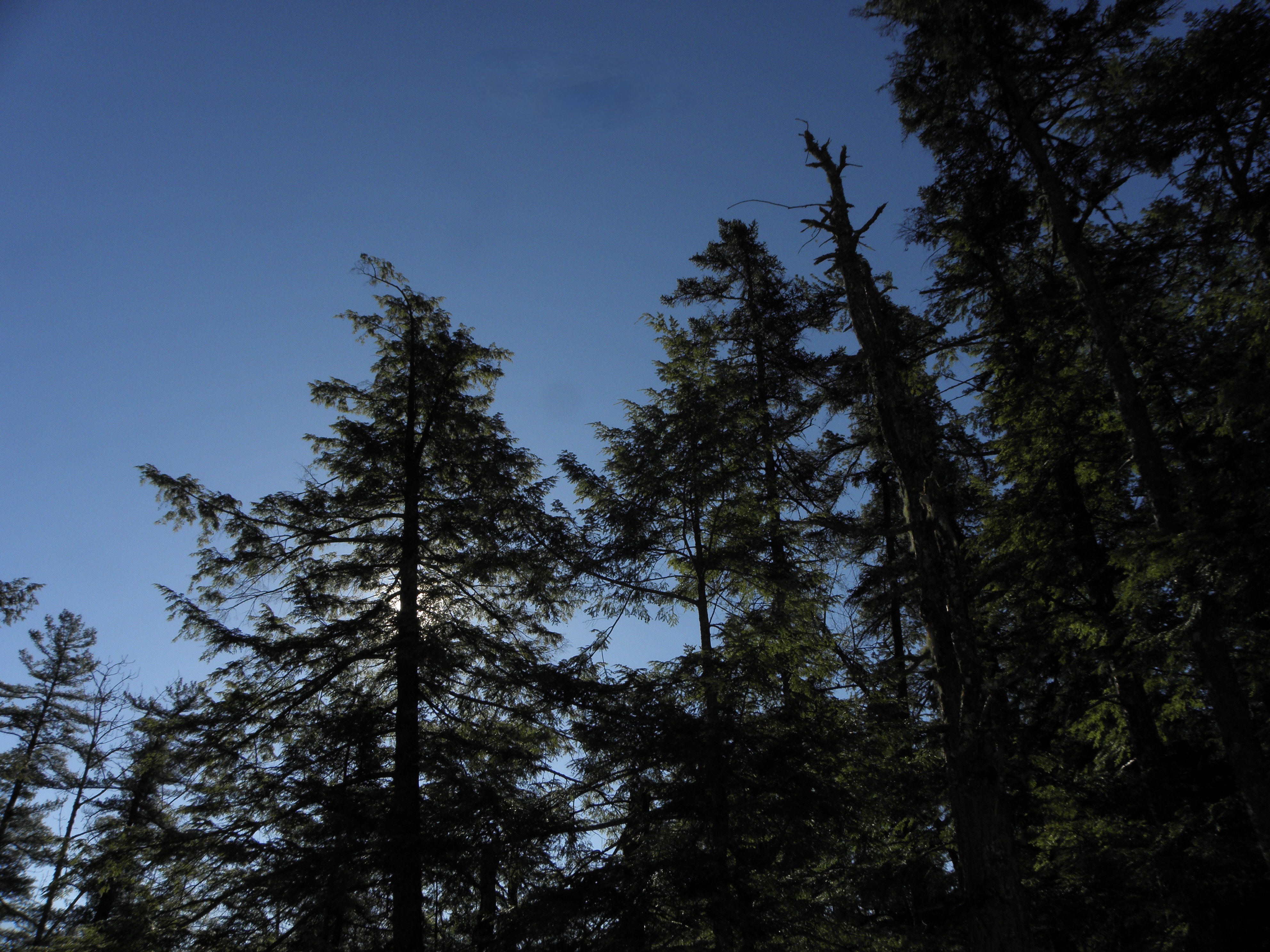
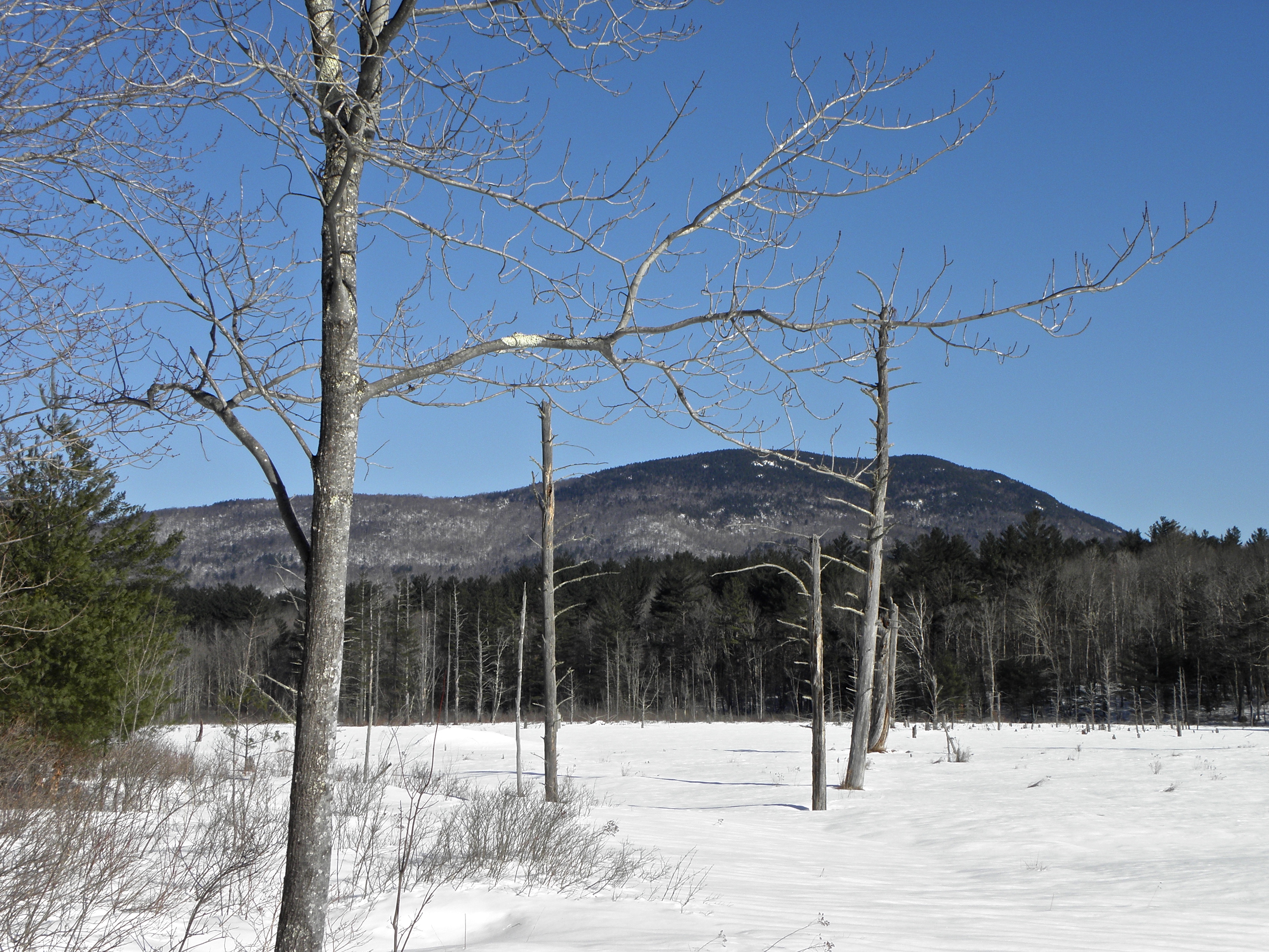
The atmosphere is very blue, tingeing the distant pine woods.
in Thoreau’s Journal:
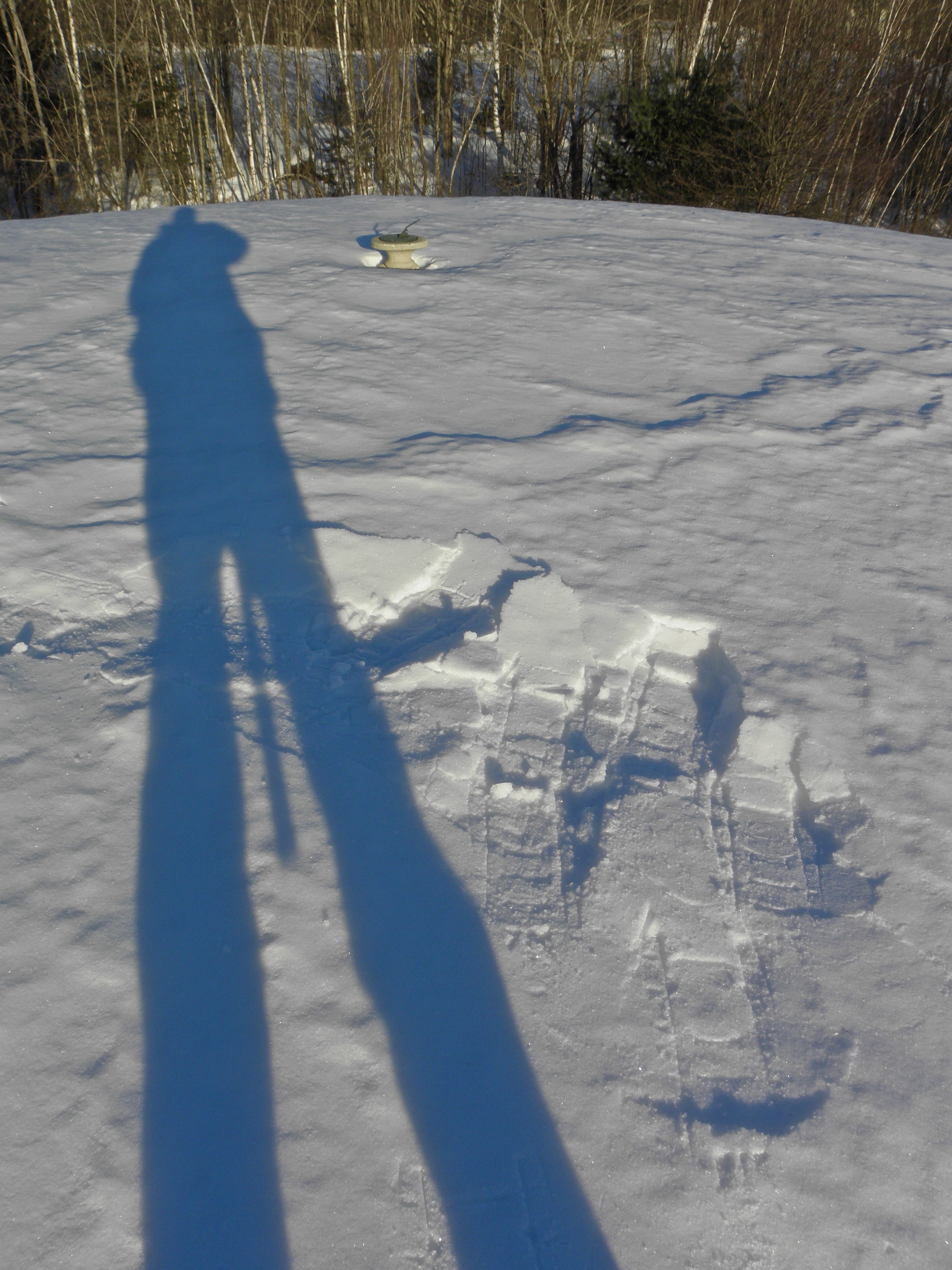
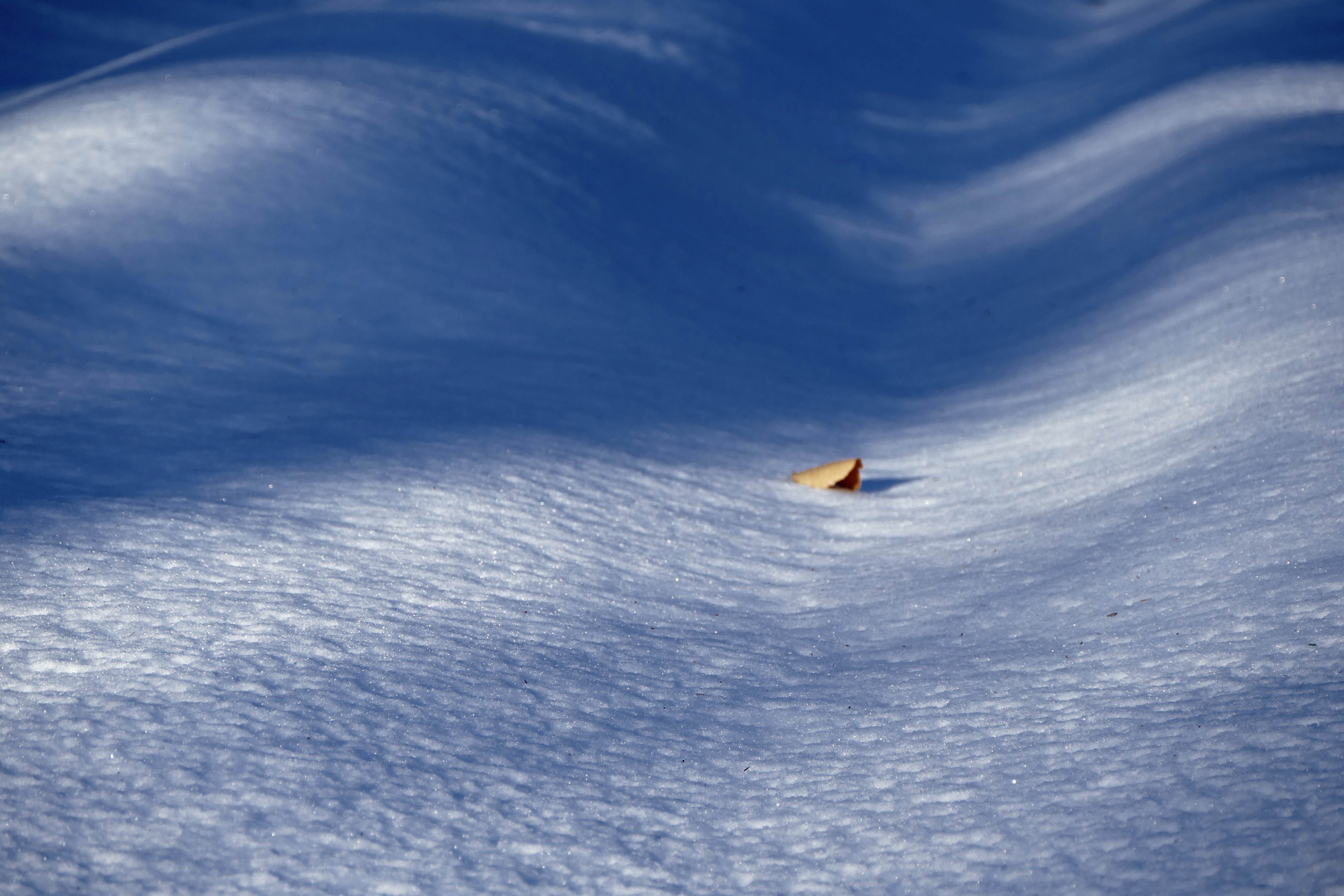
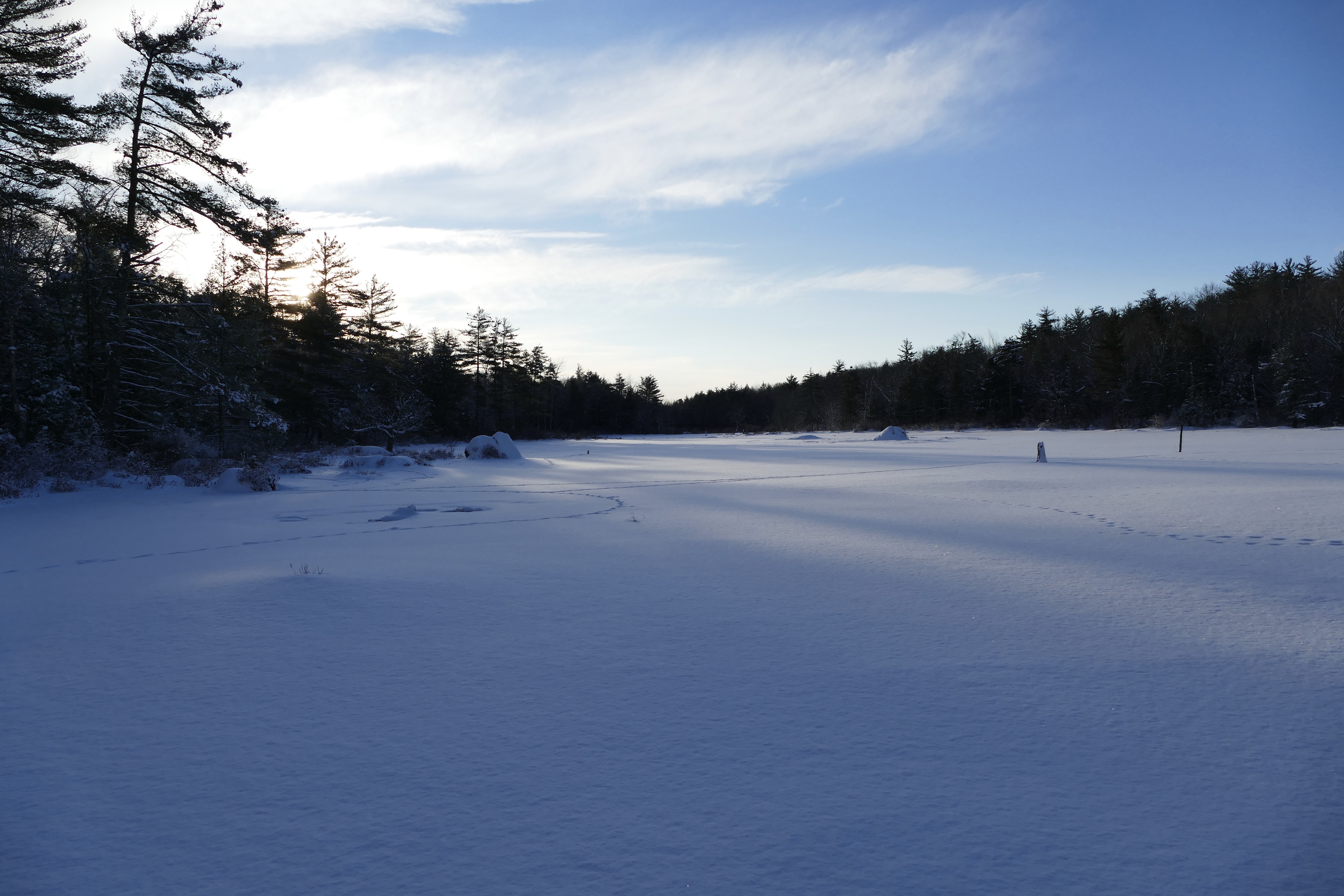
A fine clear day— There is a glare of light from the fresh unstained surface of the snow that it pains the eyes to travel toward the sun. I go across Walden. My shadow is very blue— It is especially blue when there is a bright sun light on pure white snow— It suggests that there may be something divine—something celestial in me.
in Thoreau’s Journal:
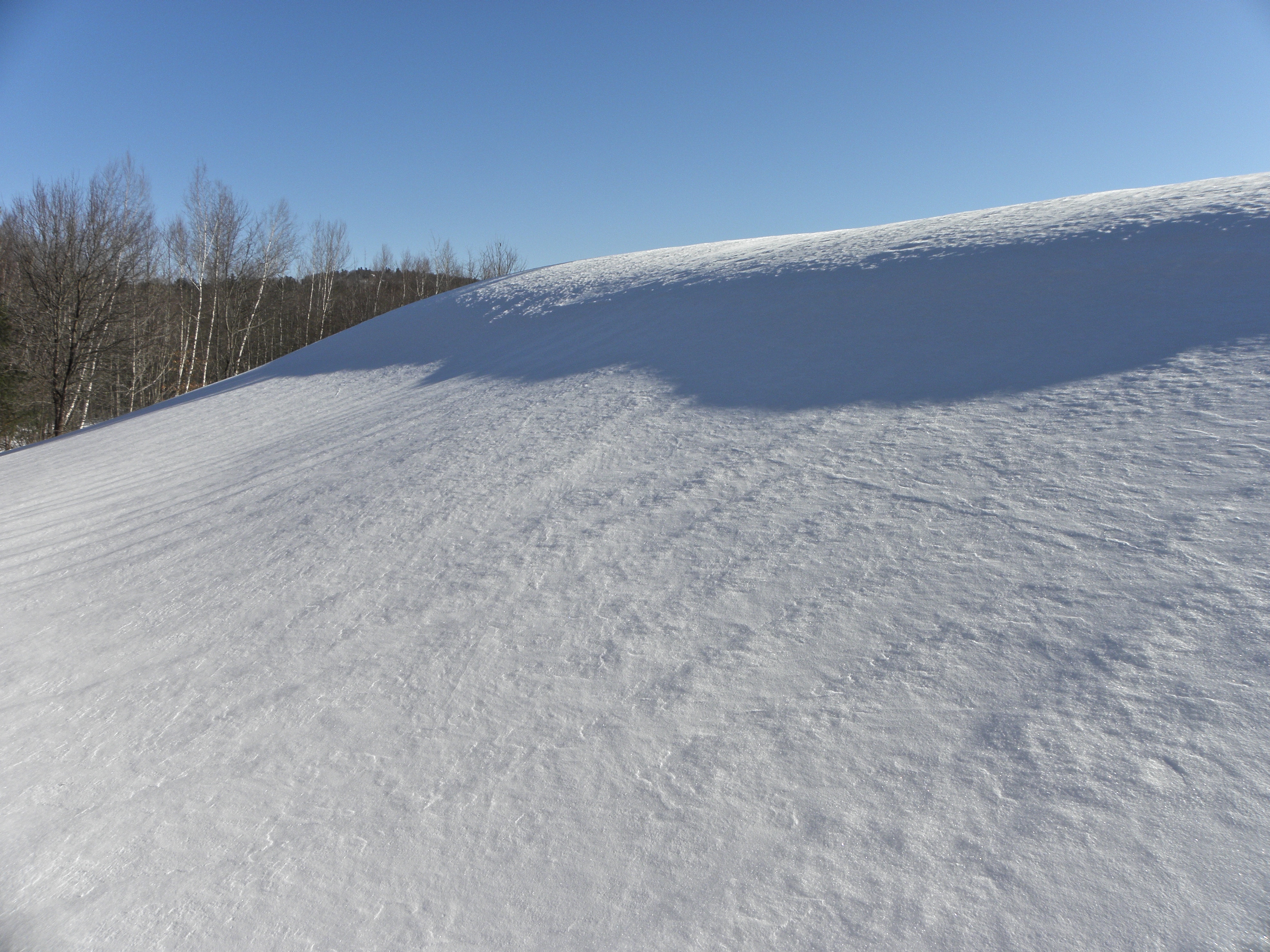
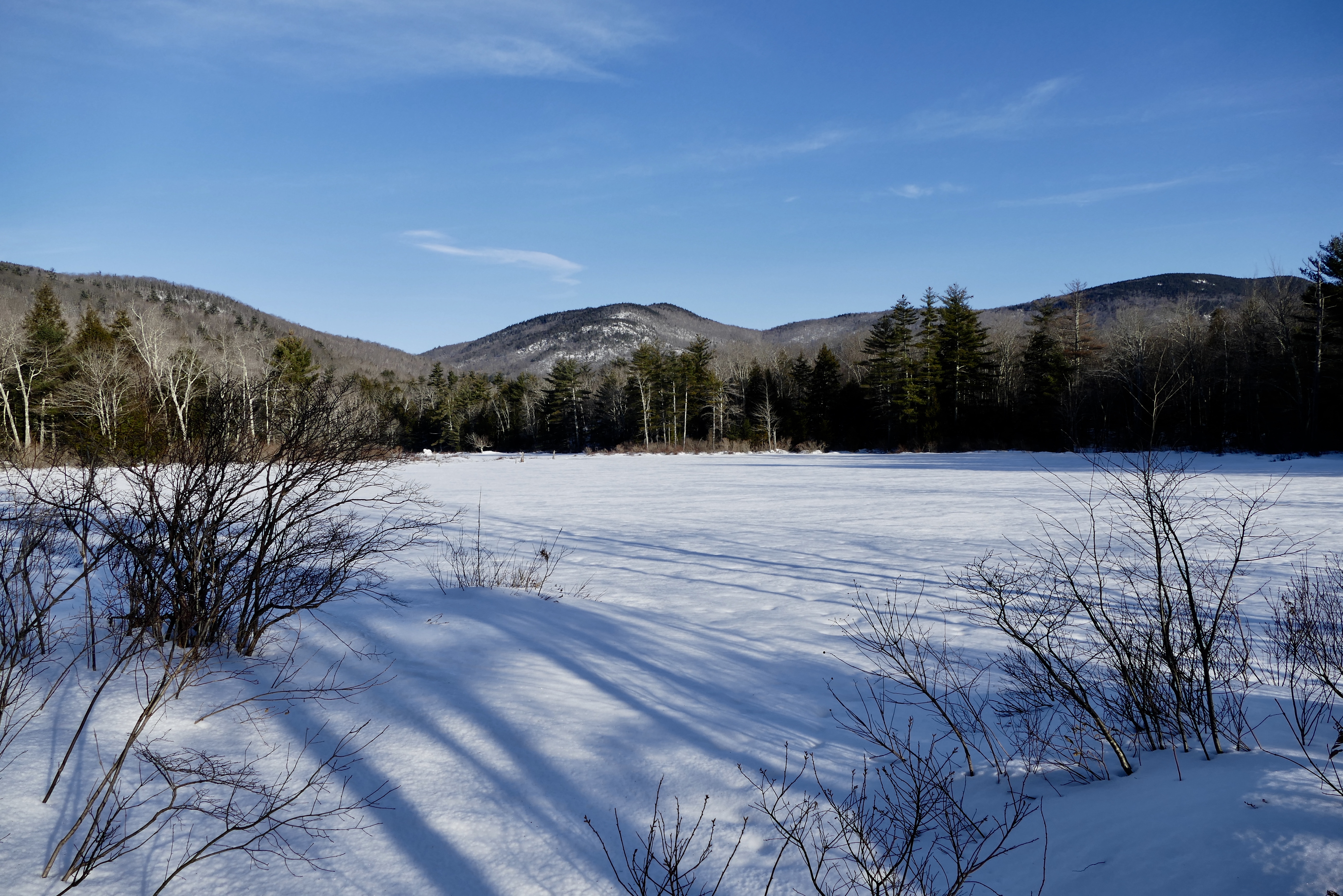
At 9 A M up river to fair Haven Pond. This is our month of the crusted snow. Was this the Indians? I get over the half buried fences at a stride—and the drifts slope up to the tops of the walls on each side. The crust is melted on the S slopes and lets me in—or where the sun has been reflected (yesterday) from a woodside—& rotted it, but the least inclination to the north is evidence of a hard surface— On the meadows and in level open fields away from the reflection of pines & oak leaves it will generally bear.

in Thoreau’s Journal:
My Journal is that of me which would else spill over and run to waste.— gleanings from the field which in action I reap. I must not live for it, but in it for the gods— They are my correspondent to whom daily I send off this sheet post-paid. I am clerk in their counting room and at evening transfer the account from day-book to ledger.
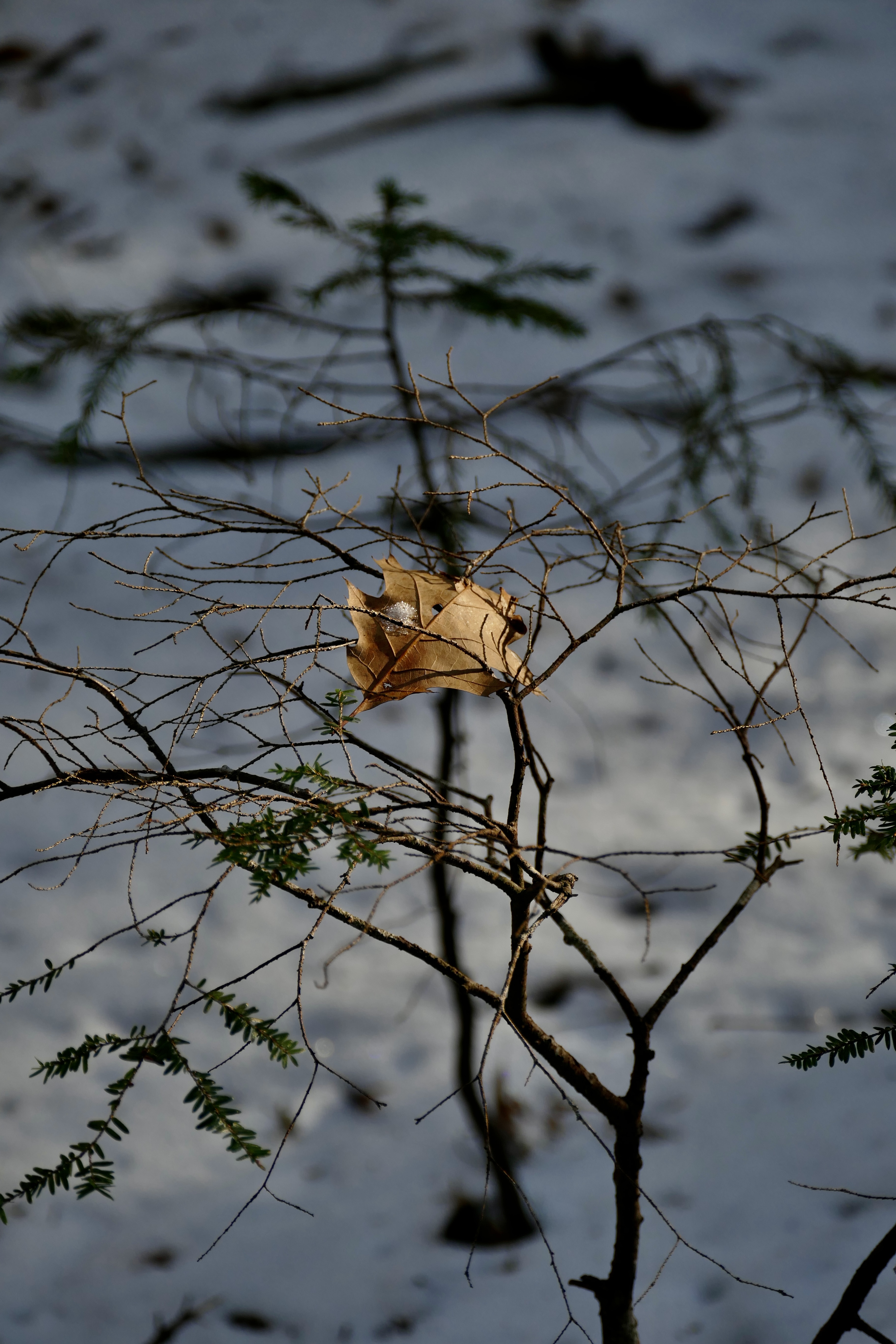
It is as a leaf which hangs over my head in the path — I bend the twig and write my prayers on it then letting it go the bough springs up and shows the scrawl to heaven. As if it were not kept shut in my desk—but were as public a leaf as any in nature—it is papyrus by the river side—it is vellum in the pastures—it is parchment on the hills— I find it every where as free as the leaves which troop along the lanes in autumn— The crow—the goose—the eagle—carry my quill—and the wind blows the leaves—as far as I go— Or if my imagination does not soar, but gropes in slime and mud—then I write with a reed.
It is always a chance scrawl, and commemorates some accident—as great as earthquake or eclipse. Like the sere leaves in yonder vase these have been gathered far and wide—upland and lowland.— forest and field have been ransacked.
in Thoreau’s Journal:
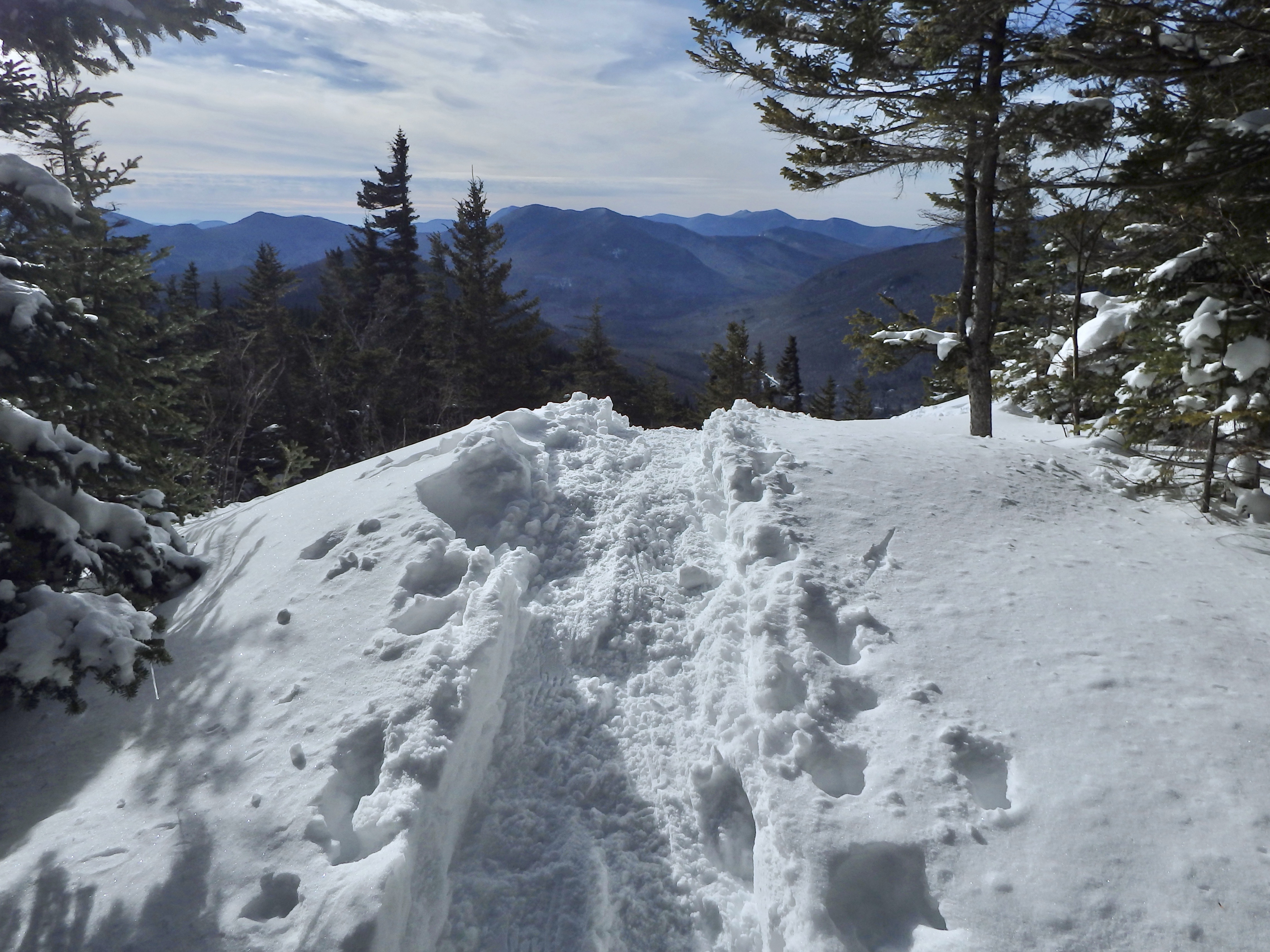
If possible, come upon the top of a hill unexpectedly, perhaps through woods, and then look off from it….
in Thoreau’s Journal:
The weather has been very changeable for some weeks. First it is warm and thawing, sloshy weather; then the thermometer goes down to 19° below zero, and our shoes squeak on the snow; then, perhaps, it moderates and snows; then is mild and pleasant again and good sleighing; then we wake to find a drifted snow upon the last and a bleak, wintry prospect.
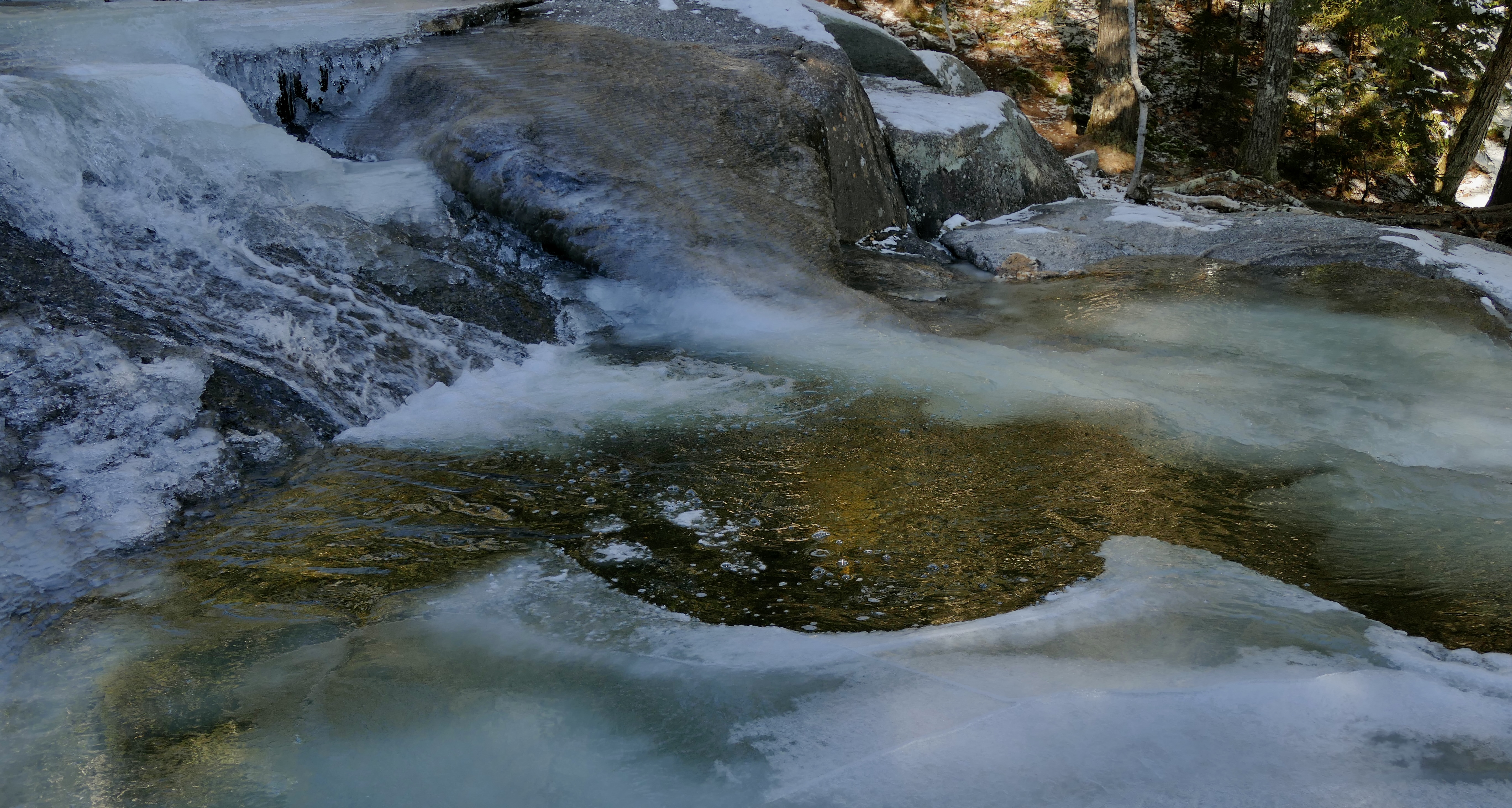
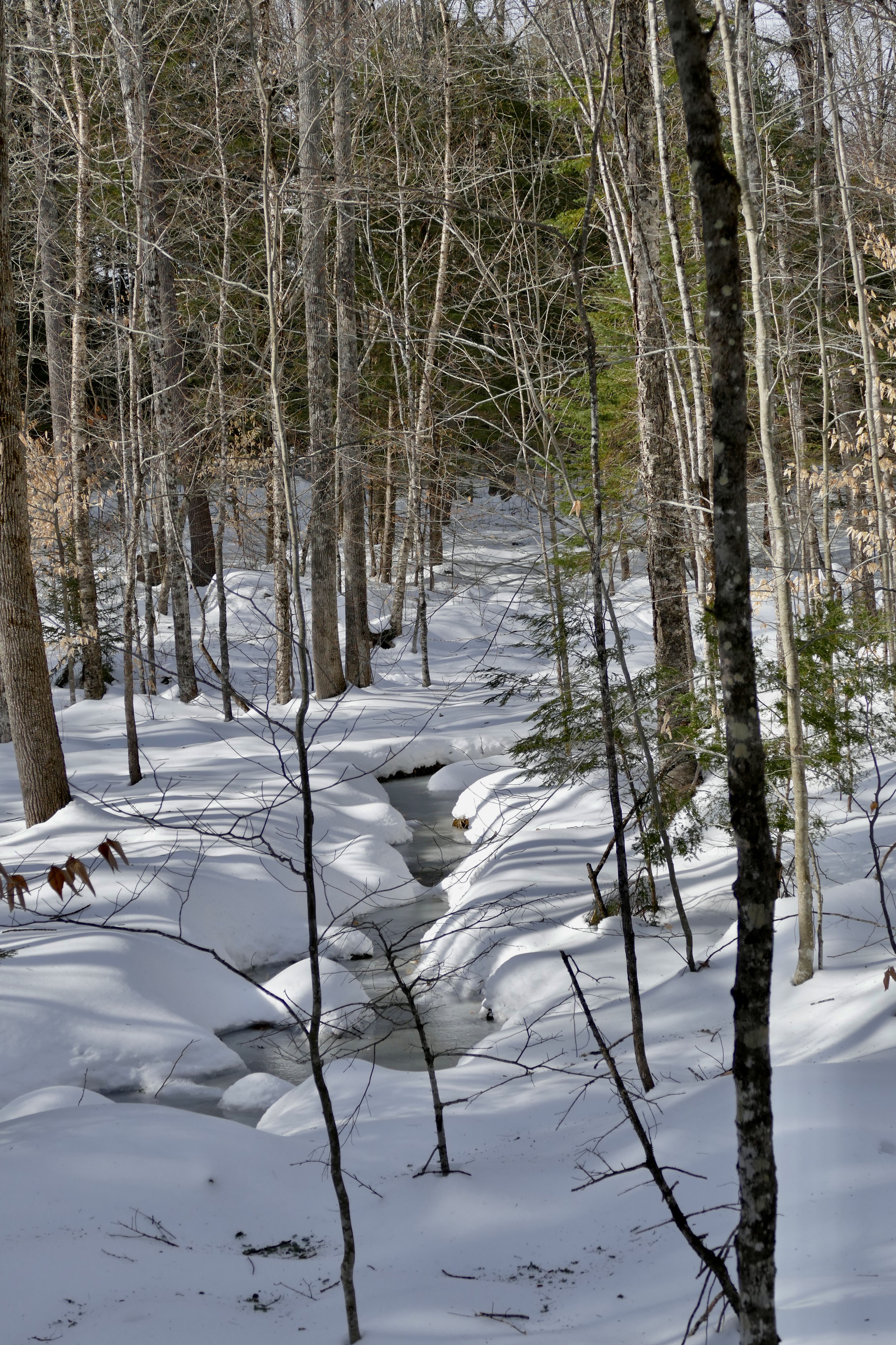
in Thoreau’s Journal:
To Walden, P.M.
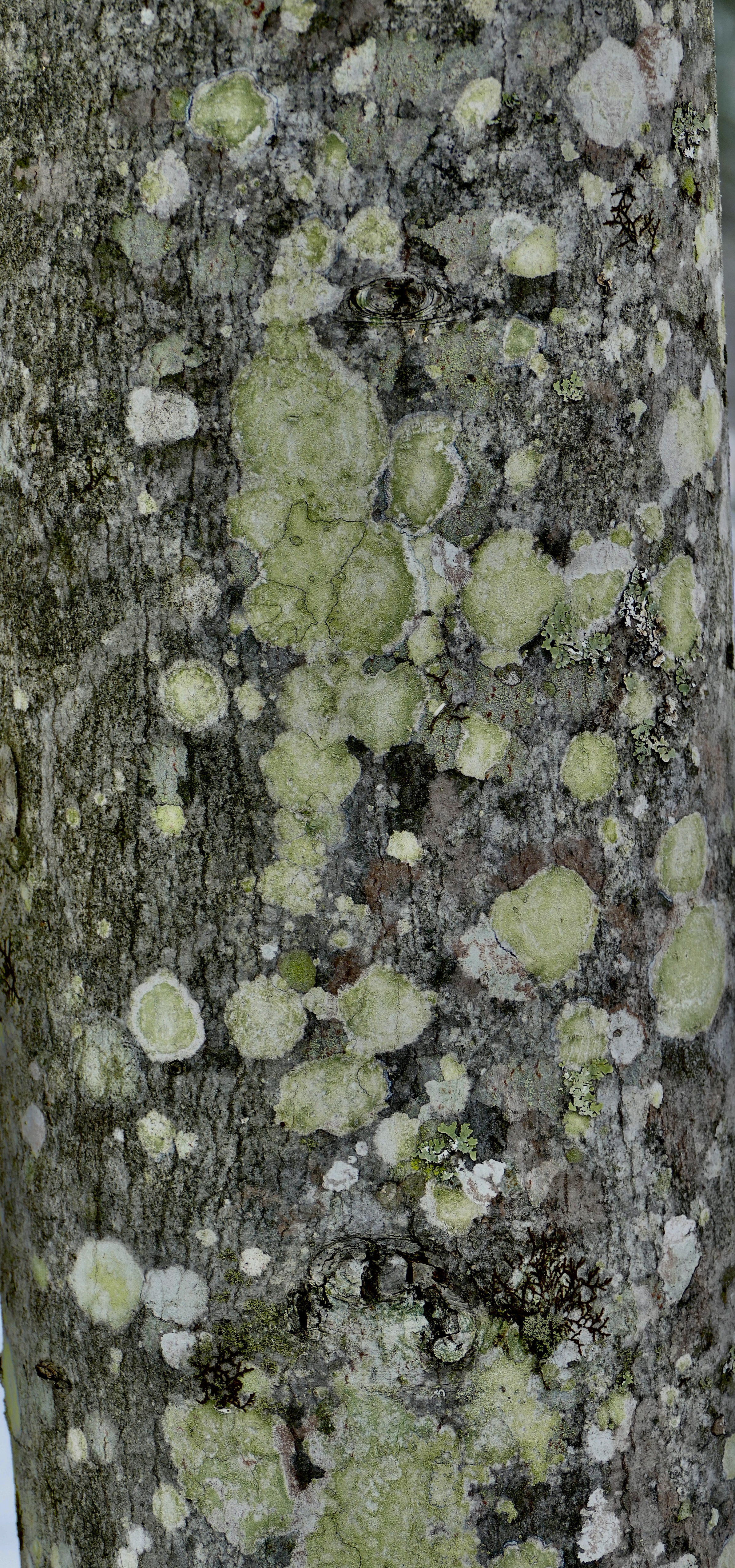
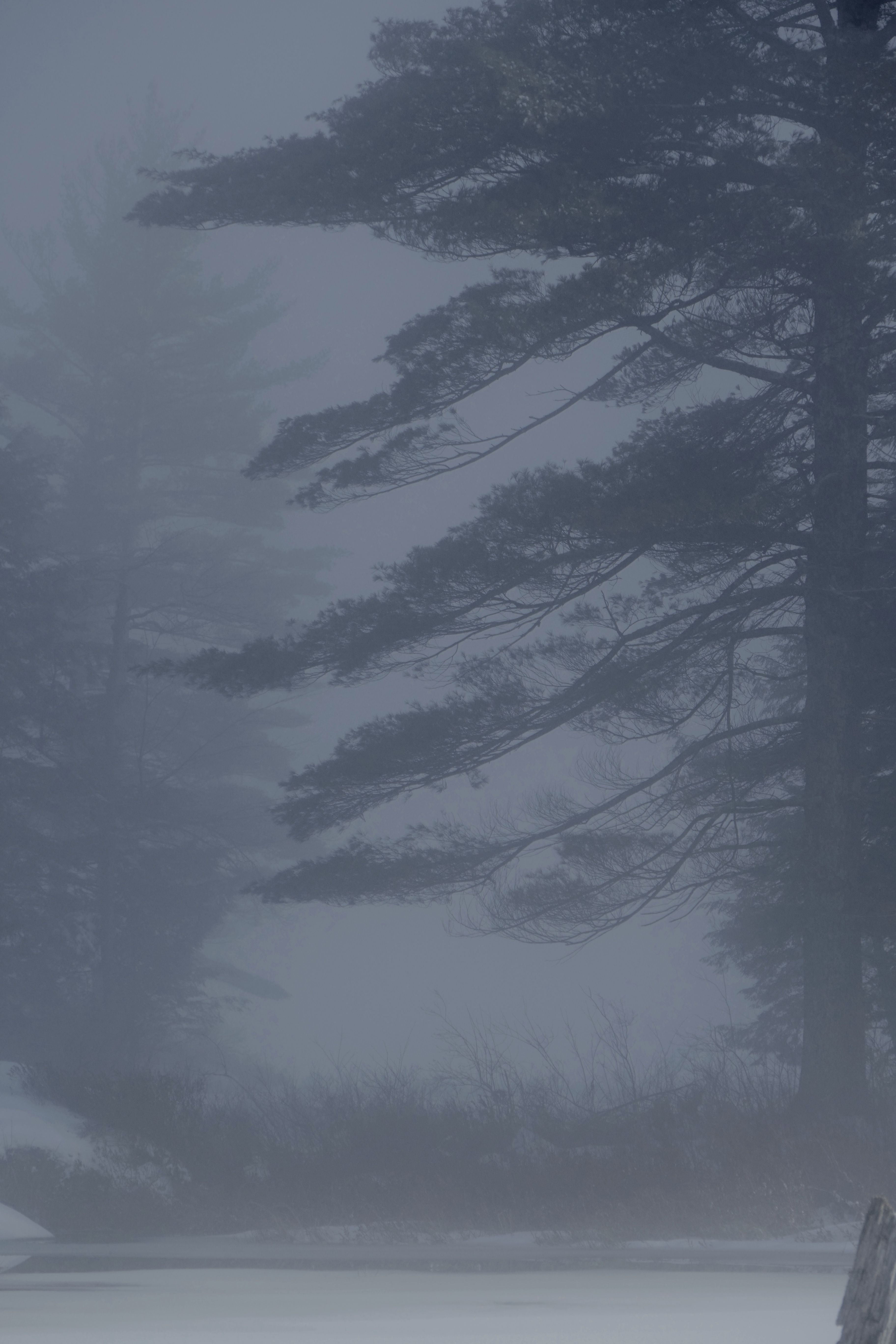
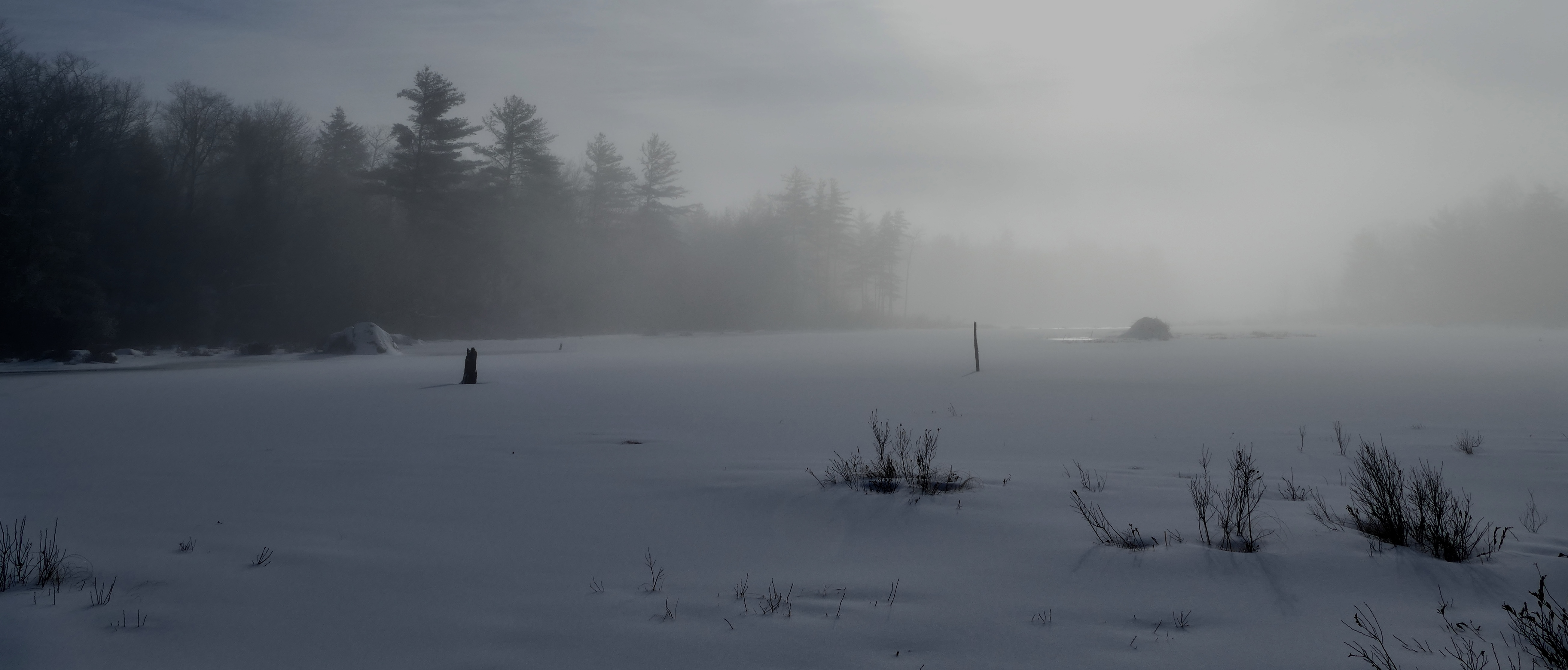
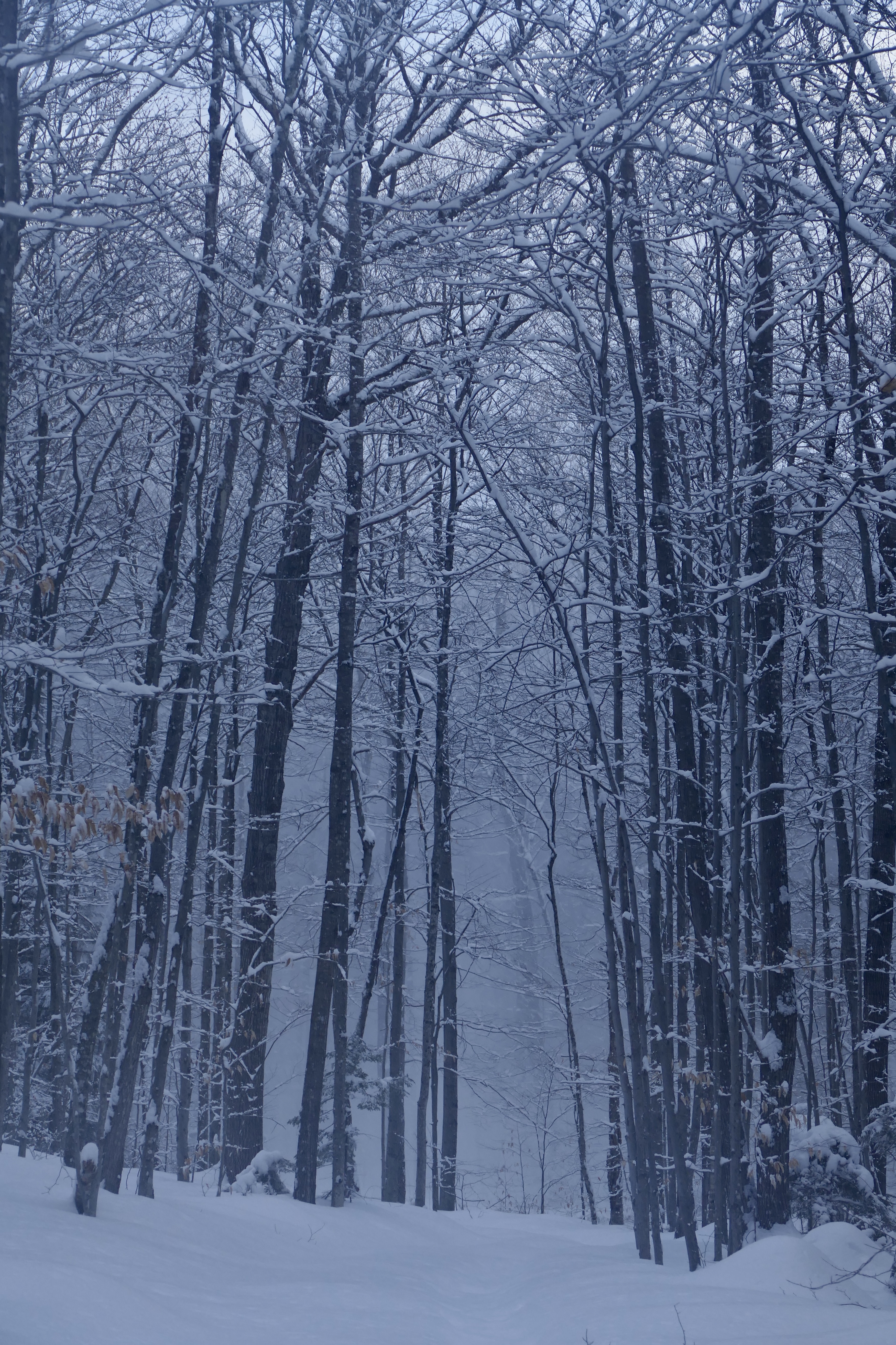
A thick fog. The trees and woods look well through it. You are inclined to walk in the woods for objects. They are draped with mist, and you hear the sound of it dripping from them. It is a lichen day. Not a bit of rotten wood lies on the dead leaves, but it is covered with fresh, green cup lichens, etc., etc. All the world seems a great lichen and to grow like one to-day,—a sudden humid growth. I remember now that the mist was much thicker over the pond than elsewhere. I could not distinguish a man there more than ten rods off, and the woods, seen dimly across a bay, were mistaken for the opposite side of the pond. I could almost fancy a bay of an acre in extent the whole pond. Elsewhere, methinks, I could see twice as far. I felt the greater coolness of the air over the pond, which it was, I suppose, that condensed the vapor more there.
in Thoreau’s Journal:
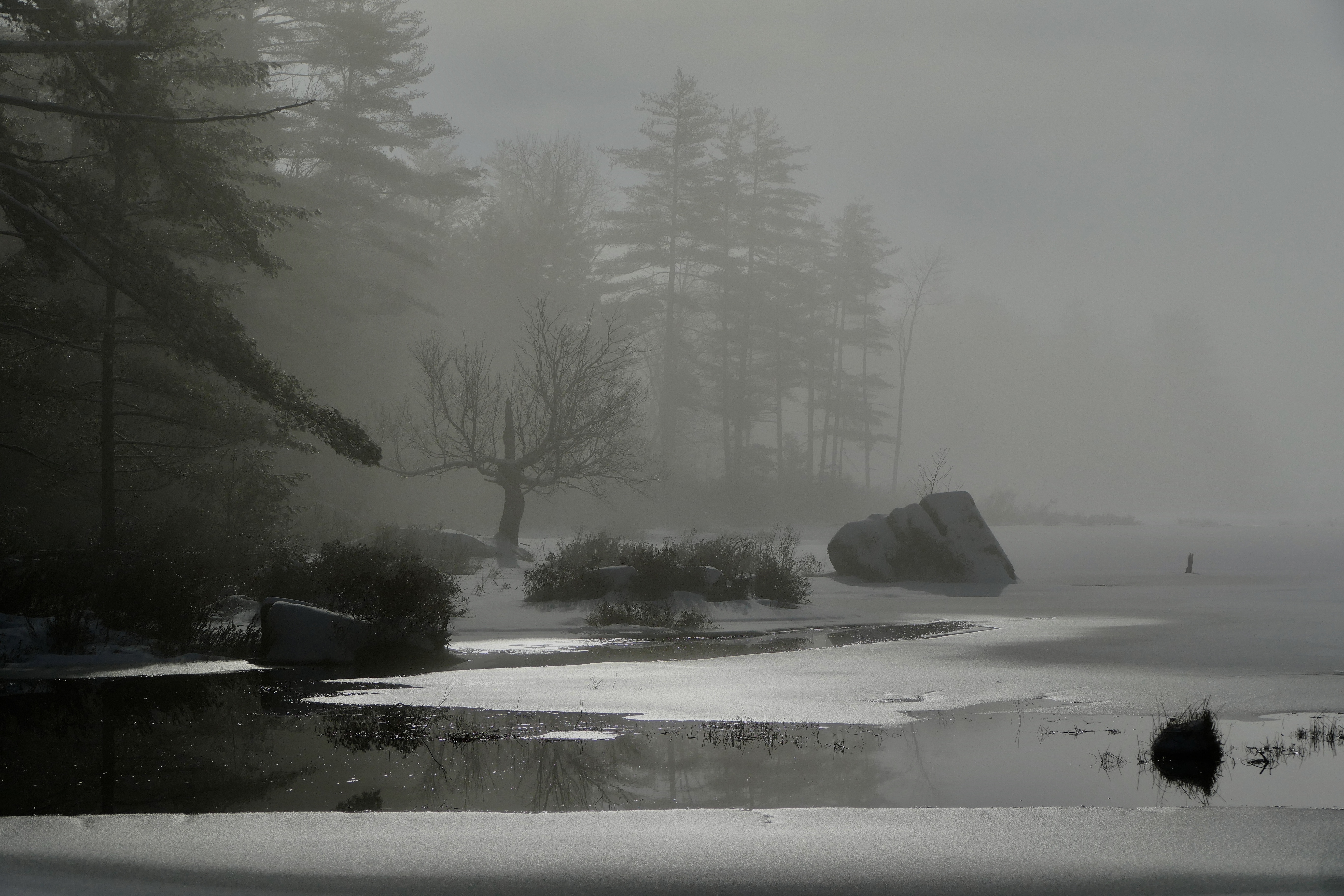
A mild, thawy day. The needles of the pine are the touch-stone for the air—any change in that element is revealed to the practiced eye by their livelier green or increased motion. They are the tell-tales. Now they are (the white pine) a cadaverous, misty blue—anon a lively silvery light plays on them —& they seem to erect themselves unusually—while the pitch pines are a brighter yellowish green than usual—The sun loves to nestle in the boughs of the pine & pass rays through them.
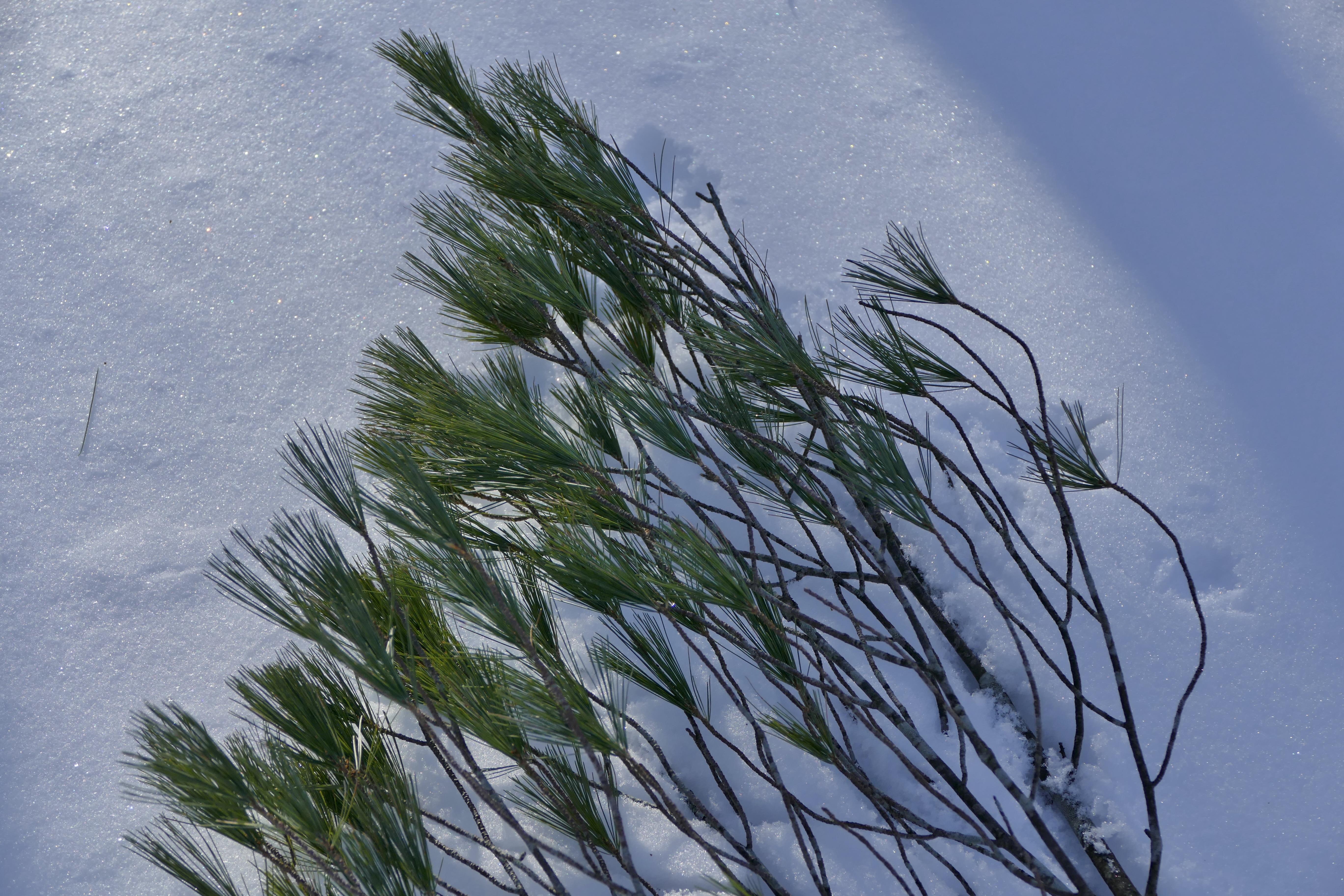
The scent of bruised pine leaves where a sled has passed is a little exciting to me now…
in Thoreau’s Journal:
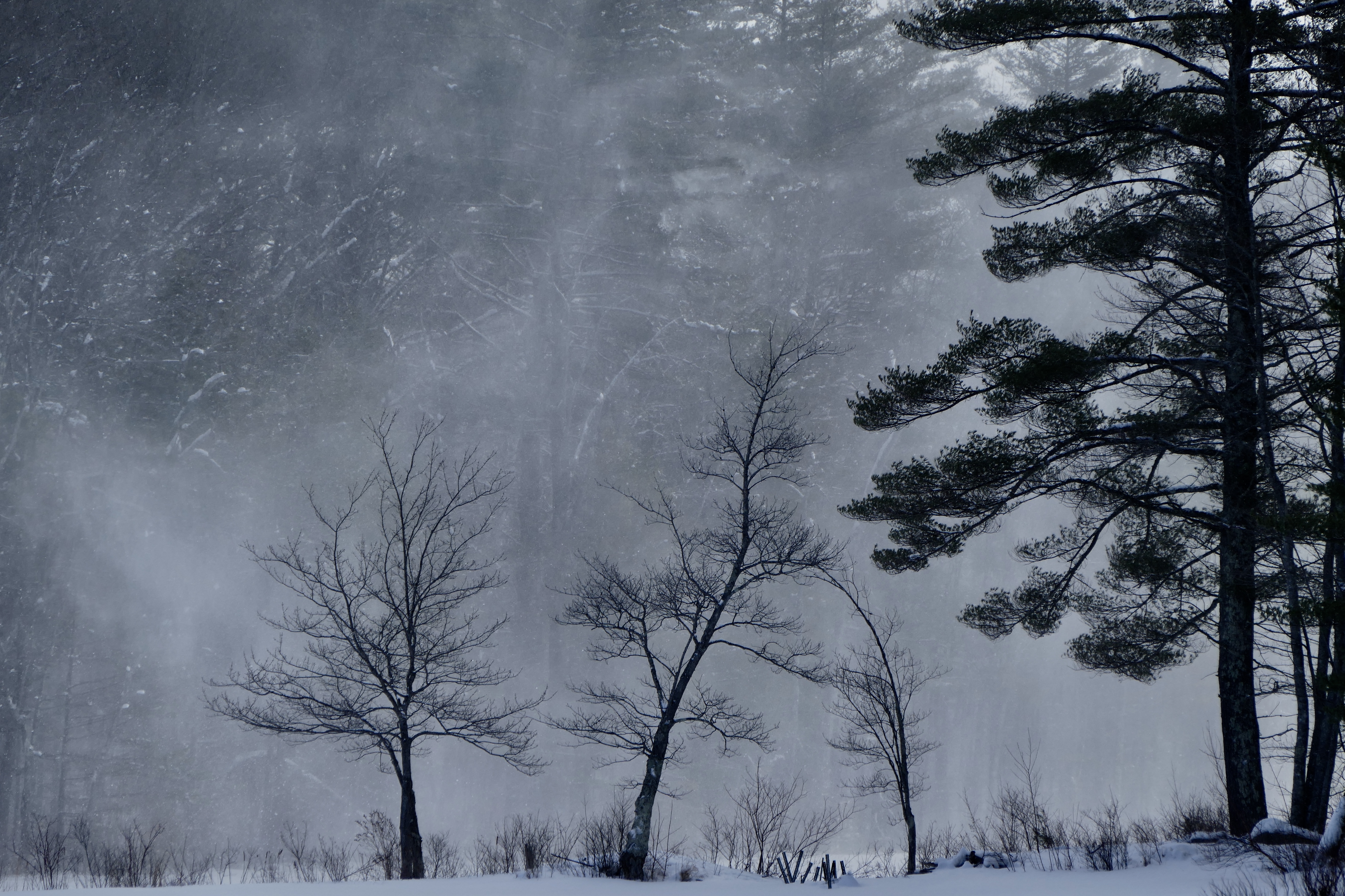
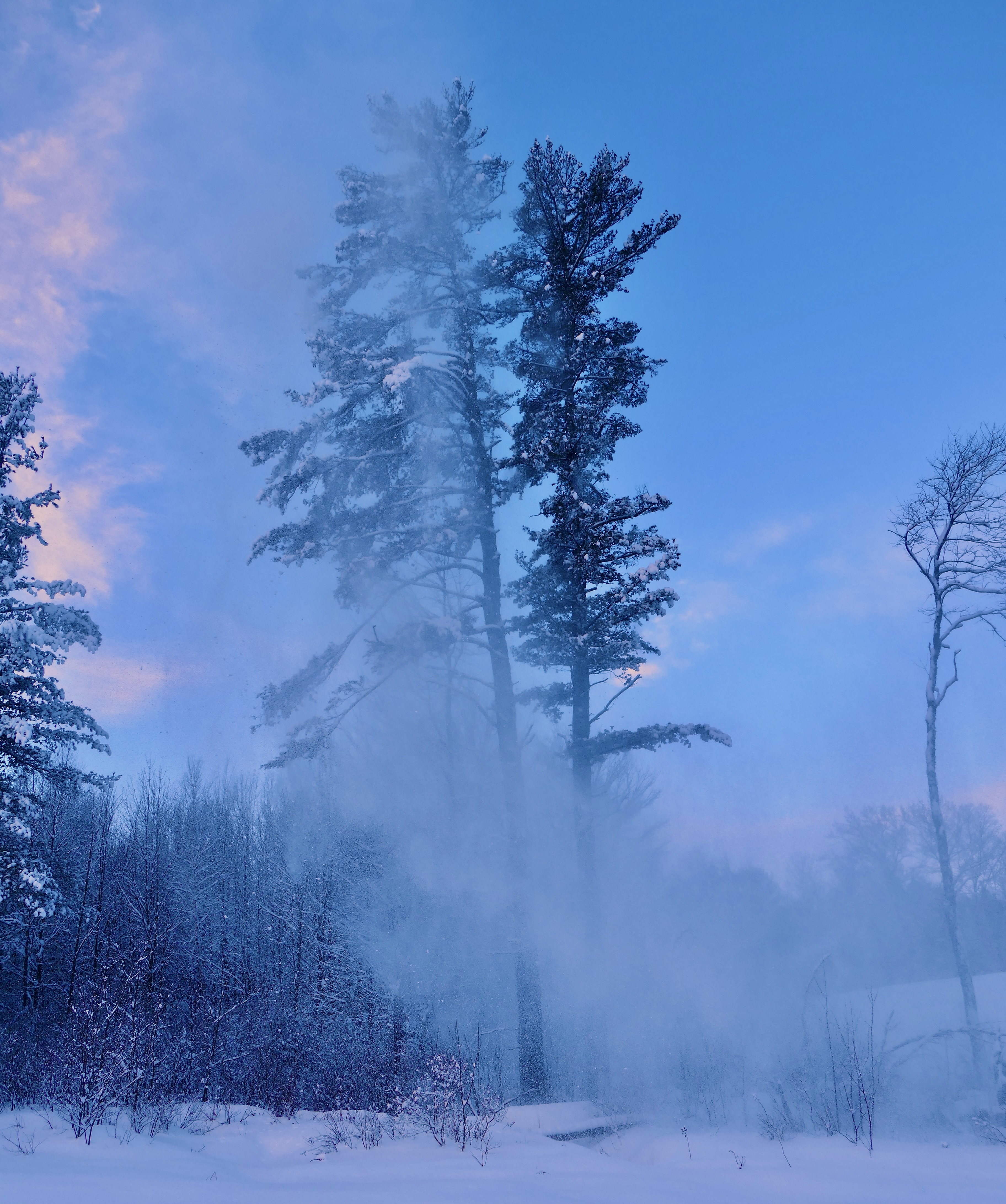
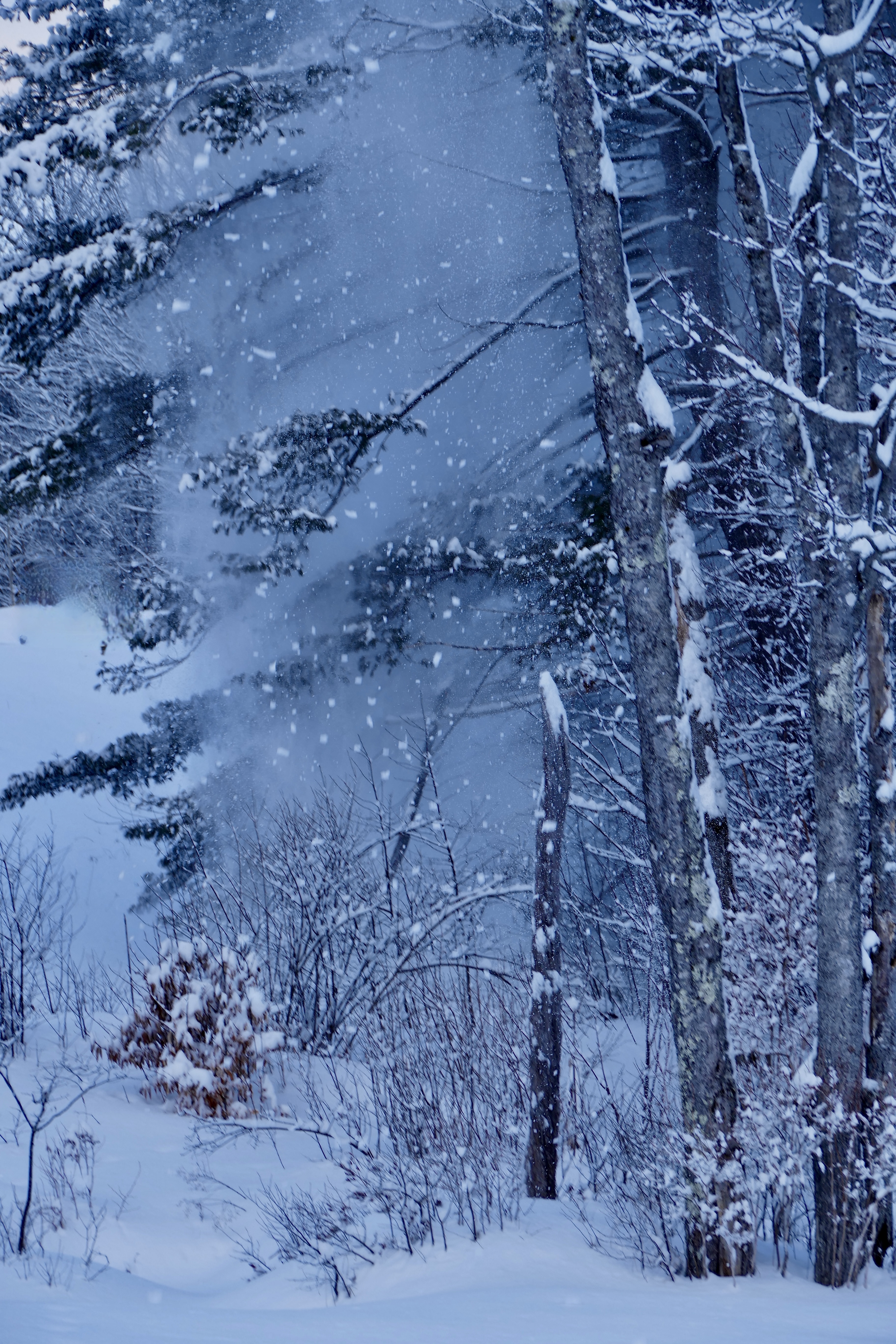
We go wading through snows now up the bleak river, in the face of the cutting northwest wind and driving snow-steam, turning now this ear, then that, to the wind, and our gloved hands in our bosoms or pockets. Our tracks are obliterated before we come back. How different this from sailing or paddling up the stream here in July, or poling amid the rocks! Yet still, in one square rod, where they have got out ice and a thin transparent ice has formed, I can see the pebbly bottom the same as in summer.
It is a cold and windy Sunday. The wind whistles round the northwest corner of the house and penetrates every crevice and consumes the wood in the stoves, — soon blows it all away. An armful goes but little way. Such a day makes a great hole in the wood-pile. [It] whisks round the corner of the house, in at a crevice, and flirts off with all the heat before we have begun to feel it.
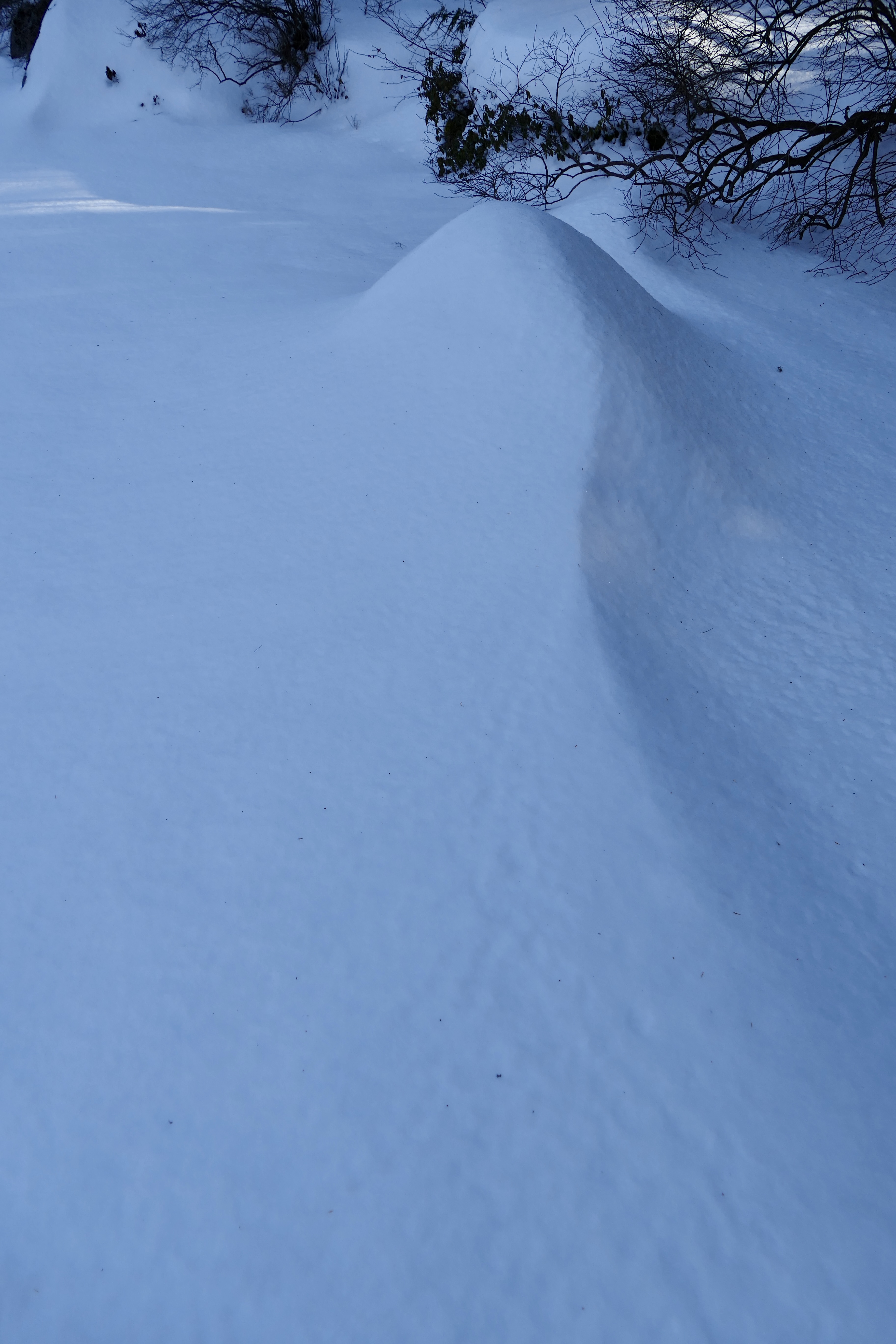
Some of the low drifts but a few inches deep, made by the surface snow blowing, over the river especially, are of a fine, pure snow, so densely packed that our feet make hardly any impression on them.
in Thoreau’s Journal:
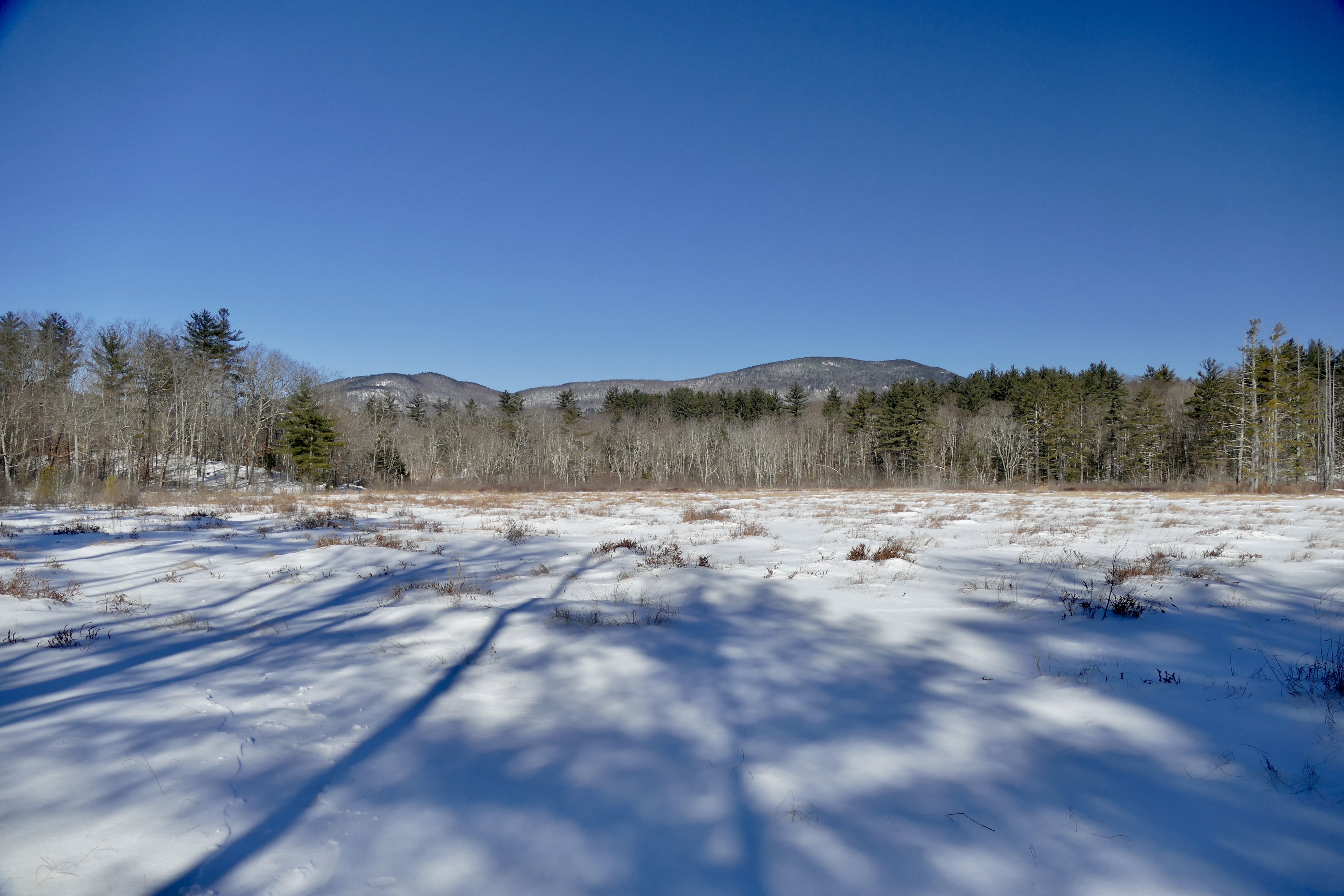
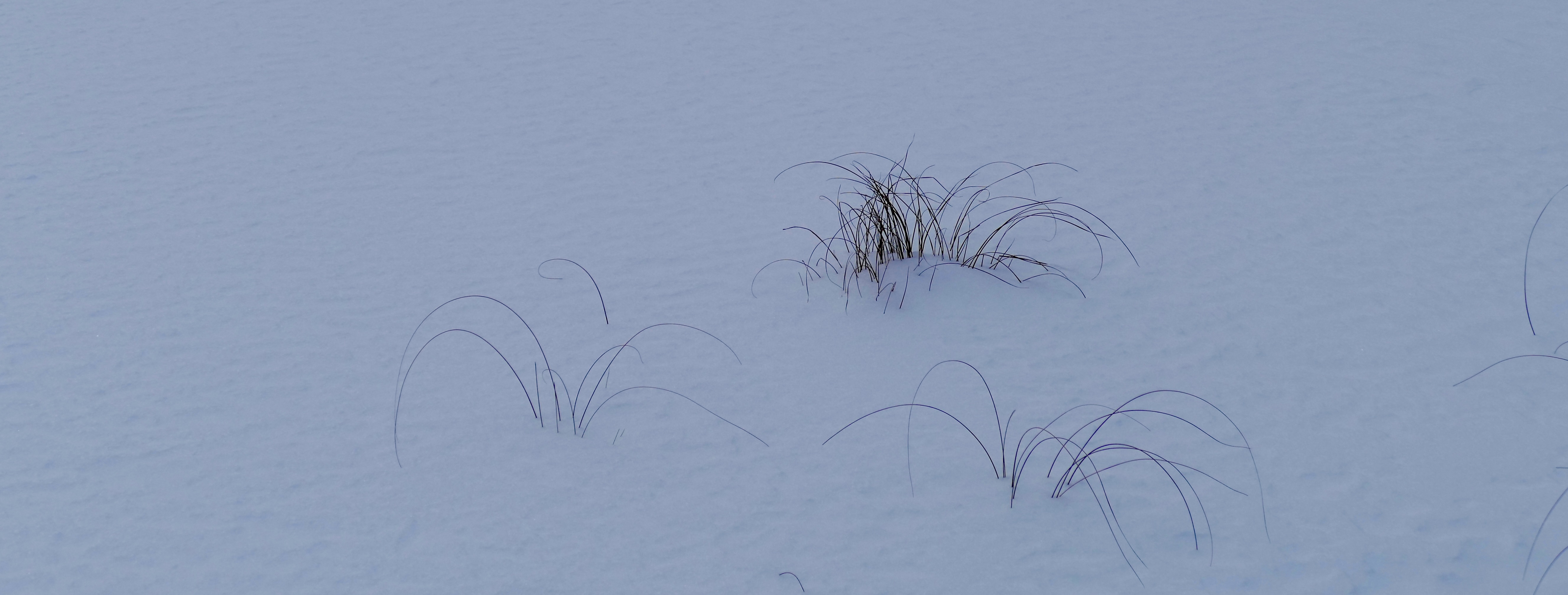
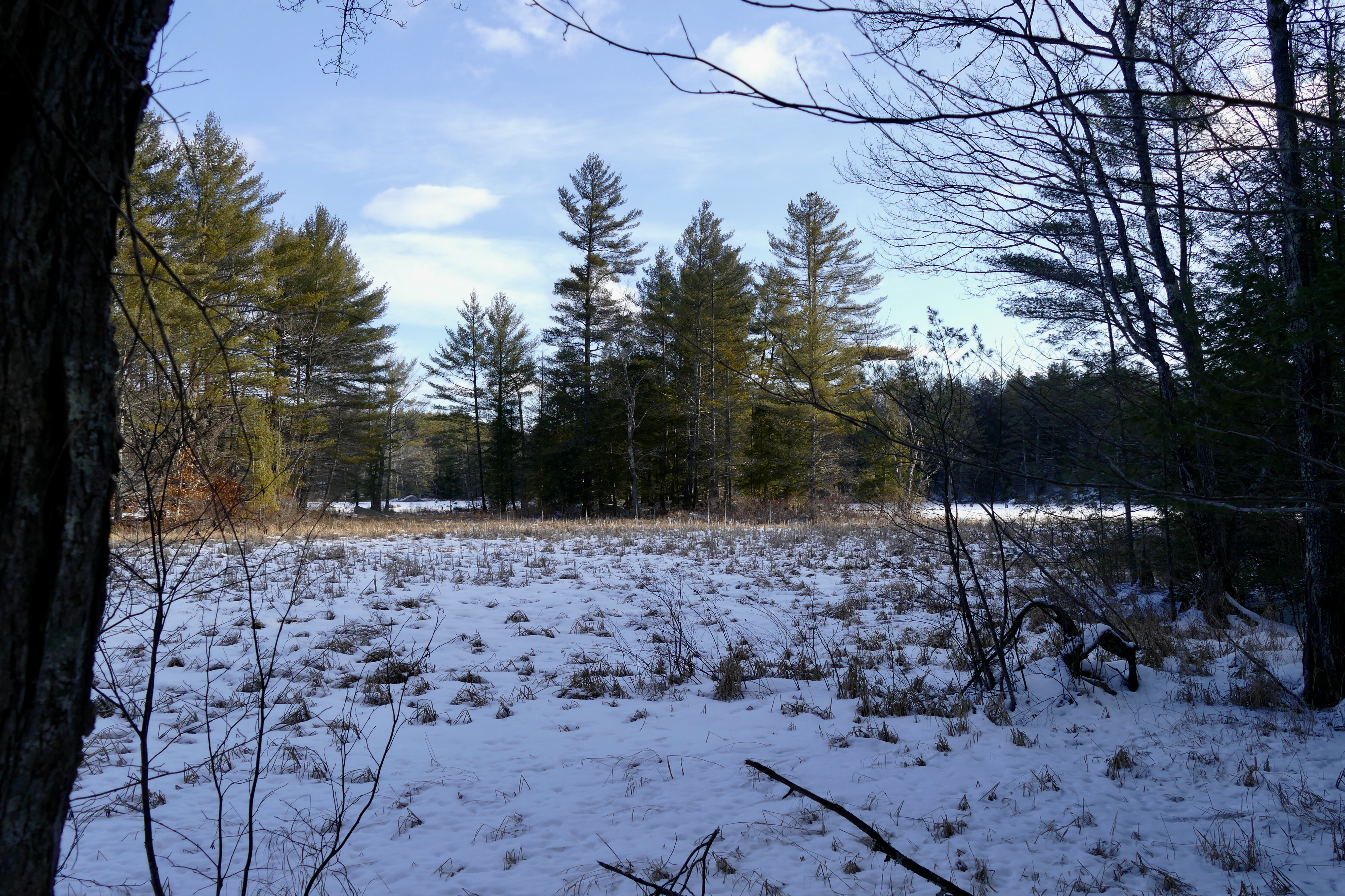
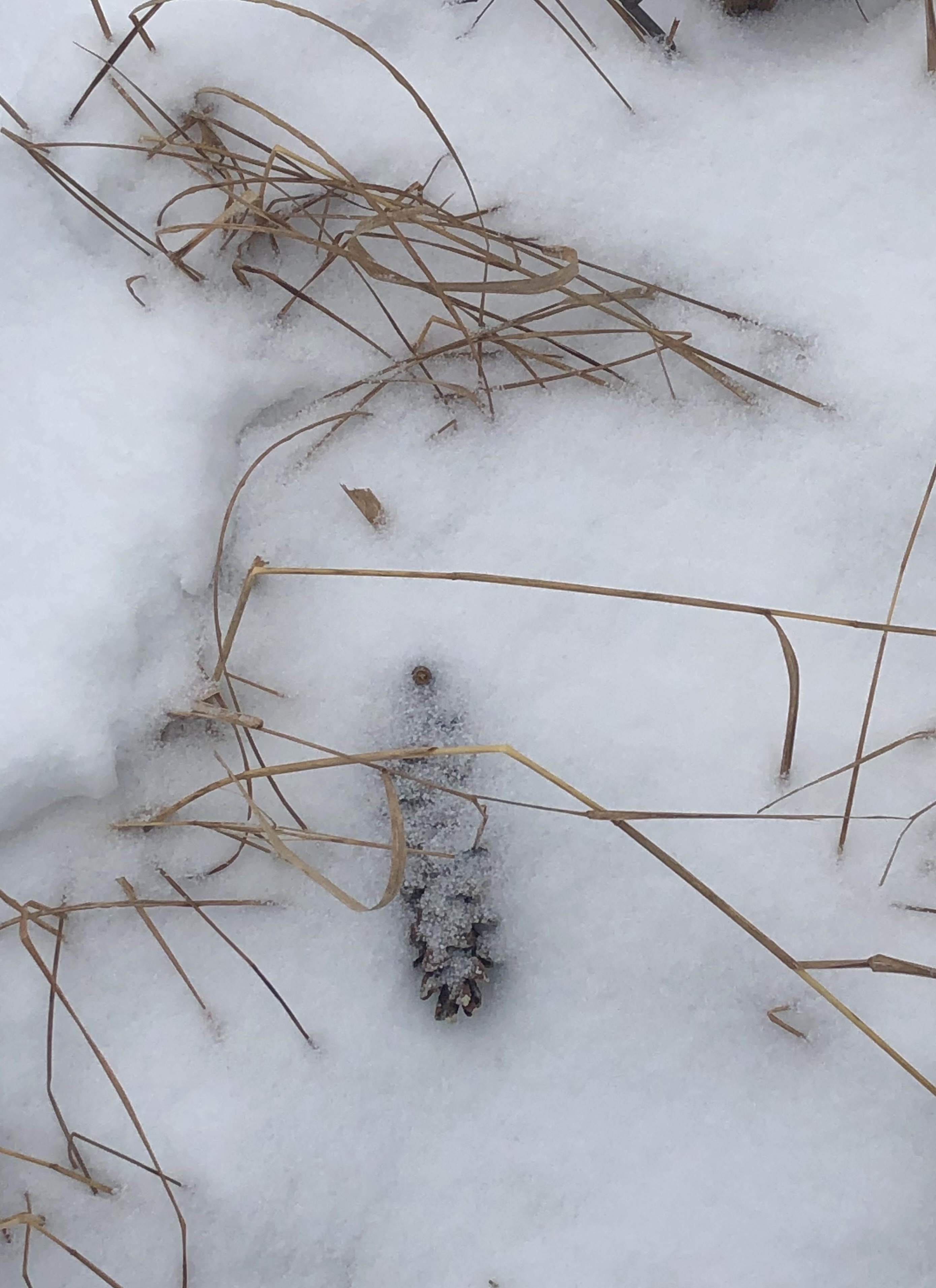
It is remarkable that the straw-colored sedge of the meadows—which in the fall is one of the least noticeable colours—should now that the landscape is mostly covered with snow—be perhaps the most noticeable of all objects in it for its color. —& an agreeable contrast to the snow—
in Thoreau’s Journal:
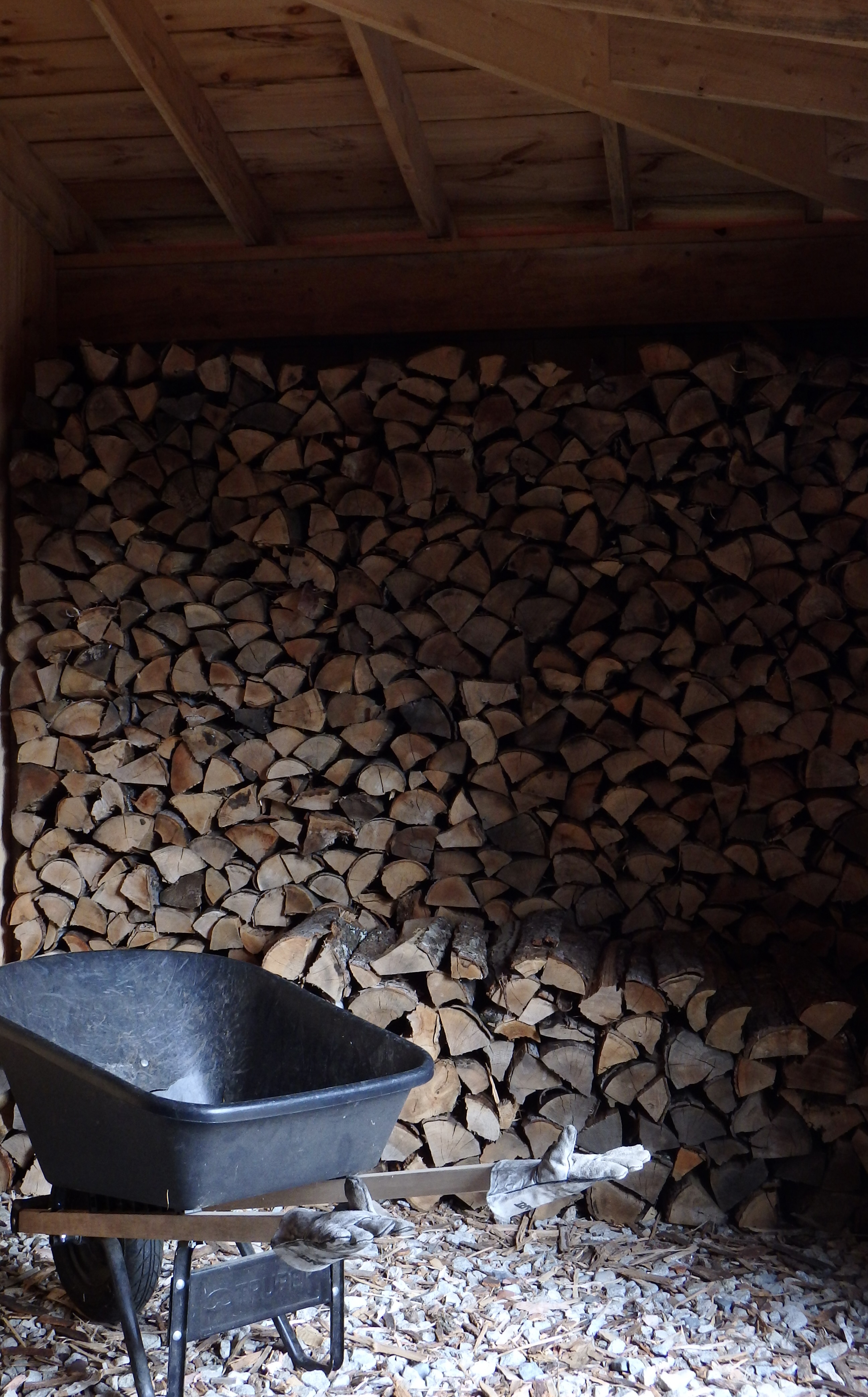
A laborer on the RR—tells me it is Candlemas day—(Feb 2d) tomorrow—& the winter half out—half your wood & half your hay—&c &c—& as that day is so will be the rest of the winter.
in Thoreau’s Journal:
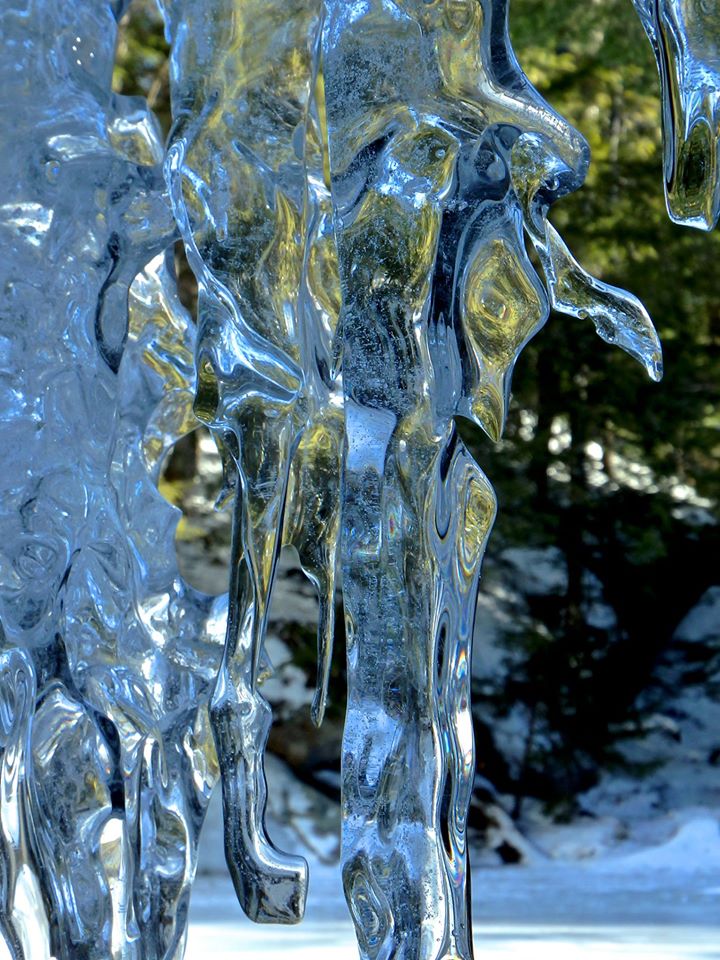
Surely the ice is a great & absorbing phenomenon– Consider how much of the surface of the town it occupies– How much attention it monopolizes! We do not commonly distinguish more than one kind of water in the river–but what various kinds of ice there are!



in Thoreau’s Journal:
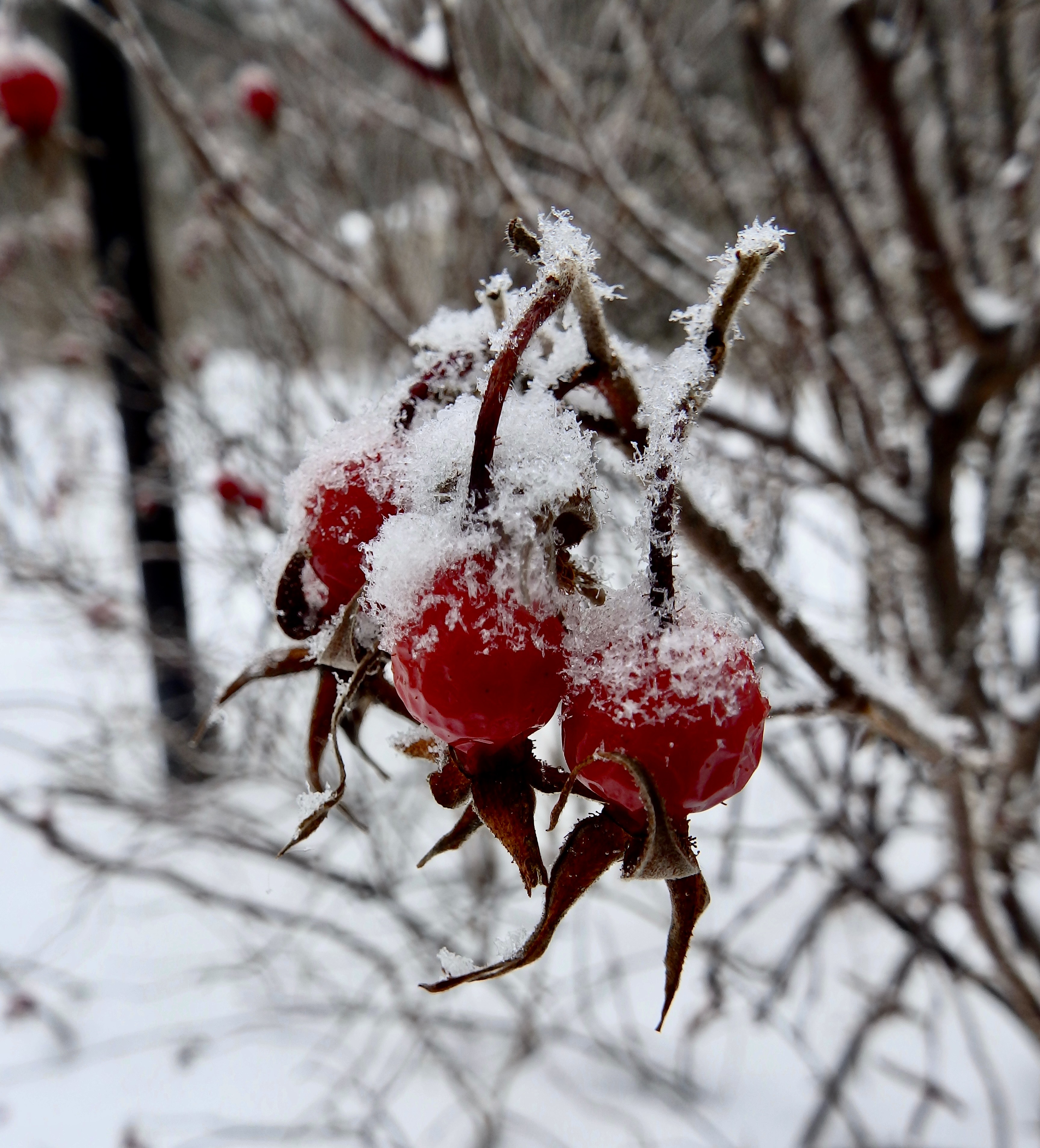
The hips of the late rose are still abundant & perfect amid the button bushes—


You must be logged in to post a comment.