in Thoreau’s Journal:
During the berry season the schools have a vacation, and many little fingers are busy picking these small fruits.



in Thoreau’s Journal:
During the berry season the schools have a vacation, and many little fingers are busy picking these small fruits.
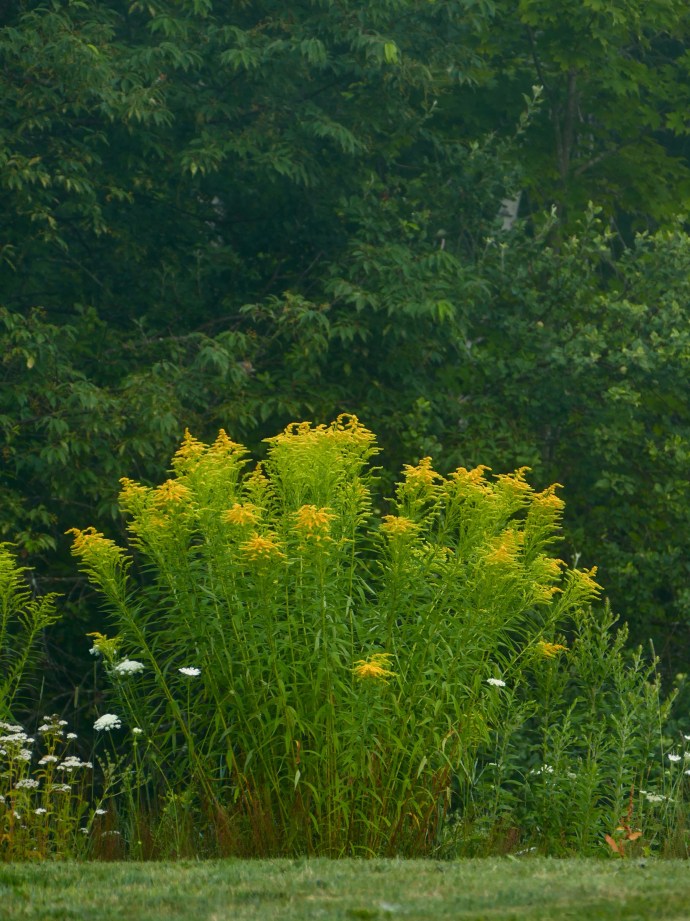
in Thoreau’s Journal:
We seem to be passing or to have passed a dividing line between spring & autumn––& begin to descend the long slope toward winter…The stems of various asters & golden-rods which ere long will reign along the way begin to be conspicuous.
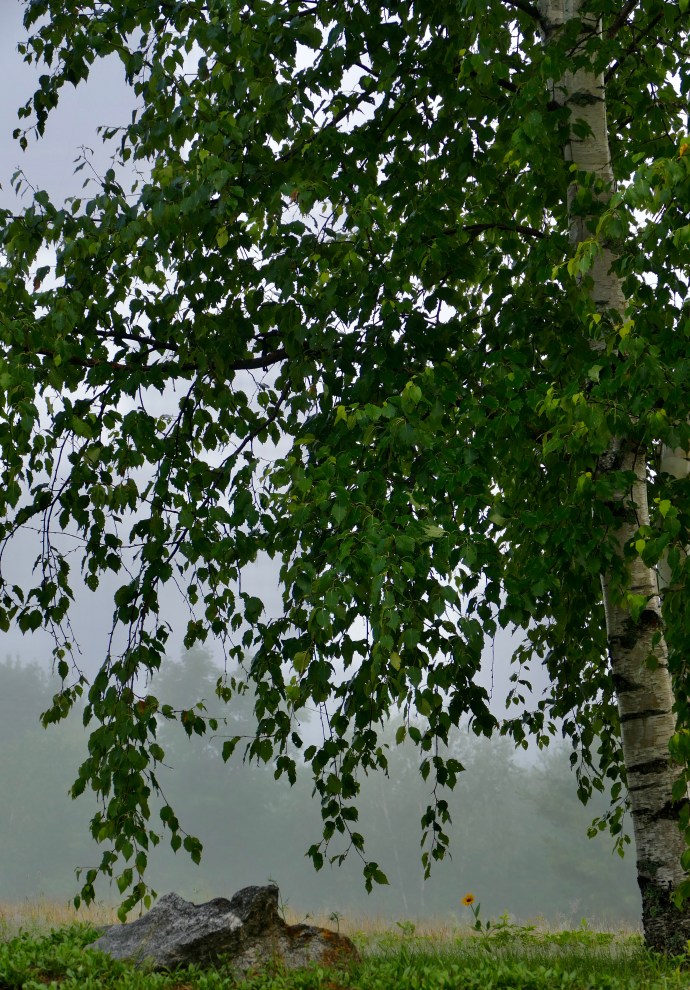
in Thoreau’s Journal:
awake to a day of gentle rain––very much needed—none to speak of for nearly a month methinks. The cooler & stiller day has a valuable effect on my spirits….It holds up from time & then a fine misty rain falls. It lies on the fine reddish tops of some grasses thick & whitish like morning cobwebs. The stillness is very soothing. This is a summer rain. The earth is being bedewed. There is no storm or violence to it. Health is a sound relation to nature.
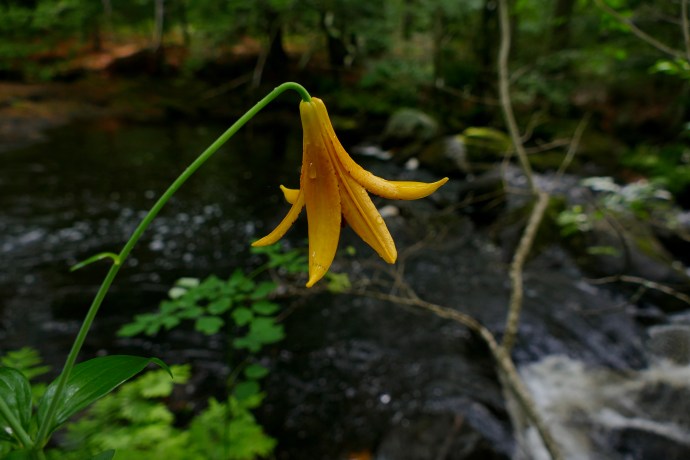
in Thoreau’s Journal:
A Journal. —a book that shall contain a record of all your joy—your extacy….

The northern wild red wild cherry is ripe—handsome bright red but scarcely edible—also, sooner than I expected….
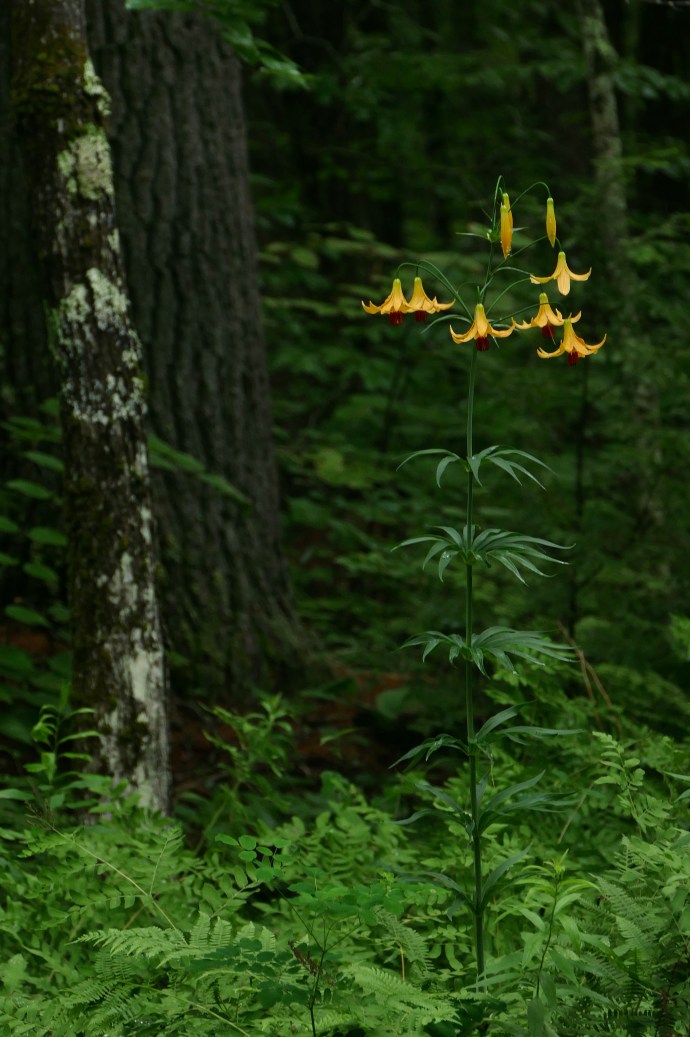
in Thoreau’s Journal:
The early cotton grass is now about gone from Hubbard’s Close. With this month began the reign of river weeds obstructing the stream…A lilium Canadense (at Dodge Brook corner by road) approaching Superbum 4 1/2 feet high with a whorl of 4 flowers & 2 more above somewhat pyramidal & petals recurved.
in Thoreau’s Journal:
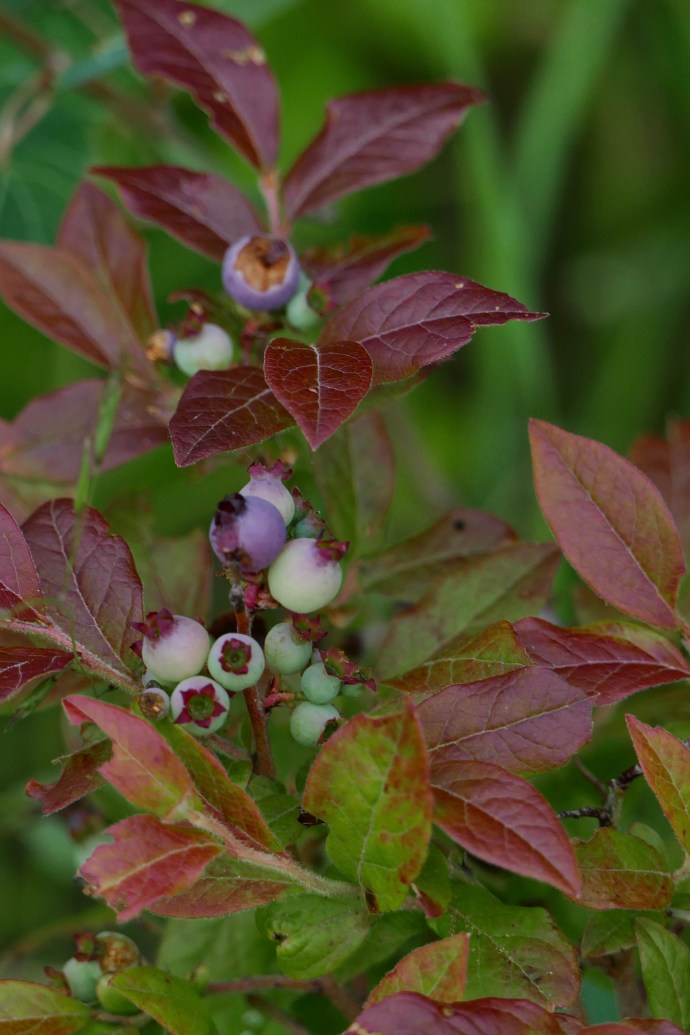
What is called genius is the abundance of life or health, so that whatever addresses the senses, as the flavor of these berries, or the lowing of that cow, which sounds as if it echoed along a cool mountain-side just before night, where odiferous dews perfume the air and there is everlasting vigor, serenity, and expectation of perpetual untarnished morning — each sight and sound and scent and flavor — intoxicates with a healthy intoxication. The shrunken stream of life overflows its banks, makes and fertilizes broad intervals, from which generations derive their sustenances. This is the true overflowing of the Nile. So exquisitely sensitive are we, it makes us embrace our fates, and, instead of suffering or indifference, we enjoy and bless.
in Thoreau’s Journal:
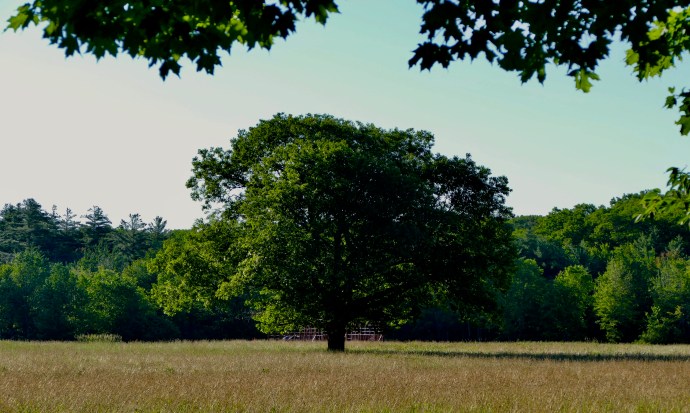
We turn aside near the old Lee place— The rye-fields are now quite yellow & ready for the sickle. Already there are many flavous colors in the landscape—much maturity of small seeds. The nodding heads of the rye make an agreeable maze to the eye.
in Thoreau’s Journal:
“The flower opens, and lo! another year.” [ancient Chinese saying]

There is something sublime in the fact that some of the oldest written sentences should thus celebrate the coming in of spring. How many times have the flowers opened and a new year begun! Hardly a more cheering sentence could have come down to us. How old is spring, a phenomenon still so fresh! Do we perceive any decay in Nature? How much evidence is contained in this short and simple sentence respecting the former inhabitants of this globe! It is a sentence to be inscribed on vessels of porcelain, suggesting that so many years had gone before, in observation as fit then as now.
 in Thoreau’s Journal:
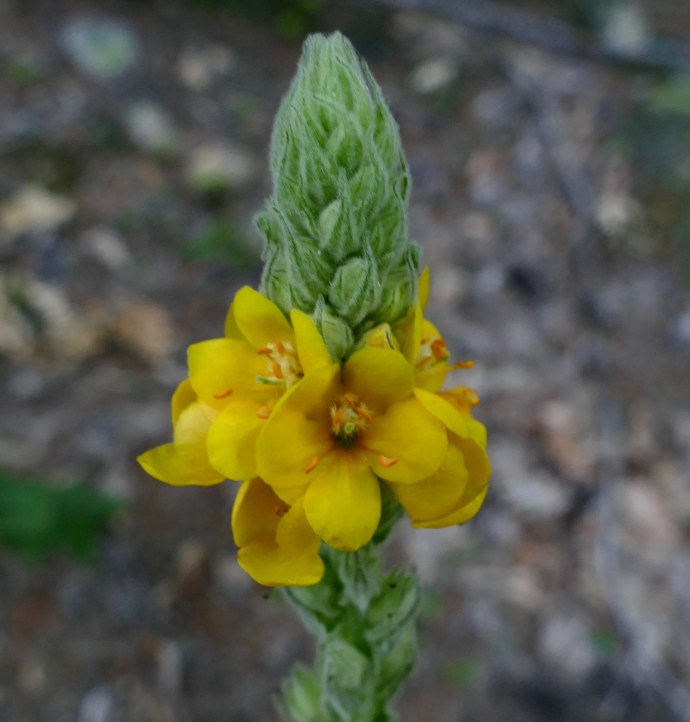
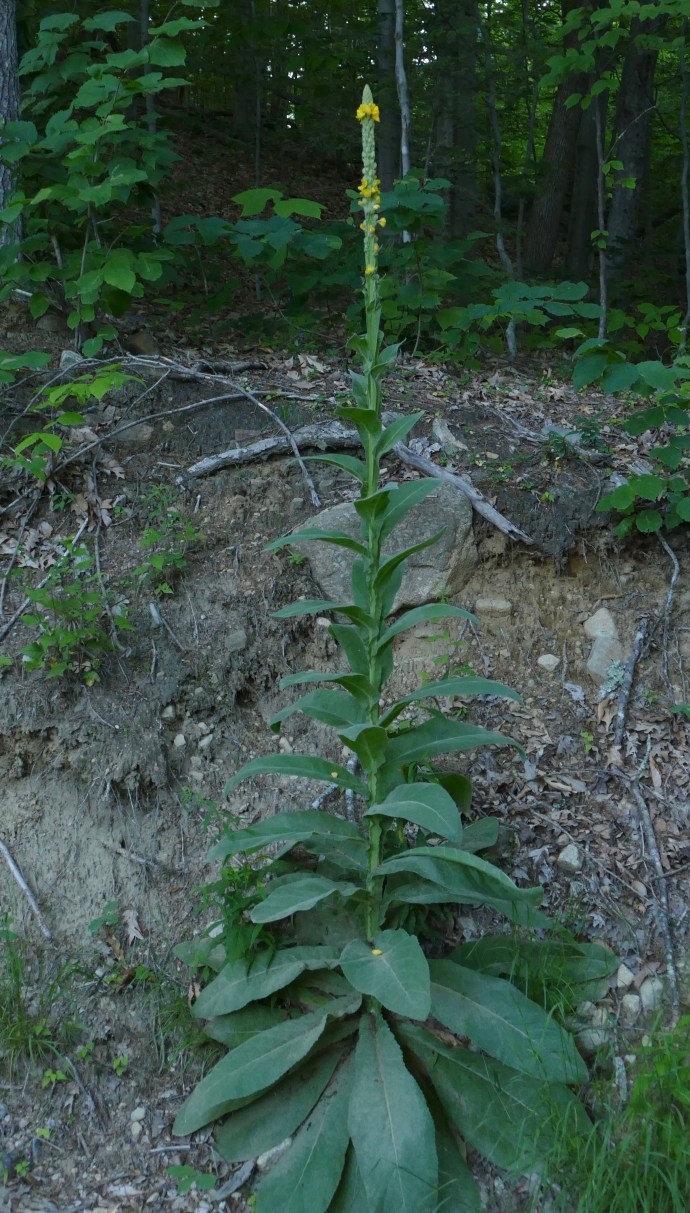
Here are mulleins covering a field (the Clam shell field) where 3 years were none noticeable—but a smooth uninterrupted pasture sod, 2 years ago it was ploughed for the first time for many years & Millet & corn & potatoes planted—and now where the millet grew these mulleins have sprung up. Who can write the history of these fields? The millet does not perpetuate itself, but the few seeds of the mullein which perchance were brought here with it, are still multiplying the race.
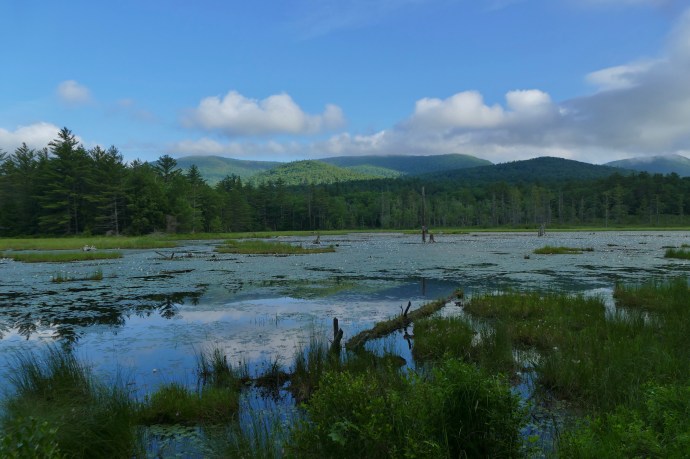
in Thoreau’s Journal:
Now that there is an interregnum in the blossoming of the flowers, so is there in the singing of the birds….With a certain wariness, but not without a slight shudder at the danger oftentimes, I perceive how near I had come to admitting into my mind the details of some trivial affair, as a case at court, and I am astonished to observe how willing men are to lumber their minds with such rubbish, to permit idle rumors, tales, incidents, even of an insignificant kind, to intrude upon what should be the sacred ground of the thoughts.
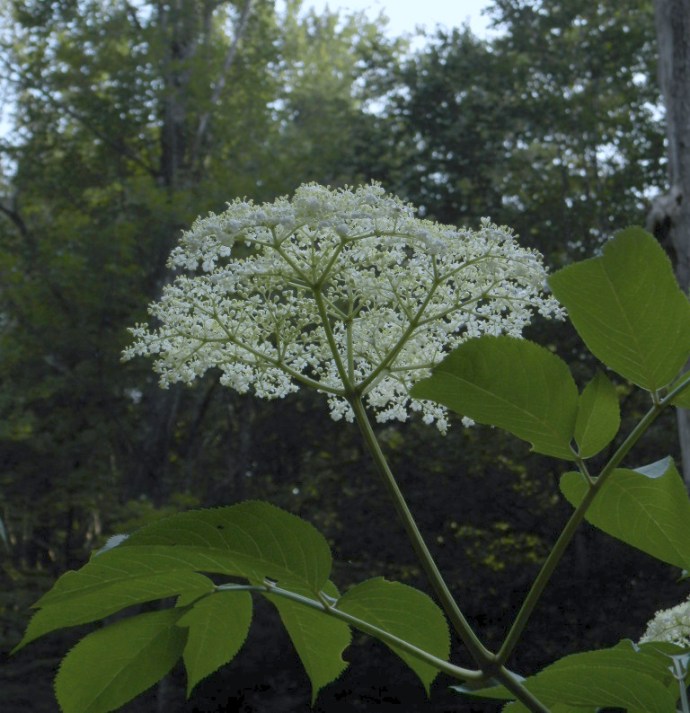
in Thoreau’s Journal:
To Beck Stow’s thence to Sawmill Brook, and return by Walden. ––– Now for the shade of oaks in pastures. The witnesses attending court sit on the benches in the shade of the great elm. The cattle gather under the trees. The pewee is heard in the heat of the day, and the red-eye (?). The pure white cymes (?) of the elder are very conspicuous along the edges of meadows, contrasting with the green above and around….
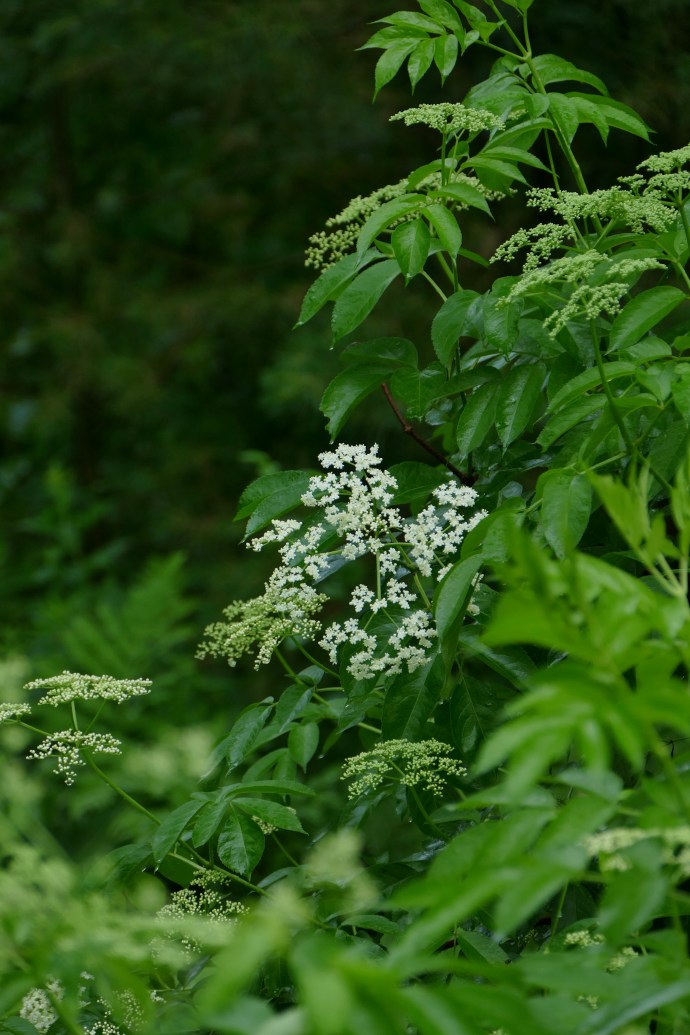

in Thoreau’s Journal:
The progress of the season is indescribable…Perhaps the sound of the locust expresses the season as well as anything. The farmers say the abundance of the grass depends on wet in June. I might make a separate season of those days when the locust is heard. That is our torrid zone.
in Thoreau’s Journal:

It is far more independent to travel on foot….
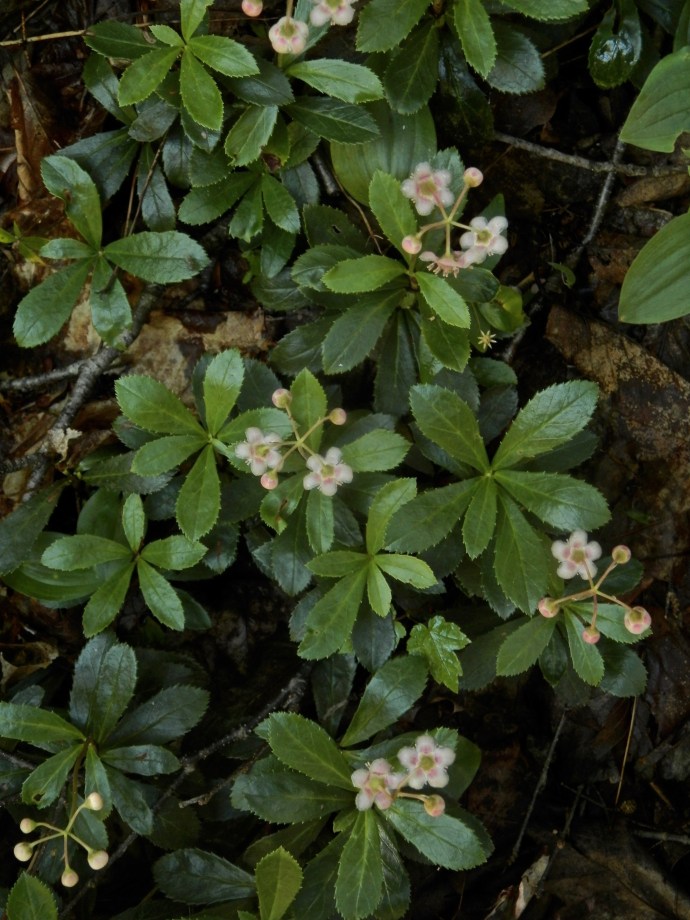
in Thoreau’s Journal:
The chimaphila umbellata winter-green must have been in blossom some time. The back side of its petals “cream colored tinged with purple” which is turned towards the beholder while the face is toward the earth—is the handsomest.
in Thoreau’s Journal:
I am confident that there can be nothing so beautiful in any cultivated garden with all its varieties as this wild clump….

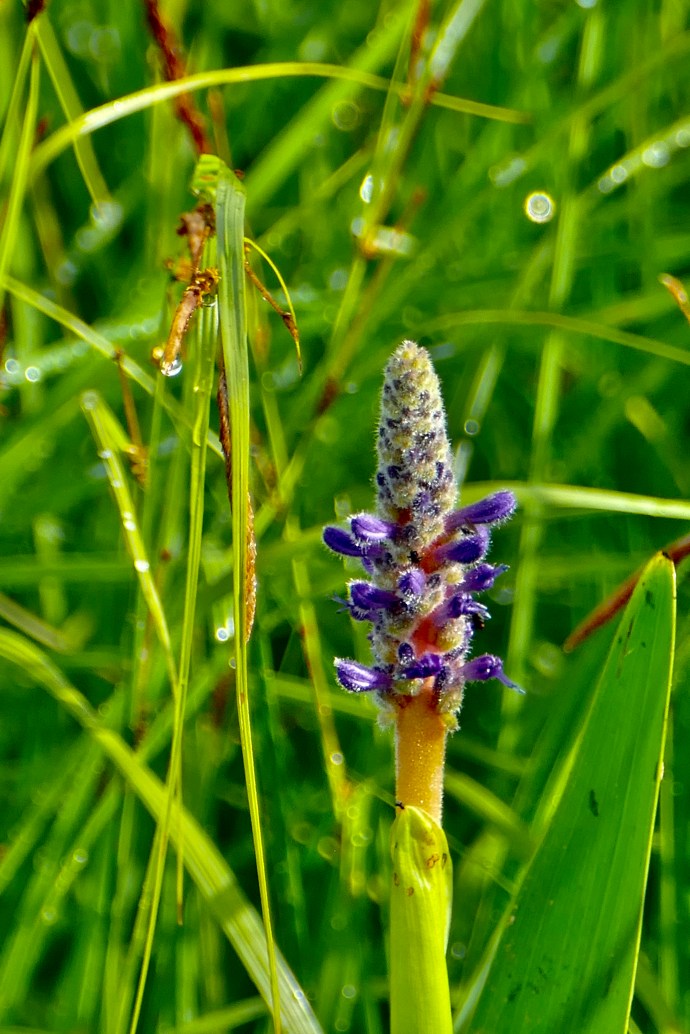
in Thoreau’s Journal:
The rich violet purple of the pontederias was the more striking as the blossoms were still rare— Nature will soon be very lavish of this blue along the river sides— It is a rich spike of blue flowers with yellowish spots.
in Thoreau’s Journal:
A man’s life should be a stately march to a sweet but unheard music, and when to his fellows it shall seem irregular and inharmonious, he will only be stepping to a livelier measure, or his nicer ear hurry him into a thousand symphonies and concordant variations. There will be no halt ever, but at most a marching on his post, or such a pause as is richer than any sound, when the melody runs into such depth and wildness as to no longer be heard, but simply consented to with the whole life and being. He will take a false step never, even in the most arduous times, for then the music will not fail to swell into greater sweetness and volume, and itself rule the movement it inspired.
in Thoreau’s Journal:
I thought that one peculiarity of my “Week” was its hypaethral character—to use an epithet applied to those Egyptian temples which are open to the heavens above—under the ether— I thought that it had little of the atmosphere of the house about—but might wholly have been written, as in fact it was to a considerable extent—out of doors. It was only at a late period in writing it, as it happened, that I used any phrases implying that I lived in a house, or lead a domestic life.

I trust it does not smell of the study & library—even of the Poets attic, as of the fields & woods.— that it is a hypaethral or unroofed book—lying open under the ether—& permeated by it. Open to all weathers—not easy to be kept on a shelf.
in Thoreau’s Journal:
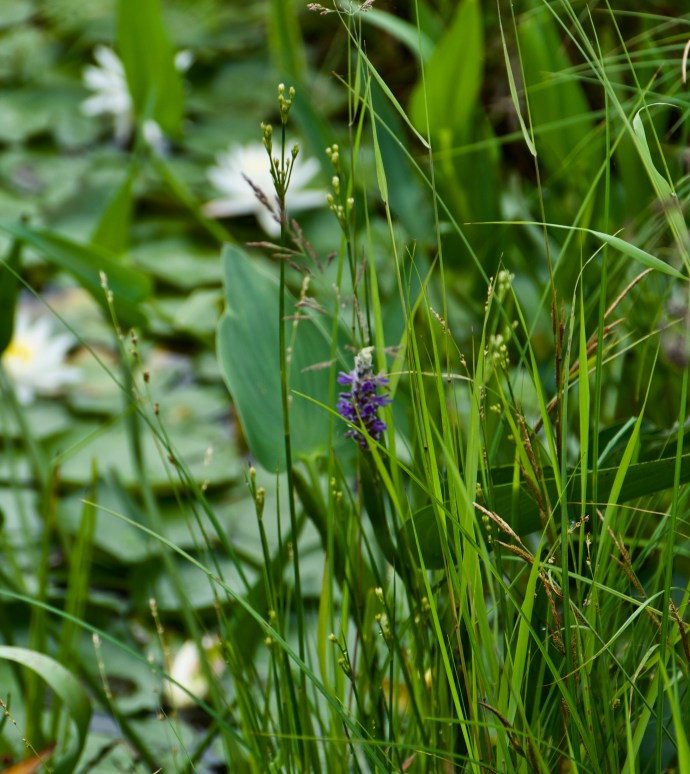
Pontederia to-morrow.

in Thoreau’s Journal:
Looking from Bear Hill I am struck by the yellowish green of meadows, almost like an ingrained sunlight.


You must be logged in to post a comment.